Actors Who Had to Hide Their LGBTQ+ Identity to Protect Their Careers

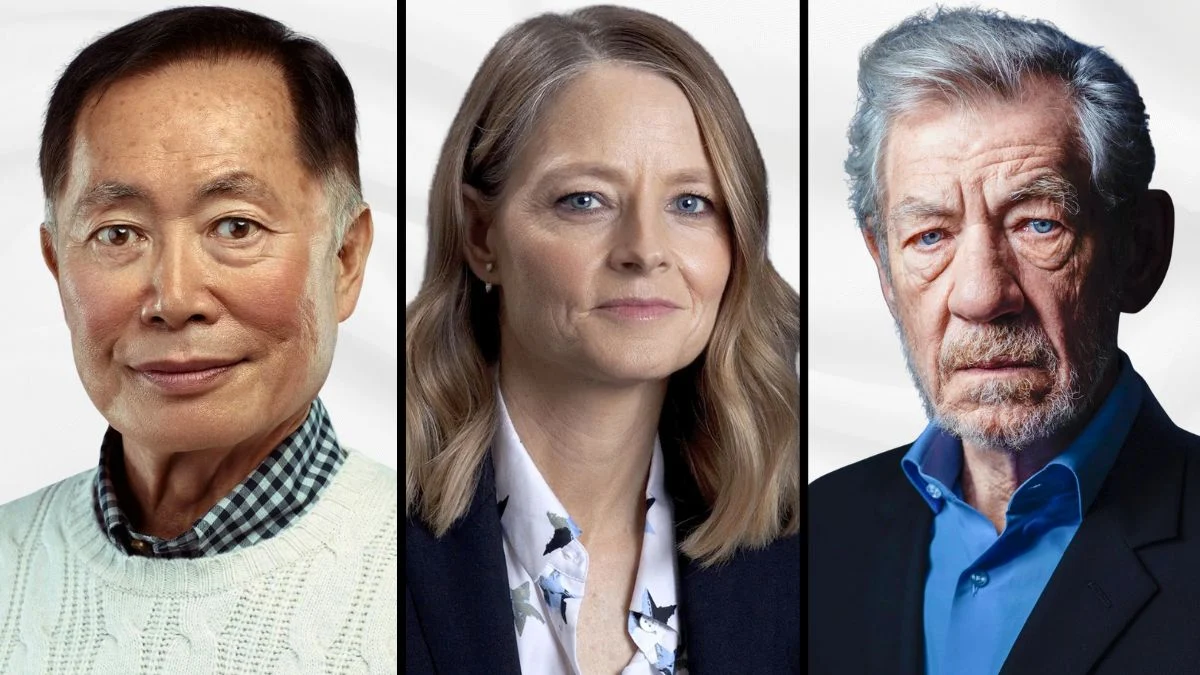

For decades, many performers shielded their personal lives because studios, agents, and networks warned that honesty could end opportunities. Some signed contracts that controlled public appearances, while others quietly deflected questions or staged heteronormative publicity. Over time, changing attitudes and brave public statements helped them share their truth. These stories trace the industry pressures they faced and the ways they navigated a system that often demanded silence.
Rock Hudson
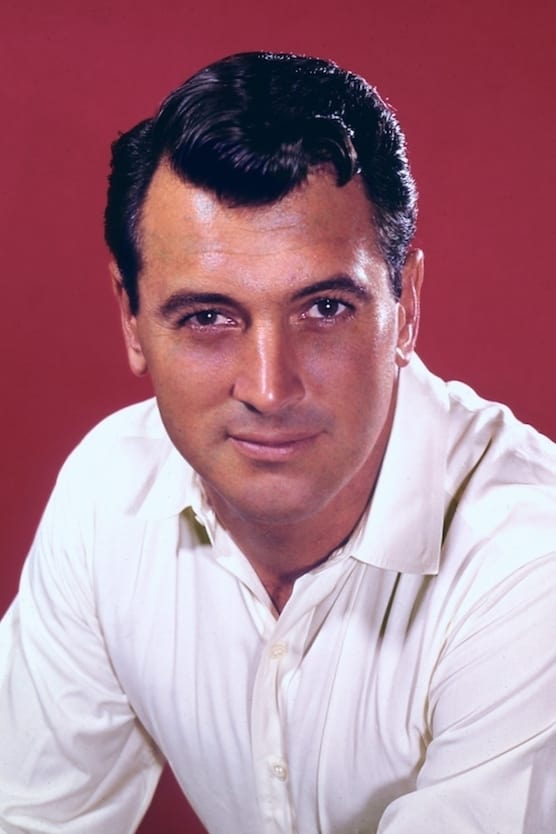
A top box office draw under a restrictive studio system, Rock Hudson lived with intense scrutiny over his image. Publicists arranged carefully managed appearances with female stars to reinforce a romantic leading man persona. His private relationships stayed out of the press through legal agreements and media cooperation. Only late in life did the truth of his orientation become widely discussed, revealing how carefully his studio crafted the façade.
Tab Hunter
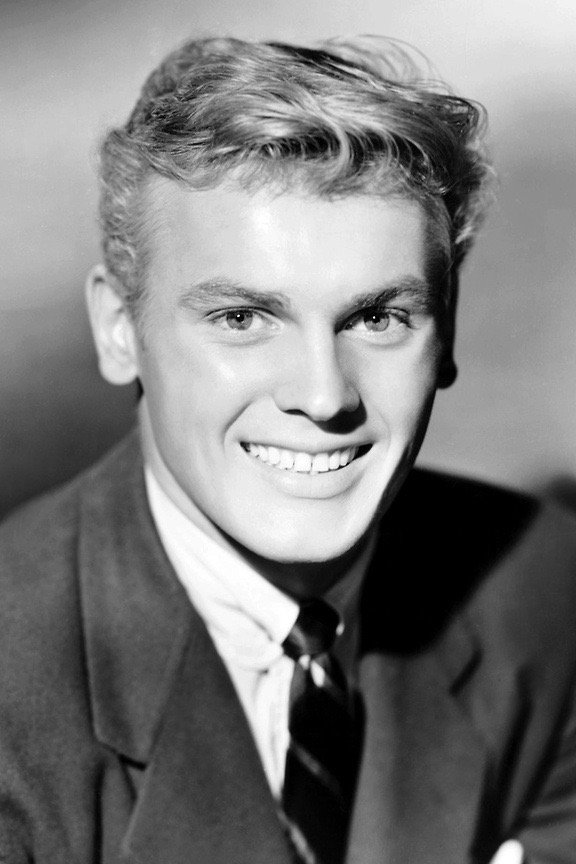
Tab Hunter rose to teen idol fame while hiding relationships that could have jeopardized his roles. Executives controlled interviews and photo ops to present him as a heartthrob to young audiences. He later described how a fabricated romance and carefully placed magazine features kept curiosity at bay. The system around him treated disclosure as a career-ending risk.
Richard Chamberlain
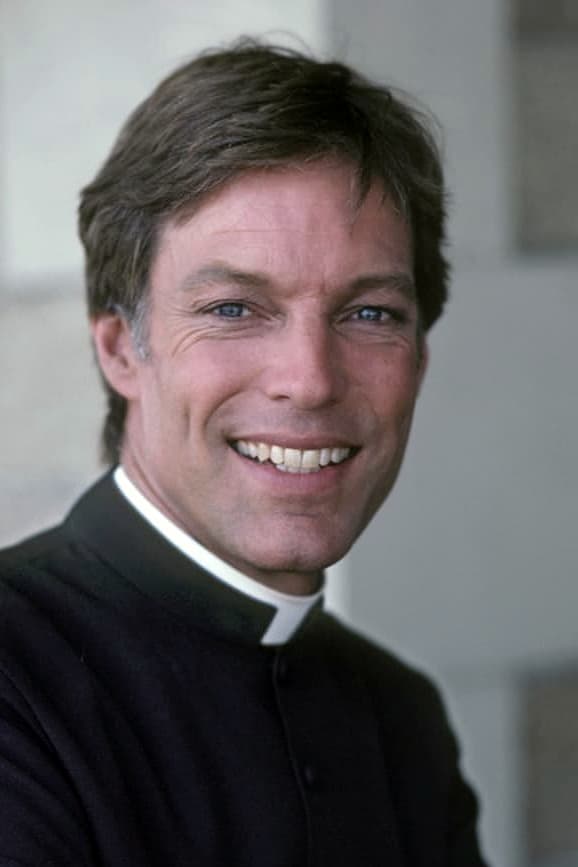
Richard Chamberlain became a household name on television and in romantic dramas while staying closeted. He wrote about the fear that honesty would cost him casting and endorsements. For years he avoided public discussion of dating and kept interviews focused on work. His eventual openness highlighted how long the industry had equated privacy with job security.
George Takei
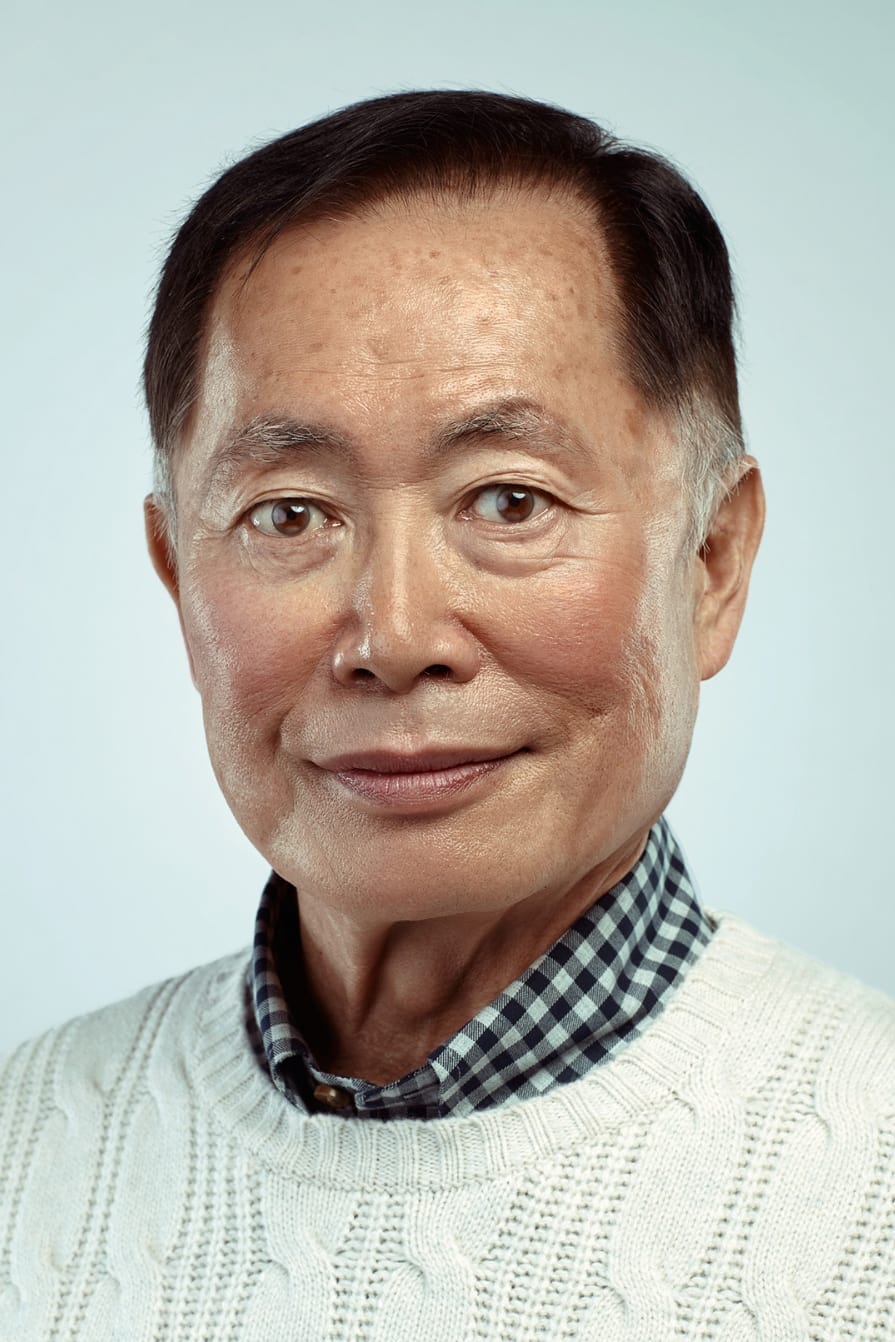
George Takei spent decades balancing activism with a public persona that did not include his orientation. He has described how agents warned that disclosure would end leading man chances and complicate casting. He maintained privacy throughout his early film and television career despite significant community involvement. His later coming out marked a shift in both Hollywood and his advocacy.
Ian McKellen
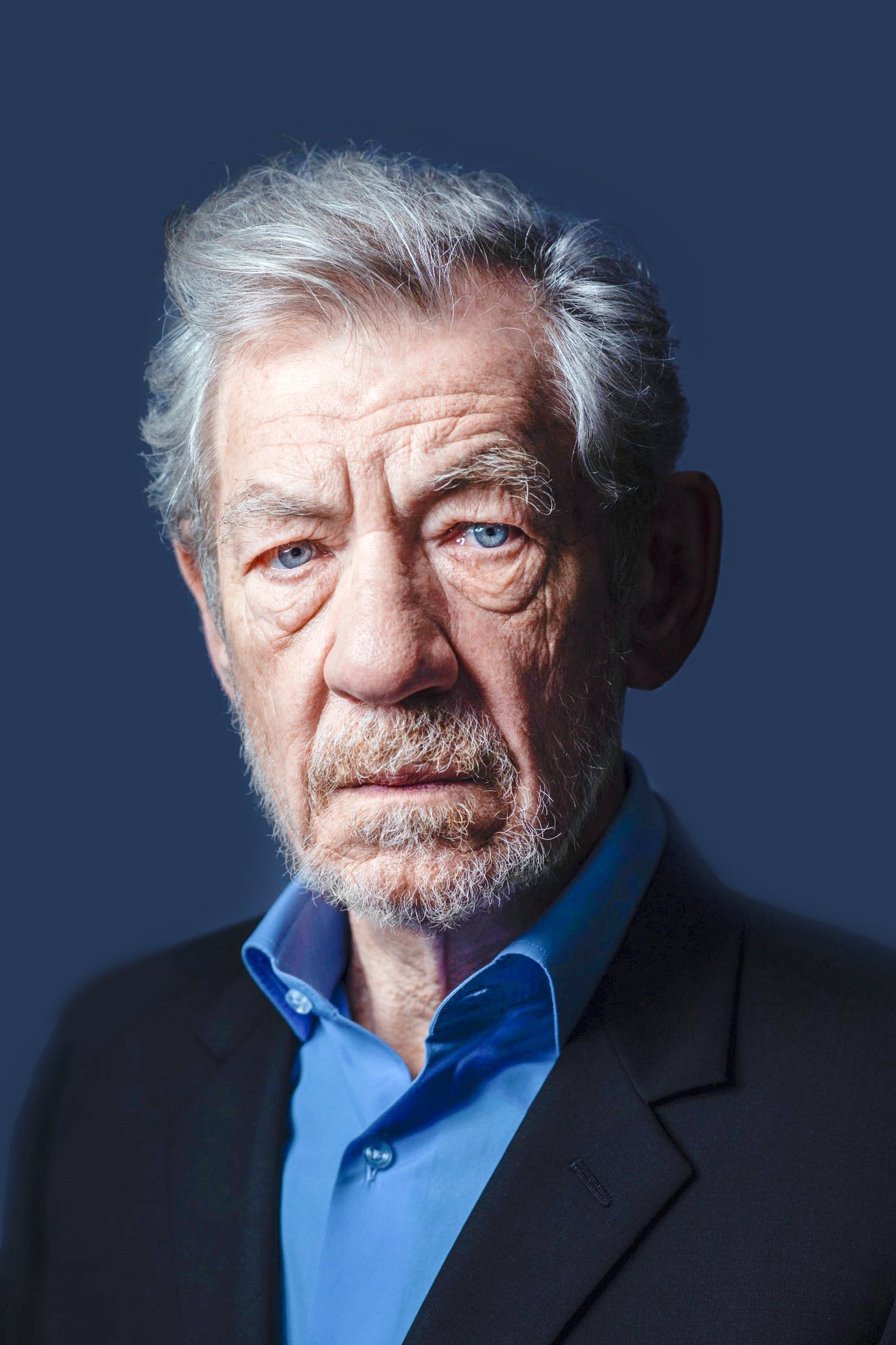
Before becoming a global star, Ian McKellen kept his private life separate from professional press. He has spoken about early career caution and the belief that disclosure would narrow stage and screen opportunities. His public coming out coincided with a broader push for equality and legal change. The move did not end his career, but earlier fears showed how entrenched the norms had been.
Jodie Foster
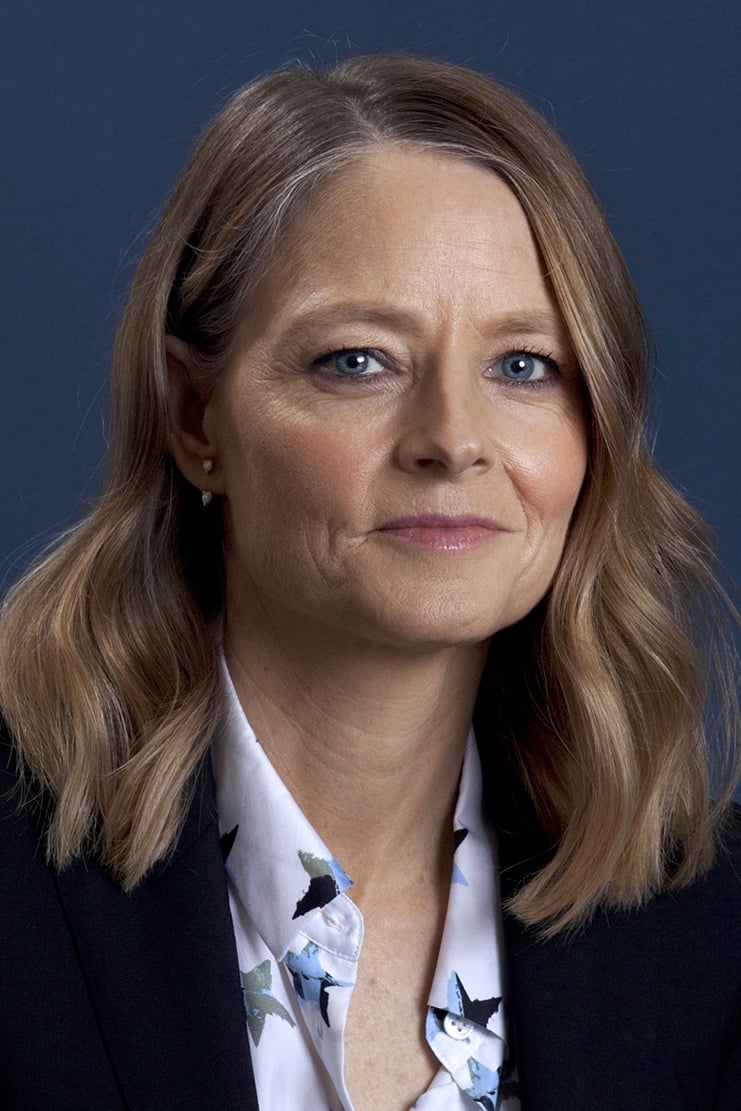
Jodie Foster navigated fame from childhood and faced relentless curiosity about her private life. For many years she chose guarded answers and deflected questions to protect her work. Industry expectations rewarded that approach by keeping roles separate from personal narratives. Her later public remarks acknowledged the long period of silence that career pressures encouraged.
Ellen DeGeneres
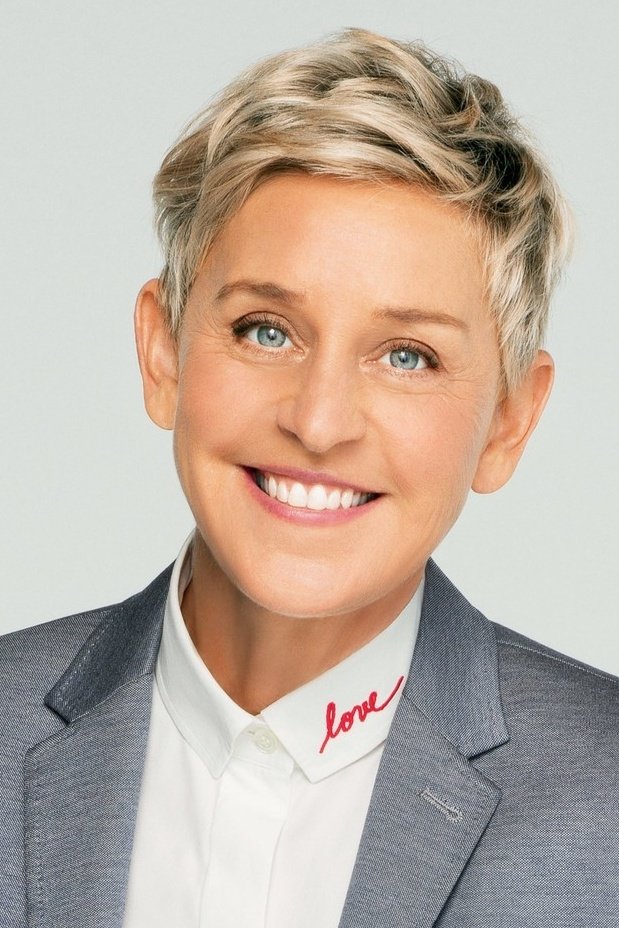
As a successful sitcom star, Ellen DeGeneres faced executives who treated honesty as a ratings gamble. She kept her life private during early seasons while discussions about representation were tense behind the scenes. When she came out, she experienced cancellations and lost opportunities that validated earlier fears. The backlash underscored why many performers had stayed silent.
Wentworth Miller
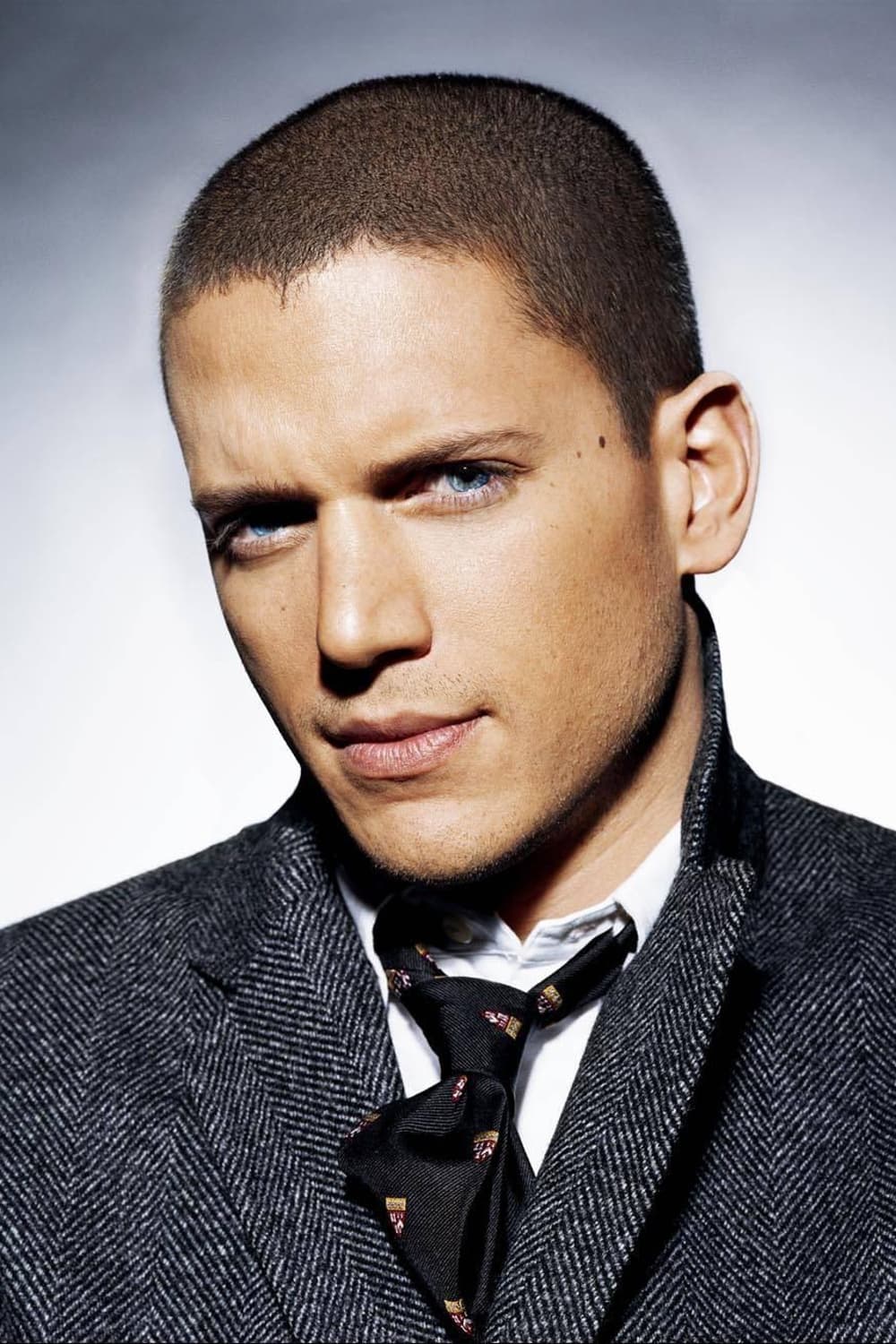
Wentworth Miller spent years denying speculation because he believed it would harm his prospects. He later explained how studio pressures and public expectations shaped those decisions. His eventual coming out included reflections on mental health and the toll of secrecy. The shift marked a new chapter in both his career and public engagement.
Luke Evans
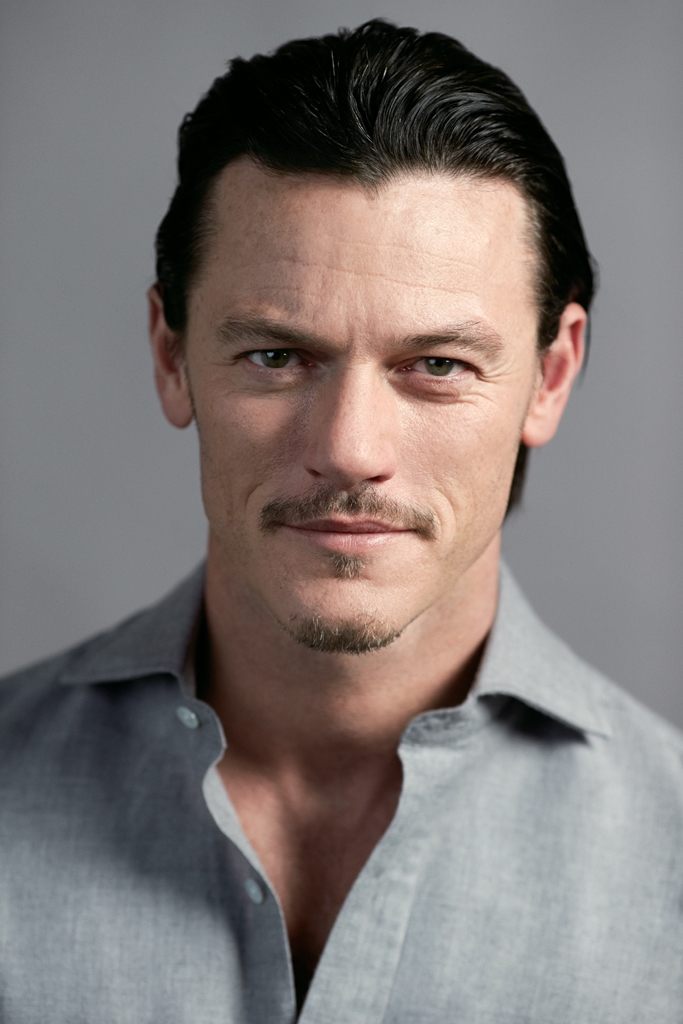
Luke Evans started in theater where candor felt safer than in film publicity. As his profile rose, advisers steered him to downplay relationships to protect leading man roles. He maintained a low profile and avoided direct answers during early press cycles. His later openness coincided with broader acceptance and a stronger position in the industry.
Kristen Stewart
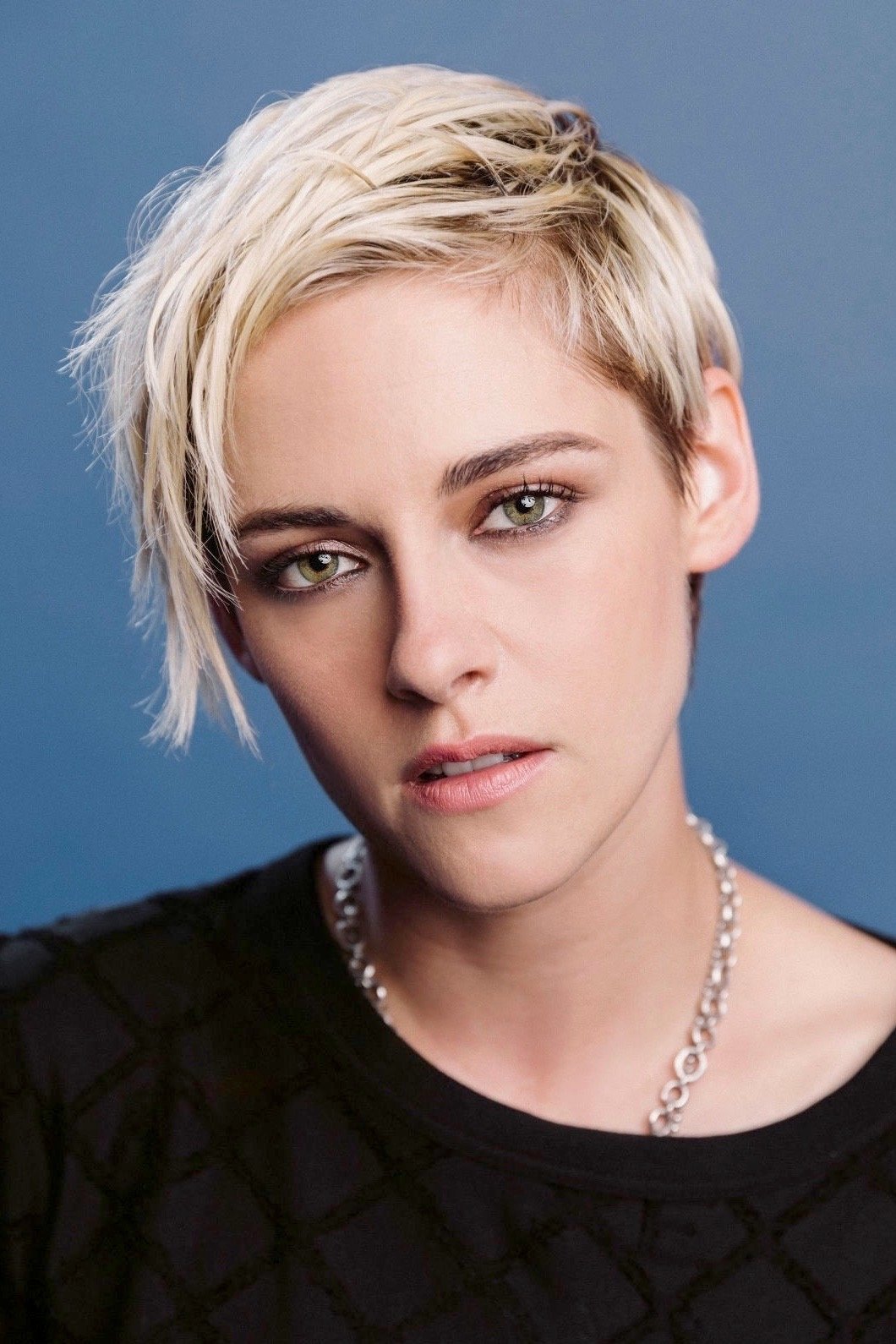
Kristen Stewart has described advice from industry figures who urged her to hide same-sex relationships to land certain roles. She spent years managing public appearances to avoid tabloid narratives that executives feared. As she gained leverage, she chose visibility and spoke about the earlier pressure. Her experience illustrated how even modern stars heard the same old warnings.
Jonathan Bailey
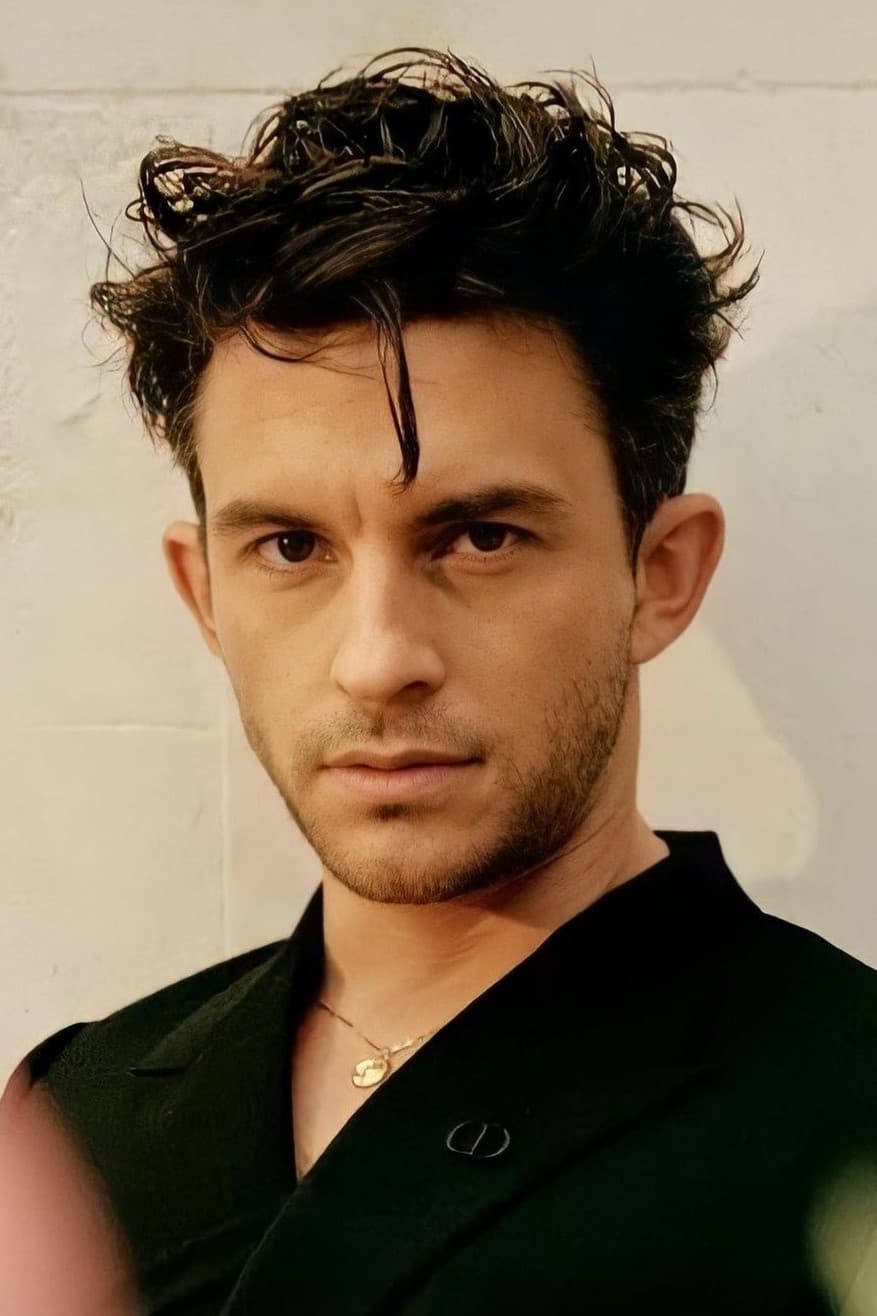
Jonathan Bailey has said early mentors cautioned him that being honest would limit casting. He kept relationships private and curated red carpet appearances during key career moments. As his profile grew he decided to speak openly about the tradeoffs he had accepted. That decision showed how the calculation changes when actors gain bargaining power.
Zachary Quinto
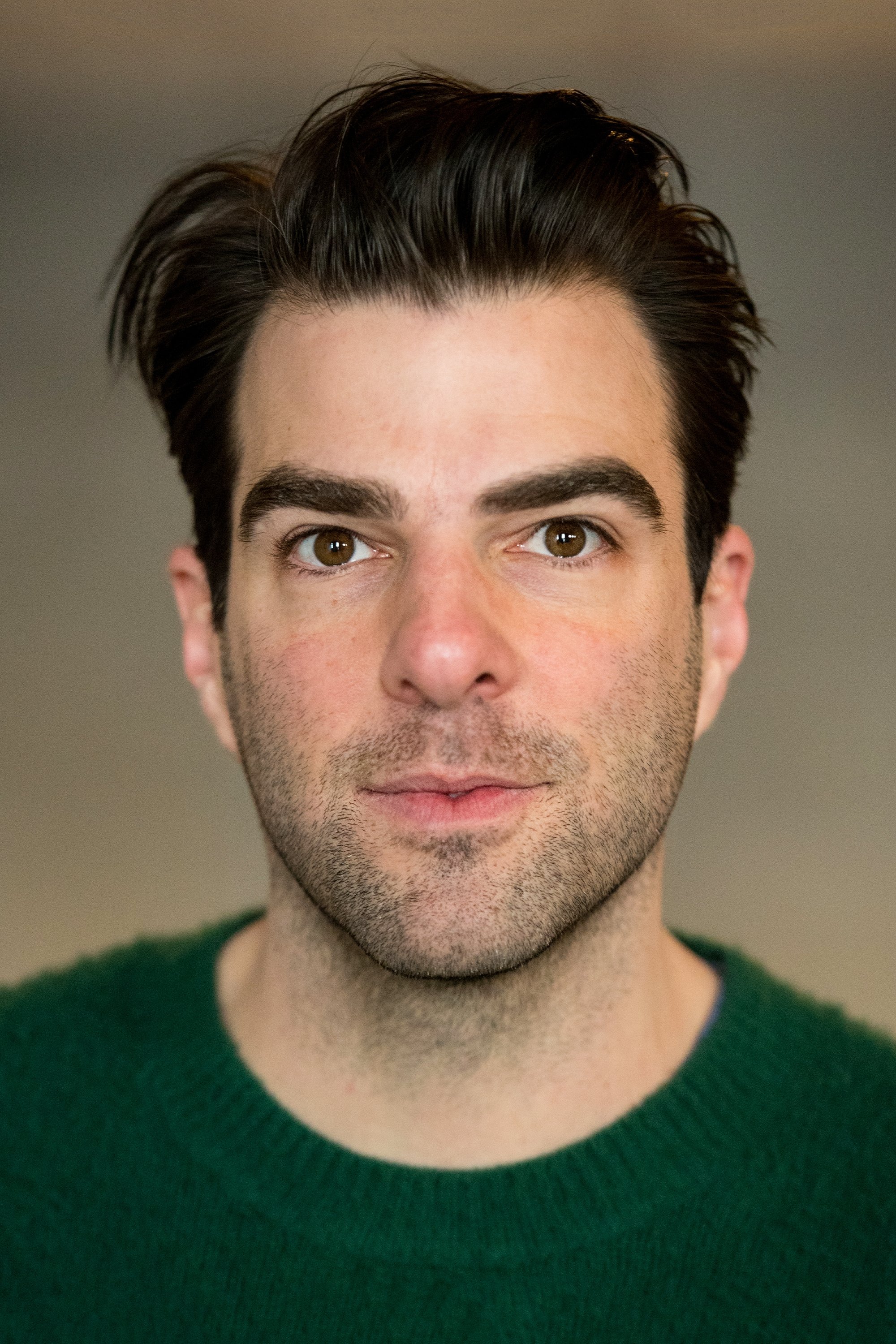
Zachary Quinto maintained privacy during formative years while he built a franchise career. He later came out and spoke about the responsibility he felt as visibility increased. Before that point he avoided statements that publicists worried would affect casting. His shift to openness matched evolving audience attitudes toward representation.
Victor Garber
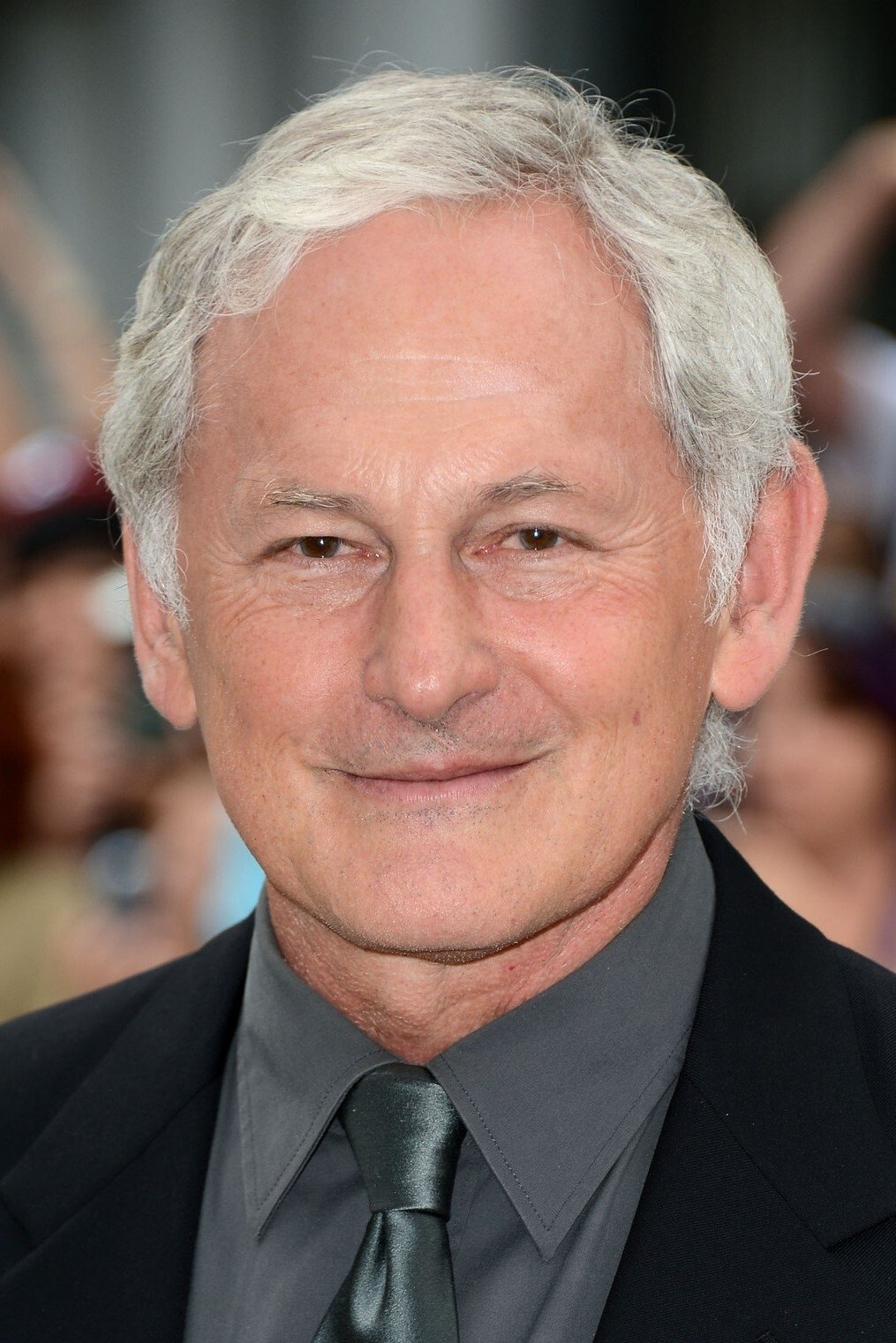
Victor Garber spent much of his career declining to discuss his personal life in interviews. He preferred to keep attention on roles and stage work to avoid industry bias. In time he acknowledged his long-term relationship and spoke more directly about being gay. The measured approach reflected the older norms that many performers followed.
Jim Parsons

Jim Parsons avoided public labels during the early seasons of his hit sitcom to keep focus on work. A later profile acknowledged his relationship and confirmed what he had not previously discussed. The initial privacy aligned with conventional advice that orientation should stay off the record. His steady success after openness challenged the old assumptions.
Matt Bomer
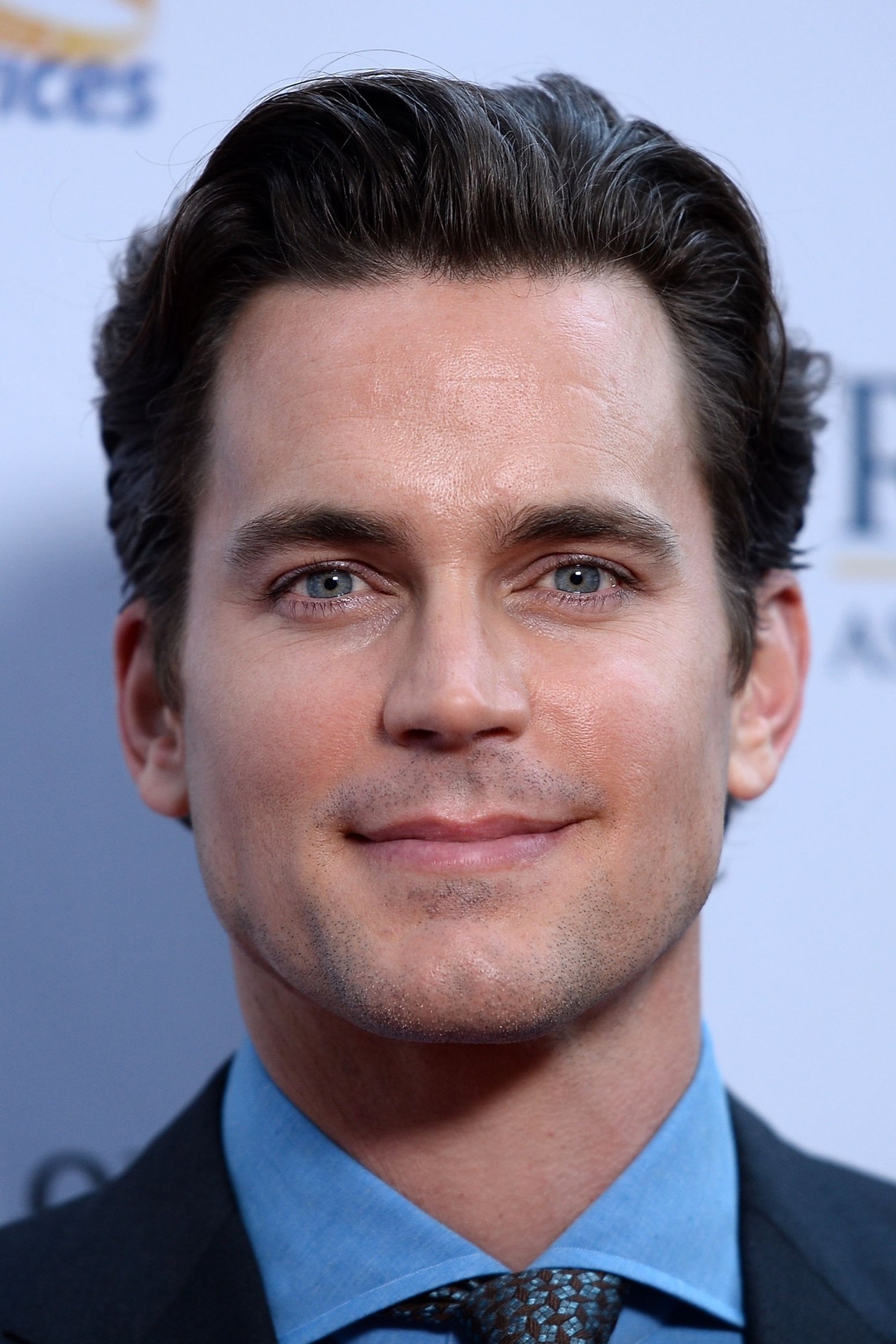
Matt Bomer built a leading man image while keeping his family out of the spotlight. He chose neutrality in interviews and skipped personal details during promotional tours. When he came out he mentioned the gratitude he felt for support that made honesty possible. Earlier caution reflected concerns about how audiences and casting directors would react.
Colton Haynes
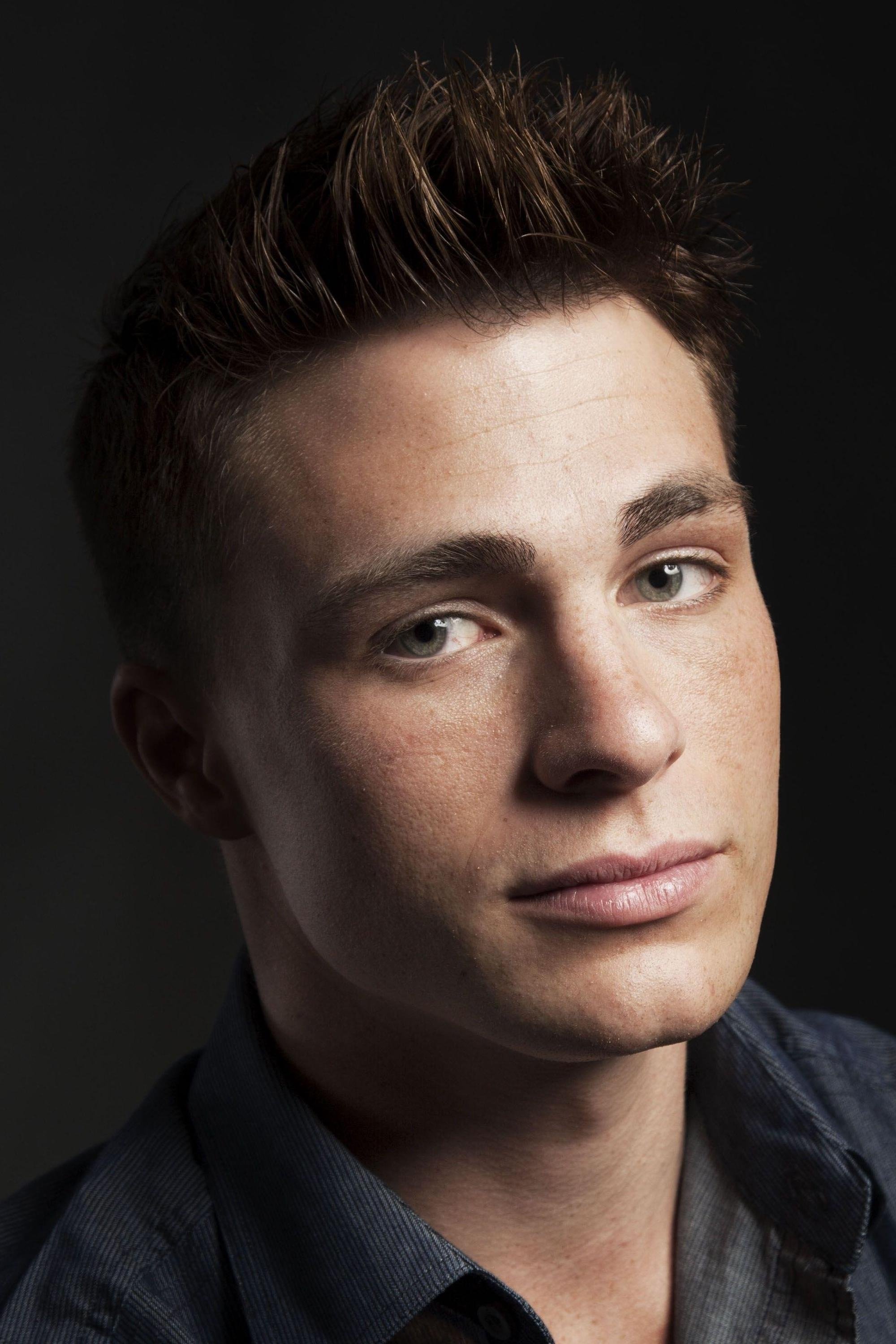
Colton Haynes entered the industry with guidance that authenticity would cost him roles. Publicists managed statements and appearances that kept his dating life ambiguous. He later came out and discussed the anxiety that secrecy created during key years. The experience tracked closely with long-standing patterns of image control.
Raven-Symoné
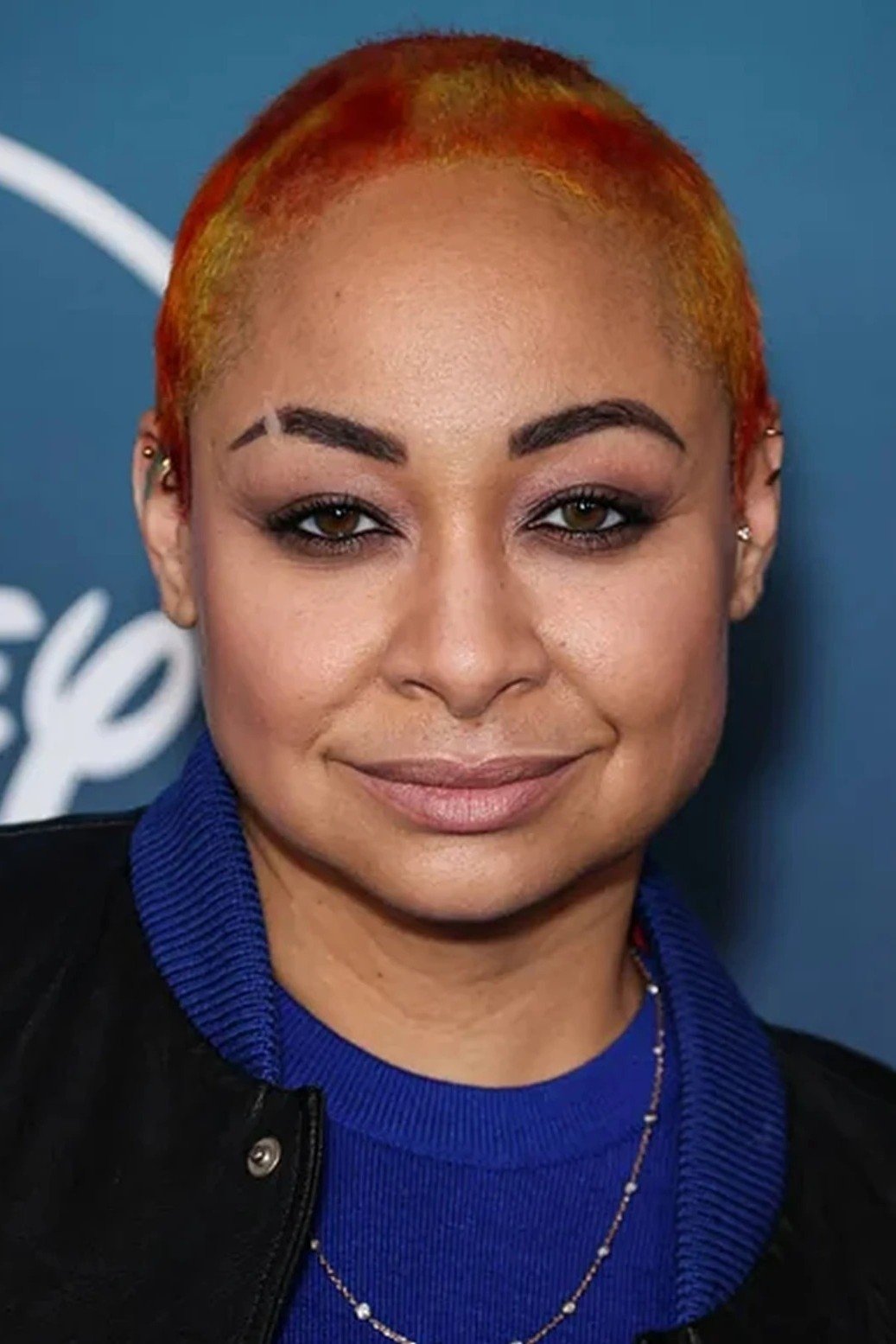
Raven-Symoné spent her teen and young adult years under network branding that prized a specific image. She avoided public labels and kept relationships private while headlining family programming. As an adult she chose to share more and credited personal stability for the change. Her path reflected how youth stardom can magnify pressure to conform.
Lily Tomlin
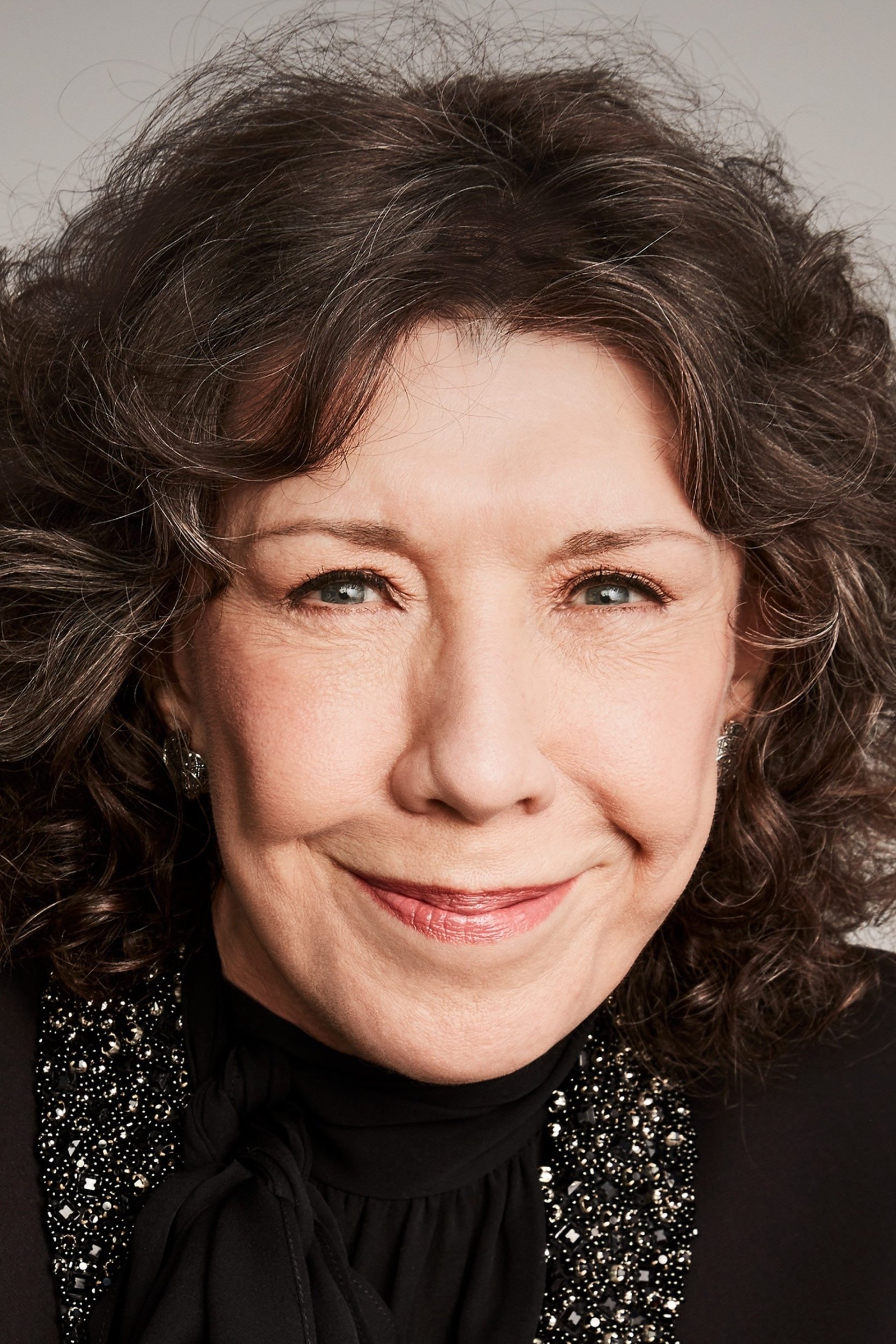
Lily Tomlin considered coming out during the height of her film and comedy success but held back. She has said advisers warned that audiences and financiers might walk away. For years she declined to make public statements and let the work speak for itself. Greater acceptance later allowed her to be open about her life and marriage.
Portia de Rossi
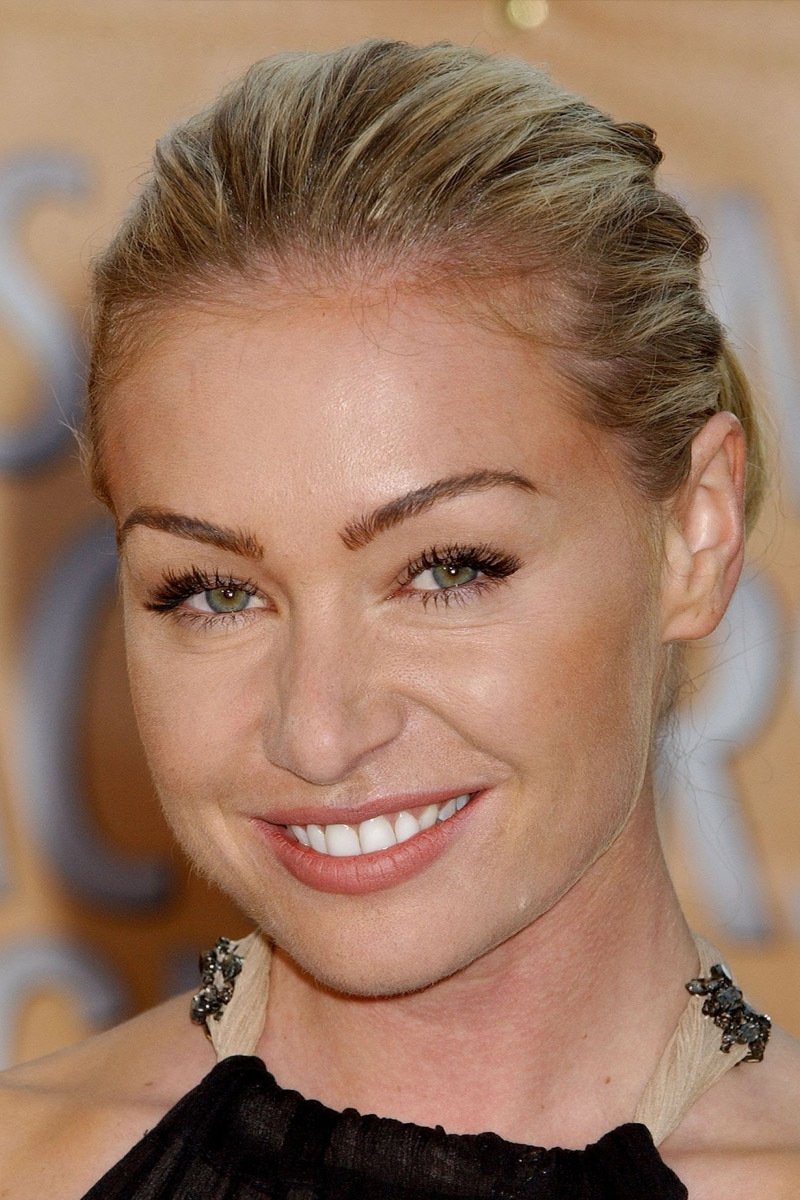
Portia de Rossi kept her orientation private during a breakout television run because she feared losing jobs. She managed press coverage carefully and skipped questions that touched on relationships. Once she felt secure, she spoke about the stress of hiding in a competitive industry. Her experience became a reference point for younger actors navigating similar choices.
T.R. Knight
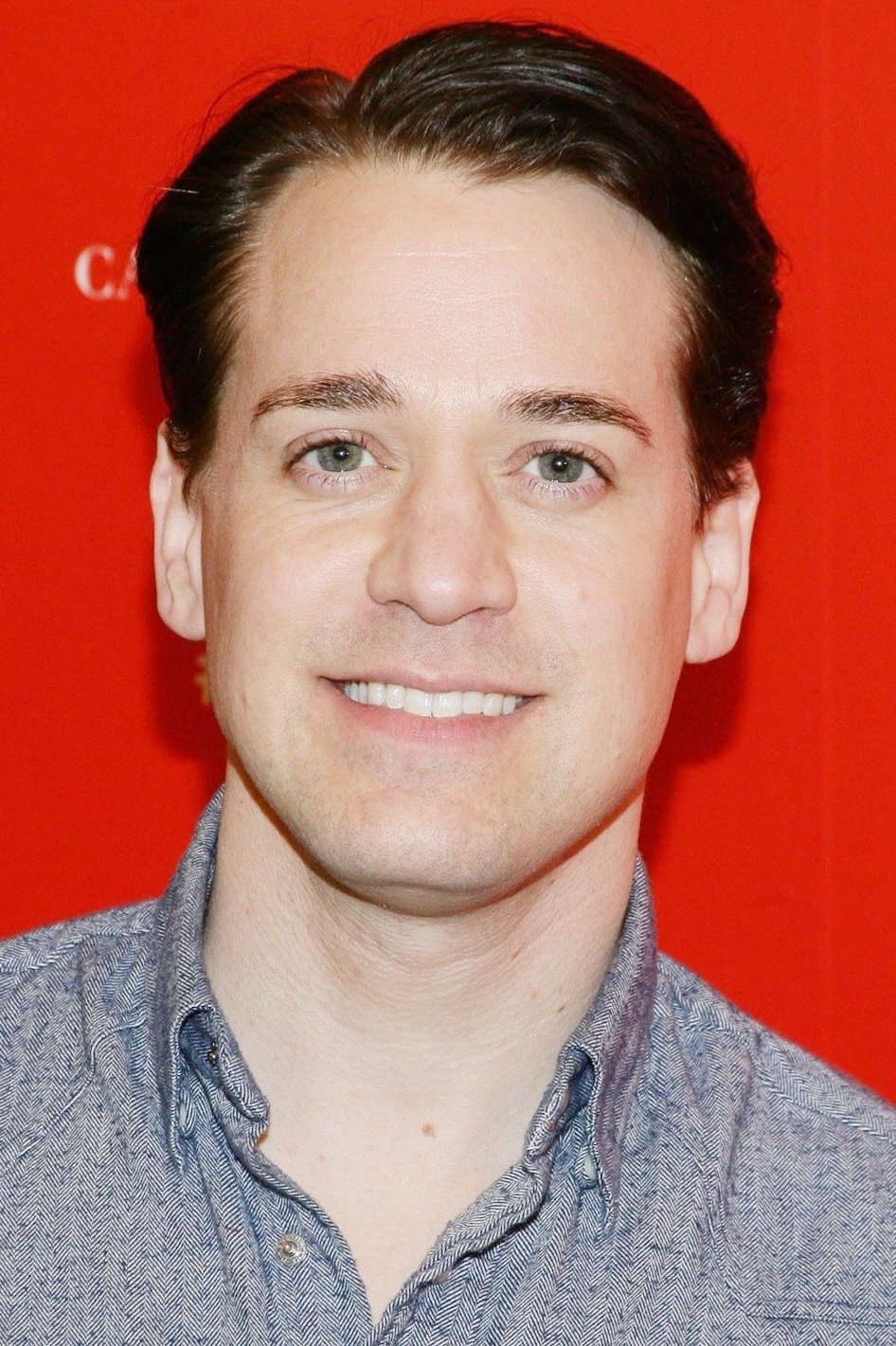
T.R. Knight maintained privacy at the start of his television fame amid intense media attention. An off-screen incident pushed the issue into headlines, after which he chose to come out. Before that moment he had followed advice to avoid personal disclosure to protect casting. His story showed how quickly control can slip when rumors collide with publicity.
Montgomery Clift
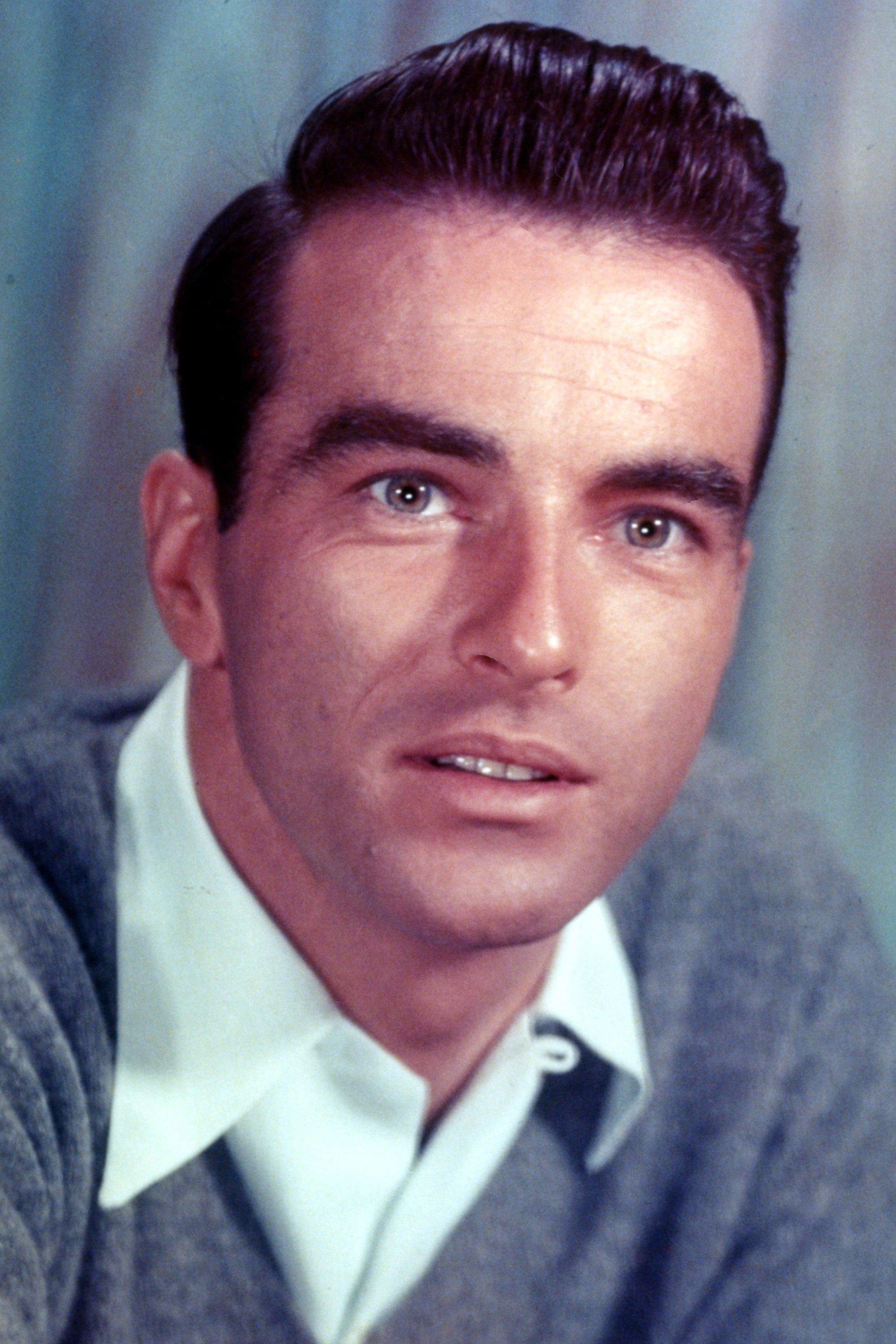
Montgomery Clift maintained strict privacy around relationships while studios promoted him as a romantic lead. Contracts and publicists limited interview topics and arranged photo opportunities that matched audience expectations. He avoided direct discussion of his personal life throughout runs in films like ‘A Place in the Sun’. Biographers later documented how image control shaped the way he navigated the industry.
Anthony Perkins
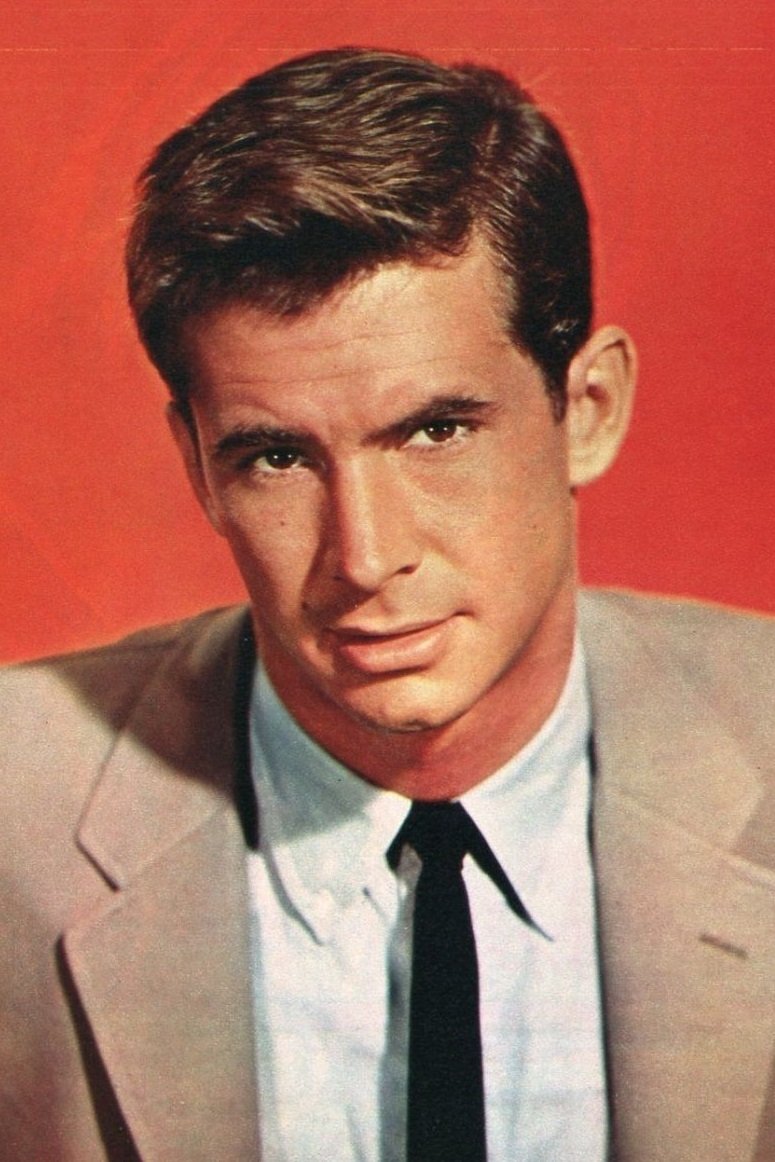
Anthony Perkins kept his orientation out of the press while headlining films such as ‘Psycho’. Studio handlers steered gossip columns toward carefully managed dating narratives to protect his marketability. He entered a public marriage later in life that further deflected speculation. Private correspondence and accounts from colleagues describe a career shaped by caution.
Dirk Bogarde
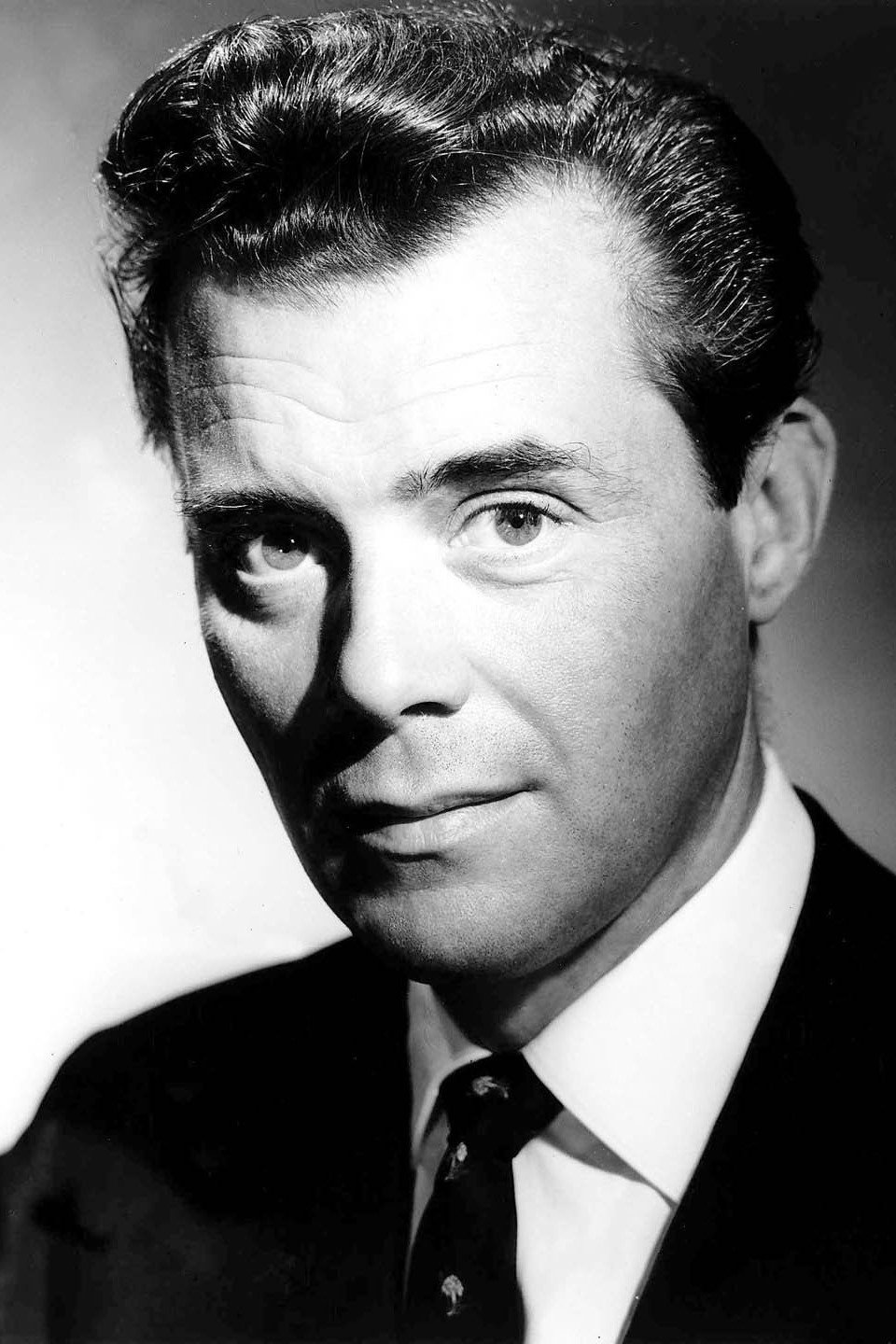
Dirk Bogarde never publicly identified his orientation during his career despite long-term partnerships. He curated interviews to avoid personal questions and presented himself as single or elusive. His role in ‘Victim’ drew attention for its subject matter while he remained guarded off screen. Memoirs and letters published after his death detailed how discretion preserved his leading man status.
Sal Mineo
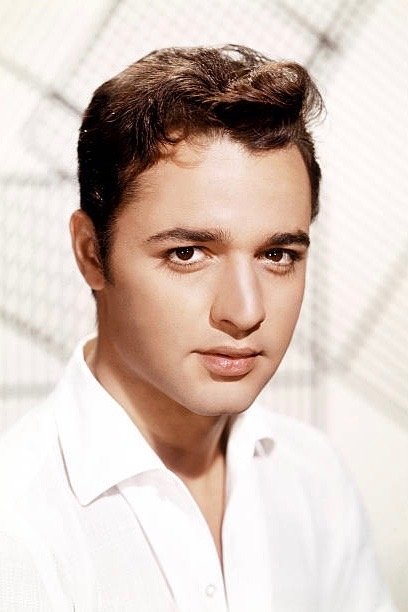
Sal Mineo’s early fame brought tabloid attention that he and his team worked to manage. He avoided confirming relationships and tailored public appearances to protect casting options. Work in films like ‘Rebel Without a Cause’ kept focus on his talent rather than private life. Friends later noted the constraints he faced in an era hostile to disclosure.
Raymond Burr
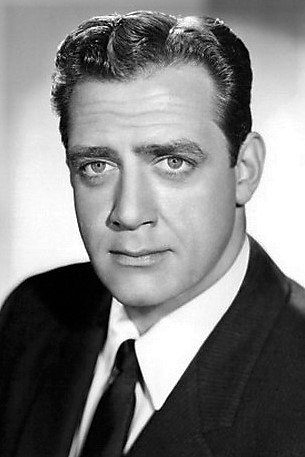
Raymond Burr’s studios and publicists maintained a bachelor image through staged features during ‘Perry Mason’ and ‘Ironside’. Articles spotlighted hobbies and home life while omitting his long-term partnership. He discouraged personal questions and emphasized philanthropic projects in interviews. After his death, documents and testimonies clarified how carefully the façade had been maintained.
Paul Lynde
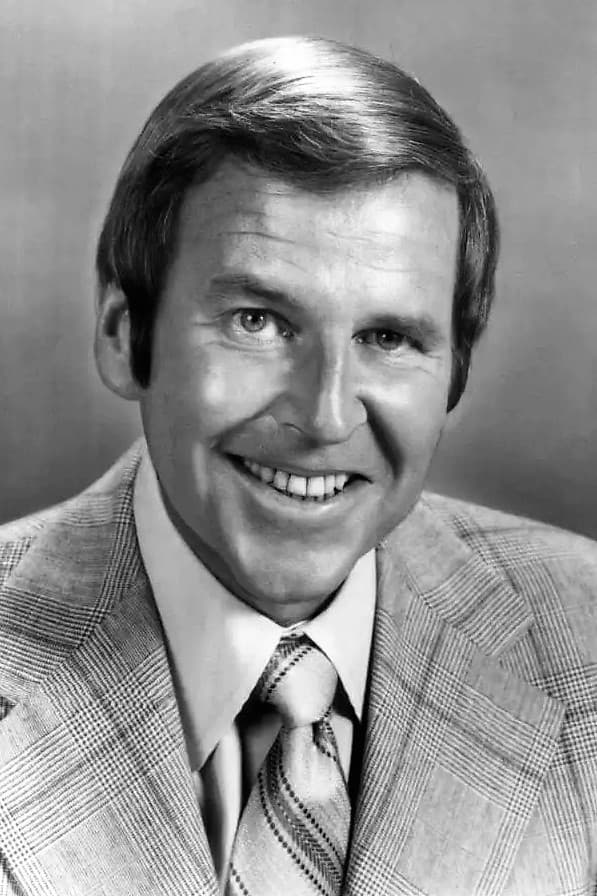
Paul Lynde cultivated a comedic persona on shows including ‘Bewitched’ and ‘Hollywood Squares’ while avoiding public labels. Management guided him to keep interviews focused on work and one-liners rather than relationships. Press coverage mentioned nightlife without specifying partners, aligning with network standards. Colleagues later described a well-known private reality that publicity never acknowledged.
Joel Grey
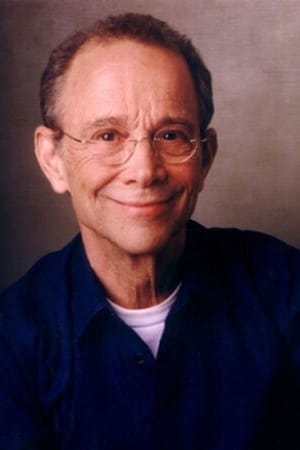
Joel Grey kept his orientation private for decades while working on stage and screen, including ‘Cabaret’. He declined to discuss personal matters in profiles and redirected conversation to craft and training. Industry norms reinforced the idea that discretion protected casting. He came out publicly much later, citing the long-standing pressures that shaped earlier choices.
Sean Hayes
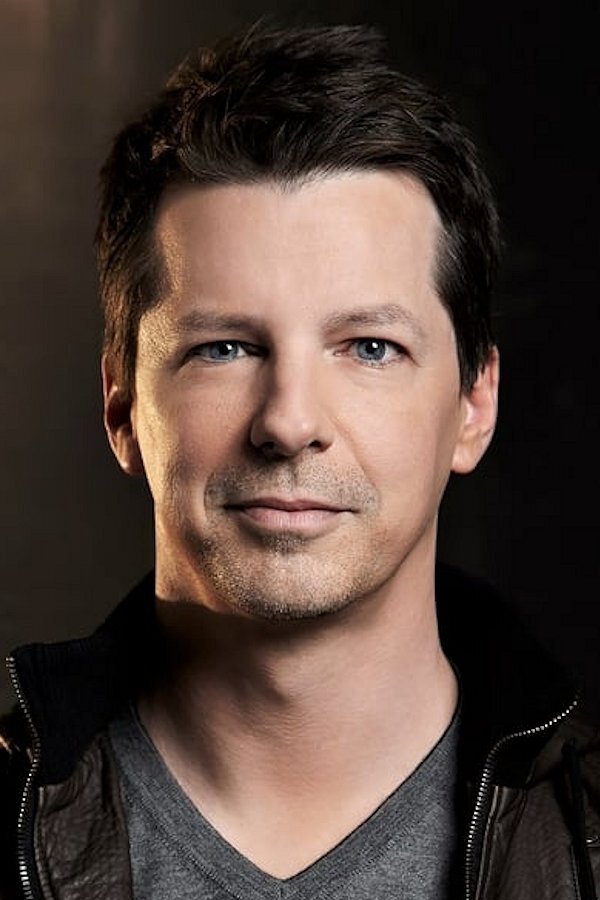
Sean Hayes spent the first run of ‘Will & Grace’ deflecting questions about his private life. He emphasized character work and ensemble dynamics in press tours to avoid personal disclosure. Advisors warned that confirmation could limit future roles beyond sitcoms. Years later he spoke openly about the calculations that led to earlier silence.
Sara Gilbert

Sara Gilbert kept relationships off the record during the original ‘Roseanne’ era to safeguard work prospects. She requested interview boundaries and avoided red carpet confirmations. After establishing a broader career that included ‘The Talk’, she discussed her orientation publicly. Her earlier approach reflected common guidance given to young television leads.
Meredith Baxter

Meredith Baxter did not speak about her orientation during and after ‘Family Ties’ while navigating network expectations. She gave lifestyle interviews that steered clear of dating details. When she came out publicly, she explained the professional risks she weighed for years. The shift followed a pattern seen among many veteran television actors.
BD Wong
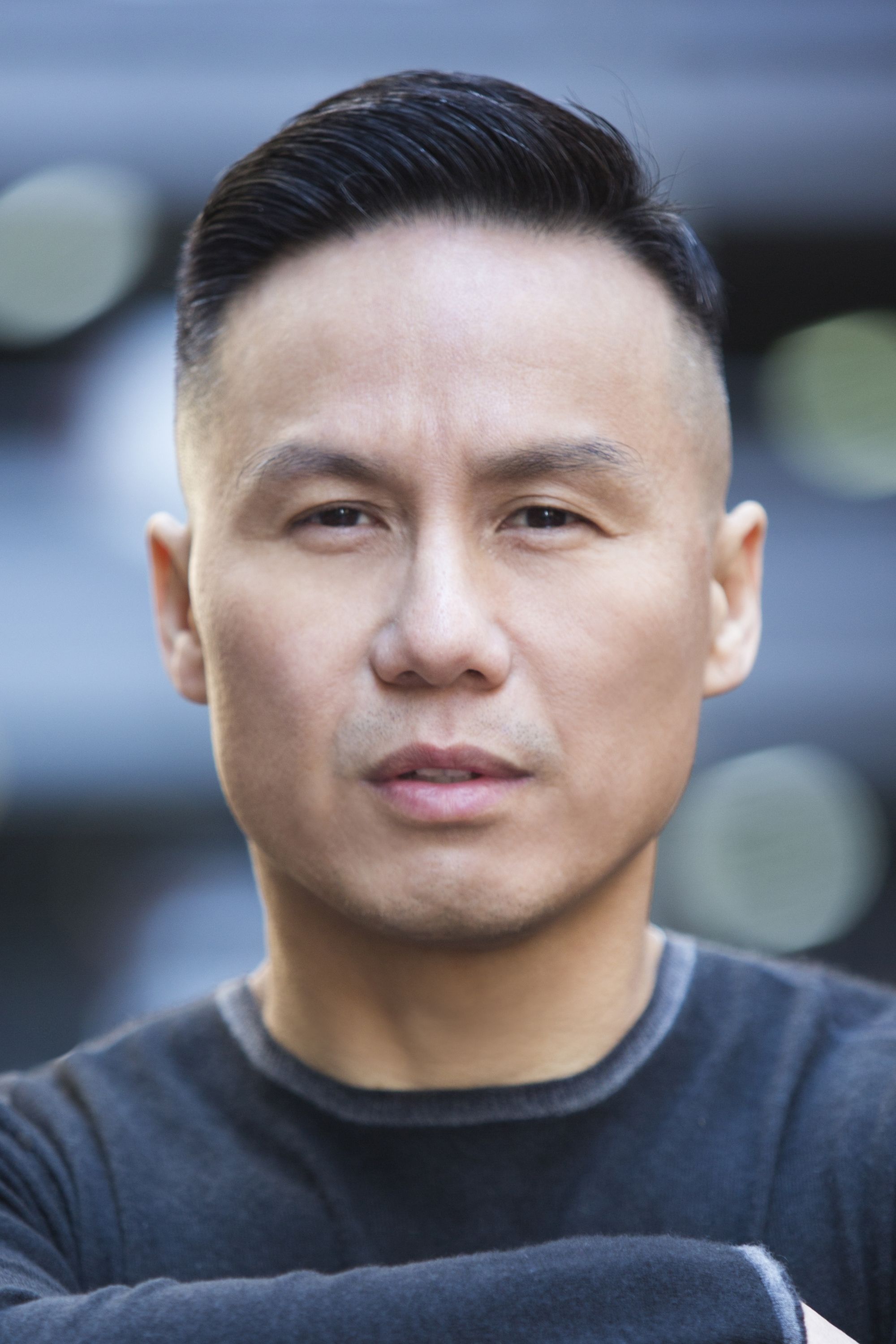
BD Wong maintained privacy about his personal life during early high-profile roles in ‘Jurassic Park’ and later television work. He limited interview topics and kept attention on stage and screen projects. Public acknowledgment came as he discussed parenting and advocacy, which had once been kept separate from press. Earlier caution reflected concerns about typecasting and access to varied roles.
Kevin Spacey
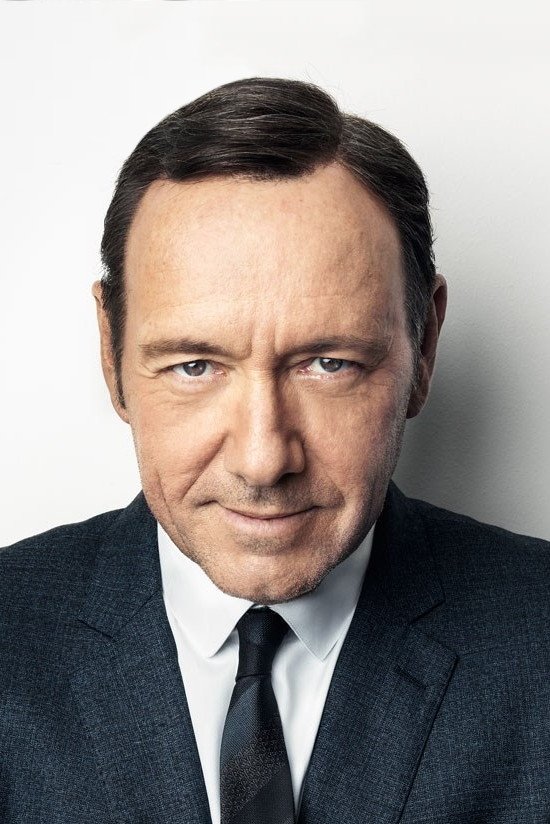
Kevin Spacey long avoided statements about his orientation during an extended period of leading roles in film and television, including ‘American Beauty’ and ‘House of Cards’. He kept interviews focused on technique, training, and production details rather than personal life. Public confirmation came in 2017 after years of deflecting questions. The longstanding privacy mirrored advice routinely given to actors seeking broad audience appeal.
Elliot Page
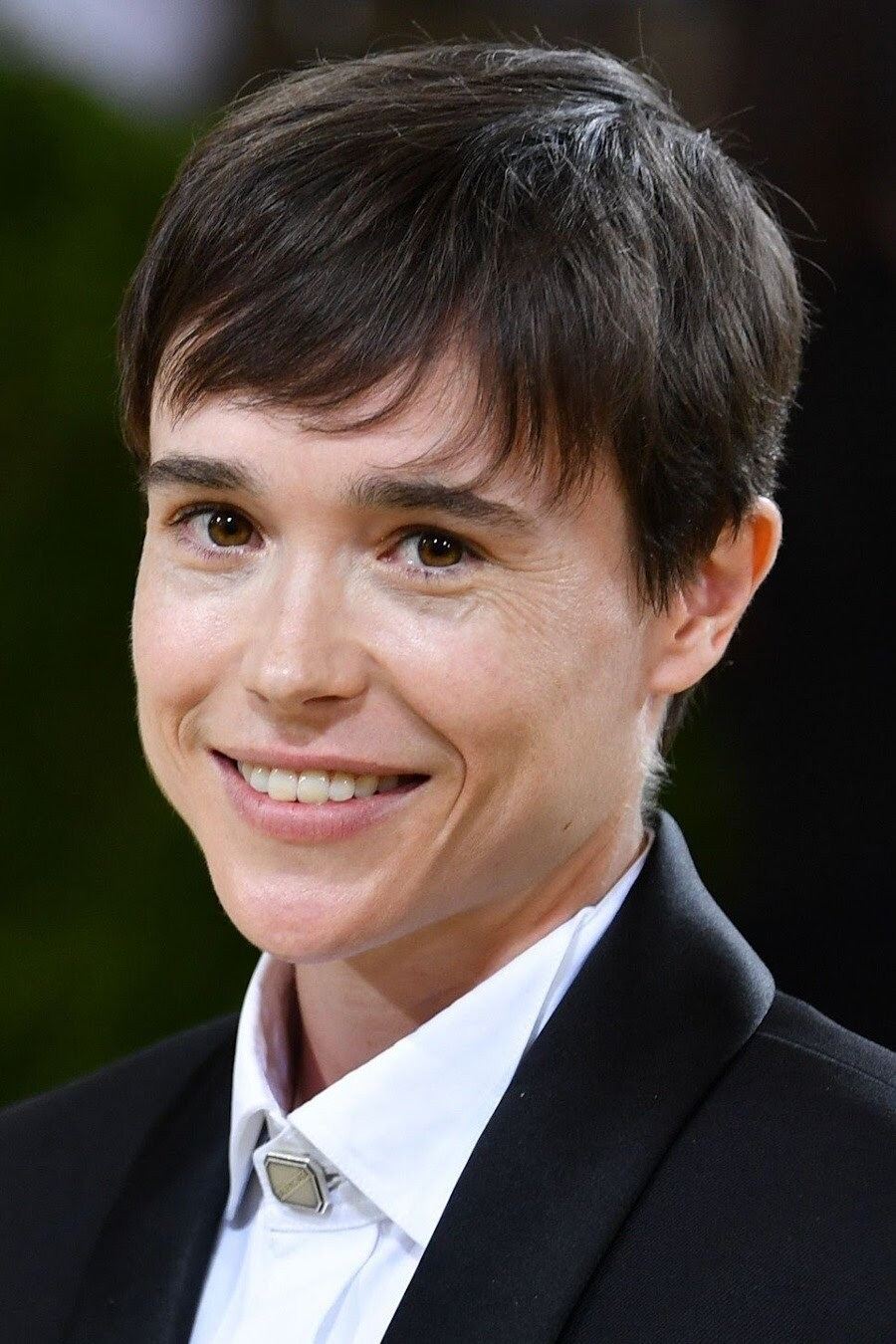
Before coming out publicly in 2014, Elliot Page described intense pressure to present a certain image while promoting films like ‘Juno’. He wore carefully selected red carpet looks and avoided confirming relationships. Studio publicity emphasized craft and awards chatter to keep attention off his private life. His later statements outlined the cumulative effect of those constraints.
Neil Patrick Harris
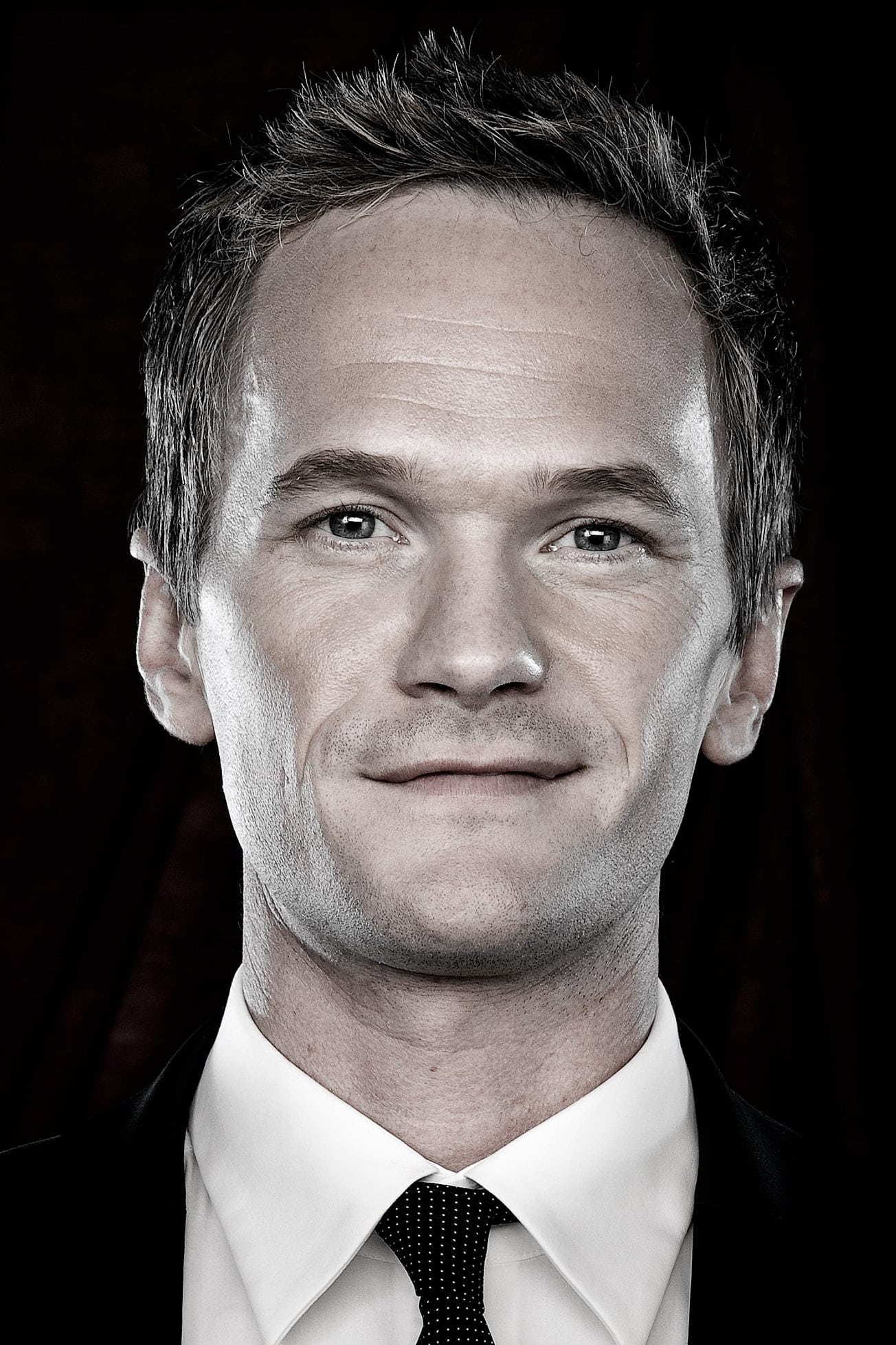
Neil Patrick Harris kept his orientation private through early television and stage work while building a versatile résumé. Publicists prioritized neutral personal press during the first seasons of ‘How I Met Your Mother’. He came out in 2006 and later discussed the practical considerations that had guided earlier choices. Continued success demonstrated that earlier fears about audience reaction were overstated.
Rosie O’Donnell
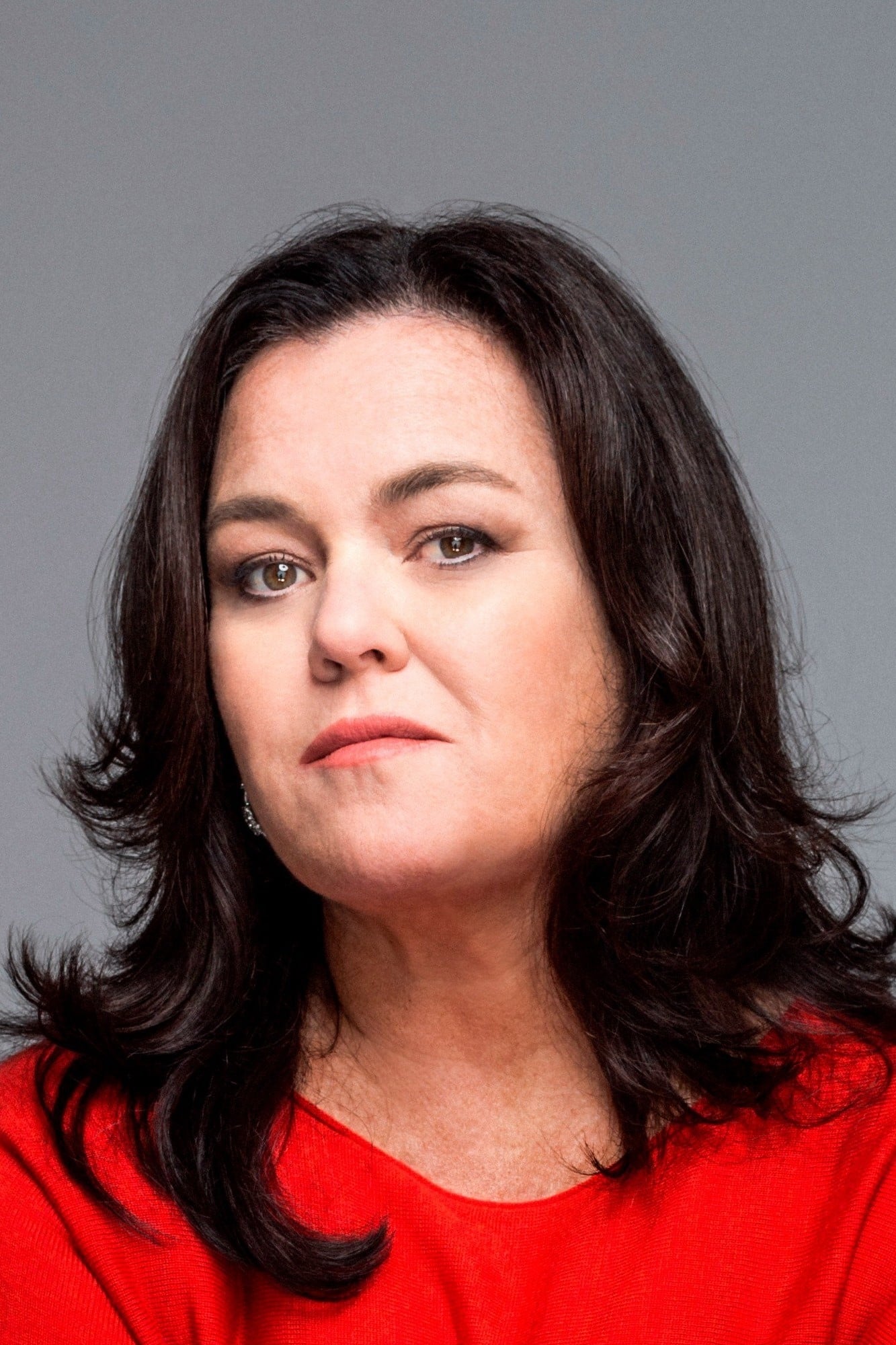
Rosie O’Donnell maintained privacy during her rise in film and television and the early years of ‘The Rosie O’Donnell Show’. She steered media coverage toward philanthropy and family-friendly segments rather than dating life. She came out publicly in 2002 and spoke about the professional landscape that discouraged earlier openness. The change allowed her to integrate advocacy with on-air work.
Share your thoughts below and tell us which stories you think had the biggest impact on changing the industry.