‘Better Call Saul’ Mistakes You’ll Never Be Able to Unsee

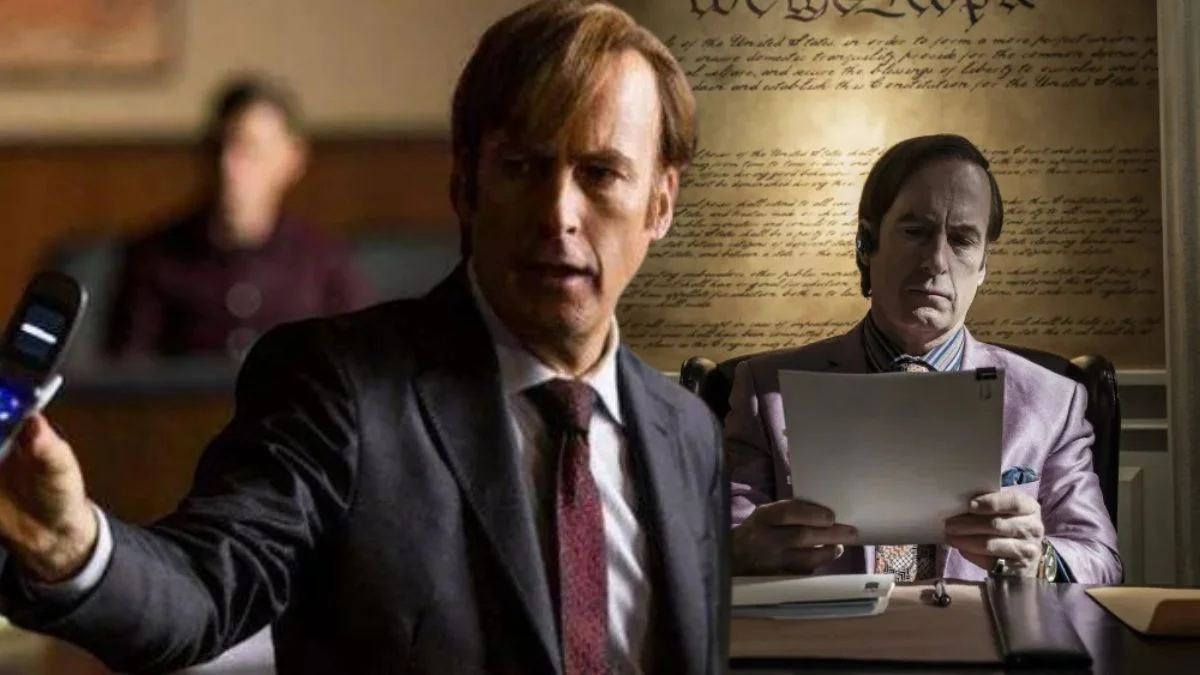

Even a meticulous show like ‘Better Call Saul’ has small slipups that eagle-eyed viewers can catch on a rewatch. These little continuity blips and timeline quirks do not change the story, but they stand out once you notice them. From phones that look a bit too new for the early 2000s to props that seem to move between shots, the details sometimes wobble. Here are the kinds of production goofs and continuity errors fans often point out across the series.
Inconsistent injury timelines
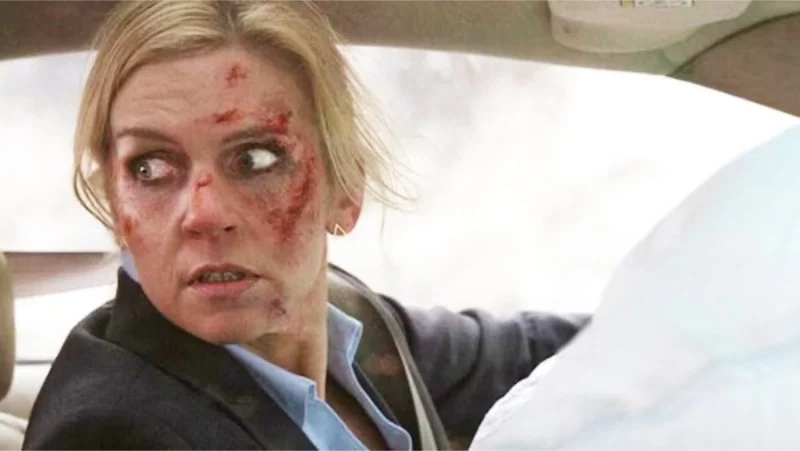
Characters sometimes show bruises or cuts that fade faster than the story’s stated timeline would allow. A swollen lip or cheek can appear noticeably lighter within scenes that are supposed to be the same day. Makeup continuity between interior and exterior coverage occasionally does not match. The effect is most noticeable when a confrontation ends and the next scene picks up immediately.
Prop placement that shifts mid scene
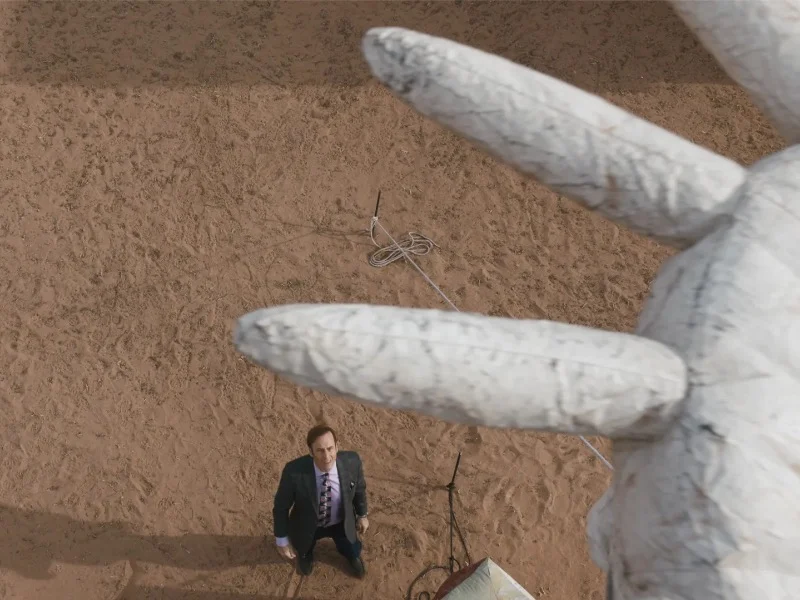
Desks, files, or drink cups can move a few inches between angles during a conversation. A pen that rests near a legal pad in a wide shot may sit on the pad in the close-up. Background folders rotate or stack differently after a cut. These resets usually happen across coverage changes and reveal quick set adjustments between takes.
Wardrobe continuity hiccups
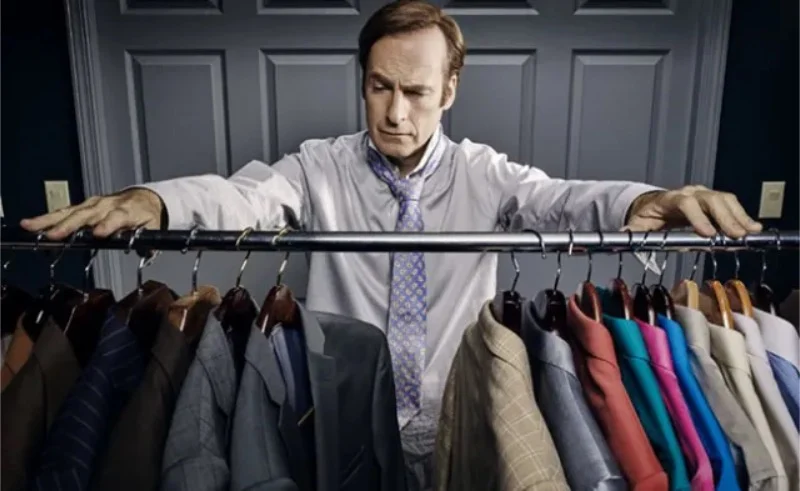
Ties shift knots and lapels trade positions between back-and-forth dialogue shots. A jacket that is buttoned in one angle appears unbuttoned in the reverse. Shirt sleeves jump from rolled to unrolled when scenes are stitched together. Small resets between takes make the clothing behave inconsistently from shot to shot.
Cigarette and drink level jumps
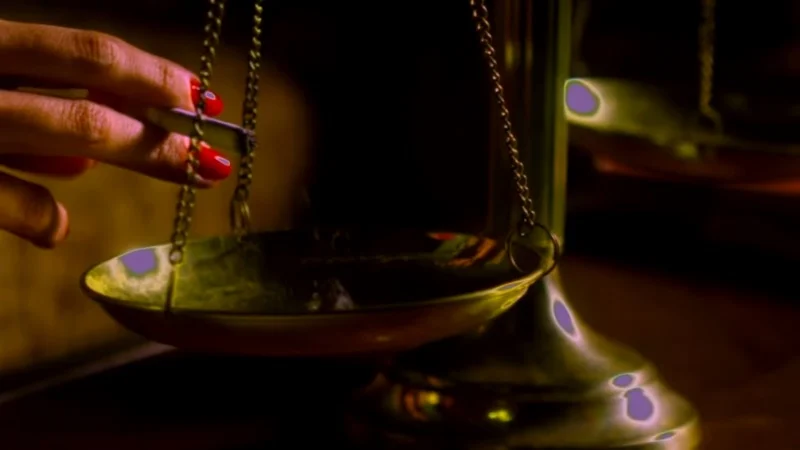
Cigarettes change length abruptly across cuts during longer conversations. A glass that is half full in a medium shot becomes nearly empty in the close-up. Foam lines on beer glasses reset to earlier levels when a scene replays an angle. These continuity mismatches often come from shooting out of sequence.
License plate and sticker mismatches
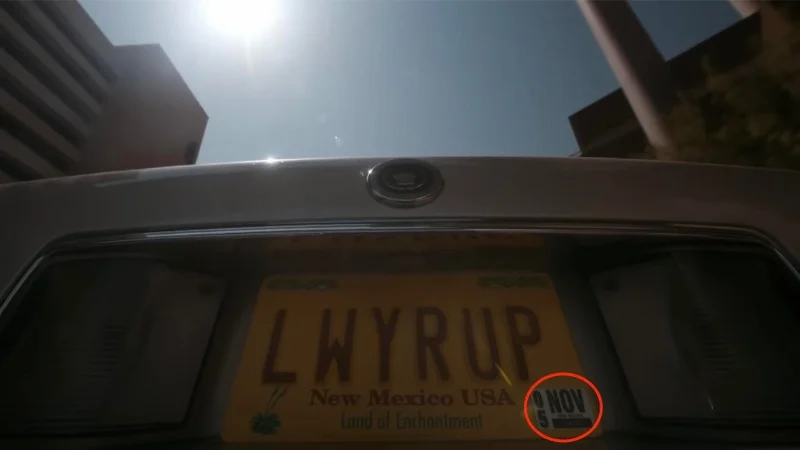
Cars occasionally display registration stickers or plate designs that do not line up perfectly with the year the scene is set. A renewal sticker color appears a season too early or late. Background vehicles show plate formats from later years entering the frame. These details are easy to miss during production but stand out on a freeze-frame.
Cell phones that look a little too modern
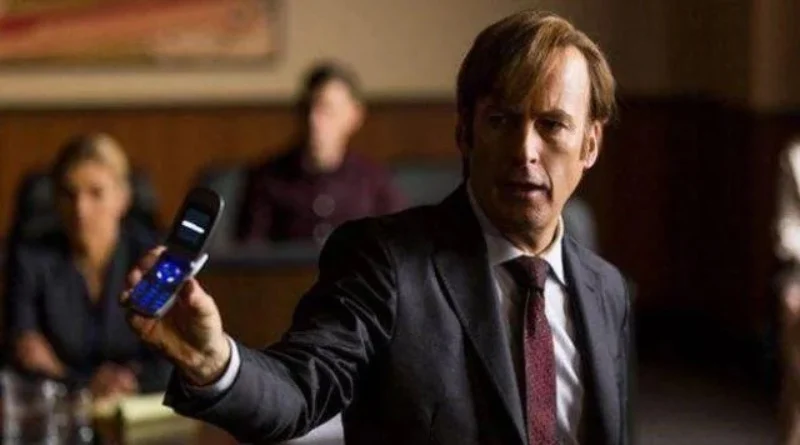
The show largely nails early 2000s tech, but a handset model or menu interface sometimes looks a generation newer than the period. Caller ID screens pop with fonts and icons that appear later than the scene’s year. Ringtones and vibration patterns are occasionally from devices released a bit afterward. Quick glimpses of phone backs or keypads make the timing drift noticeable.
Signage and branding out of time
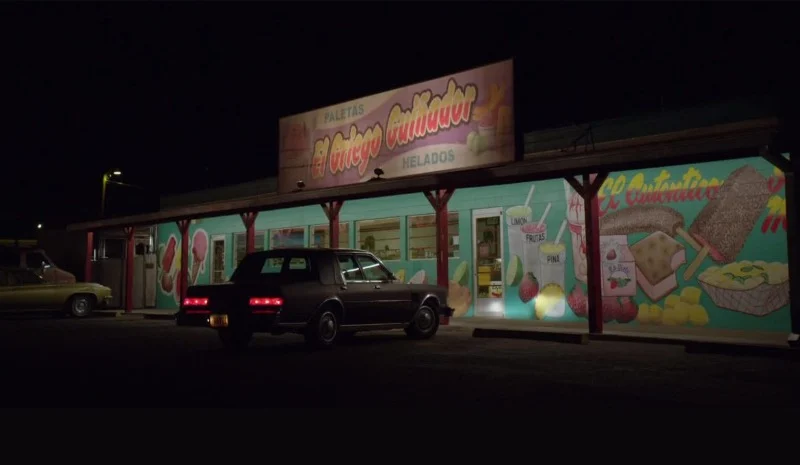
Storefront logos and corporate branding sometimes reflect redesigns that debuted after the scene’s year. A bank branch poster uses a later type treatment while the plot is still in the early 2000s. Gas station price boards and packaging art slip in from updated brand kits. These background elements can date the frame differently than the script intends.
Paperwork details that do not match
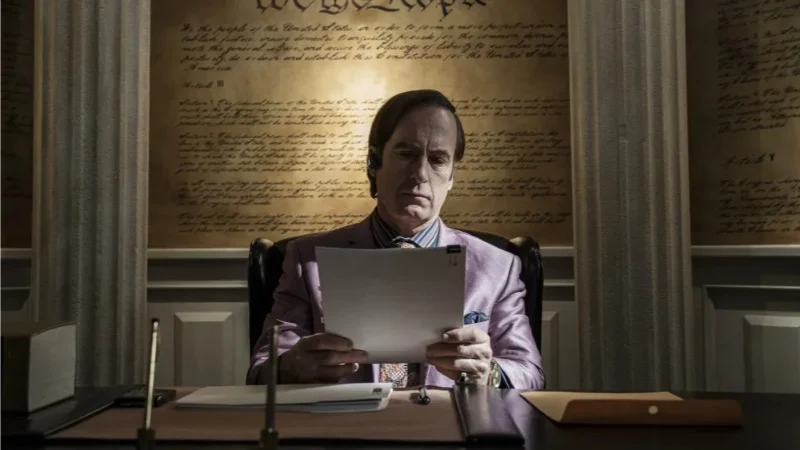
Case files and forms show dates or codes that clash with dialogue about when events happen. A printed form lists a year that conflicts with the characters’ timeline. Docket numbers change formatting between shots within the same courthouse sequence. Close-ups of paperwork sometimes reveal these inconsistencies that wide shots conceal.
Reflections and monitors that spoil continuity
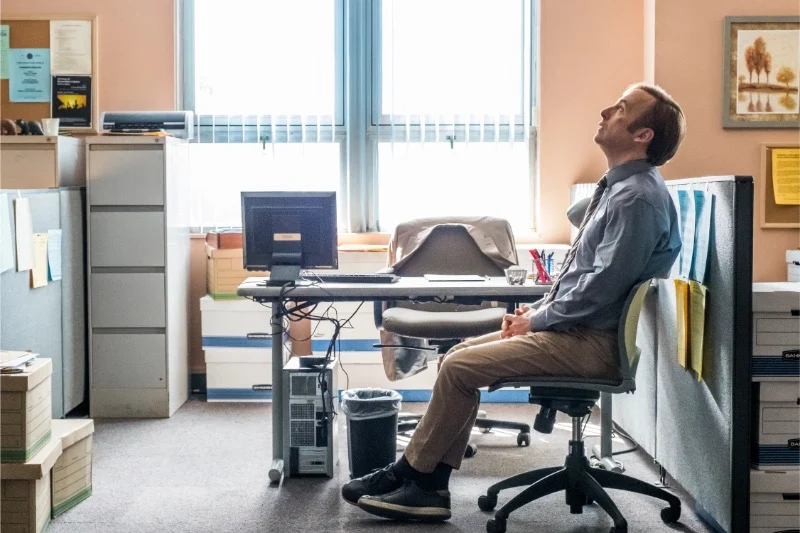
Glass reflections briefly show crew gear or camera rigs during quick pans. Computer monitors loop footage that does not match what characters just typed or clicked. Security screens jump time on cutaways, resetting progress bars or playback positions. Reflected images and looped inserts can diverge from the scene’s real-time flow.
Background extras that repeat
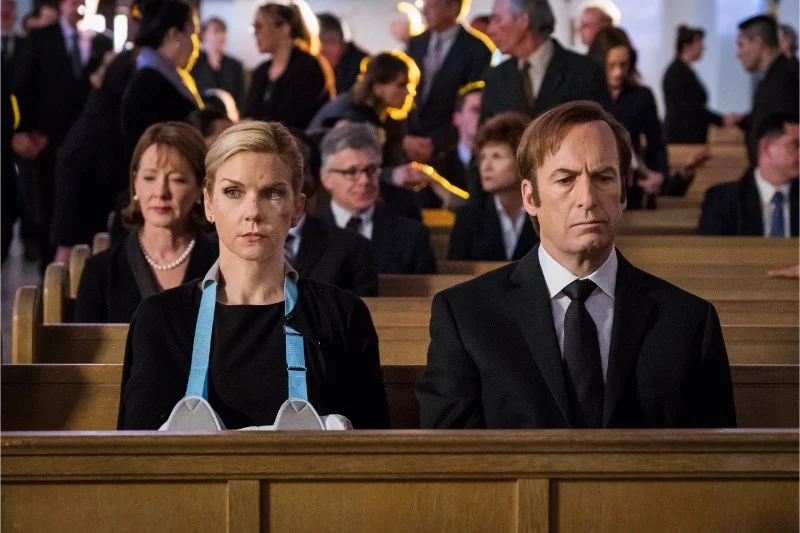
The same background extra appears in different positions across consecutive shots in a single scene. A passerby crosses behind the leads, then seems to pass again after a cut from another angle. Seated patrons swap tables when the camera returns to a wide shot. Repeating extras make the environment feel like it resets between lines of dialogue.
Share the other slipups you have spotted in ‘Better Call Saul’ in the comments and tell us where to pause to see them.