Top 20 Horror Directors of All Time, Ranked

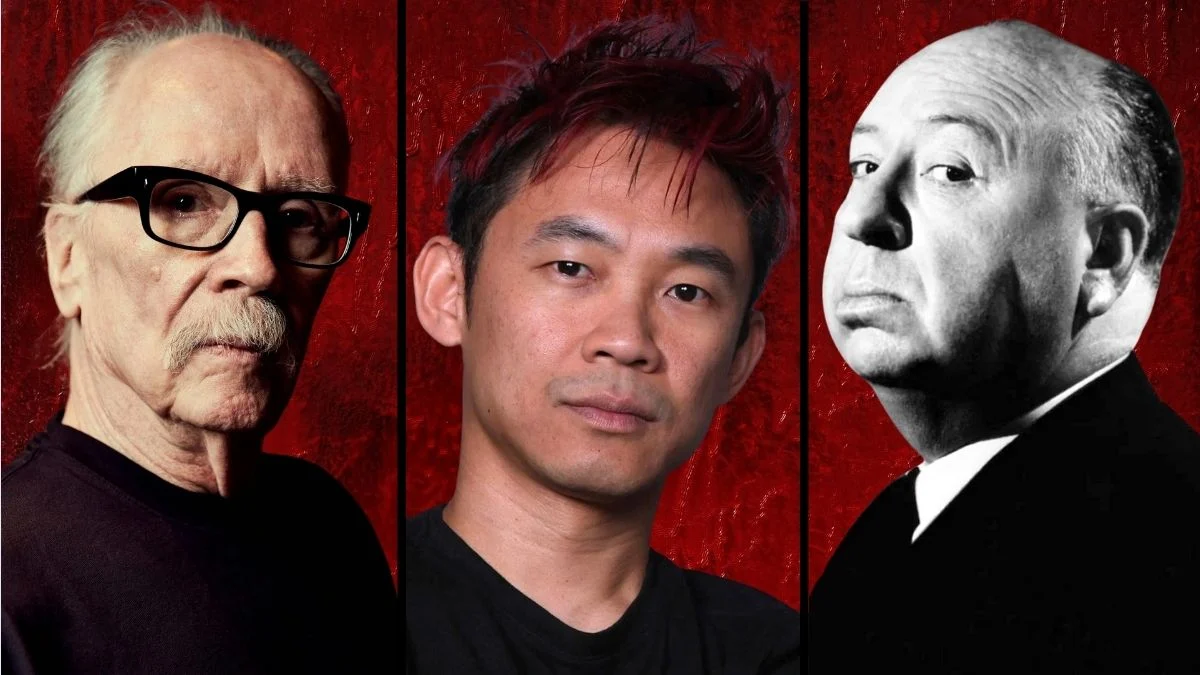

Horror has been shaped by filmmakers who set the rules, broke them, and then taught everyone new ones, from silent era pioneers to modern voices redefining what scares us. These directors built iconic monsters, launched long running franchises, and invented techniques that still guide how fear lands on screen. They worked across continents and styles, from sleek psychological chillers to gritty shocks and slow burn nightmares. Here is a countdown of the creators whose work left the deepest mark on the genre.
20. Jennifer Kent
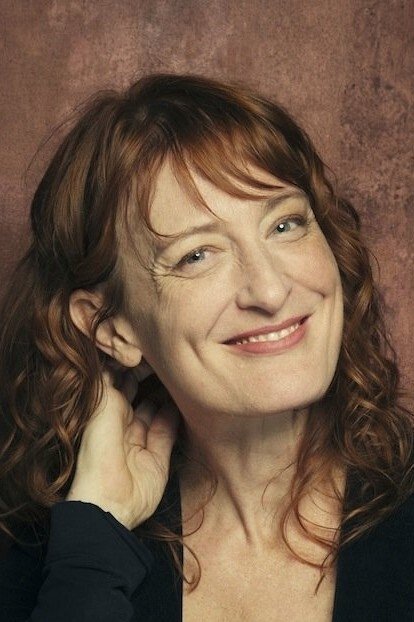
Jennifer Kent delivered a modern classic with ‘The Babadook’ and introduced a creature that became a cultural touchstone. She followed with ‘The Nightingale’ which used brutality to examine cycles of violence. Her films combine precise sound design with careful framing that keeps tension rising scene by scene. She often focuses on grief and trauma that manifest as palpable threats.
19. Ari Aster
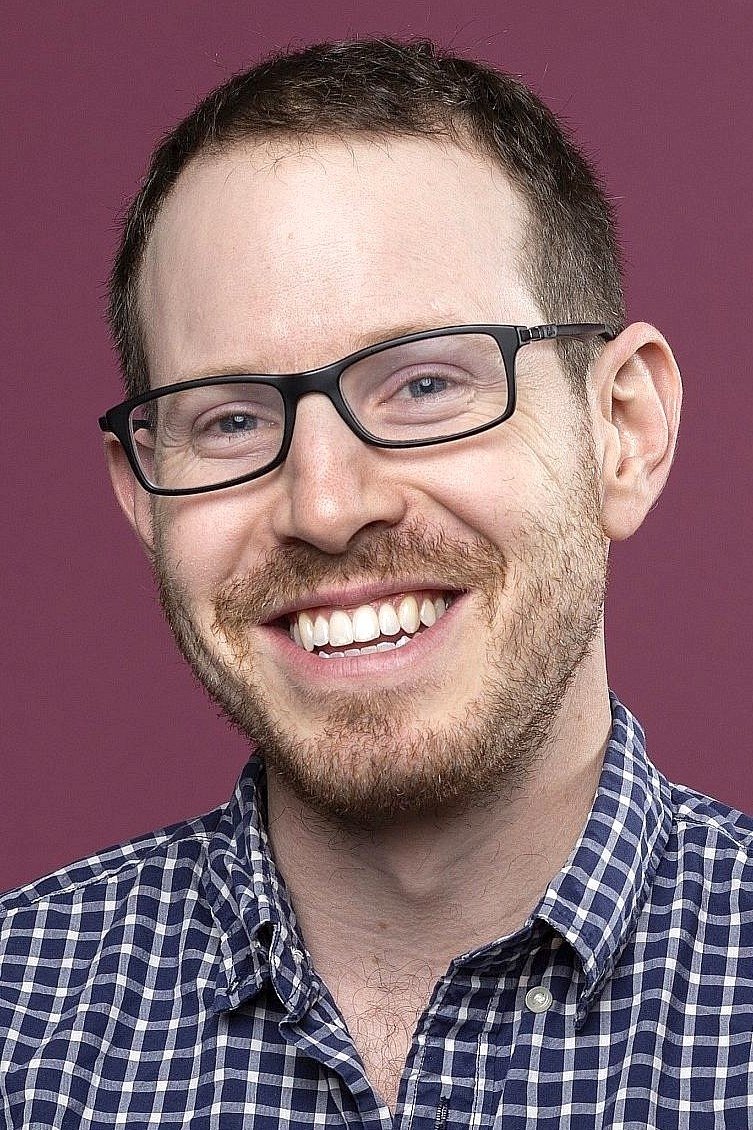
Ari Aster brought folk horror back into the spotlight with ‘Midsommar’ and made domestic dread feel operatic in ‘Hereditary’. He is known for patient camera moves and daylight horror that reveals rather than conceals. His films use ritual and family history as engines for terror. Production design and score work together to push unease to a breaking point.
18. Jordan Peele
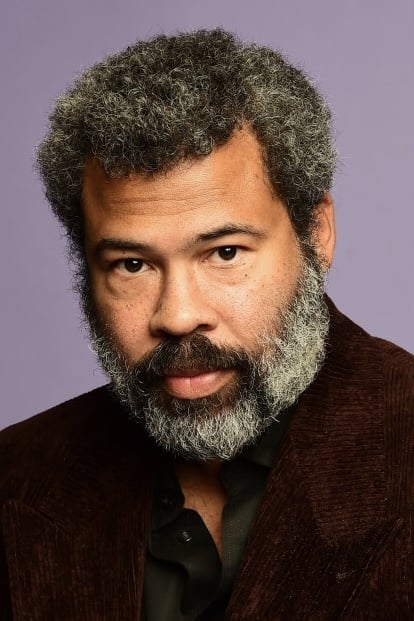
Jordan Peele fused social commentary with crowd pleasing thrills in ‘Get Out’ and followed with high concept scares in ‘Us’ and ‘Nope’. He builds tension with humor that disarms before the turn. His movies popularized layered symbolism that rewards repeat viewing. Casting, sound cues, and meticulously staged reveals create memorable set pieces.
17. Hideo Nakata
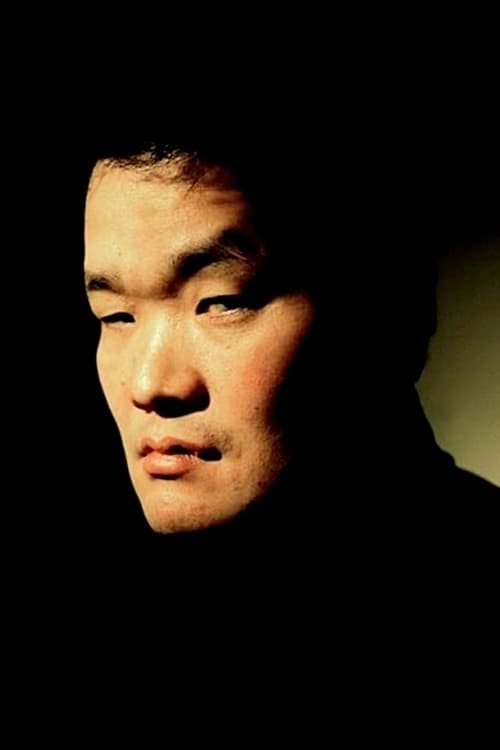
Hideo Nakata helped define J horror worldwide with ‘Ring’ and ‘Dark Water’. His approach favors quiet frames, long takes, and eerie domestic spaces. The cursed media motif spread across global remakes and new franchises. His restrained style lets small images become unforgettable.
16. Lucio Fulci

Lucio Fulci is known for extreme imagery in ‘The Beyond’, ‘City of the Living Dead’, and ‘Zombie’. Practical effects and surreal plotting create a dream logic that influenced later splatter and art horror. He used aggressive close ups and sound to heighten shock. His films pushed boundaries for gore that changed distribution and censorship debates.
15. Kiyoshi Kurosawa
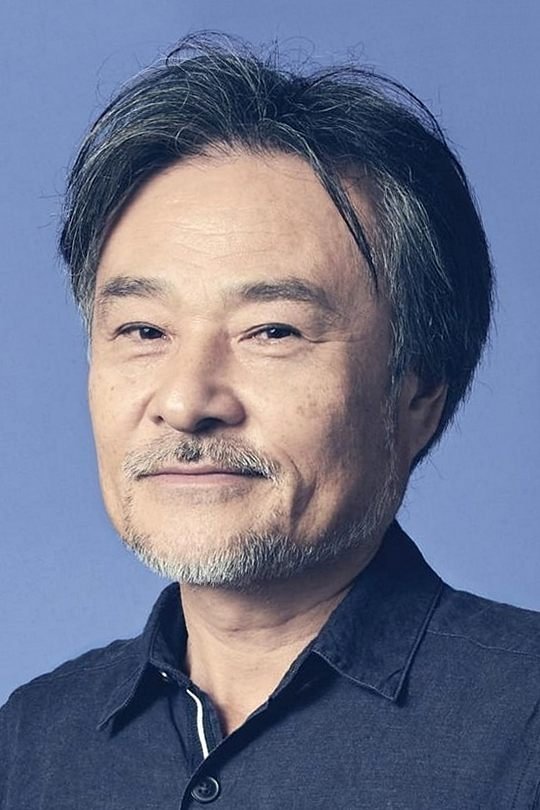
Kiyoshi Kurosawa crafted lingering dread in ‘Pulse’ and ‘Cure’. Minimal music and wide compositions turn empty rooms into threats. His stories explore alienation and technology as sources of haunting. The mood he created helped shape modern slow burn horror worldwide.
14. Takashi Miike

Takashi Miike ranges from intimate nightmares like ‘Audition’ to wild experiments like ‘Ichi the Killer’. He blends genre tones with sudden punctures of violence that reframe entire stories. His productivity and risk taking expanded what horror could attempt. Audiences came to expect inventive structure and startling imagery.
13. Terence Fisher
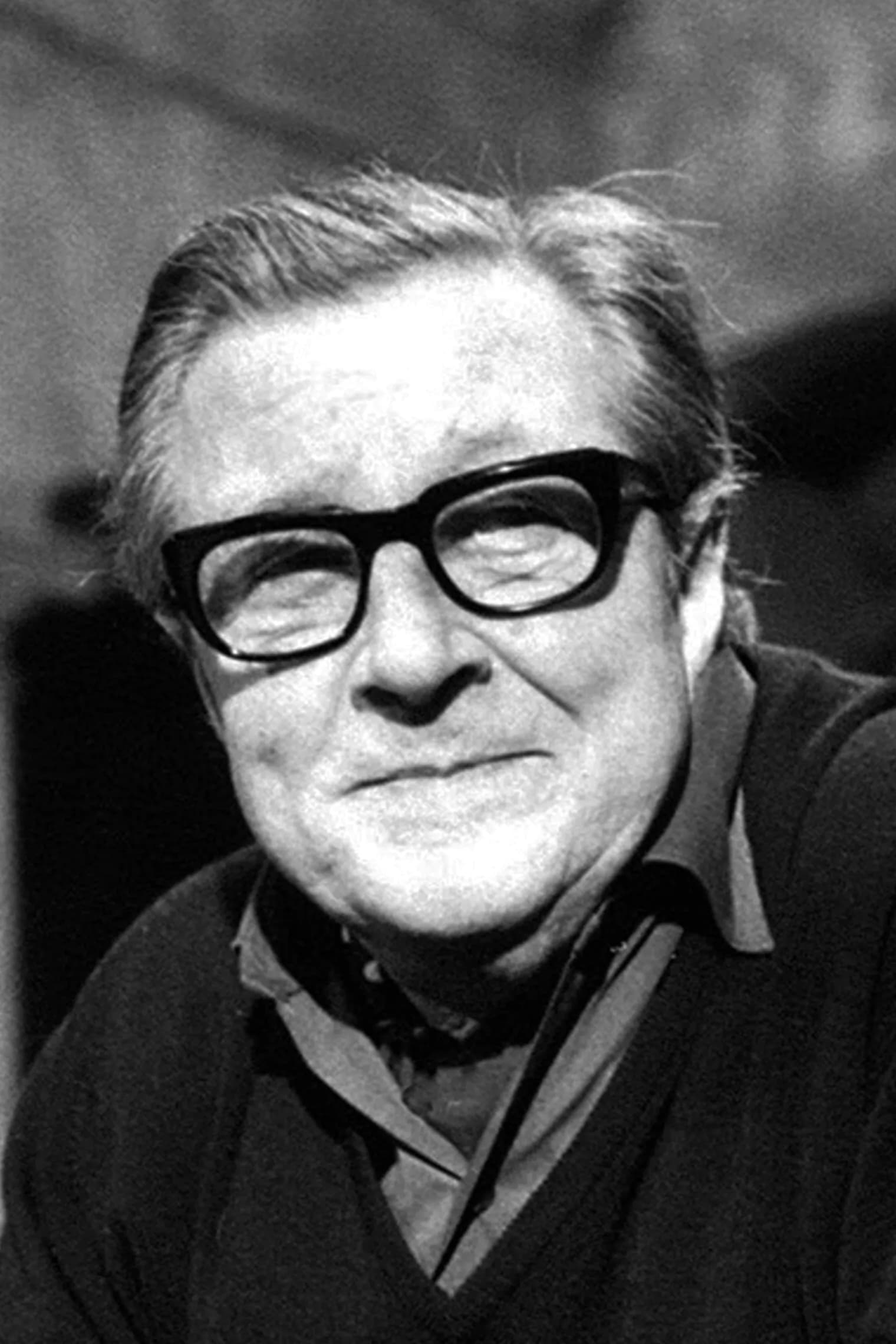
Terence Fisher led the Hammer era with ‘The Curse of Frankenstein’, ‘Dracula’, and ‘The Mummy’. He reintroduced Gothic horror with vivid color and bold production design. His collaborations with key stars revitalized classic monsters for a new generation. Costume and set detail built a rich studio world that other filmmakers borrowed for decades.
12. F. W. Murnau
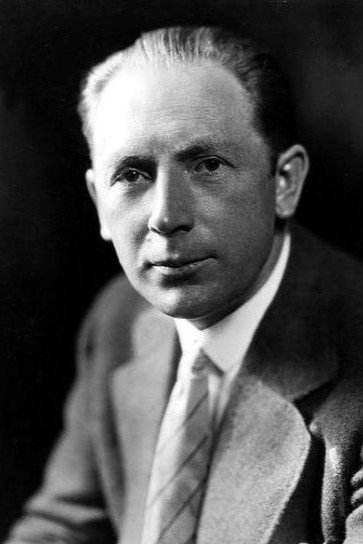
F. W. Murnau shaped screen terror with ‘Nosferatu’. He used shadow, forced perspective, and location shooting to create a lasting vampire icon. Silent era techniques from his work informed lighting and atmosphere in later films. Expressionist composition turned architecture into a character that menaces the viewer.
11. Mario Bava
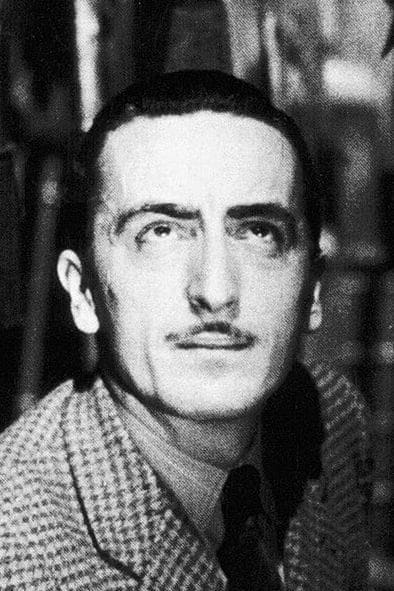
Mario Bava pioneered Italian horror style through ‘Black Sunday’, ‘A Bay of Blood’, and ‘Black Sabbath’. He manipulated color gels and lighting to craft hypnotic images. Many slasher structures trace back to his staging and camera work. His visual ingenuity influenced generations of stylists and genre experimenters.
10. William Friedkin
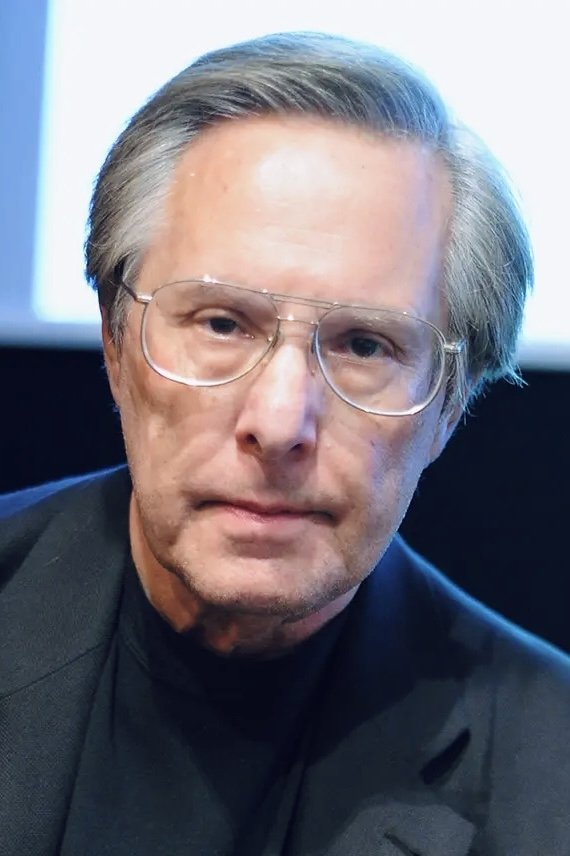
William Friedkin brought studio scale intensity to ‘The Exorcist’. He combined investigative realism with groundbreaking makeup and effects. Sound recording and mixing choices set a new bar for possession scenes. The film established a template for religious horror that studios continue to revisit.
9. Sam Raimi
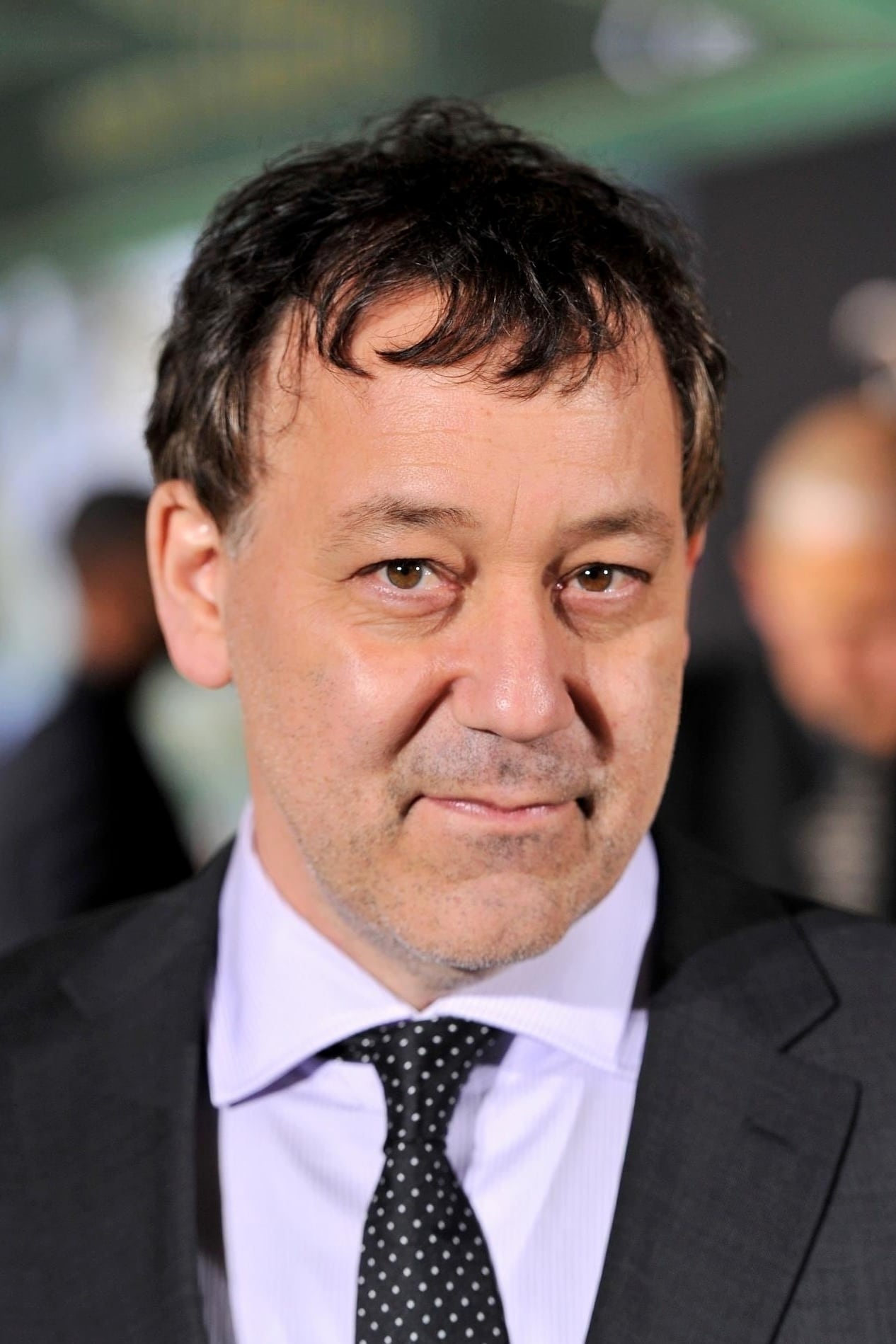
Sam Raimi reinvented kinetic horror with ‘The Evil Dead’ and ‘Evil Dead II’ and carried the tone into ‘Drag Me to Hell’. His signature camera moves and practical gags made low budget ingenuity feel huge. Editing rhythms turn slapstick into shocks that still land. He proved that energy and invention can build a franchise.
8. James Wan
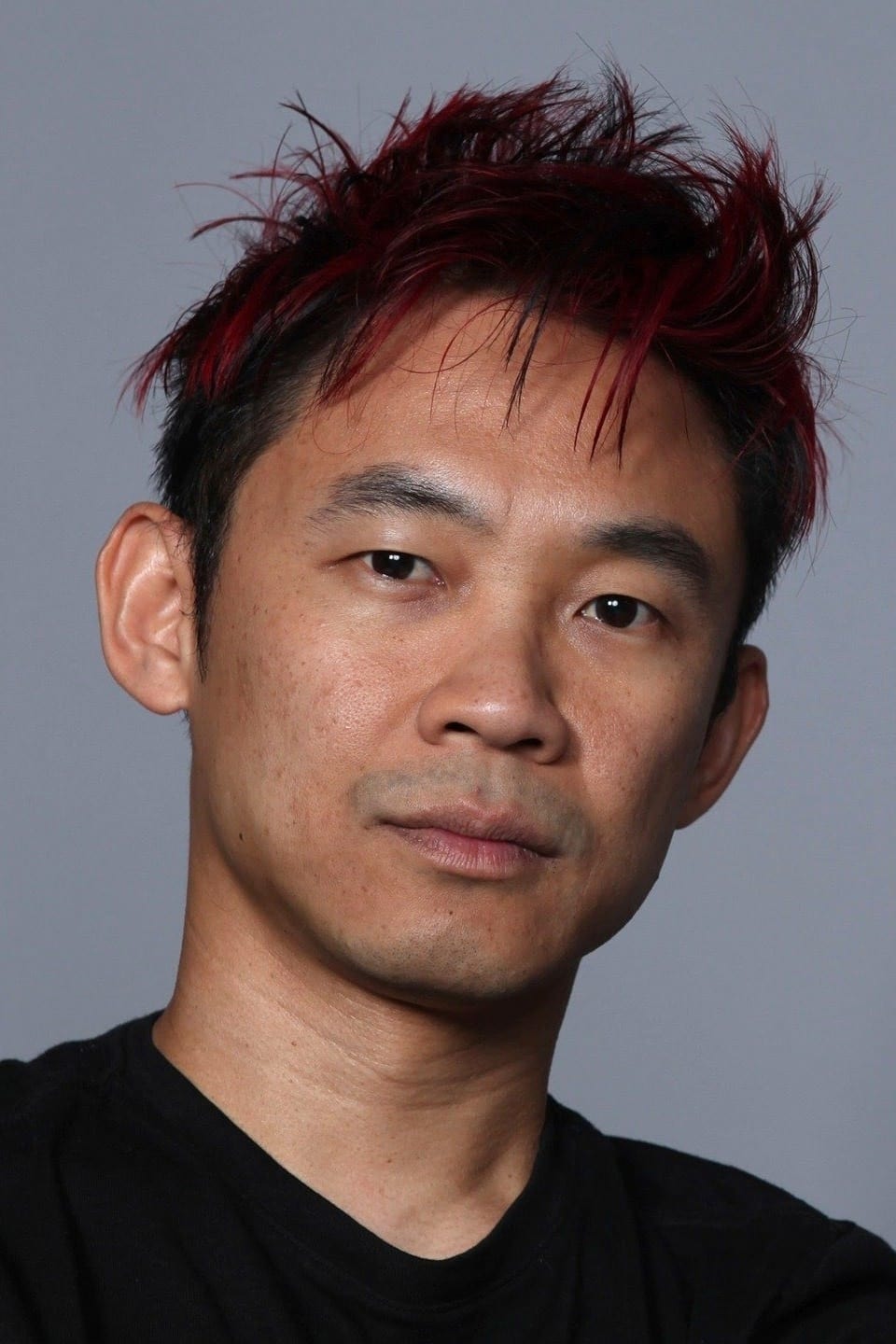
James Wan launched multiple modern franchises with ‘Saw’, ‘Insidious’, and ‘The Conjuring’. He engineered jump scares through precise blocking and sound cues. His haunted house craft revived studio interest in supernatural stories. World building across films and spin offs showed a scalable model for shared horror universes.
7. Tobe Hooper
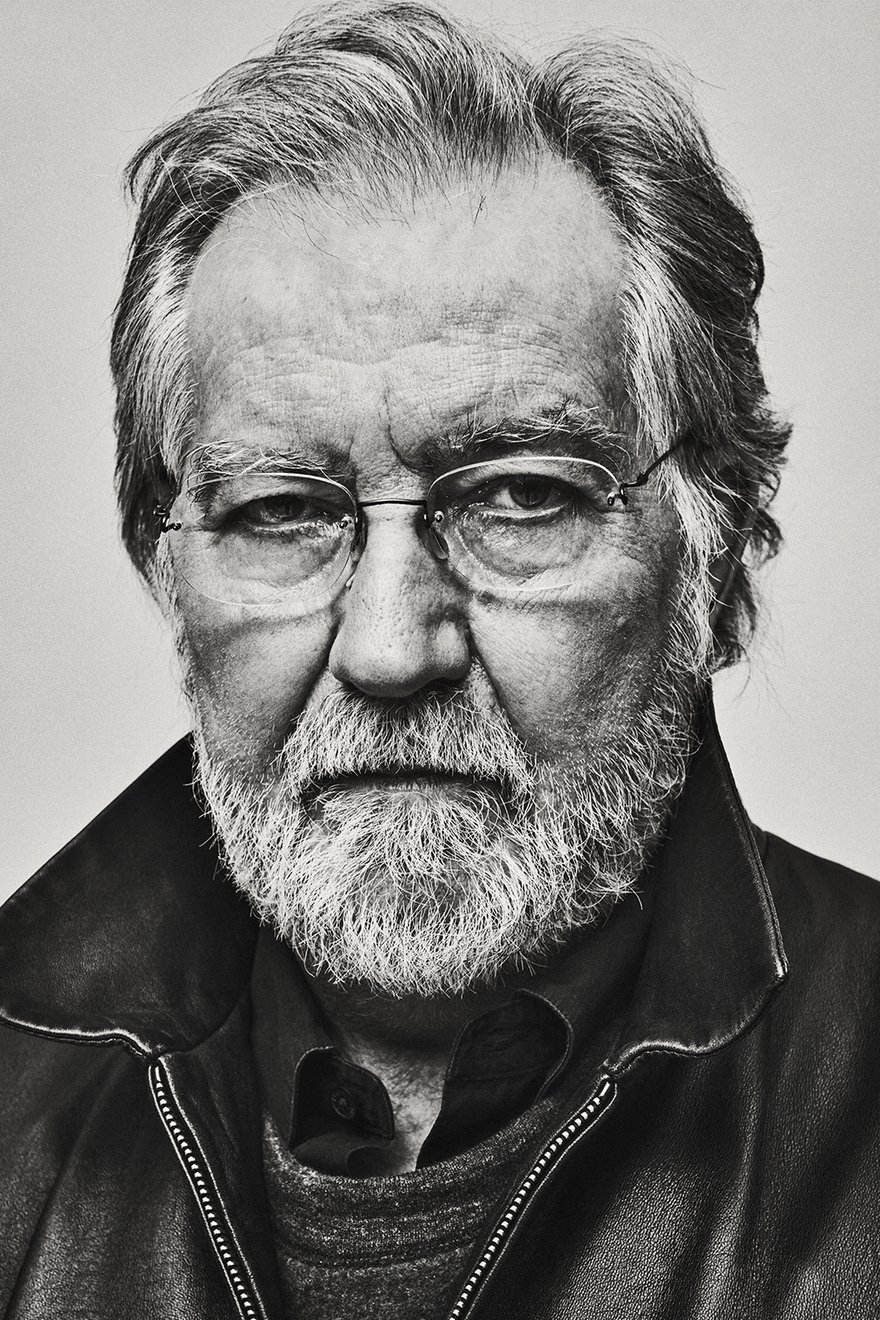
Tobe Hooper changed American horror with ‘The Texas Chain Saw Massacre’ and delivered studio chills in ‘Poltergeist’. He used documentary textures and rough sound to make terror feel immediate. The masked killer and rural nightmare blueprint spread across subgenres. His work proved that suggestion and grit can be more disturbing than spectacle.
6. Dario Argento
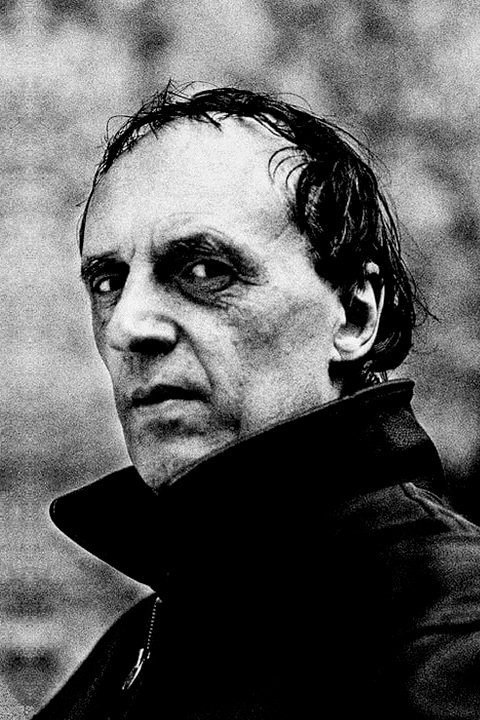
Dario Argento made operatic giallo and supernatural horror with ‘Suspiria’, ‘Deep Red’, and ‘Tenebrae’. He emphasized color, architecture, and elaborate set pieces. Music by key collaborators became a driving force in the scares. His stylized violence and mystery plotting influenced thrillers around the world.
5. David Cronenberg
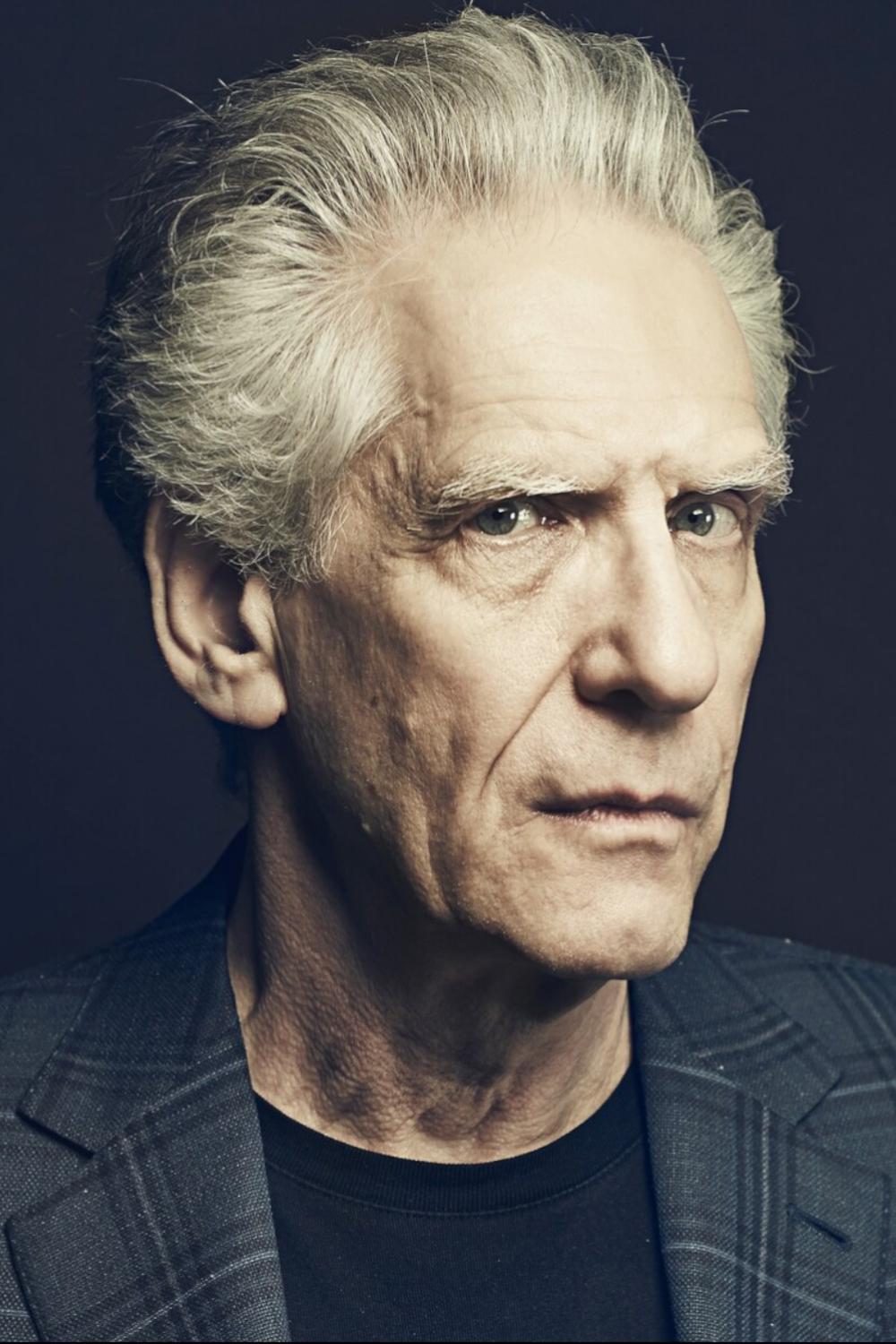
David Cronenberg defined body horror in ‘The Fly’, ‘Scanners’, and ‘Videodrome’. He connected transformation and technology to human anxiety. Practical effects and careful staging created unsettling textures. His films shaped the vocabulary for biological fear across cinema and television.
4. Wes Craven
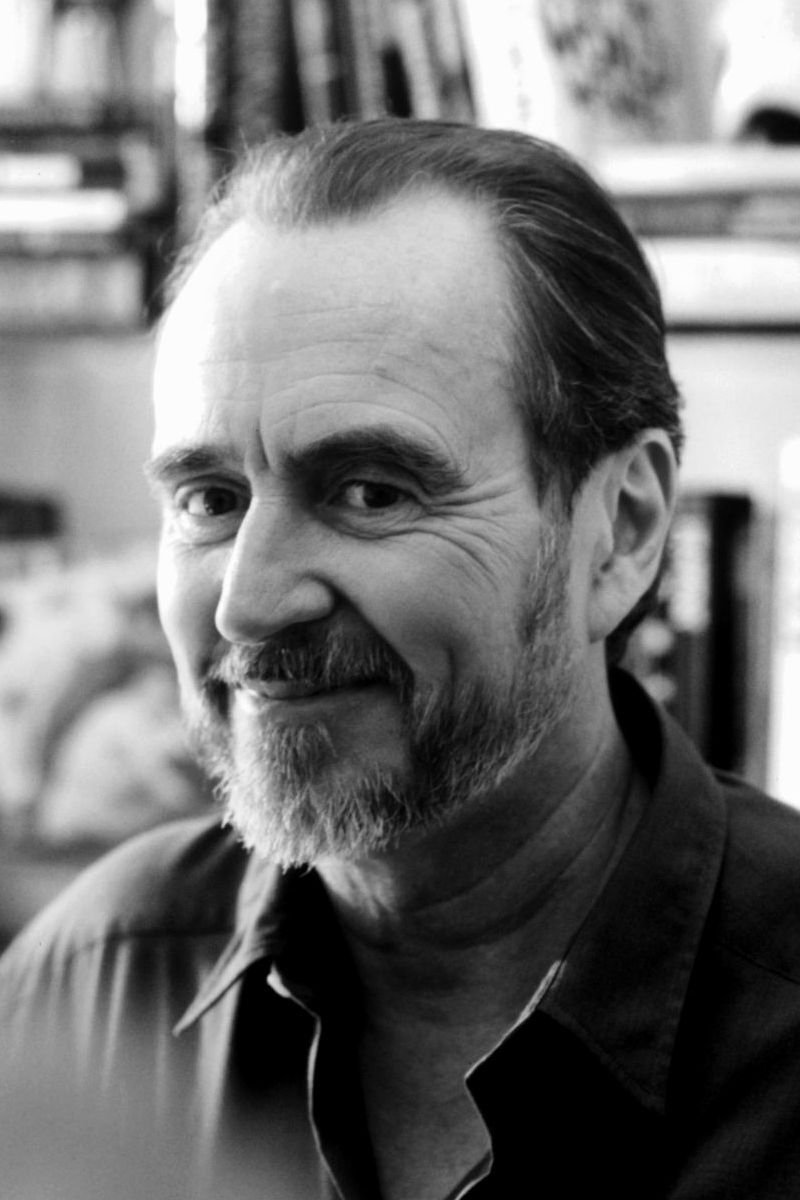
Wes Craven delivered generational shifts with ‘A Nightmare on Elm Street’ and later with ‘Scream’. He blended urban legends and media awareness into sharp narratives. Iconic villains and rules based setups became cultural touchpoints. His films refreshed slasher formulas and inspired new waves of meta storytelling.
3. George A. Romero
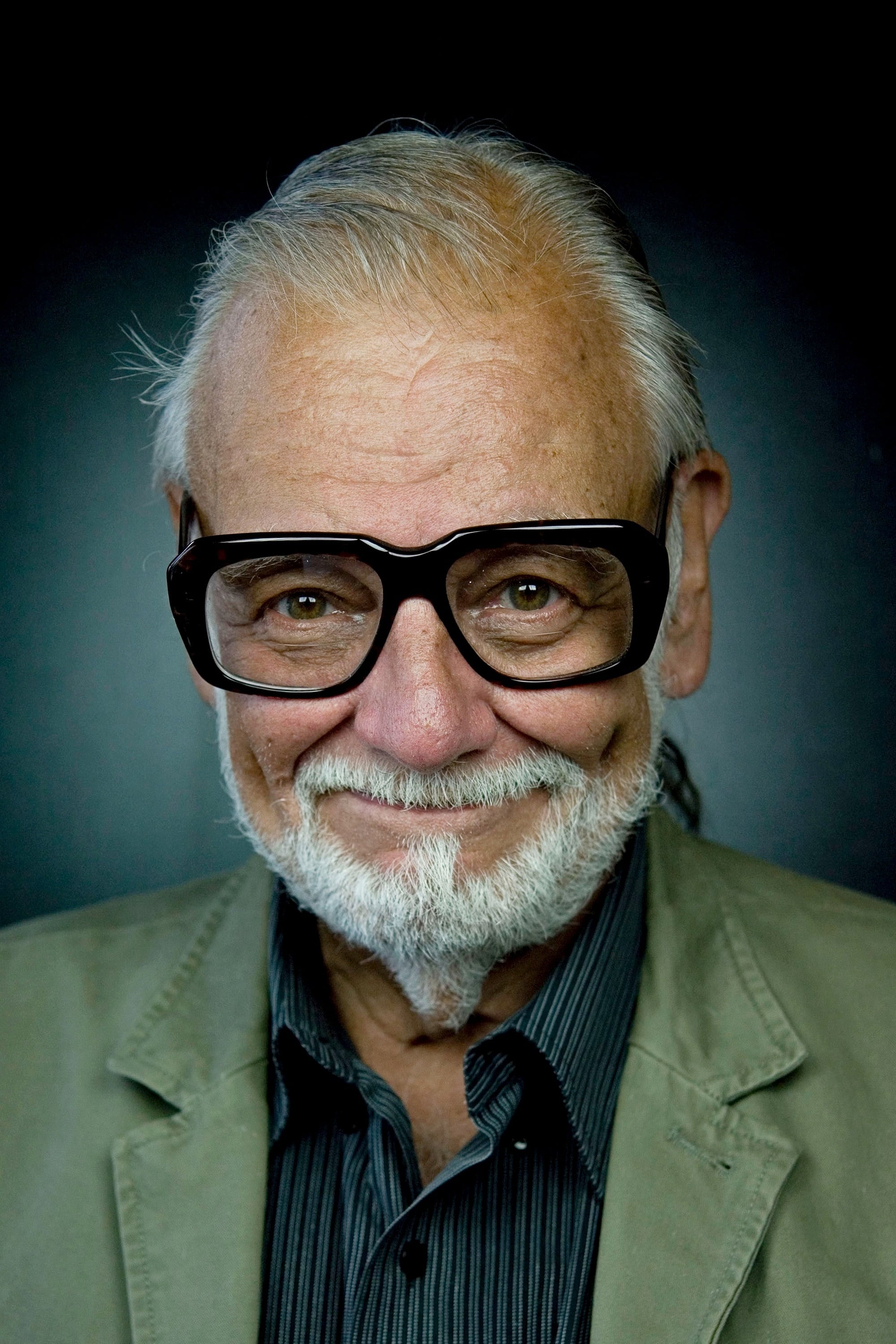
George A. Romero set the modern zombie playbook with ‘Night of the Living Dead’ and expanded it in ‘Dawn of the Dead’ and ‘Day of the Dead’. He tied social commentary to siege structures and practical effects. His creatures became the default template for countless films and shows. Independent production methods showed how to build impact outside the studio system.
2. Alfred Hitchcock
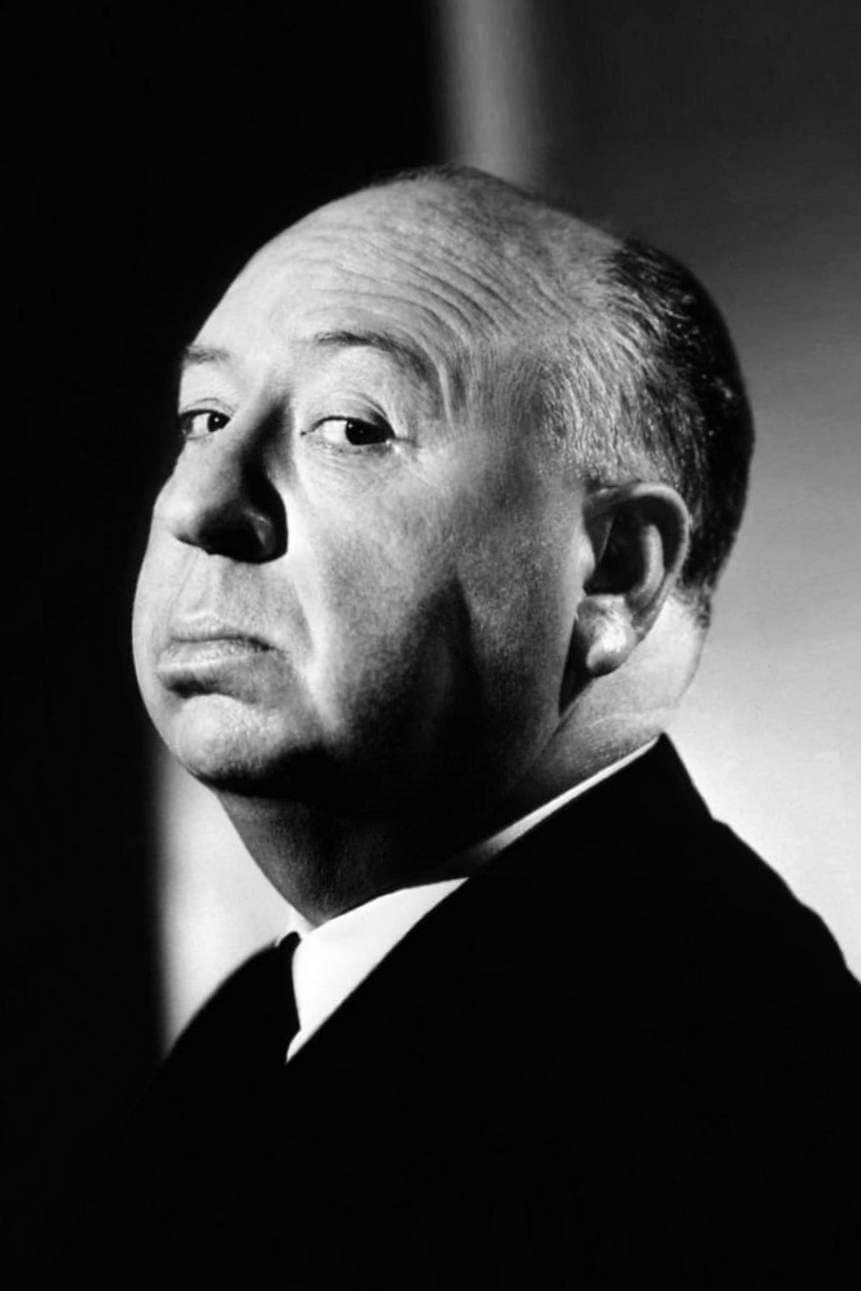
Alfred Hitchcock pushed psychological horror with ‘Psycho’ and ‘The Birds’. He refined suspense through point of view shots and careful editing. Marketing and release strategies around key titles changed how audiences experienced surprises. His influence spans slasher beginnings and thriller techniques still used today.
1. John Carpenter
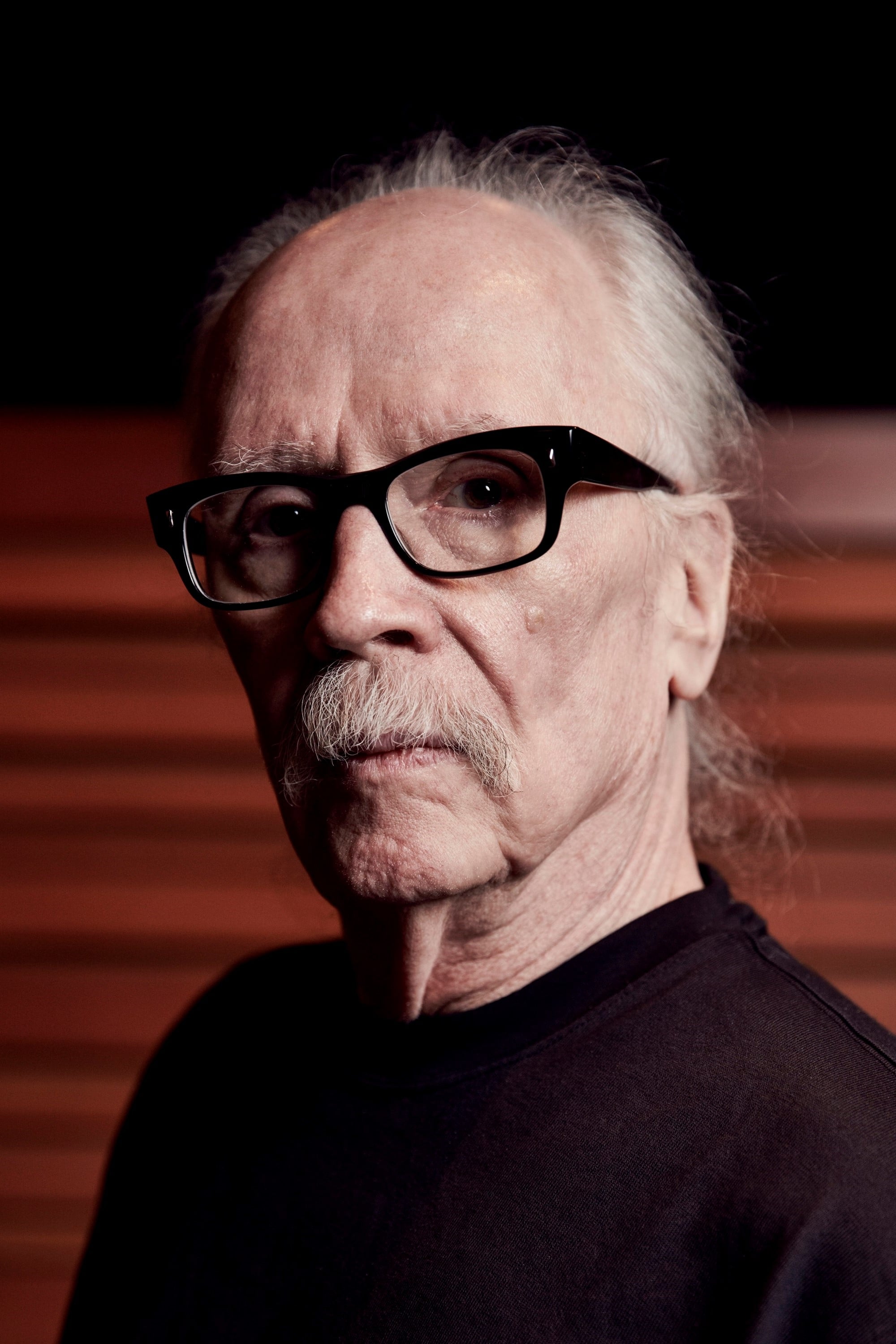
John Carpenter crafted enduring templates with ‘Halloween’, ‘The Thing’, and ‘The Fog’. He combined widescreen composition with synth driven scores that he often composed himself. Masked menace, survival ensembles, and siege structures became standards after his work. His films continue to guide pacing, music, and visual language across the genre.
Share your picks in the comments and tell us who you would add to the list.