Top 20 Anime That Became Masterpieces After Just One Episode

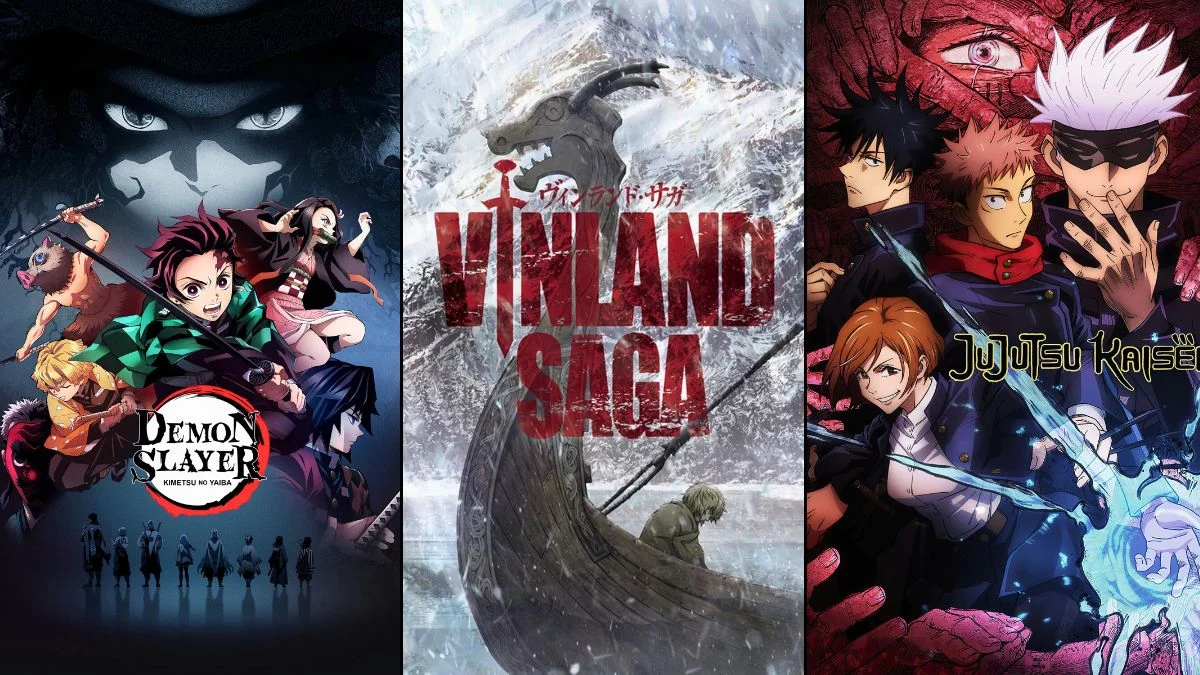

Some anime hook viewers so completely in the opening chapter that the rest of the season becomes a must watch. These pilot episodes set the tone with sharp direction, striking music, and world building that is clear and confident. They introduce themes and stakes without wasting a minute. Here are standout series whose first episodes did the heavy lifting right away.
‘Attack on Titan’ (2013–2023)
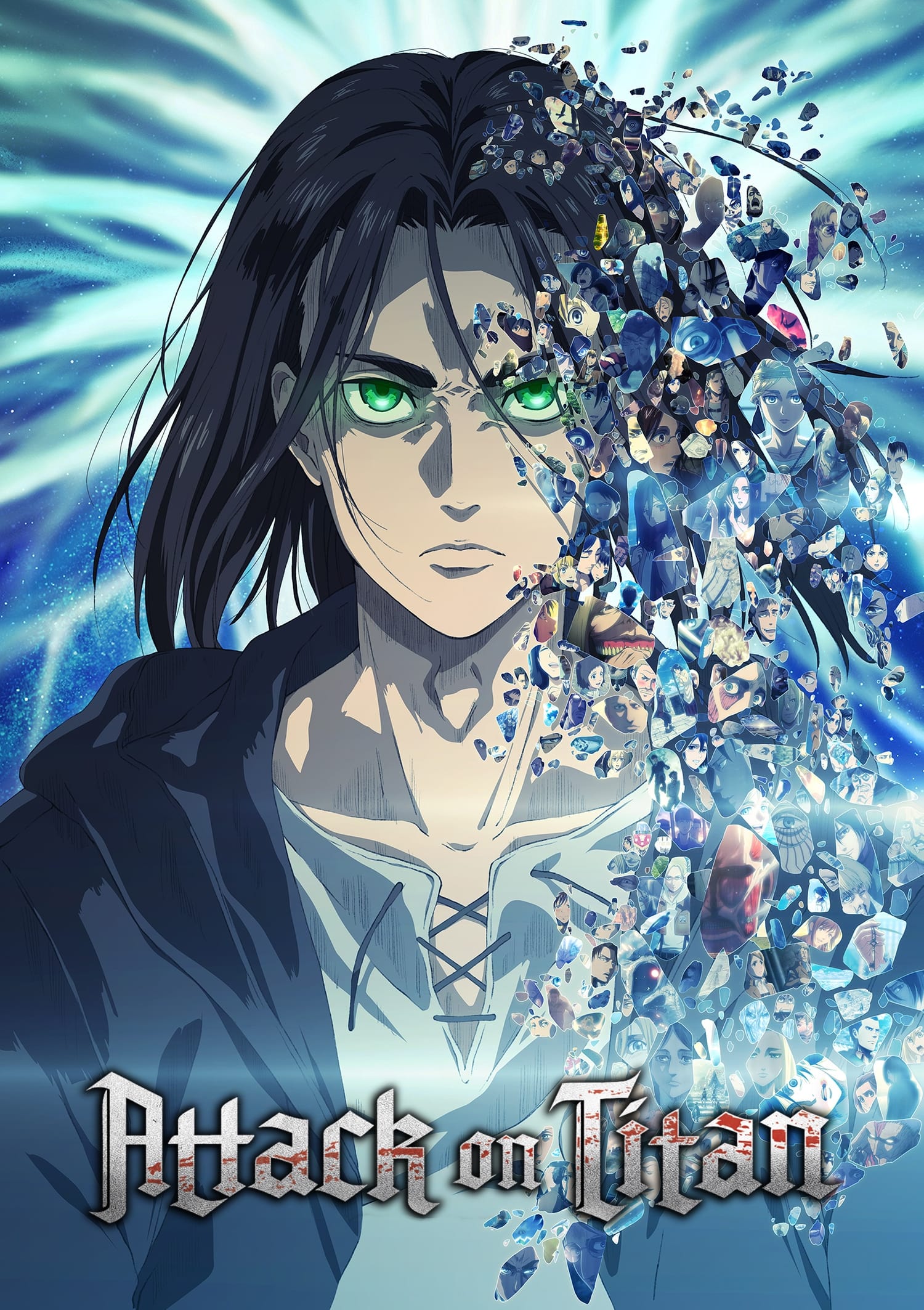
The premiere lays out a walled society, its military structure, and the threat of Titans in one tight arc. It adapts the early chapters of Hajime Isayama’s manga with kinetic cuts and heavy use of point of view shots. Composer Hiroyuki Sawano’s score is established as a driving element from the first scene. The episode closes on a single catastrophic event that sets every major character on a clear path.
‘Death Note’ (2006–2007)
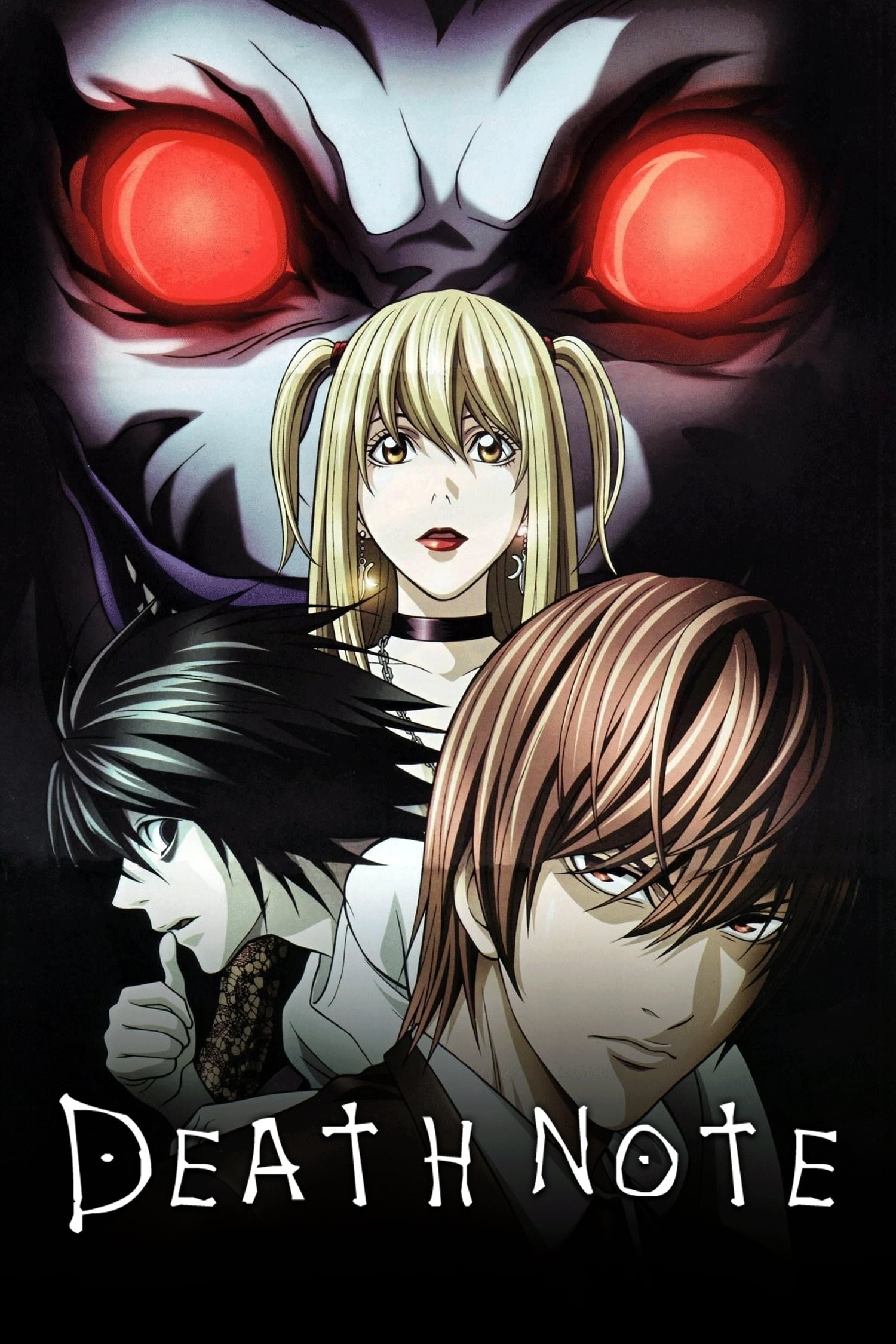
The opening episode introduces the notebook rules in on screen text and demonstrates them through careful experiments by Light Yagami. The cat and mouse premise is seeded the moment L appears from an unknown location. Visual motifs like the red apple and stark lighting define the show’s look immediately. The script explains a complex supernatural system in plain terms without slowing the pace.
‘Fullmetal Alchemist: Brotherhood’ (2009–2010)
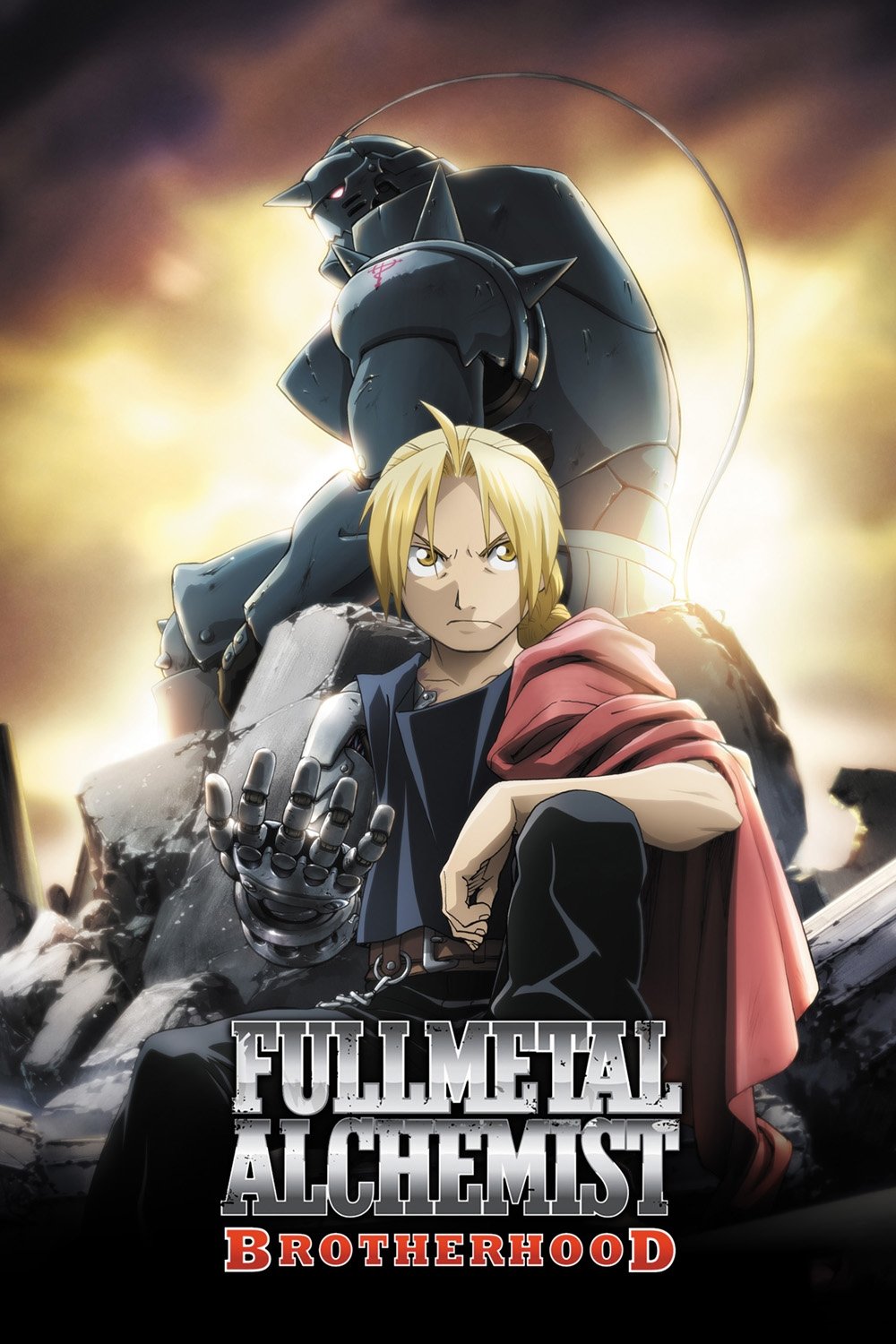
The first episode functions as a mission of the week while quietly explaining equivalent exchange and state alchemists. Flashbacks outline the Elric brothers’ failed transmutation and the cost of their bodies. Action scenes show different alchemy styles with readable choreography. The closing moments set a long term goal that orients every subsequent arc.
‘Demon Slayer: Kimetsu no Yaiba’ (2019)
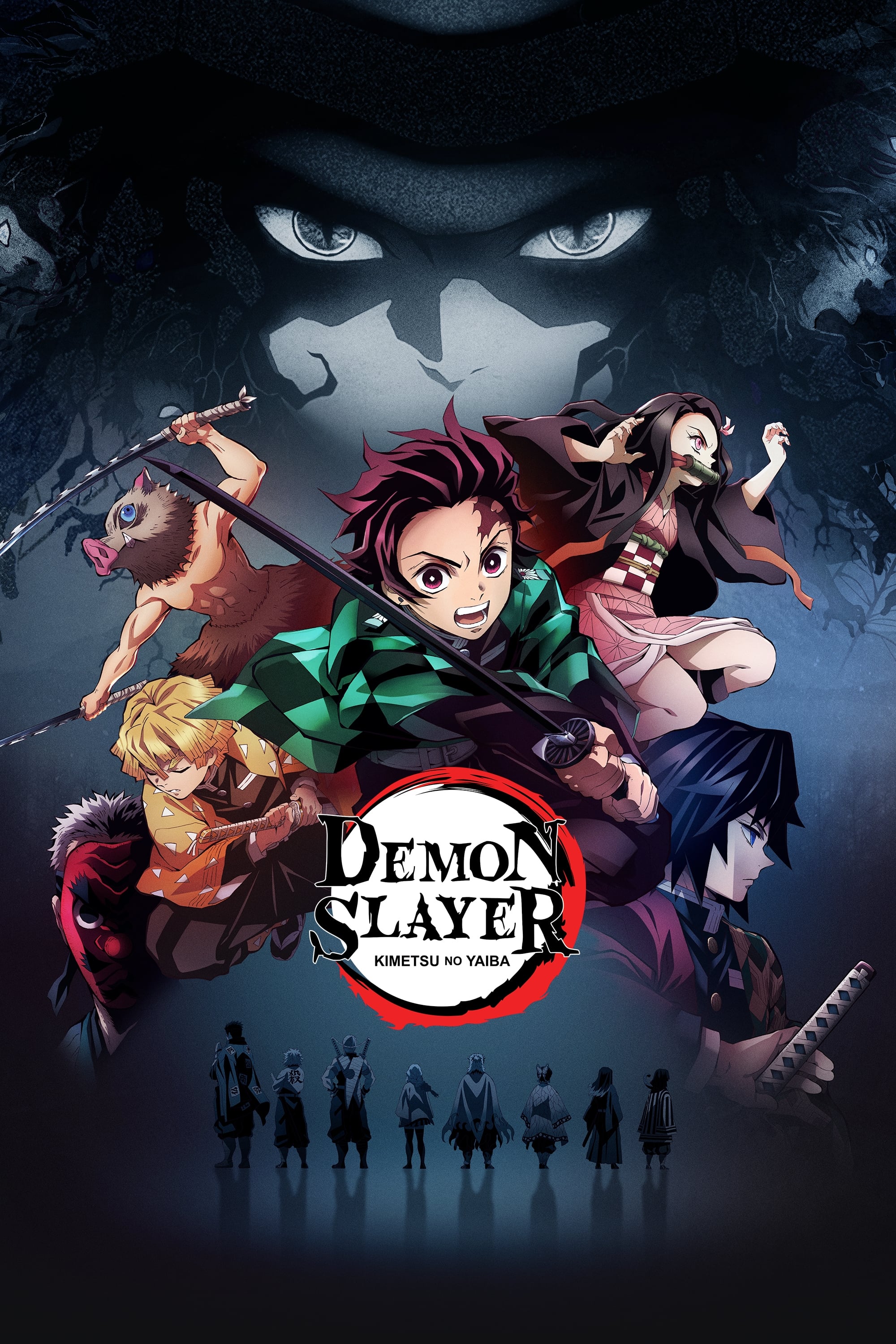
The premiere follows Tanjiro’s routine before a sudden attack reframes the entire story. It establishes demon physiology, the Corps, and the rules around sunlight and blood in a few crisp sequences. Ufotable’s compositing and camera movement are showcased during the forest scene. The final interaction between Tanjiro and Giyu sets the emotional stakes for the training to come.
‘Jujutsu Kaisen’ (2020)
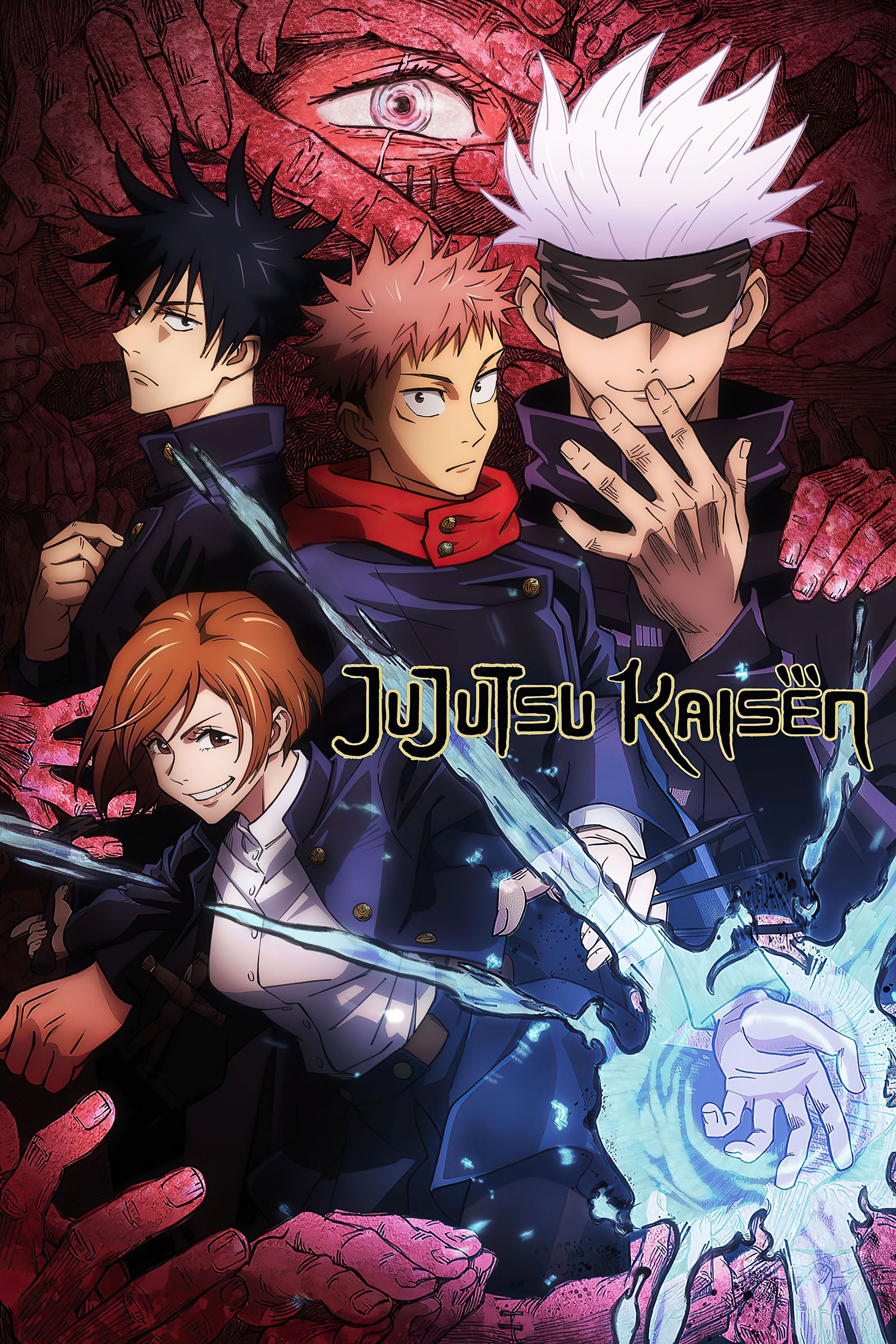
Episode one introduces cursed energy as a byproduct of human emotion and shows its dangers in a school setting. It defines talismans, grades of curses, and the role of sorcerers through a single rescue. The choreography highlights impact frames and clean transitions between hand to hand combat and technique use. Satoru Gojo’s late entrance clarifies the power ceiling without overexplaining.
‘Neon Genesis Evangelion’ (1995–1996)
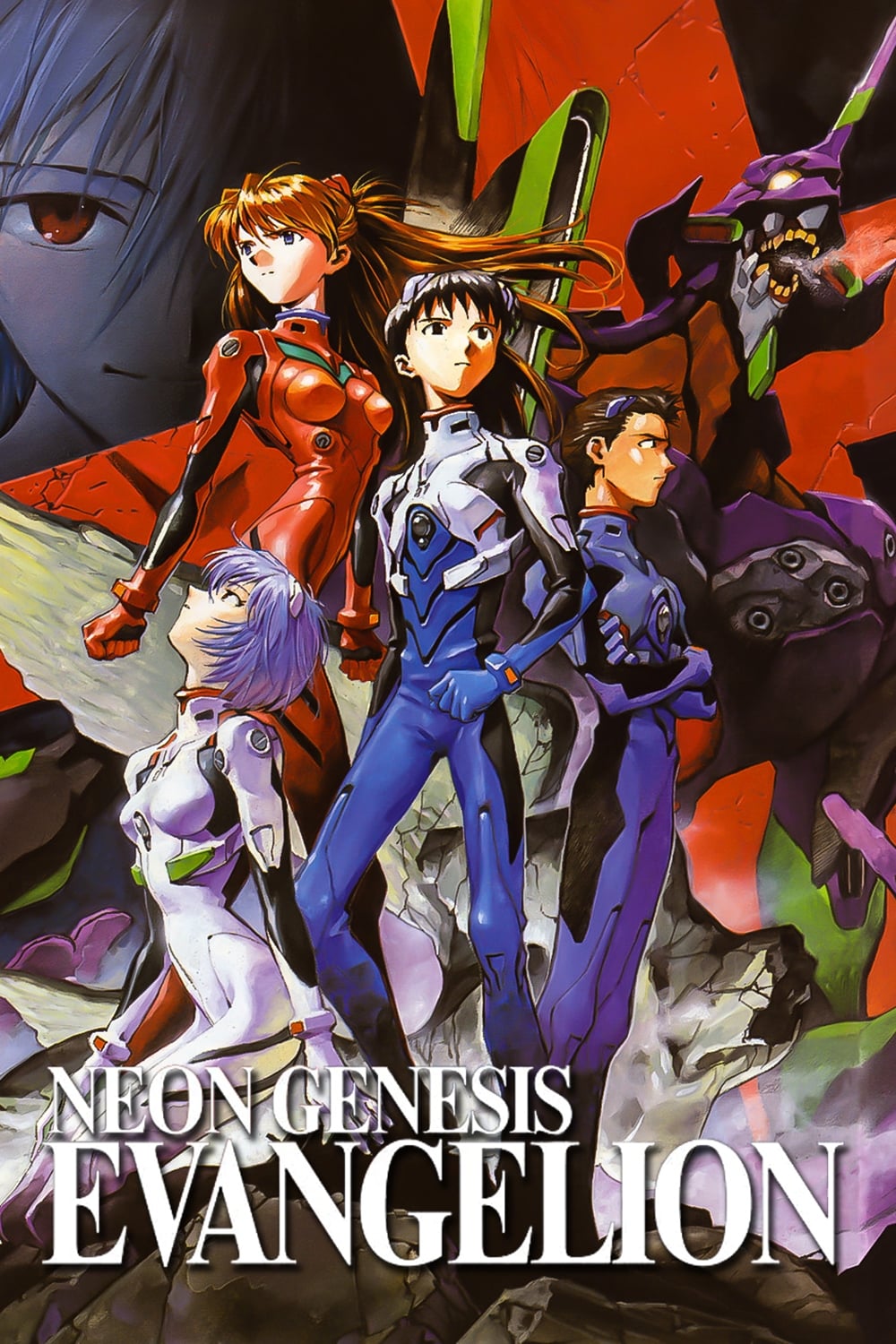
The pilot drops Shinji into an evacuation and reveals NERV through functional signs and control room displays. It shows an Angel’s abilities and the limits of conventional weapons right away. The Eva launch sequence details every step of deployment so viewers learn the system by watching it operate. Repeated cuts to status monitors deliver information while maintaining tension.
‘Cowboy Bebop’ (1998)
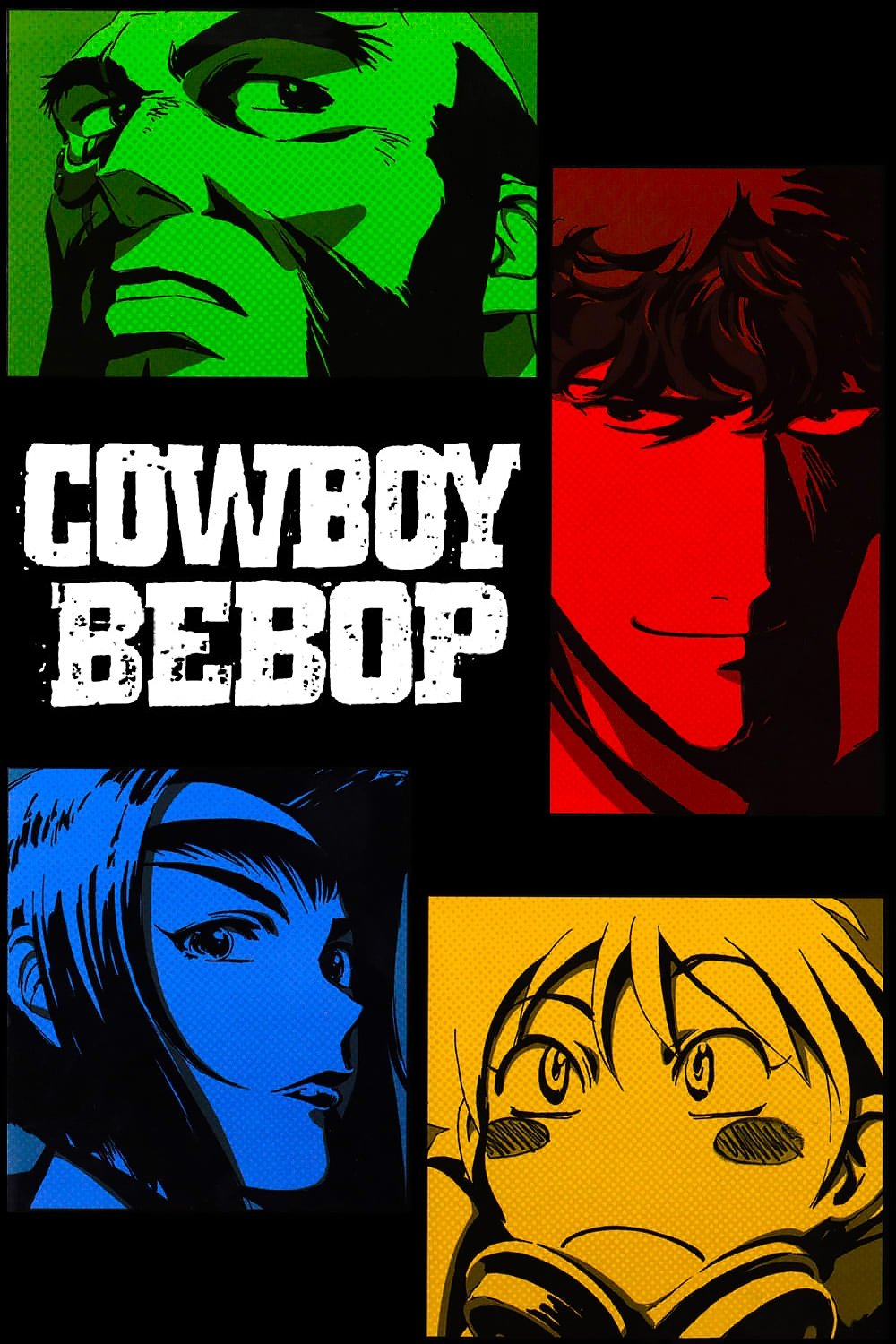
The opener tells a complete noir story about a drug called Red Eye and a couple on the run. It defines Spike and Jet through their work habits, their ship, and the bounties they choose. Music by Seatbelts sets the show’s jazz identity from the first chase. The final scene shows consequences that the crew cannot fix, establishing the series tone.
‘Chainsaw Man’ (2022)

The first episode maps Denji’s debts, his contract with Pochita, and the rules of devil hunters. It balances body horror with grounded details like agency procedures and pay. Sound design sells the chainsaw transformations with distinct textures. Makima’s introduction outlines a hierarchy that drives the next missions.
‘Vinland Saga’ (2019)
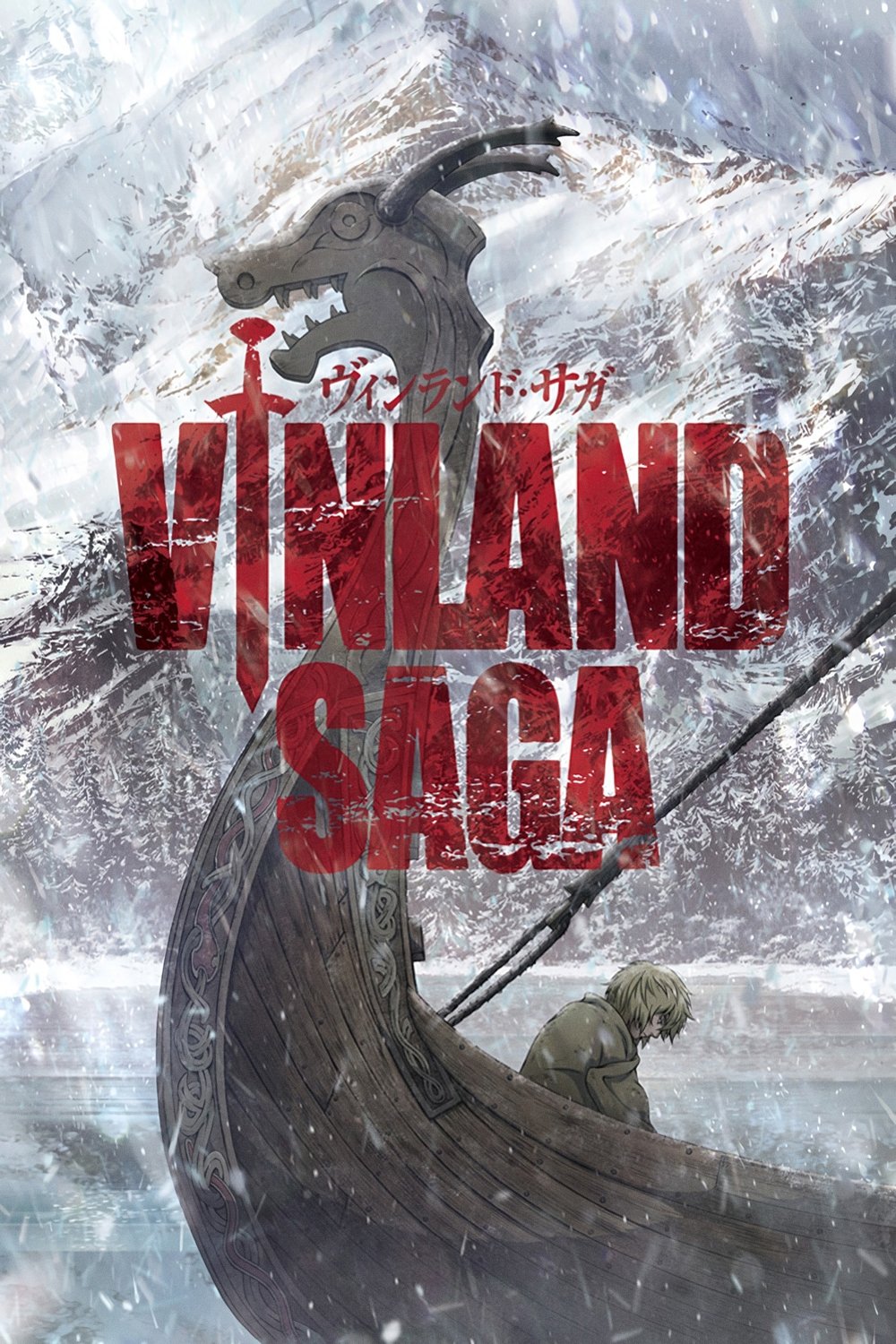
The premiere contrasts a peaceful village with mercenary life using parallel scenes on land and sea. It introduces Thors’ past through visual clues and sparing dialogue. Ship construction, navigation, and combat tactics are shown with practical detail. The final reveal explains why battles keep finding the main family.
‘Oshi no Ko’ (2023)
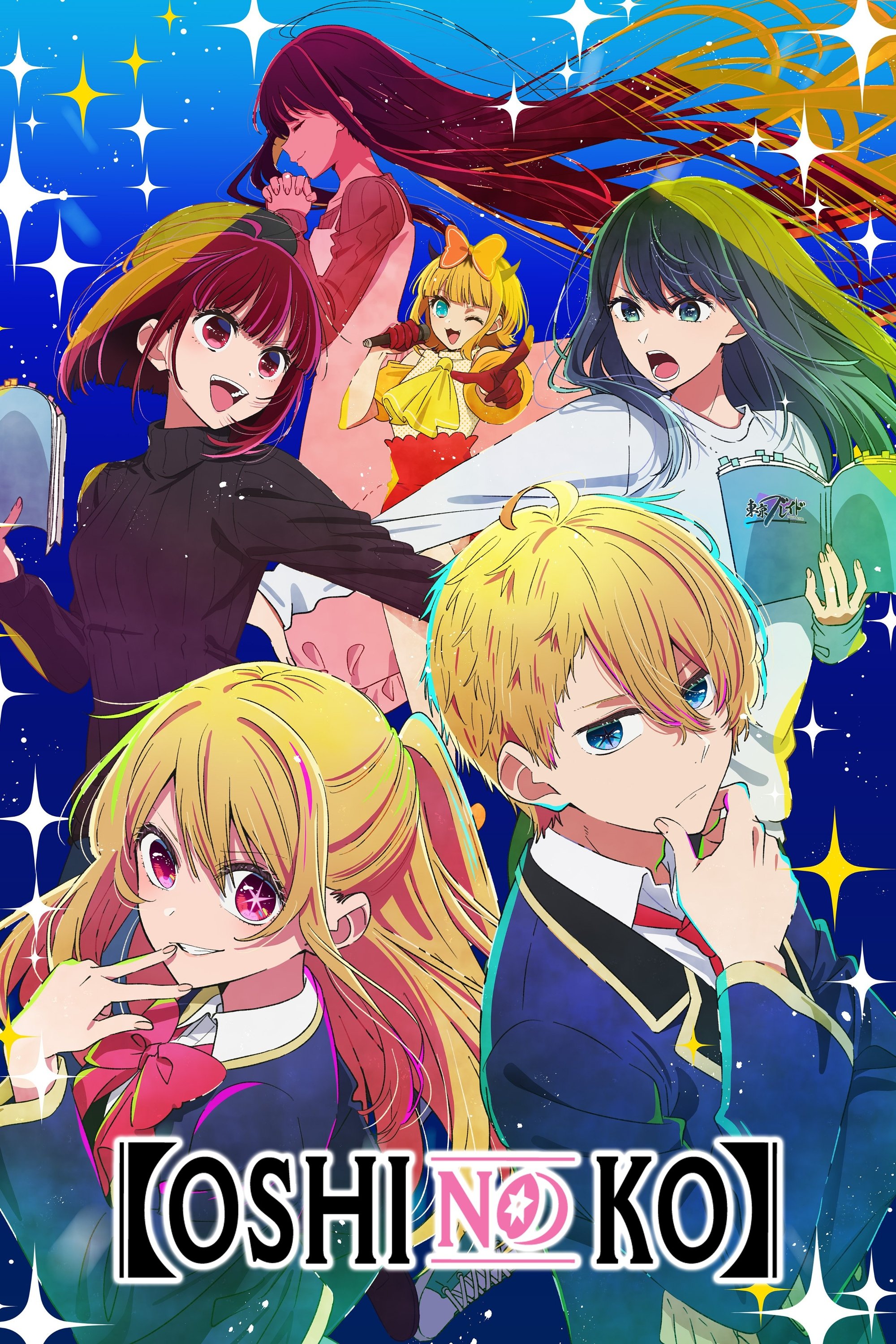
A feature length first episode sets up the idol industry from management to fan culture. It uses a reincarnation premise to explain backstage mechanics like training, media appearances, and security. The script shows how metrics and image crafting shape an idol’s choices. The final act pivots the series focus with a clear objective for the lead character.
‘The Promised Neverland’ (2019–2021)
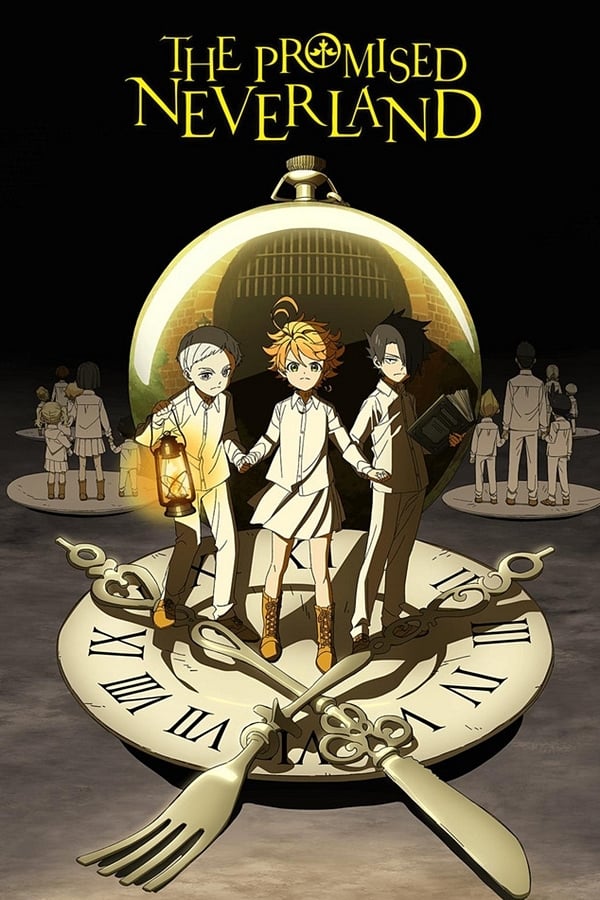
The pilot presents an orphanage with strict testing and a ban on crossing a fence. A single discovery reframes the setting as a carefully run farm. The episode uses maps, counts, and rules to show how escape efforts must work. Character roles are defined by who gathers intel, who moves supplies, and who distracts adults.
‘Erased’ (2016)
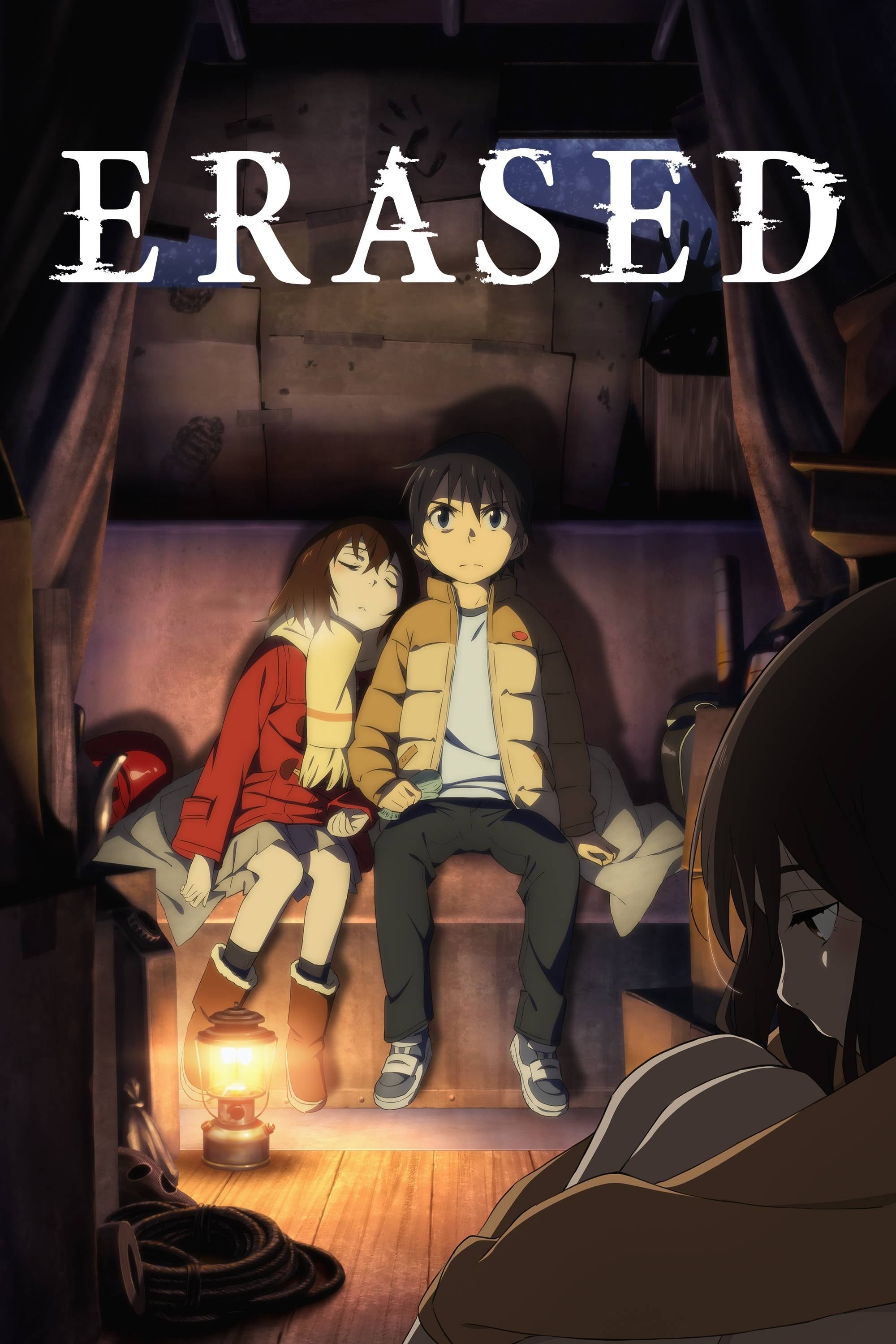
Episode one explains Satoru’s time slip ability by running it on a small event before escalating. It anchors the mystery in a cold case that the lead can now revisit. The script details how memory, geography, and school routines factor into the plan. Visual callbacks signal where the timeline has shifted after each jump.
‘Made in Abyss’ (2017)
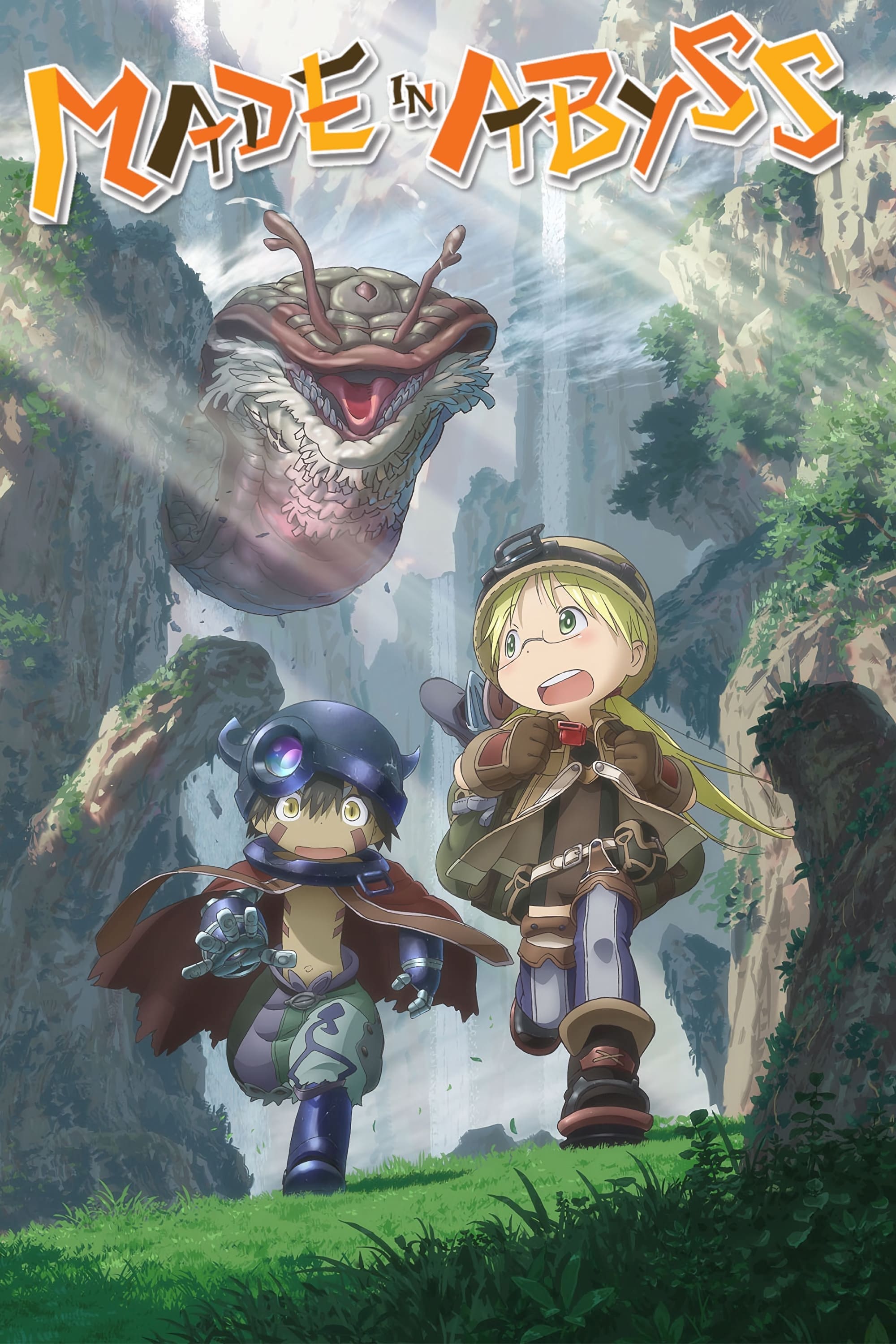
The first episode gives a tour of the town at the crater edge and the guilds that manage dives. It outlines the Abyss layers and the curse that affects ascending explorers. Equipment checks and retrieval protocols make the expedition work feel real. The final decision sends two children into an environment with codified risks.
‘One-Punch Man’ (2015–2019)
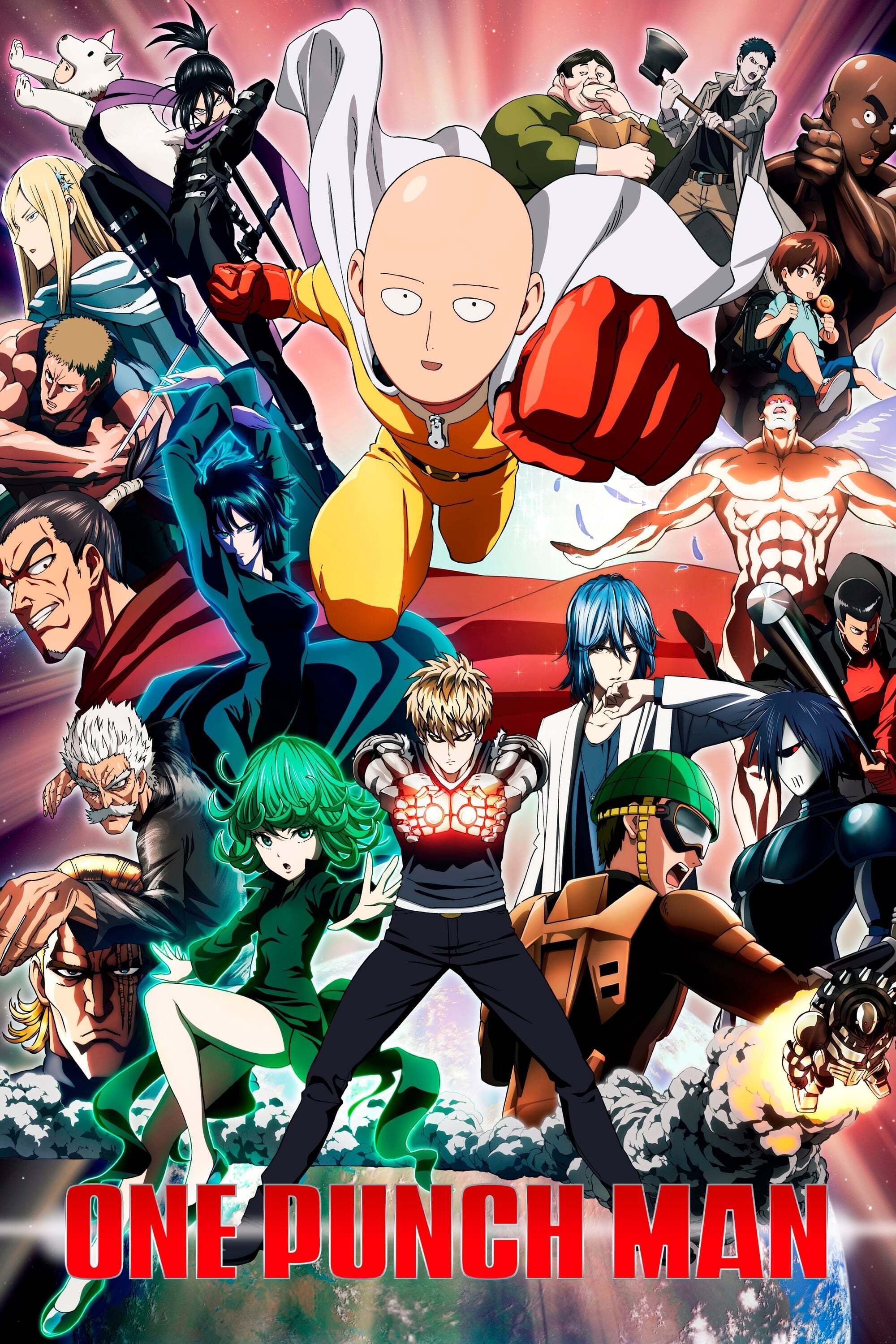
The opener sets the rules of a world with frequent monster incidents and registered heroes. It demonstrates Saitama’s problem in a quick sequence that shows training results without flashbacks. The city naming scheme and disaster codes provide a framework for future episodes. A post mission beat introduces a new partner who connects the lead to the larger organization.
‘Mob Psycho 100’ (2016–2022)
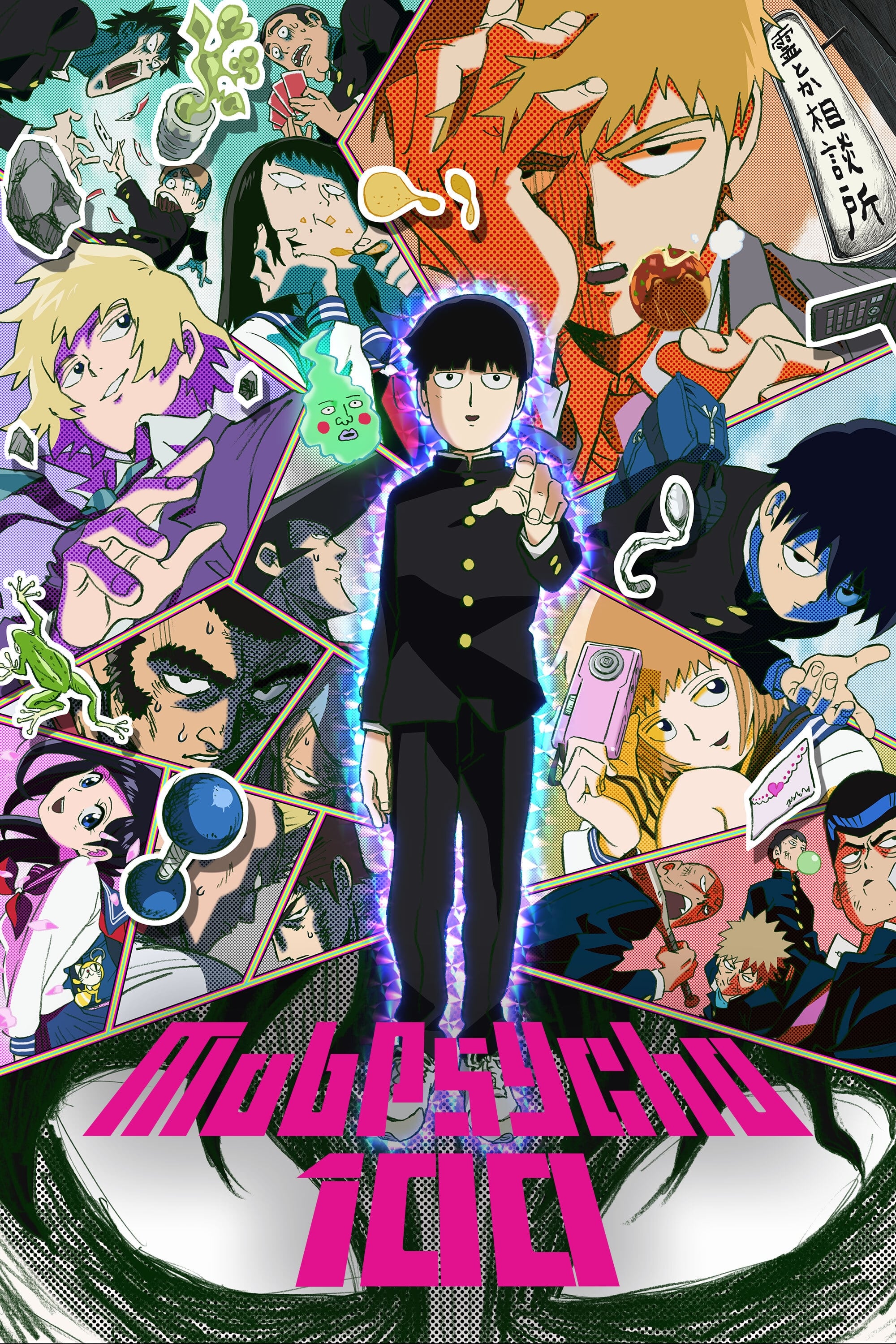
The first episode introduces Spirits and Such Consultation Office and shows a typical client job. It explains Mob’s emotional meter as a numeric device that tracks pressure. Comedy bits sit alongside clear demonstrations of psychic techniques. Reigen’s role as a guide is established through contract terms and staged exorcisms.
‘Samurai Champloo’ (2004–2005)
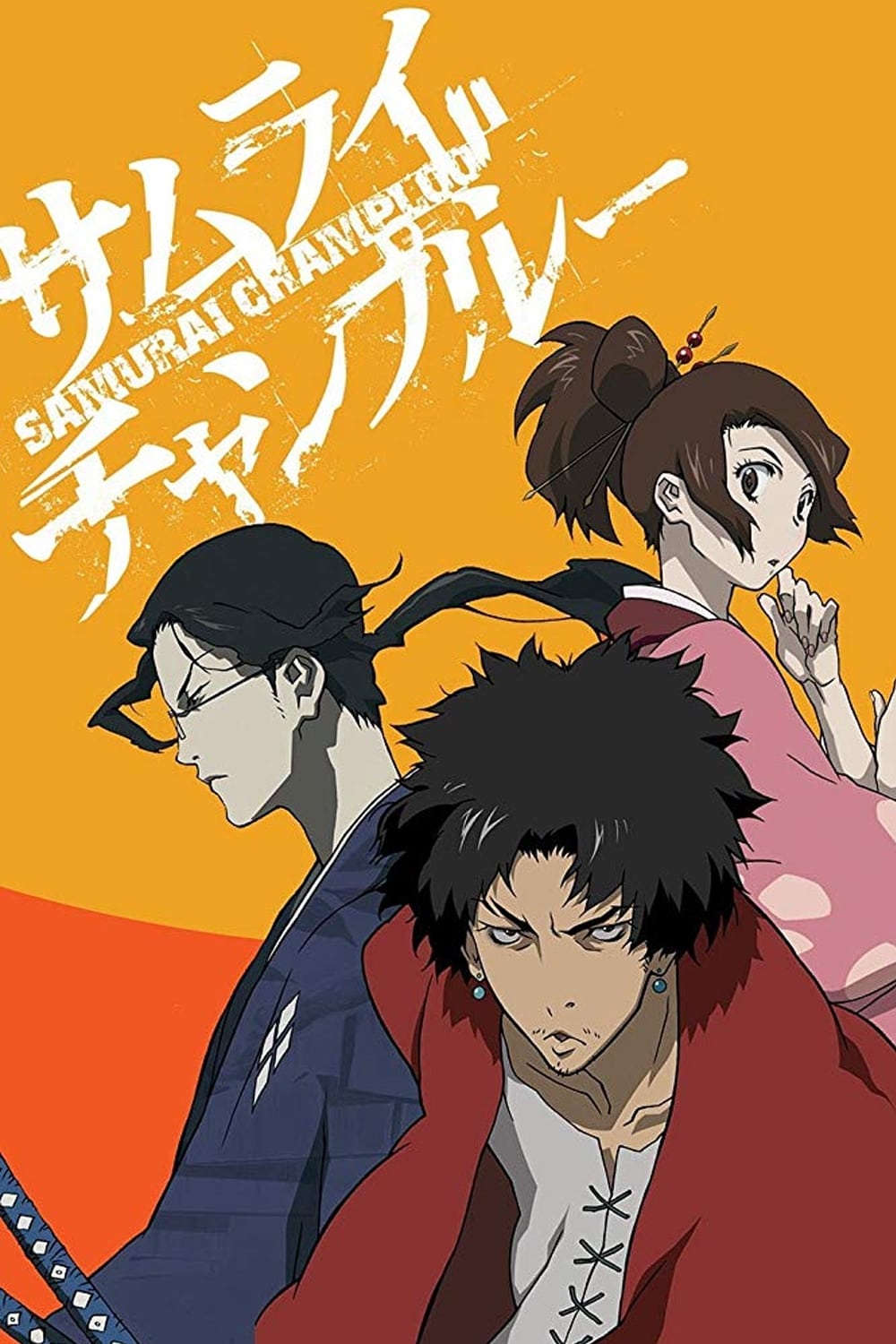
The premiere alternates between two fighting styles to define Mugen and Jin before they meet. It anchors the plot in a teahouse incident and a promise made to Fuu. Needle drop edits show how music cues shape the action rhythm. The closing choice binds the trio with a shared objective and an immediate route.
‘Steins;Gate’ (2011)
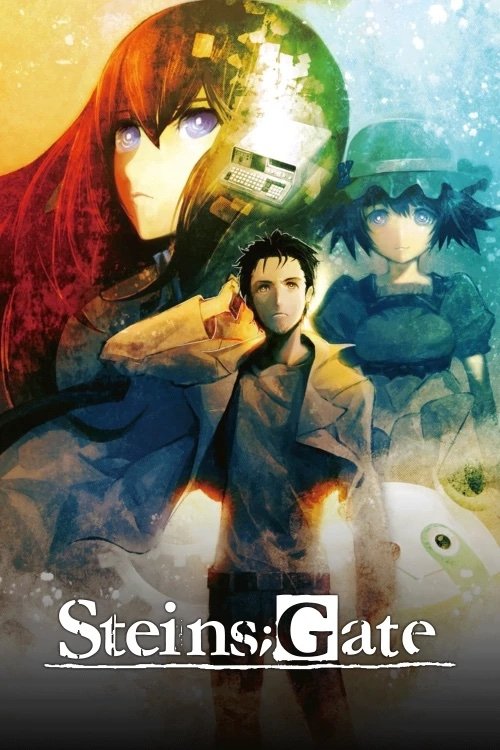
Episode one shows a strange event at a lecture and records it with a phone, a satellite crash, and a text. It seeds the concept of messages sent to the past with a small experiment. Terminology like divergence numbers and lab member roles enters naturally through banter. The city layout and a single building become central tools for the investigation.
‘Sword Art Online’ (2012–2020)

The opener explains full dive tech, logout locks, and death conditions in a single announcement. It visualizes crafting, party systems, and floor bosses as parts of daily survival. Kirito’s background as a beta tester is presented as a practical advantage with limits. The closing decision sets a solo approach that shapes early progression.
‘Ranking of Kings’ (2021–2022)
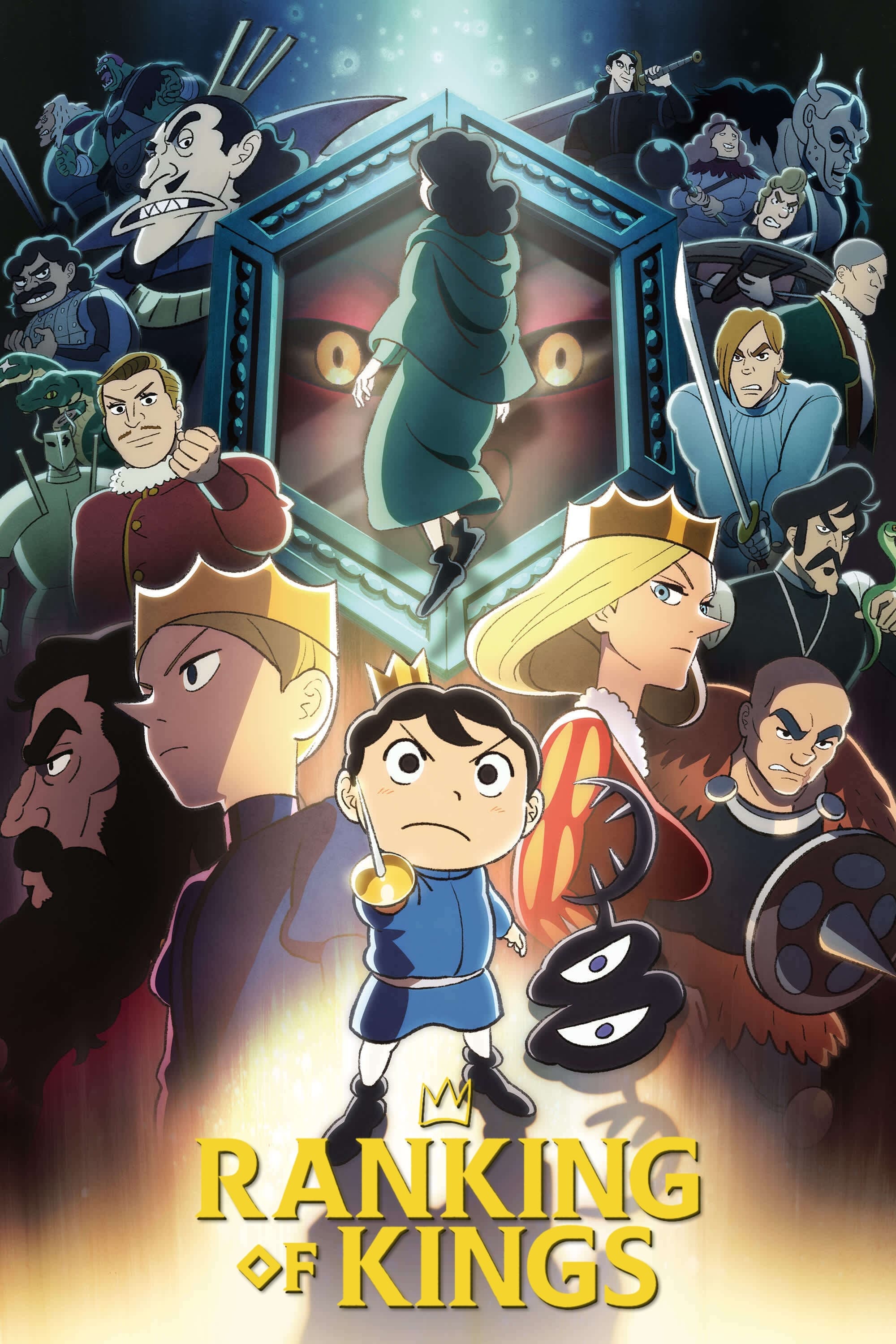
The first episode introduces a ranking system that measures rulers by strength and leadership. It establishes Bojji’s communication style and how he navigates the castle using set routes. Maps, sign language, and visual cues carry key information without heavy exposition. A single duel demonstrates skill assessment and political tensions.
‘My Hero Academia’ (2016)
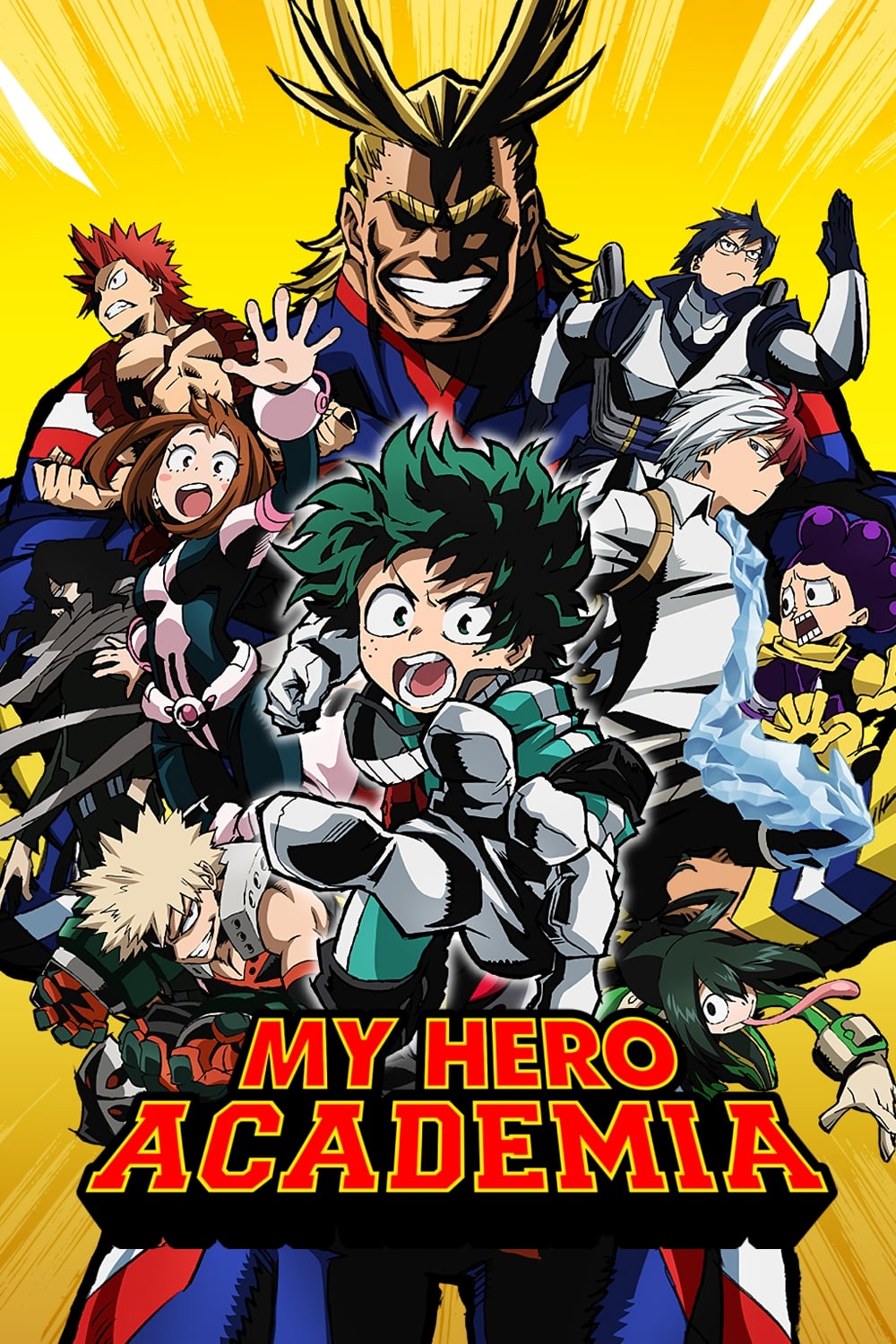
The premiere defines quirks as a global norm and shows how licensing works for professional heroes. It uses rescue scenes and school admissions to outline career paths. Key characters are introduced through public incidents that reveal abilities and priorities. The final handoff sets up training under a mentor tied to the system’s history.
Share your picks for first episodes that grabbed you right away in the comments.