Top 25 Best Sci-Fi Games of All Time

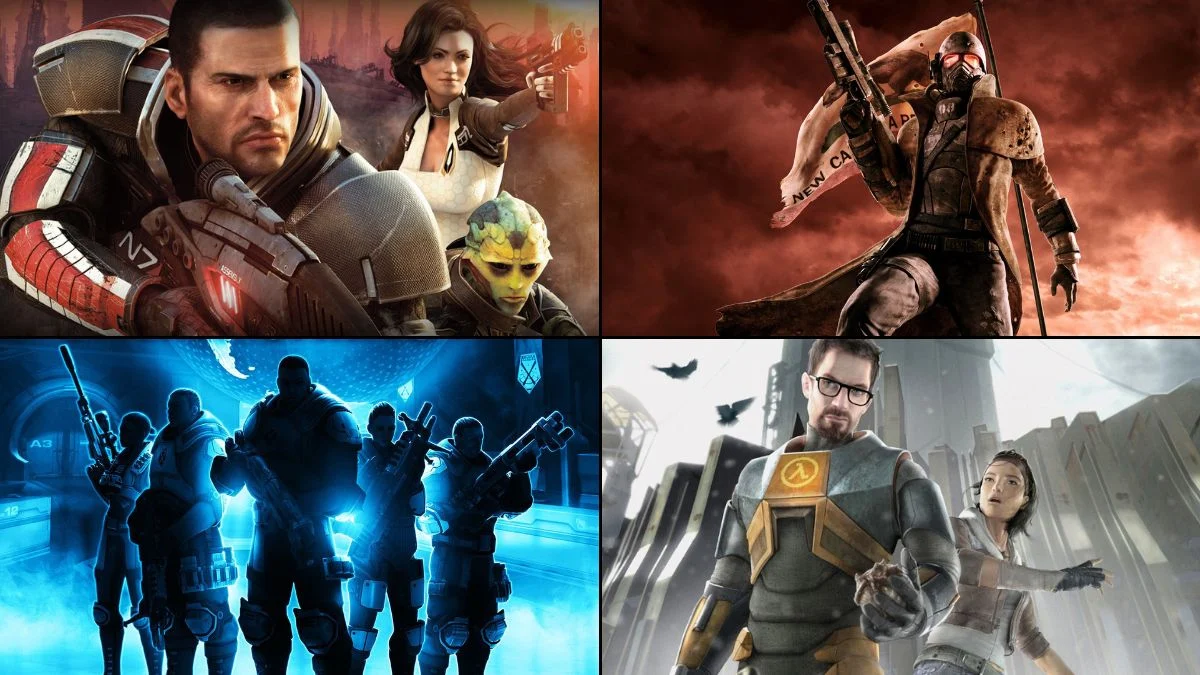

From space operas to time loops and cybernetic conspiracies, sci-fi games have pushed technology, storytelling, and worldbuilding in thrilling directions. This list gathers standout titles across genres, eras, and platforms that showcase advanced tech, extraterrestrial frontiers, and speculative futures. You will find shooters, RPGs, strategy epics, and indie gems that explore artificial intelligence, interstellar travel, and post-apocalyptic survival. Each entry highlights concrete details like developers, release years, platforms, and key mechanics so you can quickly spot what fits your tastes.
Half-Life 2
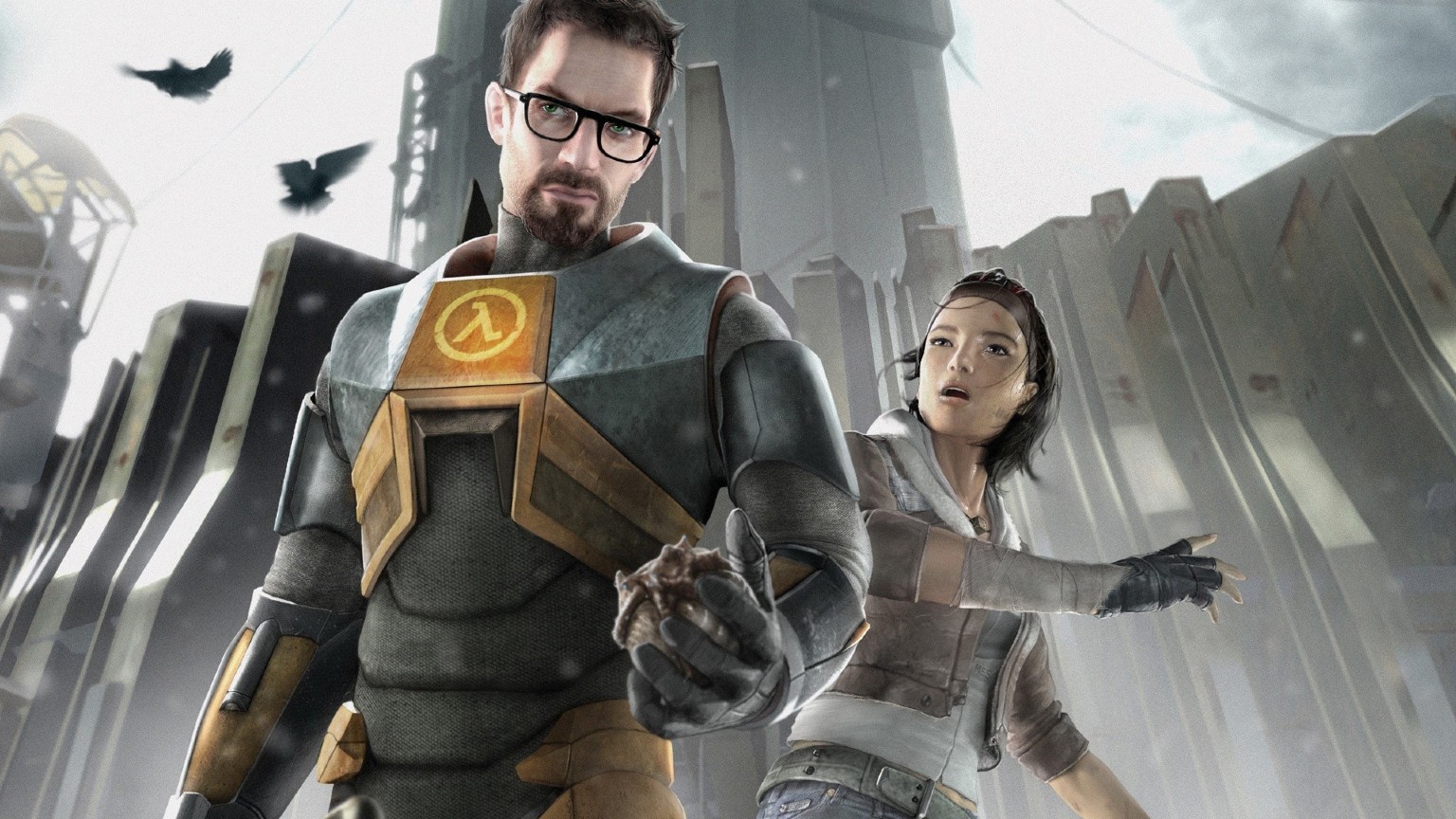
Released in 2004 by Valve on PC and later on consoles, this sequel introduced the Source engine and its robust physics system. The Gravity Gun let players manipulate objects to solve environmental puzzles and gain combat advantages. City 17 set a benchmark for integrated narrative design with in-engine scripted sequences. The episodic follow-ups continued the story across ‘Episode One’ and ‘Episode Two’.
Mass Effect 2
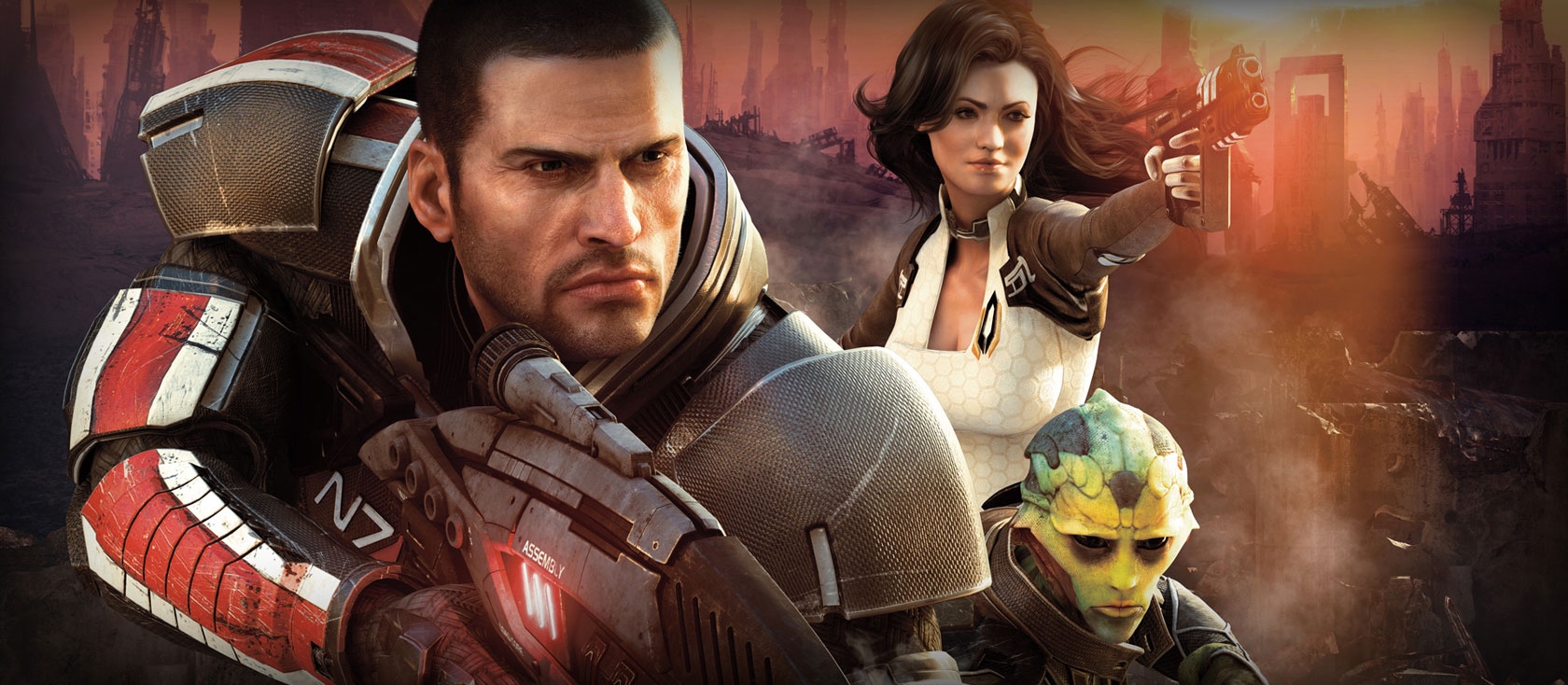
BioWare launched this spacefaring RPG in 2010 on PC and consoles with a focus on squad building and character loyalty. Players assembled the Normandy crew for a high-stakes mission that changed based on preparation and choices. The Paragon and Renegade systems affected dialogue options and outcomes across missions. Save data imported from the first game carried decisions forward and shaped the narrative.
Star Wars: Knights of the Old Republic
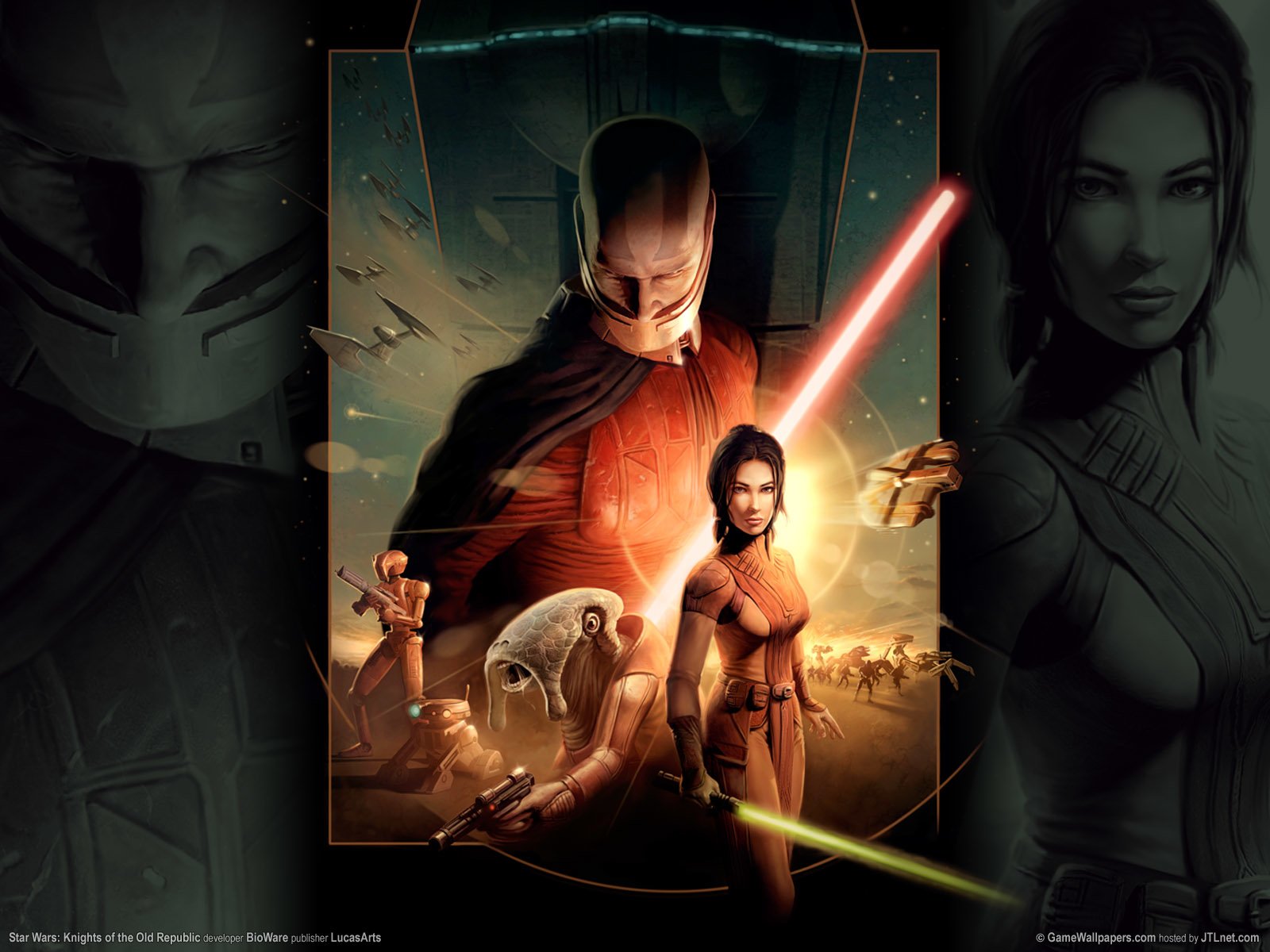
BioWare released this RPG in 2003 for Xbox and PC with a story set millennia before the films. Combat used a D20-based system with pausable real-time actions and party management. Player alignment shifted through Light or Dark side choices that altered powers and dialogue. A twist-driven plot and companion quests anchored exploration across multiple planets.
Deus Ex
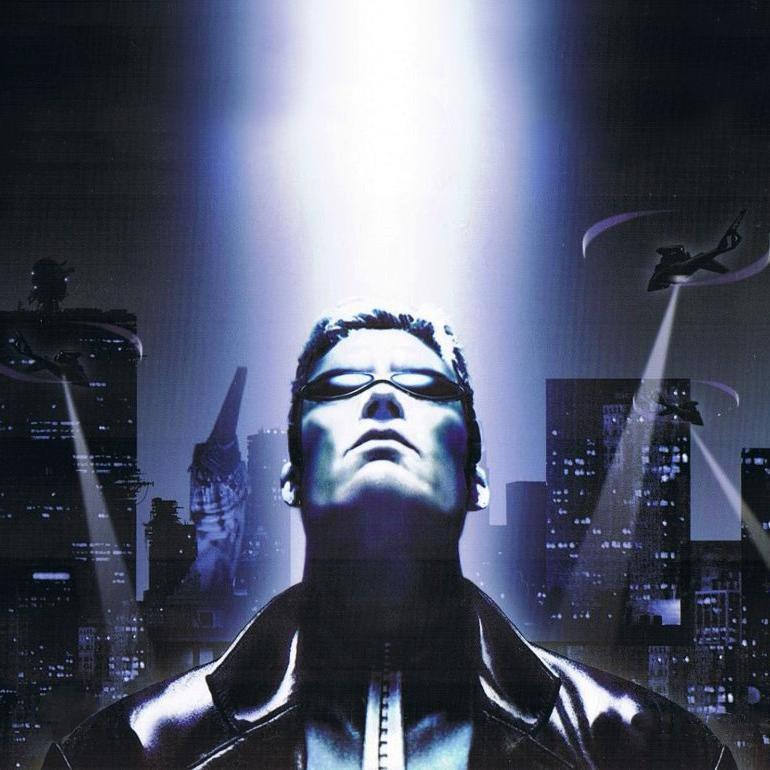
Ion Storm’s 2000 immersive sim arrived on PC with branching paths through stealth, hacking, and direct combat. Augmentations allowed custom builds that influenced how to infiltrate levels and handle objectives. Player choices affected factions, mission routes, and multiple endings. The game blended conspiracy fiction with near-future tech across international hubs.
System Shock 2
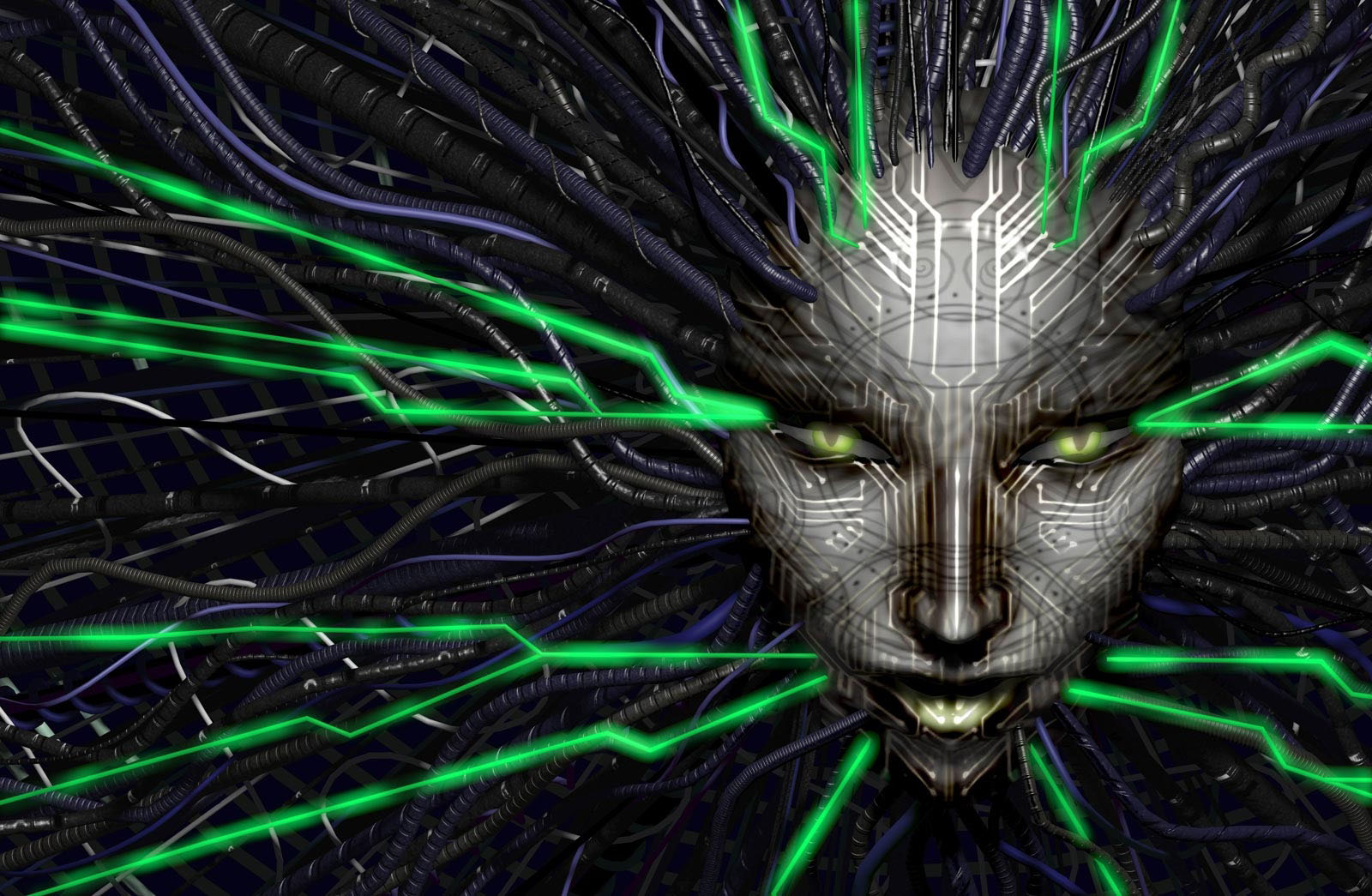
Developed by Irrational Games and Looking Glass Studios in 1999, this hybrid shooter RPG launched on PC. Skill trees, cyber modules, and inventory management emphasized survival aboard the starship Von Braun. Audio logs and environmental clues delivered worldbuilding and enemy behavior hints. The AI antagonist SHODAN returned with a central role in the narrative.
BioShock
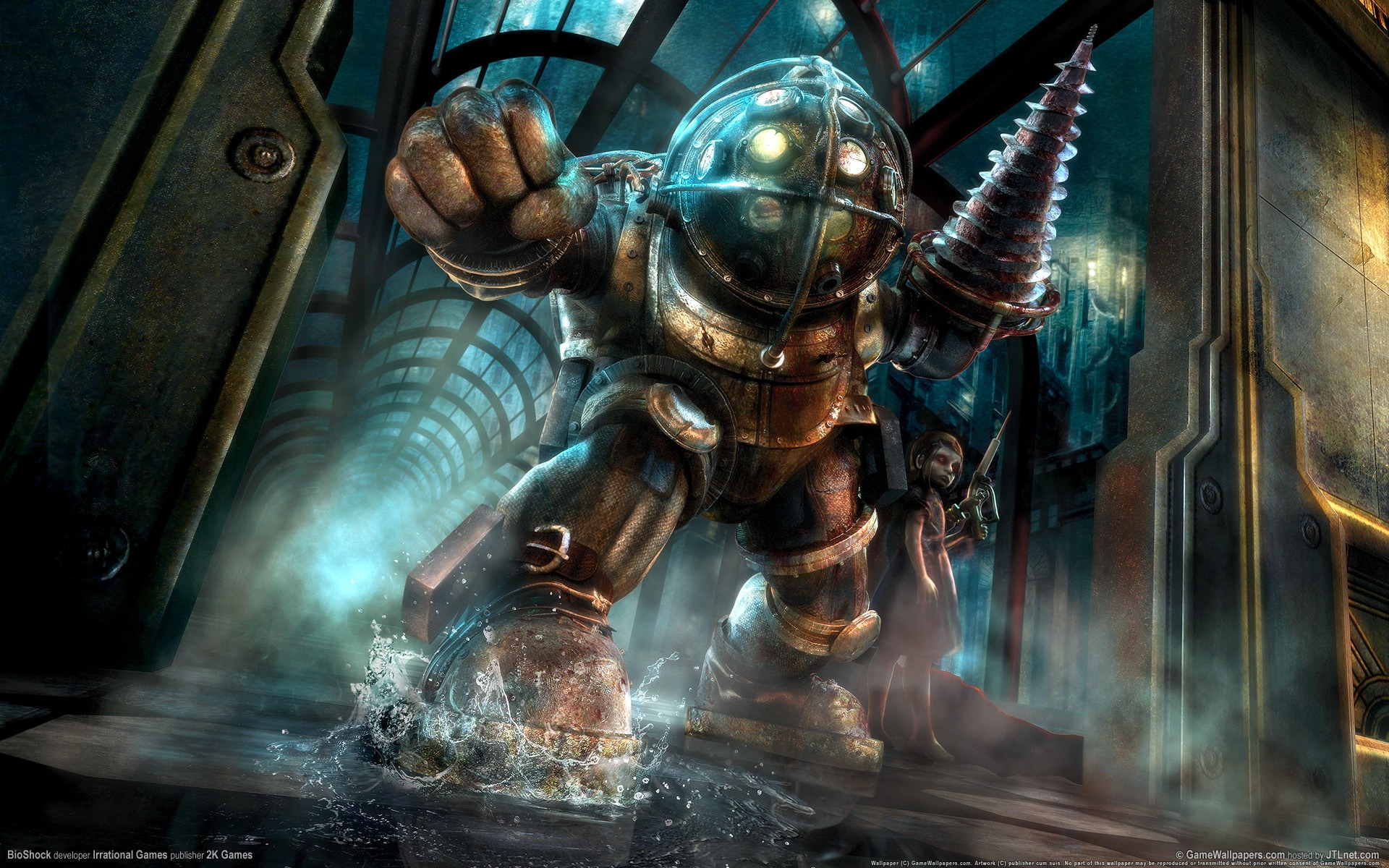
Irrational Games released this title in 2007 on PC and consoles with the underwater city of Rapture as its setting. Plasmids added elemental abilities that combined with weapons for combat variety. The moral choice around harvesting or rescuing Little Sisters influenced rewards and endings. Audio diaries and art deco environments detailed a failed objectivist utopia.
Portal 2
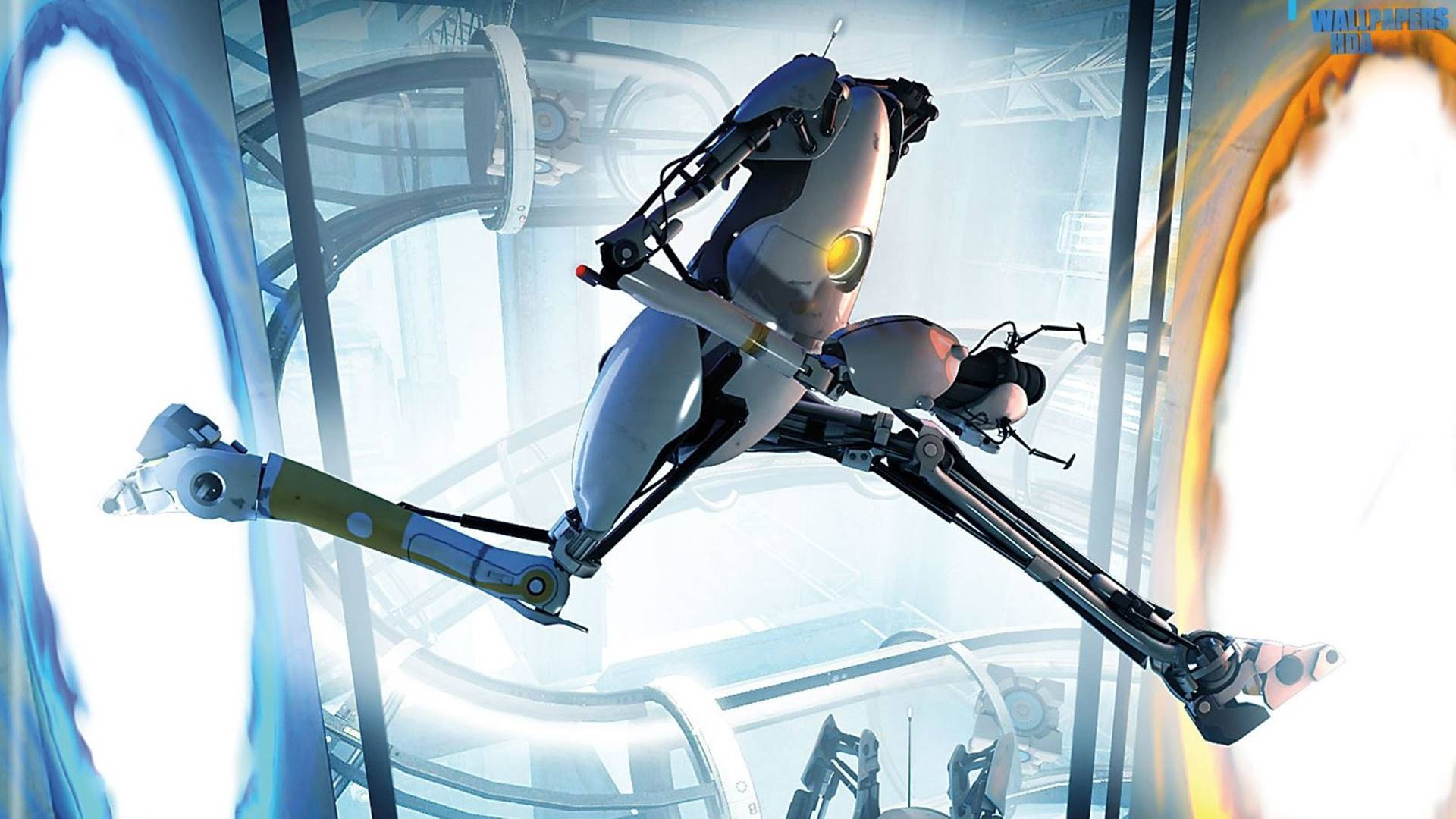
Valve launched this first-person puzzler in 2011 on PC and consoles with a full campaign and co-op mode. Players used the Portal Gun to link surfaces and solve physics puzzles in Aperture Science test chambers. Gels introduced speed and bounce mechanics that expanded traversal options. A built-in editor and Steam Workshop support enabled community-made levels.
Halo: Combat Evolved
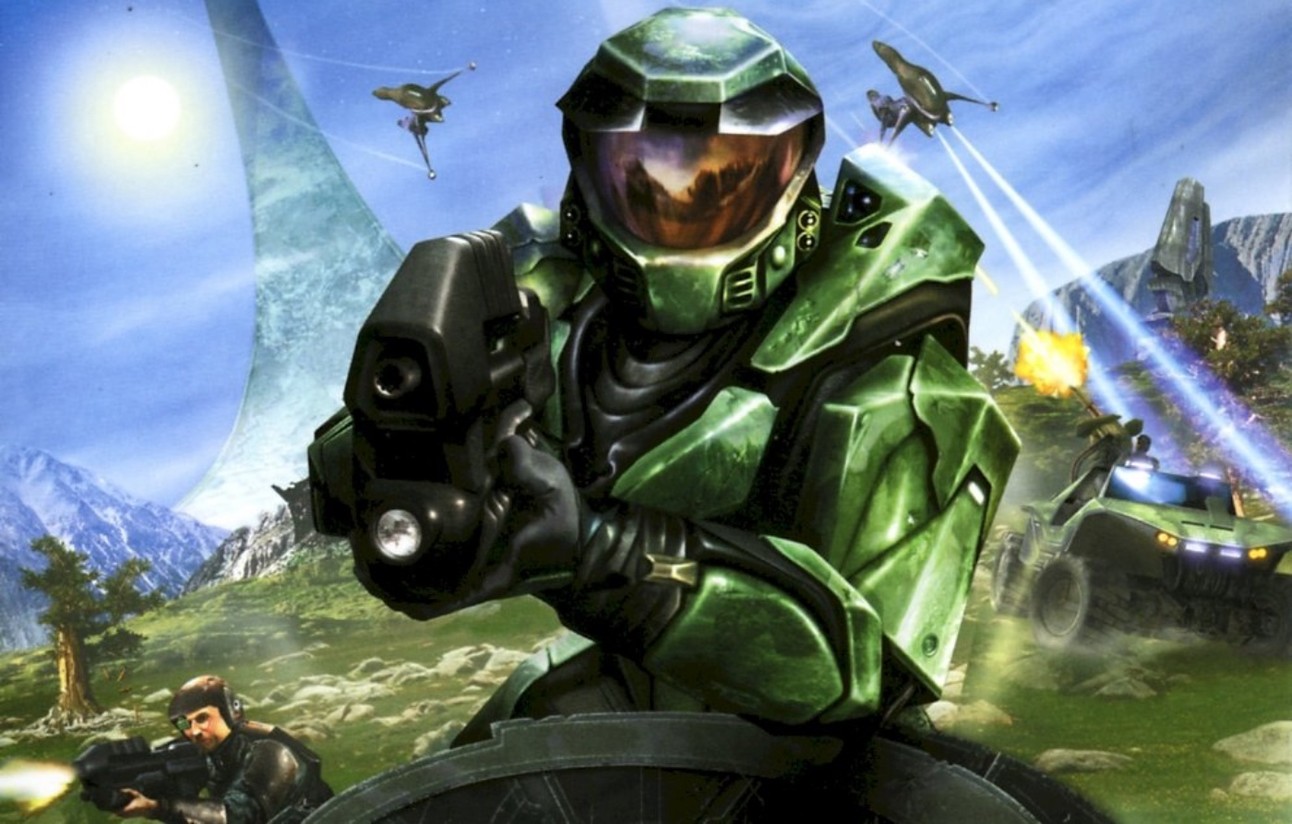
Bungie’s 2001 release debuted on the original Xbox and later on PC, introducing the ringworld Halo. Regenerating shields, two-weapon limits, and vehicle combat shaped console shooter design. The campaign featured open-ended sandbox battles and LAN or split-screen multiplayer. The story followed the Master Chief and the discovery of the Halo array’s true purpose.
Metroid Prime
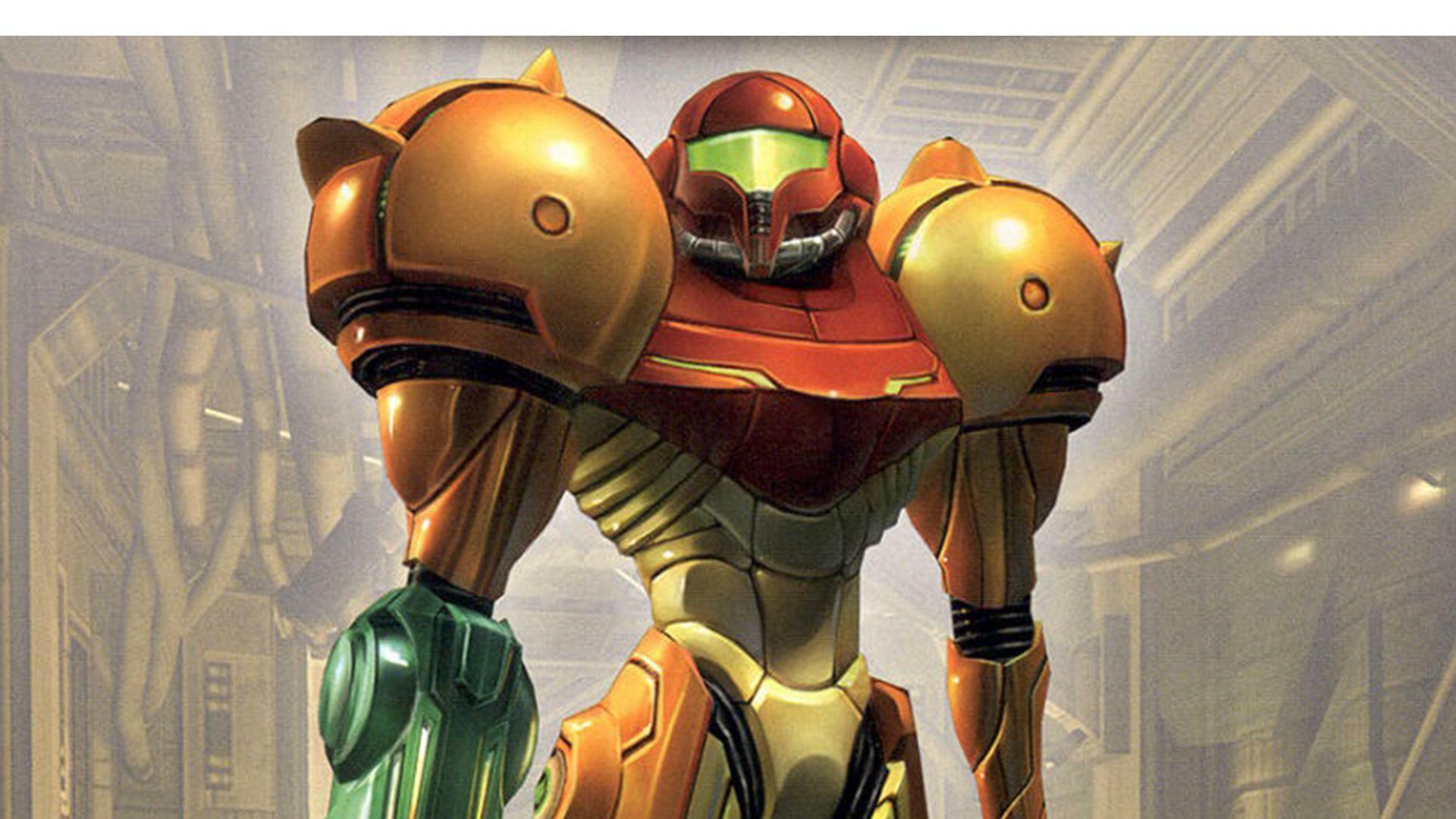
Retro Studios brought this 2002 first-person adventure to GameCube with scanning as a core mechanic. The visor system revealed lore, weak points, and environmental data for progression. Suit upgrades unlocked new areas in a layered world built for backtracking. Lock-on aiming balanced platforming and combat in a 3D reinterpretation of the series.
Super Metroid
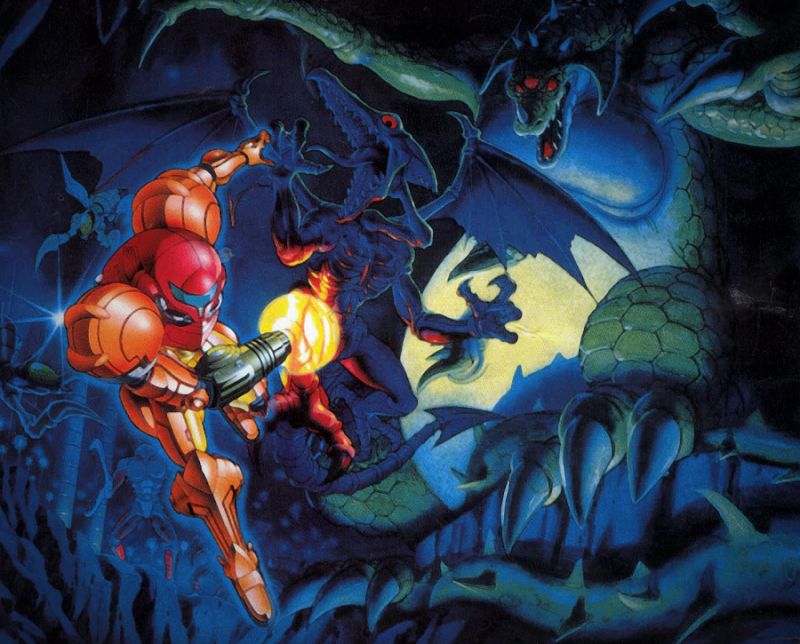
Nintendo released this 2D exploration game in 1994 on the Super NES. A large interconnected map encouraged route planning and sequence breaks through advanced movement. Upgrades like the Speed Booster and Space Jump opened new regions and secrets. The map screen and item indicators supported completion tracking for players.
Outer Wilds
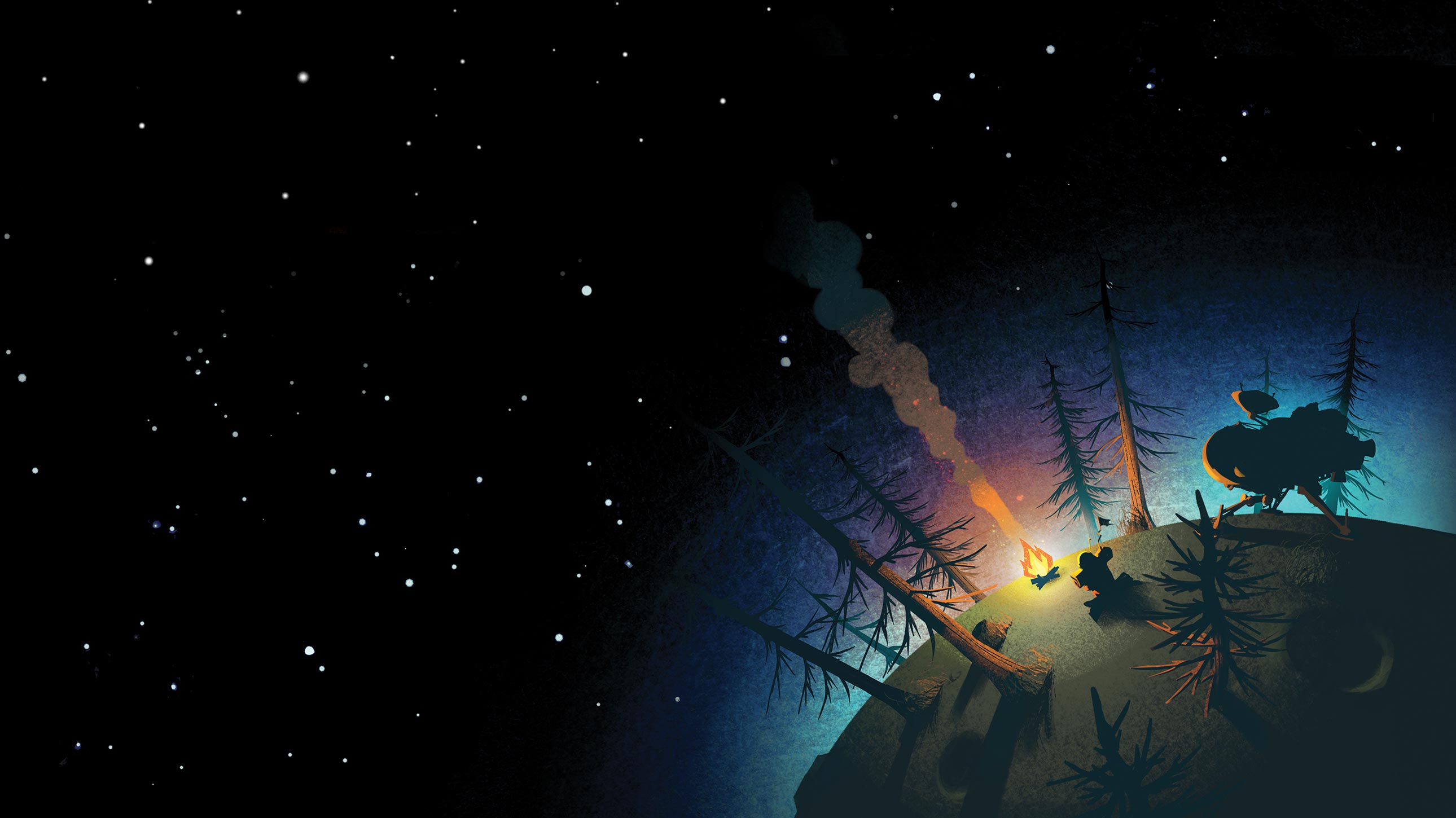
Mobius Digital launched this 2019 title on PC and consoles centered on a 22-minute time loop. Players piloted a ship across handcrafted planets that changed as the loop progressed. Knowledge served as the primary progression system rather than stats or gear. The Nomai ruins and probe data logs provided clues to unravel a solar system mystery.
No Man’s Sky
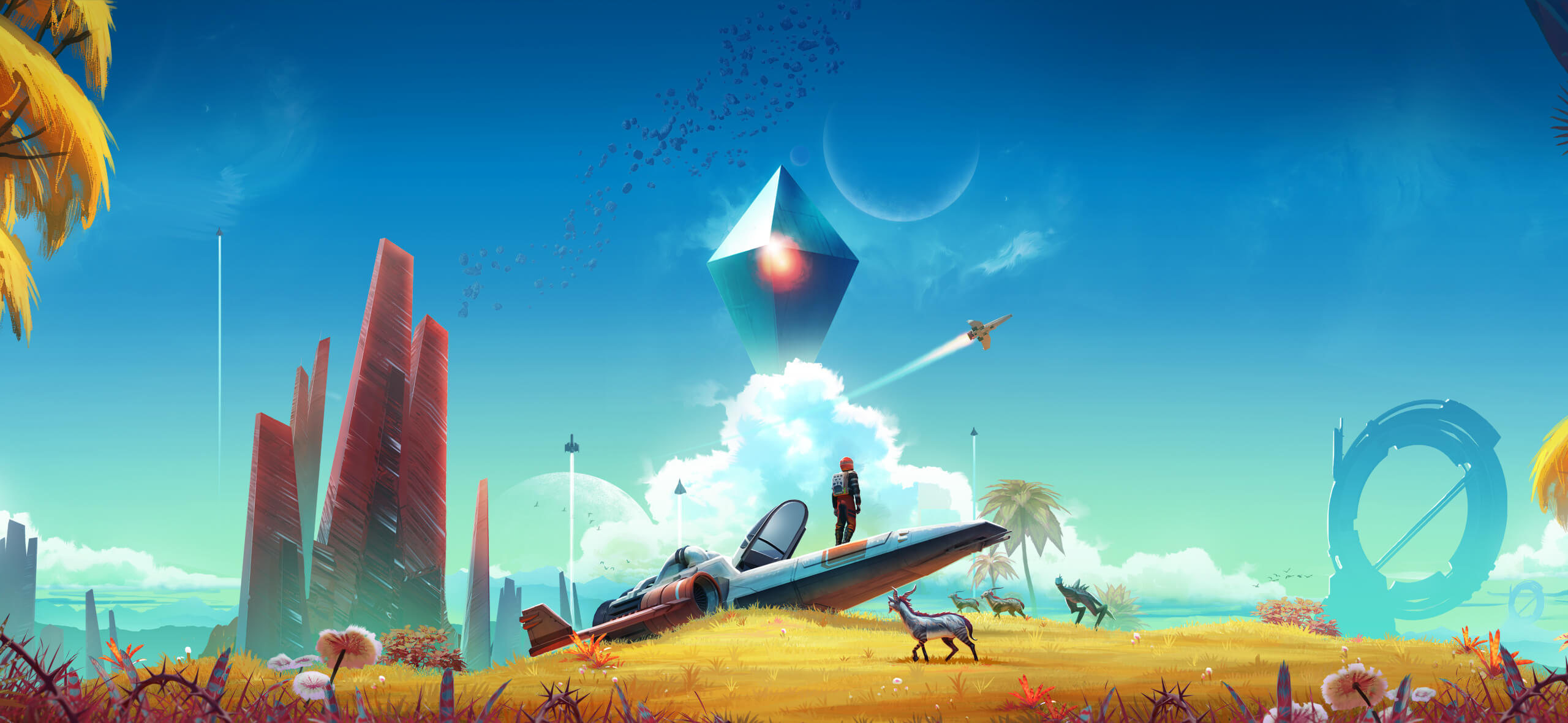
Hello Games released this procedurally generated space exploration game in 2016 on PC and consoles. Updates added base building, multiplayer, living ships, and seasonal expeditions. Players gather resources, upgrade exosuits and starships, and catalog wildlife and flora. Warp travel links an enormous galaxy with varied biomes and planetary conditions.
Fallout: New Vegas
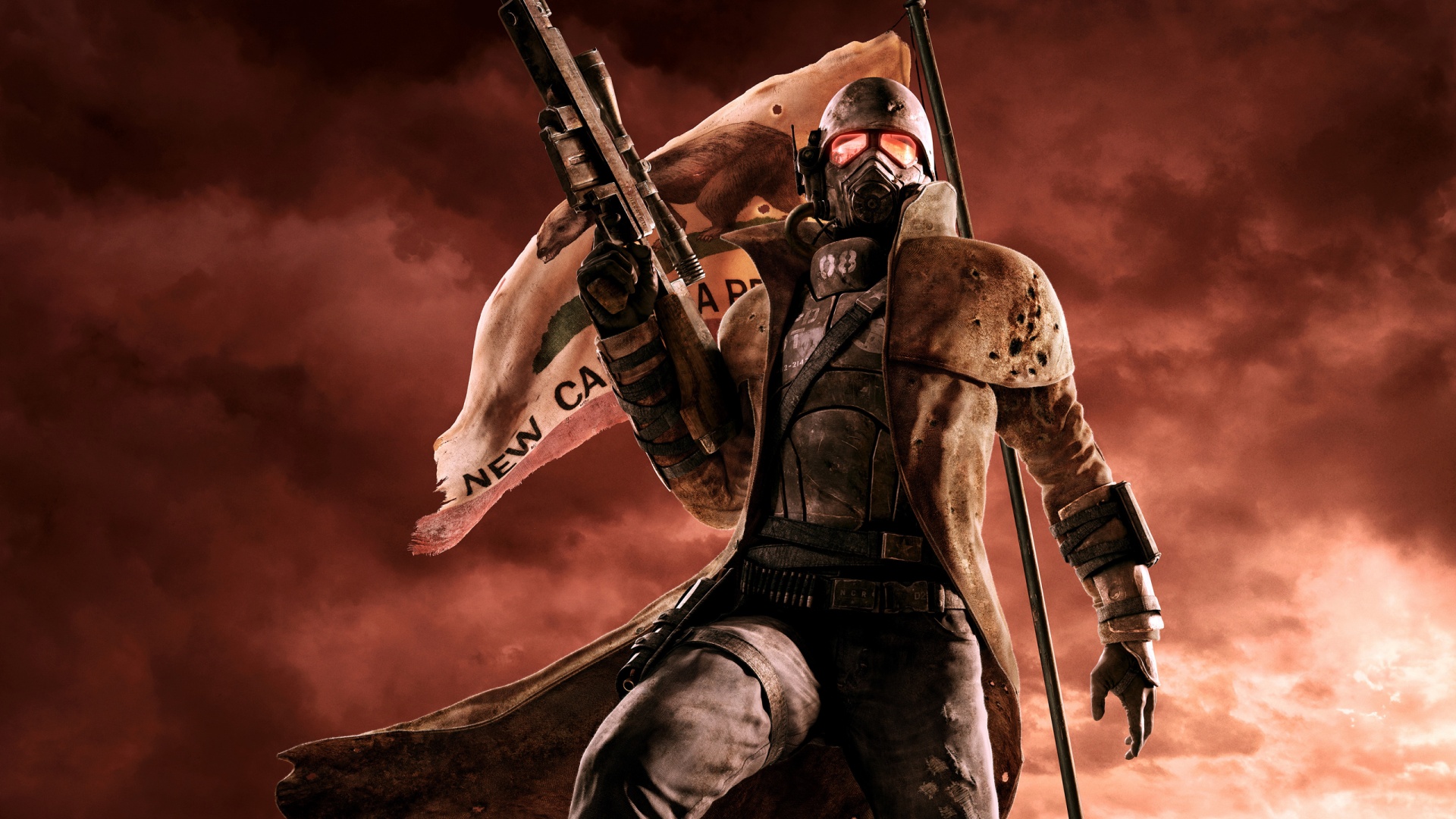
Obsidian Entertainment launched this RPG in 2010 on PC and consoles set in the Mojave Wasteland. Faction reputations and companion quests shaped quest outcomes across the Strip and beyond. The hardcore mode tracked hunger, thirst, and sleep for survival-focused play. Modular weapons, perks, and crafting expanded build options.
XCOM: Enemy Unknown
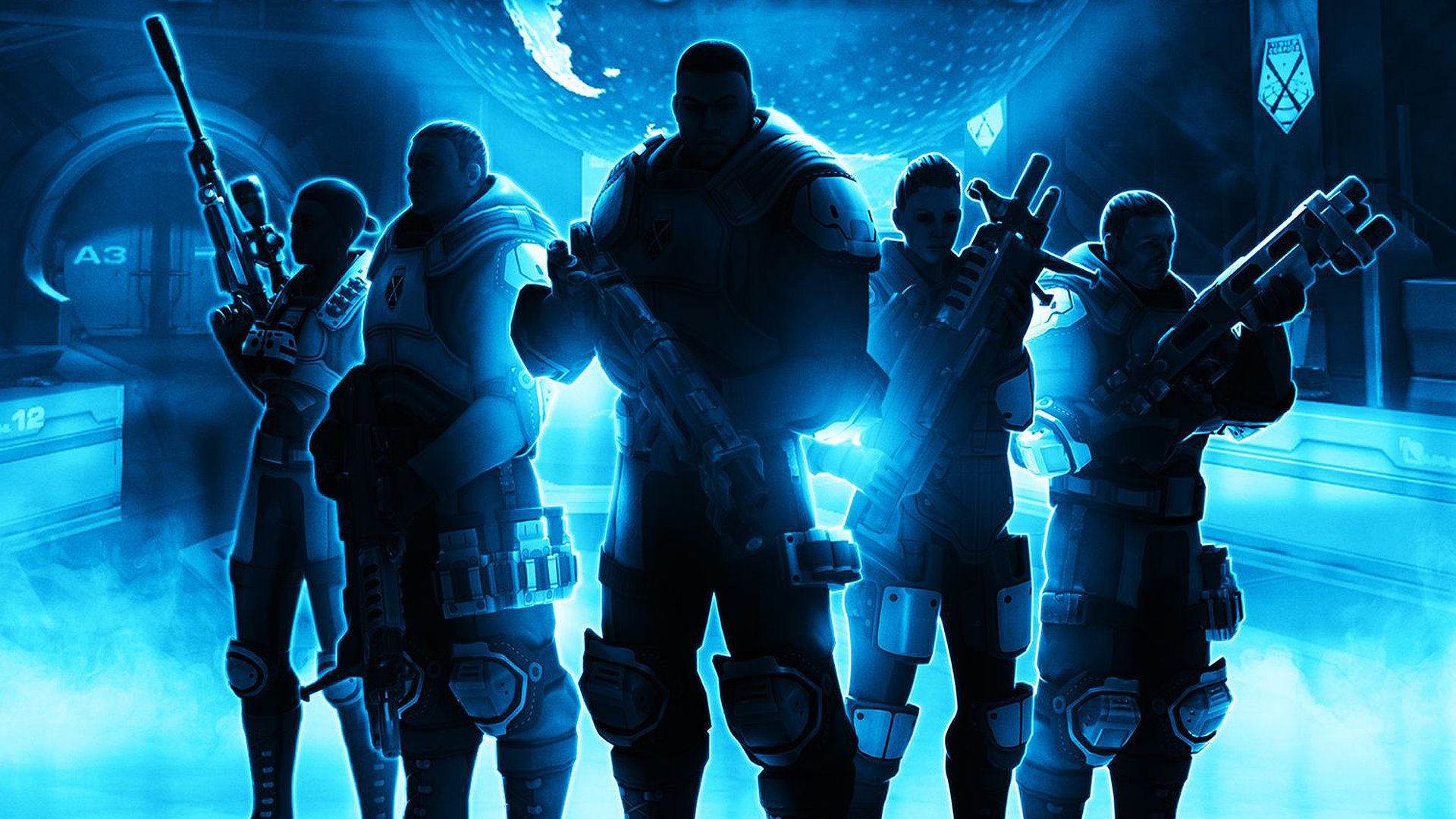
Firaxis released this turn-based strategy game in 2012 on PC and consoles as a modern reboot. Soldiers gained classes, abilities, and permanent consequences through permadeath. Players managed a global satellite network, research labs, and engineering to counter alien threats. Fog of war and cover systems defined tactical engagements on grid-based maps.
EVE Online
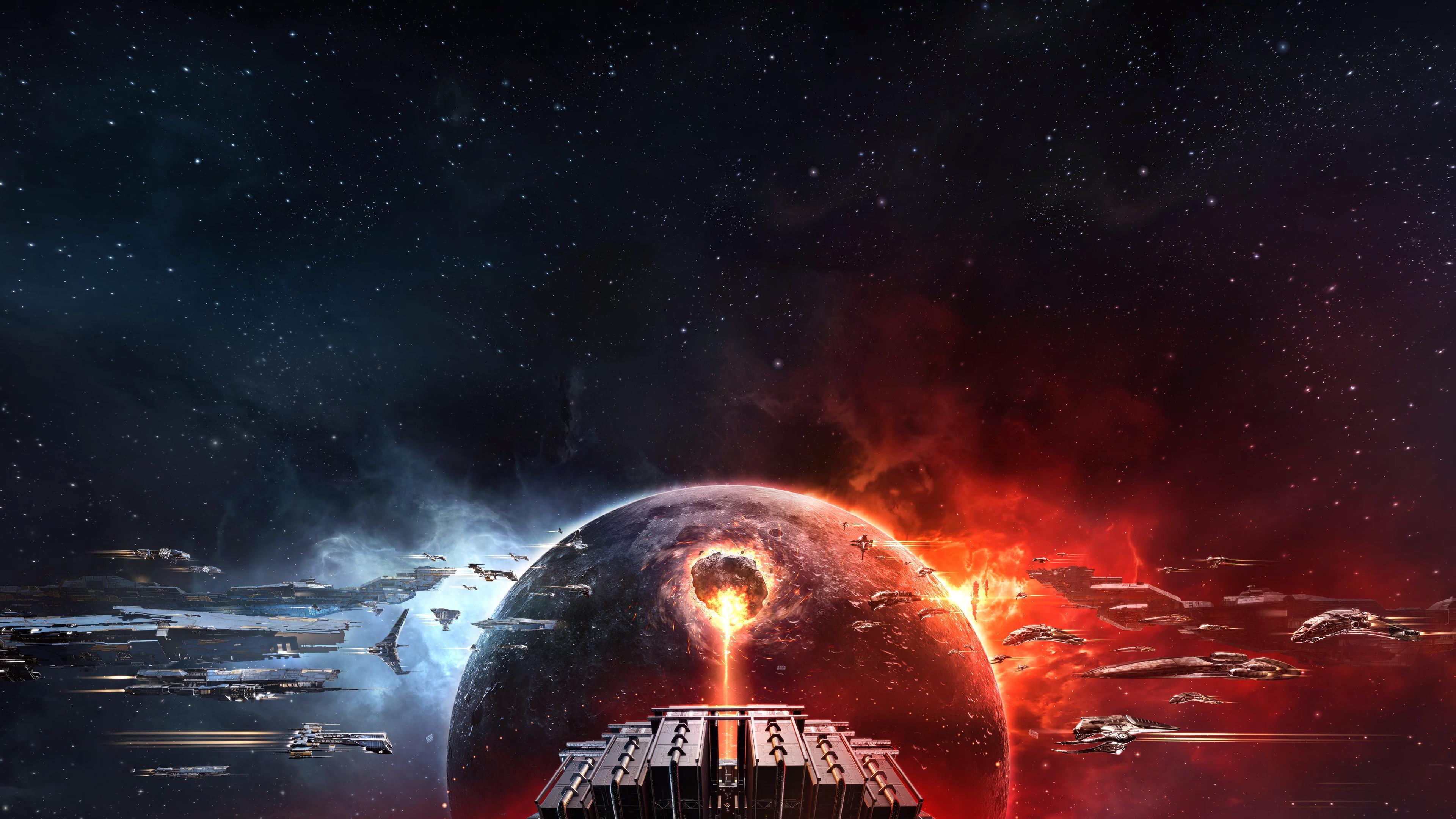
CCP Games launched this space MMO in 2003 on PC with a single shared server architecture. Player corporations and alliances control territory through sovereignty warfare. The in-game economy uses a market with production chains, mining, and logistics. Major battles can involve thousands of pilots with persistent political consequences.
StarCraft
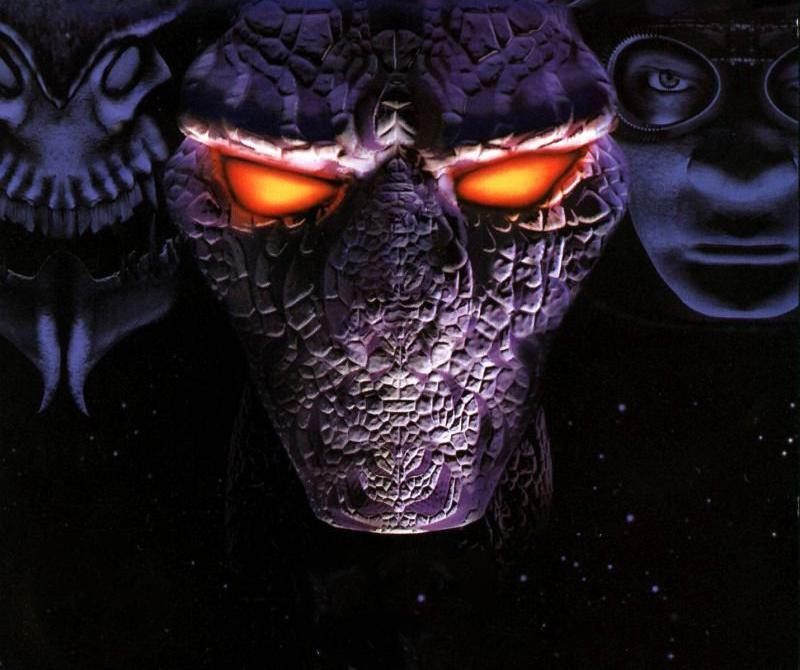
Blizzard released this RTS in 1998 on PC with three asymmetric factions. The campaign followed the Terran, Zerg, and Protoss across sector conflicts. Competitive multiplayer introduced build orders, micro control, and map control fundamentals. The Brood War expansion added units and missions and remained a tournament mainstay for years.
Destiny 2
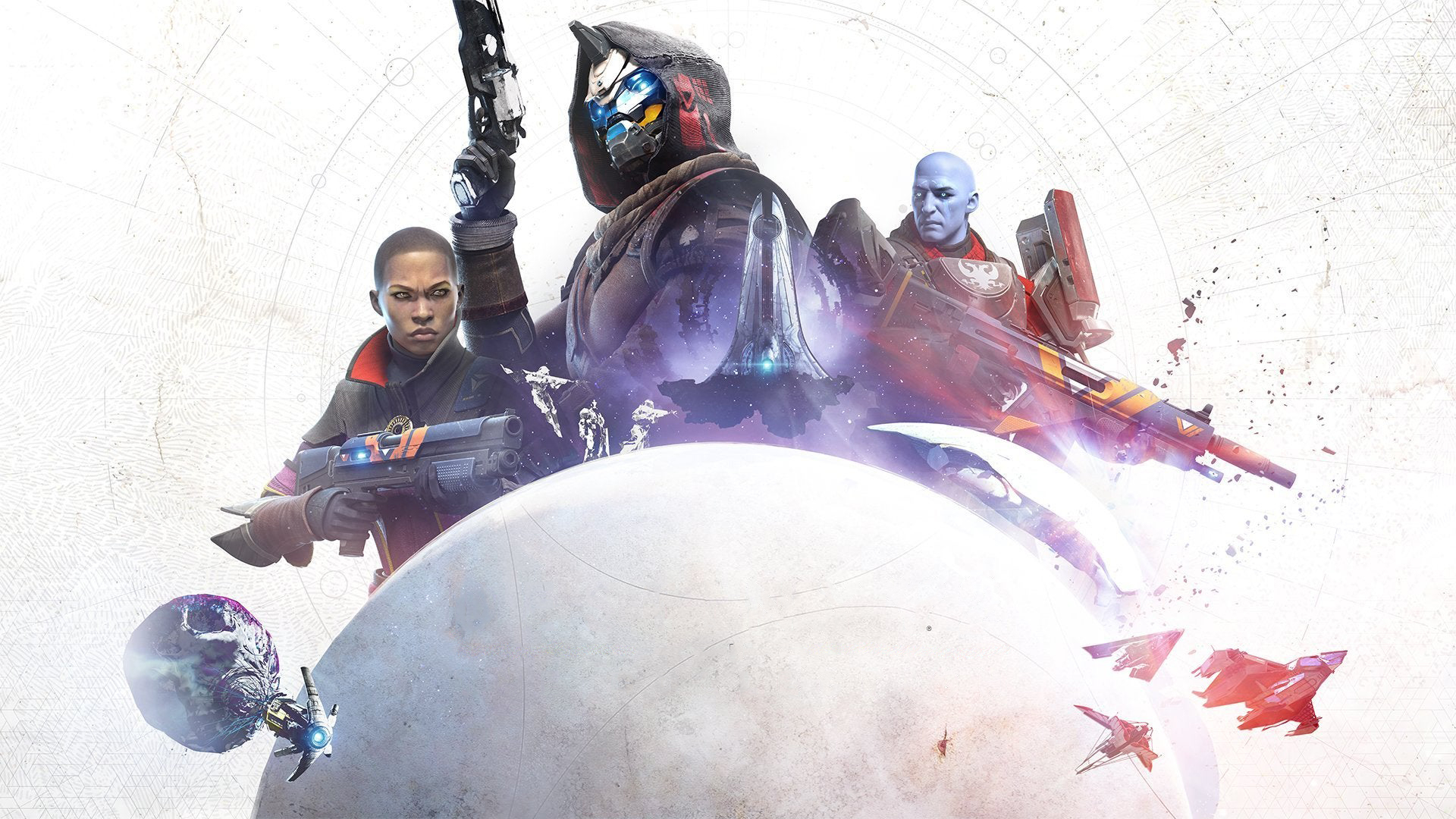
Bungie launched this online shooter in 2017 on PC and consoles with ongoing seasonal content. Players select classes with subclasses that define abilities and supers. Raids and Nightfalls deliver endgame activities that require coordination. Weapon crafting, artifact mods, and power levels support long-term progression.
Titanfall 2
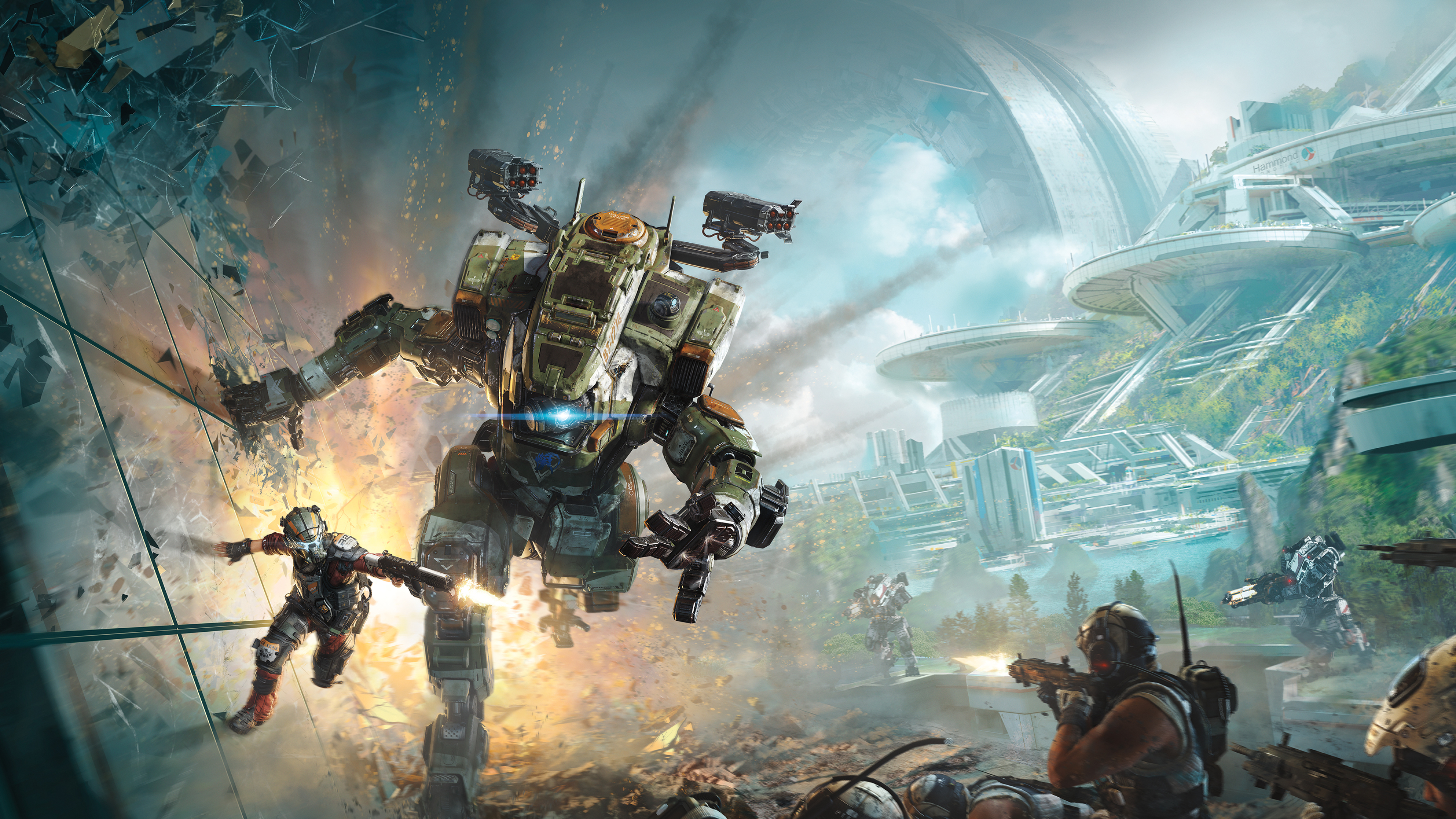
Respawn Entertainment released this shooter in 2016 on PC and consoles with a single-player campaign and fast movement. Pilots used wall-runs and slides to traverse arenas while Titans provided mech combat. The Gauntlet time trial and mission variety showcased mobility-focused level design. Multiplayer featured loadouts, Titan classes, and objective modes.
Dead Space
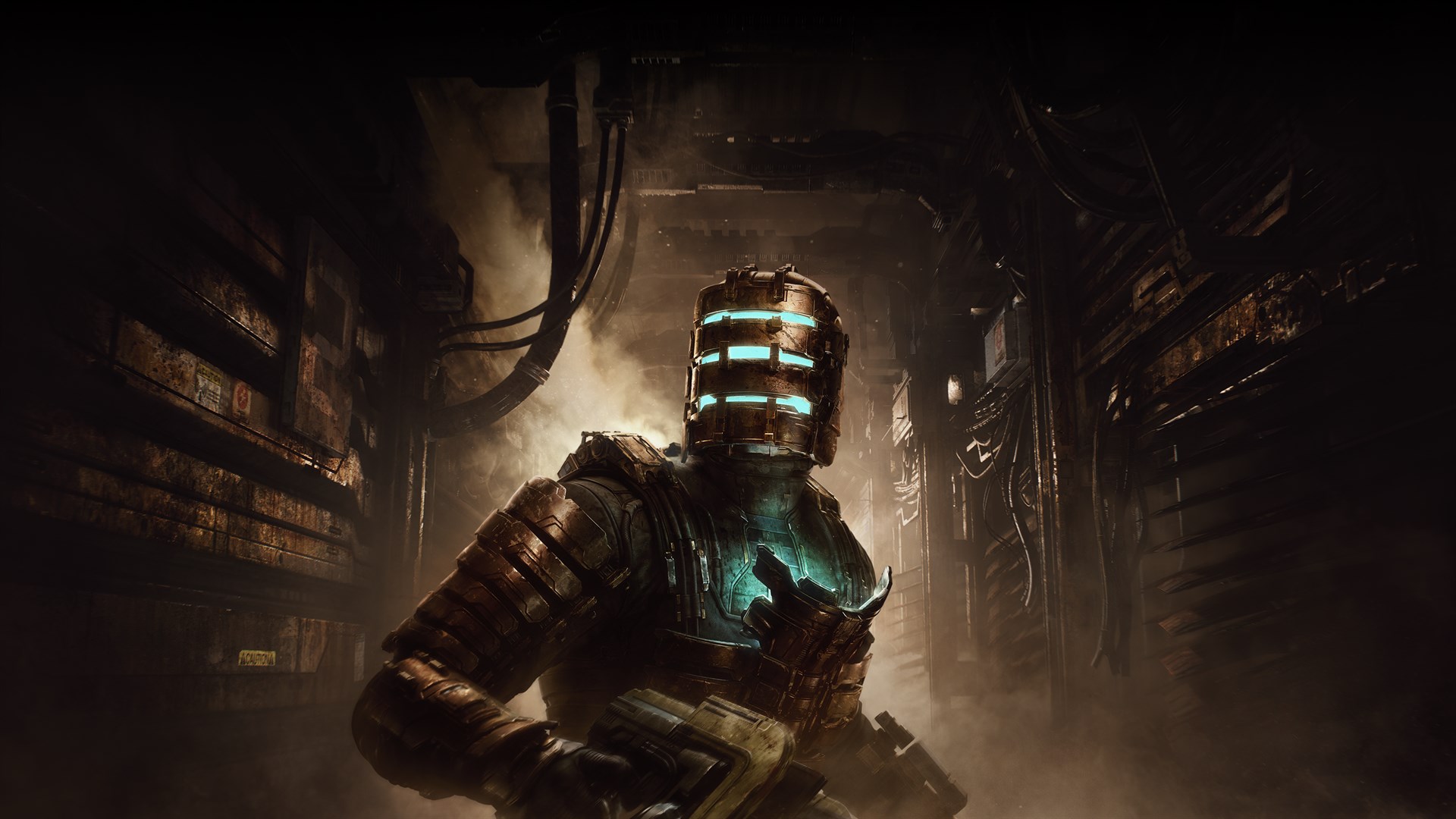
EA Redwood Shores, later known as Visceral Games, launched this survival horror title in 2008 on PC and consoles. Strategic dismemberment targeted enemy limbs for effective combat. The diegetic interface placed health, ammo, and menus on the suit and holograms. Zero-gravity segments and engineering tools defined exploration aboard the USG Ishimura.
Prey
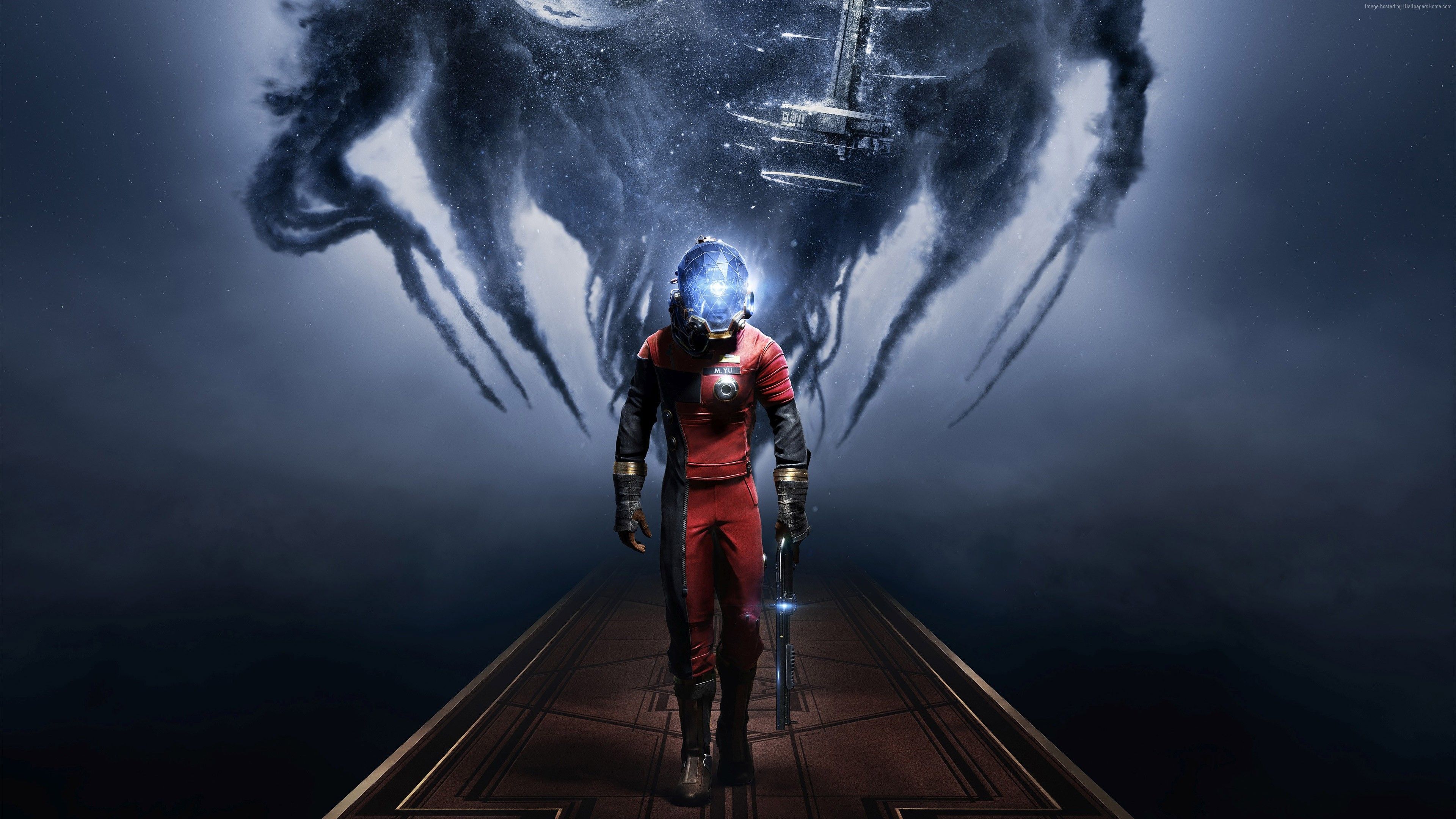
Arkane Austin released this 2017 immersive sim on PC and consoles set on the Talos I space station. Neuromod upgrades allowed human skills or alien abilities with tradeoffs in security systems. Mimic enemies could disguise themselves as everyday objects to ambush players. Multiple paths through labs and habitats enabled stealth, engineering, or combat solutions.
Alien: Isolation
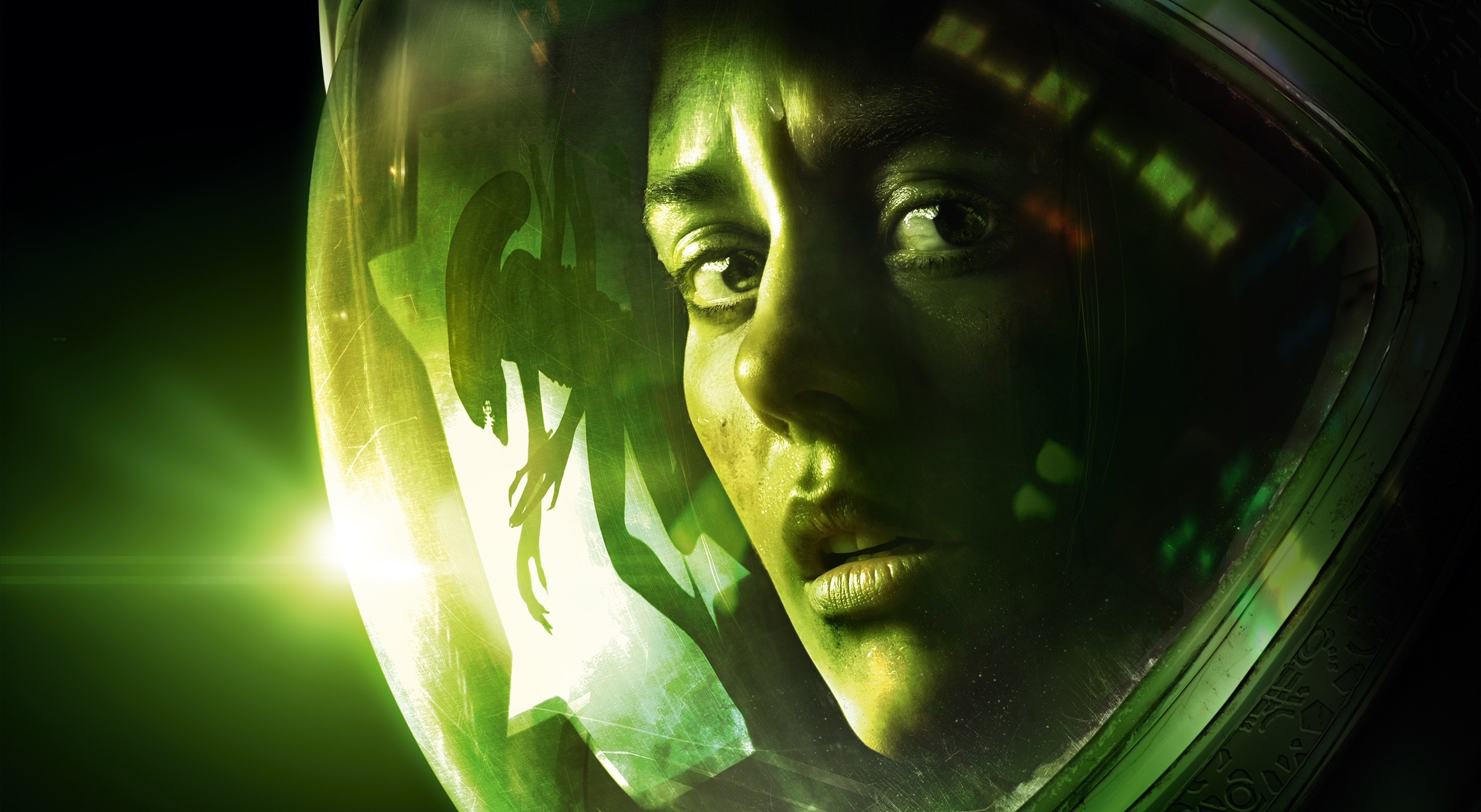
Creative Assembly launched this 2014 game on PC and consoles set between early film events. The xenomorph used adaptive AI that responded to sound, sight, and player tools. Crafting created distractions and defensive items without overpowering the player. The Sevastopol station provided a retro-future environment with CRT interfaces and analog devices.
Horizon Zero Dawn
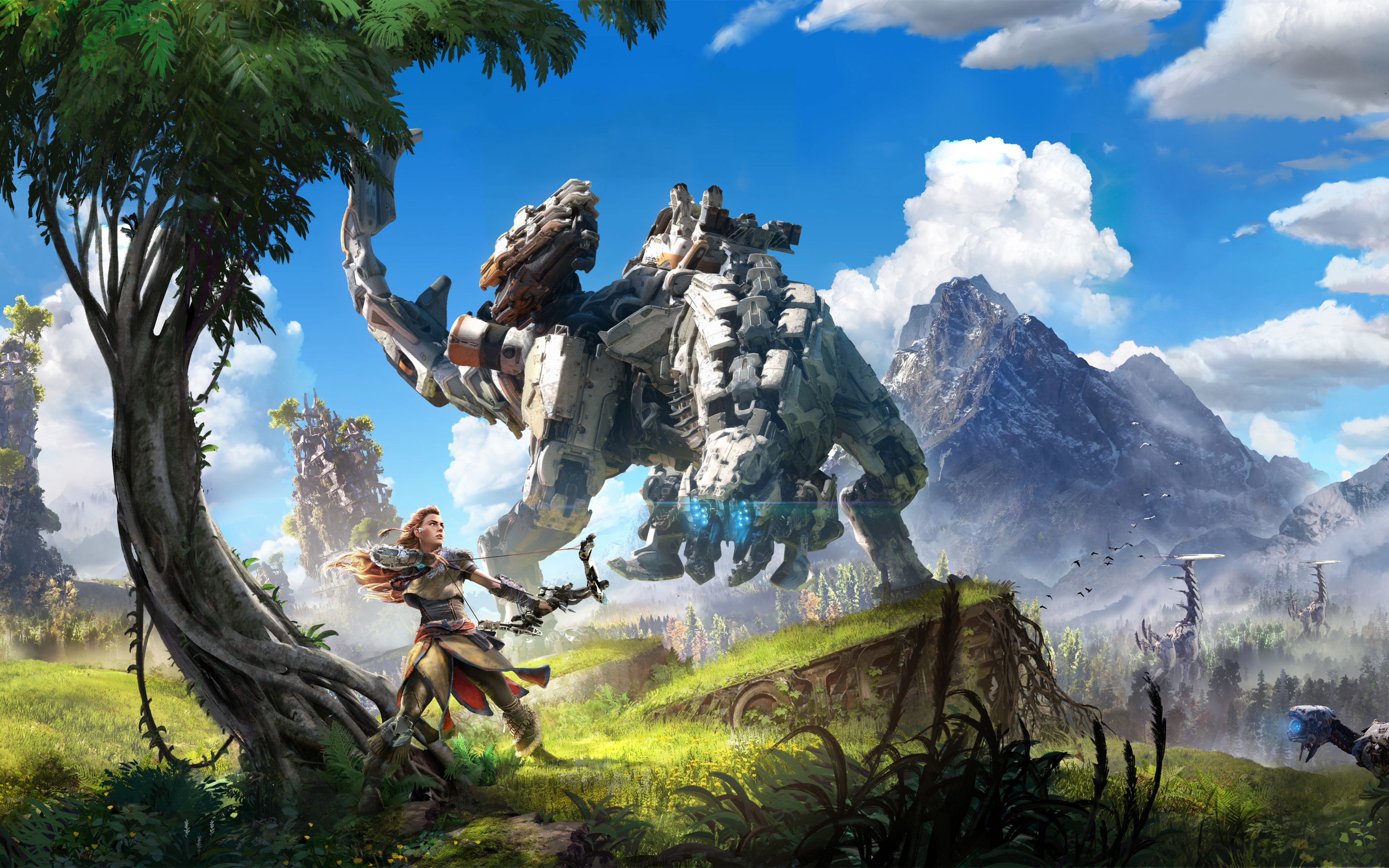
Guerrilla Games released this open-world action RPG in 2017 on PlayStation and later on PC. Players hunted robotic creatures using traps, elemental arrows, and component targeting. The skill tree supported stealth, combat, and harvesting builds. Data points and ruins revealed a technological collapse and the origins of machine ecosystems.
Nier: Automata
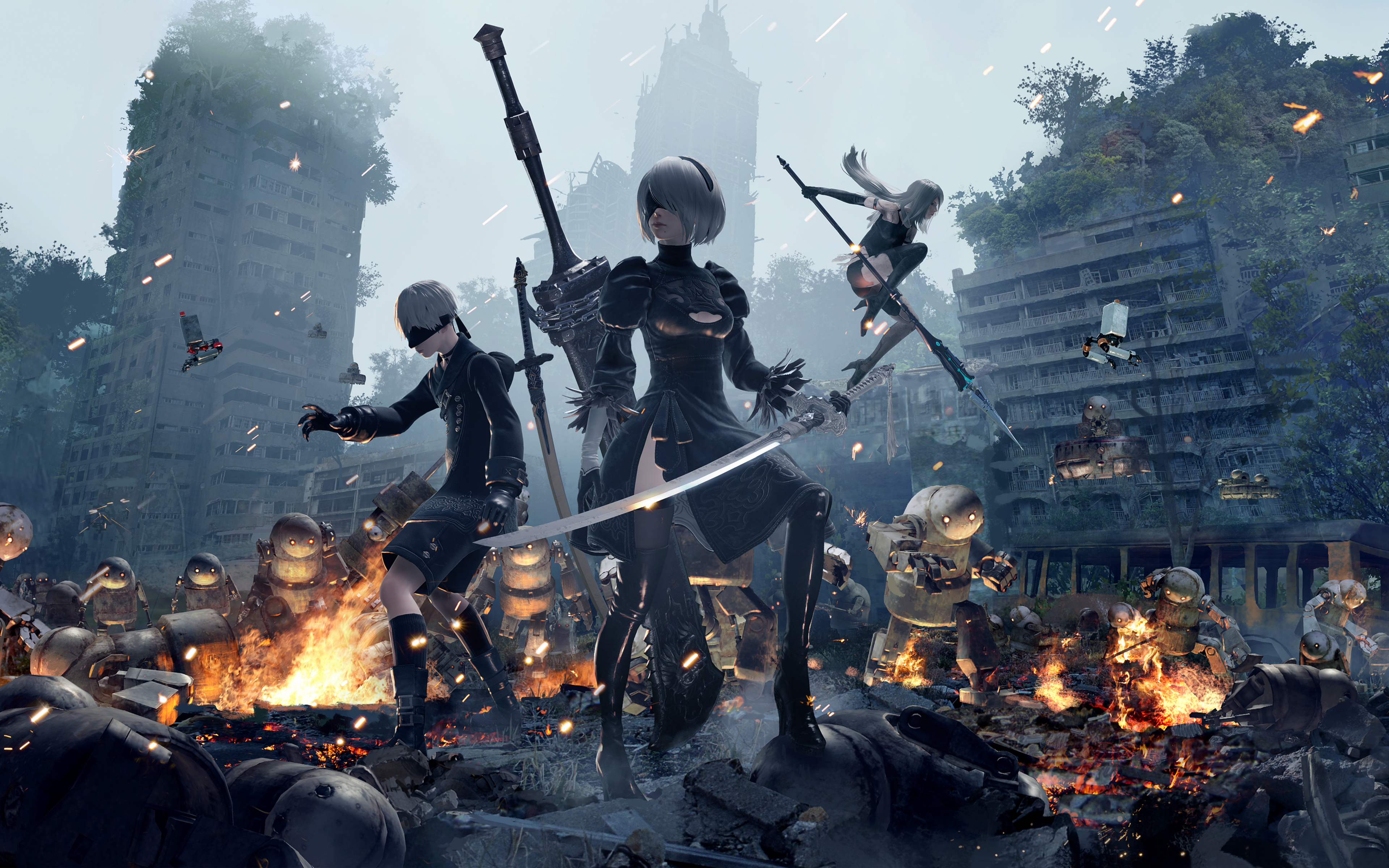
PlatinumGames launched this action RPG in 2017 on PC and consoles with multiple playthrough routes. Combat blended melee and ranged attacks with shoot-’em-up sequences. Save systems and UI elements tied into themes about androids and consciousness. Side quests and weapon stories added lore across ruined cityscapes and factories.
FTL: Faster Than Light

Subset Games released this roguelike space simulator in 2012 on PC and later on mobile. Players allocate power across ship systems while managing crew and events. Random encounters, sector routes, and unlockable ships create high replay value. Subsystem targeting and boarding actions add tactical depth to real-time with pause combat.
Starfield
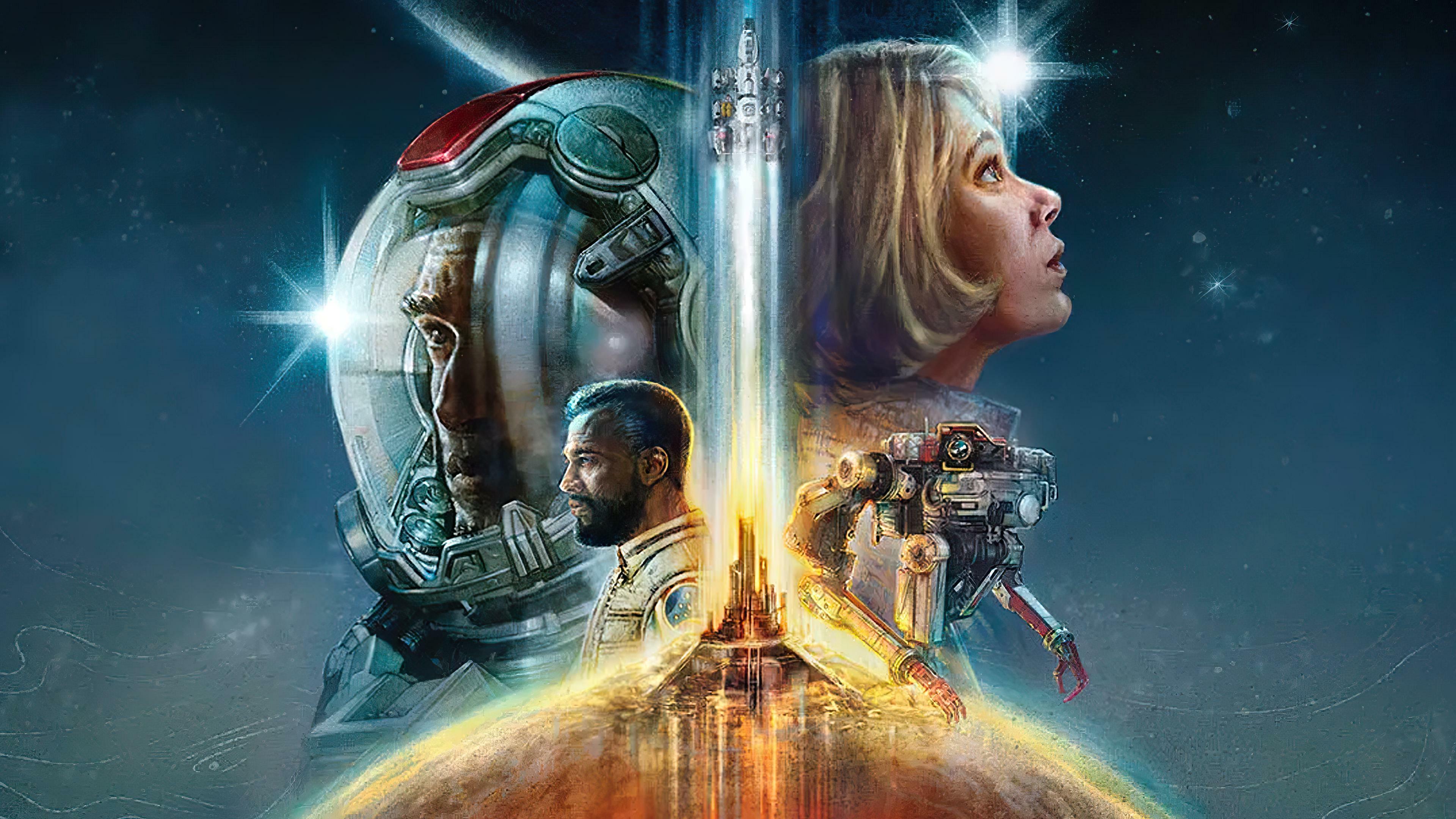
Bethesda Game Studios launched this space RPG in 2023 on PC and Xbox platforms. Players join Constellation and explore star systems with modular ship building. Outposts enable resource extraction and crafting across planetary surfaces. Character backgrounds, traits, and skill challenges shape dialogue options and playstyles.
Share your favorite sci-fi game moments in the comments and tell us which titles you think should make the cut.