Top 15 Anime That Nail Slow-Burn Storytelling


Slow-burn anime reward patience with layered worldbuilding, character growth, and revelations that land because the groundwork is carefully laid. These series take their time with atmosphere, dialogue, and small pivots in relationships or politics before big turns arrive. If you like stories that bloom over many episodes rather than sprinting to twists, the picks below span grounded dramas, sci-fi epics, and psychological thrillers. Each entry includes concise background—studios, creators, episode counts, formats, and what kind of long-form arc to expect.
‘Monster’ (2004–2005)

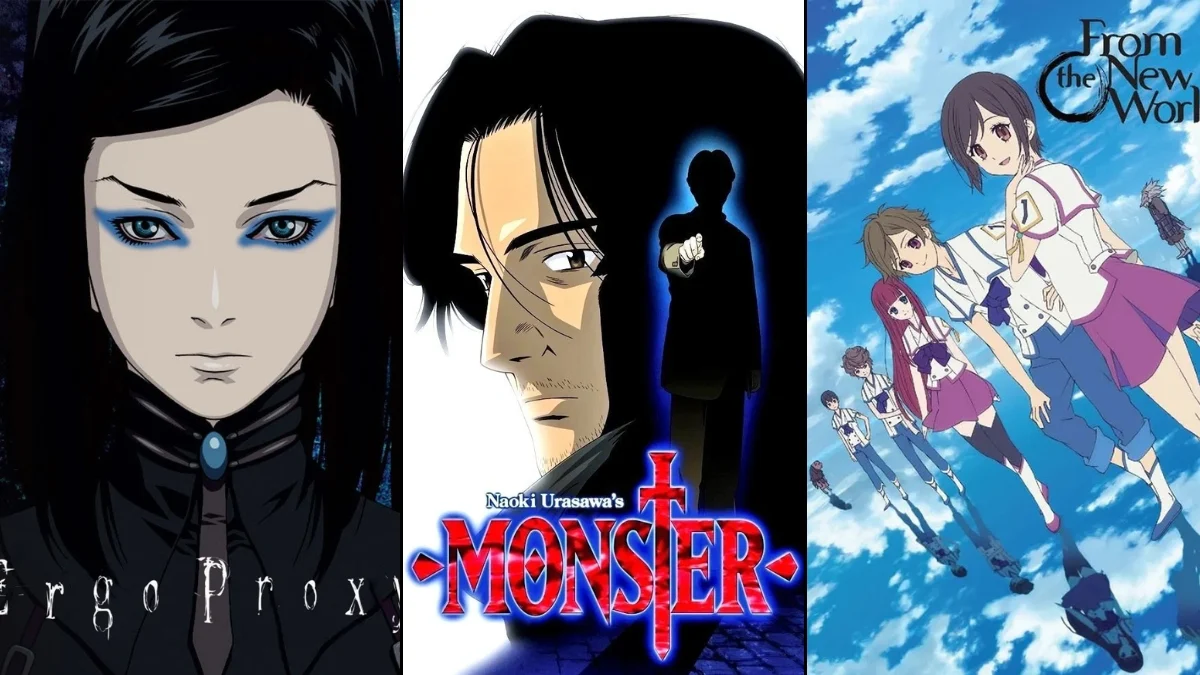
Based on Naoki Urasawa’s manga, this psychological thriller follows Dr. Kenzo Tenma across Europe as an old decision entangles him with a serial killer and a web of conspiracies. Madhouse adapted the full manga storyline across 74 episodes directed by Masayuki Kojima. The narrative emphasizes investigative groundwork, side-character vignettes, and incremental reveals that connect seemingly standalone chapters. It builds a continental tapestry of institutions, witnesses, and cold-war residues that gradually converge.
‘Mushi-Shi’ (2005–2014)
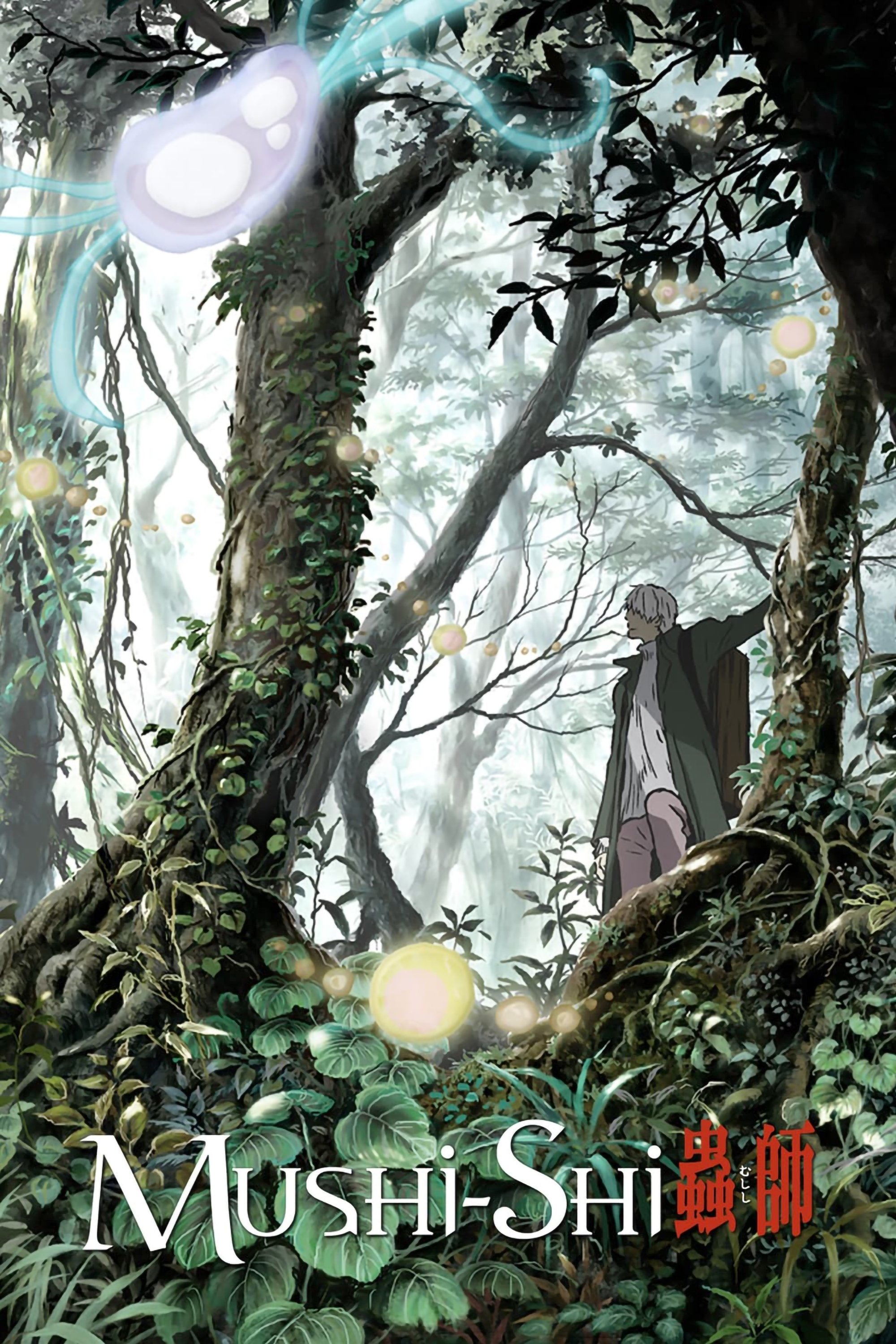
Adapted from Yuki Urushibara’s manga, this anthology-style series centers on Ginko, a “Mushi Master” who studies primordial lifeforms that subtly affect people and nature. Artland and later Studio Polygon Pictures delivered two seasons plus specials, totaling 46 episodes and multiple OVAs. Each episode presents a self-contained case that layers folklore, biology-like rules, and quiet cause-and-effect. The cumulative effect is a slow, naturalistic exploration of how the unseen shapes everyday life.
‘Legend of the Galactic Heroes’ (1988–1997)
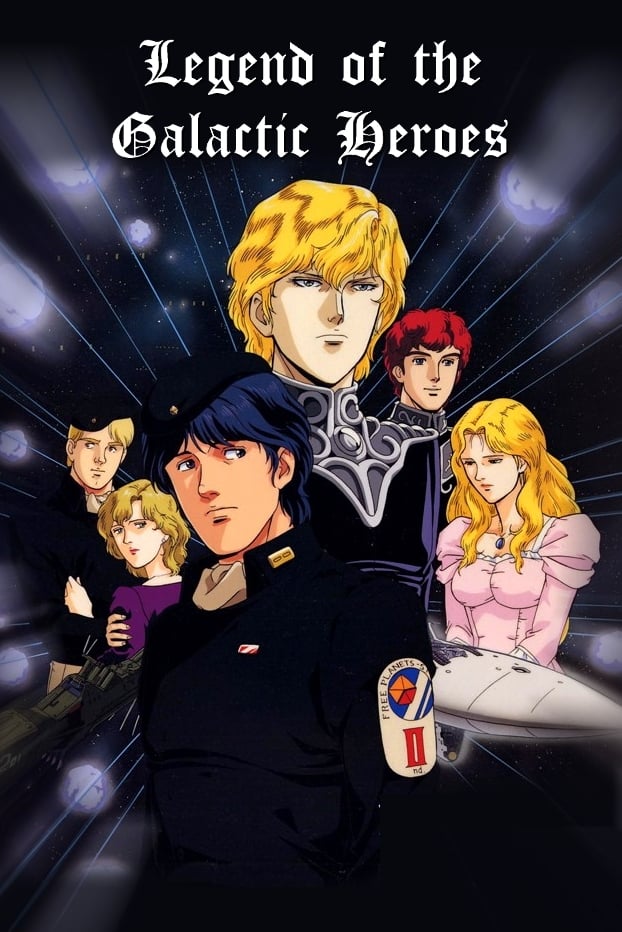
This long-form OVA adapts Yoshiki Tanaka’s novels into a 110-episode military-political epic produced by Kitty Film Mitaka Studio and Artland. It alternates between battles and legislative maneuvers, detailing logistics, command structures, and ideology across two interstellar states. Character dossiers, side campaigns, and documentary-style narration allow strategies and reforms to unfold progressively. Numerous side stories and Gaiden episodes deepen the historical record that the main narrative references.
‘Vinland Saga’ (2019–2023)
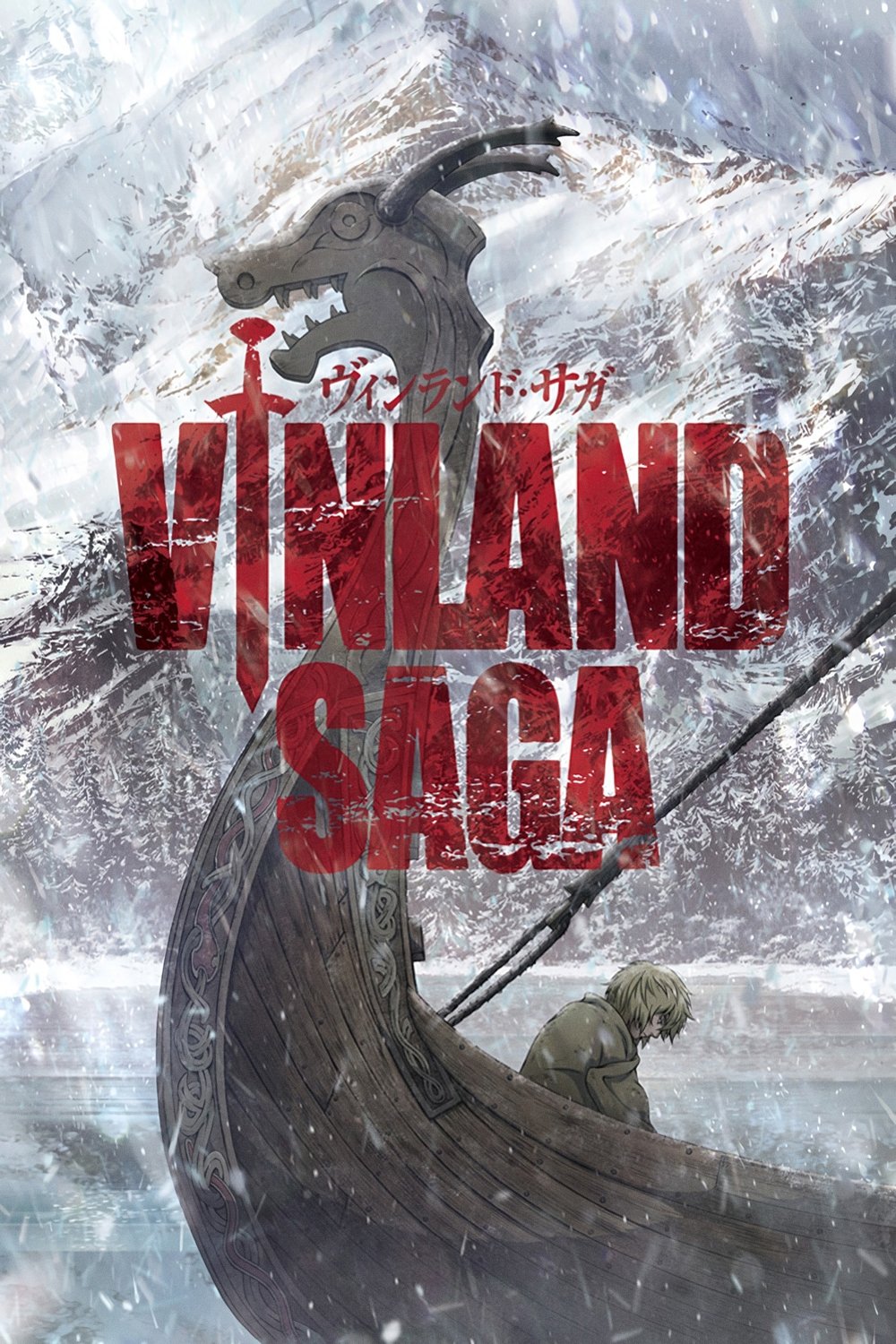
Wit Studio produced the first season and MAPPA handled the second, adapting Makoto Yukimura’s historical manga about Norse warriors and personal transformation. Across 48 episodes, the story shifts from battlefield campaigns to agriculture, law, and exploration as the protagonist’s worldview changes. The series tracks political treaties, land deals, and crew dynamics with attention to day-to-day labor and travel. Arcs transition carefully, using quiet interludes to seed conflicts that escalate later.
‘From the New World’ (2012–2013)
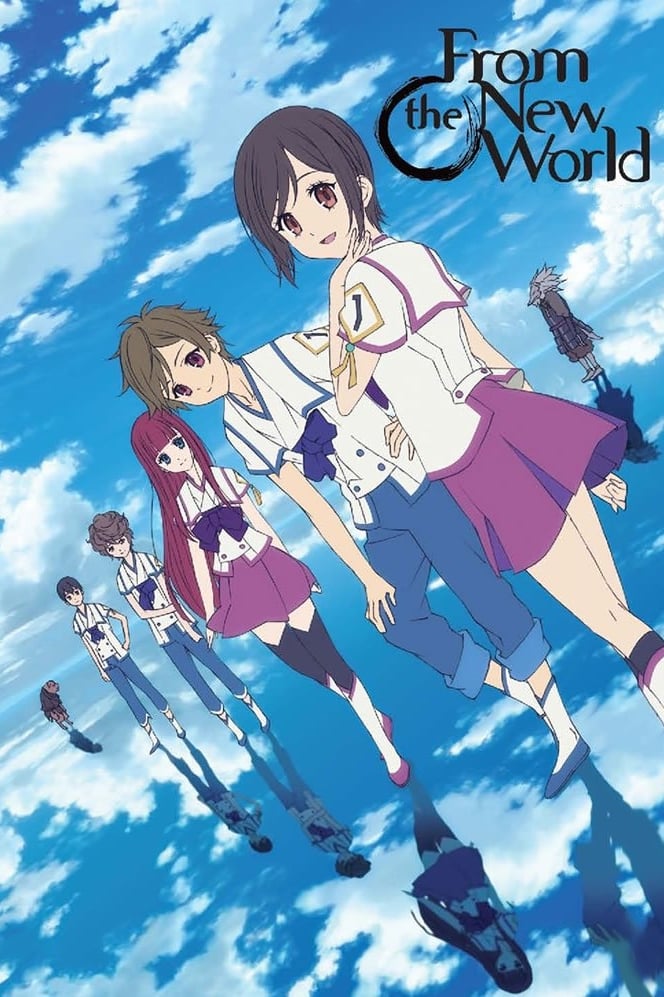
A-1 Pictures adapted Yusuke Kishi’s novel into a 25-episode dystopian saga about a society built around psychic abilities and strict social controls. Time skips mark phases of the characters’ lives as school lessons give way to historical records and suppressed events. The show uses rituals, folklore, and ecological rules to explain how institutions maintain order. Each reveal reframes earlier customs, tracing systemic design choices to long-term consequences.
‘Haibane Renmei’ (2002)
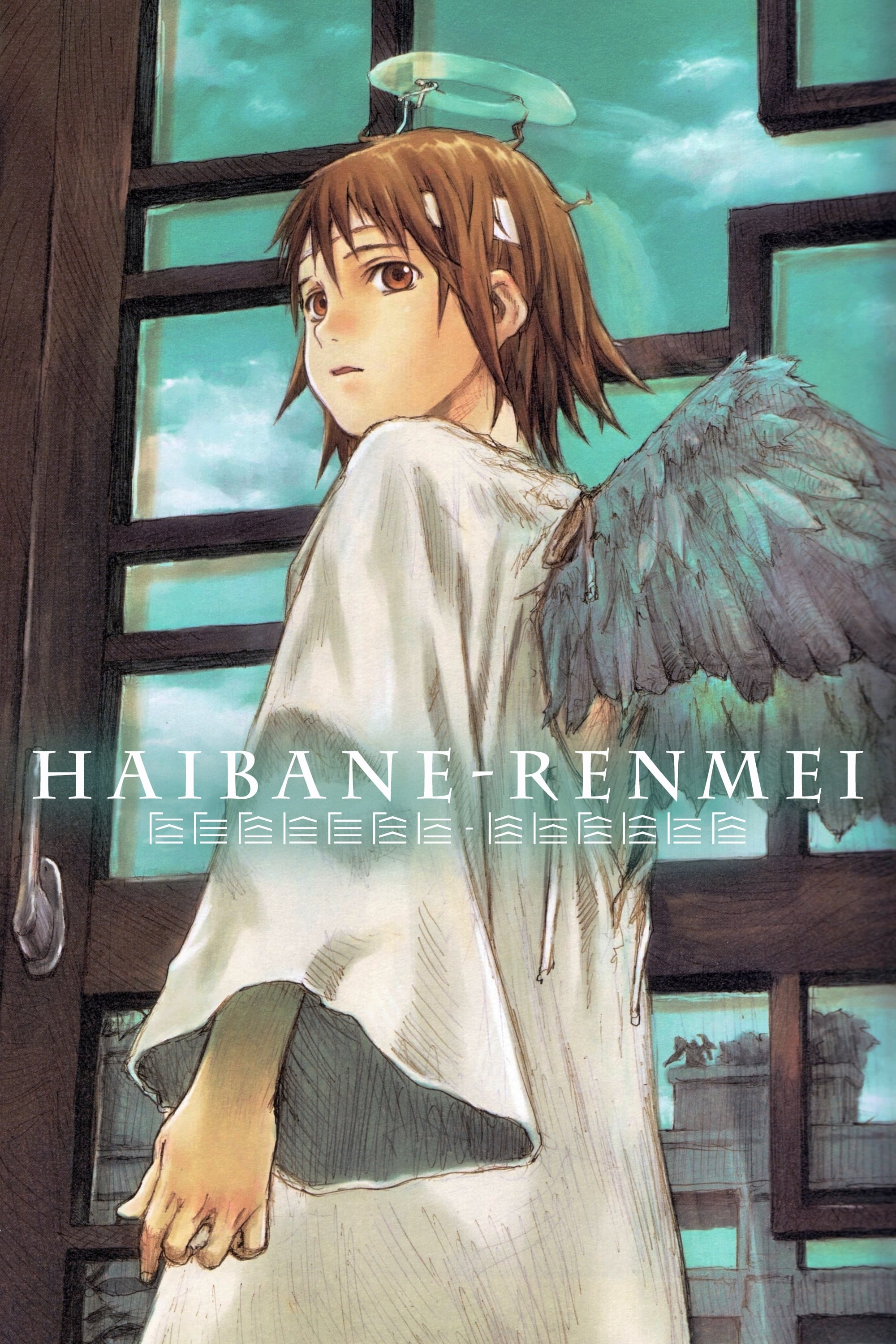
Created by Yoshitoshi ABe and animated by Radix, this 13-episode series follows winged beings living in a walled town with monastic routines. The setting’s economy, rules, and rites are introduced gradually through work assignments and community customs. Symbolic practices like “Day of Flight” are contextualized via diaries, hand-me-downs, and oral guidance. The slow pacing foregrounds practical details—housing, tools, and etiquette—that make the town’s social fabric legible.
‘Hyouka’ (2012)
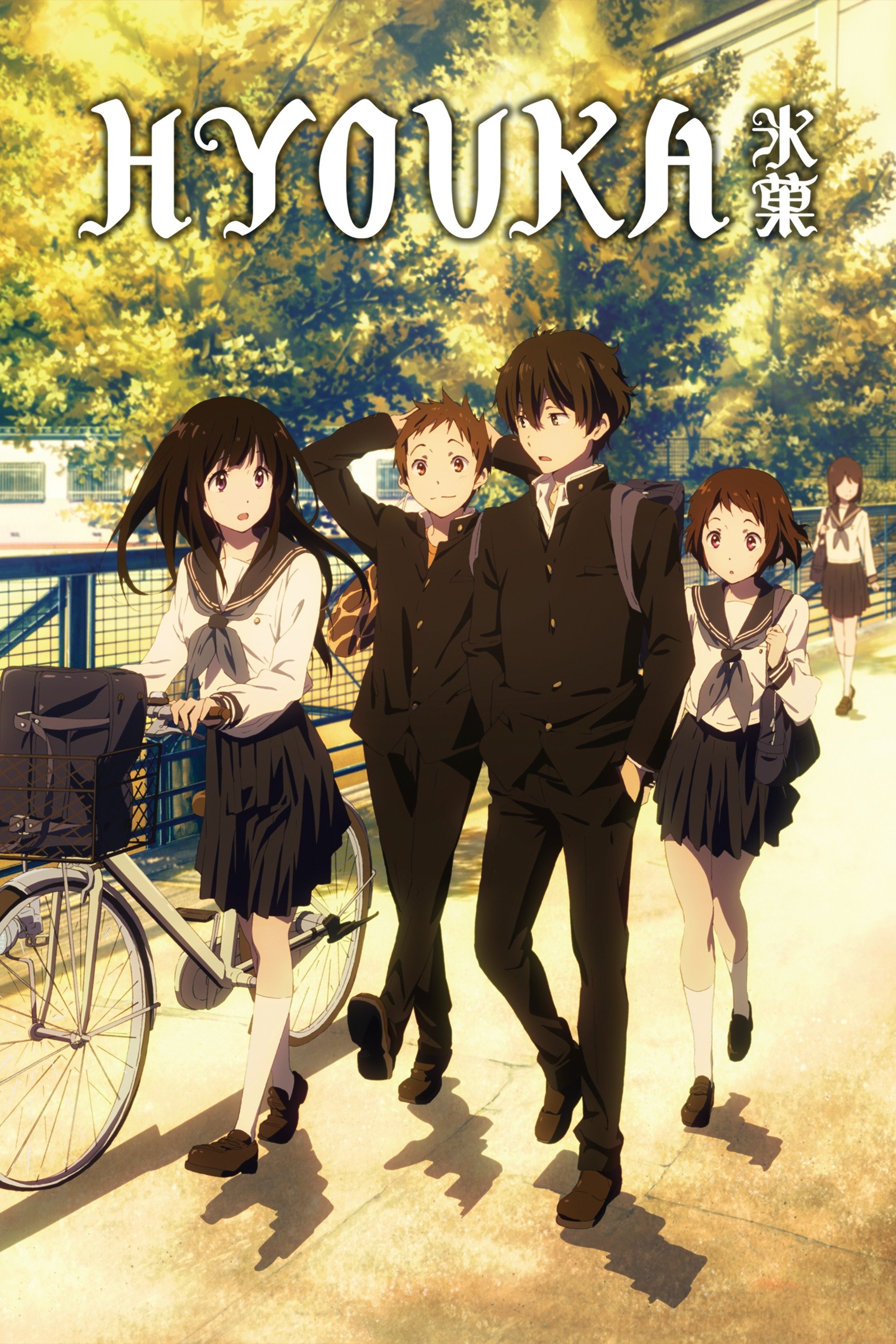
Kyoto Animation’s 22-episode adaptation of Honobu Yonezawa’s Classic Literature Club novels frames school-life mysteries as research projects. The club investigates archival materials, production schedules, and budget records to solve problems rooted in logistics and memory. Clues emerge from films, anthologies, and campus bureaucracy rather than sudden confessions. Emphasis on documentation and discussion models how small facts accumulate into clear explanations.
‘Planetes’ (2003–2004)
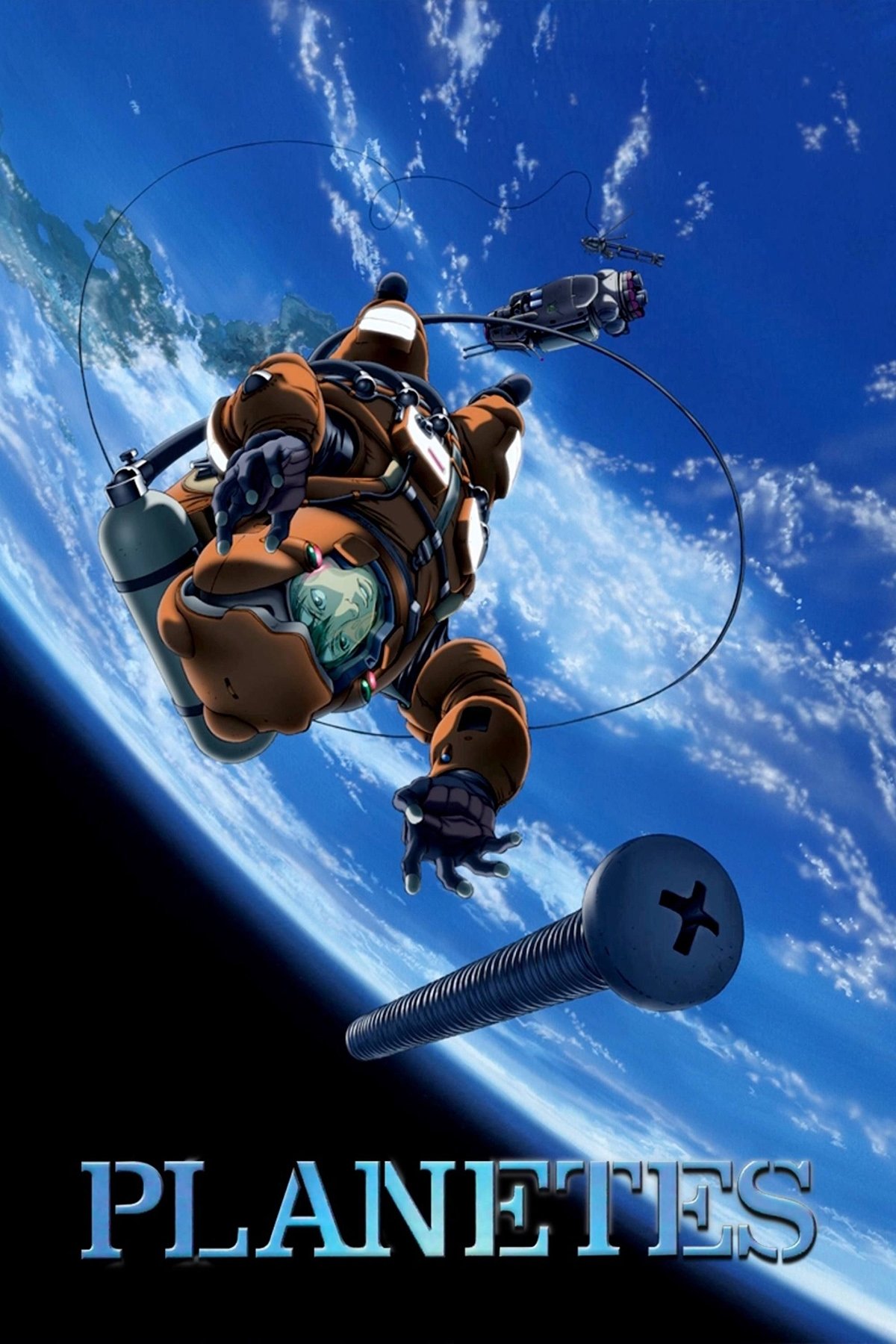
Sunrise adapted Makoto Yukimura’s manga into a 26-episode near-future workplace drama about orbital debris collectors. The series details space operations, corporate contracts, safety protocols, and international regulations. Episodes often build around training, equipment maintenance, and mission planning that pay off in later emergencies. Gradual career progressions and policy debates map how individual goals intersect with space industry realities.
‘Kaiji’ (2007–2011)
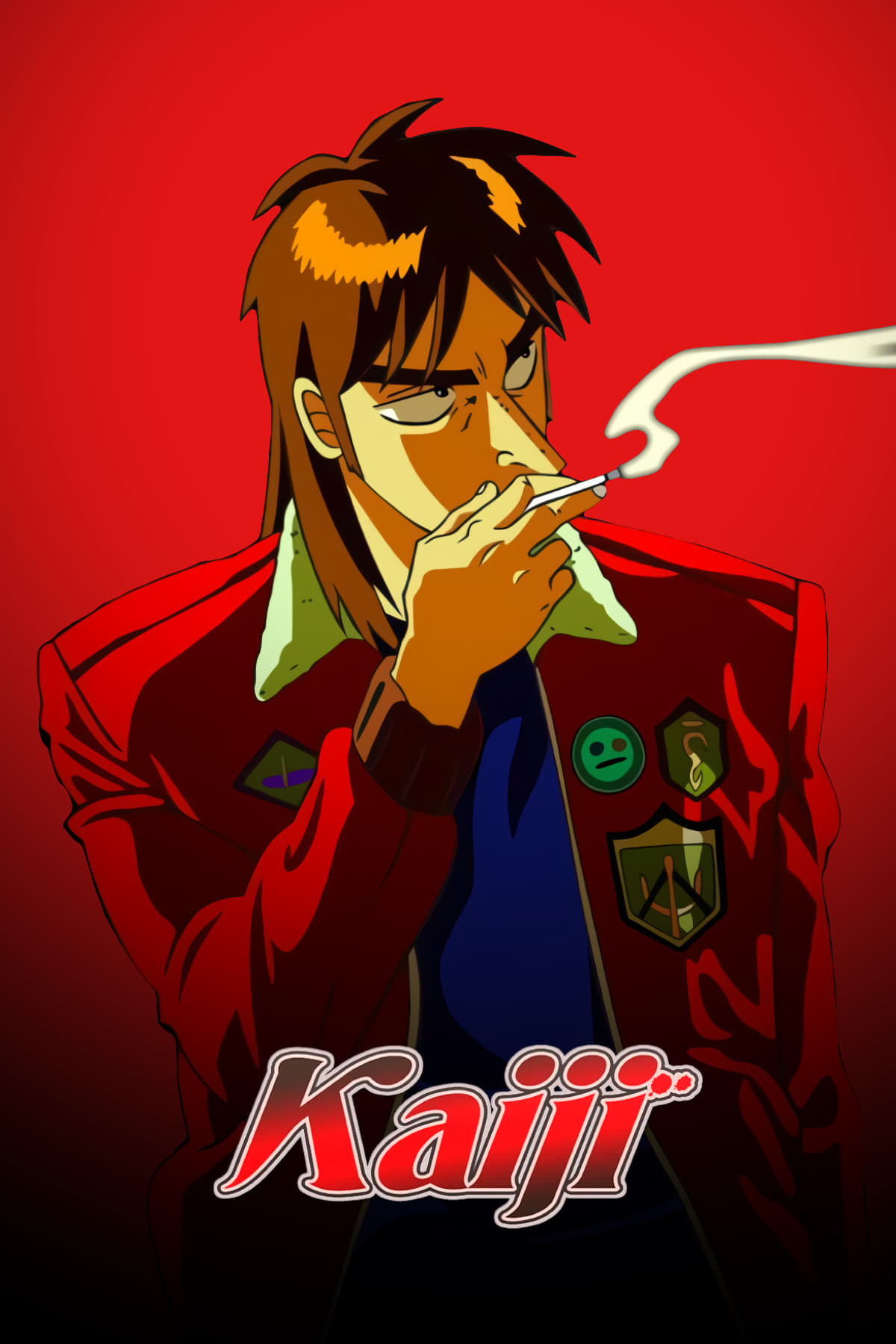
Madhouse’s adaptation of Nobuyuki Fukumoto’s manga spans two seasons and 52 episodes focused on high-stakes gambles engineered by criminal financiers. Games unfold over extended runtimes that explain rules, loopholes, and group psychology. The show tracks debt structures, leverage, and resource management as participants negotiate alliances and betrayals. Tactics frequently rely on small informational edges established many scenes earlier.
‘Showa Genroku Rakugo Shinju’ (2016–2017)
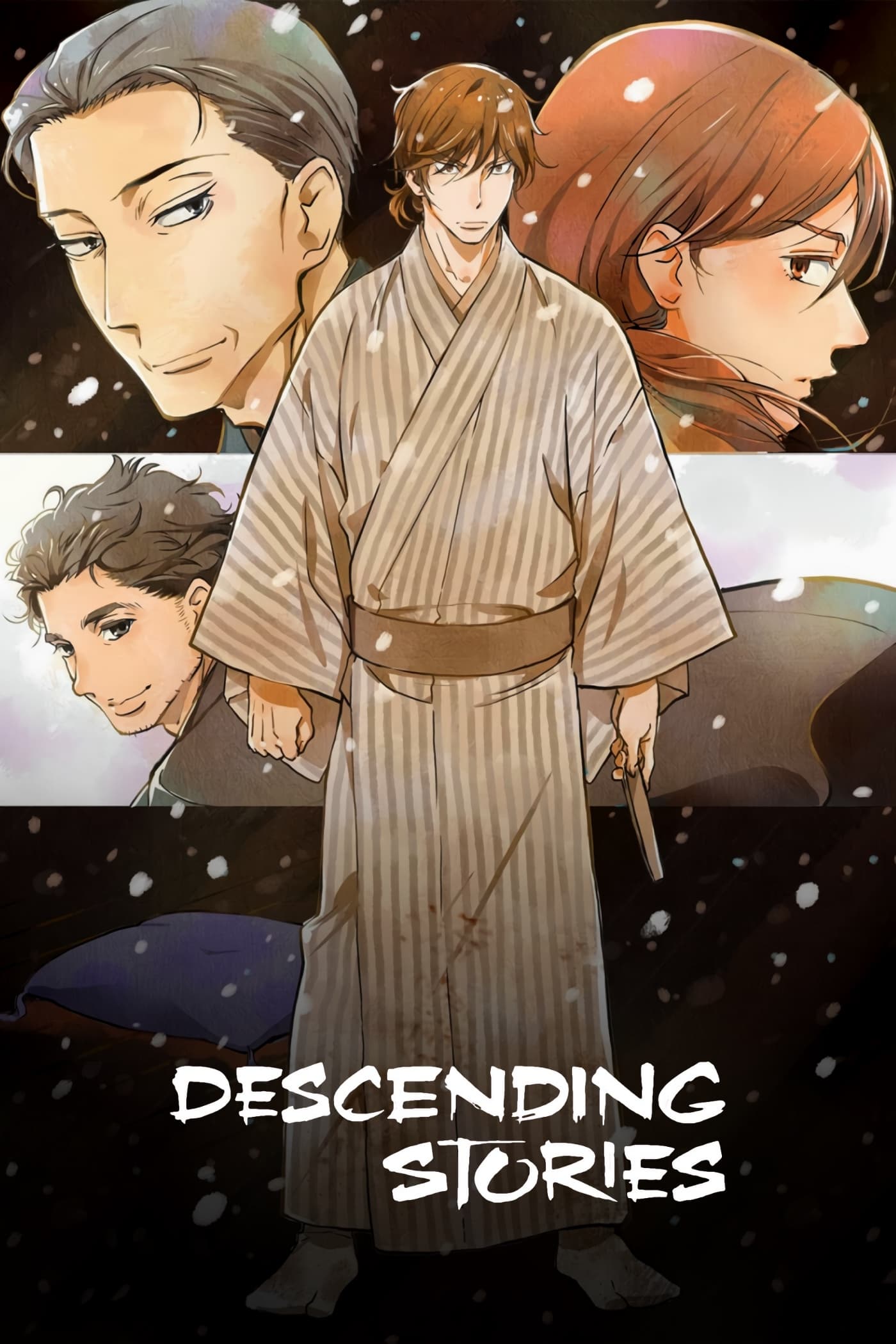
Studio Deen’s two-season adaptation of Haruko Kumota’s manga covers the evolution of rakugo performers across several decades. It uses apprenticeship milestones, stage routines, and repertoire changes to show how the art and industry shift. Flashback arcs document name inheritances, theater management, and broadcast-era pressures. Careful attention to performance pieces allows character histories to surface through technique and career choices.
‘March Comes in Like a Lion’ (2016–2018)
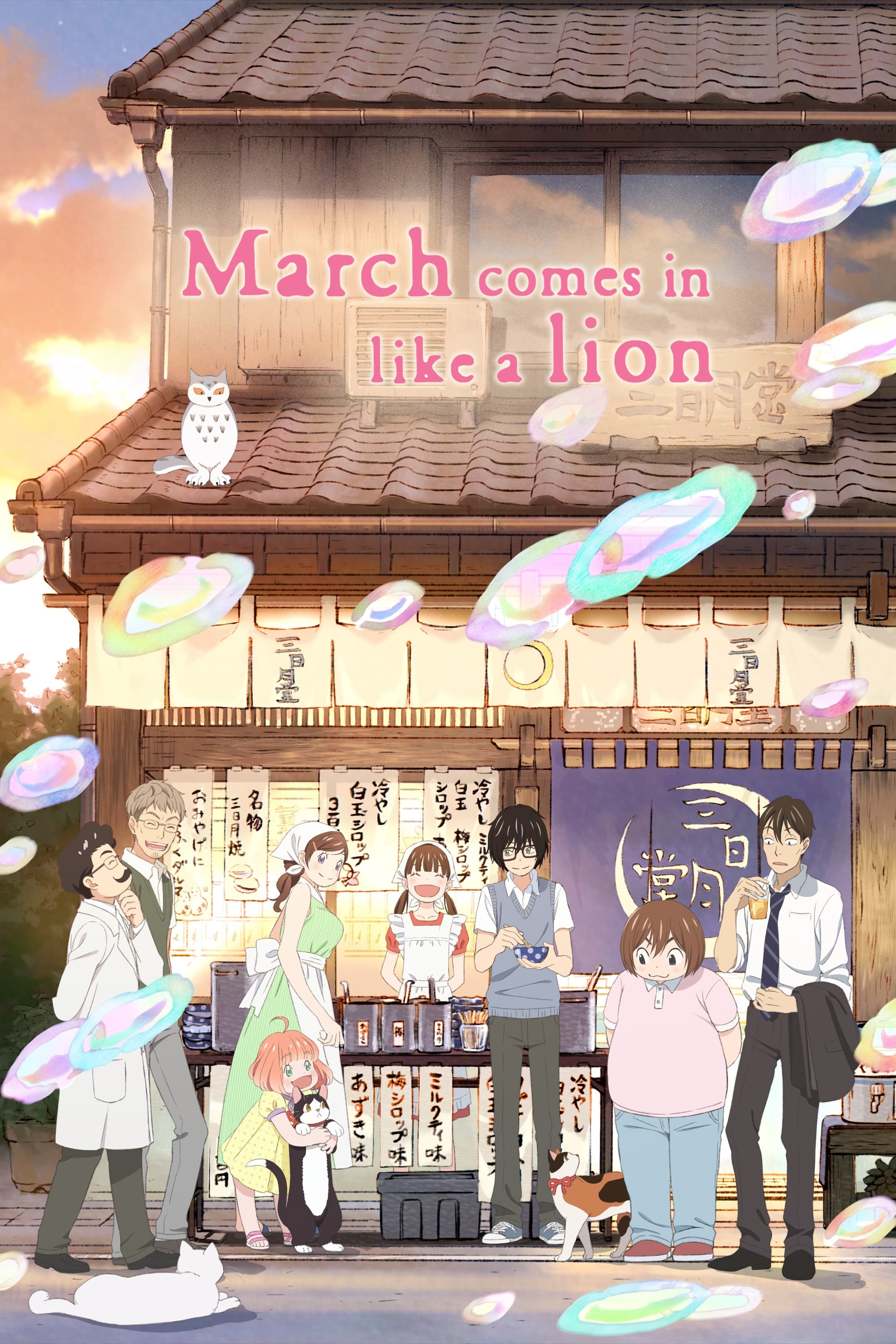
Shaft adapted Chica Umino’s manga into two seasons totaling 44 episodes centered on a young professional shogi player. Matches are embedded within training regimens, ranking systems, and tournament structures that define career progression. The series balances board strategy with school, community support, and health routines. Long arcs follow promotion exams, classroom commitments, and mentorships that evolve over time.
‘Serial Experiments Lain’ (1998)
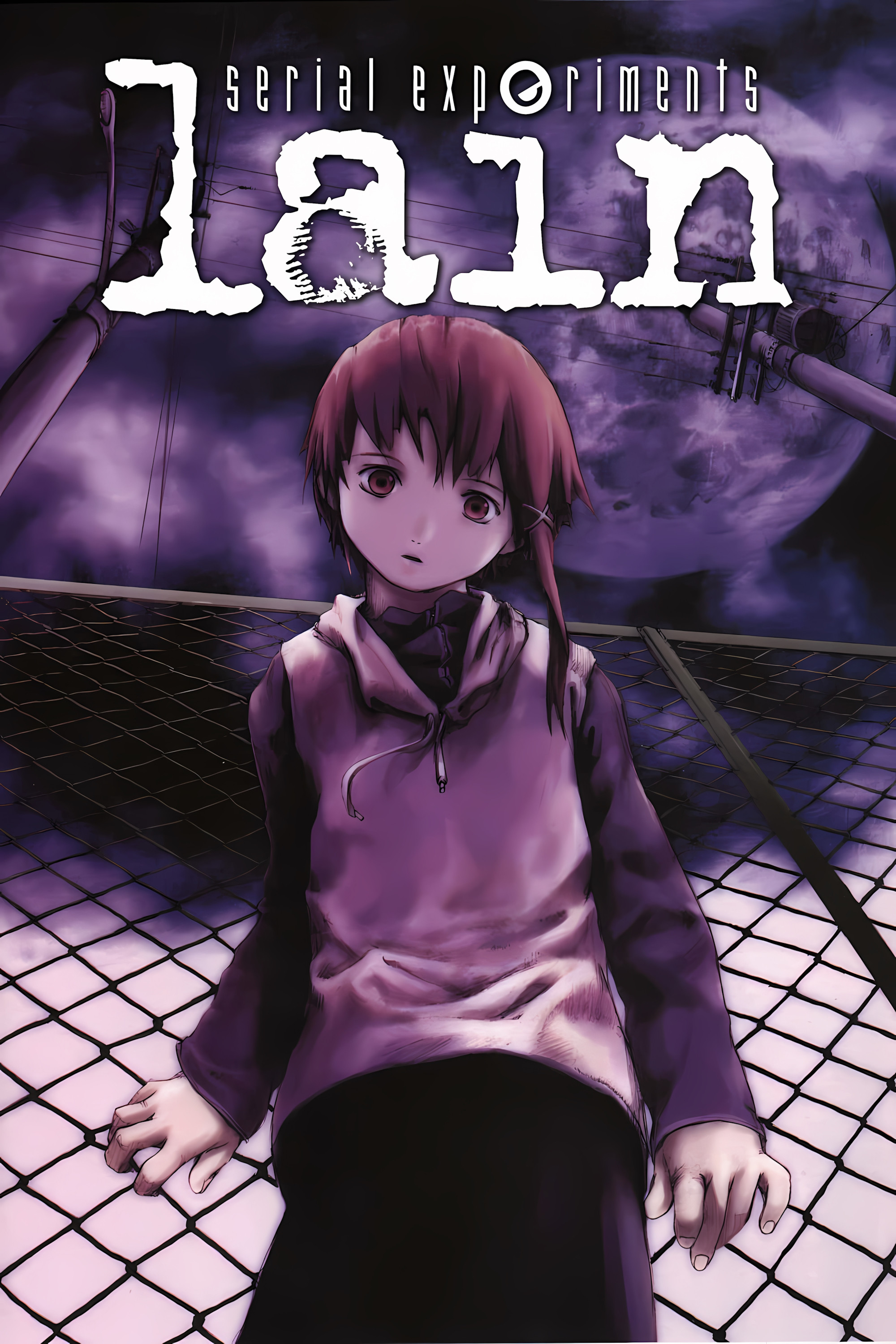
Triangle Staff’s 13-episode original series by Chiaki J. Konaka and Yoshitoshi ABe examines identity and networks through the “Wired.” The narrative introduces protocols, hardware, and social phenomena that blur local and global presence. Information leaks, firmware changes, and urban myths are plotted as incremental shifts in infrastructure. The show’s dossier-like scenes assemble a technical and cultural map that later episodes exploit.
‘NANA’ (2006–2007)
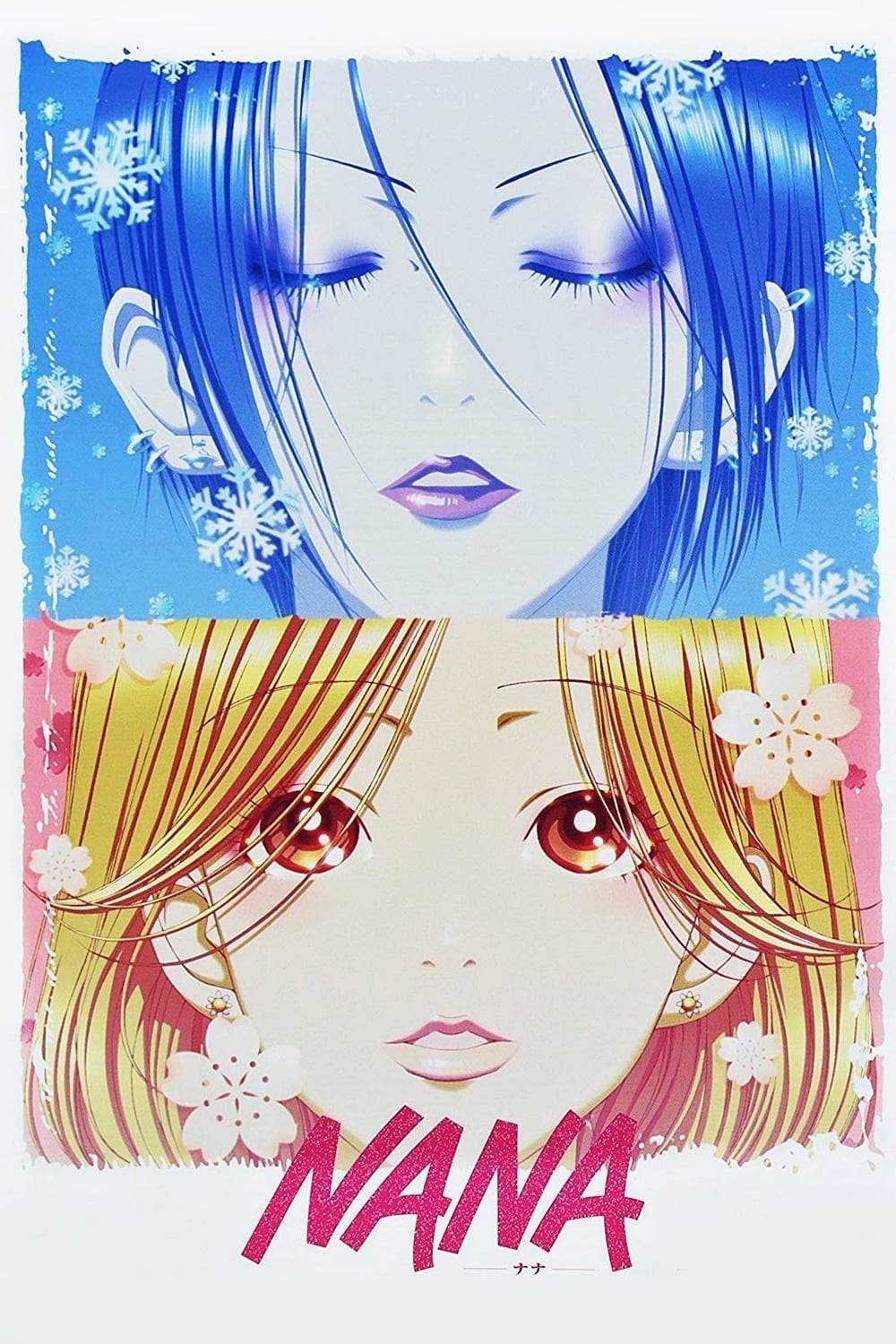
Madhouse adapted Ai Yazawa’s manga into a 47-episode drama about two women named Nana navigating music careers and relationships in Tokyo. Band formation, label negotiations, and live-house circuits are presented with attention to logistics and scheduling. The series tracks apartment moves, part-time work, and media exposure as interlocking pressures. Character timelines intersect through gigs, magazine features, and contract terms that gradually alter trajectories.
‘Ergo Proxy’ (2006)
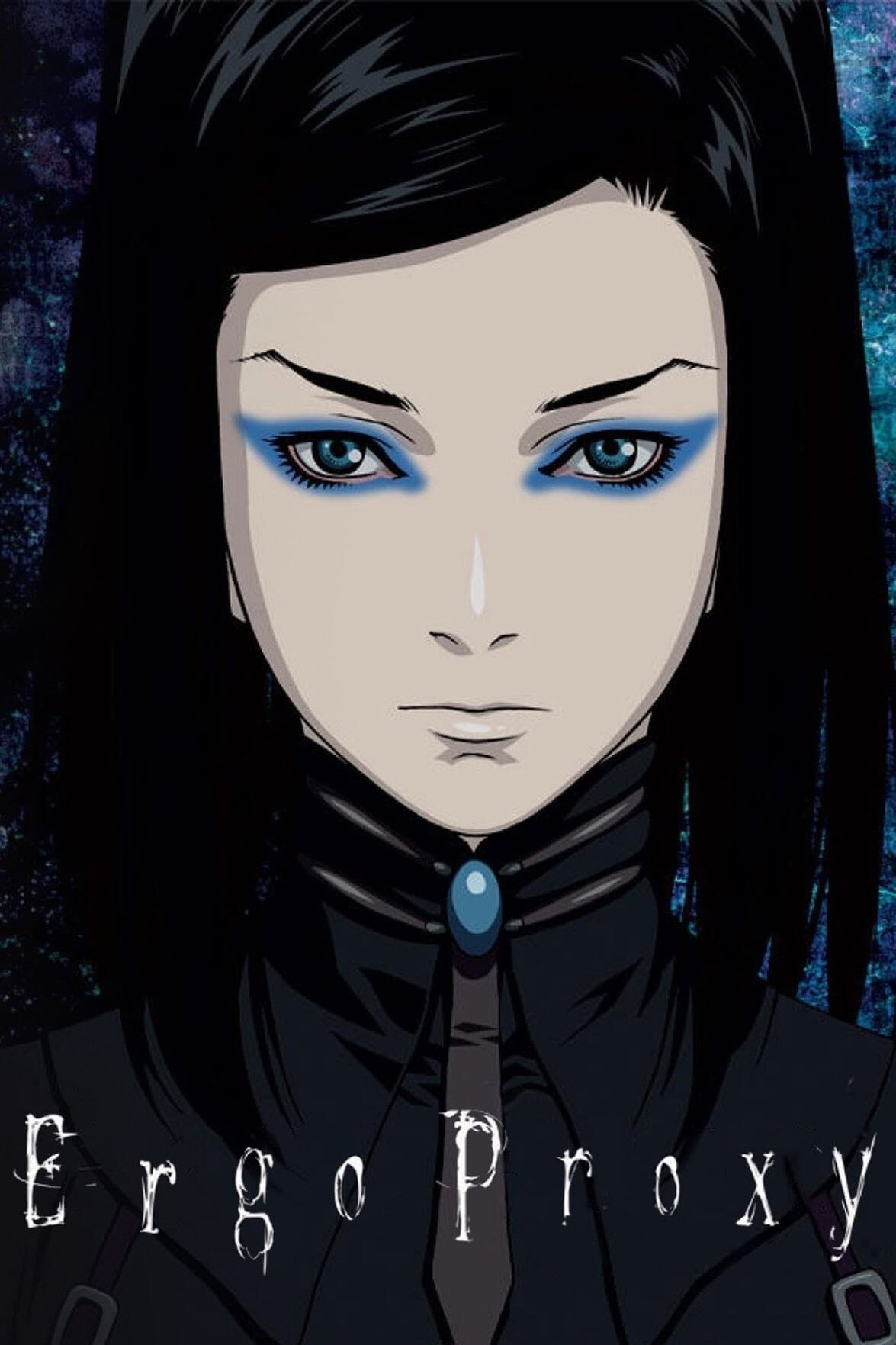
Manglobe’s 23-episode original series blends philosophy and cyberpunk as citizens and androids contend with domed-city governance. Investigations proceed via forensics, administrative records, and travel logs that broaden the scope beyond the initial incident. Political structures, energy constraints, and migration routes are mapped through field episodes. Recurring files and case notes establish the rules that later twists test.
‘Texhnolyze’ (2003)
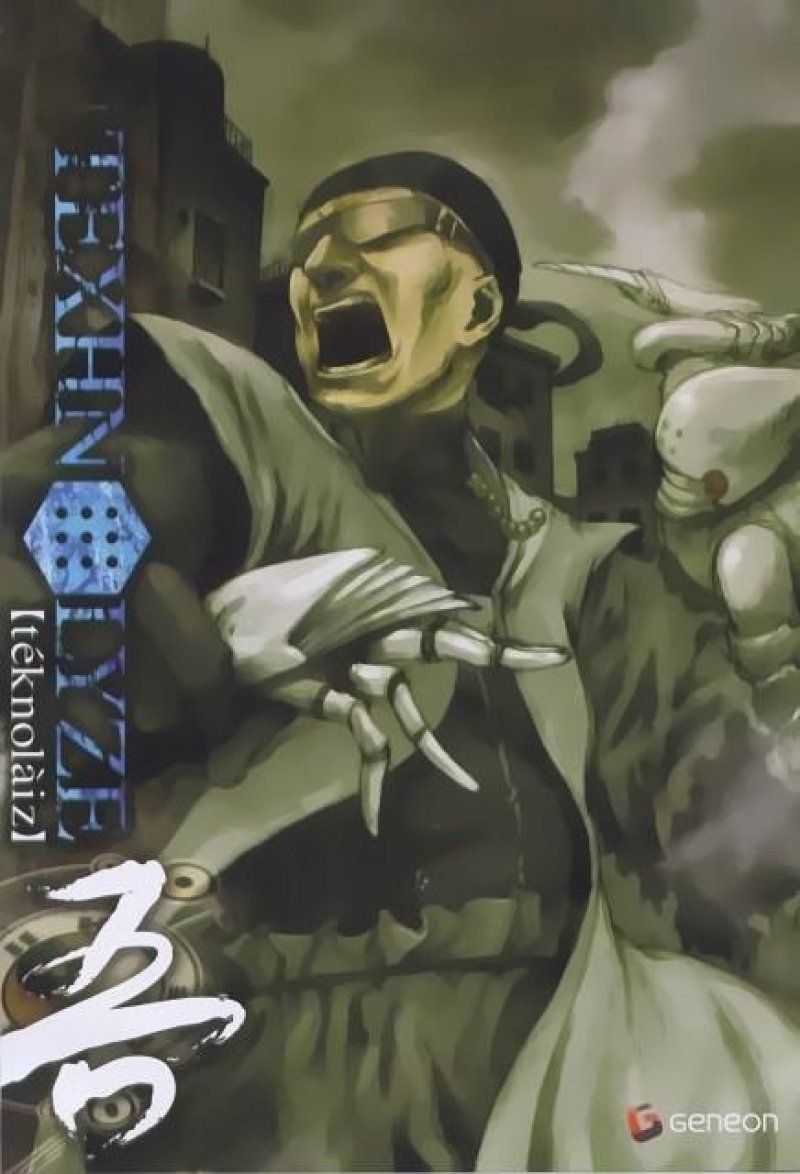
Another Yoshitoshi ABe project, animated by Madhouse, this 22-episode series depicts a subterranean city fractured by factions and bio-mechanical prosthetics. Power balances shift through resource control, smuggling networks, and medical experimentation protocols. The story tracks territory changes and alliances using meetings, courier runs, and council decrees. Technological upgrades and supply chains create incremental advantages that accumulate into large-scale upheaval.
Share your own favorite slow-burn picks in the comments and tell us which episodes hooked you once everything finally clicked.