The Greatest Gay Icons In Music

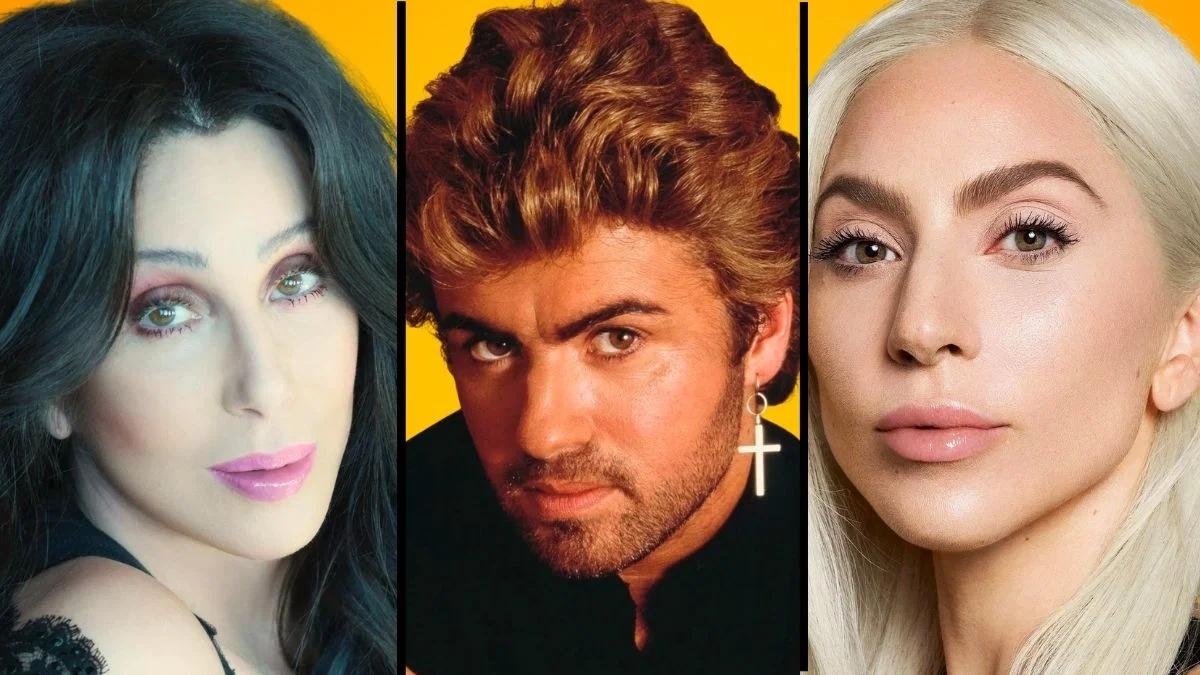

These artists earned lasting admiration through the music they made, the communities they showed up for, and the visibility they brought to queer lives. Their songs powered dance floors, their voices filled stadiums, and their names helped open doors for fans who needed to see themselves. From classic divas to trailblazing pop stars, each one left a mark that reaches far beyond charts and sales. Here are the musicians whose impact still echoes any time a crowd sings along.
Madonna
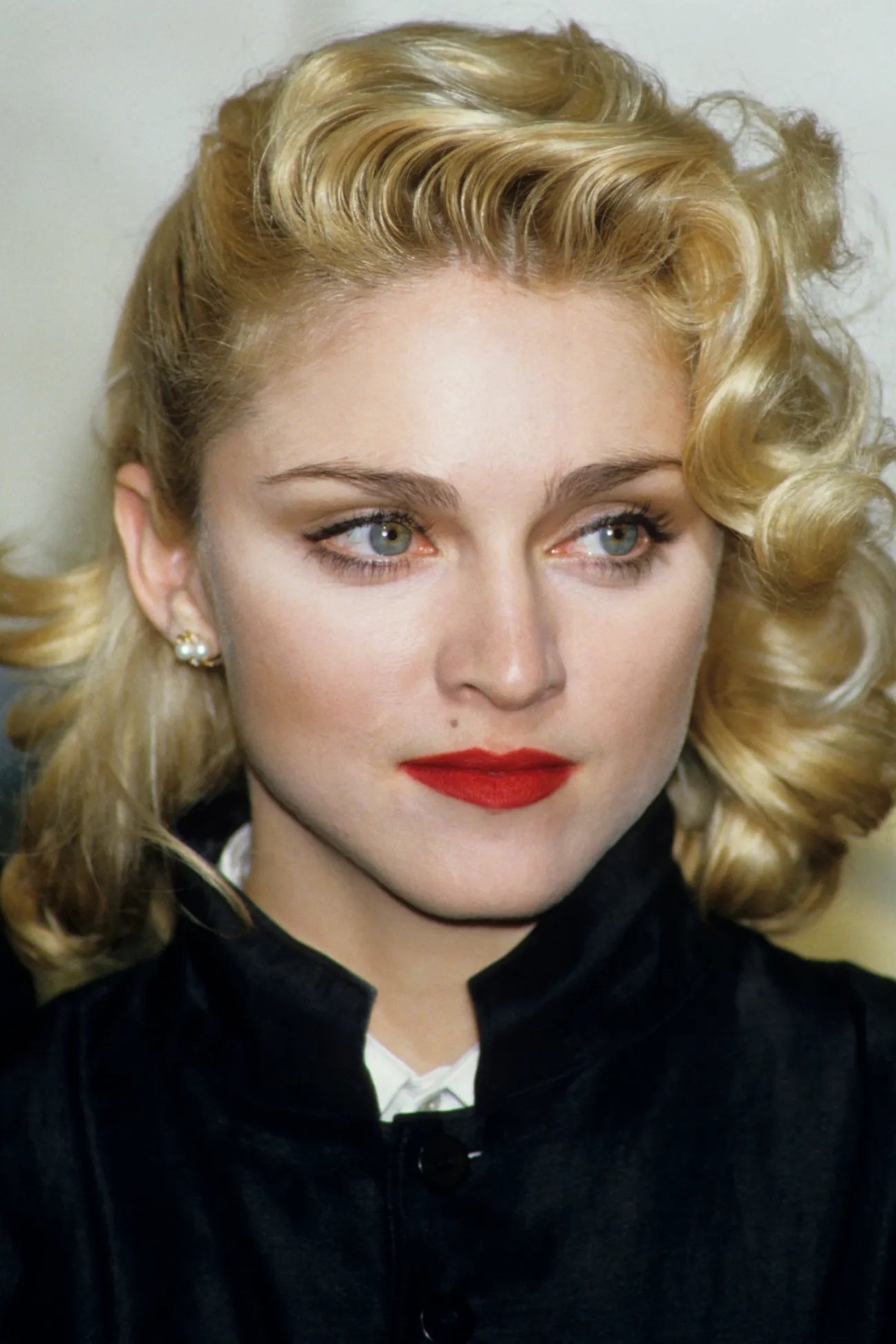
Madonna has sold hundreds of millions of records and reshaped pop with eras that defined entire decades. She spoke up for people living with HIV and AIDS at a time when few mainstream stars would touch the topic. Her tours have featured queer performers front and center with ballroom culture and voguing shown to global audiences. Pride events around the world still treat her dance anthems as essential soundtracks.
Lady Gaga
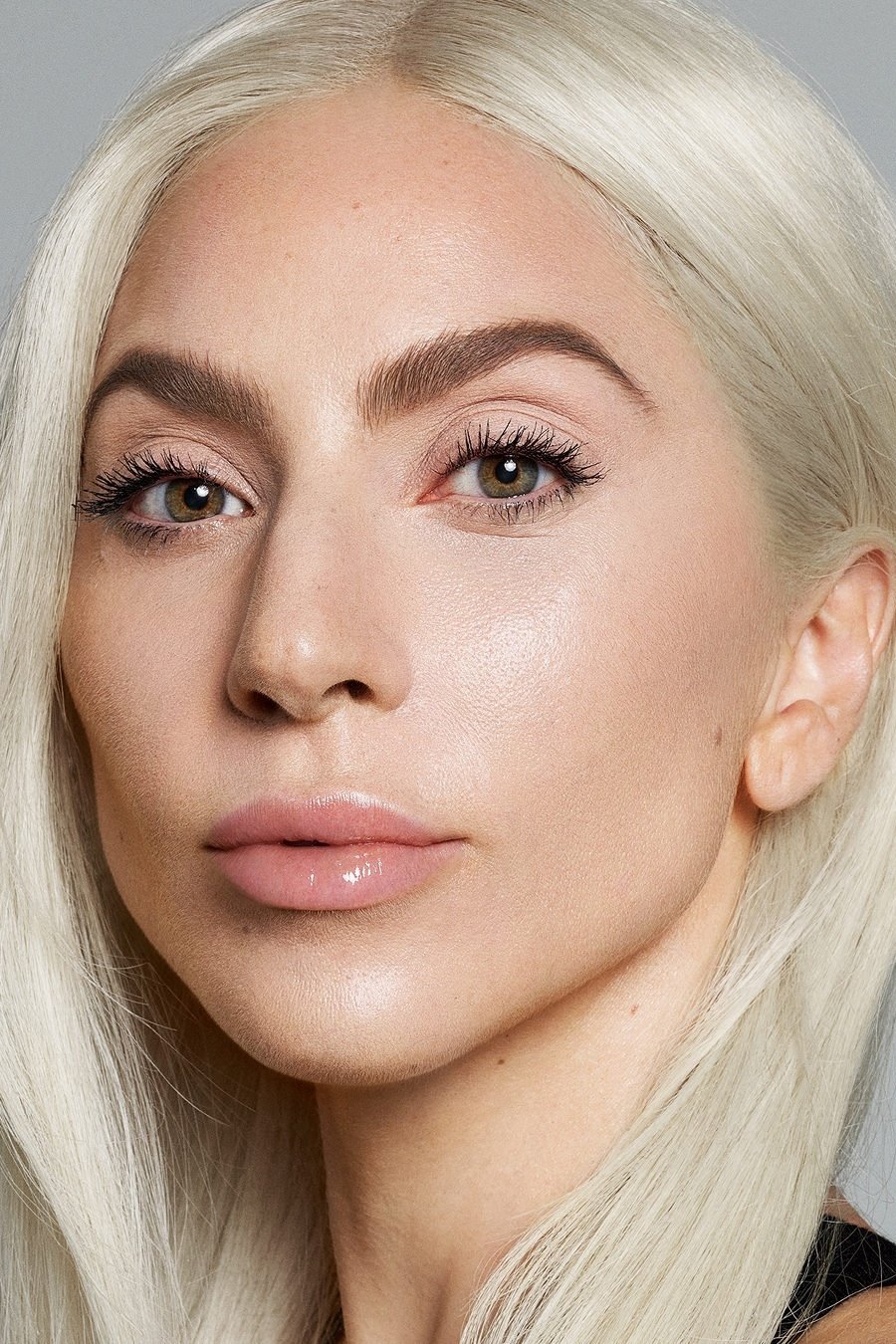
Lady Gaga launched the Born This Way Foundation to support youth mental health and empower inclusive communities. Her pop catalog has supplied Pride with stadium sized sing alongs for more than a decade. She championed LGBTQ rights publicly long before many peers did the same. Her shows often double as safe spaces where fans are encouraged to show up exactly as they are.
Cher
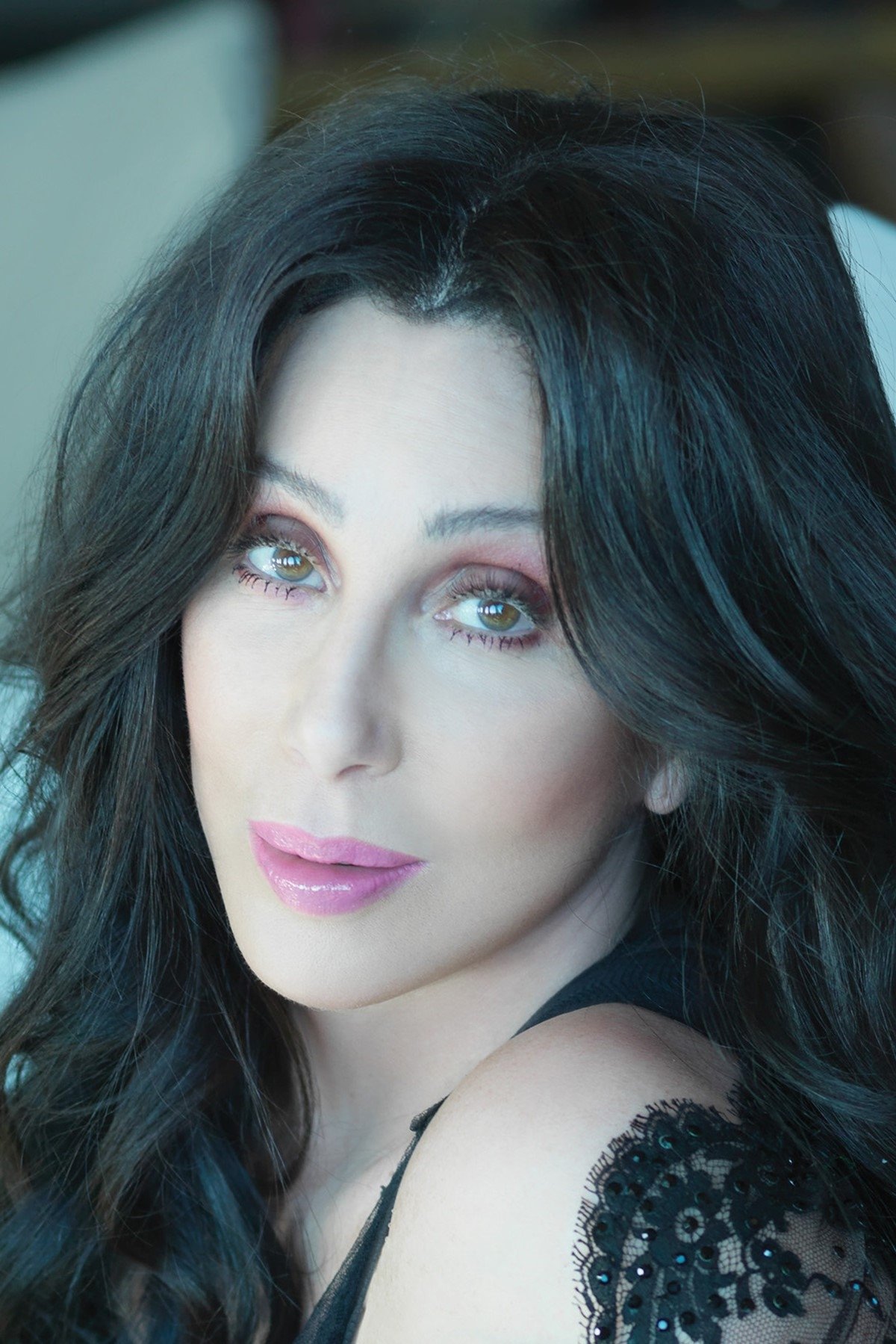
Cher is one of the few artists to score chart hits across multiple decades with success on the big stage and the dance floor. She has been an outspoken supporter of LGBTQ equality and has marched and fundraised alongside fans. Her concerts welcome multigenerational audiences that share the same set of anthems. The voice and the sequins keep returning to clubs and playlists whenever celebration is in order.
Elton John
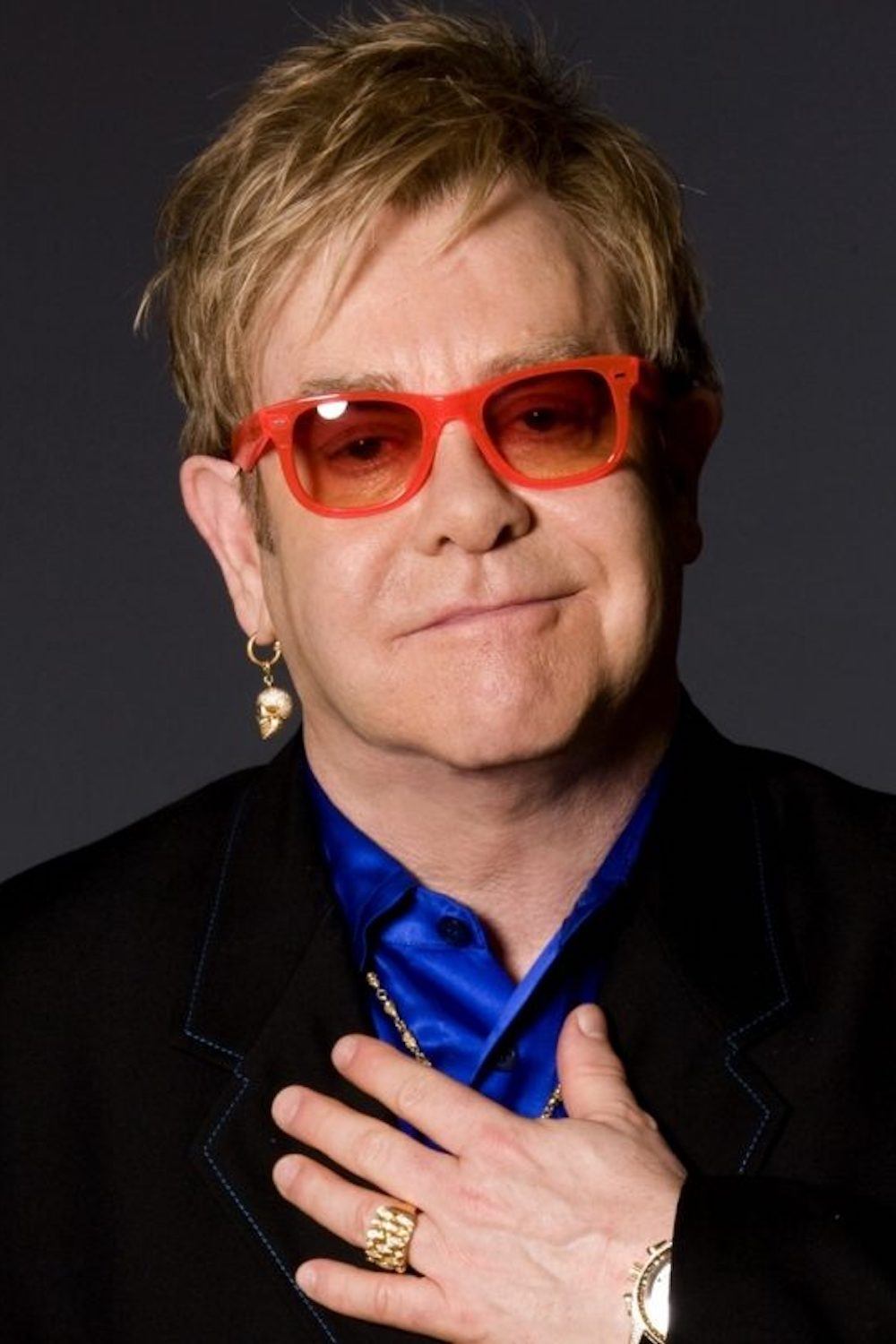
Elton John came out publicly in the 1990s and used his platform to raise massive sums for HIV and AIDS programs through the Elton John AIDS Foundation. He has performed countless benefit concerts and advocated for access to treatment worldwide. His catalog ranges from piano ballads to dance collaborations that never leave rotation. Younger artists often cite him as a mentor who helps them navigate fame while staying true to themselves.
Freddie Mercury
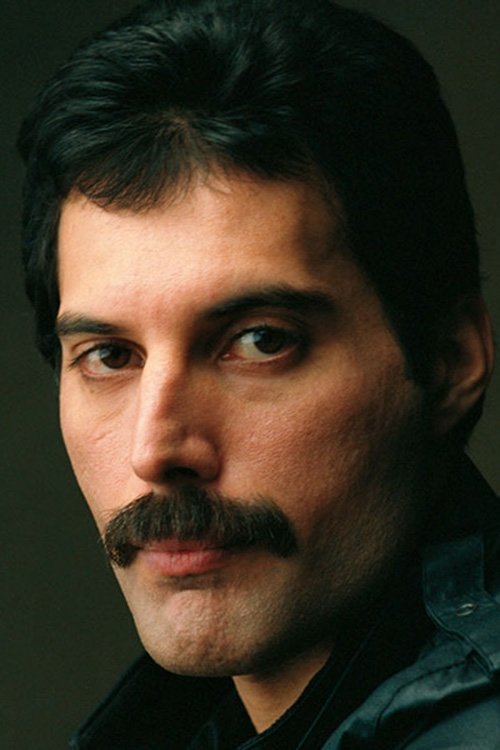
Freddie Mercury led Queen with a voice that could command arenas and a showmanship that inspired generations. His death in 1991 drew global attention to the AIDS crisis and helped galvanize fundraising for research and care. The 1992 tribute concert pulled together rock royalty to honor him and support health initiatives. His influence still guides vocalists who mix power with theatrical flair.
George Michael
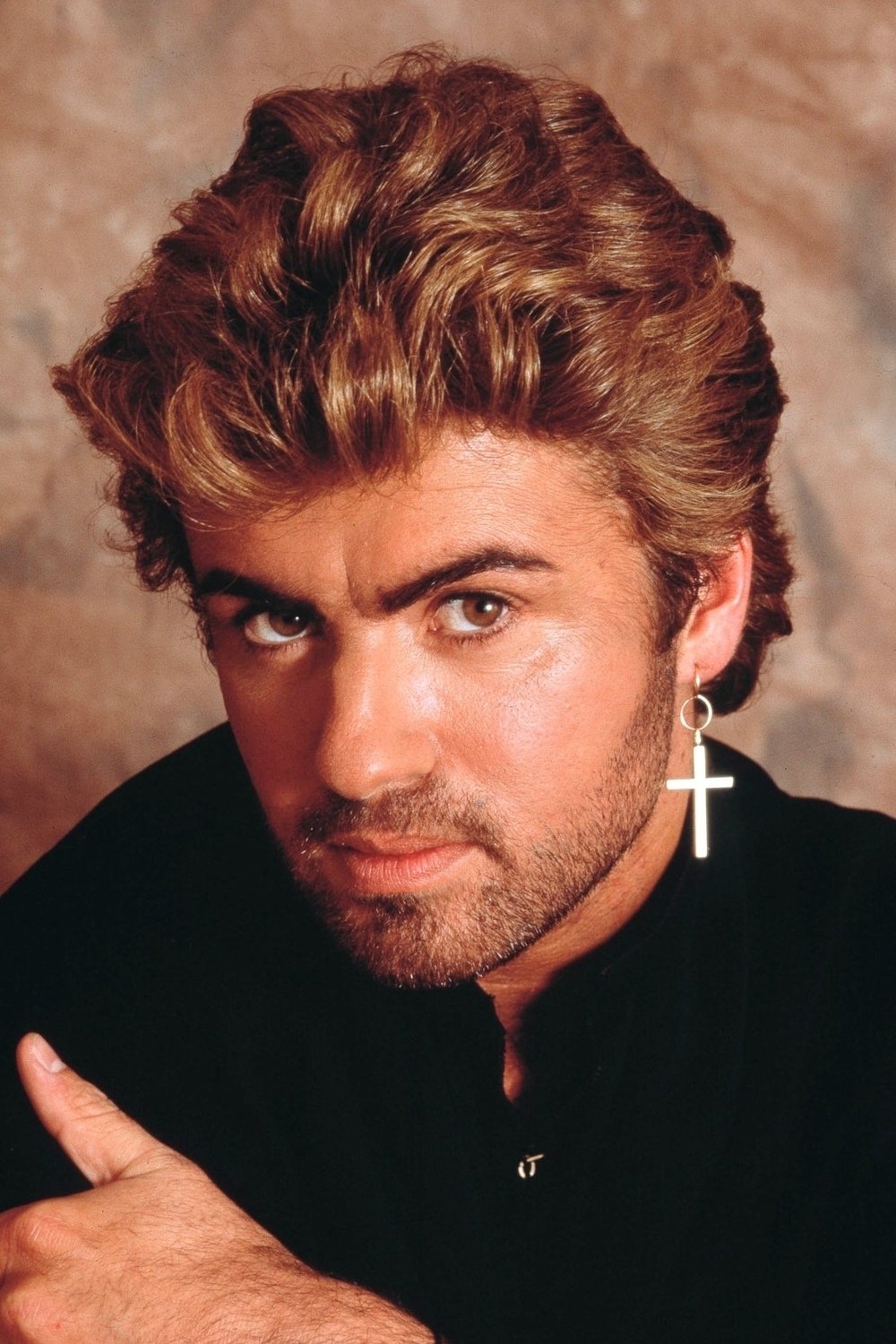
George Michael came out in 1998 and then embraced advocacy for LGBTQ visibility in interviews and performances. He quietly donated to charities focused on health and social services throughout his career. His music bridged soulful ballads and club hits that filled radio and dance floors alike. Fans remember him for work that balanced vulnerability with confidence.
David Bowie
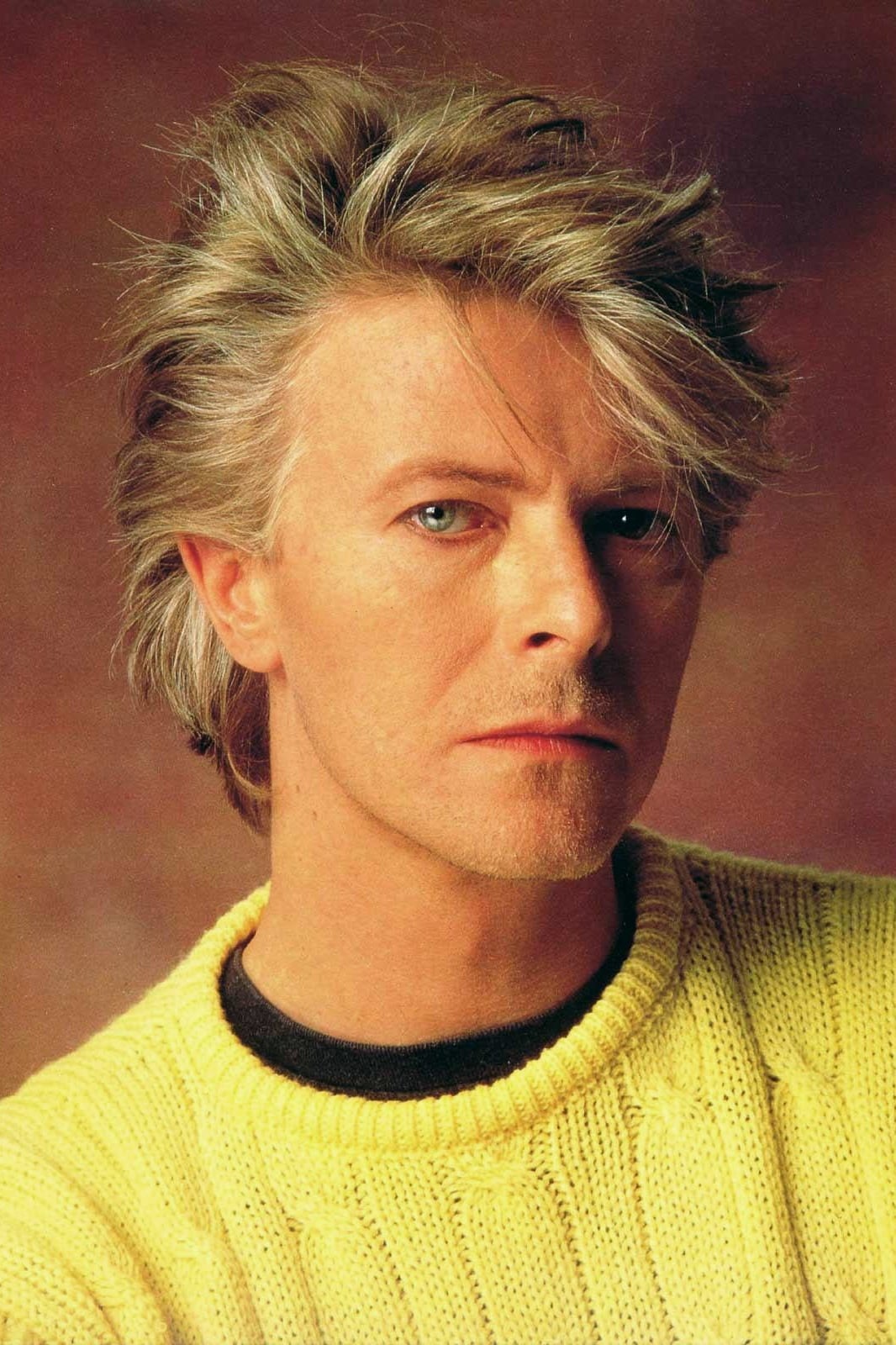
David Bowie blurred lines around gender presentation and made space for outsiders in mainstream culture. His chameleon like reinventions invited fans to experiment with identity and art. He collaborated with innovators across genres and kept pushing sounds into new territory. Clubs still lean on his tracks when a room needs both cool and catharsis.
Diana Ross
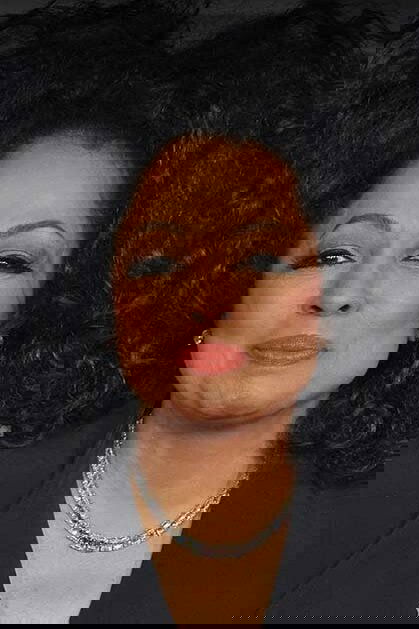
Diana Ross brought Motown glamour to the world and then soared in a solo career filled with dance floor staples. Her song I’m Coming Out became a celebration for LGBTQ audiences and a Pride standard. She has performed that anthem at festivals and parades where the crowd sings every word. Generations have discovered her through samples and remixes that keep the groove alive.
Donna Summer
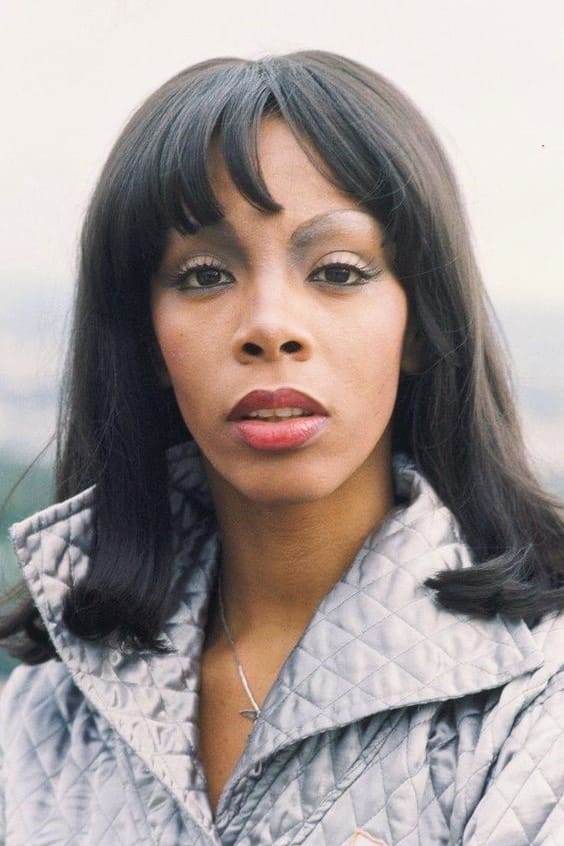
Donna Summer ruled disco with records that set the blueprint for modern club music. Producers crafted extended mixes that DJs still thread through late night sets. Her voice carried power and precision over synths that felt futuristic when they first landed. Every Pride month her songs return to remind people how liberation can sound.
Whitney Houston
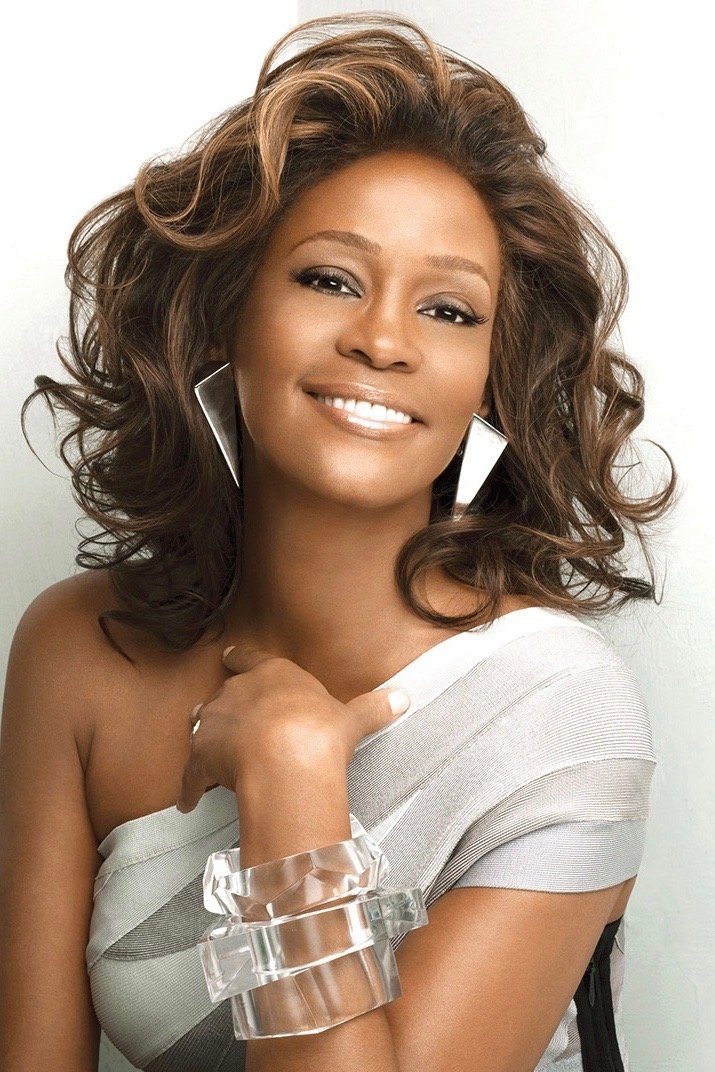
Whitney Houston set a benchmark for pop vocals that artists continue to chase. Her uptempo hits remain fixtures at celebrations where the crowd wants joy and movement. Tributes and covers keep her music present for fans who discovered her long after the originals charted. Her influence is easy to hear every time a singer reaches for a soaring chorus.
Mariah Carey
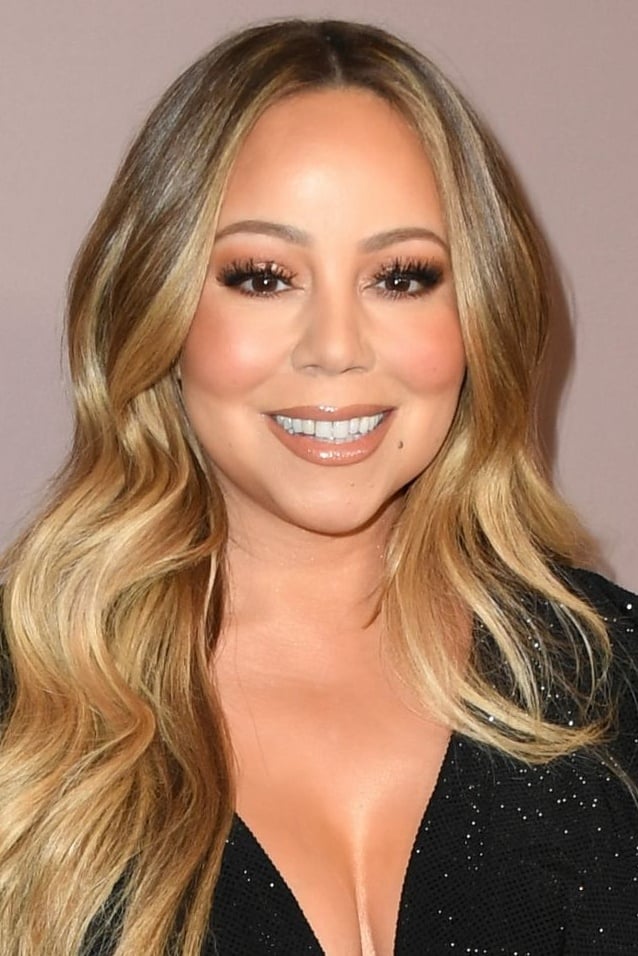
Mariah Carey blended pop and R and B with remarkable songwriting and whistle register flourishes. She has thanked LGBTQ fans repeatedly onstage and in award speeches while aligning with advocacy groups. Remixes of her hits built strong ties to dance culture and club DJs. Her holiday songs and ballads unite audiences that might not share much else.
Britney Spears
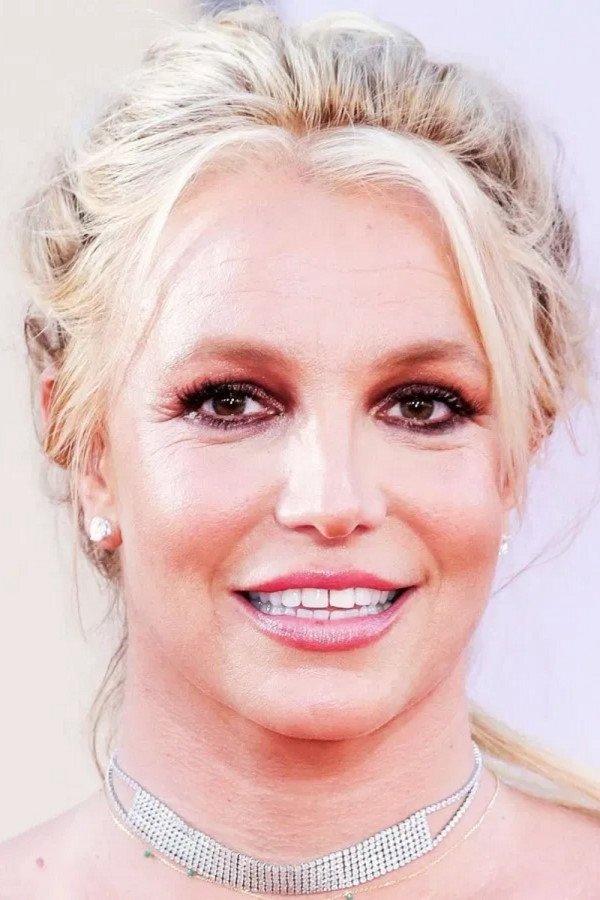
Britney Spears delivered a string of pop smashes that defined turn of the century radio and video culture. She has acknowledged the support of LGBTQ fans throughout her career and accepted honors from advocacy organizations. Her shows evolved into high energy residencies that doubled as community gatherings. Pride playlists still rely on her choruses to lift the mood.
Beyoncé
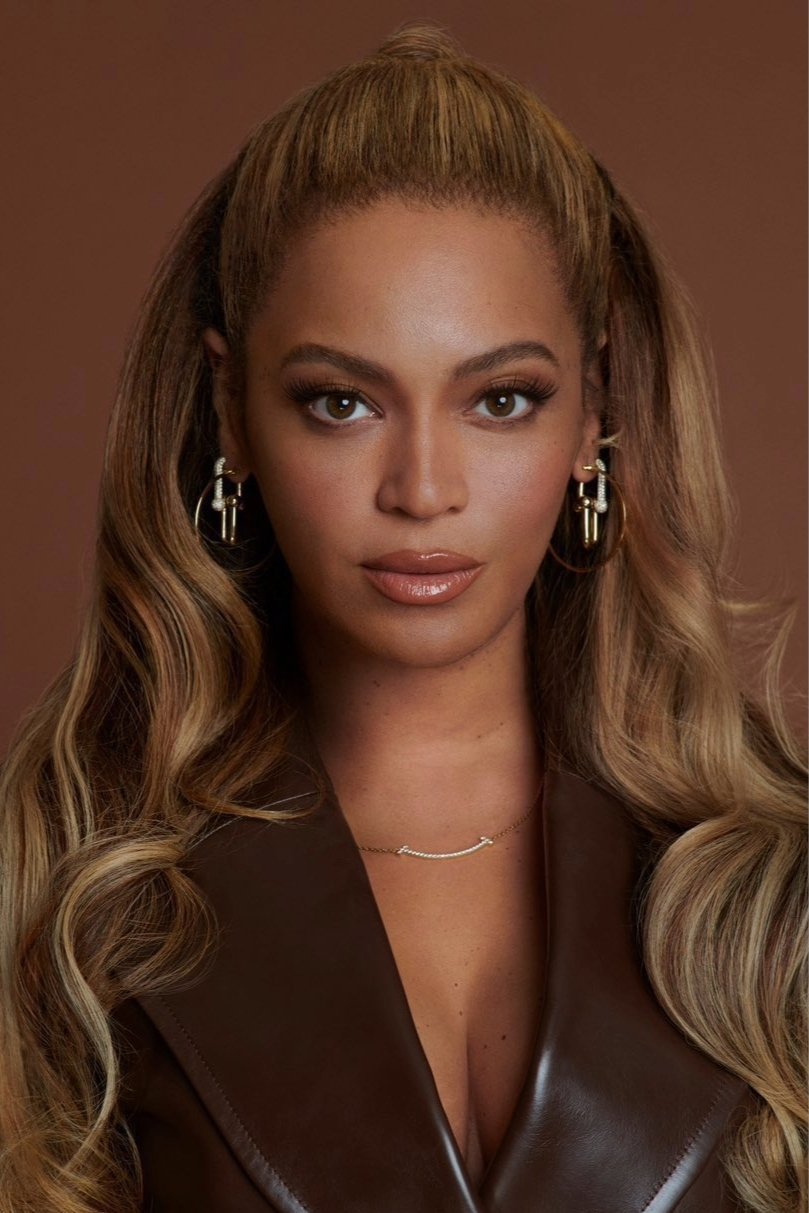
Beyoncé’s performances set a gold standard for precision, scale, and vocal power. She has publicly supported marriage equality and received recognition from LGBTQ groups alongside her philanthropic work. Her tours spotlight diverse dancers and creators who bring ballroom and house influences to global stages. Fans connect with messages of self worth that resonate deeply across identities.
Kylie Minogue

Kylie Minogue built a career on shimmering pop that thrives in clubs and festivals across Europe and beyond. She has headlined Pride events and embraced collaborations that keep her sound fresh for new fans. Her albums arrive with visual worlds that celebrate joy and fashion. Longtime followers know her shows will always make room for glitter and unity.
Cyndi Lauper
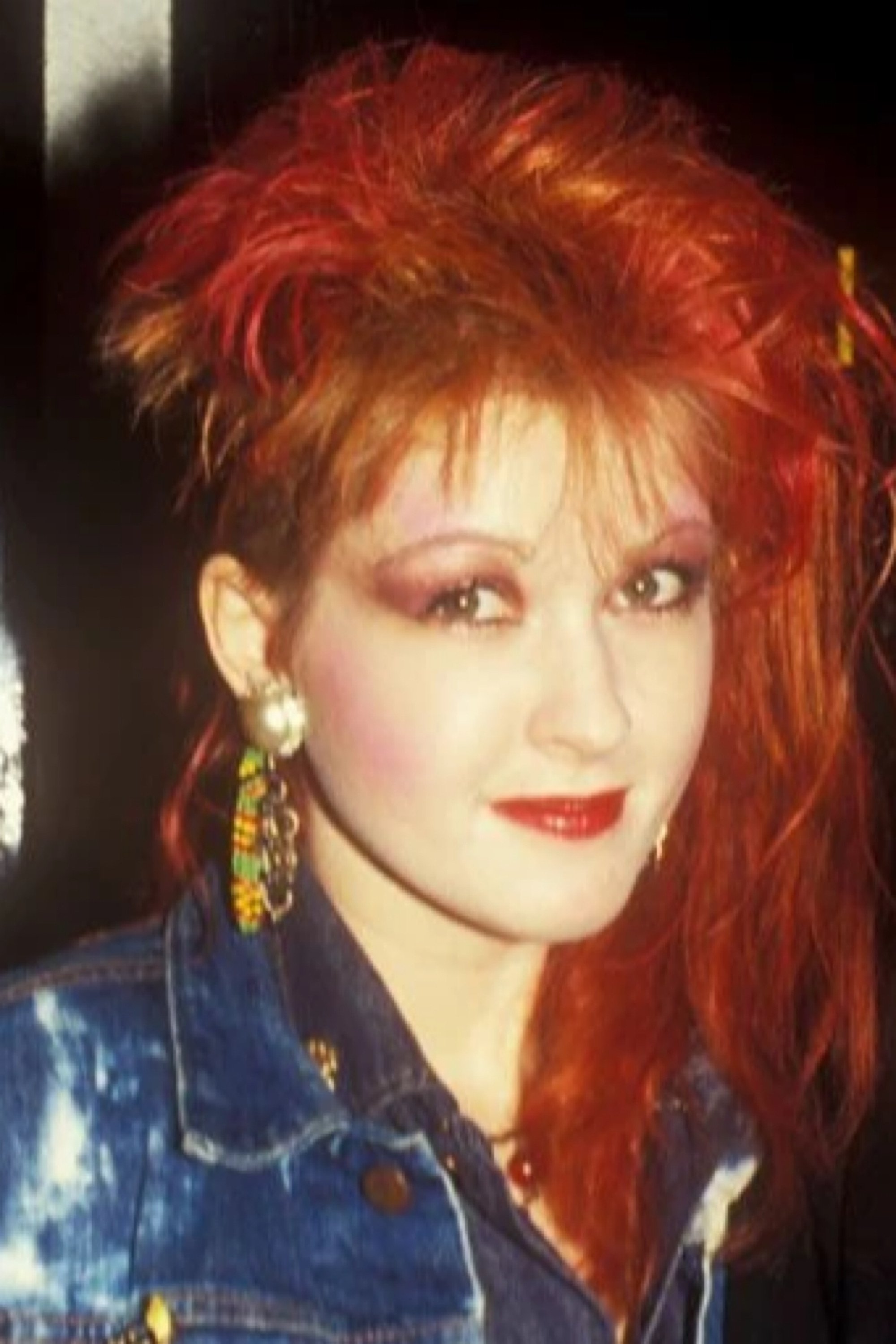
Cyndi Lauper co founded True Colors United in 2008 to help end homelessness among LGBTQ youth. She tours annually to raise funds and awareness through concerts that mix hits with activism. Her bright pop sensibility translates into live shows that welcome everyone. The work continues offstage through programs that support housing stability and dignity.
Barbra Streisand
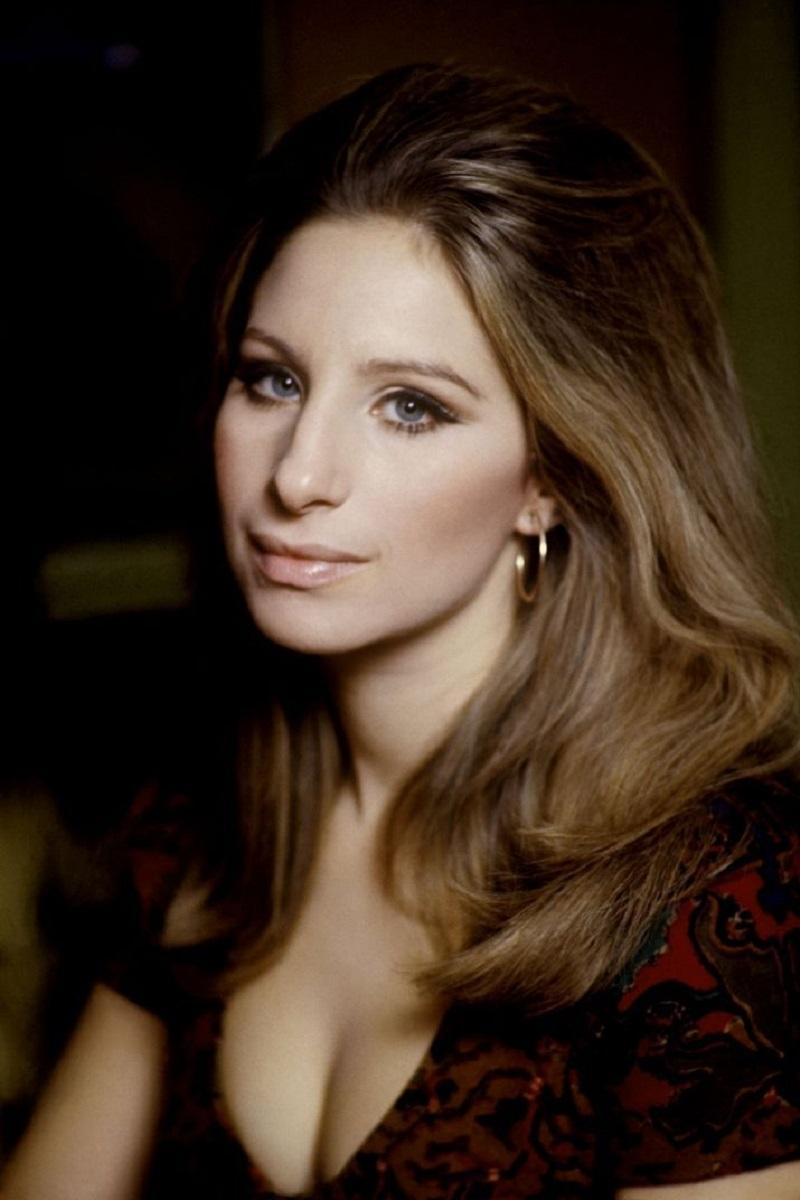
Barbra Streisand has backed LGBTQ equality through statements, benefits, and long term support for civil rights causes. Her recordings and films reached generations who then followed her into concert halls. She uses her voice in interviews to push for acceptance and legal protections. The fandom around her connects people who discovered her at very different moments in time.
Judy Garland
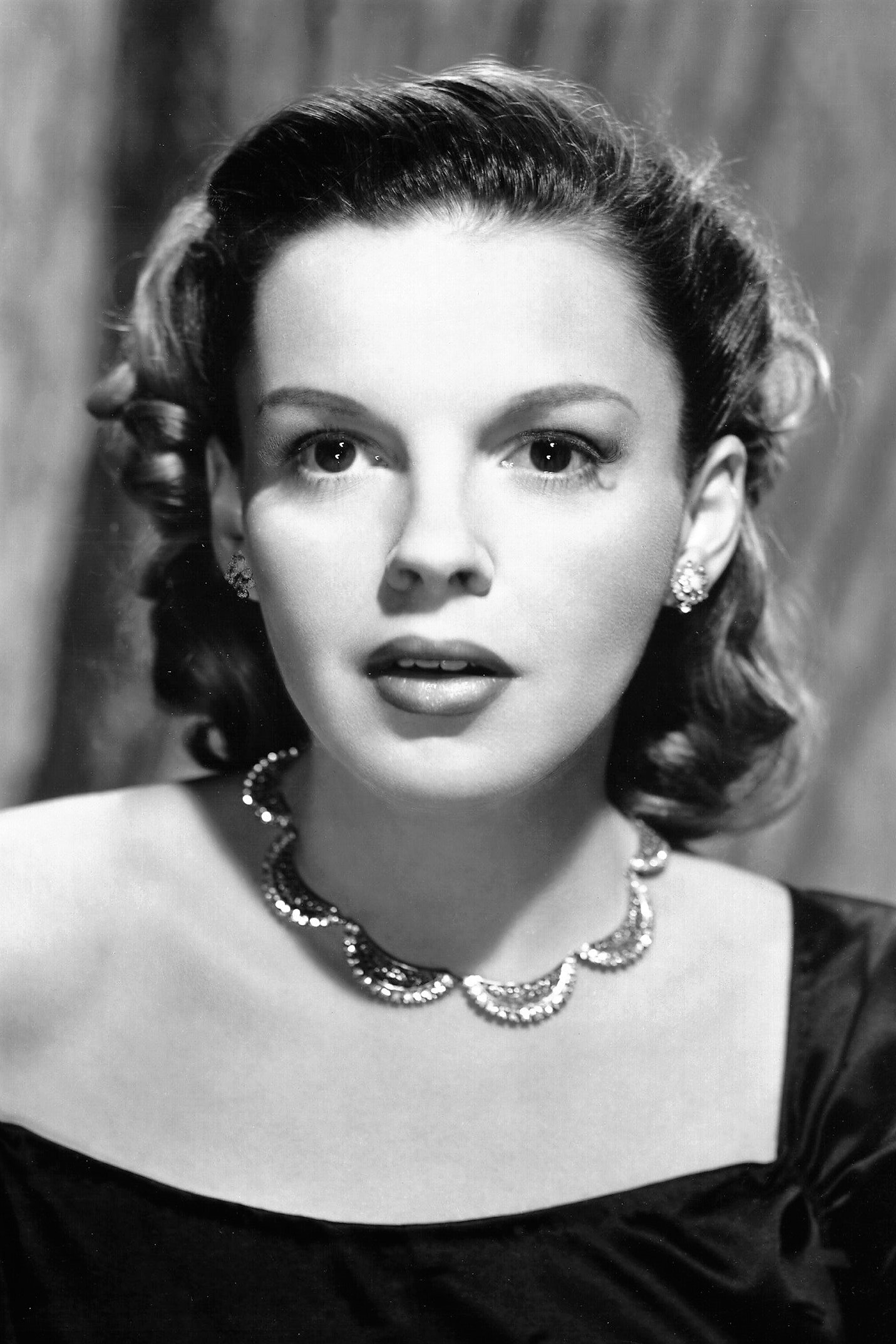
Judy Garland became a touchstone for fans who saw strength in a voice that could convey hope and heartbreak. Her concerts drew devoted audiences that felt seen by her openness. Many remember her legacy around the time of the Stonewall uprising as part of a wider cultural moment. Archives and reissues continue to introduce her to new listeners.
Grace Jones
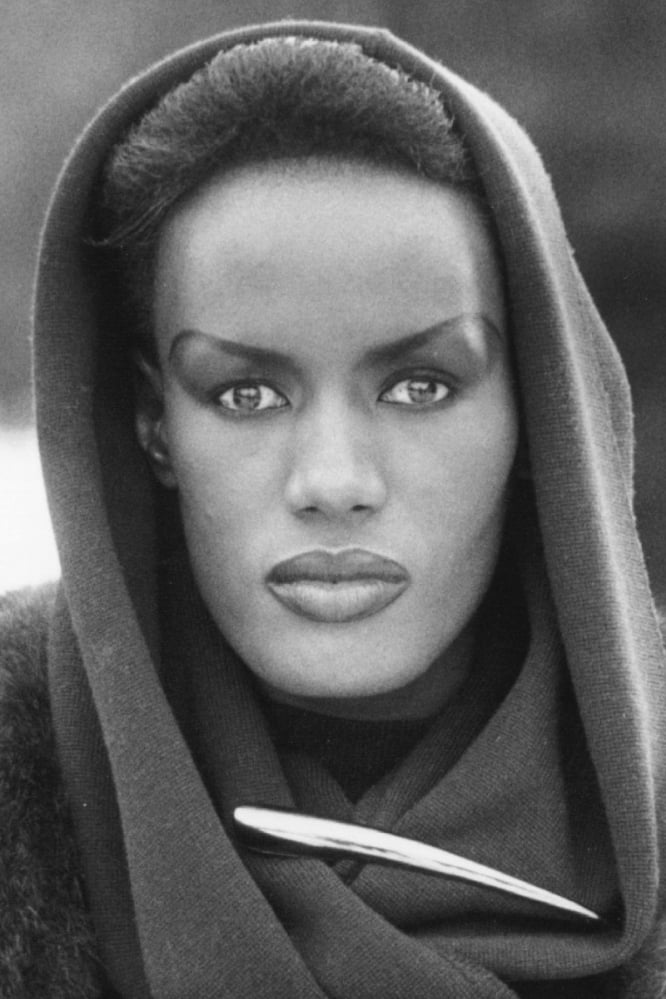
Grace Jones fused reggae, disco, and art pop while presenting androgyny with fearless style. She collaborated with top producers and photographers to create striking visuals that matched the sound. Club culture embraced her tracks and performances as signals that boundaries could be broken. Younger artists often reference her when they play with fashion and identity.
Pet Shop Boys
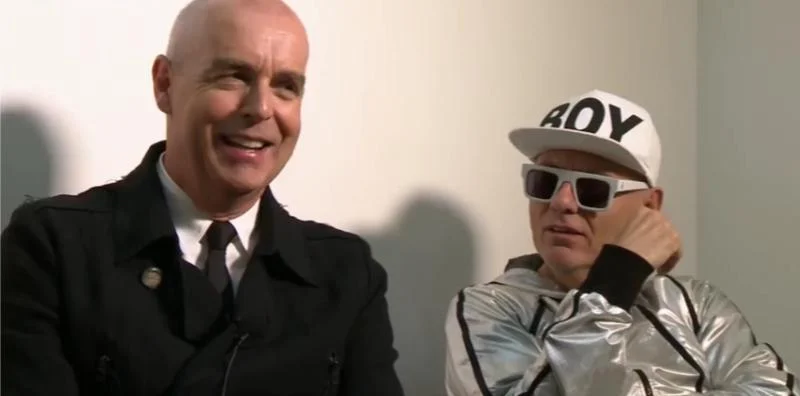
Pet Shop Boys crafted literate synth pop that moved from introspective ballads to euphoric dance. Neil Tennant later spoke openly about his sexuality while the duo kept touring and recording. Their stage setups bring theater and geometry to arenas and festivals. Remixes of their songs live comfortably in both pop radio and underground sets.
Boy George

Boy George brought his voice and look to mainstream television at a time when such visibility was rare. With Culture Club he delivered global hits that blended pop and soul. He has spoken candidly about identity and recovery while staying active as a performer and DJ. His presence opened doors for artists who followed.
RuPaul
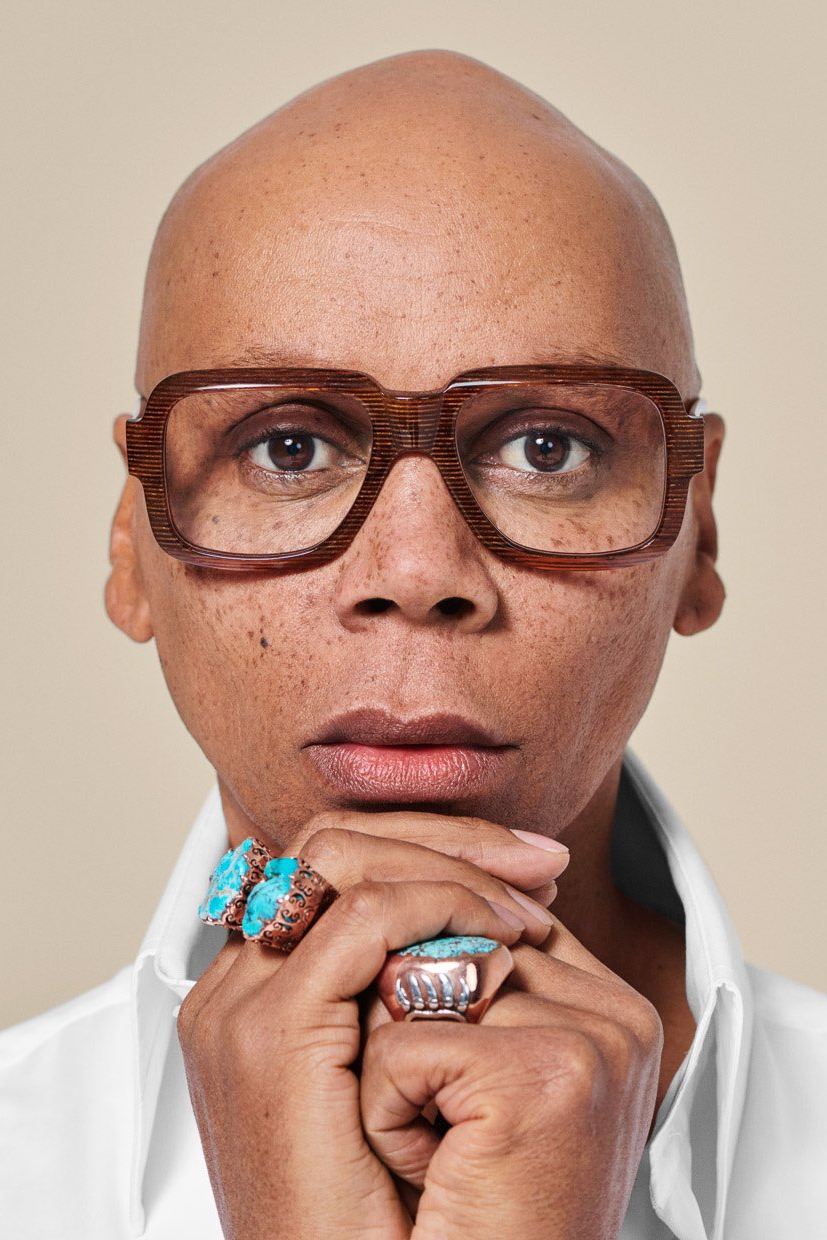
RuPaul crossed from clubs to the charts with Supermodel and then built a multimedia empire that centers drag artistry. The show ‘RuPaul’s Drag Race’ introduced countless performers to global audiences and changed TV. Music releases keep arriving with hooks designed for runways and dance floors. Tours and conventions now gather fans who celebrate creativity and queer culture together.
Gloria Gaynor
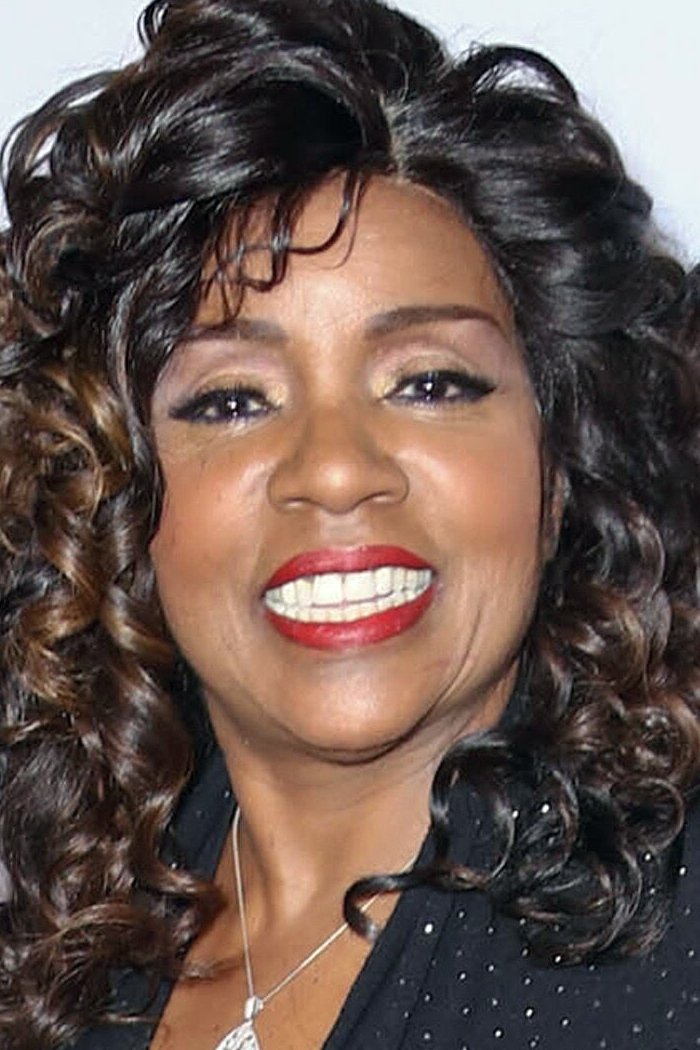
Gloria Gaynor recorded I Will Survive and watched it become one of the most enduring anthems of resilience. The song entered the Library of Congress National Recording Registry and remains a Pride staple. She tours internationally where audiences still sing every word without prompting. Its message keeps connecting with people facing all kinds of challenges.
Sylvester
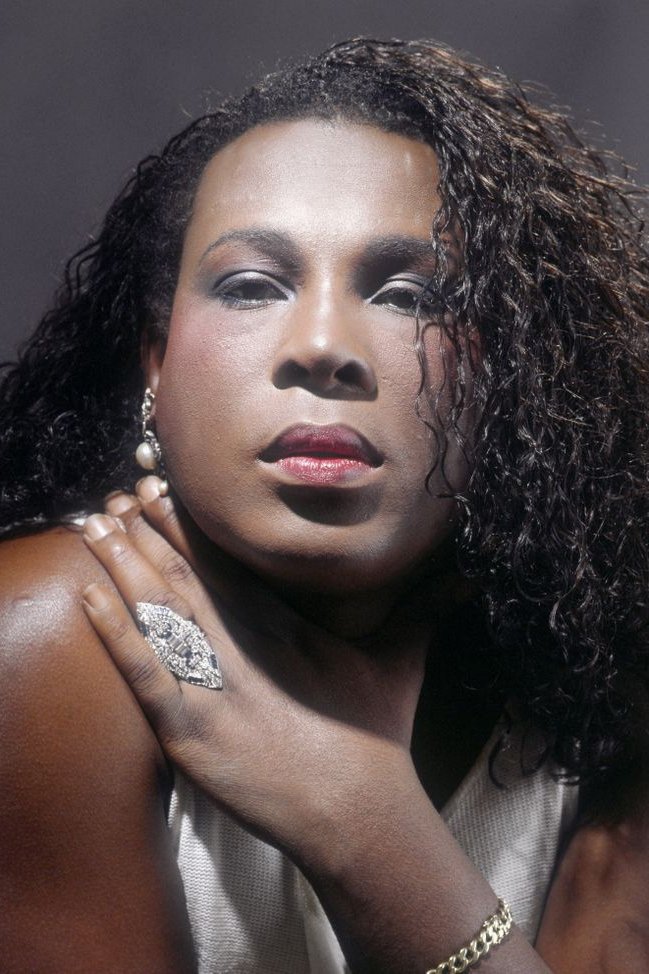
Sylvester brought gospel trained power to disco and Hi NRG with songs that defined queer nightlife. He was openly gay during a period when few mainstream singers were visible. His hit You Make Me Feel Mighty Real remains a rite of passage for dance floors. Royalties have supported health services in San Francisco through the estate’s instructions.
Sam Smith
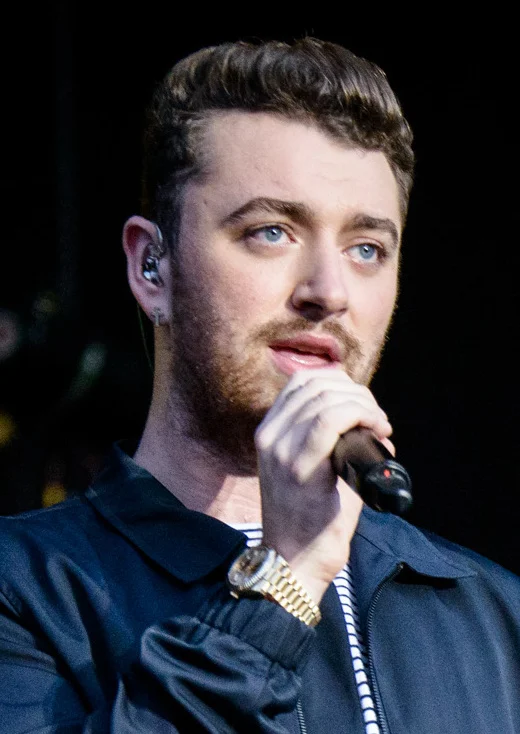
Sam Smith shared their nonbinary identity publicly and uses pronouns that reflect who they are. They have won major awards while collaborating with pop and dance producers across continents. Their ballads and club tracks find homes in both quiet listening and big night out playlists. Interviews and videos continue to center visibility and self acceptance.
Lil Nas X
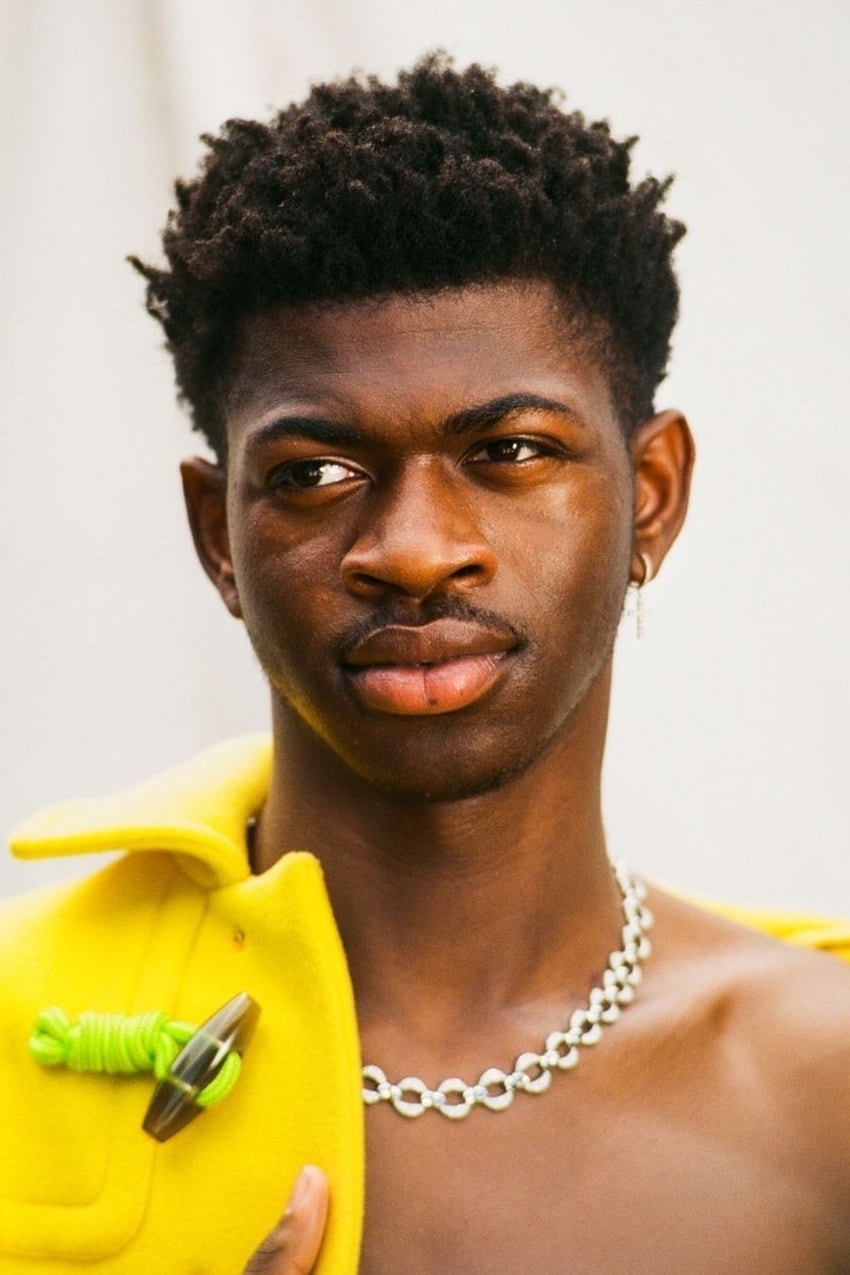
Lil Nas X came out in 2019 and pushed country and rap conversations about genre and identity. He followed viral success with bold visuals that spoke directly to queer audiences. His performances and videos sparked debate and also brought new fans into the conversation. Chart milestones proved that authenticity and experimentation could reach the mainstream.
Ricky Martin
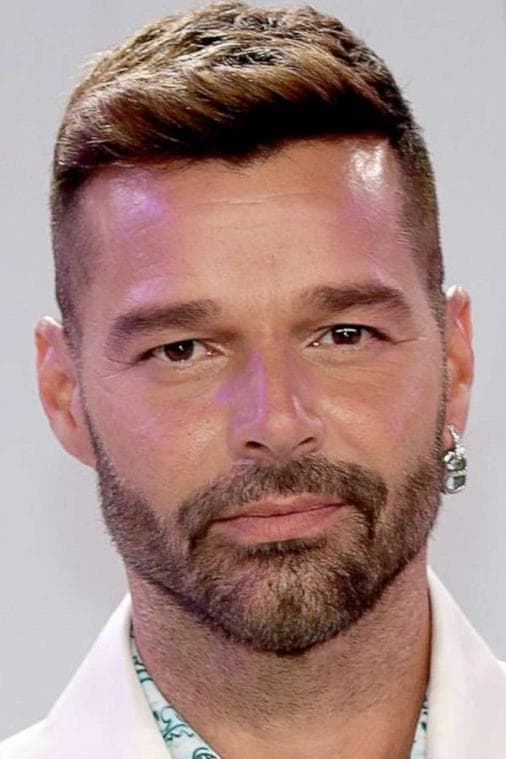
Ricky Martin came out publicly in 2010 and quickly became a visible advocate for LGBTQ rights and children’s welfare. His foundation supports anti trafficking initiatives and disaster relief across the Americas. He has headlined Pride celebrations and performed to raise funds for equality campaigns. Global tours and Spanish language hits keep him connected to audiences across generations.
Melissa Etheridge
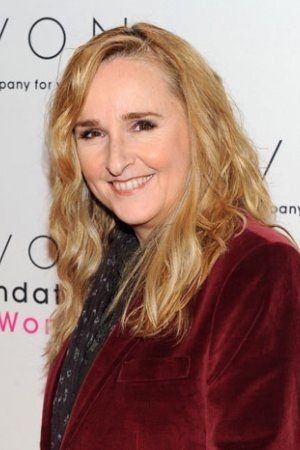
Melissa Etheridge came out in the early 1990s and used award stages and interviews to push for visibility. She has supported breast cancer awareness and LGBTQ organizations through concerts and public campaigns. Her unplugged sets and rock performances often benefit community causes. Fans cite her as proof that authentic storytelling can thrive on mainstream radio.
Troye Sivan
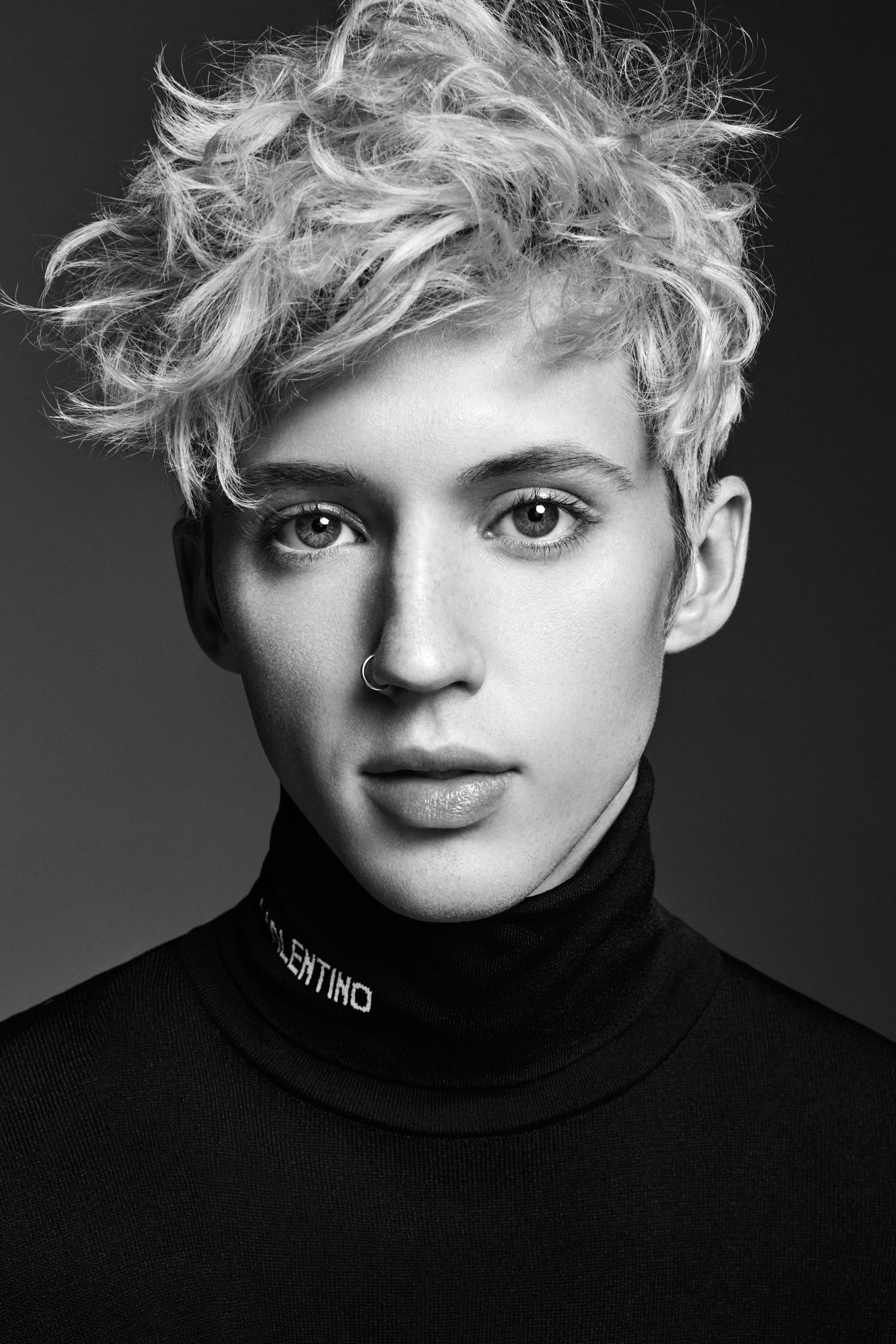
Troye Sivan built a music career alongside early YouTube visibility that centered queer narratives. His videos and lyrics feature same sex romance without euphemism. He collaborates with pop and dance producers who bring his songs to festival stages and clubs. Partnerships with fashion and film extend his reach to younger audiences discovering a modern queer pop star.
Frank Ocean
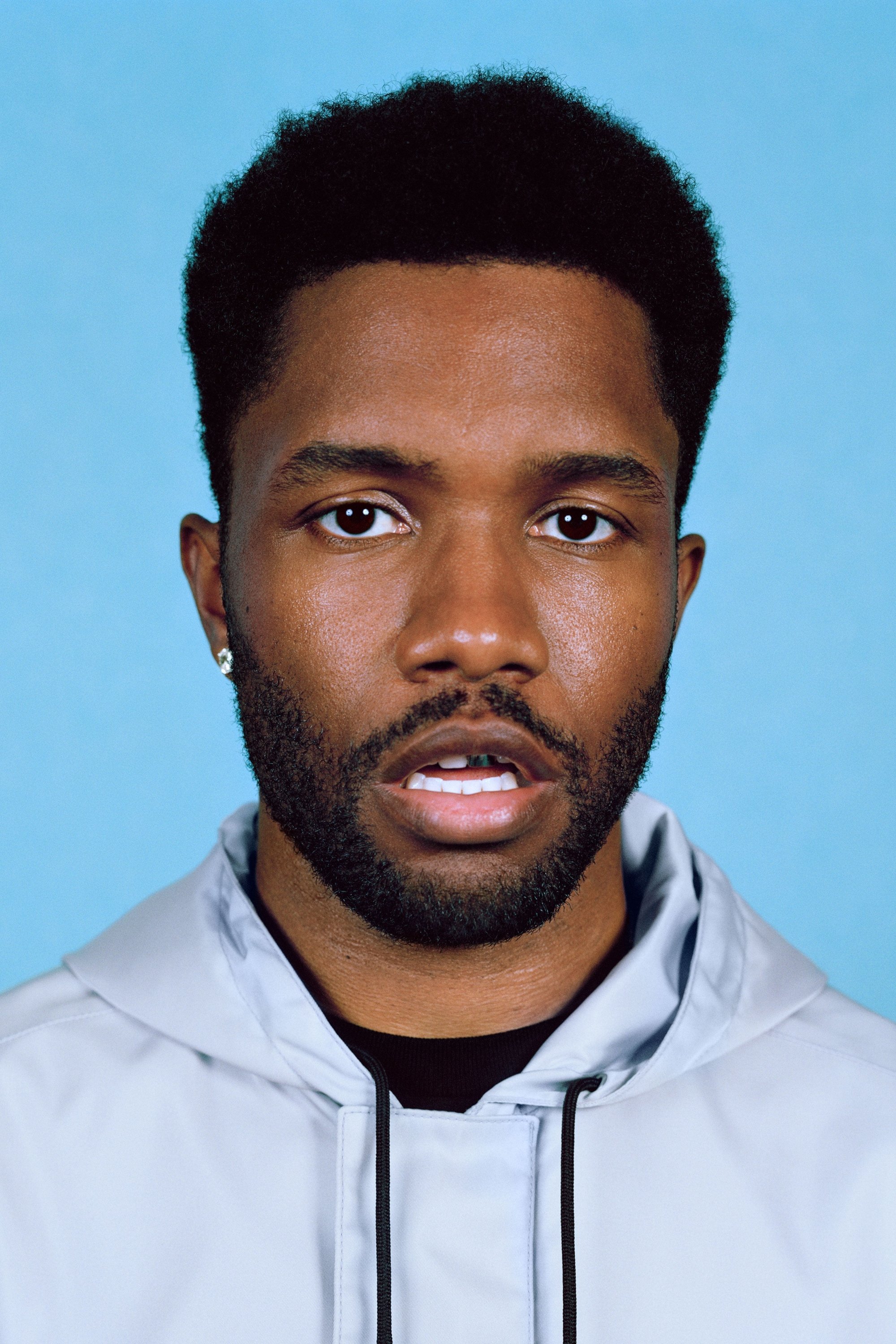
Frank Ocean shared a personal letter about first love in 2012 and reshaped how hip hop and R and B speak about identity. His releases arrived with minimal publicity and still moved culture through word of mouth. Major festivals book him as a headliner while critics highlight his production choices and writing. The work continues to influence artists who want to tell complicated stories with restraint.
Janelle Monáe
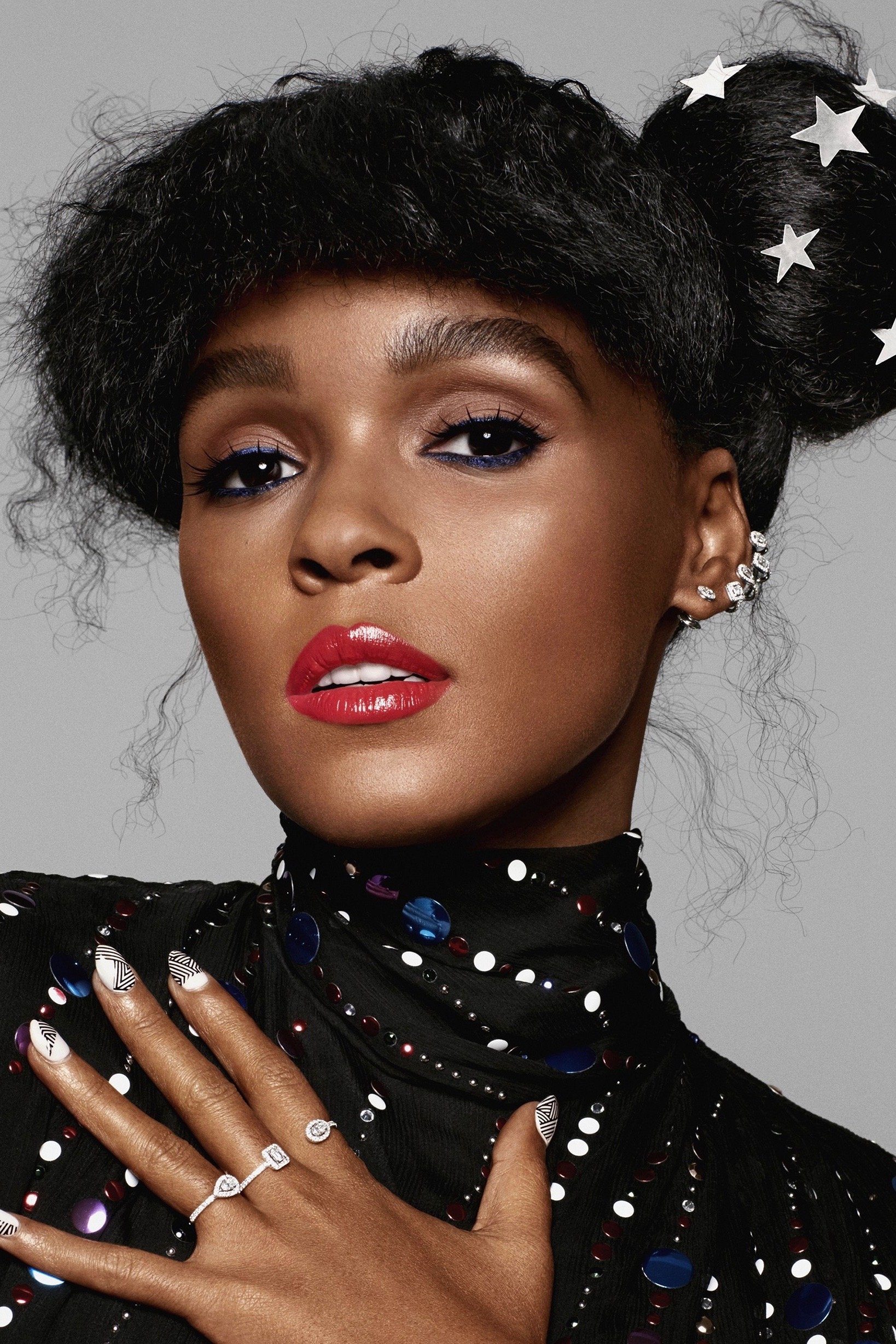
Janelle Monáe discussed their pansexual and nonbinary identities and aligned releases with advocacy for liberation and joy. Albums and short films foreground queer love and Afrofuturist themes. Charity partnerships and speeches appear alongside meticulously staged tours. The message consistently links artistry with freedom for marginalized communities.
Adam Lambert
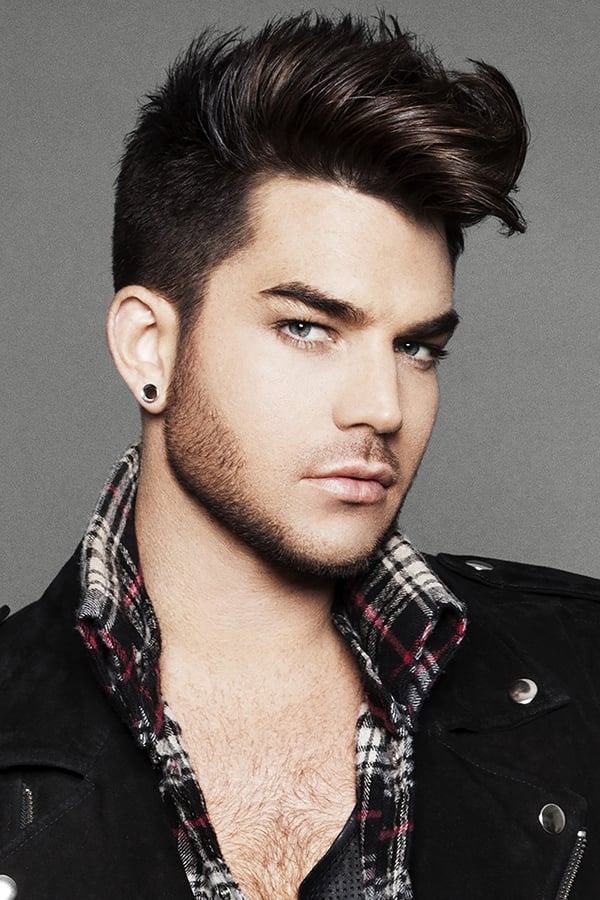
Adam Lambert became one of the most visible gay male vocalists on primetime television and then on international tours. He records solo albums while fronting Queen at stadium shows. He supports LGBTQ youth groups and uses media appearances to counter stereotypes. His range and theatrical presentation keep him central in conversations about modern rock vocals.
Brandi Carlile

Brandi Carlile co founded the Looking Out Foundation which directs tour proceeds to community nonprofits. She curates benefit festivals and collaborates with legends in country and Americana. Her memoir and interviews discuss marriage and motherhood within a same sex family. Honors from major award bodies amplified a sound that puts queer life inside mainstream storytelling.
Tegan and Sara
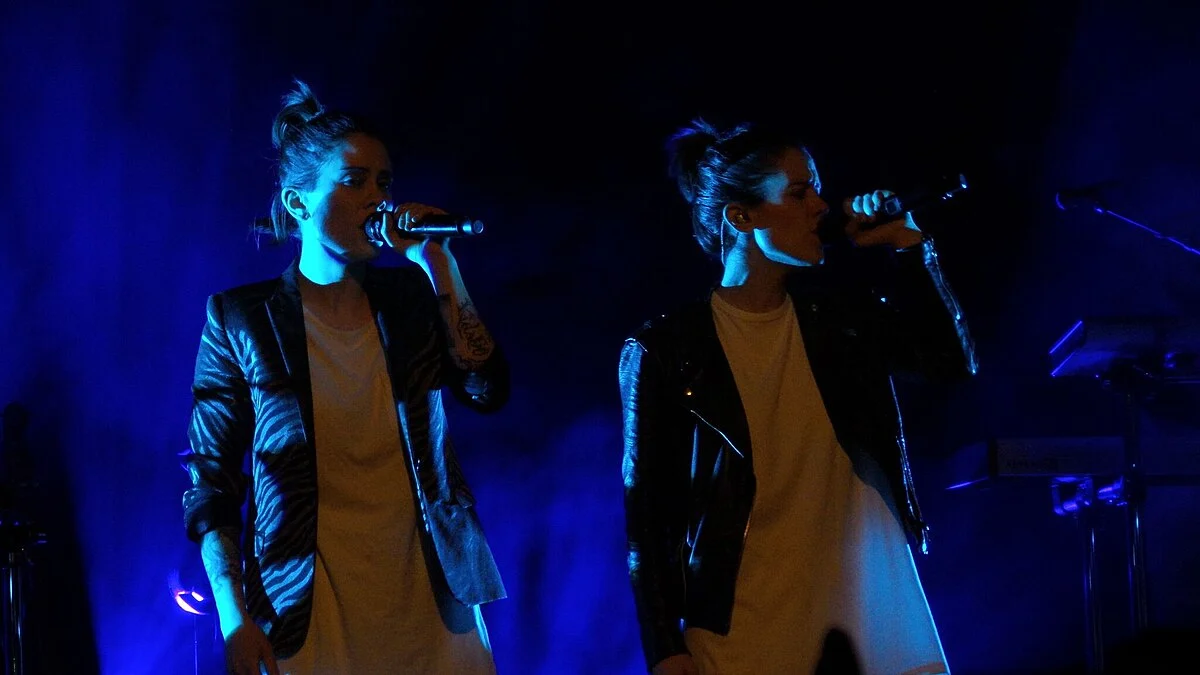
Tegan and Sara launched a foundation to improve the lives of LGBTQ women and girls. They advocate for healthcare access and community programs across North America. Their albums move between indie rock and pop with tours that double as outreach. Books and graphic novels expand their work into education for young readers.
Rob Halford
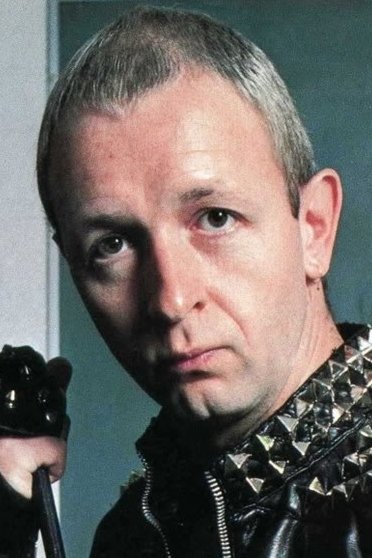
Rob Halford came out publicly and showed that heavy metal could embrace an openly gay frontman. He speaks often about sobriety, resilience, and queer visibility in rock. Judas Priest tours continue to draw multigenerational crowds where leather culture meets classic riffs. His autobiography and interviews document pathways for others in heavy music.
Olly Alexander
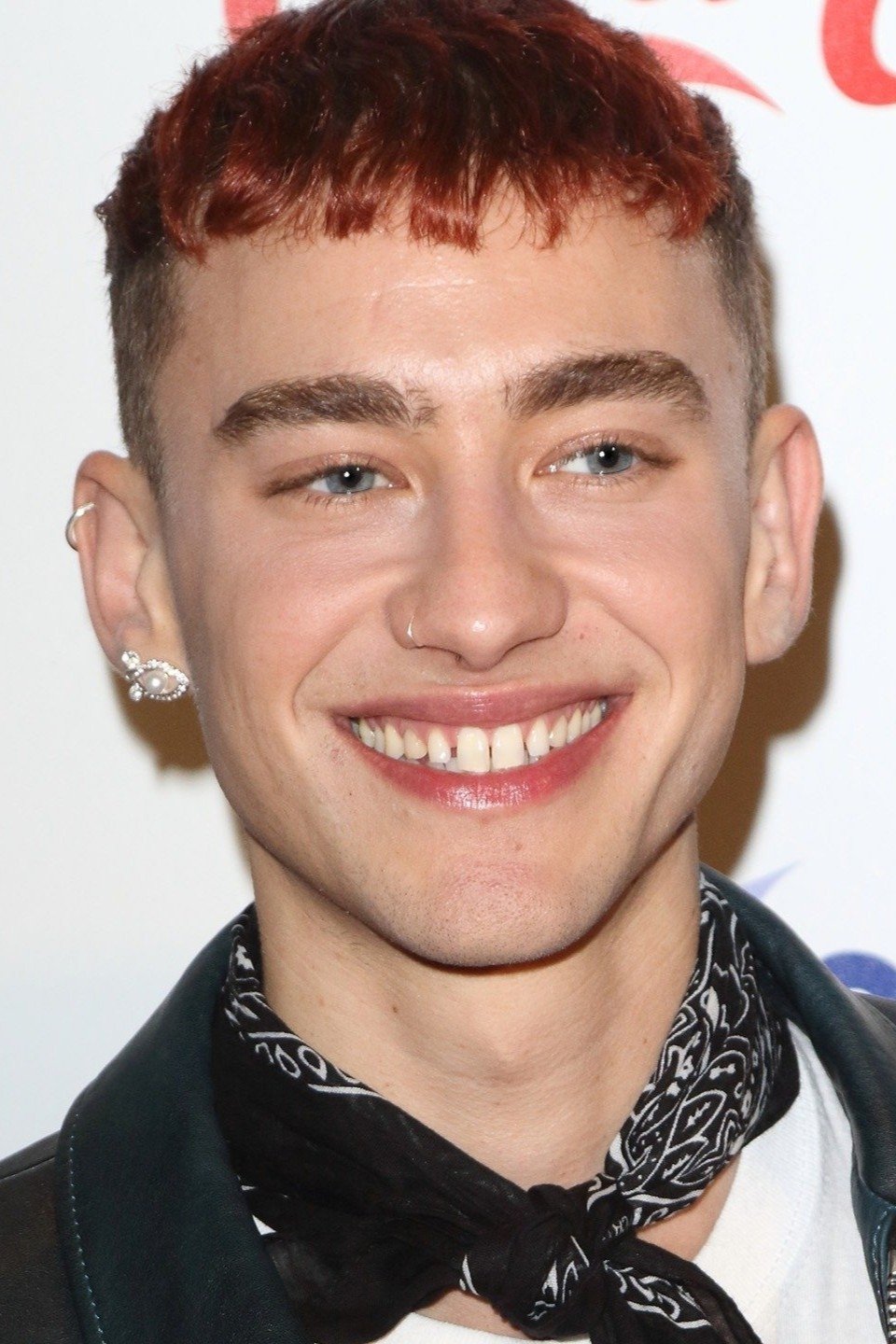
Olly Alexander led Years and Years and later performed under his own name while advocating for mental health and LGBTQ rights. He has appeared in television projects that center queer history and contemporary life. Pride stages and charity concerts feature him as a frequent headliner. His songwriting brings house and synth pop back to radio for new listeners.
Hayley Kiyoko
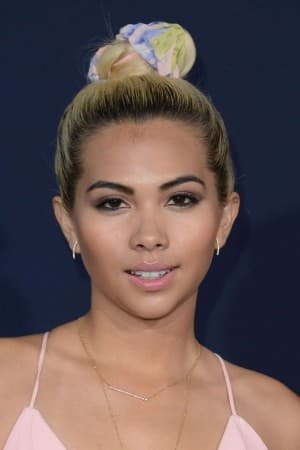
Hayley Kiyoko’s videos made her a staple of queer pop with storylines that follow same sex crushes and first love. She tours clubs and theaters where fans cite her for representation in real time. Partnerships with brands extend visibility beyond music into fashion and lifestyle. She engages directly with youth audiences who seek affirming voices.
Kehlani
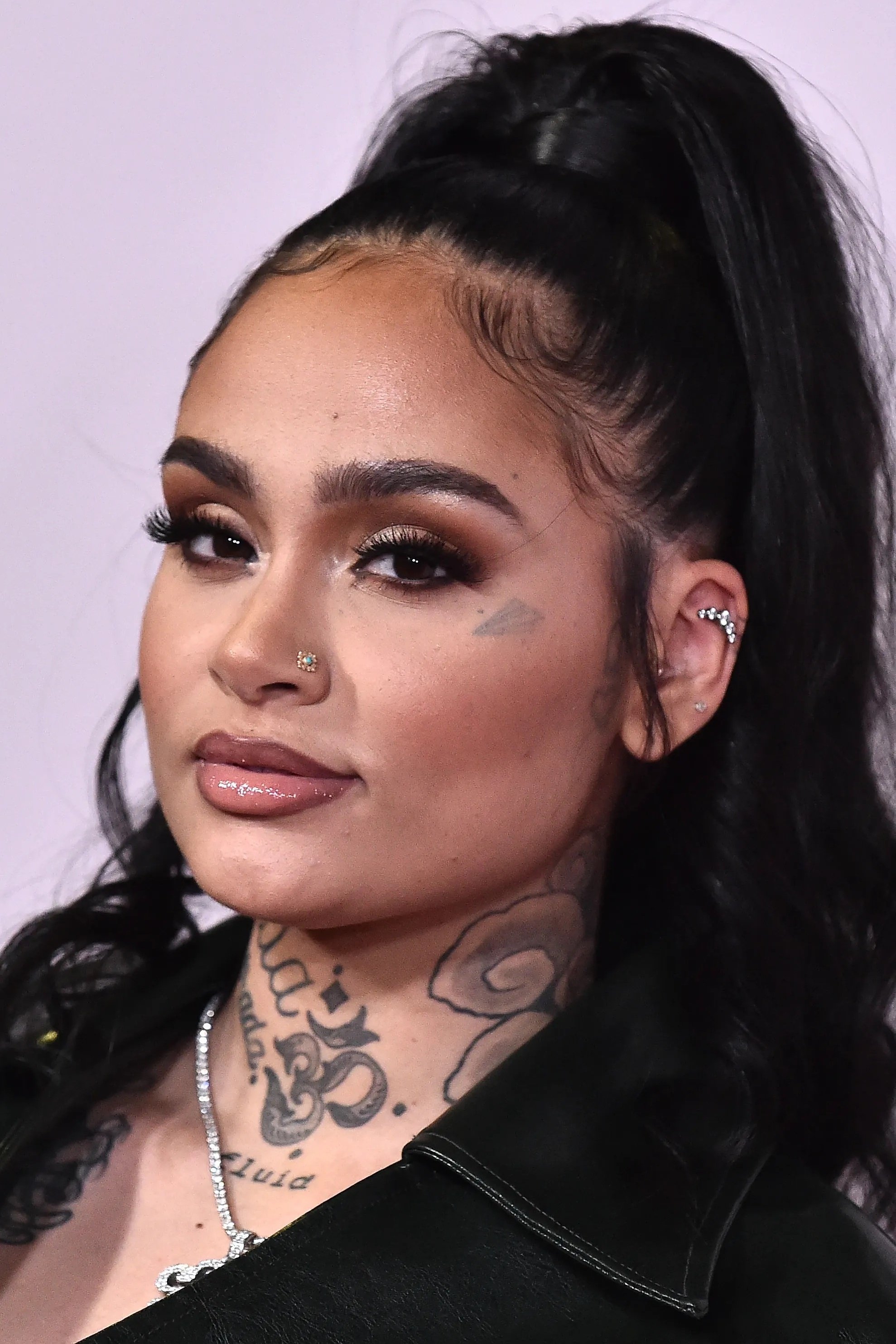
Kehlani speaks openly about queerness and fluidity and centers that identity in R and B. Albums and mixtapes blend radio hooks with confessional lyrics. They support mental health awareness and community initiatives in the Bay Area and beyond. Collaborations span pop and hip hop which keeps their presence strong across streaming platforms.
Hozier

Hozier supports LGBTQ causes publicly and donates ticket proceeds and merchandise to equality campaigns. His videos and live speeches address bodily autonomy and human rights. He plays festivals and arenas where he often highlights local organizations. The songs travel between folk, rock, and soul while keeping a message of dignity at the core.
Christina Aguilera
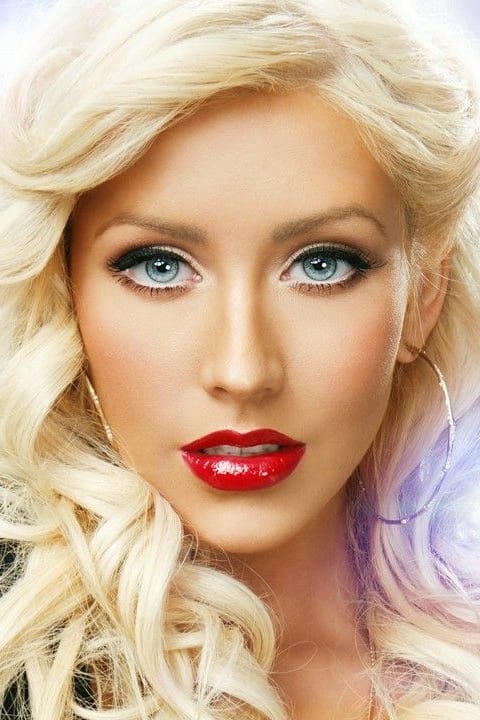
Christina Aguilera headlined Pride festivals in multiple countries and received honors from LGBTQ organizations. Remixes of her hits keep a permanent place in club culture. She has used residencies and tours to raise funds for health and equality nonprofits. Her performances emphasize empowerment and self expression for fans worldwide.
Janet Jackson
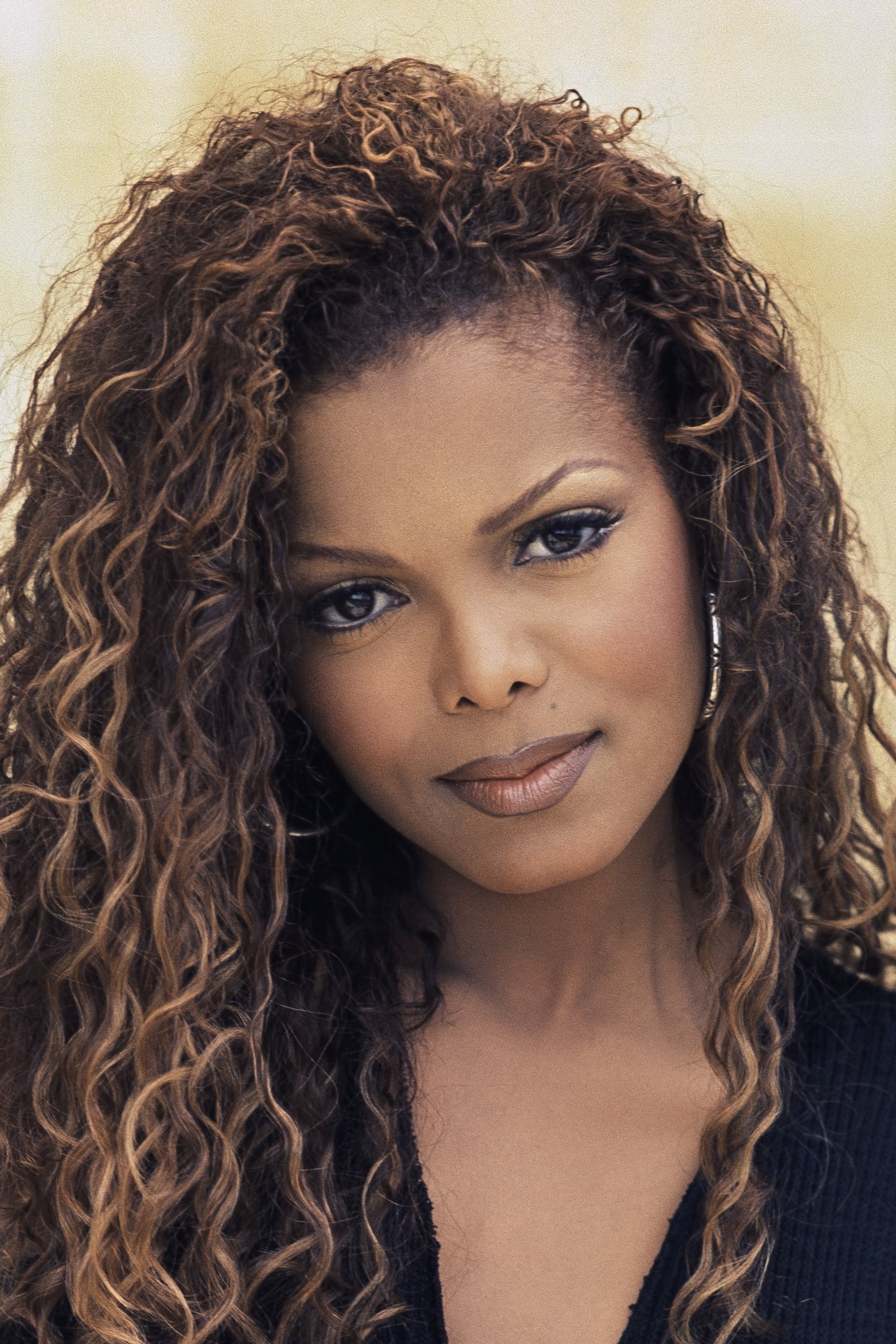
Janet Jackson’s catalog shaped dance and pop culture with choreography that influenced generations. She speaks in support of inclusivity and has been honored by LGBTQ groups for allyship. Her tours hire diverse creative teams and highlight communities in each city. Long running partnerships with producers keep her songs active in clubs and arenas.
Ariana Grande
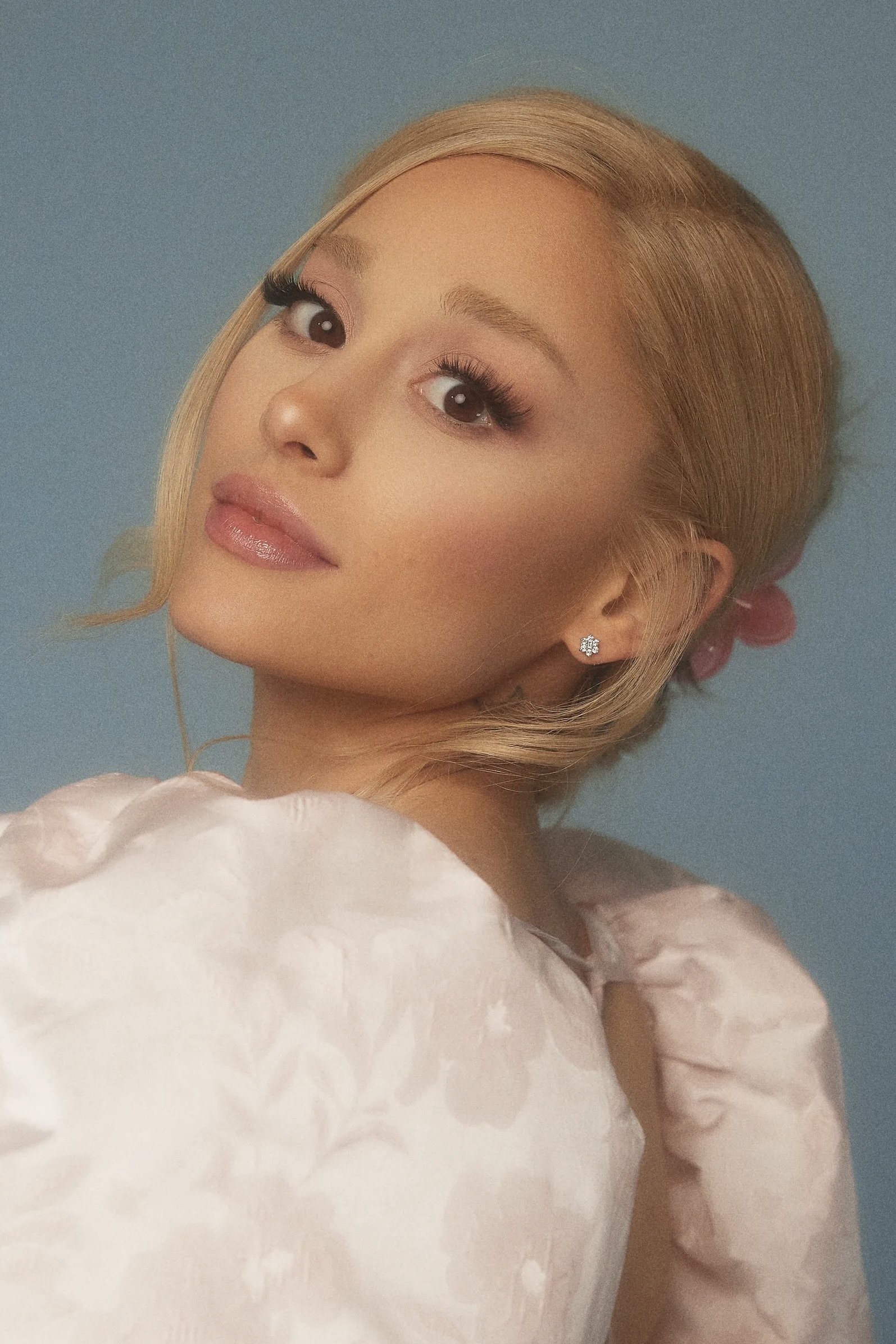
Ariana Grande has performed numerous Pride events and publicly backed marriage equality and anti bullying efforts. Collaborations with dance producers ensured her singles traveled from radio to late night sets. She supported victims and first responders through benefit shows following tragedy. Her social media outreach spotlights fan communities that include many queer listeners.
P!nk
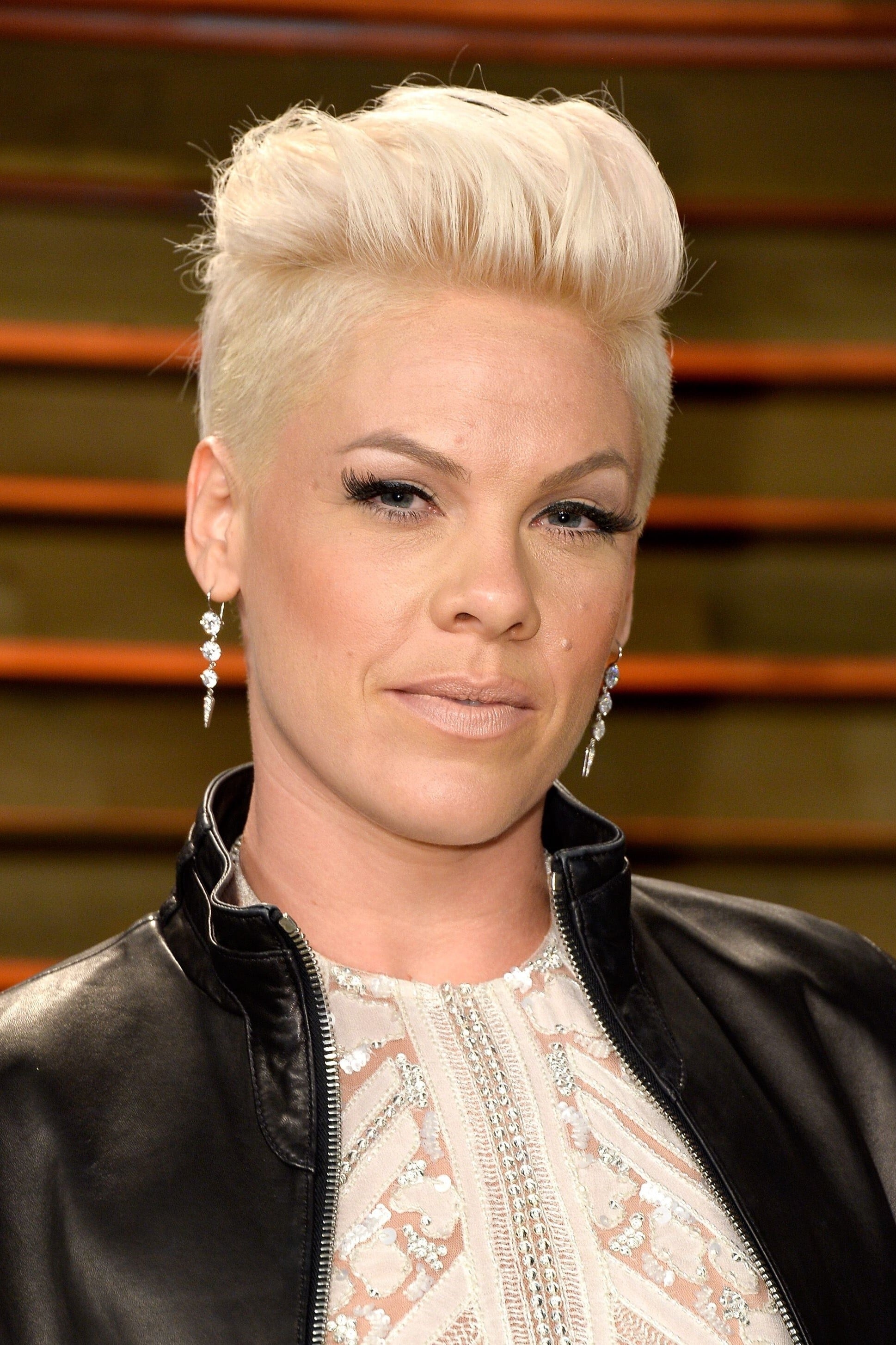
P!nk champions self acceptance and anti bullying in videos, interviews, and concerts. She has supported organizations focused on youth services and equality. Her aerial stagecraft became a signature that draws festival and arena crowds. Dance remixes of her singles maintain strong connections to club culture.
Demi Lovato

Demi Lovato has spoken about being nonbinary and pansexual and uses their platform to advocate for mental health. Documentaries and interviews discuss recovery, identity, and boundaries with fame. Releases pair ballads with pop and rock to reach wide audiences. LGBTQ organizations regularly invite them to perform or participate in awareness campaigns.
Carly Rae Jepsen
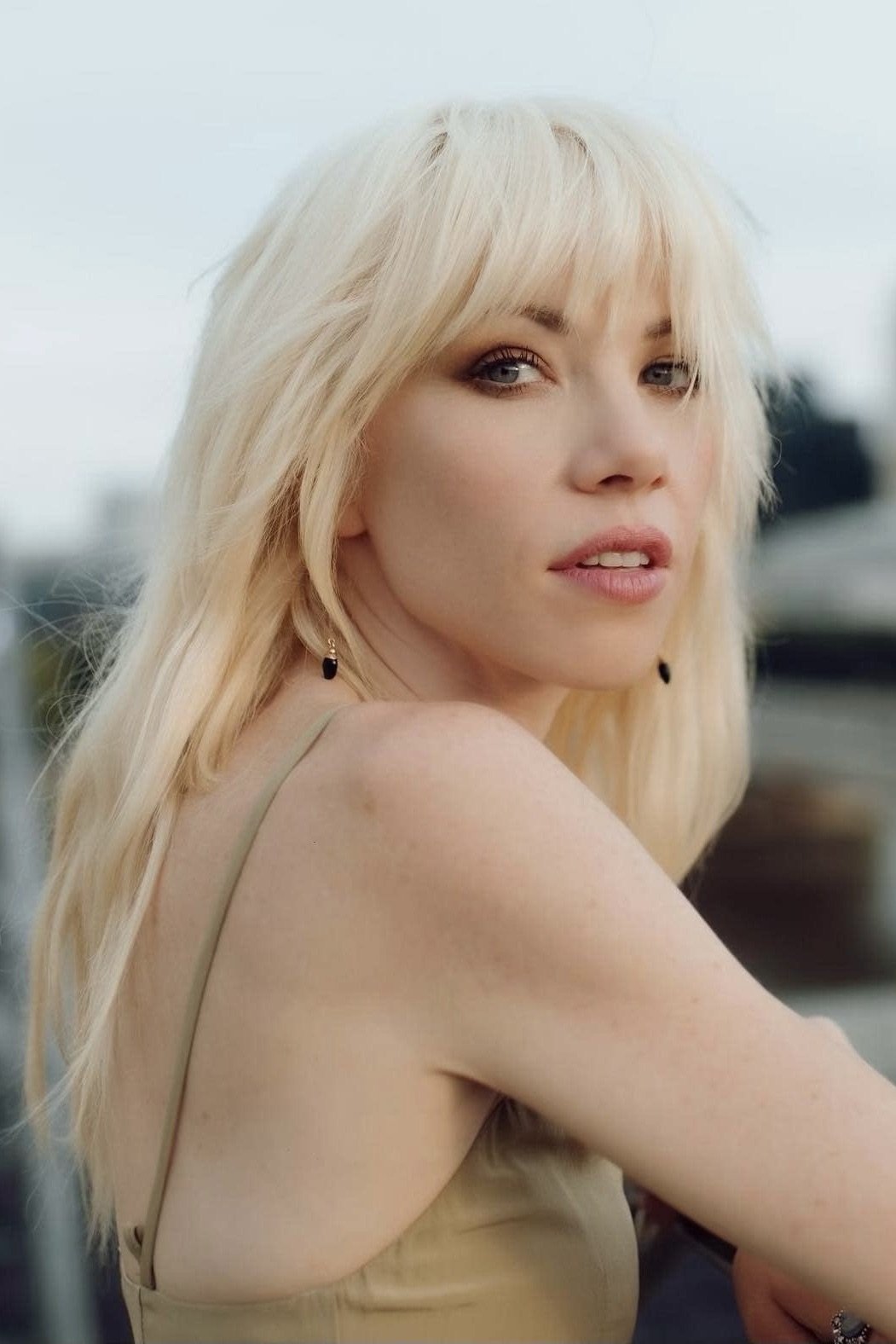
Carly Rae Jepsen’s albums grew into cult favorites with a strong following in queer nightlife. She performs at Pride events and collaborates with producers tied to dance and synth pop. Her tours often feature fan engagement that highlights inclusivity. The songs translate easily into communal sing alongs that light up clubs and festivals.
Mika
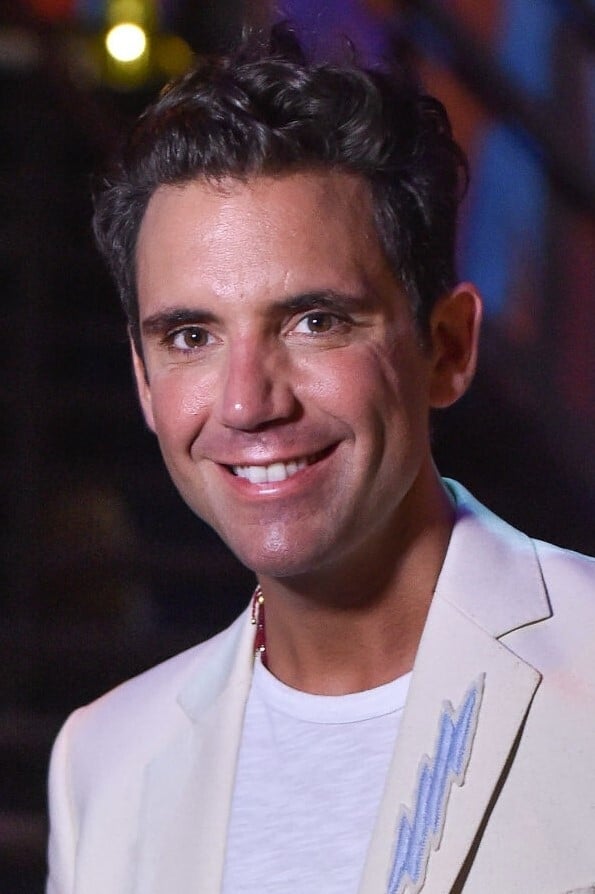
Mika speaks openly about being gay and writes songs that celebrate difference and resilience. He hosts television projects in Europe and supports humanitarian causes through benefit concerts. Festivals worldwide book him for sets that mix multilingual releases. His approach keeps bubblegum hooks connected to messages of acceptance.
Indigo Girls
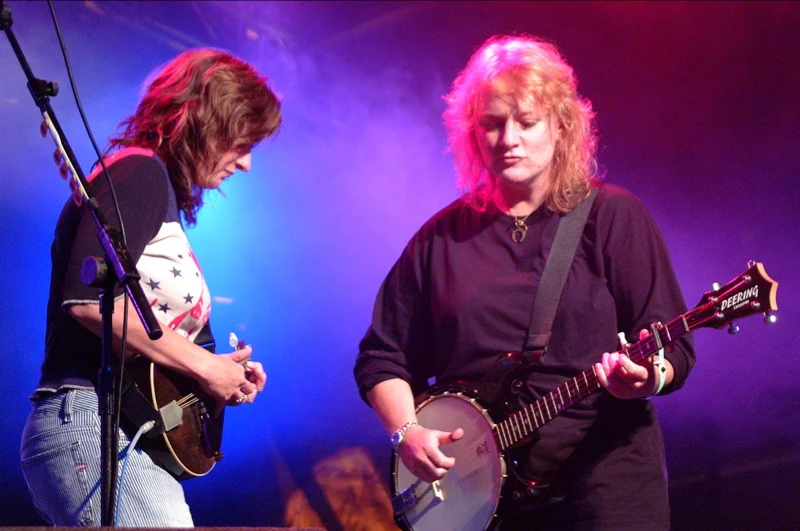
Indigo Girls have been out for decades and built a career on activism and folk harmonies. They tour benefit circuits and support environmental and voting rights groups. Collaborations with symphonies and younger artists keep their audience expanding. Their nonprofit work funnels resources to grassroots organizers in multiple states.
k.d. lang
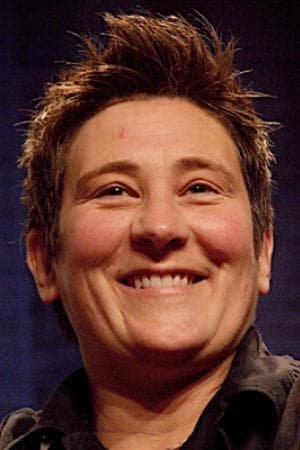
k.d. lang came out in the early 1990s and appeared on magazine covers that pushed country and pop to confront change. She supports animal rights and LGBTQ equality through advocacy and touring. Her torch songs and country pop cross over to jazz festivals and concert halls. Honors from Canada and the United States reflect a global fan base.
Anohni

Anohni foregrounds trans identity and environmental and human rights themes across albums and visual art. She collaborates with filmmakers and choreographers to present music in galleries and theaters. Awards and nominations recognize a voice that reaches from experimental to pop contexts. Performances often partner with charities focused on justice and survival.
Billy Porter
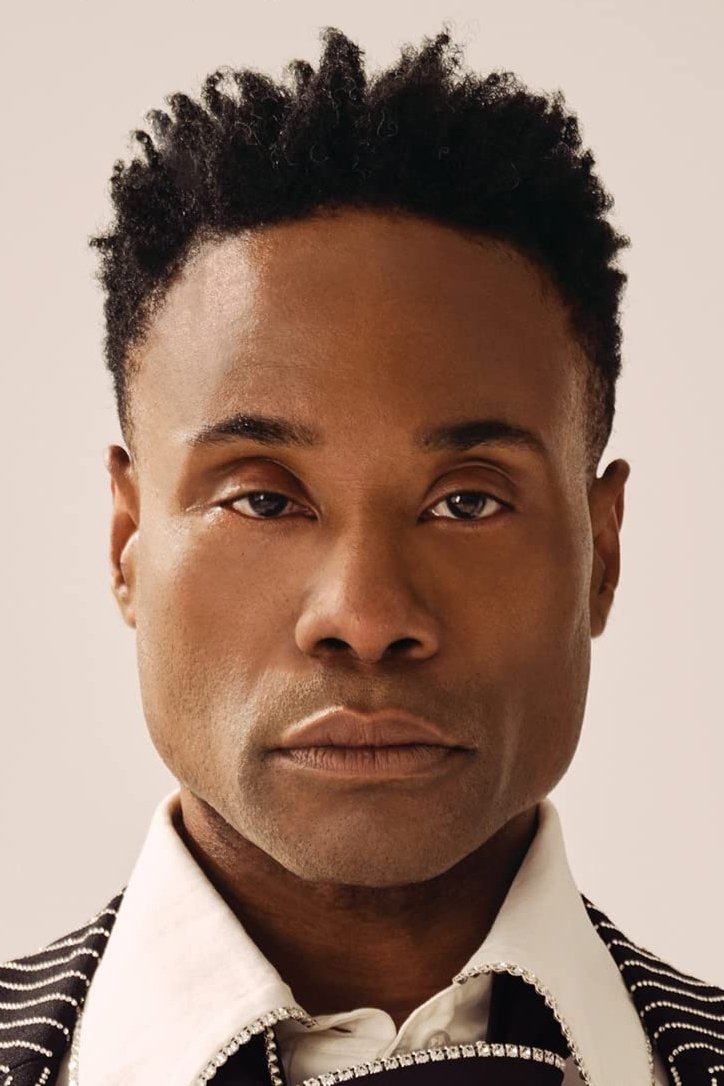
Billy Porter blends theater, television, and pop while centering Black queer experience. He won major awards for stage and screen and uses acceptance speeches to advocate for equality. His singles and fashion moments appear regularly at Pride and benefit galas. Public campaigns highlight HIV awareness and support for LGBTQ youth.
Share the names you would add to this list and tell us which songs mean the most to you in the comments.