Top 20 LGBTQ+ Rights Activists

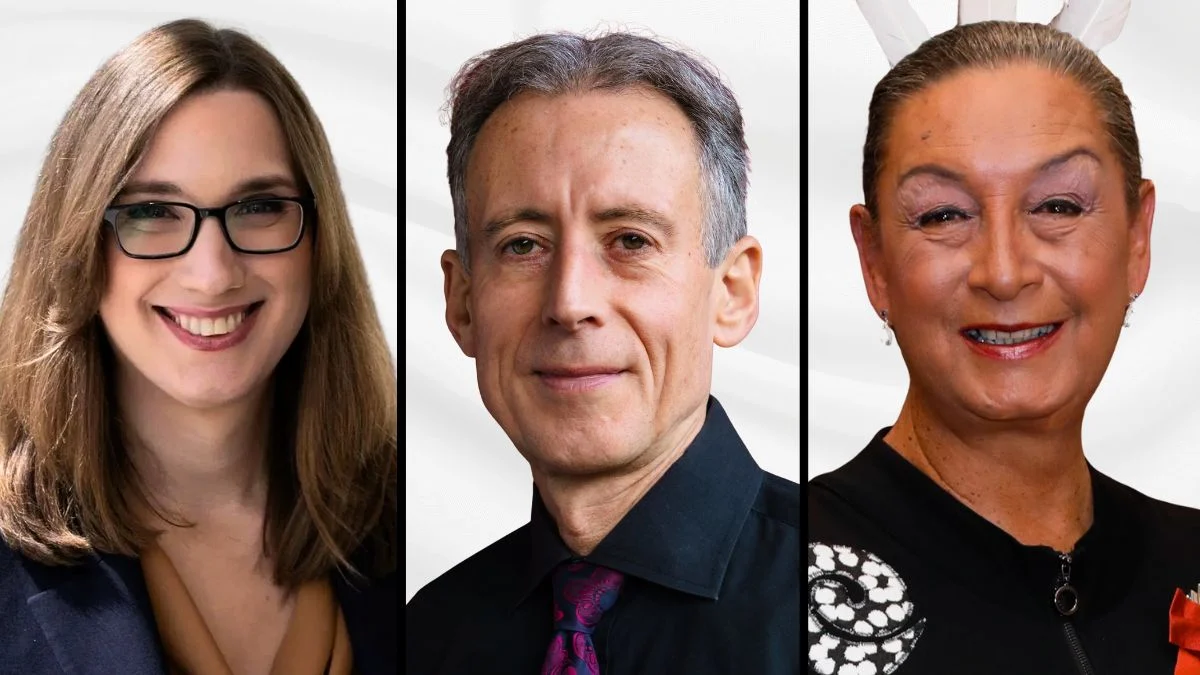

From grassroots organizers to courtroom trailblazers, LGBTQ+ rights activists have pushed laws, culture, and institutions toward greater equality around the world. The people below have organized protests, founded organizations, fought landmark legal cases, and built coalitions that changed everyday life for queer and trans communities. Their work spans health care, education, employment, family recognition, and safety. Here are twenty figures whose efforts have made a lasting difference.
Marsha P. Johnson
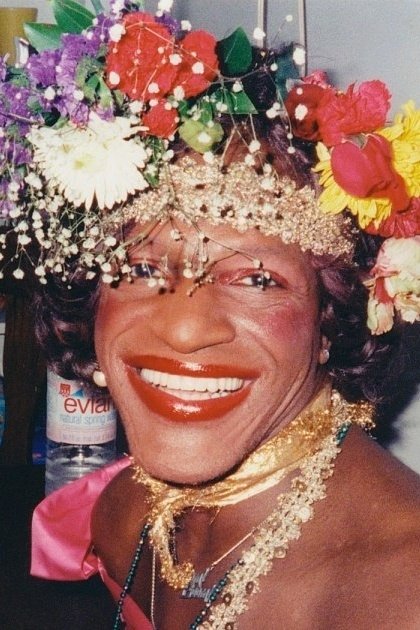
Marsha P. Johnson was a Black transgender activist who supported unhoused queer youth and sex workers in New York City. She co-founded Street Transvestite Action Revolutionaries with Sylvia Rivera to provide housing and mutual aid. Johnson was a visible presence in early Pride marches and community defense efforts. Her legacy continues to inform trans-led organizing and services for those most at risk.
Sylvia Rivera
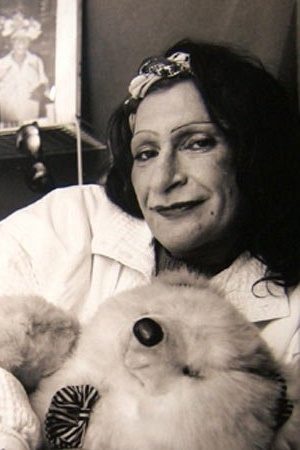
Sylvia Rivera advocated for low-income queer and trans people excluded from mainstream gay rights groups. She helped establish Street Transvestite Action Revolutionaries to create shelter and community support. Rivera pressed for trans-inclusive nondiscrimination protections in New York City. Her speeches and organizing shaped a broader movement that centered people living at the margins.
Harvey Milk
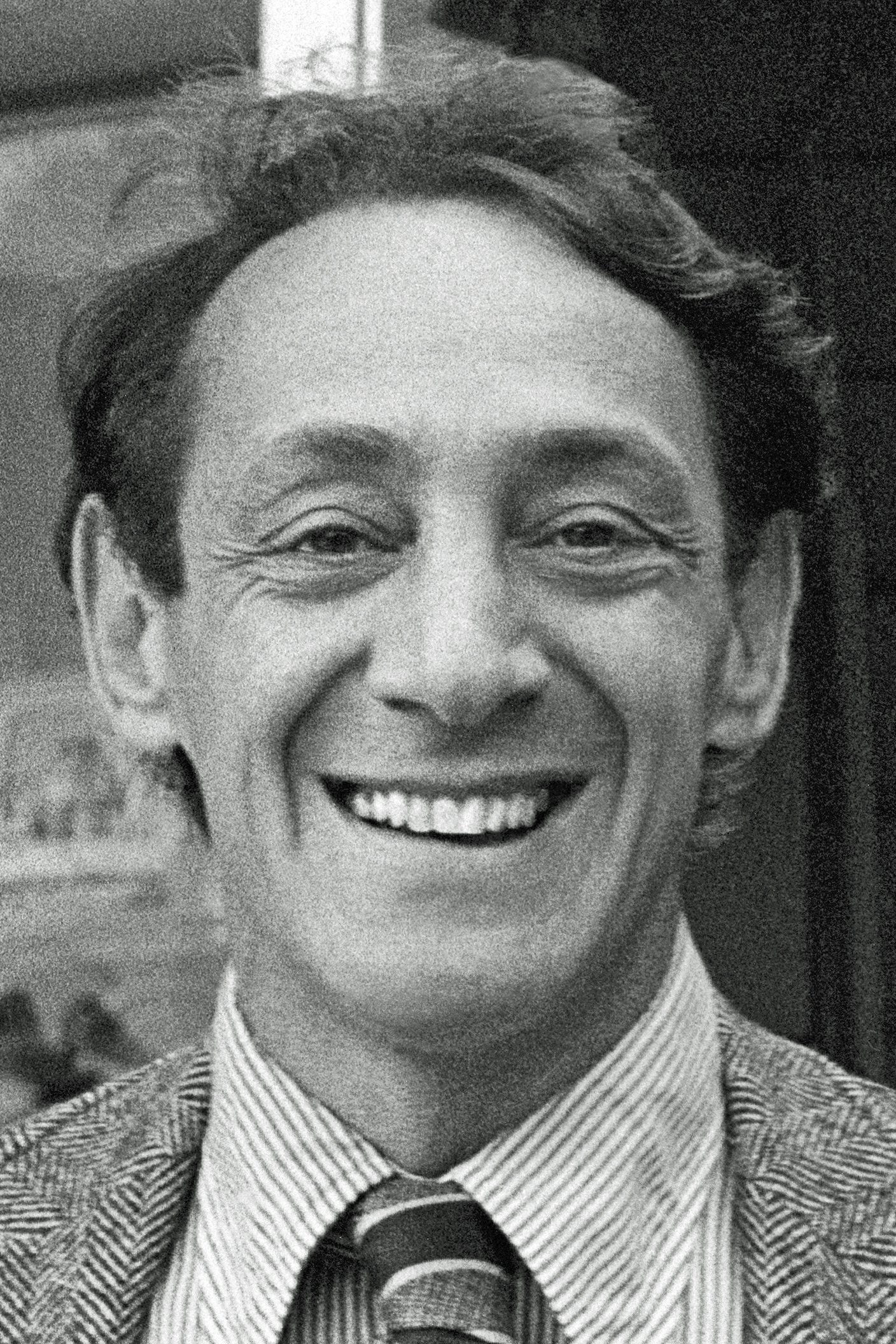
Harvey Milk served as one of the first openly gay elected officials in the United States. He advanced local ordinances that protected employment and housing rights for gay residents. Milk built diverse neighborhood coalitions to pass practical measures that improved daily life. His public service helped normalize LGBTQ+ leadership in civic institutions.
Barbara Gittings

Barbara Gittings organized some of the earliest pickets for gay rights and worked to expand fair coverage in libraries. She led the New York chapter of the Daughters of Bilitis and edited its magazine to reach isolated readers. Gittings partnered with allies to push the American Psychiatric Association to reevaluate homosexuality as a diagnosis. Her efforts strengthened access to information and reduced institutional stigma.
Frank Kameny
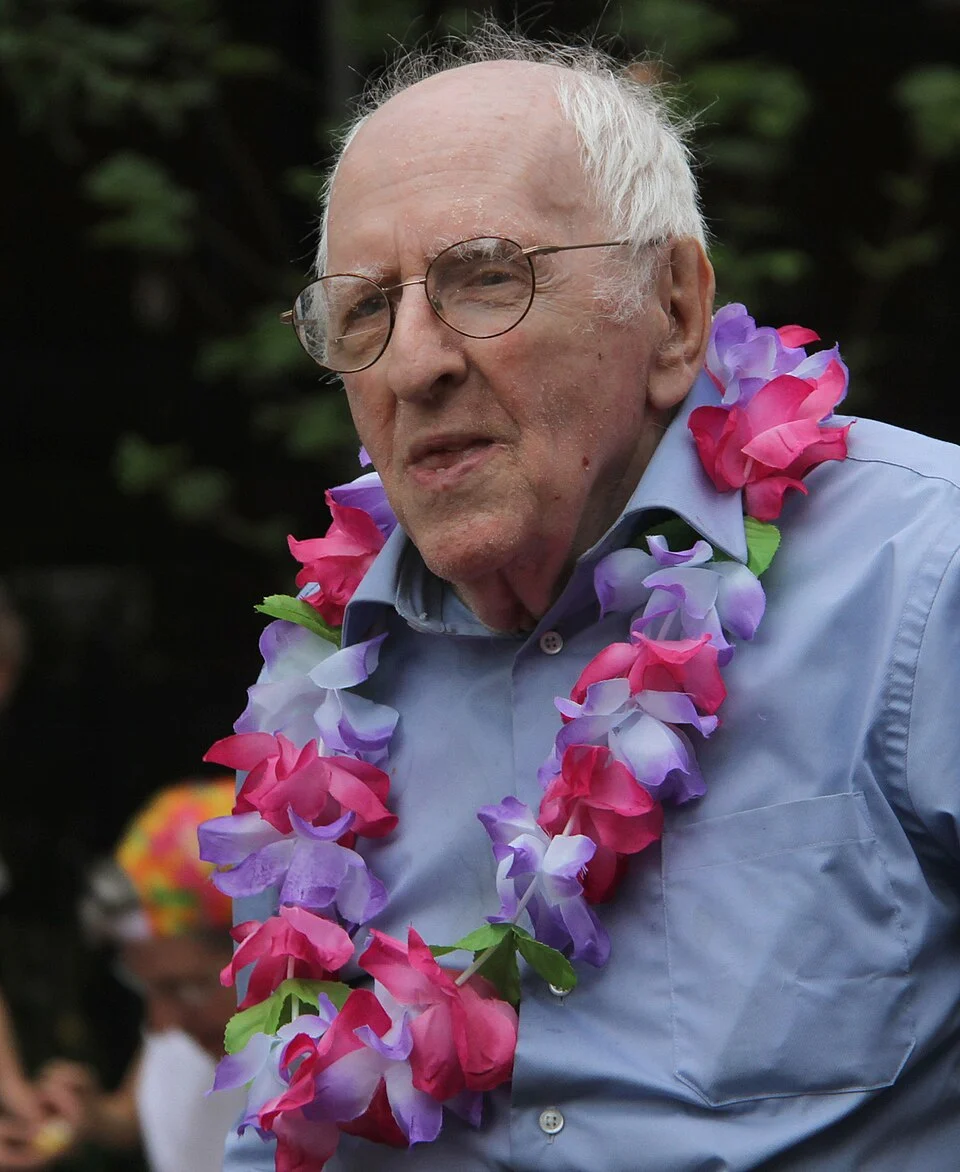
Frank Kameny challenged his federal dismissal and became a central strategist for early legal and public campaigns. He coordinated orderly demonstrations that framed gay rights as a matter of citizenship and employment fairness. Kameny pressed professional associations to remove pathologizing labels that justified discrimination. His petitions and testimony helped open government service to LGBTQ+ workers.
Bayard Rustin
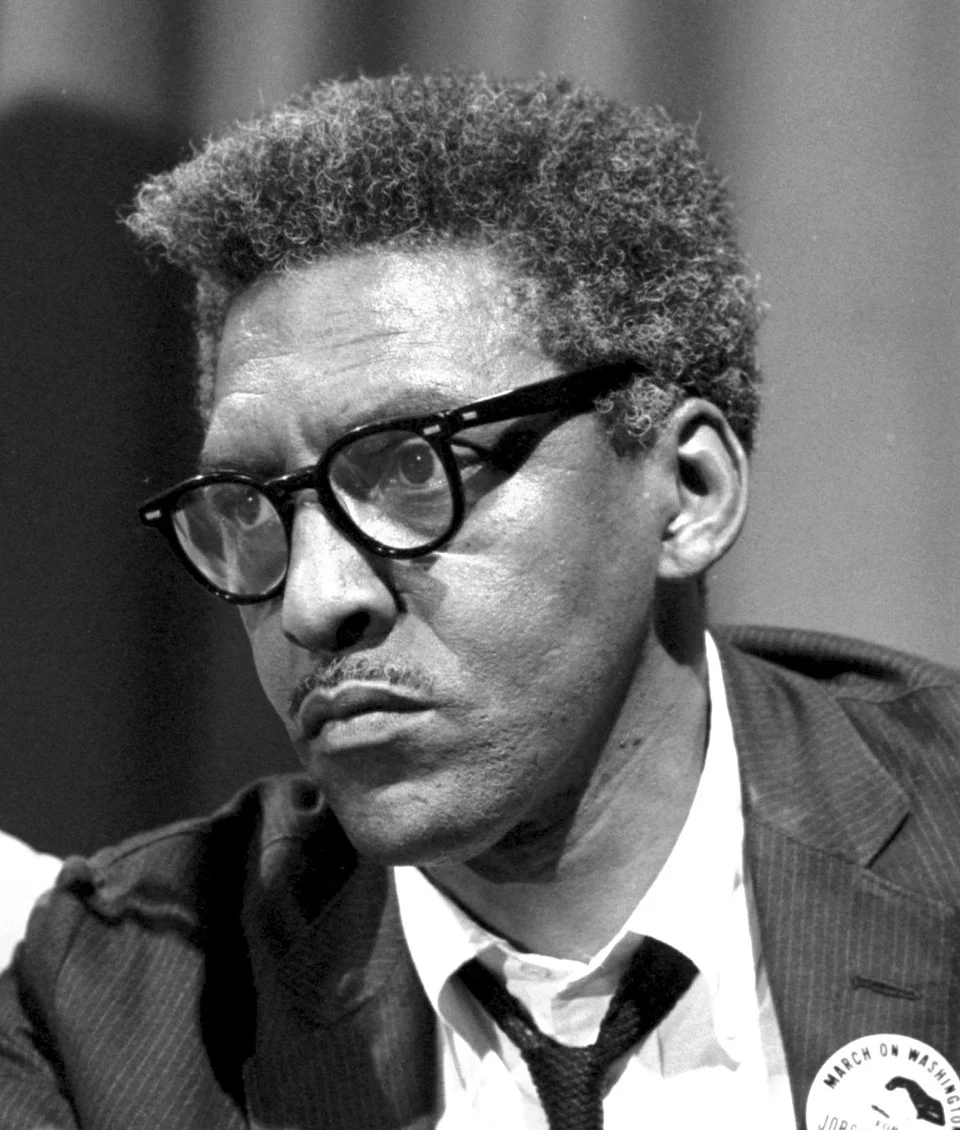
Bayard Rustin was a key organizer of the March on Washington and later advocated openly for gay rights. He connected civil rights strategies to the fight for LGBTQ+ equality through coalition building and policy work. Rustin promoted nondiscrimination measures that aligned labor, faith, and community groups. His mentorship cultivated a generation of intersectional organizers.
Larry Kramer
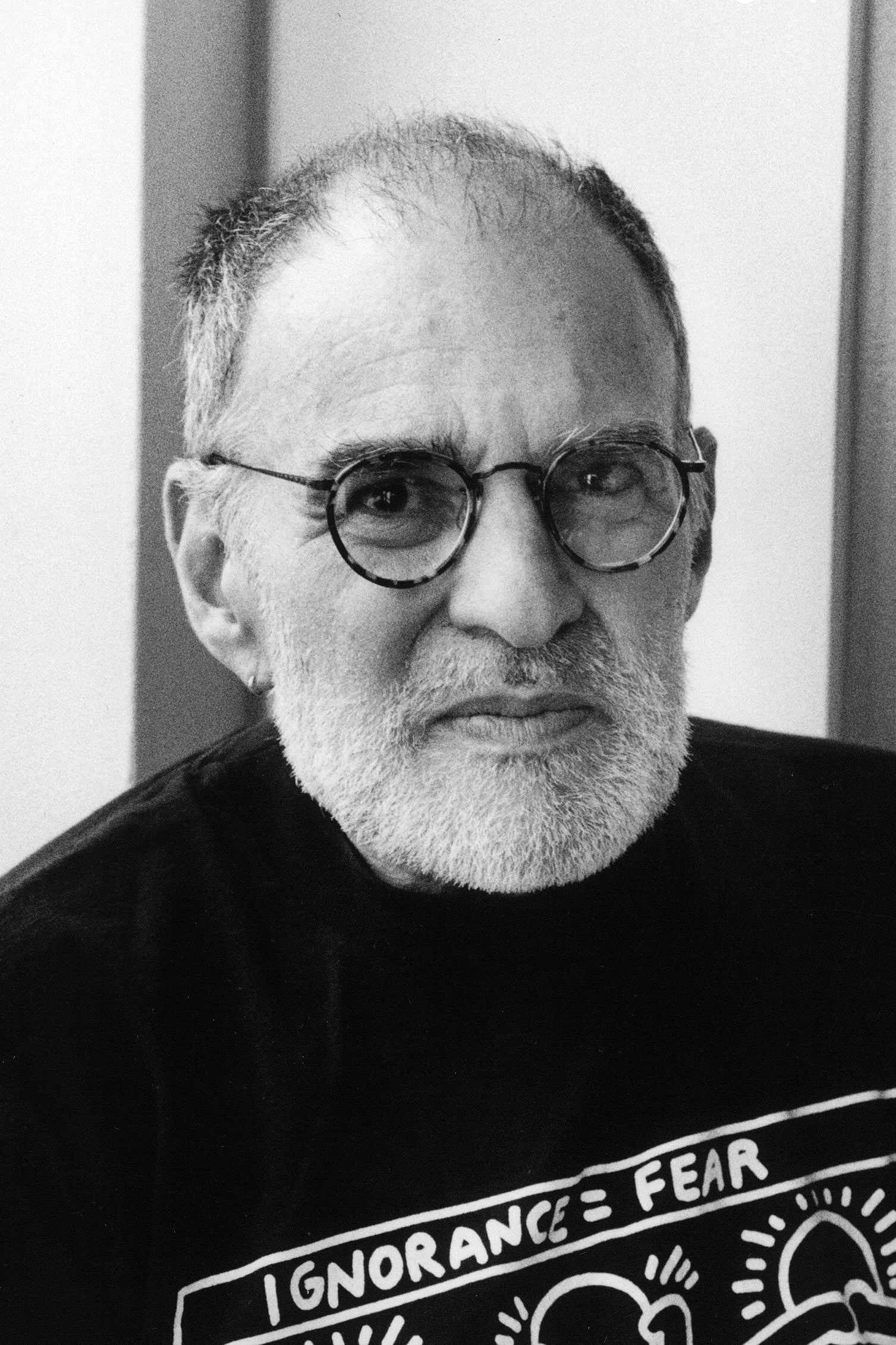
Larry Kramer co-founded Gay Men’s Health Crisis and later ACT UP to confront the AIDS crisis with direct action. He pushed for faster drug approvals and greater accountability from health agencies. Kramer’s organizing led to practical changes in research protocols and patient access. The model he helped create influenced global HIV advocacy networks.
Edie Windsor
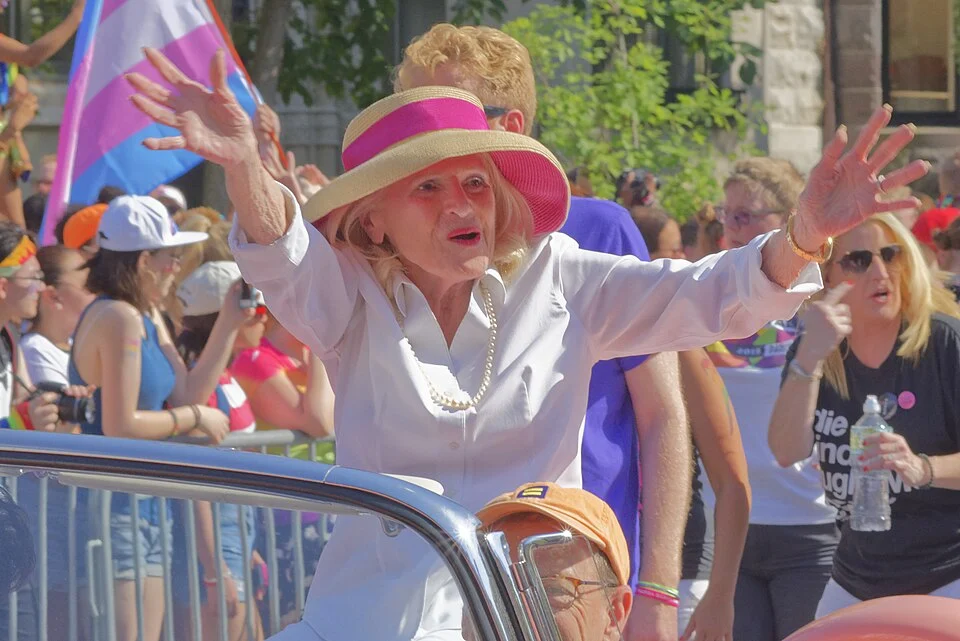
Edie Windsor’s lawsuit led to the end of federal nonrecognition of same-sex marriages in the United States. Her case secured access to federal benefits for married same-sex couples. Windsor’s legal team demonstrated the concrete harms created by unequal tax treatment and survivor benefits. The ruling reshaped family law and spurred further litigation that expanded marriage rights.
Cleve Jones

Cleve Jones created the AIDS Memorial Quilt to document lives lost and mobilize public awareness. He organized community responses that combined remembrance with policy advocacy. Jones worked with labor and political allies to support nondiscrimination protections. His projects offered a human record that influenced funding decisions and health priorities.
Urvashi Vaid
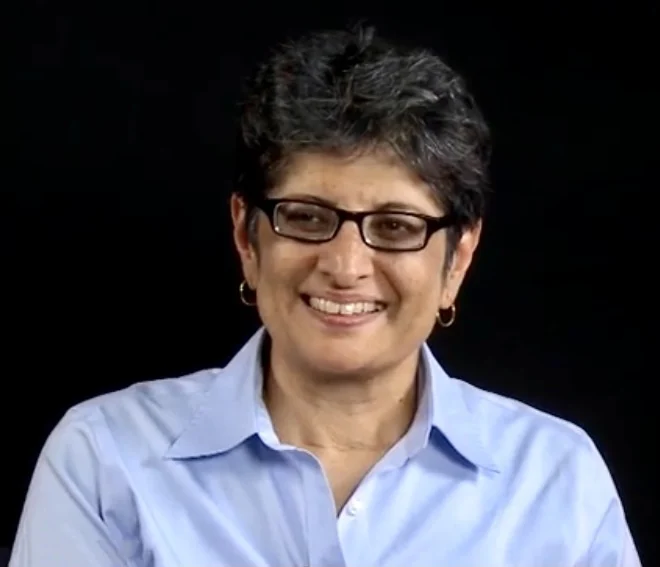
Urvashi Vaid led national advocacy organizations and advanced a policy agenda that included military, immigration, and family rights. She emphasized multiracial, cross-issue coalitions and measurable legislative goals. Vaid developed research and training programs that strengthened local organizers. Her books and reports provided roadmaps for long-term movement strategy.
Peter Tatchell
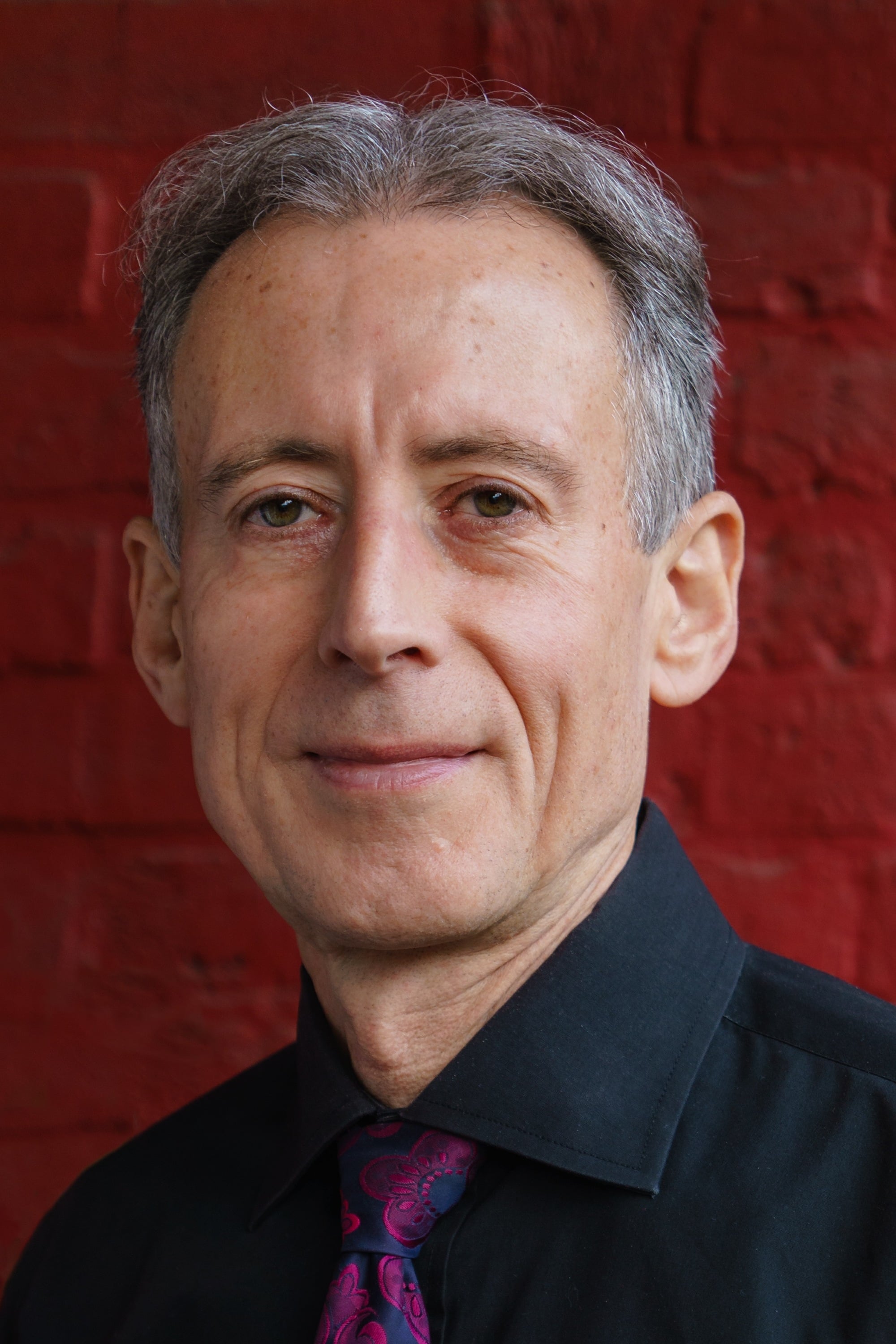
Peter Tatchell has campaigned for LGBTQ+ rights across the United Kingdom and internationally through direct action and legal initiatives. He documented abuses and supported asylum claims for people fleeing persecution. Tatchell pressed corporations and governments to align policies with nondiscrimination standards. His campaigns paired public visibility with detailed policy proposals.
Alice Nkom
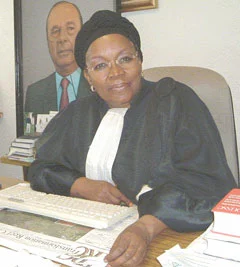
Alice Nkom is a Cameroonian lawyer who defends people prosecuted under anti-LGBTQ laws. She founded a legal association to provide counsel, monitor trials, and train defenders. Nkom engages regional and international bodies to pressure for legal reform. Her work offers a model for strategic litigation in hostile environments.
Frank Mugisha
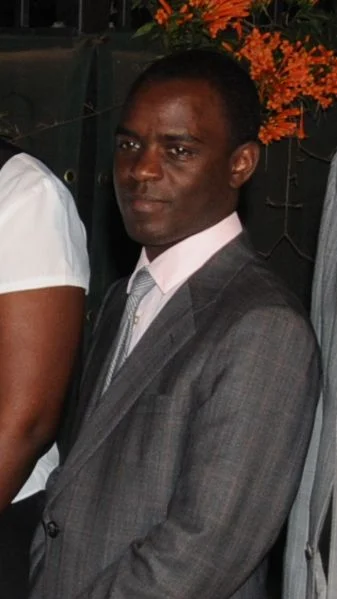
Frank Mugisha leads advocacy in Uganda focused on safety, legal reform, and community services. He supports documentation of violations to inform international advocacy. Mugisha coordinates secure networks for health and legal assistance. His outreach connects local organizing with global human rights mechanisms.
Georgina Beyer
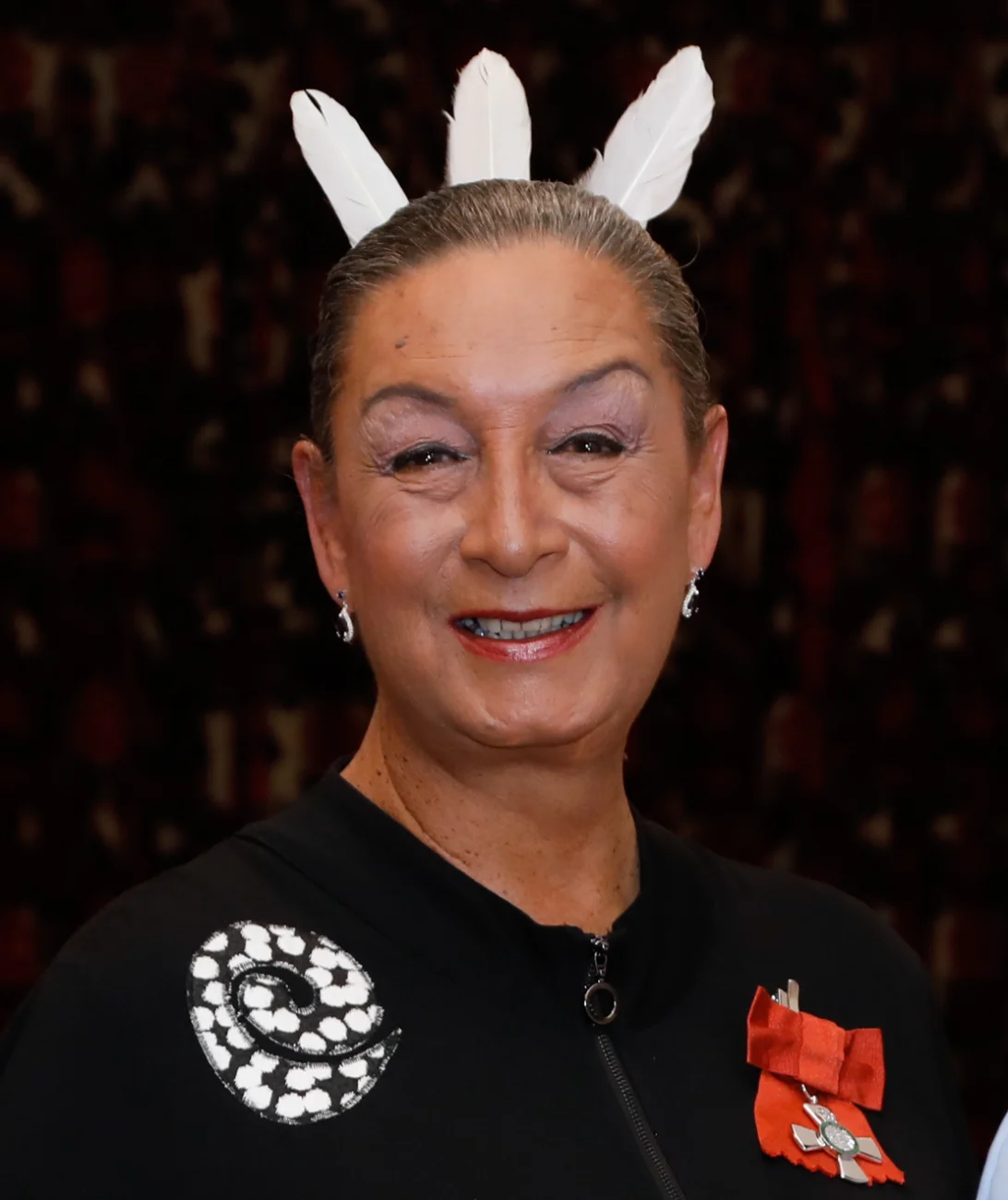
Georgina Beyer served as an openly transgender mayor and later as a member of parliament in New Zealand. She advanced policies on human rights, sex work decriminalization, and anti-violence services. Beyer used legislative platforms to normalize trans participation in public life. Her career demonstrated practical pathways for inclusive governance.
Laxmi Narayan Tripathi
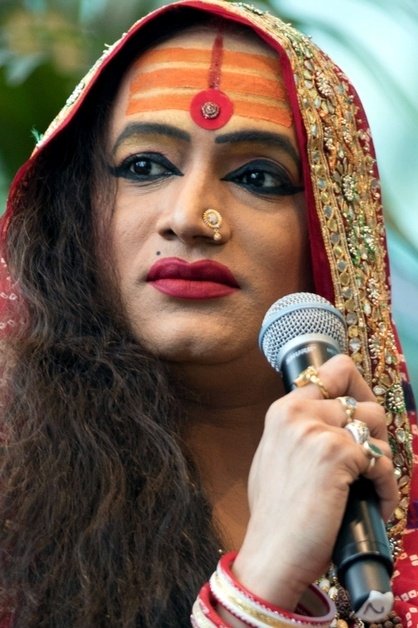
Laxmi Narayan Tripathi is an Indian transgender activist who helped secure legal recognition for the third gender. She participated in court petitions that expanded constitutional protections. Tripathi promotes access to housing, education, and health programs for hijra and trans communities. Her outreach builds bridges between traditional communities and public institutions.
Sarah McBride
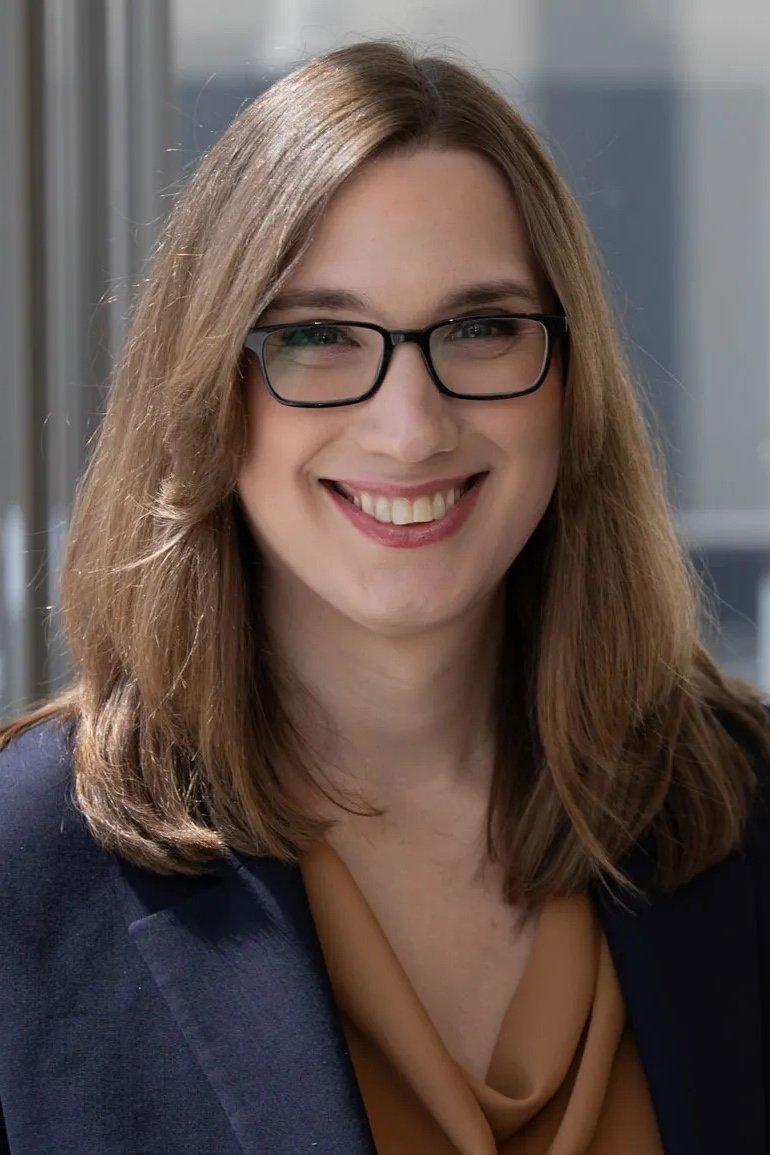
Sarah McBride became the first openly transgender state senator in the United States and has advanced statewide protections. She supports policies on inclusive health coverage, identity documents, and school safety. McBride works with bipartisan partners to move practical bills through committees. Her public service offers a replicable approach for other states.
Janet Mock
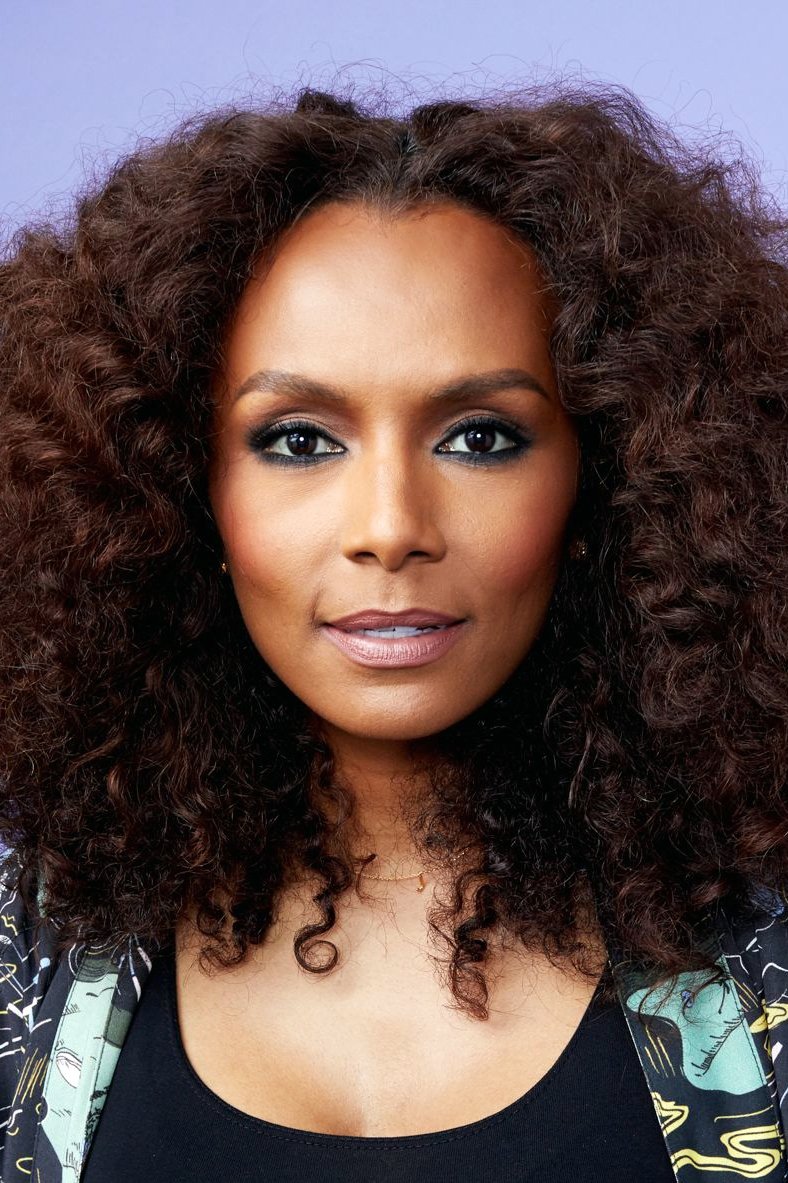
Janet Mock is a writer and advocate whose books and media work expanded understanding of trans experiences. She supports mentorship and employment initiatives that reduce barriers in entertainment and journalism. Mock collaborates with organizations on legal name and documentation access. Her public storytelling has helped institutions revise representation standards.
Laverne Cox
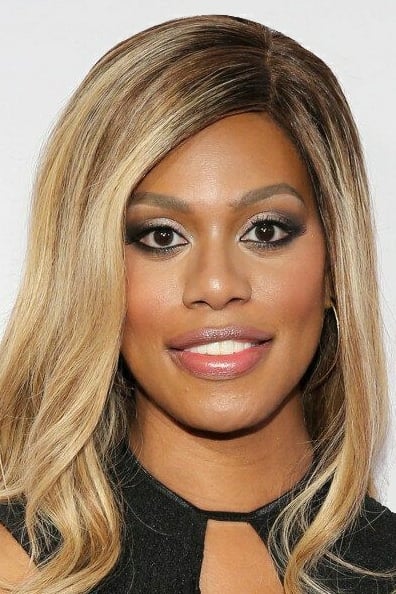
Laverne Cox uses her platform to promote trans rights in policy, media, and education. She partners with legal groups to highlight issues like healthcare coverage and prison conditions. Cox supports campaigns that improve data collection and anti-violence resources. Her outreach connects cultural visibility with concrete policy objectives.
Share the activists who inspire you most in the comments and tell us who else should be on this list.