Top 20 Bad Video Games That Were Successful



Some games stumble hard yet still manage to soar at the cash register, setting sales records, topping charts, or pulling in huge player counts despite messy launches and rough reviews. From broken open worlds to microtransaction storms, these titles prove that hype, brands, and timing can overpower almost anything. Here are twenty widely panned or controversy-soaked releases that still racked up impressive commercial wins.
‘Cyberpunk 2077’
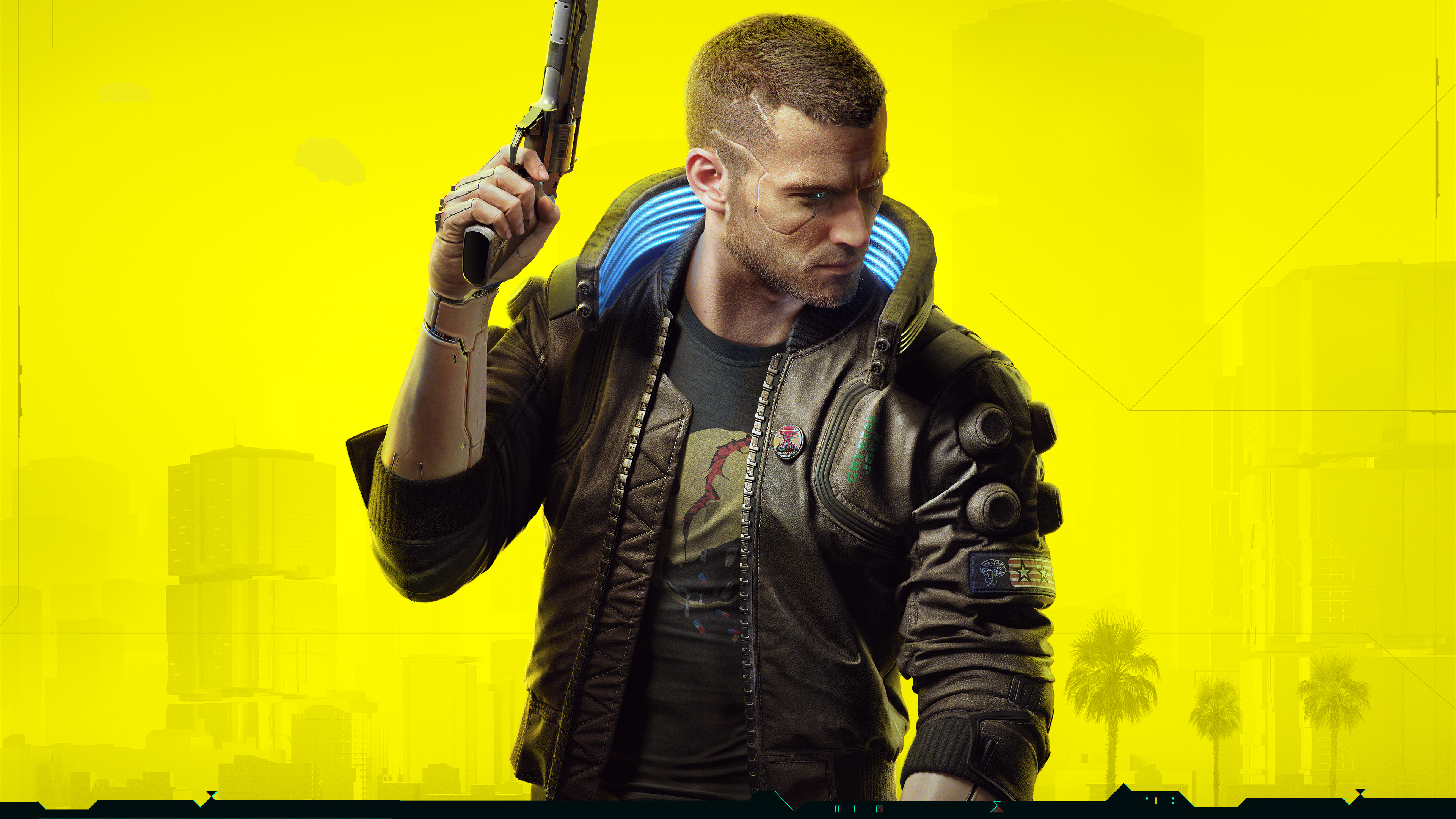
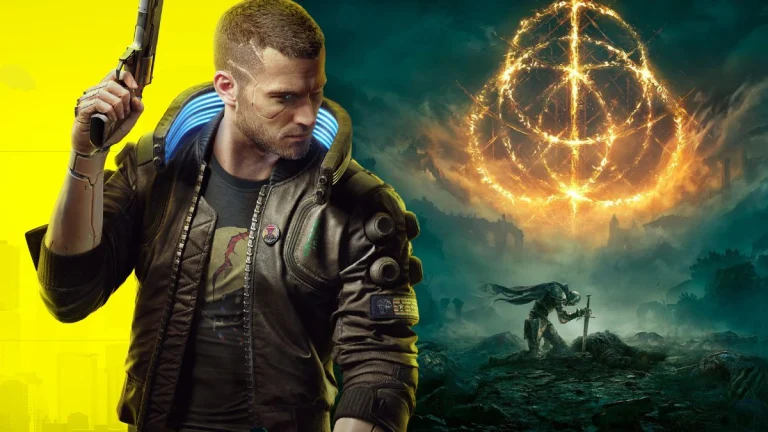
This open world RPG launched with severe bugs on multiple platforms yet it set preorder records and posted massive day one sales. It quickly became one of the fastest selling PC titles at release and held top spots on digital storefront charts. Physical copies moved in volume even after refunds made headlines. Subsequent patches and expansions helped sustain interest and drive continued sales.
‘No Man’s Sky’
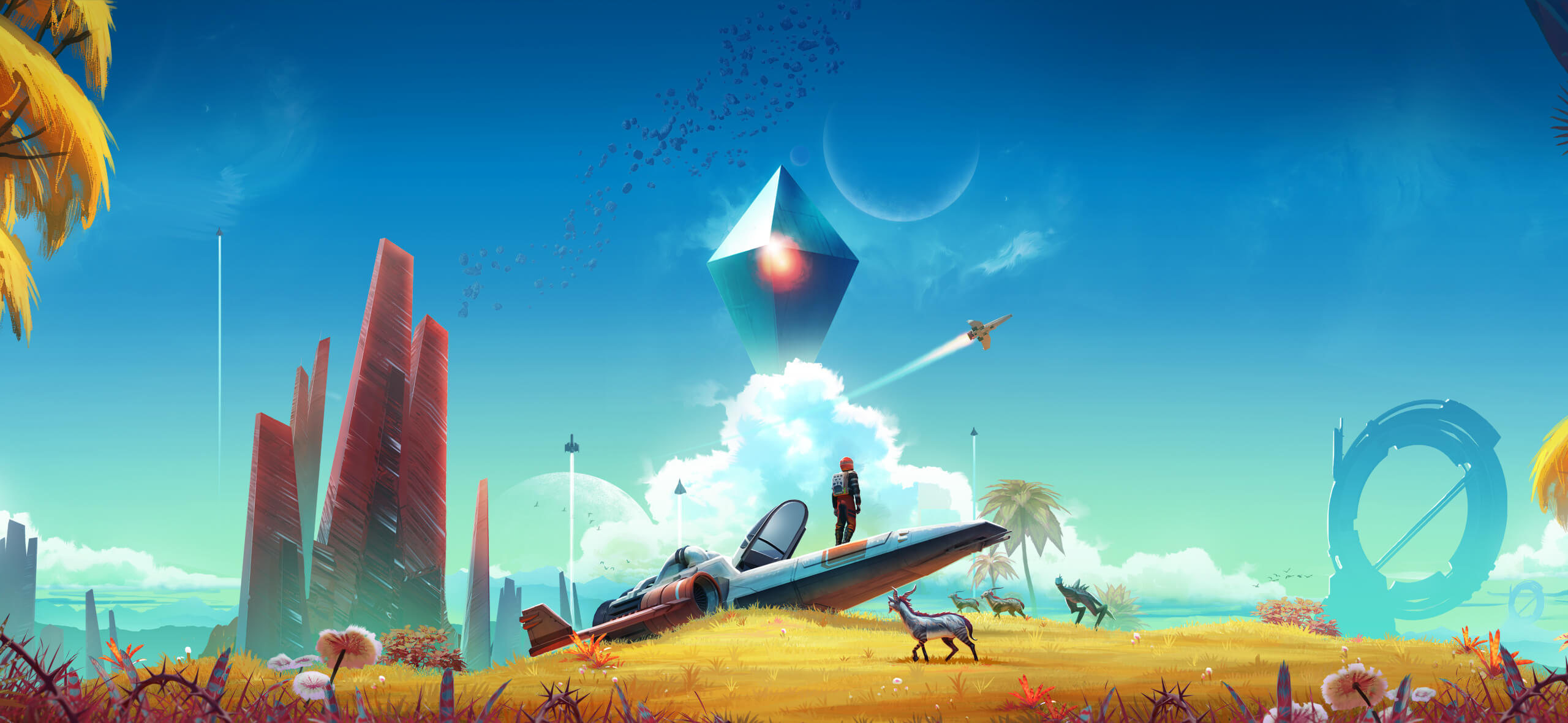
At launch this space exploration game drew criticism for missing features and repetitive gameplay but it still debuted near the top of sales charts. Strong marketing and a striking concept fueled early demand across PC and console. The studio delivered years of free updates that steadily improved reviews and brought players back. Its long tail kept it commercially relevant far beyond the shaky start.
‘Pokémon Scarlet and Violet’

Technical issues and visible performance problems did not stop these entries from posting franchise best opening sales in several regions. Brand strength and new mechanics such as an open area structure drove huge adoption among casual and core players. Retail and digital charts showed rapid uptake immediately after release. Post launch patches and special events kept engagement high.
‘Diablo Immortal’
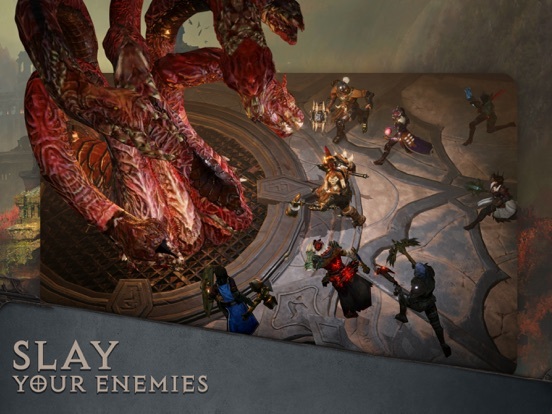
This mobile focused action RPG faced backlash over aggressive monetization but it still generated significant revenue through in app purchases. The recognizable franchise name and global rollout brought in large player numbers quickly. Seasonal content and live service events kept spending active across regions. The game maintained prominent placement on mobile grossing charts.
‘Fallout 76’
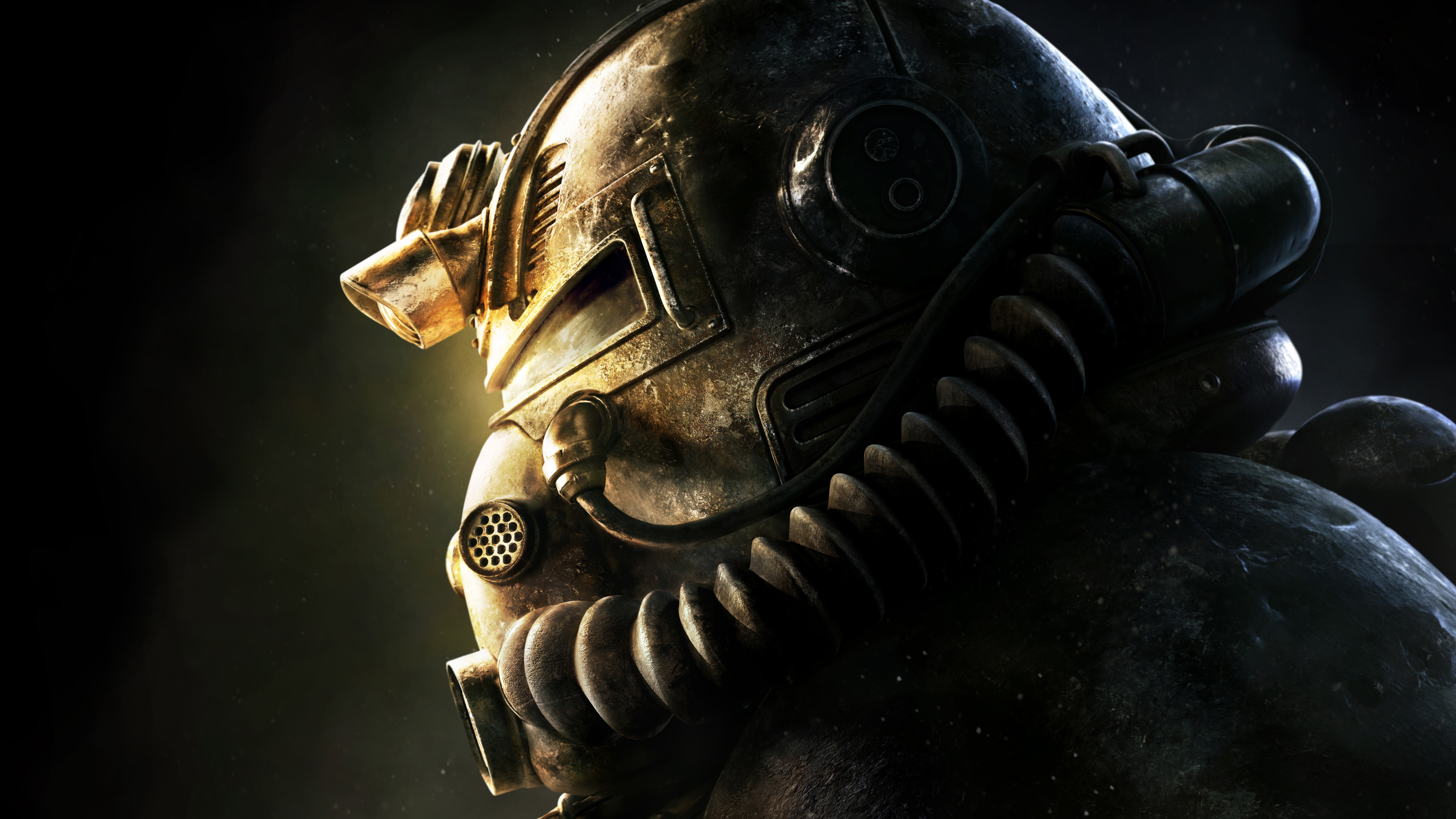
An online spin on a beloved series launched with bugs and missing features yet it sold millions of copies early. The game benefited from a strong brand and heavy preorder campaigns. Regular updates, free expansions, and limited time events helped stabilize the player base. Discounted bundles and subscription tie ins extended its commercial life.
‘Star Wars Battlefront II’
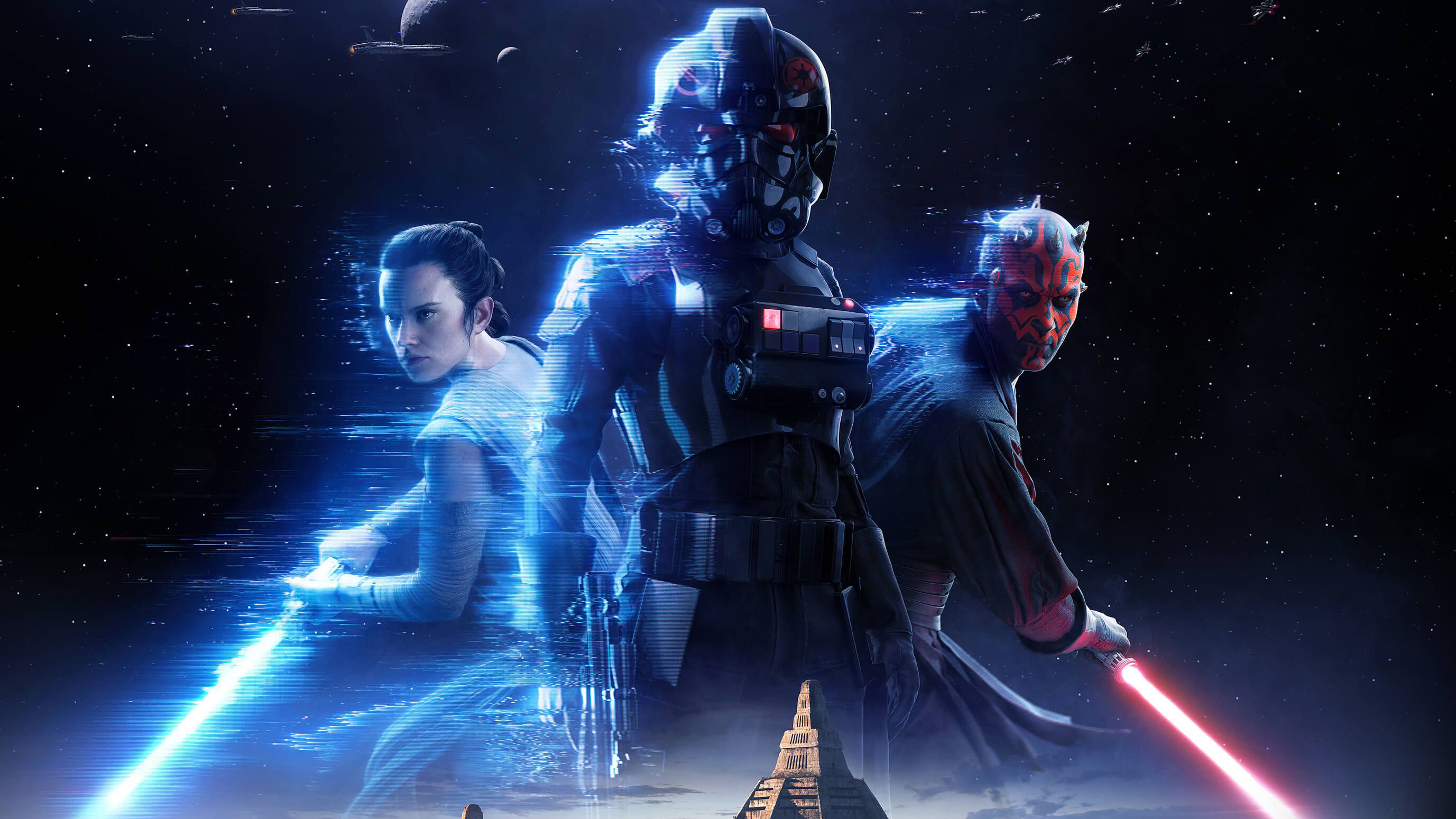
Controversy over loot boxes dominated the conversation at release but the game still achieved strong unit sales under the power of the license. It secured top chart positions during the launch window across several markets. The publisher removed the most criticized systems and reworked progression over time. Ongoing content drops and film era tie ins supported continued engagement.
‘Grand Theft Auto: The Trilogy – The Definitive Edition’
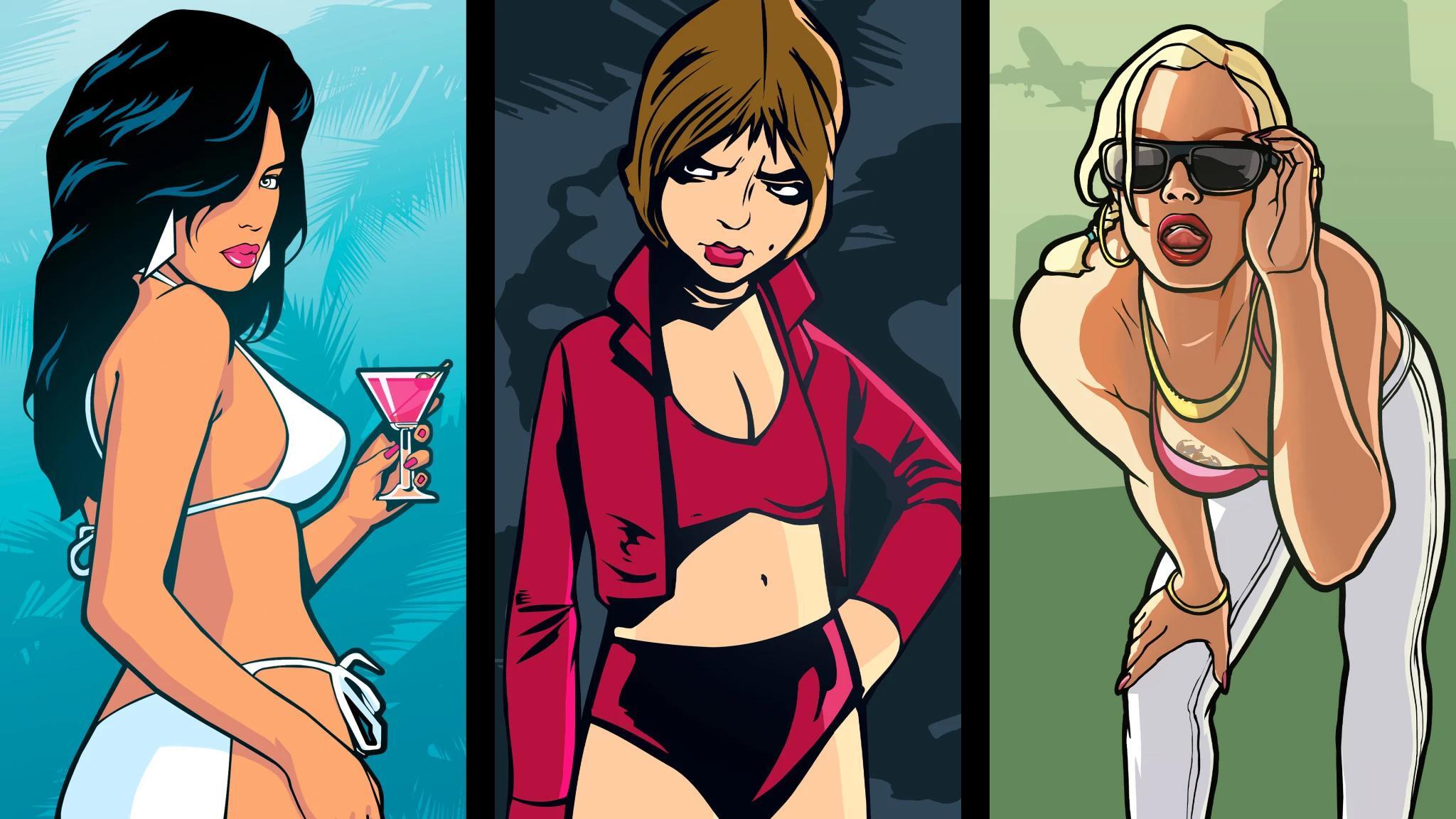
This collection arrived with technical problems that drew widespread complaints yet early demand pushed it high on digital charts. The enduring popularity of the classic entries drove purchases from nostalgia and new audiences alike. The publisher issued patches to address performance and visual issues. Despite criticism the compilation maintained strong visibility in storefront rankings.
‘Call of Duty: Ghosts’
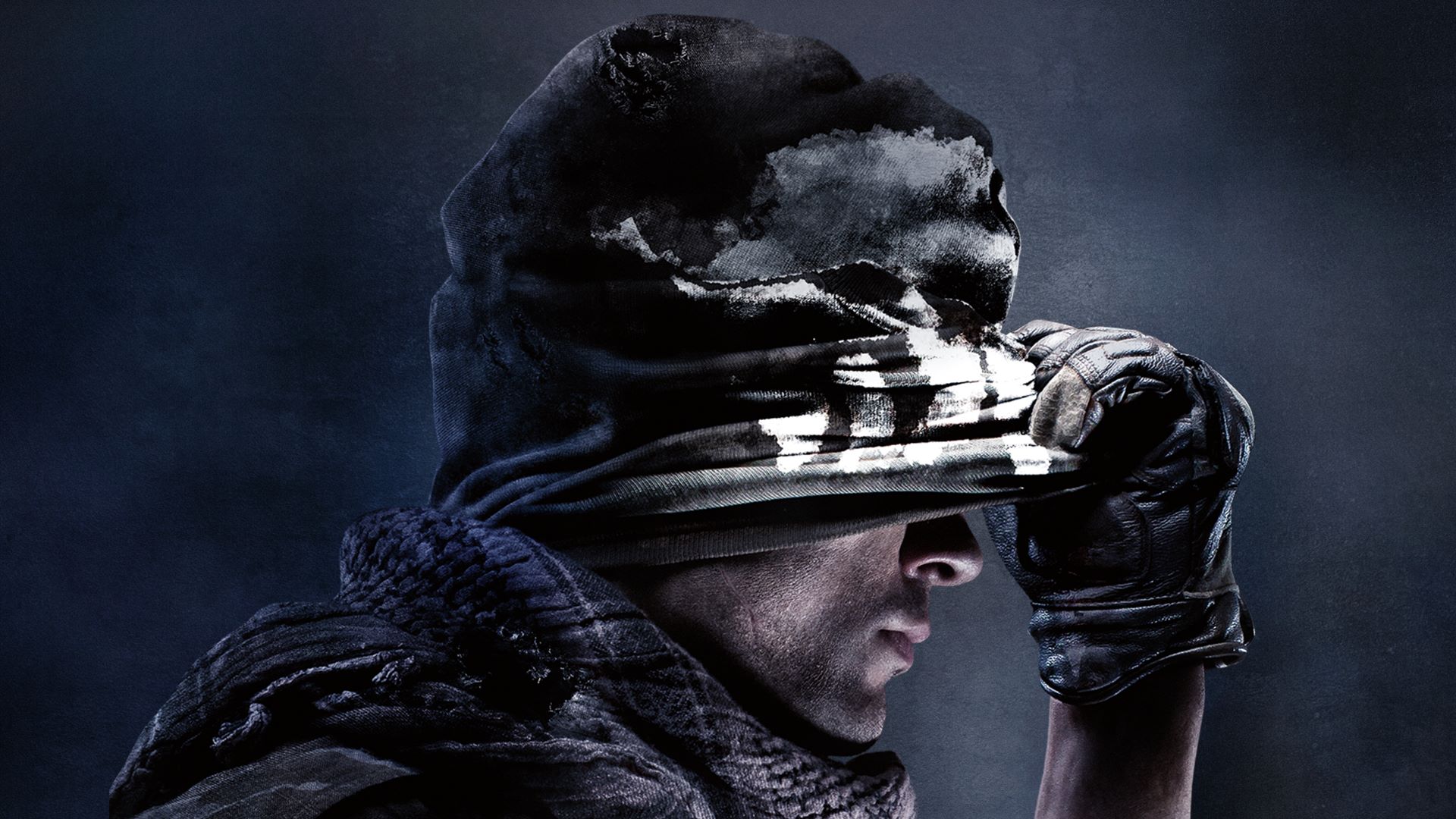
Often cited as a weaker entry in its series this shooter still led annual sales during its release year. The franchise’s multiplayer dominance and cross generation availability boosted units across platforms. Large scale marketing and competitive play support kept attention on the title. Its map packs and DLC schedule extended revenue beyond launch.
‘Assassin’s Creed Unity’
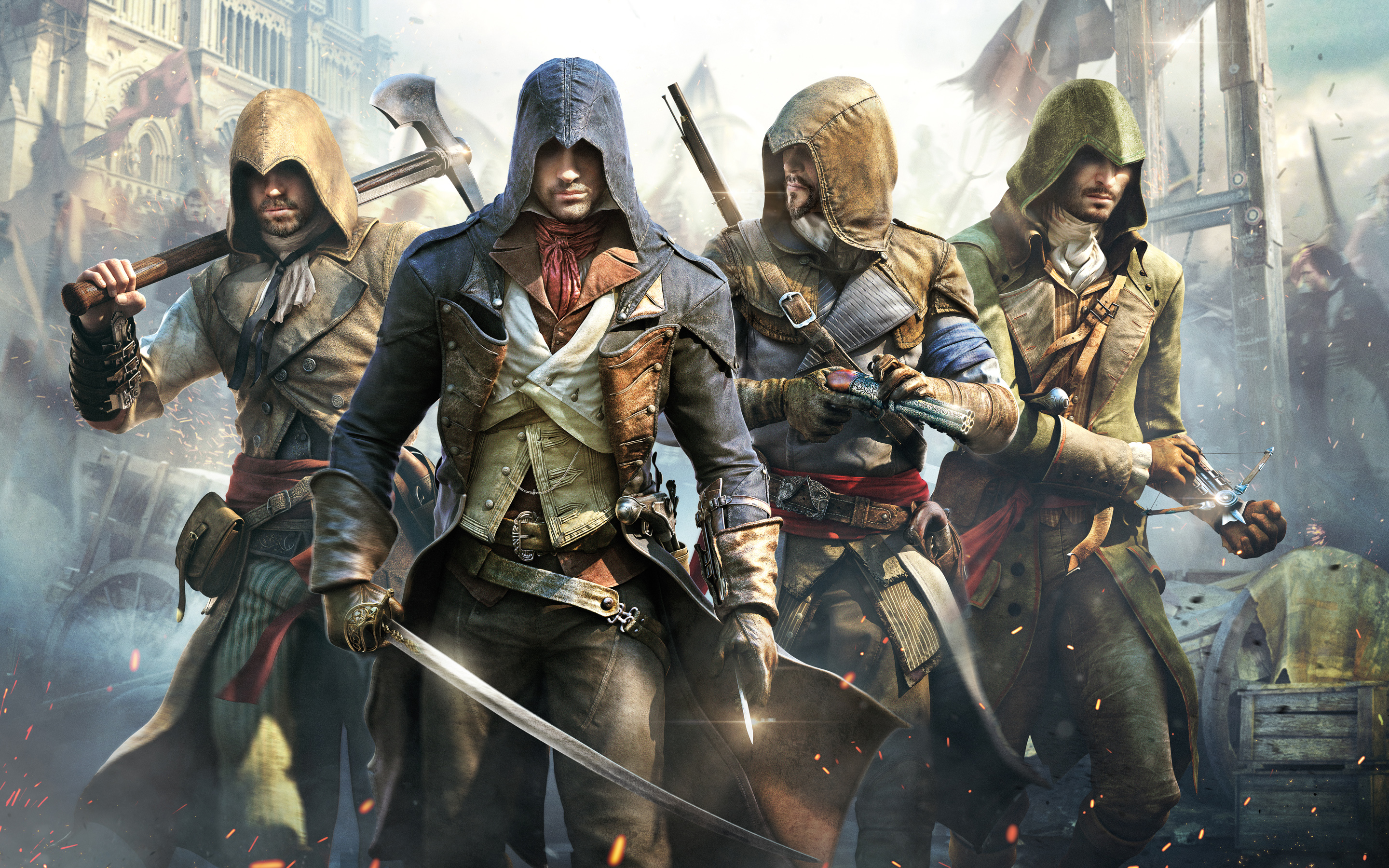
A buggy debut on new hardware hurt word of mouth yet the game sold well thanks to the series’ momentum. Paris as a setting and next gen marketing pushed strong preorders. Free content and major patches addressed performance issues after release. The title continued to move units as part of bundles and seasonal discounts.
‘SimCity’
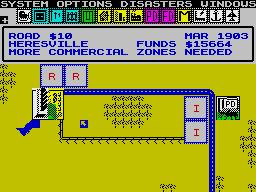
The always online requirement and server problems caused a rough launch but the game still posted strong initial sales. The well known brand and long gap since the prior entry created pent up demand. The publisher expanded server capacity and eventually added an offline mode. Expansion content and post launch updates kept it visible for city building fans.
‘Aliens: Colonial Marines’
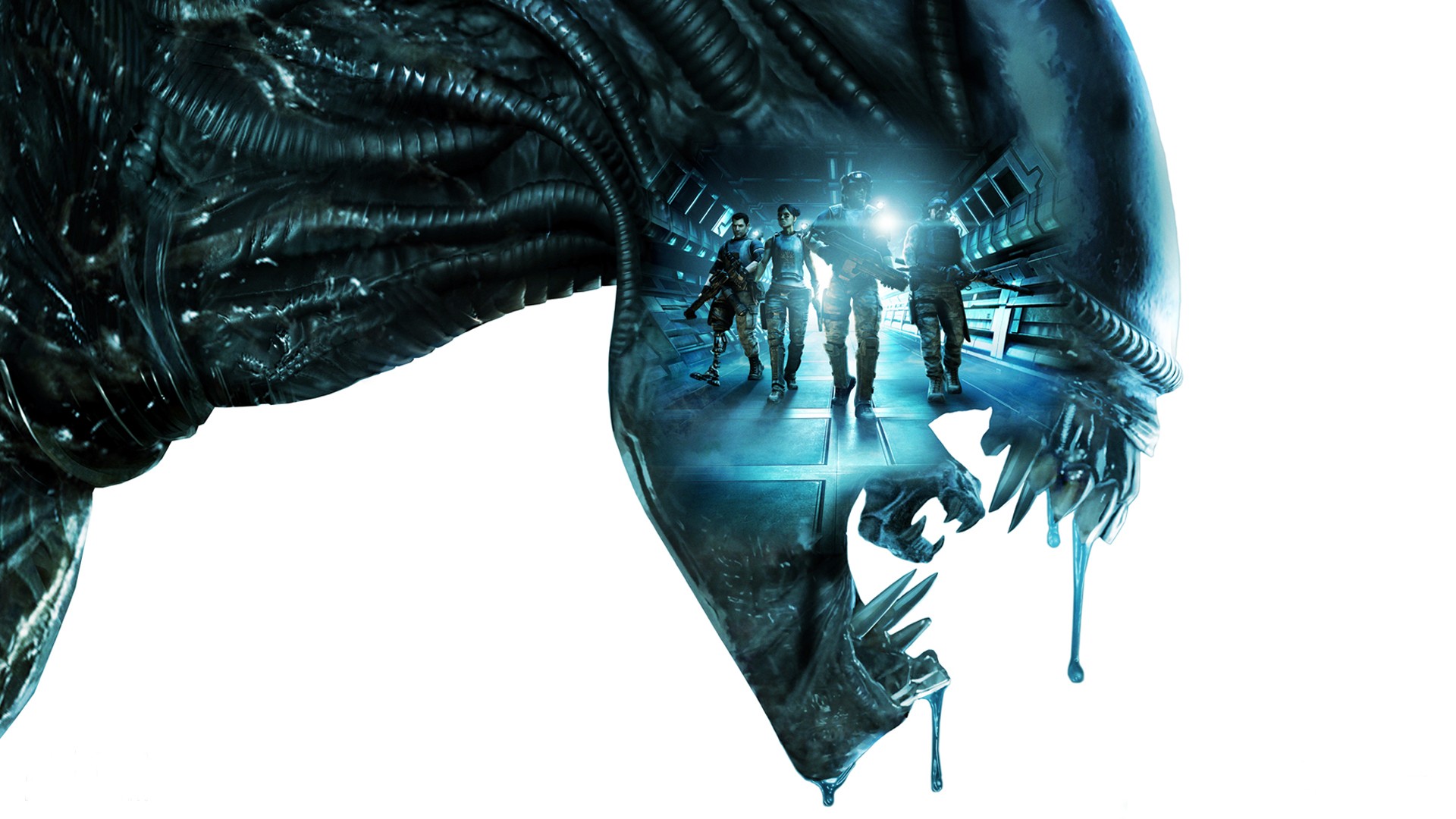
Despite negative reviews this licensed shooter benefited from heavy preorders and strong retail placement. The recognizable film franchise and early marketing drove interest before launch day impressions settled. Bundles and discounts helped maintain sell through after release. The title remained a frequent chart presence during its opening weeks.
‘Duke Nukem Forever’
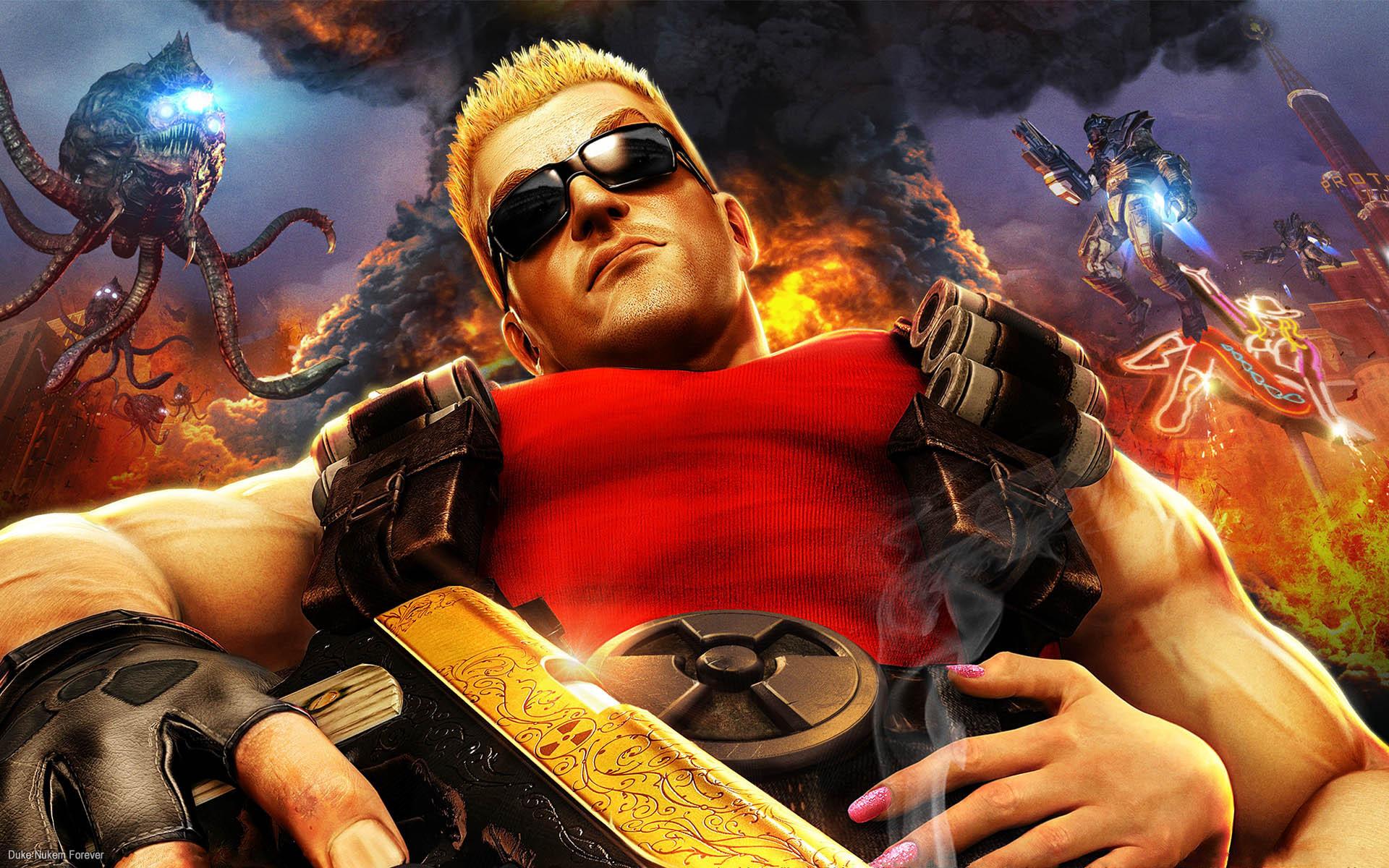
After a famously long development period the game released to poor reception yet it debuted near the top of charts. Curiosity and nostalgia powered strong first week sales. Retail promotions and collector editions added to early revenue. Interest dropped later but the initial surge had already secured commercial success.
‘Mass Effect Andromeda’
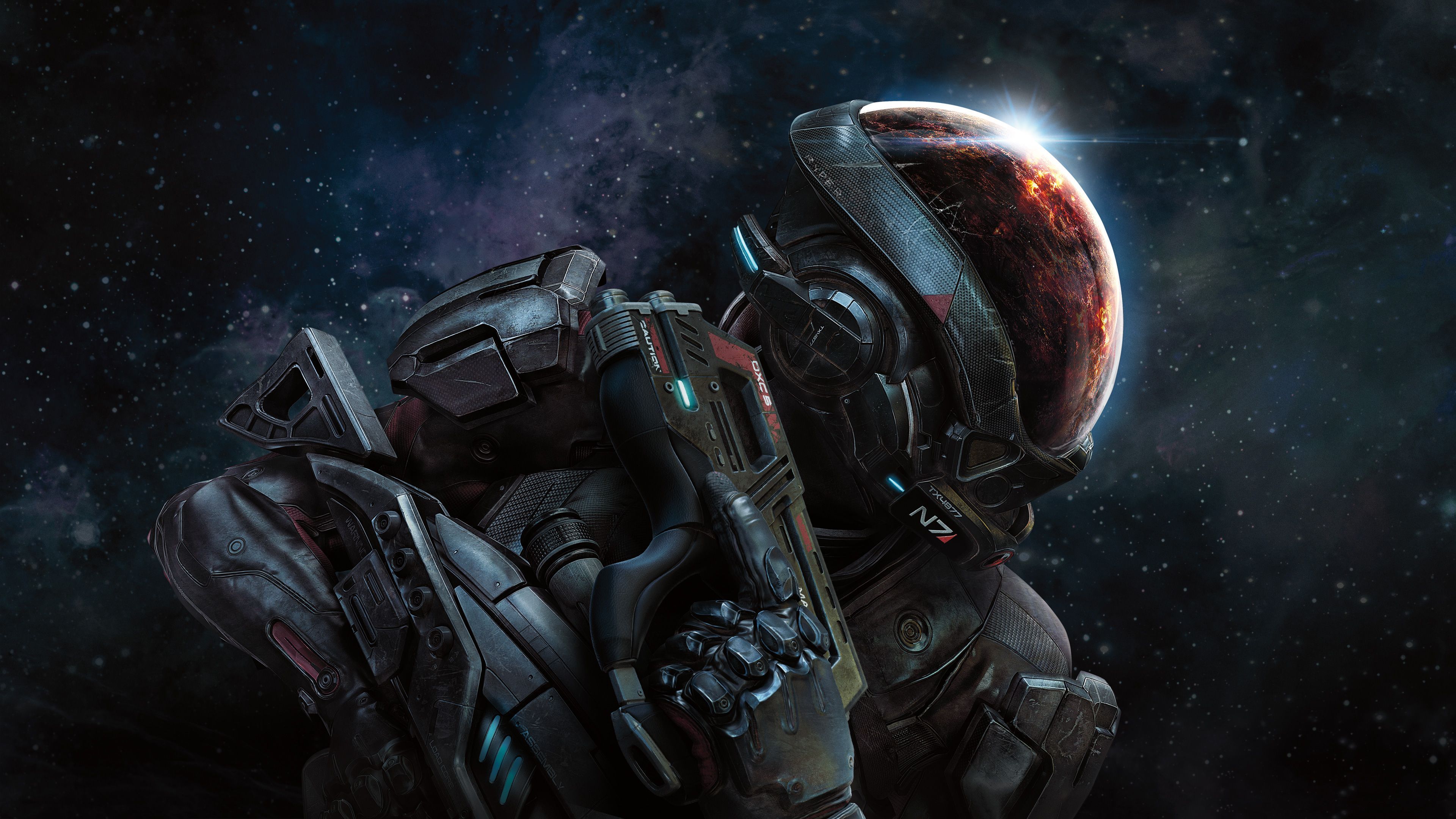
Facial animation issues and uneven writing led to mixed reviews but the game still sold well out of the gate. The prior trilogy’s reputation translated into high preorders and strong launch traffic. Technical patches improved stability over time and DLC support added some longevity. The brand continued to perform for the publisher even as plans shifted for future entries.
‘Anthem’
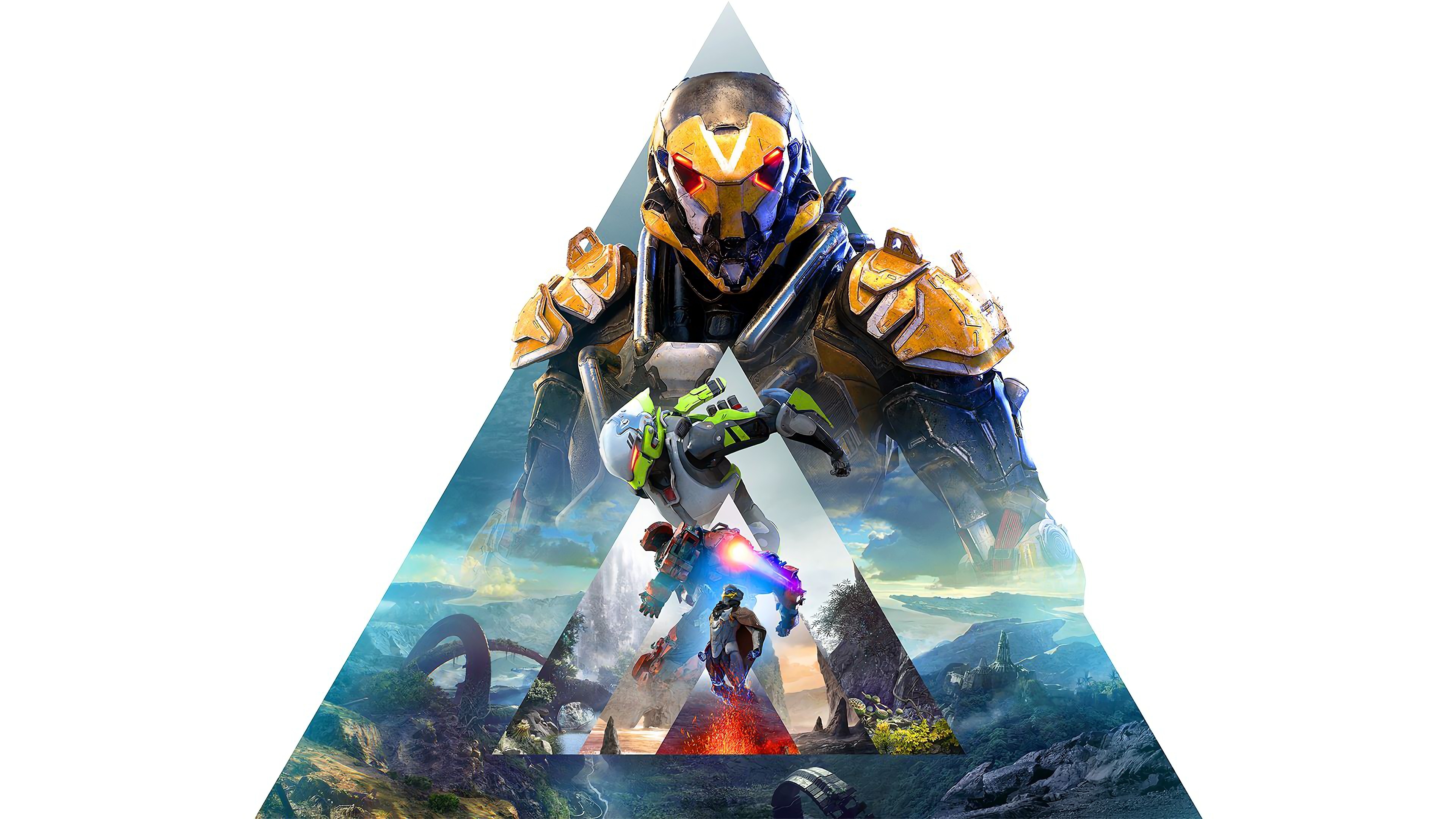
This shared world shooter launched with technical problems and thin endgame yet it opened at number one in several territories. A large marketing push and promising pre release demos created strong demand. Micro updates and events aimed to retain players through the first months. While long term support changed course the initial commercial performance was significant.
‘Sonic the Hedgehog’
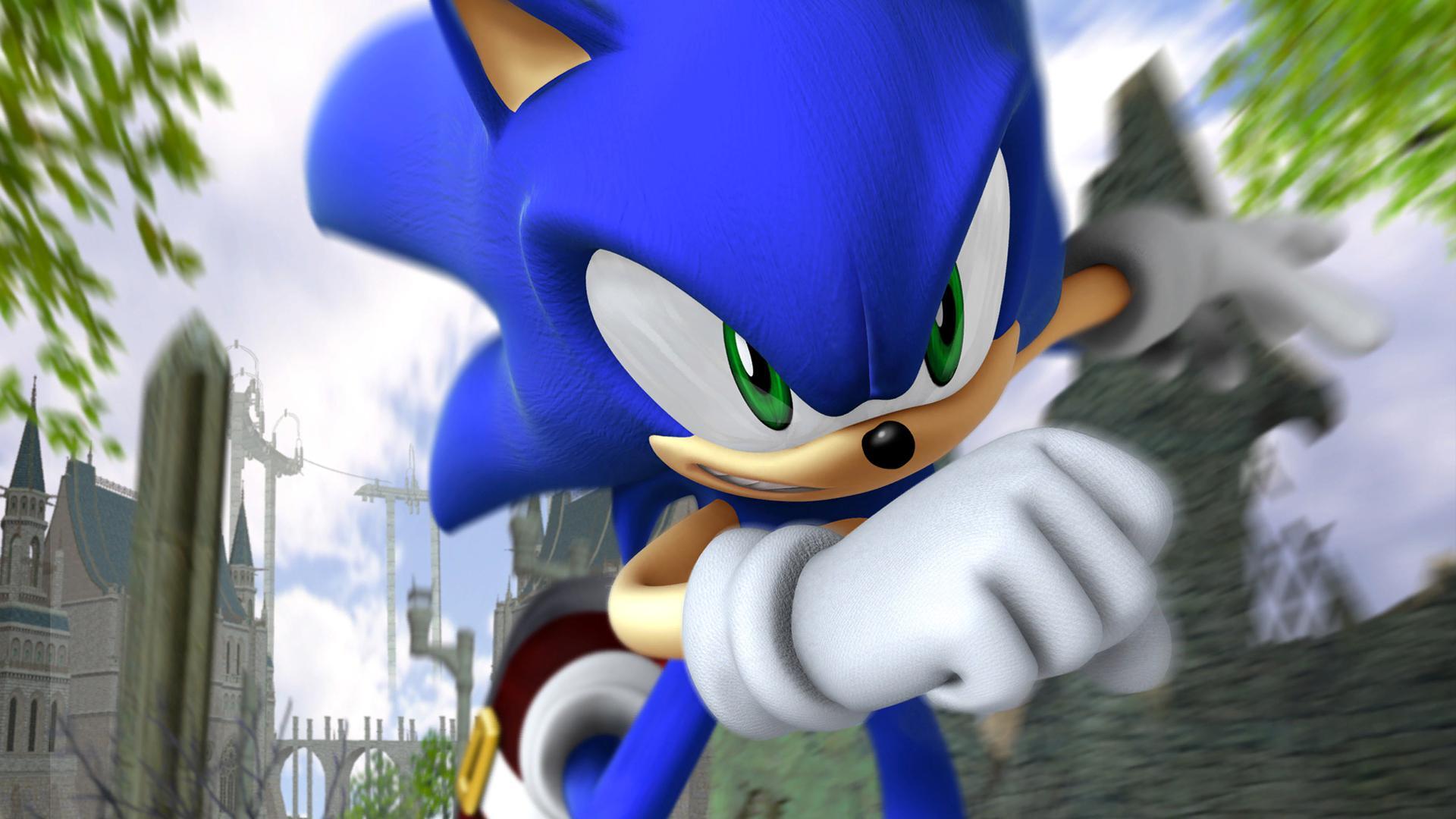
This modern reboot became a symbol of buggy design but it still moved more than a million units worldwide. The power of the character brand and cross platform availability supported sales. Retail prominence and price cuts later maintained interest among fans. The game remained a reference point for how name recognition can overcome a troubled launch.
‘Battlefield 2042’
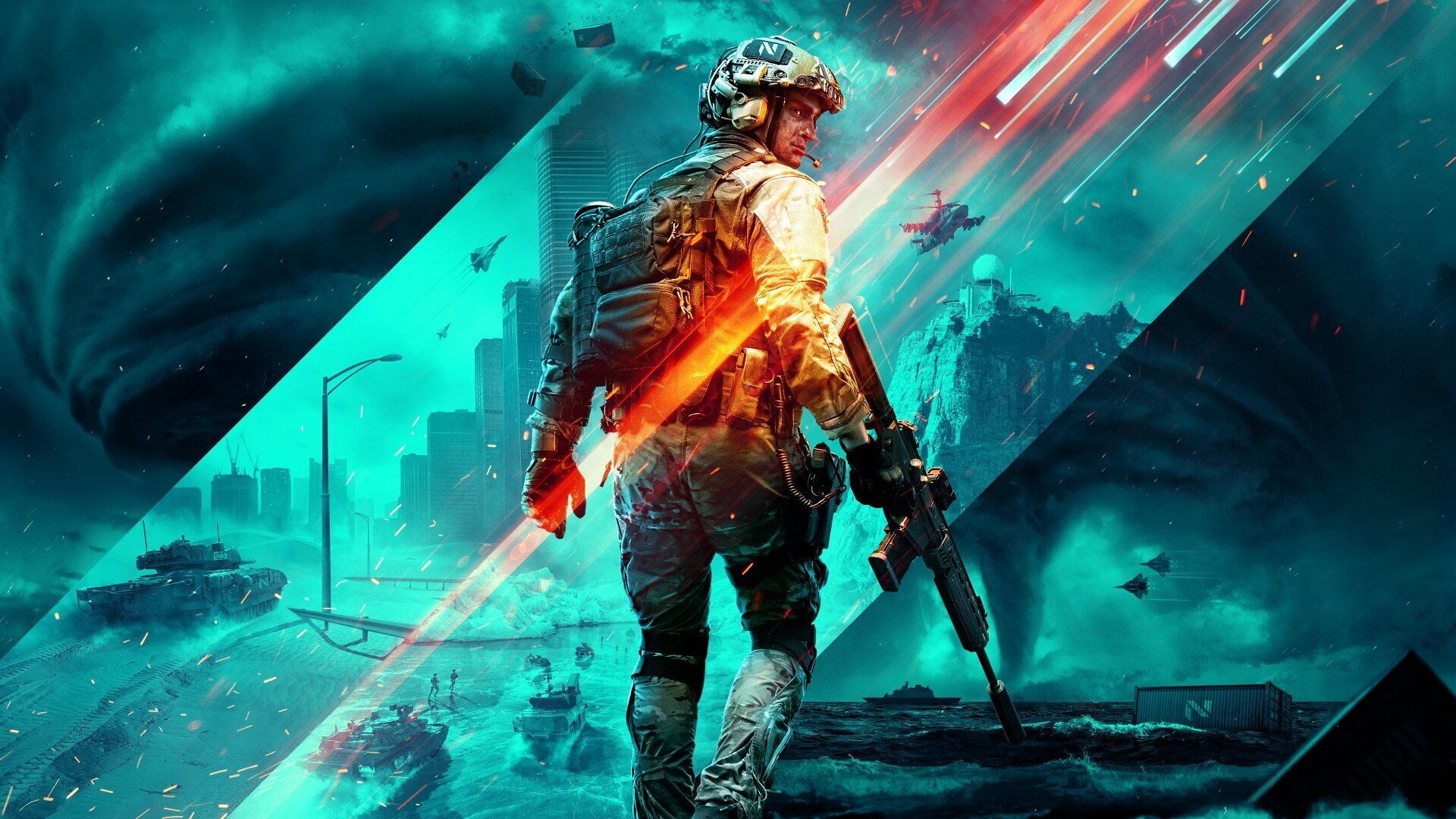
A live service focus and missing features drew heavy criticism yet it delivered strong launch sales. The series’ large installed base and marketing around large scale battles brought in many buyers. Major seasonal updates and map reworks worked to stabilize player counts. Sales promotions and subscription access kept it in circulation.
‘Resident Evil 6’
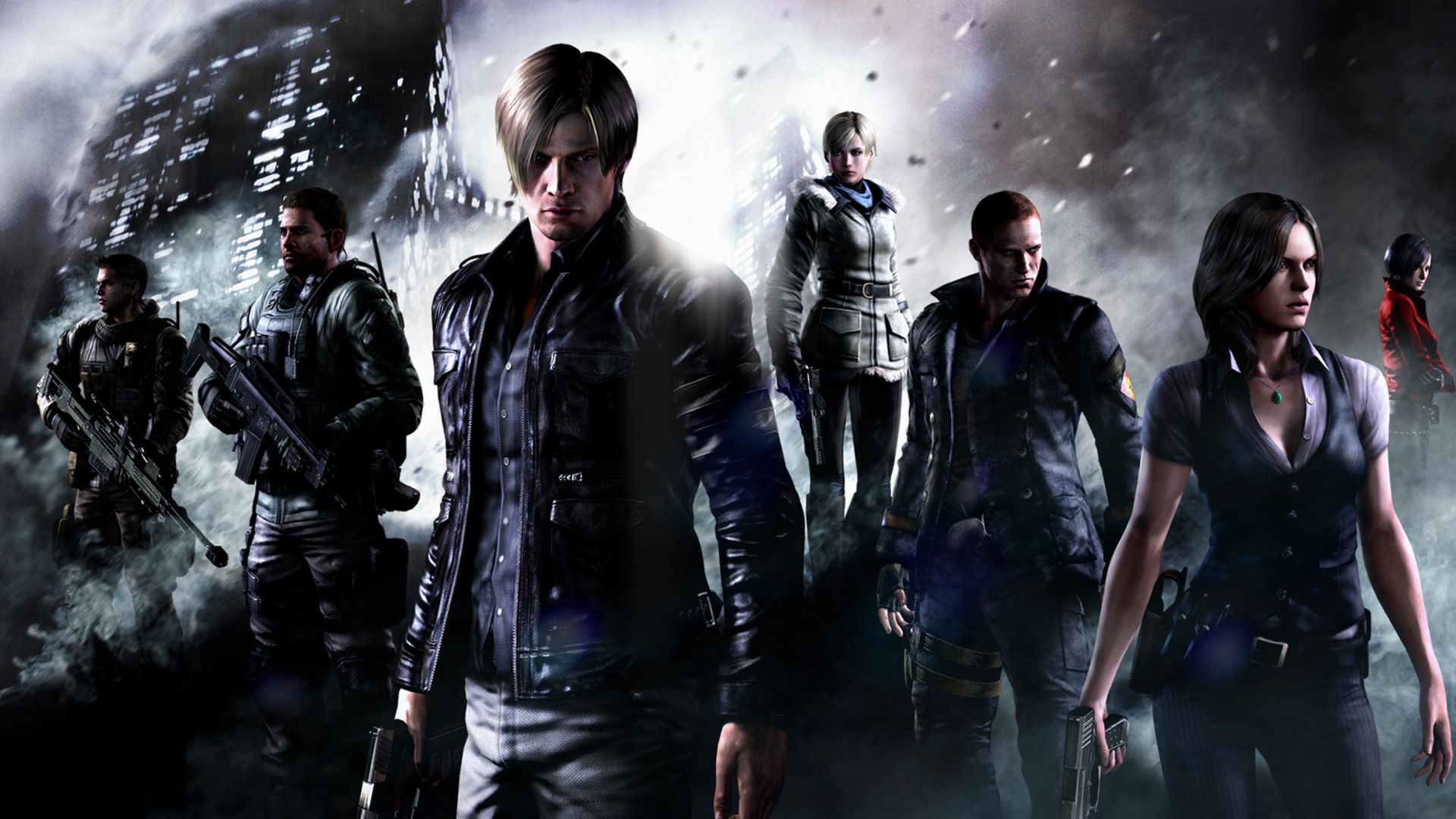
Critics were divided on its direction but brand momentum carried this entry to high global shipments. Multiple campaigns and co op features appealed to different regions and audiences. The title saw extended life through re releases on newer platforms. Merchandising and franchise synergy helped keep attention on the game.
‘Warcraft III: Reforged’

This remaster faced backlash over missing features and technical woes yet it sold well at launch to a large nostalgic audience. The legacy of competitive mods and custom maps drew in returning players. Post launch patches addressed stability and visual concerns. The name recognition ensured strong initial uptake even amid criticism.
‘Madden NFL 21’
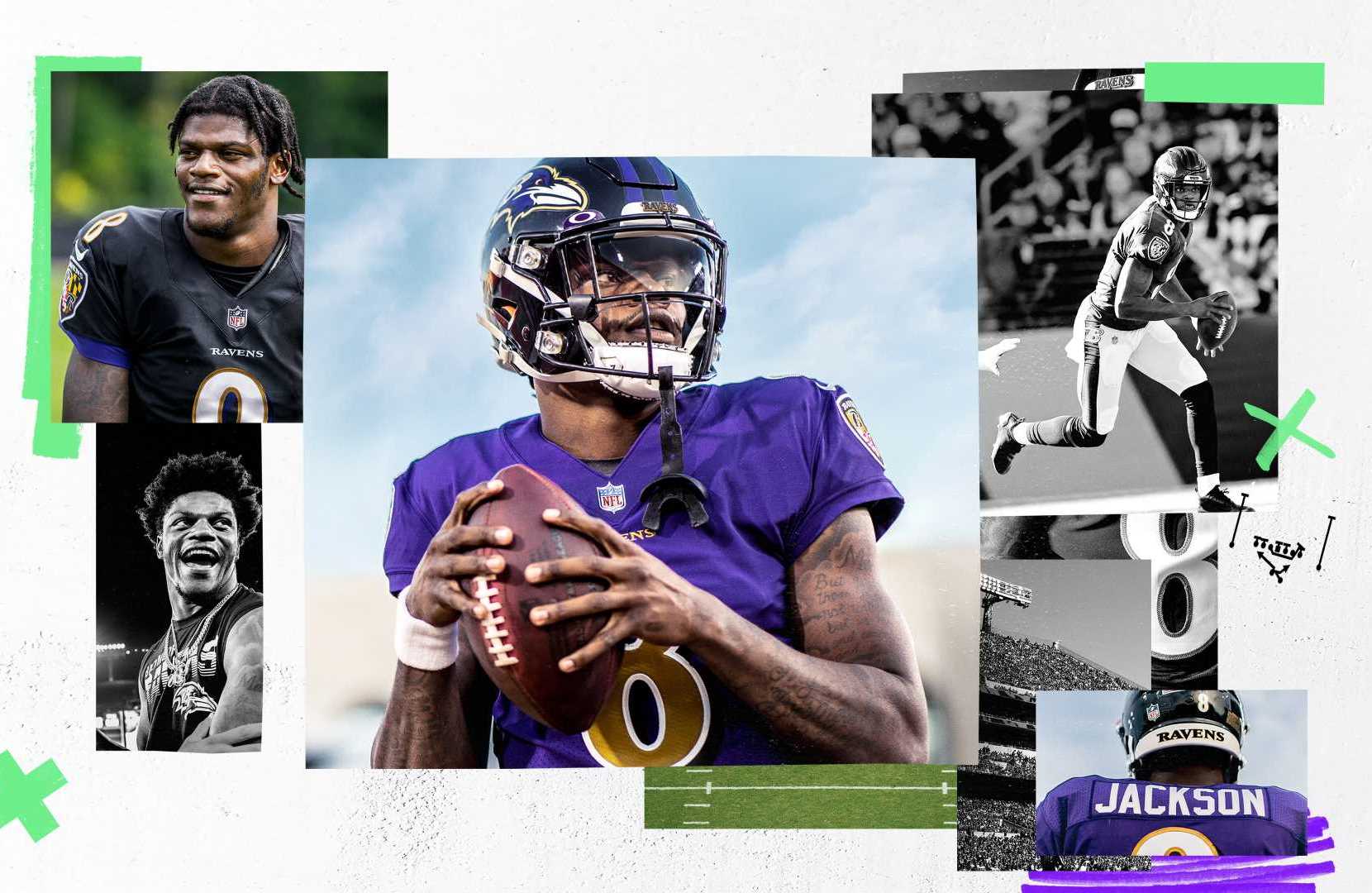
Annual fatigue and bugs did not stop this sports title from leading sports game sales in its cycle. The official league license and Ultimate Team mode supported recurring revenue. Cross generation upgrade paths encouraged purchases during a hardware transition. Seasonal roster updates and live events kept engagement steady.
‘Overwatch 2’
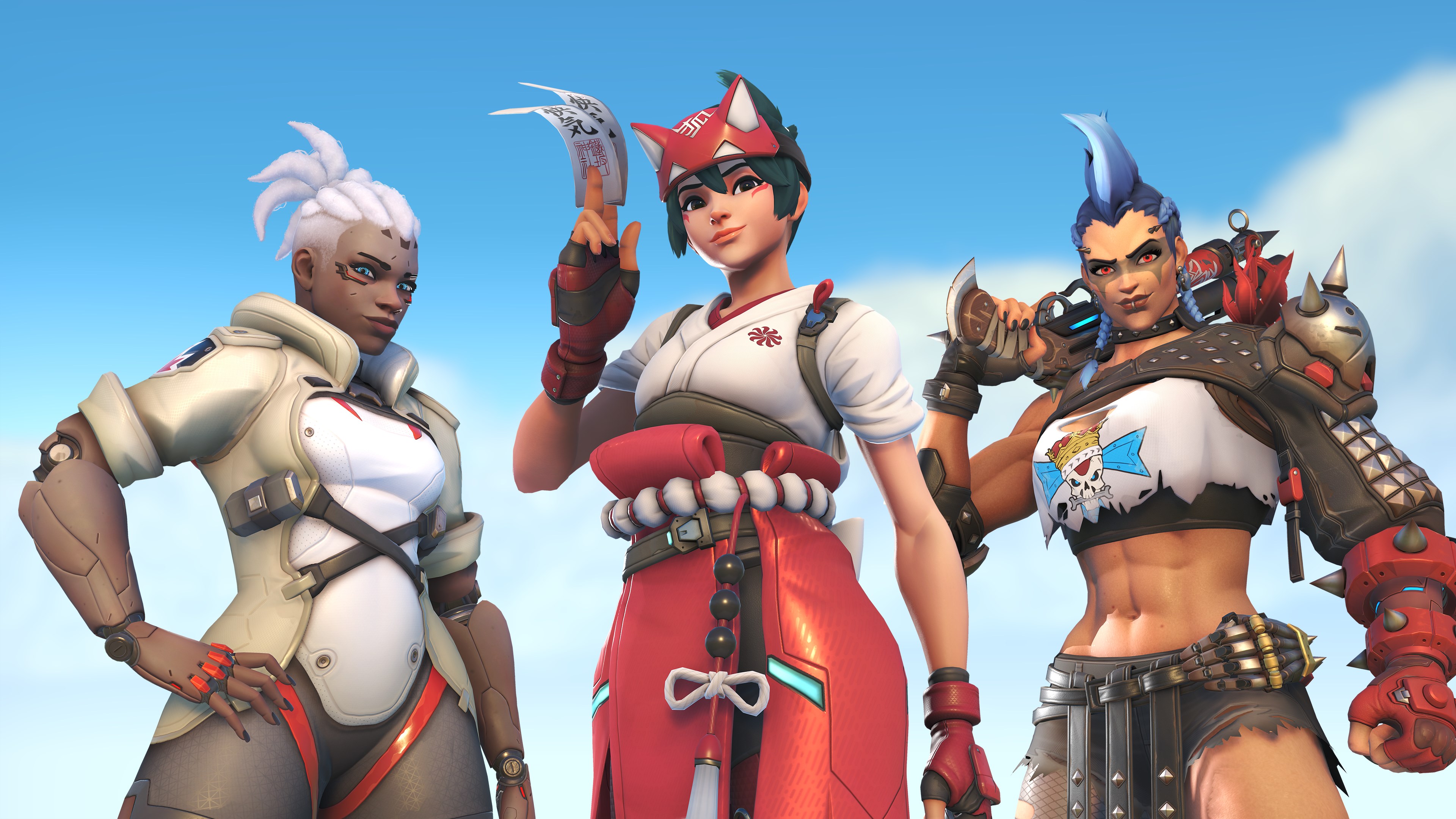
Content structure changes and service issues sparked controversy but the sequel recorded huge player counts quickly. Free to play access widened the funnel across platforms. Seasonal battle passes and rotating events generated ongoing revenue. The competitive scene and cosmetics kept the game visible despite early pushback.
Share which other messy launches you remember selling like crazy in the comments.