The 20 Most Annoying A-List Actors



Big stars can light up the screen and still grate on people in real life, whether it is nonstop franchises, carefully managed personas, or headlines that never seem to stop. This list looks at high profile actors whose public behavior, interviews, or career choices have drawn persistent eye rolls and pushback. You will find reasons grounded in well documented moments such as award speeches, promo tour sound bites, and on set lore that fans discuss all the time. Think talk show bits that overstay their welcome, method acting stories that overshadow the work, and brand moves that dominate the news cycle more than the movies.
Tom Cruise
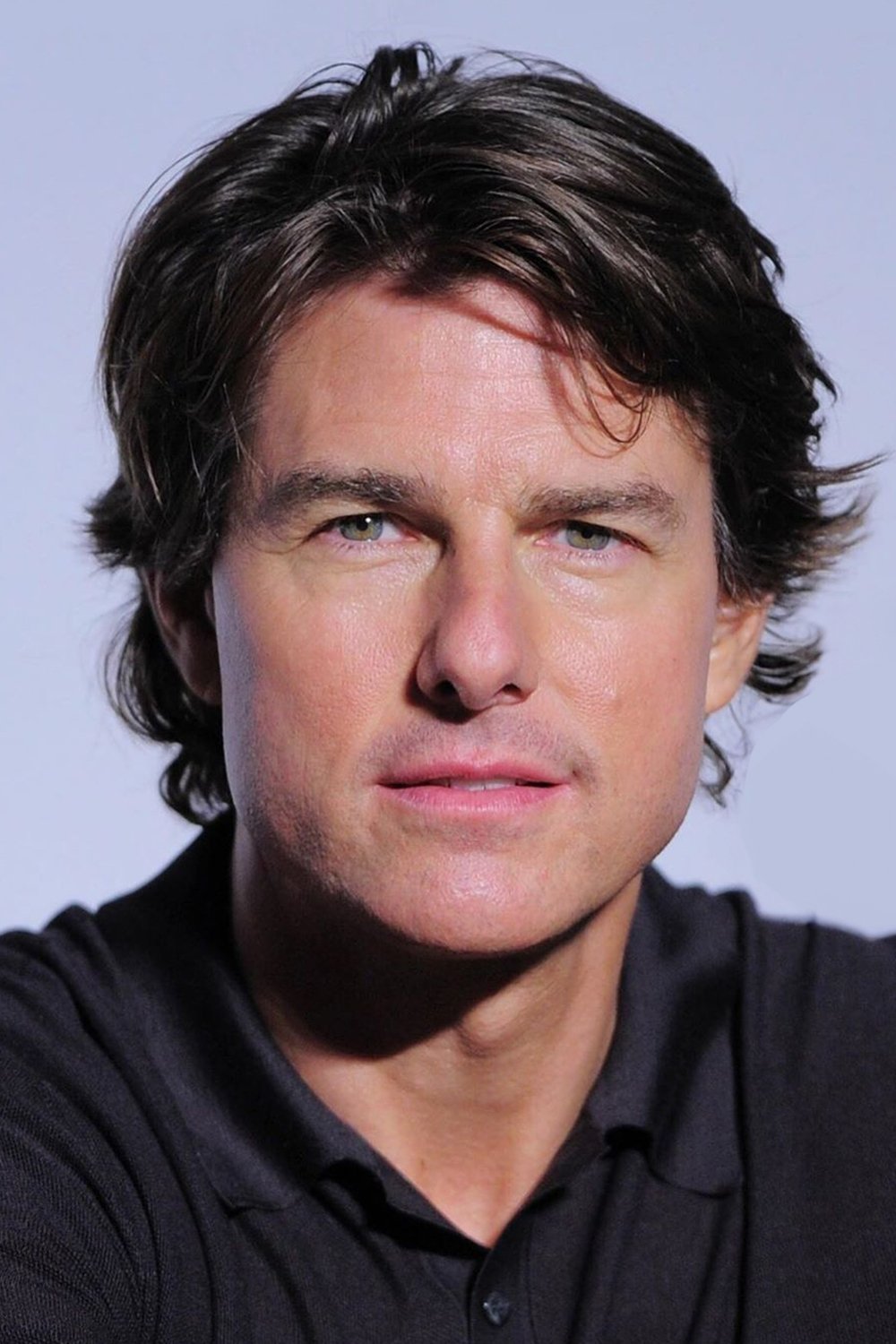
Cruise’s relentless publicity machine and devotion to massive stunts keeps him everywhere, especially during long runs of ‘Mission Impossible’ promos. His ties to a controversial church are a constant background factor that follows every press cycle. The couch jumping episode years ago still gets resurfaced and clipped whenever he trends. Even admirers note that the intensity that sells tickets can feel like a nonstop sales pitch off camera.
Leonardo DiCaprio
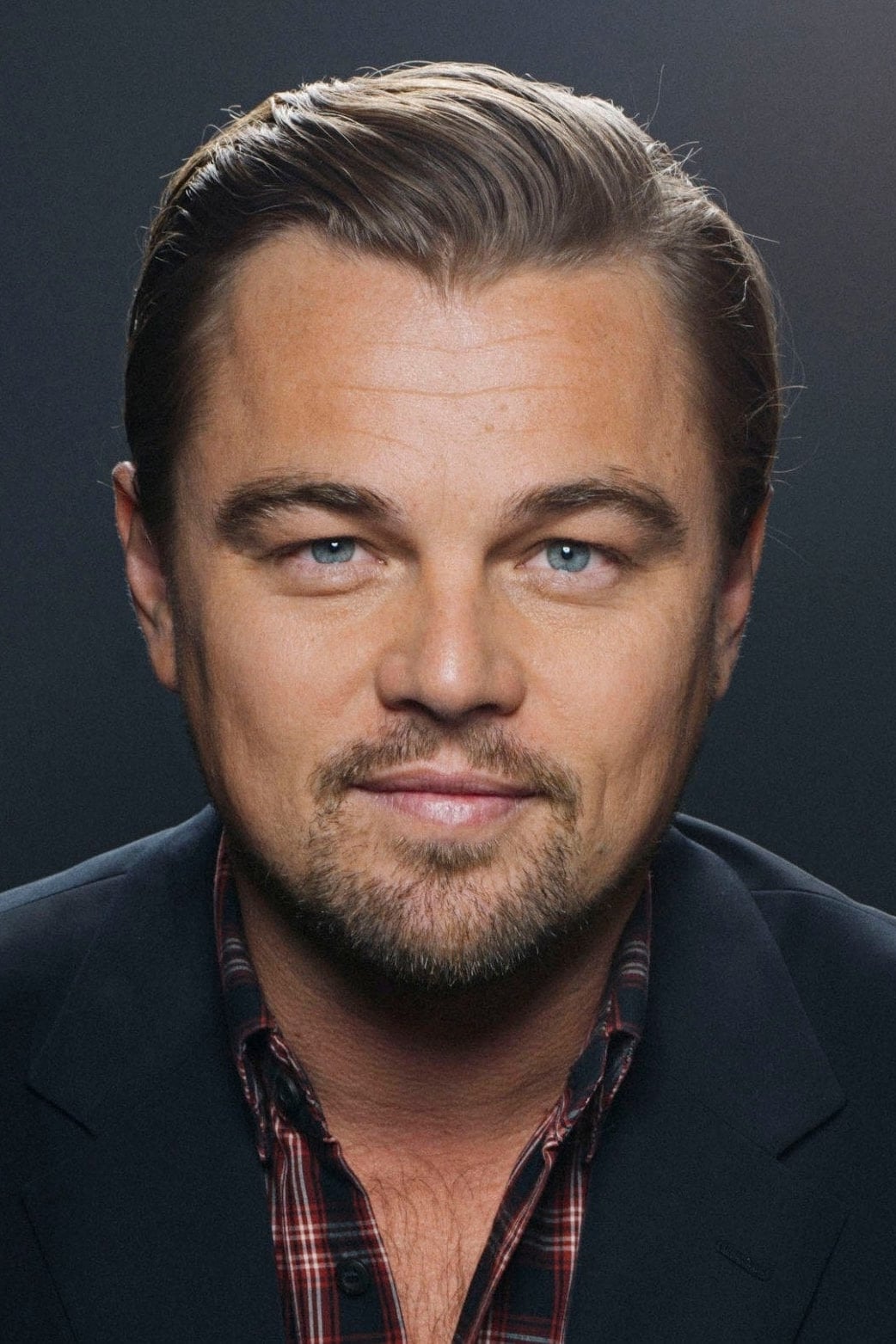
DiCaprio’s environmental advocacy often collides with headlines about private jet usage and luxury yacht sightings during festival seasons. His dating life generates more coverage than many films and becomes a recurring punchline online. Awards season campaigns for films like ‘The Revenant’ turned into months of discourse that overshadowed quieter projects. The contrast between activism messaging and lifestyle optics keeps him under scrutiny.
Jennifer Lawrence
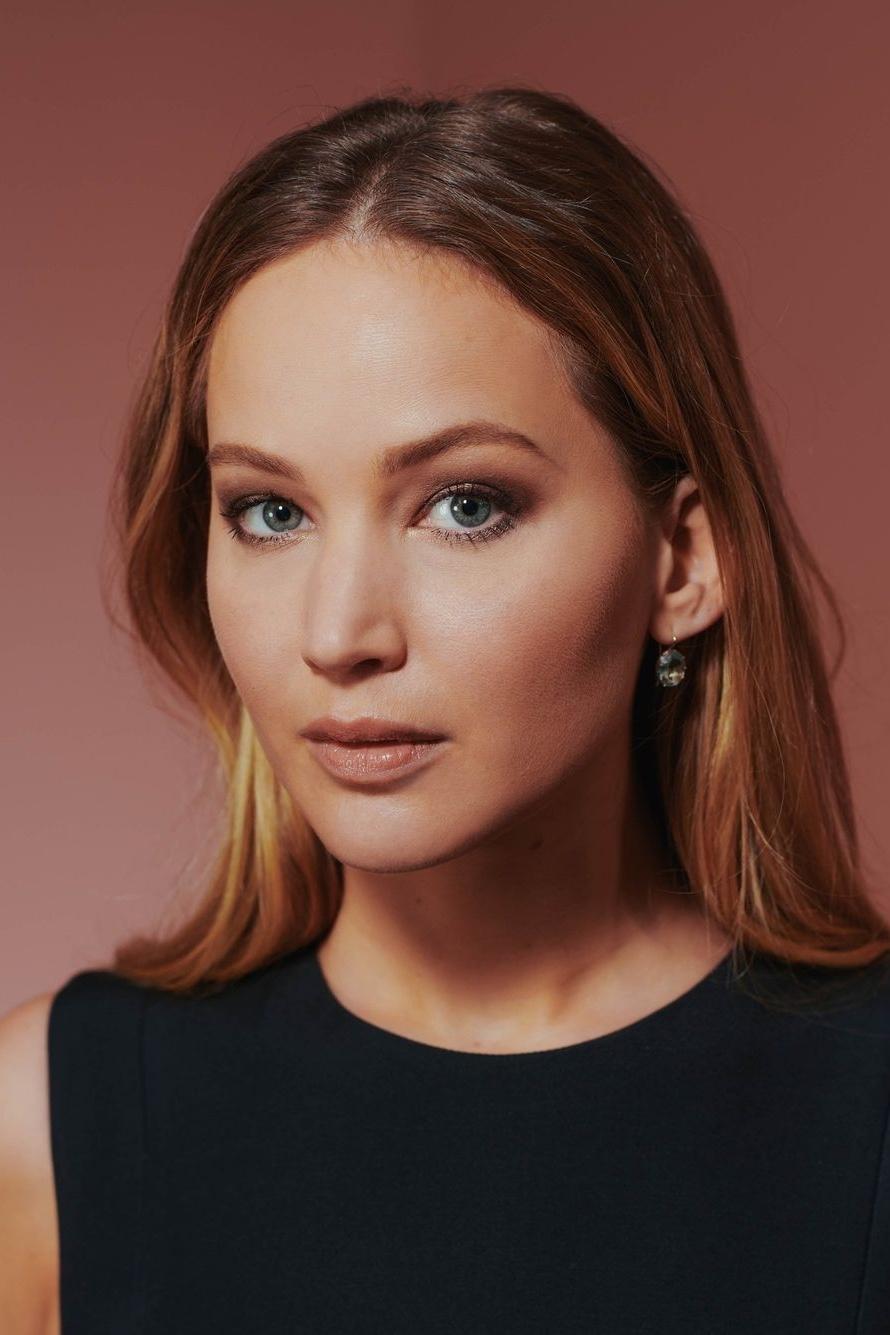
Lawrence’s early image as a relatable star became so omnipresent that the persona itself started to feel like a bit. Press tour slip ups and stories about on set pranks get repeated enough to sound rehearsed. The cycle from breakout sensation to everywhere at once happened fast and made each new interview feel familiar. When she pivots to serious roles the coverage still circles back to the same anecdotes.
Anne Hathaway
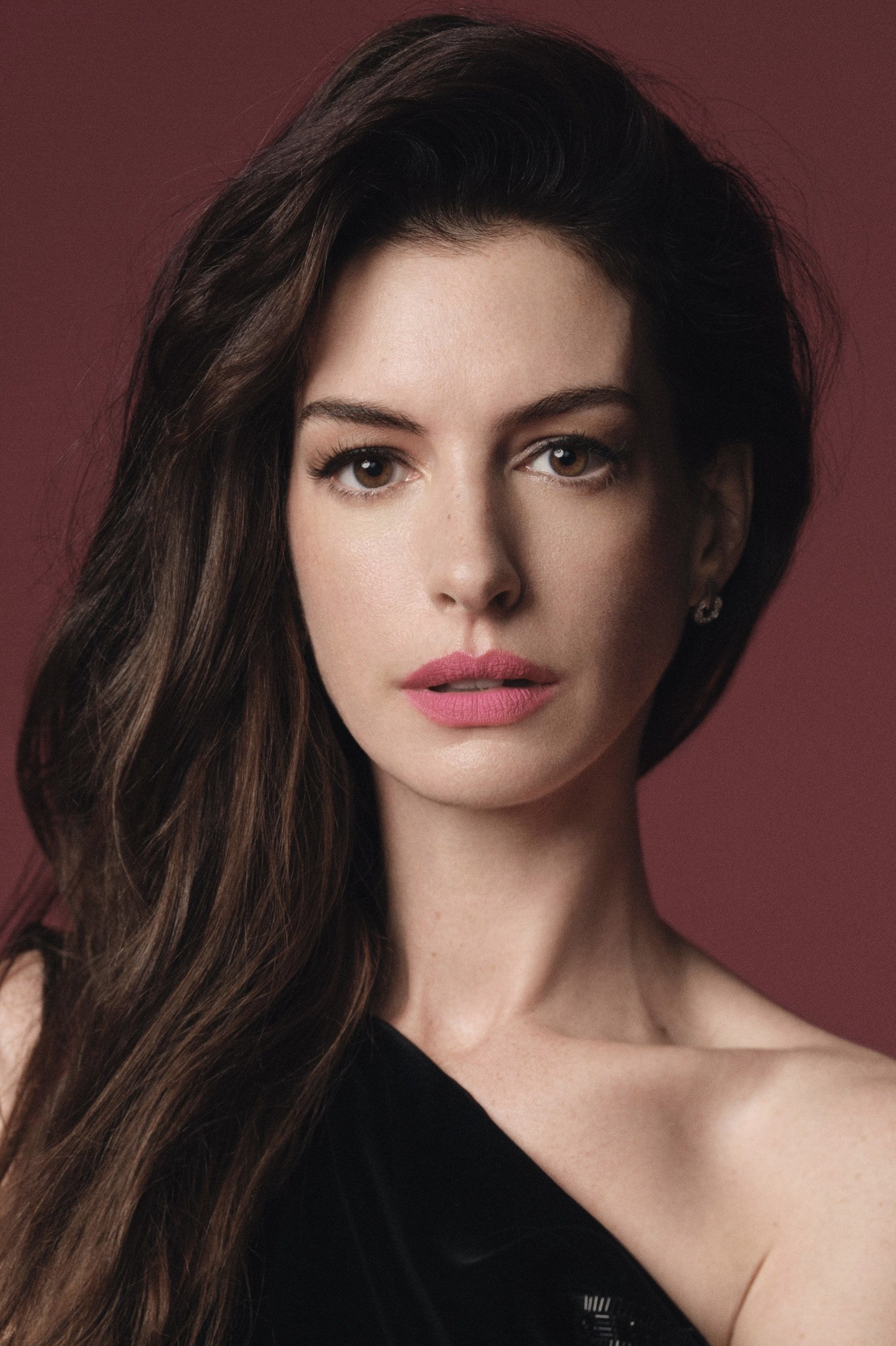
Hathaway went through a long stretch where award season speeches and polished interviews were picked apart for being overly practiced. The discourse around ‘Les Misérables’ turned her campaign into a cultural referendum on sincerity. She later addressed the backlash directly, which kept the topic alive in profiles. Even as perception has softened, the old clips continue to circulate whenever she headlines a release.
Brie Larson

Larson’s promotional appearances for ‘Captain Marvel’ sparked debates about comments on representation and media access that never fully cooled. Clips from press junkets were edited and shared widely, turning selective moments into ongoing narratives. Online fan culture turned standard interviews into battlegrounds that followed her to other projects. The conversation often shifts away from the work and stays locked on sound bites.
Will Smith
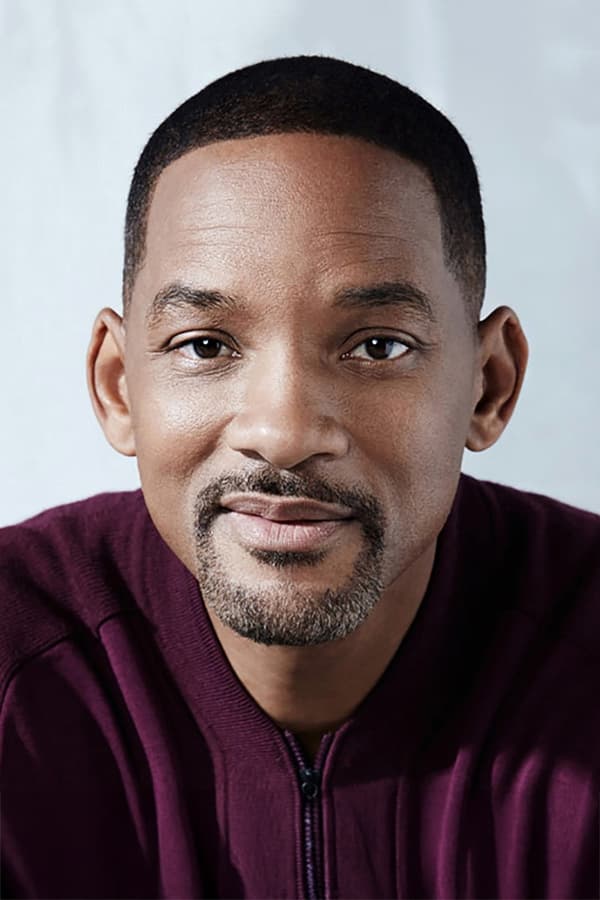
Smith’s carefully built family brand and motivational messaging ran into a wall with the onstage Oscars incident. The moment led to Academy discipline and months of coverage that moved beyond his films. Subsequent interviews and social posts kept the story in rotation. Even when a project surfaces, the conversation often returns to that night and its fallout.
Ben Affleck
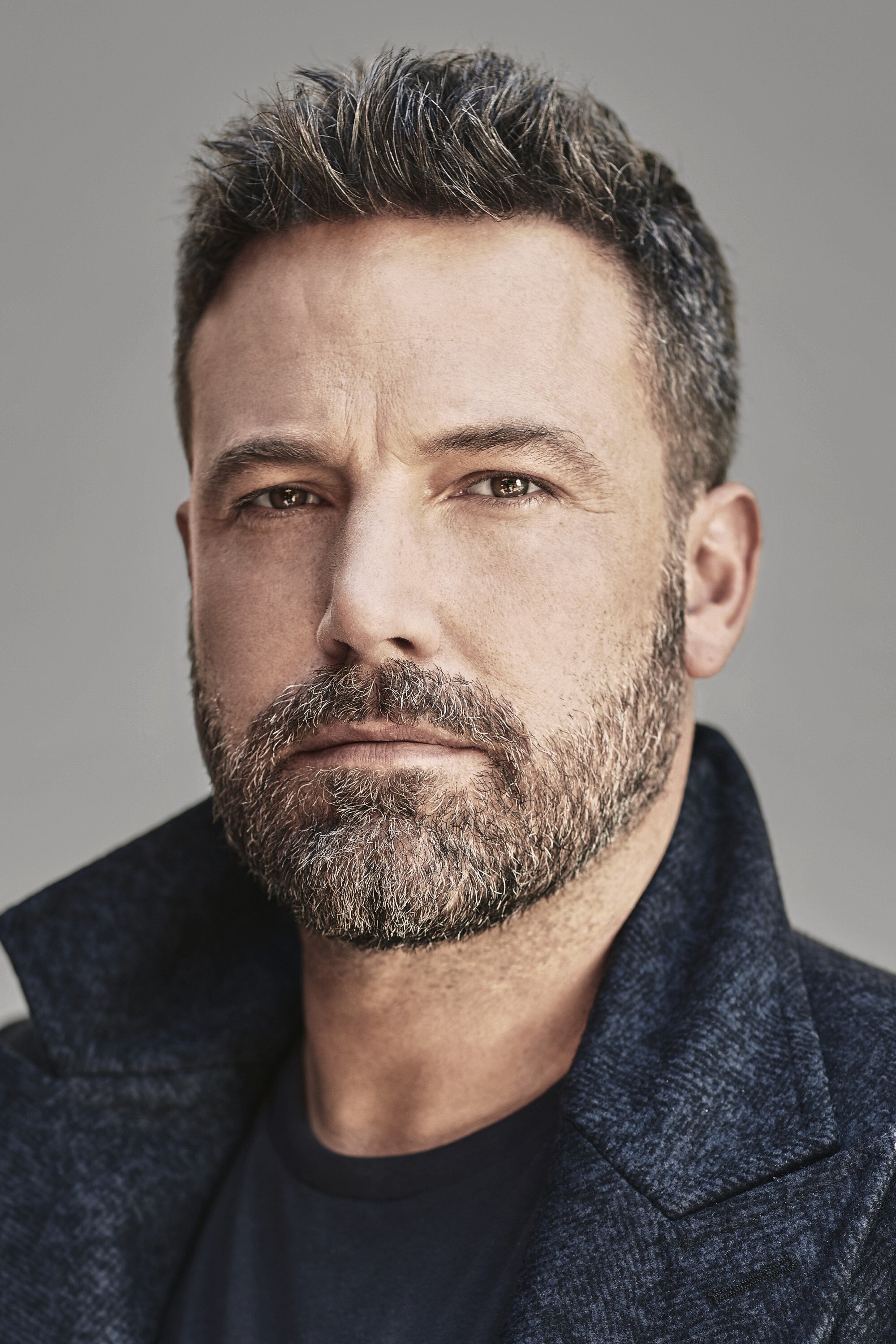
Affleck’s high profile relationships and candid paparazzi moments often eclipse his directing and acting streaks. Memes of red carpet expressions or coffee runs tend to crowd out film discussion. Very public ups and downs with blockbusters and franchise roles added to the noise. The nonstop tabloid cycle makes every promotional tour feel like a personal update rather than a film push.
Jared Leto
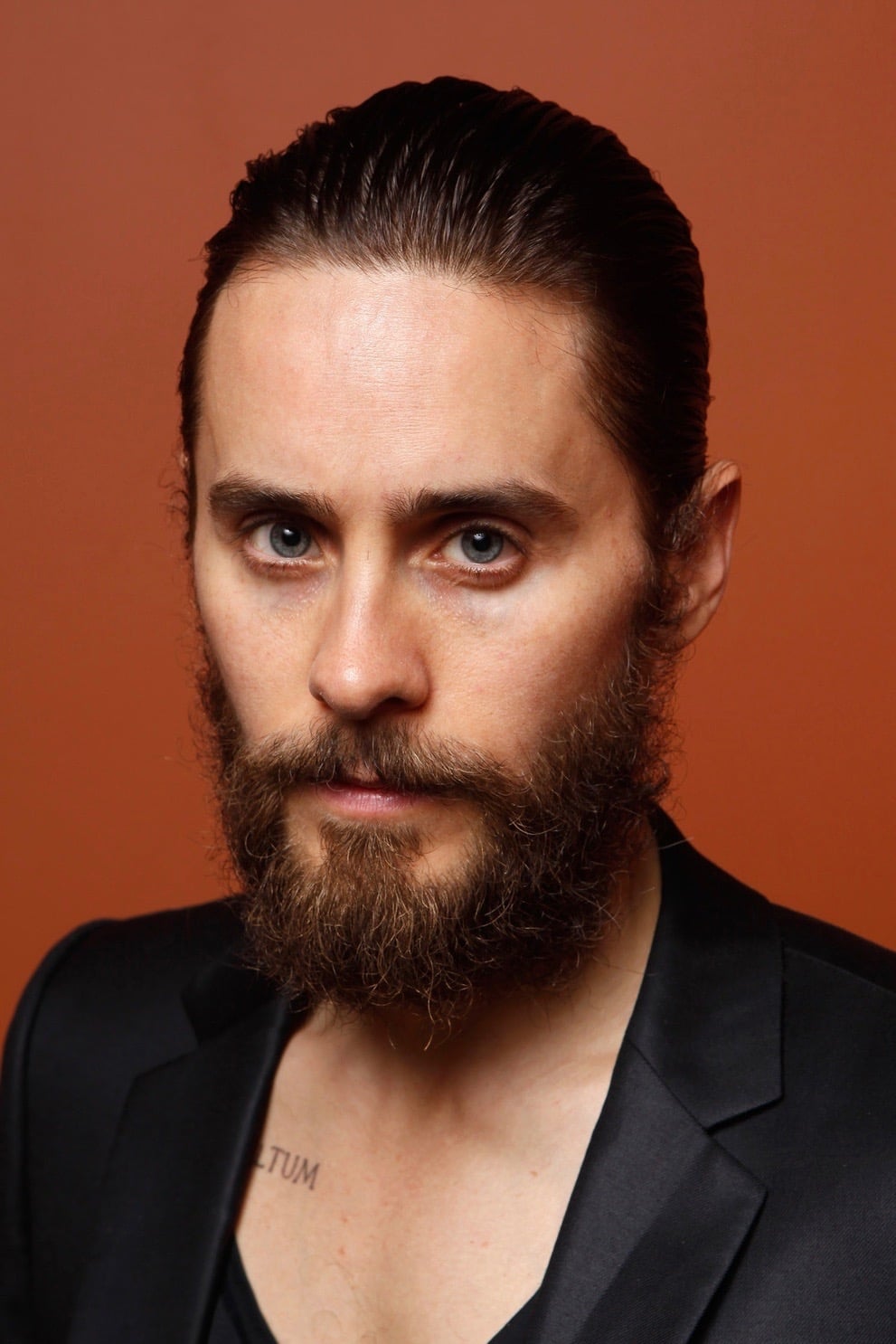
Leto’s method acting stories, like unusual gifts to co stars during ‘Suicide Squad’ promotion, drew headlines that outgrew the movie itself. His fashion and music events add more layers to an already busy public image. When ‘Morbius’ memes took over, they kept the focus on viral jokes instead of the role. The narrative around his process often becomes the main event.
Dwayne Johnson
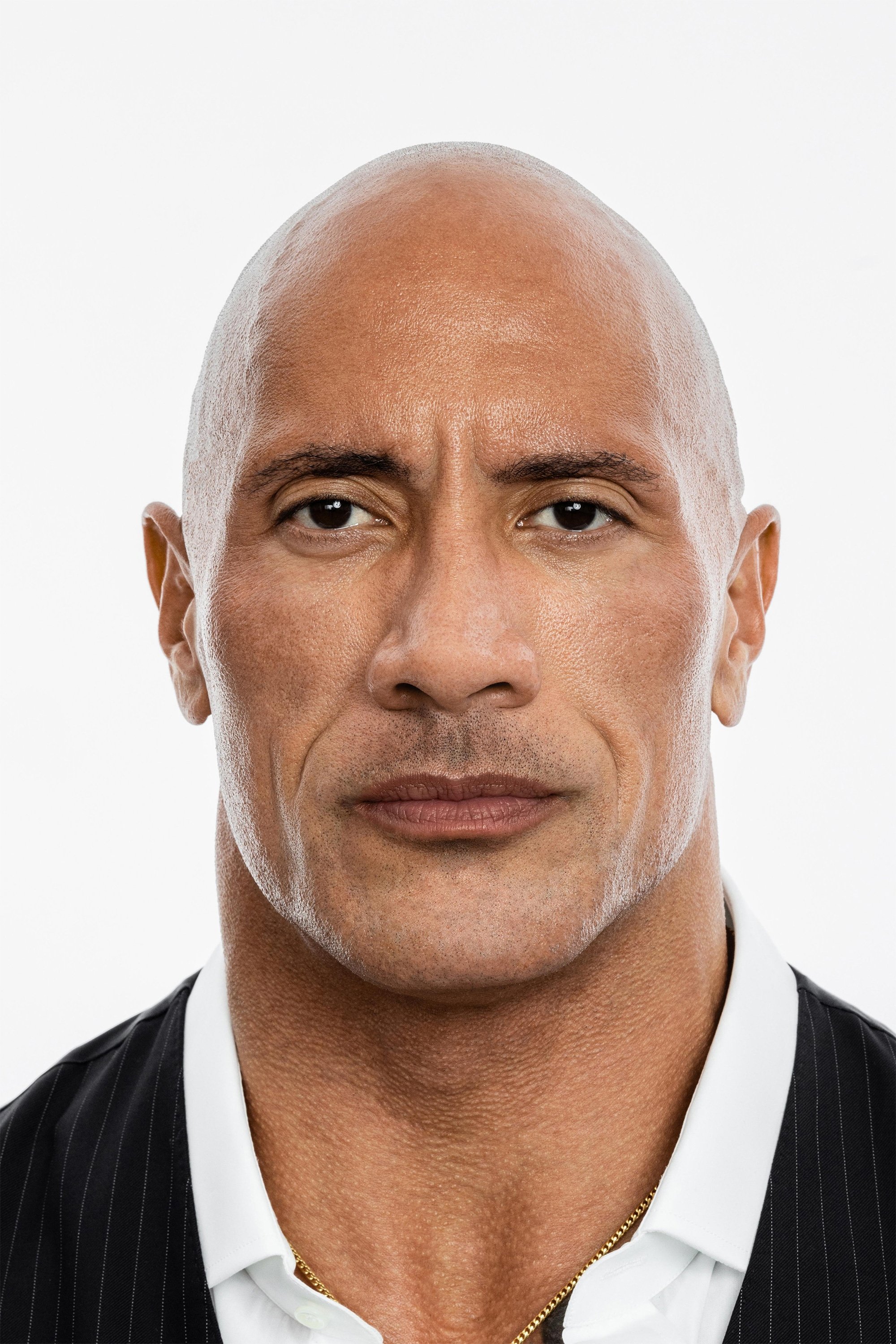
Johnson’s brand partnerships, gym updates, and tequila tie ins can flood feeds during release windows. Reports about creative control and producer clout on franchise sets surface whenever a project hits a snag. The public persona stays upbeat at all times, which some viewers find more corporate than candid. With multiple platforms promoting at once, the saturation can feel inescapable.
Ryan Reynolds
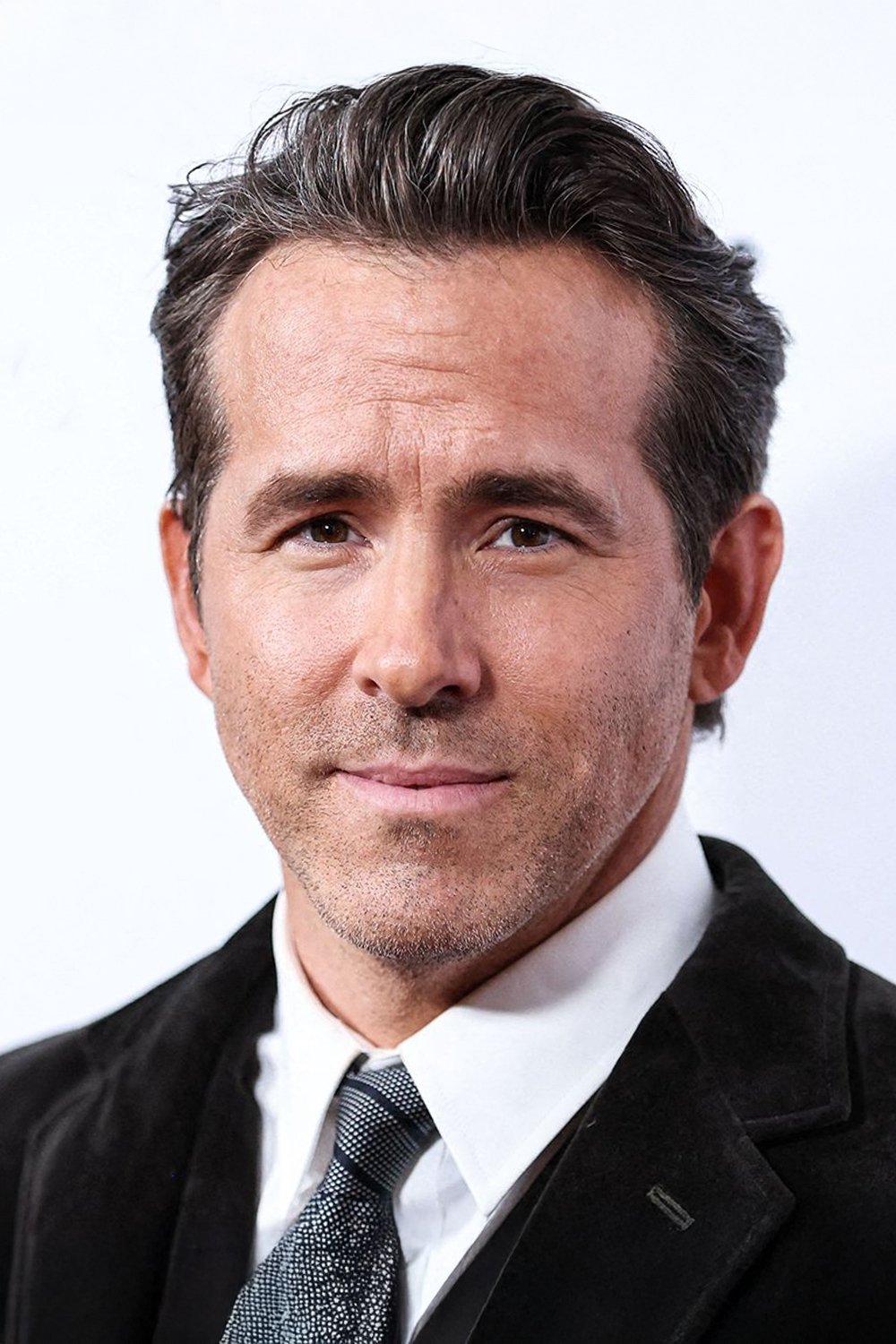
Reynolds leans into a quippy social media voice that mirrors his ‘Deadpool’ persona across ads and interviews. The cross promotion with business ventures means every post can double as marketing. Behind the scenes features often spotlight the same self aware humor that dominates press tours. For some audiences the constant bit blurs lines between character and person.
Chris Pratt
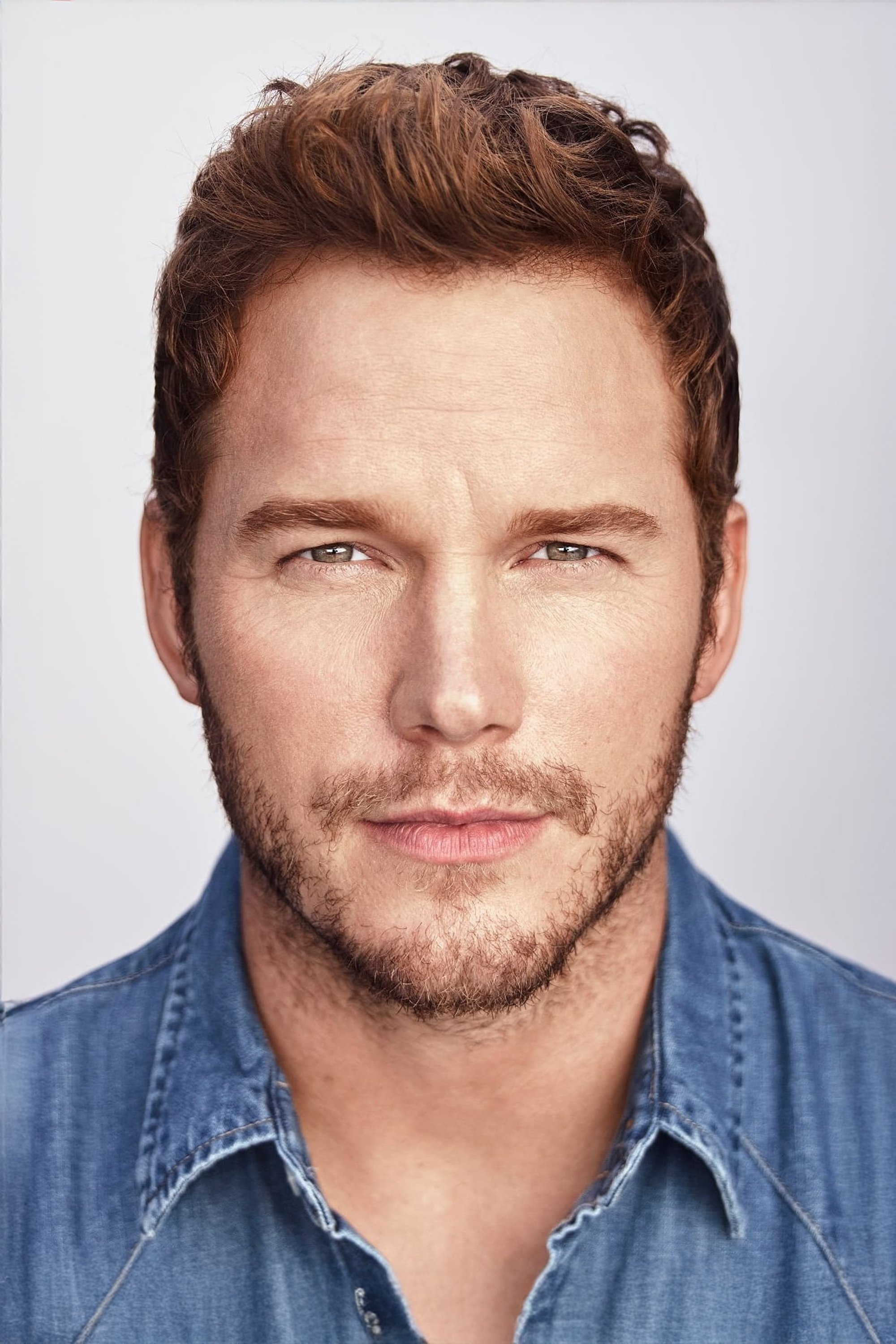
Pratt’s rapid shift from sitcom star to franchise lead brought attention to personal beliefs and church affiliations that fans debate online. Casting in beloved properties like ‘Jurassic World’ and ‘Guardians of the Galaxy’ kept him in the spotlight continuously. Social media posts and interviews are dissected for tone and subtext. The result is an ongoing culture war over perception more than performance.
Kevin Hart
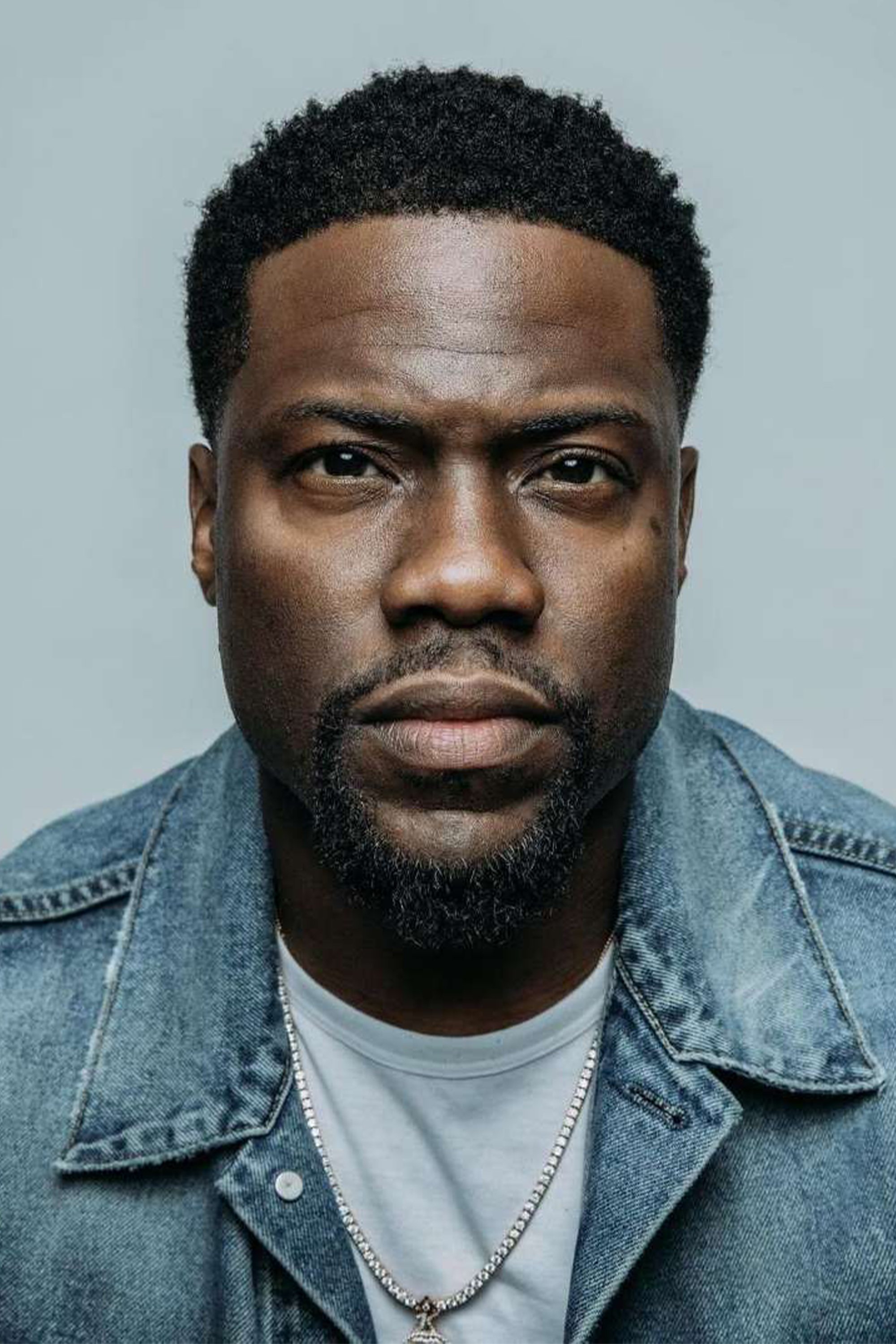
Hart’s stand up persona carries into talk shows, movies, and brand promotions with little variation. The Oscars hosting controversy and past tweets led to repeated apology tours and interviews. New releases often reopen older conversations that overshadow the work. His relentless schedule means there is always a new clip to debate.
Mark Wahlberg
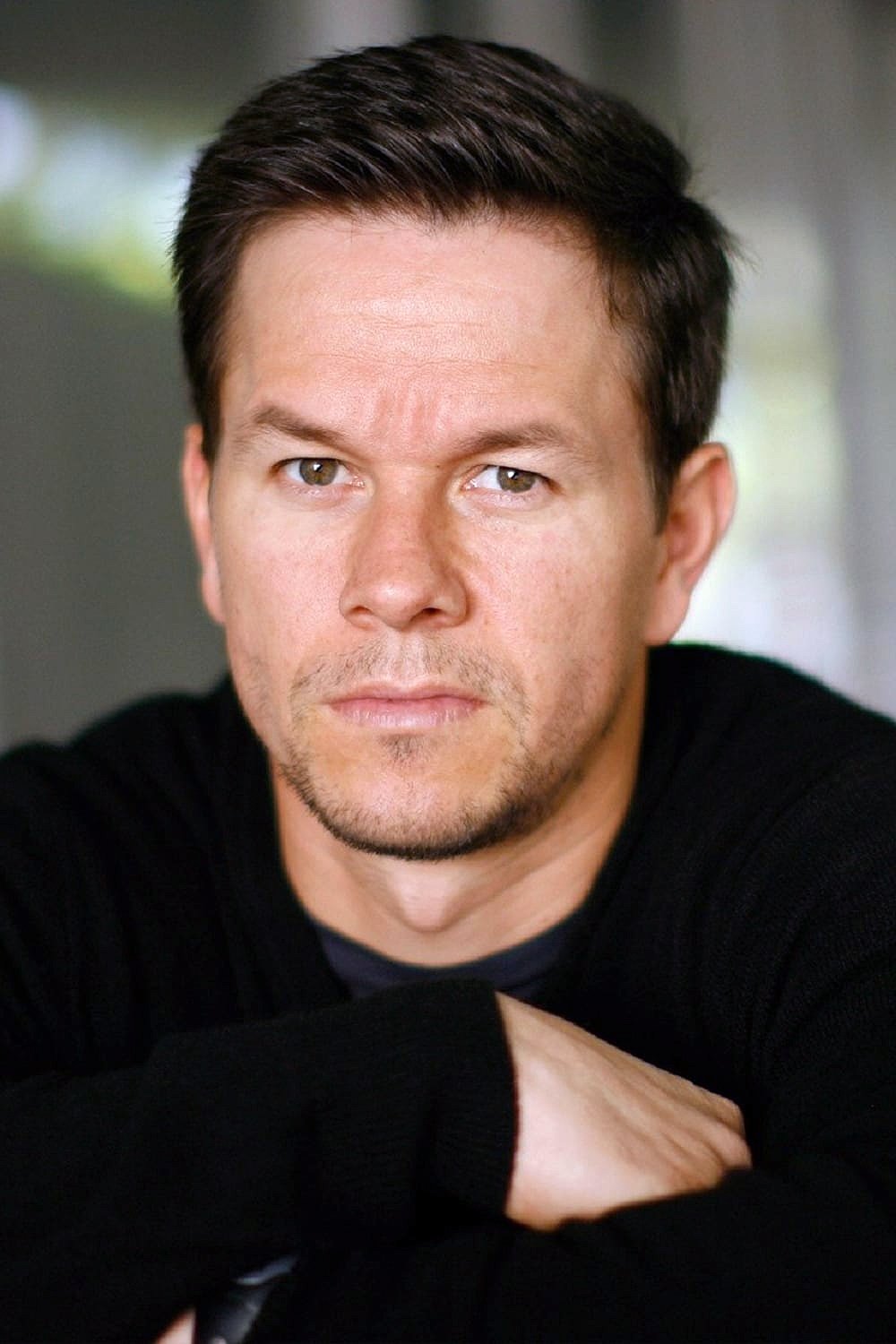
Wahlberg’s public image mixes fitness branding, business ventures, and tough guy roles that can feel formulaic in interviews. Past legal issues are revisited in profiles and social threads when he headlines a film. Promotional appearances often highlight routine and hustle talking points that repeat across projects. The messaging can seem more about the brand than the character.
Vin Diesel
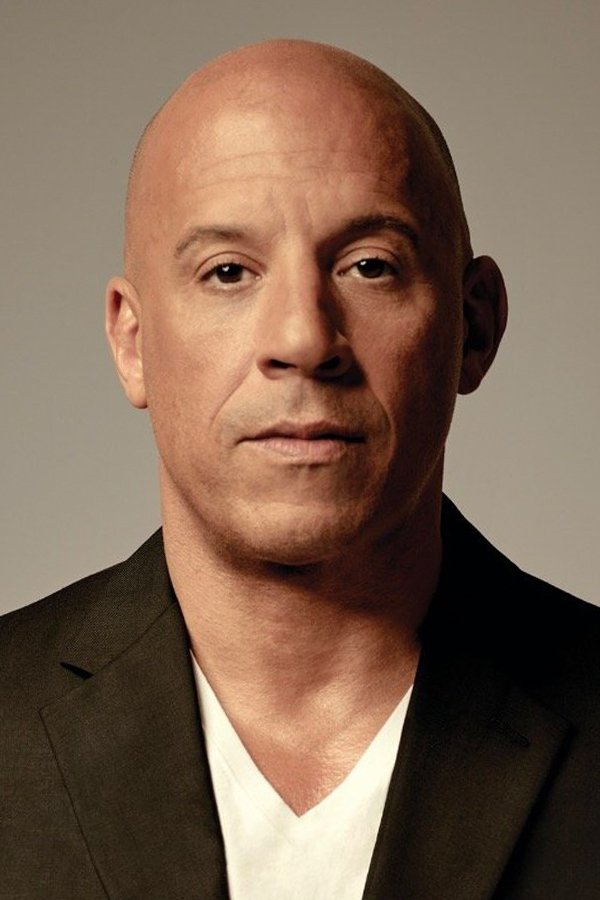
Diesel’s leadership role within the ‘Fast and Furious’ series led to widely discussed cast tensions and public posts about unity. Scheduling and creative disputes became part of the franchise narrative in entertainment coverage. Long social captions and behind the scenes teases sometimes create expectations that the films cannot match. The off screen drama lingers whenever a new sequel arrives.
Tom Hardy
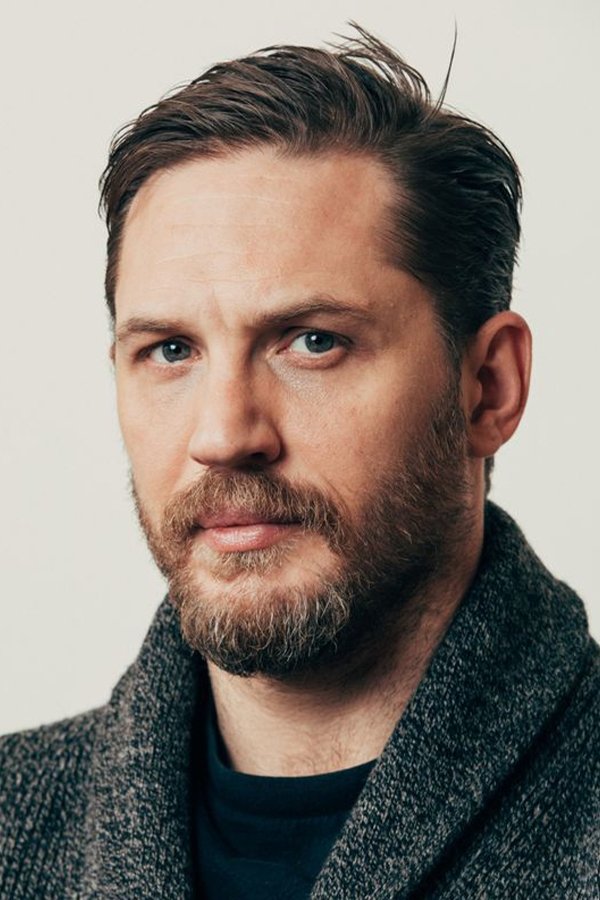
Hardy’s commitment to voices and physical transformations can come with interviews that give very little, which frustrates outlets. Mumbled delivery in certain films drew jokes that resurface during each release. Stories of abrupt exits from interviews keep a prickly image alive. The mystique works for roles but can cool audience goodwill during press cycles.
Joaquin Phoenix
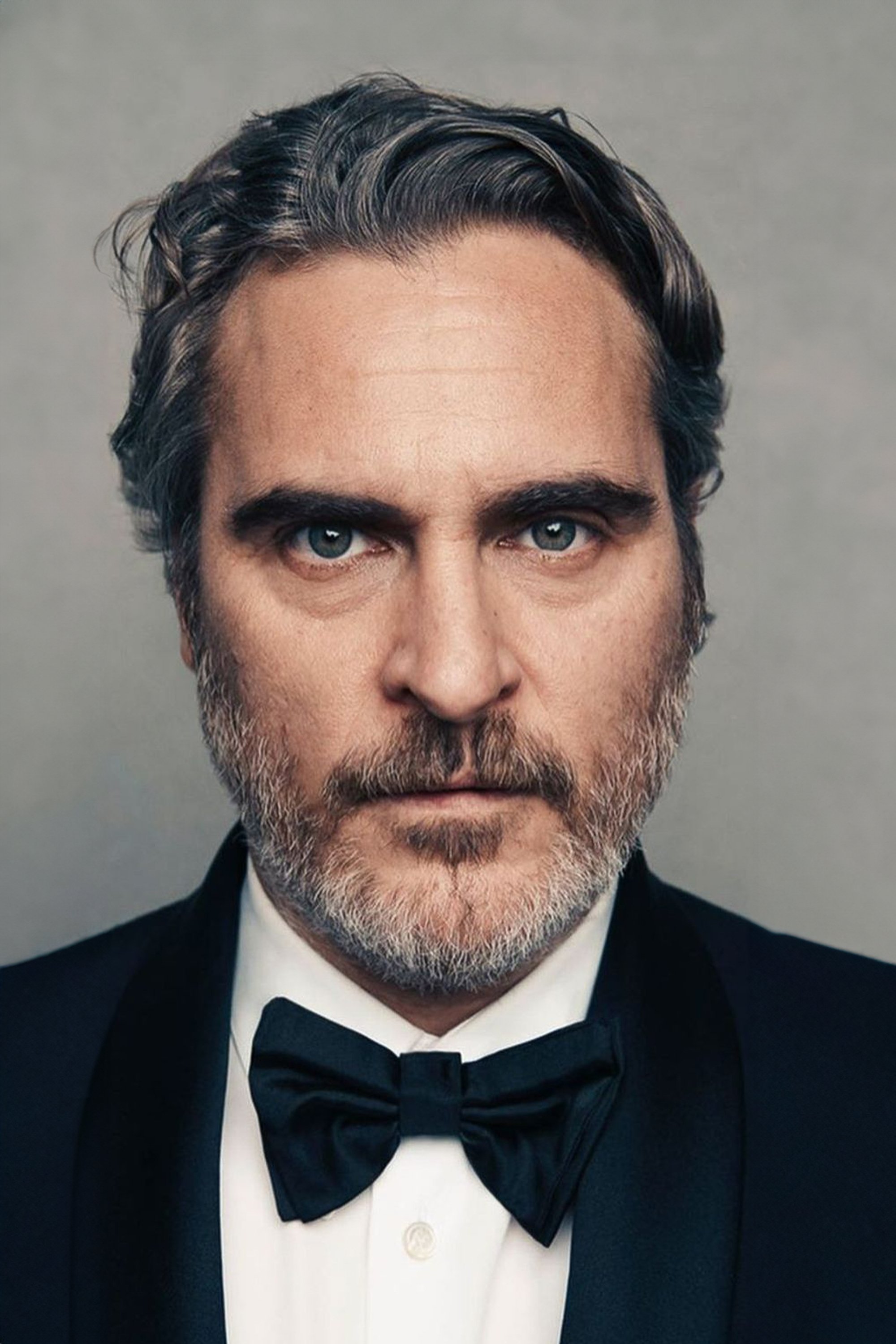
Phoenix’s performance art period around ‘I’m Still Here’ and tense talk show moments left a lasting impression. Awards season speeches and late night appearances can feel intentionally uncomfortable. The method reputation invites scrutiny that follows him from project to project. Public curiosity about his process can eclipse discussion of the ensemble and the craft of others.
Scarlett Johansson
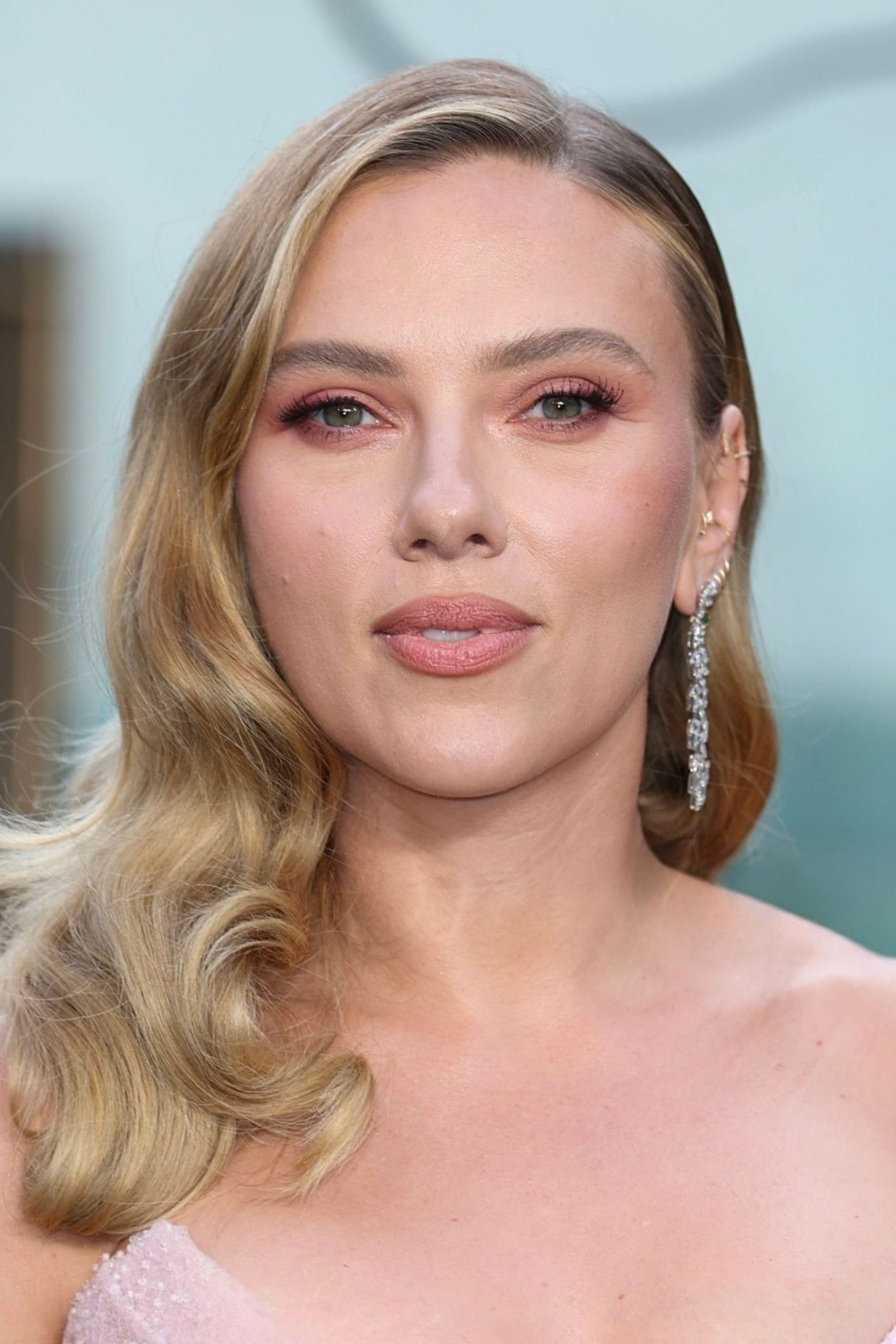
Johansson faced sustained criticism over casting choices that touched on identity and representation. Comments about the freedom to play any person reignited debates during multiple promo windows. Each new project invites think pieces that revisit earlier decisions. The pattern keeps controversies in circulation long after the films leave theaters.
Gal Gadot

Gadot’s celebrity sing along video during the early pandemic drew heavy backlash and remains a reference point in profiles. As the face of ‘Wonder Woman’, expectations around public statements became unusually high. Brand partnerships and campaigns sometimes overshadow film updates. The combination keeps her trending for reasons beyond the work.
Jason Momoa
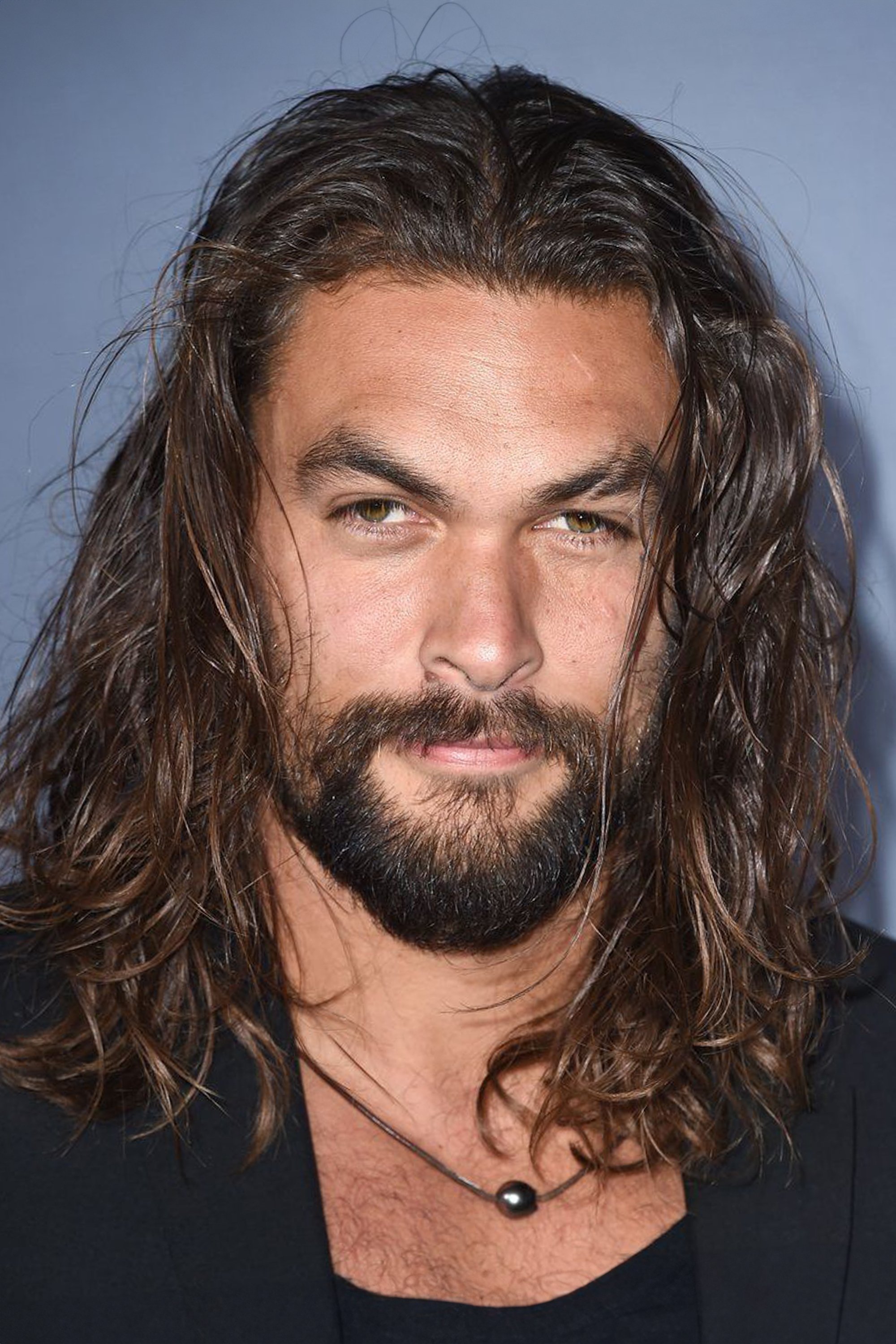
Momoa’s bro friendly public persona can crowd out discussion of range when he promotes tentpole releases. Endless clips of pranks and party moments dominate social feeds during tours. When projects stumble, the tone gets blamed for overselling spectacle. The media focus stays on charisma rather than craft, which invites skepticism.
Jonah Hill
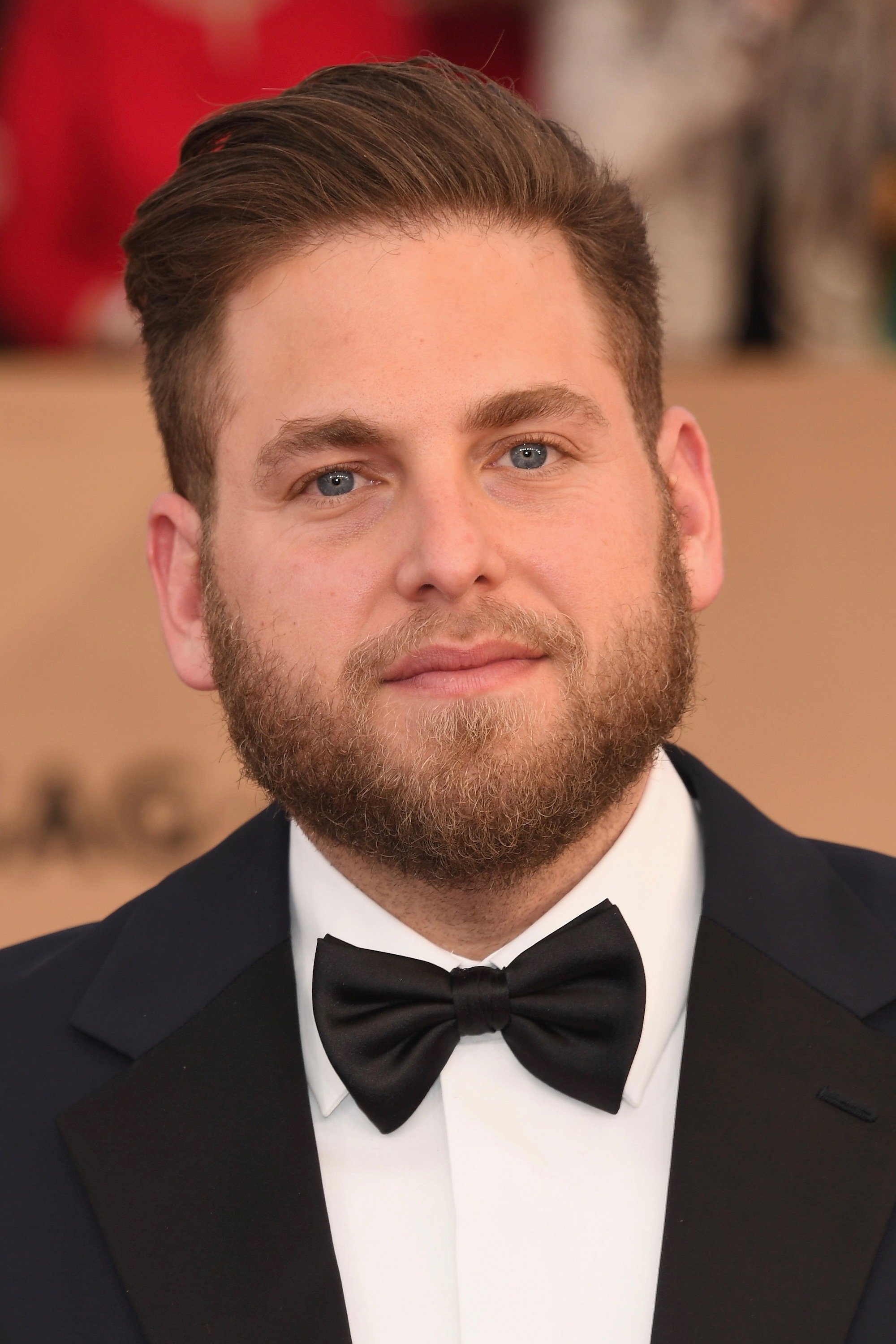
Hill’s evolving public image includes weight loss headlines, style coverage, and separate debates over private text exchanges that became public. A later request for the press to avoid body talk shifted the conversation again. Interviews about boundaries and mental health were followed by new waves of discourse. Each cycle pulls attention away from the films and back to personal narratives.
Share who you would add to the list in the comments and tell us why they belong there.