Top 20 Worst Buddy Cop Films

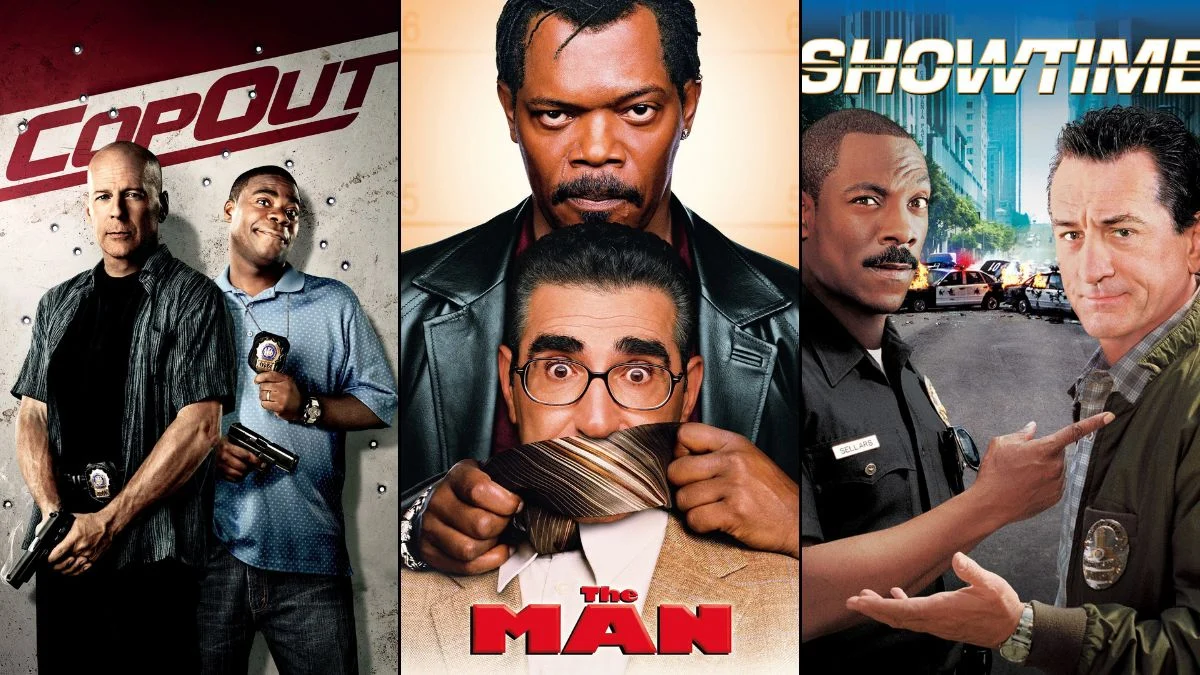

Buddy cop movies can be a blast, but not every odd-couple team clicks on the case. This list rounds up titles where mismatched partners, messy production choices, or flat jokes kept the sparks from flying. You will find remakes that struggled to translate, sequels that ran out of steam, and high-concept pairings that never quite gelled. Consider it a guided tour through misfires that show just how tricky this formula can be.
‘Cop Out’ (2010)
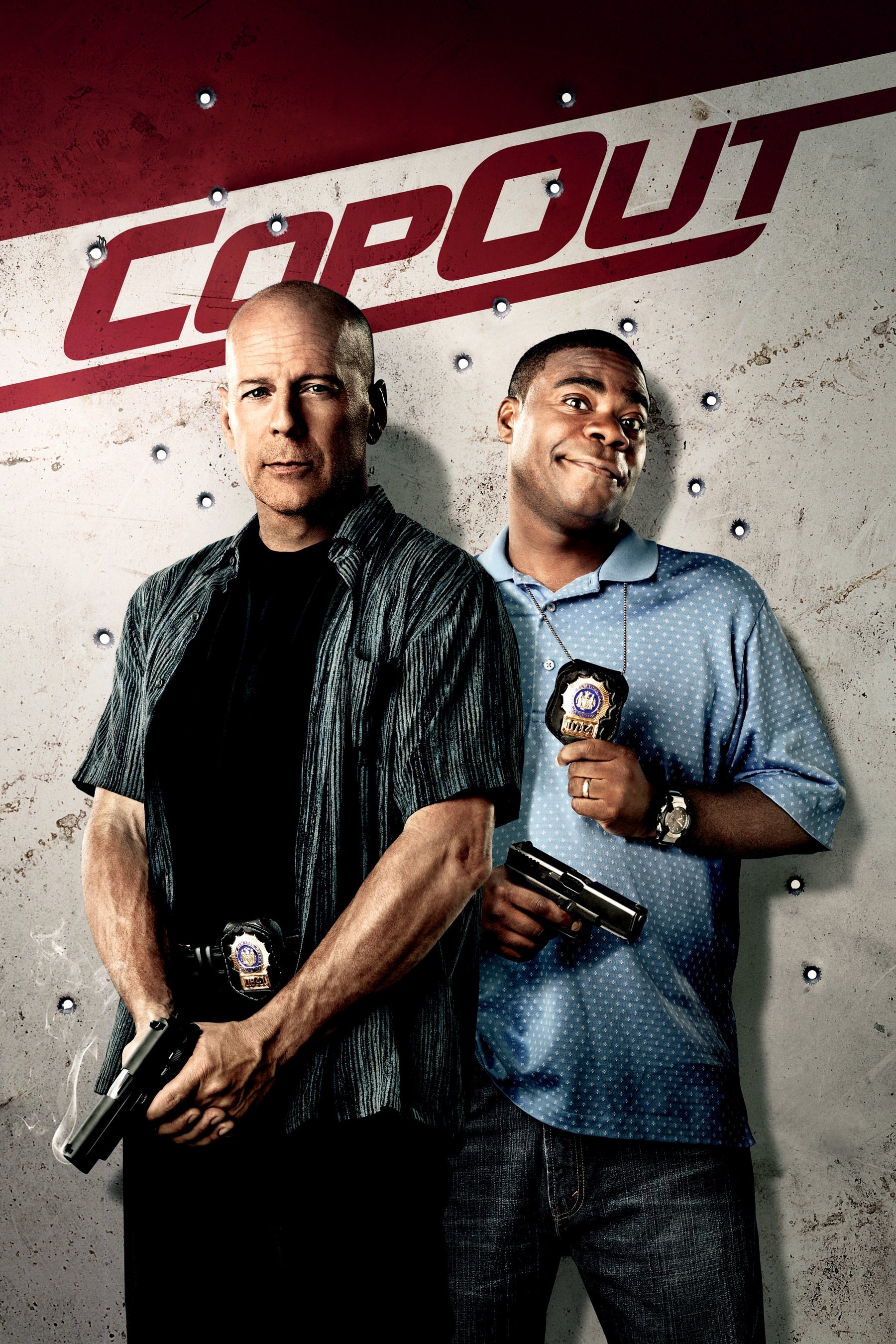
Directed by Kevin Smith, this action comedy pairs Bruce Willis with Tracy Morgan as longtime partners searching for a stolen baseball card. The film leans on rapid-fire banter and borrowed genre beats rather than character development. Production was notable for behind-the-scenes tensions that later became widely discussed. Critics cited thin plotting and an overreliance on pop culture riffs.
‘Showtime’ (2002)
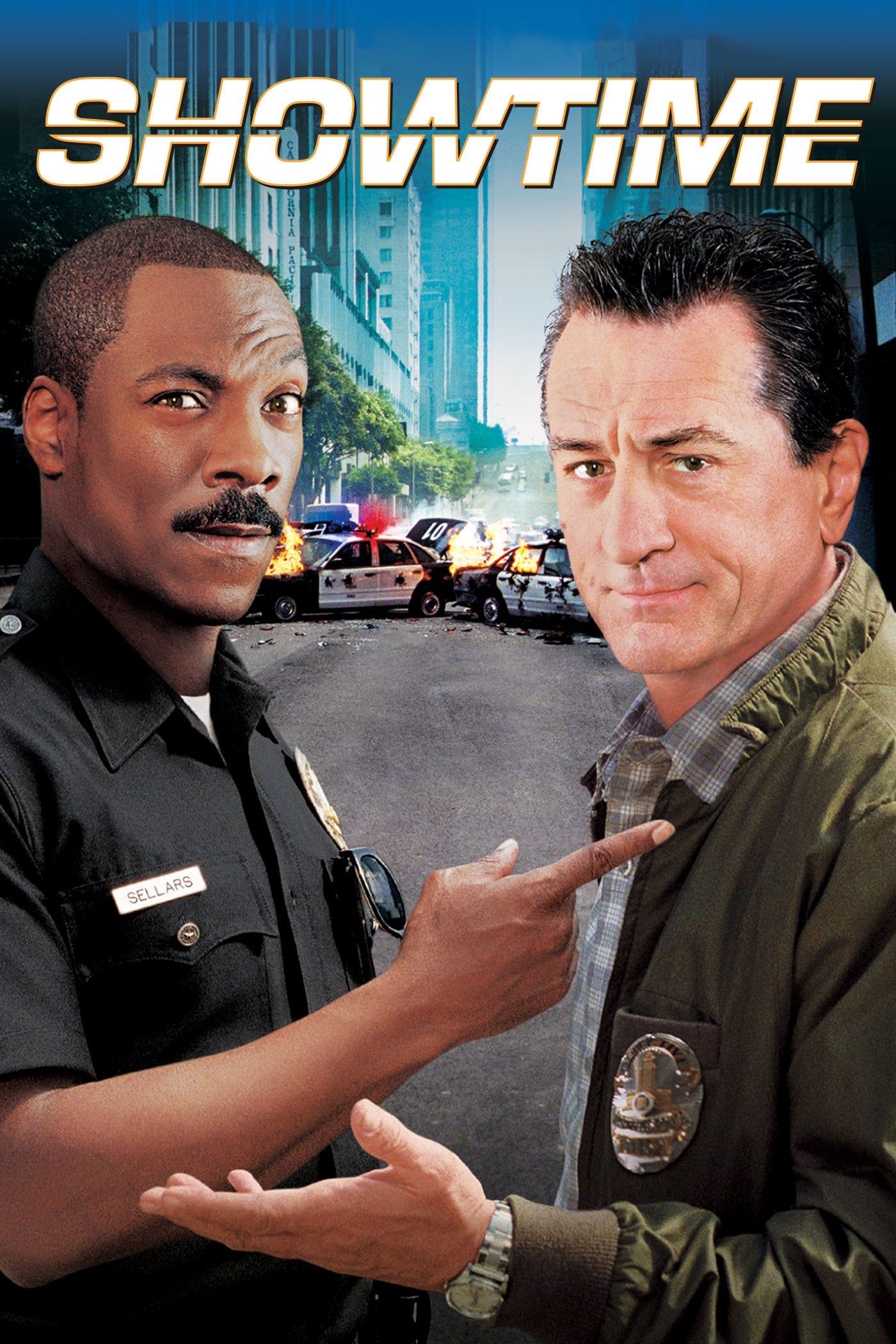
Robert De Niro and Eddie Murphy headline as a gruff detective stuck on a reality TV cop show with a showboating partner. Director Tom Dey frames the story as a satire of televised policing and celebrity culture. The movie features elaborate set pieces and studio backlot flair. Reviews highlighted a mismatch between the stars’ styles and a soft satirical edge.
‘The Man’ (2005)
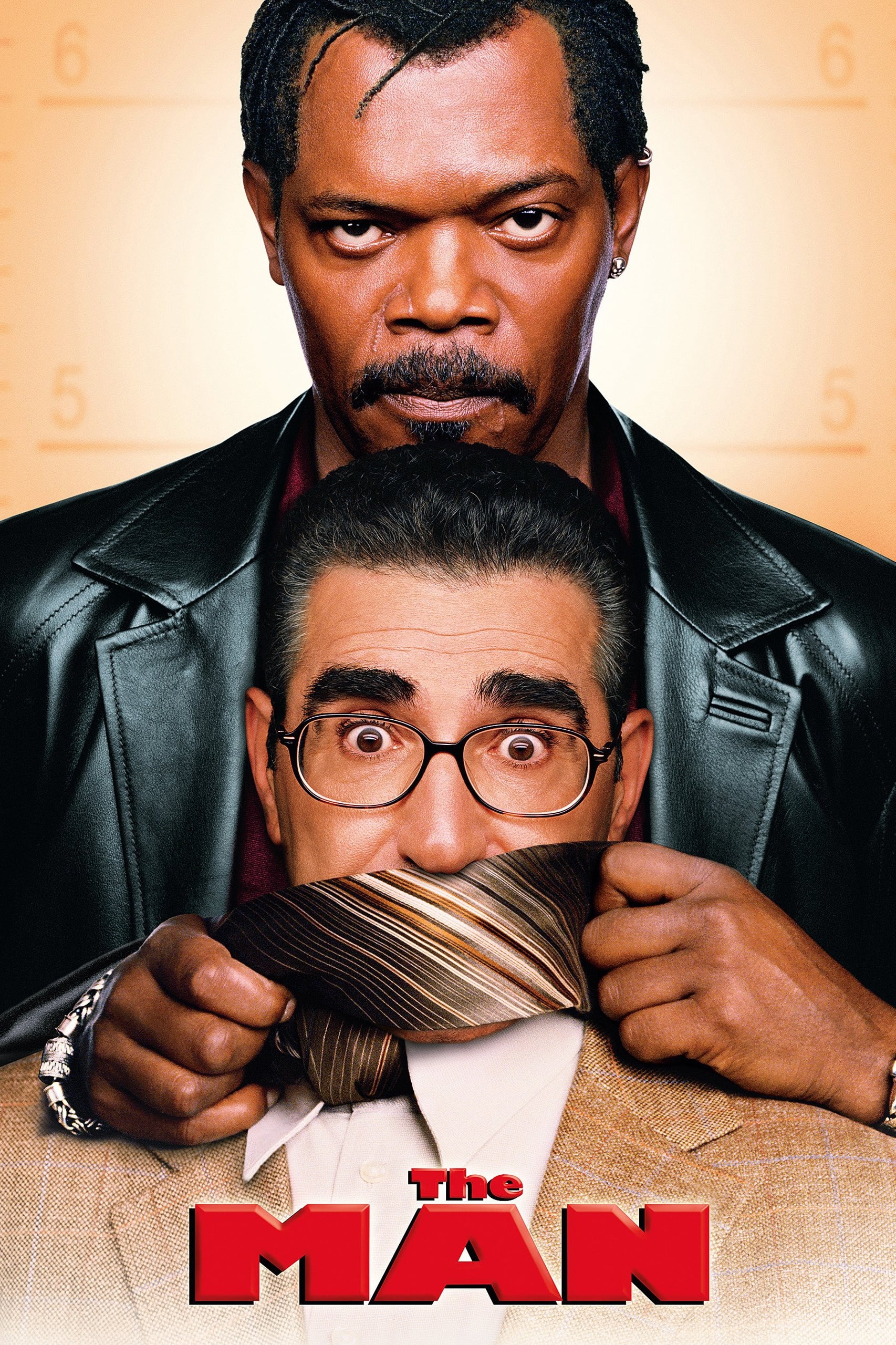
Samuel L. Jackson plays a tough federal agent forced to team up with a timid dental supplies salesman played by Eugene Levy. The plot hinges on mistaken identity during an arms deal and a road trip through a crime ring. Director Les Mayfield pushes fish-out-of-water gags over procedural momentum. The comedic rhythm never found consistency, which undercut the odd-couple dynamic.
‘Hollywood Homicide’ (2003)
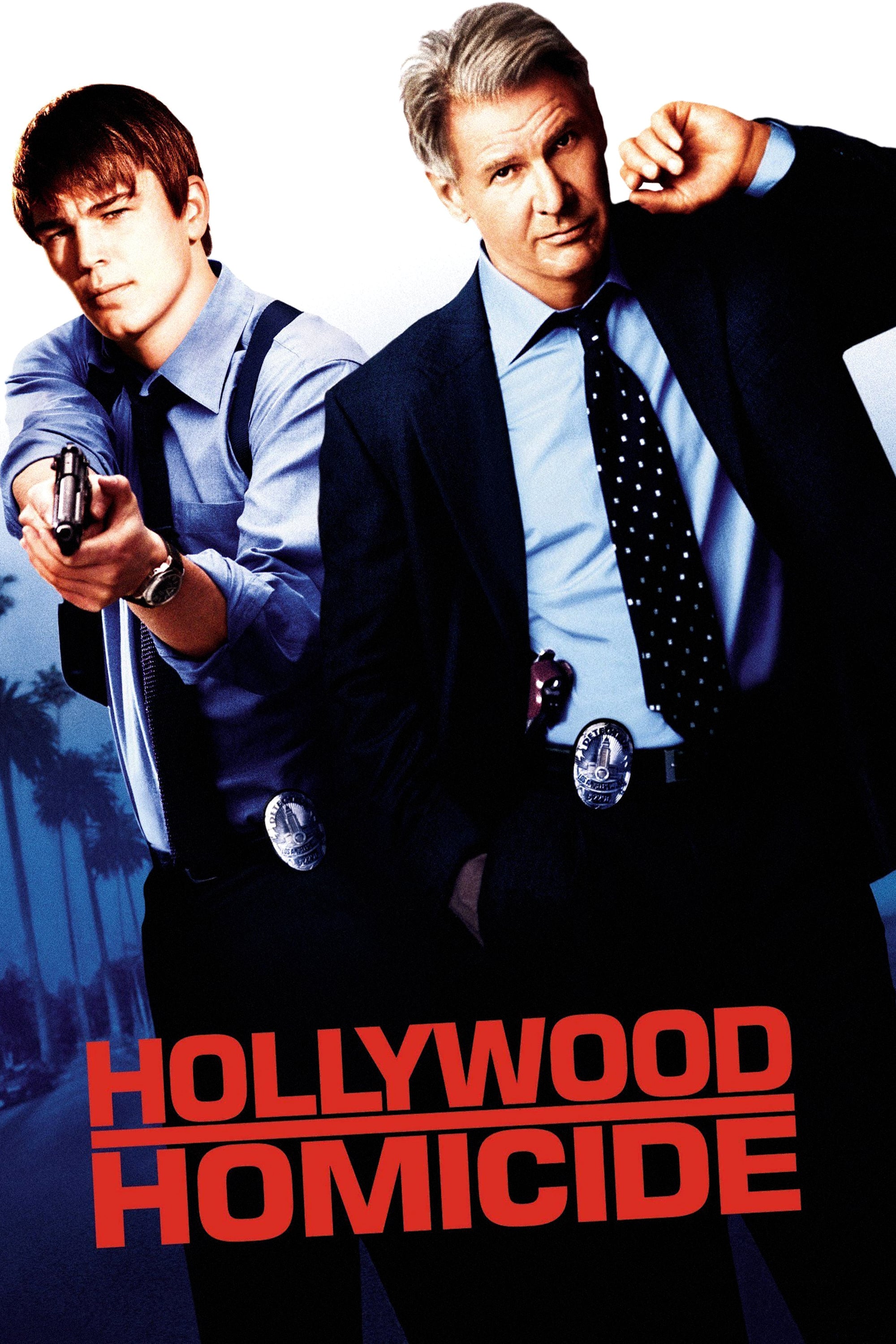
Harrison Ford and Josh Hartnett star as overextended detectives juggling a rap-industry murder case with side hustles. Director Ron Shelton blends showbiz satire with a standard investigation. The movie spends significant time lampooning the entertainment business rather than building suspense. Mixed-to-poor reception focused on meandering pacing and tonal drift.
‘National Security’ (2003)
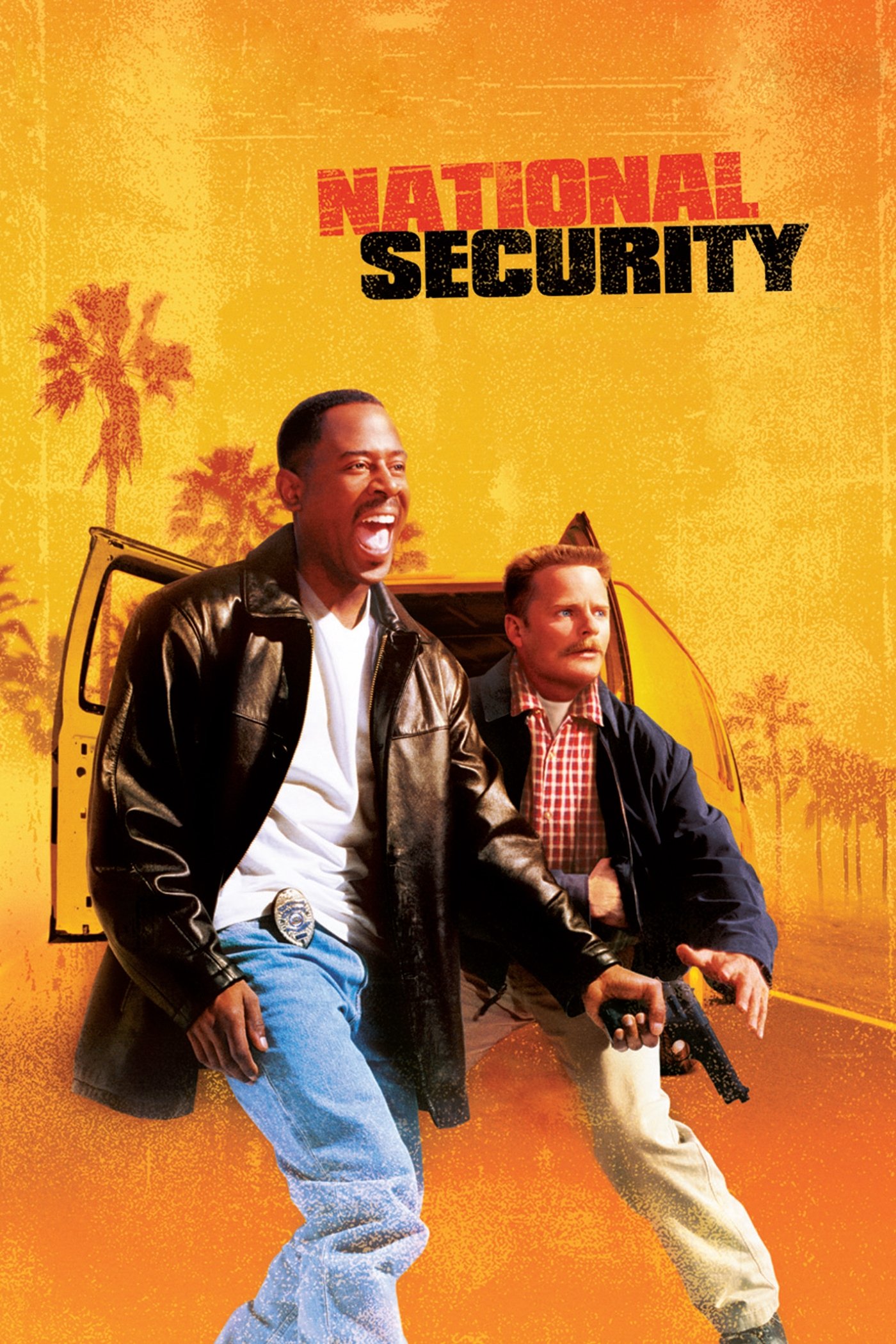
Martin Lawrence and Steve Zahn play security guards who keep stumbling into a smuggling conspiracy. Dennis Dugan directs a plot that pivots on misunderstandings and broad slapstick. The action beats are frequent but rarely escalate the stakes in meaningful ways. Audiences noted repetitive jokes and a thin mystery.
‘CHiPs’ (2017)
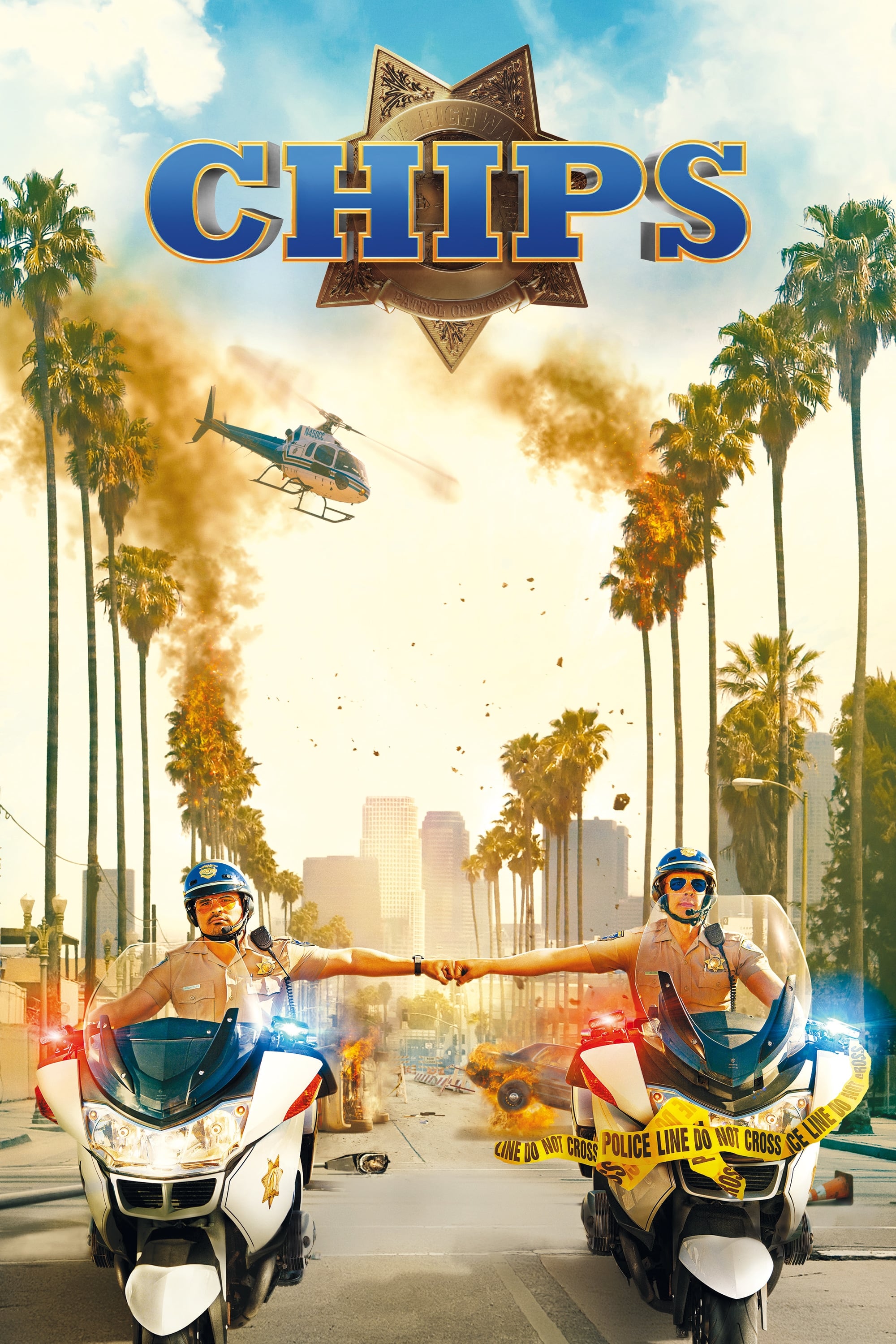
This big-screen reboot casts Dax Shepard and Michael Peña as highway patrol partners with clashing methods. Shepard writes and directs, updating the property with raunchy humor and motorcycle stunt work. The film shifts away from procedural structure toward buddy hijinks. Critical response flagged uneven tone and an overreliance on crude gags.
‘Let’s Be Cops’ (2014)
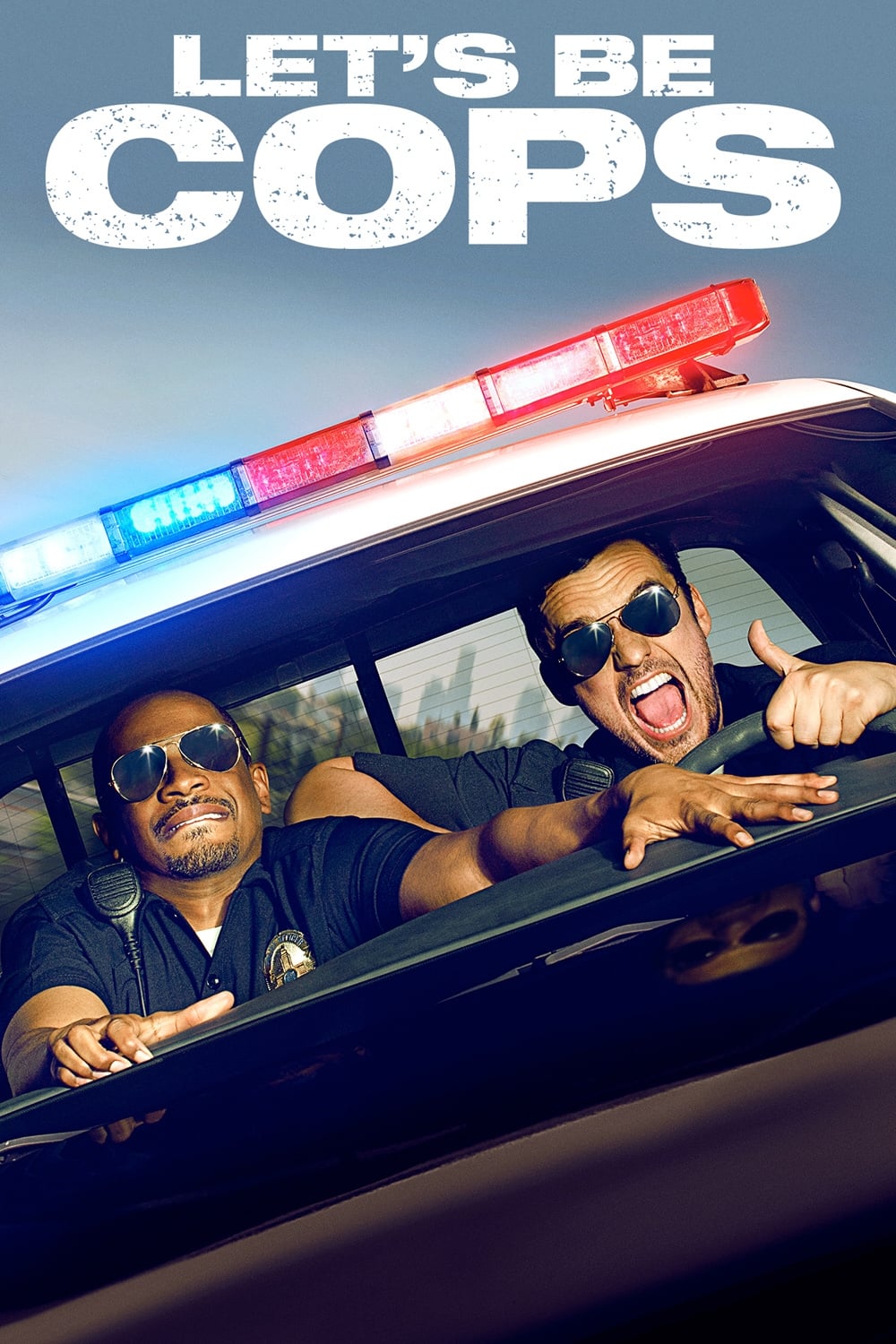
Jake Johnson and Damon Wayans Jr. play friends who impersonate officers and get pulled into a real investigation. Luke Greenfield directs a story built on mistaken authority and escalating lies. The movie doubles down on party vibes rather than nuanced character arcs. It drew flak for leaning on a single joke and skirting the ethics of its premise.
‘Taxi’ (2004)
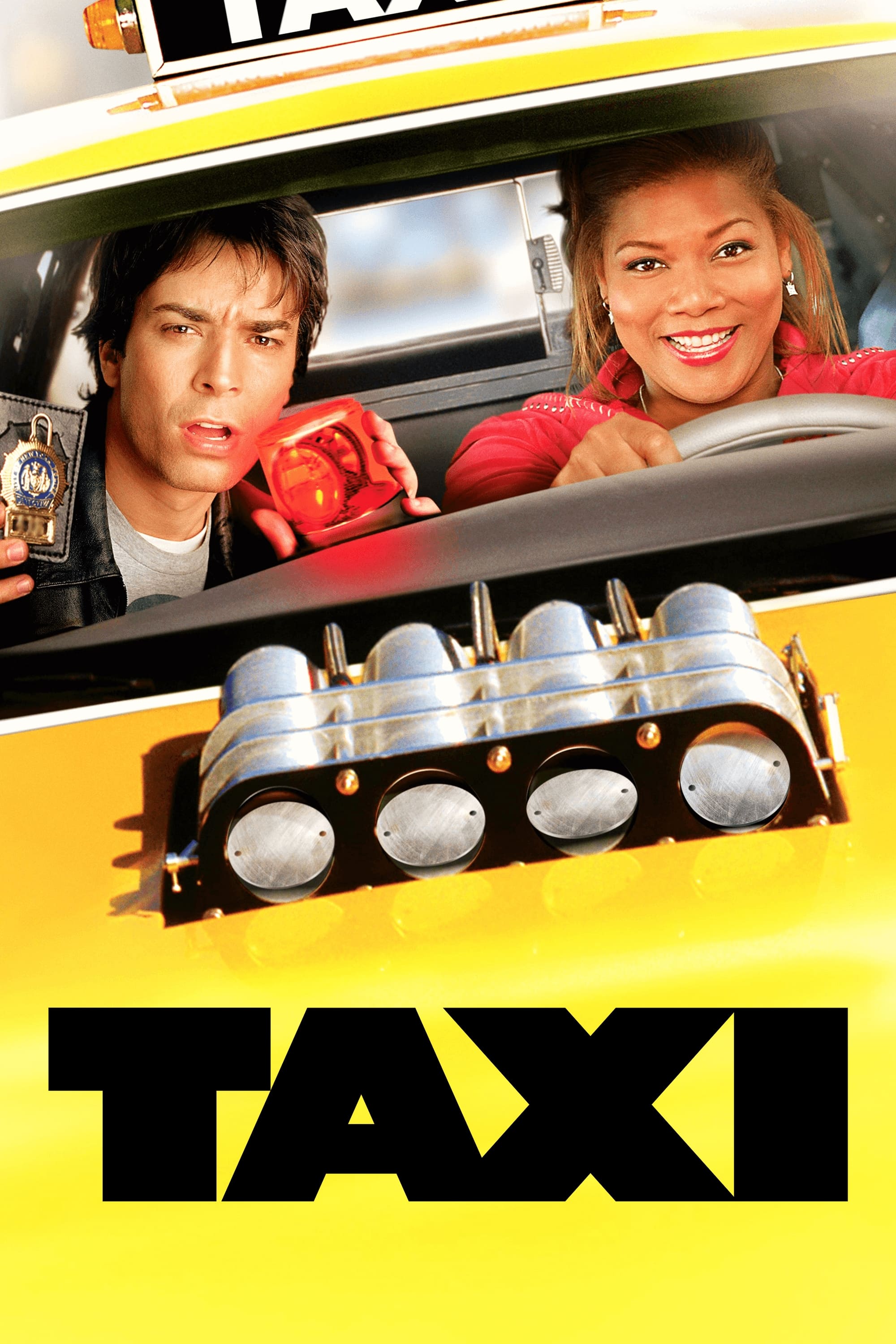
Queen Latifah teams with Jimmy Fallon in a remake where a cab driver helps a bumbling officer chase a gang of thieves. Tim Story directs high-energy car chases and Manhattan street action. The script emphasizes slapstick and musical interludes over detective work. Viewers found the chemistry undercooked and the set pieces repetitive.
‘Loose Cannons’ (1990)

Gene Hackman and Dan Aykroyd play mismatched detectives tracking a sinister tape tied to political intrigue. Director Bob Clark mixes broad comedy with spy-thriller elements. Aykroyd’s character is written with sudden persona shifts that steer scenes off course. The tonal blend left audiences confused and critics unimpressed.
‘Collision Course’ (1989)

Jay Leno and Pat Morita pair up as Detroit and Tokyo investigators chasing a stolen engine prototype. Director Lewis Teague sets up a cross-cultural buddy formula with warehouse brawls and factory chases. The release suffered delays and edits that blunted momentum. Reviews pointed to flat jokes and clunky action staging.
‘Stop! Or My Mom Will Shoot’ (1992)
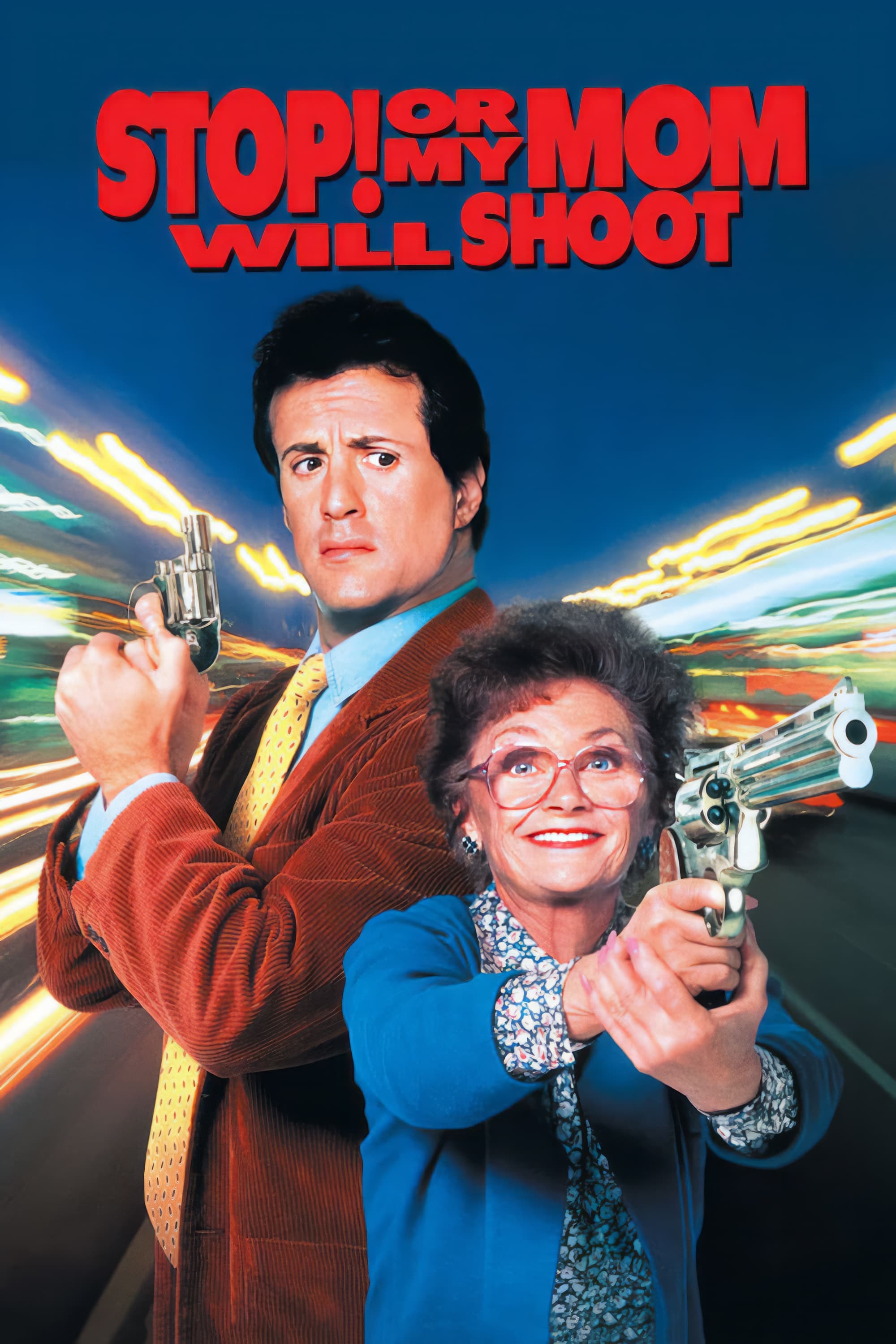
Sylvester Stallone plays a by-the-book cop whose overbearing mother, played by Estelle Getty, tags along on cases. Roger Spottiswoode leans into family sitcom humor inside a police plot. Firearm gags and domestic misunderstandings take center stage over detective craft. The concept overshadowed character logic and audience goodwill.
‘R.I.P.D.’ (2013)
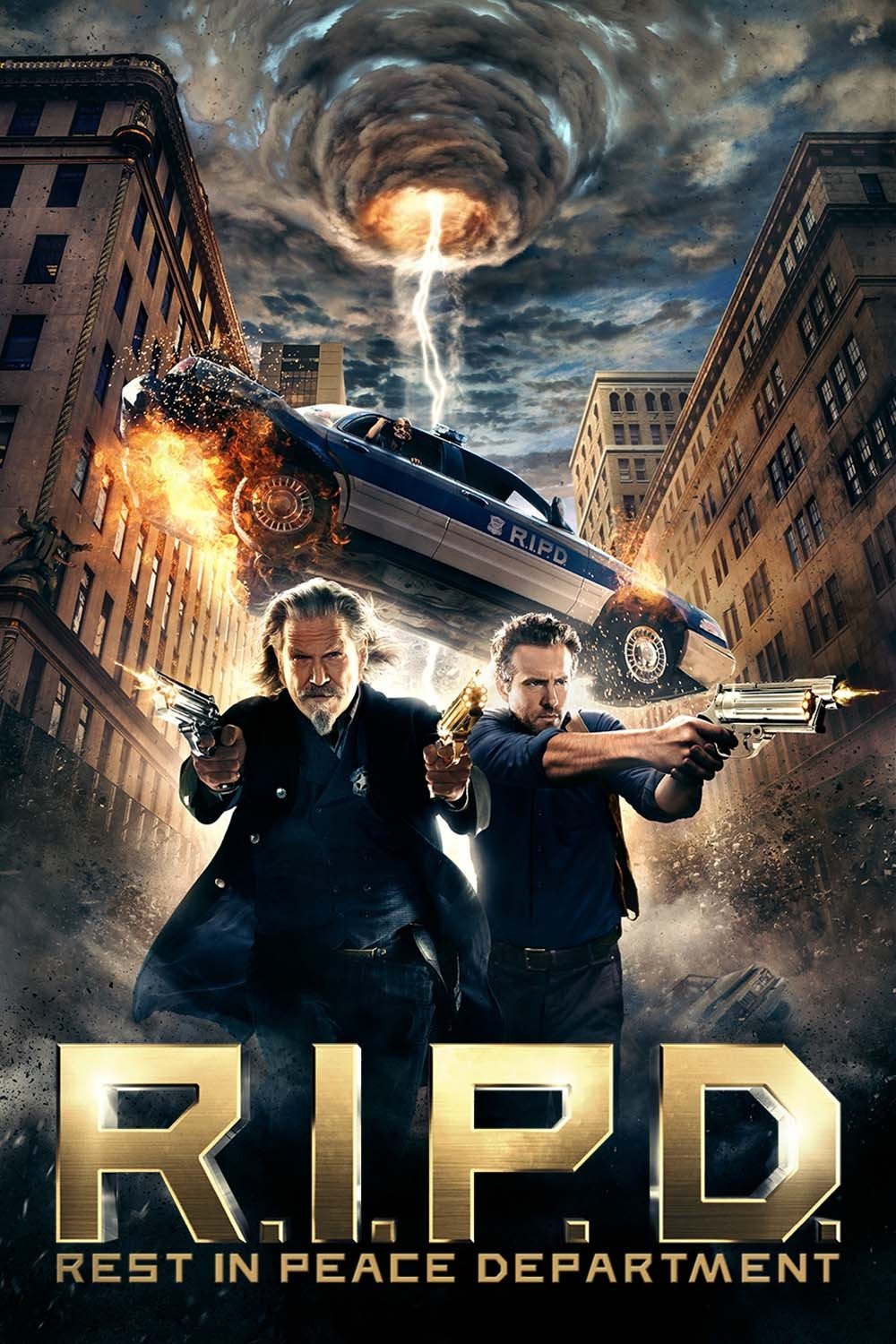
Ryan Reynolds and Jeff Bridges portray deceased lawmen drafted into a supernatural police force. Director Robert Schwentke builds a world of afterlife bureaucracy and cartoonish monsters. The movie borrows heavily from other paranormal franchises without adding sharper rules. The visual effects showpieces could not mask a thin emotional core.
‘I Spy’ (2002)
Owen Wilson and Eddie Murphy team up as a secret agent and a celebrity boxer pulled into espionage. Betty Thomas directs a loose remake that swaps the original’s dynamic for broad showbiz comedy. Plotting revolves around a stolen aircraft and a European caper. The humor often pauses the mission rather than propelling it.
‘Wild Wild West’ (1999)
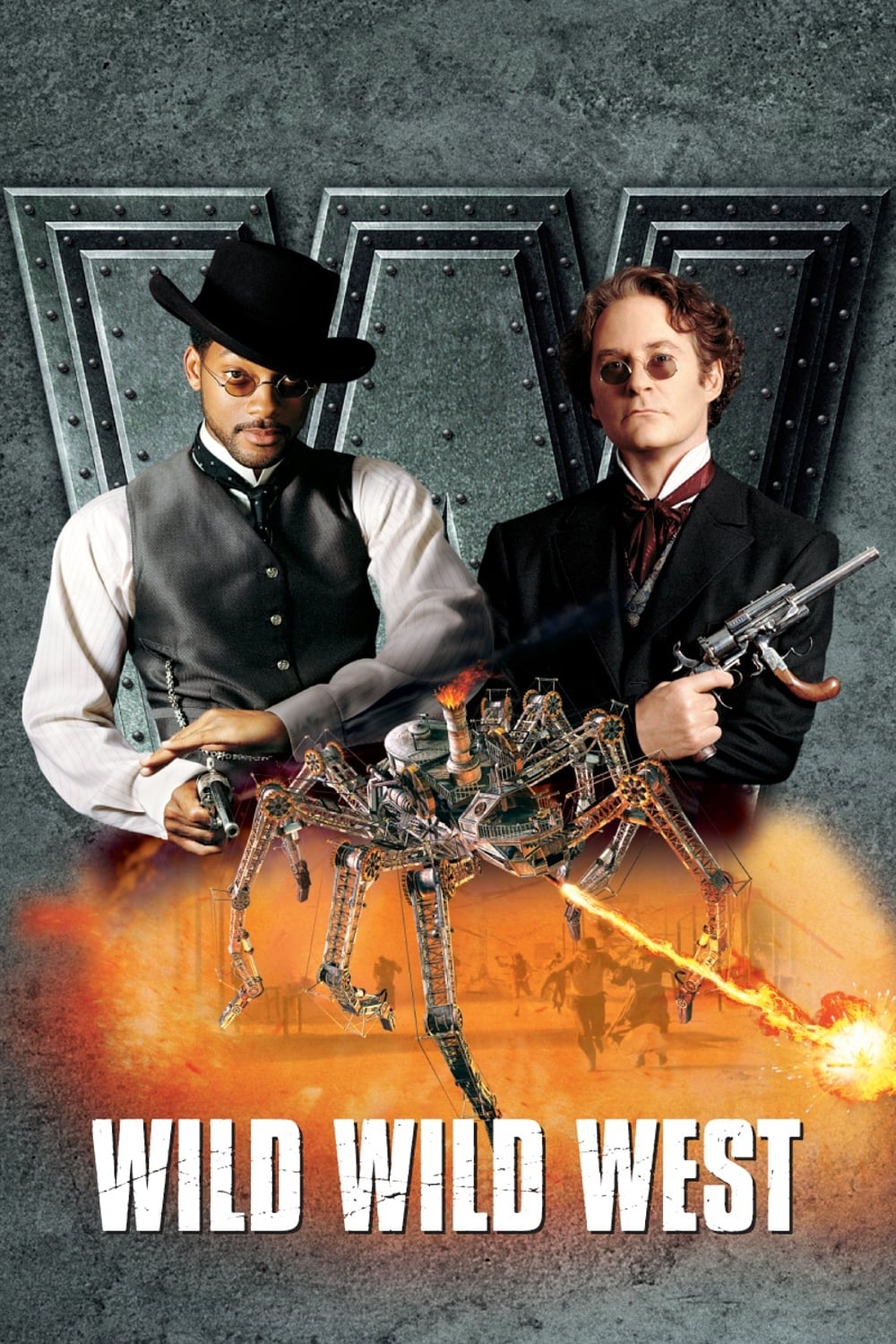
Will Smith and Kevin Kline play frontier agents chasing a mad inventor with steampunk weaponry. Barry Sonnenfeld stages elaborate mechanical contraptions and grand set pieces. The screenplay juggles spy gadgets, western tropes, and offbeat villainy without a steady throughline. The final act spectacle drew attention for scale more than coherence.
‘Money Train’ (1995)
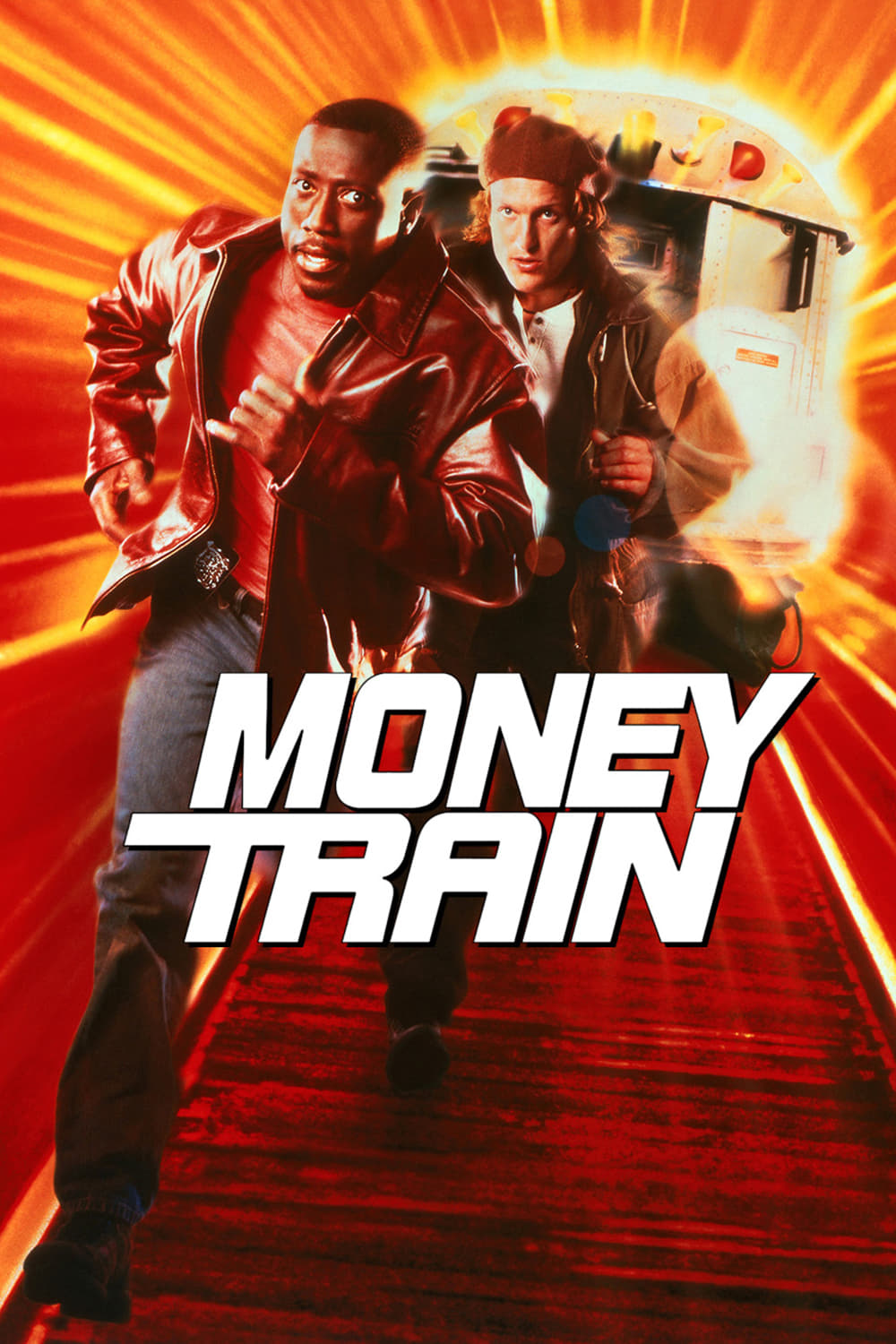
Wesley Snipes and Woody Harrelson star as transit cops whose personal debts and rivalries collide with a subway heist. Director Joseph Ruben mounts practical train sequences and urban chases. The story balances sibling tension with procedural beats but never fuses them tightly. Reaction centered on familiar plotting and underused locations.
‘Bulletproof’ (1996)
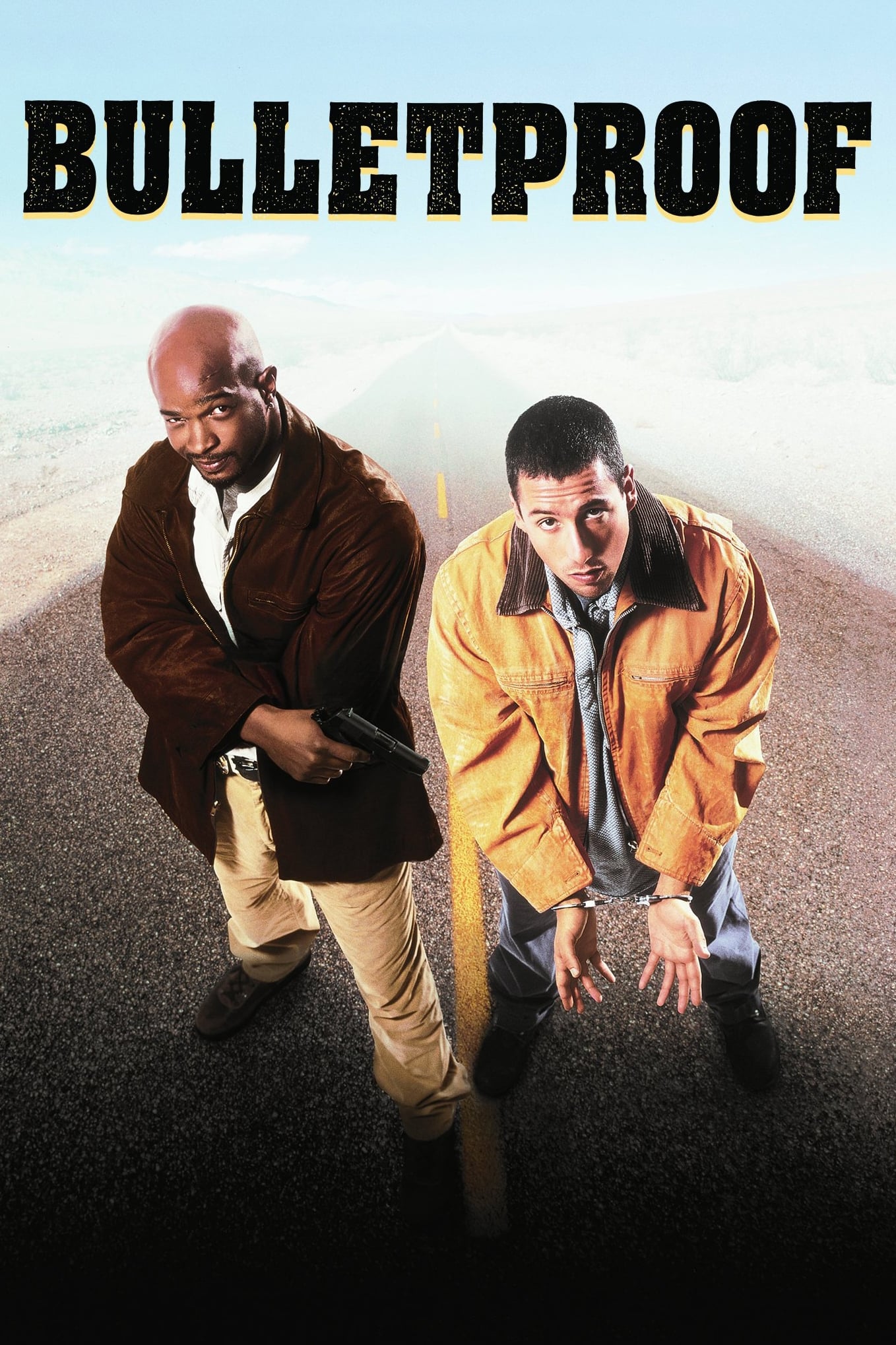
Damon Wayans plays a detective escorting a small-time criminal informant played by Adam Sandler across hostile territory. Ernest Dickerson keeps the pace brisk with roadside ambushes and double-crosses. The script relies on bickering detours that stall the escort premise. It became more known for star pairing than inventive police work.
‘The Glimmer Man’ (1996)
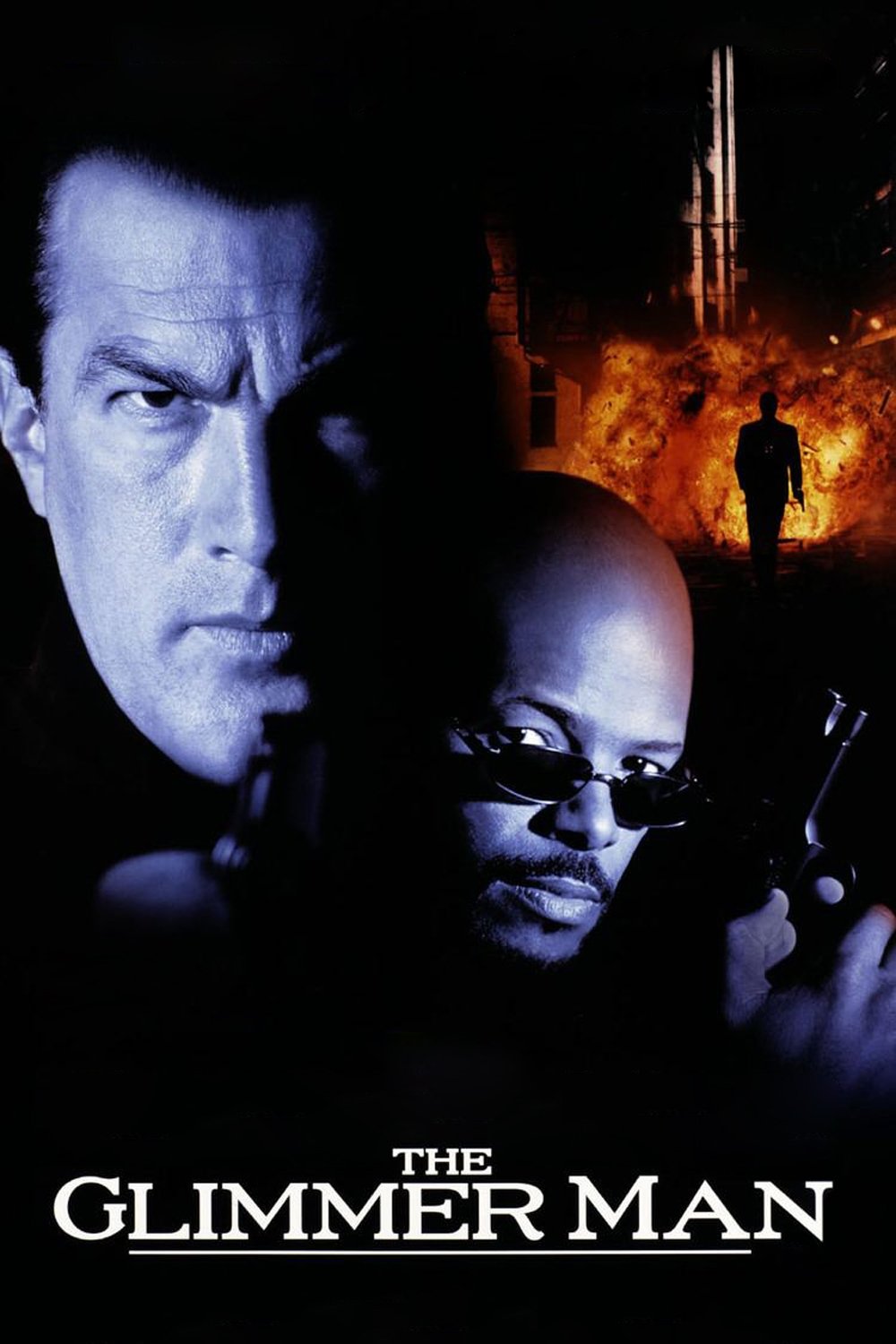
Steven Seagal and Keenen Ivory Wayans partner as homicide detectives up against a serial case with conspiracy overtones. Director John Gray blends martial arts showcases with noir trappings. The film features abrupt tonal shifts between mysticism and precinct drama. Choppy editing and familiar beats muted the buddy dynamic.
‘K-911’ (1999)
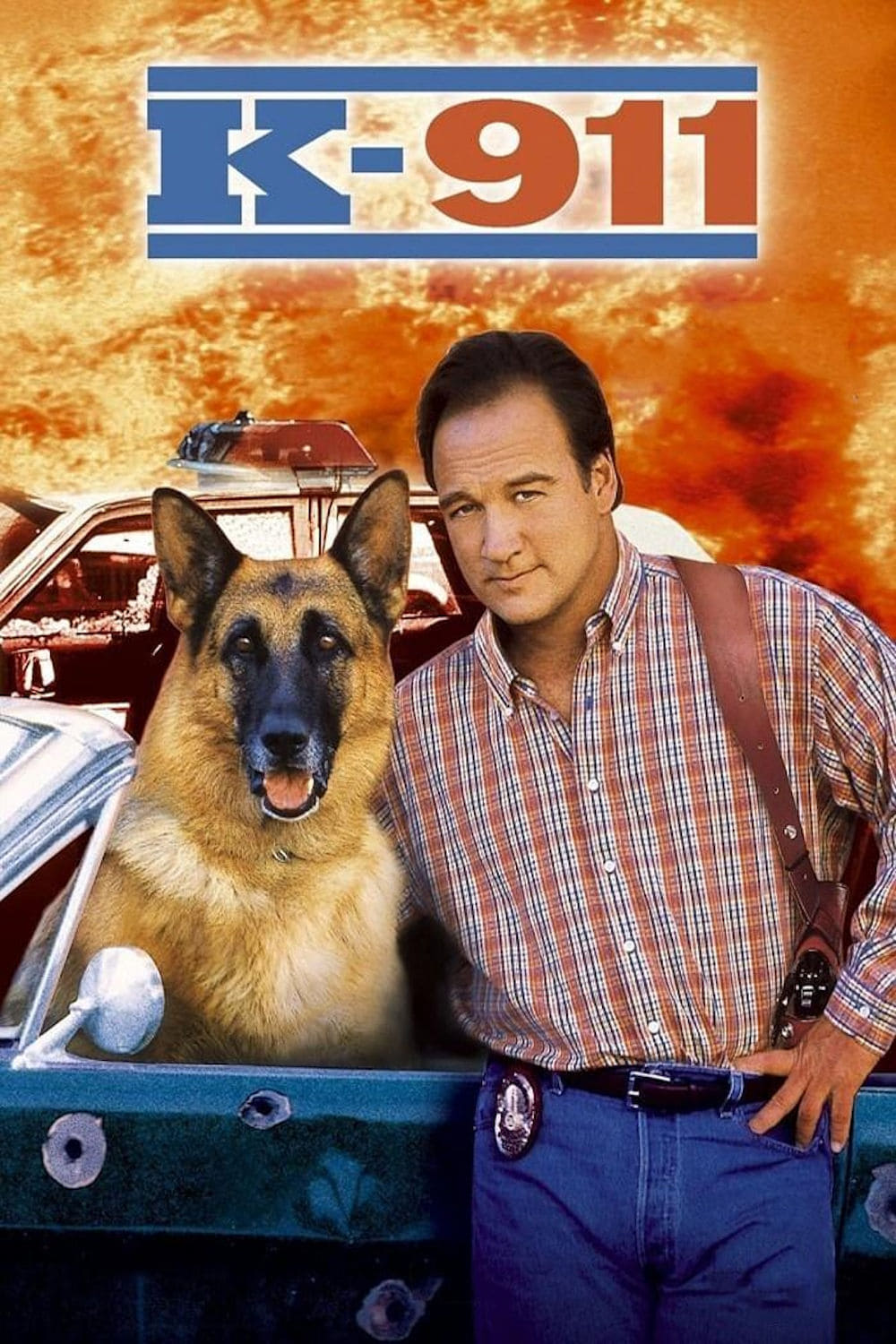
James Belushi returns with a canine partner in this follow-up to an earlier hit. Director Charles T. Kanganis structures the story around protective-detail duty and a vengeful antagonist. The emphasis moves toward domestic bits with the dog rather than casework escalation. As a direct-to-video entry, it offered modest action and limited chemistry.
‘Ride Along 2’ (2016)
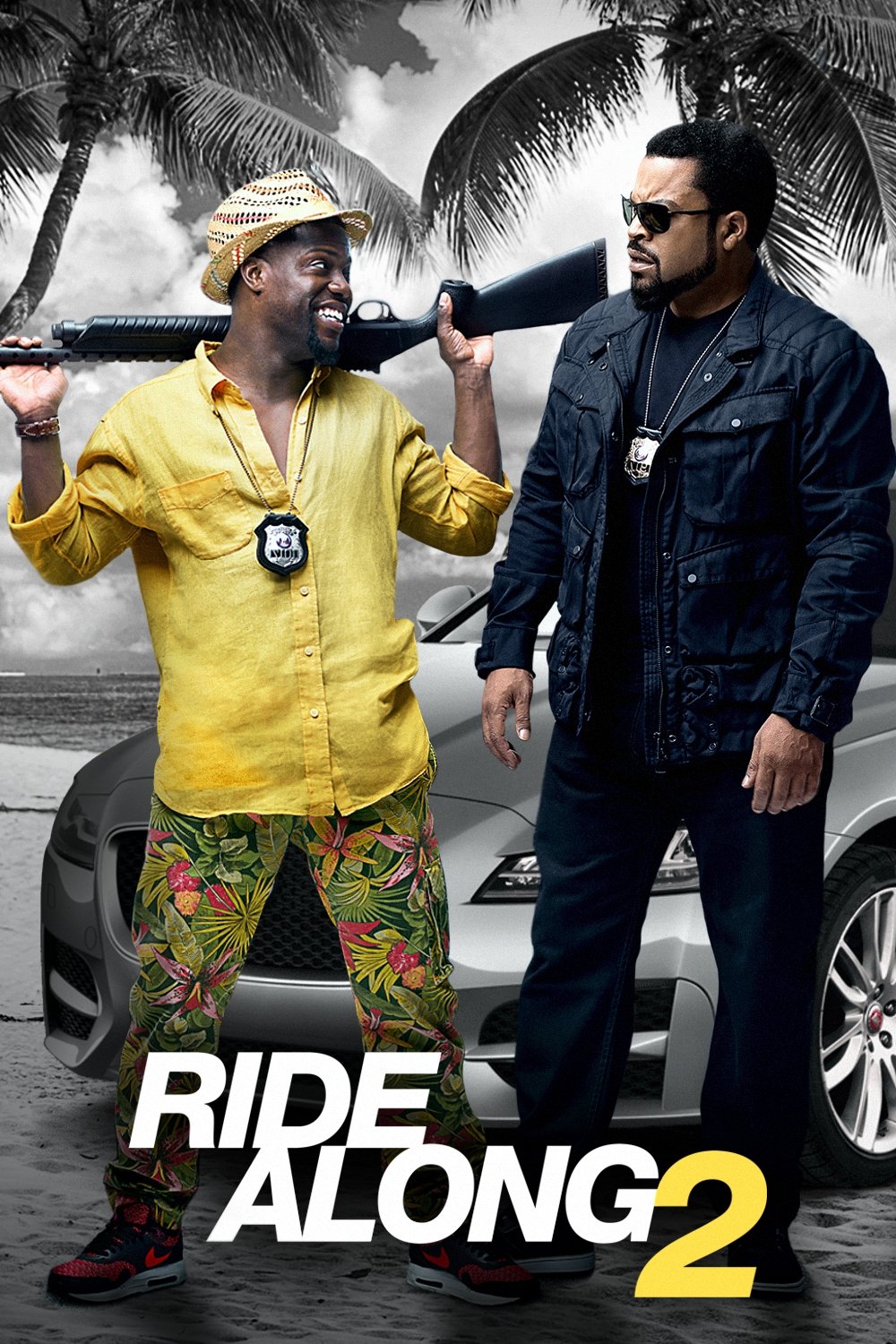
Ice Cube and Kevin Hart head to Miami to pursue a tech crime boss with help from a local detective. Director Tim Story repeats the clash-of-temperaments template from the first film. New settings and gadgets do not meaningfully raise the investigative stakes. Reviews cited recycled jokes and a safe sequel playbook.
‘Cop & ½’ (1993)
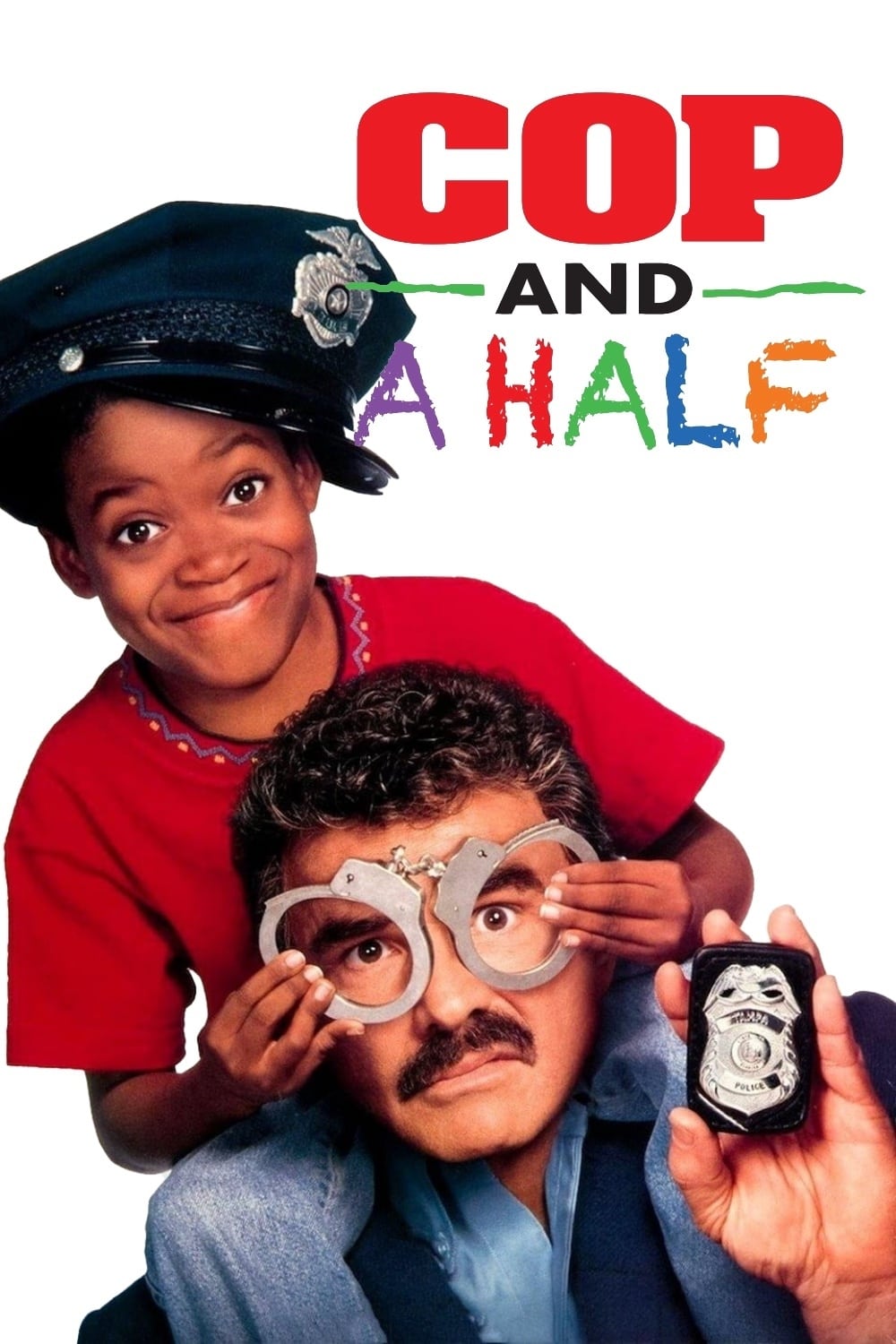
Burt Reynolds teams with a fast-talking kid who witnesses a crime and wants to be a detective. Henry Winkler directs with a family-friendly tilt that softens the police angle. The narrative leans on classroom and prank scenes more than procedural turns. Critics pointed to a premise stretched thin over feature length.
Share the buddy cop titles you think missed the mark in the comments and tell us which pair you still root for anyway.