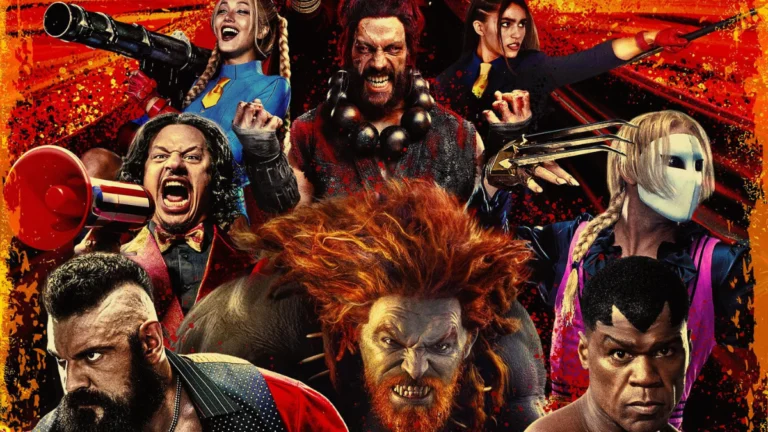
Top 20 Worst Movies of the 1990s

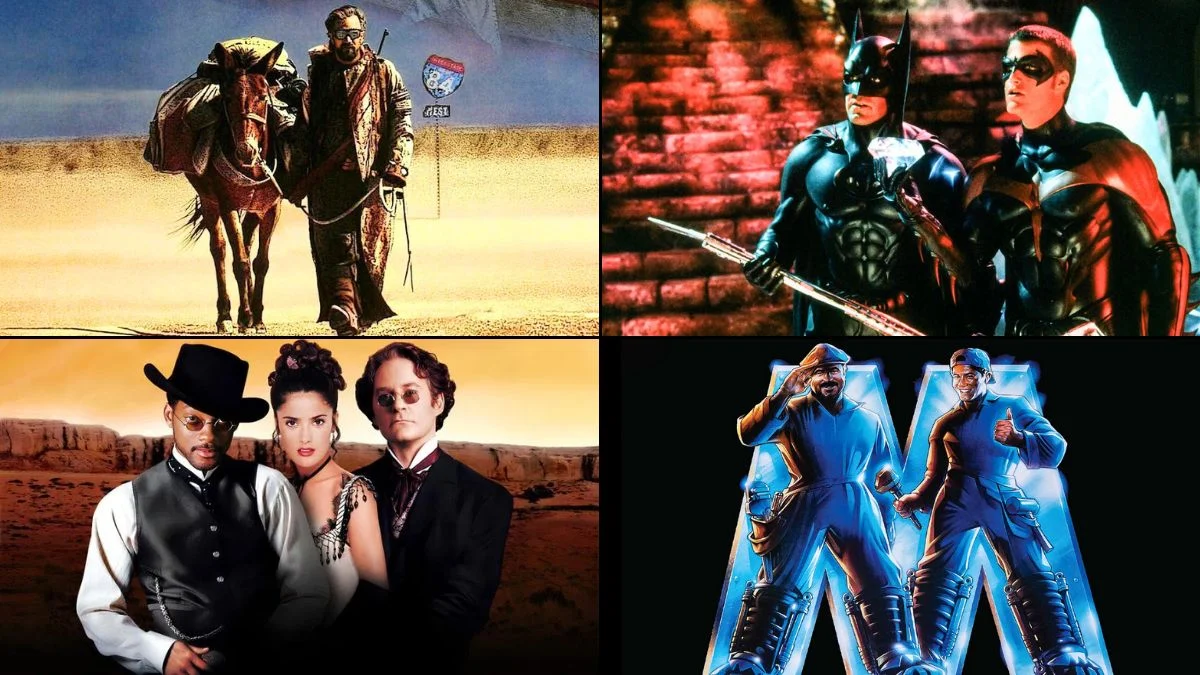

The 1990s delivered plenty of blockbusters, but it also produced a batch of infamous misfires that struggled with critics and audiences. These titles missed the mark for different reasons, from chaotic productions to misguided scripts and tonal confusion. Many became cautionary tales in Hollywood about franchise management, budget bloat, and mismatched star vehicles. Here are twenty films from that decade that are remembered far more for their stumbles than their successes.
‘Batman & Robin’ (1997)
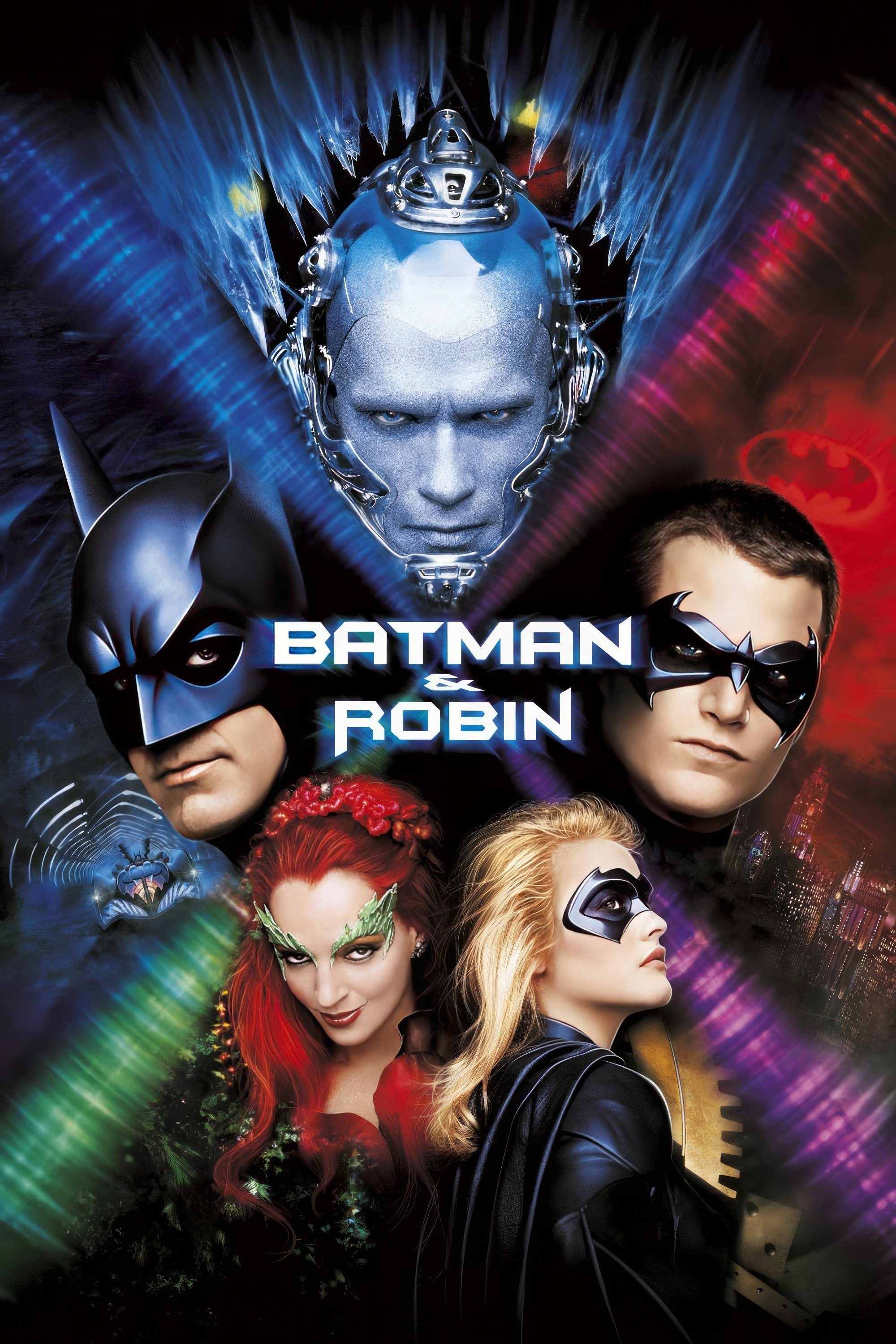
Joel Schumacher’s sequel leaned into neon spectacle and toyetic design, shifting the franchise away from the darker tone audiences expected. The film introduced Mr. Freeze and Poison Ivy with heavy quips and elaborate set pieces. Reports later highlighted a rushed schedule and studio pressure to sell merchandise. It became a franchise reset point that led the series to pause before its eventual reboot.
‘Showgirls’ (1995)

Paul Verhoeven’s NC-17 drama followed a dancer navigating Las Vegas ambition and exploitation. The marketing emphasized controversy, which limited mainstream reach. Critical response focused on the script’s melodrama and performances that did not land as intended. Over time it developed a cult following through midnight screenings and reappraisals.
‘The Postman’ (1997)
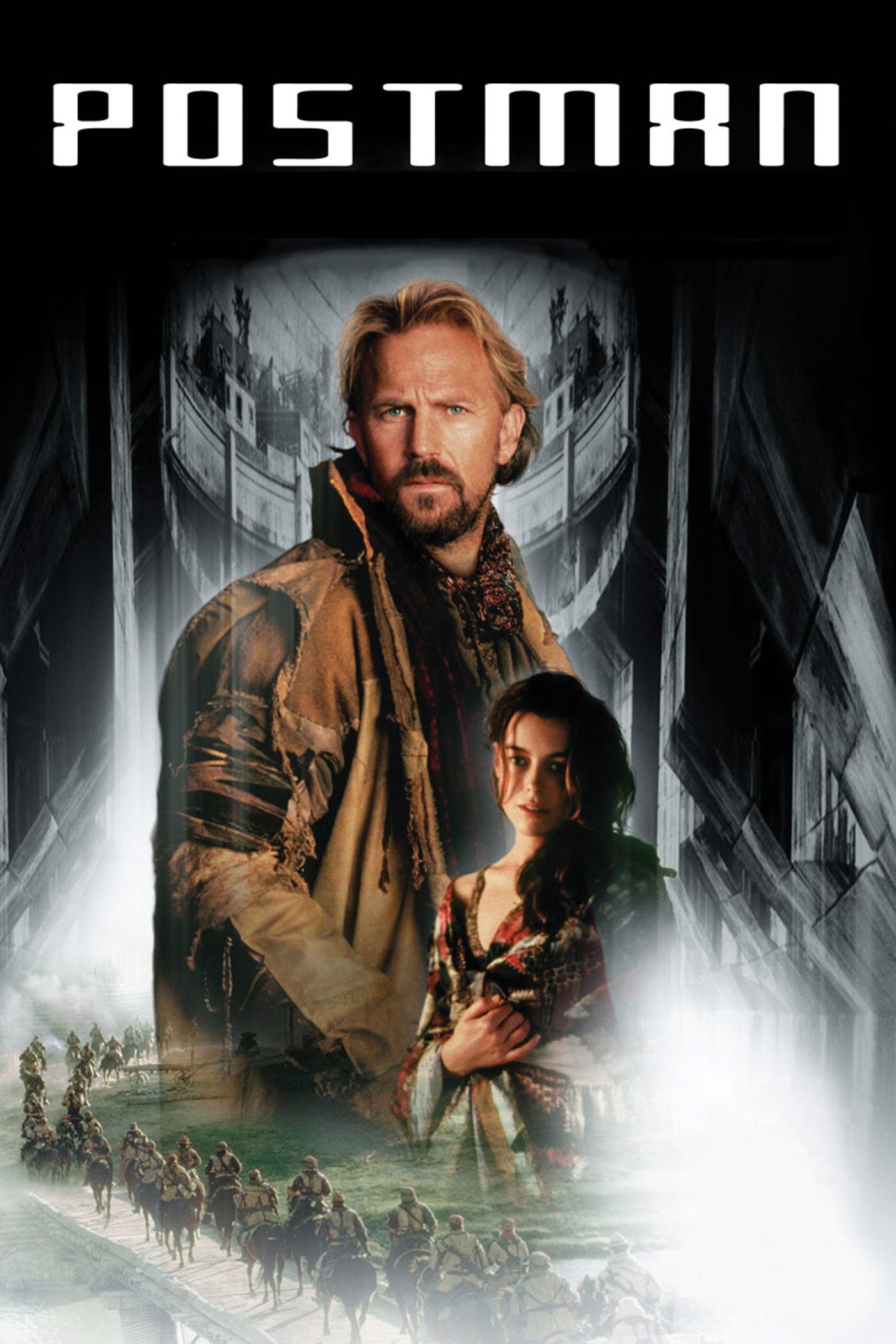
Kevin Costner directed and starred in this post-apocalyptic epic about a drifter who becomes a reluctant symbol of hope. Its long runtime and sprawling narrative drew attention for being out of step with audience expectations. The production’s cost and muted box office made headlines. It later became a common reference in discussions of prestige projects that failed to connect.
‘Wild Wild West’ (1999)
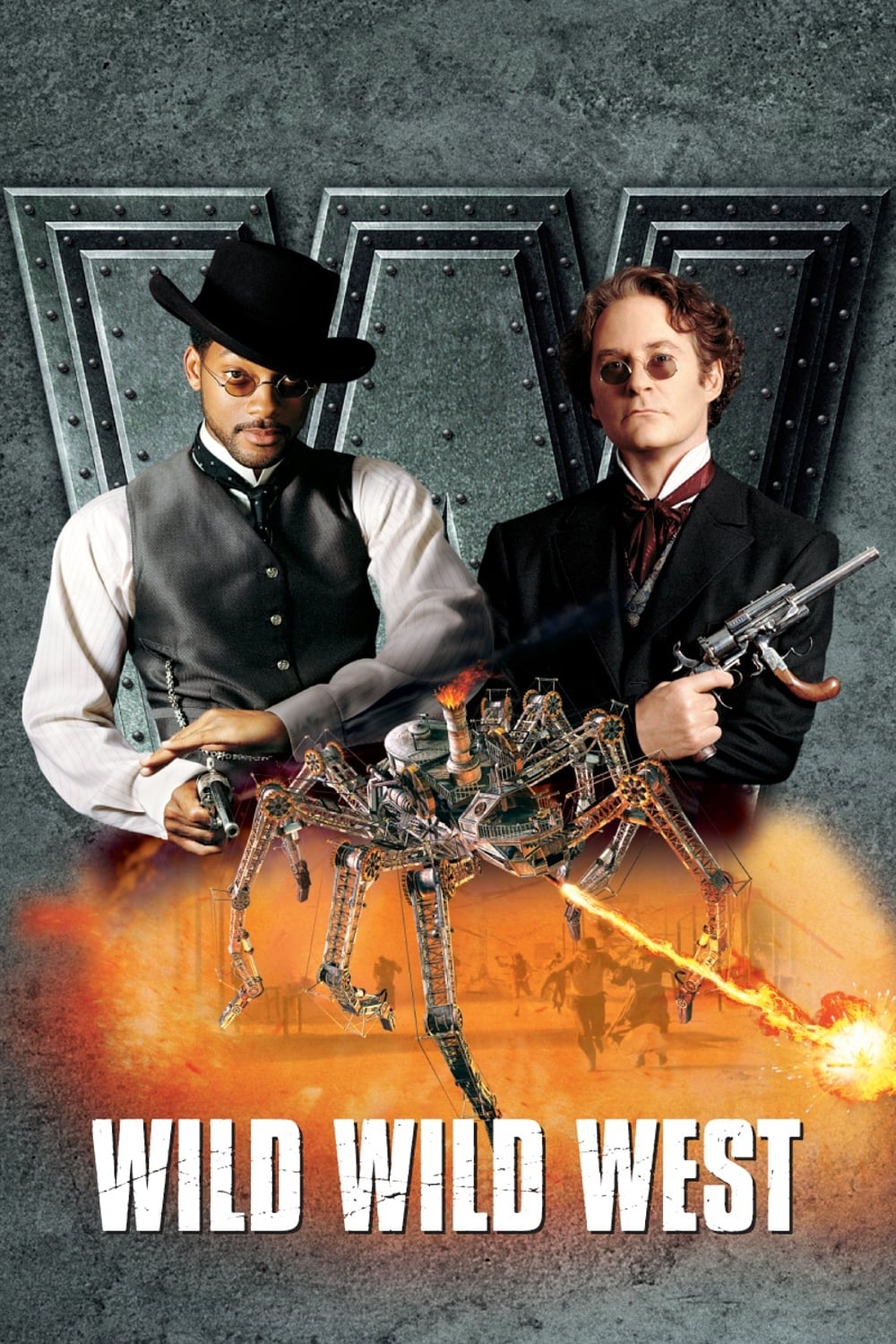
This steampunk action comedy reimagined a classic TV series with big effects and elaborate gadgetry. The tonal blend of western, sci-fi, and buddy comedy proved difficult to balance. Behind-the-scenes accounts described rewrites and shifting creative priorities. Its merchandising push contrasted with lukewarm reception and underwhelming word of mouth.
‘Super Mario Bros.’ (1993)
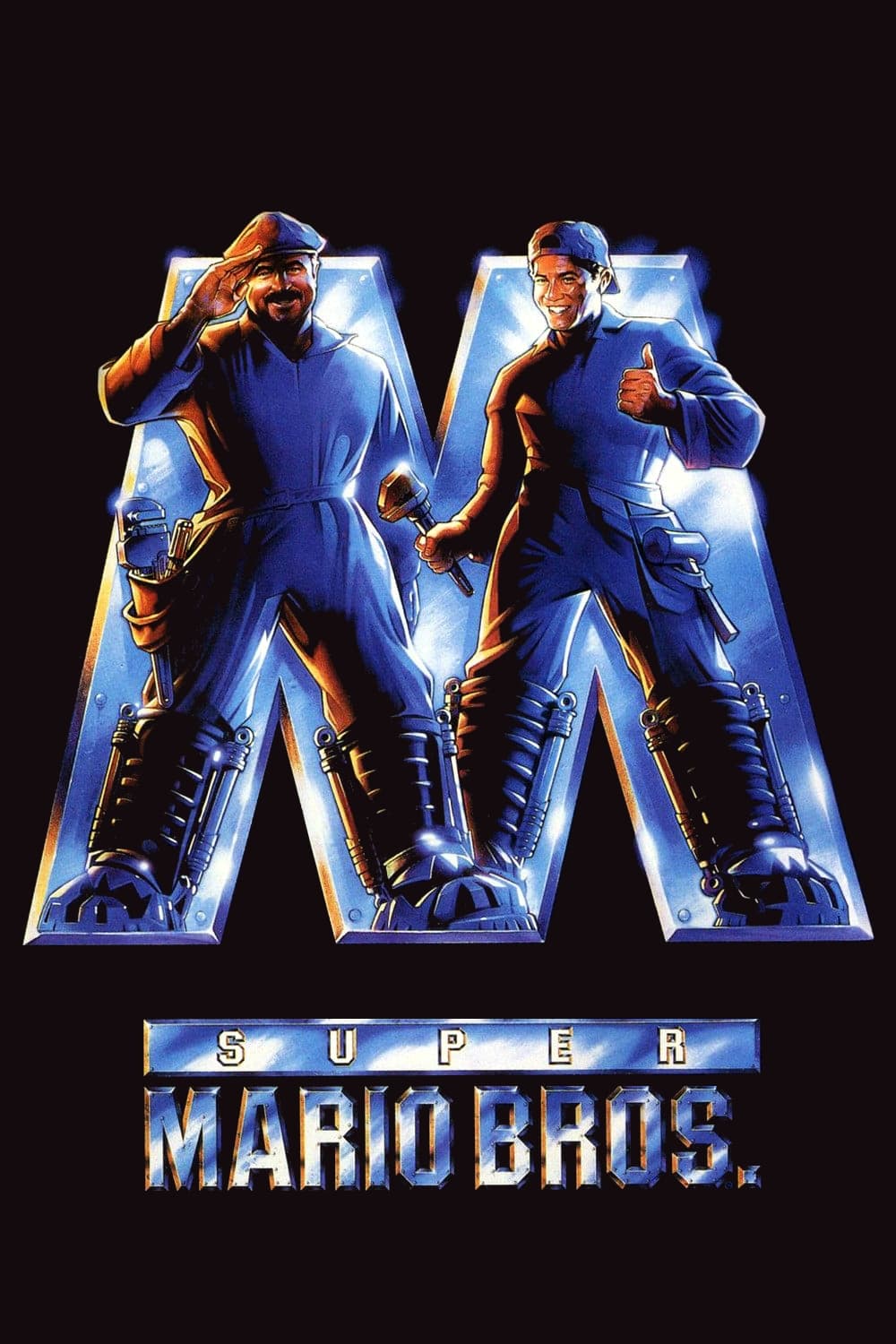
The first live-action adaptation of a major video game property took a gritty, dystopian approach. A troubled shoot with script changes left the final cut feeling disconnected from the source. Cast and crew later spoke about uncertainty on set and competing creative visions. It became a case study in how hard it is to translate game worlds to film.
‘Cutthroat Island’ (1995)
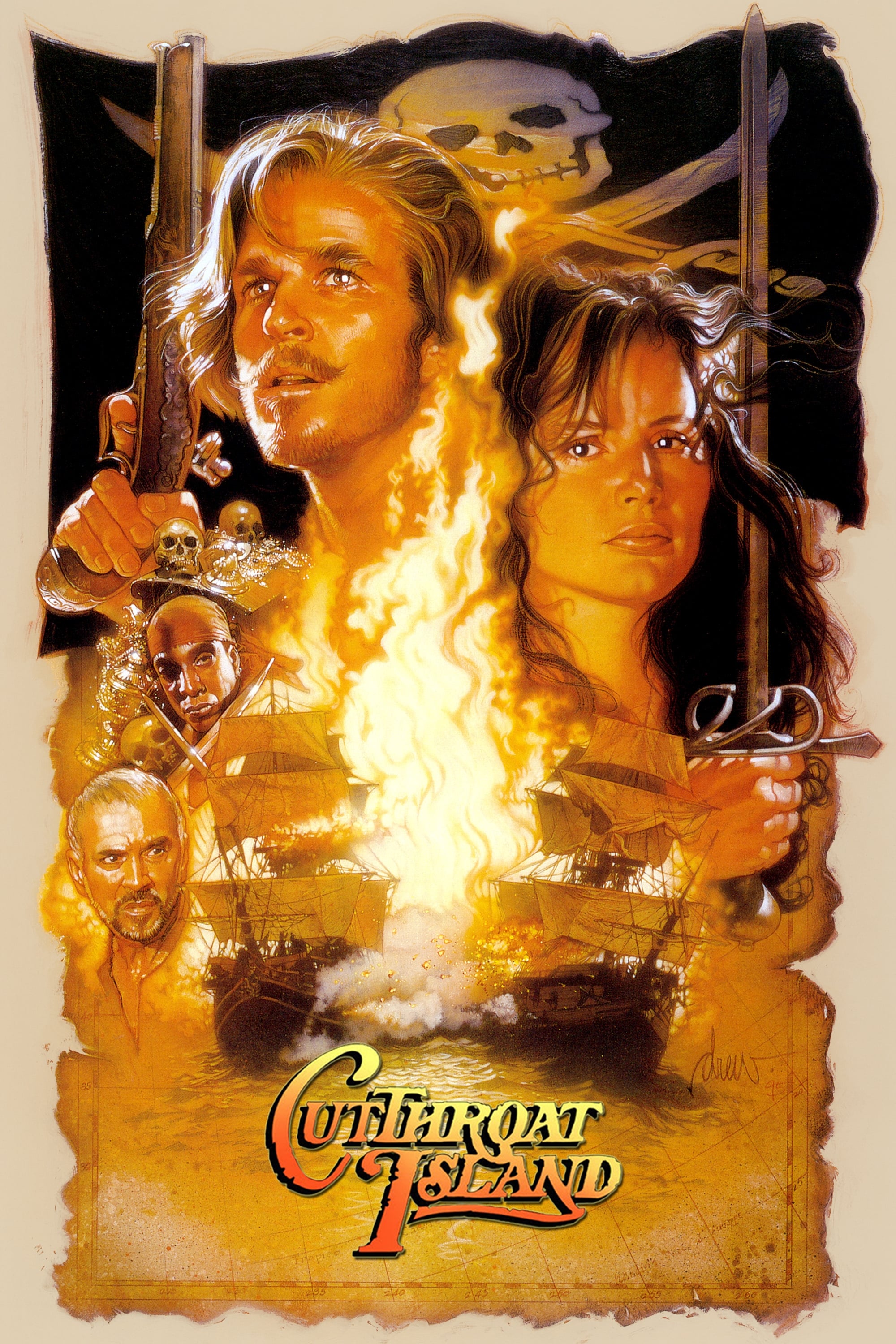
Renny Harlin’s pirate adventure featured large sets, practical stunts, and extensive location work. The film’s heavy spending and production delays drew industry scrutiny. Marketing struggles made it hard to find an audience. Its poor returns contributed to the collapse of its production company.
‘Speed 2: Cruise Control’ (1997)
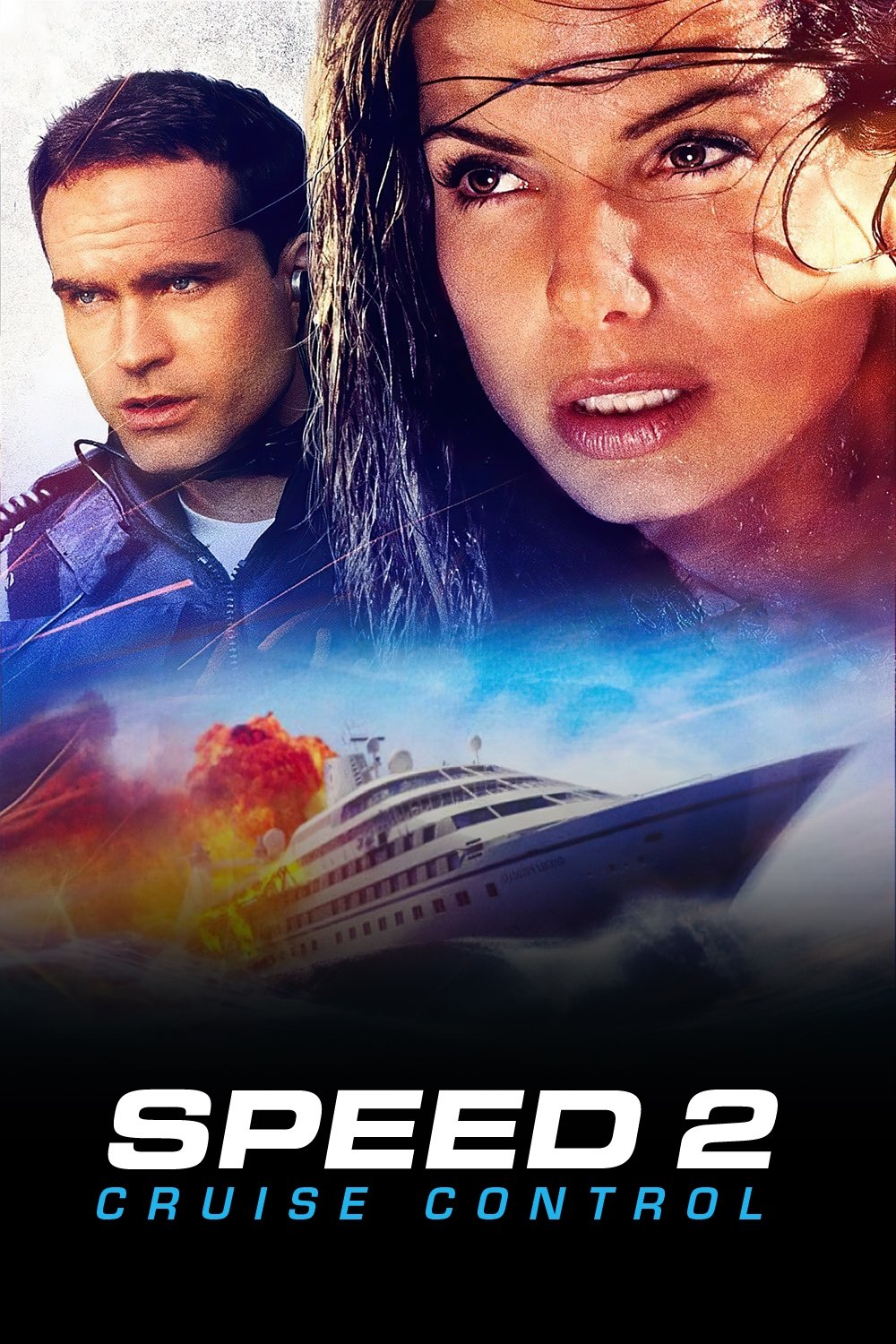
This sequel moved the action from a city bus to a luxury cruise ship with a new lead dynamic. The change in setting reduced the original’s tight, high-stakes premise. Reviews cited a lack of urgency and a villain who did not resonate. It is frequently used as an example of sequel escalation that loses what made the first film work.
‘Mortal Kombat: Annihilation’ (1997)
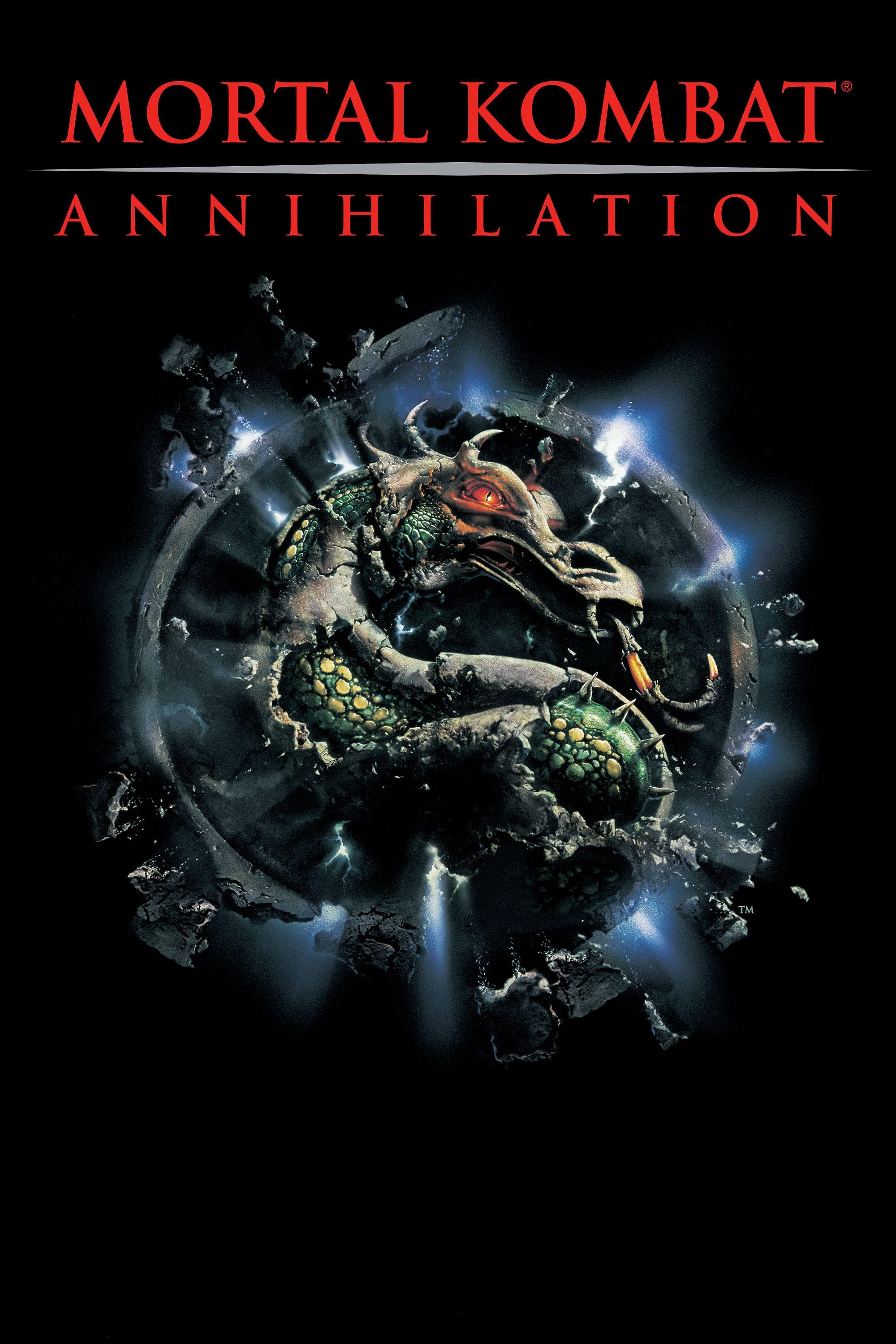
The follow-up expanded its roster of characters but spread the story thin. Visual effects and fight choreography varied in quality across scenes. Fan expectations for cohesive lore were not met. Cast changes and a hurried production cycle were widely discussed after release.
‘Street Fighter’ (1994)
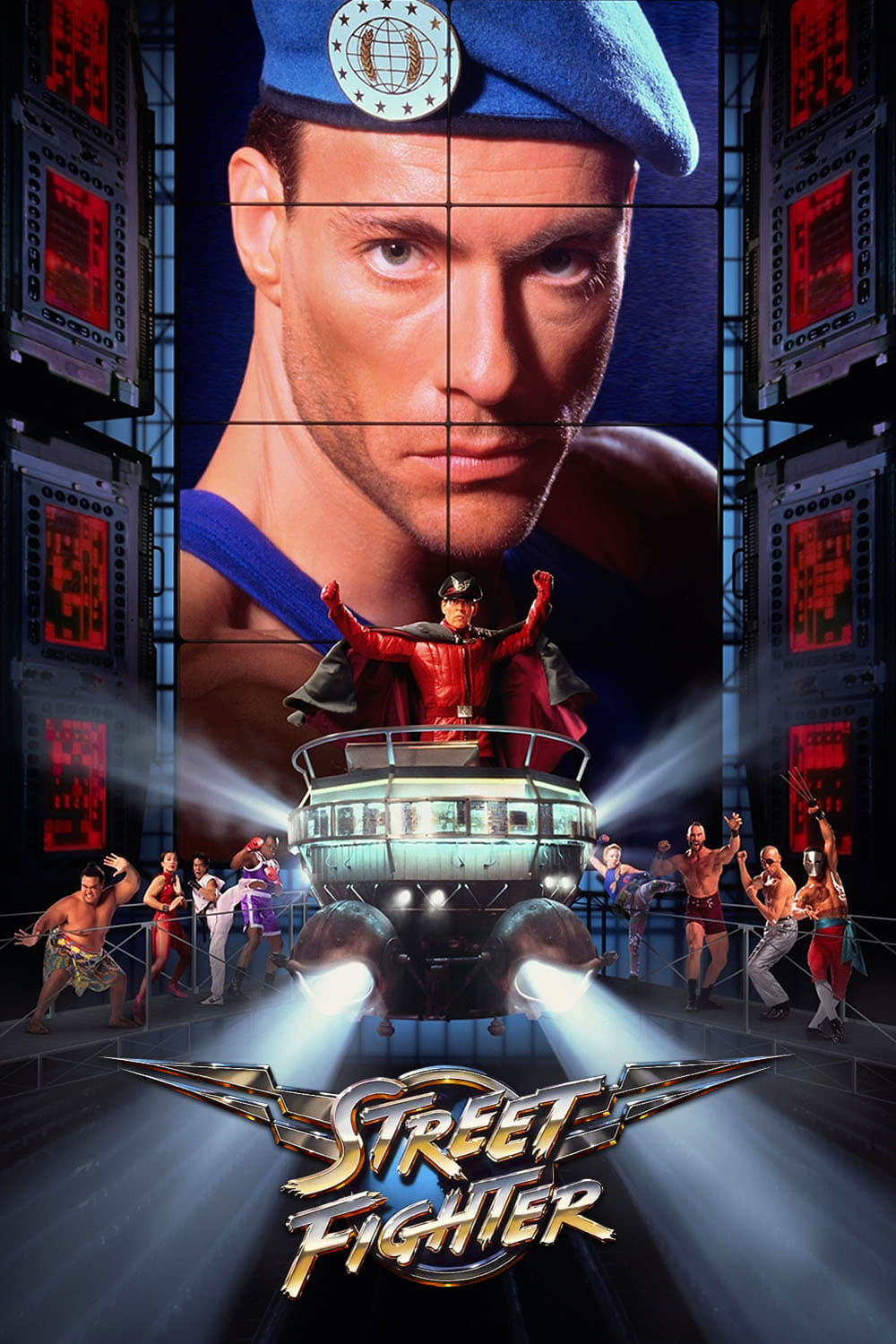
This ensemble adaptation gave each character minimal development while juggling multiple plot threads. The production leaned on one-liners and broad action rather than tournament structure. Raul Julia’s performance became a standout note in coverage. The film’s reception highlighted the challenge of adapting a game with limited in-world narrative.
‘The Avengers’ (1998)
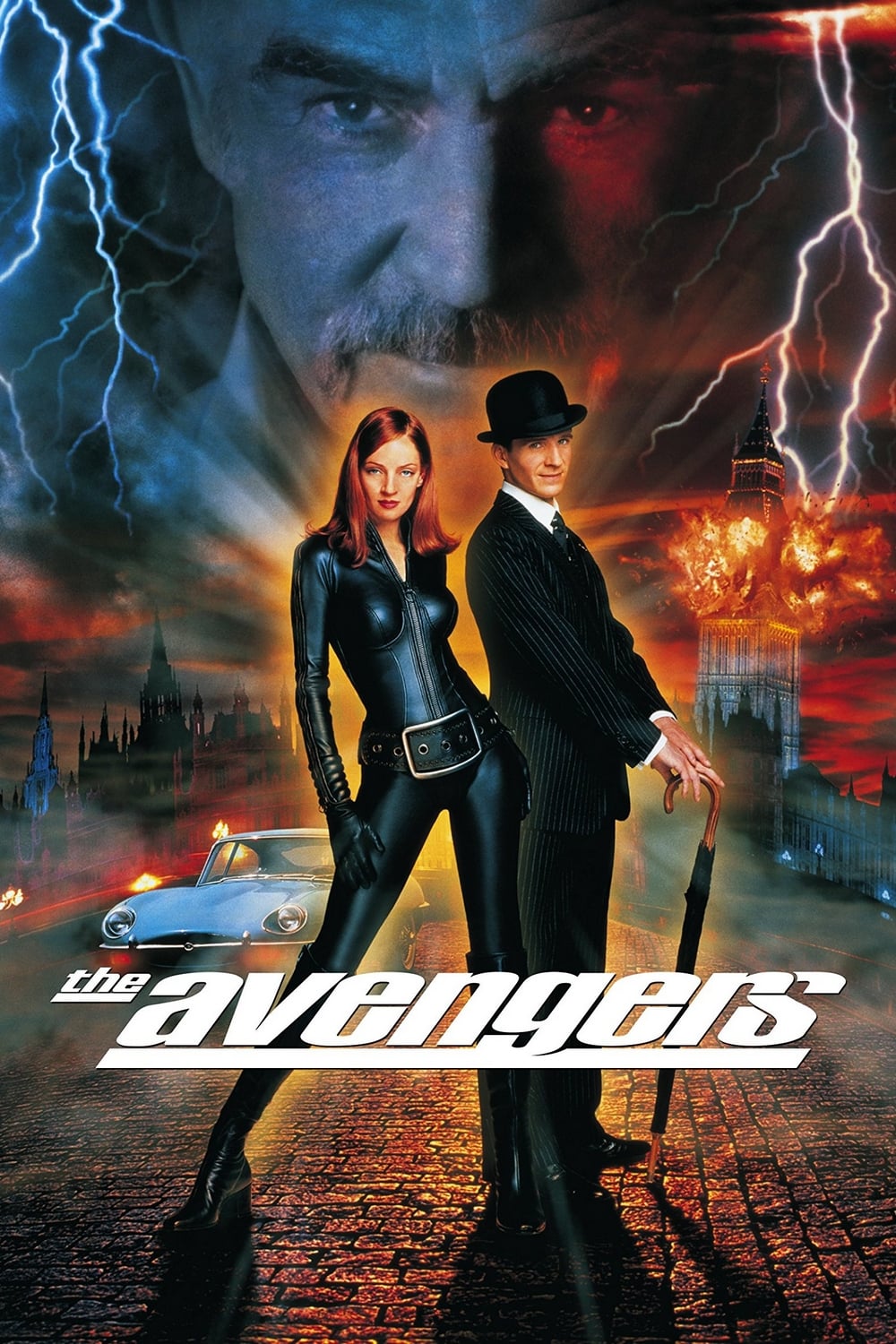
A reimagining of the British spy series paired eccentric espionage with surreal touches. Studio edits reportedly trimmed character beats and left narrative gaps. The tone oscillated between camp and intrigue without a clear anchor. It struggled to satisfy fans of the original show or newcomers.
‘Steel’ (1997)

Based on a DC Comics character, this superhero entry aimed for family-friendly action. Limited effects and a modest scale undercut the genre’s emerging expectations. The film arrived during a lull in superhero credibility on the big screen. Its reception underscored how brand recognition alone cannot carry a release.
‘Striptease’ (1996)
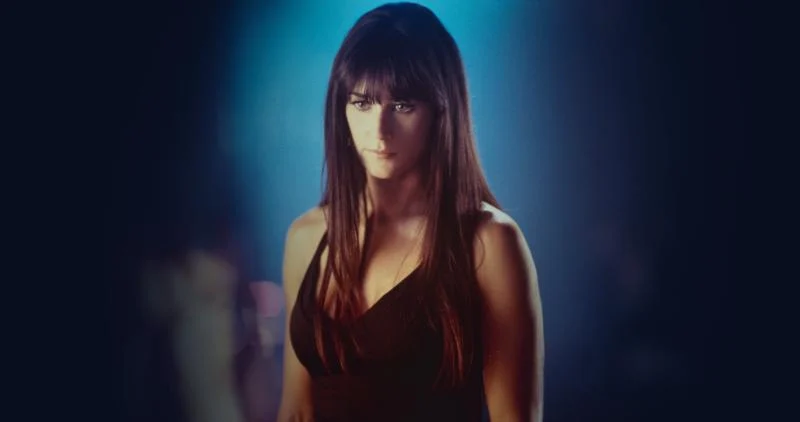
Adapted from a Carl Hiaasen novel, this satire of politics and celebrity focused on a mother in a custody battle. Marketing emphasized sensational elements rather than the book’s sharper satire. Audience expectations clashed with the film’s uneven tone. It became a tabloid fixture more than a critical favorite.
‘Bio-Dome’ (1996)
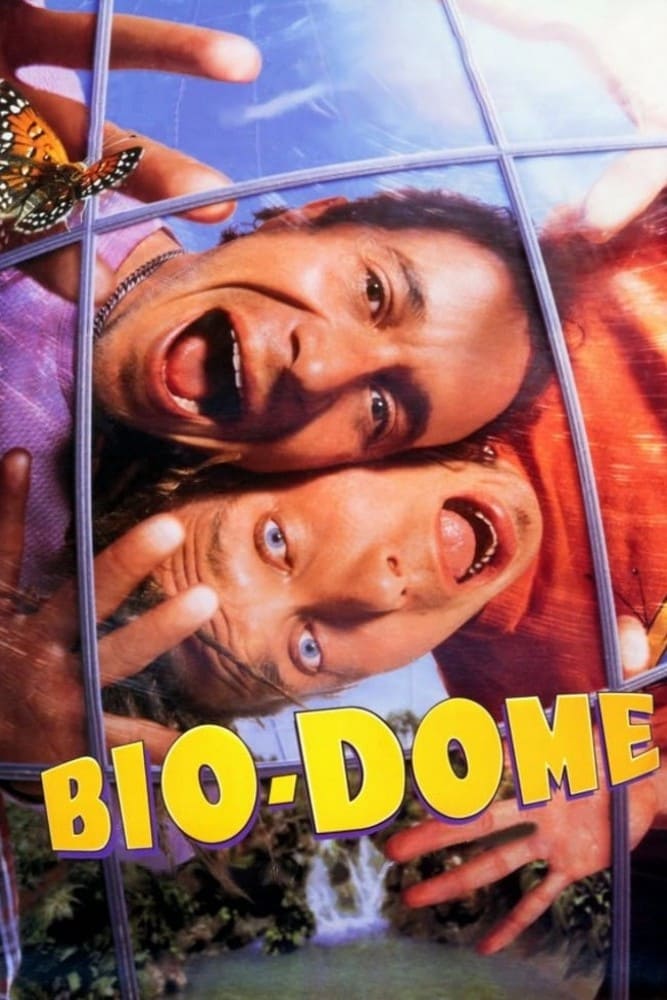
This comedy trapped two slackers inside an ecological experiment. The premise offered room for satire but defaulted to repetitive gags. Environmental themes were treated superficially, limiting broader appeal. Contemporary reviews cited thin characterization and minimal plot momentum.
‘Congo’ (1995)
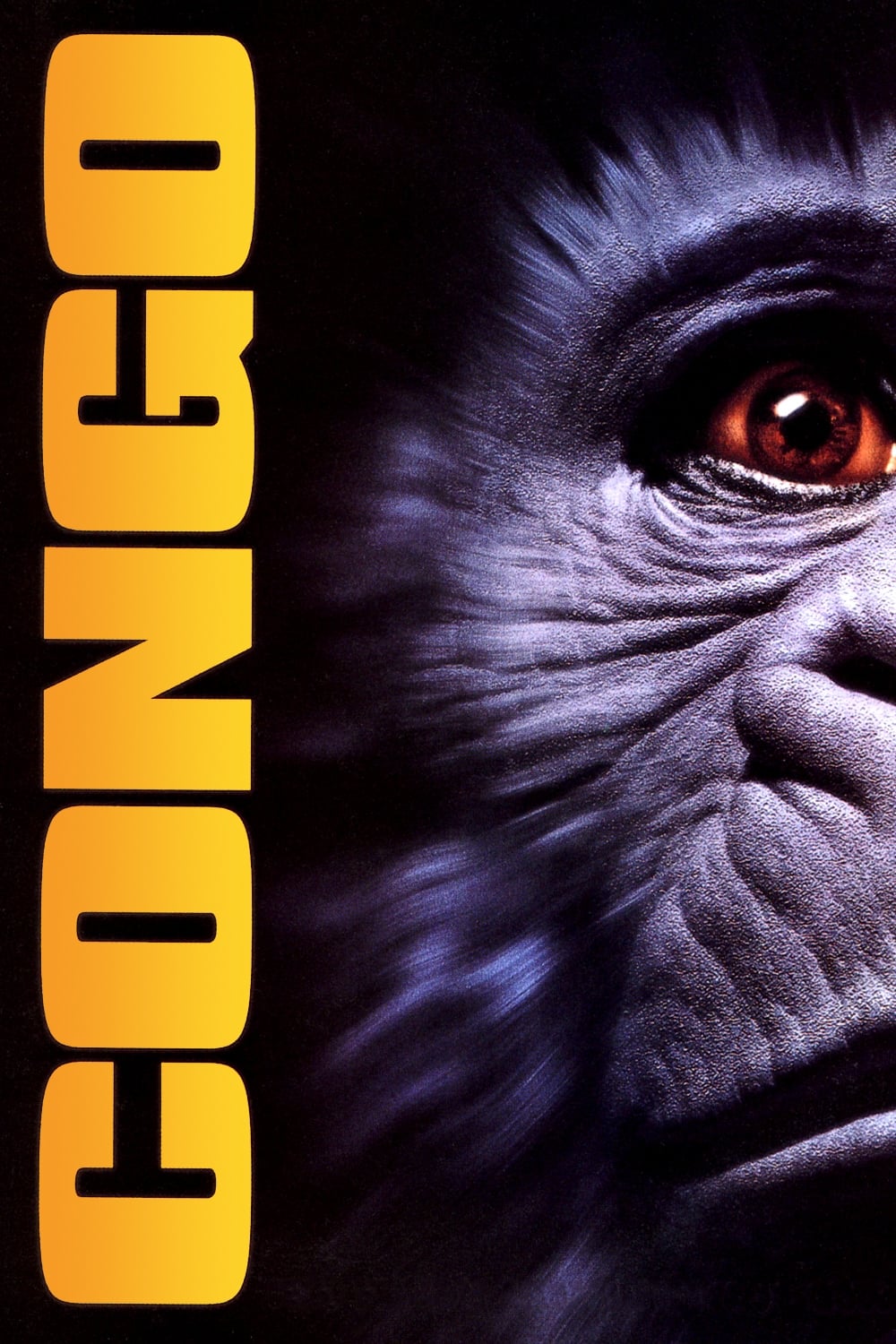
Based on Michael Crichton’s novel, the film mixed jungle adventure with corporate intrigue and experimental tech. Animatronics and effects drew mixed reactions, affecting immersion. The marketing promised high-concept thrills that did not materialize consistently. It opened decently but faded quickly with weak word of mouth.
‘The Island of Dr. Moreau’ (1996)
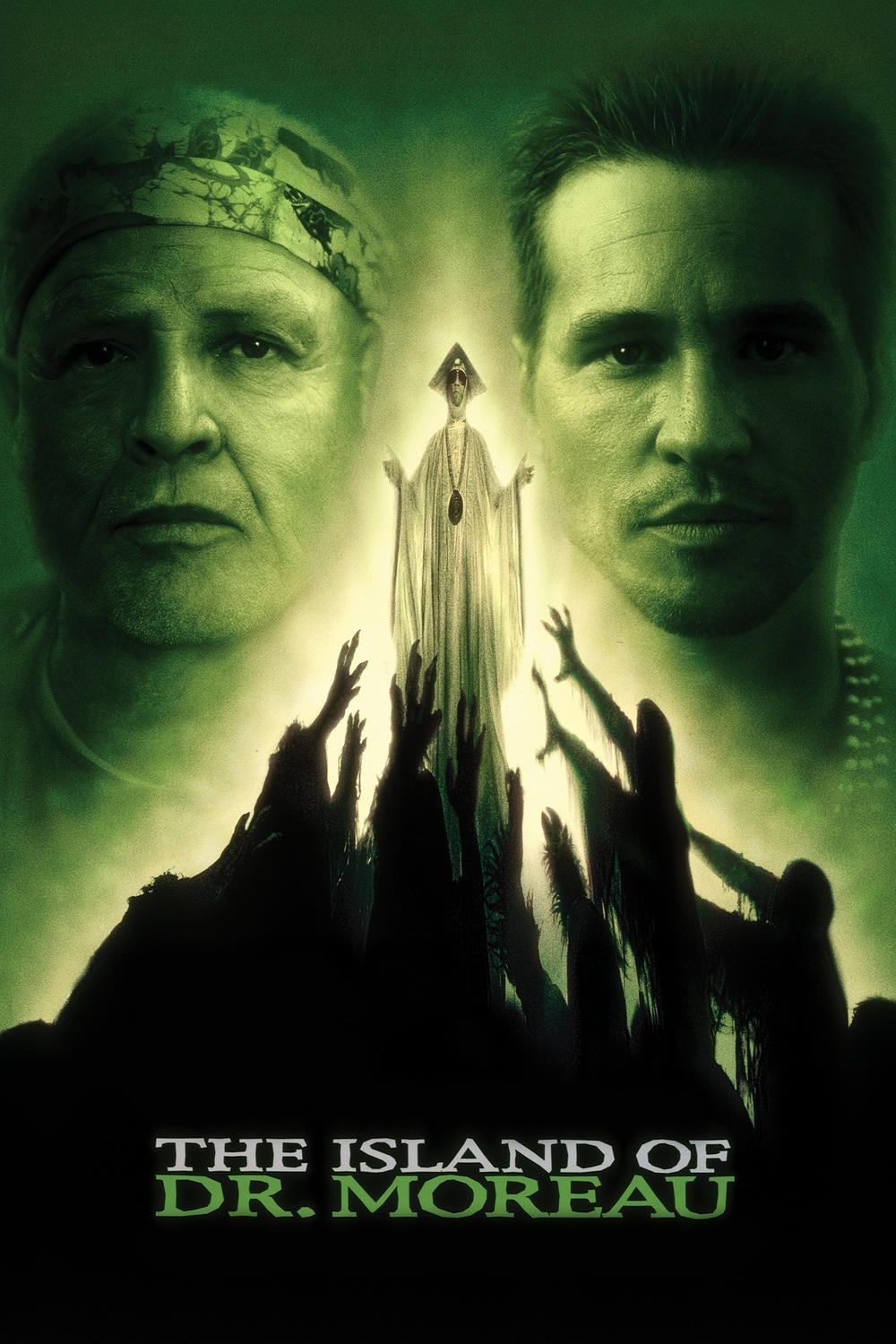
A notoriously chaotic production saw director changes, script overhauls, and on-set conflicts. Makeup and creature design were ambitious but overshadowed by disjointed storytelling. Cast members reportedly faced frequent rewrites during filming. The final cut became emblematic of behind-the-scenes turmoil spilling onto the screen.
‘Hudson Hawk’ (1991)
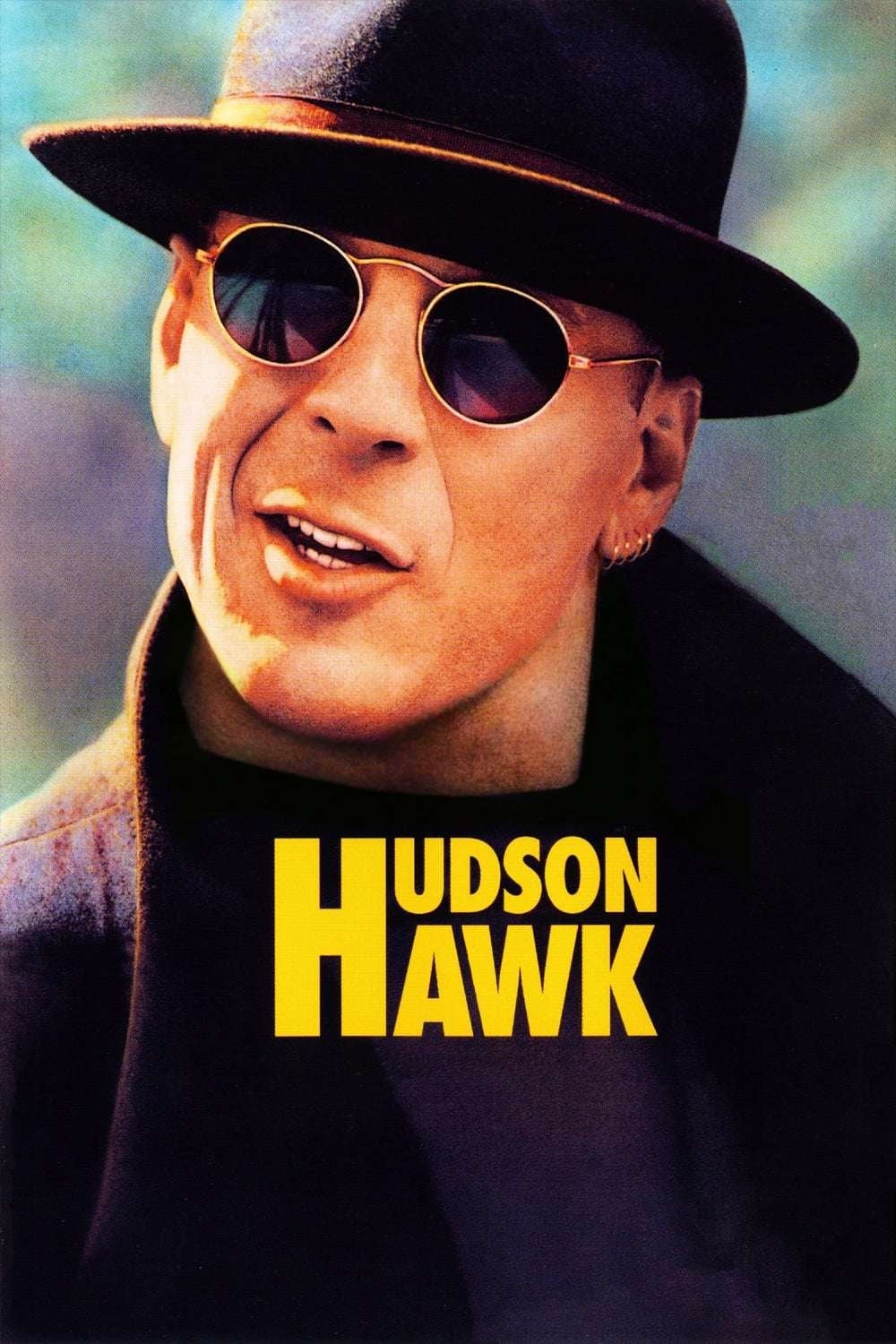
This heist comedy blended cartoonish antics with globe-trotting capers. Its self-referential tone confused marketing and audience positioning. Test screenings led to edits that could not resolve tonal whiplash. It attained cult curiosity largely due to its unusual mix of style and scale.
‘Nothing But Trouble’ (1991)
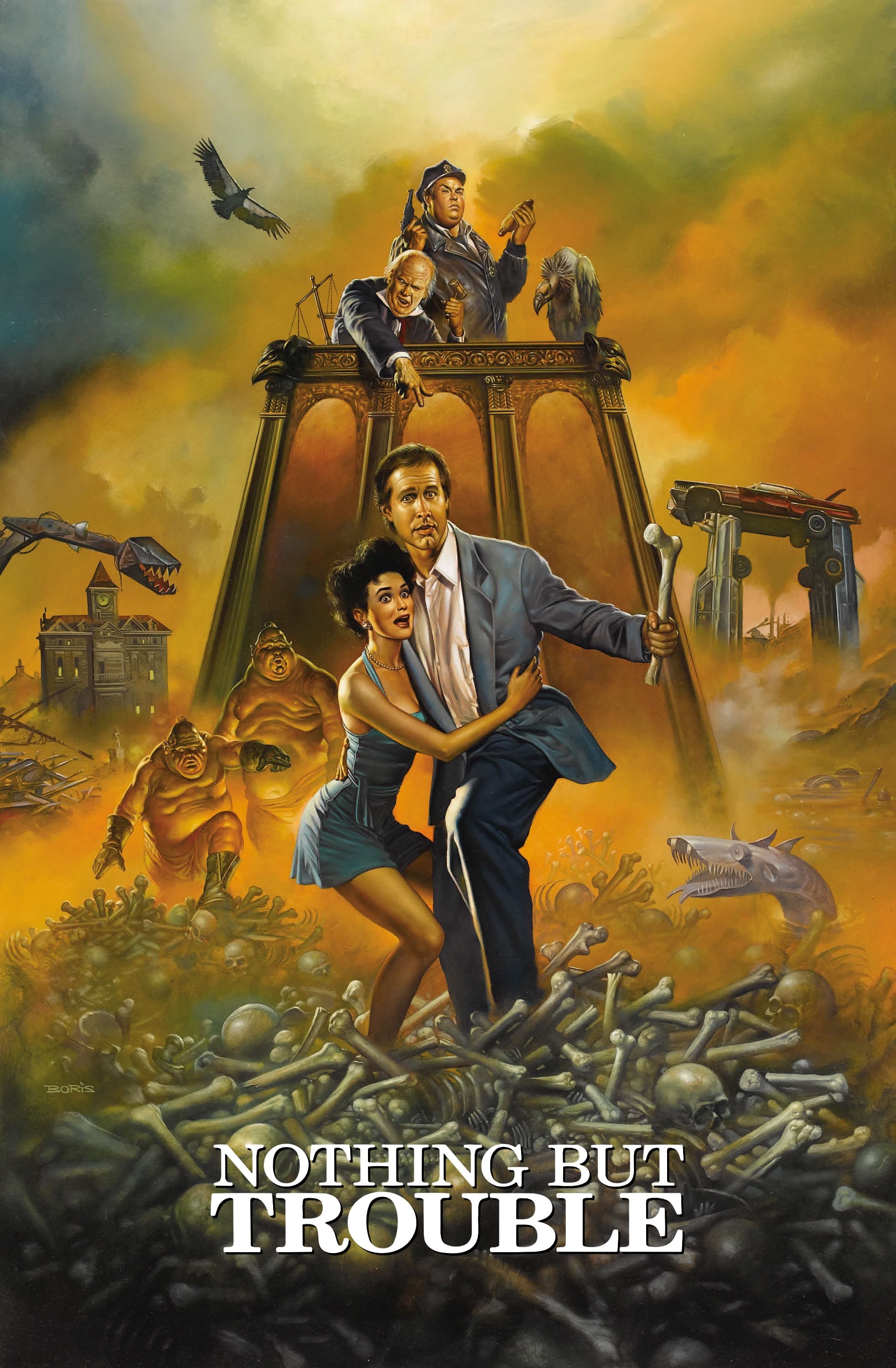
Dan Aykroyd’s dark comedy pushed grotesque production design and bizarre set pieces. The script’s blend of horror and farce made it hard to market. Audience reactions were polarized from the start. It later became a fixture on lists of oddball studio experiments.
‘Stop! Or My Mom Will Shoot’ (1992)
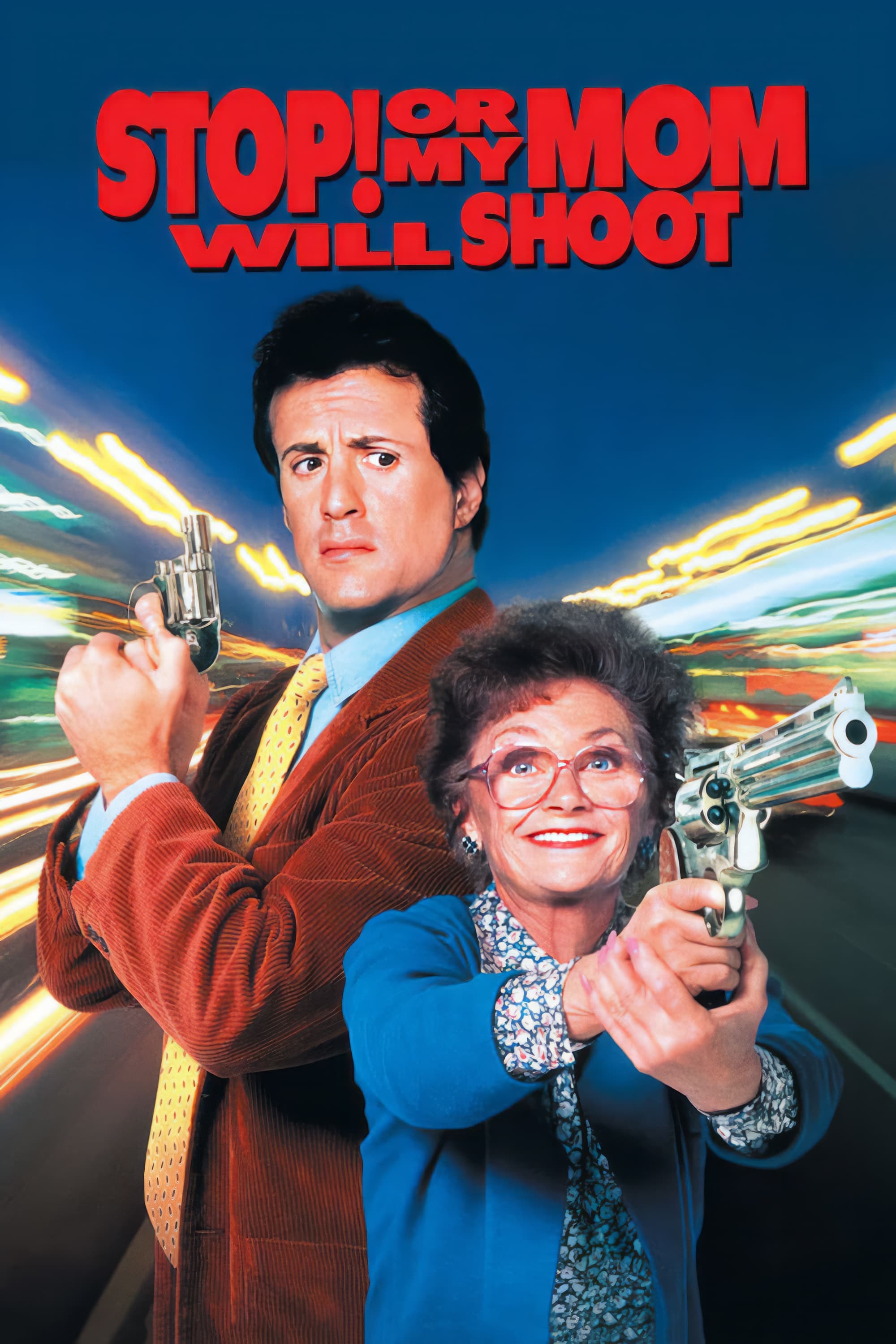
This action comedy paired a tough cop with his overbearing mother. The high-concept pitch could not sustain consistent laughs. Reviews pointed to formulaic set pieces and sitcom-level stakes. It is often cited when discussing mismatched star vehicles in the era.
‘Godzilla’ (1998)

Roland Emmerich’s reimagining redesigned the creature and relocated the chaos to New York City. Marketing heavily teased the monster while hiding its full look until release. Critics noted thin characterization and an overreliance on spectacle. Tie-in campaigns were extensive, but audience satisfaction did not match the hype.
‘Waterworld’ (1995)
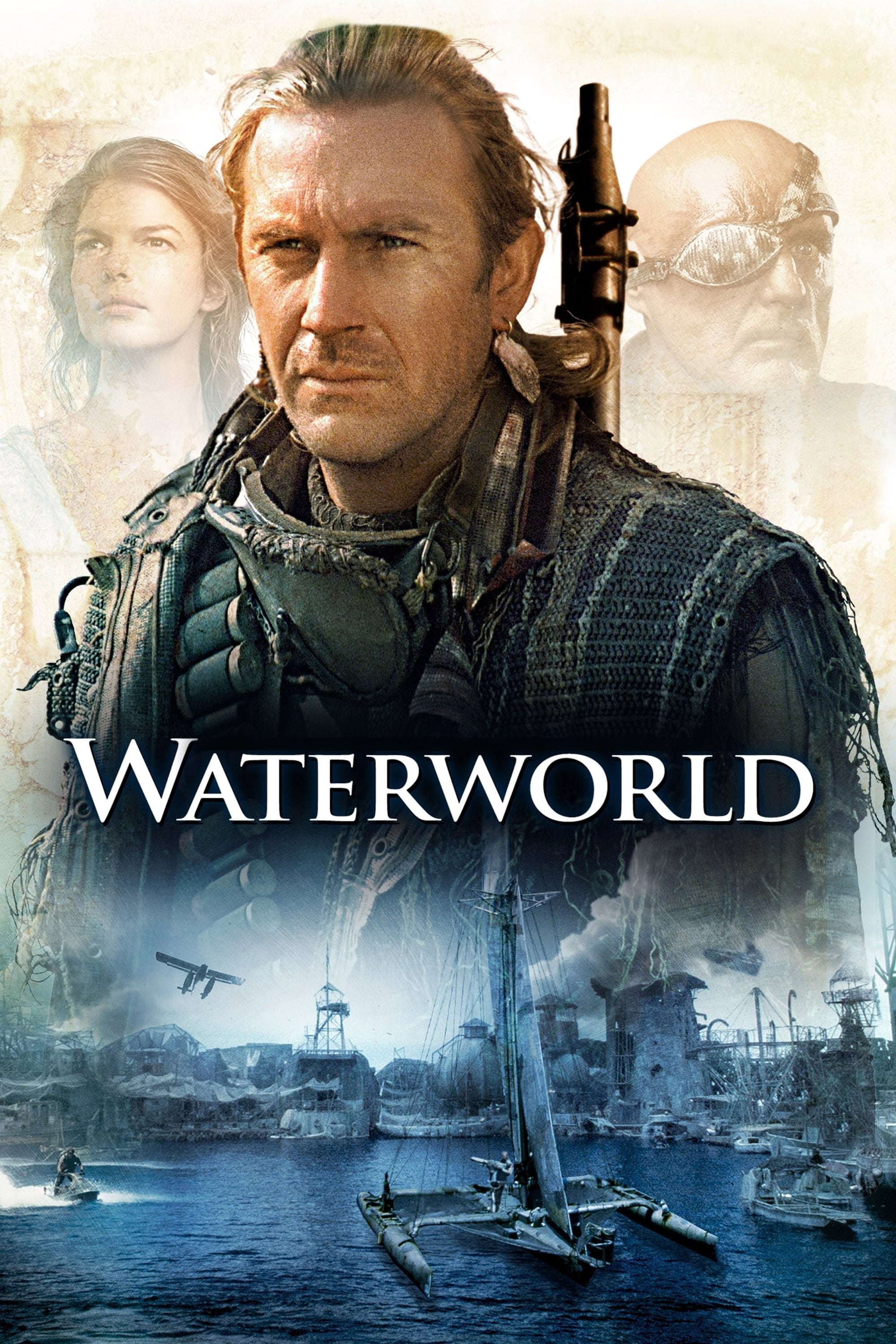
This post-apocalyptic adventure featured expansive water sets and logistically complex stunts. Production costs and weather-related delays became part of its public narrative. While international sales softened the blow, domestic response was tepid. It remains a reference point for large-scale shoots that battle scope, schedule, and expectations.
Share your picks and the titles you think deserve a spot in the comments.