20 Actors Defend Their Most Controversial Films


Some movies spark backlash the moment they hit theaters, and the people who star in them often find themselves explaining what the filmmakers were aiming for. Here are times when actors publicly stood by projects that stirred debate, laying out the intent behind the work and the context audiences may have missed. These defenses range from clarifying cultural questions to addressing casting choices and challenging themes. Each example highlights what the actor said the film was trying to do and why they believed it deserved a fair look.
Scarlett Johansson – ‘Ghost in the Shell’ (2017)
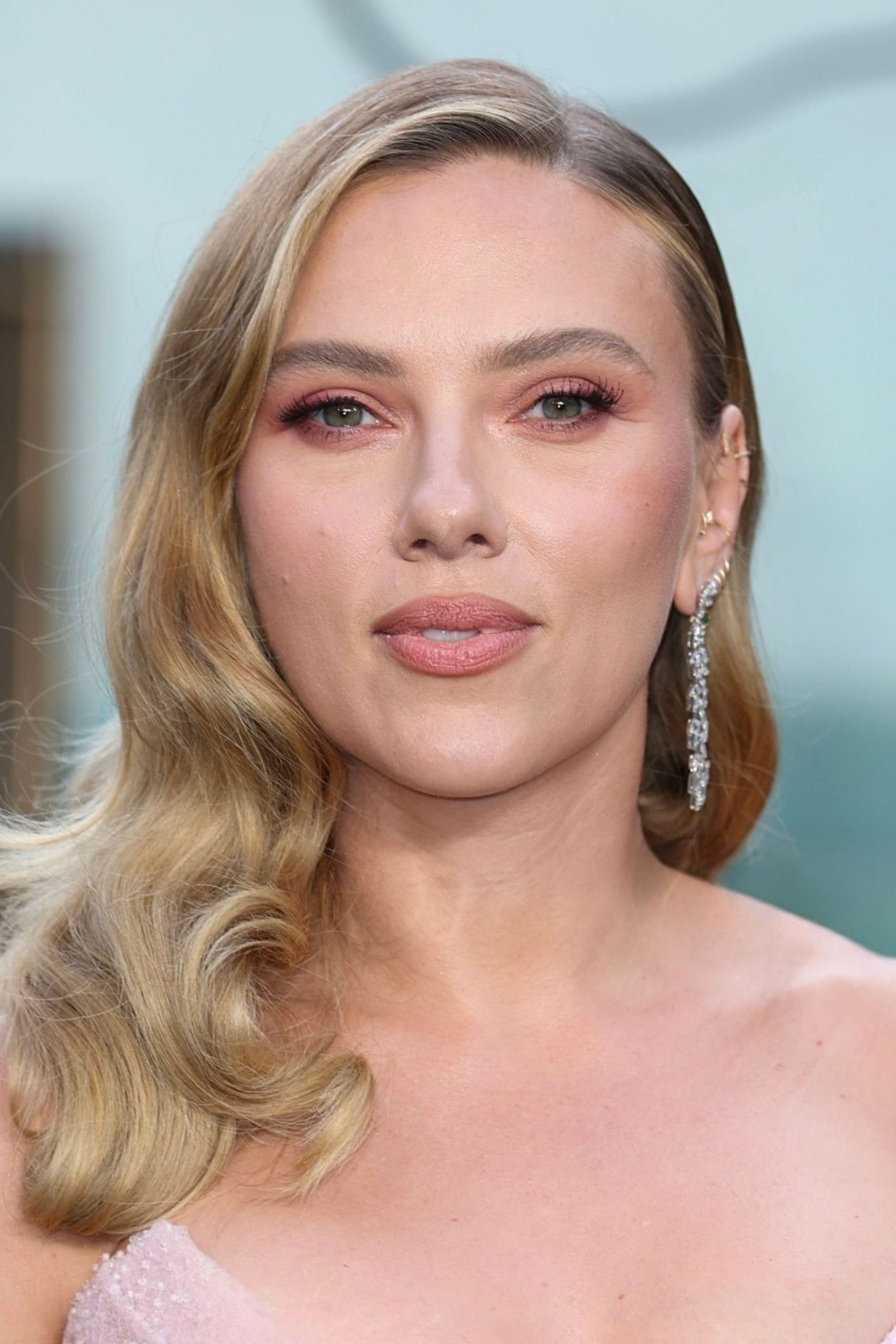
Johansson responded to casting criticism by saying the character was a synthetic being and that the story explored identity beyond traditional categories. She emphasized that the production employed Japanese creatives and drew on the original manga’s ideas. Johansson pointed to the filmmakers’ stated goal of introducing the property to a wider audience. She maintained that the role was approached with respect for the source material.
Joaquin Phoenix – ‘Joker’ (2019)
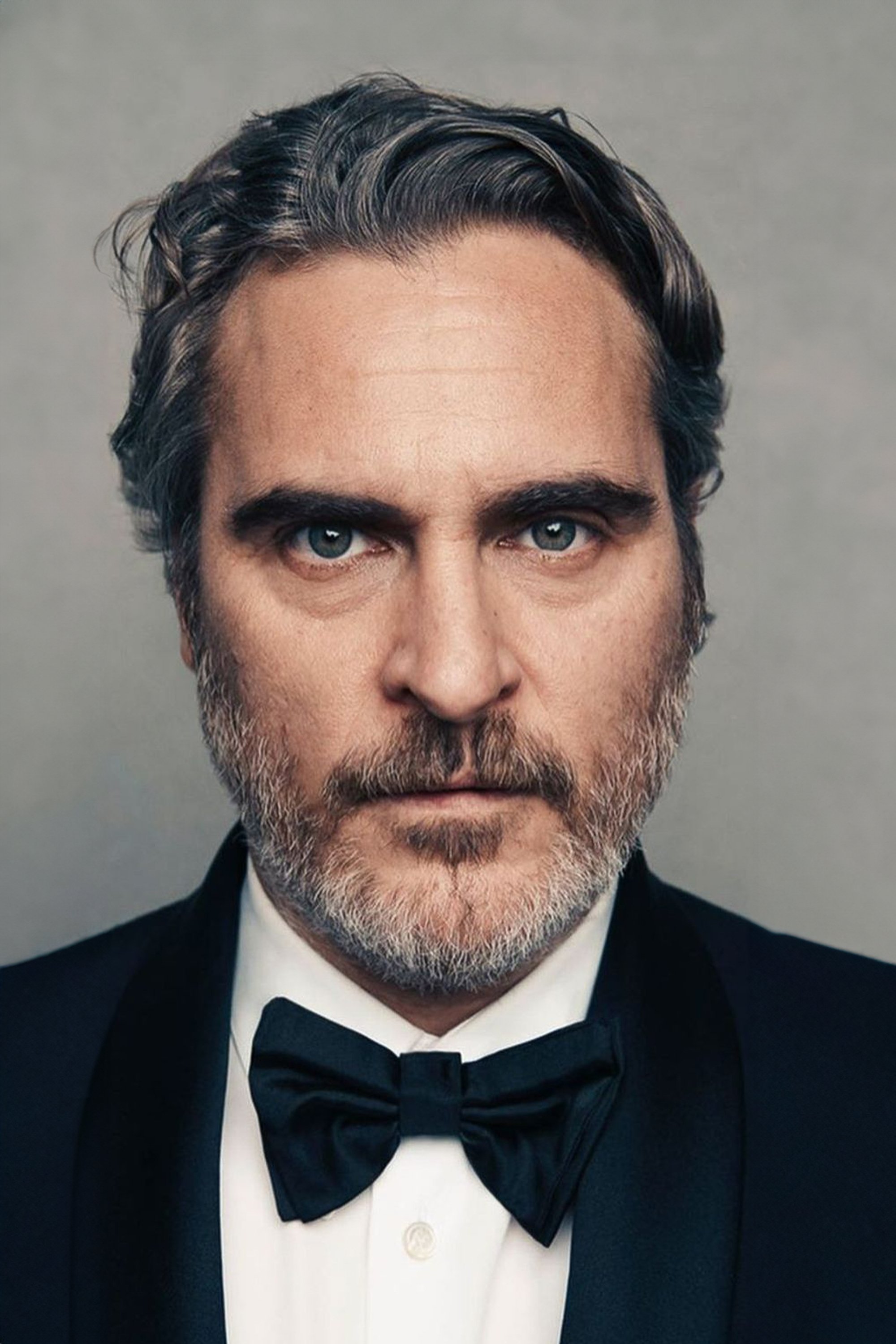
Phoenix addressed concerns about on screen violence by emphasizing the film’s focus on character study rather than endorsement. He explained that the story examined social isolation and mental health through a fictional lens. Phoenix said ambiguity was intentional so viewers would think about the issues rather than take cues on behavior. He described the performance as an exploration of consequences, not a celebration of them.
Robert Downey Jr. – ‘Tropic Thunder’ (2008)
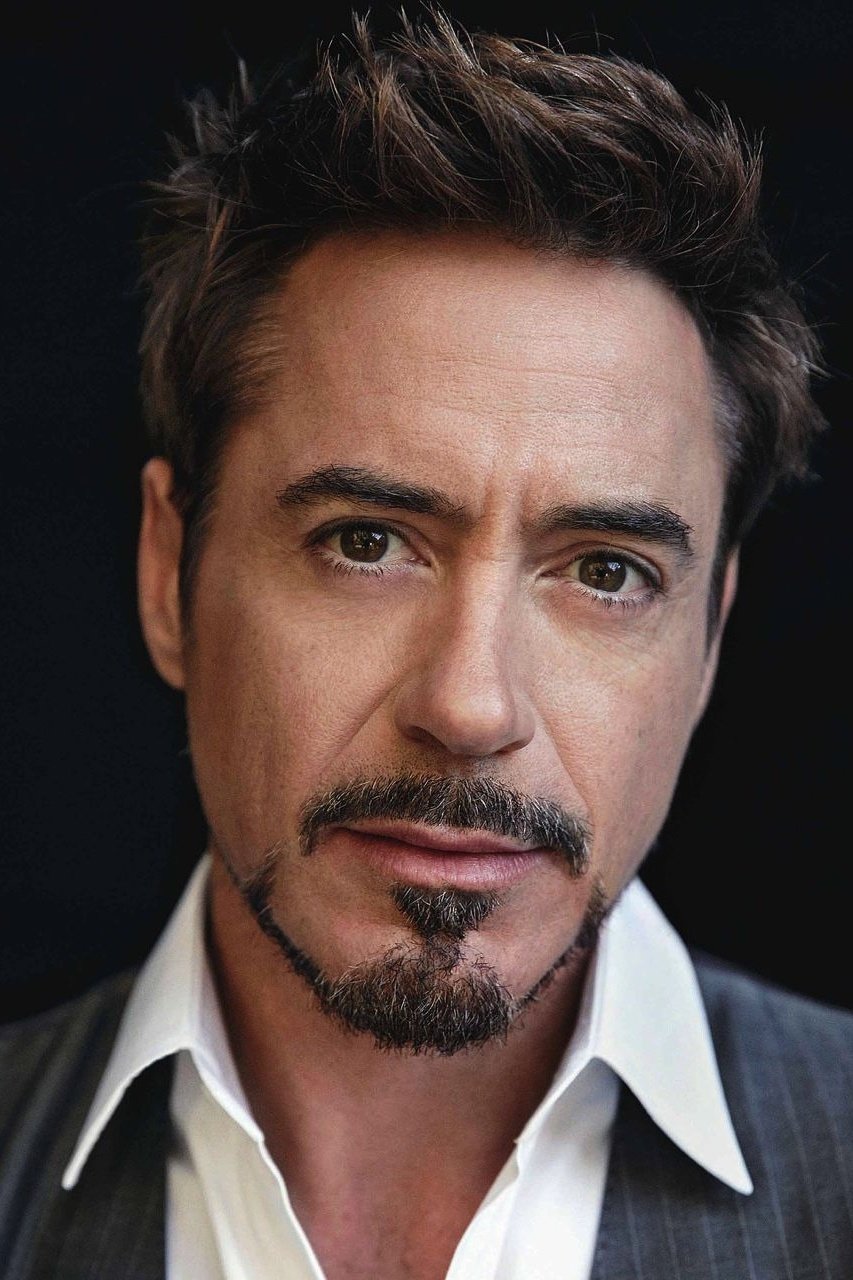
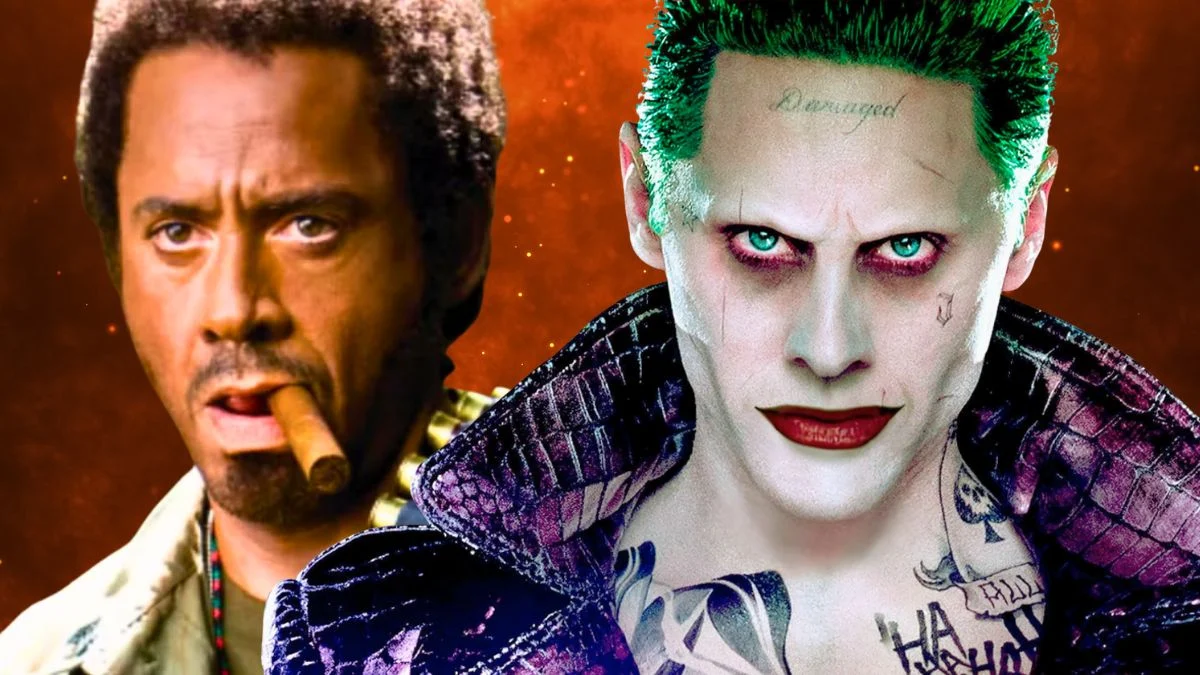
Downey explained that his character was a satire of actors who appropriate roles without understanding context. He said the comedy targeted industry ego and hypocrisy, not a community. Downey noted that the film was developed with sensitivity readers and boundaries to underline its critique. He framed the performance as part of a broader lampoon of Hollywood excess.
Dakota Johnson – ‘Fifty Shades of Grey’ (2015)
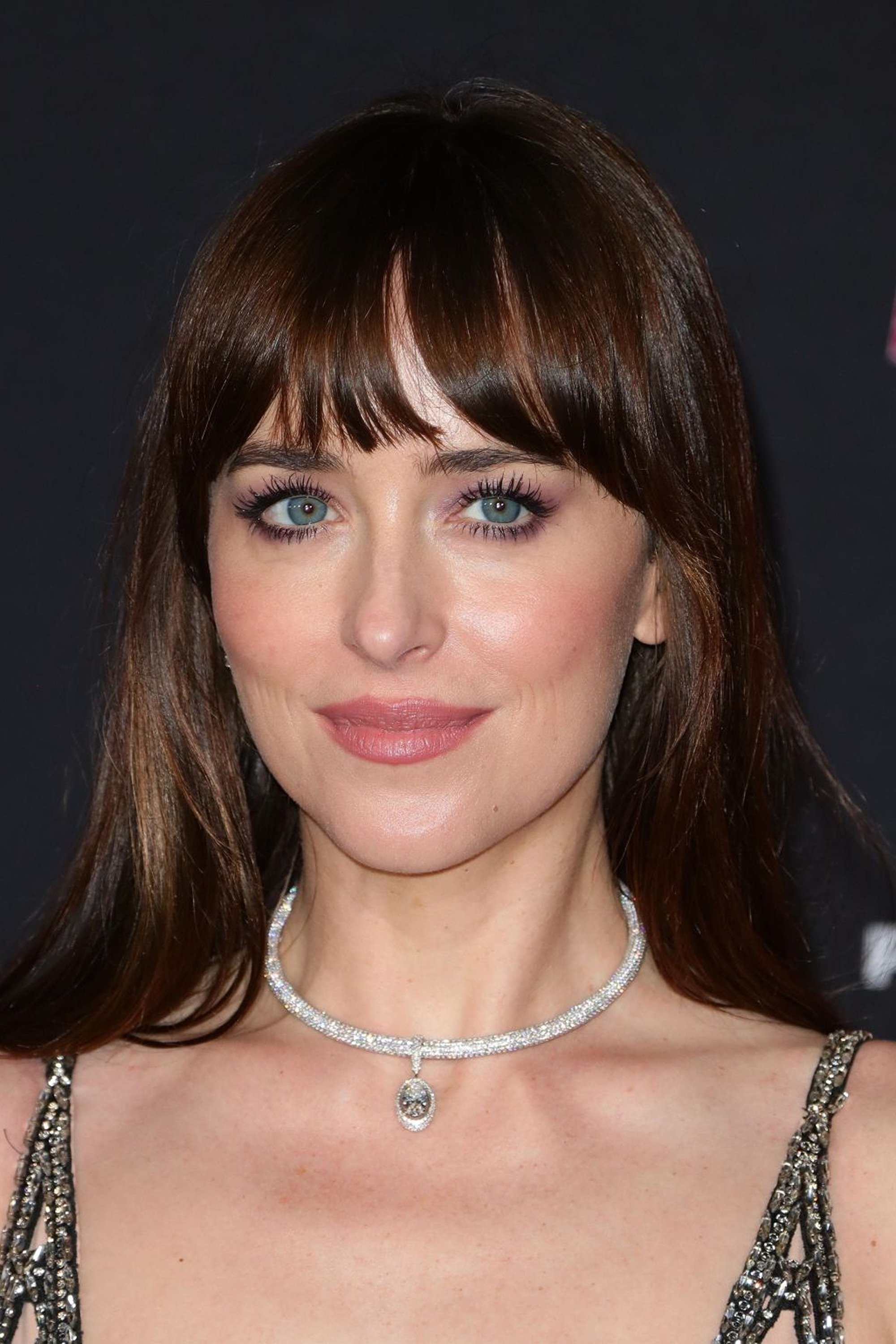
Johnson argued that the film depicted consensual adult relationships and emphasized the presence of explicit consent in key scenes. She said the creative team worked with intimacy guidelines to choreograph encounters carefully. Johnson described the story as a fantasy that audiences could choose to engage with on their own terms. She also pointed to the clear separation between fiction and real life practices.
Kristen Stewart – ‘Twilight’ (2008)
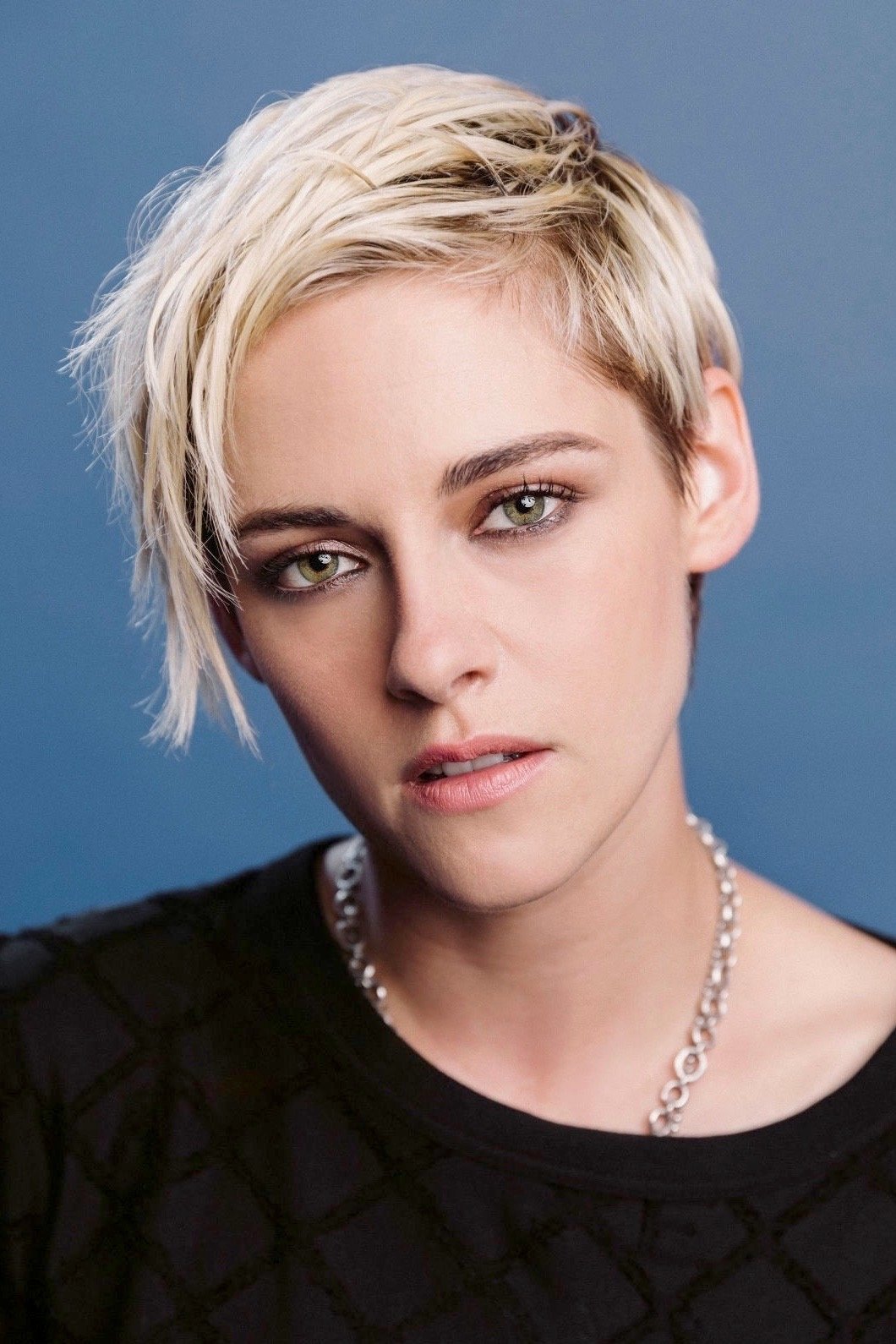
Stewart defended the film’s tone by saying it captured a specific kind of teen romance from the books. She emphasized that the portrayal of intensity and melodrama matched the source material’s voice. Stewart highlighted the way the movie connected with readers who wanted to see those emotions visualized. She credited the loyal fan community with shaping the production’s choices.
Jared Leto – ‘Suicide Squad’ (2016)
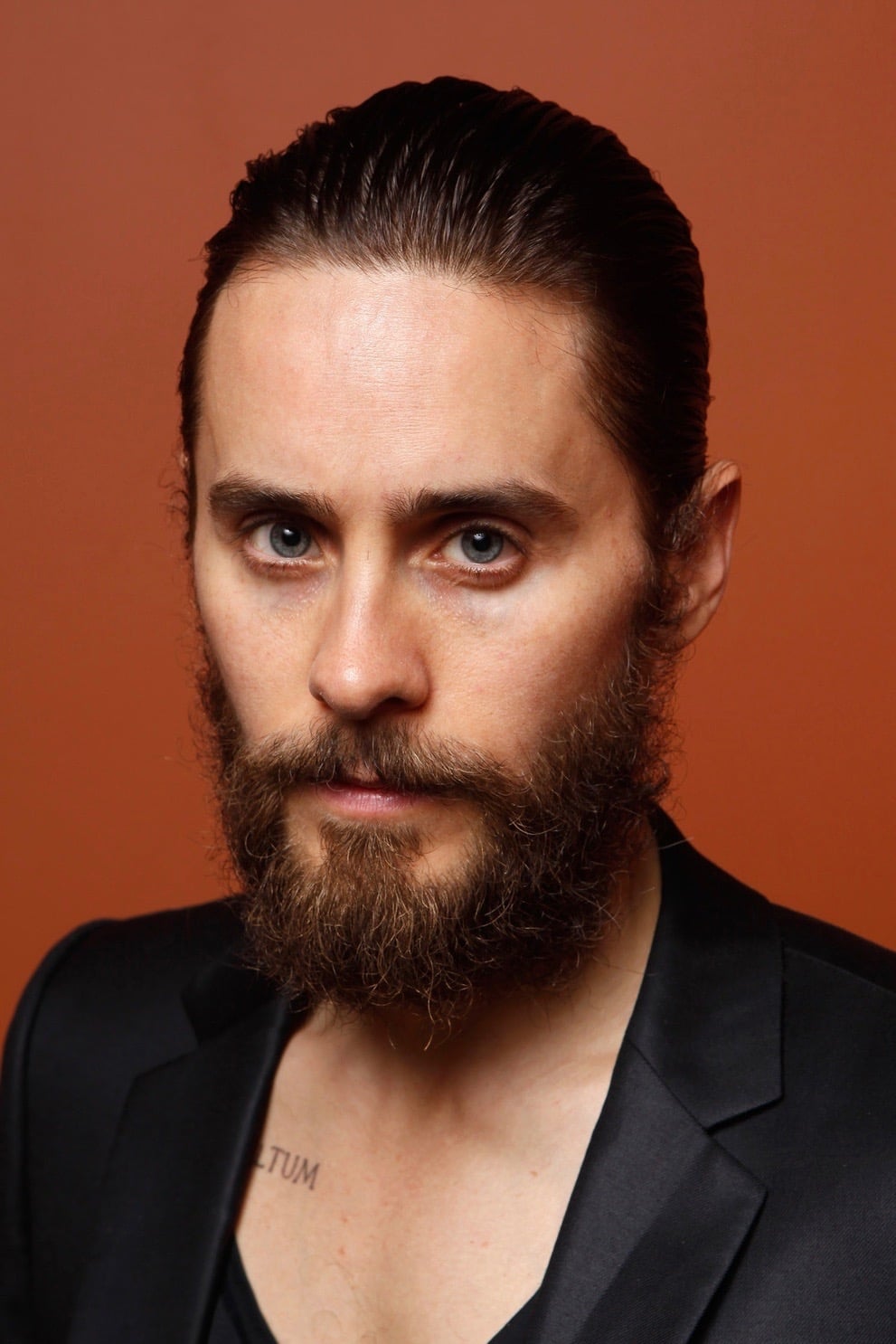
Leto said his interpretation of the Joker experimented with a different era and style. He explained that much of his work was trimmed for pacing, which changed how the character came across. Leto maintained that the choices were rooted in collaboration with the director and design team. He expressed that a fuller cut would show the arc that influenced his performance.
Johnny Depp – ‘The Lone Ranger’ (2013)
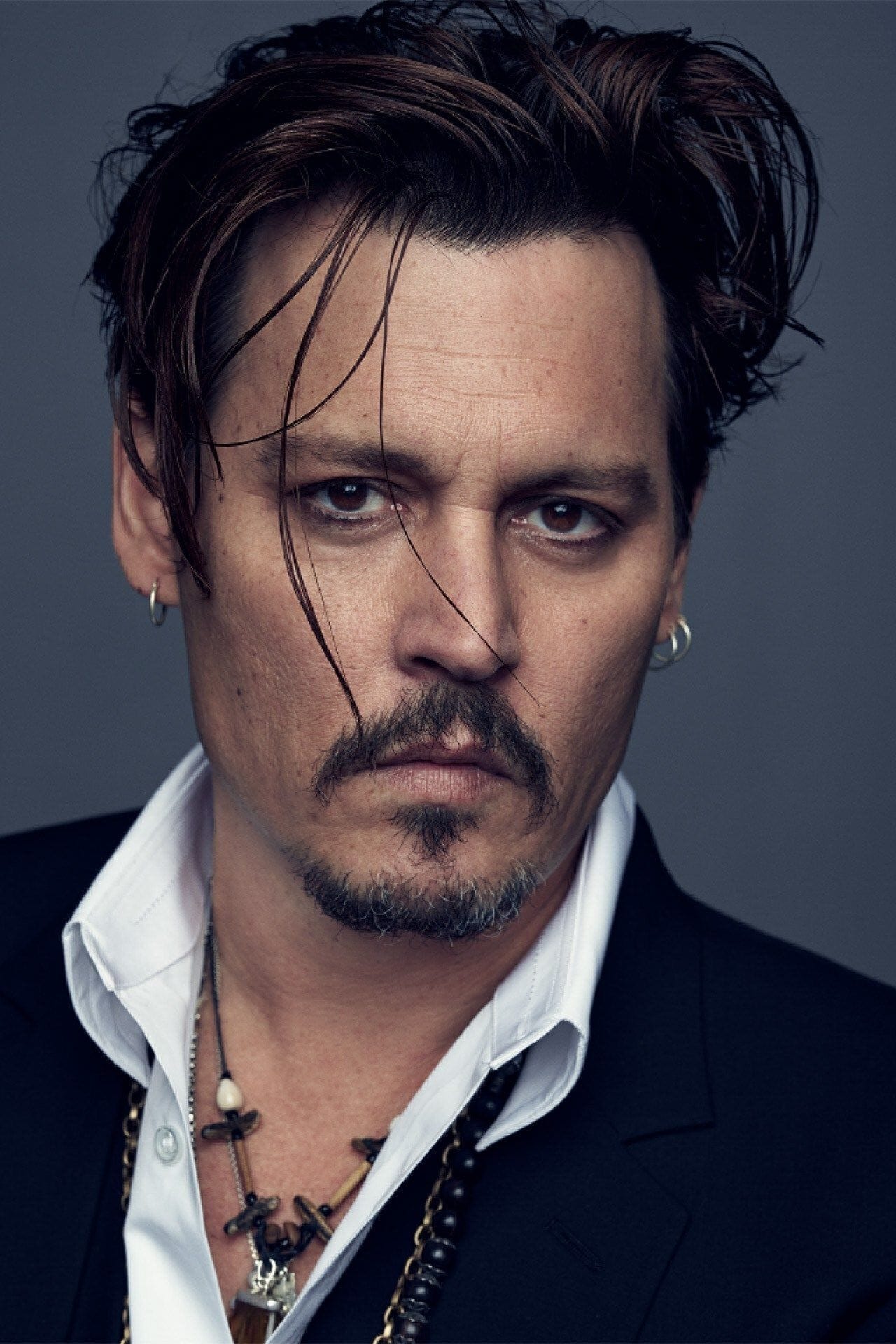
Depp said his portrayal of Tonto was intended as a tribute and that he consulted with Native advisors during filming. He emphasized the use of specific cultural details approved for the production. Depp pointed to partnerships with community representatives on set. He said the goal was to avoid caricature by grounding the character in research.
Matt Damon – ‘The Great Wall’ (2016)
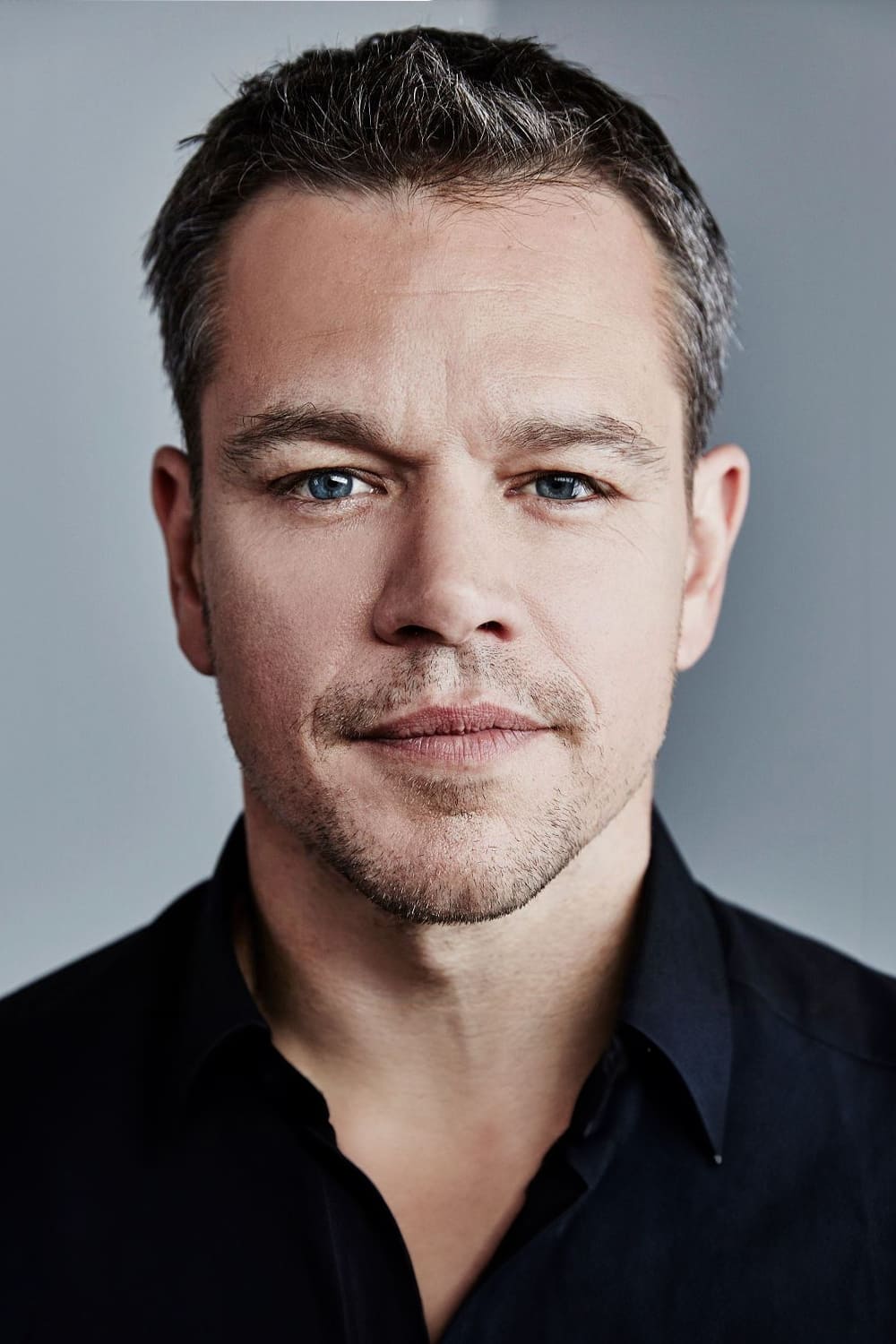
Damon addressed white savior criticism by stating the film was a fantasy set during a fictionalized conflict. He said the story positioned Chinese commanders and soldiers as central decision makers. Damon explained that the character he played was an outsider folded into an existing structure. He noted that the production was financed and led by Chinese partners and filmed in China.
Christian Bale – ‘Exodus: Gods and Kings’ (2014)
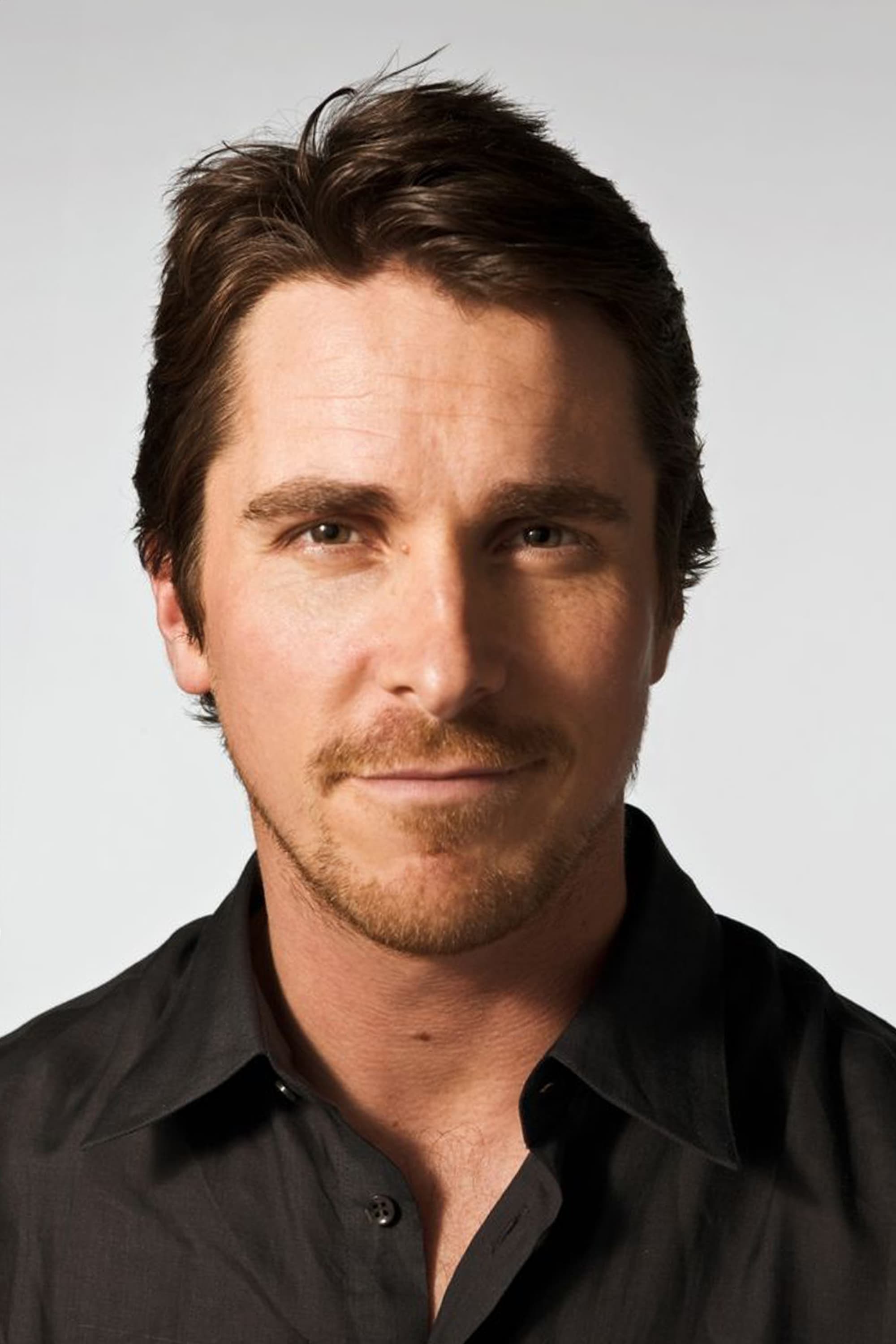
Bale said the cast reflected studio decisions tied to financing and global sales. He noted that the film aimed to present an epic interpretation rather than a historical record. Bale emphasized that the team consulted texts and scholars while condensing events for cinematic scope. He acknowledged the debate but maintained that the production worked within industry constraints.
Emma Watson – ‘Beauty and the Beast’ (2017)

Watson defended updates to Belle by saying the character’s skills and interests were expanded with research based details. She explained the wardrobe and design choices were built to match that backstory. Watson also addressed the minor LGBTQ inclusive moment by saying it was a small but deliberate step. She framed the new elements as enhancements for a modern audience.
Leonardo DiCaprio – ‘The Wolf of Wall Street’ (2013)
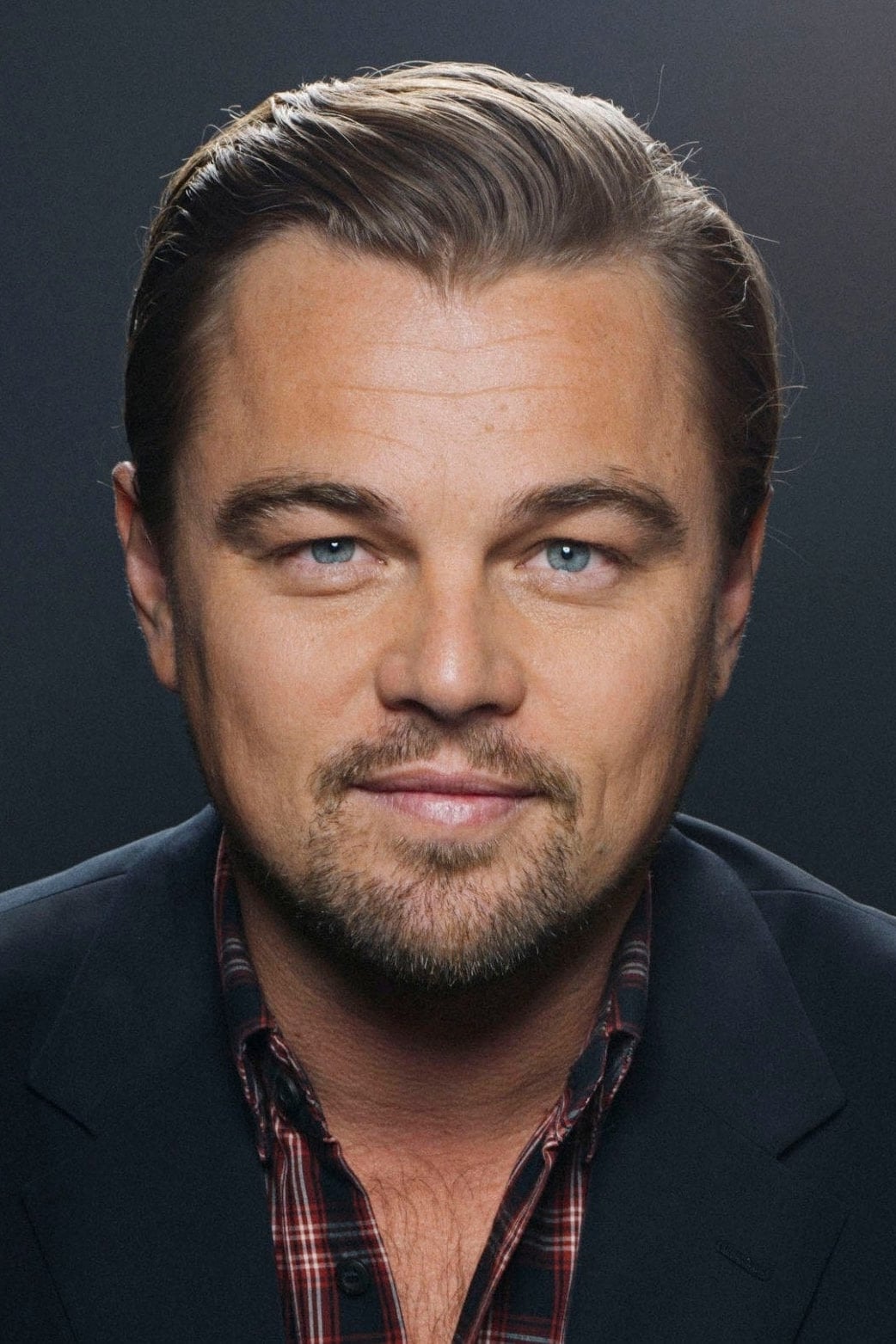
DiCaprio said the film depicted excess to expose it, not to praise it. He explained that the storytelling relied on unreliable narration to show moral collapse. DiCaprio emphasized that legal records and firsthand accounts shaped the script’s events. He viewed the explicit depiction as necessary to portray consequences.
Jennifer Lawrence – ‘mother!’ (2017)

Lawrence described the film as an allegory about creation, fame, and environmental strain. She said the intensity of certain scenes served symbolic functions rather than literal ones. Lawrence emphasized that rehearsals and safety protocols were used throughout demanding sequences. She urged viewers to approach the movie as a parable with layered meanings.
Seth Rogen – ‘The Interview’ (2014)

Rogen framed the film as a comedy about free expression made within legal guidelines. He explained that the production consulted with experts on sensitive topics during development. Rogen said the satire exaggerated events to make clear it was fictional. He added that release decisions were weighed alongside security advice at the time.
Sacha Baron Cohen – ‘Borat’ (2006)
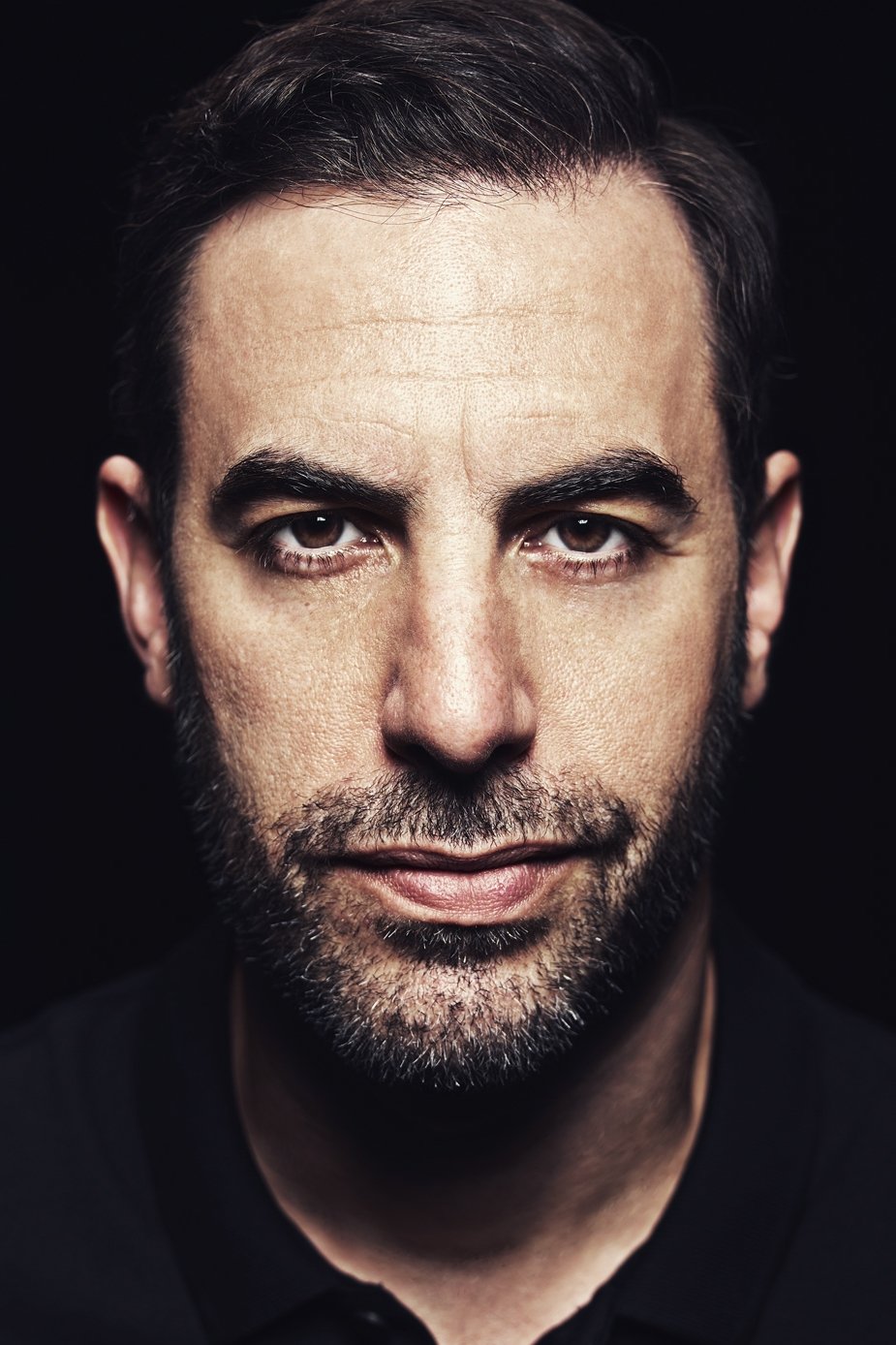
Baron Cohen said the film exposed prejudice by placing outrageous behavior in real interactions. He explained that participants signed releases and that lawyers reviewed segments. Baron Cohen emphasized that the humor targeted ignorance rather than any specific group. He said the character functioned as a lens to reveal what people would say when they thought no one was watching.
Nicolas Cage – ‘The Wicker Man’ (2006)
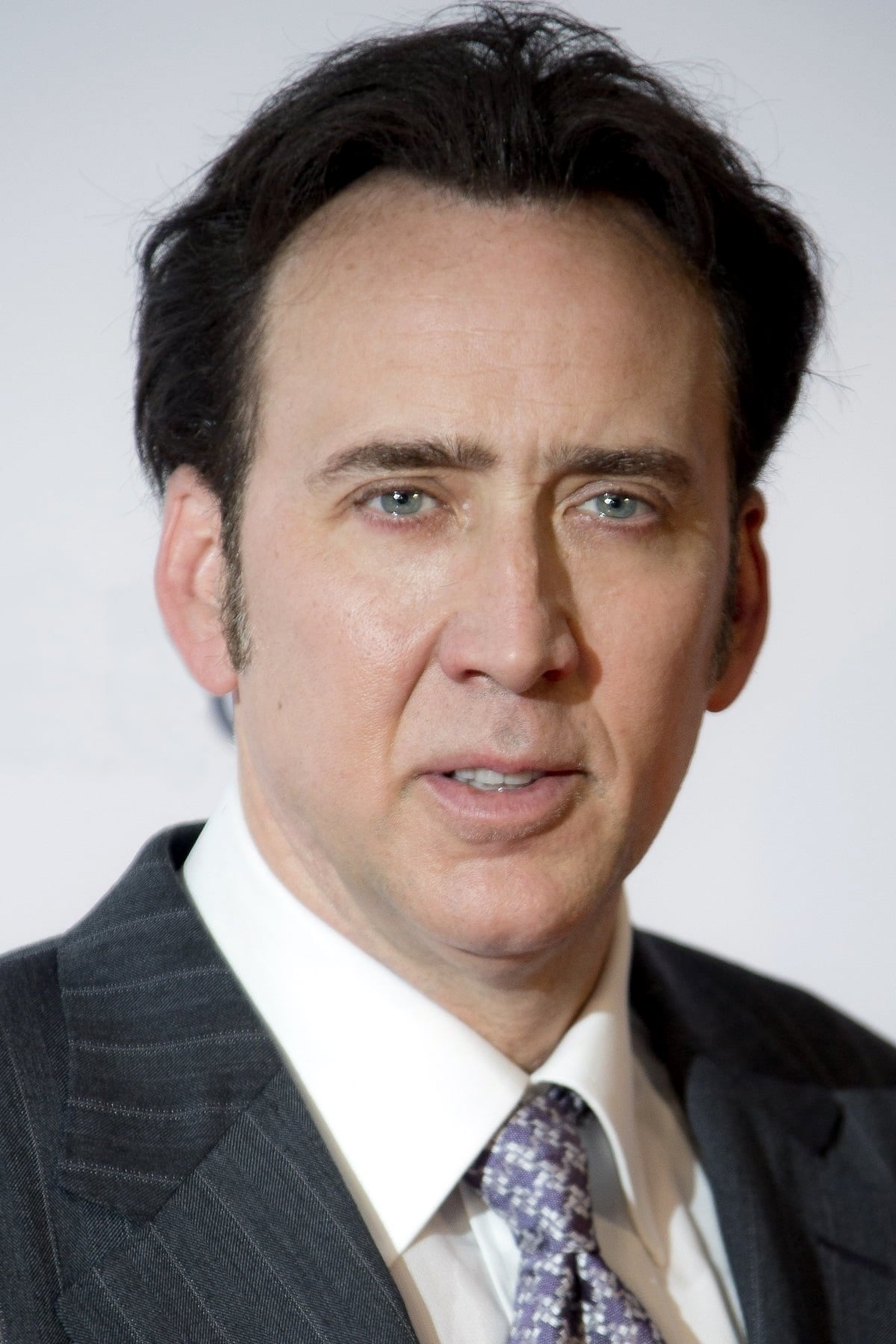
Cage said the performance was intentionally heightened to serve a folk horror black comedy tone. He explained that certain scenes were designed as camp to underline the protagonist’s unraveling. Cage maintained that the choices aligned with a stylized approach agreed upon with the director. He later pointed to the film’s afterlife as evidence of its intended eccentricity.
Halle Berry – ‘Catwoman’ (2004)
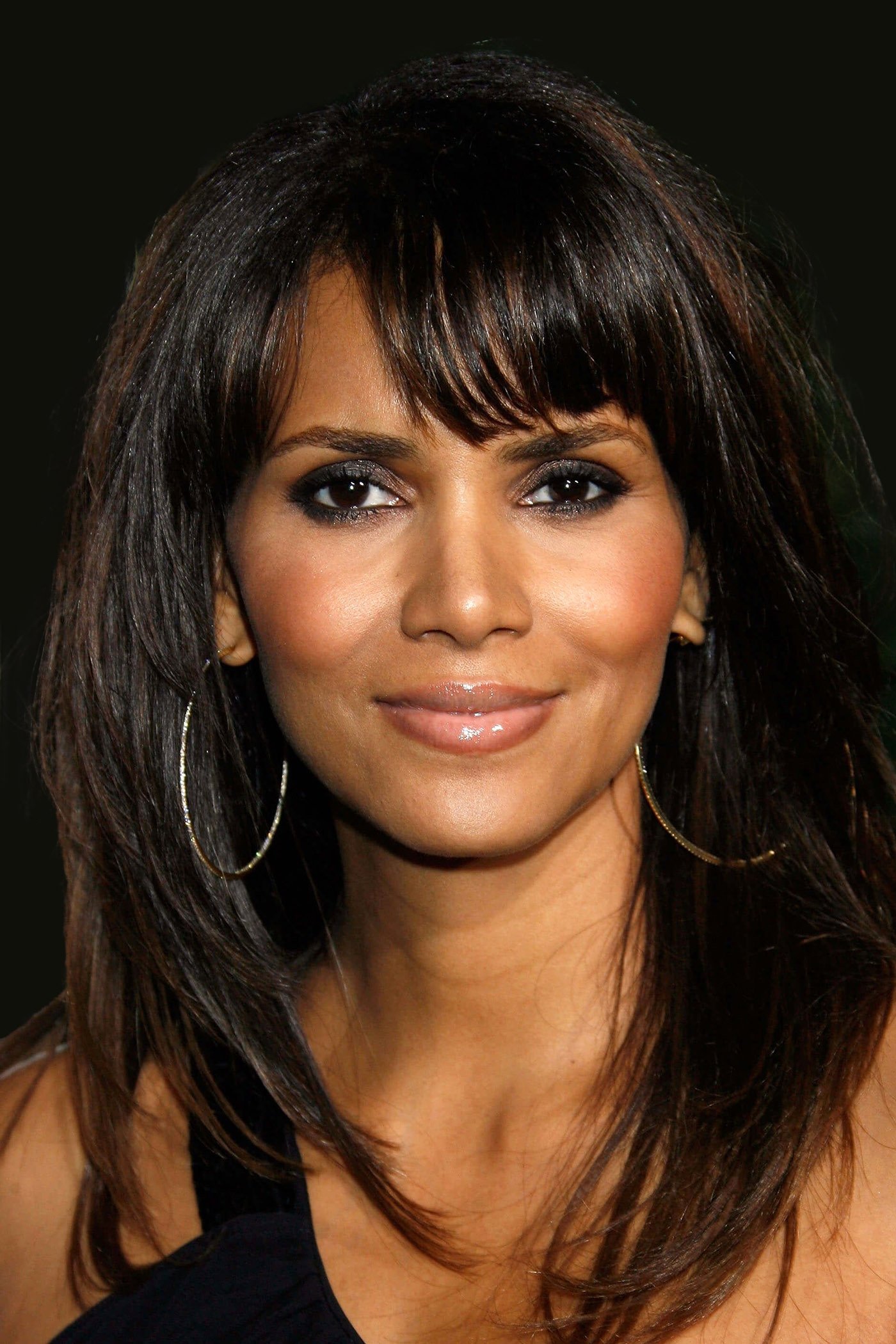
Berry said she took the role to explore a female led comic book movie at a time when few existed. She noted that the stunt and fight work required extensive training and coordination. Berry explained that the production attempted a stand alone reinvention rather than a direct comics adaptation. She defended the effort of the crews and performers who built the action around her character.
Ben Affleck – ‘Batman v Superman: Dawn of Justice’ (2016)
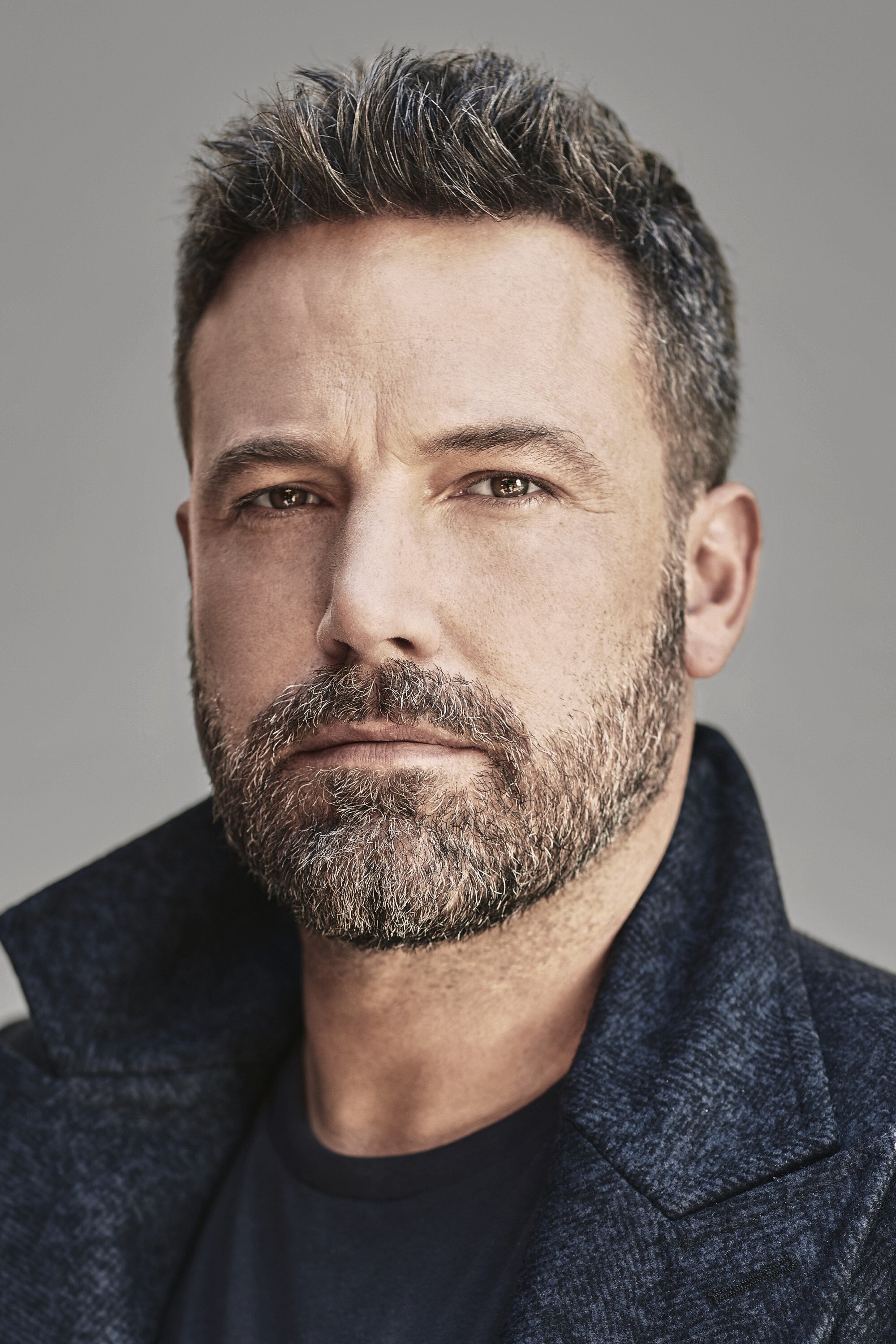
Affleck said the film pursued a darker tone that treated superhero consequences seriously. He explained that the production wove multiple storylines to set up a larger universe. Affleck highlighted the physical preparation and performance choices that defined his version of the character. He stood by the ambition of the project’s scale and structure.
Brie Larson – ‘Captain Marvel’ (2019)

Larson defended the film’s approach to a new hero origin in a timeline that intersected with earlier entries. She said the character’s personality was built to evolve across future stories. Larson emphasized the effort to foreground a female lead within a long running franchise. She noted that audience response included strong support from younger viewers discovering the character.
Tom Cruise – ‘The Last Samurai’ (2003)
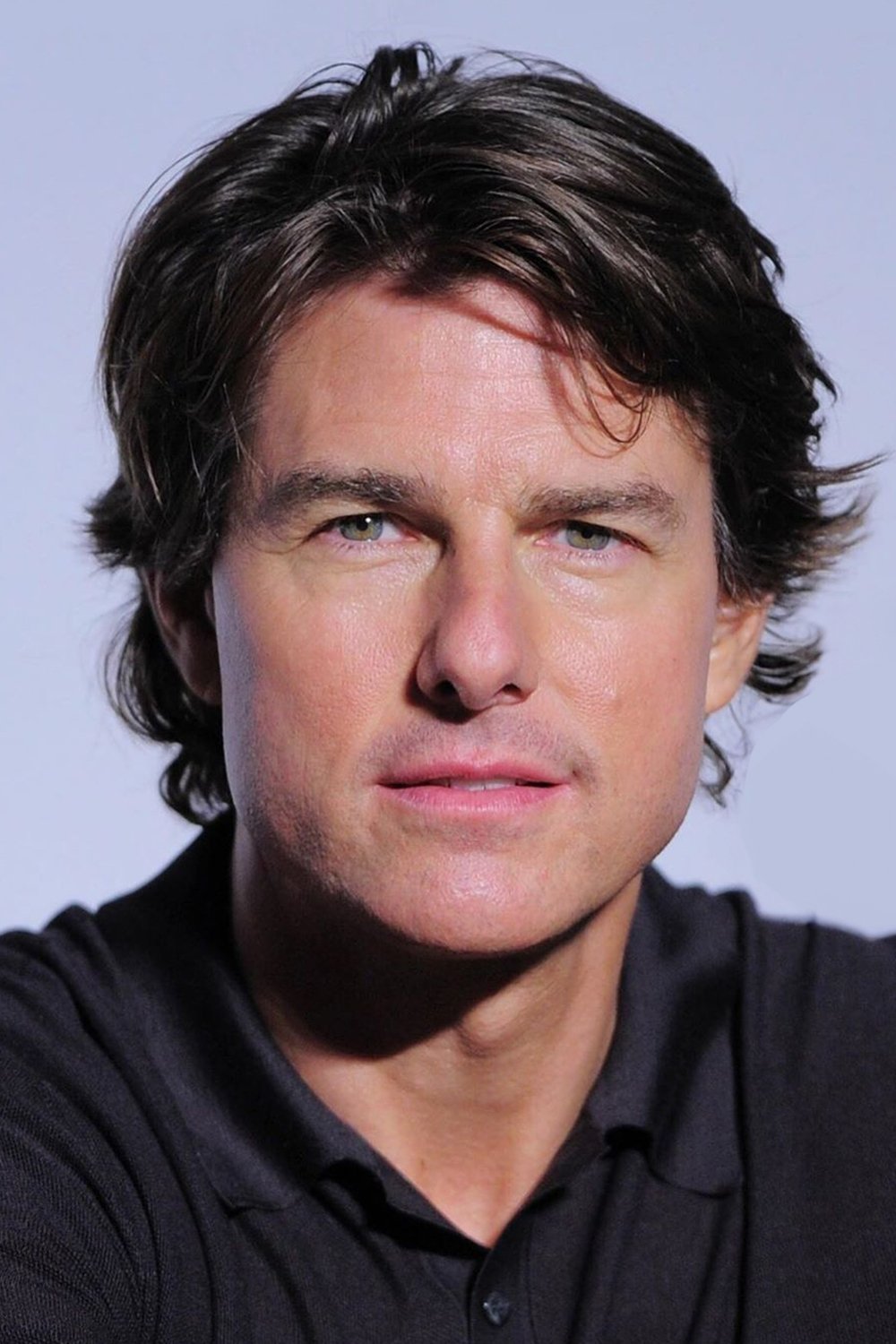
Cruise said the narrative centered on a Japanese character’s transformation with his role as an observer inside that journey. He emphasized the training in traditional combat and language that the cast undertook. Cruise pointed to Japanese collaborators who shaped costume, choreography, and setting authenticity. He framed the film as an attempt to respect a specific historical period.
Jamie Foxx – ‘Django Unchained’ (2012)
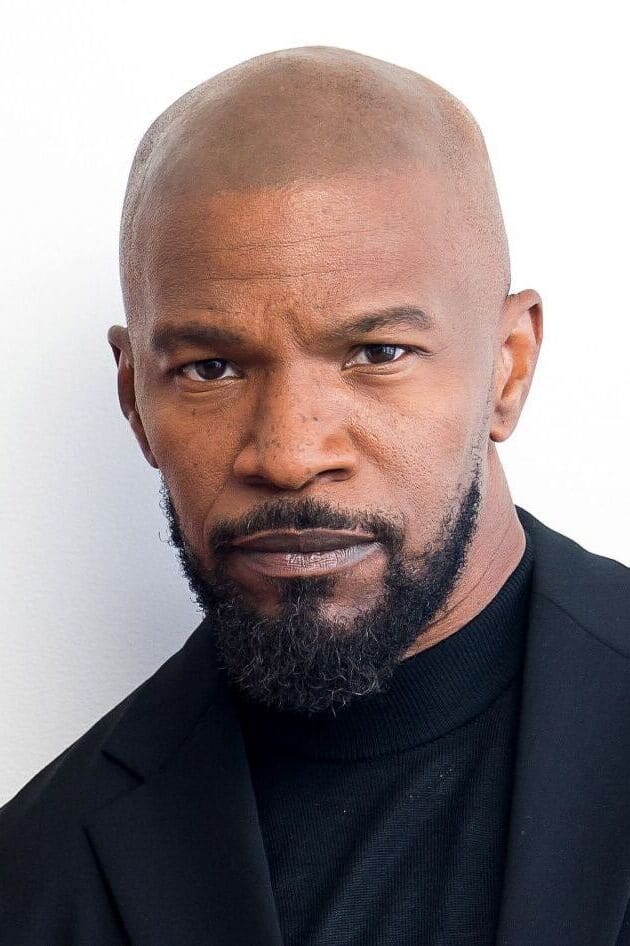
Foxx defended the script’s harsh language as context for the era depicted. He said the violence and satire were used to confront history rather than soften it. Foxx emphasized the care taken in choreographing scenes that were emotionally difficult. He credited the film’s revenge narrative with giving agency to a character rarely centered in that setting.
Share your take in the comments and tell us which defenses you think made the strongest case.