Top 20 PG Movies That Should Have Been Rated R


PG has covered a lot of ground over the decades, and some films pushed that boundary so hard that many viewers still do a double take at the rating. The movies below include intense creature effects, startling violence, heavy innuendo, and imagery that famously rattled parents and kids alike. Several even helped trigger a reevaluation of the rating system itself. Here are twenty PG titles whose content lands closer to grown up territory than the label suggests.
‘Indiana Jones and the Temple of Doom’ (1984)
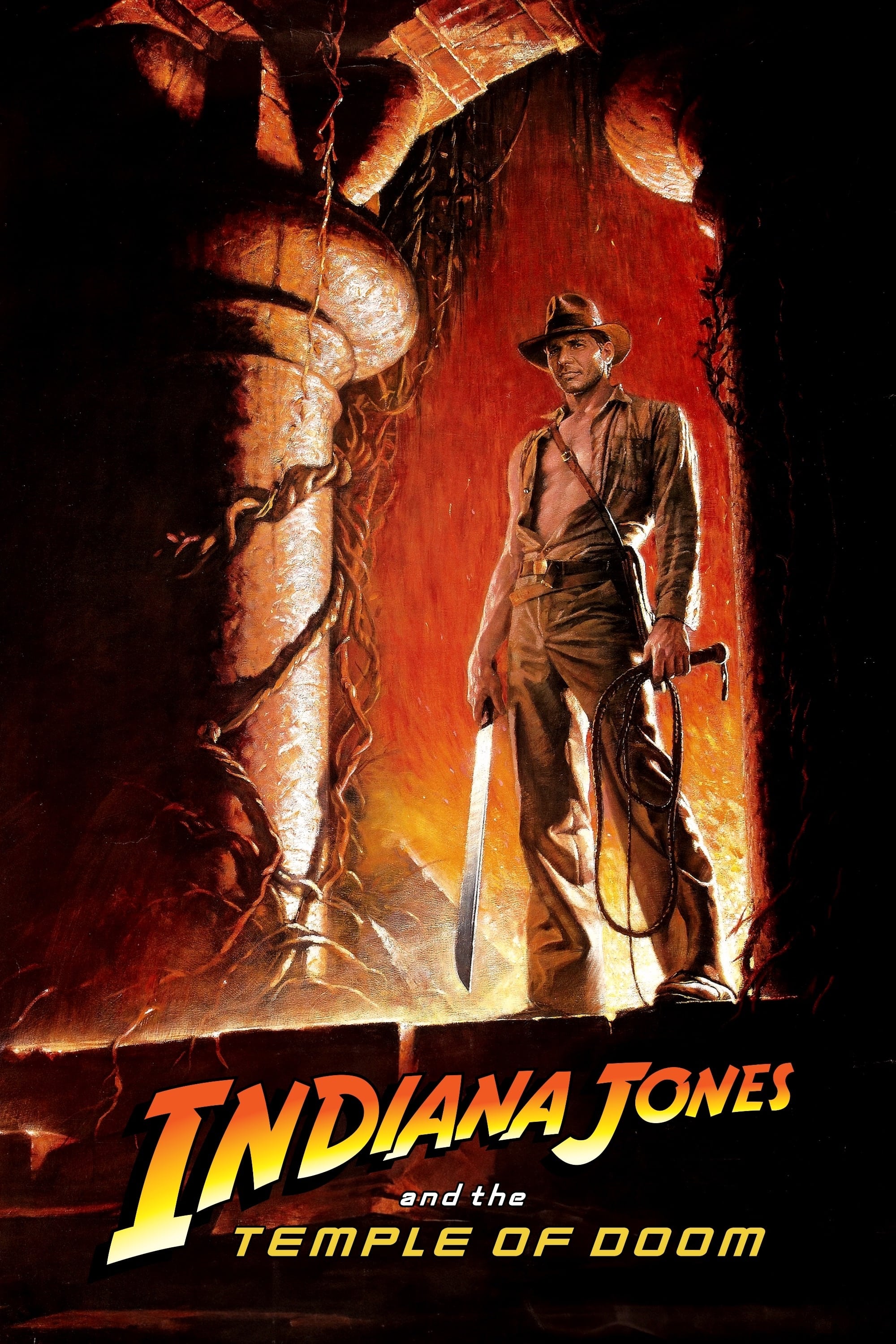
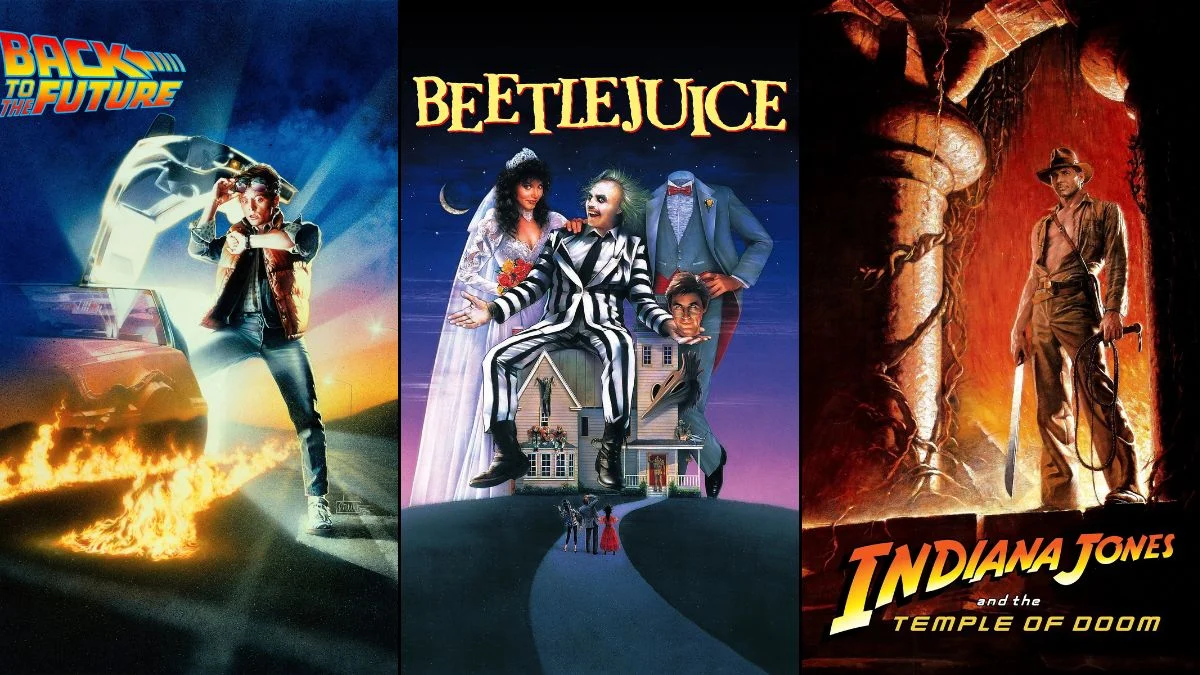
This adventure features a shocking heart removal ritual, child slavery, and prolonged scenes of terror in underground caverns. Practical effects show burning, whipping, and graphic peril that feels far beyond mild adventure thrills. The tone is relentlessly dark, with brainwashing and human sacrifice central to the plot. Complaints about its intensity were widespread and it became a key catalyst for the PG-13 rating that followed soon after.
‘Gremlins’ (1984)
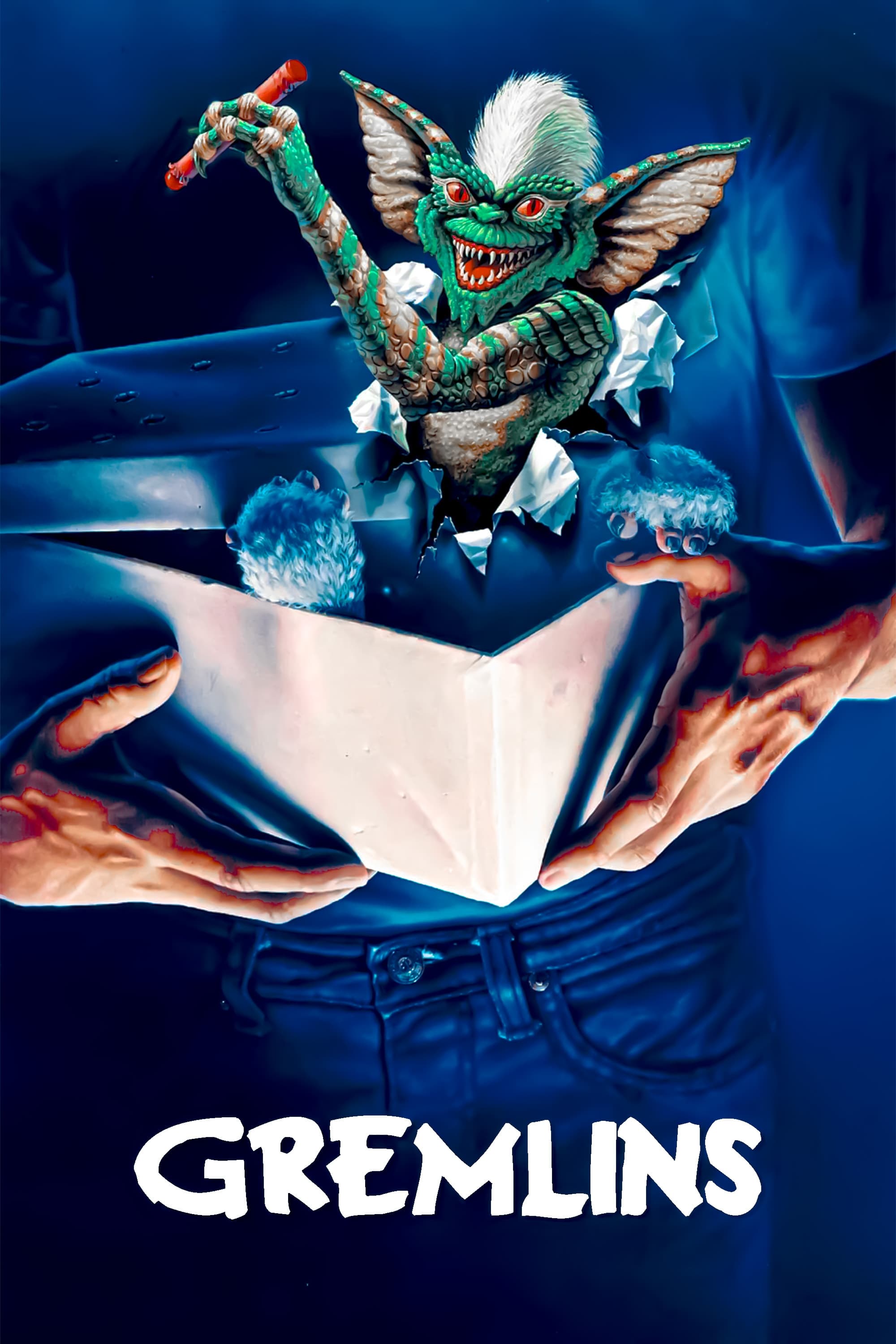
The creature mayhem includes kitchen blender carnage, a microwave explosion, and multiple on screen monster deaths. Holiday settings contrast with jump scares and a bleak backstory involving a fatal chimney accident. The film mixes slapstick with violent set pieces that build genuine fear, not just mischief. Its parental backlash was significant and it helped spur the creation of PG-13.
‘Jaws’ (1975)
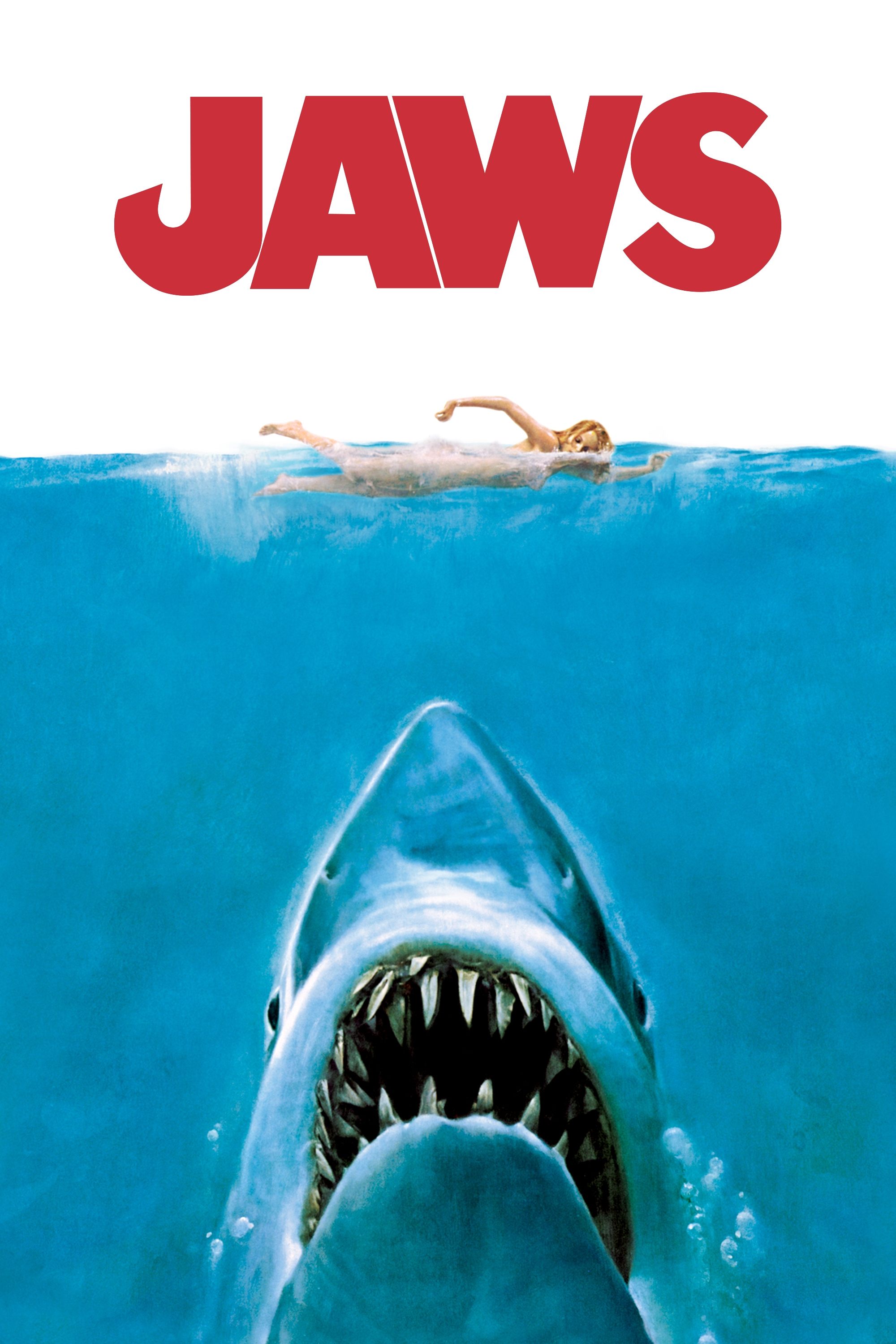
Graphic shark attacks show severed limbs, spurting blood, and a victim being devoured at close range. The opening attack is prolonged and terrifying, with screaming and thrashing that set a serious tone. Later scenes feature a mangled corpse and a child targeted on a crowded beach. The suspense and violence established a modern template for screen terror that sits uneasily with a PG label.
‘Poltergeist’ (1982)
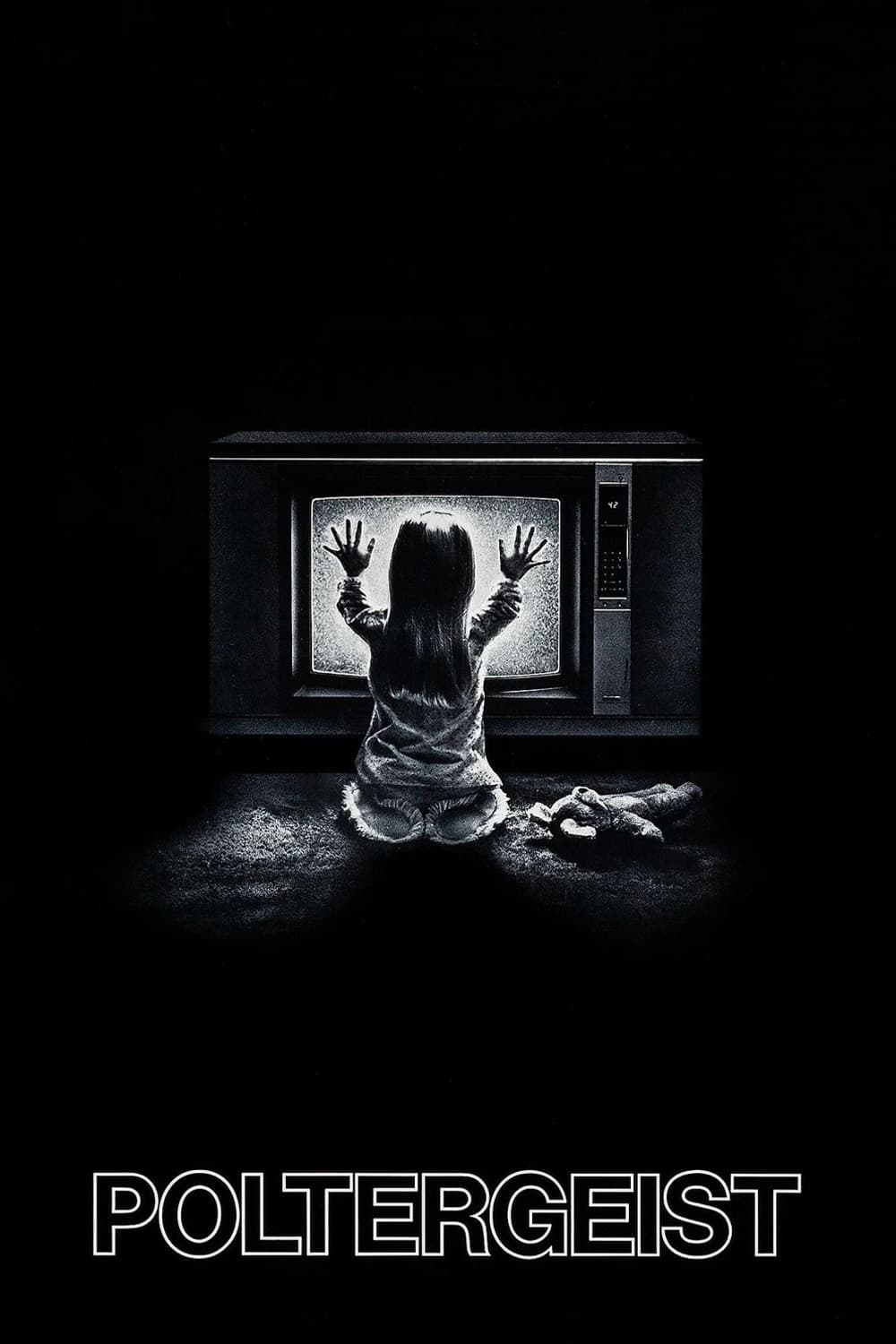
Supernatural horror includes a face peeling hallucination, corpses surfacing in muddy water, and a child being dragged by a malevolent force. The house becomes a site of relentless fear, with swirling objects and grotesque specters. A clown doll attack and closet vortex sequences are staged like full on horror set pieces. The intensity and imagery remain startling for a family accessible rating.
‘Beetlejuice’ (1988)
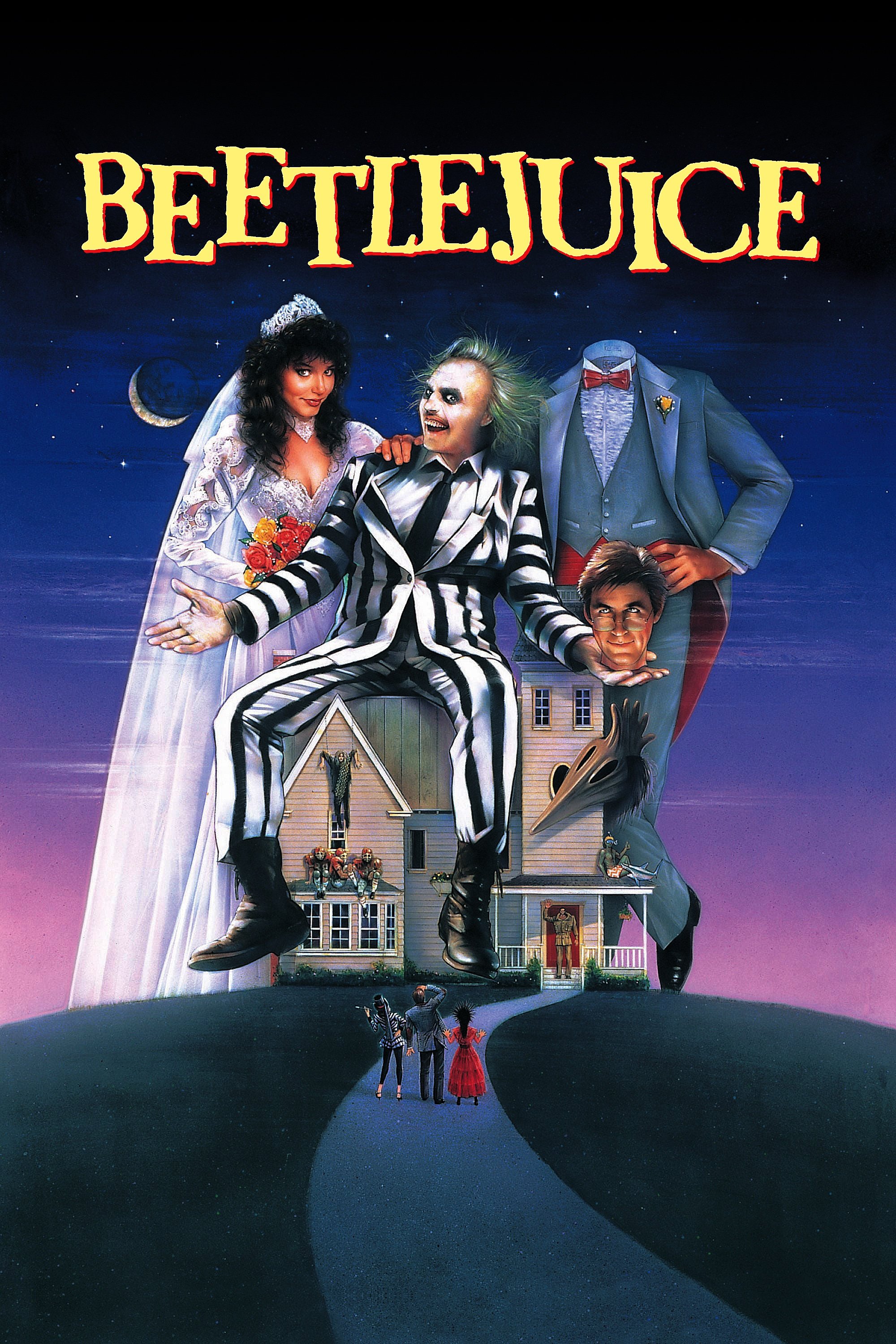
Macabre gags involve suicide references, dismembered ghosts, and a bureaucratic afterlife where death scenes are played for laughs. The title character is aggressively lewd, with crude propositions and unsettling behavior toward a teenage girl. Visuals include snakes, sandworms, and distorted faces used to frighten the living. The mixture of sexual innuendo and grotesque comedy stretches PG to its limit.
‘Who Framed Roger Rabbit’ (1988)
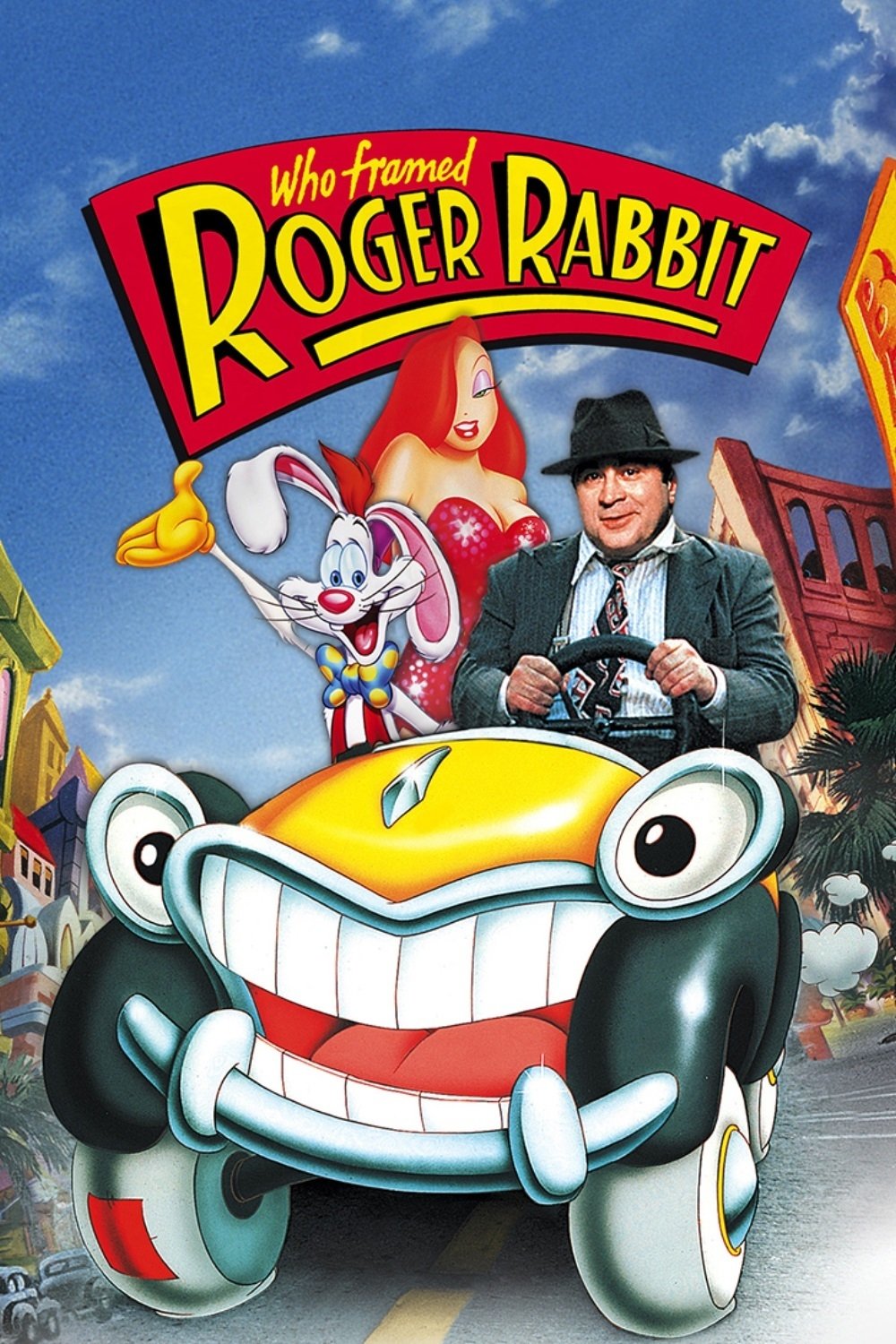
Violence includes melting cartoon characters in a vat of chemical solvent and a villain whose transformation is nightmarish. The plot leans into noir themes like corruption, murder, and doomed love. Jessica Rabbit’s nightclub performances introduce heavy innuendo that skirts adult territory. The blend of slapstick and disturbing imagery creates a tonal clash that feels more mature than PG suggests.
‘Airplane!’ (1980)
Rapid fire jokes include explicit sexual references, drug gags, and a brief moment of nudity. The film parodies disaster movies with scenes of panic, fistfights, and passengers knocking each other out. Visual humor leans on risqué sight gags and double entendres throughout. The sheer volume of adult material clashes with the expectations of a family friendly rating.
‘Ghostbusters’ (1984)
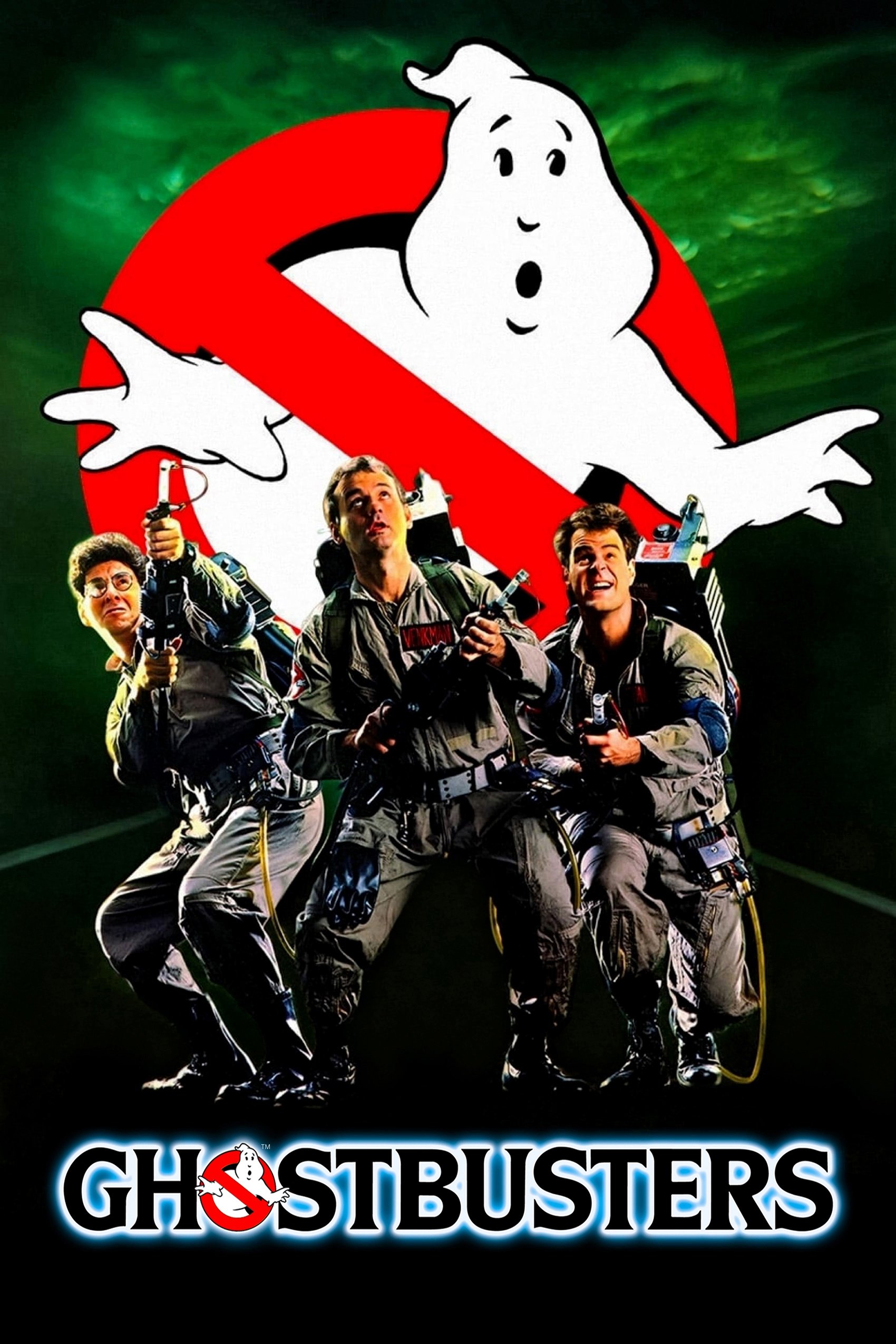
Paranormal encounters include a ghostly seduction scene, a demonic possession, and a terror dog attack that plays as creature horror. The library introduction uses a startling jump scare that hits like a pure fright beat. Casual profanity and sexual innuendo appear across the team’s banter. The mix of scares and adult humor frequently drifts beyond typical PG boundaries.
‘The Goonies’ (1985)
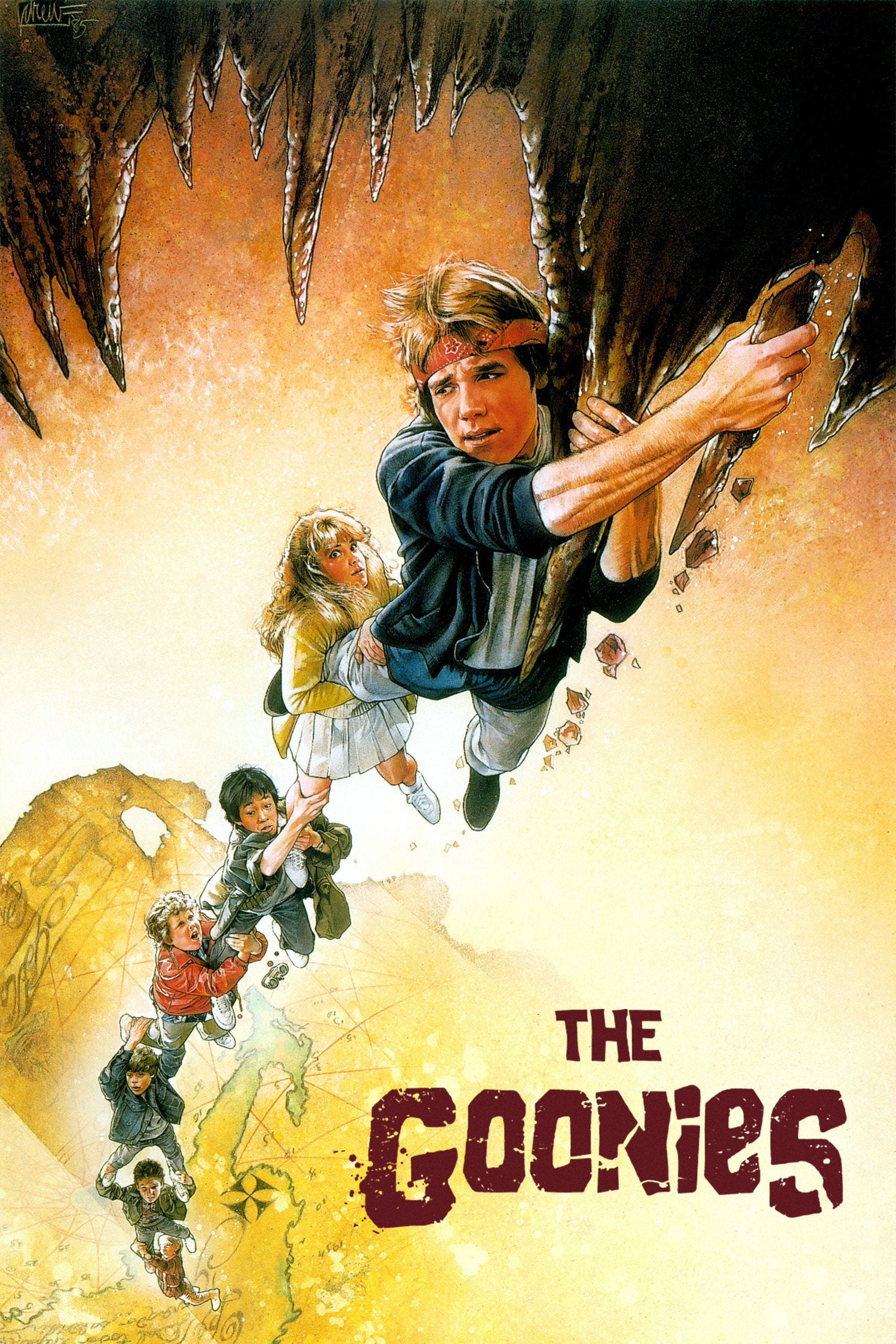
Criminal threats involve guns pointed at children, a near drowning, and a freezer corpse gag that can be disturbing. Traps in the pirate cave inflict real danger with blades, falling rocks, and booby traps. Dialogue includes frequent coarse language from young characters and multiple crude jokes. The sustained peril and tone make it a more intense ride than a standard family adventure.
‘Back to the Future’ (1985)
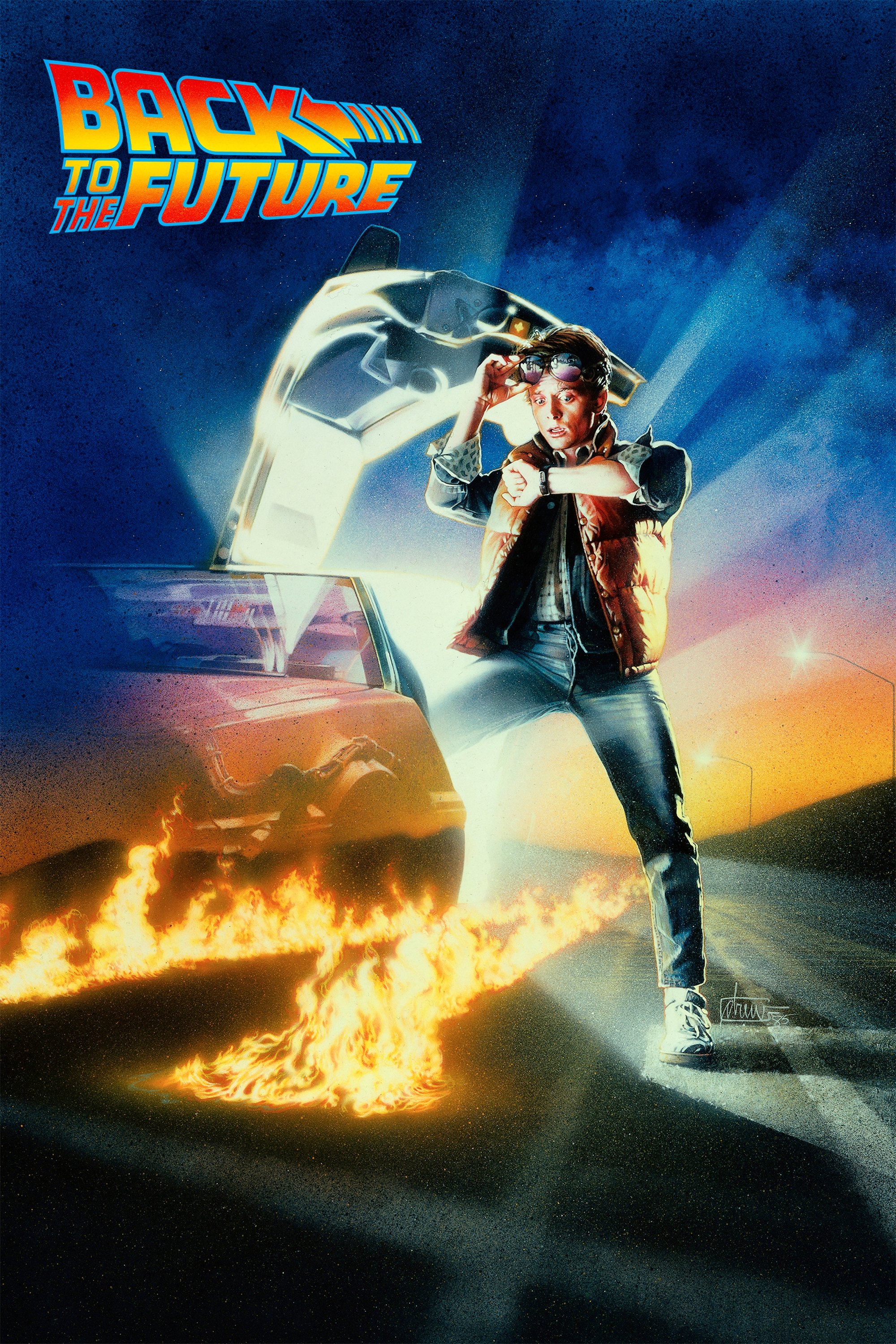
Key scenes involve teen drinking, implied attempted assault in a parked car, and a gun fired at point blank range. The time travel plot brings parents and children into awkward romantic encounters. Bullying and violence are presented with serious stakes, not just comic beats. It balances broad comedy with moments that feel uncomfortably adult for a PG label.
‘Big’ (1988)
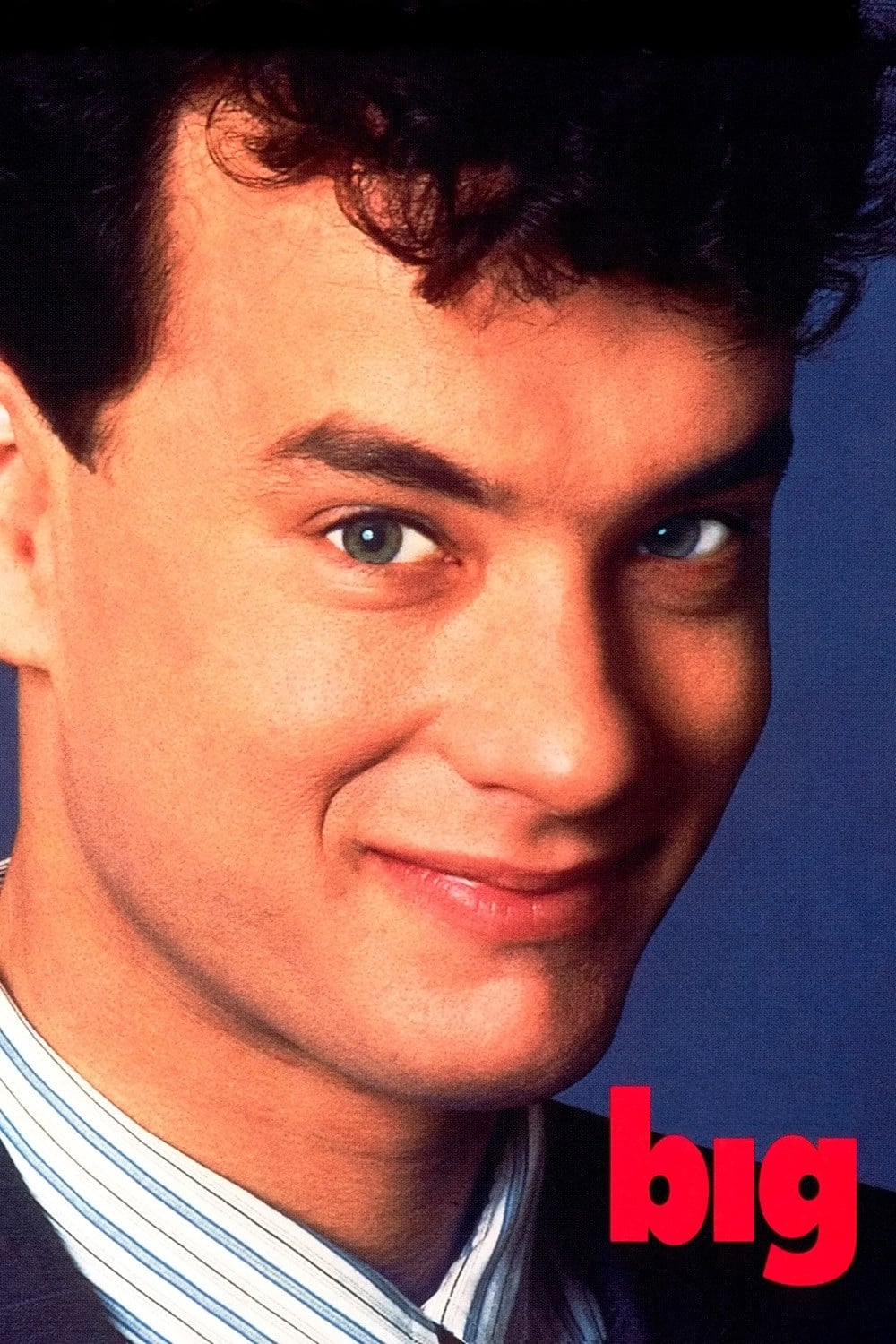
A romantic relationship between an adult woman and a boy in a grown body creates ethically fraught implications. There is a clear suggestion of sexual activity that becomes central to character development. The film also includes alcohol use and a tense mugging scene. The premise raises mature themes about consent and identity that can read as adult oriented content.
‘Splash’ (1984)
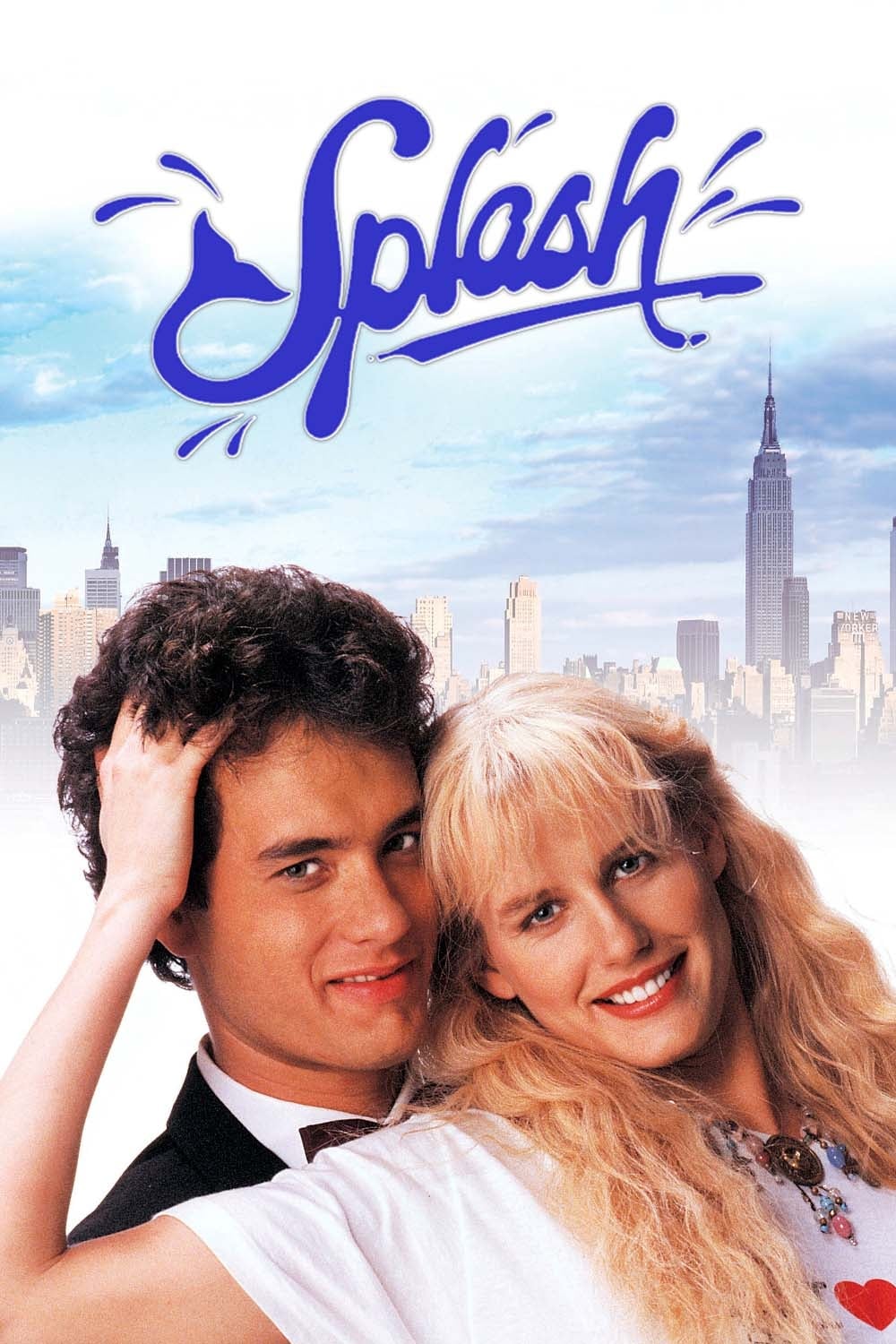
A bathtub scene and extended nudity were prominent enough to be altered in later streaming edits. The story mixes fairytale elements with sexual humor and frank discussions about intimacy. Government agents pursue the lead with aggressive tactics that escalate to capture and experimentation. The adult romance and visual content push the film beyond gentle PG territory.
‘Time Bandits’ (1981)
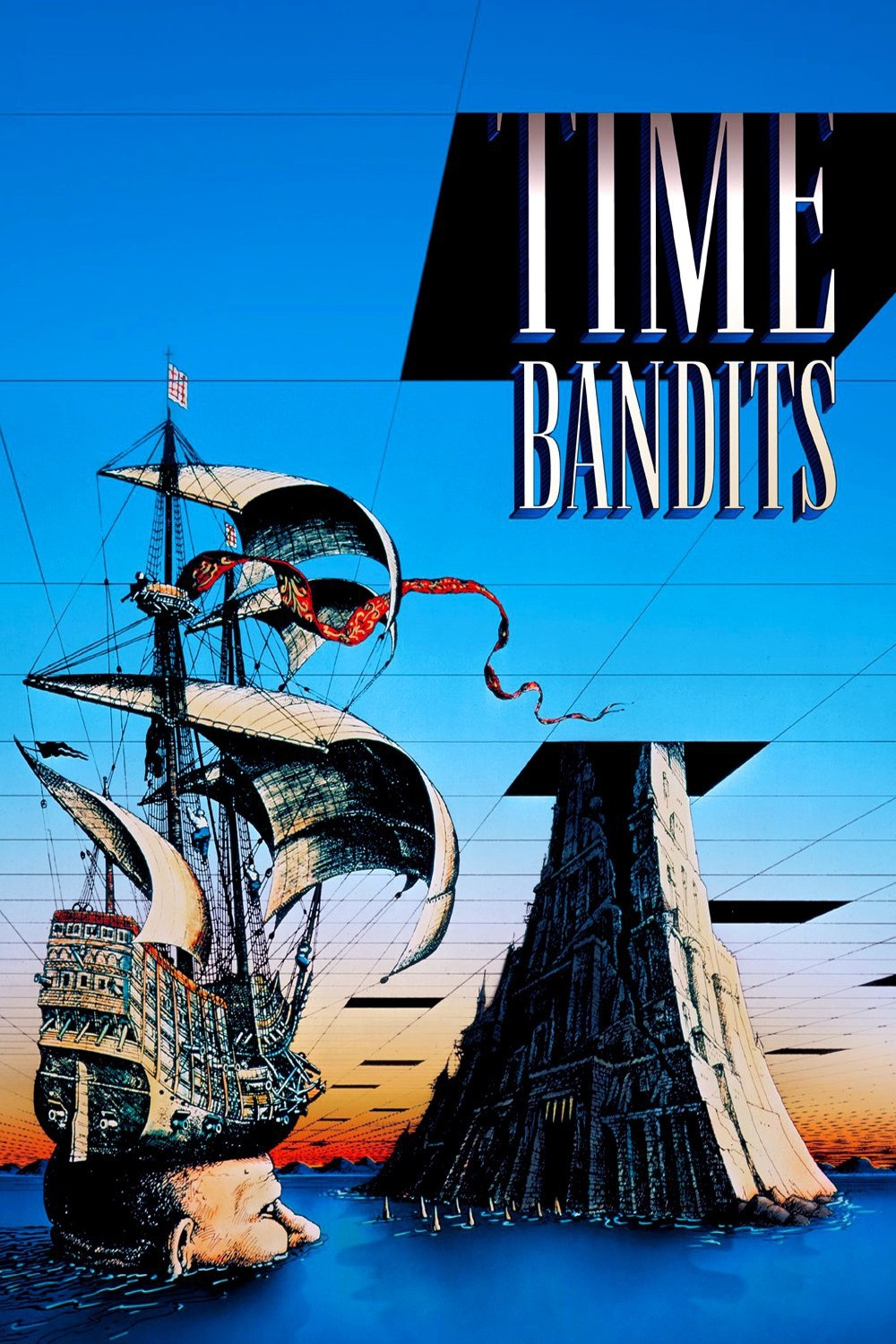
Violent encounters include executions, gunfire, and an ending that delivers a grim twist involving a child’s home. The villains and creatures are designed to unsettle, using masks, fire, and nightmarish imagery. Historical segments show warfare and looting with little softening for young viewers. The tone veers from whimsy to bleakness in ways that feel more adult than the rating implies.
‘Watership Down’ (1978)
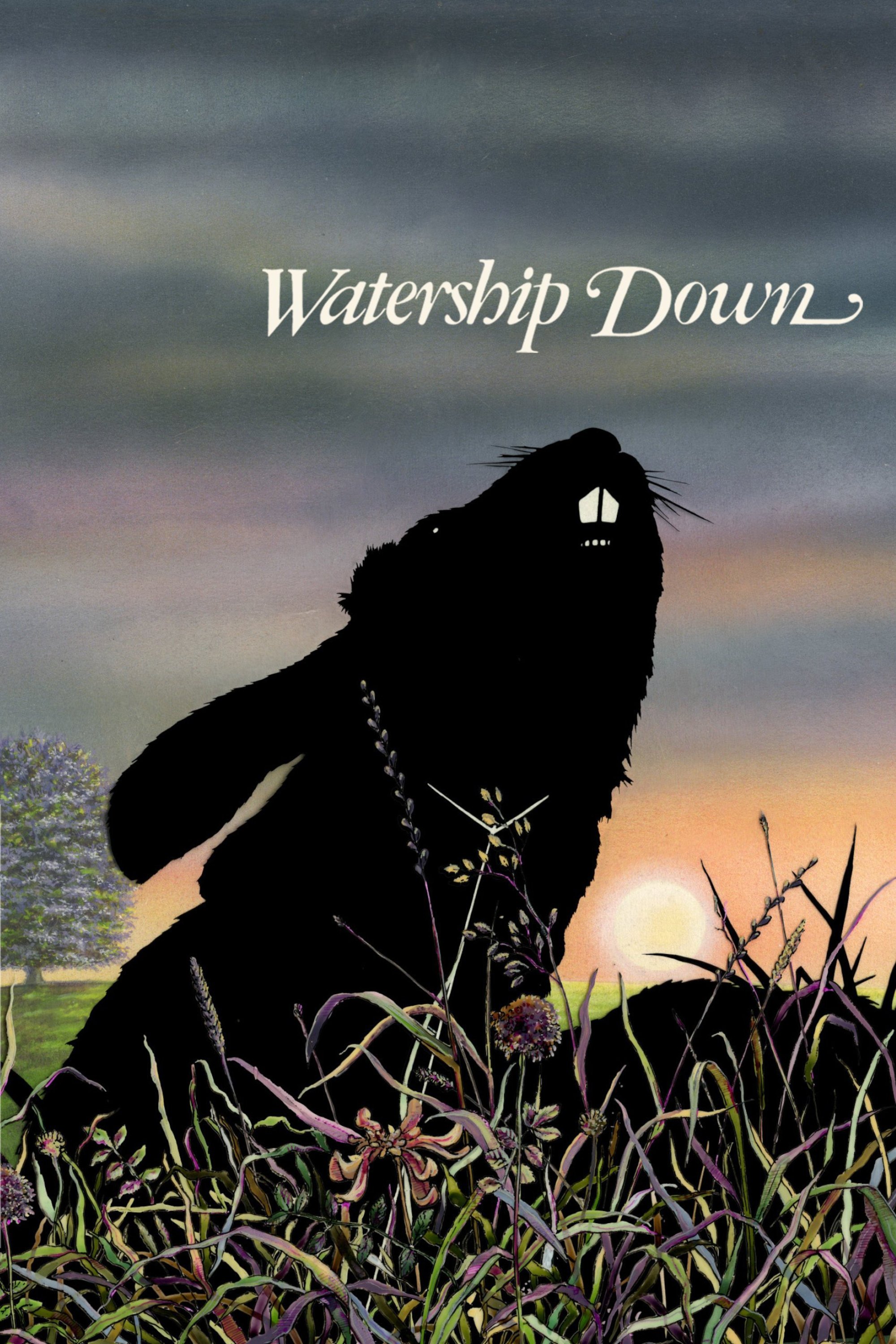
Animated rabbits endure graphic battles with blood, choking, and on screen deaths. Themes of fascism, environmental destruction, and prophecy drive a somber narrative. Several sequences depict prolonged terror as animals are trapped or attacked. The realistic violence and relentless dread make it one of the harsher PG animated features.
‘Dragonslayer’ (1981)
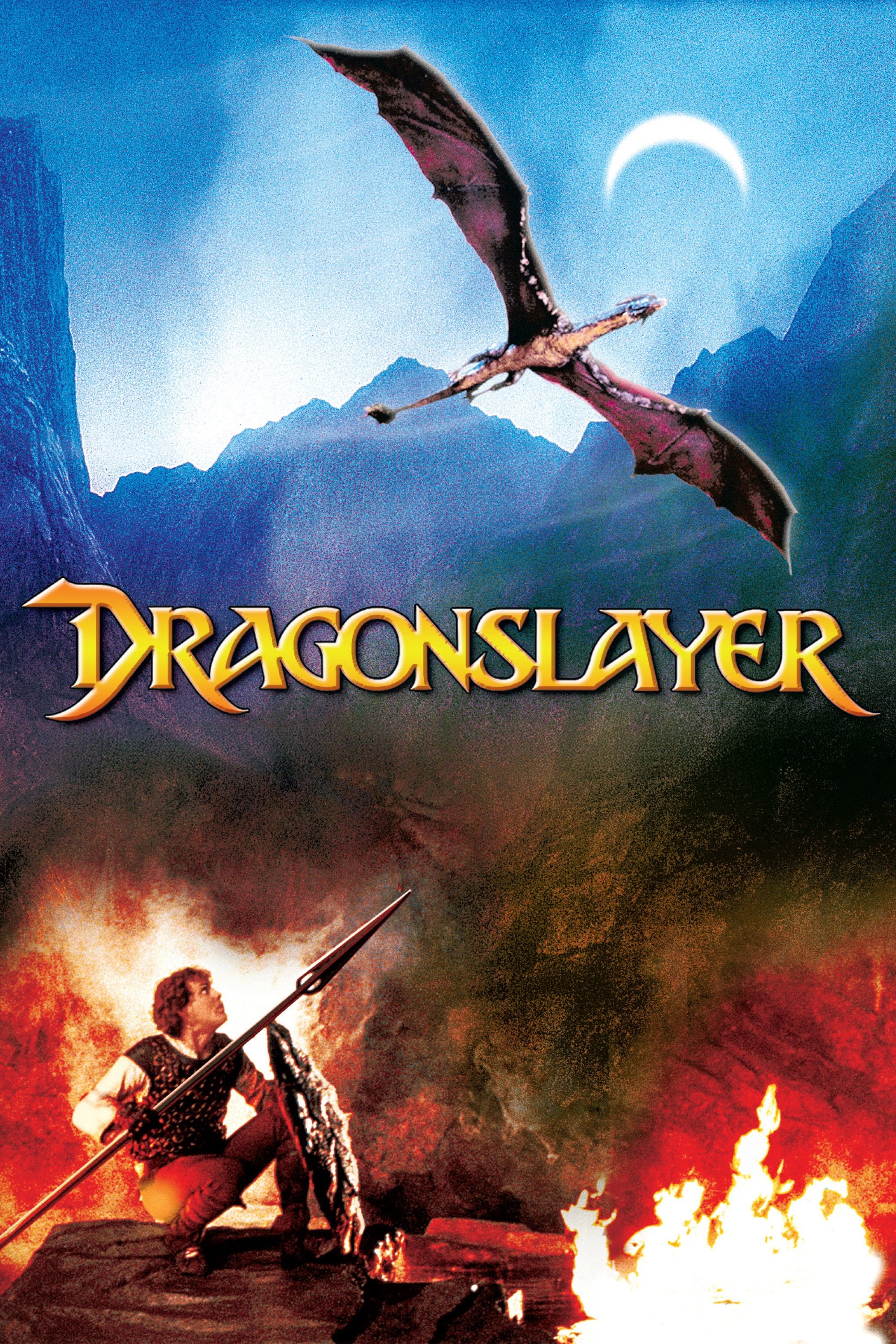
The dragon attacks include charred bodies, a gruesome limb amputation, and ritual sacrifice. Practical effects present burned flesh and smoldering remains with startling detail. A subplot about virgin offerings is treated with frankness that reads as adult. The overall atmosphere of dread and violence feels well past mild fantasy peril.
‘Clash of the Titans’ (1981)
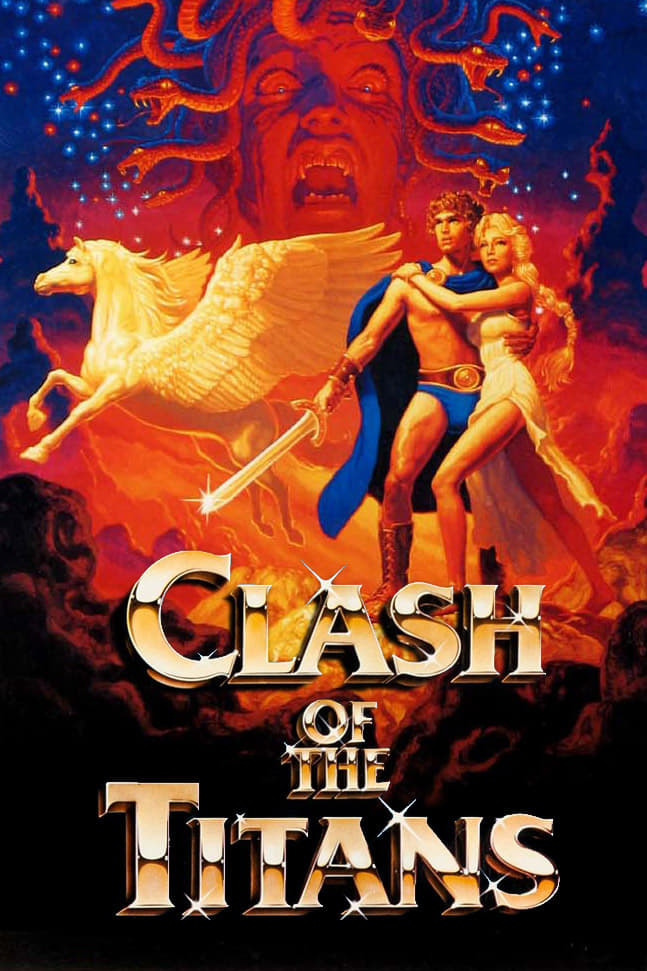
Mythic violence shows decapitations, exposed severed heads, and monstrous creatures eating people. Medusa’s lair builds sustained suspense with arrows, blood, and a terrifying creature design. The Kraken attacks include on screen destruction and human casualties. The adventure tone masks action that is more graphic than a typical PG quest.
‘Superman II’ (1980)
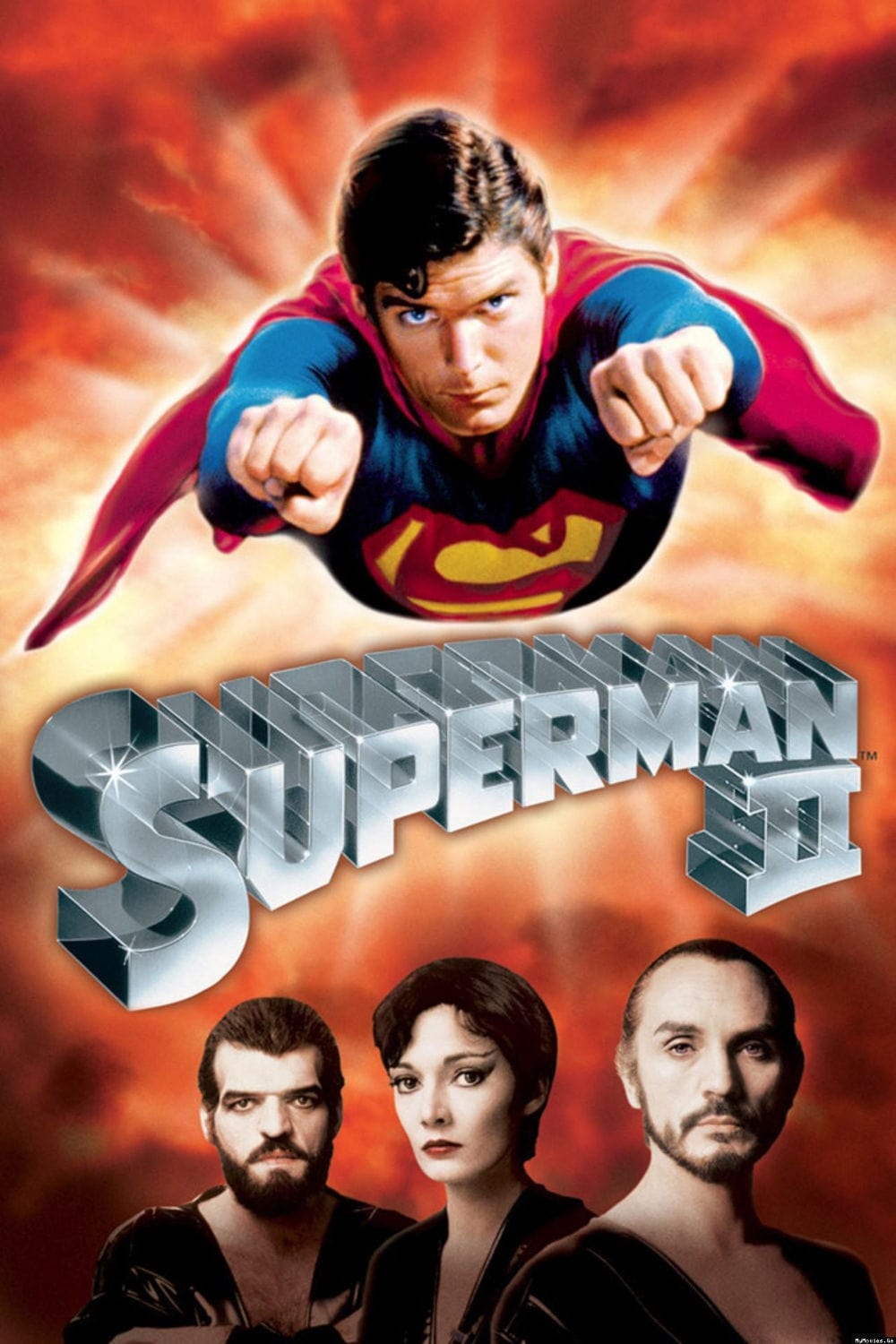
Citywide battles send civilians flying through glass and into peril, with visible injuries and fear. A diner fight shows the hero beaten and bloodied during a powerless stretch. The villains casually threaten mass murder to draw out the hero. The destructive stakes and cruelty land closer to harsher live action standards.
‘The Black Cauldron’ (1985)

Dark magic includes an undead army rising from a cauldron with skeleton warriors and toxic fumes. The Horned King’s design and death are intense, with decaying flesh and burning imagery. Scenes emphasize fear, imprisonment, and sacrifice rather than light adventure. The tone is grim throughout and long marked it as one of the most frightening PG animated releases.
‘The NeverEnding Story’ (1984)
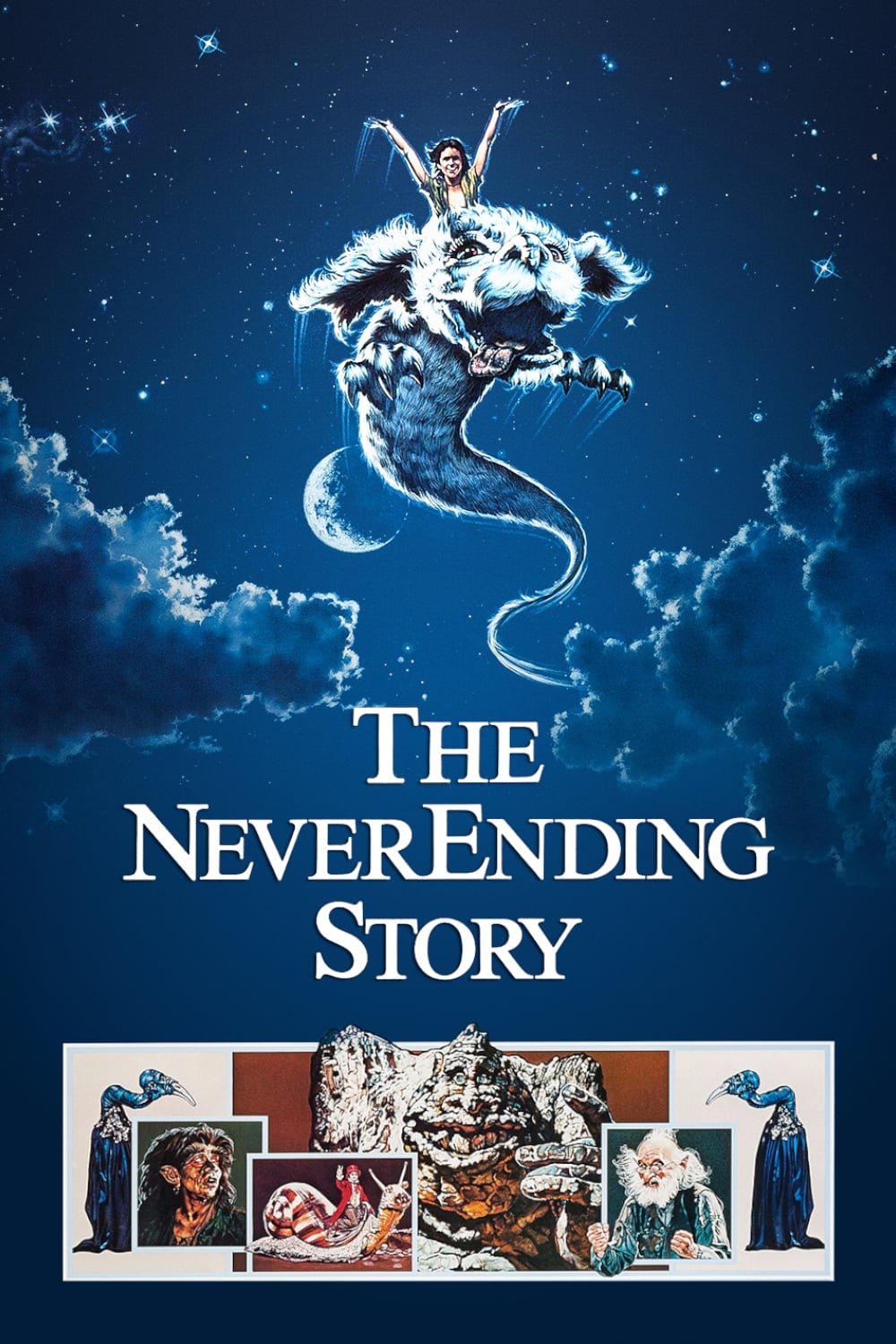
Emotional distress peaks with the swamp sequence involving a beloved horse and the theme of despair. The villain Gmork appears in close up with sharp fangs and leaps in for a frightening attack. Multiple scenes place a child in solitary peril with strong fear and loss motifs. The film’s willingness to traumatize in service of story pushes beyond gentle family fantasy.
‘Spaceballs’ (1987)
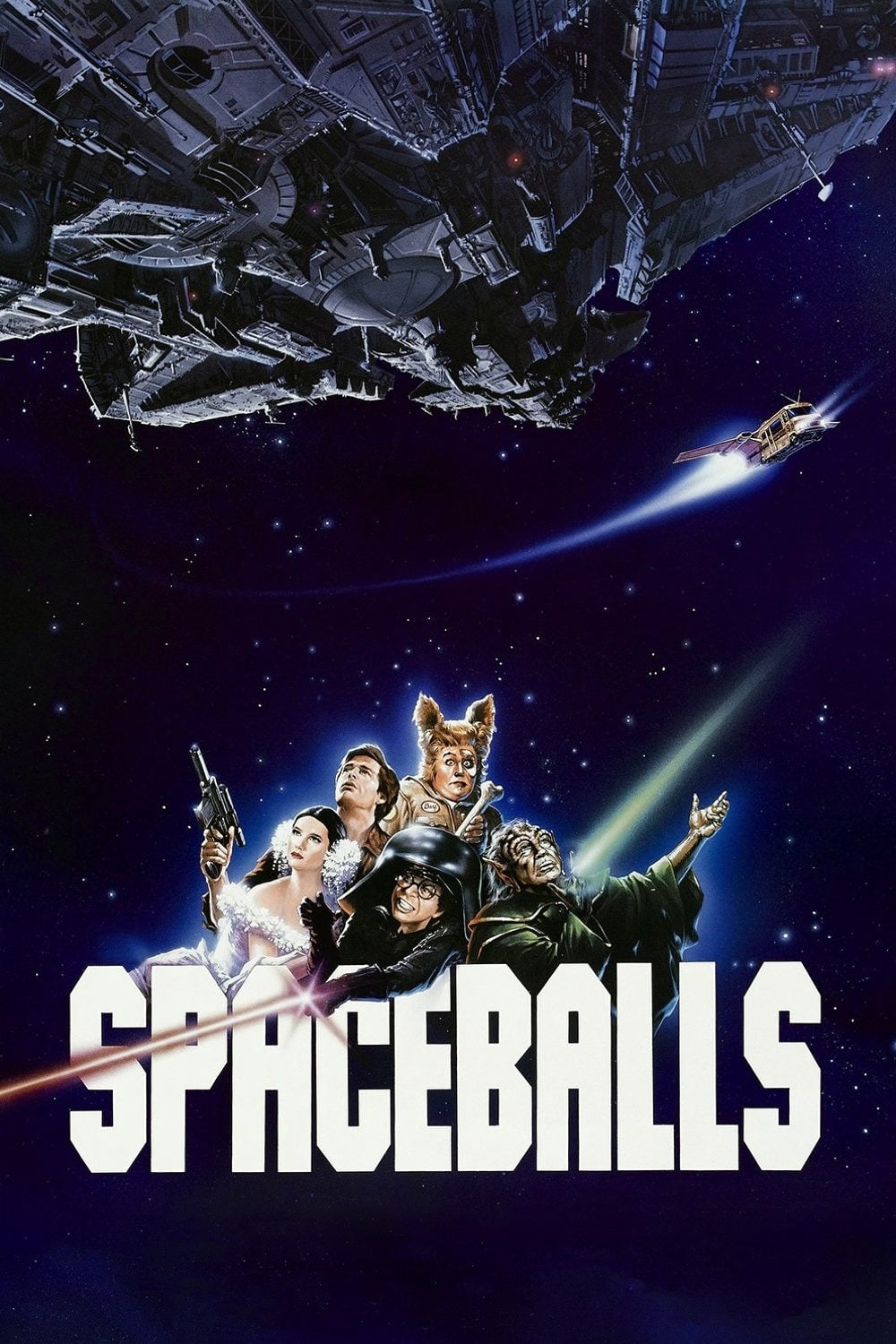
The comedy relies on sexual wordplay, crude jokes, and repeated gags about anatomy and adult situations. Violence is mostly comic, yet includes on screen laser deaths and a character crushed by a giant transformation. Language and innuendo are constant across the runtime. The tone and content skew much more adult than a middle of the road PG comedy.
Share the PG titles you think cross the line in the comments and tell us which scenes sealed it for you.