‘Jujutsu Kaisen’ Mistakes You’ll Never Be Able to Unsee



Even the sharpest series leaves a few rough edges, and ‘Jujutsu Kaisen’ has small continuity slips and production quirks that fans love to spot on rewatch. These are not dealbreakers, just little mismatches in props, timing, or labeling that jump out once you notice them. If you enjoy catching on-screen details, the show offers plenty of tiny puzzles scattered across episodes and arcs.
Prop counts that reset between cuts
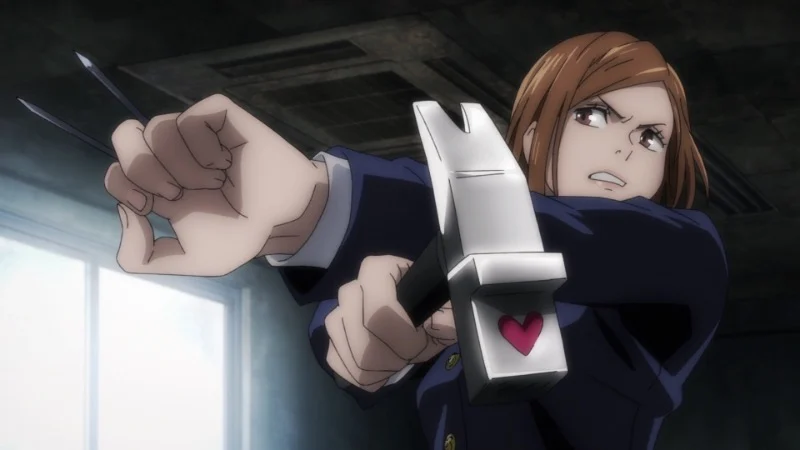
Nobara’s nails and Yuji’s talisman tags sometimes change quantity between consecutive shots in fast-paced scenes. You can catch a full set in one angle, then fewer in the next without an action explaining the change. The same thing happens with thrown nails that reappear at their feet when the camera switches. These resets are most visible during quick back-and-forth exchanges where the edit favors momentum over exact prop tracking.
Bandages and scars switching sides
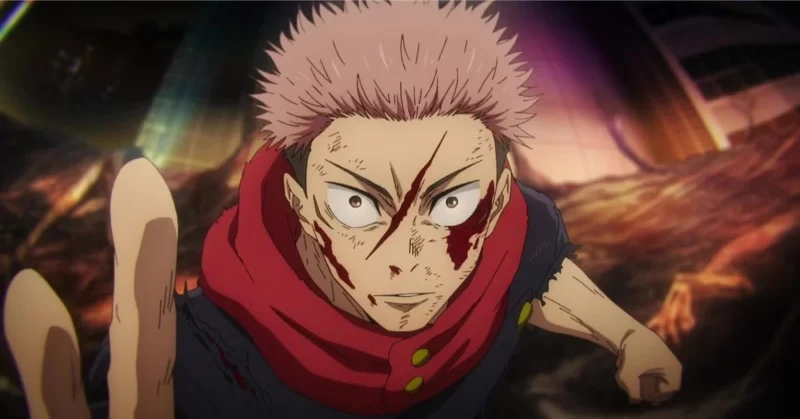
Character markings occasionally flip between frames, especially in mid-fight flurries. Nanami’s bandage placement and minor scrapes have been shown on opposite sides in alternating shots. Mahito’s facial stitch alignment also shifts briefly in a few quick cuts. These mirror-like flips usually come from reused layouts or last-second compositing choices during action sequences.
Blood and grime continuity after battles
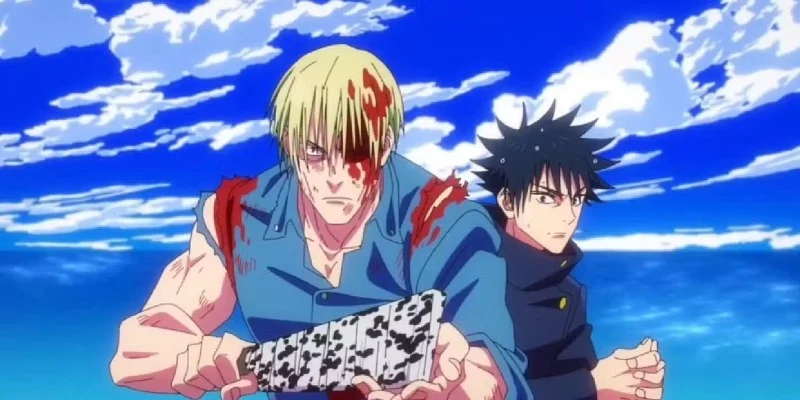
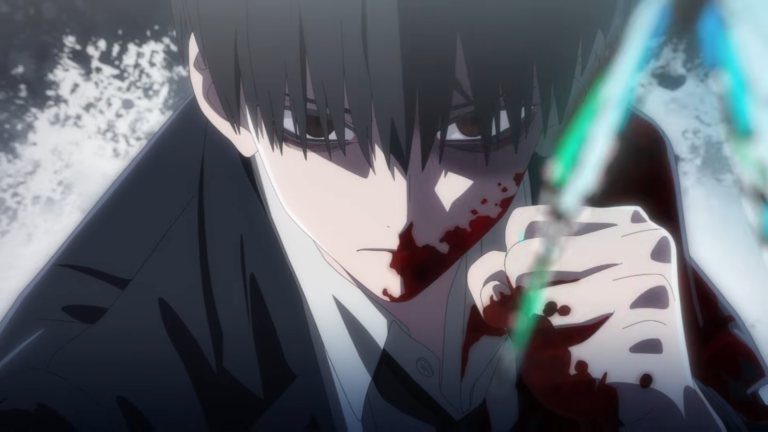
After heavy clashes, the amount of blood on uniforms and faces can jump between shots. A character may be heavily smeared in one angle and noticeably cleaner in the next without time passing. Gloves and sleeves are particularly prone to these continuity gaps. The effect stands out more in scenes that intercut close-ups with wide shots across multiple cuts.
Dorm and campus layout inconsistencies

Establishing shots of Tokyo Jujutsu High do not always line up with later interior geography. Door placements and corridor lengths change when scenes cut from exteriors to room interiors. Windows that face one direction in wide shots sometimes open to a different view once the scene moves inside. These layout shifts are subtle but easy to clock when comparing repeated locations across episodes.
Grade labels that do not always align
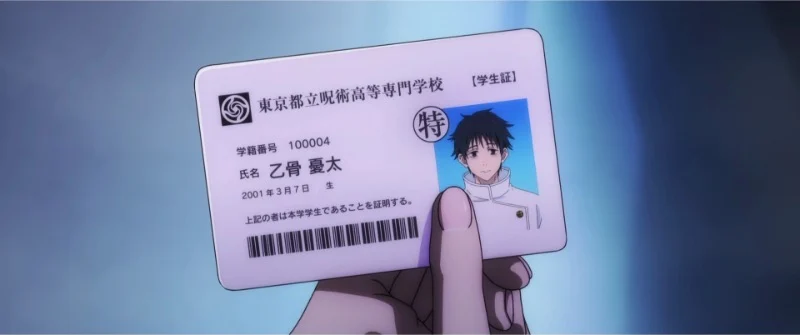
The series uses a shared grading scale for sorcerers and curses, but dialogue and on-screen text do not always match one-to-one. A curse introduced as one grade in conversation may be described at a slightly different level in a later recap. Student grade progress is also referenced in ways that do not always track perfectly with earlier labels. These inconsistencies usually appear when episodes summarize earlier arcs.
Finger tally confusion for Sukuna
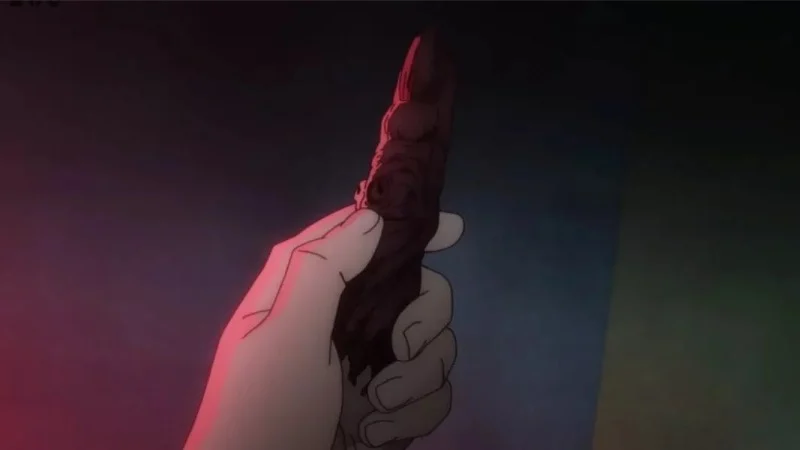
Mentions of how many fingers have been found or consumed can fall out of sync across brief status updates. Early counts given by teachers or officials do not always match later tallies until a subsequent episode clarifies the number. Background lines sometimes round the figure for simplicity, which creates small mismatches with the exact total. Keeping a personal running tally reveals where the numbers wobble for an episode or two.
Sub and dub terminology drift
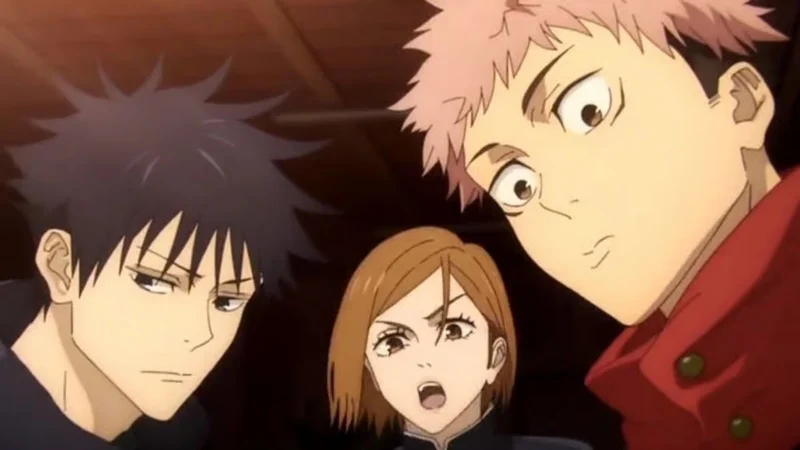
Technique names and curse classifications differ slightly between subtitle tracks and the English dub. A term introduced one way in subs may use a more localized phrasing in the dub during the same scene. On-screen text cards sometimes preserve the original wording even as the spoken line opts for a clearer translation. The result is a patchwork of labels that can seem inconsistent when switching versions.
Shibuya station signage that breaks flow

Platform numbers and concourse signs during the Shibuya events do not always progress logically from one cut to the next. Characters enter near one labeled area, then appear by a different marker that would require a detour not shown on screen. Directional arrows in the background also swap orientations between angles. The rapid intercutting prioritizes tension over exact wayfinding continuity.
Wardrobe details that quietly change
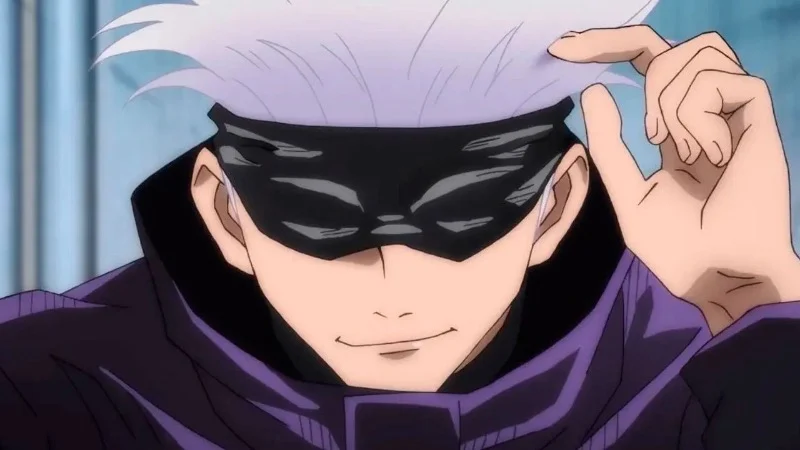
Small costume elements shift across shots, like buttons closing or opening between angles and ties sitting at different lengths after a cut. Gojo’s blindfold fabric occasionally looks tighter or looser when scenes jump between close-ups and wides. Panda’s size relative to nearby props can also vary slightly from shot to shot. These are classic animation continuity quirks that surface during multi-cut conversations.
Opening and ending visuals ahead of the story
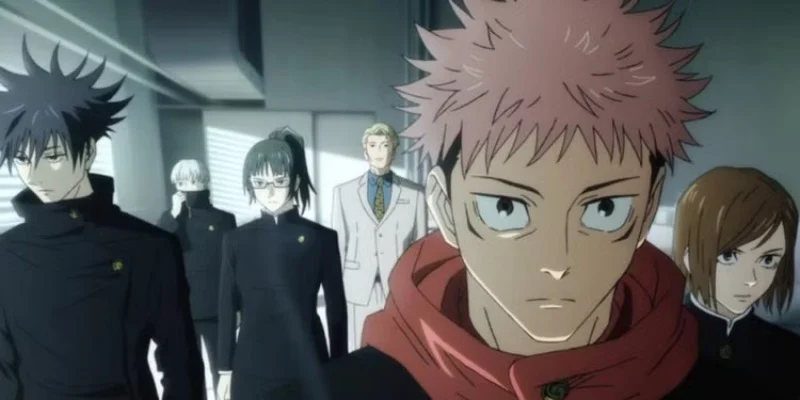
The OP and ED sometimes showcase techniques, shikigami, or outfits before they appear in the narrative. A viewer who pays close attention will see forms and items that do not exist yet in the current episode timeline. Later arcs catch up to those images, but the early reveal can feel like a continuity mismatch on first watch. These sequences function more as thematic previews than strict episode-by-episode records.
Tell us which slip you noticed first in ‘Jujutsu Kaisen’ in the comments.