Most Memorable Mid-Season Shocks in Anime


Some anime love to drop their biggest twists right when viewers think they understand the season’s rhythm. These mid-season rug-pulls reframe stories, upend character dynamics, and set up climactic second halves that feel earned rather than random. From hidden identities finally surfacing to rule-changing reveals about the world itself, here are twenty-five shocks that hit in the middle stretch and changed how their shows were watched from that point on.
‘Neon Genesis Evangelion’ (1995–1996) – Unit-03’s activation turns catastrophic
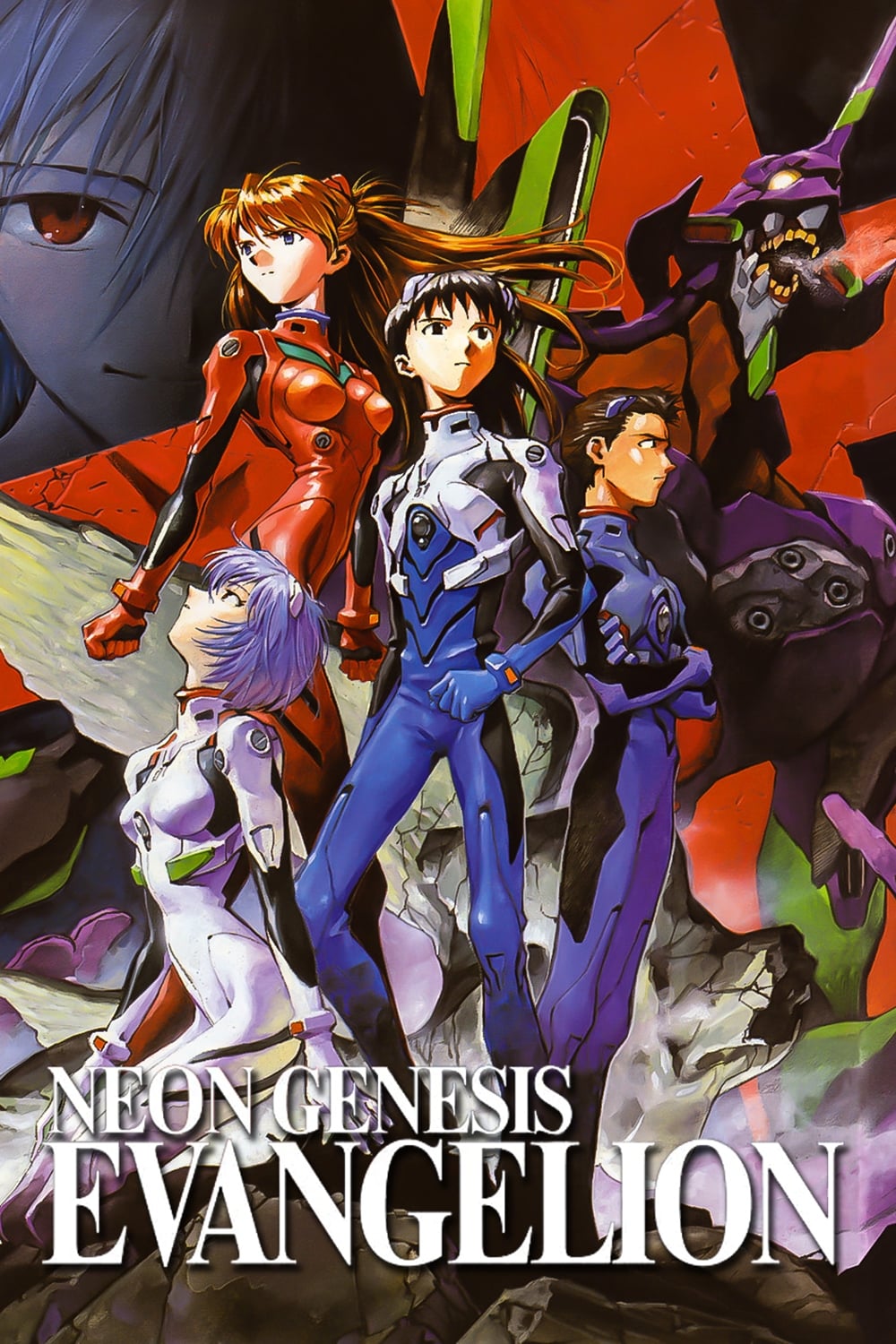
When Unit-03 is activated during a cross-regional test, an Angel infection hijacks the Eva and forces NERV to engage using the Dummy Plug system. The resulting battle sees Unit-01 go berserk, crushing Unit-03 and critically injuring its unsuspecting pilot, Toji Suzuhara. The incident exposes the Dummy Plug’s inhumane design and deepens the rift between the pilots and their handlers. It also marks a tonal pivot, pushing the series into more severe psychological territory and escalating public scrutiny of NERV’s methods.
‘Steins;Gate’ (2011) – The first failed rescue resets everything
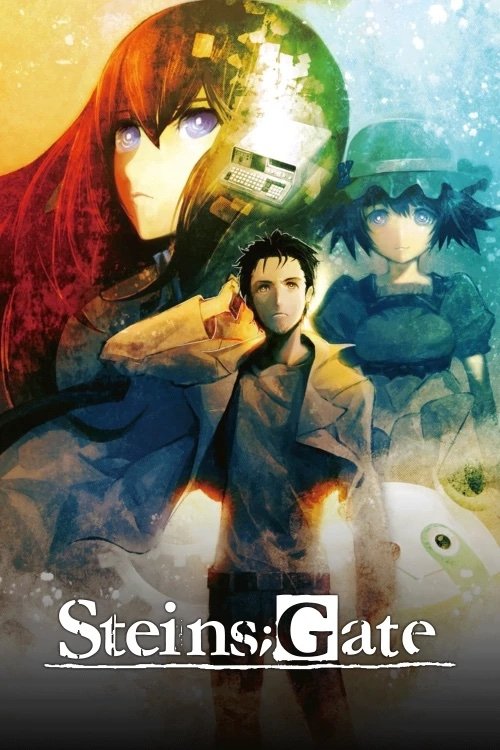
A failed attempt to save Mayuri triggers the time-leap loop that defines the show’s entire back half. Okabe learns that altering small events only shifts the timeline toward the same tragic outcome, introducing the hard limits of divergence numbers. The shock is less a single death than the realization that repeated loops won’t easily break fate. This mid-season turn reframes the plot from playful experimentation to a desperate, rules-bound rescue mission.
‘Attack on Titan’ (2013–2023) – The Armored and Colossal Titans are unmasked
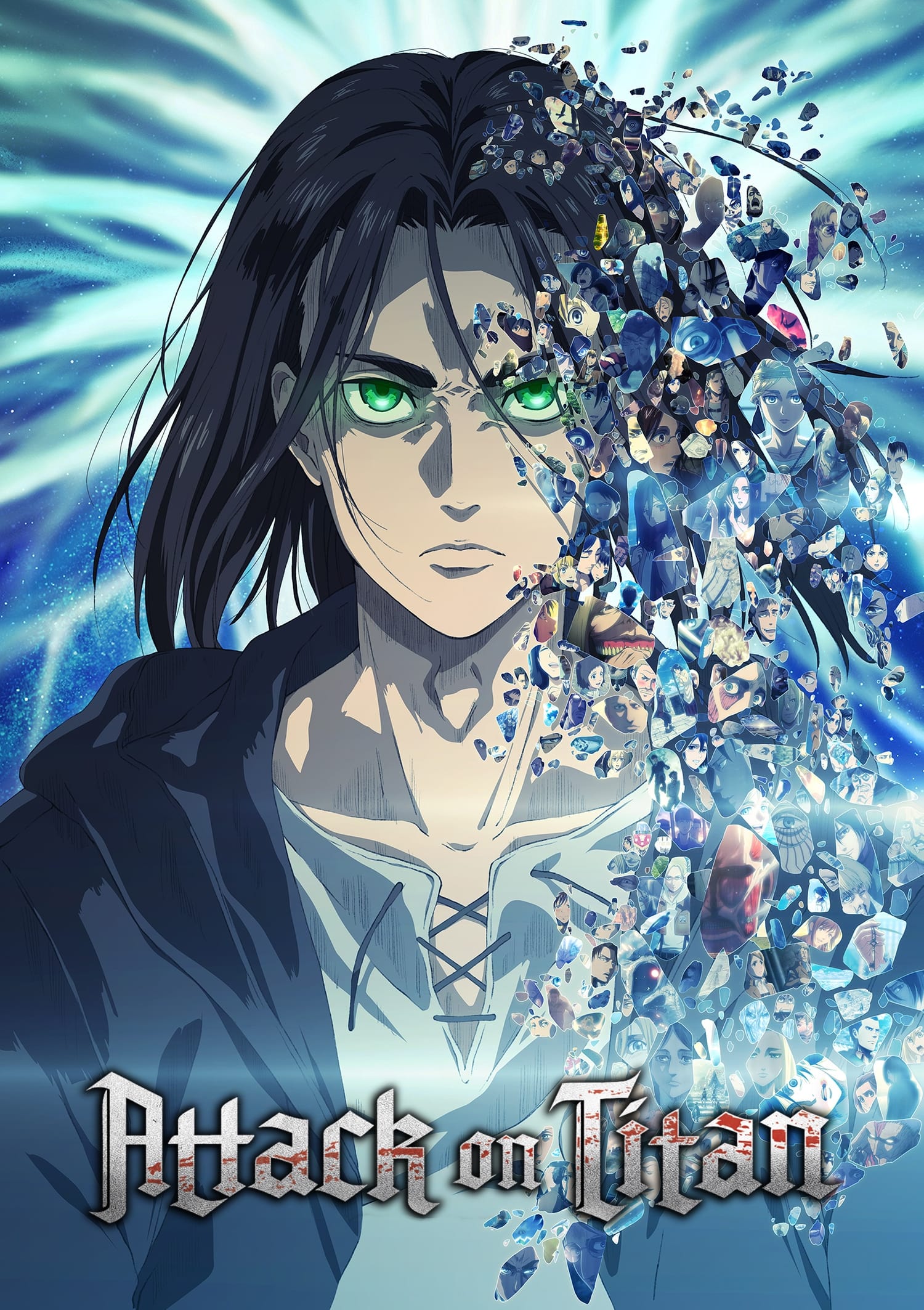
Reiner Braun and Bertholdt Hoover reveal themselves as the Armored and Colossal Titans during a high-risk field operation outside the Walls. The confession lands amid a tactical standoff and immediately escalates into a double transformation and abduction bid. The reveal collapses years of suspicion into a clear inside-enemy narrative and changes Squad Levi’s priorities overnight. It also clarifies earlier anomalies in troop movements and breaches, tying multiple arcs together.
‘Demon Slayer: Kimetsu no Yaiba’ (2019–) – Gyutaro emerges after Daki’s decapitation
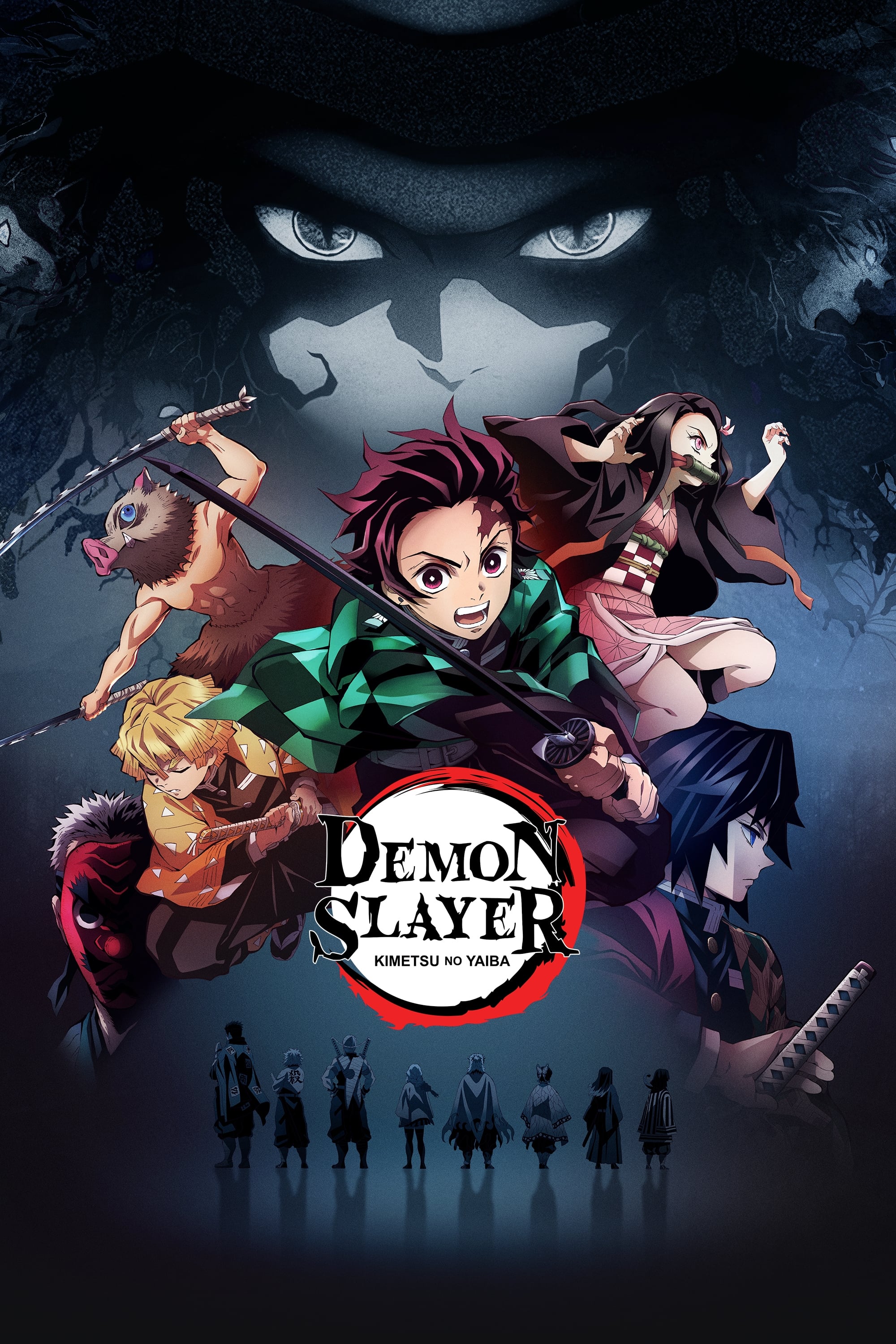
In the Entertainment District arc, Daki’s apparent defeat is overturned when her brother, Gyutaro, surfaces from her body and takes command. The fight’s stakes spike as the duo’s shared life force means both must be beheaded simultaneously. This twist explains Daki’s sudden power fluctuations and why upper-rank sightings were inconsistent. It also forces the demon slayers to alter their formation and timing mid-battle to address a two-core target.
‘Death Note’ (2006–2007) – Light relinquishes the notebook by design
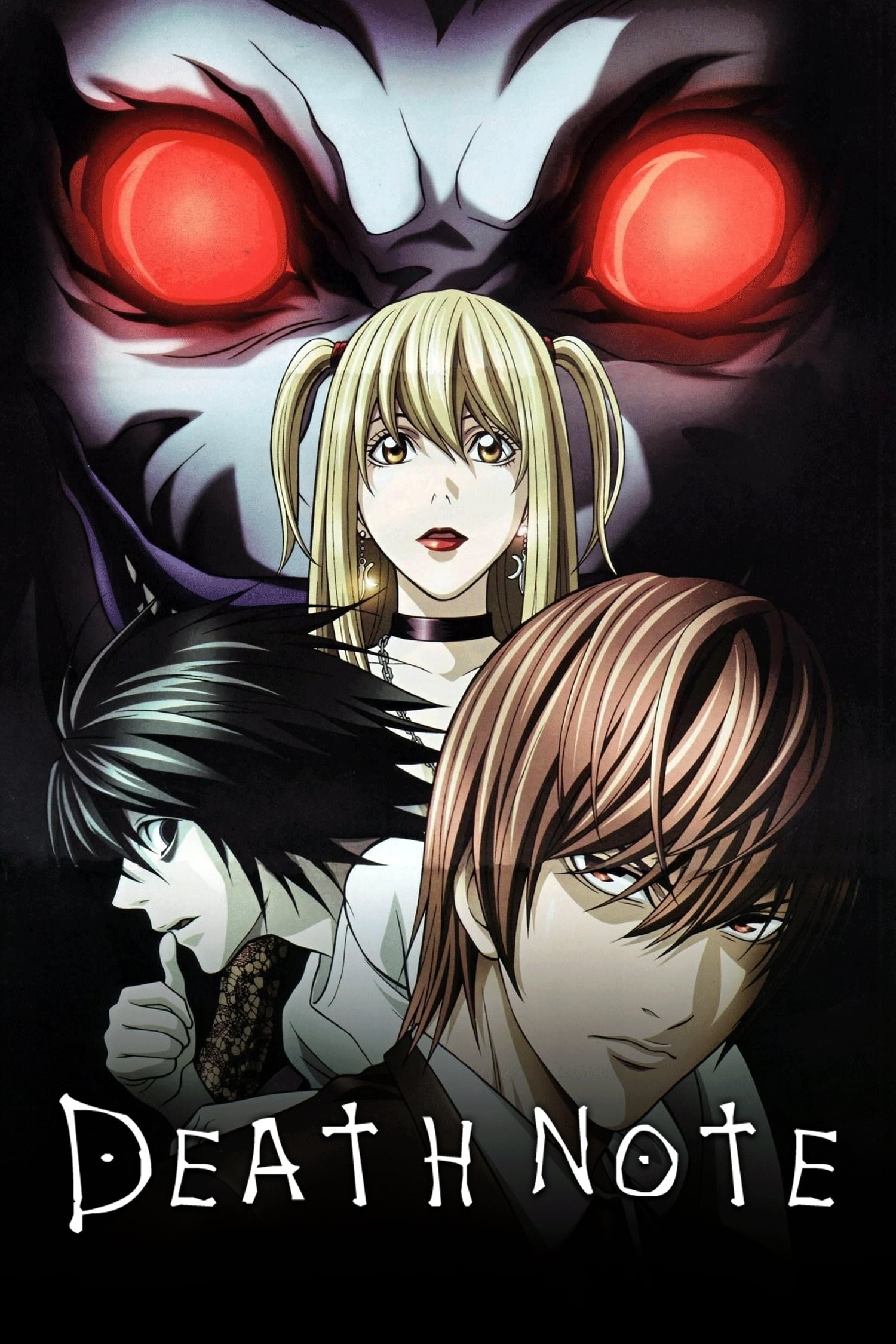
Light transfers ownership of the Death Note to orchestrate a planned memory loss and detach himself from incriminating patterns. The police then investigate a new Kira wave created by Light’s chosen proxy, letting Light rejoin the task force under clean psychological baselines. When he later regains the notebook, all lost memories snap back, revealing the layered trap he had set months prior. This mid-season operation resets the cat-and-mouse dynamic with a fresh investigative status quo.
‘Fullmetal Alchemist: Brotherhood’ (2009–2010) – King Bradley is exposed as Wrath
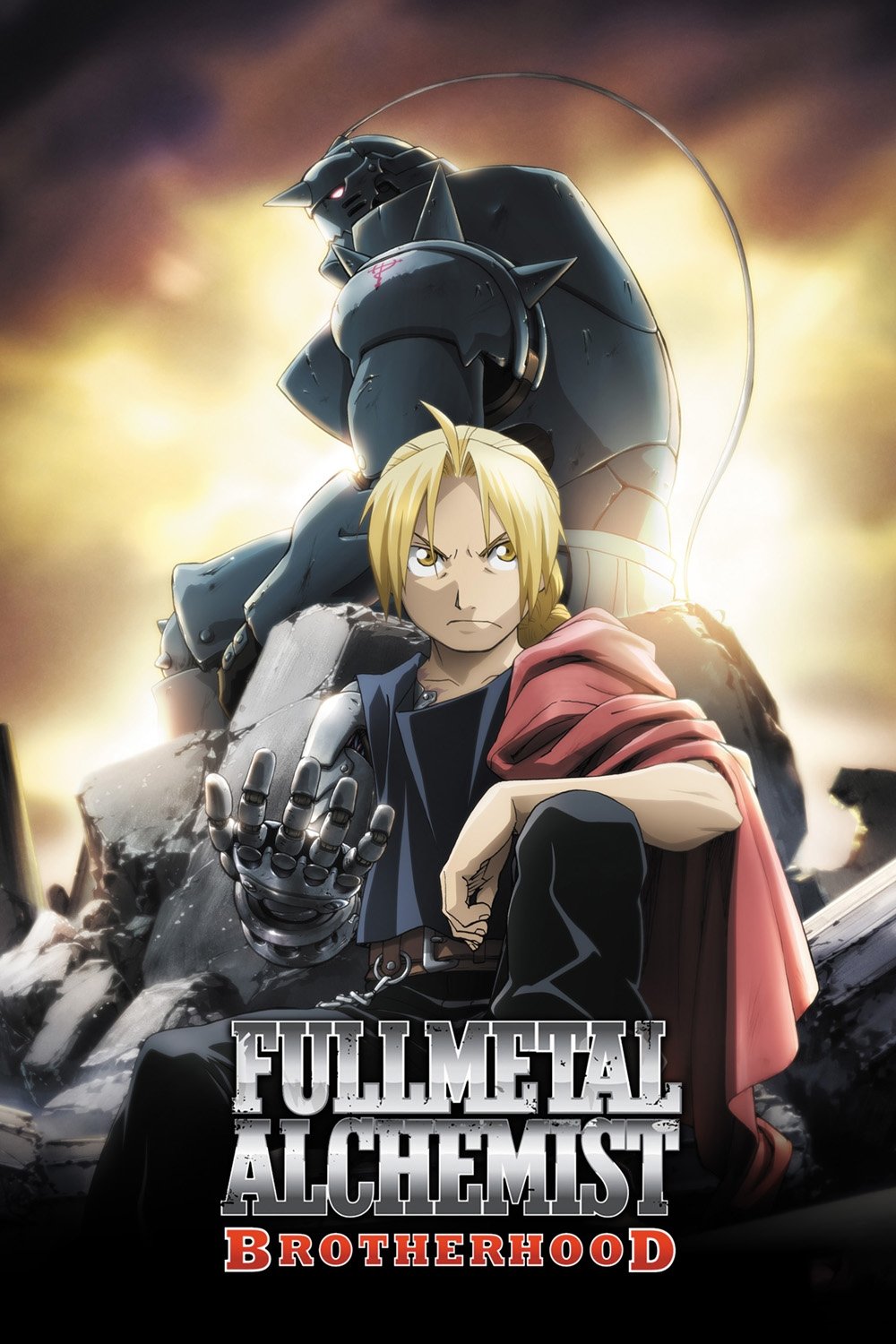
A skirmish reveals that Amestris’s seemingly human leader is a Homunculus, collapsing the line between the state and the shadow conspiracy. The disclosure explains his uncanny combat ability and political maneuvering, including personnel choices that kept key threats separated. It also reframes State Alchemist deployments as components of a nationwide transmutation plan. From here, the protagonists treat the government itself as a battlefield, not just its laboratories.
‘Gurren Lagann’ (2007) – Kamina falls during the decisive assault
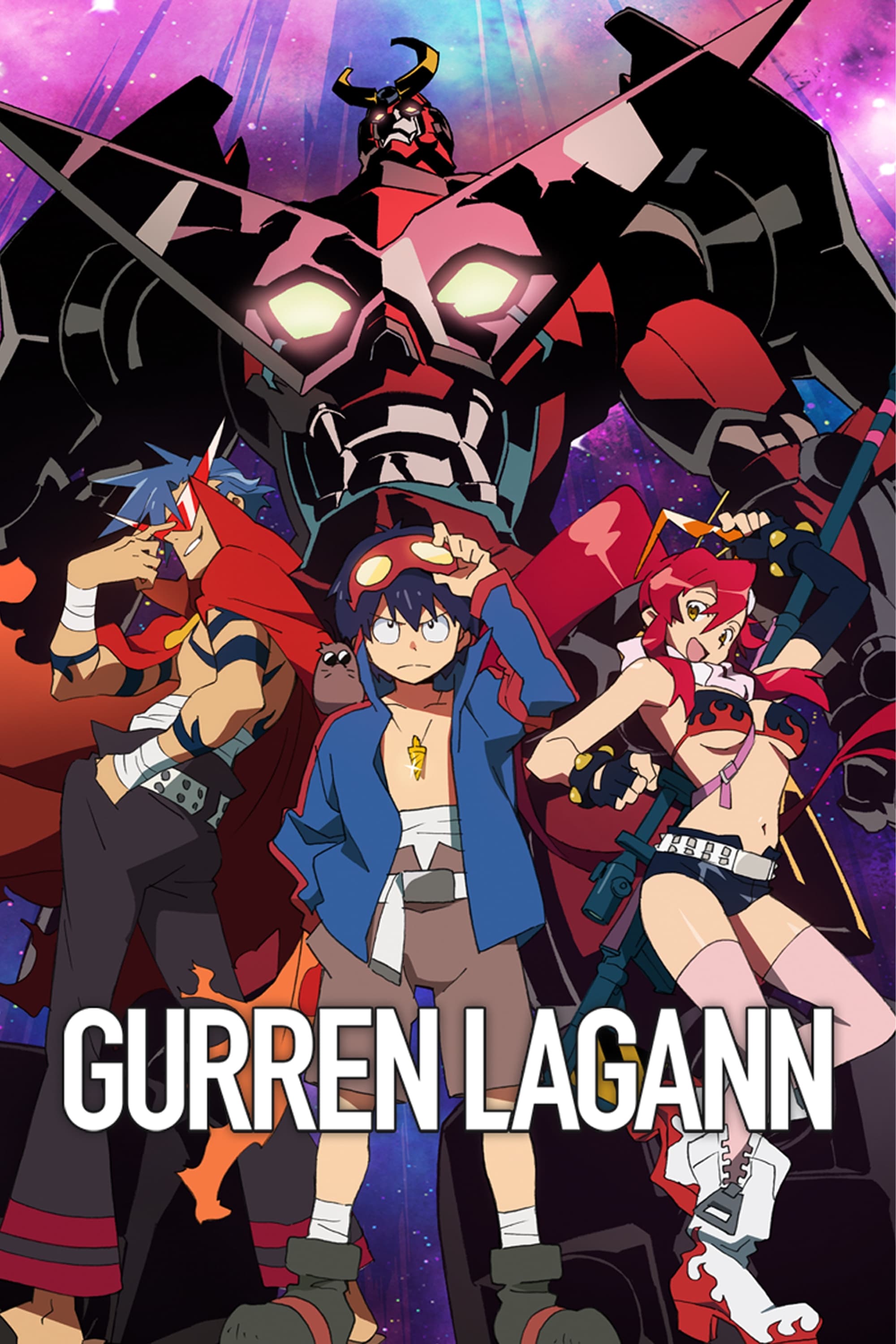
During the assault on a Beastman stronghold, Kamina sustains fatal injuries after pushing Simon and Gurren Lagann to a breakthrough. The team secures victory, but the loss forces a sudden leadership change while enemies capitalize on the group’s disarray. This event reshapes squad roles and stresses resource logistics as morale dips. It also drives the narrative into a growth arc for Simon under increased external pressure.
‘Psycho-Pass’ (2012–2013) – The Dominator won’t judge the mastermind
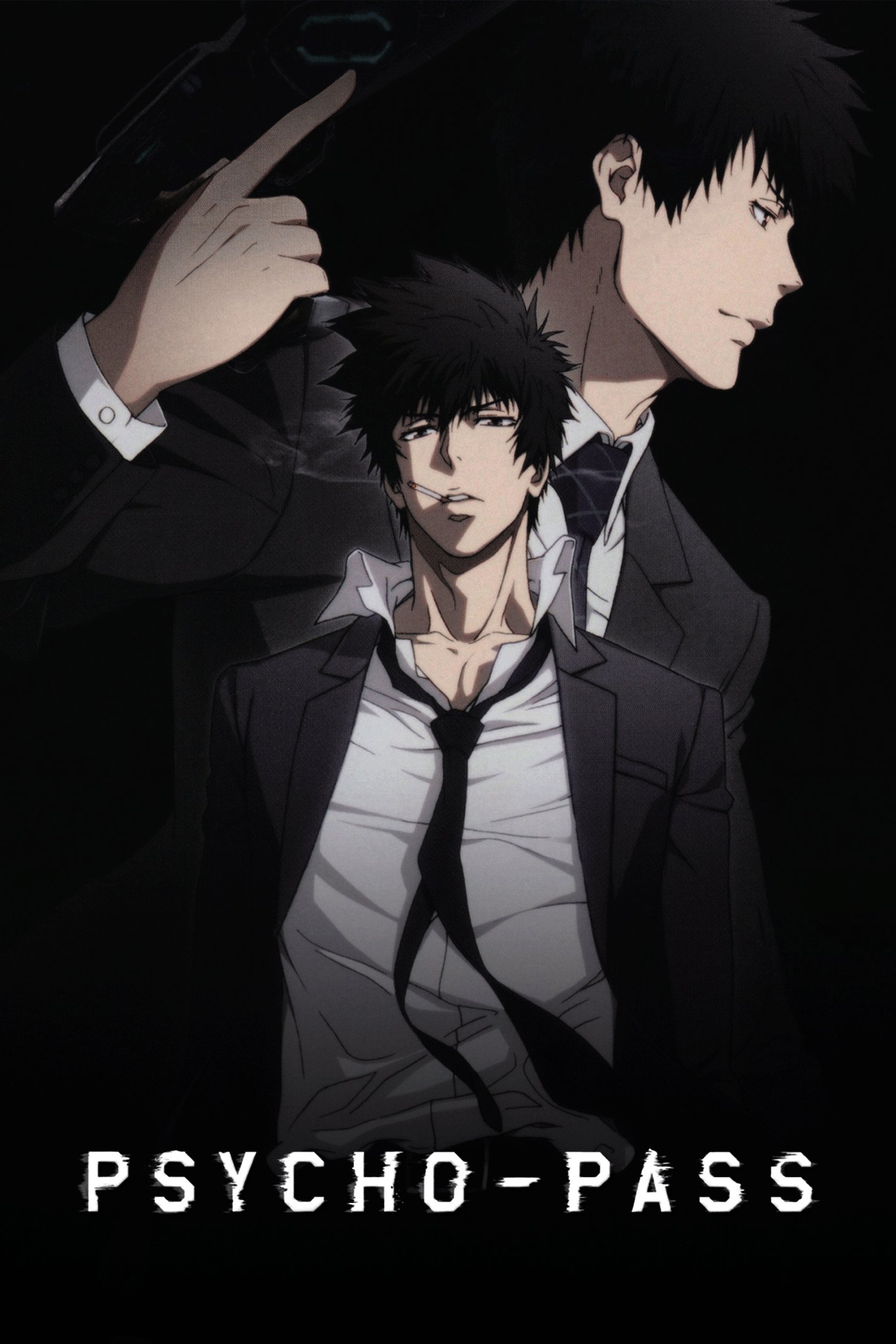
When Akane aims a Dominator at Shogo Makishima, the weapon refuses to authorize lethal or paralyzer modes because the target’s Crime Coefficient remains undetectably low. The revelation exposes a systemic blind spot in the Sibyl-governed justice apparatus. Investigations shift from chasing crimes to interrogating the platform’s legitimacy and coverage gaps. The unit must adopt unconventional containment tactics that the system can neither sanction nor predict.
‘Bleach’ (2004–2012; 2022–) – Aizen’s betrayal reorganizes the war
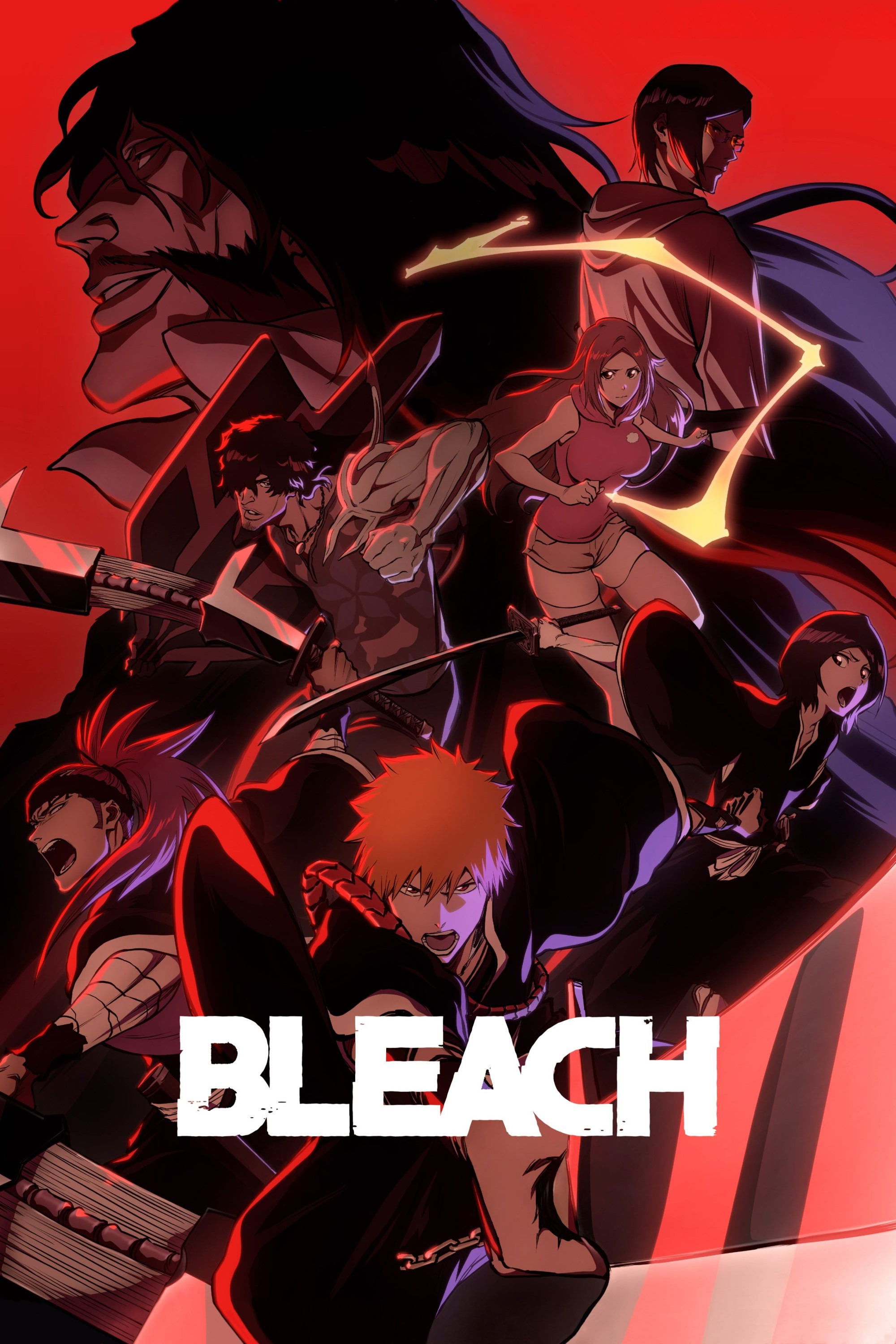
Sōsuke Aizen’s staged death unravels as a setup to remove barriers to the Hōgyoku and fracture the Gotei 13. His exit with Gin and Tōsen turns the Soul Society arc into a prelude for an Arrancar-led campaign. The twist retrofits earlier clues—such as manipulated records and carefully timed interventions—into a single conspiracy. It forces the captains into damage control while a new front opens in Hueco Mundo.
‘Sword Art Online’ (2012–) – Aincrad clears halfway through the season

Kirito’s duel reveals Heathcliff as the game’s creator and final floor boss, accelerating the end of the death game far earlier than expected. The sudden clear ejects survivors and splits the series into a new platform conflict in Alfheim Online. This structural swerve converts a survival thriller into a rescue and conspiracy narrative. It also resets player inventories, power scaling, and alliance politics under different system rules.
‘The Promised Neverland’ (2019–2021) – Norman’s shipment changes the plan
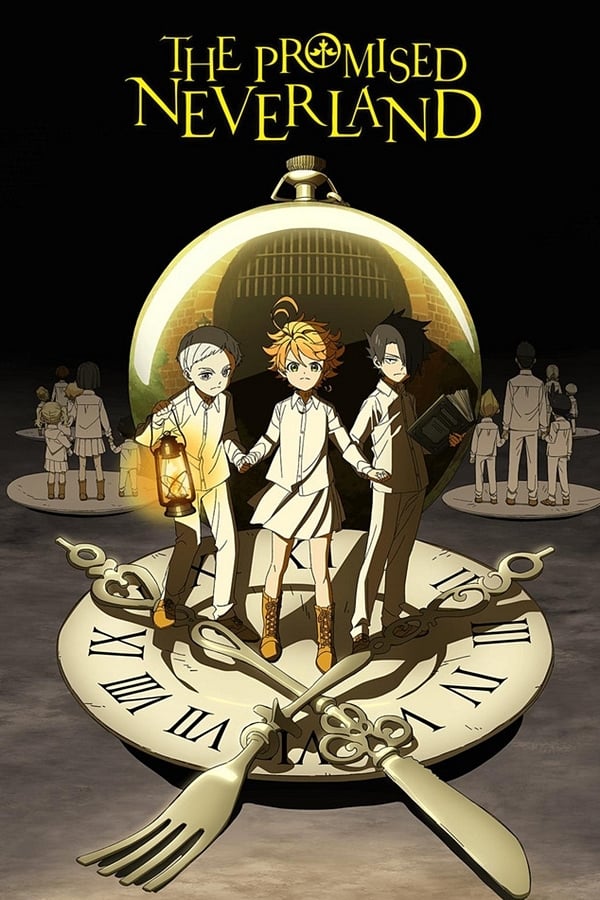
Isabella arranges Norman’s immediate shipment, collapsing the trio’s balanced escape strategy. The children must revise their timetable, shift leadership tasks, and re-engineer routes without their most analytical planner. The event clarifies the farm’s operational discipline and surveillance layers. It also tightens the cat-and-mouse contest by forcing riskier training and misdirection inside the facility.
‘Made in Abyss’ (2017–) – Riko’s poisoning forces emergency amputation measures
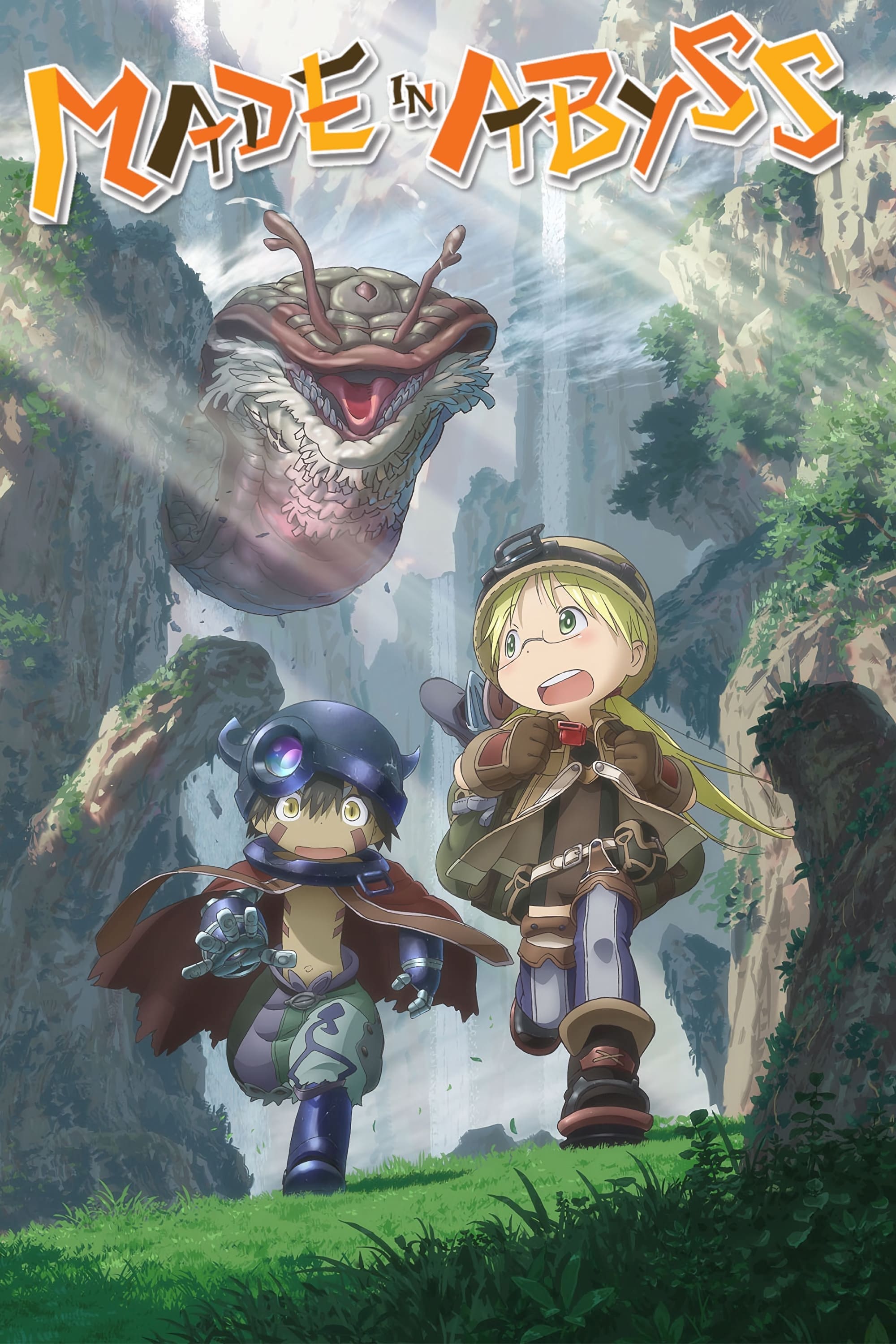
A venomous stinger attack leaves Riko incapacitated, driving Reg and newly met Nanachi into a high-stakes field surgery and treatment sequence. The crisis spotlights the Abyss’s tiered hazards and how ascent-induced symptoms compound trauma. It also introduces the ethical complexities tied to survival methods in the lower layers. The aftermath binds the trio into a functional unit with medical and tactical interdependence.
‘Parasyte -the maxim-‘ (2014–2015) – A parasite takes over Shinichi’s mother
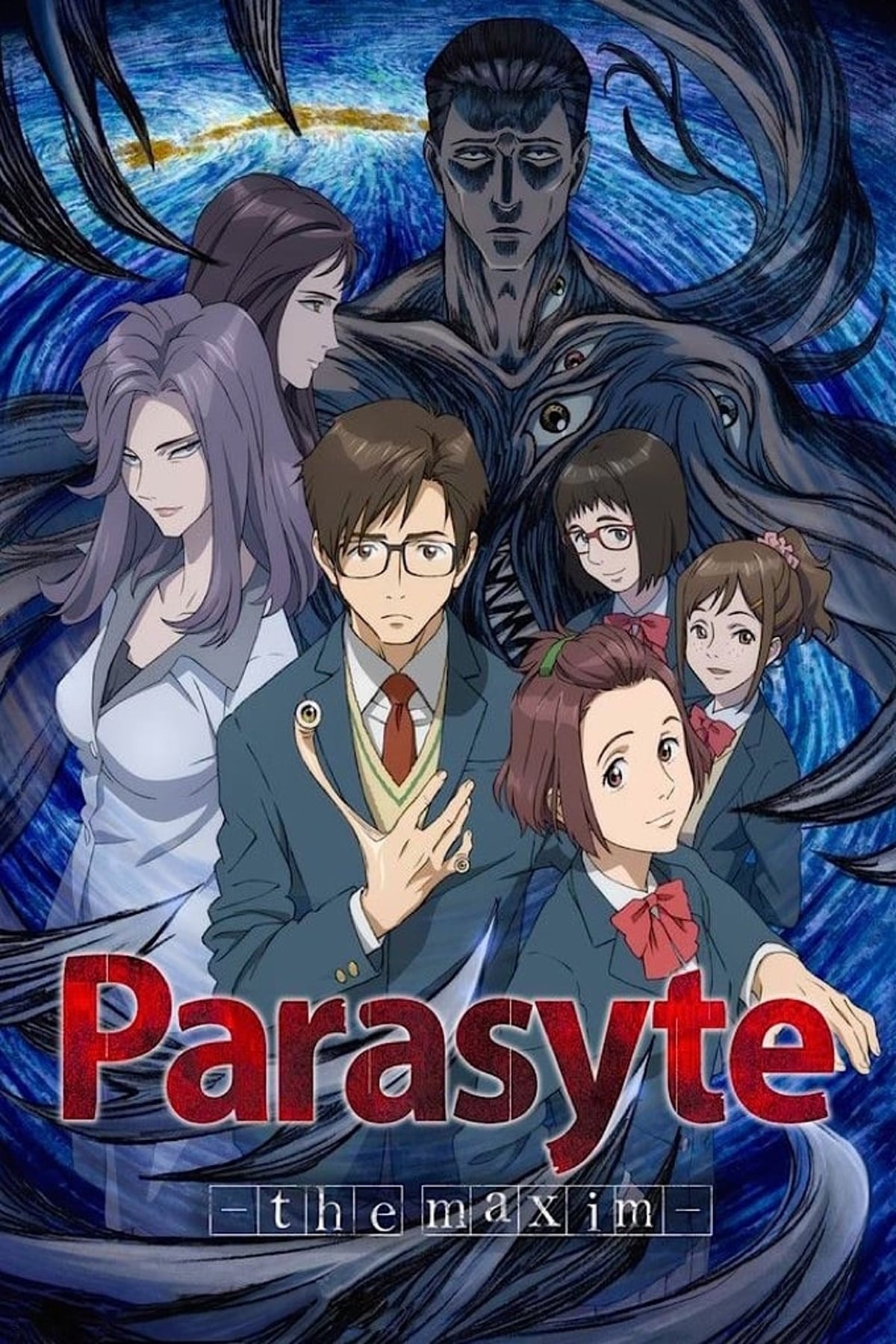
A returning parent becomes an unwitting host, confronting Shinichi with a direct family-level threat instead of street-level encounters. The incident forces a risky heart-repair transfer from Migi that heightens their symbiosis. It clarifies how parasites opportunistically occupy humans and why identification protocols are unreliable. The new status quo alters Shinichi’s physiology and response thresholds in subsequent fights.
‘Puella Magi Madoka Magica’ (2011) – Homura’s time-loop backstory reframes the conflict
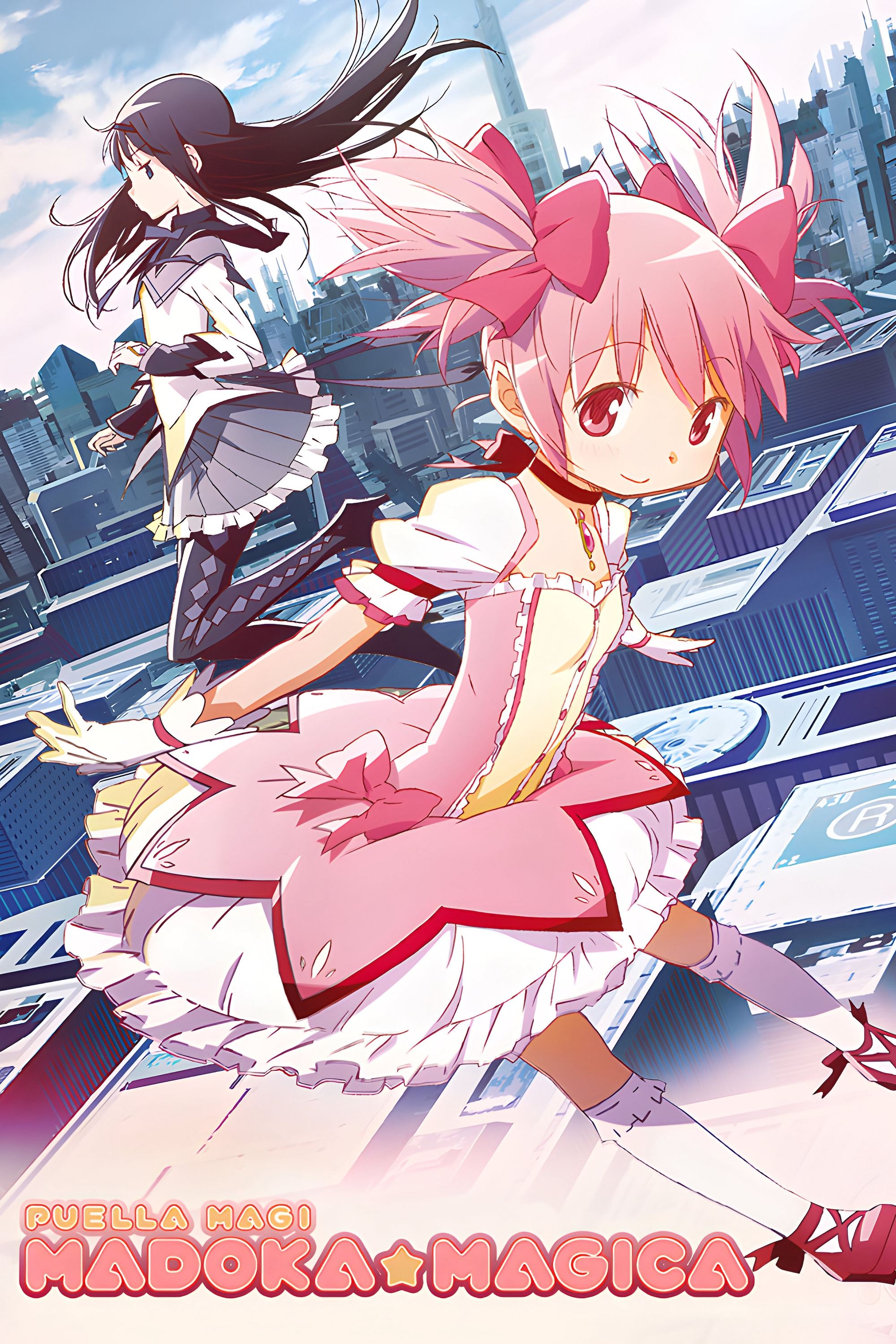
A mid-season episode reveals Homura’s repeated rewinds to prevent Madoka’s contract and catastrophic witch outcome. The disclosure explains Homura’s tactics, resource stockpiles, and antagonism toward Kyubey. It also establishes the causal link between accumulated timelines and Madoka’s rising potential. From then on, the plot functions as a countdown constrained by fixed points Homura has failed to break.
‘Fate/Zero’ (2011–2012) – Caster’s sea monster triggers a joint operation
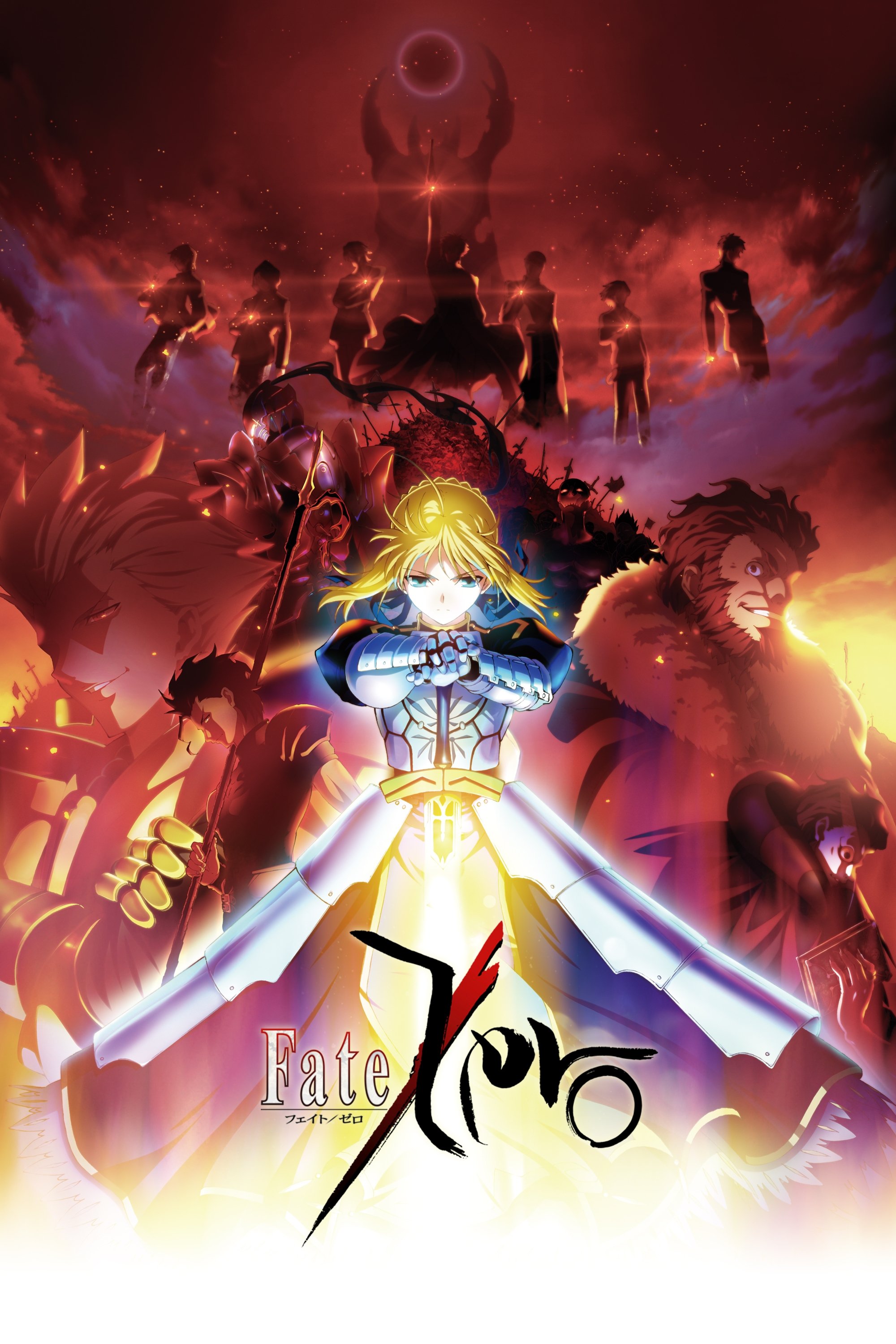
Caster unleashes a towering abomination over the river, forcing rival Masters and Servants into an emergency coalition. The mission standardizes battlefield rules for a single night, allowing cross-faction coordination and command seals to be spent under pressure. It showcases anti-fortress Noble Phantasms and the war’s civilian-risk calculus. The aftermath resets rivalries as the Grail War narrows to fewer, better-informed players.
‘Re:Zero -Starting Life in Another World-‘ (2016–) – Subaru’s public collapse derails alliances

A humiliating confrontation during the Royal Selection exposes Subaru’s instability in front of key candidates and knights. Trust with Emilia fractures, and support networks within the capital retract. The shift forces Subaru into isolated gambits that fail without intel sharing, prompting new, harsher loops. This middle-stretch fallout makes later reconciliations contingent on concrete service, not goodwill.
‘JoJo’s Bizarre Adventure: Golden Wind’ (2018–2019) – The boss’s identity and ability come into focus
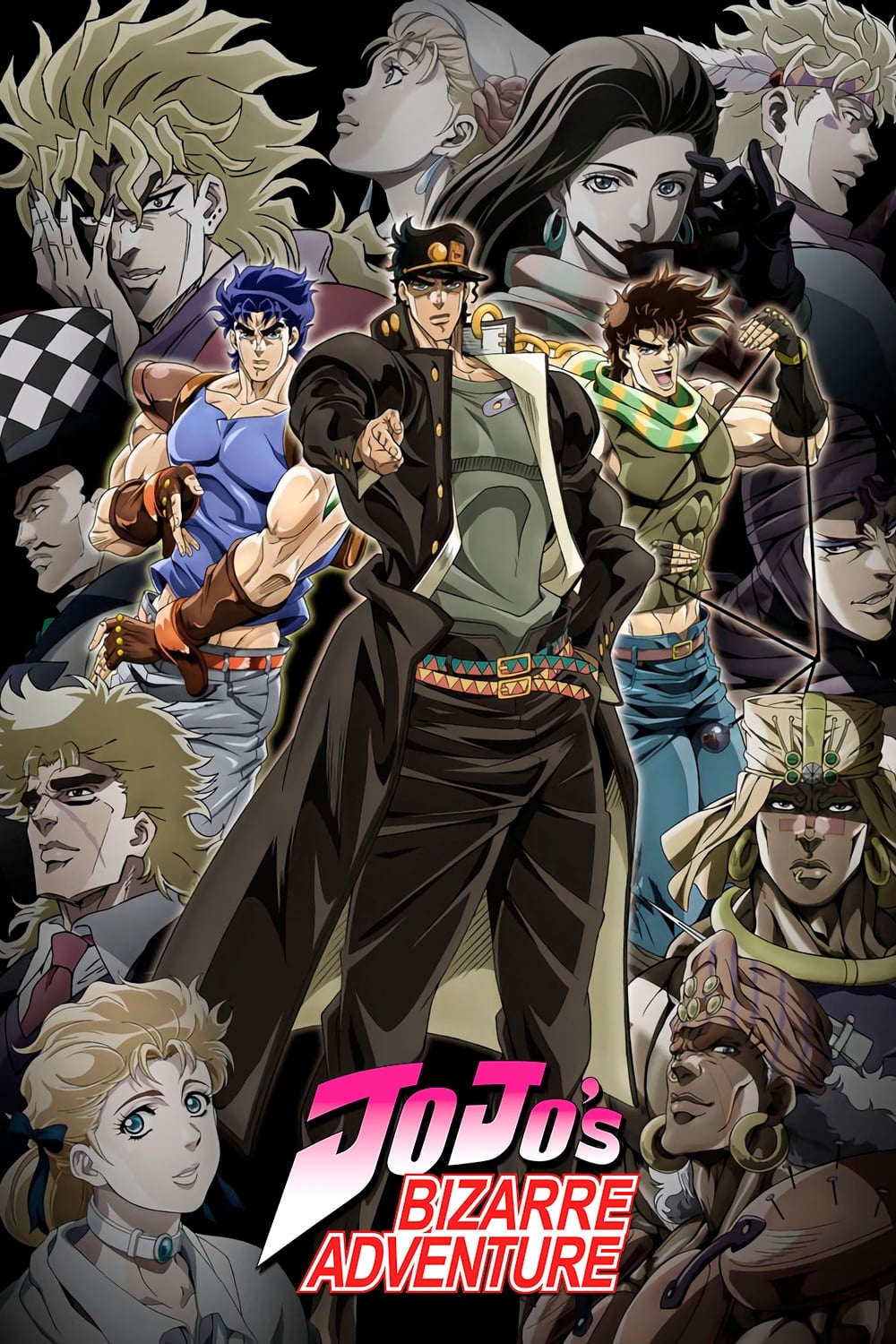
As the team closes in on Passione’s leadership, the mystery of the boss’s civilian persona and the operation of ‘King Crimson’ is unveiled. The disclosure explains earlier inconsistencies in surveillance and sudden disappearances. It also hard-locks the heroes into a pursuit that requires counter-techniques against time erasure. The plot pivots from escort duty to a leadership-overthrow mission with new geographic targets.
‘Banana Fish’ (2018) – Shorter Wong’s death fractures the alliance
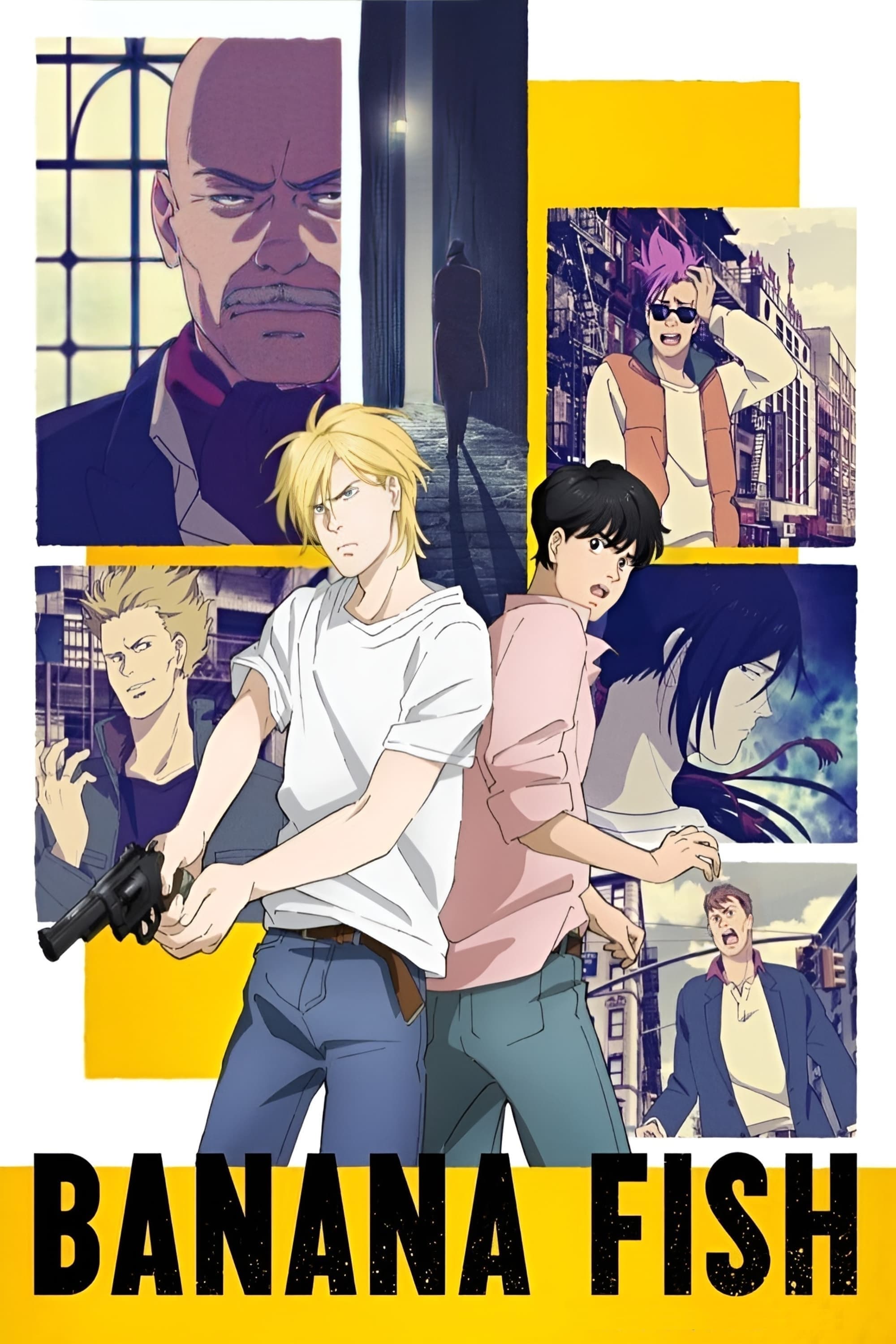
A rescue attempt ends with Shorter forced to attack his friends under drug control, resulting in his death at the hands of an enemy faction. The event exposes the limits of the gang’s reach and the potency of the experimental substance. It triggers a re-evaluation of safe houses, informant chains, and medical contingencies. The loss also shifts the power balance in New York’s criminal ecosystem, complicating future trades.
‘Tokyo Revengers’ (2021–) – Draken’s stabbing tilts the Toman power struggle
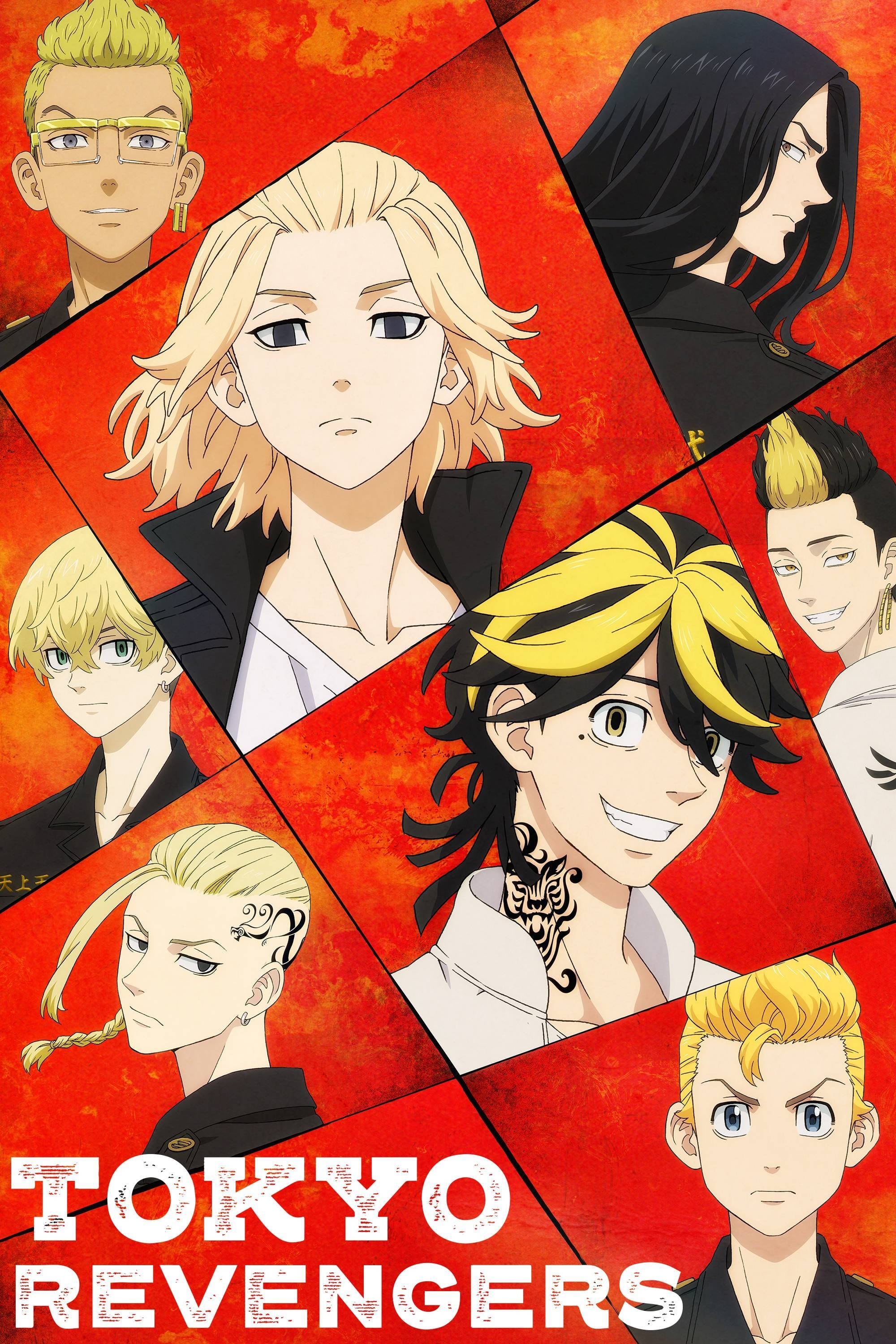
A street clash culminates in Draken being critically wounded, threatening the biker gang’s leadership stability. The incident springs from layered provocations and external manipulation of rival crews. Emergency responses and hospital security become immediate plot drivers while the festival fallout ripples through alliances. The survival outcome determines which faction controls upcoming decisions in the gang’s hierarchy.
‘Clannad: After Story’ (2008–2009) – Nagisa’s death resets the family arc

Complications during childbirth result in Nagisa’s death, pushing the narrative from a young-family slice-of-life into a grief-driven parental story. The shift changes the show’s focus to Tomoya’s ability to raise Ushio and mend ties with extended family. It also reframes earlier foreshadowing about health and seasonal symbolism. The new arc reorients character goals around reconciliation and long-term care.
‘The Melancholy of Haruhi Suzumiya’ (2006; 2009) – ‘Endless Eight’ locks the show in repetition
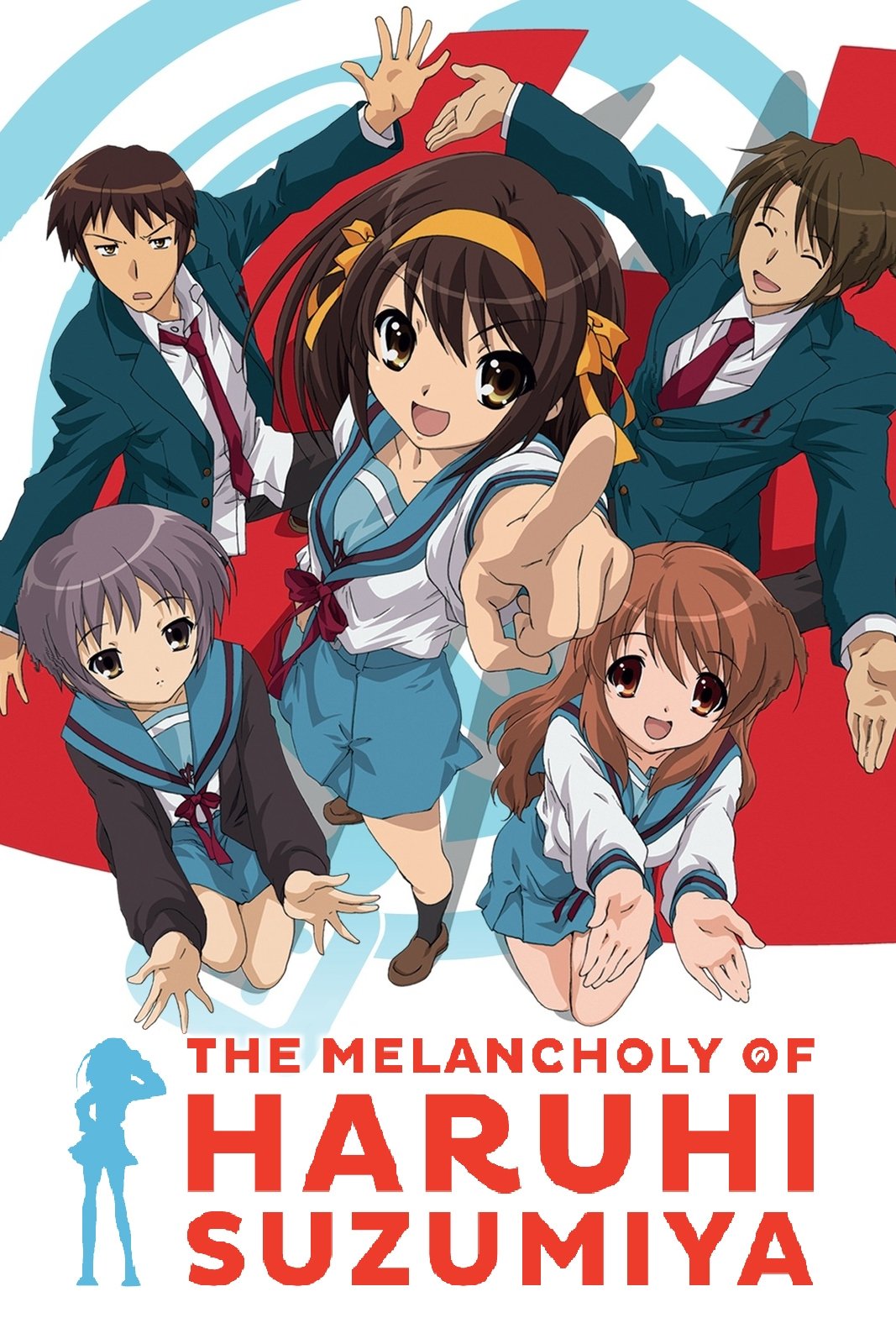
A mid-run block reveals the SOS Brigade trapped in a repeating summer loop with only one member retaining cumulative awareness. Production famously presented multiple broadcast episodes depicting the loop with new cuts and staging each week. In-story, the characters confront the necessity of a specific action to escape the cycle. The arc redefined expectations for broadcast experimentation and audience patience with structural gambits.
‘Mobile Suit Gundam 00’ (2007–2009) – The Trinity siblings upend the battlefield
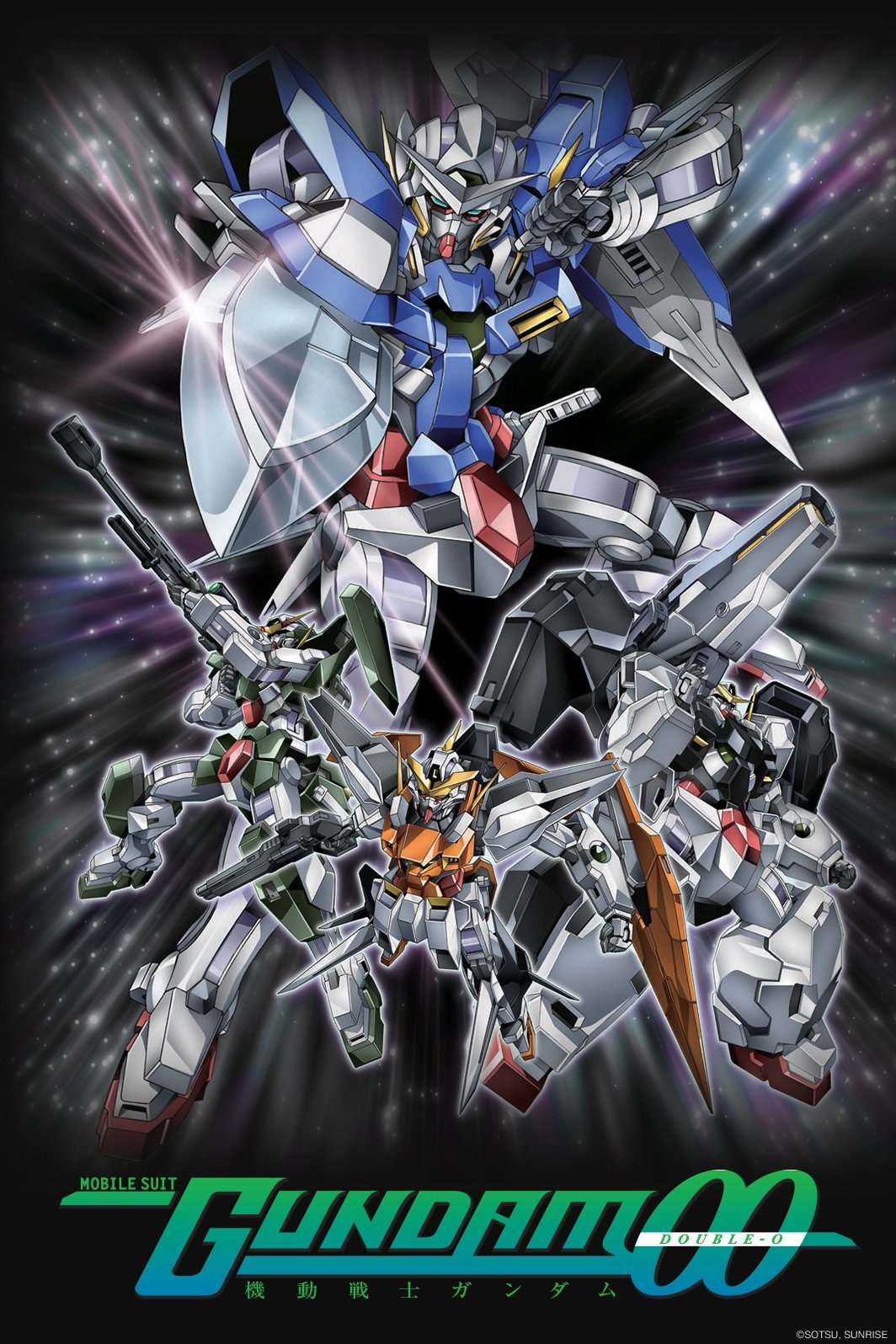
A second set of Gundam pilots arrives mid-conflict, claiming alignment with Celestial Being while ignoring its established rules of engagement. Their interventions escalate hostility and spark coordinated international counter-measures. The development exposes vulnerabilities in the organization’s command authentication and data sanctuaries. It drives the alliance of world powers to launch the GN-X program, leveling the field.
‘Mob Psycho 100’ (2016–2022) – Claw’s 7th Division forces Mob past his limits
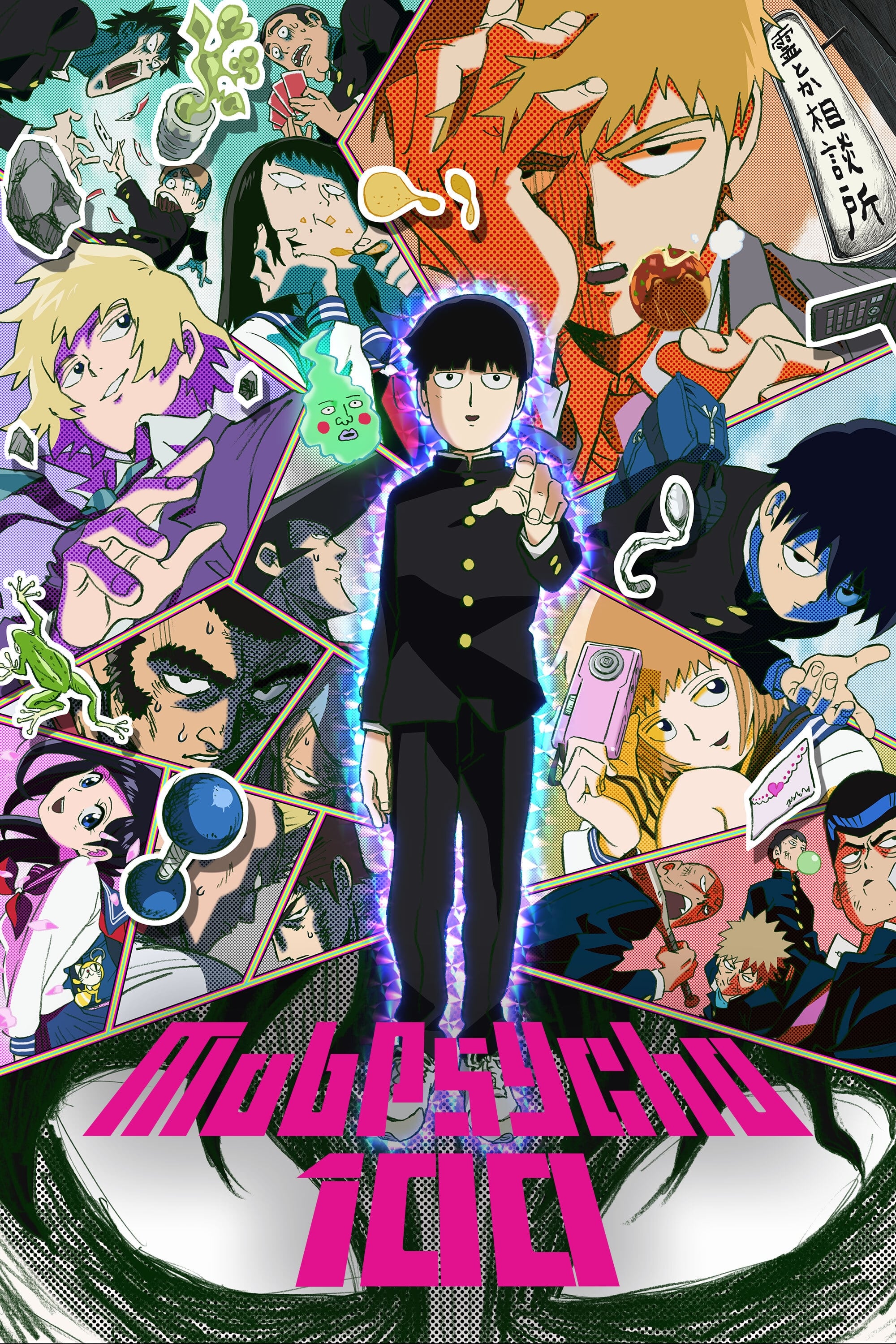
A mid-season raid to rescue kidnapped espers pushes Mob into consecutive psychic spikes culminating in the unknown “???” state. The operation maps Claw’s hierarchy, facilities, and recruitment pipeline. It also codifies Mob’s emotional threshold system, which tactical opponents begin to exploit. Aftermath briefings lead to new counter-abduction protocols among independent espers.
‘Higurashi: When They Cry’ (2006) – ‘Meakashi-hen’ reveals the culprit’s point of view
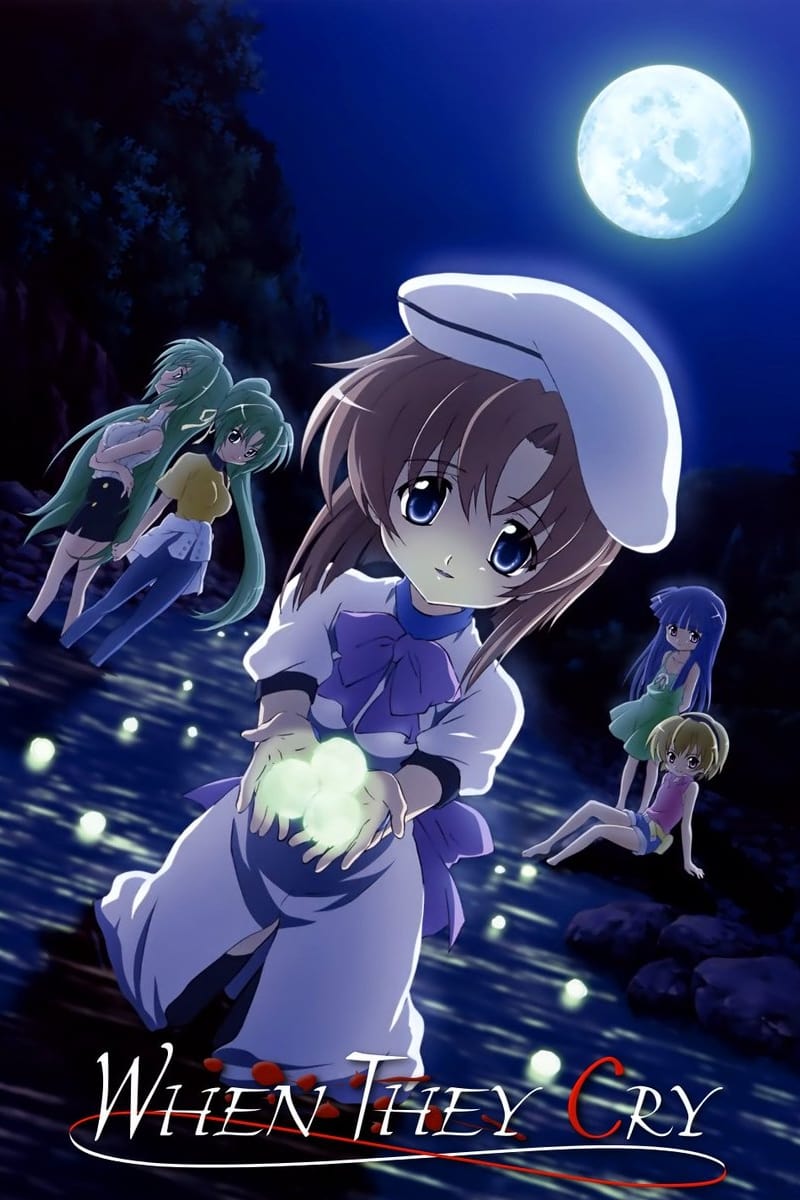
A mid-series arc shifts perspective to expose how key murders unfolded from the culprit’s side, reinterpreting earlier arcs’ unexplained events. The structure shows how misread signals and unreliable narration fed false theories in previous runs. This vantage point clarifies the mechanics of disappearances, torture sites, and alibi gaps. It establishes the template for later arcs to solve Hinamizawa’s mystery by cross-referencing timelines.
‘Vinland Saga’ (2019–) – The Thorkell battles reframe loyalties on the march
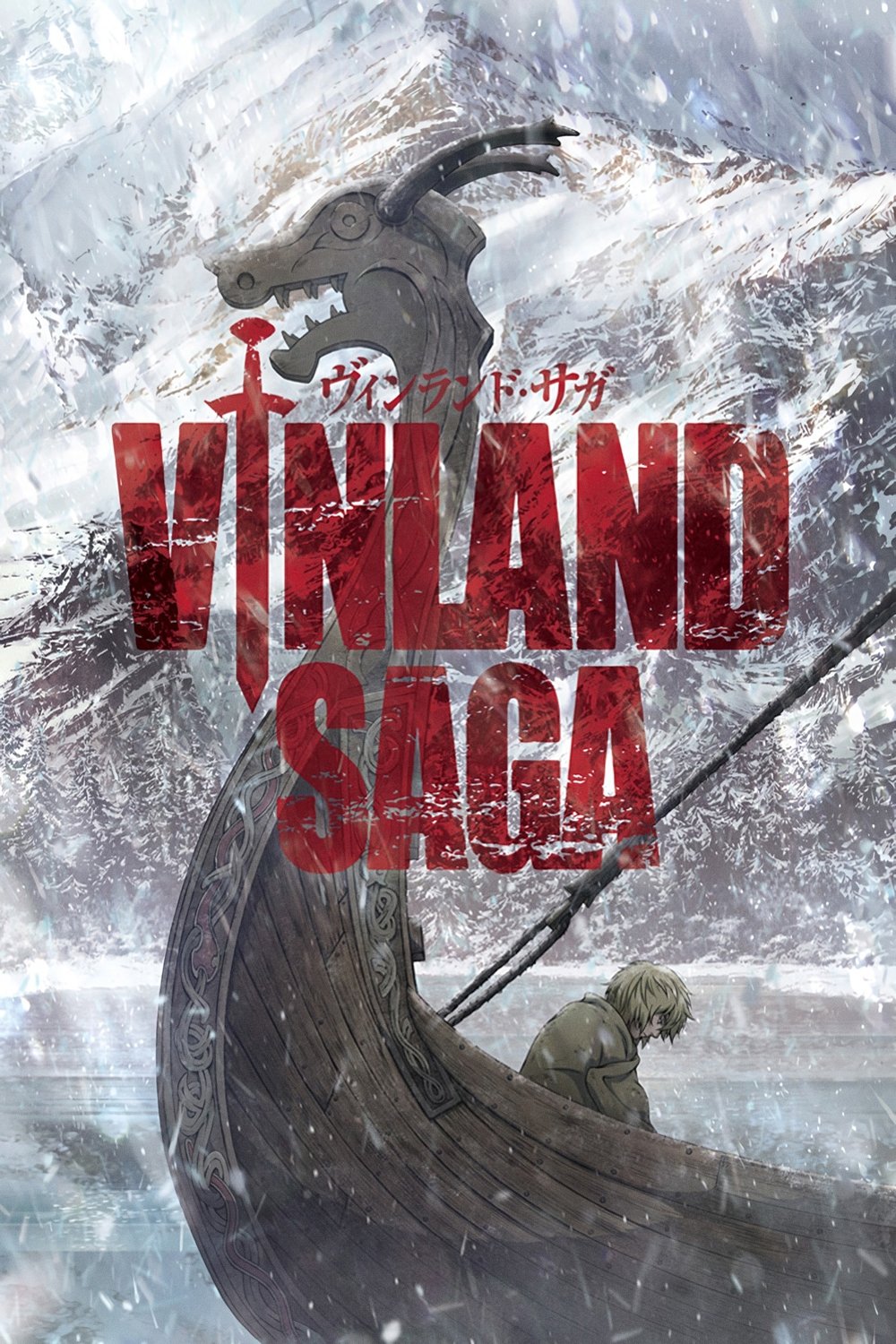
A mid-campaign clash with Thorkell forces Thorfinn’s unit to alter routes and bargain across enemy lines. The encounter exposes political objectives behind the mercenary movements rather than simple pillaging. It also demonstrates how duels are used as negotiation and morale tools among Viking bands. The outcomes redirect the party toward court intrigue, setting up the season’s final power pivot.
Share your own mid-season jaw-droppers in the comments so we can build an even bigger list together!