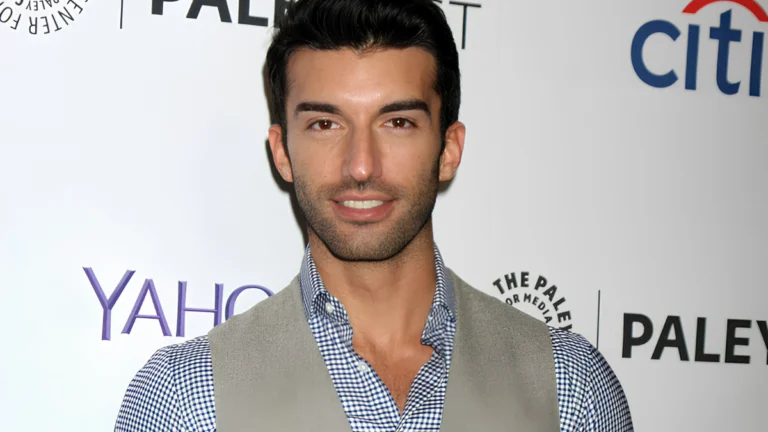
Top 10 Coolest Things About Michael Fassbender

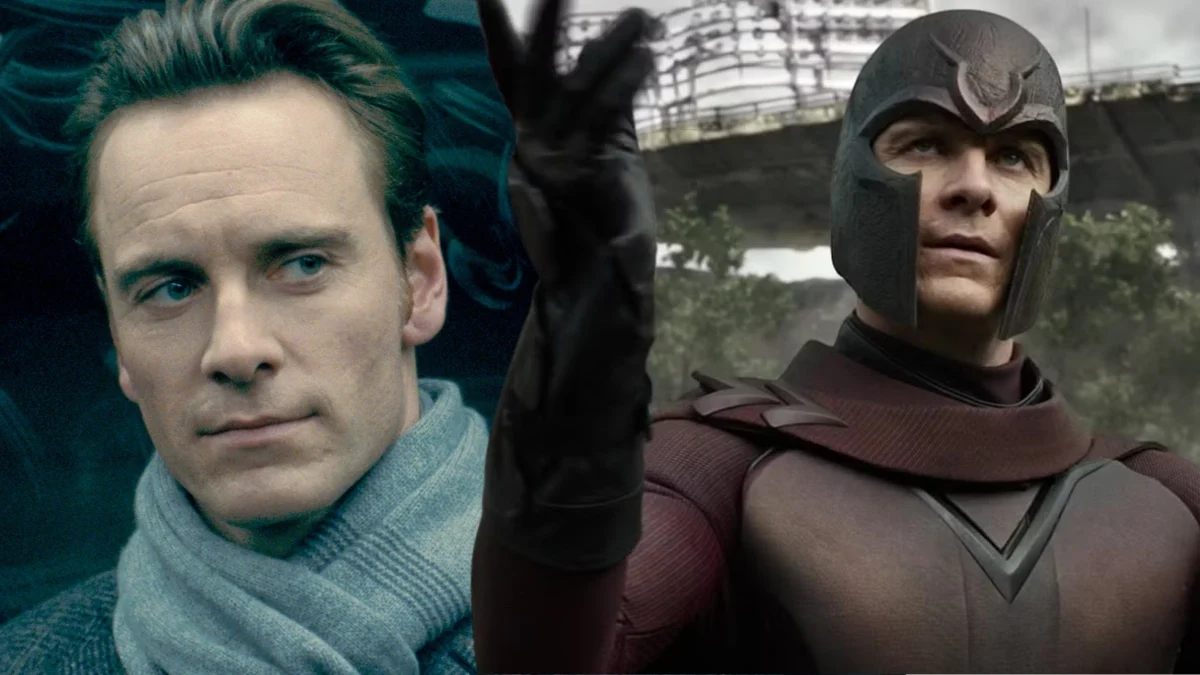

Michael Fassbender has built a career that cuts across prestige dramas, major franchises, and sharp genre pieces, with a knack for complex characters and exacting preparation. From early work on British television to collaborations with directors like Steve McQueen, Quentin Tarantino, Ridley Scott, Danny Boyle, and David Fincher, he’s stacked up roles that are memorable for the craft behind them as much as the finished performances. These highlights focus on the screen projects and the concrete, behind-the-scenes facts that make his filmography stand out. Here are ten cool, verifiable reasons his body of work keeps getting studied, rewatched, and referenced.
‘Hunger’ (2008) – the transformative debut collaboration with Steve McQueen
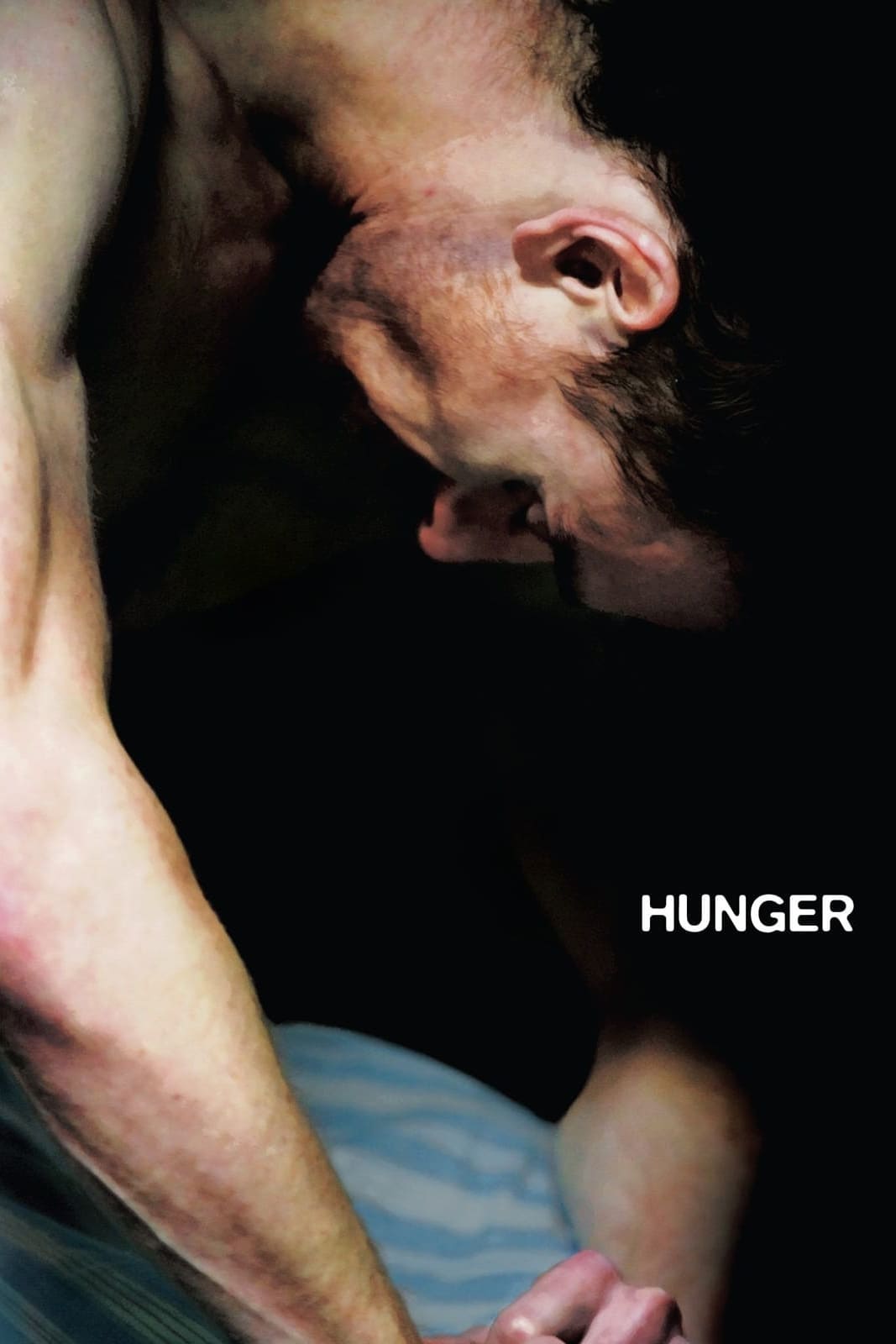
Fassbender played Irish hunger striker Bobby Sands in Steve McQueen’s first feature, undertaking a drastic physical transformation to portray the final weeks of incarceration. He worked from extensive historical records and collaborated with McQueen on long, uninterrupted takes, including a famed static dialogue scene anchored by precise pacing. Preparation included a medically supervised diet designed to safely reduce his weight for the later prison sequences. The film marked the beginning of an ongoing director-actor partnership that shaped several subsequent roles.
‘Shame’ (2011) – Venice-winning performance built on rigorous rehearsal

Reuniting with Steve McQueen, he starred as Brandon, a New Yorker struggling with compulsive behavior, in a production that emphasized tight choreography of movement and space. The shoot relied on meticulous blocking to match character psychology with camera distance, often holding shots for extended durations. Fassbender’s performance earned the Volpi Cup for Best Actor at the Venice Film Festival, reflecting the film’s strong festival showing. The project continued his collaboration with McQueen and cinematographer Sean Bobbitt, aligning acting choices with the film’s stark visual design.
’12 Years a Slave’ (2013) – awards recognition for a searing antagonist
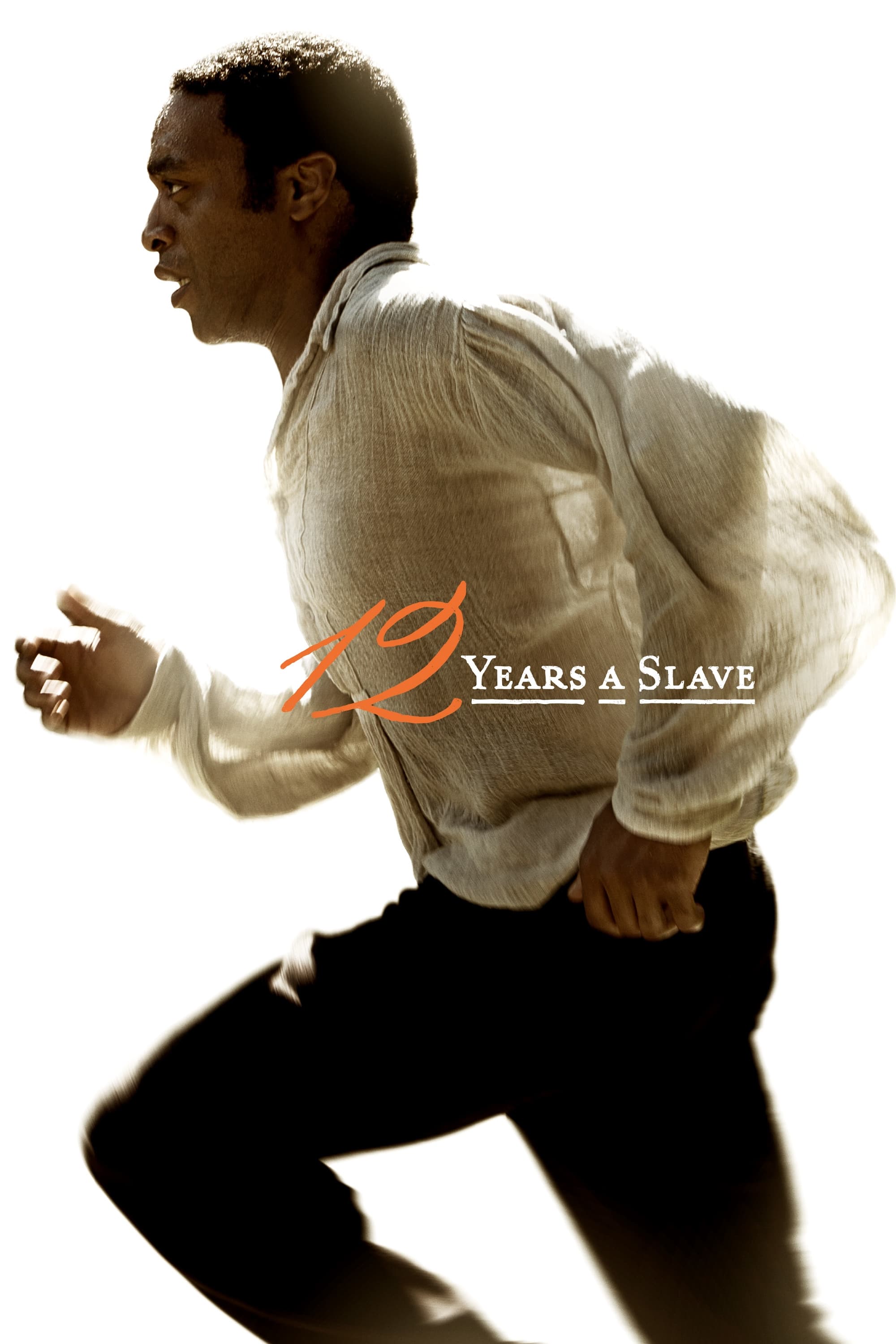
As plantation owner Edwin Epps, Fassbender delivered a carefully researched portrayal shaped by period documents and Solomon Northup’s memoir. His work was supported by dialect coaching and an emphasis on historically accurate plantation practices depicted across the production. The performance received an Academy Award nomination for Best Supporting Actor alongside the film’s Best Picture win. It further cemented his association with McQueen on high-intensity historical material.
‘Steve Jobs’ (2015) – three-act structure and dialogue-heavy precision
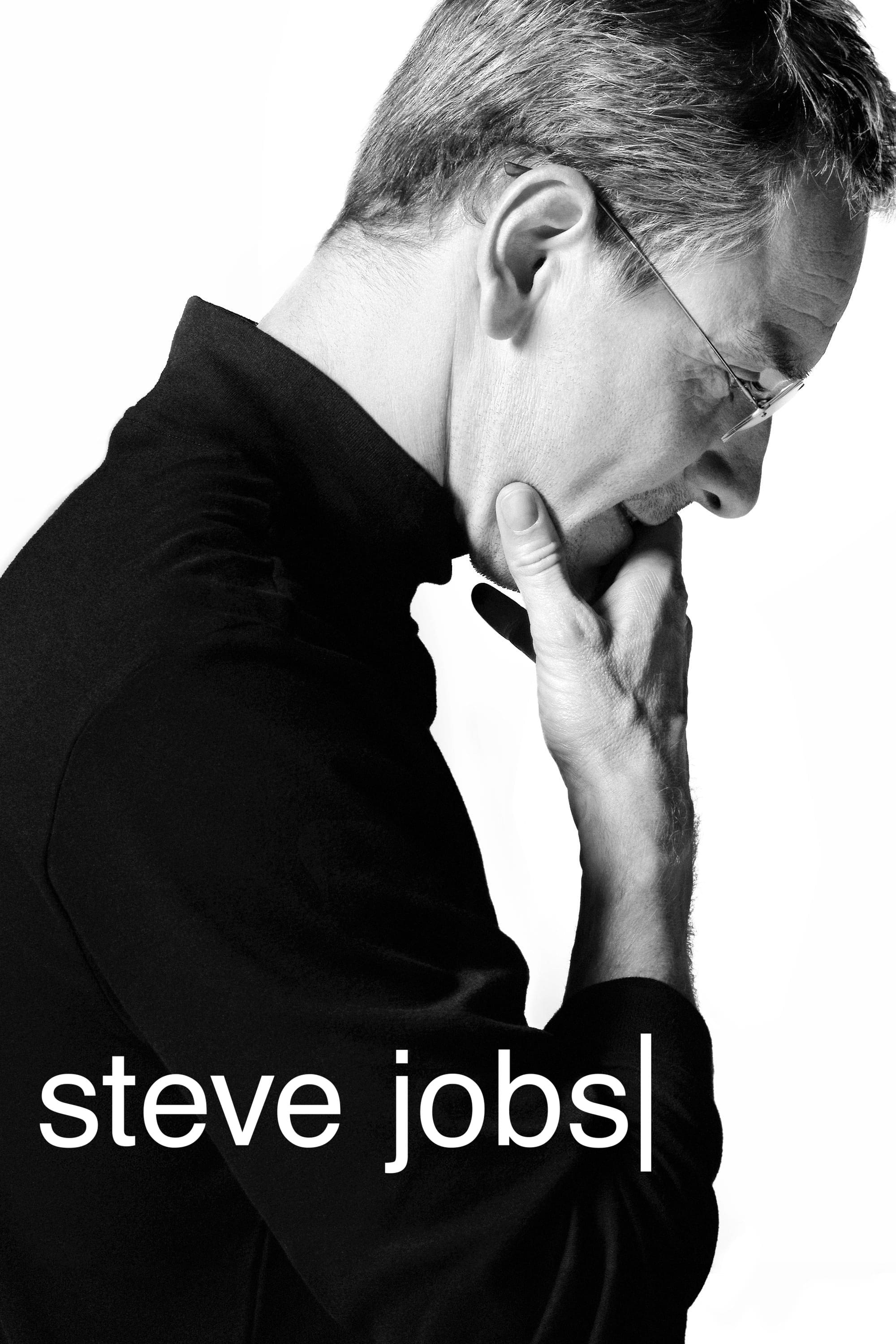
Fassbender portrayed the Apple co-founder in a film staged as three backstage acts, each centered on a different product launch. The role required mastering lengthy, fast-paced dialogue from Aaron Sorkin’s script and coordinating with Danny Boyle’s shifting visual formats across acts. Preparation included work with voice and movement coaches to track subtle changes in posture and speech across the timeline. The performance earned him an Academy Award nomination for Best Actor.
‘X-Men: First Class’ (2011) – multilingual Magneto and franchise throughline
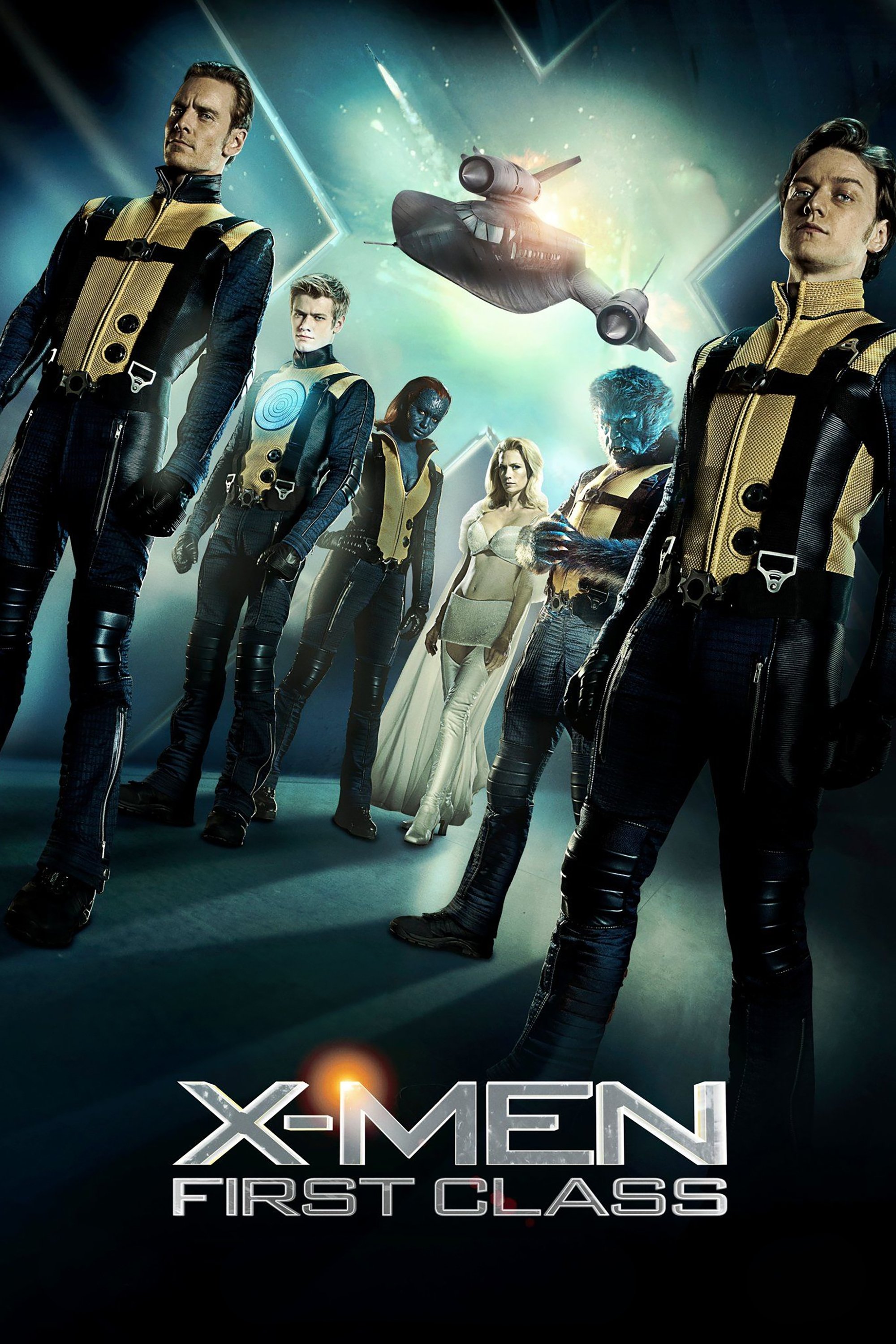
Taking on Erik Lehnsherr/Magneto, Fassbender integrated German and English dialogue to reflect the character’s origins and global arc. He trained for precision with props and physical beats—coins, firearms, and period spy craft—used to cue effects work. The role established a long-running presence across multiple entries, aligning his performance with ensemble partner James McAvoy’s Charles Xavier. His version of Magneto linked Cold War espionage textures with the series’ evolving continuity.
‘Inglourious Basterds’ (2009) – linguistic dexterity in a high-stakes set piece
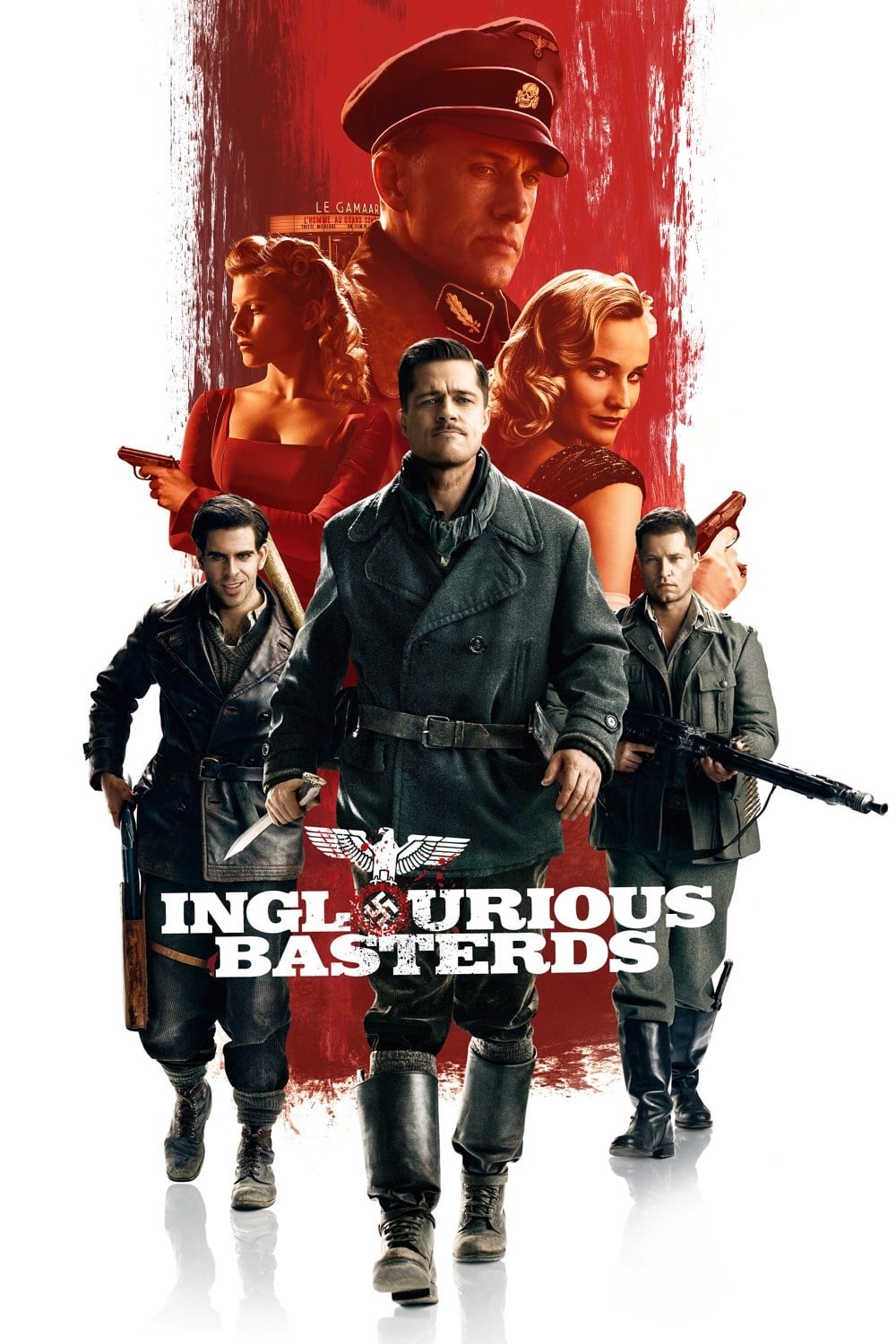
As Lieutenant Archie Hicox, Fassbender’s pivotal tavern sequence hinged on exact linguistic choices and gesture details that trigger the confrontation. The part leveraged his German language skills in a film where dialogue shifts carry plot consequences. Production emphasized the geography of the room and hand signals to drive tension, rewarding precise continuity from the actors. Working under Quentin Tarantino, he fit into an ensemble built around long, dialogue-driven scenes.
‘Prometheus’ (2012) – building an android with layered references
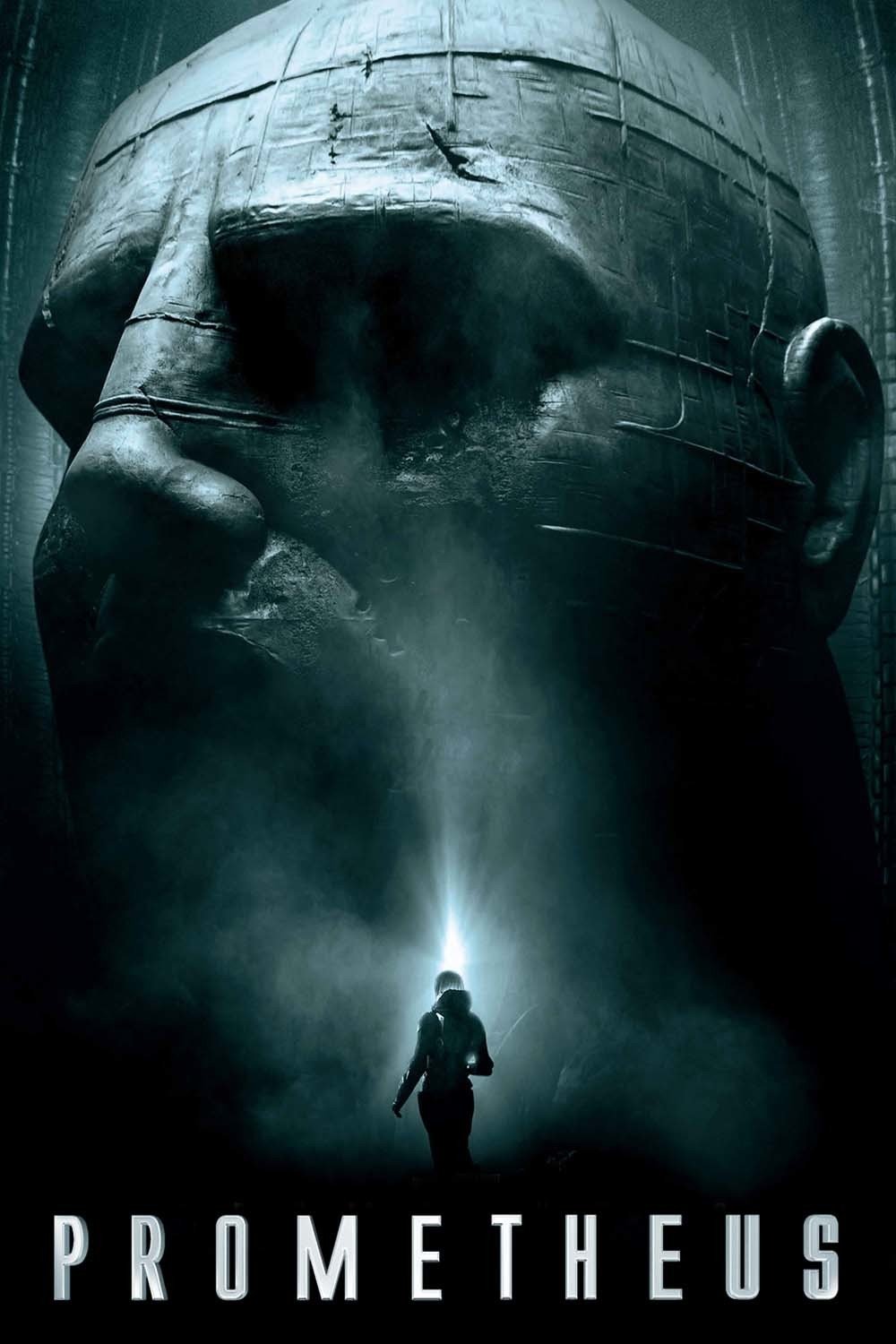
Playing the synthetic David, Fassbender drew on classic-film inspirations to shape vocal cadence, movement, and posture. He collaborated with the effects and production design teams to align performance with the character’s engineered precision, including repeatable micro-gestures for continuity. Marketing featured an in-universe ‘David 8’ promo that extended the character beyond the feature itself. The role continued his work with large-scale world-building under director Ridley Scott.
‘Macbeth’ (2015) – Shakespeare on film with stylized battle craft
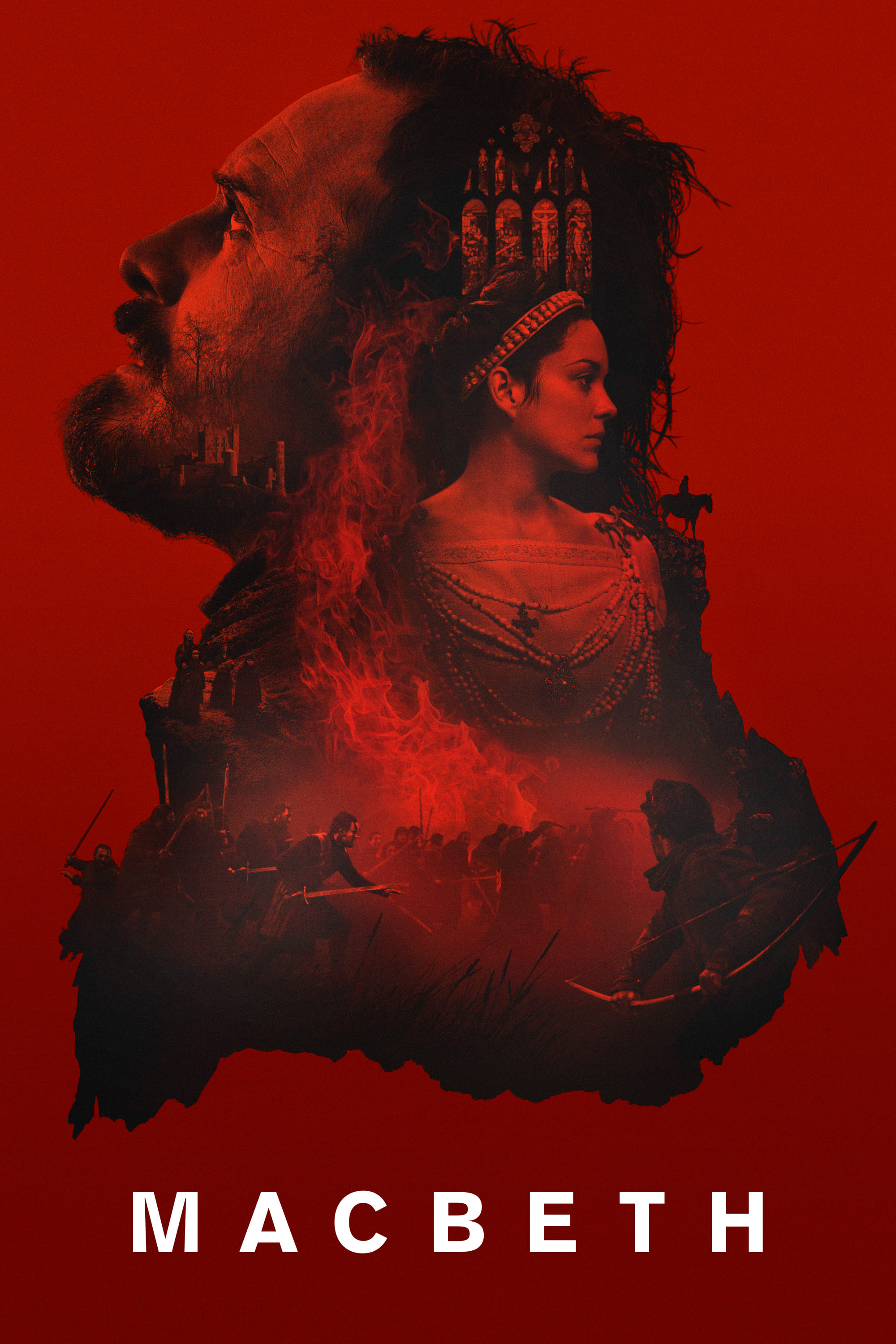
Fassbender’s Macbeth was developed through verse work and physical training to sustain extended battlefield and close-quarters sequences. Director Justin Kurzel’s approach combined location shooting with heightened staging, requiring consistent emotional tracking across weathered, outdoor setups. Collaboration with Marion Cotillard’s Lady Macbeth centered on the text’s shifts from public command to private unraveling. The production emphasized tactile armor, weapons handling, and smoke-laden visuals to ground the tragedy’s martial context.
‘Assassin’s Creed’ (2016) – lead star who also served as producer
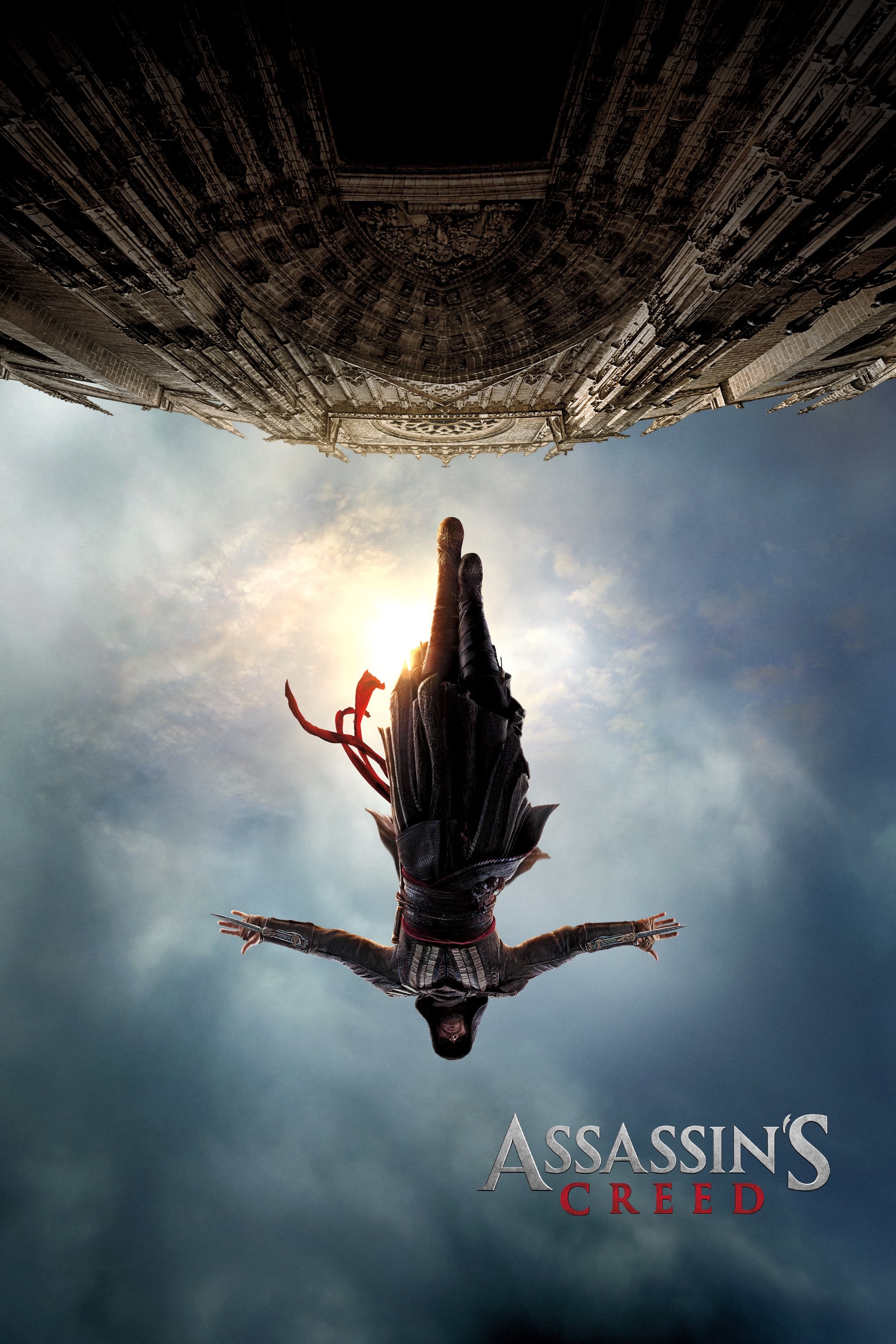
Alongside starring as Callum Lynch/Aguilar, Fassbender took on a producer role that involved development work with Ubisoft and the filmmaking team. Preparation included fight choreography blending parkour, blade work, and period combat forms, with a focus on practical stunts complemented by effects. The production coordinated historical and present-day timelines, requiring costume, movement, and dialect adjustments across settings. His dual role connected creative decisions behind the camera with execution on screen.
‘Hex’ (2004–2005) – early TV visibility that opened doors to features
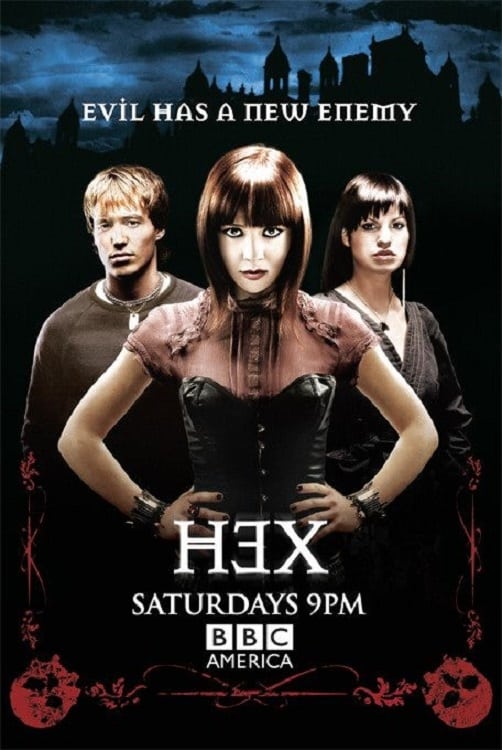
Before the major film run, Fassbender gained attention on British television playing the fallen angel Azazeal. The series schedule provided extended time to refine character beats across multiple episodes, building a throughline that casting directors could track. Sustained exposure from the show helped position him for higher-profile auditions, including prestige films that followed. It stands as a concrete example of how serialized TV work can set up momentum for feature roles.
Enjoy this list? Share your favorite Michael Fassbender performance in the comments!