Top 10 Coolest Things About Morgan Freeman

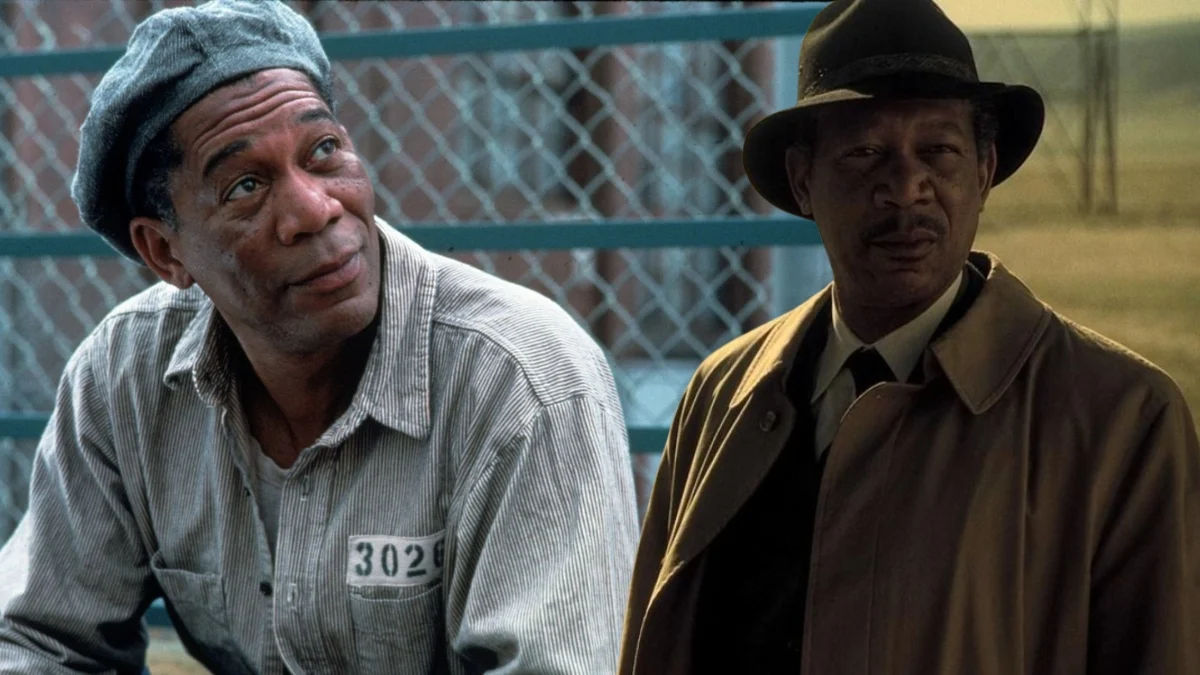

Morgan Freeman’s career is a masterclass in range and staying power, spanning gritty crime dramas, prestige winners, superhero epics, beloved comedies, and game-changing documentaries. He’s delivered performances that became definitive for their genres, anchored complex ensembles with unshowy authority, and turned narration itself into a marquee attraction. Across film and television, he consistently brings clarity, warmth, and moral weight to the screen, whether he’s a detective, a mentor, a statesman, or the voice guiding us through the unknown. Here are ten standout on-screen moments and projects that show exactly why his work keeps resonating.
‘The Shawshank Redemption’ (1994) – the definitive “Red” and an indelible narration
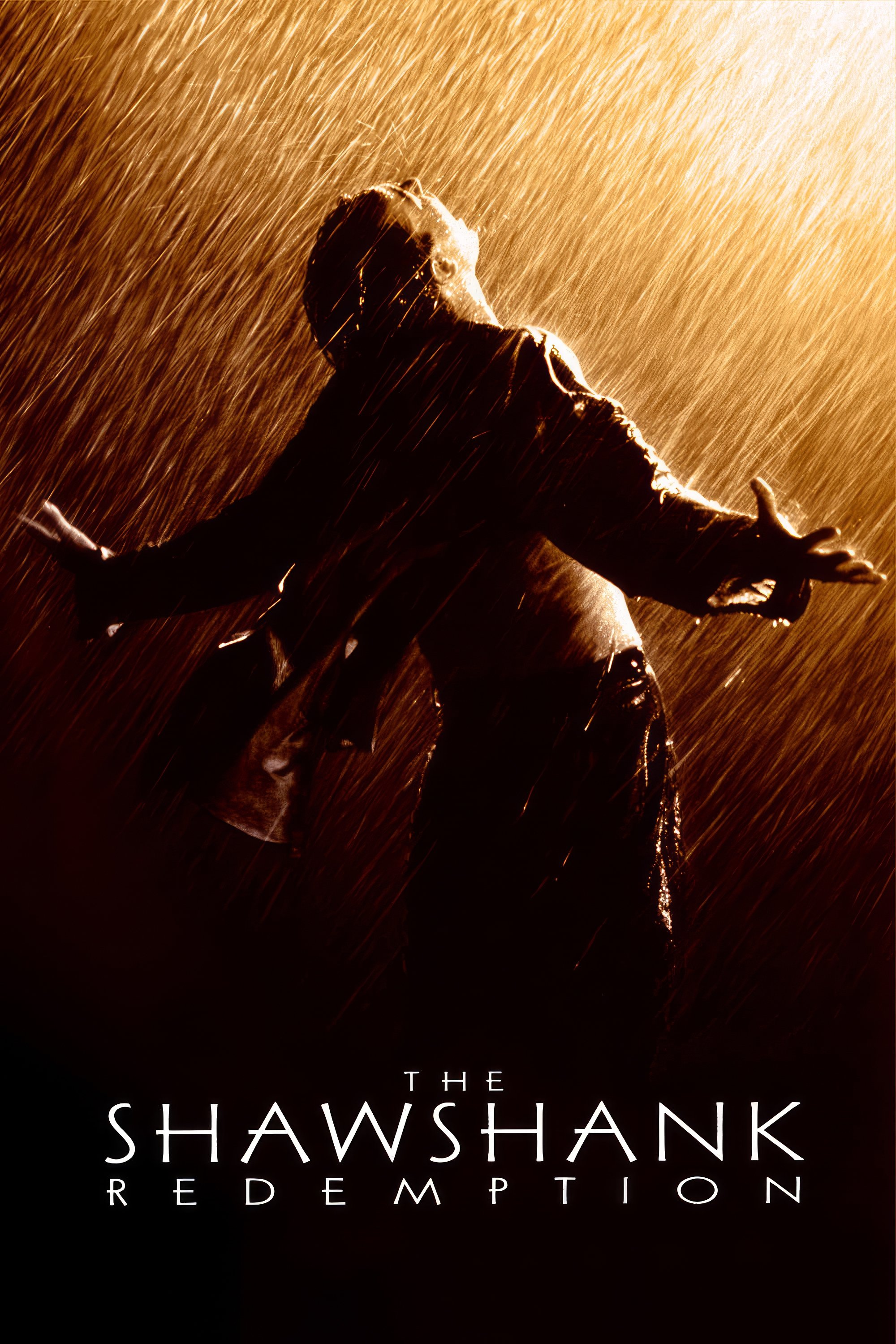
Freeman’s Ellis “Red” Redding is the emotional center of ‘The Shawshank Redemption’, balancing world-weariness with quiet hope. His voiceover became a hallmark of the film’s storytelling, framing the narrative with precision and restraint. The performance earned major awards recognition, including an Academy Award nomination for Best Actor. Today the film is frequently cited among all-time audience favorites, with Freeman’s work central to its lasting popularity.
‘Se7en’ (1995) – the calm, cerebral detective in a landmark thriller
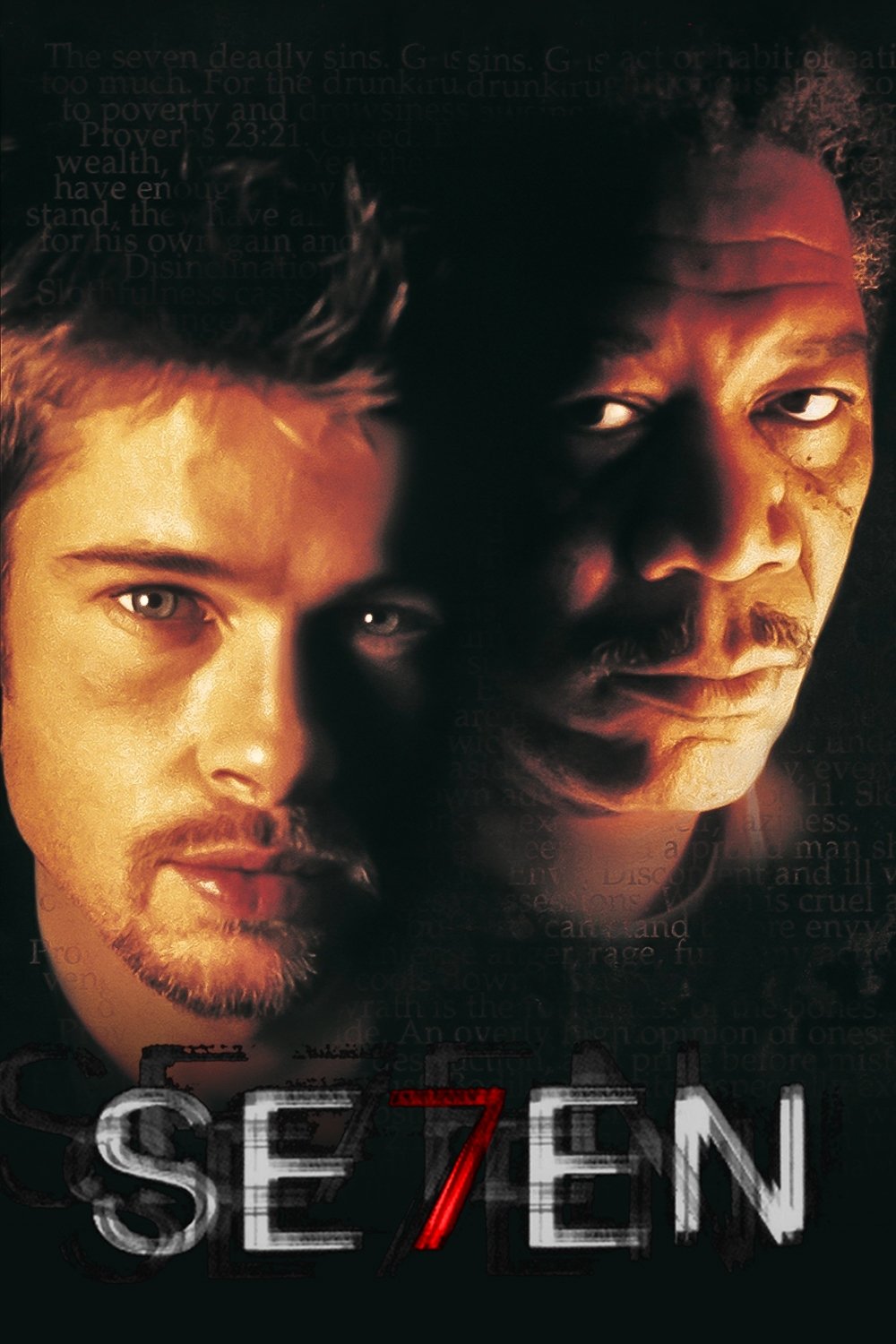
As Detective William Somerset in ‘Se7en’, Freeman anchors a bleak procedural with methodical intelligence and controlled empathy. His measured approach sets the tone against escalating horror, giving the film a moral and investigative backbone. The role helped cement a modern template for crime-thriller detectives onscreen. The movie’s critical and commercial success propelled Freeman’s reputation for authoritative, thoughtful characters.
‘Million Dollar Baby’ (2004) – an Oscar-winning turn as a weathered sage

Freeman’s Eddie “Scrap” Dupris in ‘Million Dollar Baby’ is a gentle, wry observer who also bears deep scars from the ring. He narrates parts of the story and serves as conscience and connective tissue for the gym’s relationships. The role earned him the Academy Award for Best Supporting Actor. His scenes with Hilary Swank and Clint Eastwood showcase economical, deeply felt acting that never forces sentiment.
‘Driving Miss Daisy’ (1989) – a performance that bridged stage and screen
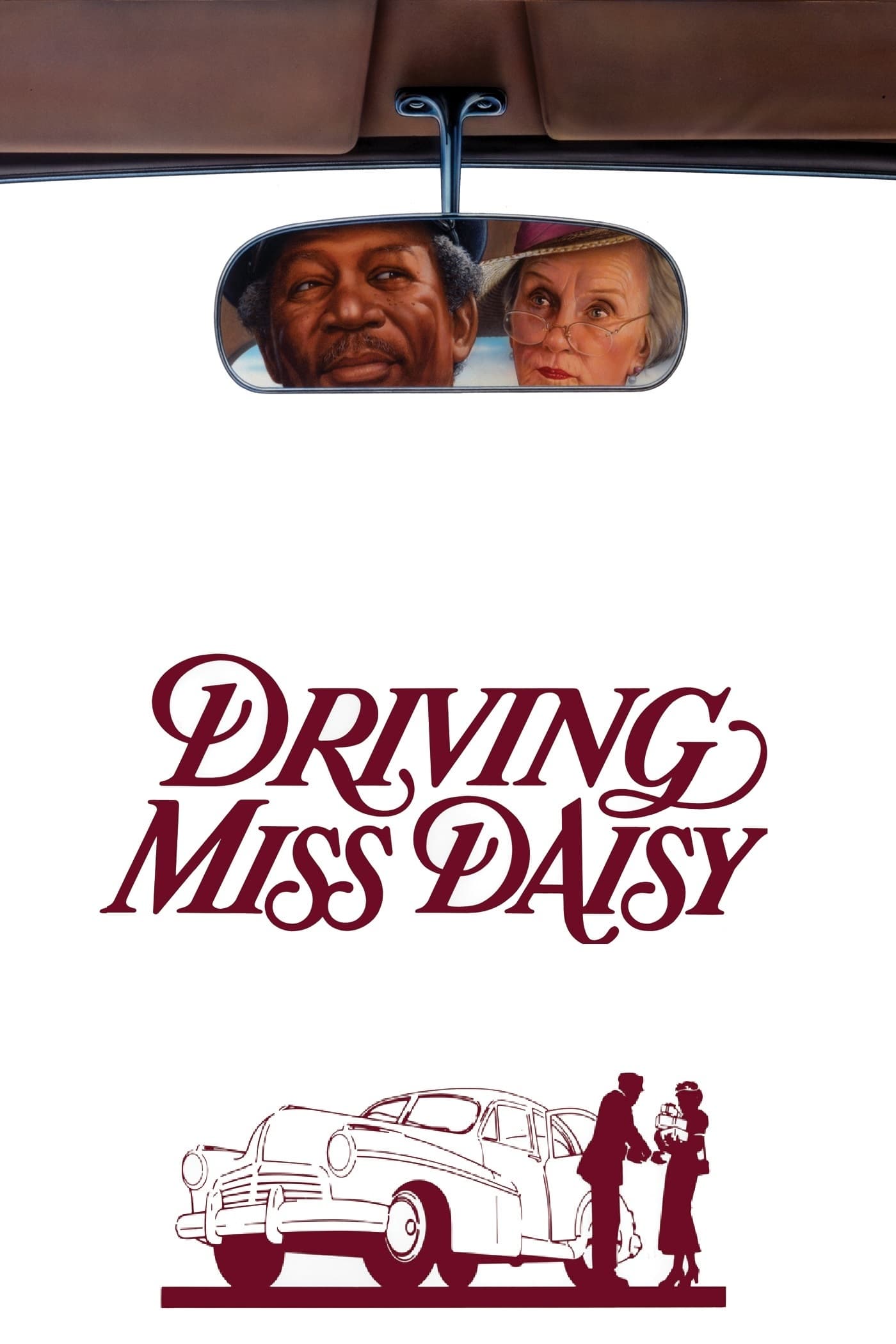
Originating Hoke Colburn on stage and then bringing him to film, Freeman delivered a nuanced portrayal that emphasized dignity, humor, and patience. The film won major industry awards, and his performance received top-tier nominations along with a Golden Globe win. The role expanded mainstream visibility for his work and showed his command of intimate, character-driven storytelling. It remains one of his most widely recognized leading turns.
‘Unforgiven’ (1992) – moral gravity in a revisionist Western
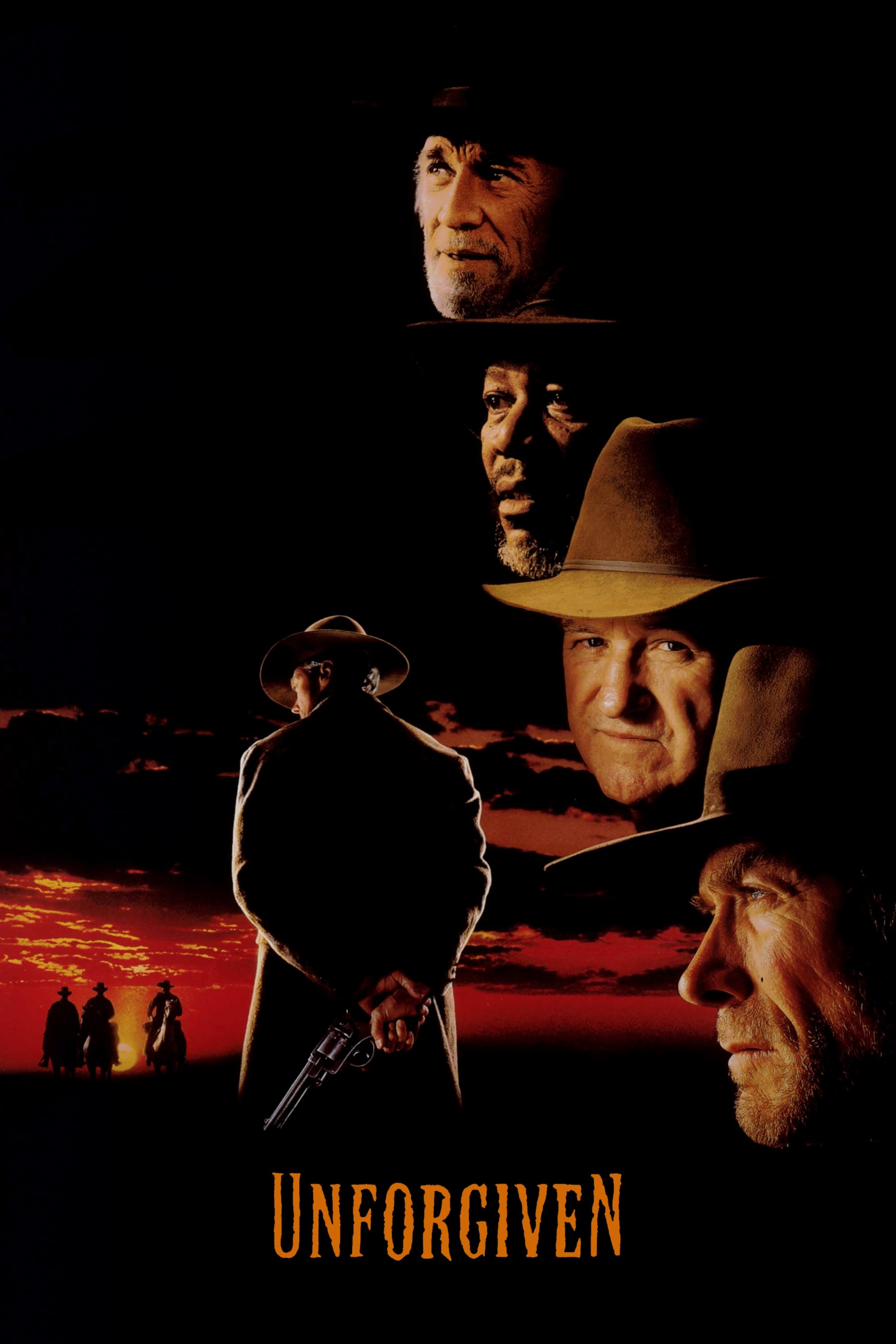
In ‘Unforgiven’, Freeman plays Ned Logan, a former gunslinger who becomes an ethical counterweight to the story’s brutal spiral. His presence underscores the film’s meditation on violence, consequence, and mythmaking in the American West. The film won Best Picture and helped redefine the modern Western. Freeman’s restrained, compassionate performance adds texture and humanity to a harsh world.
‘Batman Begins’ (2005) – the franchise-defining Lucius Fox
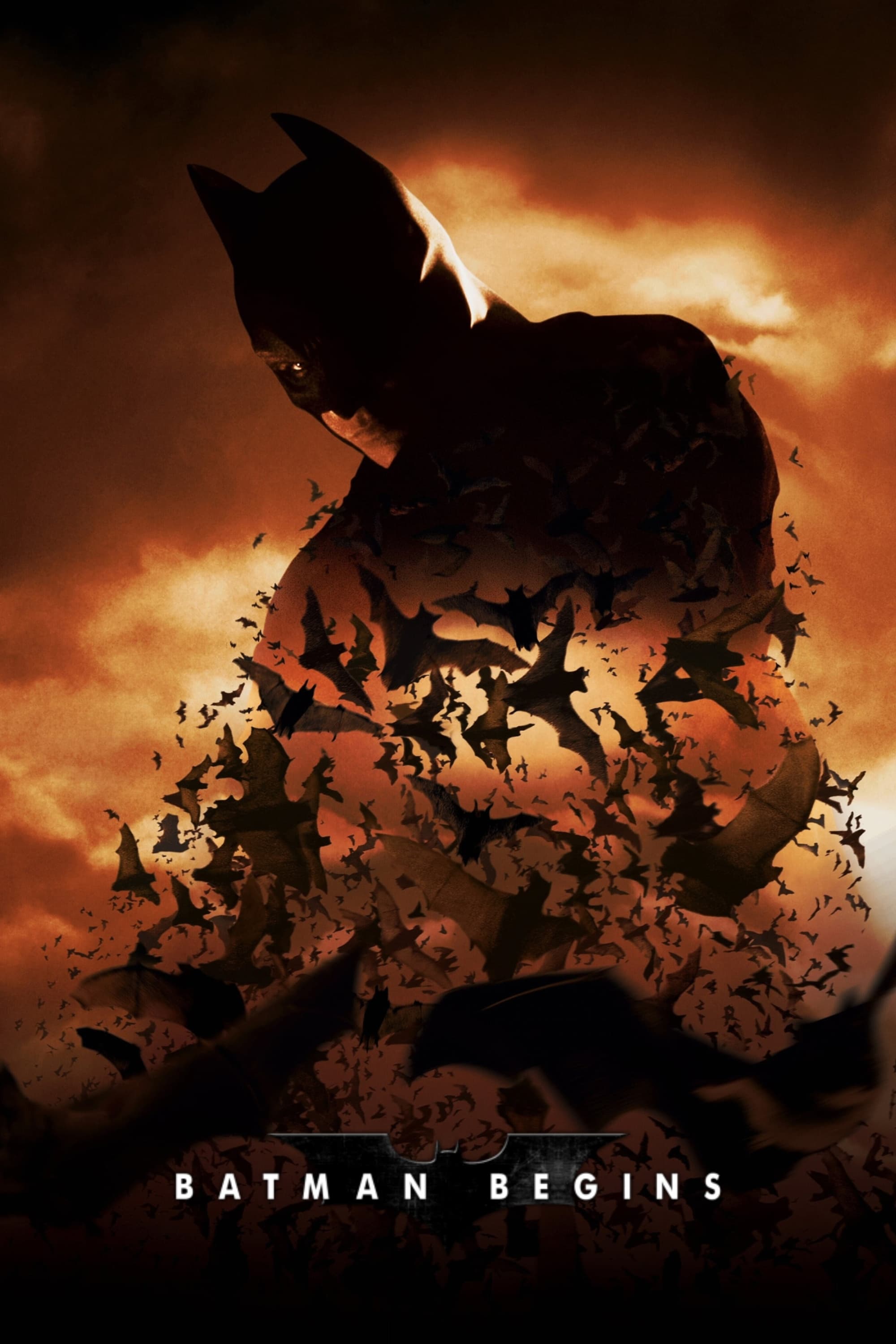
Freeman introduced Lucius Fox in ‘Batman Begins’, shaping the character as a principled technologist and steady moral compass. His collaboration with Bruce Wayne grounds the series’ gadgetry in plausible corporate and ethical realities. The portrayal continued across the trilogy, providing continuity and levity amid escalating stakes. Lucius became a fan-favorite mentor figure whose scenes often drive crucial plot mechanics.
‘March of the Penguins’ (2005) – narration that became a phenomenon
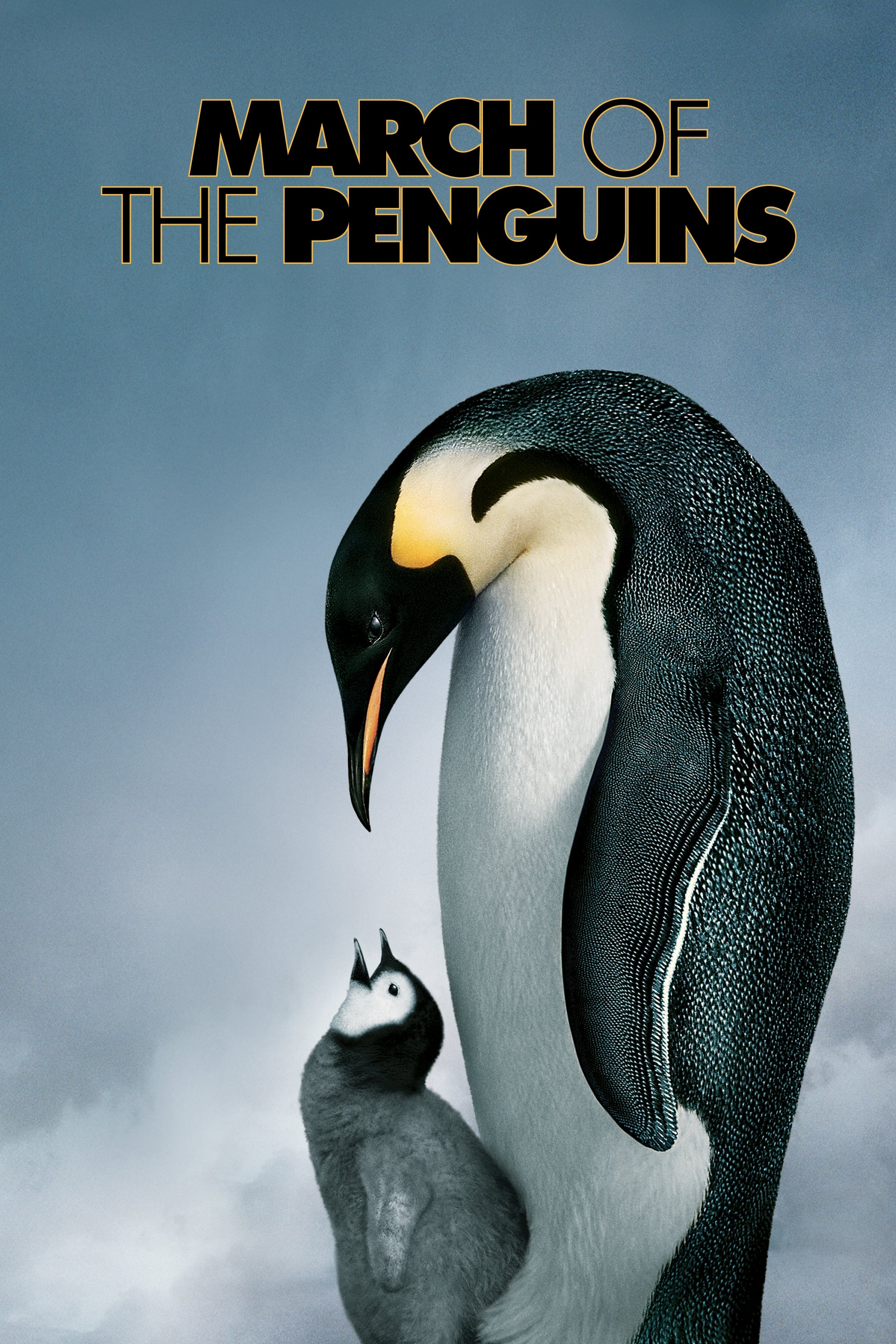
As narrator of ‘March of the Penguins’, Freeman transformed a nature documentary into a mainstream hit through clear, empathetic storytelling. His cadence and emphasis guide viewers through the penguins’ life cycle without oversimplifying the science. The film won the Academy Award for Best Documentary Feature and performed strongly at the box office. Freeman’s voiceover became a cultural touchstone for documentary narration.
‘The Electric Company’ (1971–1977) – early TV work that boosted literacy
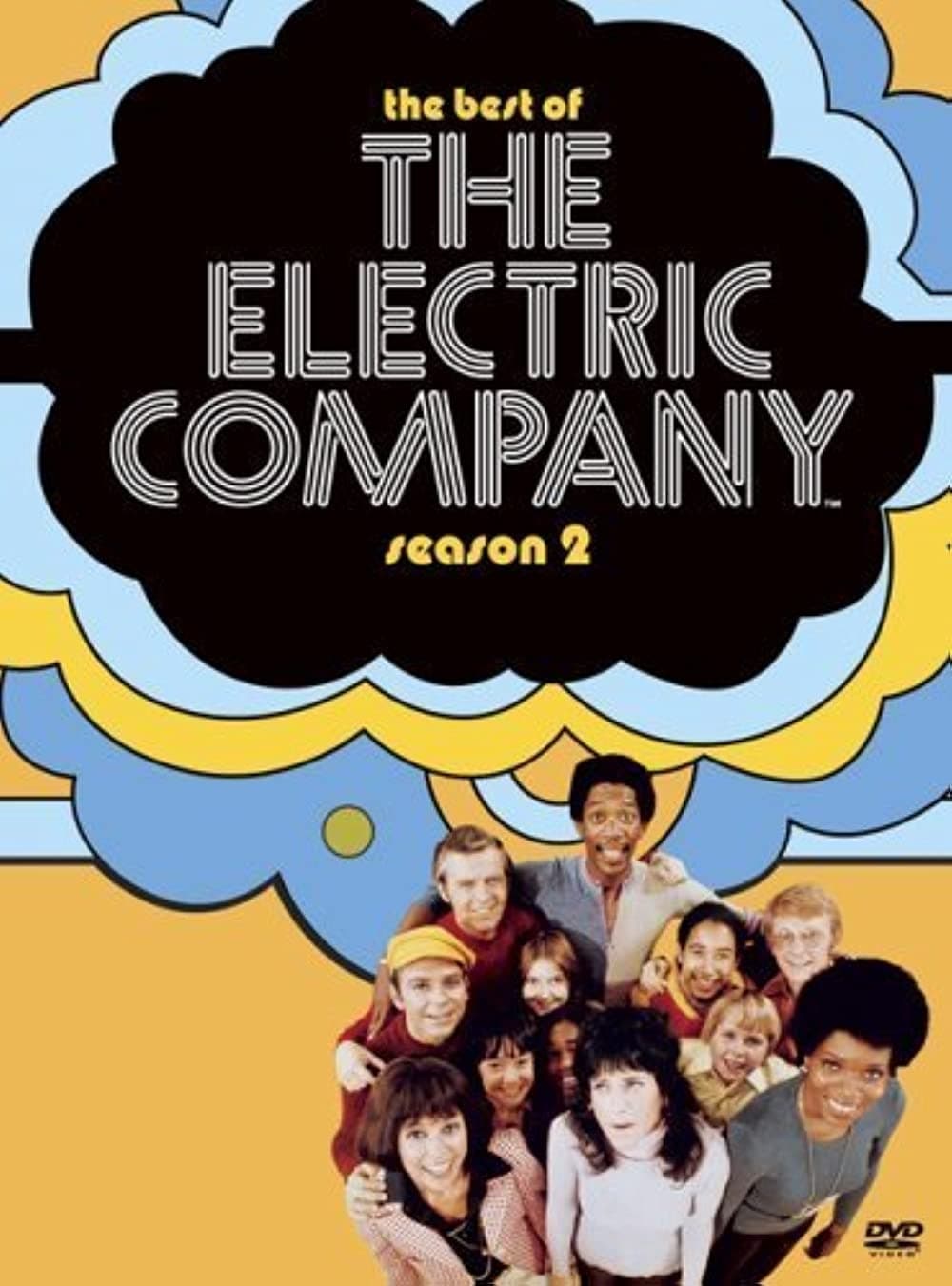
On ‘The Electric Company’, Freeman portrayed characters like Easy Reader, bringing charisma and humor to educational sketches. The series was designed to improve reading skills for children, reaching classrooms and homes nationwide. His work on the show built a foundation for later mainstream recognition on bigger screens. It also showcased his versatility long before the dramatic roles that made him a household name.
‘Through the Wormhole’ (2010–2017) – accessible science with credibility
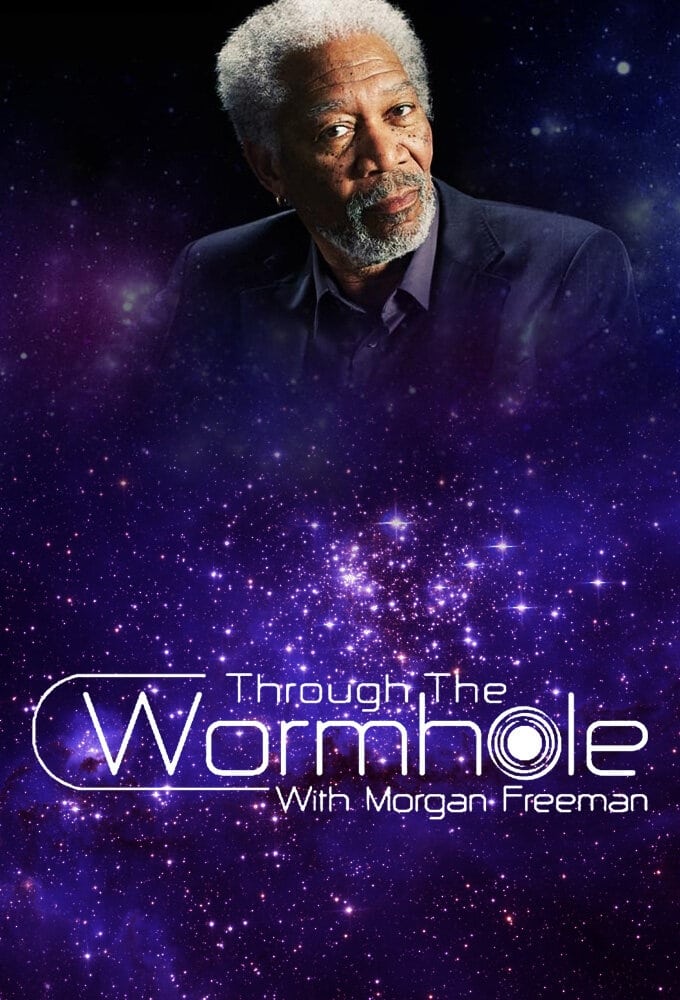
Freeman hosted ‘Through the Wormhole’, a documentary series exploring physics, cosmology, neuroscience, and big-picture questions. He guided conversations with scientists and framed complex ideas in approachable language. The program broadened public engagement with frontier science topics while keeping rigor in focus. His hosting reinforced his reputation as a trusted explainer beyond scripted roles.
‘Invictus’ (2009) – a studied portrayal of leadership as Nelson Mandela
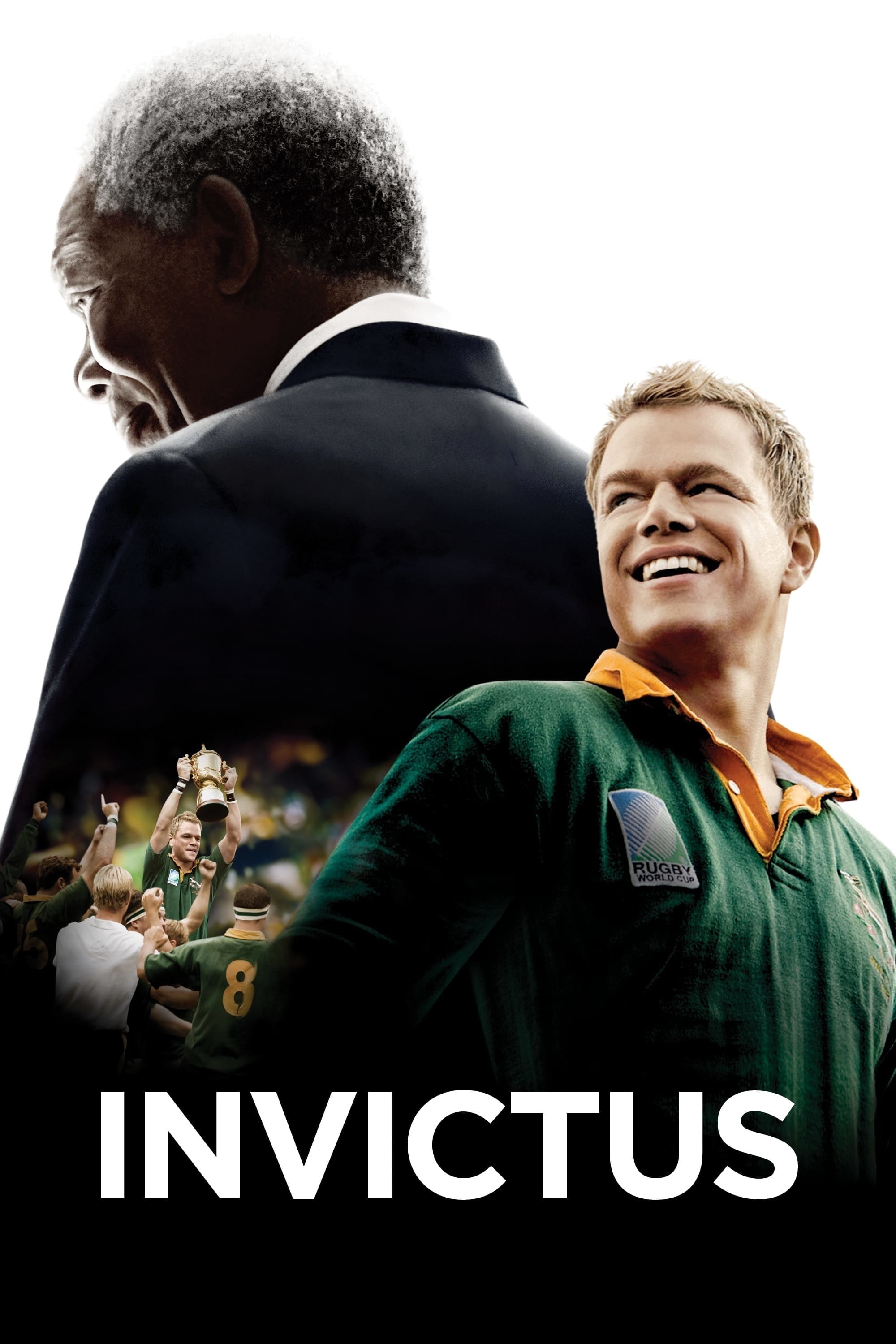
In ‘Invictus’, Freeman portrays Nelson Mandela with careful attention to voice, gesture, and diplomatic presence. The performance earned major awards nominations and drew praise from audiences and commentators alike. The film reunites him with director Clint Eastwood, building on an established creative rapport. It highlights Freeman’s capacity to humanize towering historical figures without softening their political stakes.
Share your favorite Morgan Freeman moment in the comments—what scene or role sticks with you most?