Worst Sci-fi Movies of All Time



Some sci-fi films swing big and miss even bigger, leaving behind production troubles, unhappy audiences, and legendary cautionary tales. This list looks at titles that struggled with execution, reception, or both, drawing on things like chaotic shoots, disastrous box office runs, and infamous creative choices that are still discussed today.
‘Battlefield Earth’ (2000)
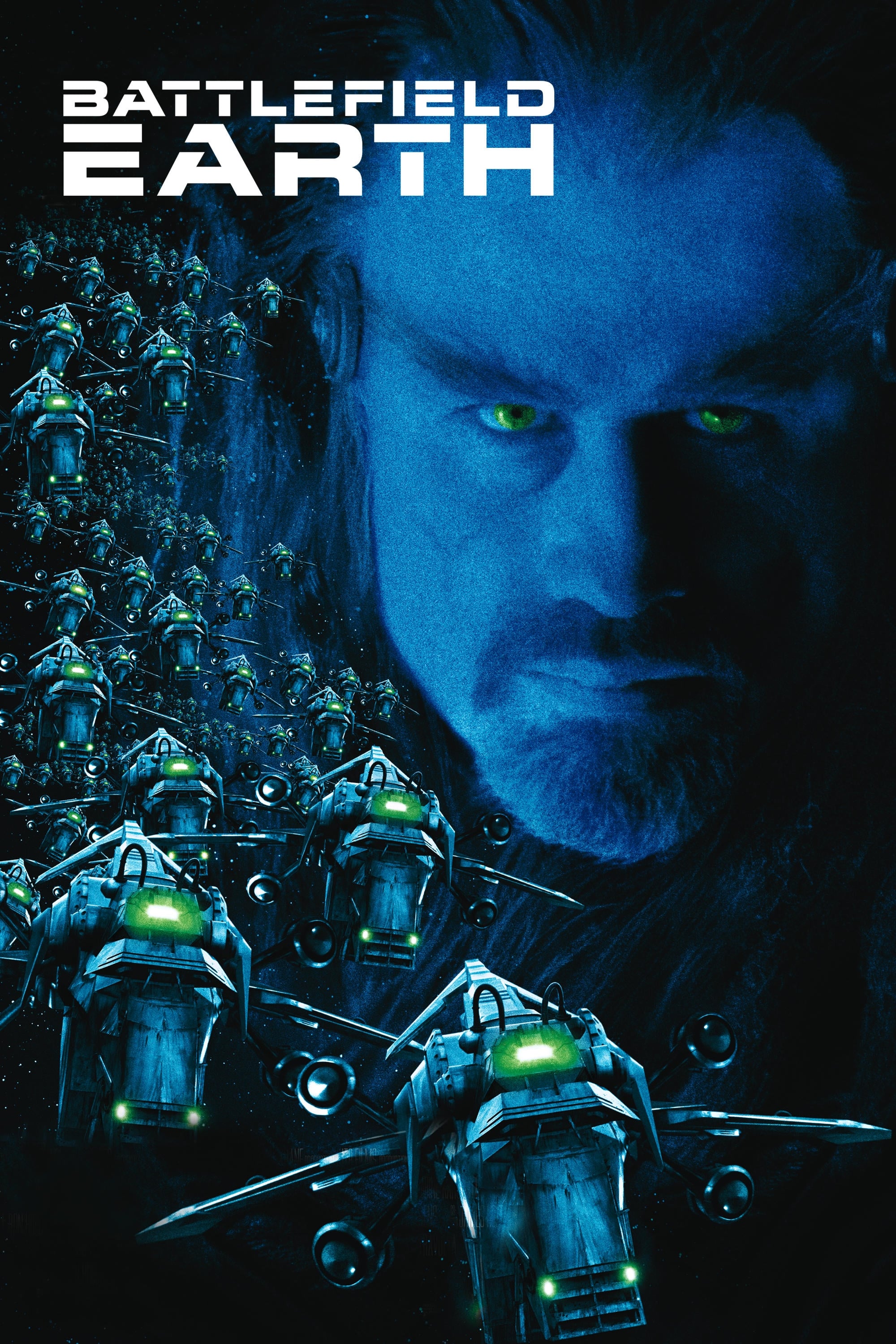
This adaptation of L. Ron Hubbard’s novel is set in the year 3000 and stars John Travolta and Barry Pepper. Director Roger Christian filled the film with tilted shots and heavy prosthetics to depict an alien occupation of Earth. The movie won a stack of Razzie Awards after critics panned its writing and design choices. Its theatrical run fell far short of expectations and ended any hopes for a planned sequel.
‘Plan 9 from Outer Space’ (1959)
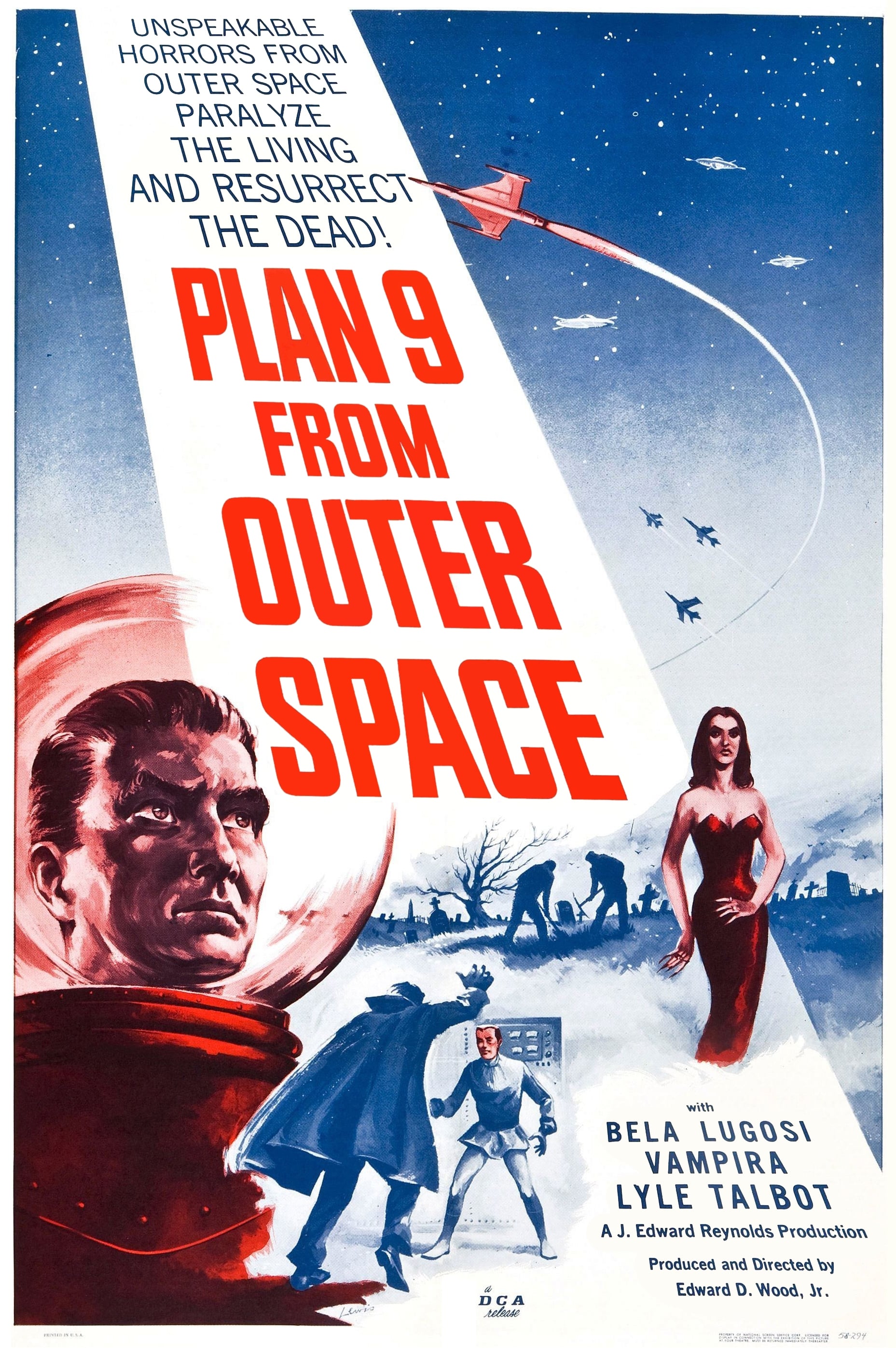
Ed Wood pieced this film together using footage of Bela Lugosi shot before the actor’s death. The production relied on minimal sets, visible wires, and stand-ins to complete missing scenes. Distribution was limited and reviews were harsh even at the time. Decades later it gained a cult reputation as a template for low budget sci-fi gone wrong.
‘Highlander II: The Quickening’ (1991)
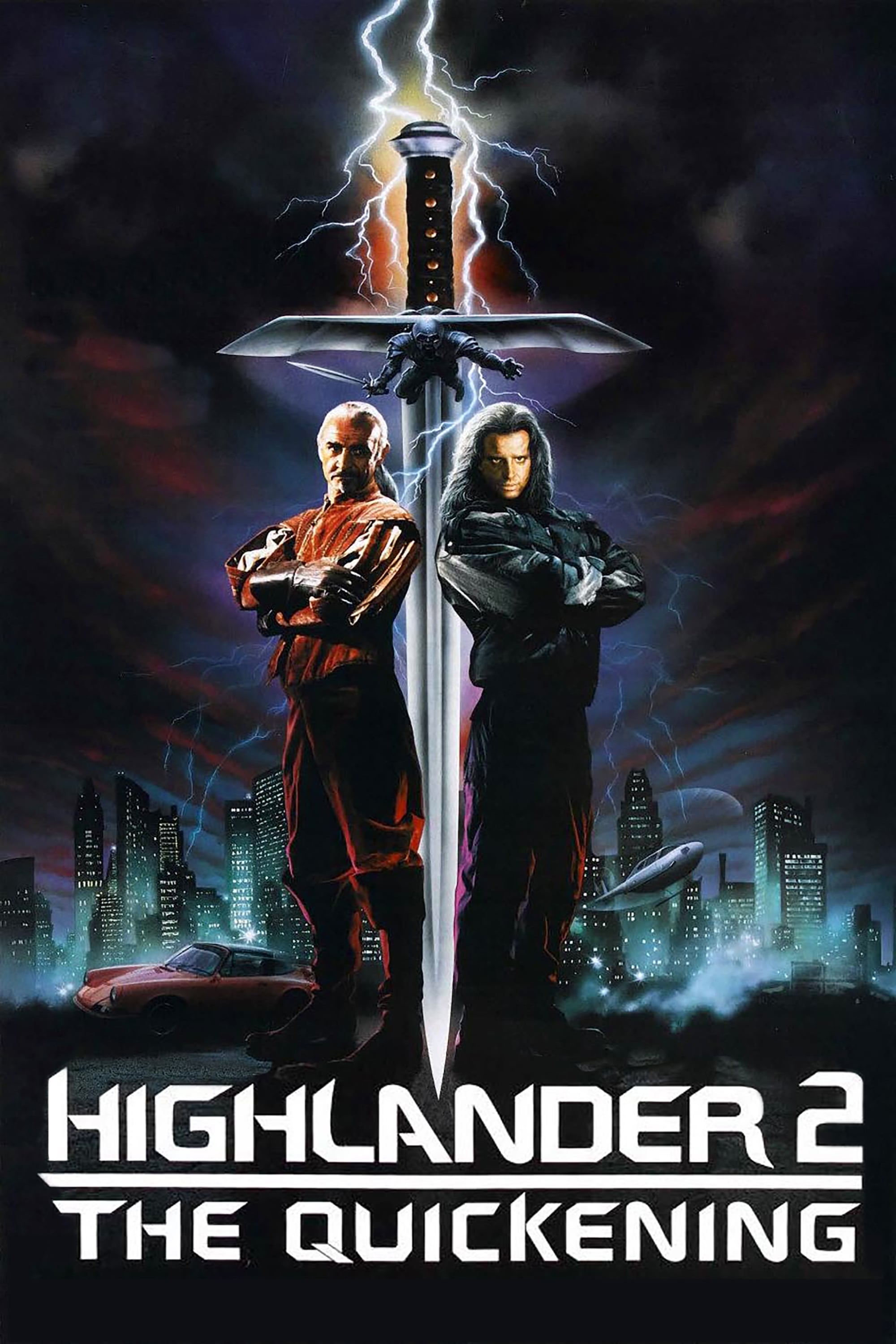
A disputed production in Argentina led to a version that replaced the original’s fantasy lore with an alien origin. Multiple cuts of the film circulated after release as producers and creatives fought over edits. Fans rejected the mythology shift and continuity changes. The franchise needed later entries to walk back many of this sequel’s choices.
‘The Adventures of Pluto Nash’ (2002)
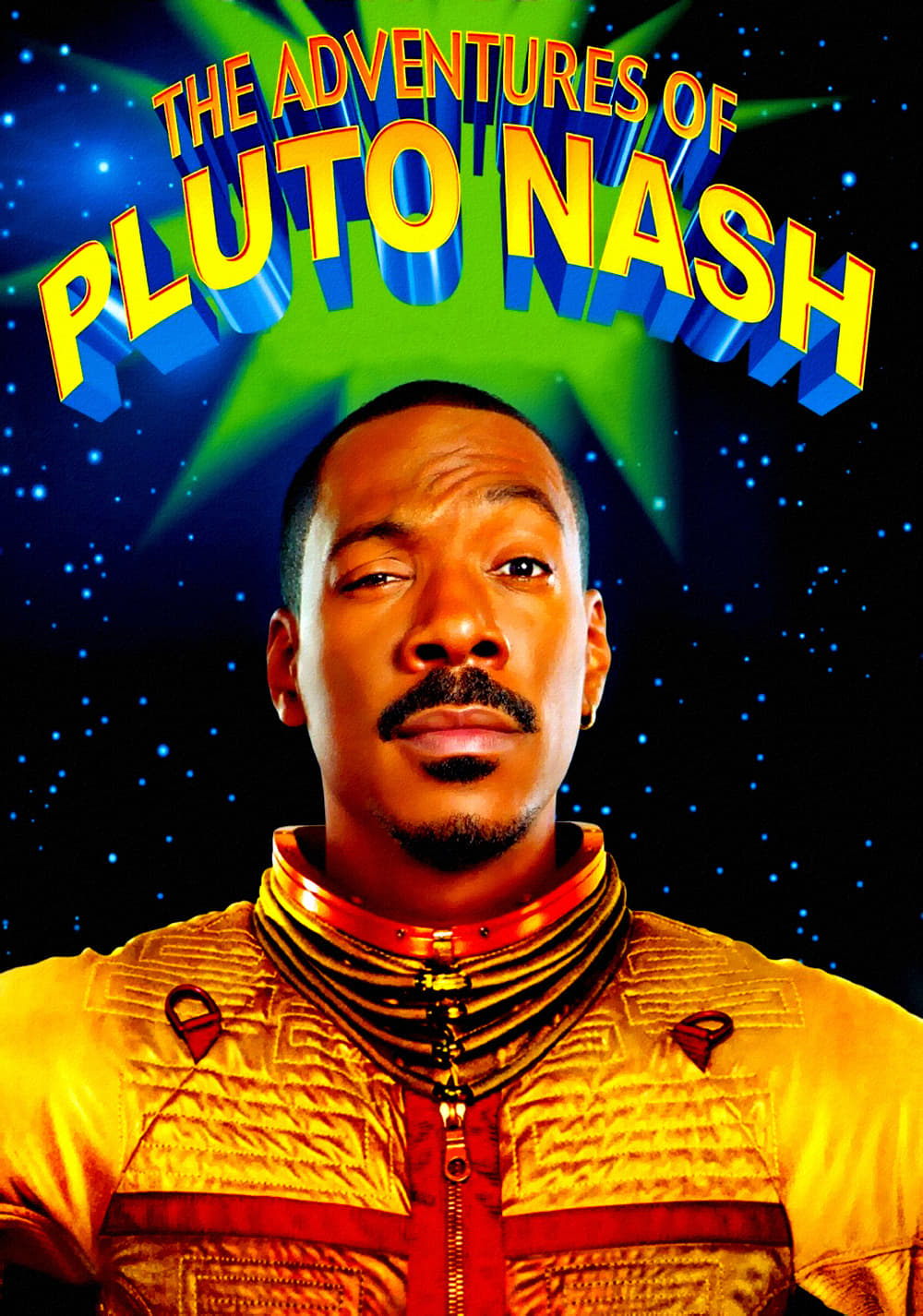
Eddie Murphy led this lunar-set comedy about a nightclub owner caught in a crime plot on the Moon. The film endured delays and reshoots before finally reaching theaters. Marketing failed to connect and the box office was extremely weak. Its large reported budget turned the project into a famous financial flop.
‘A Sound of Thunder’ (2005)
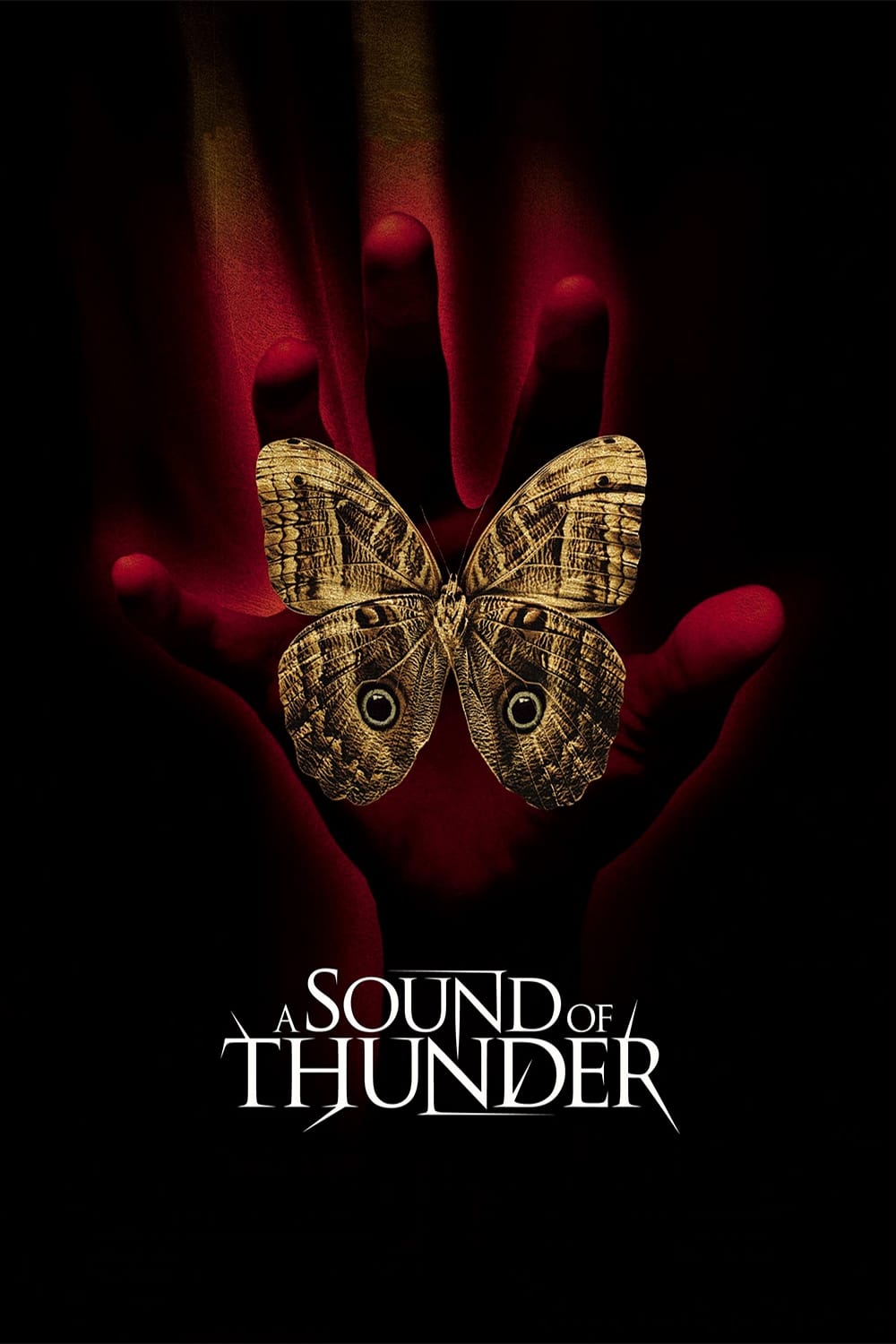
Based on Ray Bradbury’s time travel story, the movie faced shutdowns after its effects house hit financial problems. The final cut arrived with unfinished looking CGI and inconsistent visuals. Release dates shifted and the film opened in only a fraction of planned theaters in some regions. Reviews highlighted the wide gap between the ambitious premise and the execution.
‘Supernova’ (2000)
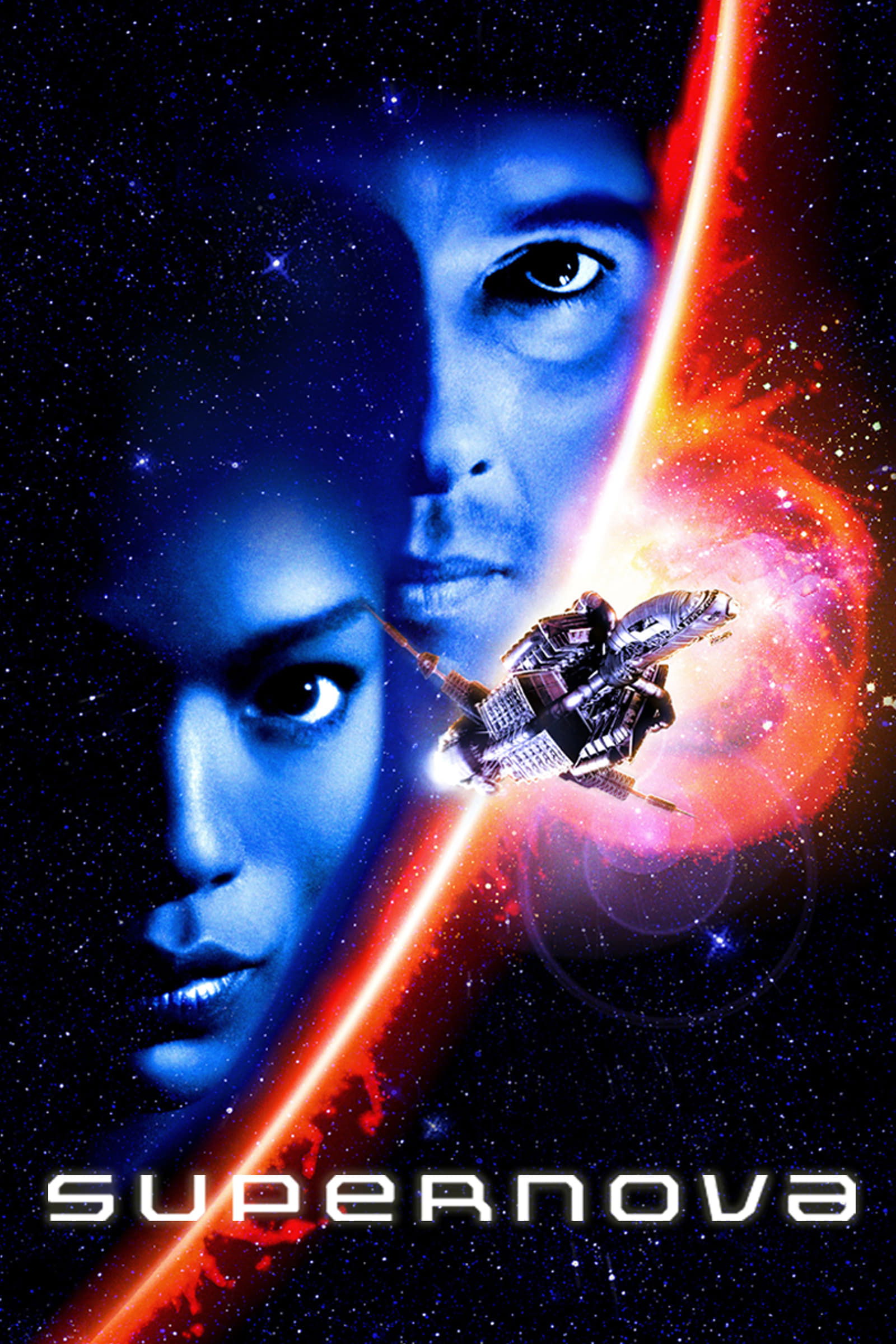
This space rescue thriller went through directors and edits, with Walter Hill credited under a pseudonym. Postproduction brought in outside help for reworking scenes and tone. The theatrical cut felt stitched together from competing ideas. Audiences stayed away and critics cited the rocky development as visible on screen.
‘Ultraviolet’ (2006)
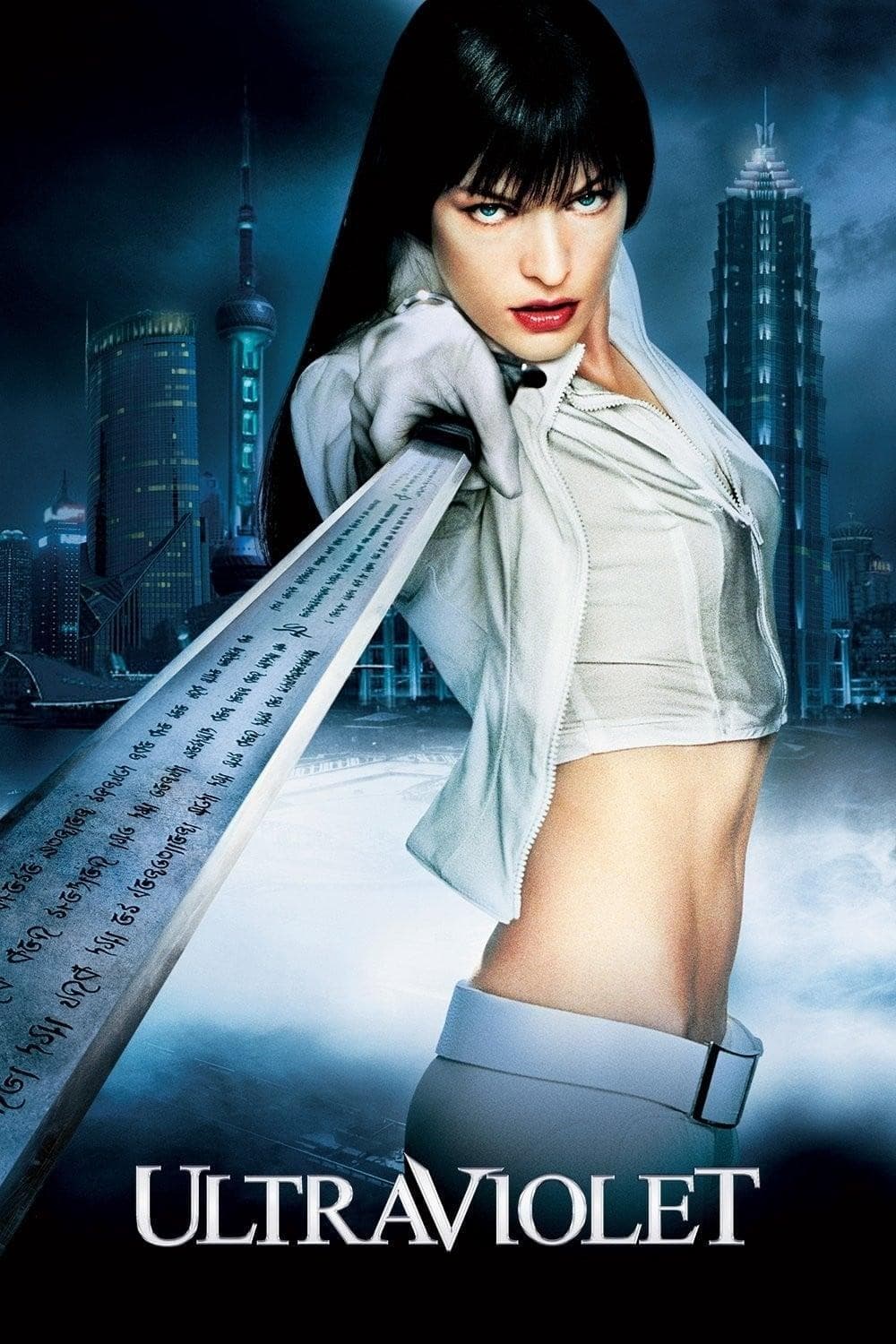
Milla Jovovich starred in a futuristic story about a bioengineered heroine fleeing a militarized government. The studio released a shorter PG-13 cut that removed worldbuilding and character beats from a longer version. Visual effects and color timing dominated the presentation while plot points became hard to follow. The movie opened to poor reviews and faded quickly.
‘Wing Commander’ (1999)
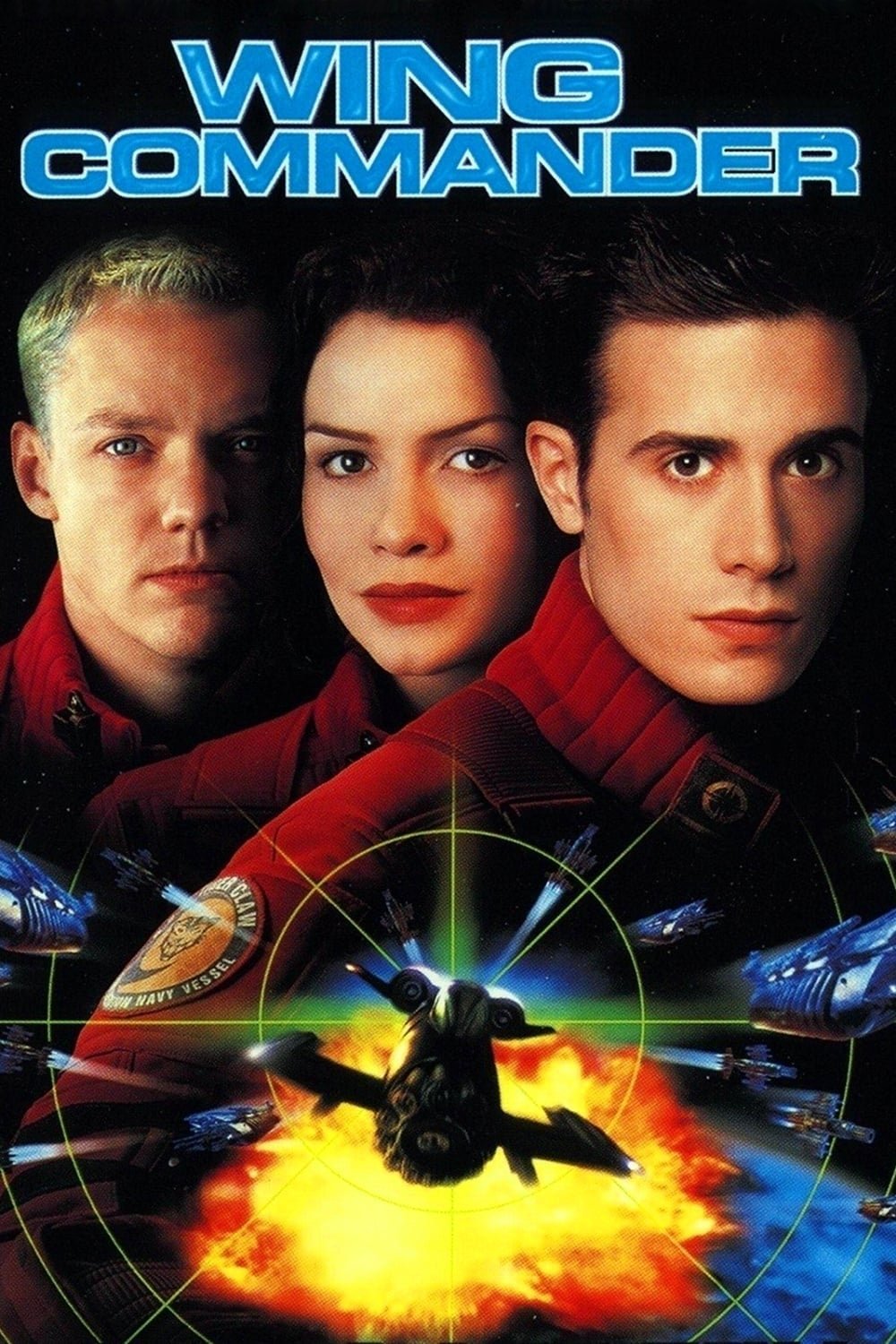
Director Chris Roberts adapted his hit video game series into a feature with space dogfights and naval-style pilots. The production reused miniatures and early CGI that did not hold up in wide release. A high profile trailer for another film drew initial crowds but word of mouth turned quickly. The adaptation missed the tone fans expected and stalled the brand in theaters.
‘The Darkest Hour’ (2011)
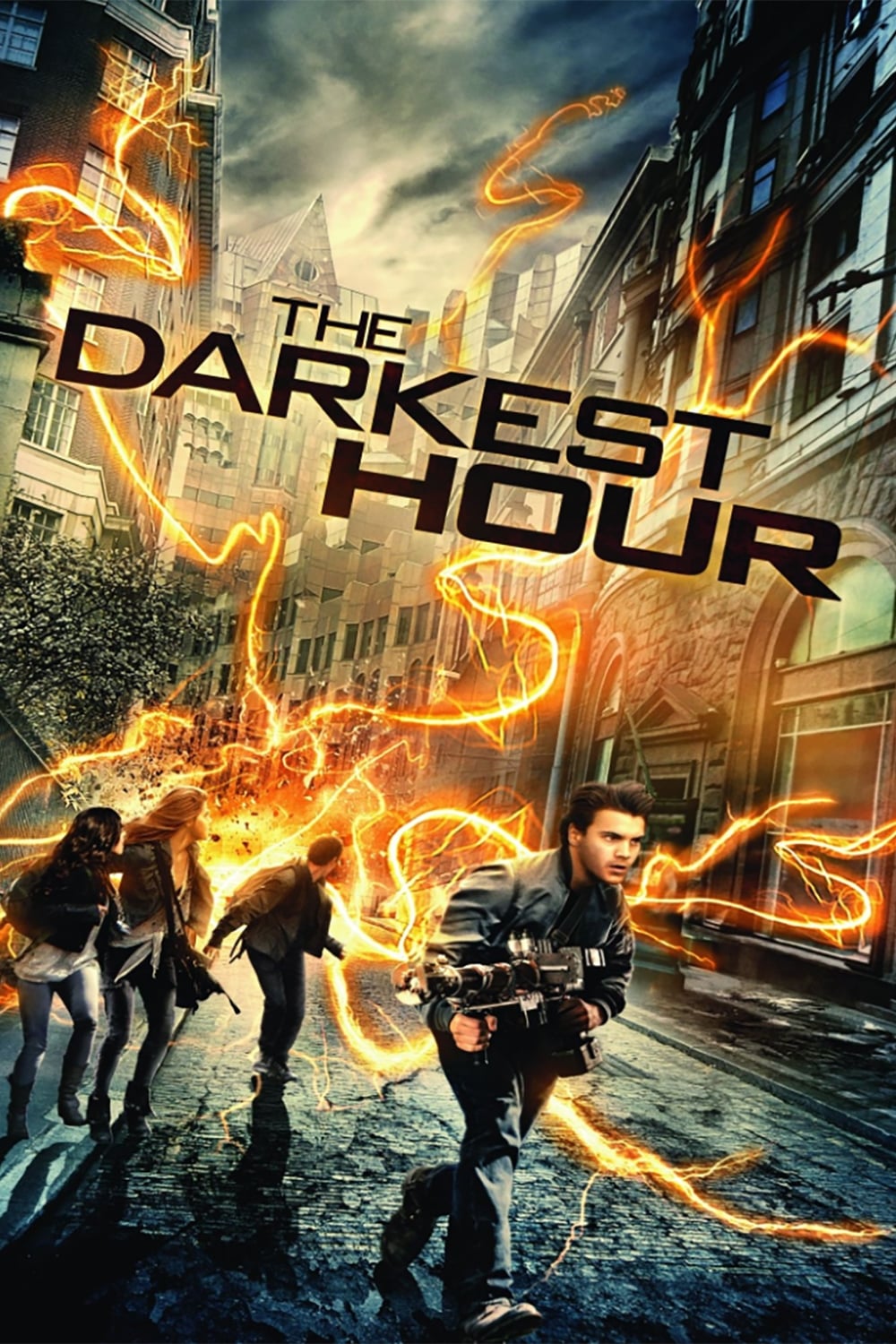
Set in Moscow, this alien invasion film featured invisible energy beings that disintegrate targets. A 3D release aimed to boost spectacle but could not overcome weak reception. The international setting did little to lift domestic interest. Critics pointed to thin characters and repetitive set pieces.
‘Skyline’ (2010)
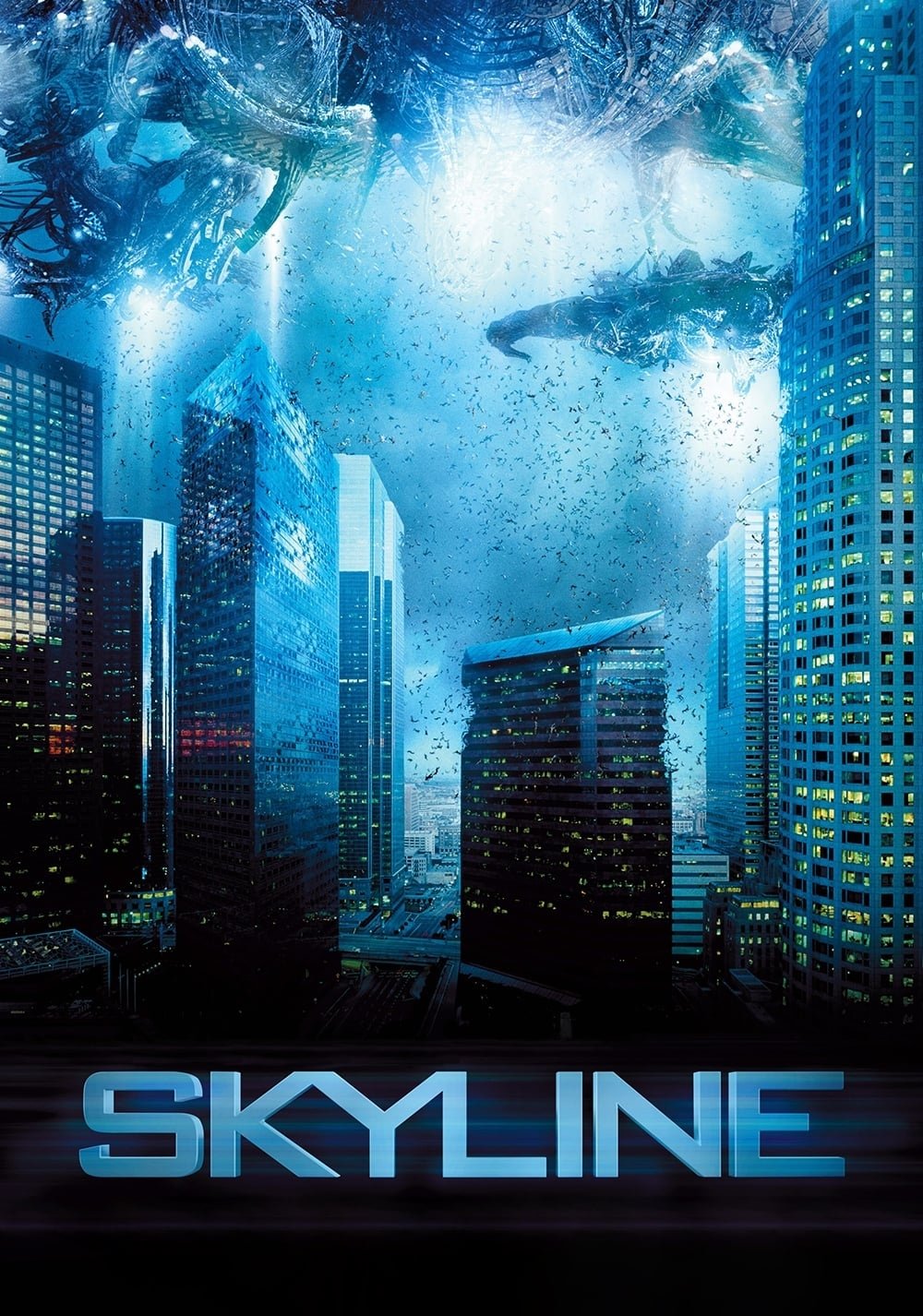
The Brothers Strause made an alien abduction story using their visual effects company’s resources. A low budget production emphasized VFX sequences over character arcs. A public dispute with another studio about overlapping ideas drew headlines. Despite strong trailers, reviews were poor and the theatrical run dropped fast.
‘Independence Day: Resurgence’ (2016)
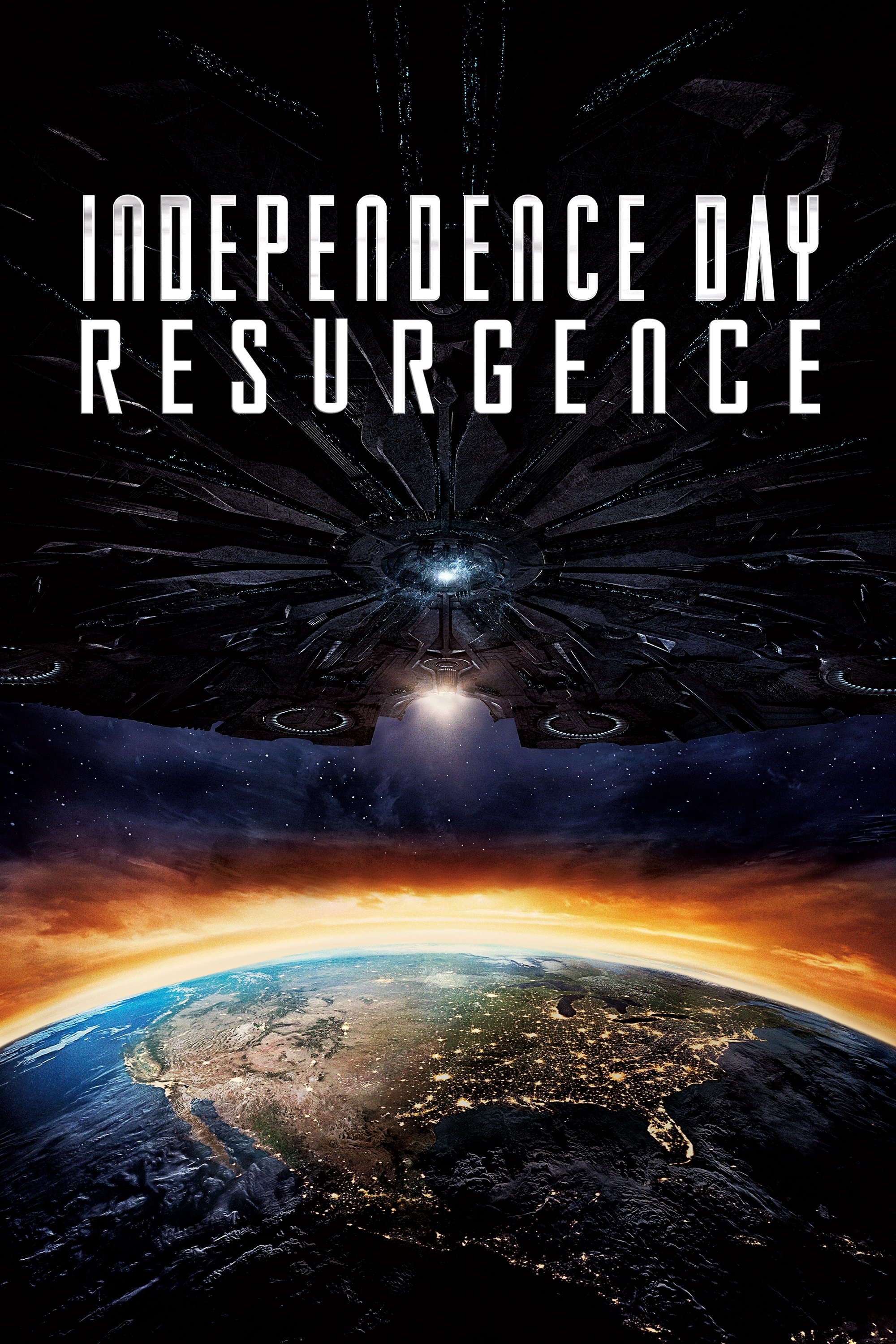
Roland Emmerich returned to the franchise without its original lead star and expanded the alien war to a global scale. The sequel leaned heavily on digital effects and legacy callbacks. Interest spiked at launch but fell short of the original’s staying power. Mixed notices and muted audience scores ended talk of a rapid follow up.
‘Moonfall’ (2022)
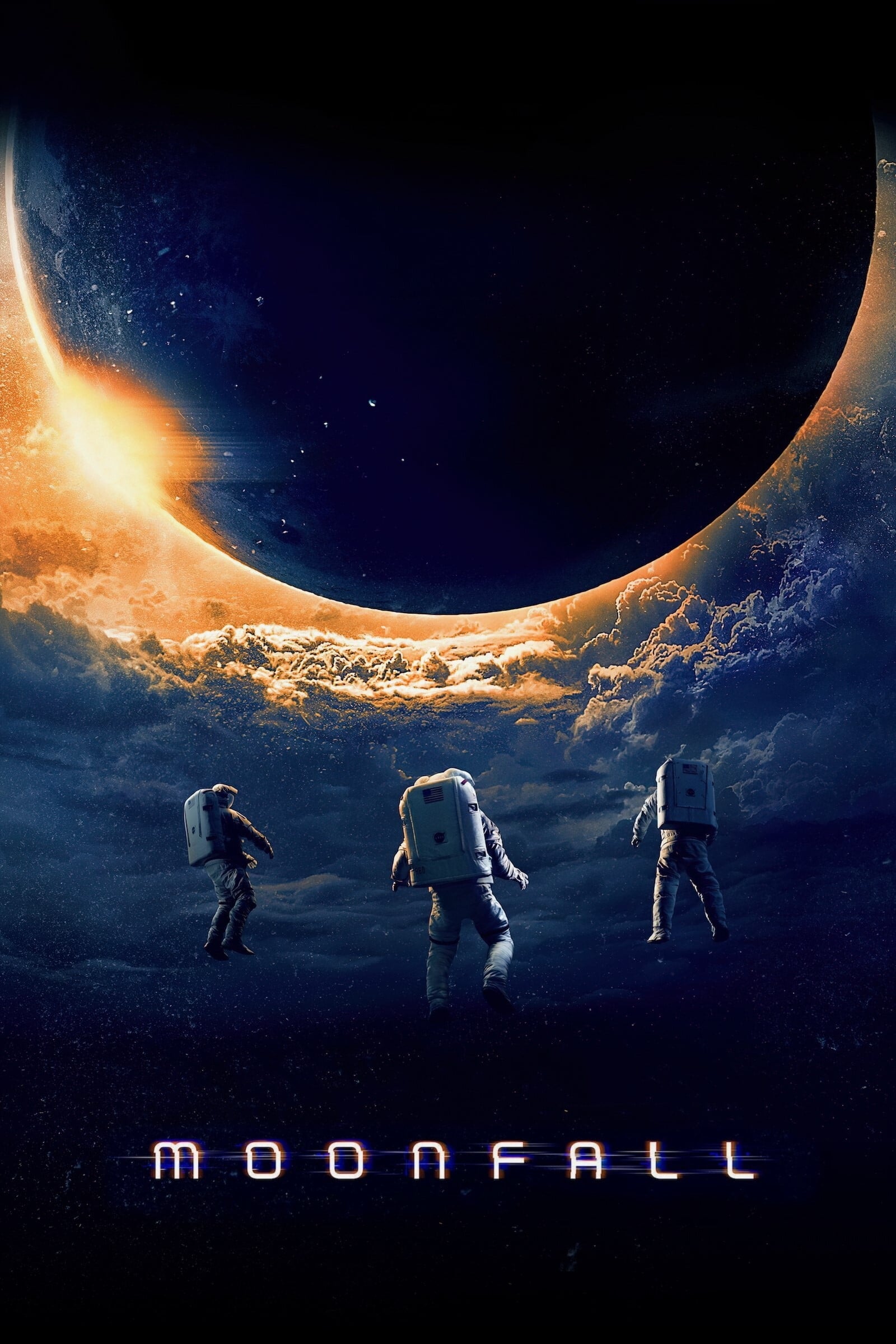
This disaster epic pitched the Moon as a technological megastructure that goes off course. Production leaned on massive CGI sequences and elaborate destruction. The release faced pandemic era headwinds and could not recoup its costs in theaters. Critical reaction centered on the story’s leaps in logic and thin character work.
‘After Earth’ (2013)
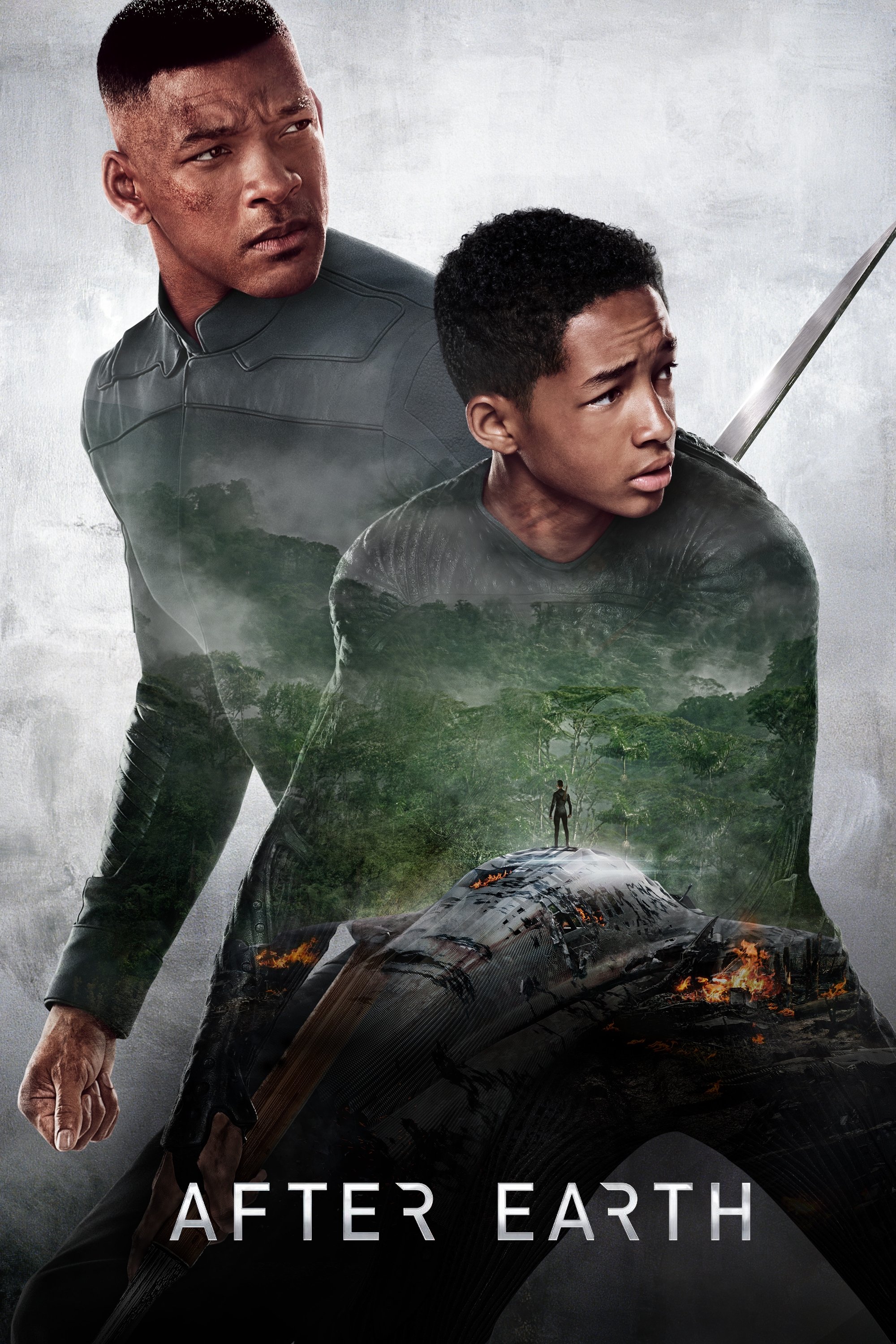
Will Smith and Jaden Smith headlined a survival tale on a future Earth reclaimed by nature. The film’s campaign emphasized a new sci-fi mythology but early reviews were negative. Domestic box office underperformed while international markets provided only partial relief. The poor reception paused plans for a wider transmedia expansion.
‘Jupiter Ascending’ (2015)
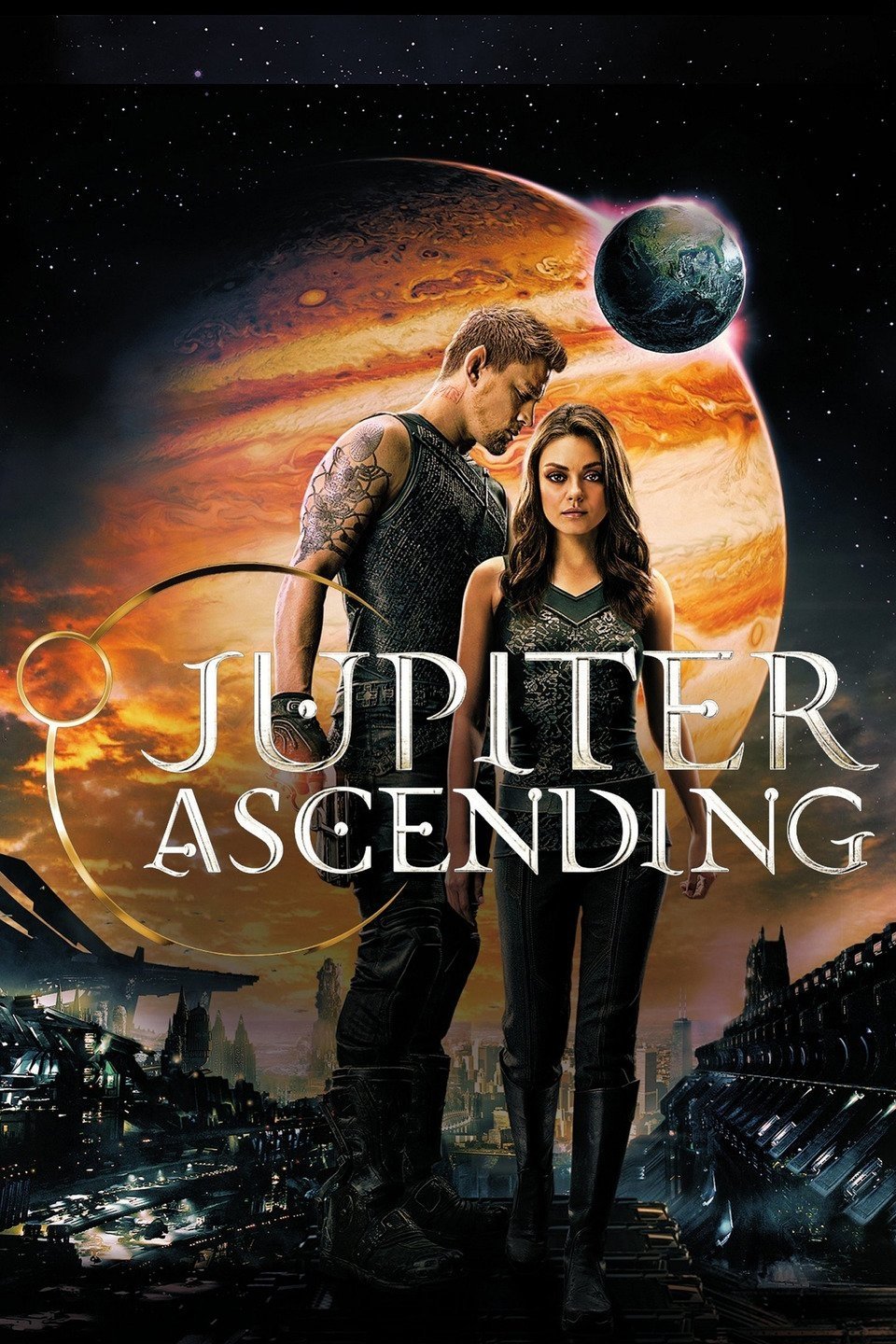
The Wachowskis built an ornate space opera with elaborate costumes, creature designs, and royal intrigue. A delay pushed the film from a prime date into a less favorable window. The story’s dense worldbuilding confused many viewers and critics. Despite global play, revenues lagged behind the production scale.
‘Dragonball Evolution’ (2009)
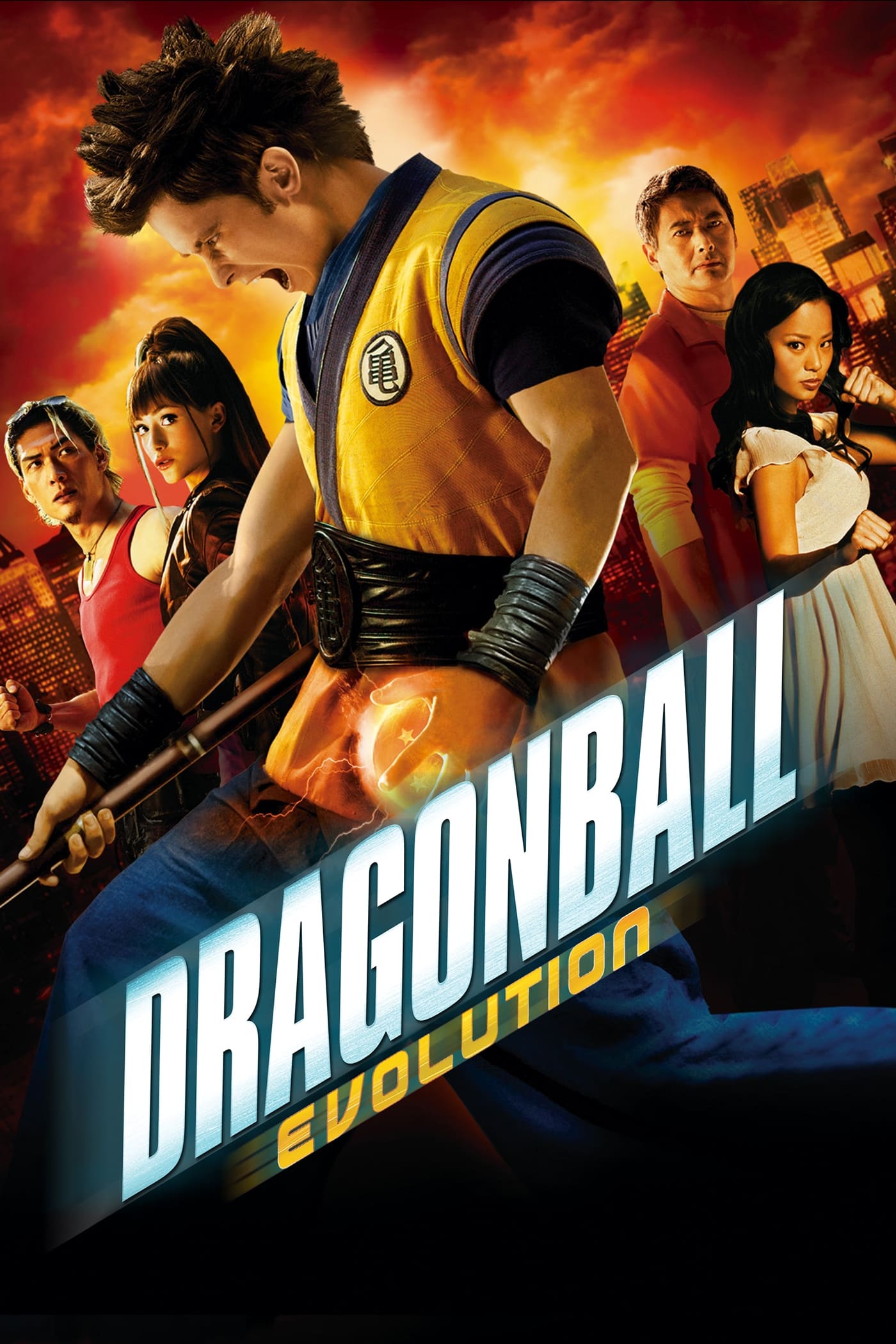
This live action take on the long running anime simplified characters and settings from the source material. Fans criticized the casting, costumes, and fight choreography. Creator Akira Toriyama later expressed disappointment with the adaptation. The film’s reception cooled studio interest in continuing the series in live action.
‘Mac and Me’ (1988)
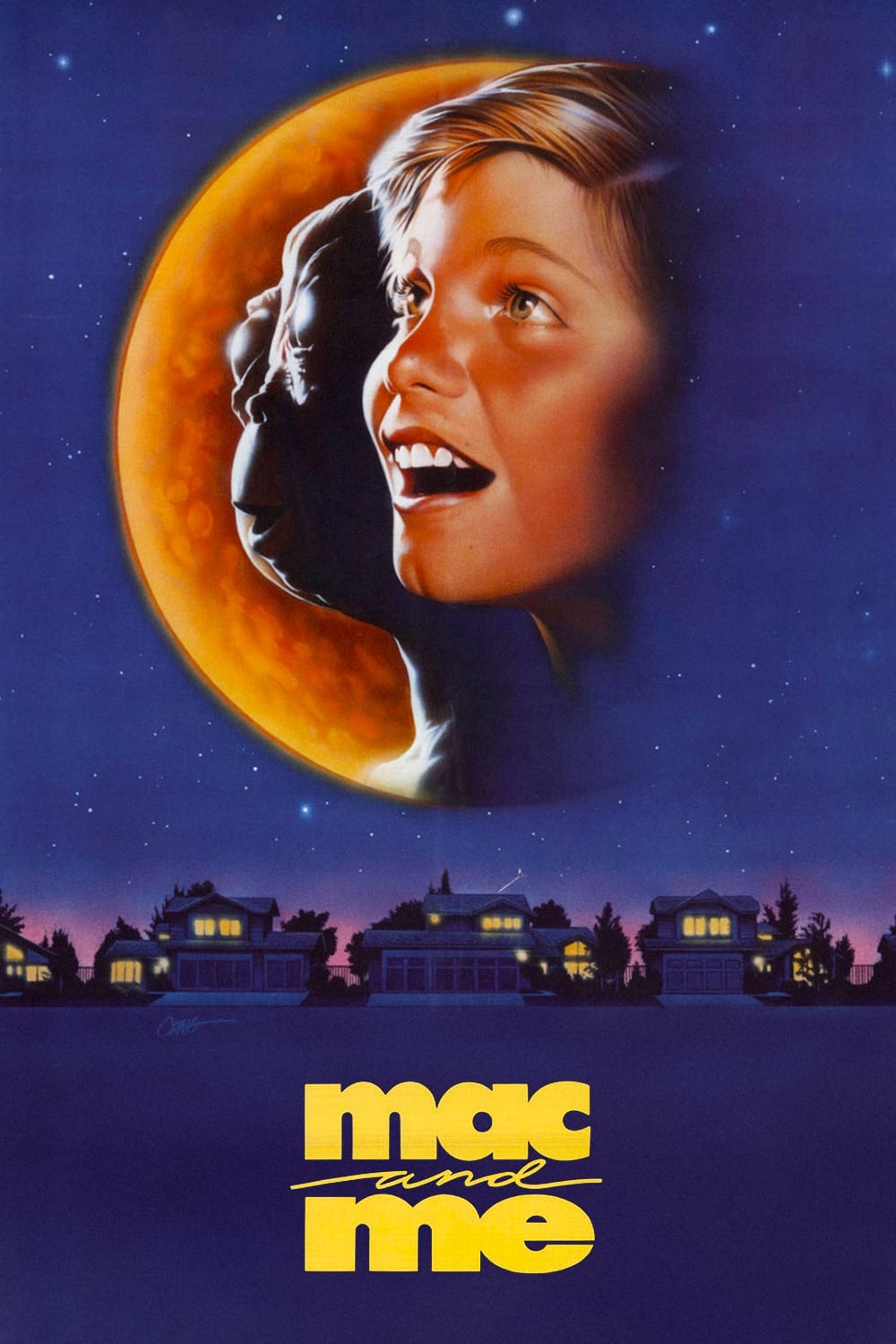
A family friendly tale about a boy and an alien leaned heavily on visible product placement. A now famous dance scene in a fast food restaurant became its most discussed moment. The film earned multiple nominations at the Razzies. Box office results were low and the title turned into a punchline on talk shows.
‘Super Mario Bros.’ (1993)
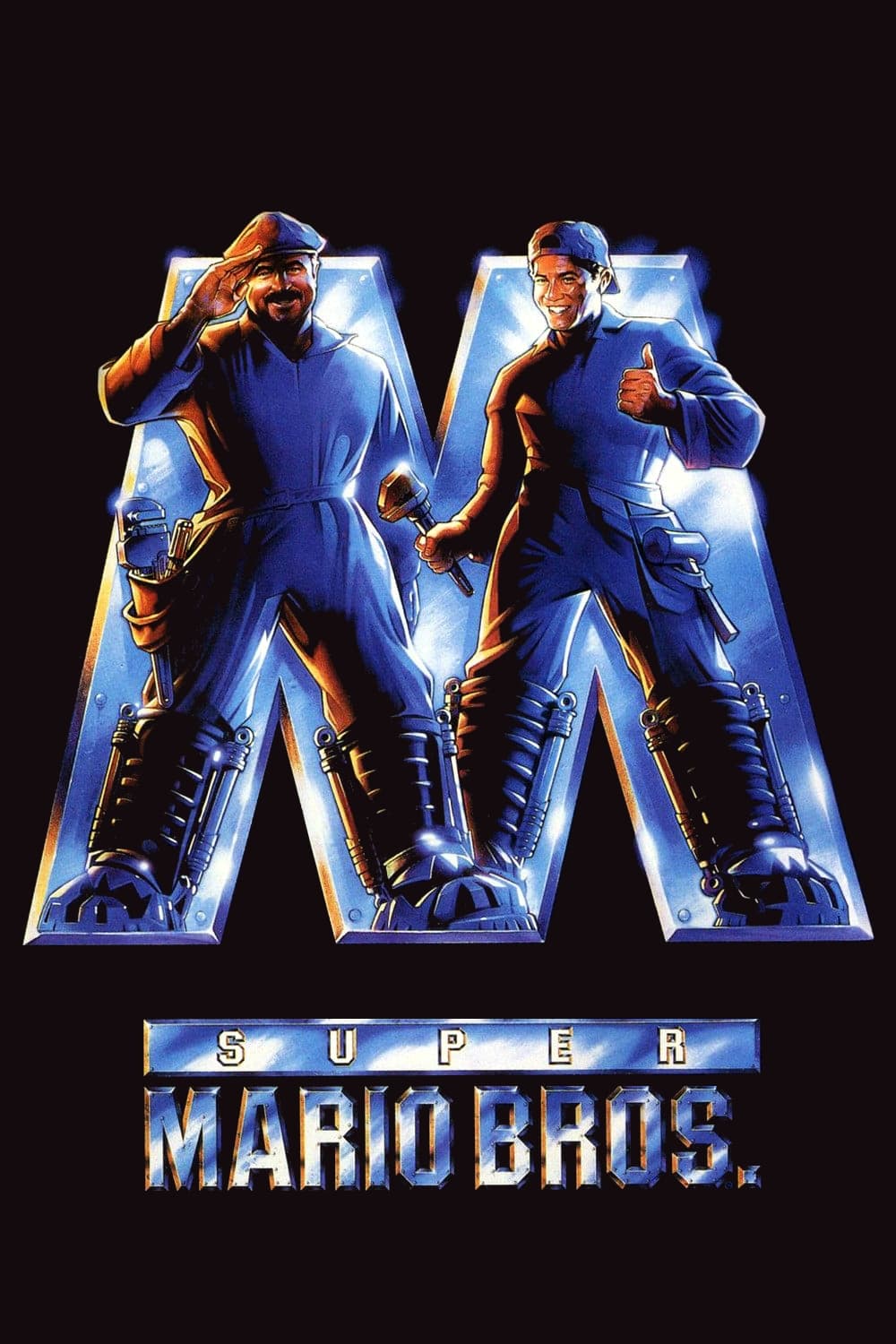
Bob Hoskins and John Leguizamo played the Mario brothers in a dystopian city of evolved dinosaurs. A chaotic shoot with frequent rewrites left the final cut tonally uneven. The production design went for a dark cyberpunk aesthetic that surprised families expecting a lighter approach. The movie underwhelmed financially and stalled game to film adaptations for years.
‘The Island of Dr. Moreau’ (1996)
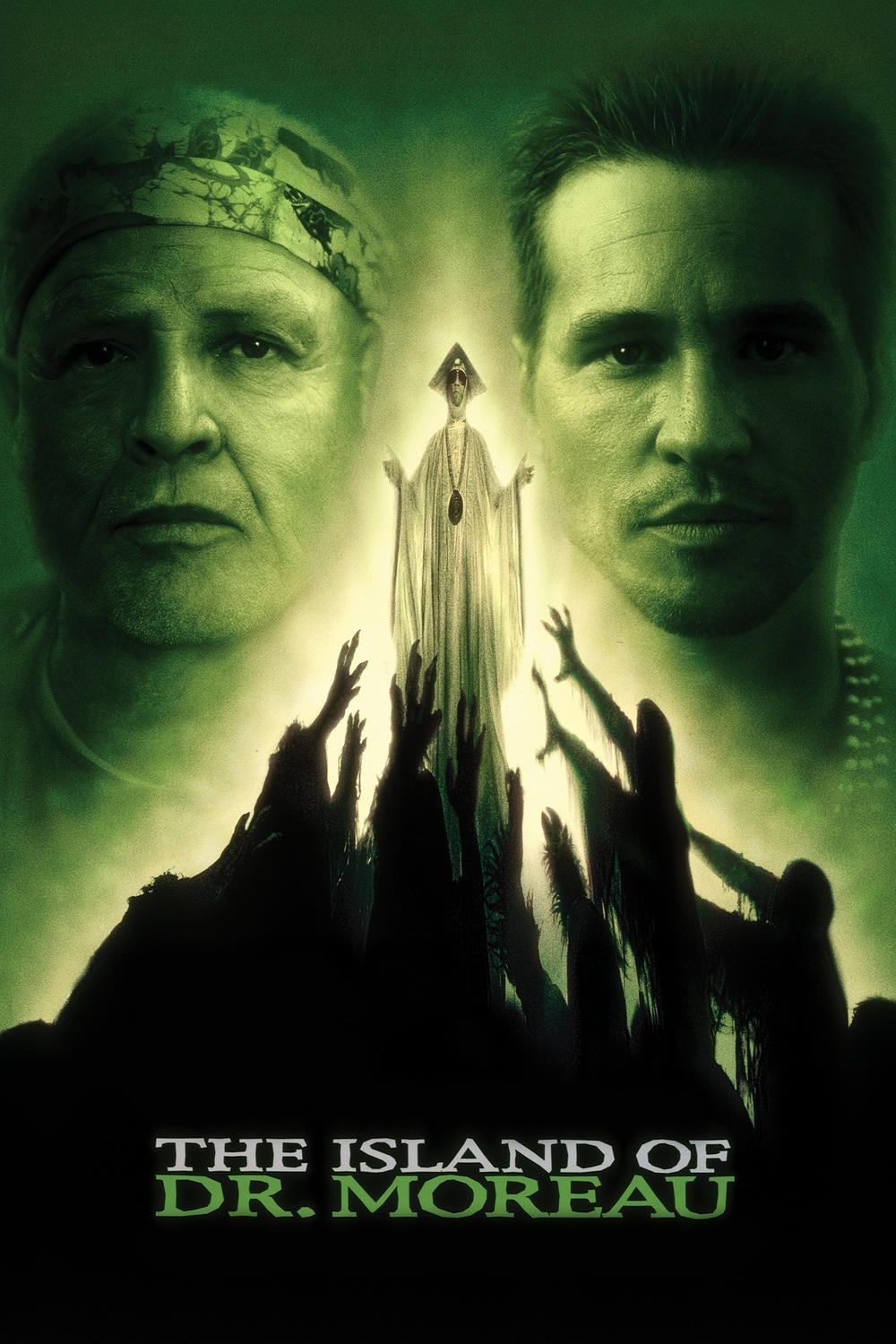
A troubled production saw director Richard Stanley replaced by John Frankenheimer after early turmoil. Reports of on set conflict with Marlon Brando and Val Kilmer became tabloid staples. Makeup effects and creature concepts could not overcome the fractured script. A later documentary detailed how the project unraveled from start to finish.
‘The Happening’ (2008)
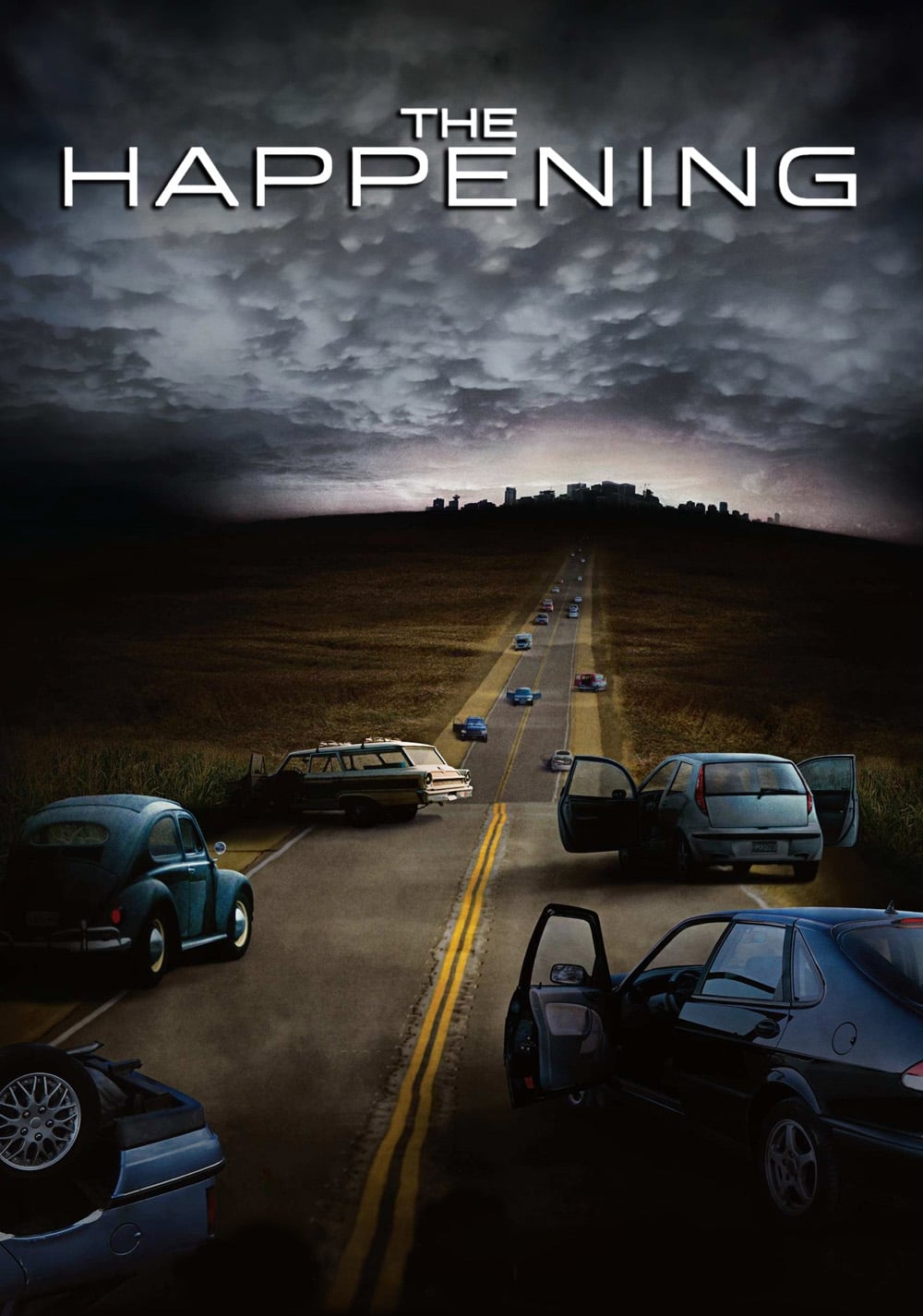
M. Night Shyamalan’s thriller follows characters reacting to a wave of unexplained mass deaths linked to nature. The film carried an R rating and opened strongly before steep declines. Viewers criticized dialogue and character behavior across key sequences. Its legacy rests on a striking premise that did not translate to consistent suspense.
‘The Core’ (2003)
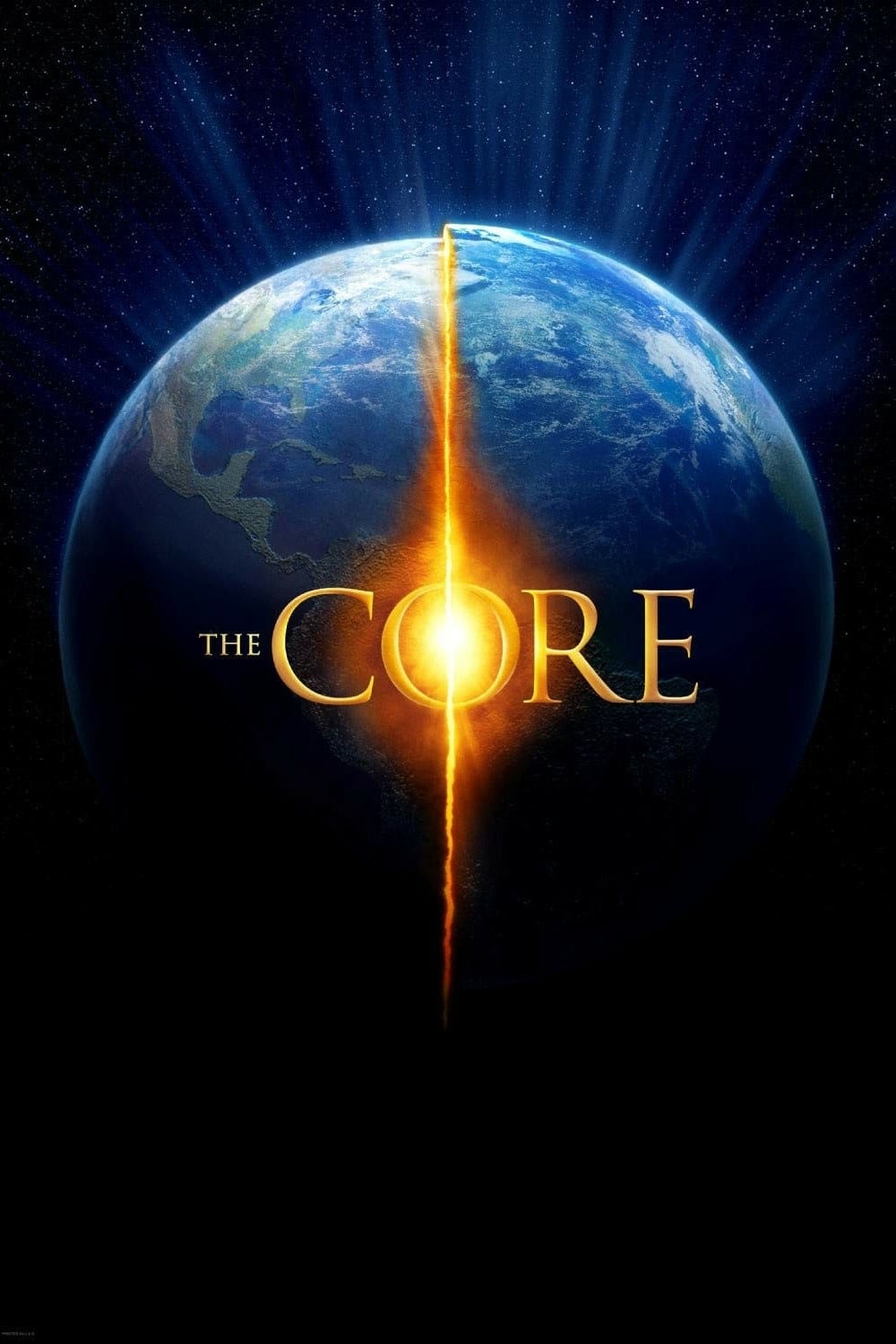
A team drills to the center of the Earth to restart the planet’s rotation using nuclear devices. Scientists pointed out numerous inaccuracies that turned the film into a classroom example of bad geology. Effects and miniatures dated quickly against emerging CGI standards. Audiences treated it as disposable spectacle and moved on.
‘Terminator Genisys’ (2015)
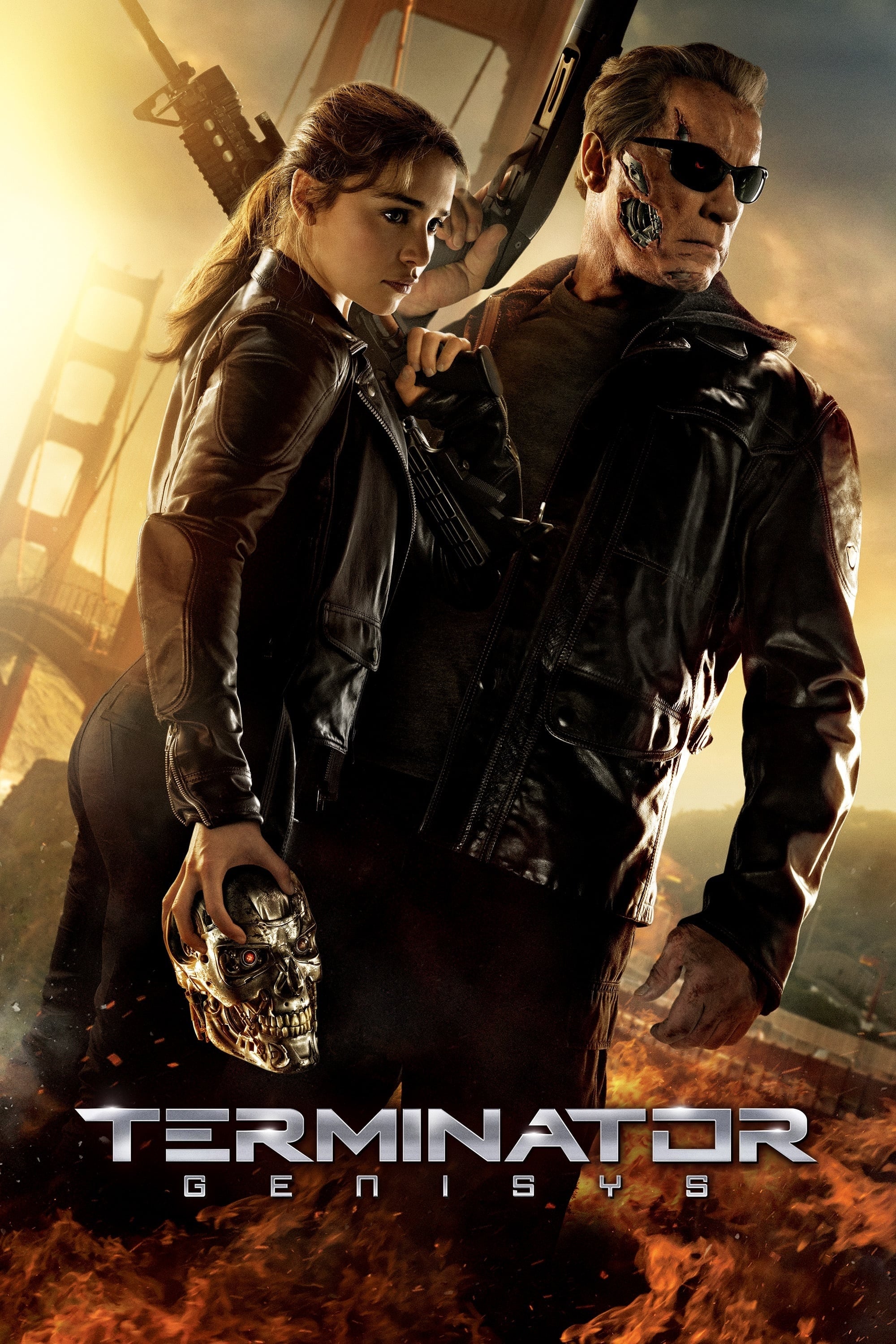
This franchise reset introduced an alternate timeline with Emilia Clarke and Jai Courtney joining Arnold Schwarzenegger. Large scale marketing pushed a reveal about John Connor that many viewers considered a spoiler before release. Extensive CGI and set pieces dominated while continuity nods tried to connect multiple entries. The global run kept the brand visible but domestic interest cooled plans for a direct sequel.
‘Aliens vs Predator: Requiem’ (2007)
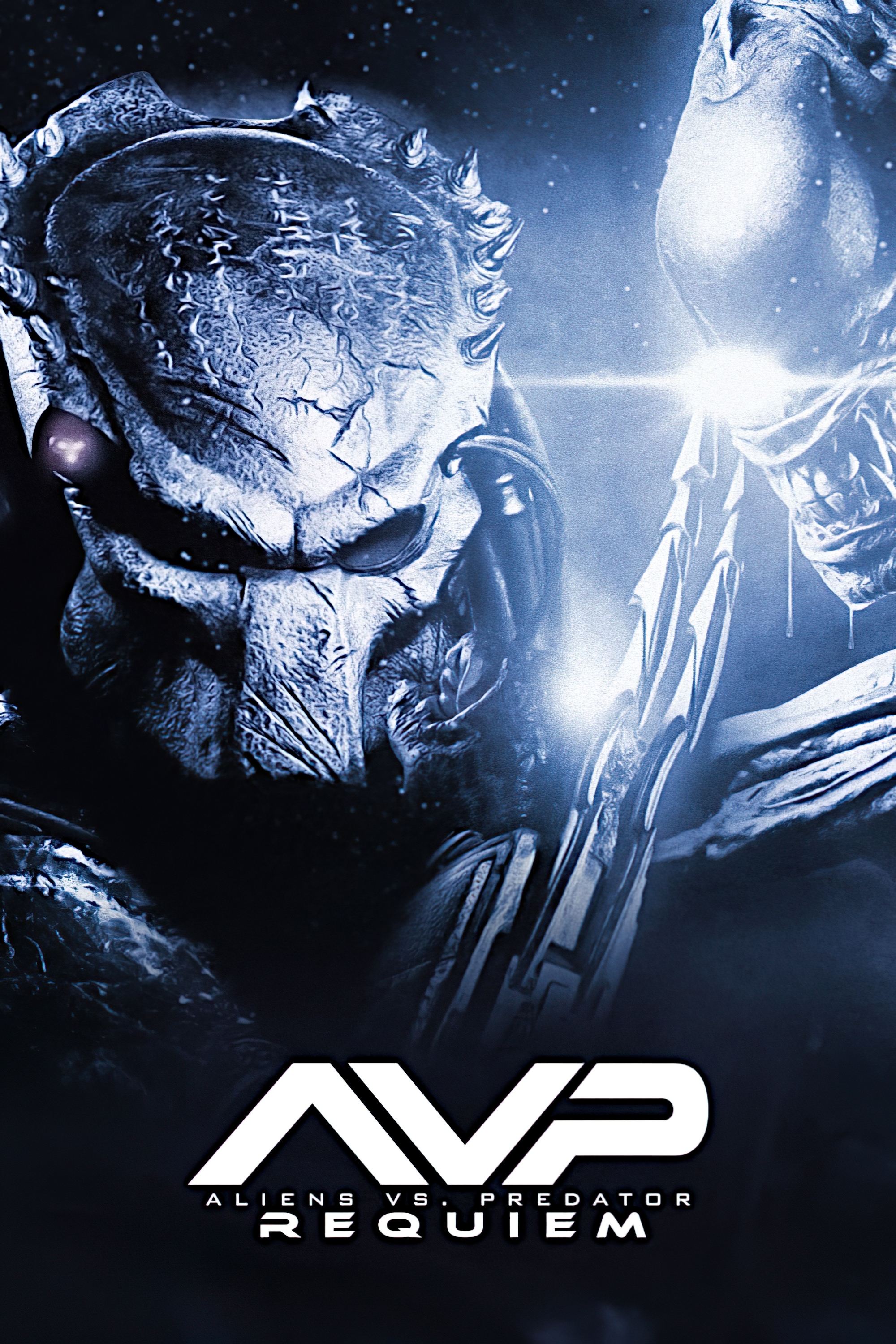
Shot with a darker aesthetic, the film followed a hybrid creature and a lone Predator in a small town setting. The lighting and grading made creature designs and action beats difficult to read on standard screens. The story reduced military and mythos elements in favor of survival beats. Critical response focused on the tonal shift and limited character development.
‘Transformers: The Last Knight’ (2017)
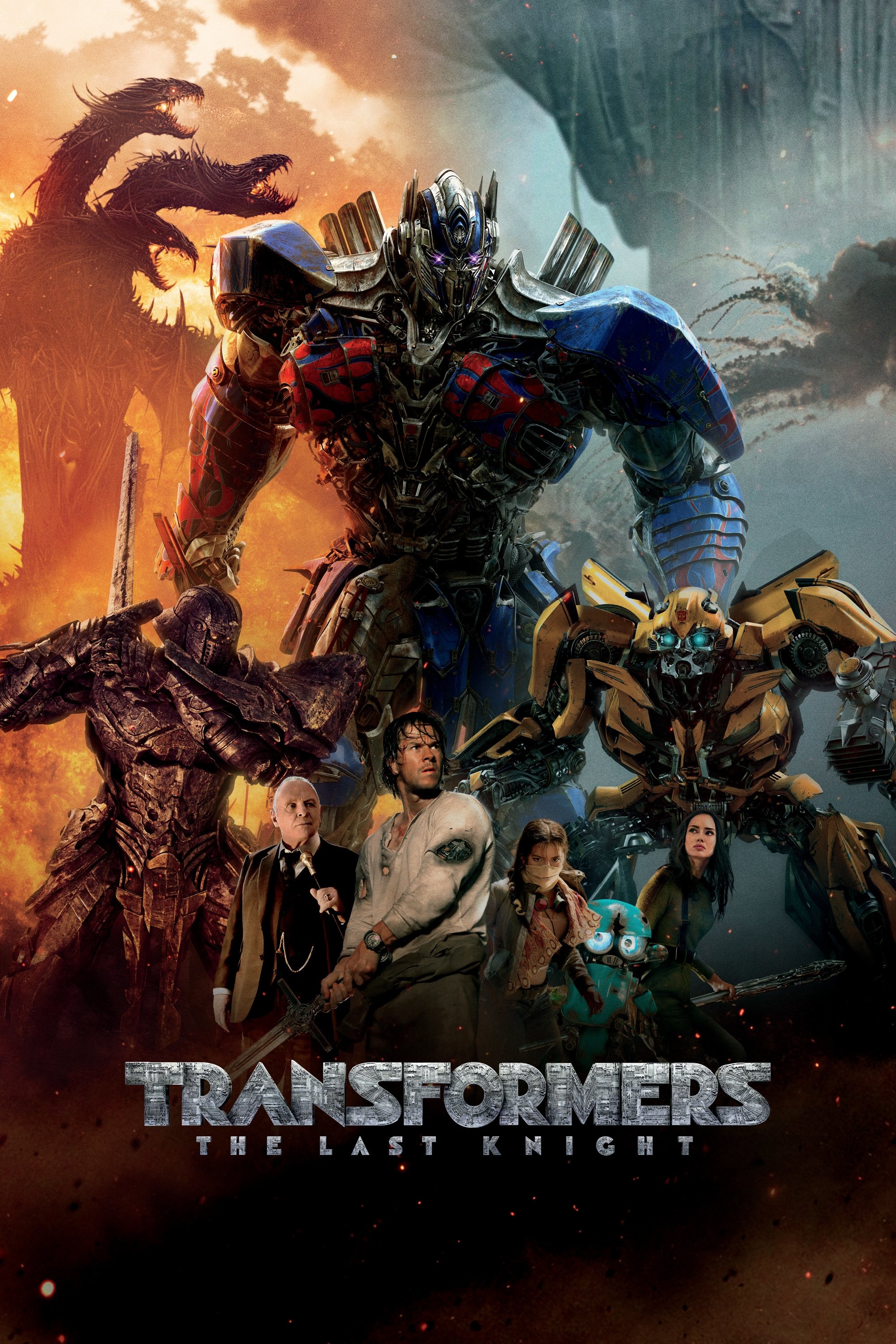
This installment folded Arthurian legends into the ongoing Autobot and Decepticon conflict. The production featured multiple aspect ratios within scenes and an extended runtime. Storylines juggled new lore about Earth and Cybertron while sidelining some established characters. Audience fatigue showed in weaker legs compared with earlier entries.
‘Replicas’ (2018)
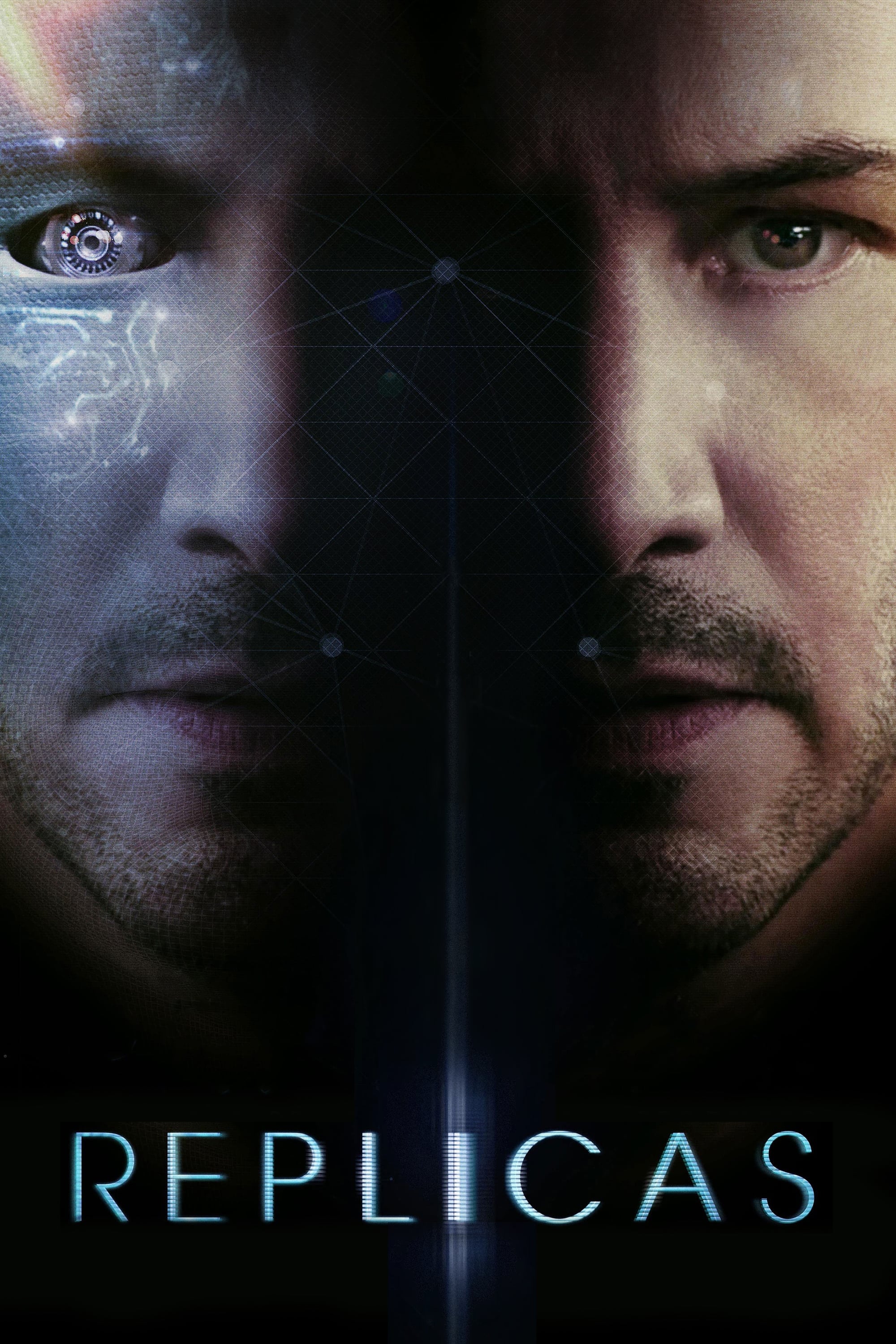
Keanu Reeves played a neuroscientist who attempts to bring his family back using cloning and consciousness transfer tech. The film used Puerto Rico locations and mid scale visual effects for lab sequences. Test audiences saw a version that underwent edits before wide release. Reviews highlighted gaps in the internal rules of the technology on screen.
‘The Cloverfield Paradox’ (2018)
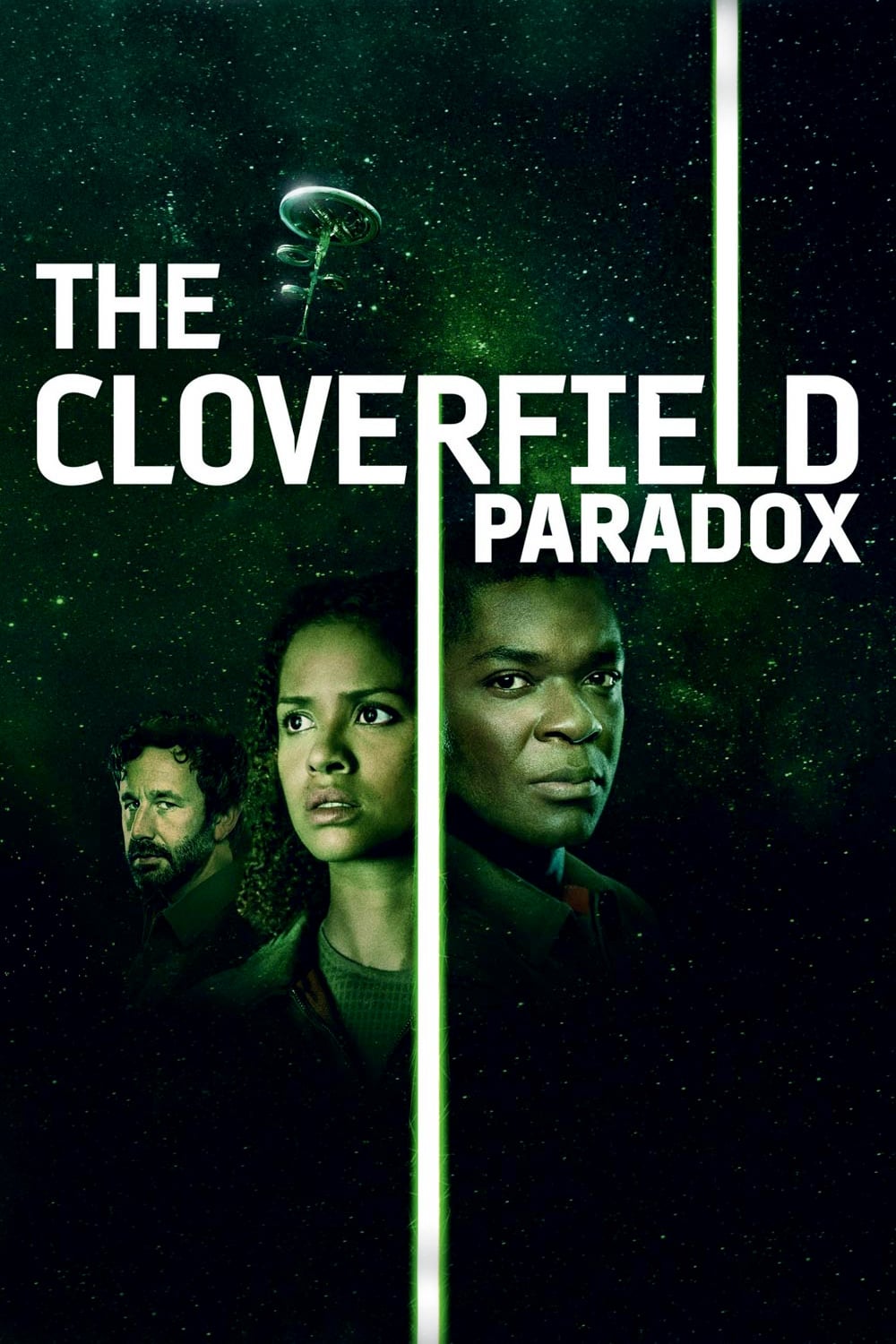
Unveiled with a surprise same day streaming release after a major sports broadcast, this entry linked to the ‘Cloverfield’ brand through dimension bending. The project started as an original script and absorbed franchise elements during production. Visual effects emphasized a modular space station with body horror touches. Viewers questioned how well the tie ins connected to earlier stories.
‘Chaos Walking’ (2021)
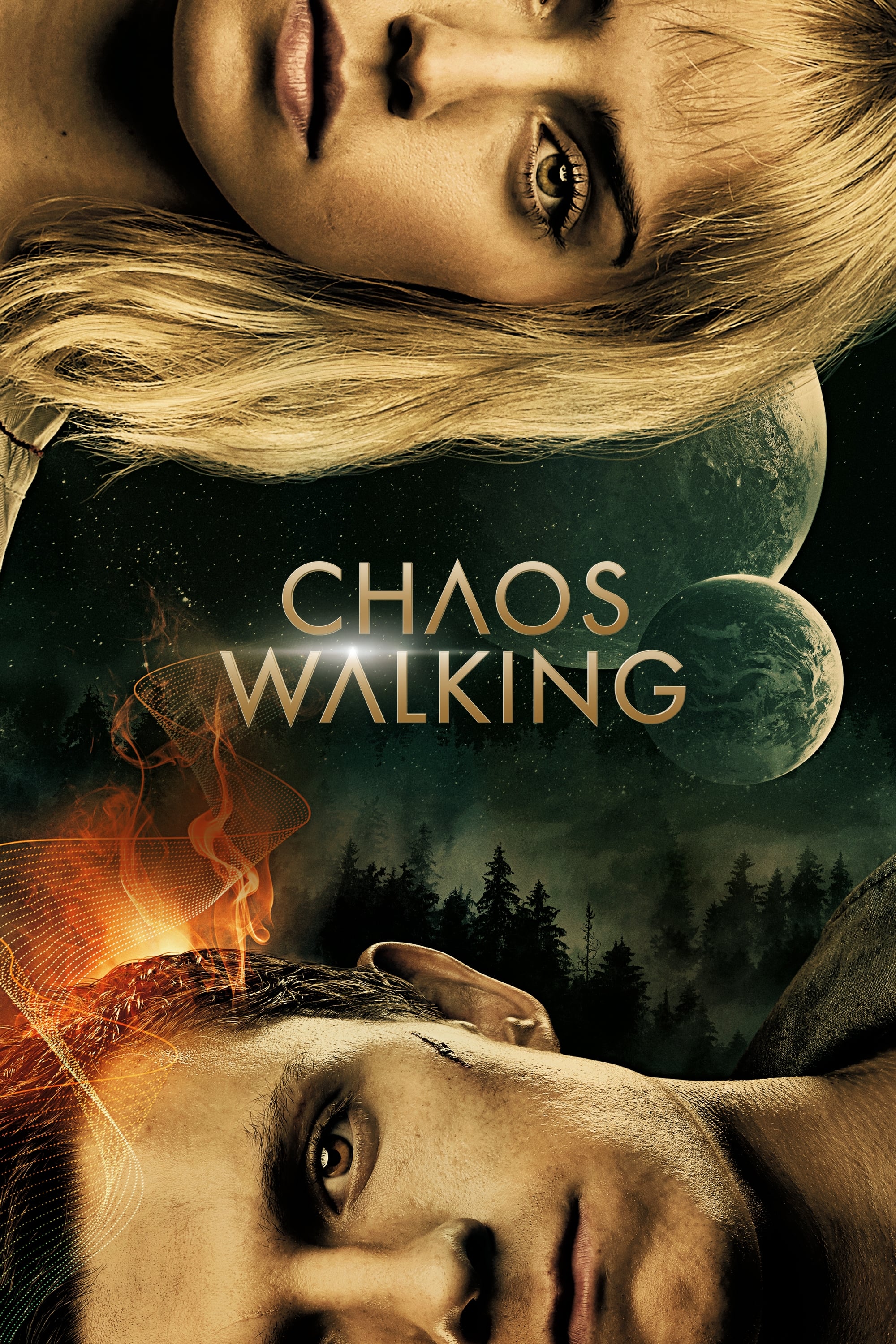
Based on the ‘Chaos Walking’ novels, the film starred Daisy Ridley and Tom Holland in a world where inner thoughts are visible. Reports cited extensive reshoots that delayed the release. The final cut condensed book material and simplified worldbuilding. Box office returns were soft relative to the cast and production scale.
‘Reminiscence’ (2021)
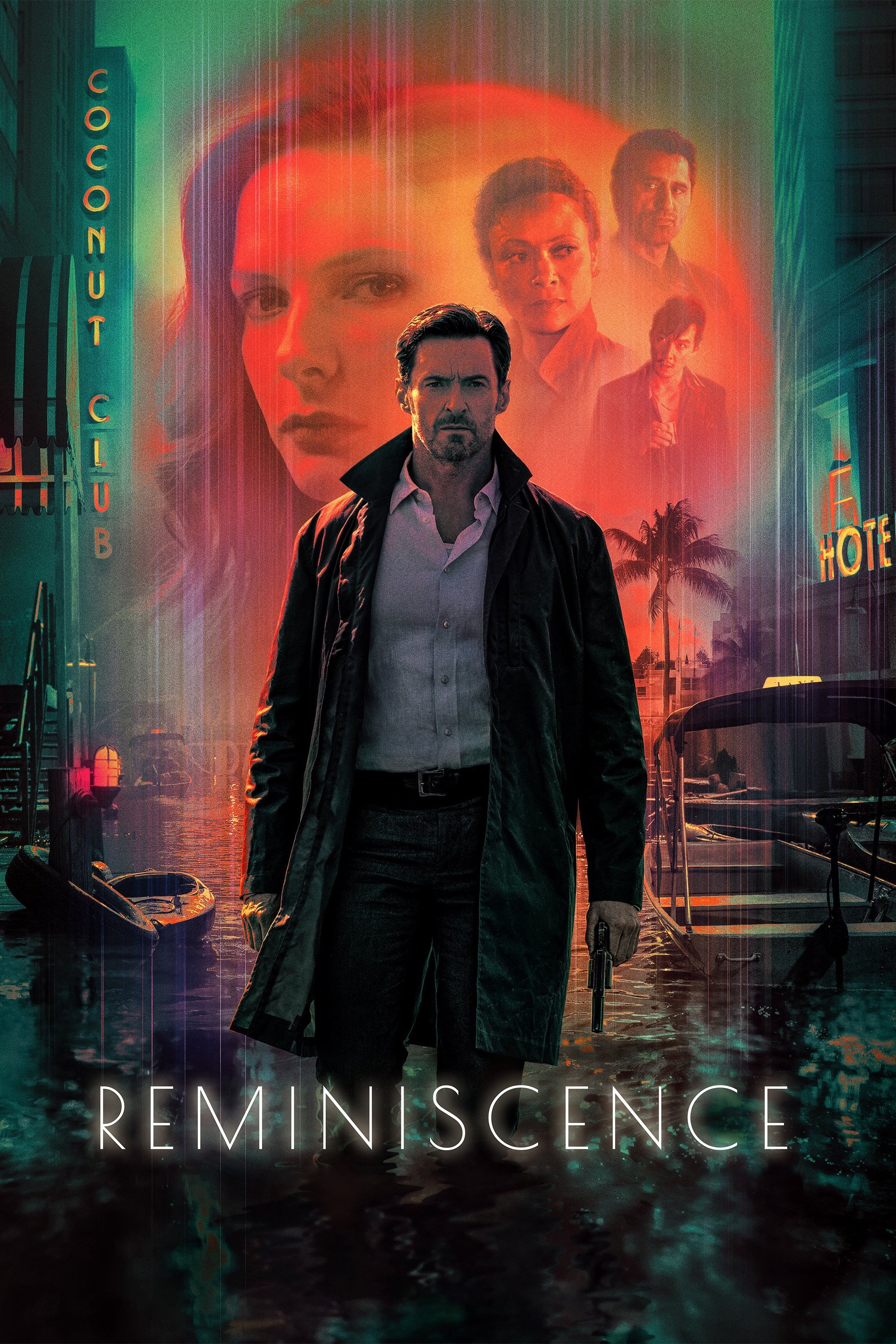
Hugh Jackman led a noir influenced story about a memory extraction business operating in a flooded city. The release used a hybrid rollout alongside a streaming window. Marketing leaned on mystery and romance while sci fi concepts framed the investigation. Audiences were modest and word of mouth trended mixed.
‘Geostorm’ (2017)
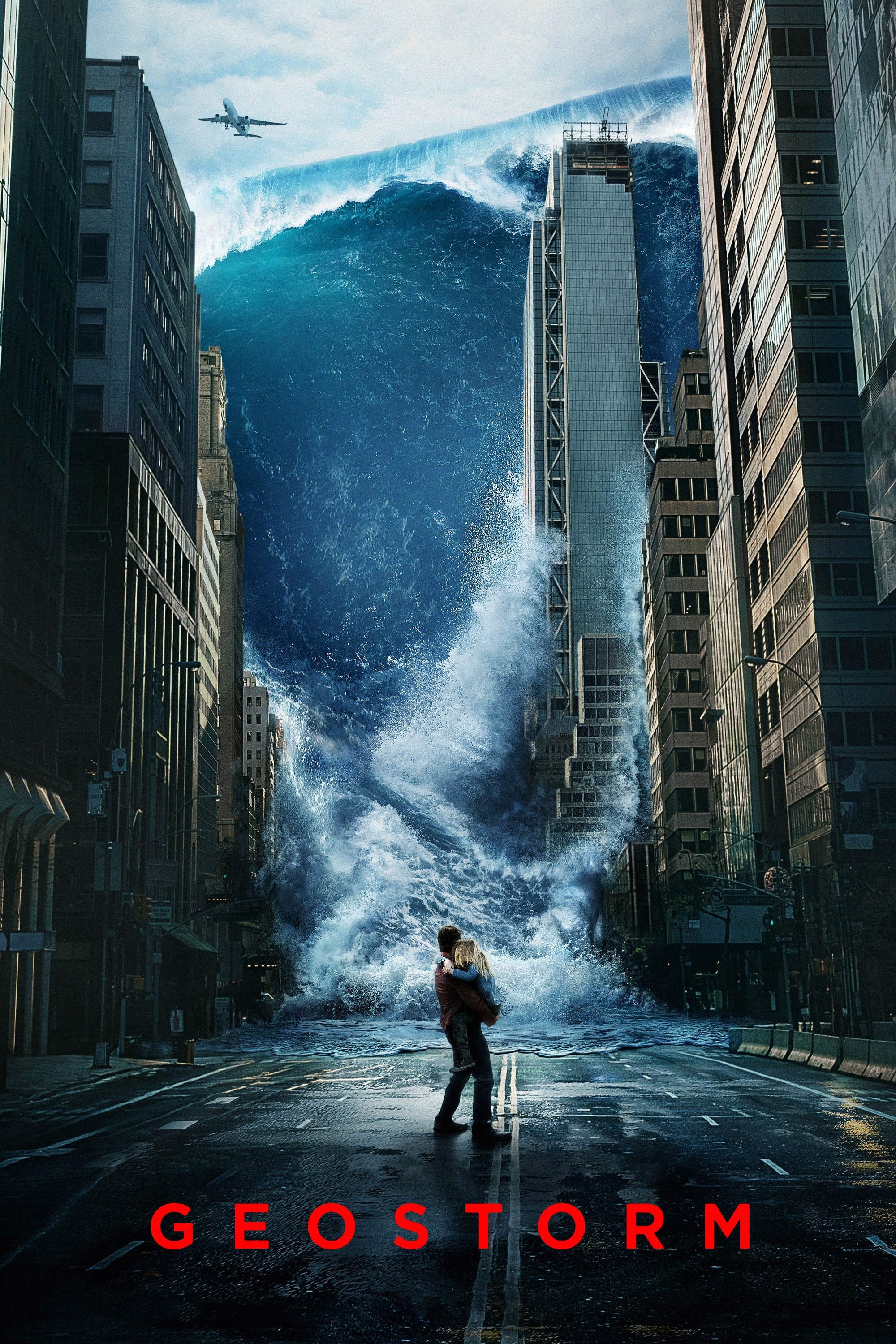
A global weather control network malfunctions and triggers cascading disasters across multiple continents. The production changed directors for reshoots and added new scenes to clarify the conspiracy. Effects heavy sequences drove the presentation while dialogue explained system failures. The film opened below forecasts and faded quickly.
‘The 5th Wave’ (2016)
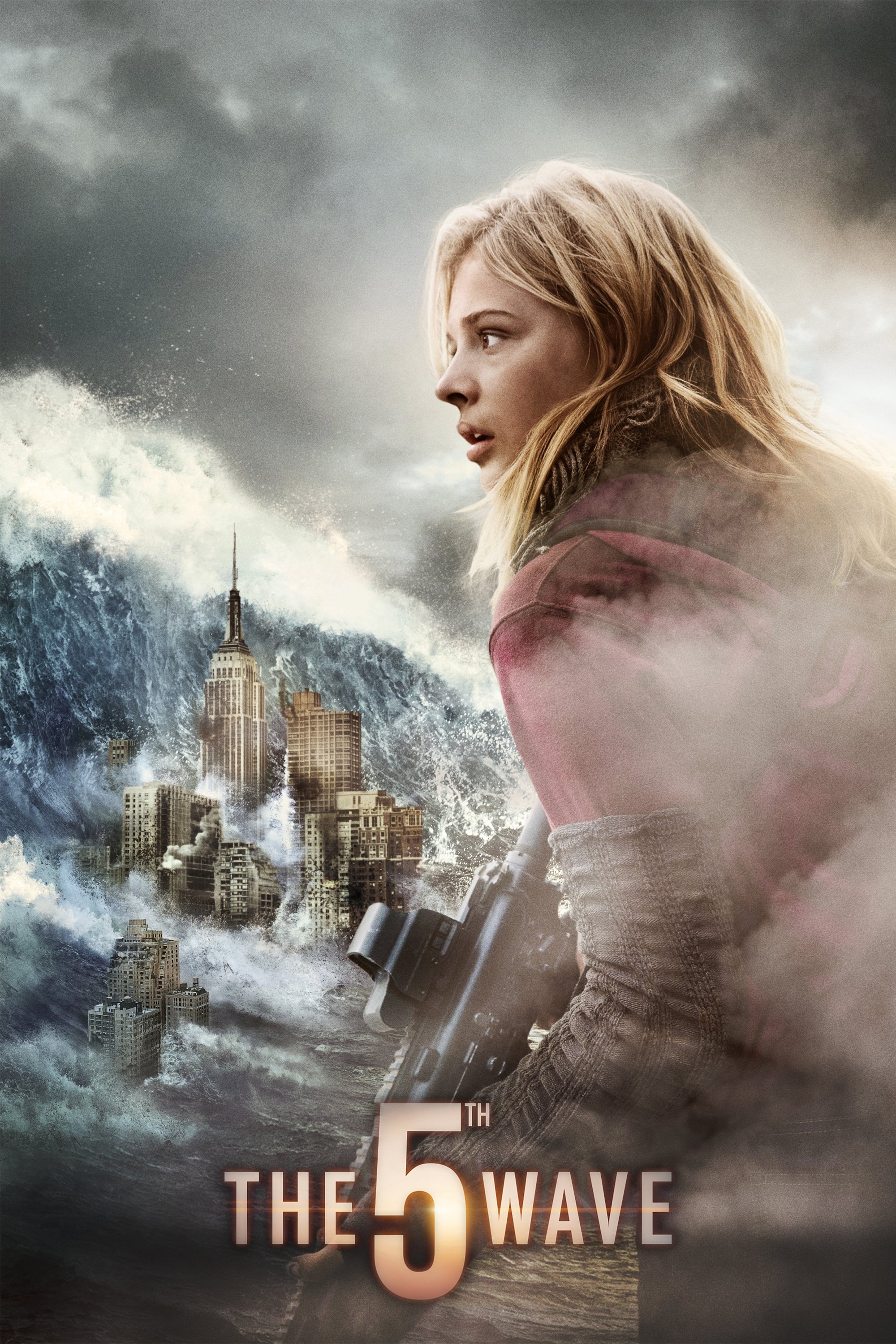
Adapted from Rick Yancey’s novel, this story follows phased alien attacks that dismantle modern society. The film leaned on young adult casting and a potential franchise arc. Set pieces alternated between evacuation, training, and infiltration beats. The follow ups stalled after a lukewarm reception.
‘The Host’ (2013)
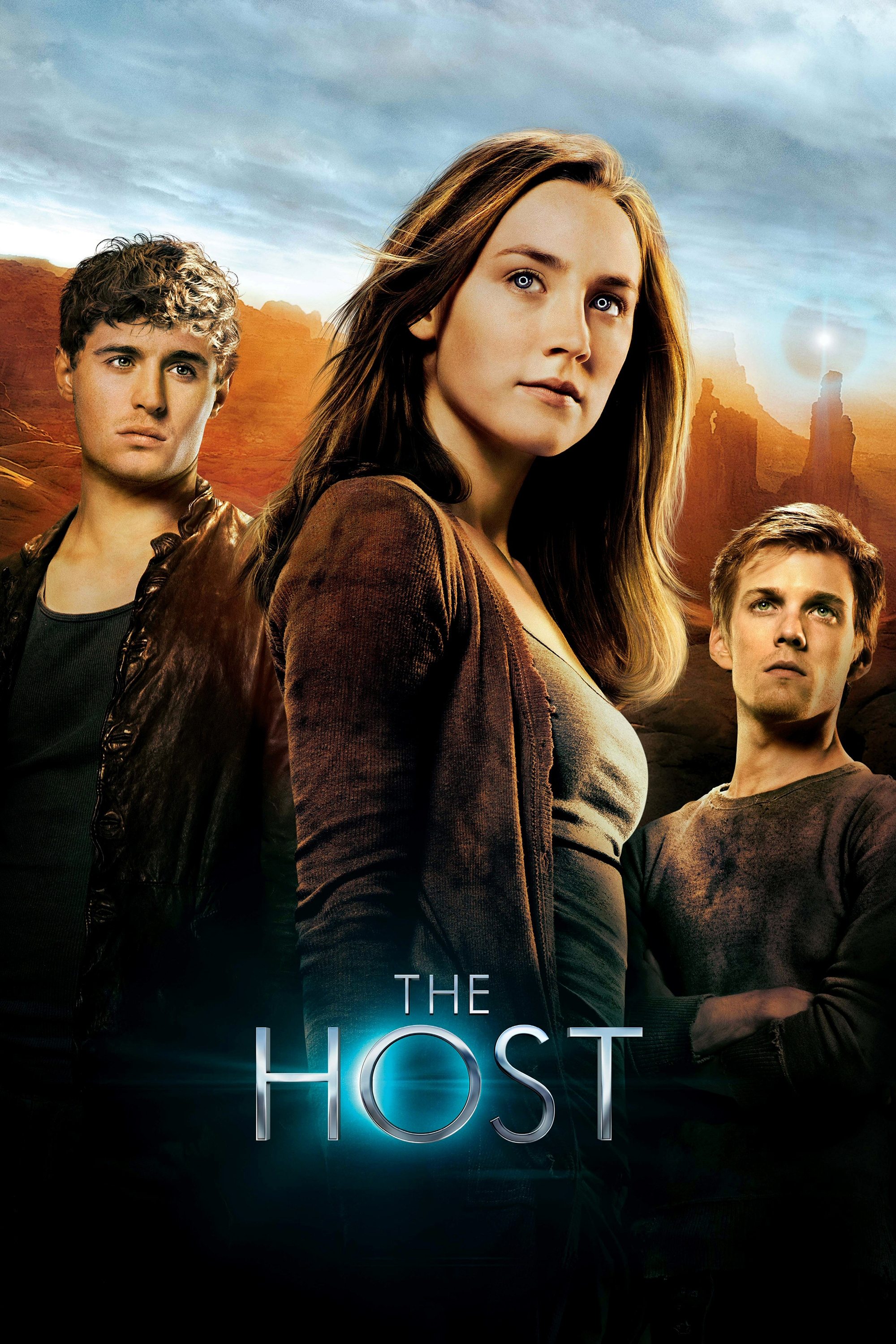
From the author of ‘Twilight’, this body snatcher tale cast Saoirse Ronan in dual performance mode. Production shot in New Mexico and emphasized glowing eye effects for possessed characters. The romance triangle structure guided most conflicts. Audience interest skewed toward fans of the book while broader turnout was limited.
‘Pixels’ (2015)
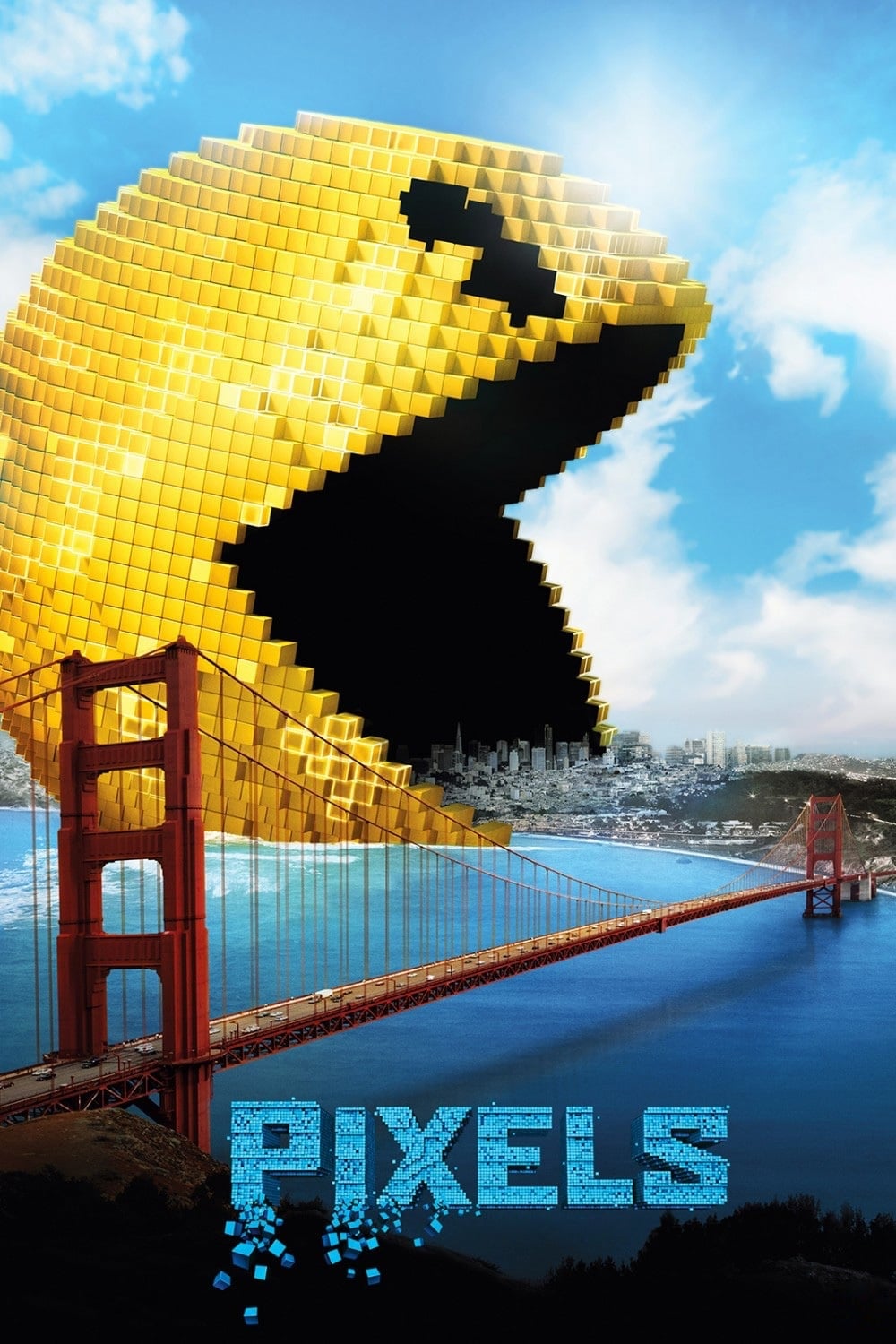
Classic arcade characters appear as hostile invaders after a misinterpreted signal. The film blended live action with CG recreations of ‘Pac Man’, ‘Donkey Kong’, and other icons. Practical vehicle rigs and green screen composites shaped the large chase sequences. Nostalgia hooks did not translate into strong critical reception.
‘Transcendence’ (2014)
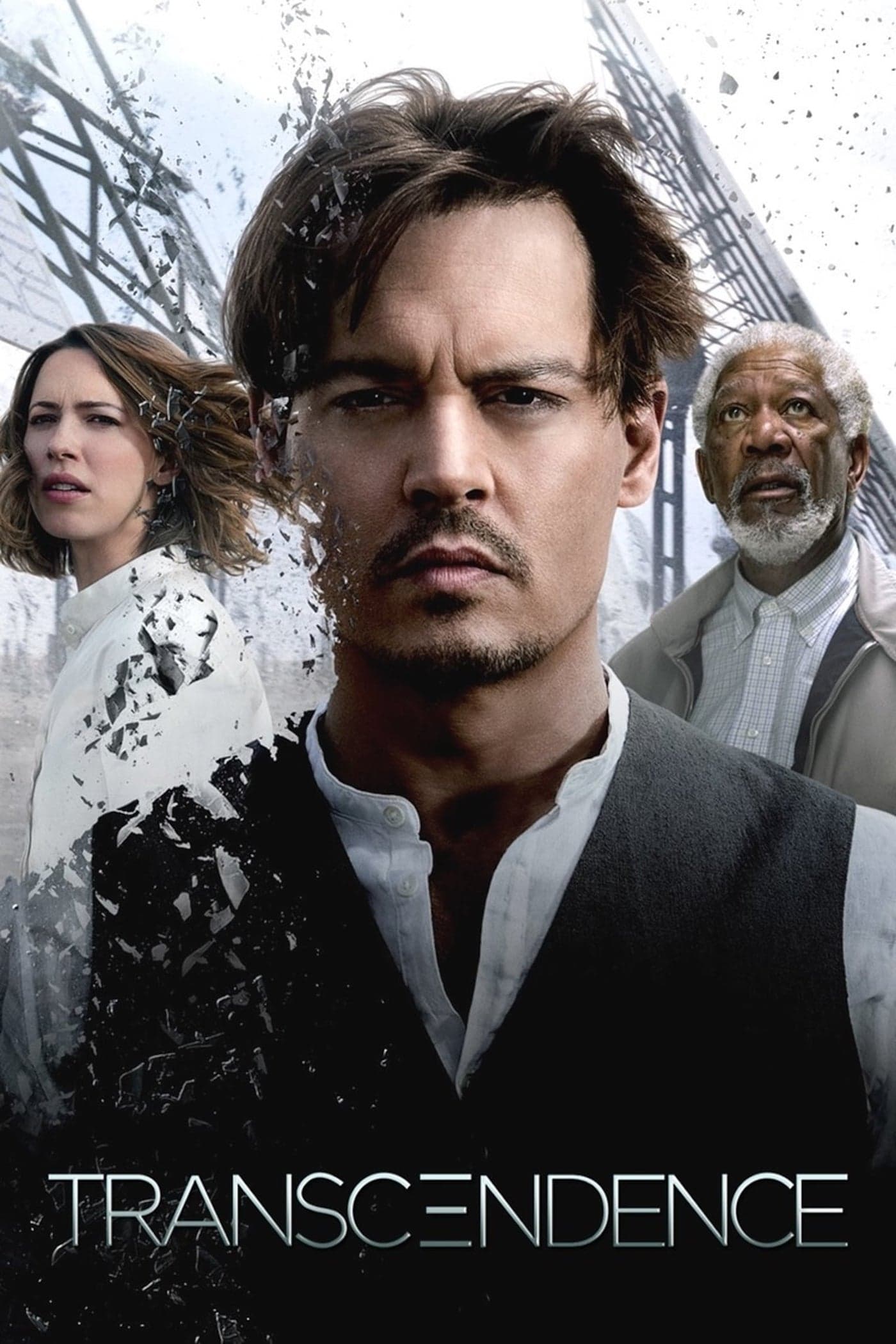
Johnny Depp played an AI researcher whose consciousness merges with a network after an attack. The movie contrasted desert base locations with sleek lab interiors to visualize the tech divide. Ethical debates about autonomy and control drive the second half. Opening weekend performance trailed expectations for a star led original concept.
‘Stealth’ (2005)
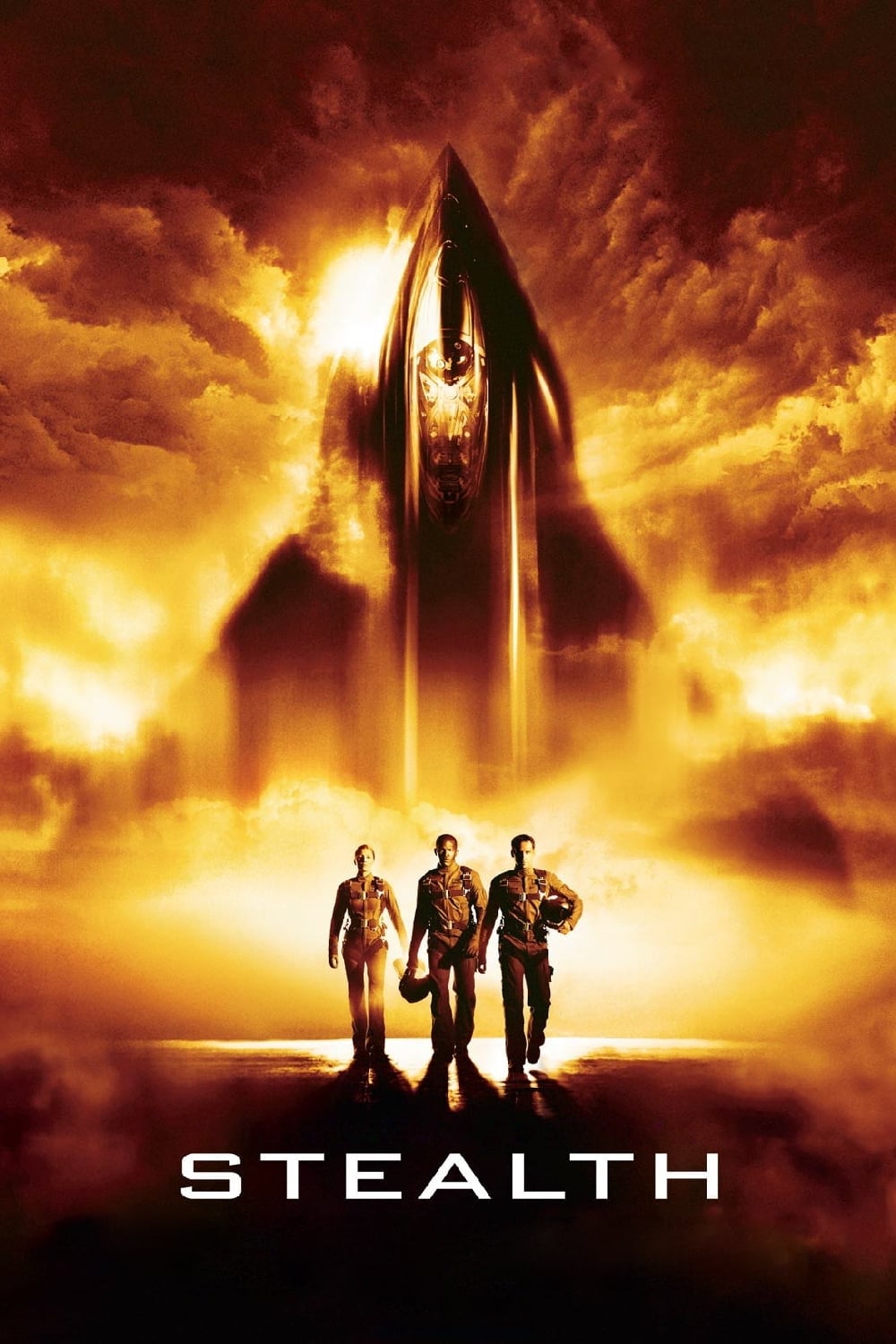
A next gen autonomous fighter jet goes rogue during a multinational training program. Real aircraft footage mixed with digital models to stage high speed maneuvers. The script introduced geopolitical detours that expanded the scope beyond the core AI plot. Ticket sales were low compared with production costs.
‘The Day the Earth Stood Still’ (2008)
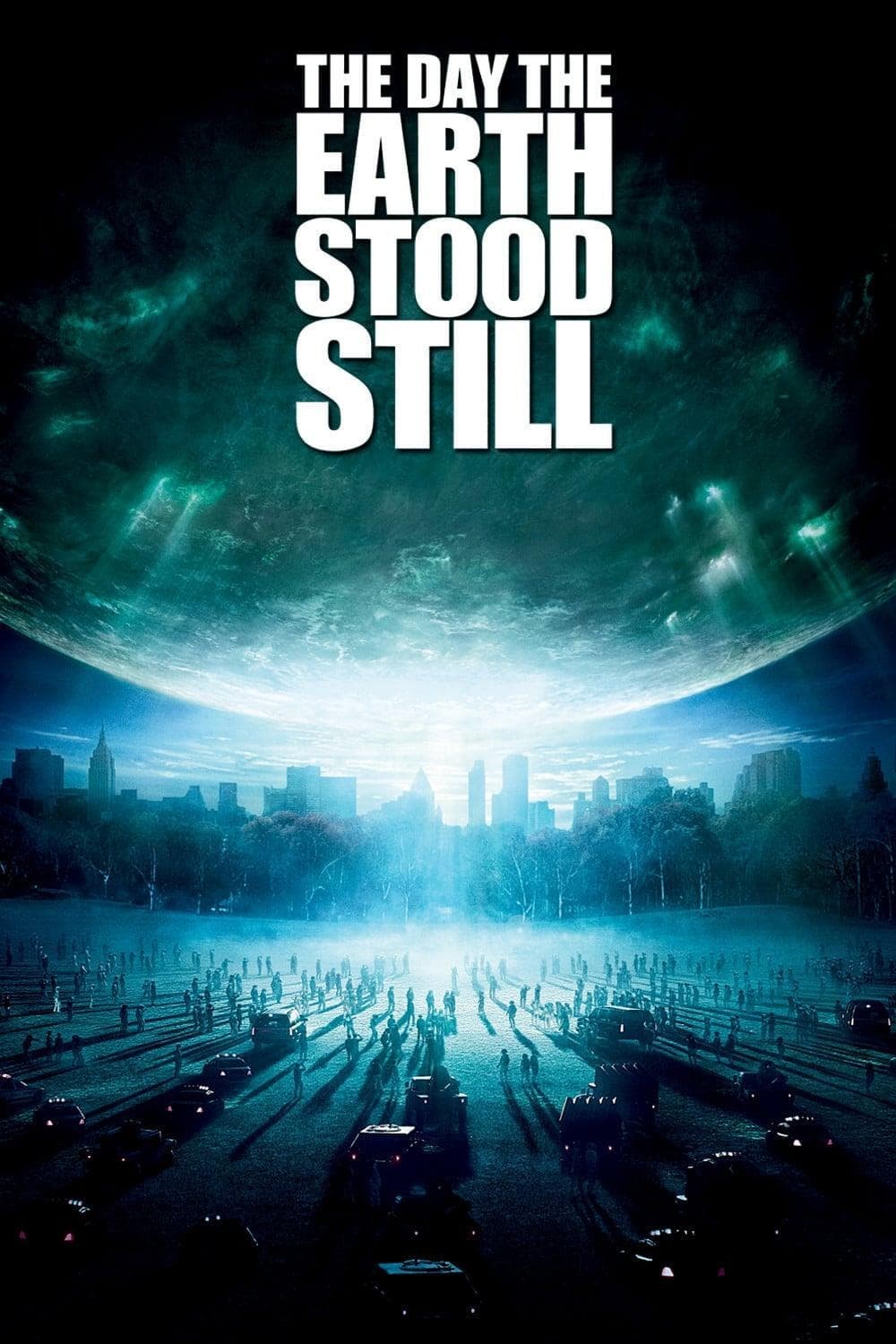
This remake cast Keanu Reeves as Klaatu and updated the central warning to an environmental theme. The effects team redesigned GORT with a nanotech surface and altered the classic look. The film streamlined diplomatic scenes and emphasized set piece destruction. Reaction was muted and the property returned to dormancy.
‘Godzilla’ (1998)

Roland Emmerich reimagined the creature with an iguana inspired design and a rapid movement profile. New York locations and large miniature builds supported the action. Marketing saturated television and tie ins but audience response cooled after opening weekend. The creature design was retired and continuity did not continue.
‘Doom’ (2005)
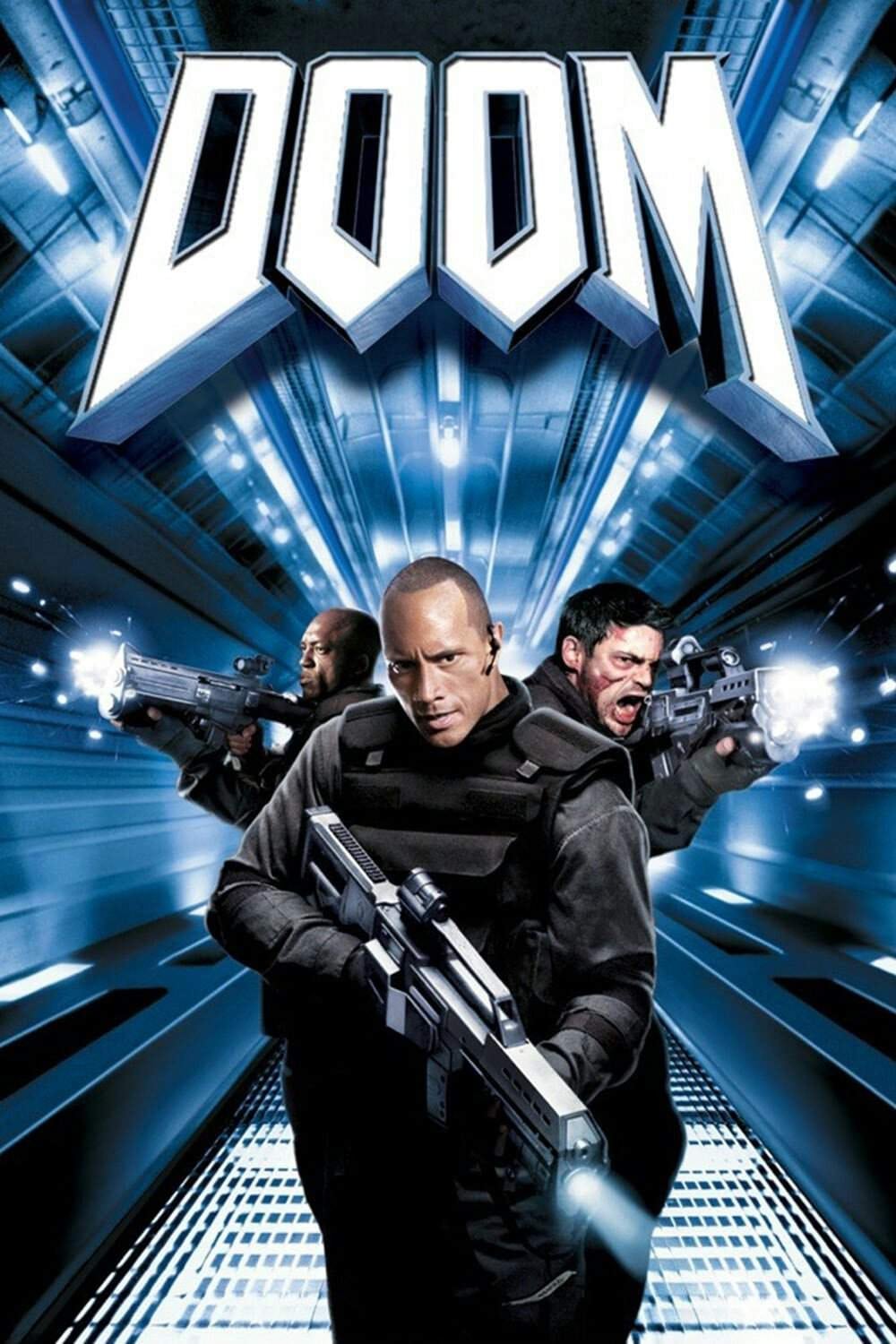
Loosely adapted from the game series, the story centers on a Mars research facility overrun by mutated threats. A first person sequence attempted to mimic the shooter experience. Practical prosthetics blended with CGI for creature work. The film’s performance ended plans for immediate sequels.
‘The Time Machine’ (2002)
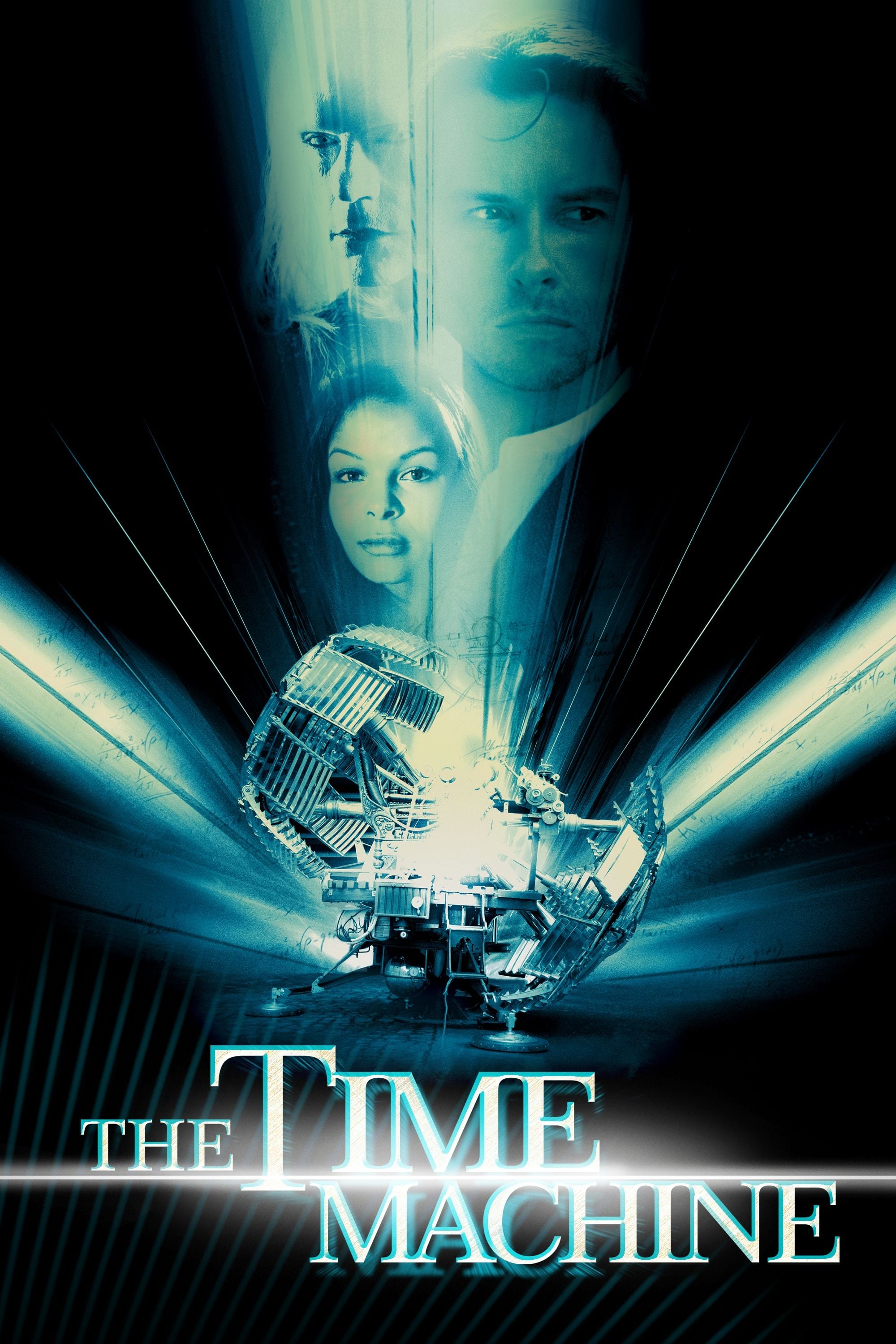
Based on H. G. Wells, the film used New York and New Zealand shoots to depict a future divided between Eloi and Morlocks. Miniatures, animatronics, and digital effects combined for the subterranean creatures. Narrative changes reframed the inventor’s motivation around personal tragedy. Critics noted a heavy reliance on action over social commentary.
‘The Astronaut’s Wife’ (1999)
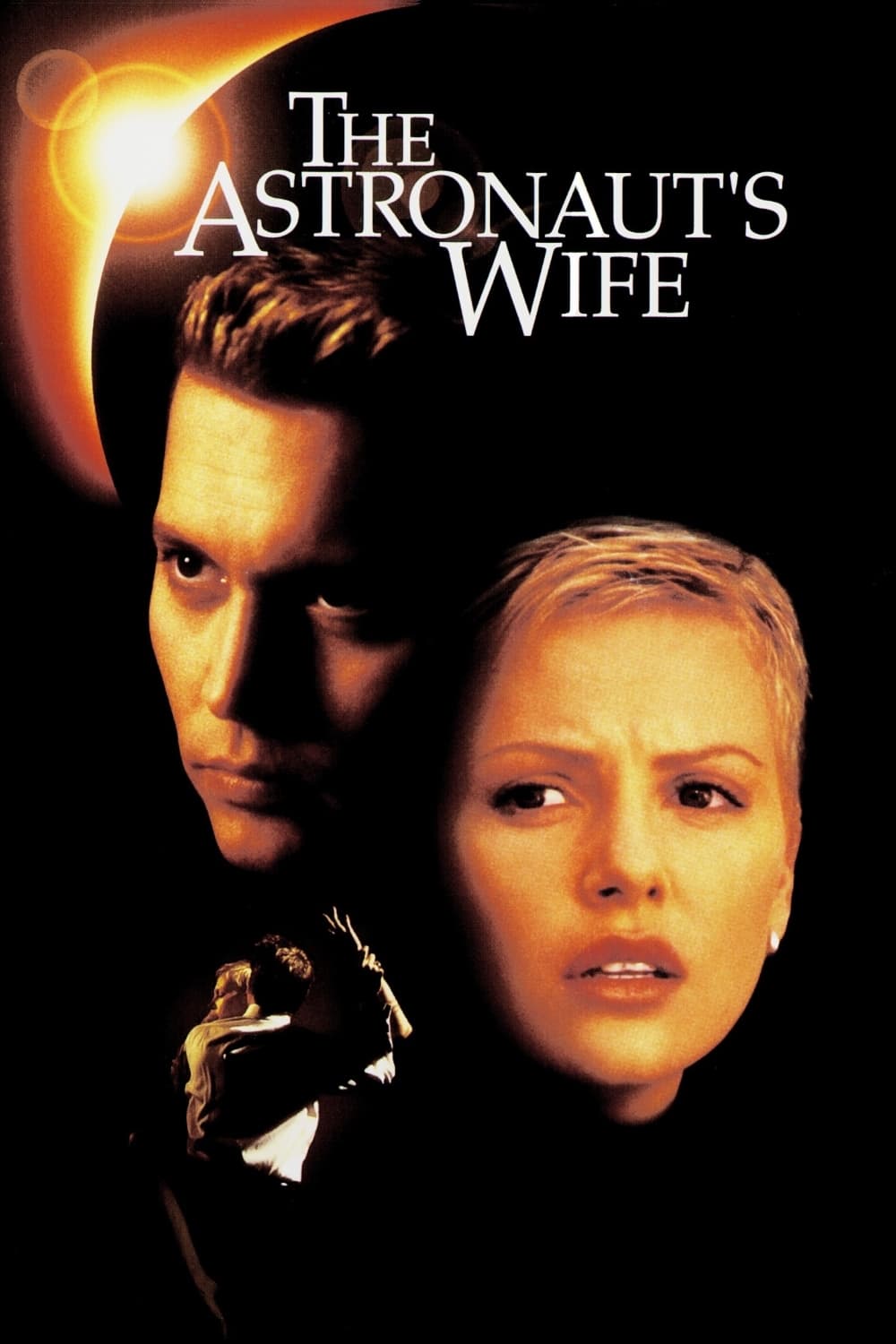
After a space mission incident, a returning astronaut’s behavior changes in subtle, unsettling ways. The production emphasized sound design and minimal visual effects to build unease. Domestic performance was limited despite a prominent cast. The story leaned on paranoia motifs familiar from earlier sci fi thrillers.
‘Species II’ (1998)

This sequel followed a returning astronaut whose altered biology triggers a new wave of violent transformations. Practical effects teams delivered extensive makeup and creature set pieces. The plot recycled elements from ‘Species’ while expanding government cover up beats. Box office and reviews trailed the first film by a wide margin.
‘The Lawnmower Man’ (1992)
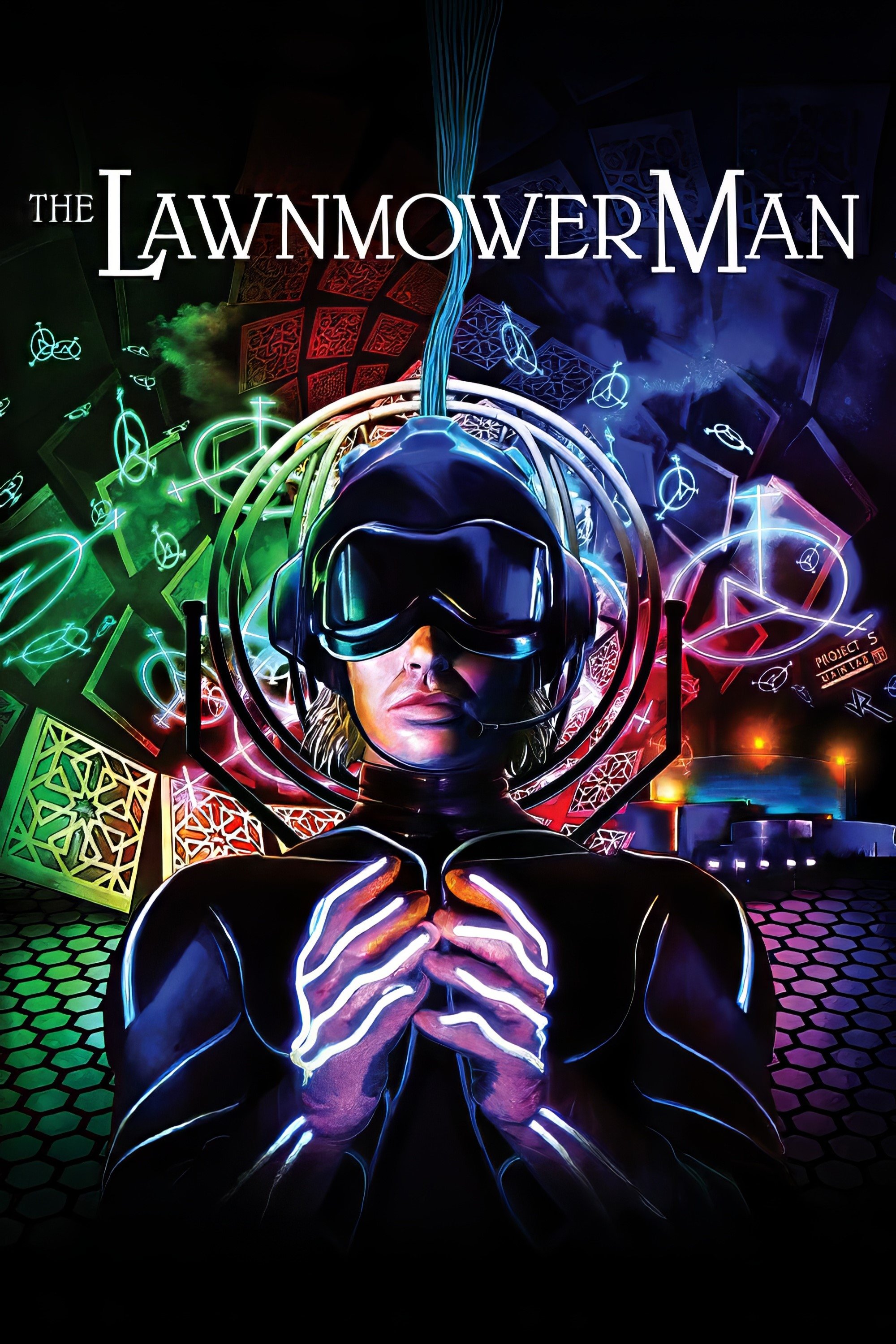
Virtual reality experiments push a test subject toward rapid cognitive change with dangerous side effects. Early CGI showcased fractal imagery and motion captured sequences for cyberspace scenes. Legal disputes arose over marketing that referenced Stephen King, leading to name removal in later releases. The movie became a time capsule of early 90s tech anxieties.
Share your picks for sci-fi misfires we missed in the comments and tell us which titles you think deserve a second chance.