20 Times America Ruined Anime

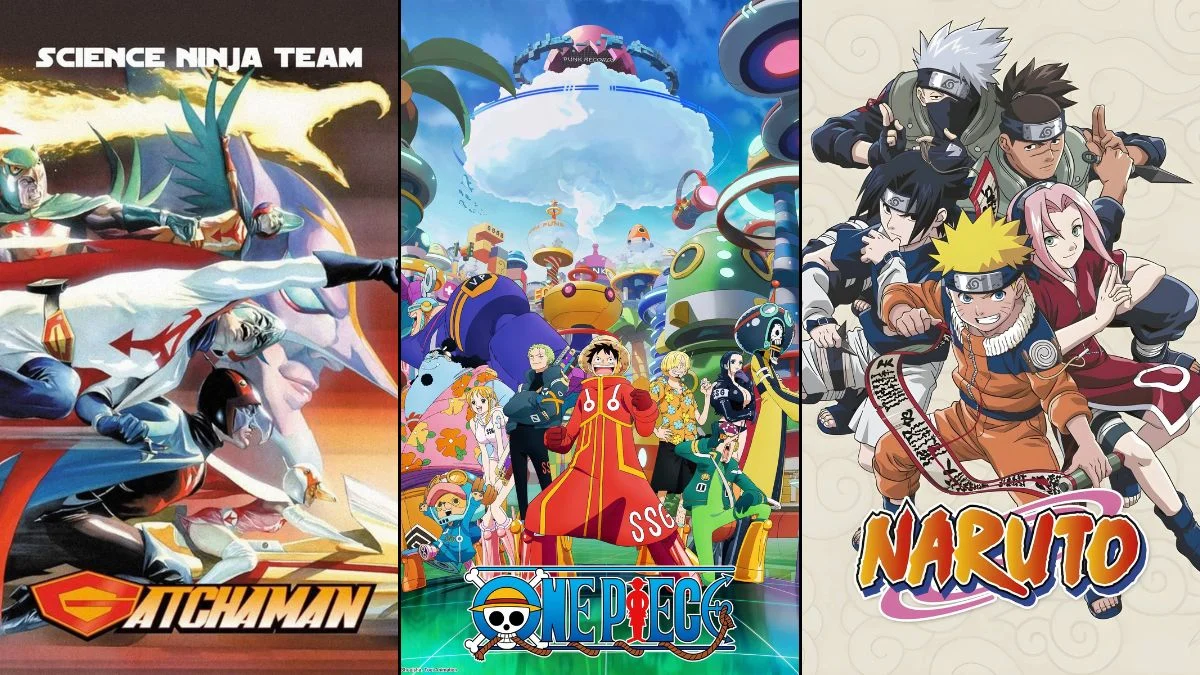

Anime has crossed borders for decades, but the journey has not always been smooth when it reached American screens. Edits, name changes, recuts, and live action makeovers often reshaped stories in ways that frustrated fans and creators. From heavy censorship to confusing reorders of episodes, many releases looked very different from what aired in Japan. Here are twenty moments when American handling left anime a lot less like itself.
‘Nausicaä of the Valley of the Wind’ (1984)
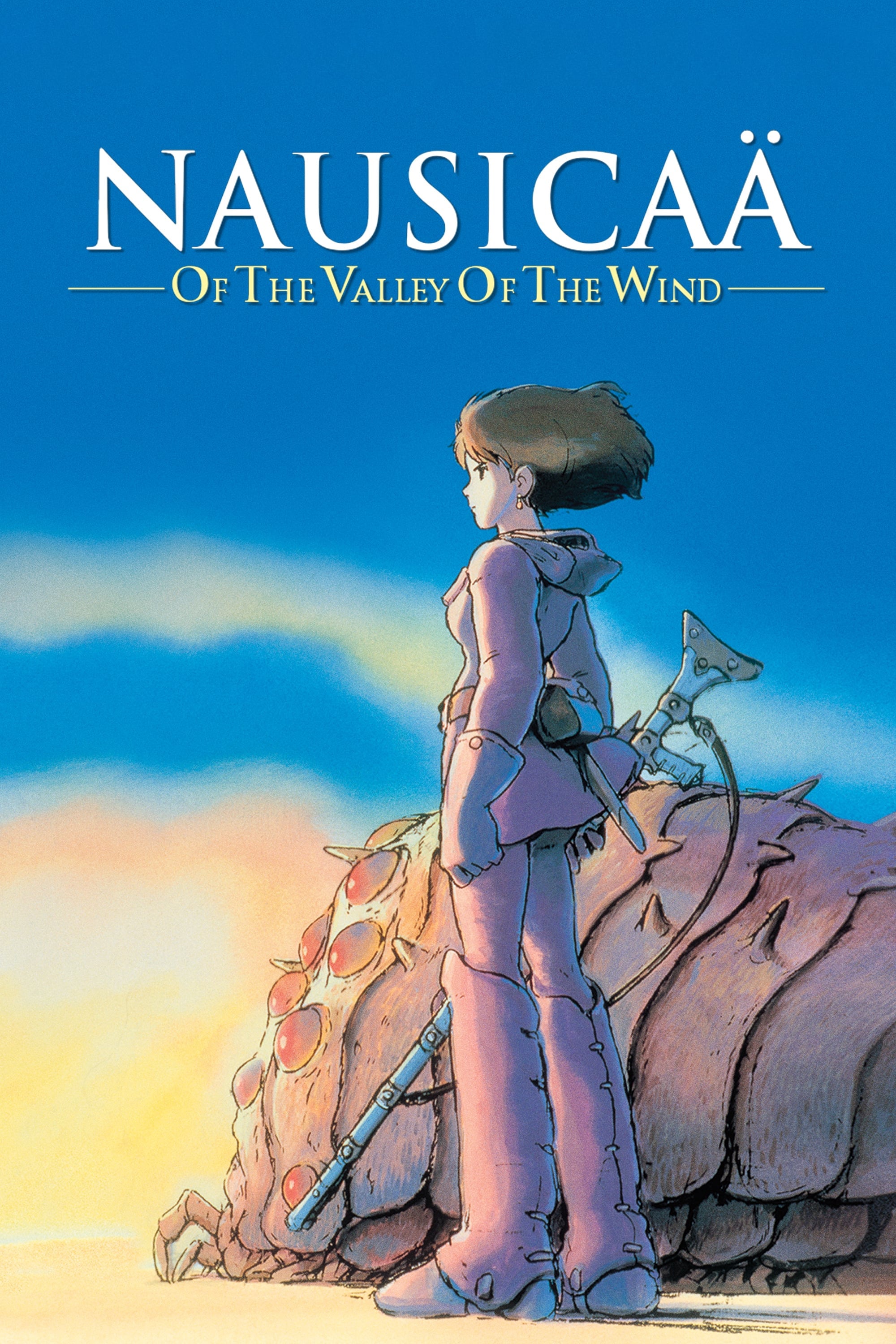
The American release arrived in the 1980s under the title ‘Warriors of the Wind’ with large sections cut. Character names were changed and environmental themes were toned down to emphasize action. Marketing materials featured creatures and designs not central to the original story. The experience pushed the studio to adopt a strict no cuts policy for future international deals.
‘Super Dimension Fortress Macross’ (1982–1983)
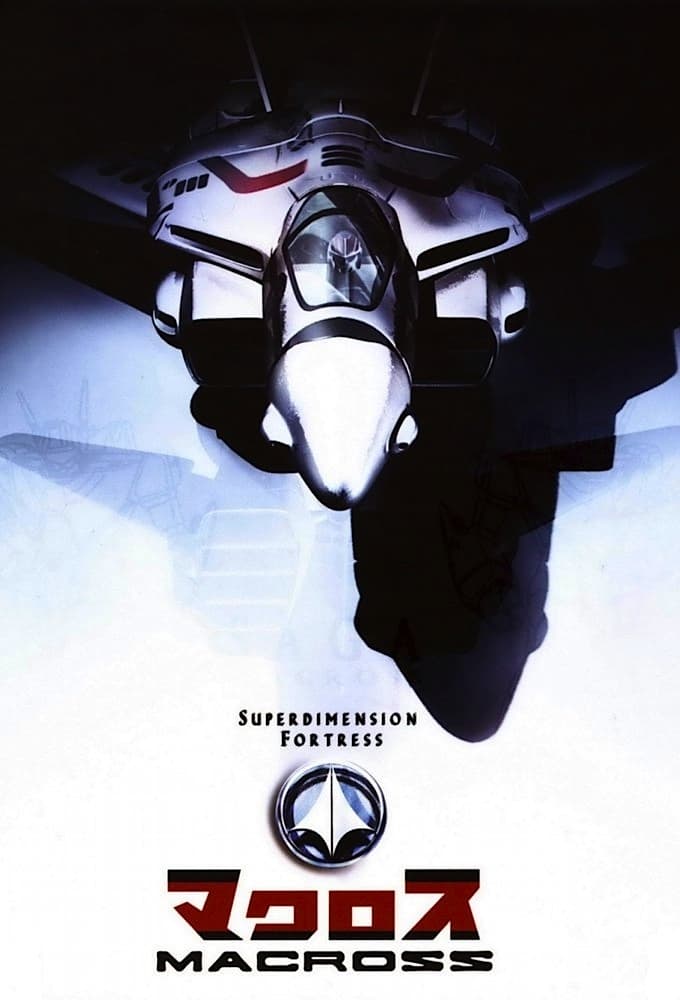
American television combined ‘Macross’ with two unrelated series to create ‘Robotech’. Scripts were rewritten so three separate shows would fit a single continuity. Music and dialogue were changed to match a new overarching plot about a mineral called Protoculture. The restructure obscured the original relationships and war themes that defined ‘Macross’.
‘Science Ninja Team Gatchaman’ (1972–1974)

The U.S. version titled ‘Battle of the Planets’ added a robot host and space framing scenes. Violence was reduced and many episodes were heavily edited to meet broadcast standards. Entire subplots disappeared, which altered character motivations. The new music and narration shifted the tone from gritty science adventure to light space fantasy.
‘Sailor Moon’ (1992–1997)
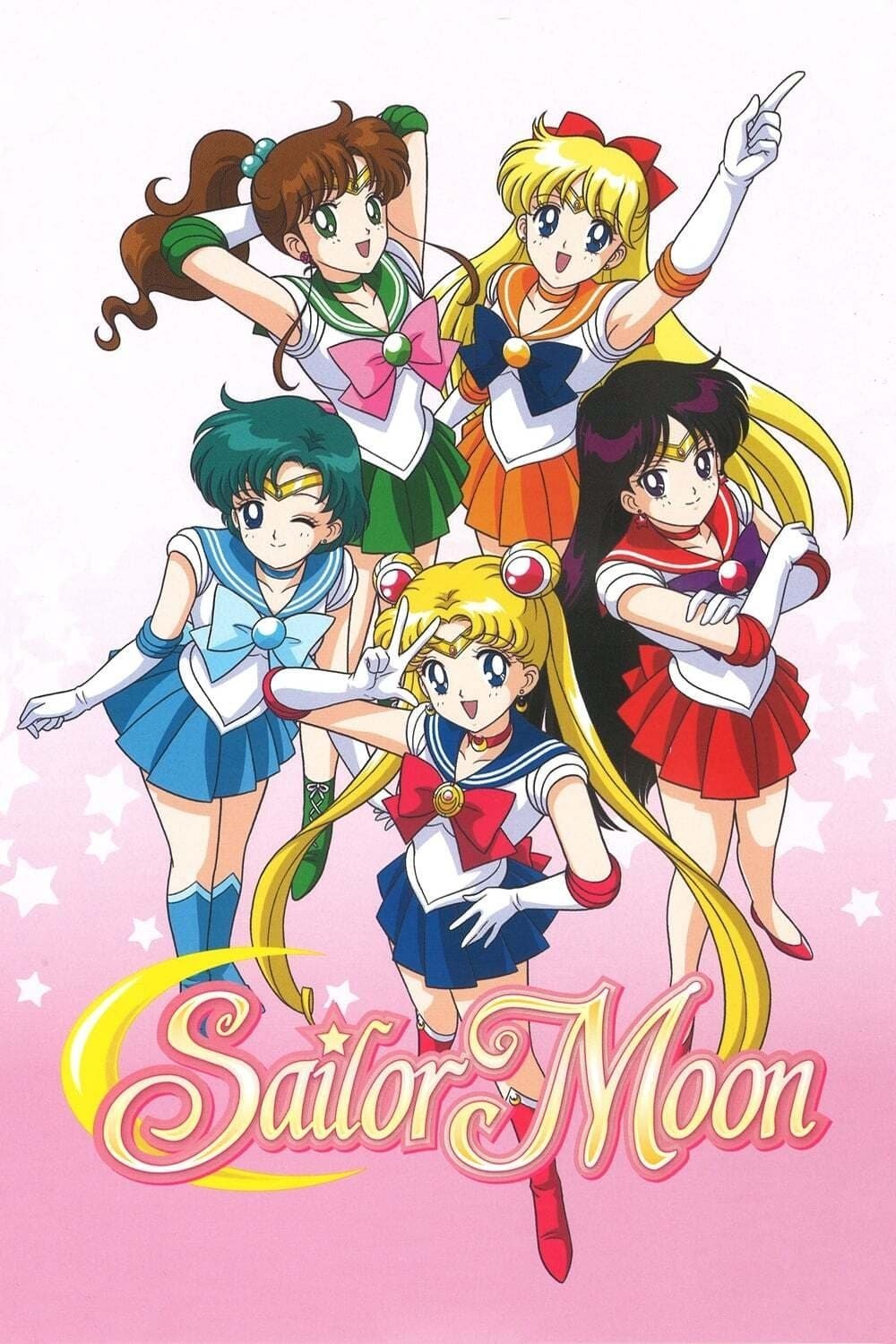
Early American broadcasts edited out LGBTQ relationships and softened fight scenes. Dialogue was rewritten to emphasize jokes and school life over the original character drama. Several episodes were skipped and transformations were trimmed for length. Two characters were presented as cousins, which changed how viewers understood their bond.
‘Cardcaptor Sakura’ (1998–2000)
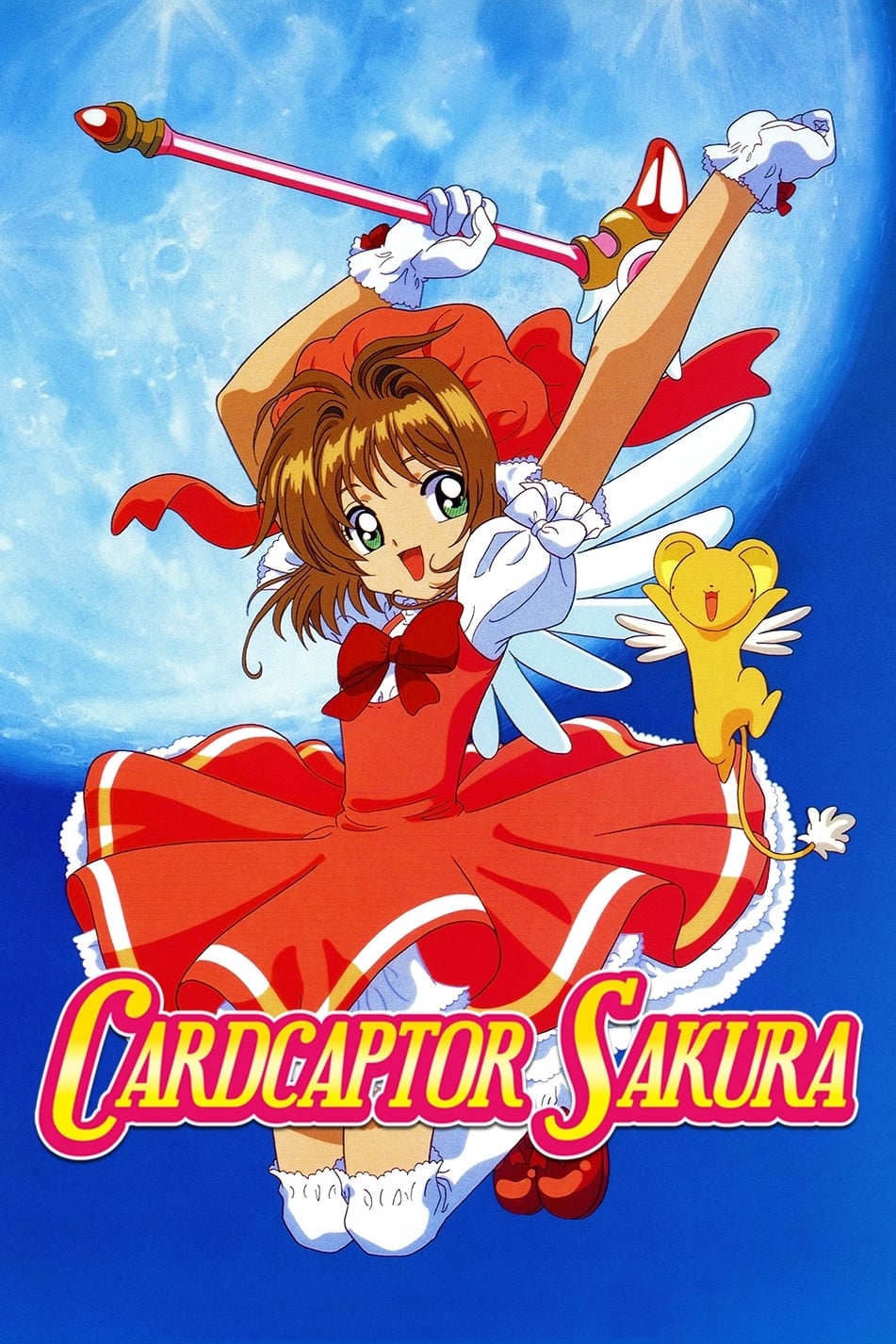
The rebranded ‘Cardcaptors’ reordered episodes to spotlight a male lead for U.S. audiences. Many character names were changed and emotional scenes were shortened. The English script reduced romantic subtext and removed quieter moments. As a result, the coming of age arc felt disjointed and less personal.
‘One Piece’ (1999– )
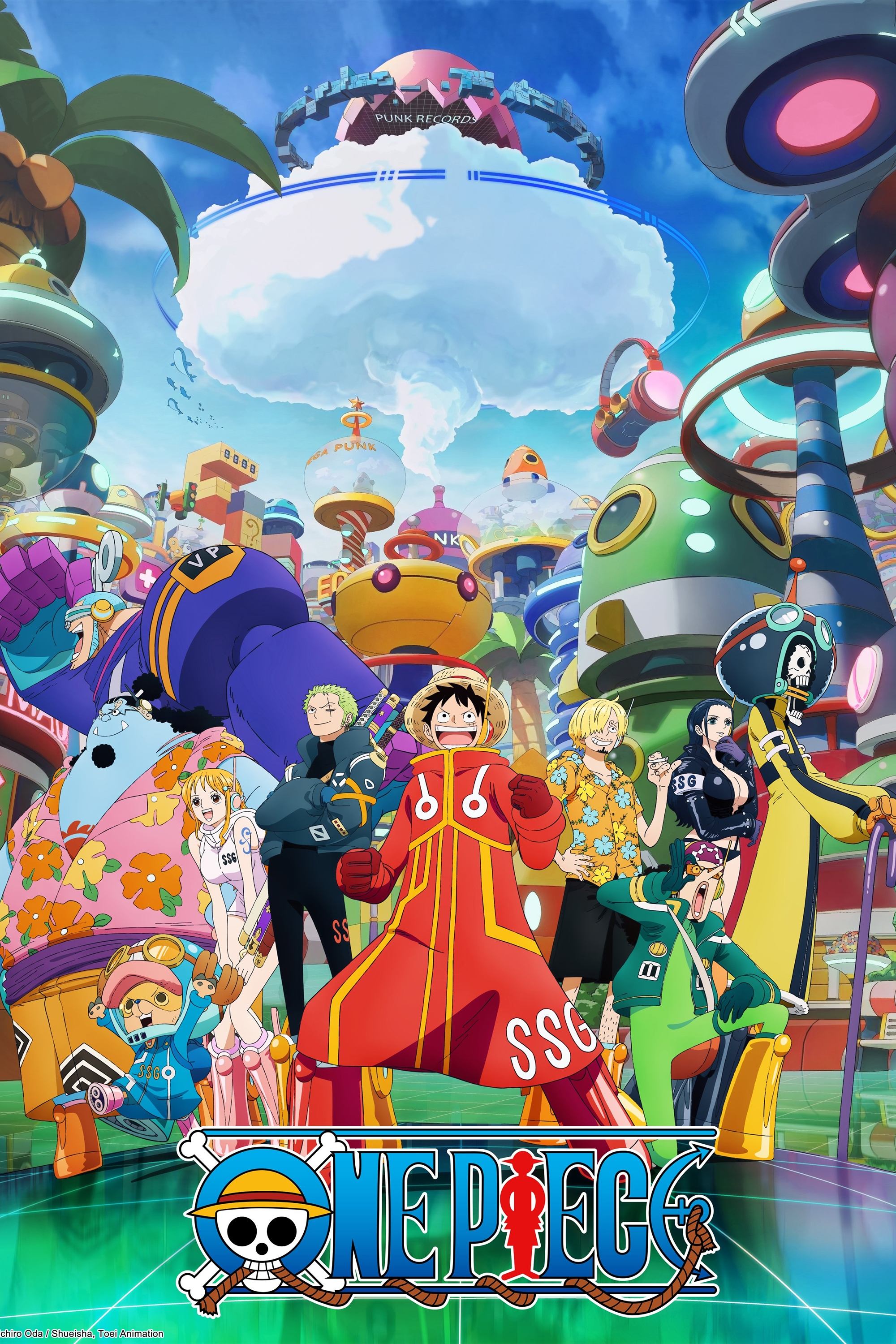
Early U.S. TV airings replaced music, removed cultural foods, and erased on screen smoke. Entire scenes were cut, which created abrupt transitions between arcs. Some characters received exaggerated accents that were not in the original. The edits blunted themes about loss, resilience, and found family.
‘Yu-Gi-Oh! Duel Monsters’ (2000–2004)
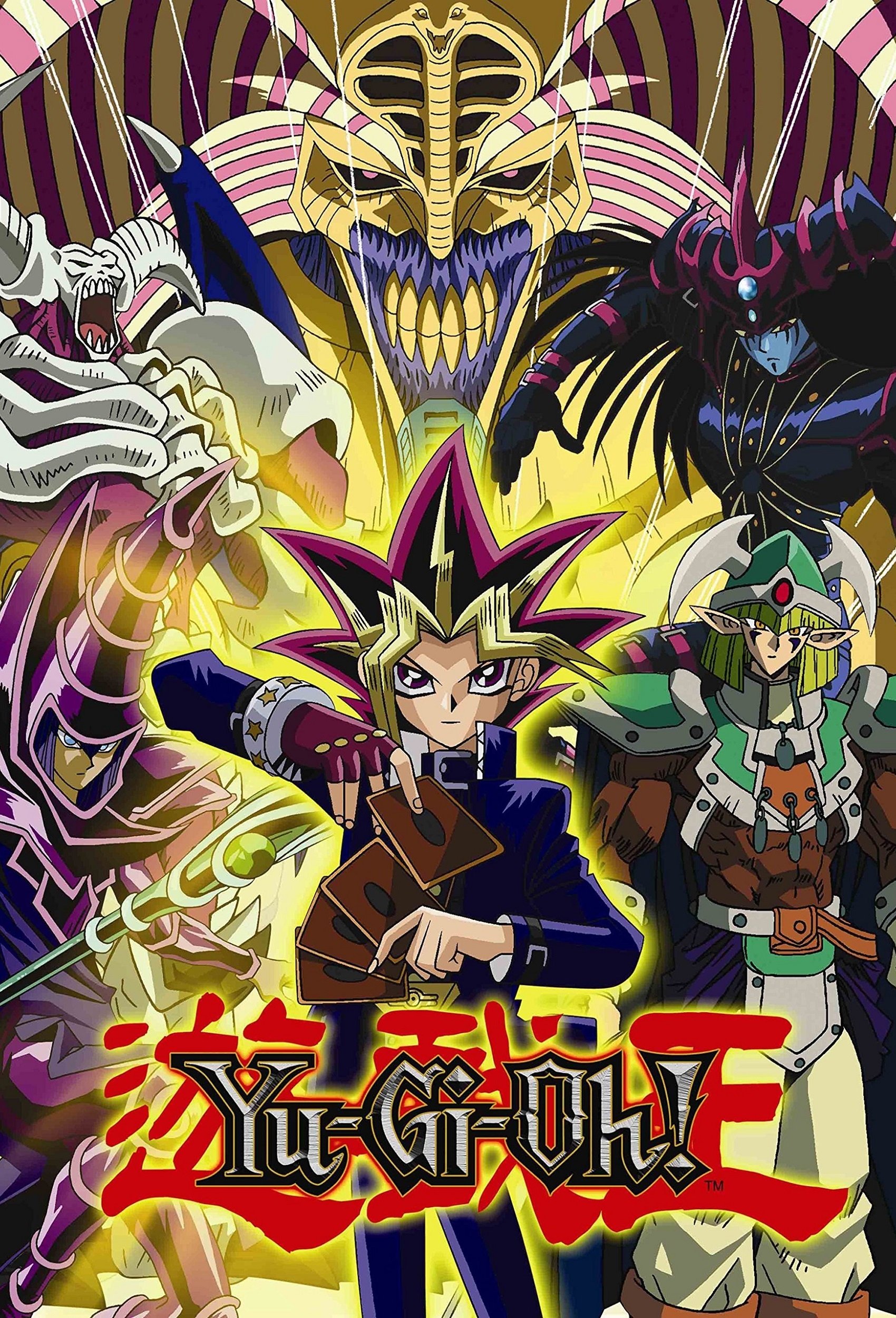
American broadcasts removed references to death and altered several stakes in duels. Visual edits changed cards, symbols, and background art. Jokes and catchphrases were inserted that shifted the tone toward slapstick. These changes made the world rules less consistent for viewers following the card game.
‘Pokémon’ (1997– )

Food was redrawn and labeled as donuts or snacks instead of rice balls. Certain episodes were skipped or delayed, which interrupted regional story flow. Dialogue often simplified character conflicts and trimmed cultural jokes. The soundtrack changes also reduced the sense of place across different towns.
‘Naruto’ (2002–2007)
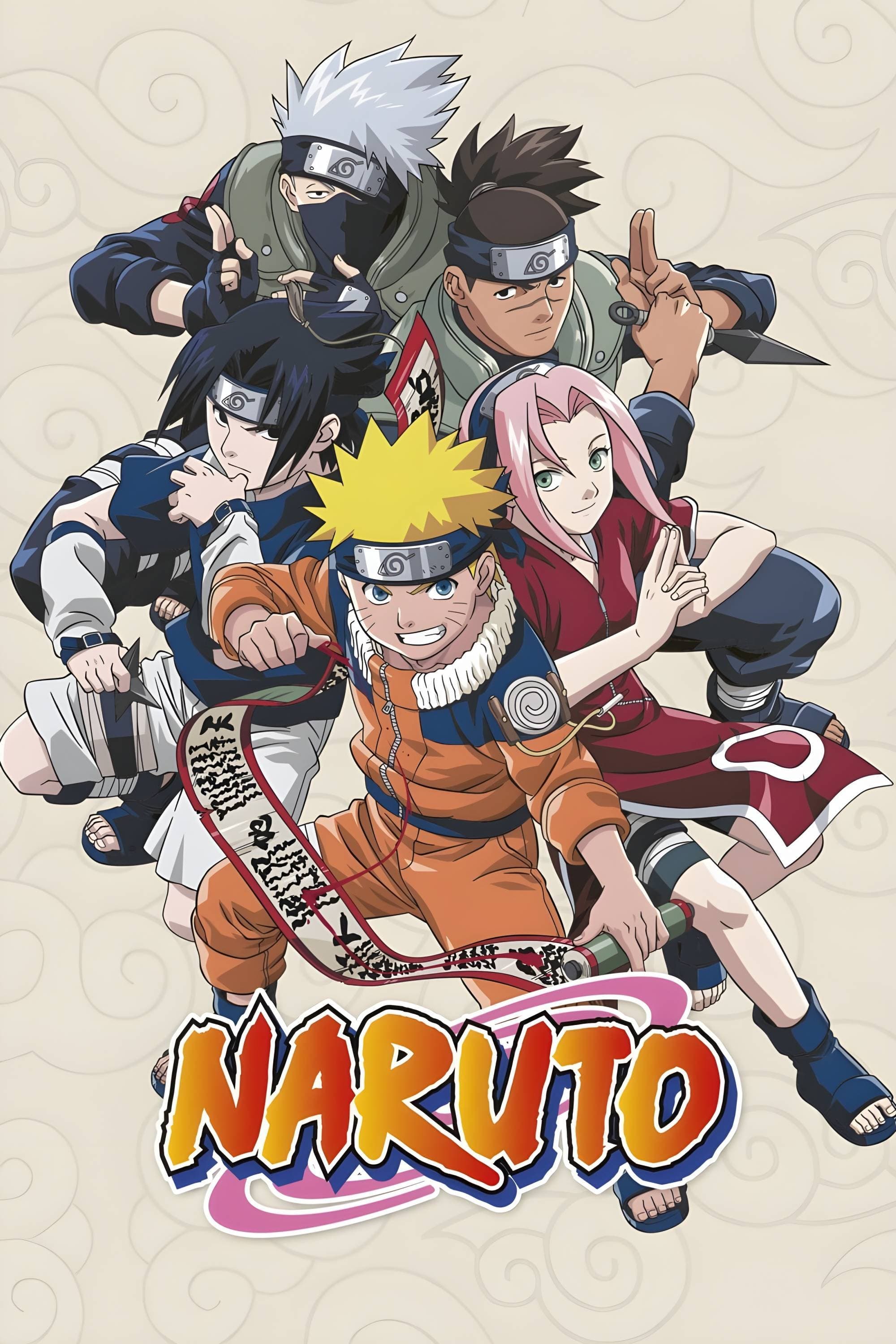
Early television runs muted blood, altered weapons, and cut key impact frames. Catchphrases and repeated lines padded scenes to fill time. Some fights lost choreography beats that explained tactics and abilities. The edits reduced clarity around village politics and rivalries.
‘Dragon Ball Z’ (1989–1996)

The first American TV versions revised the music and removed many intense moments. Dialogue used euphemisms in place of death and killing. Early seasons added recaps and filler lines that affected pacing. These choices weakened the buildup around power scaling and character growth.
‘Detective Conan’ (1996– )
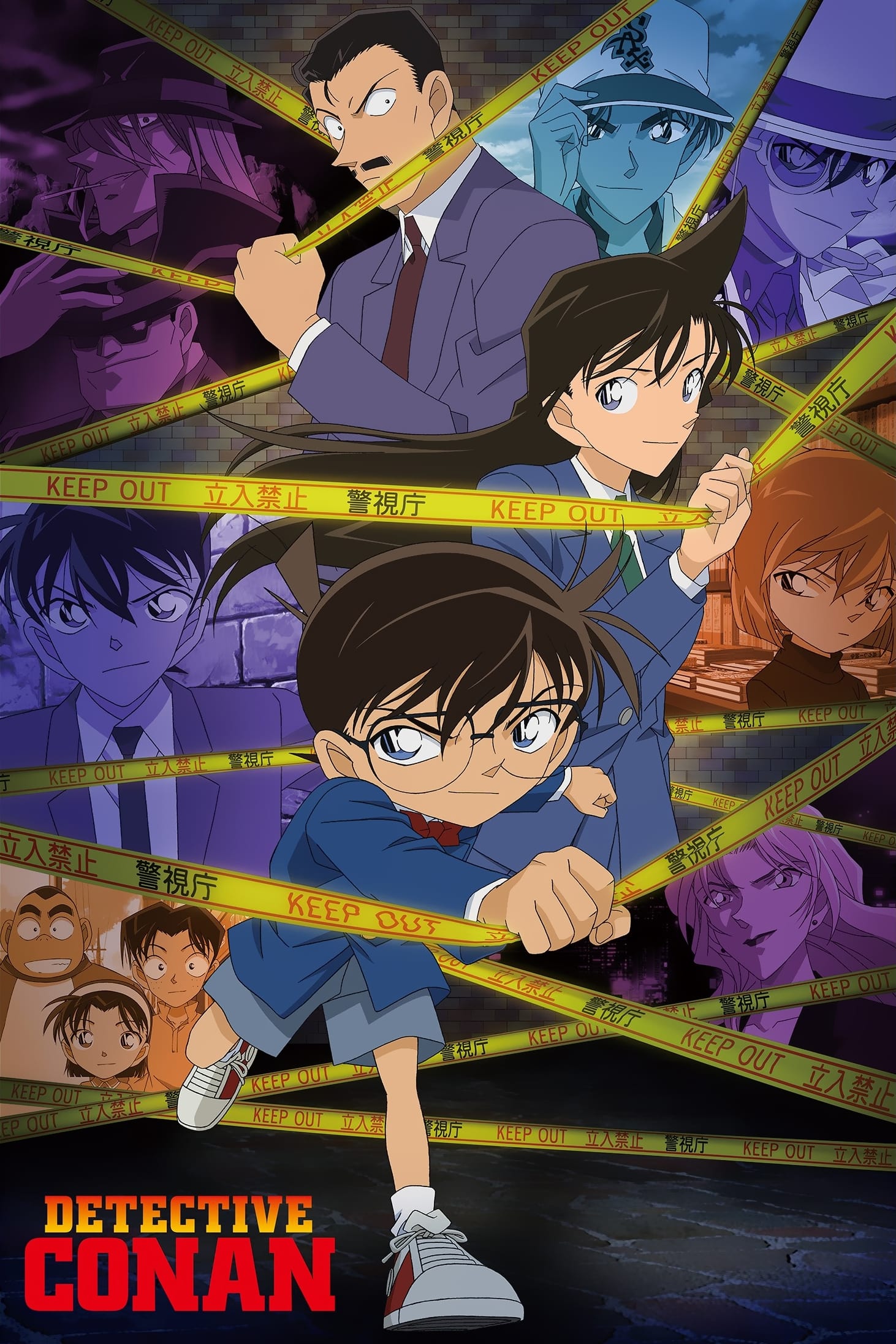
The U.S. release used ‘Case Closed’ with many character names swapped to Western ones. Some episodes with mature mysteries were skipped for broadcast. Wordplay clues tied to Japanese names were rewritten, which undercut solutions. The setting felt less specific, making recurring locations harder to track.
‘Shaman King’ (2001–2002)
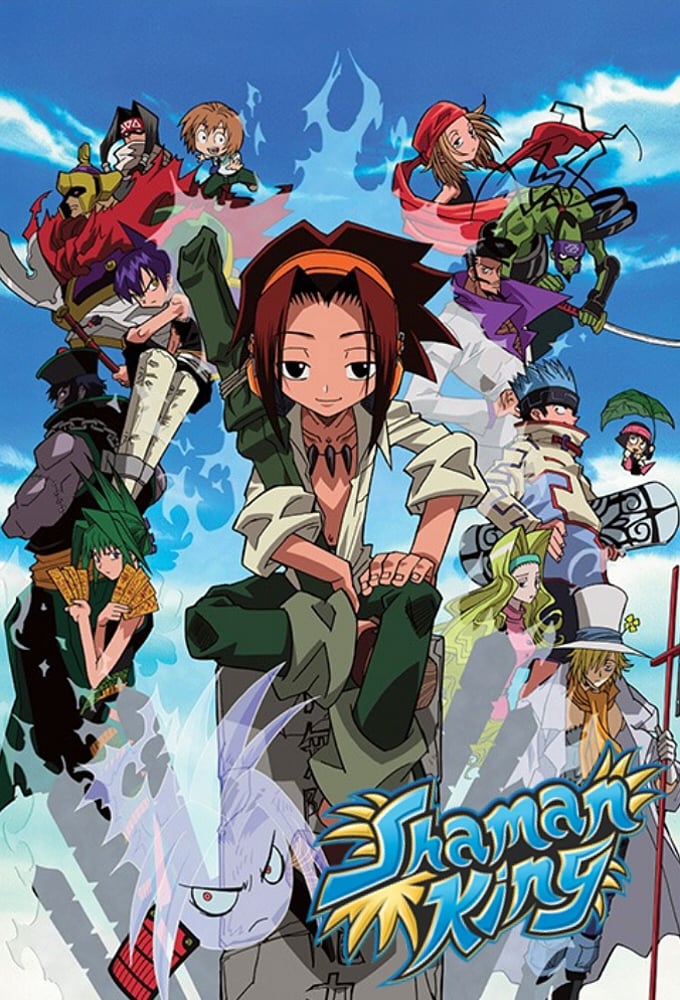
American broadcasts trimmed spiritual terminology and adjusted afterlife concepts. Character backstories lost darker details that explained motivations. Several soundtrack cues were replaced with lighter themes. The overall journey toward the tournament felt lower in stakes.
‘Tokyo Mew Mew’ (2002–2003)
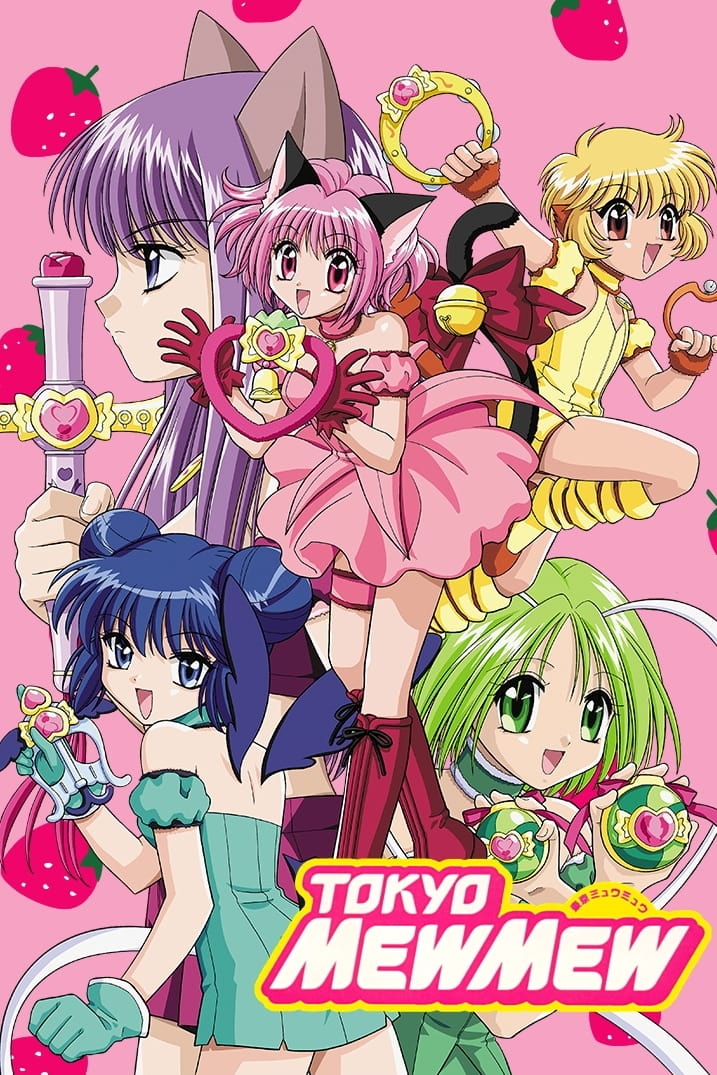
The American version titled ‘Mew Mew Power’ changed names and relationships. Episodes released out of order interrupted character introductions. Music and transformation scenes were cut for time and tone. The unfinished run left plot threads unresolved for viewers.
‘Ghost Stories’ (2000–2001)
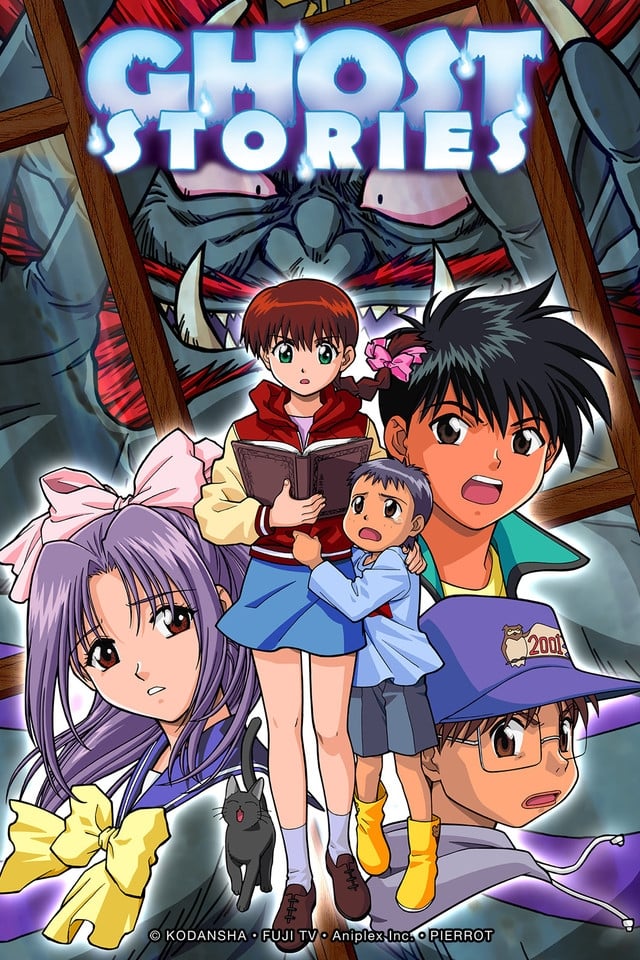
The English dub took a comedic rewrite approach with broad improvisation. Many scenes replaced original meanings with self aware jokes. Character personalities shifted completely from the Japanese version. While some audiences enjoyed the humor, the horror story beats were largely removed.
‘Cowboy Bebop’ (2021)
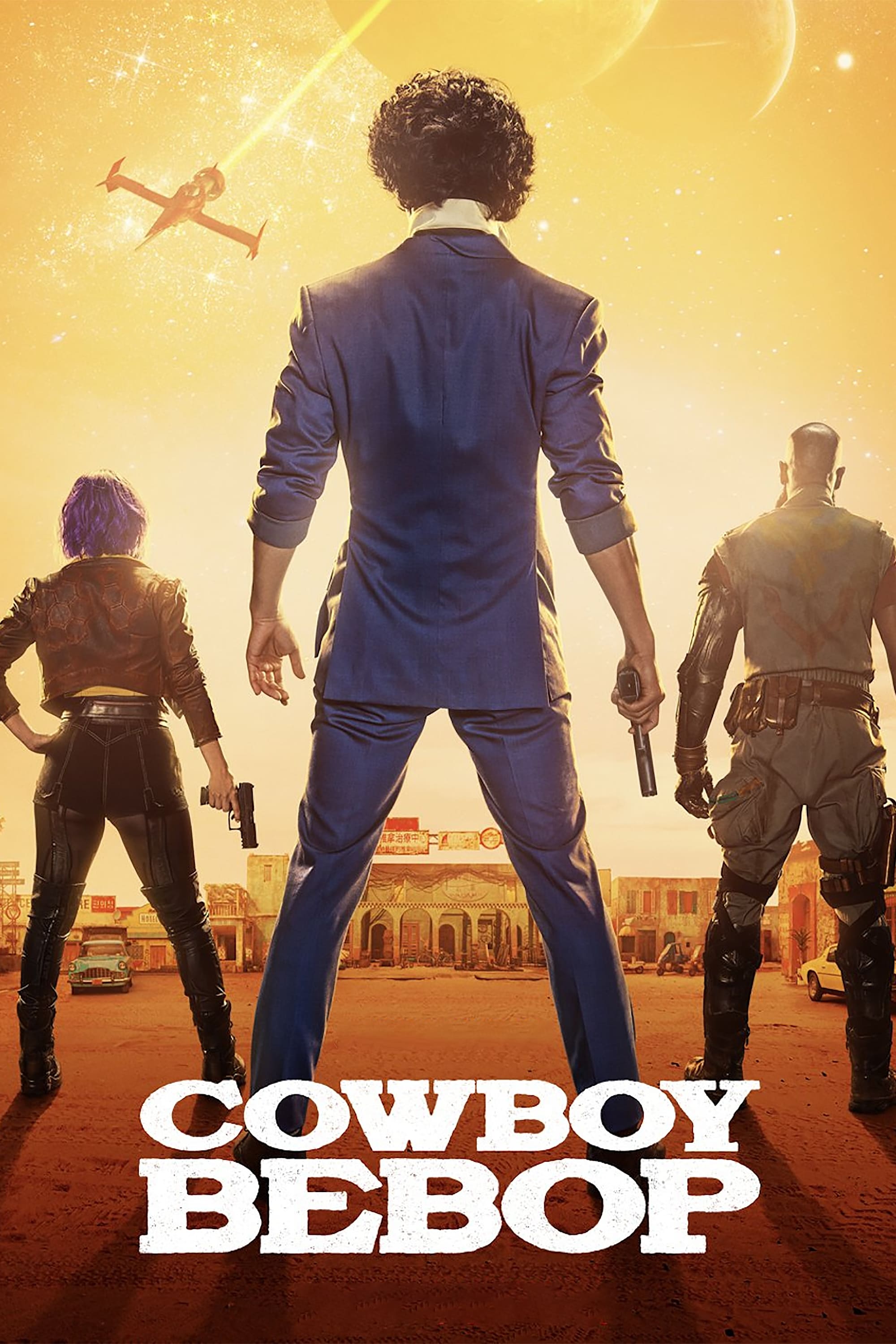
The live action American adaptation condensed multiple arcs into a single season. Key character reveals arrived much earlier than in the anime. Visual design borrowed surface elements while shifting the noir pacing. The result changed how mysteries unfold around the crew of the Bebop.
‘Death Note’ (2017)
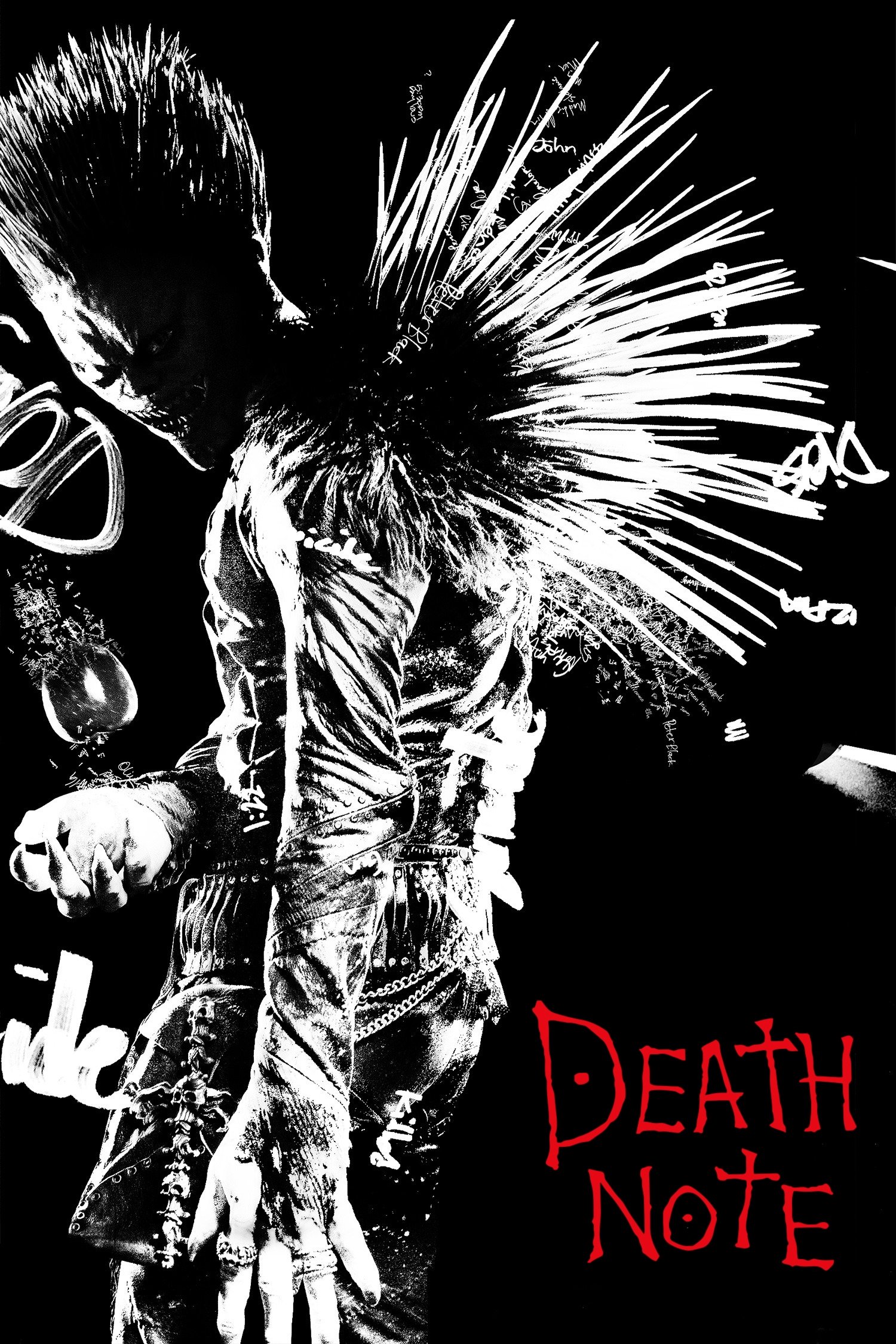
The American film reset the story to a U.S. city with new character dynamics. Several rules of the notebook were simplified for quick plot turns. The cat and mouse investigation lost its methodical progression. Themes about justice and power took a back seat to thriller beats.
‘Dragonball Evolution’ (2009)
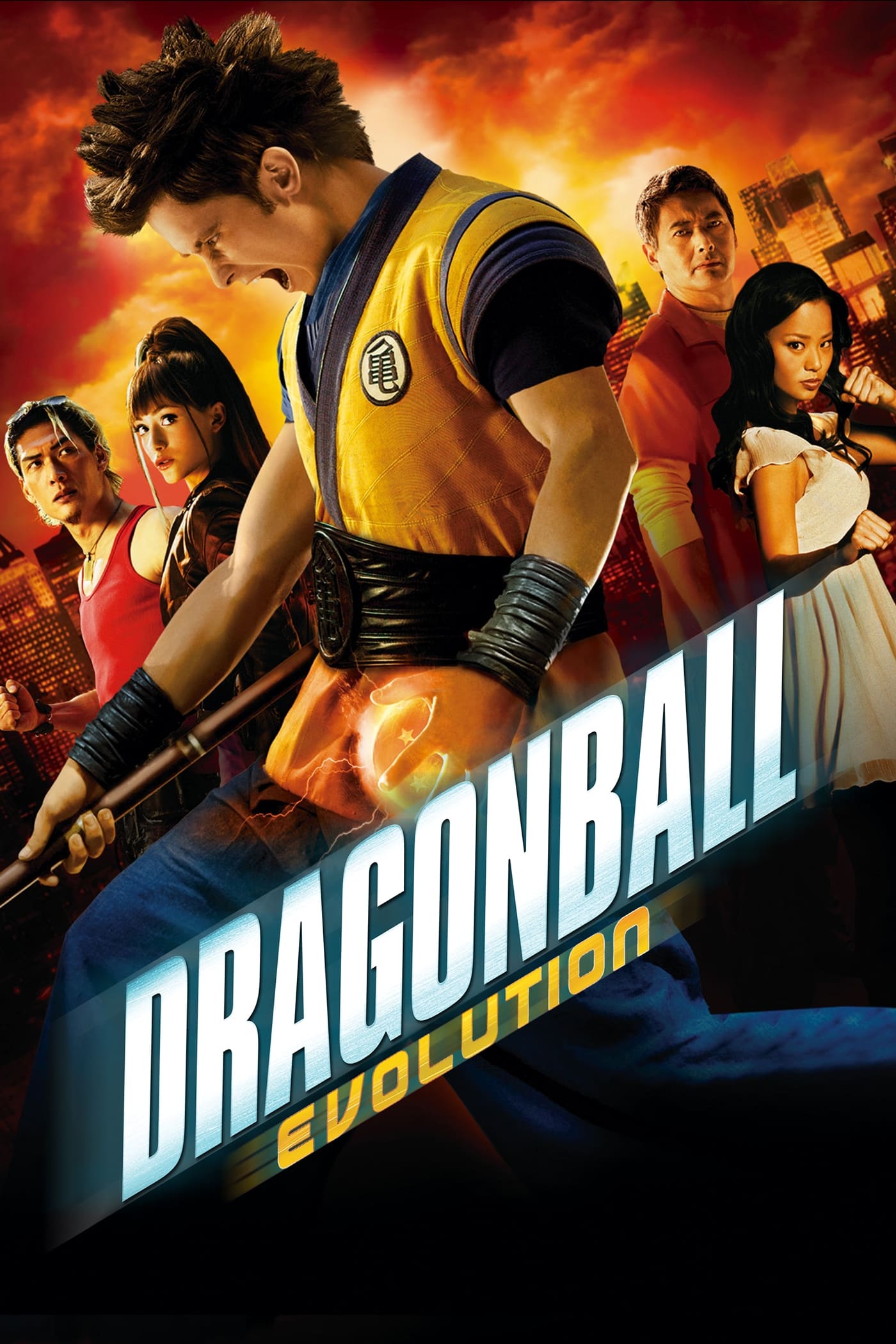
This live action film moved the setting to American high schools and suburbs. Characters were redesigned with new ages and personalities. Martial arts scenes used quick cuts that hid choreography detail. Lore and stakes from the source material were reduced to generic fantasy.
‘Ghost in the Shell’ (2017)
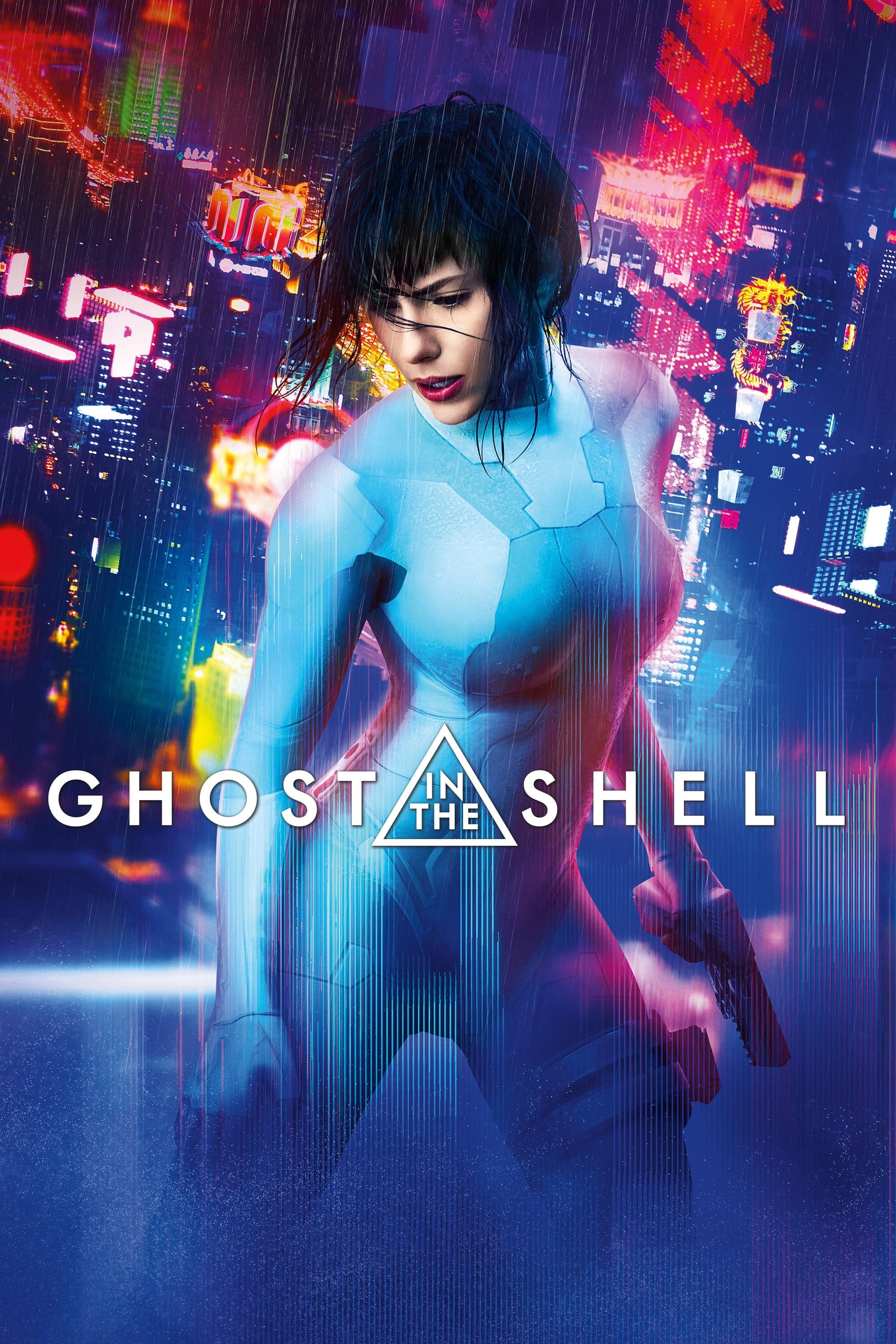
The film used high tech visuals while revising the protagonist’s identity arc. Casting choices drew criticism that overshadowed the release. Philosophical questions about consciousness were pared back for action focus. The city setting looked familiar but lacked the original social texture.
‘Akira’ (1988)
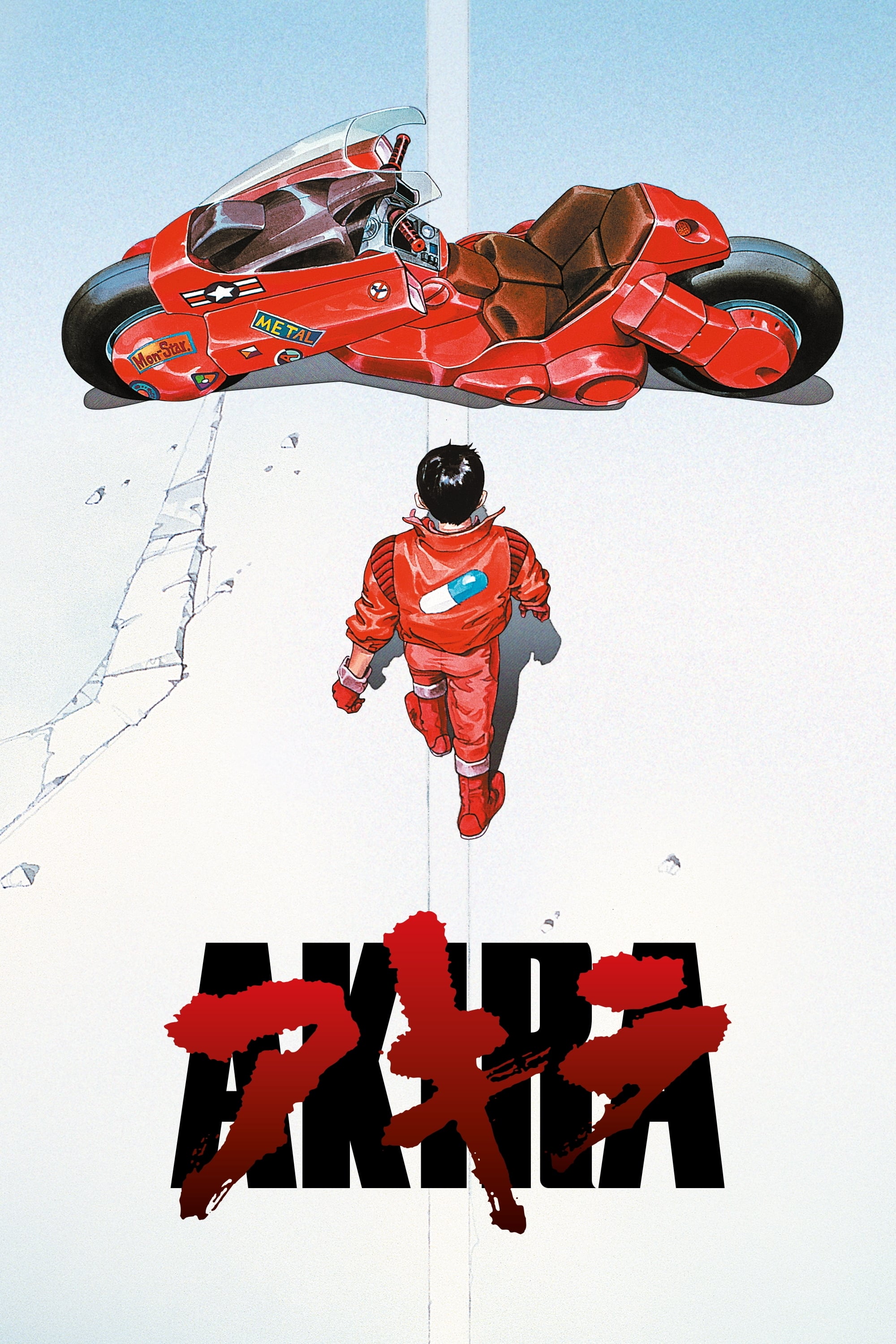
The earliest American dub struggled with complex slang and technical terms. Several lines shifted meanings that defined character relationships. Audio mixing choices flattened key moments during Neo Tokyo set pieces. Later versions improved clarity, but the first impression shaped early reception.
‘Sailor Moon’ Live Action Pilot Attempt (1993)
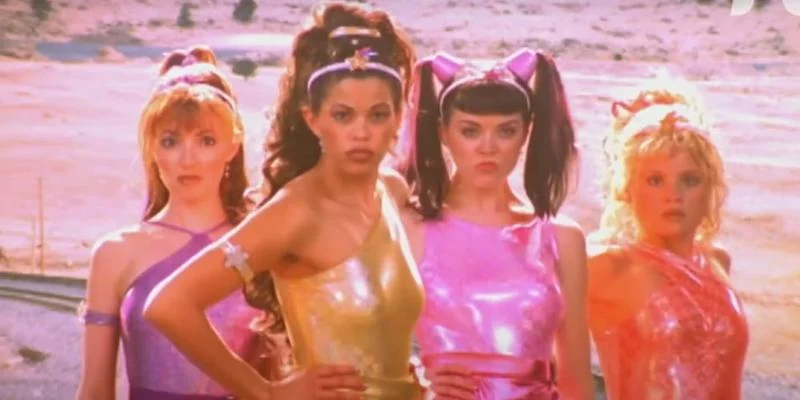
An American pilot combined live action with animated sequences for a new concept. Characters were redesigned with different names and personalities. The tone leaned toward sitcom humor with minimal magical worldbuilding. The pilot never aired widely, but its approach showed how far the idea drifted from the anime.
Share your own picks and experiences with these releases in the comments so everyone can compare notes.