15 Scariest Single Episodes Of Non-Horror Anime


Some anime aren’t billed as horror at all, yet a single episode can quietly swerve into nightmare territory and leave viewers rattled. These standout chapters slip in ghosts, psychological breaks, or unsettling moral turns while the series itself stays parked in action, sci-fi, slice-of-life, or magical-girl lanes. Each pick below notes the episode, where it fits in the story, and what specifically makes it so unnerving, plus the studio that brought it to life. Think of it as a tour of eerie detours hiding inside otherwise non-horror shows.
‘Pierrot Le Fou’ from ‘Cowboy Bebop’
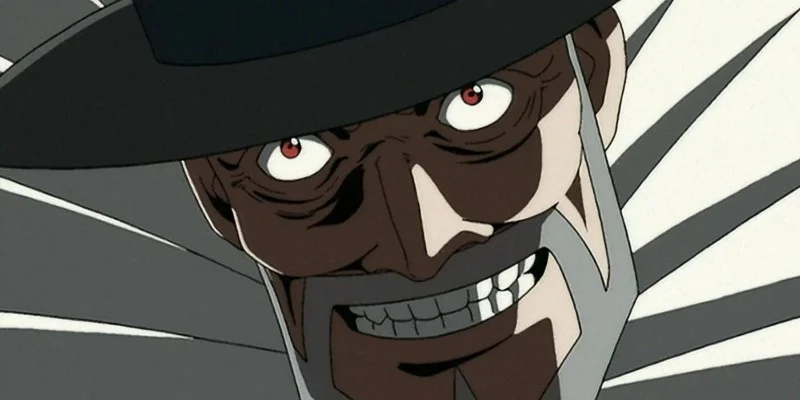
This late-series chapter drops the Bebop crew into a cat-and-mouse hunt with a smiling assassin whose abilities are introduced in a brutal cold open. The episode’s carnival and amusement park settings turn into oppressive labyrinths that isolate Spike and strip away his usual bravado. Sunrise frames the chase with skewed angles and long, empty corridors, and the score goes sparse to highlight mechanical clatter and footsteps. The backstory of the killer arrives in clipped, clinical snippets that explain his inhuman movements without slowing the pursuit.
‘An Alchemist’s Anguish’ from ‘Fullmetal Alchemist: Brotherhood’

Early in the show, the Elric brothers visit State Alchemist Shou Tucker, whose research is presented as routine until a single revelation reframes every prior scene. Bones structures the episode around casual domestic moments that later read as setup for a transgression of alchemy’s ethical boundaries. A small child and a beloved pet are folded into the plot’s turning point, and the aftermath introduces an investigator whose quiet reaction underscores the world’s harsh rules. The closing minutes leave the brothers stunned while the military’s priorities come into focus.
‘Discord’ from ‘Mob Psycho 100’
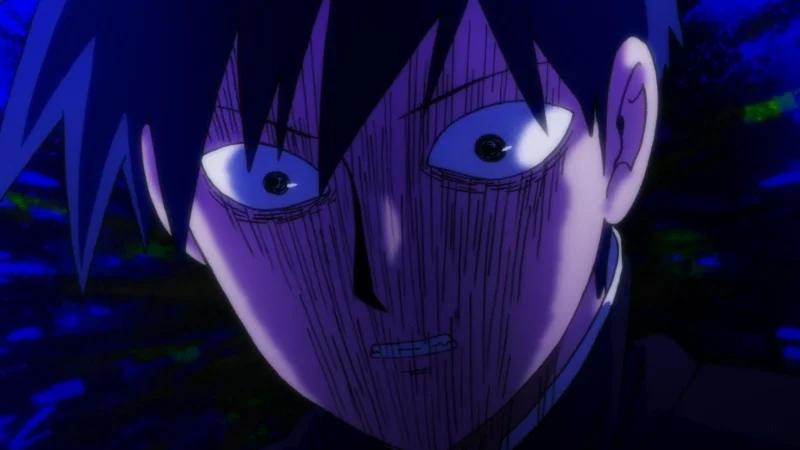
This season two entry strands Mob inside a psychic’s bleak inner world where days loop and identities erode. Bones punctuates the setting with washed-out colors and cramped framing to show how the trap reshapes reality around him. The episode methodically erases Mob’s support system, forcing him to question memories and motives with no reliable anchor. When the exit finally appears, the transition back to normal life lands with a jolt because the rules of that pocket world felt so complete.
‘I’m Not Afraid of Anything Anymore’ from ‘Puella Magi Madoka Magica’
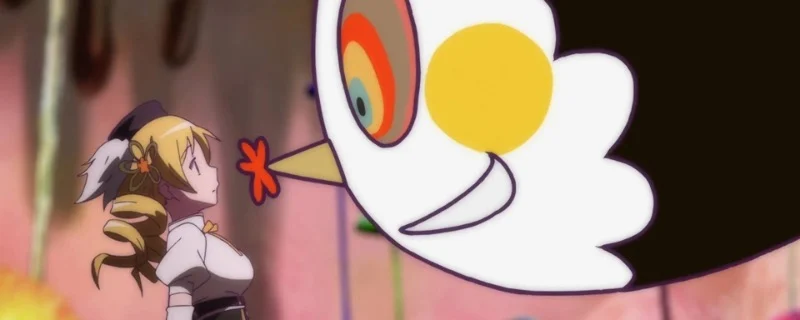
A witch encounter escalates from routine patrol to irreversible shock, with the battle space rendered as collage-like paper cutouts and scribbles. Shaft contrasts the everyday classroom rhythm earlier in the episode with abstract, shifting arenas where text and fabric become hazards. The fight choreography is brief but decisive, and the result redefines the stakes for every magical girl who follows. The abrupt tonal drop is sealed by a quiet aftermath that offers no immediate answers.
‘Overcast’ from ‘Death Note’
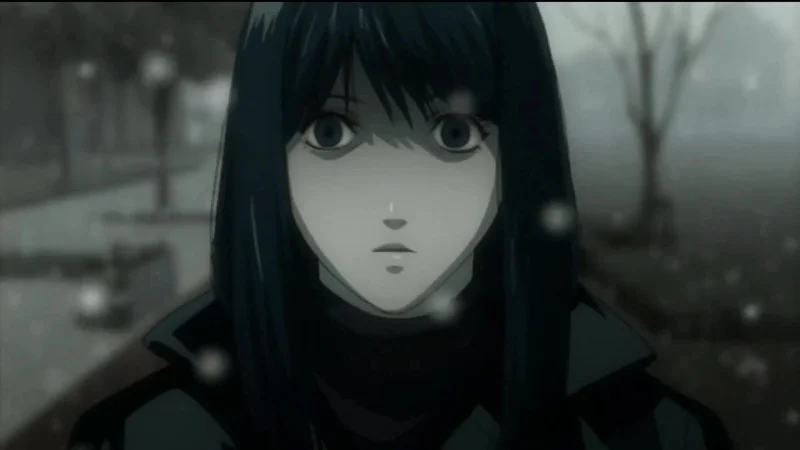
A methodical investigator narrows in on Light through a chance meeting that turns into a private interrogation across city streets. Madhouse stages the dialogue with tight over-the-shoulder shots and crowd noise that fades as the two circle each other. A single phone call and a timed decision tilt the balance, and the episode uses silent beats to amplify the weight of seemingly minor choices. By the end, the cat-and-mouse dynamic is locked in with neither character able to step back.
‘The Ghost of Maiden’s Peak’ from ‘Pokémon’
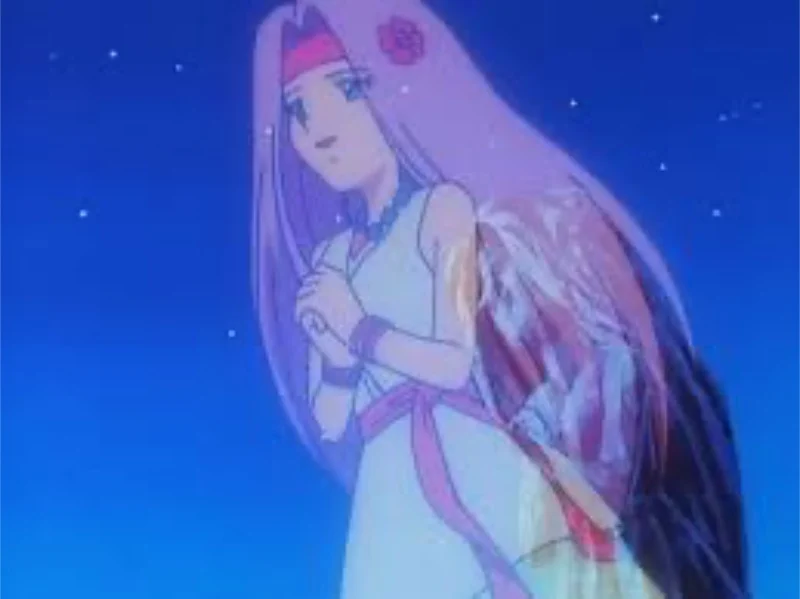
During a festival, a legend about a waiting spirit turns into a series of possessions and apparitions around the harbor. OLM weaves the local myth through festival stalls and cliffside shrines, letting the landscape carry most of the unease. The episode leans on traditional masks, incense, and night fog to sell the haunting without abandoning the show’s kid-friendly structure. A closing reveal honors the folklore framing while returning the travelers to their journey.
‘Ambivalence’ from ‘Neon Genesis Evangelion’
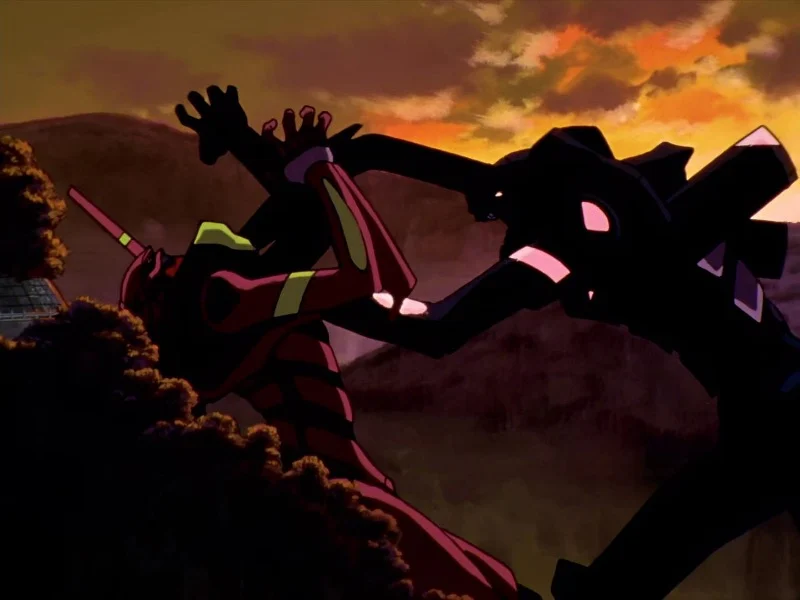
A routine training day is cut short when an enemy takes control of a friendly machine and forces a pilot into a no-win confrontation. Gainax layers cockpit readouts, heartbeat monitors, and status alarms to emphasize how little the characters can influence what’s happening. The action shifts to remote command rooms where adults argue over kill switches and collateral damage. The aftermath lingers on hospital corridors and taped-off areas to show the cost of following orders.
‘Dogma in Event Horizon’ from ‘Steins;Gate’
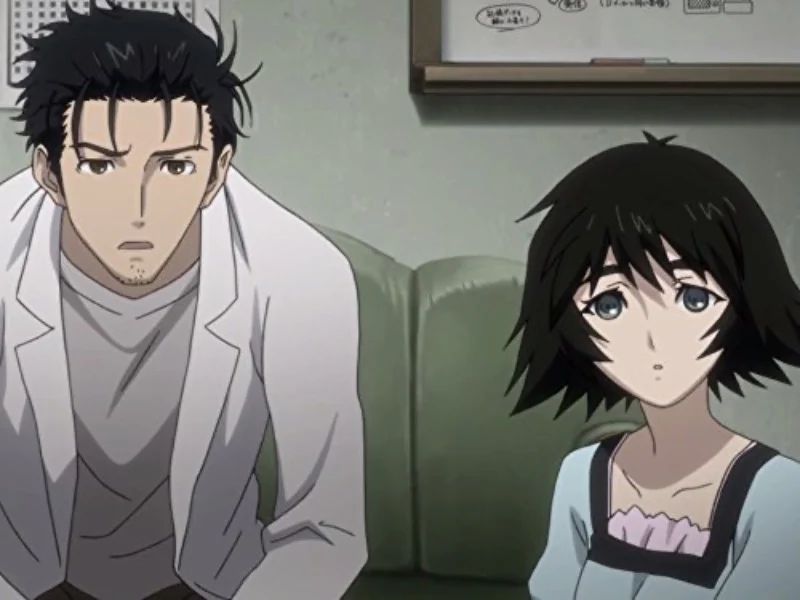
A sequence of experiments suddenly produces a consequence that cannot be undone, and the lab’s cluttered warmth flips into a crime scene. White Fox builds tension through countdowns, elevator doors, and phones that ring at the exact wrong moment. The episode’s final image reframes earlier banter and establishes the new rules of the group’s invention. Time becomes the problem to solve, and every future choice is now measured against this pivot point.
‘The Outside of Madness’ from ‘Re:Zero − Starting Life in Another World’
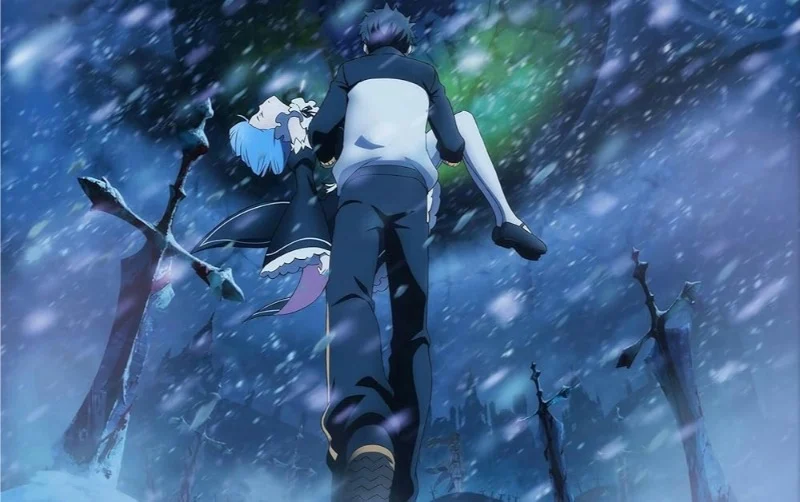
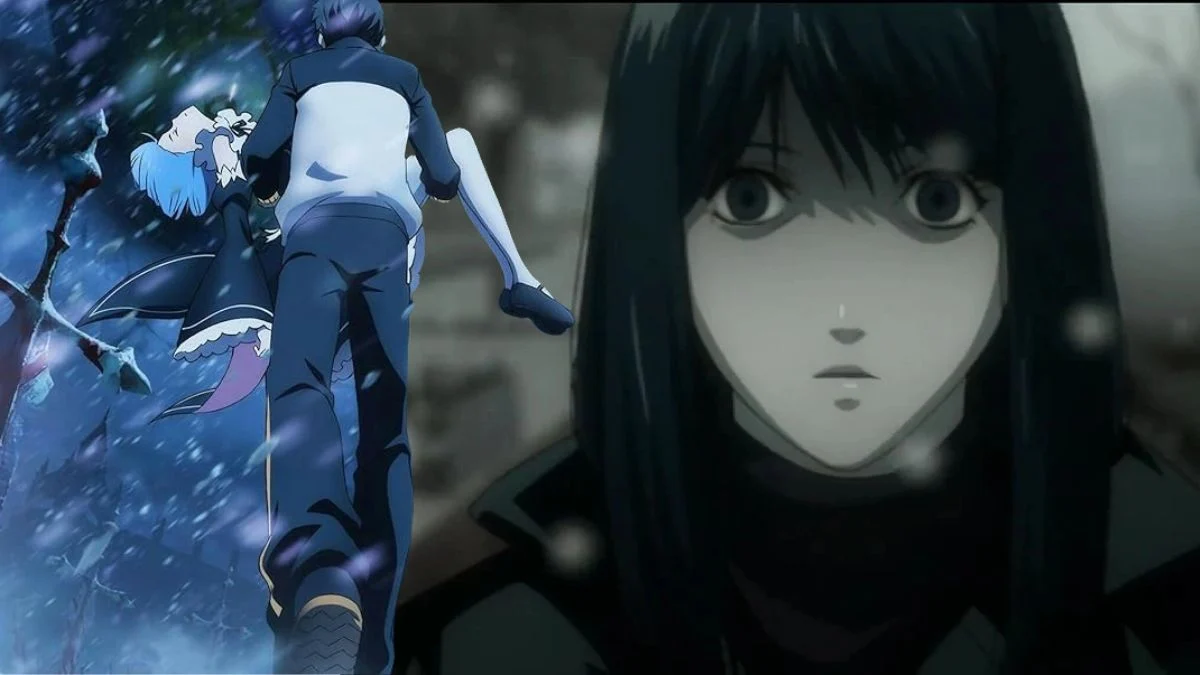
A quiet stretch in the mansion fractures into panic when a routine return home reveals blood, silence, and doors that won’t answer. White Fox paces the discovery room by room, letting creaks and distant wind replace music. Clues are sparse, and the injuries shown point to a threat that moves faster than warnings can travel. The episode ends by setting a boundary on how much suffering the loop can hide before it erupts again.
‘Venture into Thriller Bark!’ from ‘One Piece’
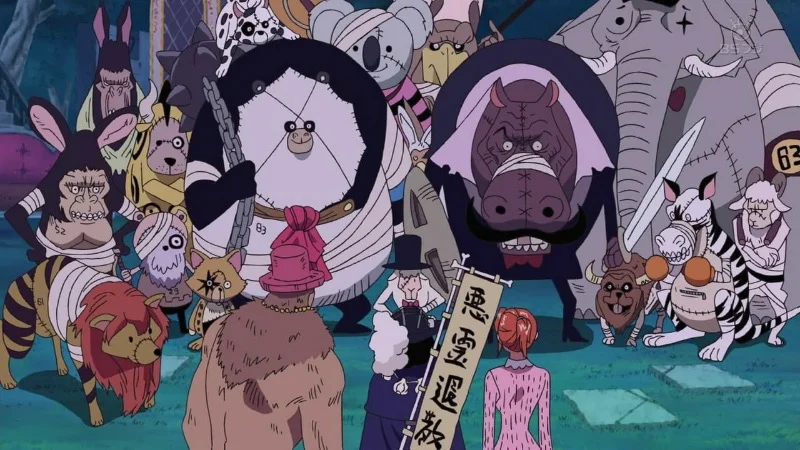
A fog-shrouded island introduces living shadows, stitched creatures, and an empty mansion staffed by anything but humans. Toei Animation plays the horror elements for atmosphere rather than genre shift, using organ swells, thunder cracks, and slow door reveals. The crew splits up, and each corridor tour adds a piece to how the island steals what it wants. The arc’s comic beats stay present, but this opener lays out the rules of a place designed to disorient travelers.
‘The Summer, the Beach, Youth and Ghosts’ from ‘Sailor Moon’
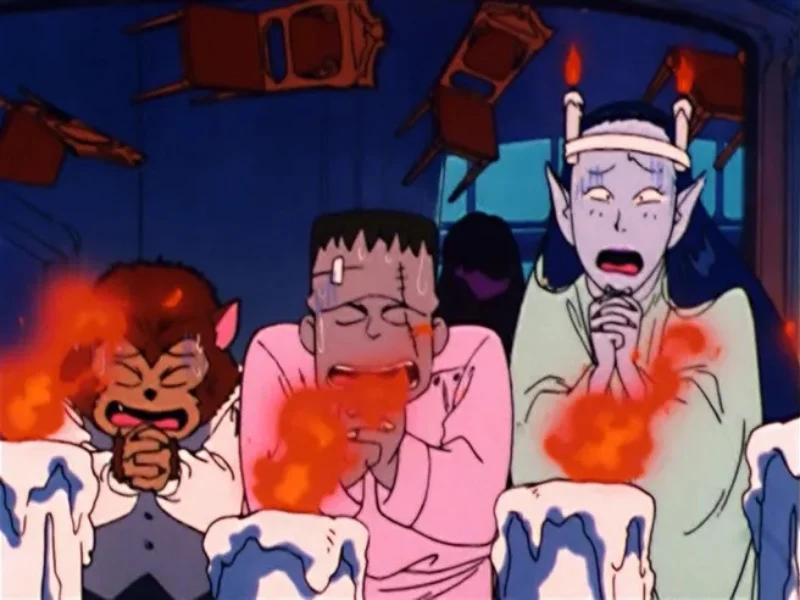
A seaside getaway turns into a ghost hunt when local rumors match real sightings at a cliffside inn. Toei Animation balances bonfire games with midnight patrols, then pushes the team into a confrontation where disguises and traps matter more than power. The setting uses wind, waves, and blackout hallways to make every footstep carry. The solution ties the haunting to a human story that the episode resolves before the sun comes up.
‘Unholy Union’ from ‘Samurai Champloo’
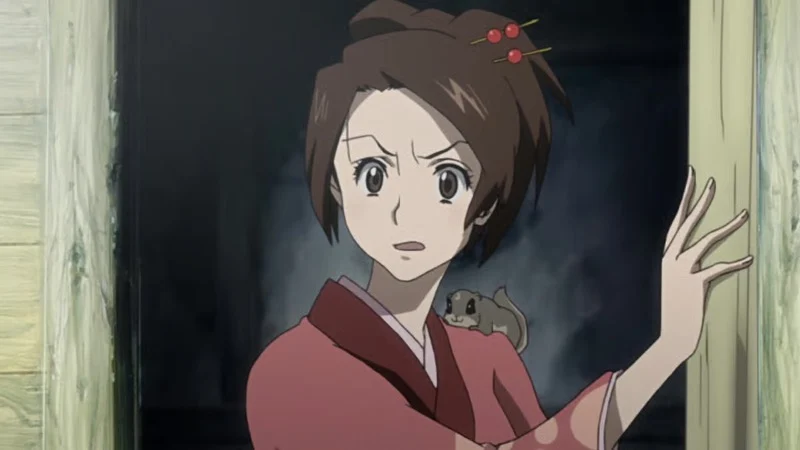
A roadside detour puts the trio in a town ruled by a reclusive family and a woman caught in rituals she cannot escape. Manglobe frames interiors with shoji grids and candlelight, so faces disappear into shadow during negotiations and testimony. Clues arrive through rumors and sudden violence, and the final confrontation plays out in tight quarters. The closing shots leave the road open but the town changed by what was uncovered.
‘The Cursed Ink of the Hell-Painter’ from ‘Inuyasha’
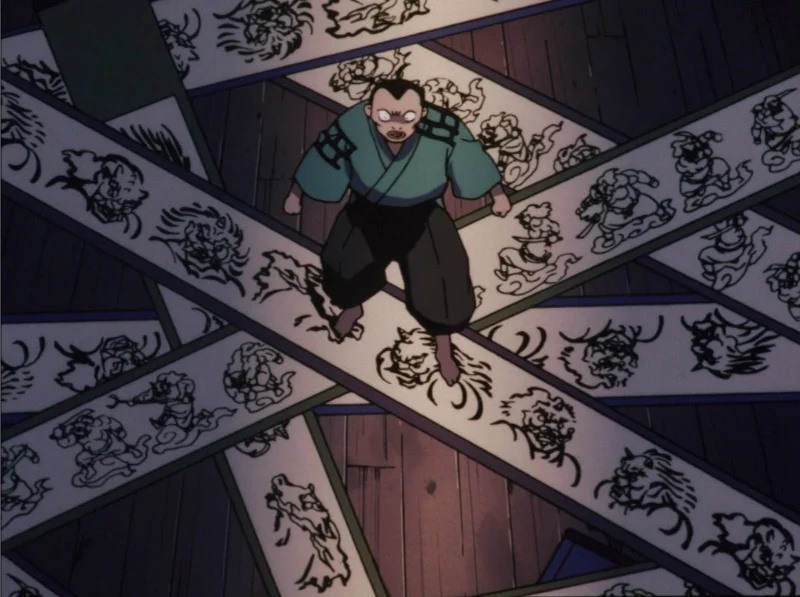
A traveling artist’s tools begin producing drawings that move and attack, forcing the group to track the source to a sealed studio. Sunrise mixes brush-stroke transitions with practical effects to make ink pools creep along floors and up walls. The possessed images reflect their creator’s resentment, and breaking the curse requires understanding the pact that fueled the art. The fight resolves in a blaze that turns the studio itself into the last monster to beat.
‘Sakura and the Haunted Mansion’ from ‘Cardcaptor Sakura’
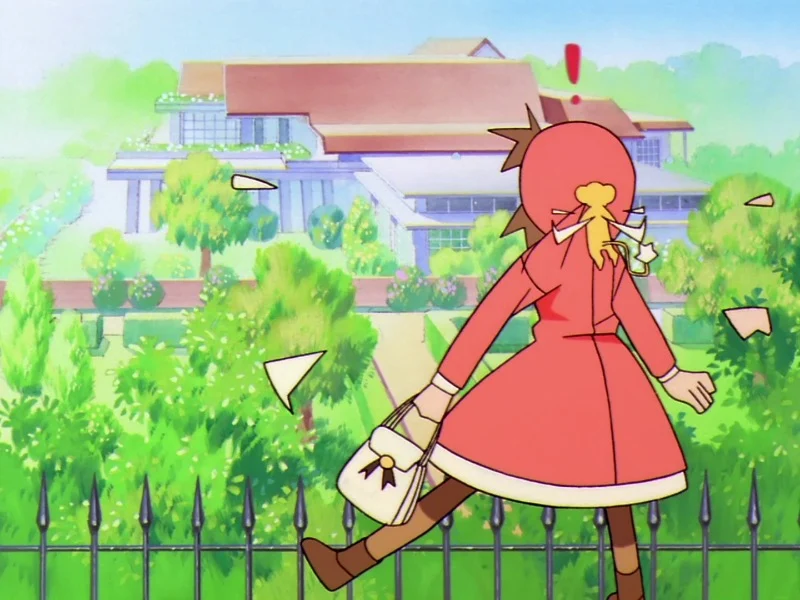
A weekend trip leads to an empty estate where footsteps echo and doors open themselves, pointing to a Clow Card at work. Madhouse keeps the camera low in corridors and lingers on curtains, stairwells, and mirrors as the cast tests each room. The capture demands patience and a clever tool choice rather than a frontal attack, and the card’s behavior hints at lingering emotions in the house. Once bound, the atmosphere clears and the estate returns to ordinary silence.
‘The Little Fox’ from ‘Natsume’s Book of Friends’
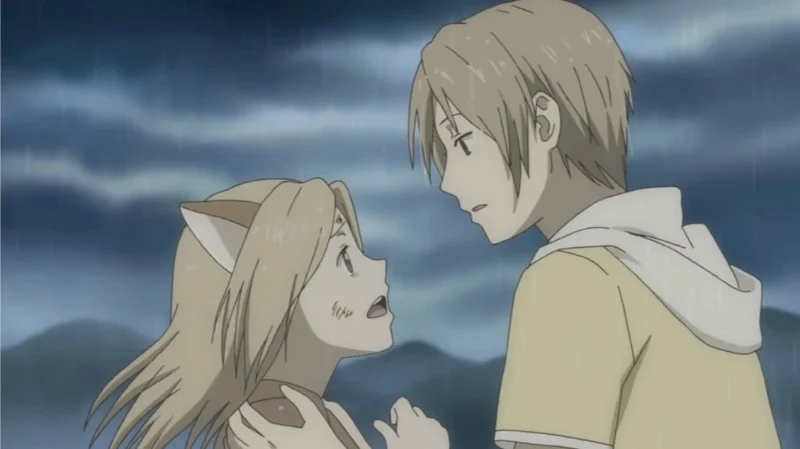
A solitary child yokai tries to help humans and ends up in danger when a stronger spirit takes interest, drawing Natsume into a forest search at dusk. Brain’s Base uses soft watercolor palettes that dim as the woods close in, and distant festival drums mark how late the rescue runs. The episode’s tension comes from the small fox’s vulnerability and the rules that spirits follow when bargains are broken. A final reunion restores calm, but the paths through that forest stay uncertain for anyone who wanders alone.
Share your own picks for the single episodes that gave you chills in otherwise non-horror anime in the comments.