15 Funniest Running Gags In Anime



Running gags can turn a good show into something you look forward to every week because you know the joke will come back bigger or smarter the next time. Anime has a special love for callbacks that snowball over dozens of episodes and even across seasons. The best ones are simple ideas delivered with perfect timing that fans can quote forever. Here are fifteen recurring bits that became part of the identity of their shows, along with where they come from and who animated them.
Shinpachi’s Glasses Keep the Crew Grounded

In ‘Gintama’, Sunrise leans into Shinpachi’s identity being tied almost entirely to his glasses. Characters literally refer to him as “the guy with the glasses,” and there are episodes where his frames talk, get lost, or become the whole plot. The gag lets the show poke fun at supporting-character tropes while keeping Shinpachi in the conversation even when chaos erupts. It also gives the Yorozuya a quick punchline whenever the story slows down.
Zoro Cannot Navigate To Save His Life

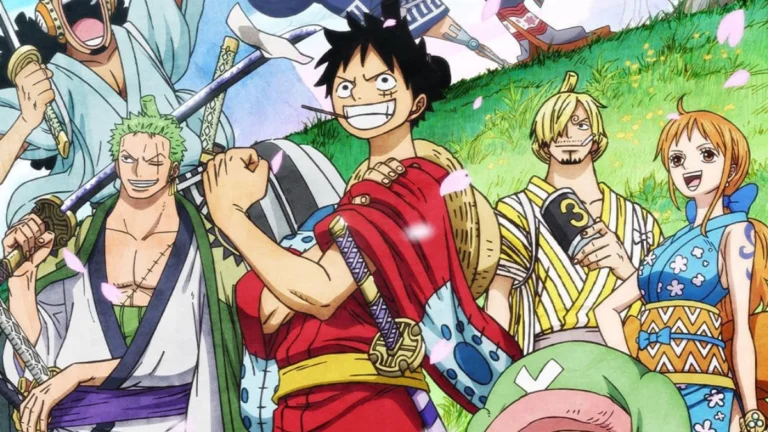
In ‘One Piece’, Toei Animation builds joke after joke around Zoro’s terrible sense of direction. He wanders off the ship, exits rooms the wrong way, and gets lost on straight paths while the rest of the crew moves the plot. The Straw Hats often adjust plans because they expect him to vanish at a critical moment. The bit doubles as a device to split the cast and create side battles without heavy setup.
Kakashi Is Always Late With Ridiculous Excuses
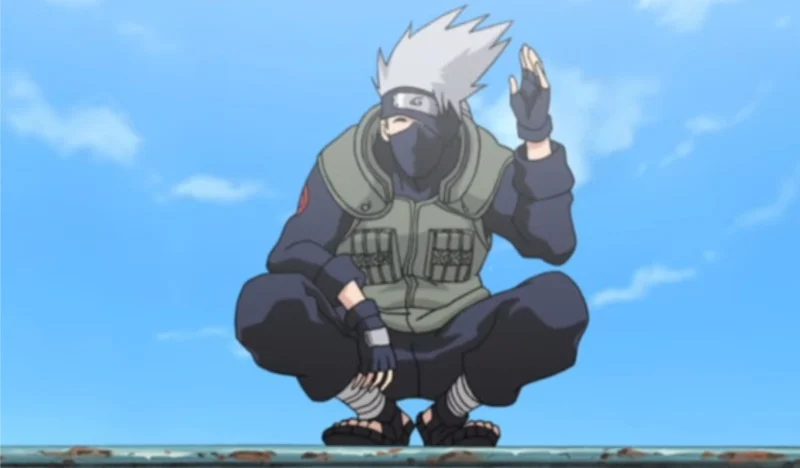
In ‘Naruto’, Studio Pierrot makes Kakashi’s habitual lateness a signature trait. He shows up to missions with absurd explanations that range from helping strangers to blaming everyday mishaps. The excuses keep his mystique intact while giving Team 7 quick character beats before serious arcs begin. Over time the pattern sets audience expectations that any rendezvous scene may open with a new tall tale.
Krillin’s Repeated Brush With Death

In ‘Dragon Ball’, Toei Animation repeatedly puts Krillin in danger and then brings him back, turning the cycle into a series-wide gag. The pattern introduces stakes and justifies new power-ups or quests for revival items. It also gives the cast a reason to regroup and escalate a conflict after a big loss. Fans track the count, which keeps the joke alive even during quieter stretches.
JoJo Poses And Dramatic Standoffs
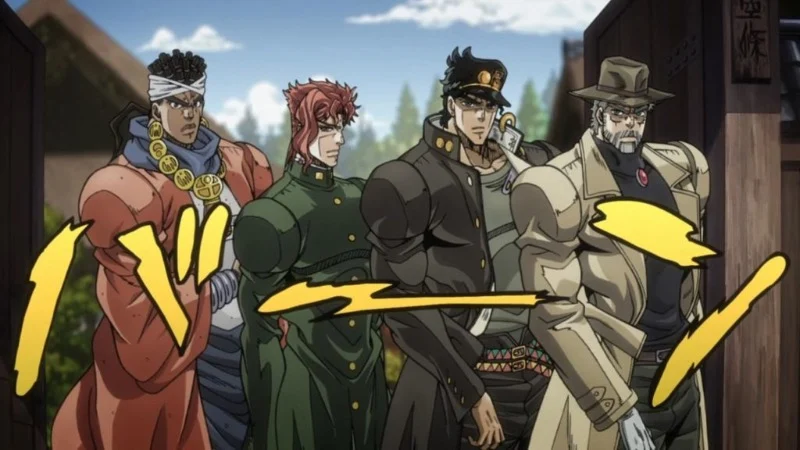
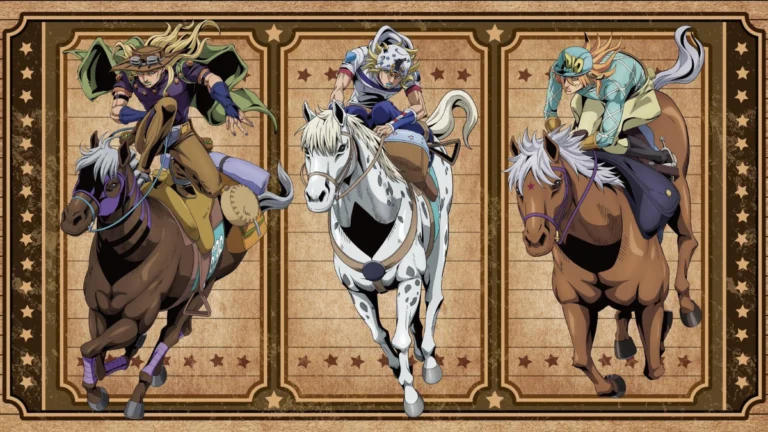
In ‘JoJo’s Bizarre Adventure’, David Production turns exaggerated posing into a recurring spectacle. Characters freeze in elaborate stances while names and abilities are announced, often before a fight shifts gears. The repetition teaches viewers how Stand duels are framed and when to expect a twist. It also gives the series a visual signature that merchandise and promotions can reuse instantly.
Mio’s Secret Notebook Meltdowns
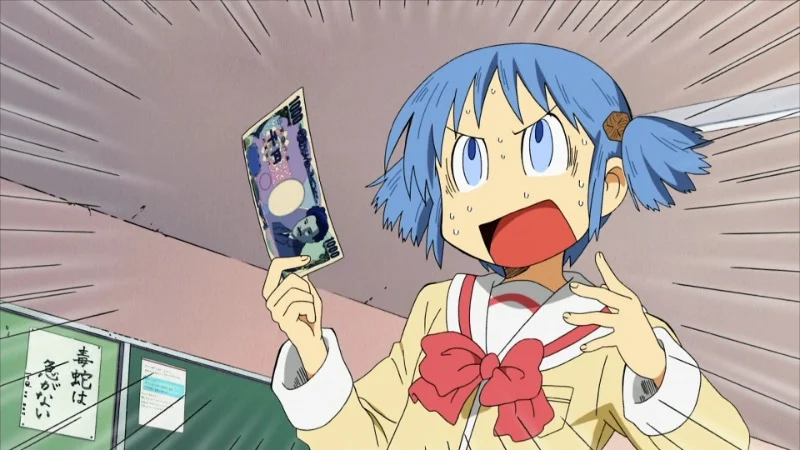
In ‘Nichijou’, Kyoto Animation repeatedly returns to Mio’s panic over her private drawings being exposed. A simple slip or reveal spirals into chase scenes, improvised cover stories, and overreactions that reset the slice-of-life tone. The gag anchors the show’s wild escalation style while keeping character motivations clear. It also connects otherwise independent sketches with a familiar trigger.
Daily Explosion Quota
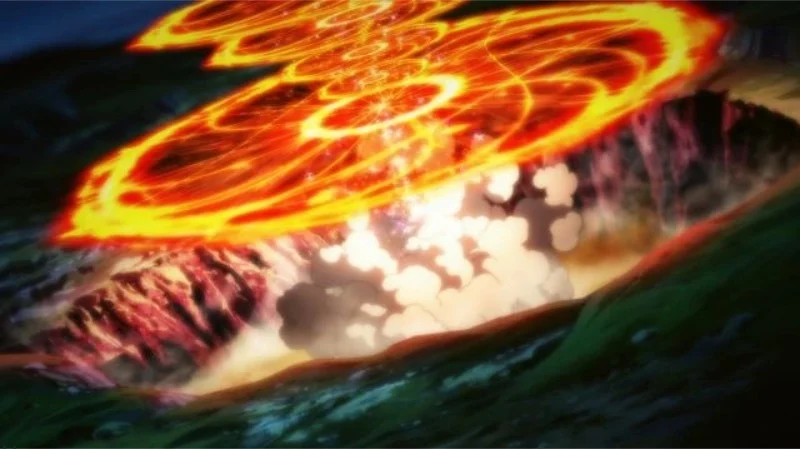
In ‘KonoSuba’, Studio Deen makes Megumin’s obsession with Explosion magic a running task that structures entire days. The party detours to let her cast a single spell, after which she collapses and needs to be carried. The routine drains resources and complicates quests in a way the audience can predict. It also turns location scouting into a joke whenever a safe practice spot is needed.
Ed’s Height Jokes Never End
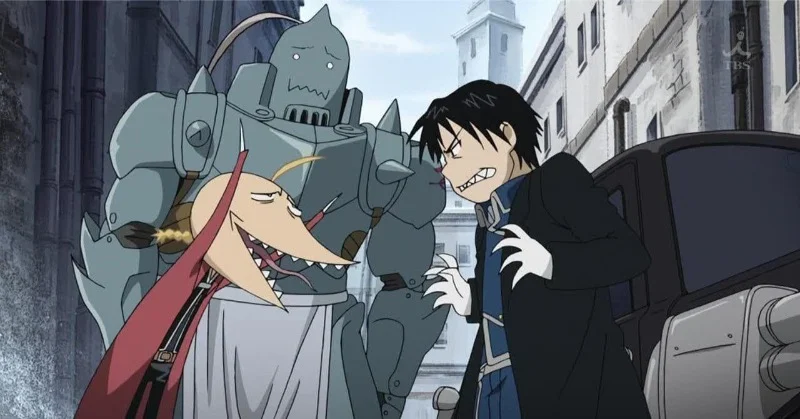
In ‘Fullmetal Alchemist: Brotherhood’, Bones keeps returning to Edward Elric’s explosive reactions to short jokes. Offhand comments instantly derail conversations and spark slapstick outbursts. The gag gives tense scenes a pressure valve before the story dives back into heavy themes. It also shows how easily antagonists can bait him, which affects negotiations and battles.
Natsu’s Motion Sickness On Any Vehicle

In ‘Fairy Tail’, A-1 Pictures sets up reliable comedy by making Natsu carsick the moment he boards anything. Missions that require travel become hurdles before they even start. The team adjusts tactics so he can arrive ready to fight, and enemies sometimes exploit the weakness. The bit adds stakes to transport scenes without changing the power scale of the cast.
Saiki’s Coffee Jelly Obsession

In ‘The Disastrous Life of Saiki K.’, J.C.STAFF uses coffee jelly as a constant motivator for its psychic lead. Episodes weave the dessert into errands, crisis timing, and even final punchlines. The craving humanizes an otherwise unstoppable character and explains why he tolerates everyday hassles. It also lets the show reset tone after big psychic set pieces.
Battle Of Wits Verdicts
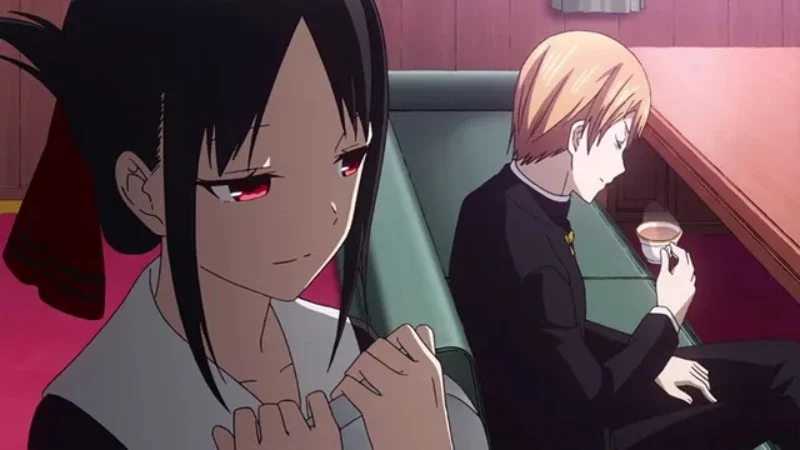
In ‘Kaguya-sama: Love Is War’, A-1 Pictures structures episodes around short “matches” that end with a joking verdict. Each segment builds a scheme, triggers a misunderstanding, and then declares a winner or loser before resetting the board. The consistent format makes it easy to escalate running bits like Chika’s interference or Kaguya’s misreads. Viewers learn to expect the scoreboard tag to close each round.
Clothes-Bursting Food Reactions

In ‘Food Wars!’, J.C.STAFF turns tasting scenes into over-the-top “foodgasm” reactions that recur across battles and exams. Judges and students visualize flavors through wild metaphors that often shred outfits for comedic effect. The format lets the show explain cooking techniques while keeping pacing brisk. It also sets audience expectations that every dish will trigger a set-piece reveal.
Ranma’s Instant Transformations
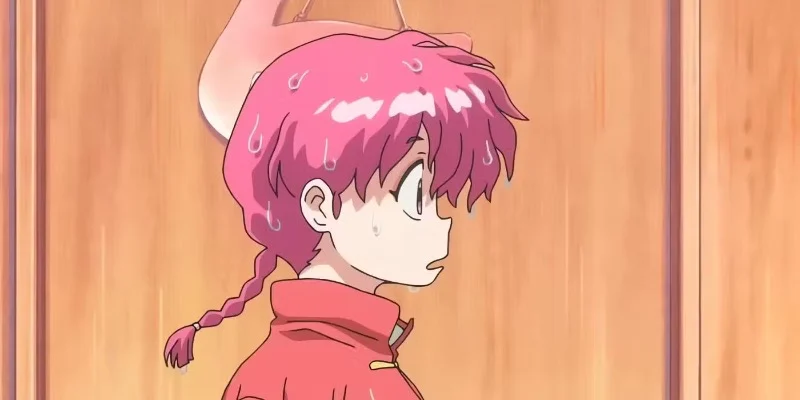
In ‘Ranma ½’, Studio Deen repeatedly uses hot and cold water to flip Ranma’s gender at the worst possible moment. Everyday scenes, fights, and family arguments detour when a splash changes how characters react to each other. The setup provides quick misunderstandings that fuel entire plots. It also gives the story an easy way to remix social situations without new characters.
Asta’s Loud Training Mantra
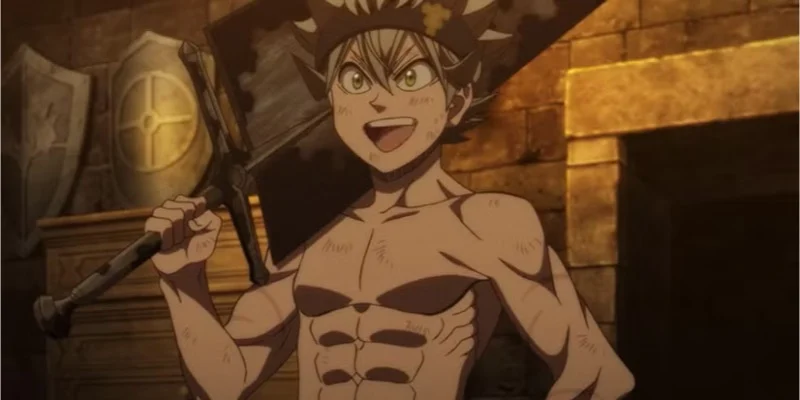
In ‘Black Clover’, Studio Pierrot makes Asta’s constant shouting and work ethic a recurring beat. He announces goals, calls out moves, and powers through setbacks with volume that other characters comment on. The repetition underlines the theme of effort in a world of innate magic. It also cues the audience for momentum shifts during squad missions.
Reigen’s Discount Exorcism Tricks
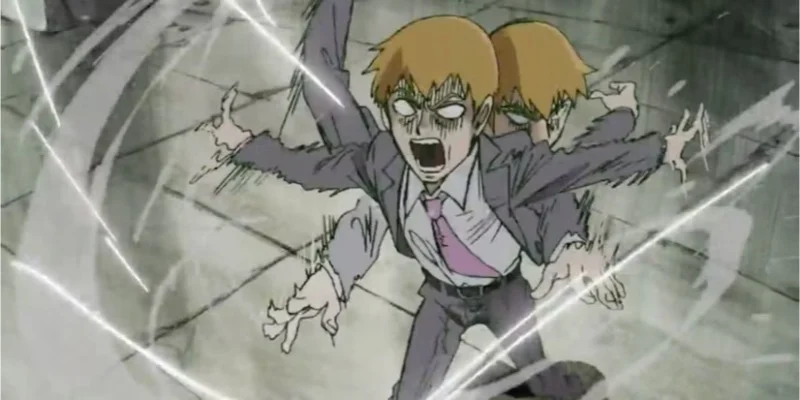
In ‘Mob Psycho 100’, Bones builds an ongoing joke around Reigen selling budget exorcisms with everyday tools. Salt throws, massages, and improvised sales pitches recur whenever a client walks in. The pattern highlights the contrast between Reigen’s hustle and Mob’s real power. It also creates clean openings for episodic cases that slot into the larger story.
Tell us which running gag always makes you laugh and share your picks in the comments.