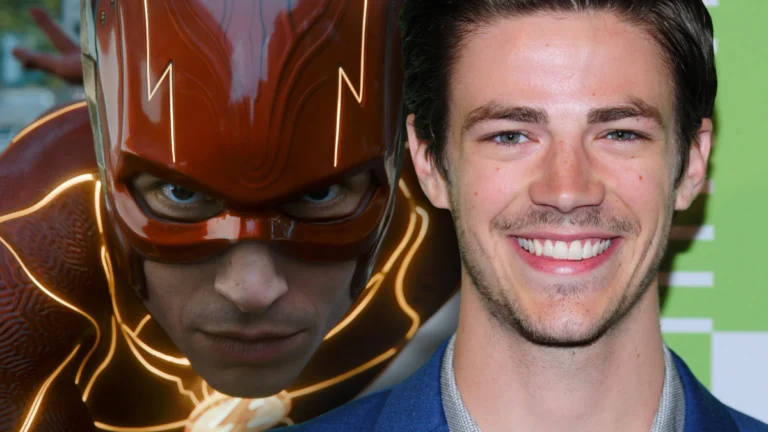
Top 10 Coolest Things About Tom Hanks

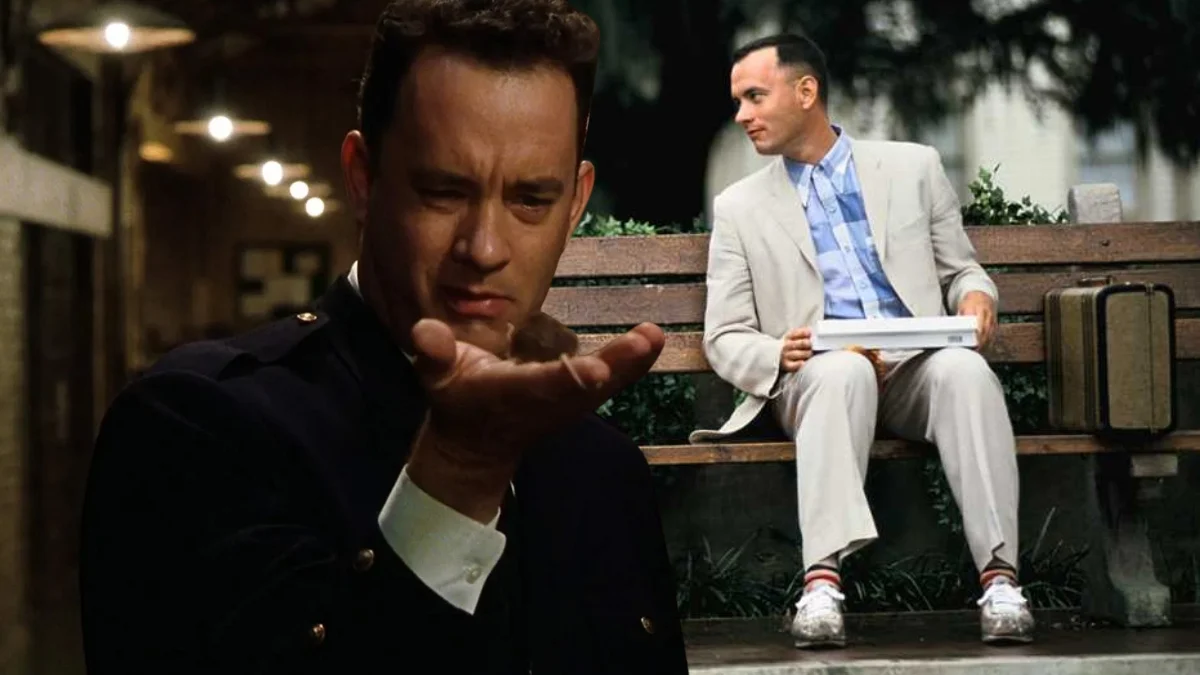

Tom Hanks has built a career packed with standout roles, groundbreaking projects, and long-running collaborations that shaped modern film and television. From game-changing voice work to physically demanding transformations, his choices often pushed production teams to try new things and audiences to see familiar genres in fresh ways. Below are ten concrete, film-and-TV-focused facts that show how his work has left a lasting mark on the screen.
‘Forrest Gump’ (1994) – he traded salary for profit participation
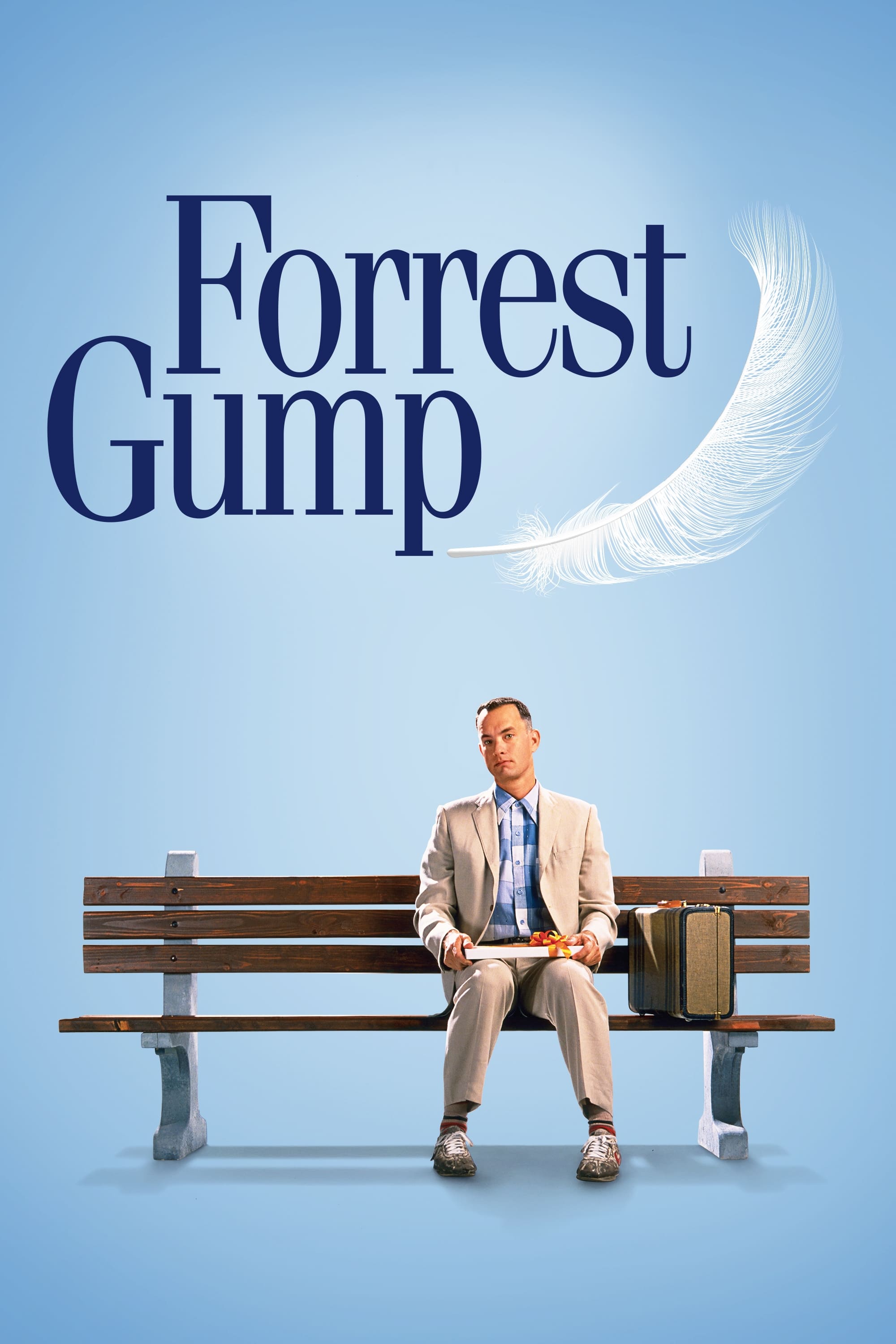
Hanks agreed to take a smaller upfront paycheck in exchange for a share of the film’s profits, a decision that dramatically increased his eventual earnings. He and director Robert Zemeckis also backed key scenes to ensure they were completed at the intended scale. The role earned Hanks a Best Actor Oscar, the second of two in a row. The film became a major box office and cultural phenomenon, with quotes and set-pieces that remained widely referenced long after release.
‘Philadelphia’ (1993) – the performance that broke a barrier at the Oscars
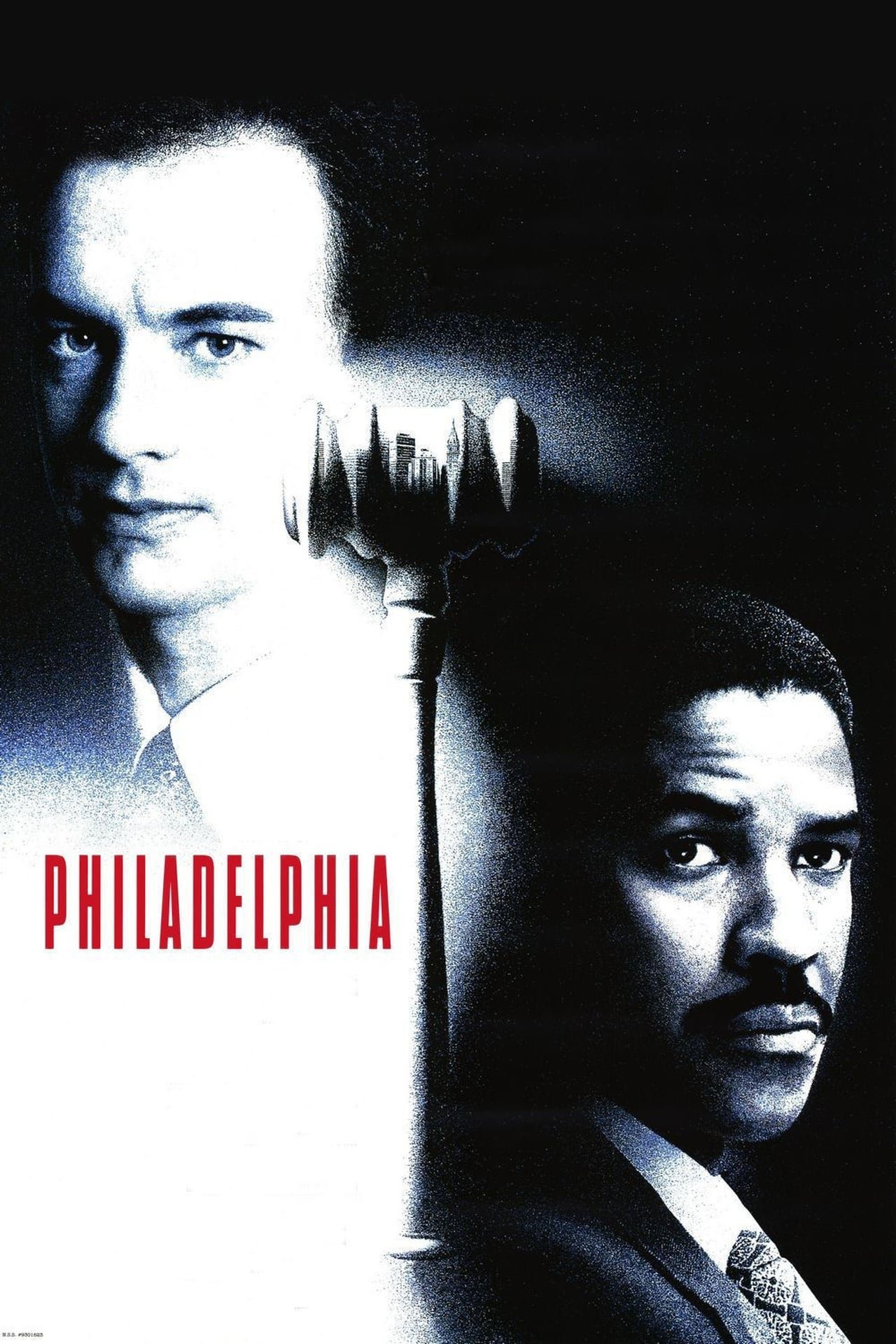
Hanks won Best Actor for playing lawyer Andrew Beckett, one of the first major Hollywood leads with AIDS. He prepared by studying legal procedure and closely observing how discrimination cases are built and argued. The film helped bring conversations about HIV/AIDS and workplace rights into mainstream moviegoing. His win set up a rare back-to-back Best Actor streak when paired with the next year’s award.
‘Saving Private Ryan’ (1998) – relentless realism shaped around his unit leader
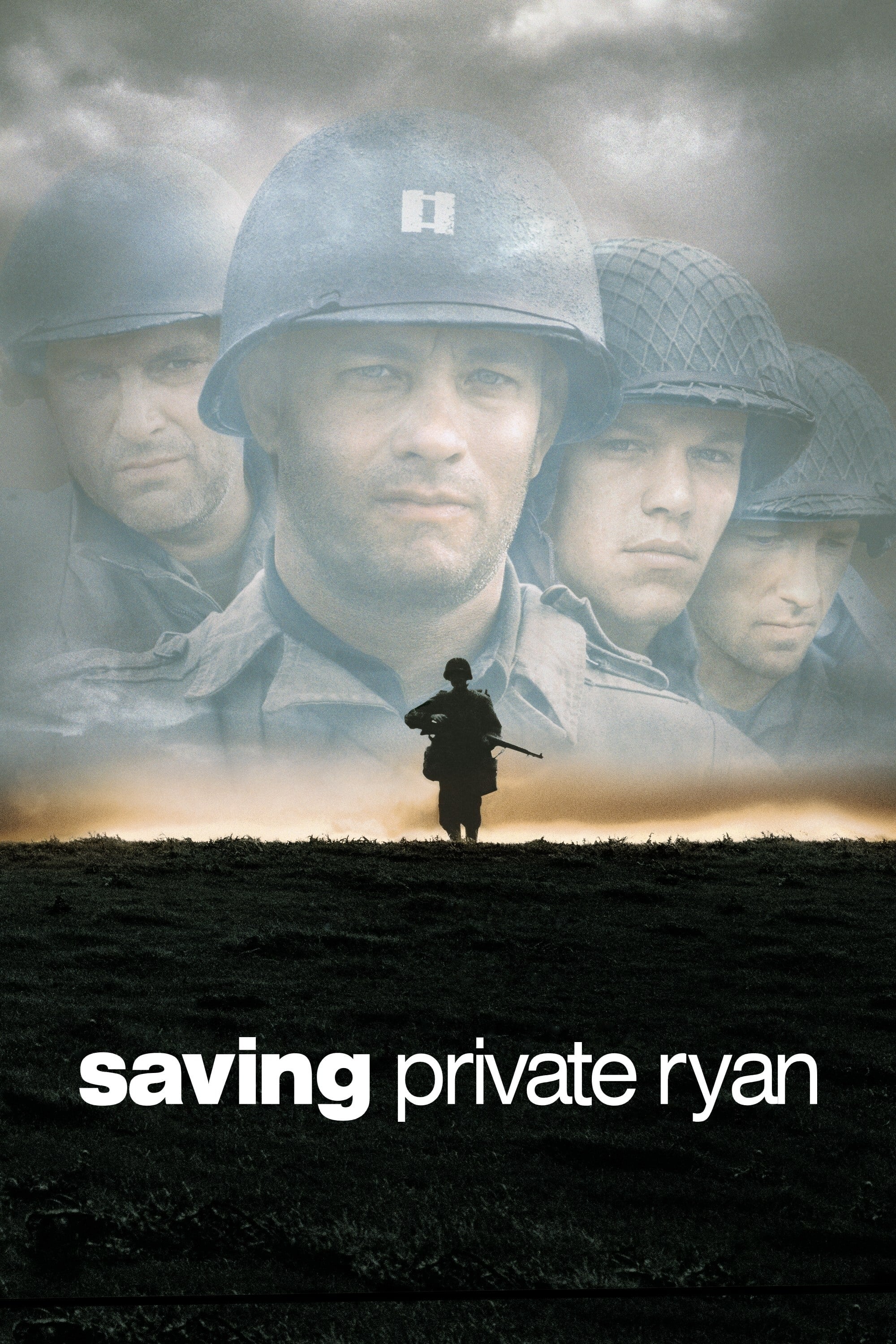
As Captain John H. Miller, Hanks led a cast that trained under military advisor Dale Dye in a rigorous boot camp to build unit cohesion. That preparation fed into the film’s combat tactics, hand signals, and small-unit behavior onscreen. Hanks’s character details—like a stress-induced hand tremor—were played with restraint to reflect battlefield fatigue. The film’s approach influenced later war dramas and earned multiple Academy Awards, including Best Director.
‘Toy Story’ (1995–2019) – giving life to Woody across the first fully CG feature franchise
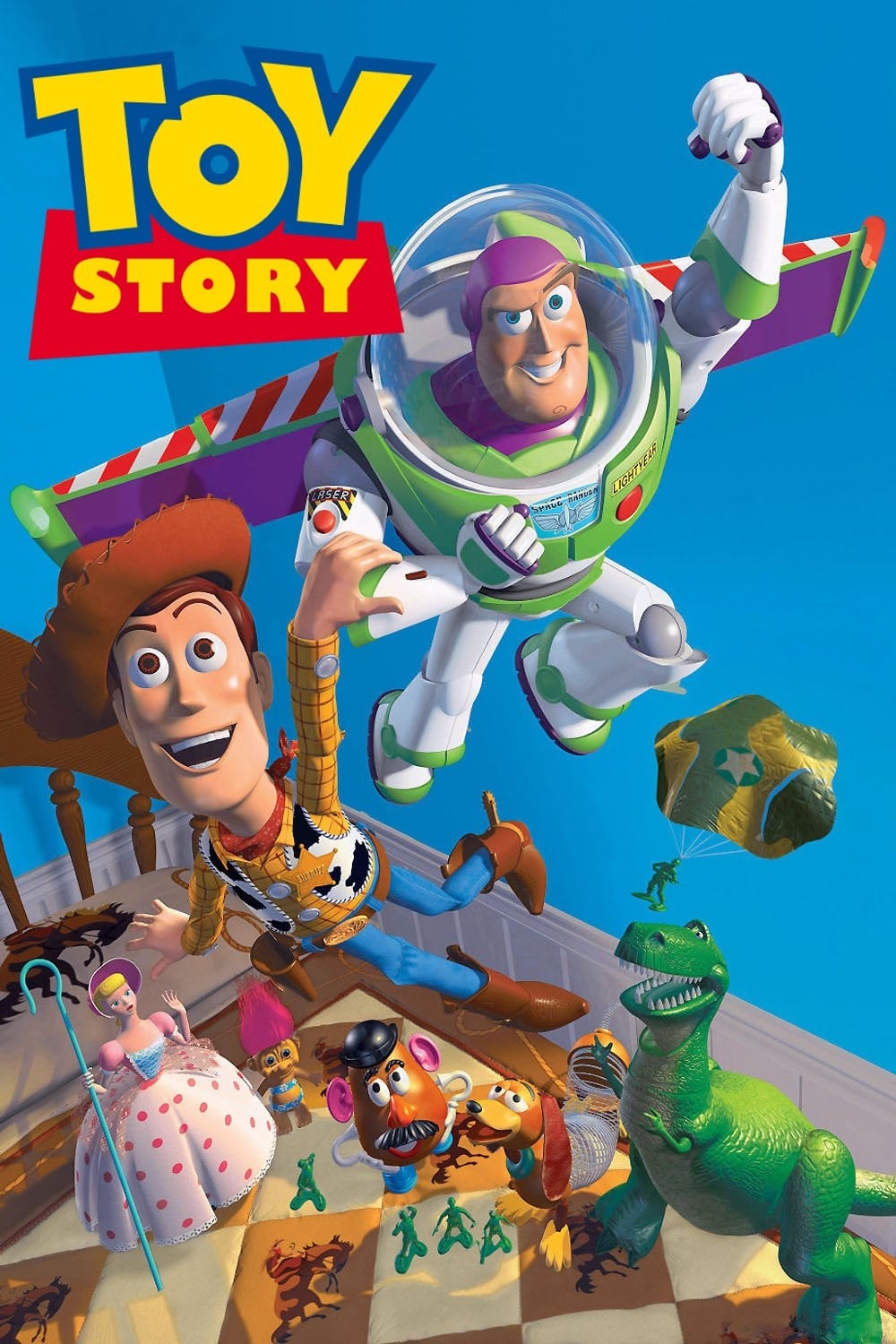
Hanks voiced Sheriff Woody from the original film through multiple sequels, helping set the template for feature-length computer-animated storytelling. He recorded dialogue with an emphasis on timing and musicality to match early animation passes that were still evolving. The collaboration with Tim Allen’s Buzz Lightyear became a cornerstone of the series’ humor and heart. The franchise’s critical and commercial success cemented Pixar’s place in feature animation.
‘Cast Away’ (2000) – a body-transforming role built into the production schedule

The production paused for months so Hanks could lose a significant amount of weight and grow out his hair and beard to portray extended isolation. He learned practical survival tasks to perform them convincingly on camera. The minimal-dialogue structure put unusual pressure on physical acting and sound design. Hanks’s performance won a Golden Globe and the film became a landmark example of a one-character survival narrative.
‘Big’ (1988) – a child’s perspective anchored by practical performance

Hanks earned his first Best Actor nomination for playing a kid who wakes up in an adult body. He studied children’s movement and speech patterns to ground the comedy in believable behavior. The FAO Schwarz foot-piano scene was performed practically with Robert Loggia, making the moment feel spontaneous and tactile. The film’s success expanded Hanks’s range from comedy into prestige leading roles.
‘A League of Their Own’ (1992) – coaching in a sports film that spotlighted real history
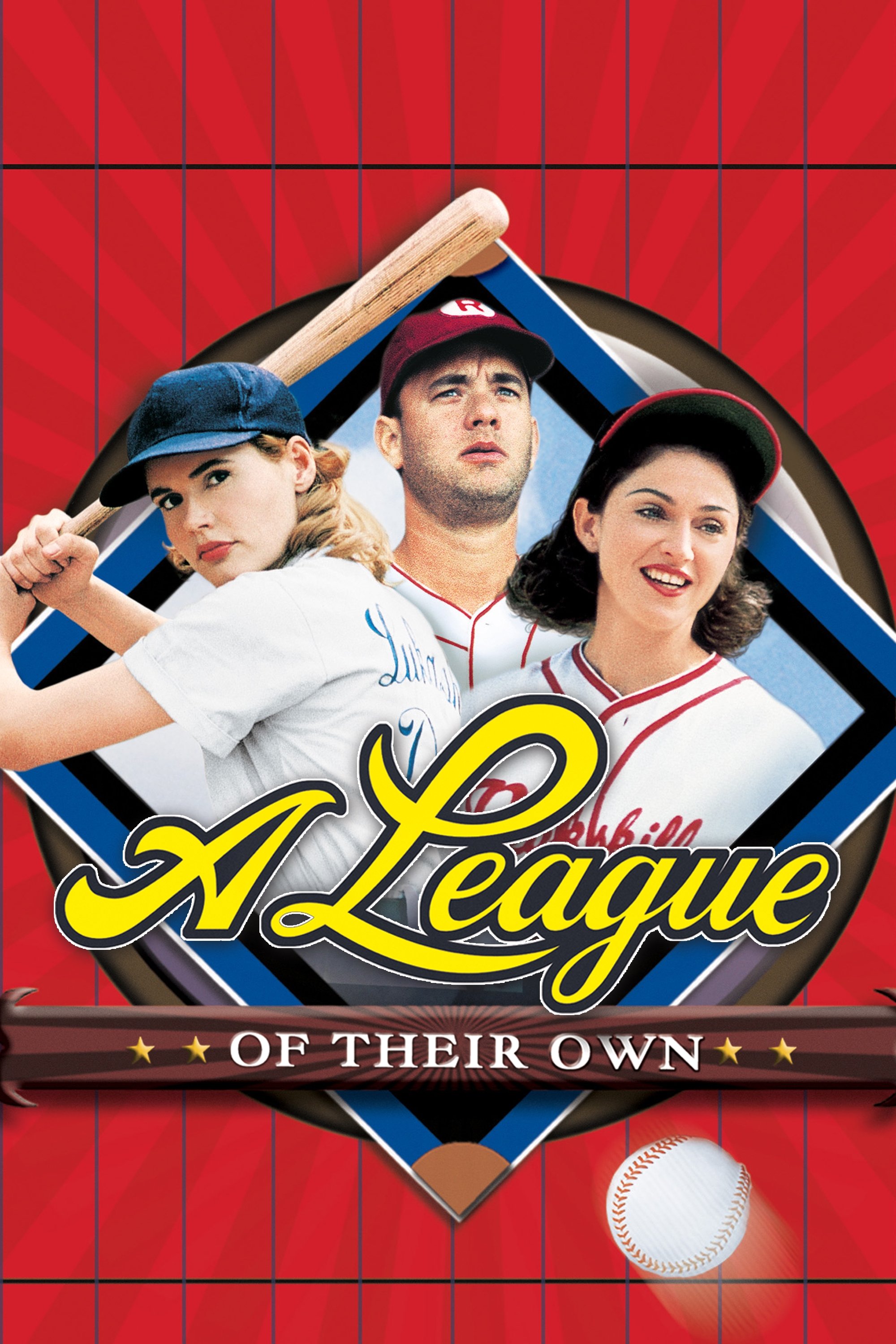
As manager Jimmy Dugan, Hanks worked within a production that highlighted the All-American Girls Professional Baseball League. Cast members trained intensively to play baseball convincingly, and Hanks calibrated his performance to let the athletes’ skills lead the frame. The film’s famous locker-room line became one of the most quoted in sports-movie history. Its blend of sports action and period detail helped renew interest in the league’s legacy.
‘Band of Brothers’ (2001) – expanding into Emmy-winning producing and directing
Hanks executive produced the miniseries with Steven Spielberg, bringing cinematic scale to premium television. He directed the episode ‘Crossroads’ and contributed to writing, extending his behind-the-camera work. The production emphasized historical fidelity through veteran consultation, training, and location work. The series won multiple Emmys and became a reference point for prestige limited series.
‘From the Earth to the Moon’ (1998) – championing space history on television
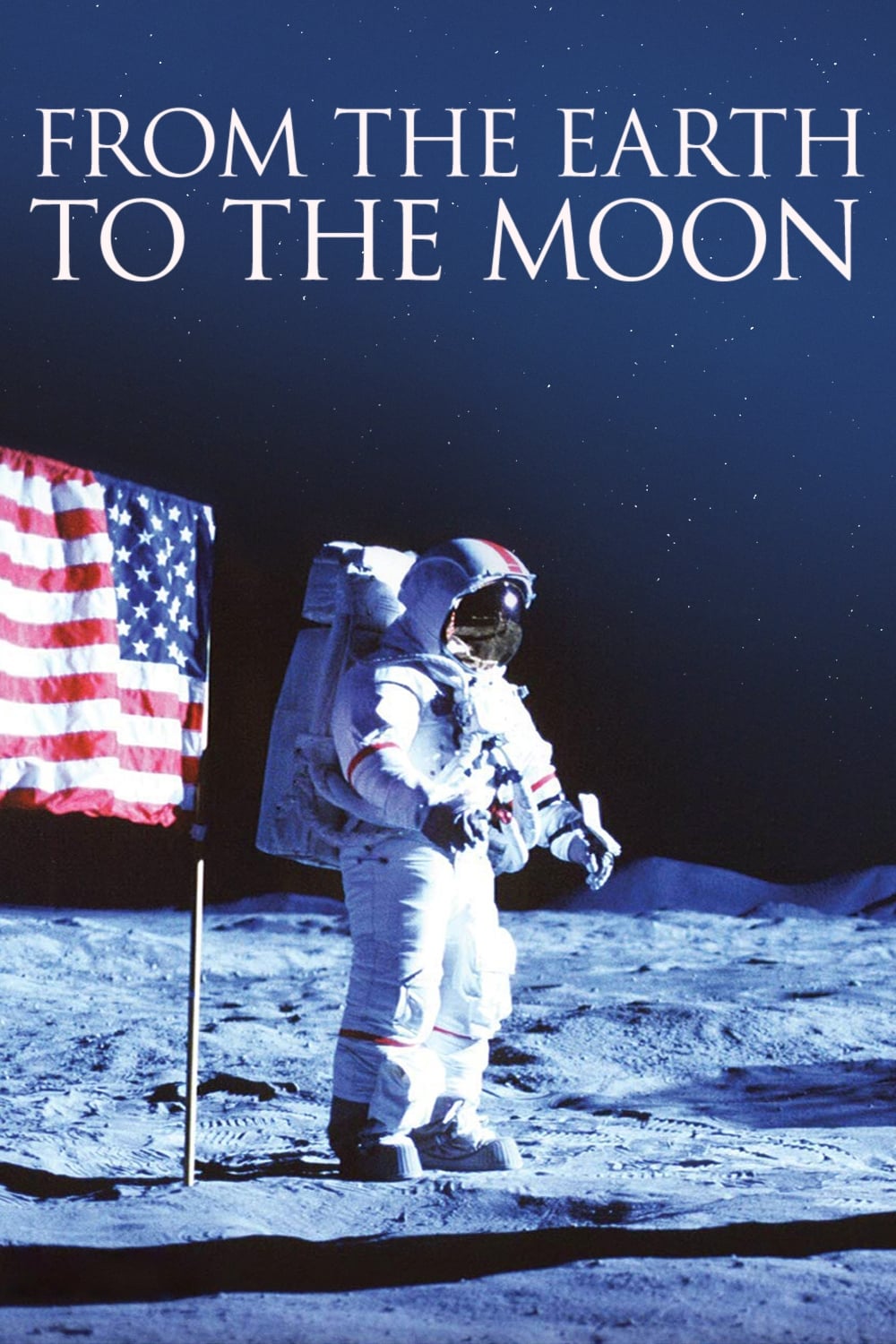
Hanks developed, executive produced, and hosted this HBO miniseries about the Apollo program. He co-wrote and directed portions of the project, weaving dramatization with documentary-style interludes. NASA advisors and archival research underpinned the mission procedures, sets, and dialogue. The series won the Emmy for Outstanding Miniseries and inspired renewed public interest in human spaceflight.
Playtone – the production company powering films, series, and music-driven projects

Hanks co-founded Playtone with Gary Goetzman to produce features, limited series, and music-centric stories. The company backed projects such as ‘My Big Fat Greek Wedding’, ‘Mamma Mia!’, ‘Band of Brothers’, and ‘The Pacific’, mixing theatrical releases with high-end television. Playtone’s slate often pairs historical subjects with character-driven storytelling and meticulous period craft. The banner has collected Oscars, Emmys, and Golden Globes across its film and TV output.
Share your favorite Tom Hanks moment or role in the comments!