Most Satisfying Side-Quest Episodes in Anime


Great anime love detours—those one-off missions, bottle episodes, and OVAs that pause the main plot for a clever caper, a character vignette, or a wild genre swerve. Below is a hand-picked tour of side-quest episodes that stand on their own with clear beginnings and endings, easily watchable without deep arc knowledge. Each entry notes the series and a single, self-contained episode title, then lays out concrete details—when it appears in the run, what the episode covers, who’s involved, and how it fits the production. It’s a quick-reference map to episodes you can drop into tonight and enjoy start-to-finish.
‘Cowboy Bebop’ (1998) – “Mushroom Samba”
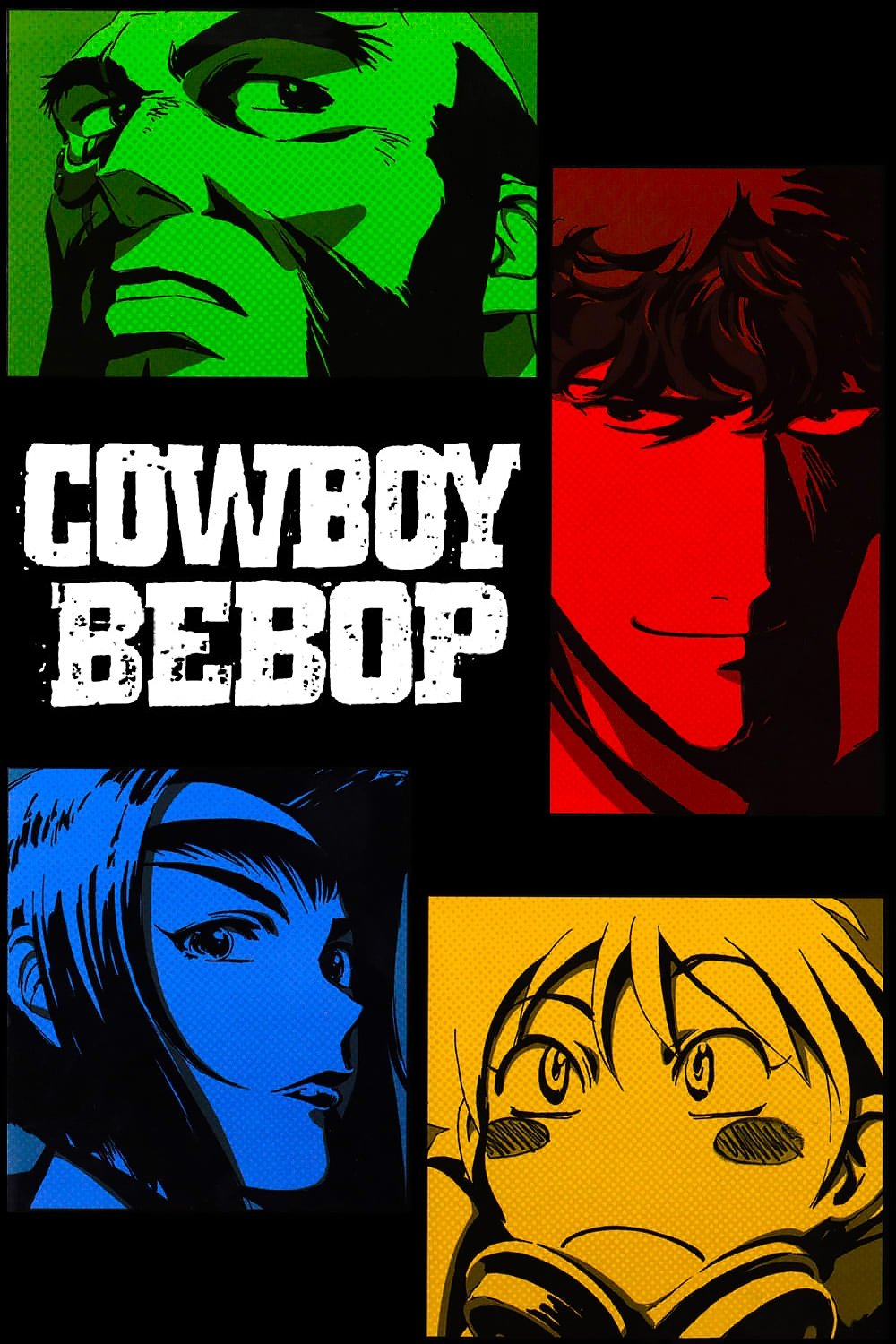
This self-contained romp follows the Bebop crew after a food shortage forces Ed and Ein to track down a hallucinogenic mushroom dealer planetside. The episode blends chase gags with Western and blaxploitation homages while keeping the main plot parked. It spotlights Ed and Ein with the rest of the crew largely sidelined, making it easy to watch in isolation. The production leans on Yoko Kanno’s playful cues and bold color blocking to underline the episodic tone.
‘Samurai Champloo’ (2004) – “Baseball Blues”
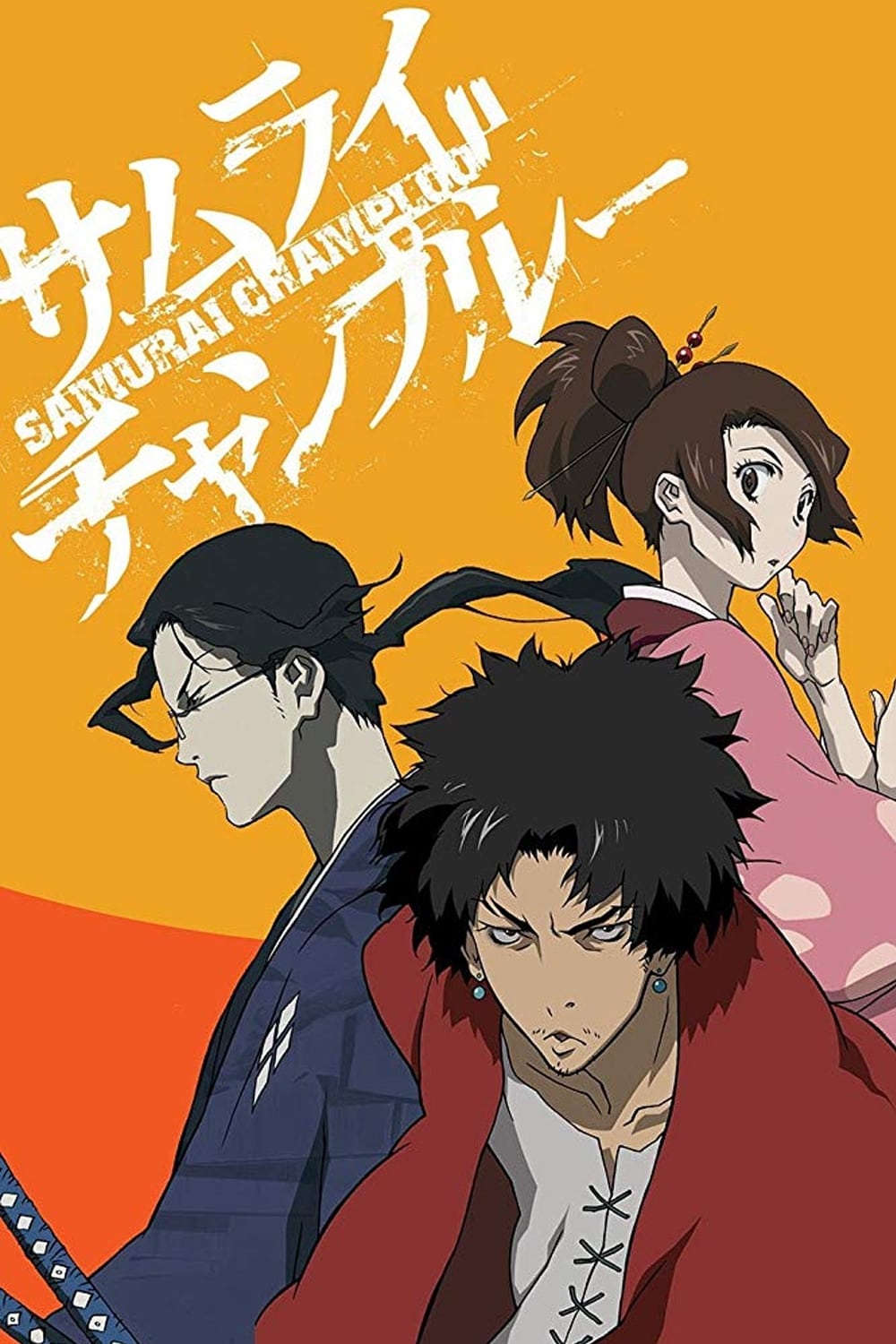
A stand-alone story pits the trio against a foreign team in a deadly, anything-goes game of baseball. The episode functions as a historical parody that can be viewed without prior knowledge of the journey to find the “samurai who smells of sunflowers.” It showcases the show’s signature anachronisms—Edo-period setting mashed with modern sports slang—inside a one-and-done narrative. Director and storyboard choices emphasize exaggerated sports framing, making it a complete comedic sports short.
‘Naruto’ (2002) – “Gotta See! Gotta Know! Kakashi-Sensei’s True Face!”
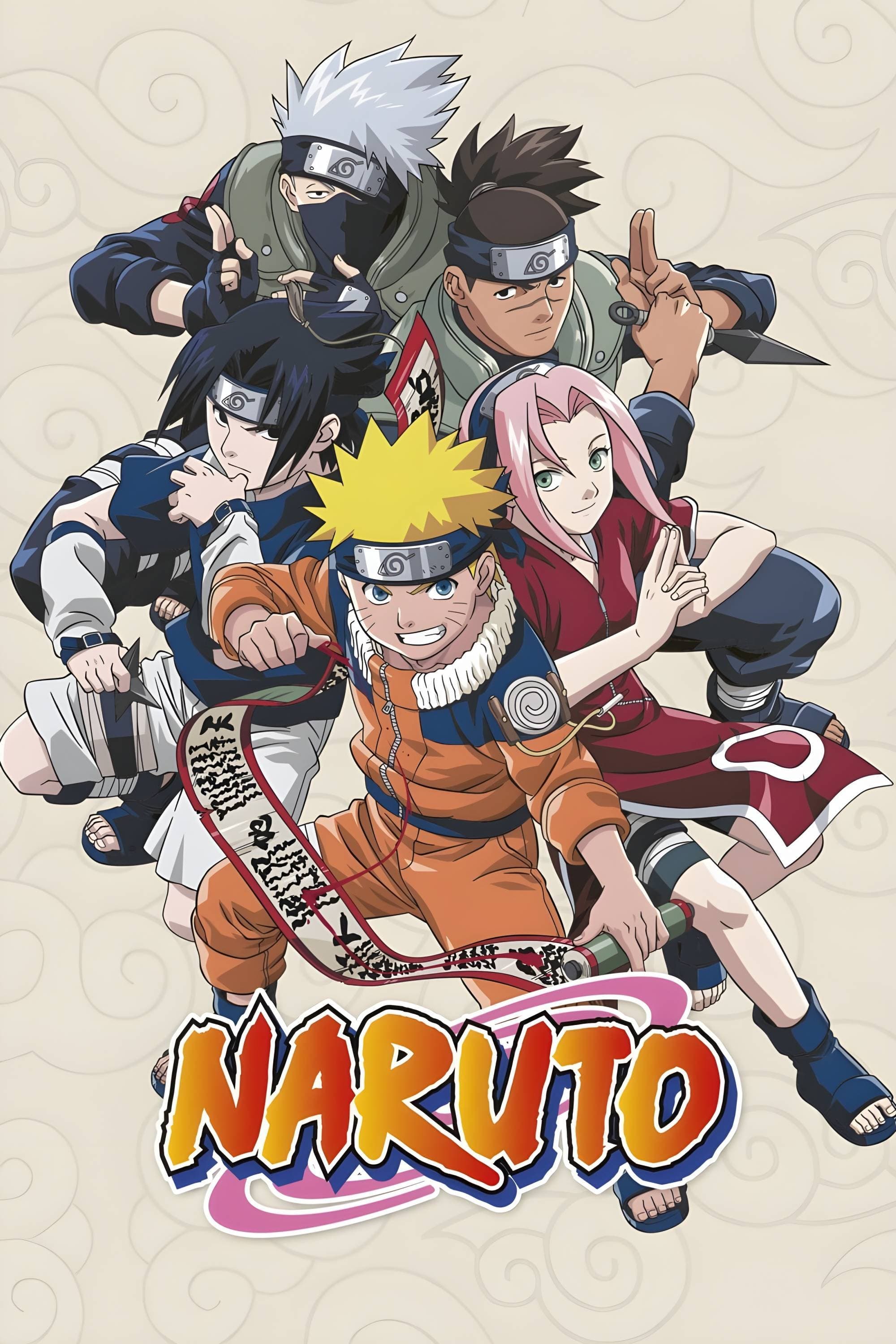
This comedic detour follows Team 7’s elaborate attempts to uncover Kakashi’s face under the mask. It’s a single-episode caper that doesn’t touch the broader shinobi conflicts, so it’s easy for casual viewing. The story uses ensemble screen-time—Naruto, Sakura, and Sasuke coordinating disguises and traps—to deliver a closed loop. Character animation focuses on squash-and-stretch humor rather than combat choreography to mark it as a light filler.
‘Dragon Ball Z’ (1989) – “Goku’s Ordeal”

Goku and Piccolo are forced to take a driving test, creating a rare slice-of-life outing between action arcs. The episode isolates the two characters in an everyday setting, with no power-ups, tournaments, or world-ending stakes. Its production swaps combat layouts for sitcom blocking and sound-effect timing. The result is a complete scenario that resets to status quo afterward, making it fully skippable for plot yet memorable as a self-contained comedy.
‘Neon Genesis Evangelion’ (1995) – “Magma Diver”
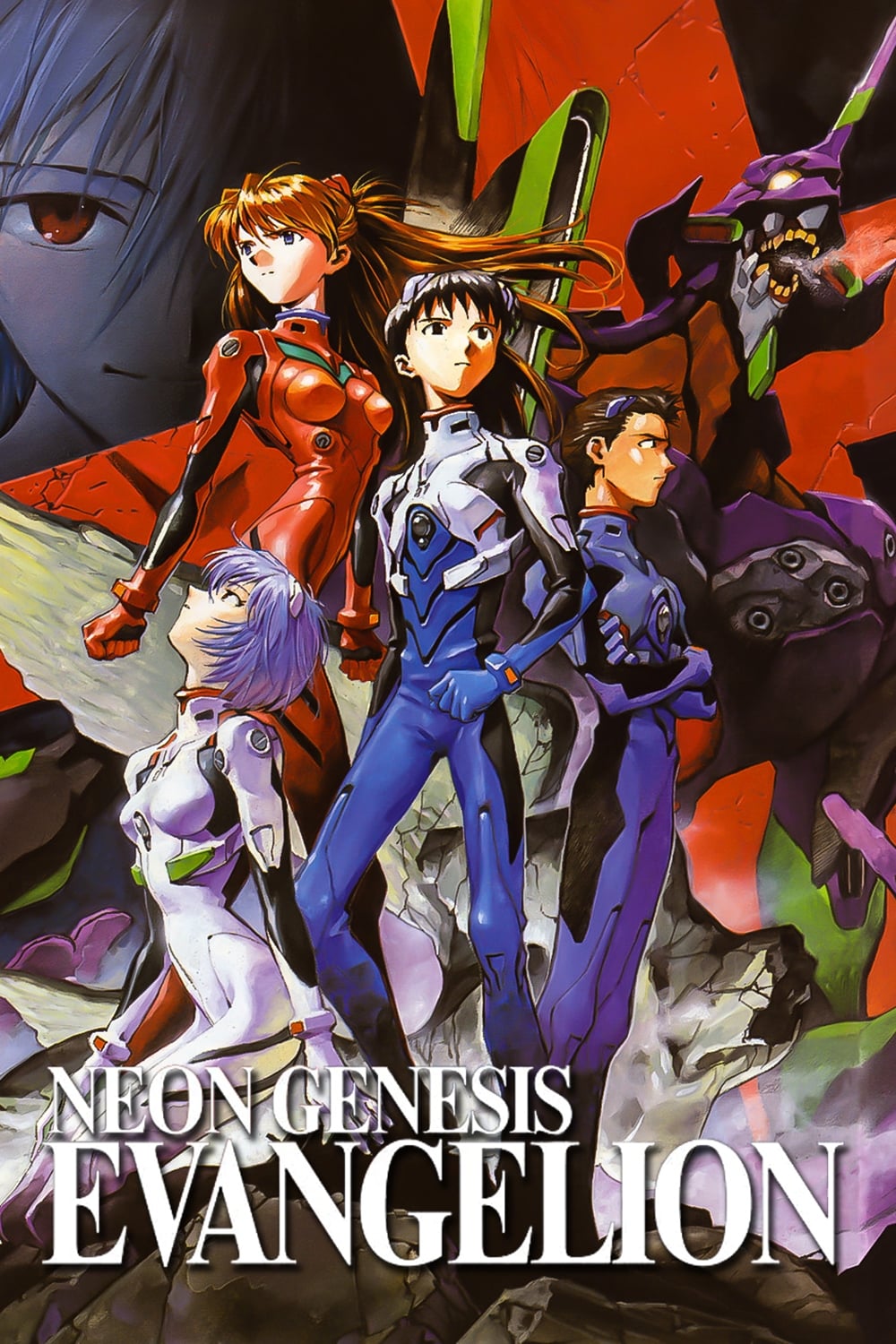
Shinji and Asuka are assigned to capture an Angel embryo inside a volcano, framed as a single-operation mission. The episode establishes the plan, the hazards of thermal depth, and the specialized equipment, then resolves the encounter within the same runtime. It offers a monster-of-the-week structure distinct from the show’s psychological arcs. Mechanical design notes—like the heat-resistant gear—anchor it as a discrete tactical episode.
‘Ghost in the Shell: Stand Alone Complex’ (2002) – “Chat! Chat! Chat!”
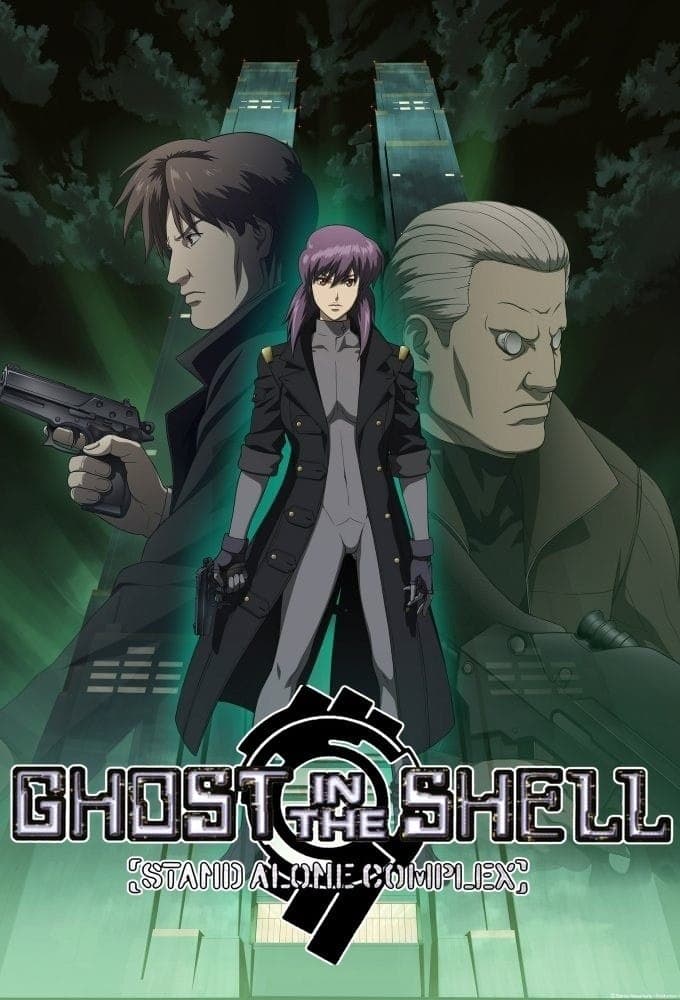
Told through an online chatroom, this stand-alone case unpacks public speculation around Section 9. The narrative design uses multiple user avatars and unreliable text logs rather than standard fieldwork sequences. It’s labeled as a “stand alone” in-series, deliberately detached from the larger complex case. The episode explores media and identity themes in a closed format that requires no continuity catch-up.
‘Mob Psycho 100’ (2016) – “Urban Legends ~Encountering Rumors~”
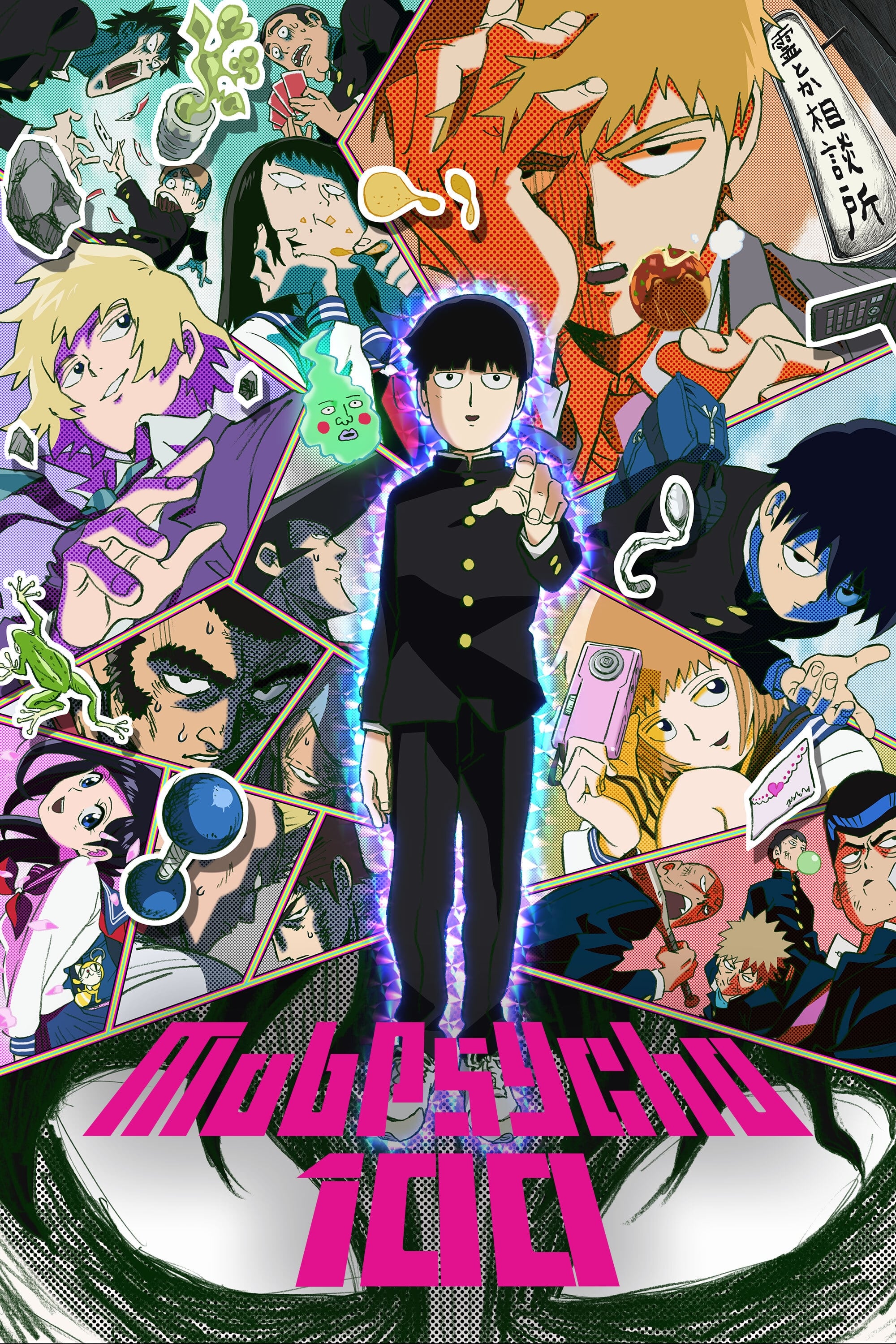
Kageyama and friends chase down a cluster of local myths—such as a haunted tunnel—consolidated into a single night’s investigation. The story resets afterward and doesn’t affect the season’s primary antagonist threads. Layout and effects highlight street-level hauntings instead of large-scale psychic battles to keep the scale intimate. It’s positioned as an easy entry point, introducing recurring side characters through brief, resolved encounters.
‘One Piece’ (1999) – “Gaimon and His Strange Friends”
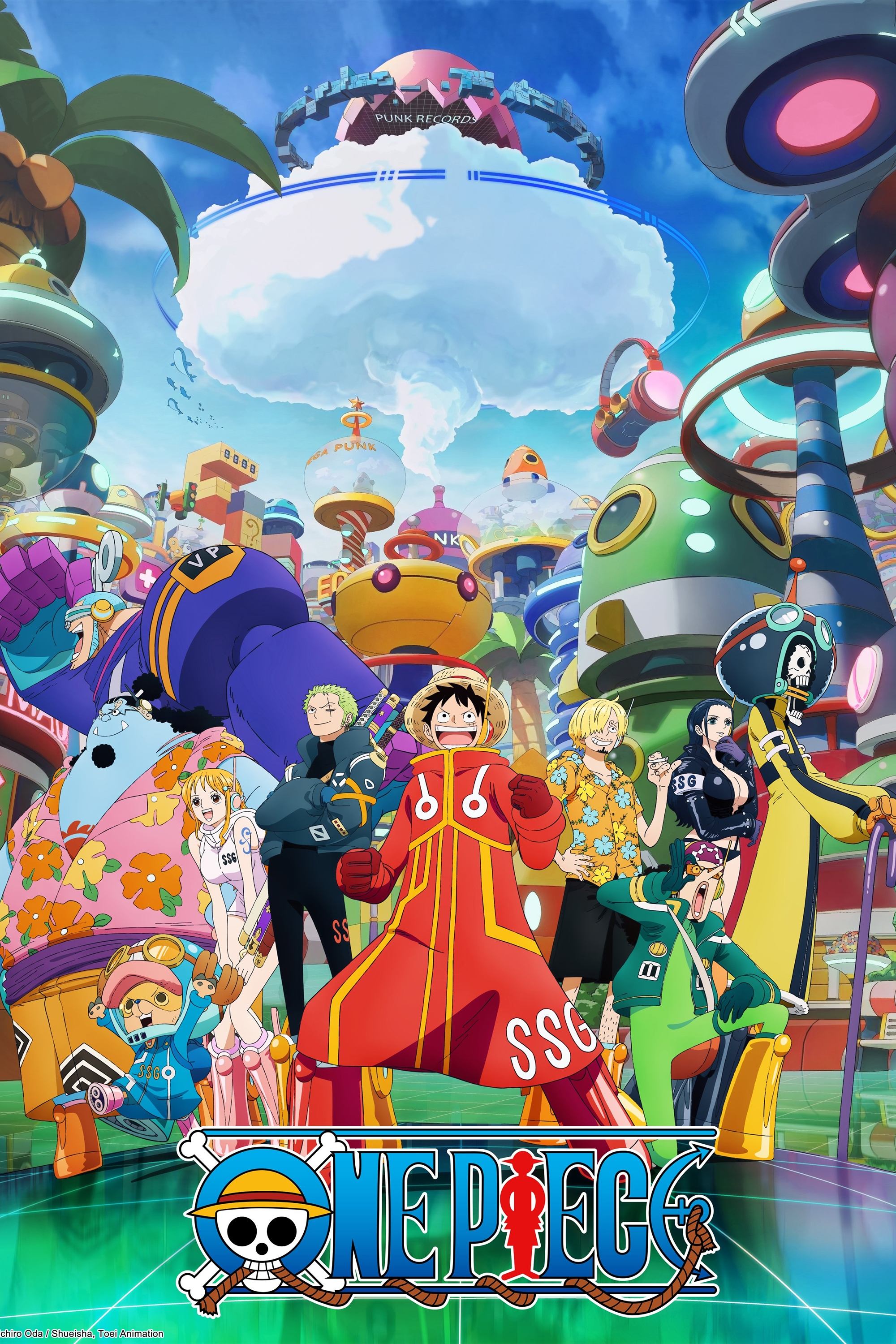
Luffy meets Gaimon, a castaway stuck in a chest, on an island filled with odd animals, and the entire situation resolves within the episode. The Straw Hats depart without changing the main quest for the Grand Line. The tone leans fairy-tale, with simple stakes and a bittersweet exit, which makes it accessible for newcomers. It functions as an early template for the series’ island-of-the-week format.
‘JoJo’s Bizarre Adventure: Stardust Crusaders’ (2014) – “The Sun”
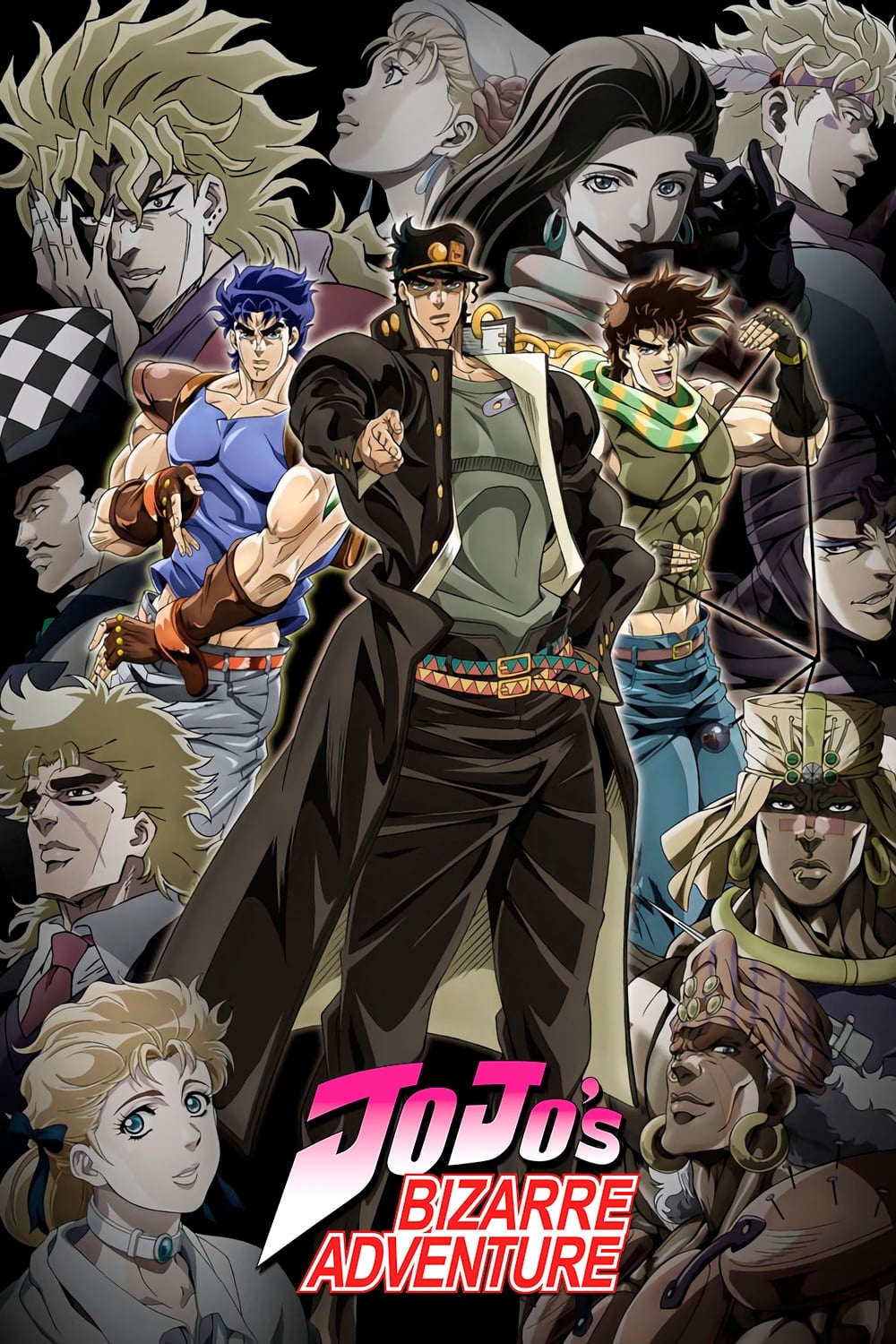
The crew confronts a stand that is literally a scorching sun, turning the episode into a desert survival puzzle. The conflict presents one mystery ability, a false lead, and a punchline solution—contained from setup to payoff. Visual tricks—mirages, heat shimmer, and perspective reveals—carry the structure more than continuity. It’s a classic monster-of-the-week entry that can be viewed without deep knowledge of prior stand users.
‘Pokémon’ (1997) – “Bye Bye Butterfree”
Ash helps his Butterfree find a mate during a migration, culminating in a parting that doesn’t alter the league journey beyond this self-contained choice. The episode introduces the migration event, the rival trainers, and a straightforward rescue, then wraps the storyline cleanly. It uses the series’ travel format to stage a temporary stop with a clear emotional resolution. Team Rocket appears as an episodic obstacle rather than a serial threat.
‘Trigun’ (1998) – “Little Arcadia”
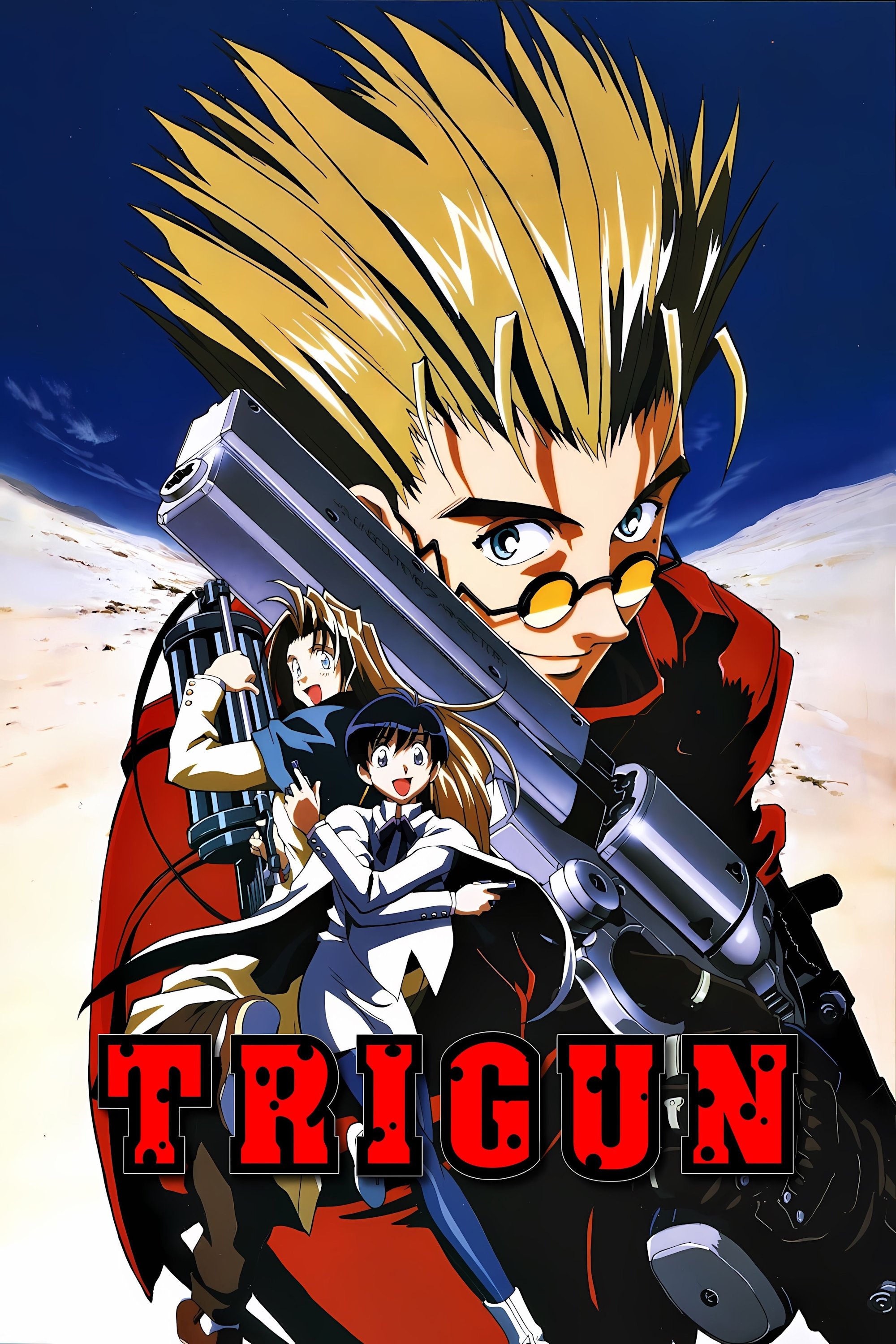
Vash gets entangled in a land dispute around a greenhouse project, and the conflict resolves within the episode’s bounds. The story emphasizes negotiation, protection detail work, and a single antagonistic scheme. It’s staged as a town-of-the-week tale that reaffirms Vash’s code without advancing an overarching mystery. Environmental design—desert infrastructure and the greenhouse—defines the episode’s one-off identity.
‘Mushi-shi’ (2005) – “The Light of the Eyelid”
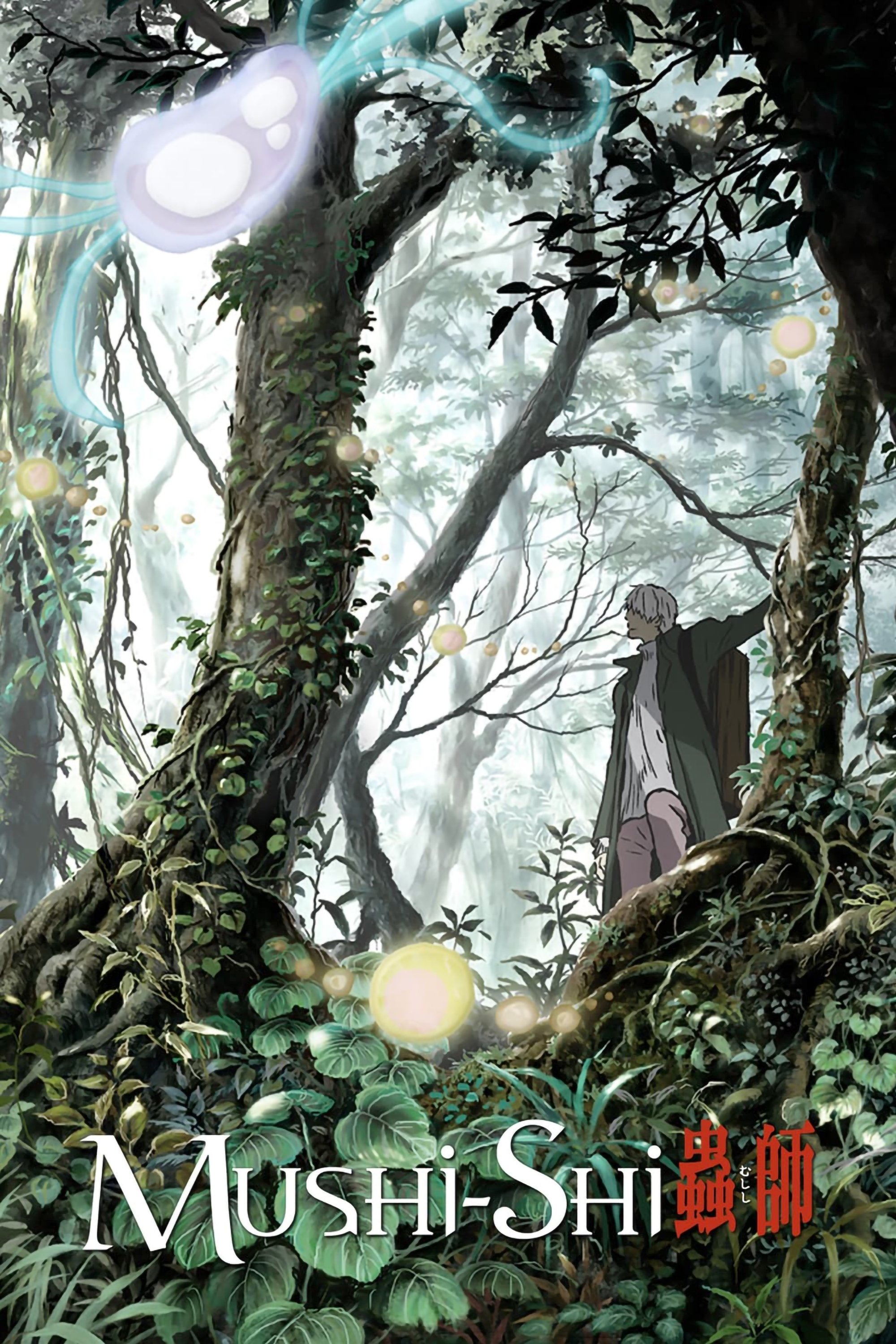
Ginko investigates a village phenomenon where people see shimmering lights when they close their eyes, attributed to a specific mushi. The case introduces the rules of the mushi, the affected family, and a remedy, all within a single visit. The anthology format means no prior plot is needed to follow the events. Natural soundscapes and minimal score mark it as a contemplative, stand-alone folktale.
‘Paranoia Agent’ (2004) – “Happy Family Planning”
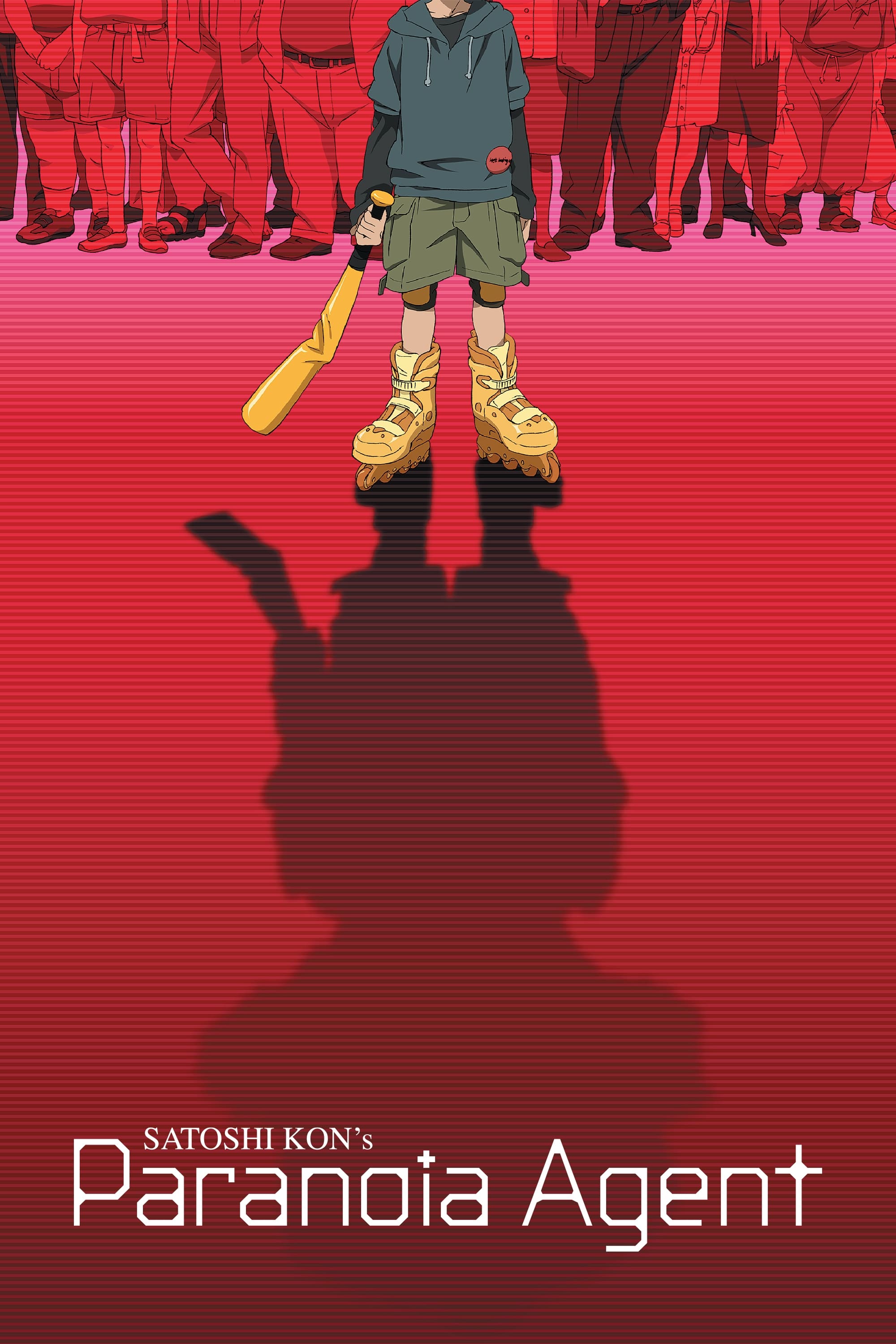
This episode shifts to a new cast—three strangers—embarking on a grim pact that unfolds apart from the show’s main investigators. The narrative is self-contained, beginning with their chance meeting and ending with a definitive outcome. Visual motifs and editing cues echo the series’ themes while keeping this story isolated. It’s a textbook example of an anthology-like installment within a serialized series.
‘Nichijou: My Ordinary Life’ (2011) – “Episode 6”
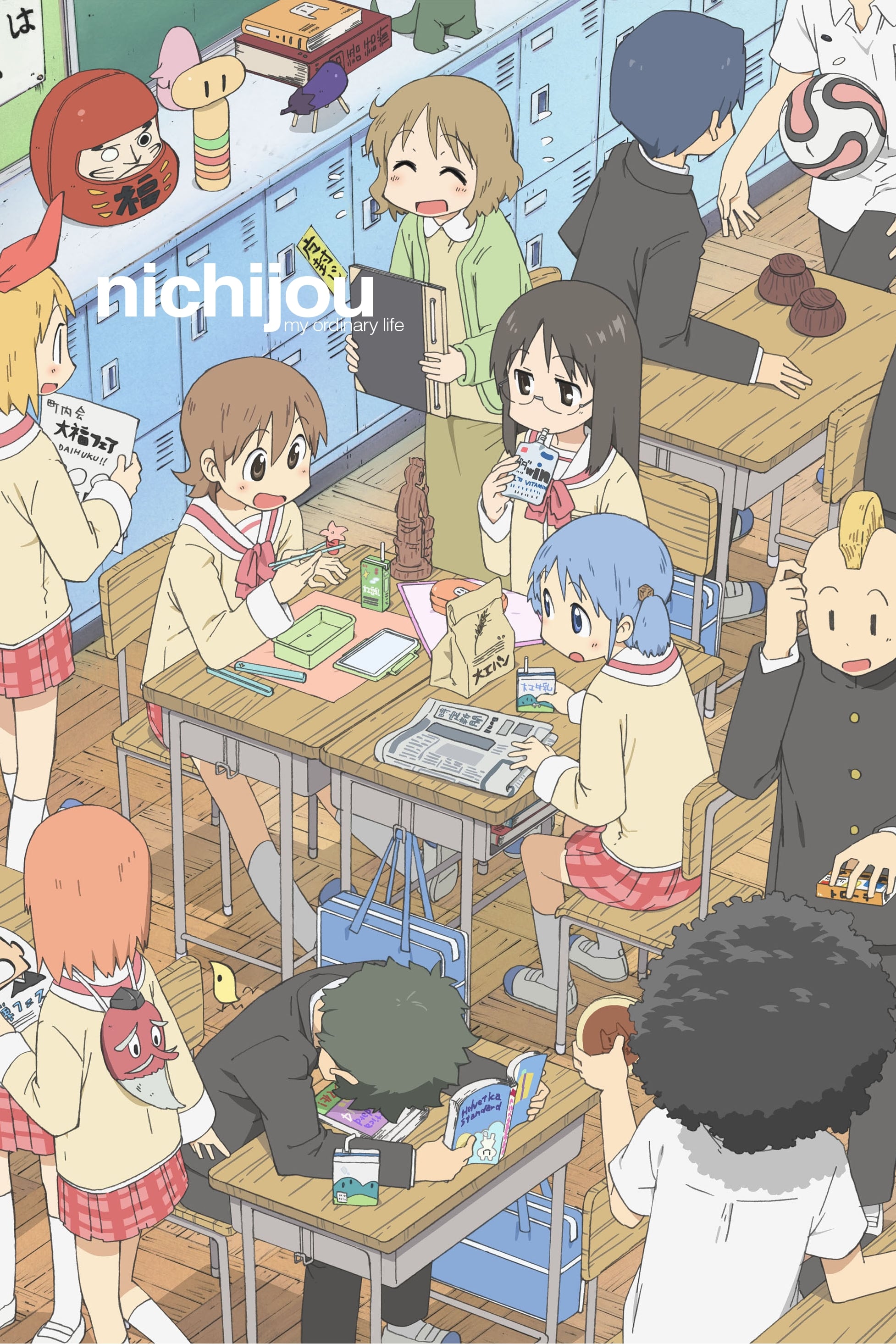
Constructed as a suite of skits, this episode assembles classroom mishaps, hallway gags, and home-life bits that reset at the end. The omnibus structure means any viewer can drop in without context and still follow each segment’s setup and punchline. Kyoto Animation’s timing and character acting drive the humor across unrelated shorts. The segment order and interstitials create a complete variety-show loop for the episode.
‘The Melancholy of Haruhi Suzumiya’ (2006) – “Someday in the Rain”
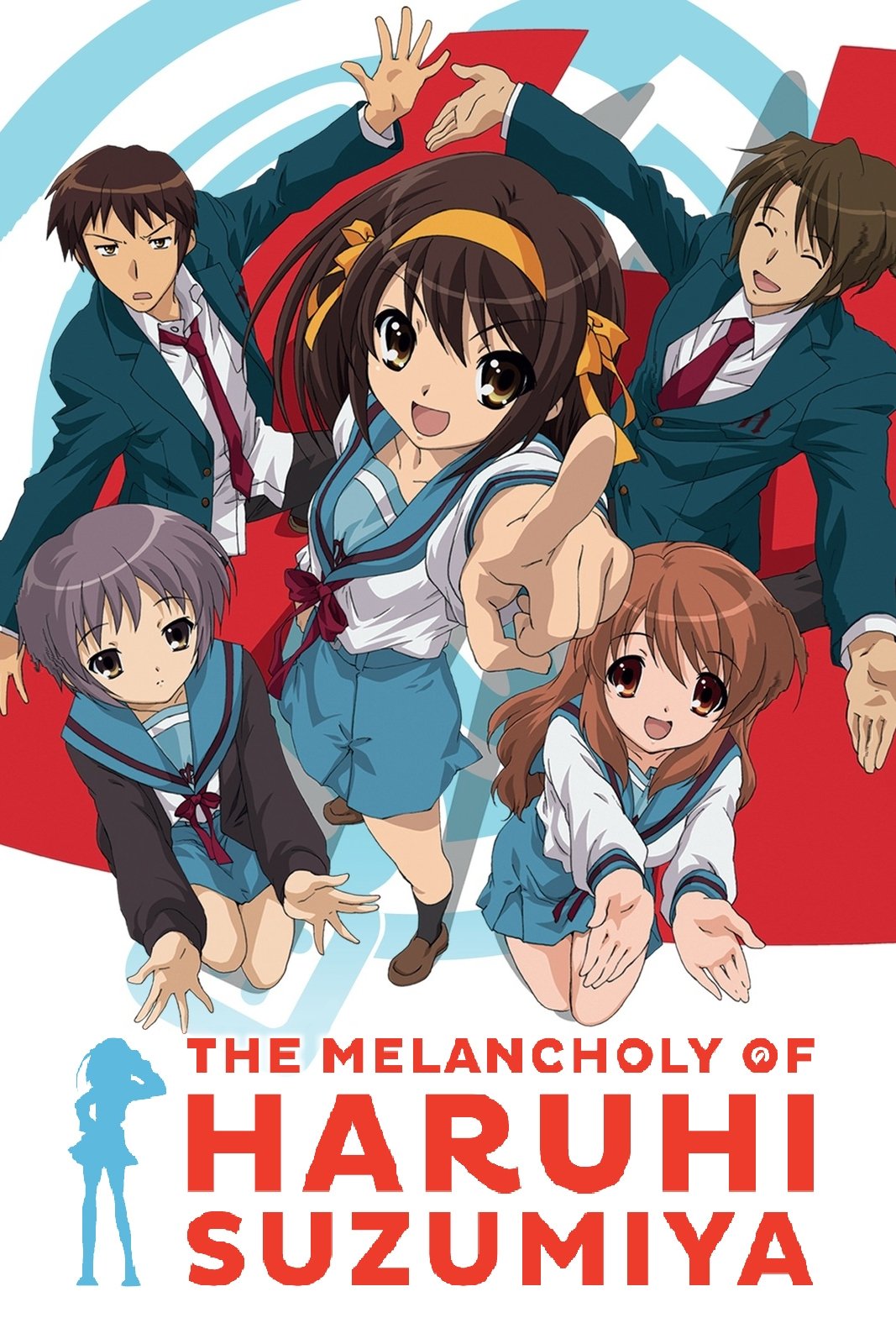
Set mostly inside the clubroom, this bottle episode follows Haruhi’s errand while the rest of the SOS Brigade waits around with small tasks. With no supernatural escalation, the story operates as a low-stakes slice-of-life detour. Sound design—heater hum, rain, and casual foley—carries much of the mood. It’s positioned as a quiet interlude that viewers can watch independently of the season’s timeline.
‘Space Dandy’ (2014) – “Plants Are Living Things, Too, Baby”
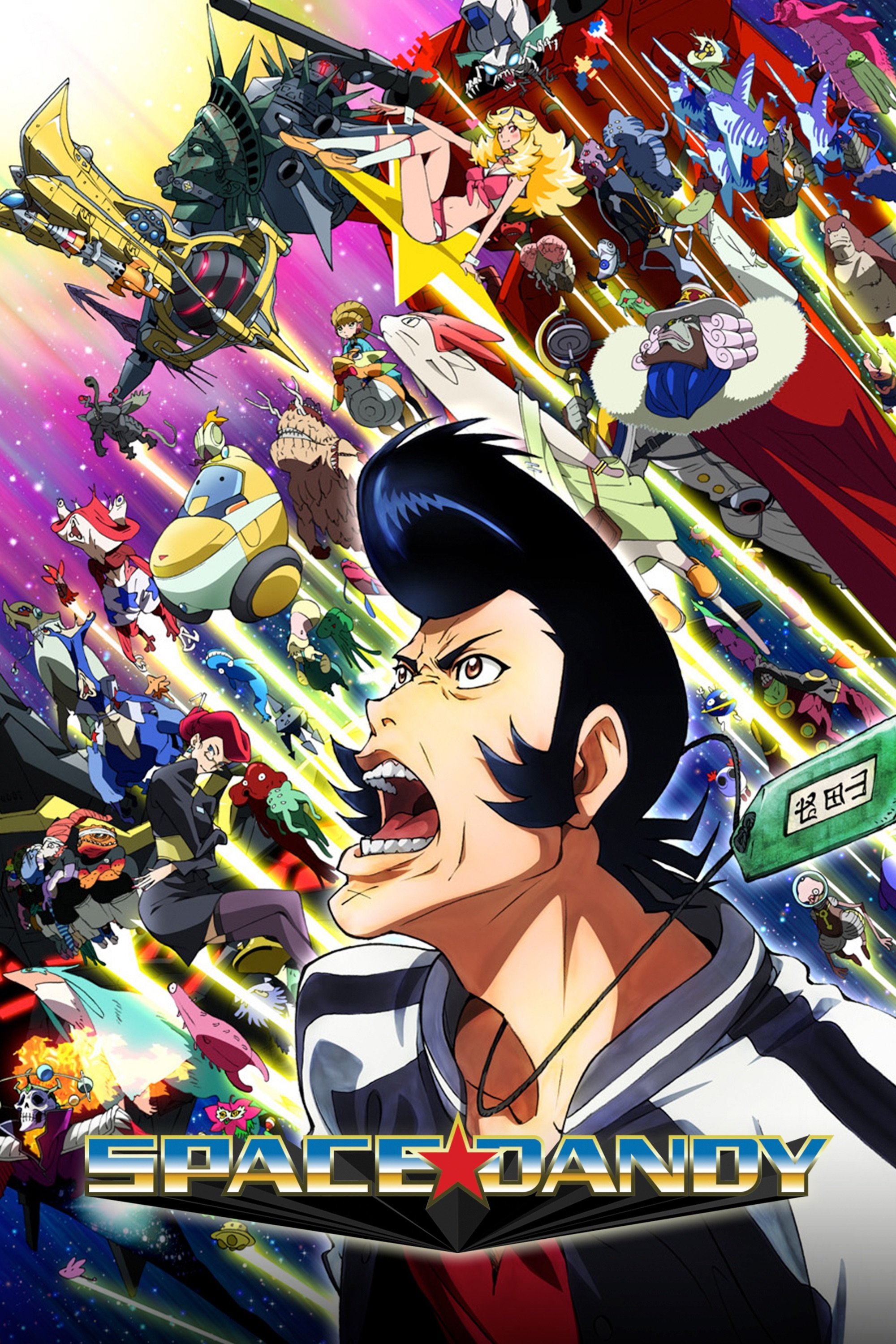
Dandy explores a planet dominated by sentient flora, with the entire conflict and discovery contained in one visit. The episode uses speculative ecology to frame a beginning, middle, and end that leaves the main premise unchanged afterward. Unique art direction differentiates the plant civilization from other worlds in the series. It exemplifies the show’s anthology-like freedom to try a new genre each week.
‘Detective Conan’ (1996) – “The Moonlight Sonata Murder Case (Part 1)”
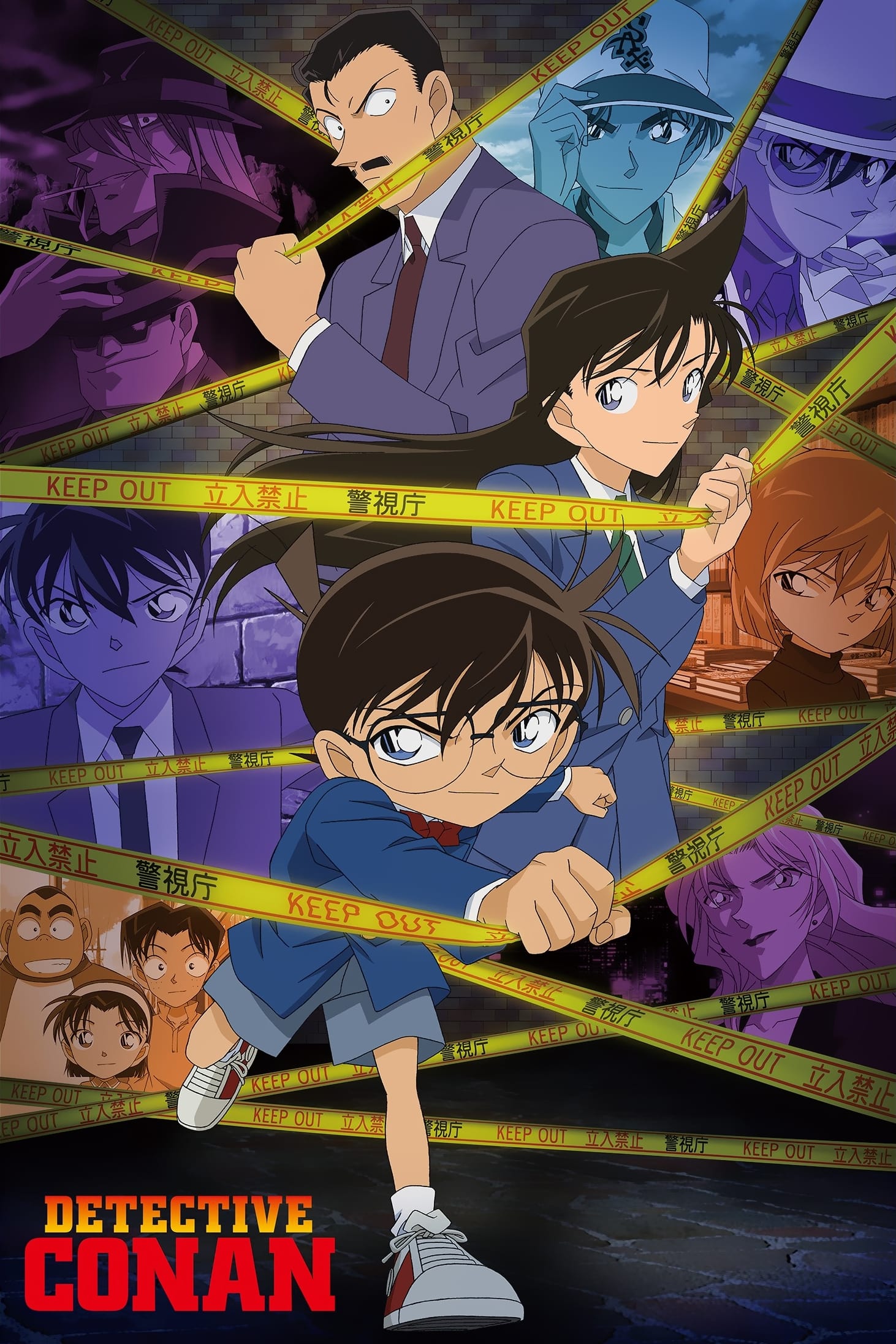
Introduces a case on an island where a haunting piano piece accompanies a series of crimes, structured as a two-part mystery. Part 1 establishes suspects, motives, and the locked-room mechanics while functioning as a complete setup. It can be sampled as a classic case-of-the-week without following the overarching identity subplot. The episode leverages recurring investigative beats—alibis, clues, and reconstruction—familiar to the series’ format.
‘Natsume’s Book of Friends’ (2008) – “The Little Fox’s Watch”
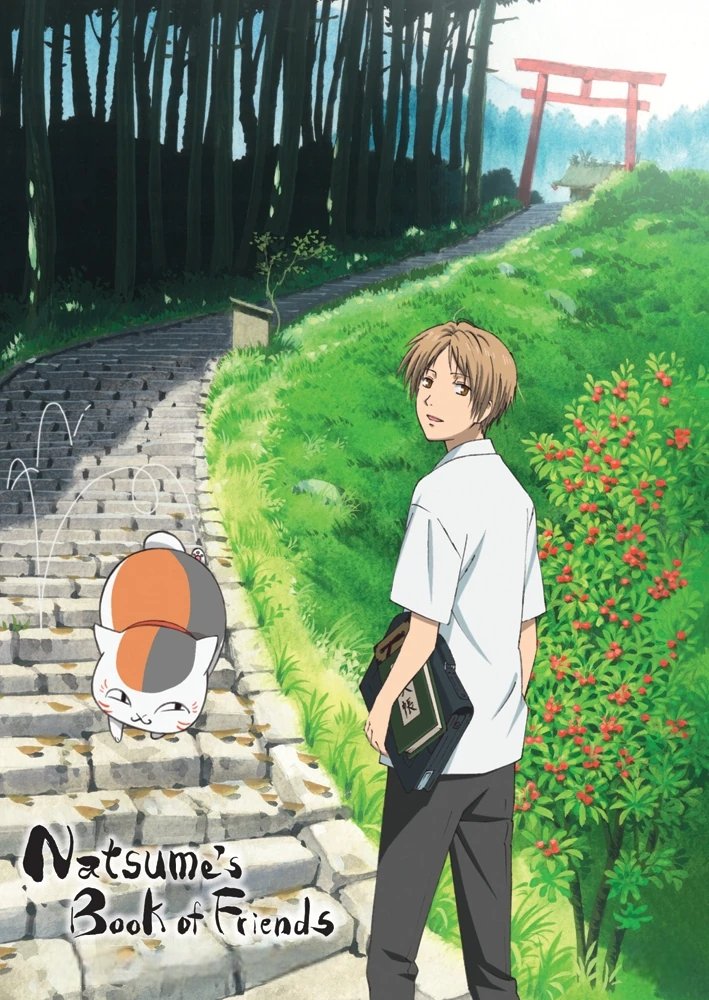
Natsume encounters a young fox spirit with a keepsake tied to a previous meeting, and their brief reunion resolves within the episode. The story focuses on a single yokai relationship rather than the ledger of names. Soft environmental backgrounds and seasonal cues anchor it as a gentle stand-alone. No prior knowledge of other spirits or arcs is required to follow the events.
‘Mononoke’ (2007) – “Zashiki-warashi (Part 1)”
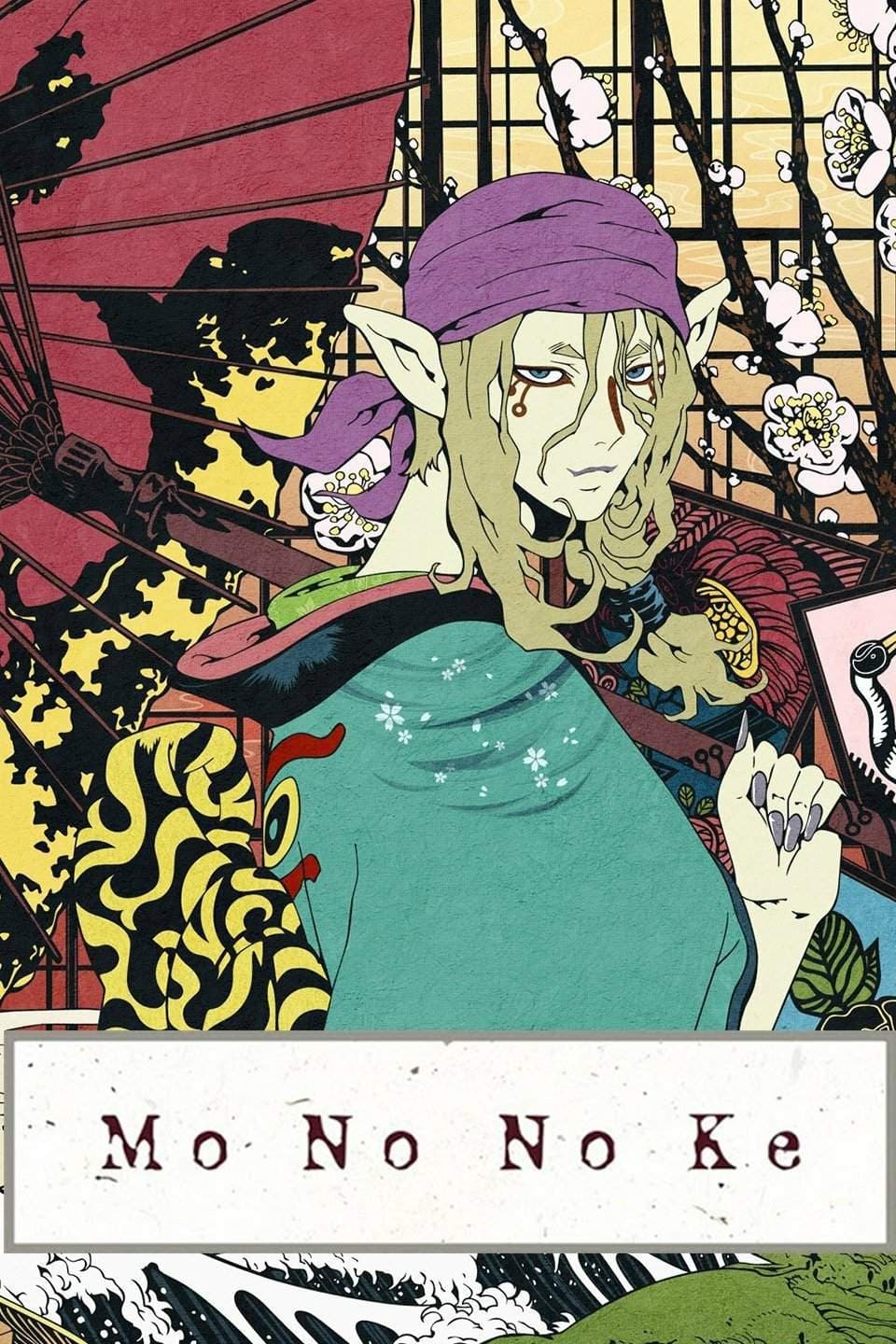
This opening chapter of a two-part case introduces a traveling apothecary investigating childlike spirits in a secluded inn. Part 1 lays out the setting, witnesses, and pictorial clues using ukiyo-e–inspired visuals. Even as a first half, it functions as an entry point into the show’s case structure and aesthetic. The narrative framework—Form, Truth, and Reason—is established here as a self-contained rule-set.
‘Dragon Ball Super’ (2015) – “Goku vs Arale! A Ridiculous Battle Will End the Earth?”

A crossover detour brings characters from another gag series into a one-episode brawl that ignores the main tournament arcs. The episode leans on comedic invincibility and slapstick rather than power scaling. It resets all consequences by the end, keeping continuity untouched. The guest character’s abilities are explained in-episode, making it approachable for first-time viewers.
‘Bleach’ (2004) – “Summer! Sea! Swimsuit”
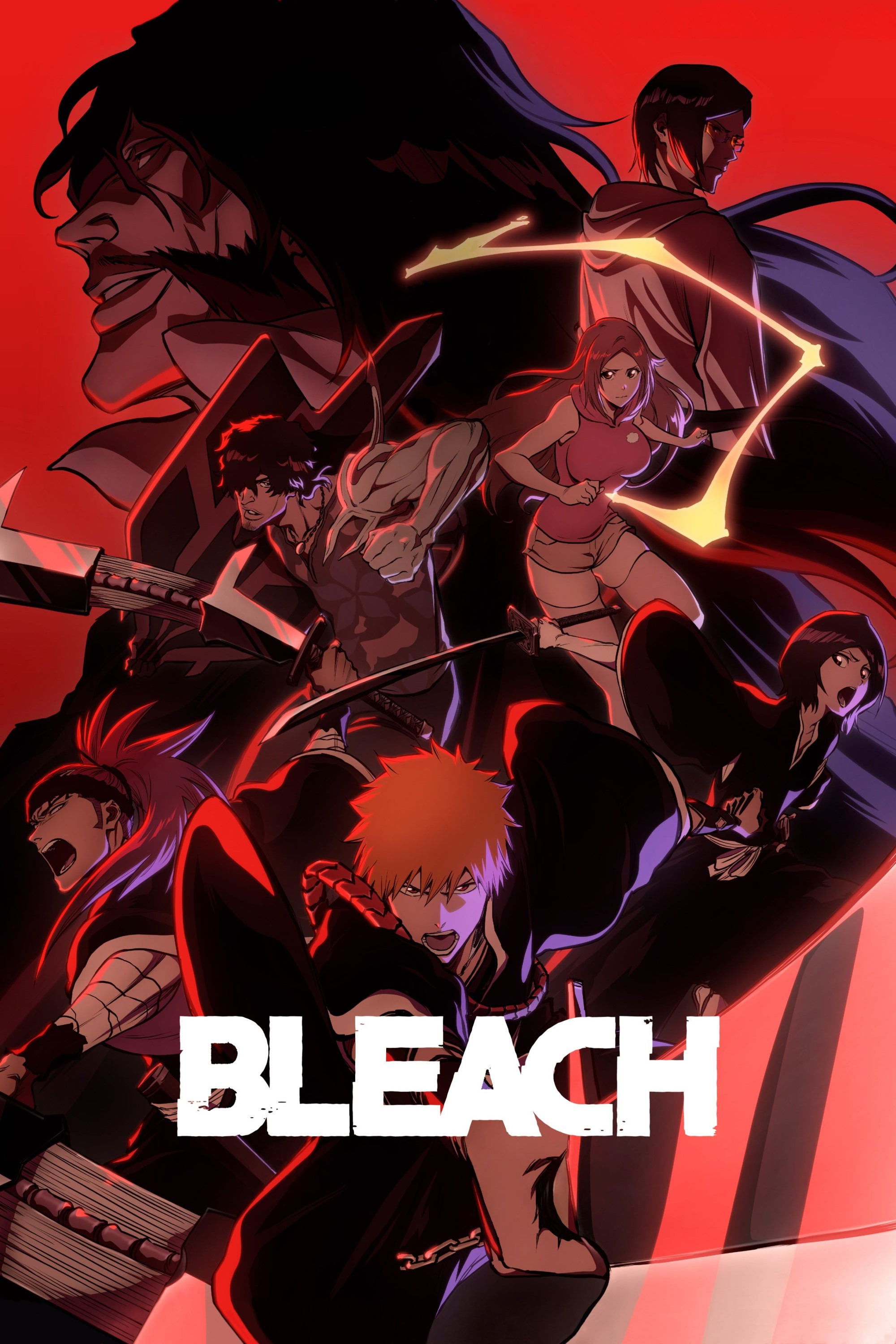
This filler outing sends familiar characters to a beach setting for a self-contained comedy with a simple supernatural wrinkle. The story avoids ongoing arc villains and wraps any conflict within the same episode. Character pairings shift to highlight lighter interactions uncommon in the main plot. Background art and insert cues signal a seasonal special distinct from the core storyline.
‘One-Punch Man’ (2015) – “Road to Hero”
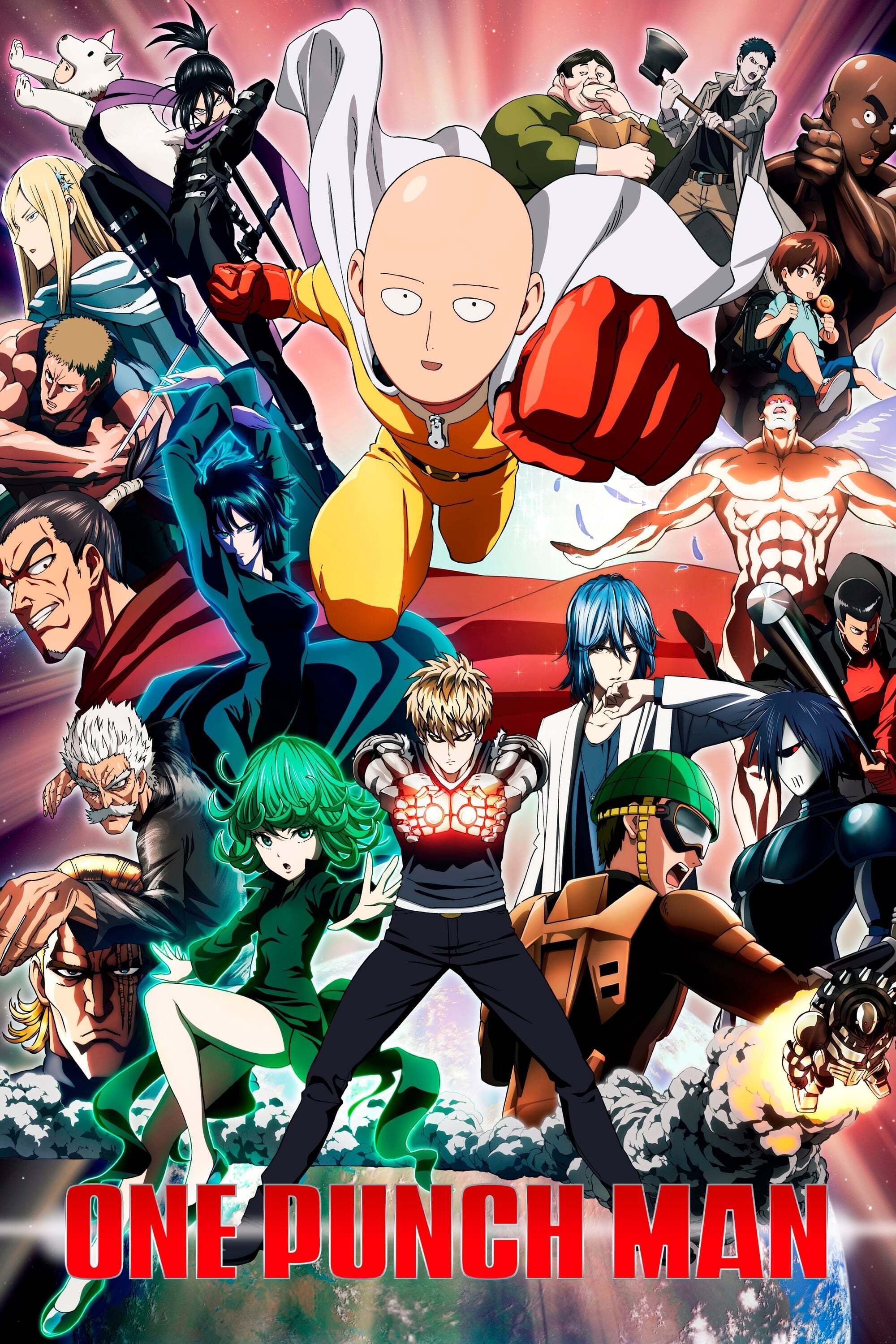
This OVA shows how Saitama acquired his hero costume and ties off the thread by the episode’s end. It is designed to be watched independently from the televised episodes, filling in a small backstory beat. The format uses brief fights and neighborhood scenes to structure a compact origin slice. Visual gags and deadpan timing mark it as an extra rather than a serialized entry.
‘Attack on Titan’ (2013) – “Ilse’s Notebook”
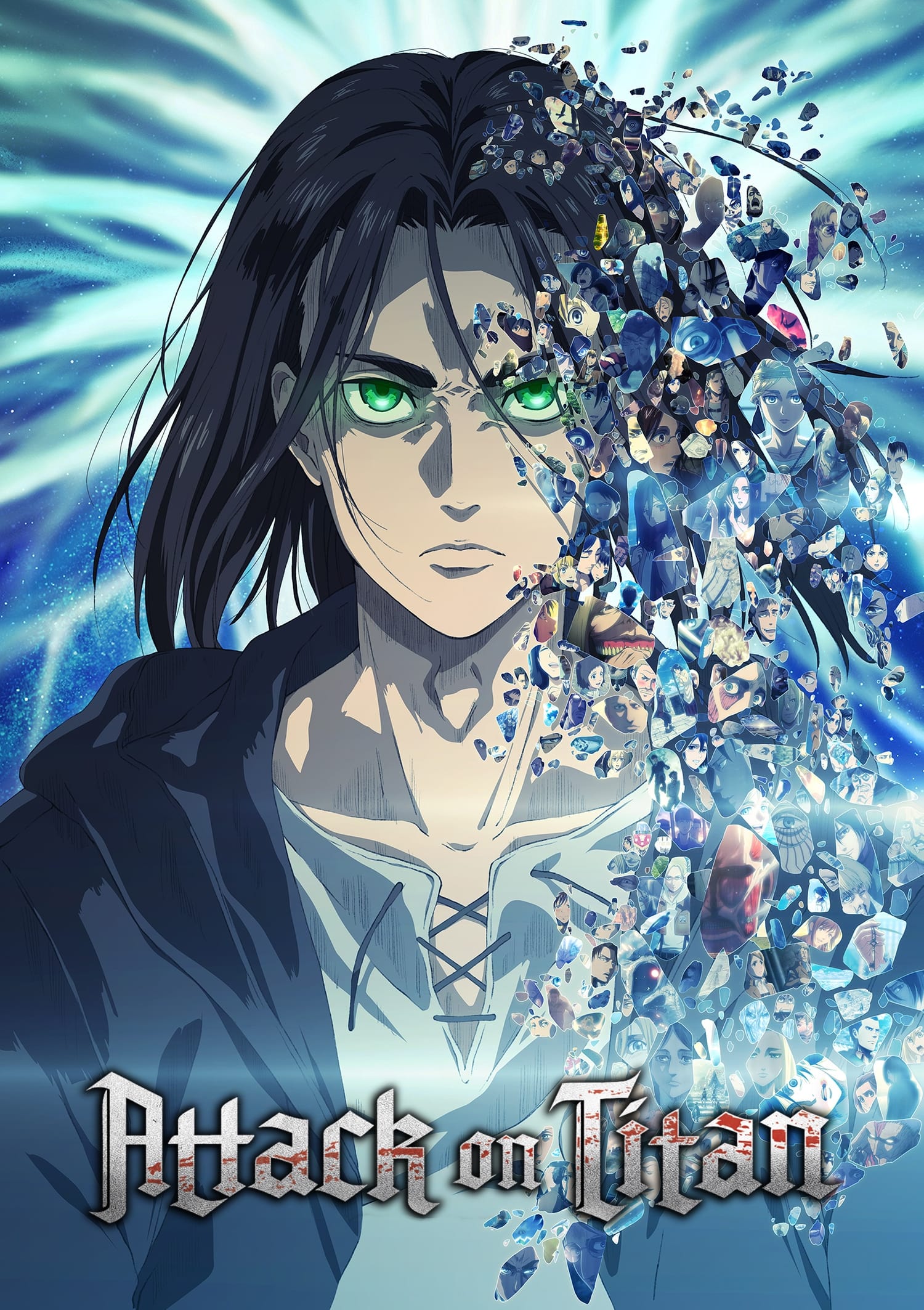
An OVA following a single soldier’s field notes that reveal critical information about titan behavior, framed as a recovered record. The narrative is self-contained, beginning with the discovery of the notebook and ending with its handoff. It operates outside the main wall-defense timeline while adding context for later investigations. The restrained setting and limited cast make it viewable without extensive series knowledge.
‘Black Clover’ (2017) – “Hot Spring Training Camp”

This filler episode takes the cast to a remote hot spring for a training side mission that completes within the runtime. It features light challenges, brief power demonstrations, and character interactions that don’t alter the broader conflict. The location is introduced, exploited for set pieces, and exited by the end. It functions as a seasonal interlude that new viewers can sample without arc commitment.
‘Fairy Tail’ (2009) – “Welcome to the Fairy Hills!!”
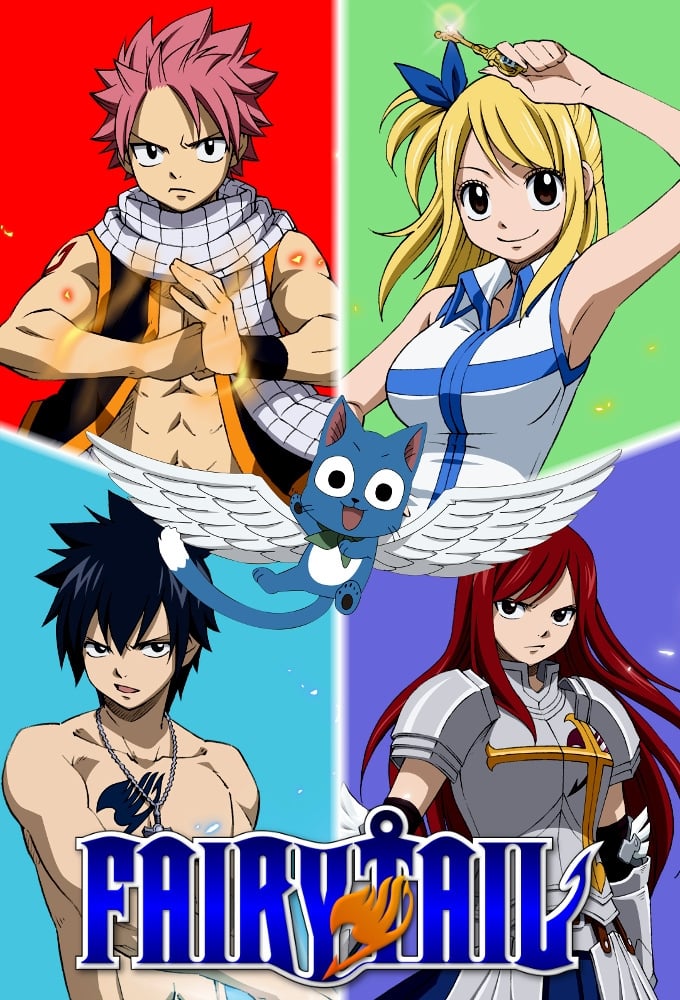
A comedic, stand-alone mission sends characters to the women’s dormitory on an errand that spirals through a series of room-to-room gags. The episode avoids guild-altering stakes and returns everyone to status quo afterward. It highlights side characters and locations not central to the main arcs. The direction favors quick transitions and short set pieces to keep the story self-contained.
Share your favorite drop-in episode that we missed in the comments—what’s your go-to side-quest when you want a quick, satisfying watch?