Most Hated One Piece Villains who Are Not Yonko or Admirals

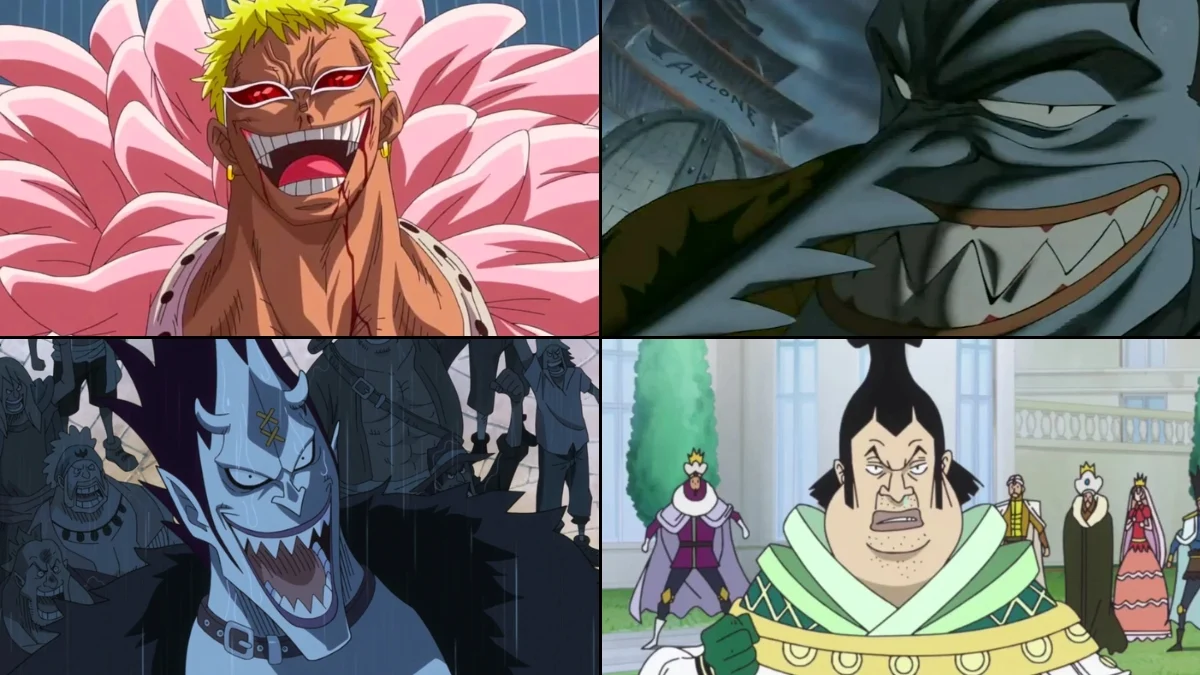

The world of ‘One Piece’ is packed with antagonists who make the anime’s biggest arcs hit hard, and plenty of them aren’t Yonko or Marines of admiral rank. From Cipher Pol agents to Warlords and underworld schemers, these characters drive major storylines across the ‘One Piece’ TV series and feature in some of its most memorable confrontations. Many also pop up across multiple arcs, keeping their influence alive long after their debut. Below are 25 such villains, with quick, show-first facts about how they shape the Straw Hats’ journey.
Donquixote Doflamingo
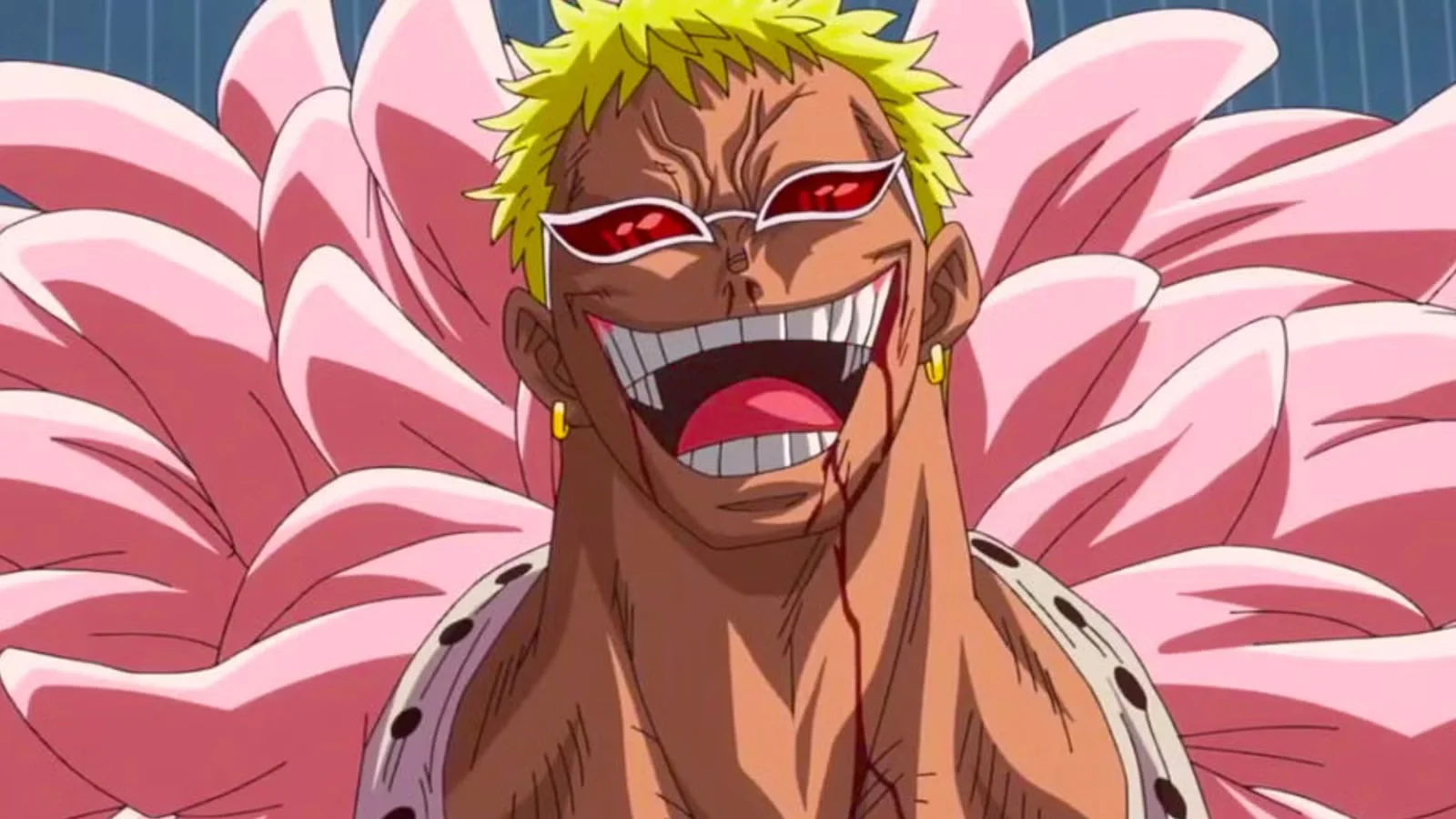
In the ‘One Piece’ TV anime, Doflamingo is introduced as a Warlord of the Sea whose strings pull the entire Dressrosa saga. The series details his Birdcage technique, his control over SMILE distribution, and his manipulation of the royal family through the Donquixote Family. He is a recurring presence long before Dressrosa, briefly appearing in earlier arcs as a shadowy broker tied to the underworld. His backstory connects directly to the Celestial Dragons, which the anime explores to explain his status and network.
Spandam

Spandam leads CP9 during the Enies Lobby arc in the ‘One Piece’ TV anime, overseeing the attempt to transport Nico Robin through the Judiciary Island complex. The show focuses on his authority over Cipher Pol and his misuse of the Buster Call, which escalates the arc’s stakes. He directs agents like Rob Lucci and Kaku, coordinating their missions against the Straw Hats. His actions set up the iconic assault on Enies Lobby that the anime depicts across multiple episodes.
Enel

The Skypiea arc of the ‘One Piece’ TV anime centers on Enel’s rule over the sky island and his Goro Goro no Mi powers, which the series showcases in major battles. The show tracks his self-proclaimed divinity, his mantra-enhanced combat, and his plan to obliterate Skypiea with Maxim. Enel’s defeat connects to the series’ focus on willpower and the properties of rubber versus lightning. After Skypiea, the anime references the aftermath of his rule and the islanders’ recovery.
Hody Jones

In the Fish-Man Island arc of the ‘One Piece’ TV anime, Hody Jones leads the New Fish-Man Pirates in a coup against the royal family. The series highlights his reliance on Energy Steroids, his hatred-driven ideology, and the takeover of the Ryugu Kingdom plaza. The anime stages large-scale clashes involving the princes, Neptune Army, and Straw Hats under the sea. Hody’s backstory and motives are presented to contrast him with the island’s hopes for coexistence.
Arlong

The ‘One Piece’ TV anime’s Arlong Park arc shows Arlong’s domination of Cocoyasi Village and his control over Nami’s fate. The show lays out his crew’s hierarchy, the human-tax system, and the long-term trauma caused by his rule. His saw-shaped weapon and fish-man strength are central to the animated battles that close the arc. After his defeat, the anime follows the consequences for the village and Nami’s decision to sail freely.
Rob Lucci

In the ‘One Piece’ TV anime, Rob Lucci is CP9’s strongest operative during the Water 7 and Enies Lobby arcs, where his leopard Zoan form and Rokushiki mastery are showcased. The series builds his duel with Luffy as the capstone of the judicial island assault. Later in the anime, Lucci reappears under CP0, maintaining ties to world government operations. His missions reflect the show’s ongoing theme of state power versus personal freedom.
Caesar Clown
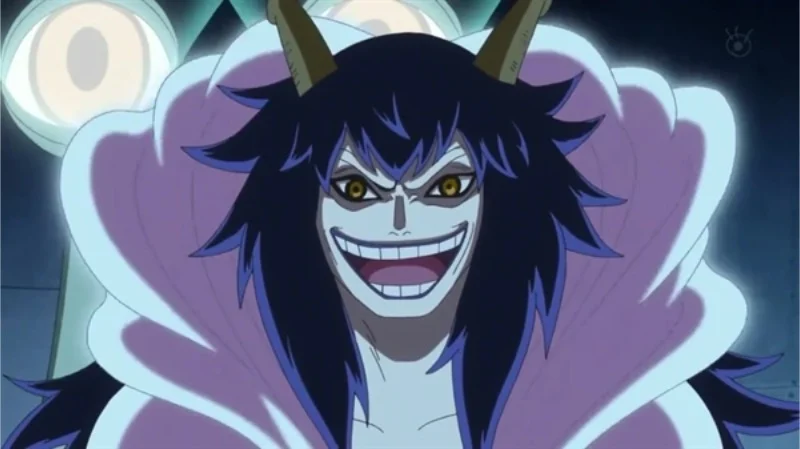
Caesar Clown drives the Punk Hazard arc in the ‘One Piece’ TV anime with his SMILE experiments and chemical weapons research facility. The show covers his alliances with the underworld and his role in producing SAD for Doflamingo’s supply chain. He transitions into a reluctant tag-along across Punk Hazard’s aftermath and Dressrosa, providing comedic friction while his knowledge remains valuable. The anime depicts his hazardous experiments and their impact on the island’s environment and inhabitants.
Wapol

The Drum Island arc of the ‘One Piece’ TV anime features Wapol as the former king who returns to reclaim power. The series shows his Baku Baku no Mi abilities, including his ability to consume and combine materials into new forms. His rule’s effects on medical care and the exile of doctors frame Chopper’s origin in the show. After his defeat, the anime tracks Drum’s leadership change and the island’s recovery.
Kurozumi Orochi

In the Wano Country arc of the ‘One Piece’ TV anime, Orochi serves as the shogun allied with the occupying Beast Pirates. The show presents his manipulative rule, the persecution of dissenters, and his Kurozumi clan’s history. His Yamata no Orochi transformation is depicted in court and festival scenes that heighten the rebellion’s stakes. Orochi’s political machinations drive much of the arc’s early conflict before the final raid unfolds.
Captain Kuro

Early in the ‘One Piece’ TV anime, Captain Kuro plans to seize the Syrup Village estate through a long con. The series highlights his Soru-like speed techniques and the Black Cat Pirates’ infiltration tactics. Kuro’s scheme introduces Usopp’s resolve and the first big home-front defense for the crew. After his defeat, the anime closes the arc with Syrup Village’s relief and the Going Merry’s departure.
Foxy
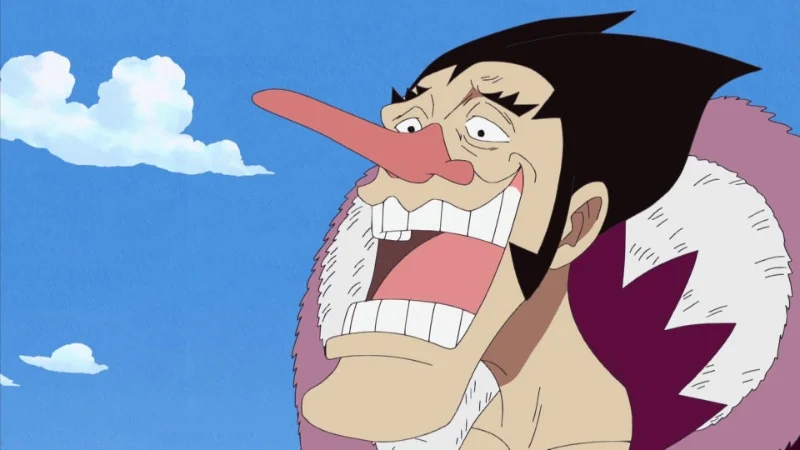
The Davy Back Fight arc in the ‘One Piece’ TV anime features Foxy’s game-based crew thefts, staged as comedic but high-stakes contests. The show runs through events like Donut Race, Groggy Ring, and Combat that test the Straw Hats’ teamwork. Foxy’s Noro Noro no Mi slow-beam is used for gags and tactical advantages throughout the matches. He later reappears in anime content as a recurring nuisance with the same trickster playbook.
Bellamy
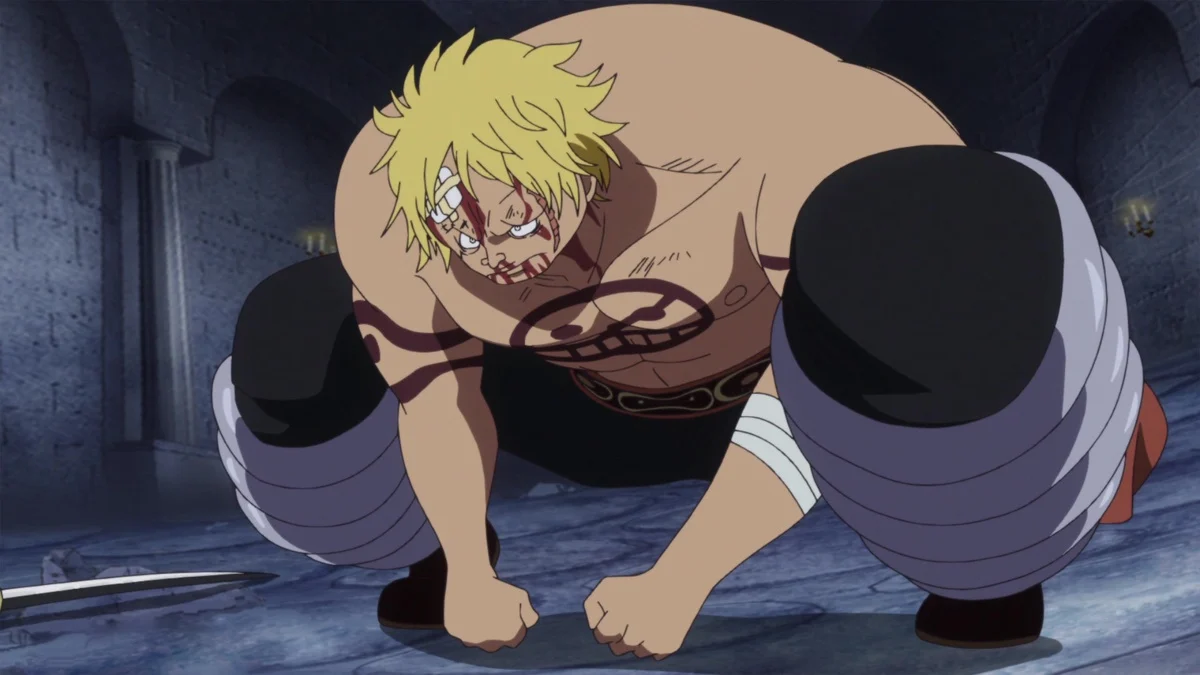
Introduced in the Jaya portion of the ‘One Piece’ TV anime, Bellamy represents a new-era pirate outlook before reemerging in Dressrosa. The anime tracks his allegiance shifts, spring-powered fighting style, and tournament participation in the coliseum. His connections to Donquixote Family operations are shown in episodes that frame Dressrosa’s underbelly. The series follows his conflicted loyalty as larger powers move around him.
Saint Charlos

In the ‘One Piece’ TV anime’s Sabaody Archipelago arc, Saint Charlos appears as a Celestial Dragon whose actions trigger a major confrontation. The show depicts his status at the human auction house and the consequences of his attempt to buy and abuse people. His incident becomes a catalyst for Marine intervention and the Straw Hats’ separation. Later references in the anime keep the Celestial Dragons’ influence central to world politics.
Trebol

The ‘One Piece’ TV anime’s Dressrosa arc portrays Trebol as one of Doflamingo’s top officers controlling the palace corridors. The series emphasizes his sticky-based combat and his role supporting Sugar’s operations in the factory. Flashback episodes connect Trebol to Doflamingo’s early rise and the gifting of the String-String Fruit. His scenes often anchor the underground side of Dressrosa’s conflict as the Straw Hats split across objectives.
Sugar
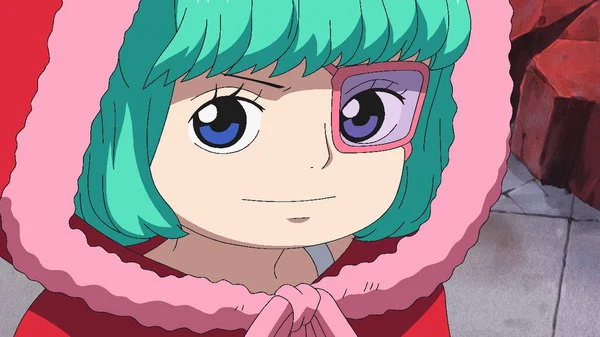
In Dressrosa episodes of the ‘One Piece’ TV anime, Sugar’s Hobby-Hobby powers drive the island’s hidden terror by transforming people into toys. The series details her partnership with Trebol, her assignments within the factory, and the secrecy surrounding her identity. Her defeat sequence is staged as a pivotal turning point that frees enslaved citizens. The anime uses her powers to explain why no one remembers key victims until the spell breaks.
Vergo

Vergo appears in the Punk Hazard arc of the ‘One Piece’ TV anime as a G-5 Vice Admiral secretly loyal to Doflamingo. The show reveals his deep cover within the Marines and his influence over Smoker’s unit during the island crisis. His Armament Haki-focused combat is highlighted in clashes inside the research facilities. The anime ties his exposure to the broader takedown of Doflamingo’s supply chain.
Magellan

Impel Down episodes in the ‘One Piece’ TV anime build Magellan as the prison’s warden who dominates escape attempts with the Doku Doku no Mi. The series covers his near-total control of the facility’s layers and the poison techniques that overwhelm intruders. Key confrontations show how the prison’s structure and surveillance operate under his command. Later anime content tracks changes in Impel Down’s leadership and security posture.
Kurozumi Higurashi
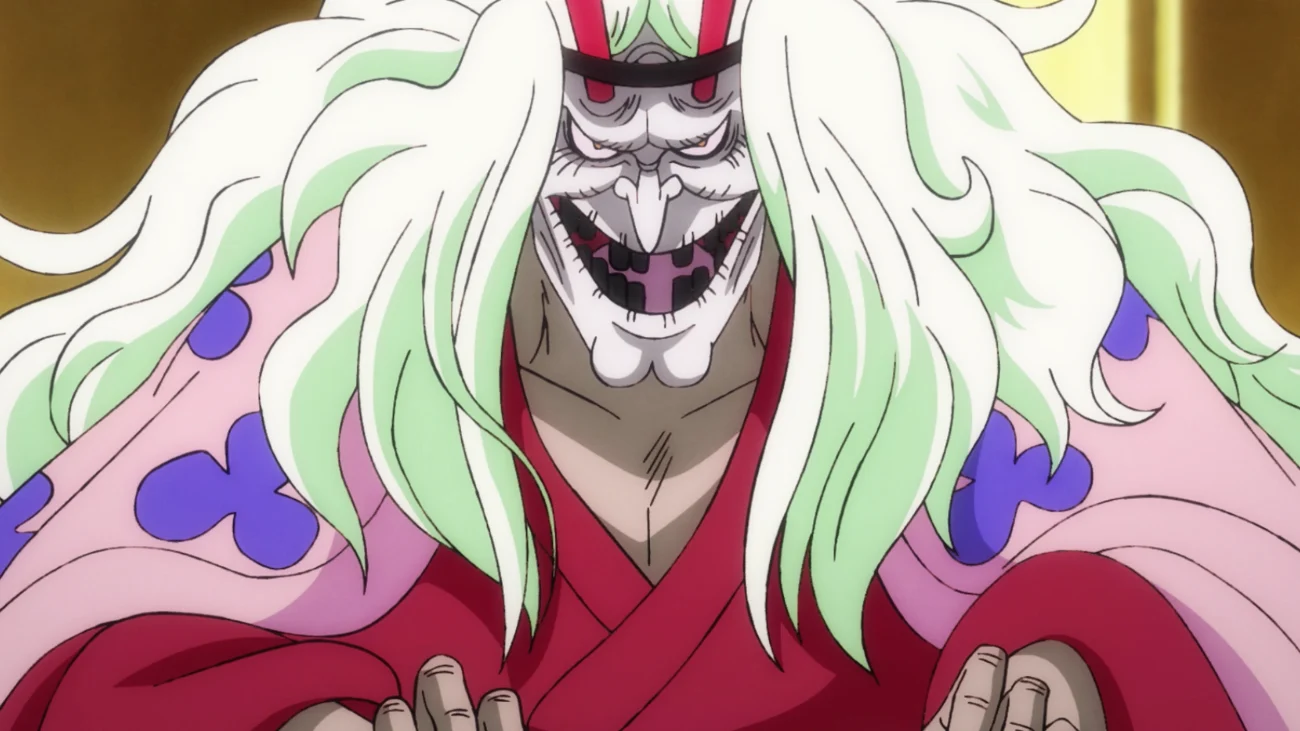
Within Wano Country flashback episodes, the ‘One Piece’ TV anime depicts Higurashi as a Kurozumi plotter using the Mane Mane no Mi to impersonate figures of power. Her impersonations play a decisive role in Orochi’s ascent, shown through court and palace scenes. The anime uses her transformations to explain political reversals that reshape the shogunate. Her actions link the clan’s vendetta to decades of unrest in Wano.
Vander Decken IX
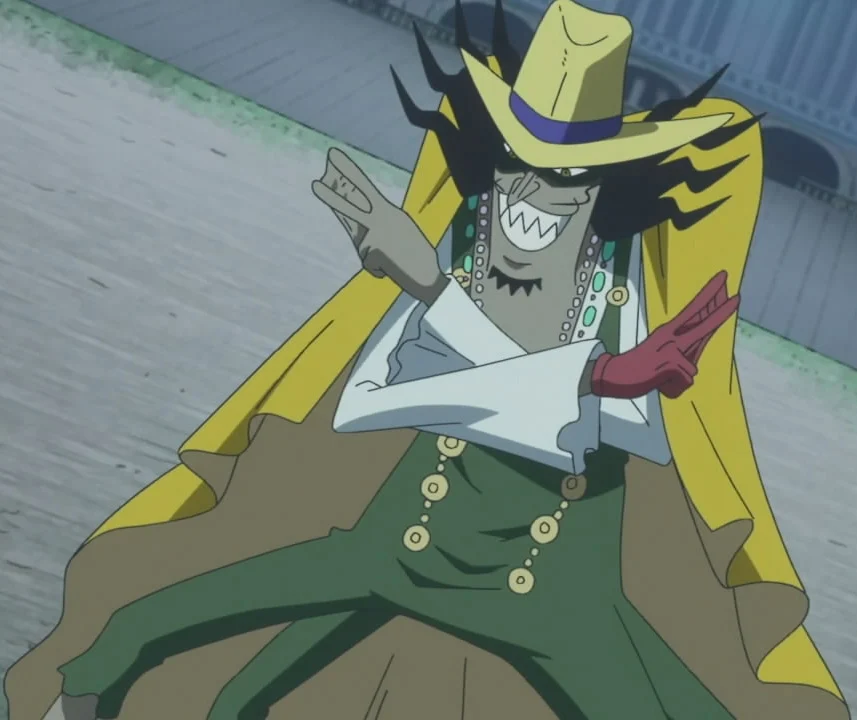
The Fish-Man Island arc of the ‘One Piece’ TV anime presents Vander Decken IX as captain of the Flying Dutchman and a pursuer of Princess Shirahoshi. The series demonstrates his Target-Target powers, which send thrown objects relentlessly after marked victims. His alliance with Hody Jones escalates the palace takeover and the island-wide crisis. The anime situates him as a maritime threat intersecting with the coup plot.
Diamante
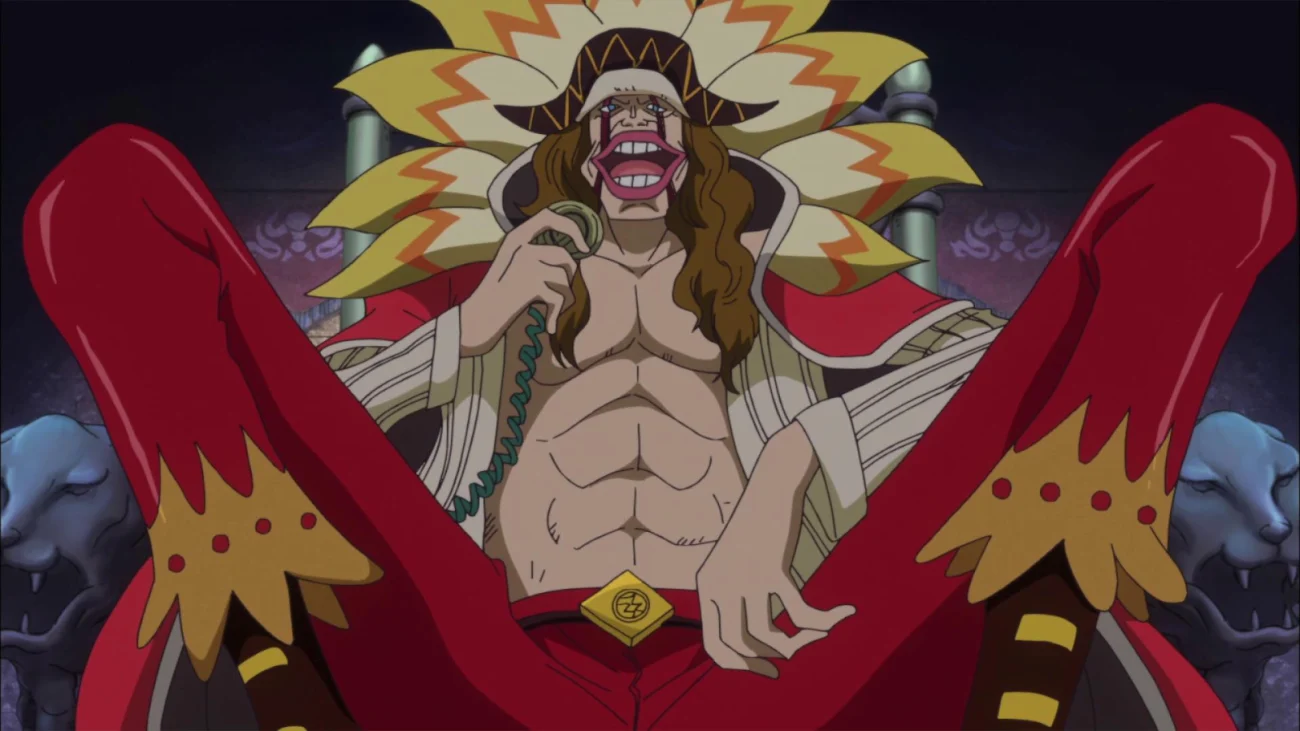
In Dressrosa, the ‘One Piece’ TV anime positions Diamante as the hero of the coliseum and a top executive guarding the SMILE operation’s interests. His Flutter-Flutter powers manipulate the properties of matter in battles staged across the flower fields. Episodes show his prominence in the tournament and his status among the Donquixote officers. His defeats tie into the collapse of the family’s military structure in the arc’s finale.
Pica
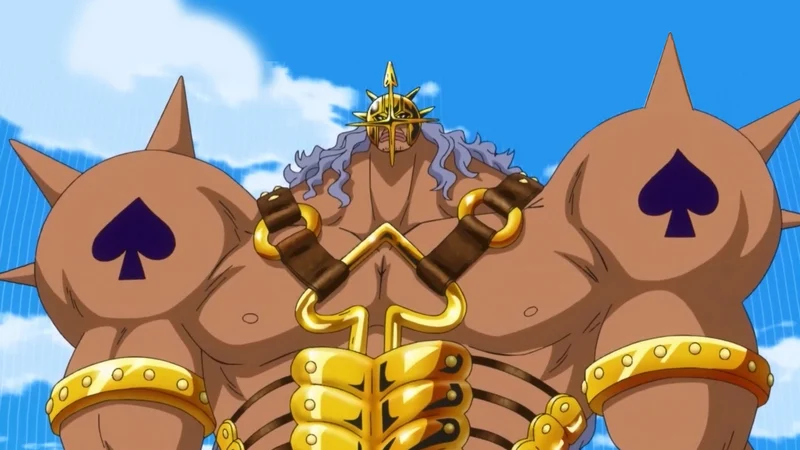
Pica’s role in the Dressrosa portion of the ‘One Piece’ TV anime focuses on his Stone-Stone powers that reshape entire districts. The show highlights his towering golem form and the tactical challenge it presents to the Straw Hat-gladiator alliance. His command over construction sites and defenses protects the palace approach. The anime uses his battles to demonstrate scale and terrain control during the raid.
Monet

Monet operates on Punk Hazard in the ‘One Piece’ TV anime as a harpy-like operative supporting Caesar Clown. The series features her Snow-Snow powers in lab corridors and blockades, complicating evacuation routes. Her covert orders and loyalty to Doflamingo tie Punk Hazard’s events to Dressrosa. The anime uses her presence to heighten the threat level inside the research compound.
Absalom
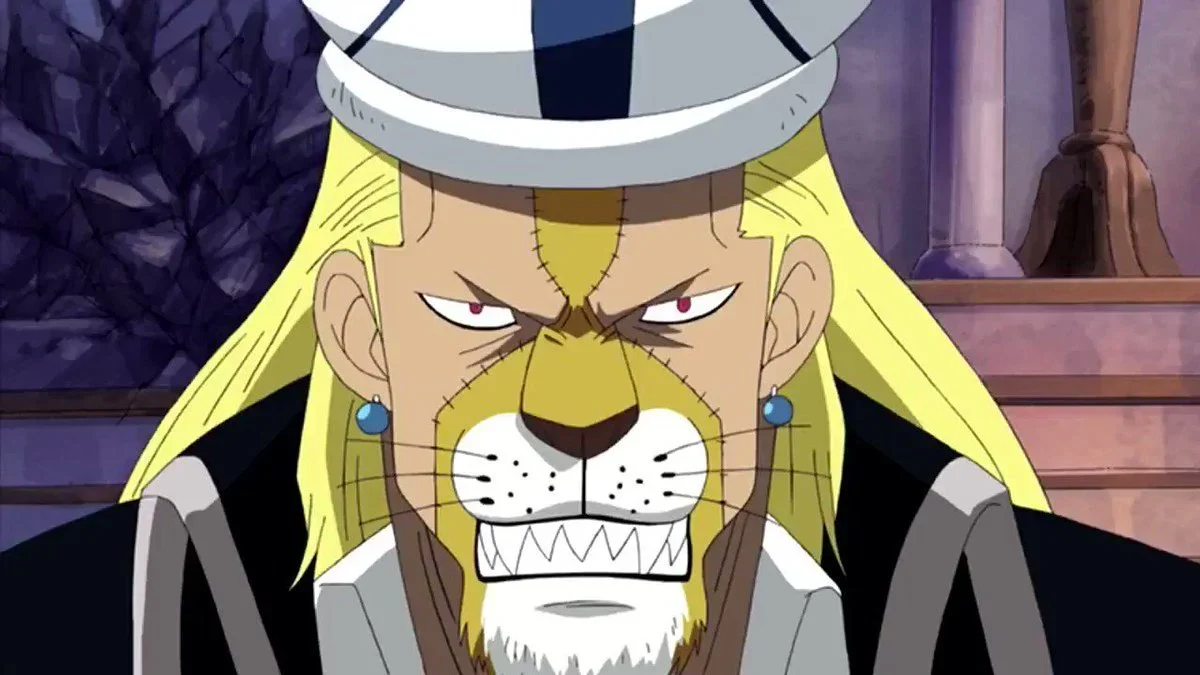
The Thriller Bark arc of the ‘One Piece’ TV anime showcases Absalom’s invisibility powers and his authority among Moria’s subordinates. Episodes cover his control over zombies, his modified body, and his confrontations inside the castle complex. He intersects with several Straw Hats in separate skirmishes that the anime intercuts across the island. Following Thriller Bark, later anime material references his activities tied to journalism and the underworld.
Gecko Moria

In the Thriller Bark stretch of the ‘One Piece’ TV anime, Gecko Moria commands the world’s largest pirate ship and the Shadow-Shadow Fruit. The show details the process of harvesting shadows to animate powerful zombies and the risks to victims. Thriller Bark’s structure and boss battles give the arc its horror-adventure tone in the anime. After his defeat, the series follows the fallout among Warlords and the shifting balance of power.
Dr. Hogback
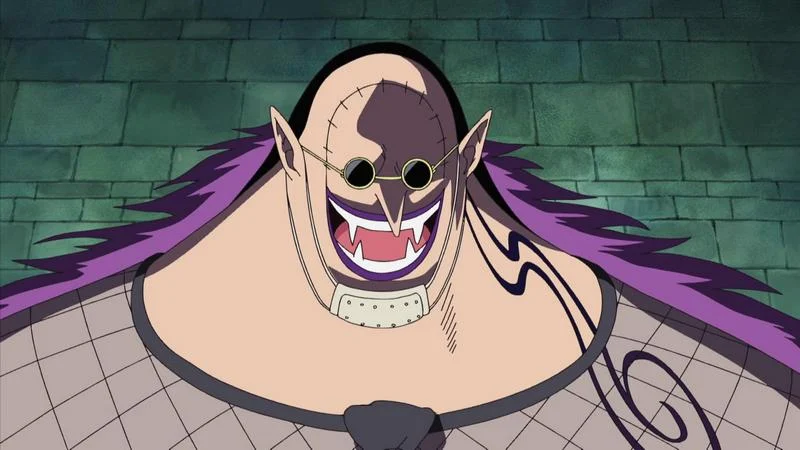
Thriller Bark episodes in the ‘One Piece’ TV anime introduce Dr. Hogback as the surgeon behind the island’s zombie creations. The anime explains his methods, his partnership with Moria, and the ethical violations driving the arc’s stakes. His laboratory scenes anchor the science-meets-supernatural angle that defines the setting. Subsequent references in the show tie his work to the larger network of illegal research across the seas.
Share your picks in the comments—who else from ‘One Piece’ belongs on this rogues’ gallery outside the Yonko and Admirals?