10 ‘Mad Max: Fury Road’ Mistakes You’ll Never Be Able to Unsee

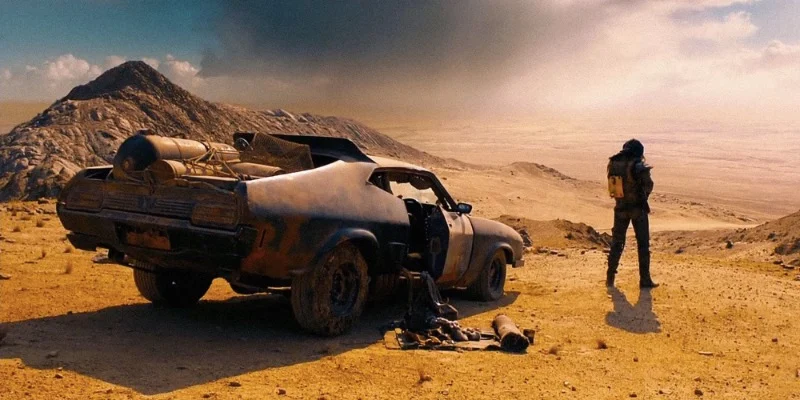

George Miller’s pedal-to-the-metal action epic is so propulsive that most viewers never notice the small slip-ups hiding in plain sight—classic continuity bumps, prop swaps, and geography quirks that crept in amid the dust and chaos. Below are ten commonly cited goofs and production inconsistencies from ‘Mad Max: Fury Road’, each explained with clear context so you can spot them the next time you revisit the Citadel, the sandstorm, and beyond.
Spare Tires That Multiply and Vanish

The War Rig carries spare tires in multiple positions, but the number and placement don’t stay consistent from scene to scene. Early chase footage shows a fuller rack than some later desert shots, where a few spares are missing without any on-screen explanation. In other moments, a tire that was previously used or damaged appears back on the rig, apparently intact. These shifts point to non-sequential filming and the use of different hero/backup vehicles during production.
Max’s Mask and Chain Length Changes
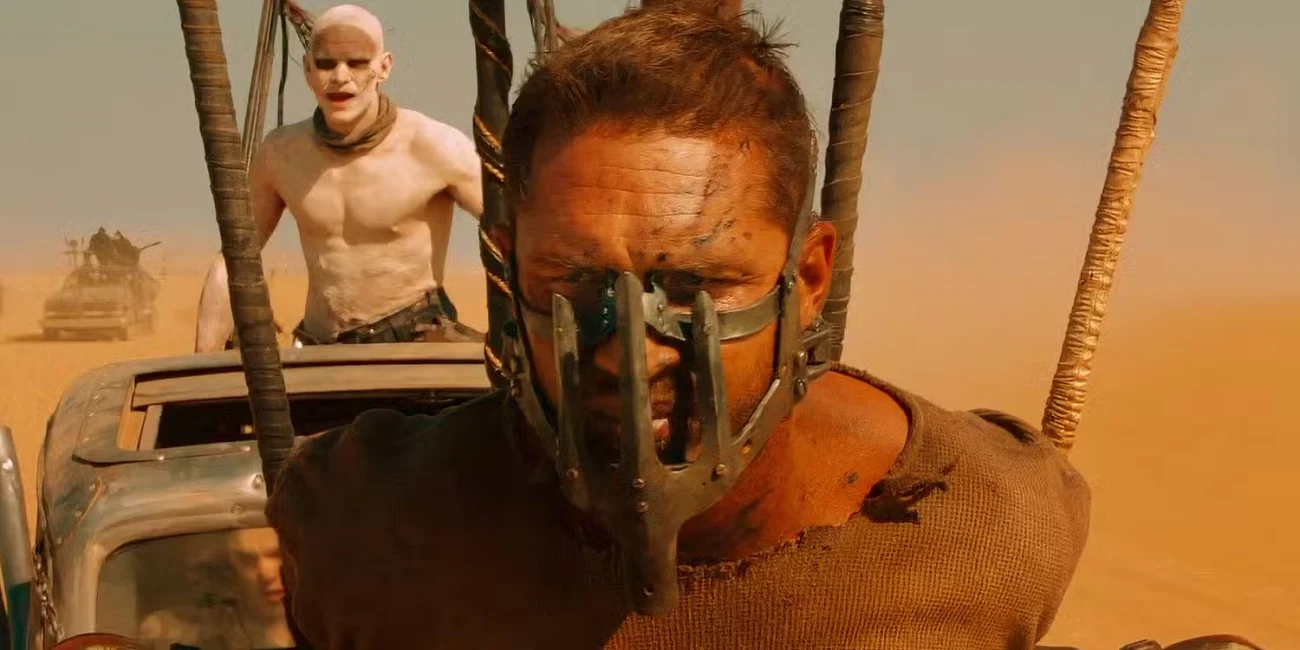
Before Max’s muzzle is removed, the connecting chain and harness arrangement don’t always match between consecutive shots. In close-ups, the chain can appear shorter or routed differently around his torso than in wider angles. The collar’s fit and the strap alignment also jump slightly, indicating that multiple prop sets or reset positions were used during pickups. Such changes are typical when intense action setups require quick resets and safety adjustments.
Nux’s Bloodline Tubing Continuity
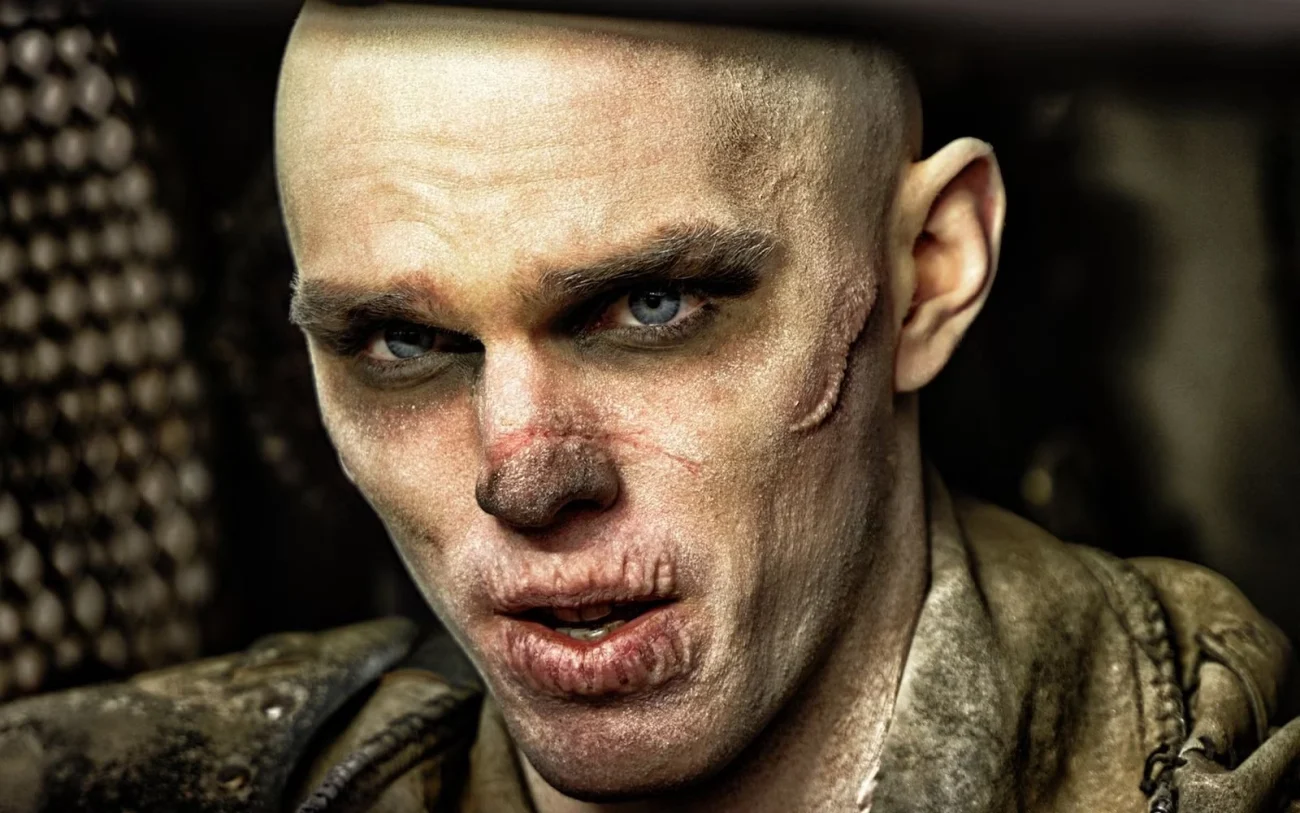
While Max is used as a “blood bag,” the lifeline tubing linking him to Nux switches sides and lengths in ways the story doesn’t show. Some cuts place the line across a different shoulder or tucked under gear that wasn’t moved previously. The connection point at the cannula and the slack visible along the arm also vary, suggesting quick re-rigging between takes. These medical prop inconsistencies are easy to miss amid the vehicle mayhem but stand out on rewatch.
Steering Wheels and Talismans That Relocate
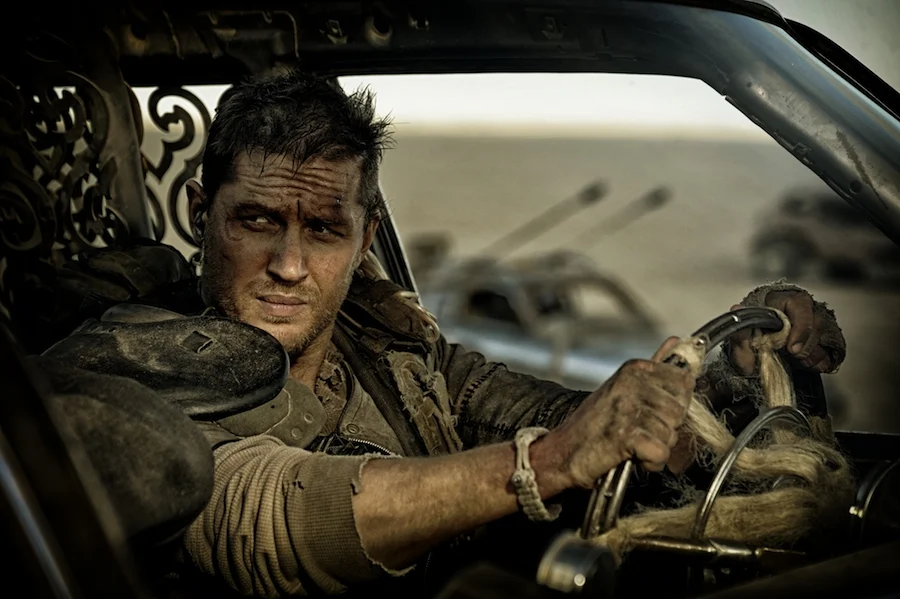
The film emphasizes detachable steering wheels and the War Boys’ ritual trinkets, yet their exact arrangement isn’t always stable. A wheel’s decorative wrap or dangling charms can change position between angles within the same sequence. In certain shots, a wheel that had been removed for a gag reappears attached before anyone reinstalls it on screen. Multiple camera units and hero props likely contributed to these minor resets.
The Doof Warrior’s Flame Guitar Hose

The pyrotechnic guitar relies on a visible fuel line, but the hose’s length and routing don’t line up consistently across shots. During performance close-ups, the line is securely taped and prominent, while adjacent wides show a cleaner instrument or a hose entering from a different angle. The timing and intensity of the flame bursts also vary relative to strums in ways that don’t always match continuity. These discrepancies reflect the challenges of syncing practical fire effects with music beats.
Windshield and Body Damage That Heals
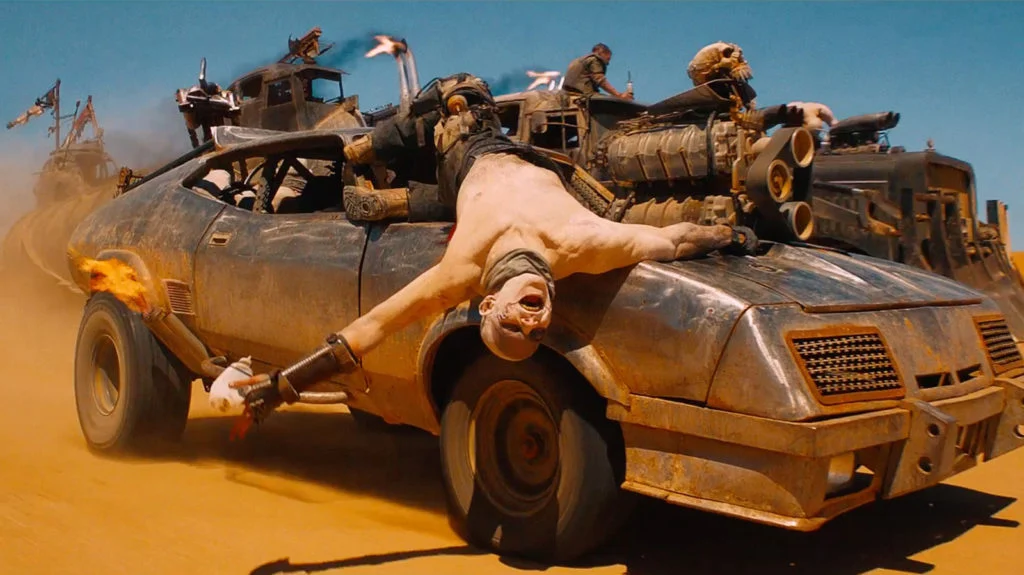
The War Rig’s windshield, doors, and panels acquire bullet strikes, cracks, and dents that sometimes “heal” or rearrange during the long chase. A fractured pane can look spider-webbed in one moment and less damaged in the next, or a door’s dent depth changes between cuts. Fender scrapes migrate along an edge where the rig wasn’t freshly struck. Using multiple identical rigs at different damage stages helps production, but it introduces these visual jumps.
Face Paint and Grease Patterns That Drift
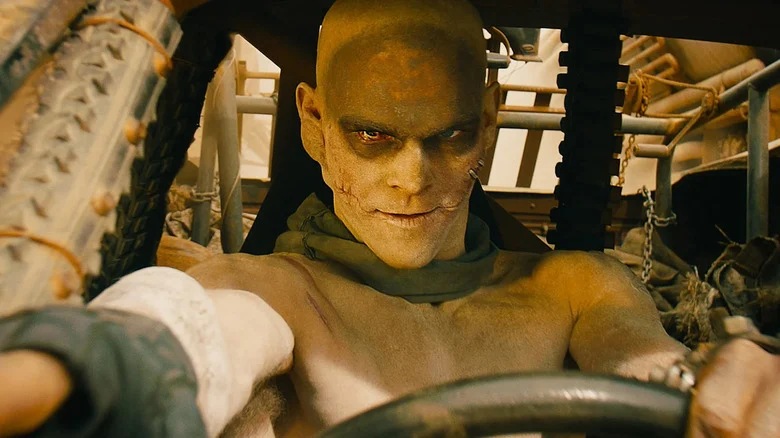
Furiosa’s black grease marks and the War Boys’ chalk-white makeup don’t always remain identical as scenes intercut. A stripe can thicken, shorten, or hop slightly across the brow or cheek, even when only seconds have passed inside the story. Sweat and stunt resets accelerate smudging, but the edits sometimes show cleaner, sharper lines right after dirtier takes. Makeup continuity is notoriously tough under heat, wind, and high-energy stunts.
Weapons and Ammo That Reappear
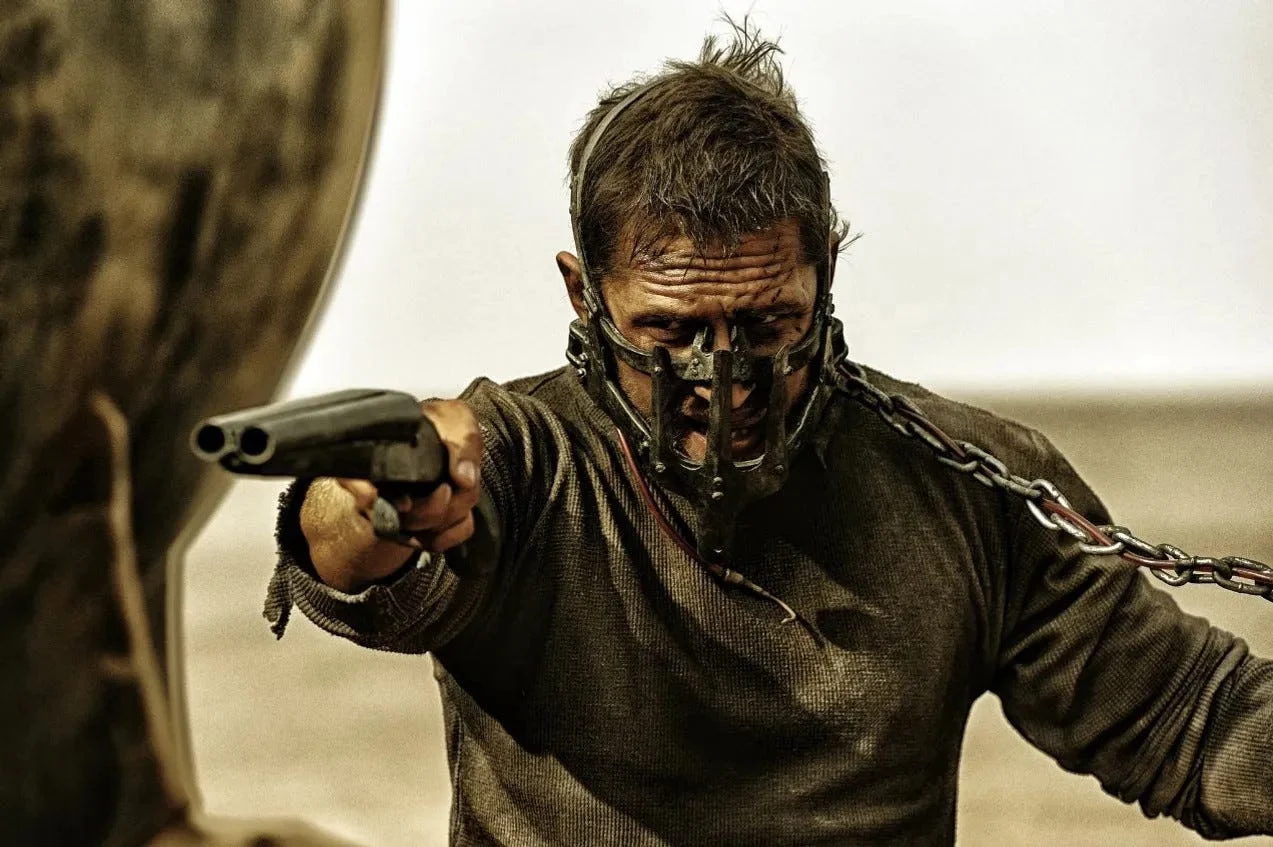
Across firefights, certain firearms and magazines cycle in and out without an on-screen reload or retrieval. A sidearm that was tossed away can be seen holstered again in a later angle, and extra magazines appear after a character seemed to run dry. Shell counts and belt-fed ammo lengths also shift between consecutive cuts. These resets often trace back to safety protocols and coverage from different camera units stitched together.
Sandstorm Distance and Timing Mismatch
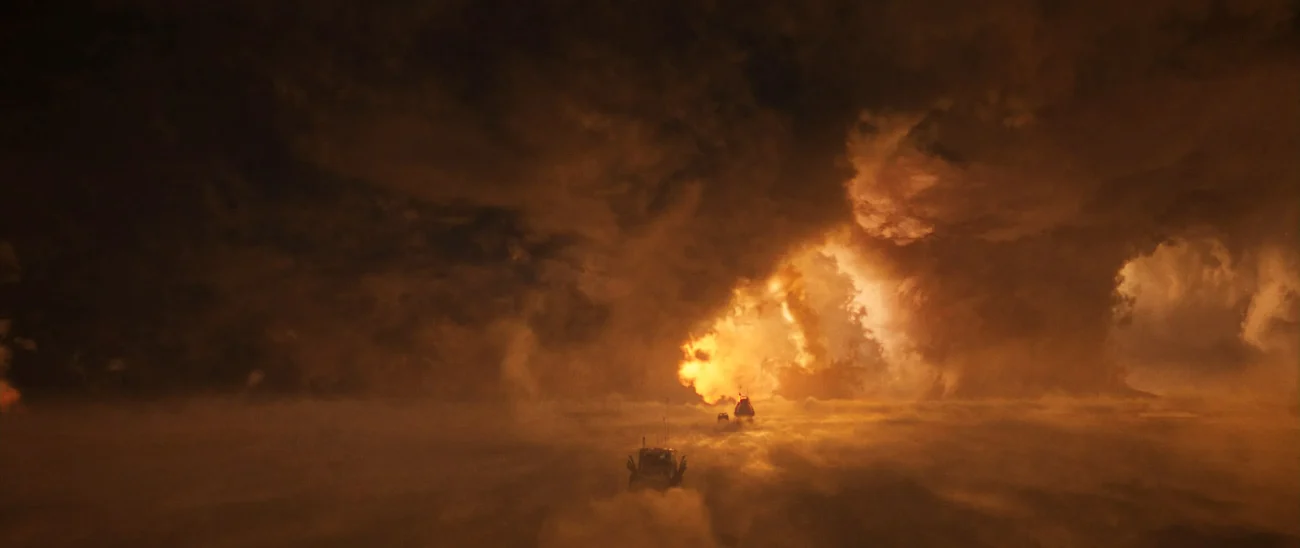
The colossal sandstorm’s proximity and the time it takes to swallow the convoy aren’t entirely consistent between shots. Some wide angles place the storm wall far off the horizon, followed by cuts where vehicles plunge into it almost immediately. Conversely, interior footage occasionally lingers in turbulence long after exterior views suggest they’ve cleared it. Large-scale VFX sequences assembled from multiple passes commonly create these spatial-timing variances.
The Citadel–Gastown–Bullet Farm Geography
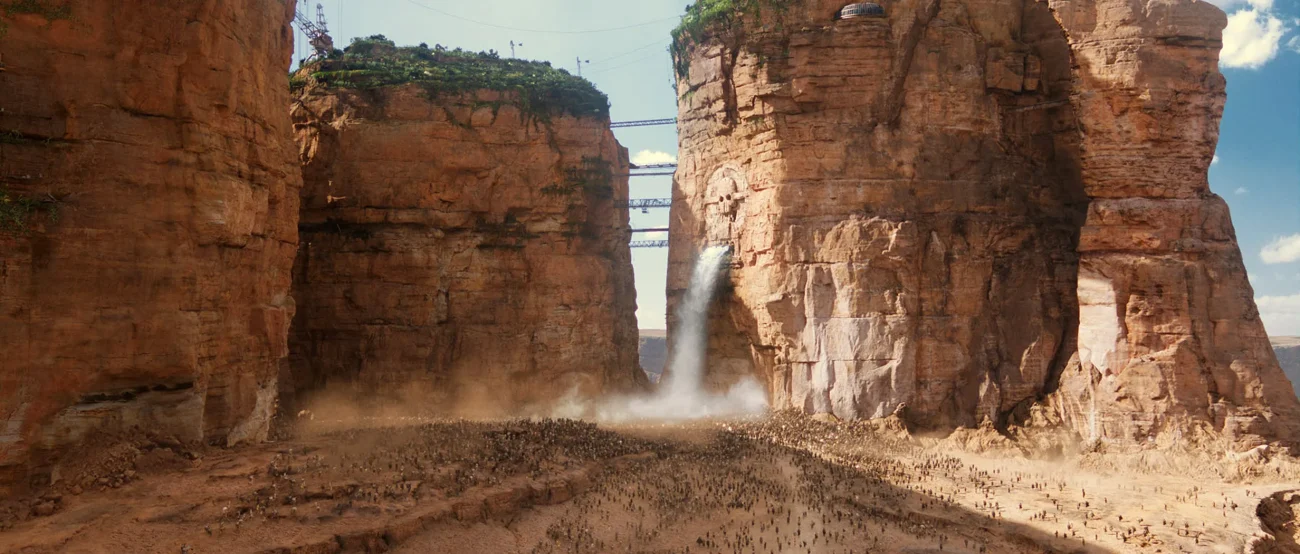
The film references a triangle between the Citadel, Gastown, and the Bullet Farm, yet travel times and sun positions don’t always match a fixed layout. Convoy segments that should take similar durations expand or compress, and return trips feel shorter than the outbound legs. The headings implied by shadows and vistas sometimes suggest different bearings than dialogue implies. This kind of map ambiguity is a frequent byproduct of shooting across varied desert locations and stitching them into a single world.
Got another sharp-eyed catch from ‘Mad Max: Fury Road’ that belongs here—drop your favorite unmissable mistake in the comments!