10 ‘Inside Out’ Mistakes You’ll Never Be Able to Unsee



Pixar’s ‘Inside Out’ turns emotions into lovable characters, but it also compresses messy brain science into tidy story beats; that’s great for storytelling and not always great for accuracy, development, or cognitive detail—so here are ten spots where the film’s explanations miss how minds actually work, with quick, useful notes on what researchers have learned instead.
The “Five Emotions” Model Isn’t How Psychologists Classify Feelings
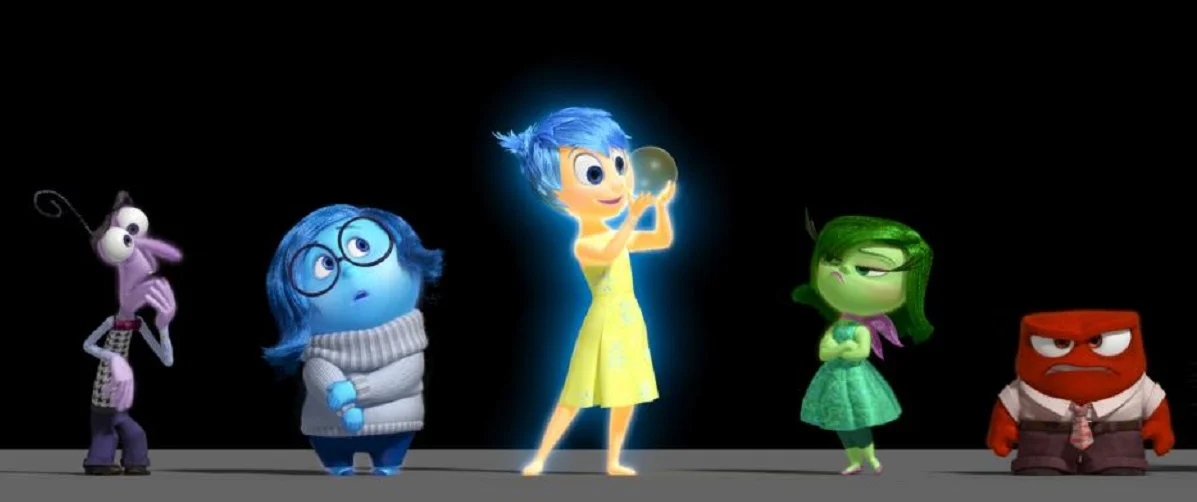
Psychology recognizes far more than five emotions, and researchers don’t agree on a single fixed list. Some frameworks describe basic categories like fear and joy but also include emotions such as contempt, pride, guilt, awe, and compassion. Other models treat emotions as dimensions—valence (pleasant–unpleasant) and arousal (calm–activated)—rather than neat characters. In practice, feelings blend and stack, which means real emotional life rarely fits into only five bins.
Emotions Don’t Sit at a Central “Console” Running the Person
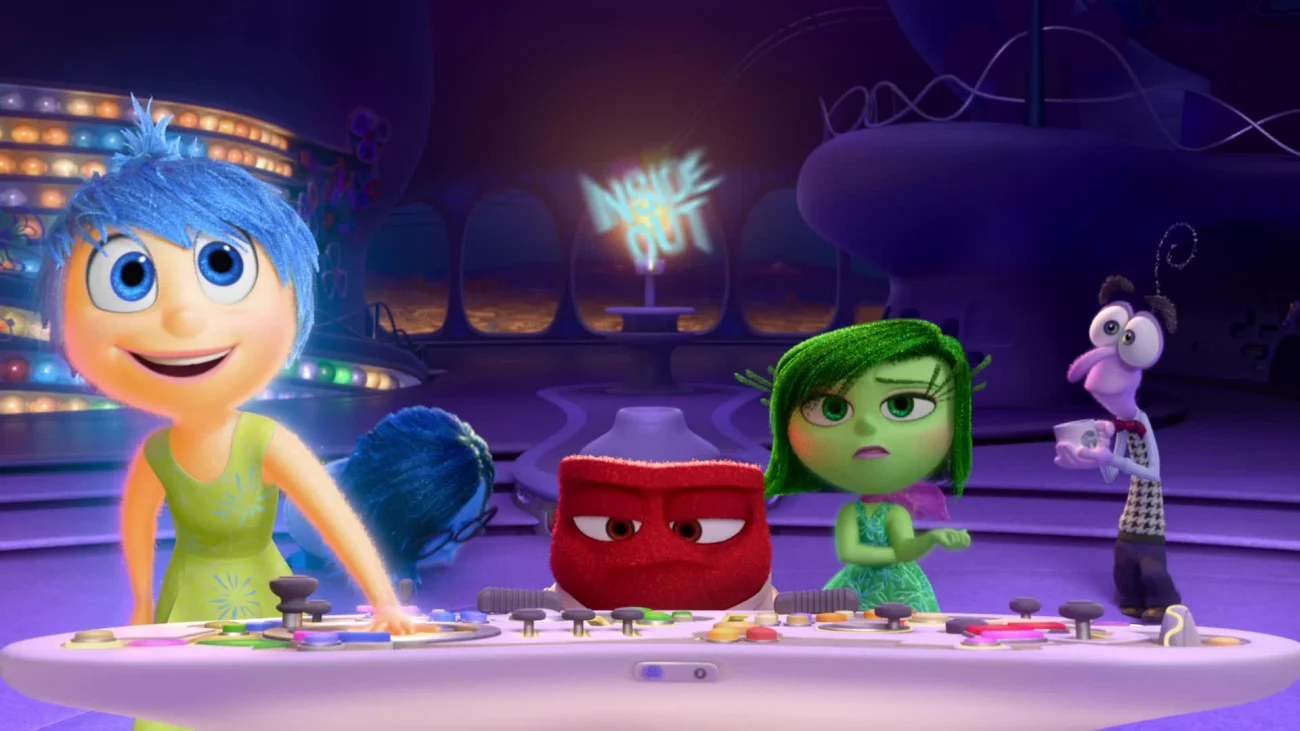
There isn’t a single brain spot where discrete emotions take turns steering behavior. Emotional processing is distributed across networks that include the amygdala, prefrontal cortex, insula, anterior cingulate, and brainstem systems. These circuits interact constantly with perception, memory, and bodily signals rather than handing off control like operators. Decision-making emerges from those interacting systems, not from a switchboard.
“Core Memories” Don’t Instantly Build Personality “Islands”

Memories can be formative, but personality develops over years through genetics, temperament, learning, relationships, and culture. No single memory crystalizes a stable trait overnight; instead, repeated experiences and reinforcement gradually shape patterns of thinking and behavior. Personality also shows both stability and change, influenced by life events, brain maturation, and context. The movie’s “islands” are a metaphor, not modules you can knock out with one lost memory.
Memories Aren’t Stored as Single, Untouched Orbs
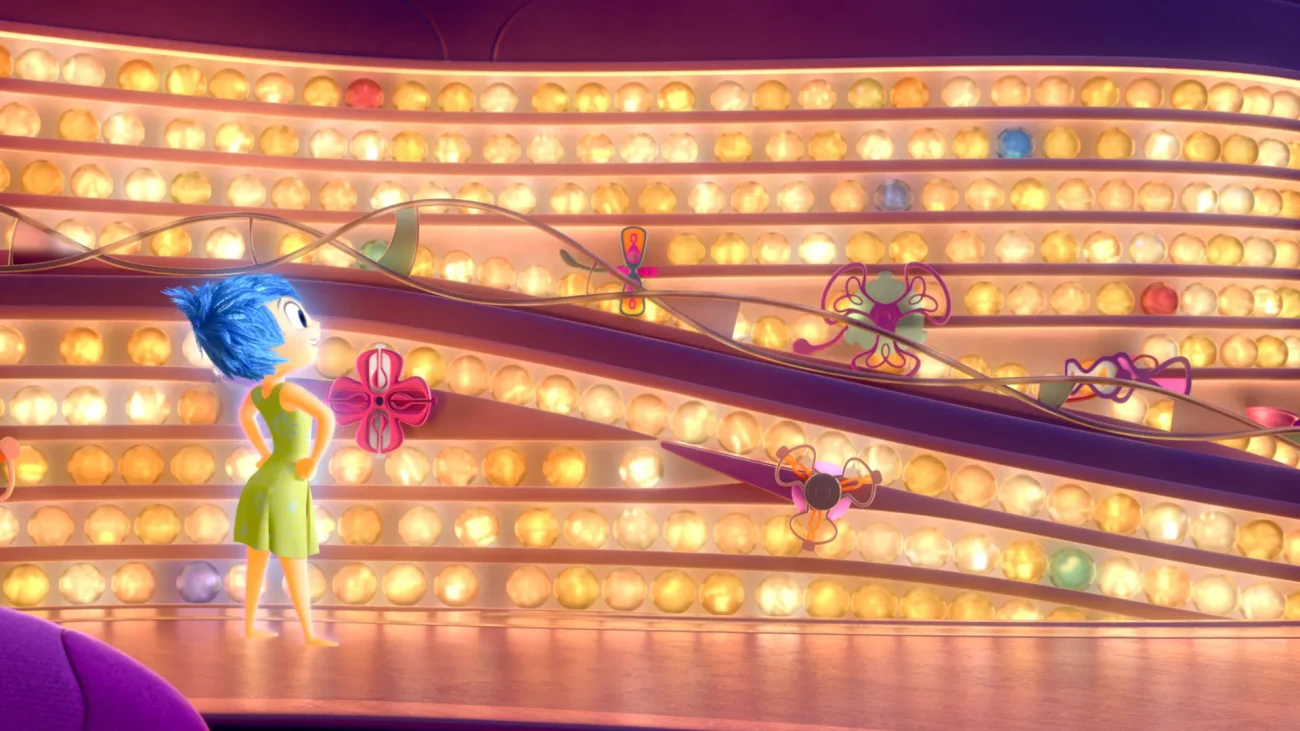
A remembered event is reconstructed each time it’s recalled, drawing on context and current emotions. Details can change with retelling, and separate features—visuals, sounds, meanings—are stored across different cortical areas and linked together by hippocampal processes. Emotional “color” doesn’t wrap a memory once and for all; the same event can feel different later as beliefs and circumstances shift. Consolidation also continues long after the initial encoding.
Forgetting Isn’t Just Deleting Old Files

People forget for many reasons, including interference from newer or older information, loss of retrieval cues, and intentional regulation. Some memories fade, but others remain inaccessible until a cue or context unlocks them. Emotional salience and repetition protect memories from decay, while stress can either impair or enhance retention depending on timing and intensity. “Vacuuming” memories because they’re dusty oversimplifies how forgetting really works.
Dreams Aren’t Shot Like Movies on a Backlot
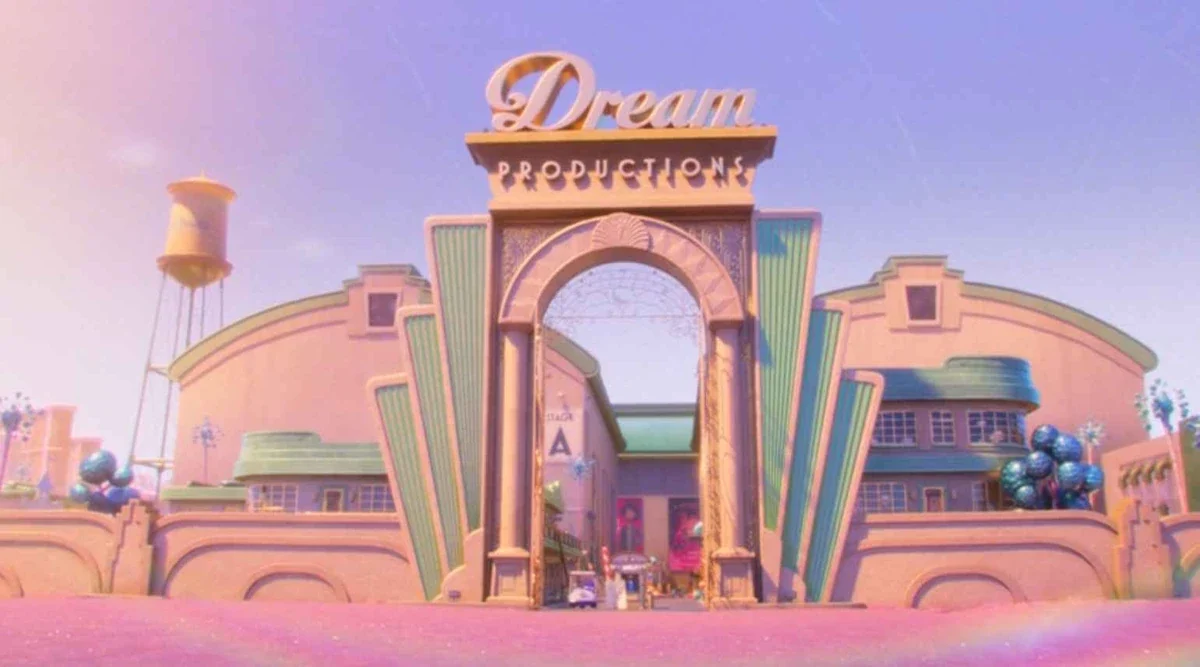
Most vivid dreaming happens during REM sleep, which features distinct brain activity, muscle atonia, and rapid eye movements. Dream content often weaves recent experiences with older memory fragments, emotional concerns, and sensory imagery without a script or director. Sleep also supports learning and emotional regulation by reactivating memory networks. While the “studio” metaphor is fun, dream creation is a spontaneous, neurophysiological process.
Abstract Thought Doesn’t Turn You into Cubes

Abstract thinking—like understanding justice or infinity—builds gradually through language, schooling, and cognitive development, not via a literal transformation stage. It relies on networks supporting semantic memory, working memory, and cognitive control, especially frontoparietal regions. Children begin using abstract concepts earlier than many assume and refine them through practice and feedback. There’s no single switch that flips from concrete to abstract.
The “Train of Thought” Isn’t a Single Track
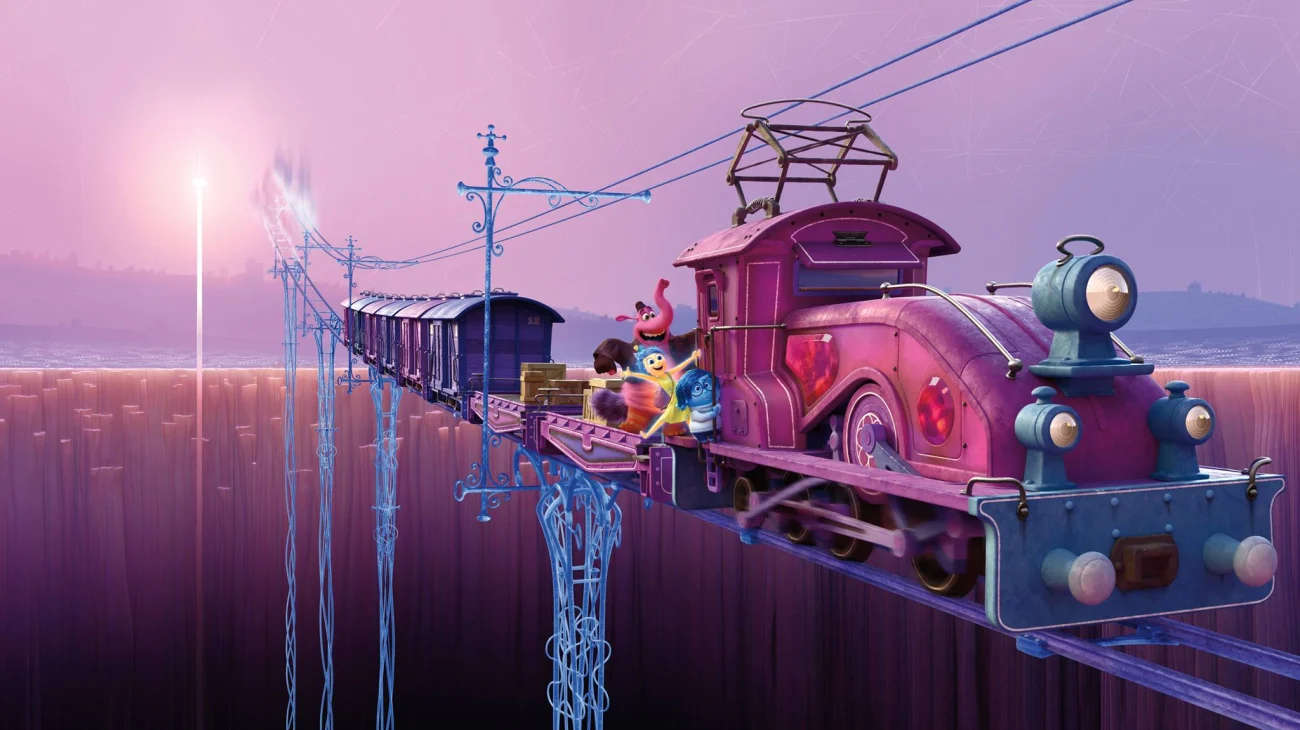
Human thought is not one serial freight line; it’s a mix of parallel processes, looping attention, and spontaneous associations. Working memory maintains several items at once, while background systems generate ideas and predictions automatically. Attention can jump tracks quickly based on goals, novelty, or emotional relevance. Cognition is more like a busy transit map than a single locomotive.
Emotion Characters Don’t Map to One Facial Expression Each
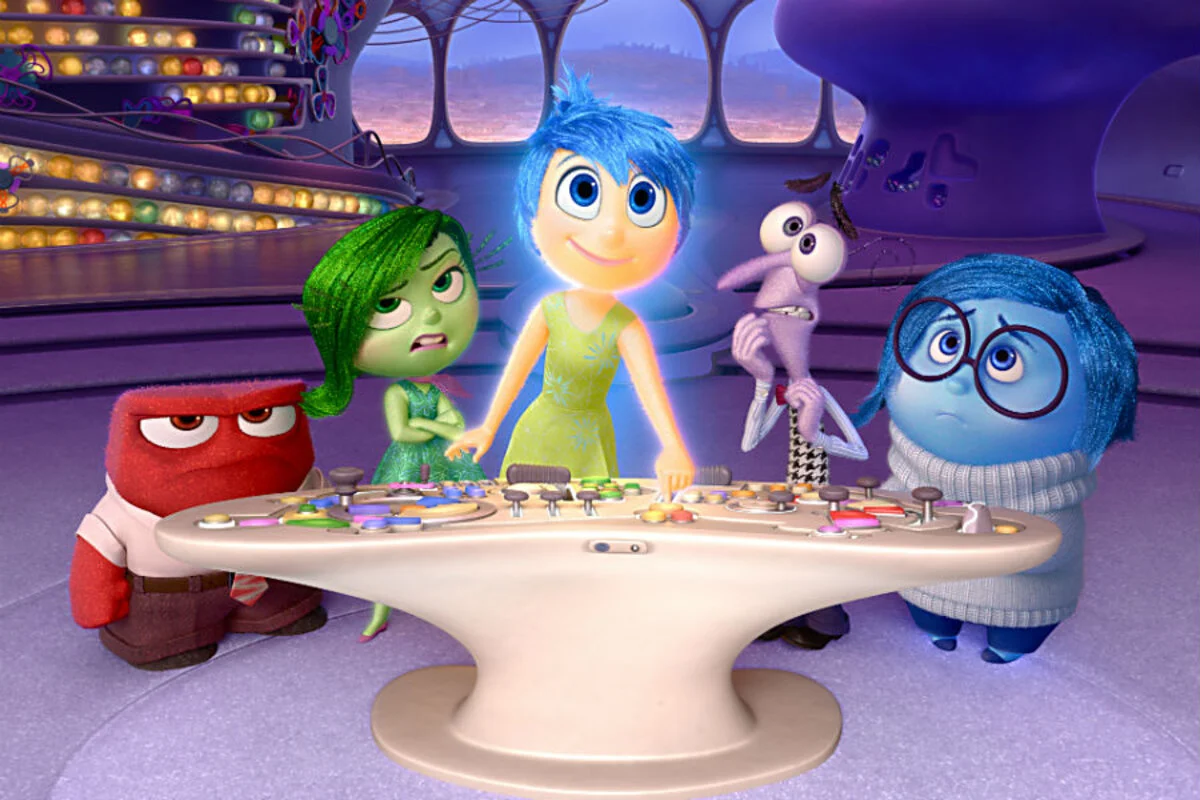
A one-to-one link between an emotion and a face (like “Joy always smiles”) doesn’t reflect how expression works in daily life. People mask, modulate, or mix expressions based on culture, norms, and goals, and many emotions share overlapping facial and bodily cues. Context, voice, and situation are crucial to how others read what someone feels. Emotional communication is flexible, learned, and deeply social.
Puberty, Mood Swings, and Brain Change Are Ongoing, Not Sudden Switches
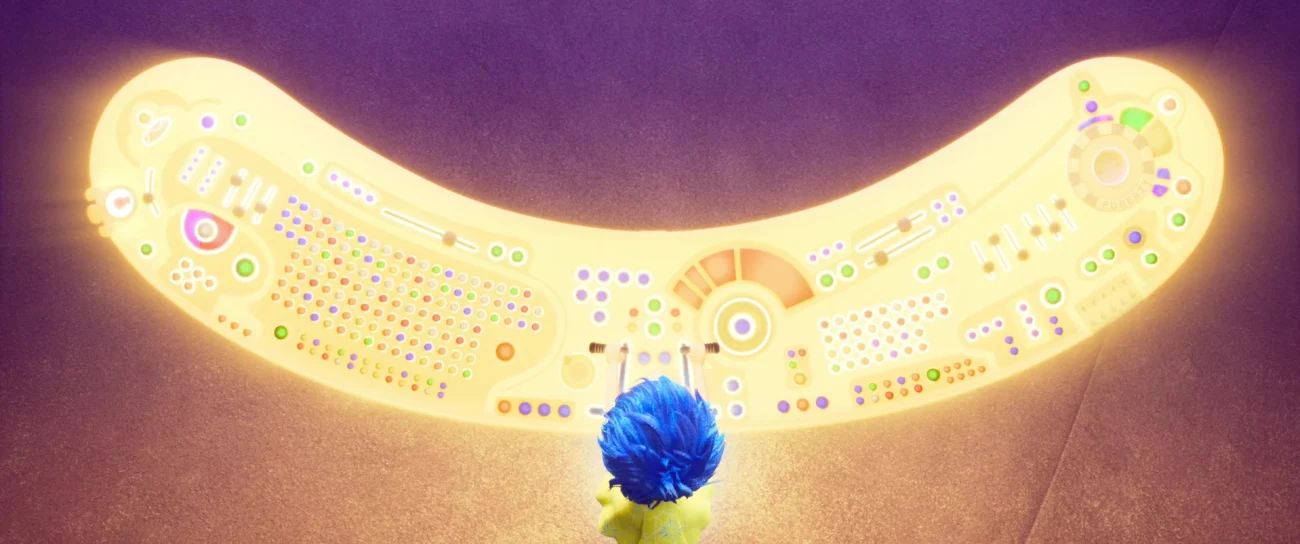
Preteen and teen years involve long, uneven remodeling of brain connectivity—especially between limbic systems and prefrontal control networks. Hormonal changes interact with sleep patterns, stress, and social dynamics to shape mood and behavior over months and years. Skills like impulse control and planning strengthen gradually with practice and supportive environments. Big shifts rarely hinge on a single event or day.
Think the movie nailed something—or missed a big one I didn’t cover? Share your take in the comments!