Top 15 Anime Fights That Broke the Internet

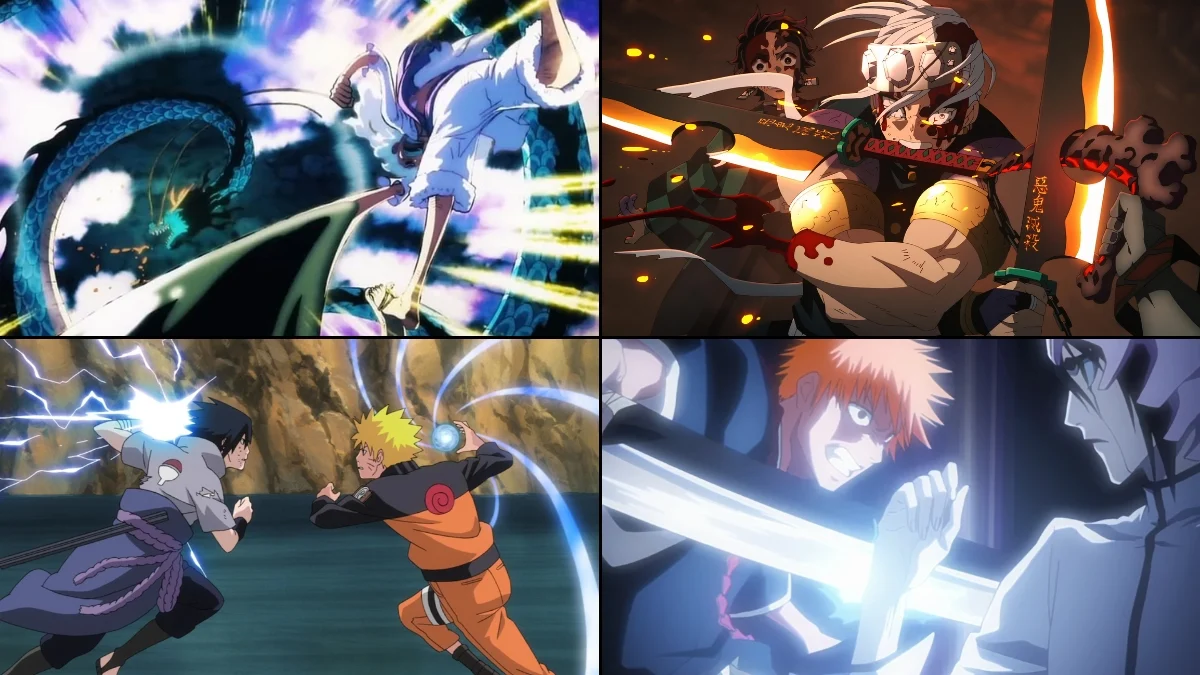

From surprise power-ups to season-defining showdowns, certain anime battles sparked massive surges in searches, streams, and social chatter the moment they aired. Below are fifteen clashes that drew huge audiences and rewatches, with concrete context—episodes, arcs, studios, and why these scenes became instant reference points for fans and industry watchers alike.
Naruto Uzumaki vs Sasuke Uchiha in ‘Naruto: Shippuden’
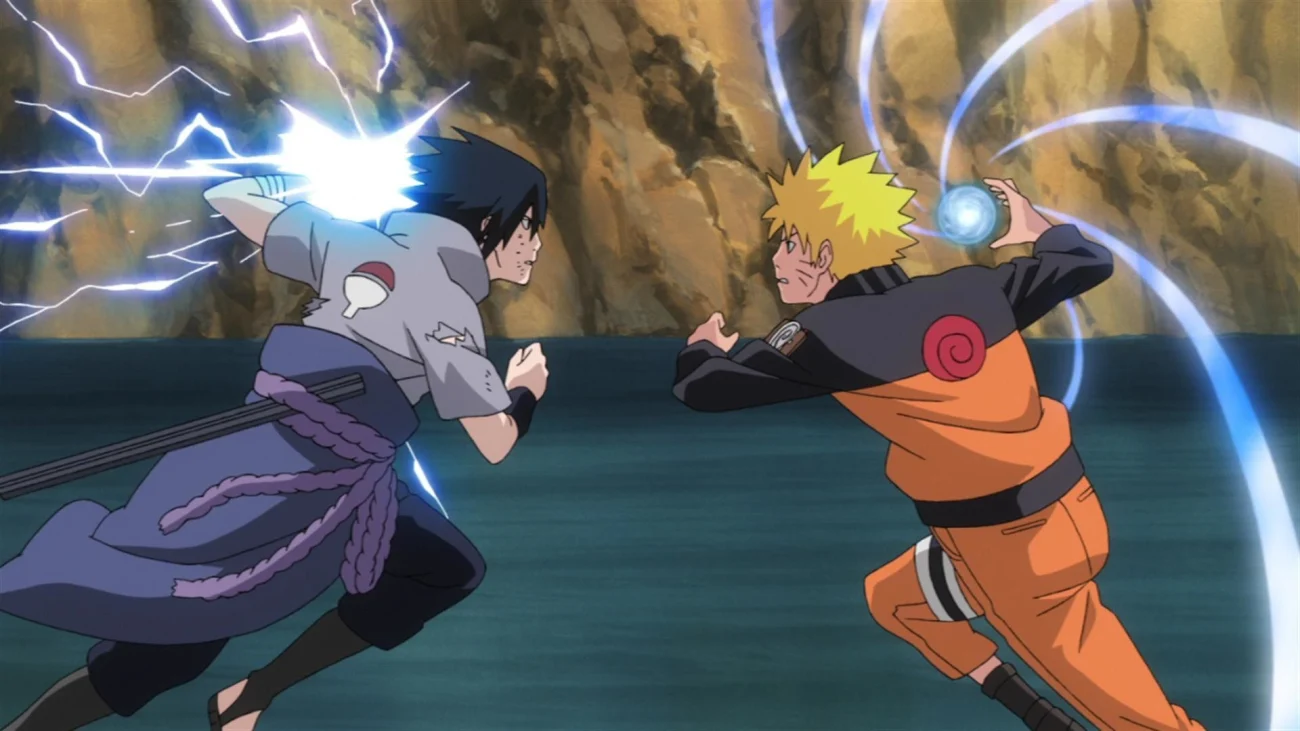
Their final showdown takes place at the Valley of the End to conclude the Fourth Shinobi World War storyline. The episodes cap a rivalry threaded from the original ‘Naruto’ into ‘Naruto: Shippuden’, tying up major character arcs and long-running plot threads. Studio Pierrot staged extended hand-to-hand animation mixed with large-scale ninjutsu sequences across multiple cuts. The duel’s setting mirrors their earlier clash, deliberately revisiting imagery and statues introduced early in the franchise.
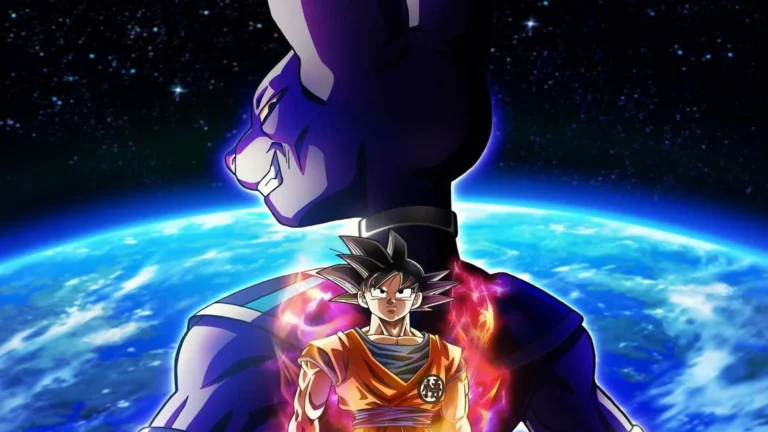
Son Goku vs Jiren in ‘Dragon Ball Super’
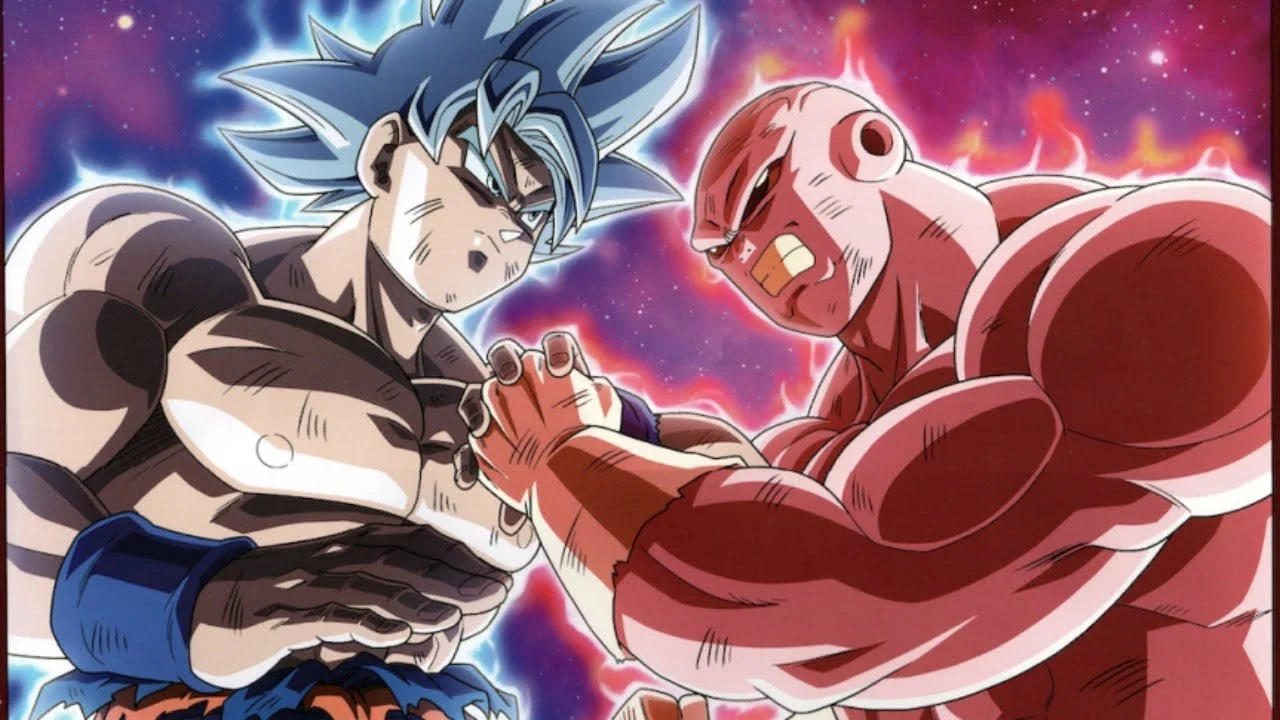
This battle unfolds during the Tournament of Power, including a special back-to-back broadcast that showcased Goku’s Ultra Instinct form for the first time. Toei Animation used extended effects animation and rapid layout shifts to emphasize speed and weight. The fight’s format—multiverse tournament rules, timed arena, and elimination stakes—meant power-ups had immediate consequences for every remaining team. Its airing coincided with a coordinated promotional push across official channels, amplifying clips and stills of the transformation.
Captain Levi vs Beast Titan in ‘Attack on Titan’
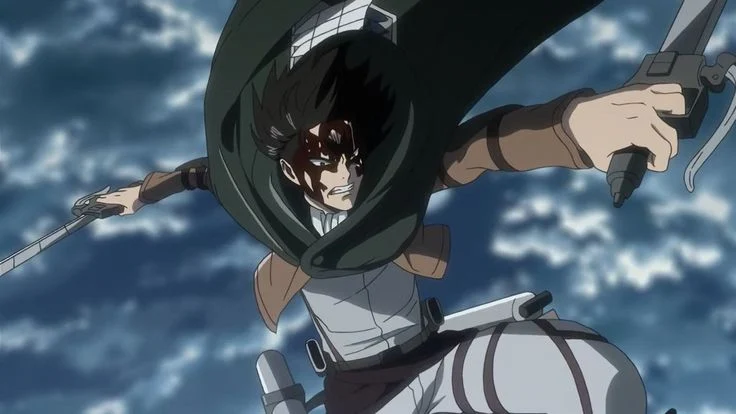
The confrontation occurs during the retake of Shiganshina in the episode widely known for its “Thunder Spears” strategy and a split-perspective battlefield. Wit Studio intercut Levi’s maneuvering with command-level decisions elsewhere in the district to build tactical clarity. The sequence emphasizes vertical choreography through omnidirectional mobility gear and limited sightlines through smoke. Its placement resolves a long-teased matchup that earlier seasons had seeded with reconnaissance details and prior retreats.
Eren Jaeger vs War Hammer Titan in ‘Attack on Titan’
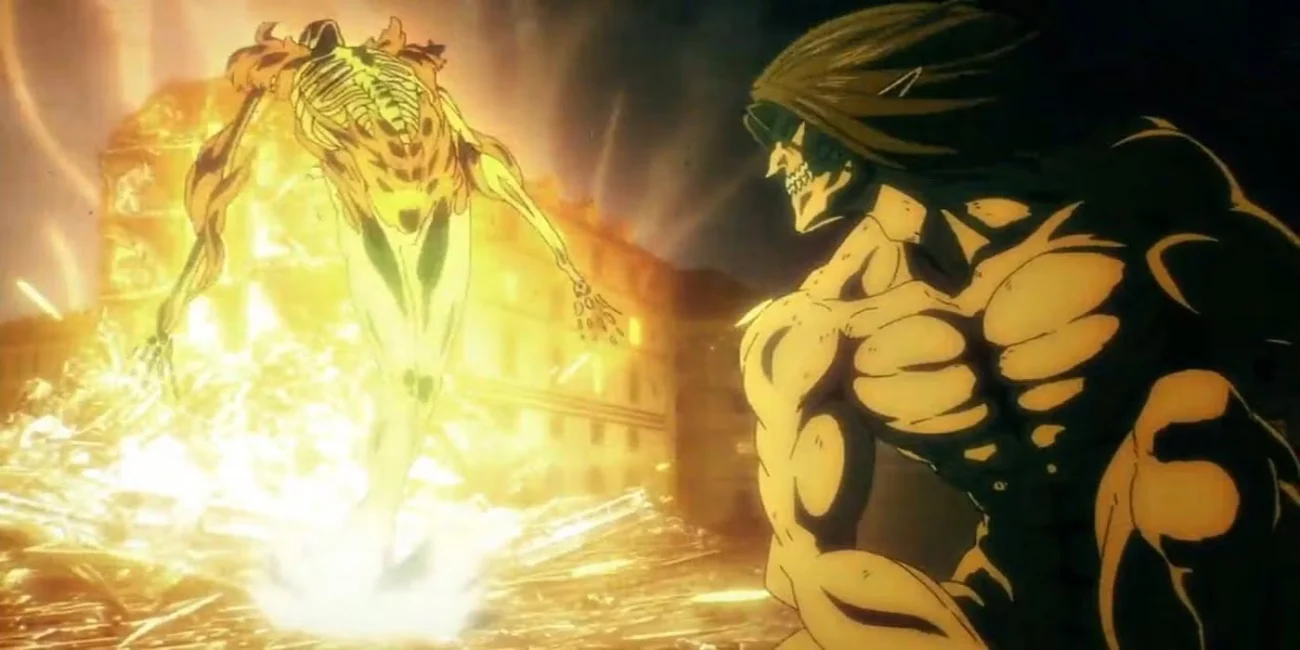
Set during the surprise assault on Liberio, the fight introduces the War Hammer Titan’s weapon-construction power under urban constraints. MAPPA depicted hardened structures and cable-tethered movement through dense streets and collapsed buildings. The engagement shows multiple factions arriving mid-battle—Marleyan forces, Survey Corps squads, and airborne elements—changing objectives in real time. The encounter also explains the War Hammer Titan’s remote body configuration and its vulnerability once the crystal’s connection is exposed.
Tanjiro Kamado & Tengen Uzui vs Gyutaro & Daki in ‘Demon Slayer: Kimetsu no Yaiba’
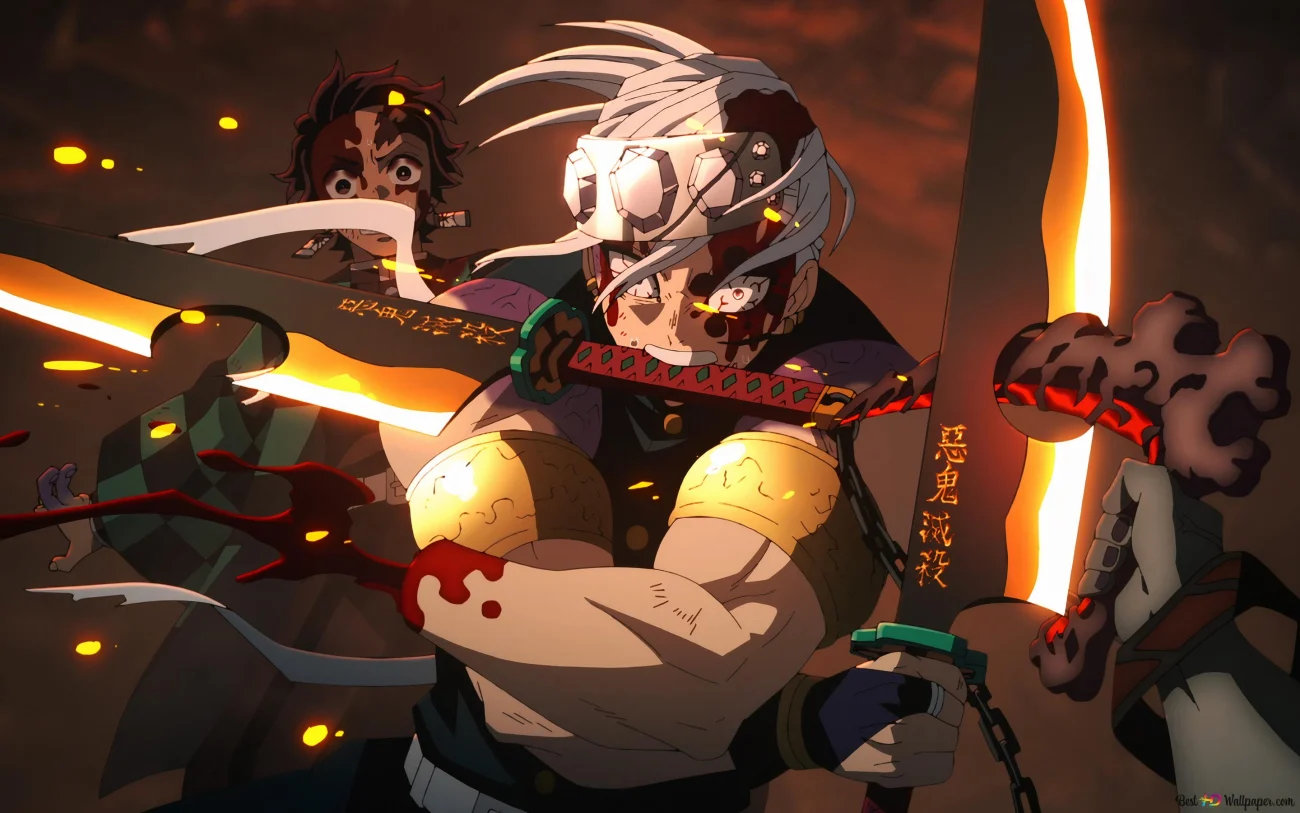
The Entertainment District Arc culminates in a coordinated duel against sibling Upper Rank demons attacking Yoshiwara. Ufotable blended high-frequency hand-drawn effects with 3D camera moves and extensive compositing to keep spatial continuity across rooftops and alleyways. The battle interleaves Tanjiro’s blade forms, sound-based tactics from Uzui, and synchronized counters between the demon siblings. The final exchange runs through a continuous chain of cuts designed as a single escalating set piece.
Saitama vs Lord Boros in ‘One-Punch Man’
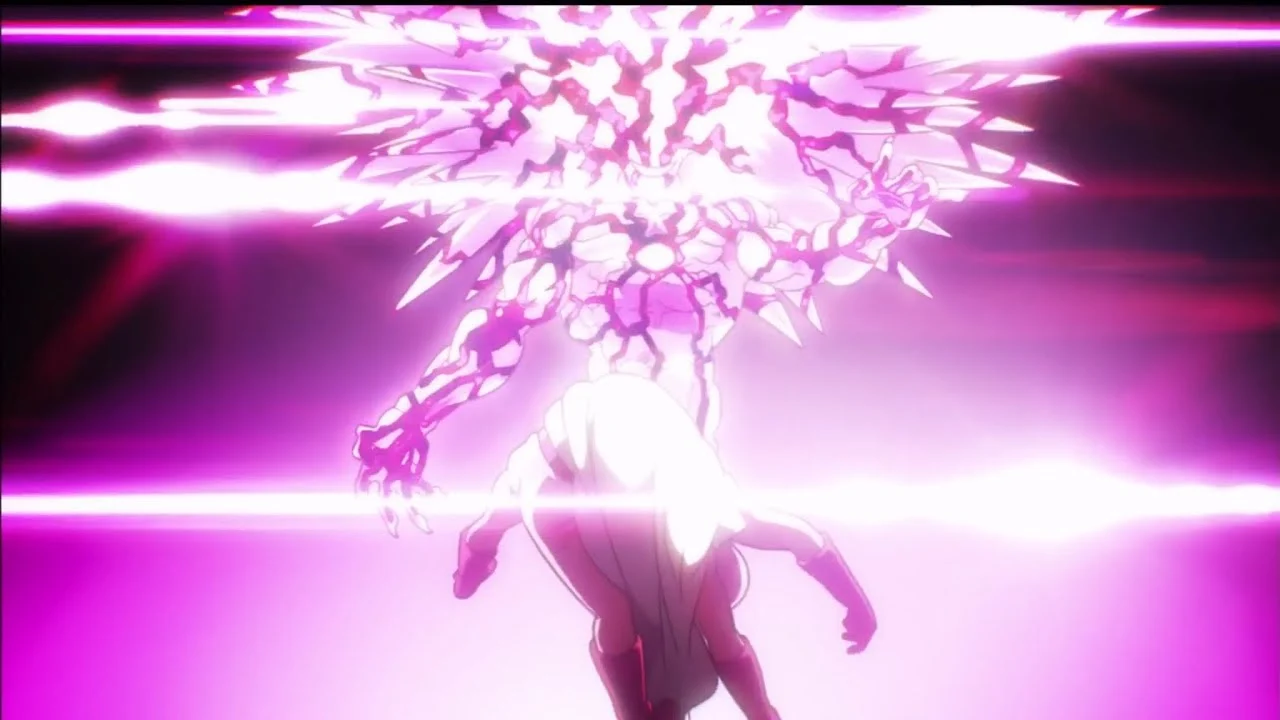
The season finale pits Saitama against an alien conqueror whose regenerative abilities prolong the usually brief resolution. Madhouse staged long, wide-angle shots of atmospheric reentry, exterior hull destruction, and city-scale shockwaves to establish scope. The fight demonstrates Saitama’s strength tiers—“serious” moves—after a season of comedic one-hit wins. Its cuts highlight motion smears and background animation that became widely clipped in official trailers and fan recaps.
Monkey D. Luffy vs Kaido in ‘One Piece’
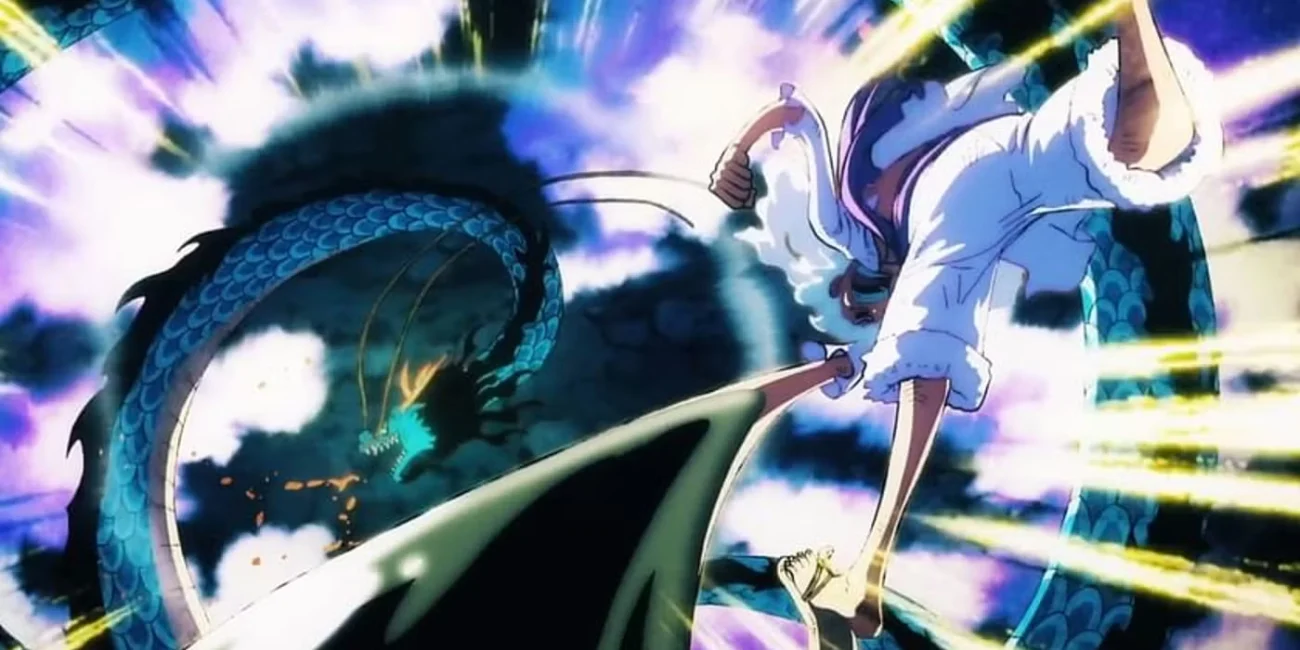
The decisive chapters of the Onigashima raid include Luffy’s transformation that redefines his fighting style and visual language. Toei Animation leaned on exaggerated timing, elastic character posing, and bold linework to match the source material’s tonal shift. The sequence cross-cuts with allied fronts across the island to show how the main duel affects the larger raid. Broadcast and streaming platforms prepared themed key art and thumbnails spotlighting the new form across episode landing pages.
Ichigo Kurosaki vs Ulquiorra Cifer in ‘Bleach’
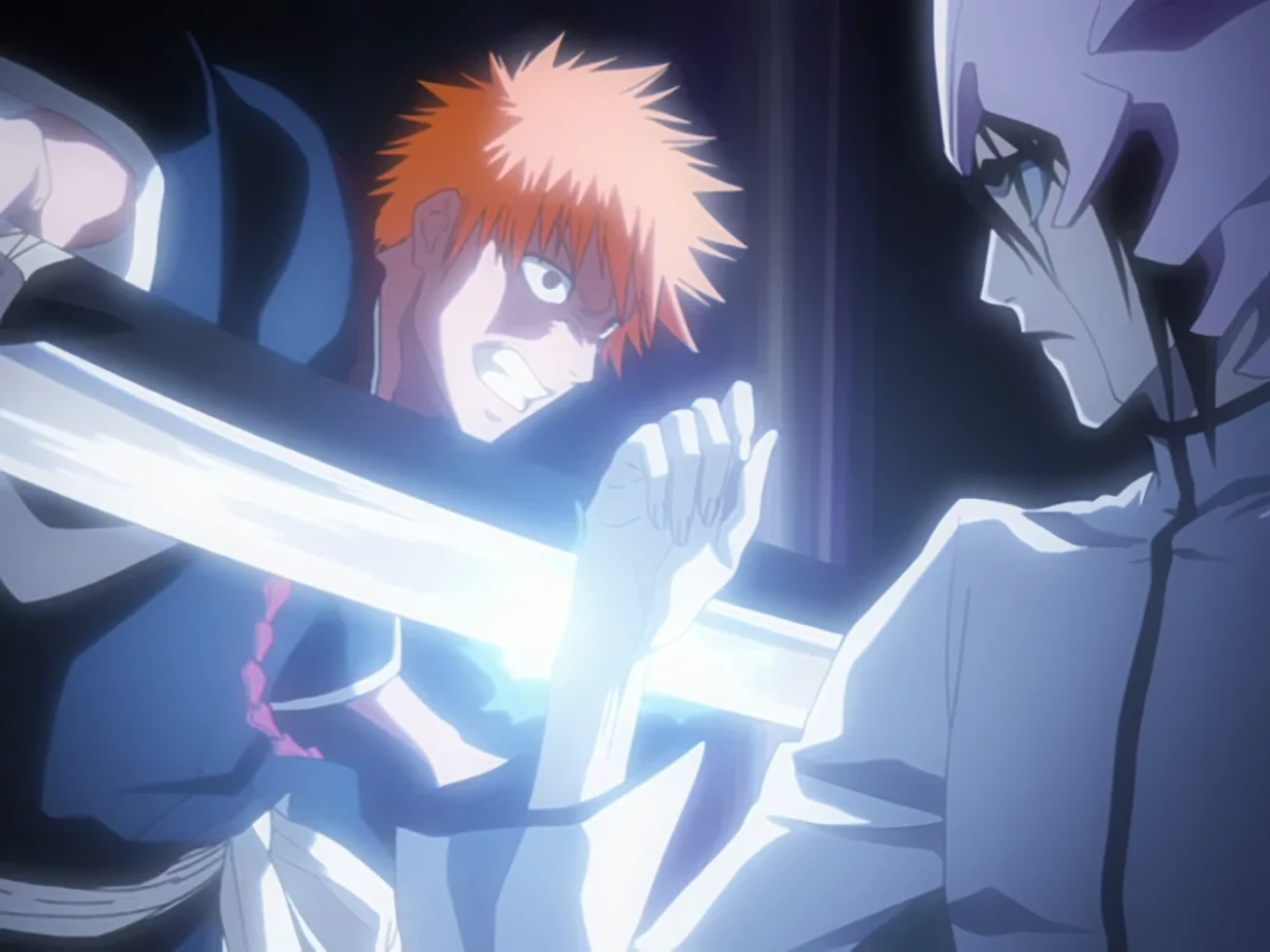
This Las Noches confrontation escalates from aerial clashes to subterranean chambers as both fighters reveal additional transformations. Studio Pierrot choreographed long exchanges with smoke-clearing pauses to reset geography on the dome’s surface. The fight provides key information on Hollow masks, Hierro durability, and the Espada ranking system. It also marks a turning point in the Hueco Mundo campaign by resolving a guard-post antagonist at the fortress.
Satoru Gojo vs Ryomen Sukuna in ‘Jujutsu Kaisen’
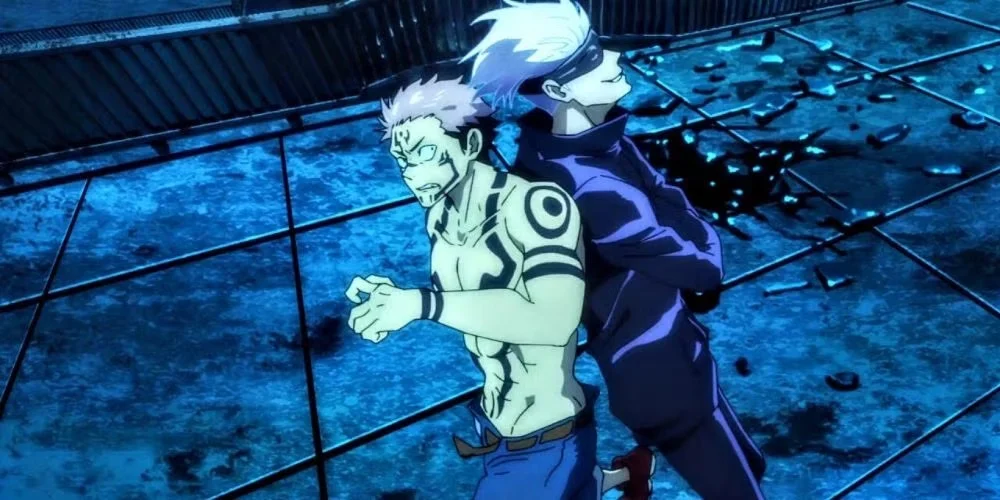
The modern-era showdown contrasts Domain techniques—Unlimited Void and Malevolent Shrine—while tracking barrier interactions and rule-set adjustments. MAPPA visualized domain clashes with layered particle systems, negative-space framing, and on-model close-ups supervised against detailed character sheets. The battle’s placement synthesizes prior training, seal conditions, and binding vows introduced earlier in the story. Official accounts released staff boards and key visuals that documented staging decisions from pre-production to final cuts.
Isaac Netero vs Meruem in ‘Hunter x Hunter’
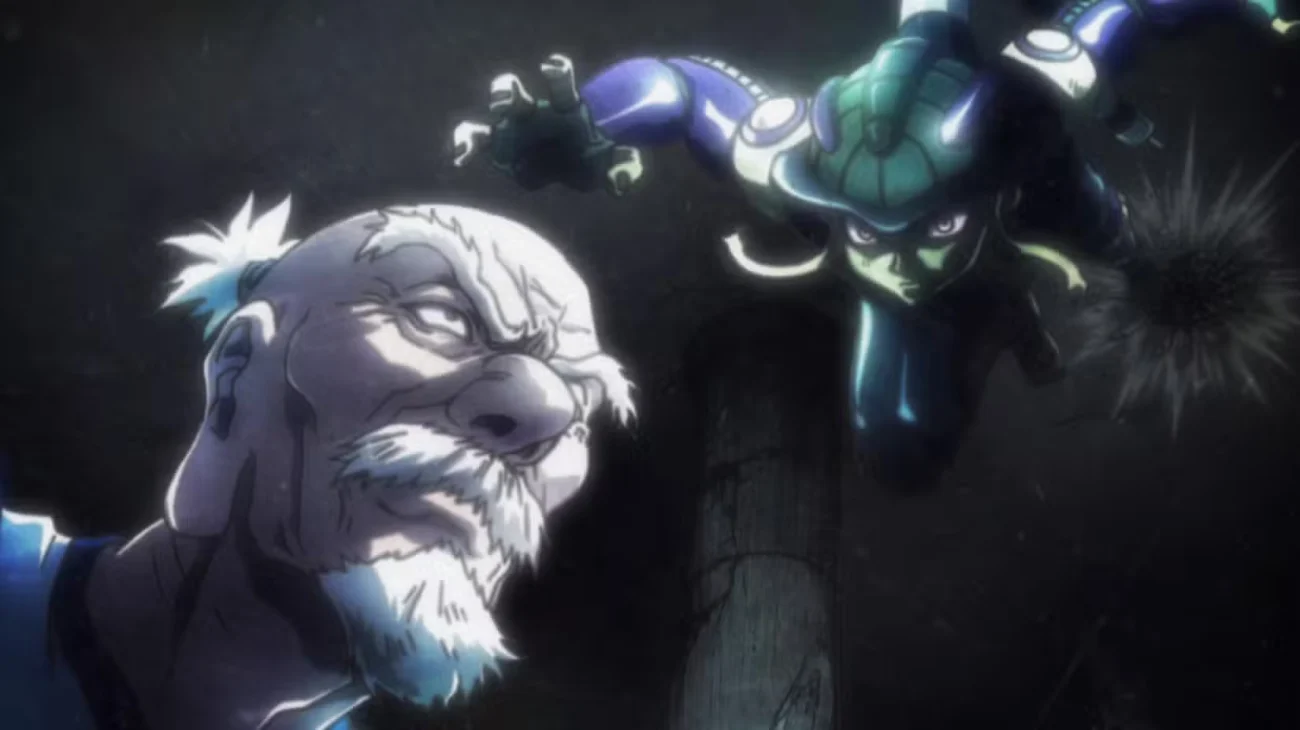
Their meeting in the palace outskirts demonstrates Nen’s ultimate technique through the multi-hand Bodhisattva construct. Madhouse paced the duel with alternating volleys and dialogic pauses to unpack Nen rules, aura output, and endurance. The encounter transitions from formal combat to an activation protocol that reframes the authority of the Hunters Association. Its aftermath sequences connect to later scenes through environmental continuity and recurring motifs introduced in the Chimera Ant arc.
Shigeo “Mob” Kageyama vs Toichiro Suzuki in ‘Mob Psycho 100’
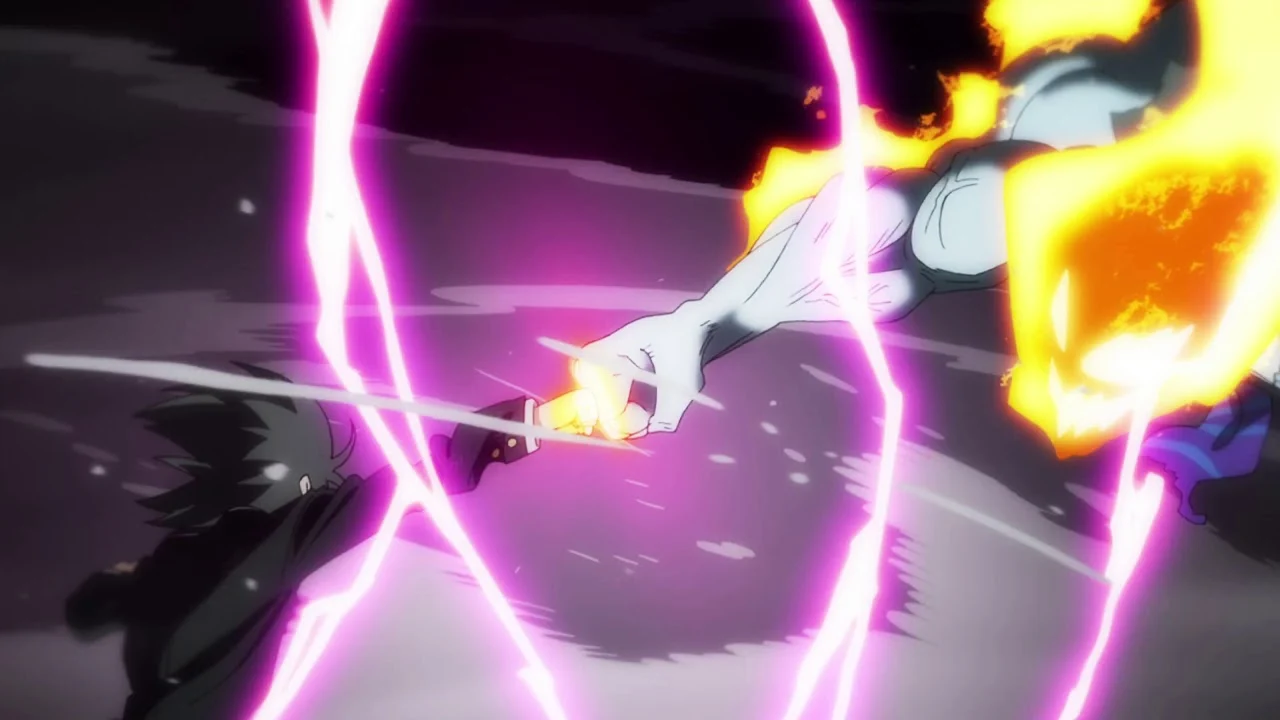
The climax of the Claw arc features sustained urban-level telekinesis, debris fields, and shock rings across a downtown grid. Bones emphasized perspective distortion and environmental damage as scale markers while keeping character silhouettes readable. The narrative uses power caps, emotional states, and limiter concepts to justify surges in output. Compositing links interior base corridors to exterior rooftops, preserving a traceable route through the whole set piece.
Edward & Alphonse Elric vs Father in ‘Fullmetal Alchemist: Brotherhood’
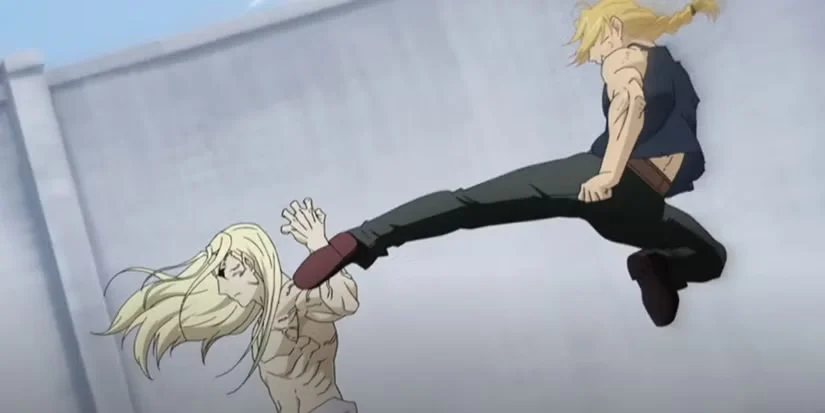
The final confrontation extends from the surface into a transmutation-driven core where equivalents and soul counts become mechanical constraints. Bones integrates multiple teams—State Alchemists, Xingese fighters, and homunculi remnants—into a single tactical objective. The battle explains energy sourcing via celestial mechanics and circles, converting lore into step-by-step counters. Its conclusion ties character sacrifices to earlier rules about human transmutation and the Gate.
Kirito & Asuna vs Gleam Eyes in ‘Sword Art Online’
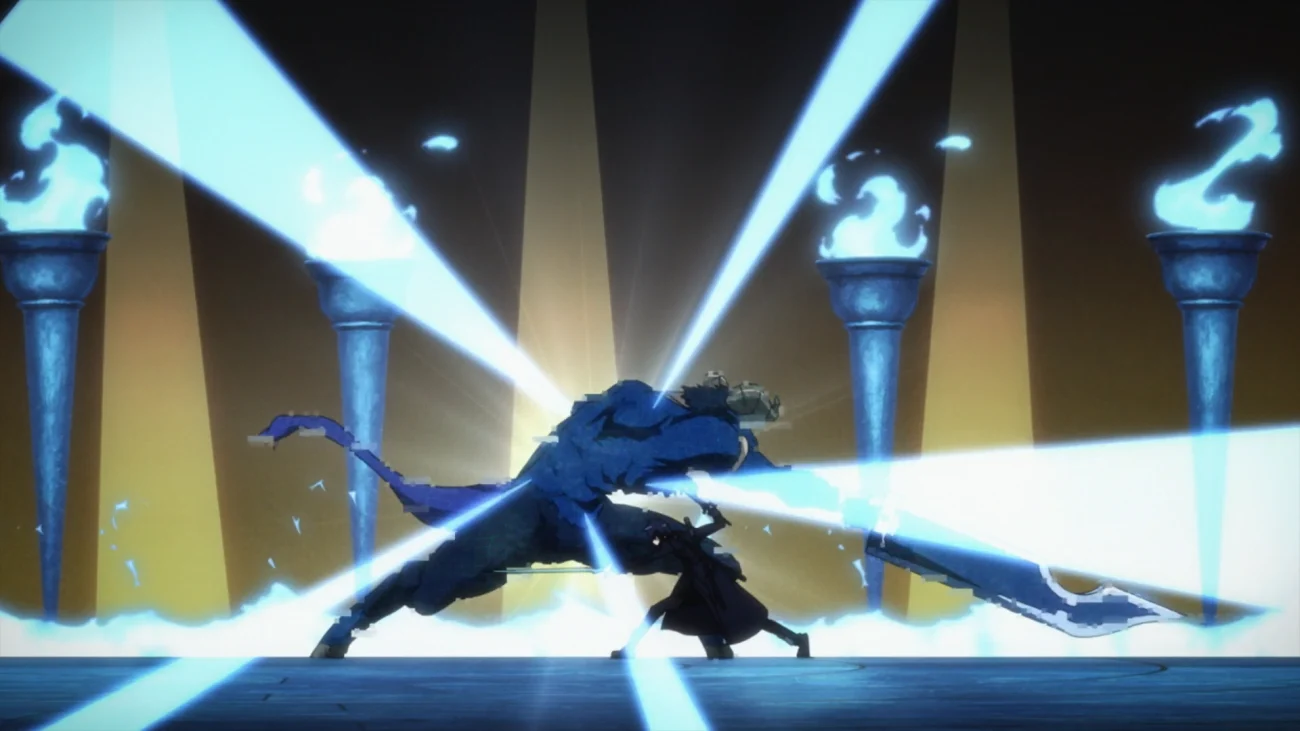
Deep within the mid-floors of Aincrad, the boss fight showcases time-critical cooldowns, party coordination, and burst-damage windows. A-1 Pictures staged the encounter with a rising-floor arena and pillar occlusions that force positional play. The scene demonstrates dual-wield activation and aggro control, codifying mechanics that recur in later arcs. Post-episode materials and game tie-ins referenced the boss’s attack patterns and HP thresholds as canonical data points.
Izuku Midoriya vs Overhaul in ‘My Hero Academia’
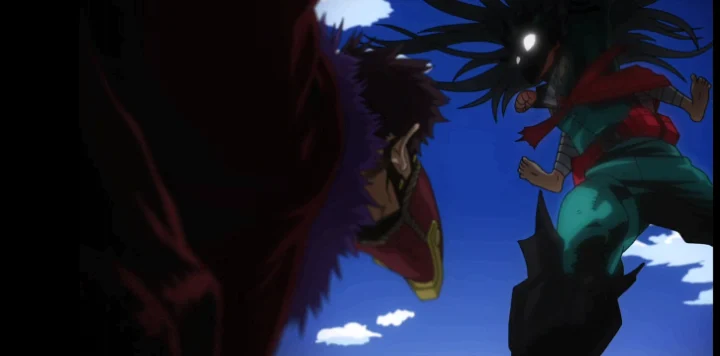
The Shie Hassaikai raid culminates with Midoriya leveraging movement support from Eri to stabilize output and mitigate recoil. Bones mapped three-dimensional camera paths across collapsing platforms to align aerial routes with Quirk usage. The sequence clarifies Overhaul’s reconstruction ability and its limits when disrupted mid-process. Its placement resolves the raid’s branching paths by converging rescue, suppression, and extraction teams on a single axis.
Simon & Team Dai-Gurren vs Anti-Spiral in ‘Gurren Lagann’
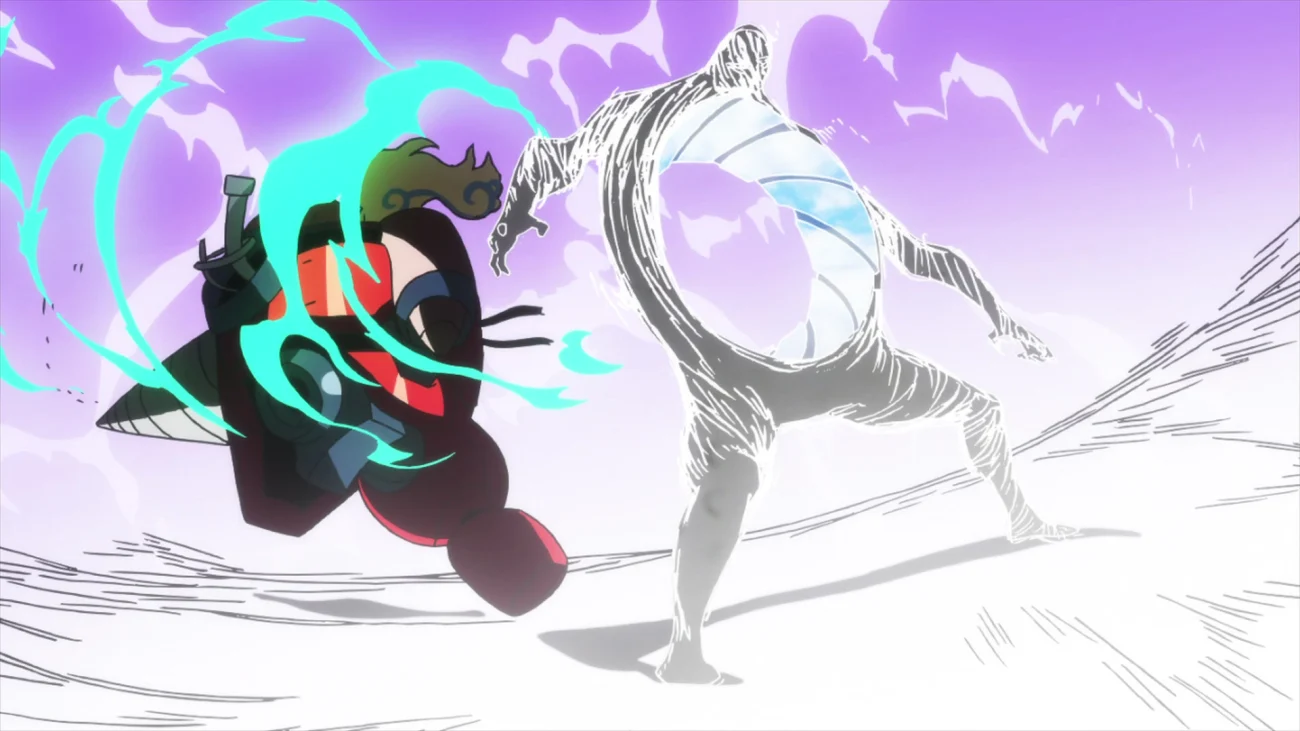
The galaxy-scale finale escalates from mecha combinations to an abstract combat space where probability attacks are expressed visually. Gainax used rapid compositing, enormous scale cues, and dimension-breaking transitions to sell the confrontation’s stakes. The battle references drill mechanics, Spiral power, and team synchronization introduced in earlier episodes. Official releases highlighted layout boards and mechanical design sheets to show how the production handled size and readability.
Share the anime fight that had you replaying scenes on loop in the comments!