15 Most Powerful Heroes from Greek Mythology, Ranked

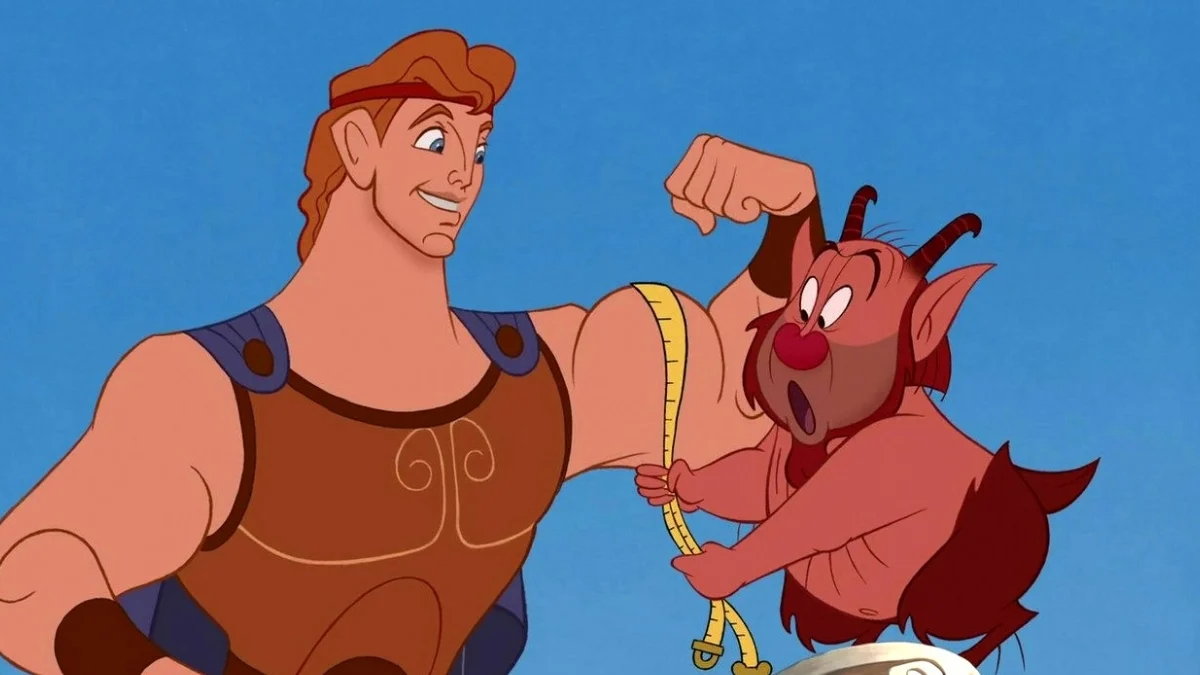

Greek myth overflows with larger-than-life figures whose strength, courage, and cunning shaped the ancient world’s favorite stories. From monster-slayers backed by the gods to brilliant strategists who outwitted entire cities, these heroes left marks that temples, epics, and cults kept alive for centuries. Power showed up in many forms—raw might, divine favor, legendary weapons, supernatural skills, and the leadership to rally companions on impossible quests. Here’s a countdown of fifteen standouts whose deeds defined what heroism meant to the Greeks.
15. Oedipus
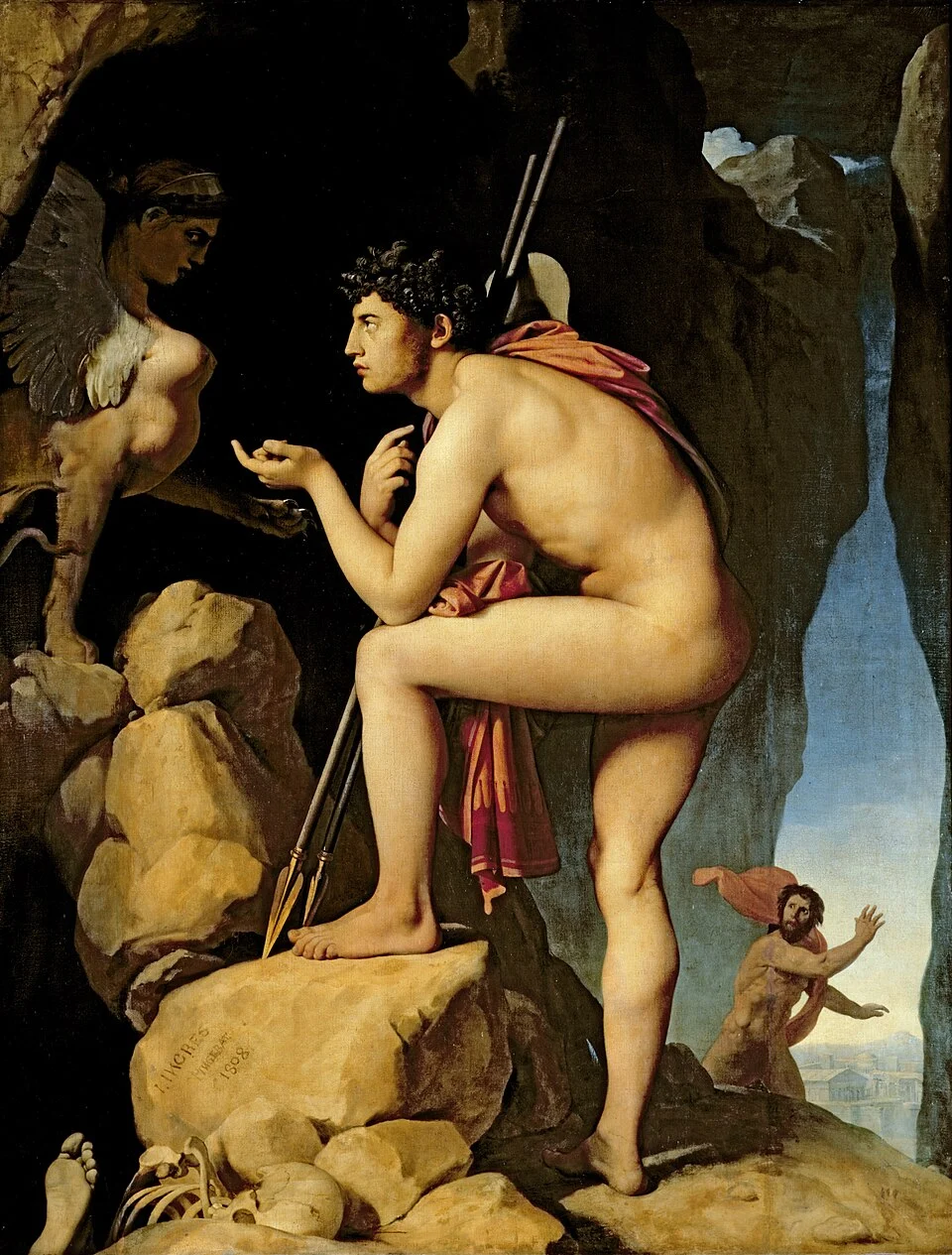
Oedipus is remembered for solving the riddle of the Sphinx, freeing Thebes from the creature that devoured those who failed her challenge. His keen intelligence and determination allowed him to ascend the Theban throne after answering the Sphinx correctly. Later traditions emphasize his search for truth during a plague, showing a leader who acts for the city’s welfare even at great personal cost. His story became central to Theban myth and ritual memory across generations.
14. Orpheus
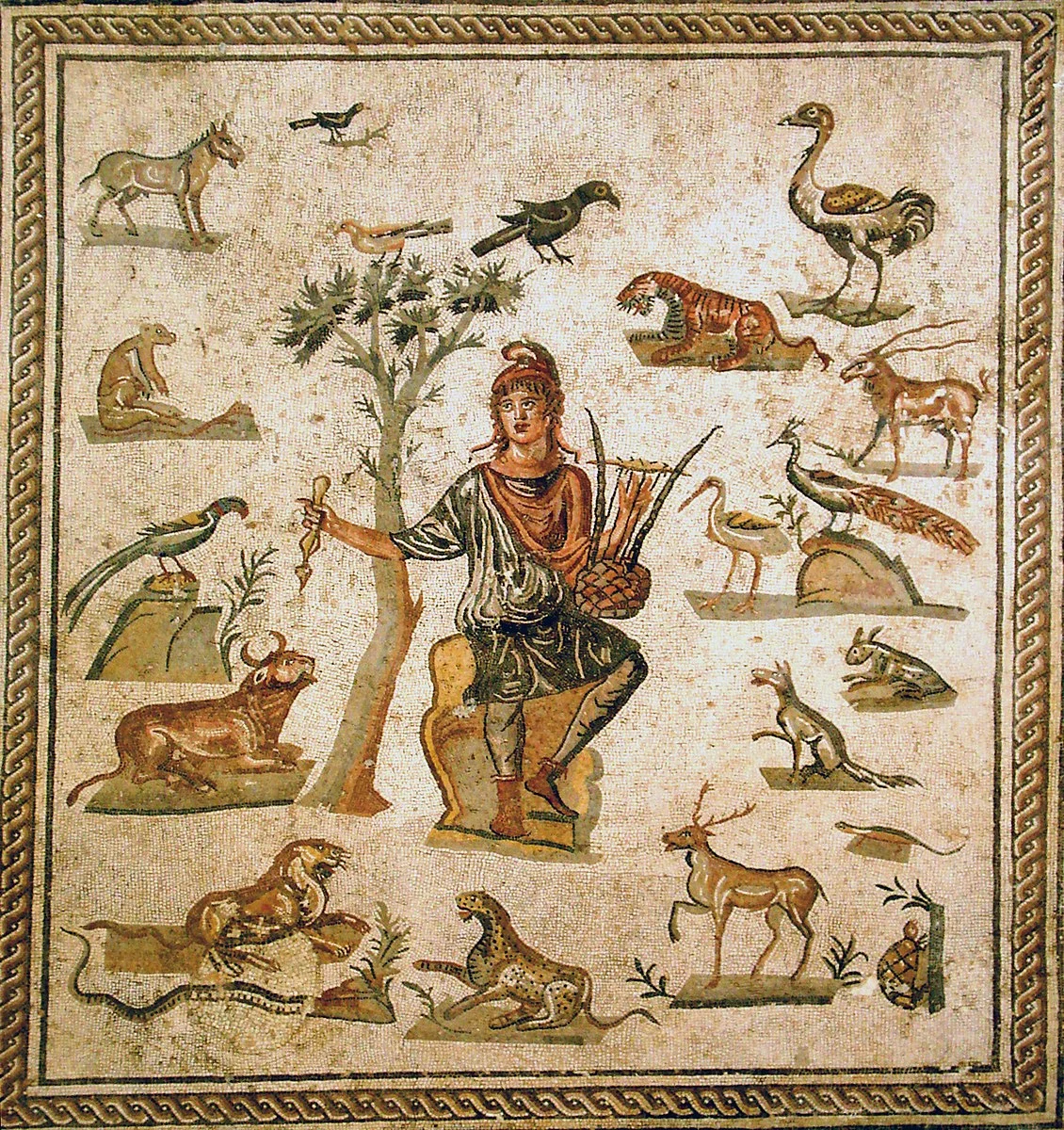
Orpheus wielded music so powerful it charmed wild beasts, stilled rivers, and softened the hearts of gods. With his lyre, he descended into Hades to plead for Eurydice and won a rare promise of release through art rather than arms. Many versions credit him with founding or inspiring mystery rites that promised spiritual insight. His legacy illustrates a form of power rooted in persuasion, harmony, and sacred knowledge.
13. Meleager
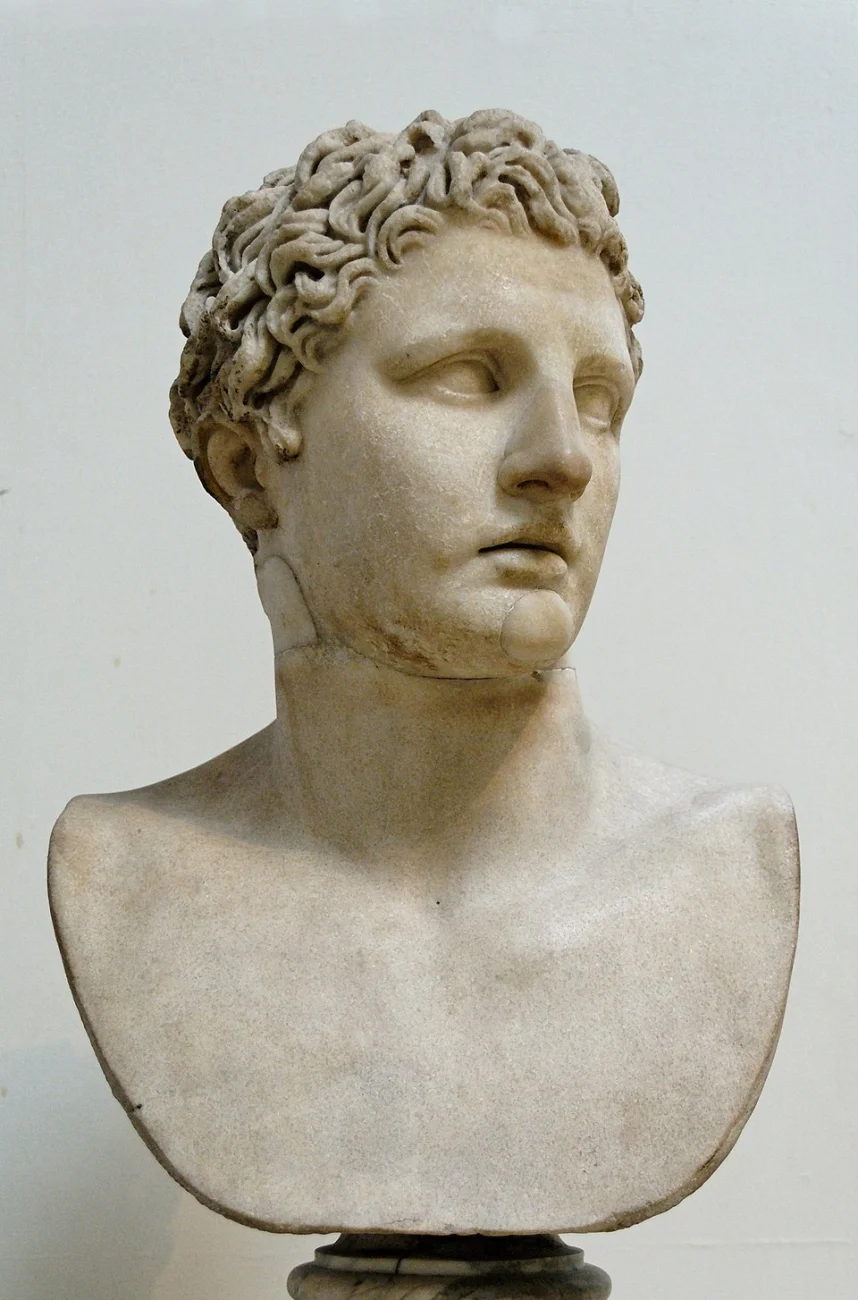
Meleager led the famed Calydonian Boar Hunt, assembling heroes from across Greece to face a monstrous scourge sent by Artemis. He killed the beast with a spear cast that secured lasting fame and a dispute over its hide. His fate turned on a prophecy tied to a log—when it burned, his life would end—showing how destiny and heroism often intertwined. Meleager’s story highlights prowess in the field and the fragile politics of glory among peers.
12. Cadmus
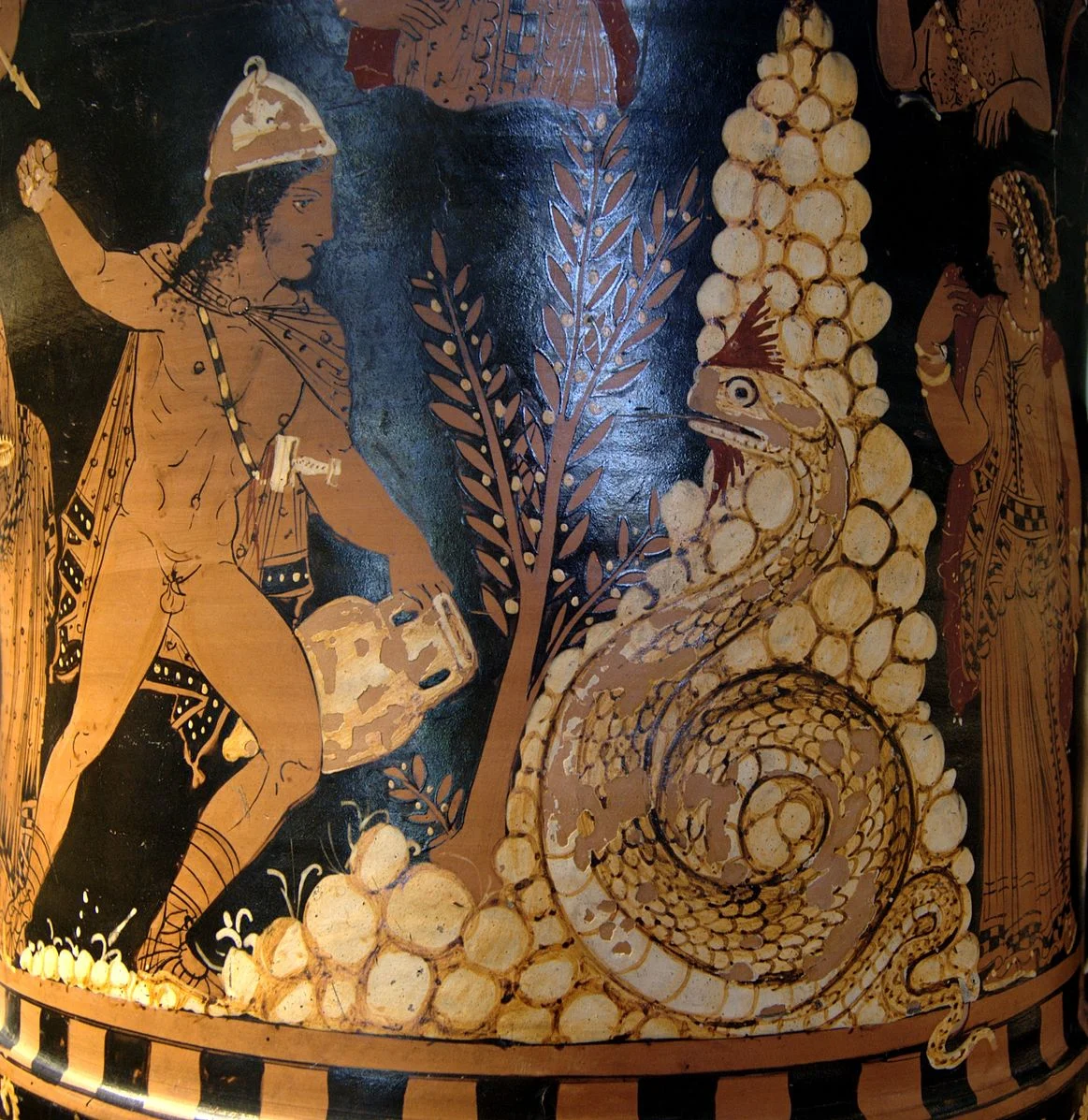
Cadmus founded Thebes after following a divine sign—the cow that showed him where to build—and first introduced the Greek alphabet, according to tradition. He slew the dragon of Ares and sowed its teeth, from which armed “Spartoi” sprang up to become Thebes’ noble lineages. Later myths say he and his wife Harmonia were transformed into serpents, linking them permanently to the city’s sacred landscape. His achievements combine city-building, monster-slaying, and cultural innovation.
11. Atalanta
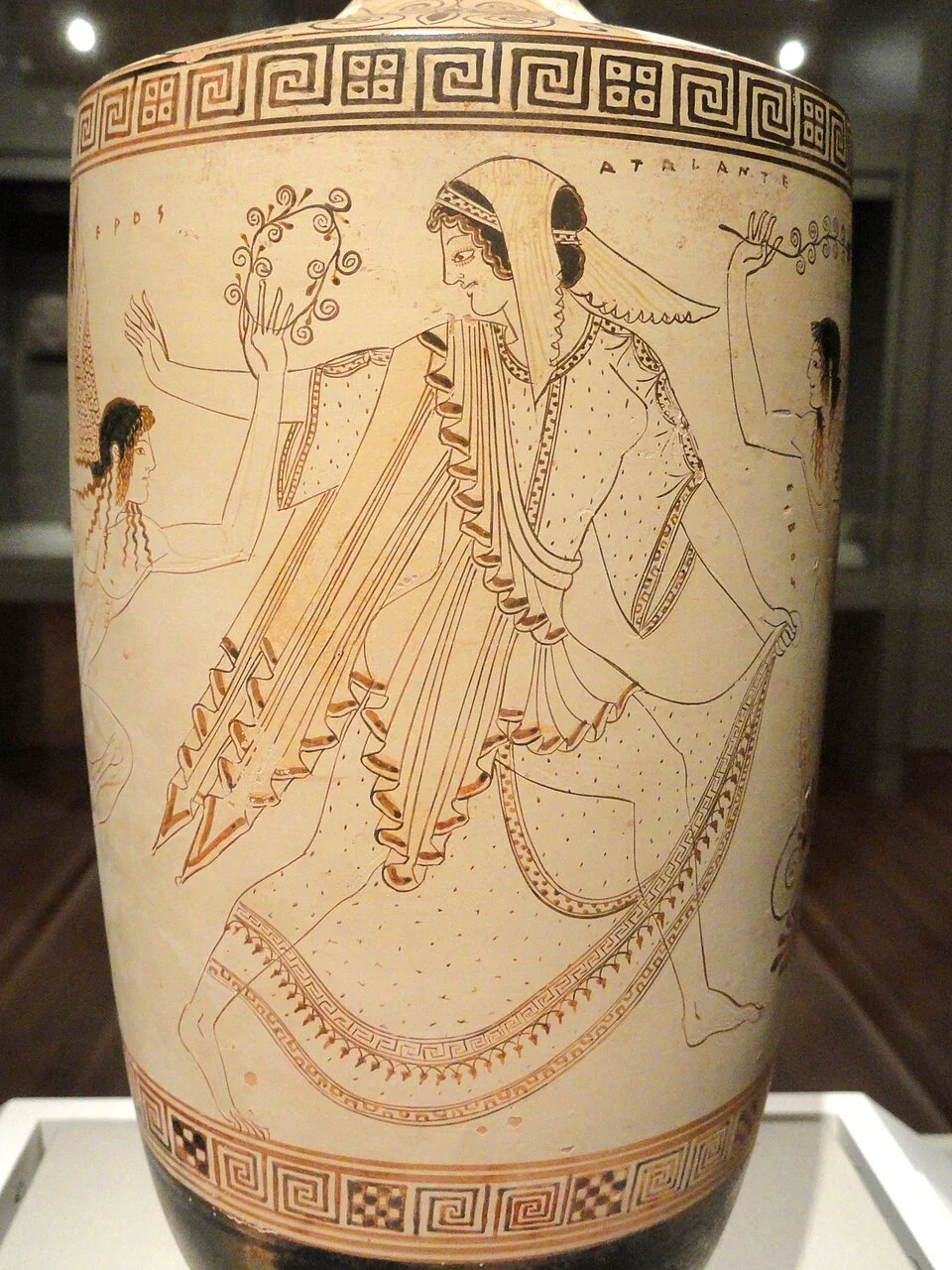
Atalanta earned renown as a swift huntress and a peer among male heroes, often depicted drawing first blood against the Calydonian Boar. She set suitors a footrace test, a contest she typically won, reflecting the divine speed granted by Artemis. In some accounts she sailed with the Argonauts, contributing ranged skill and agility to the expedition. Her myth foregrounds athletic excellence, autonomy, and the favor of a virgin huntress goddess.
10. Jason
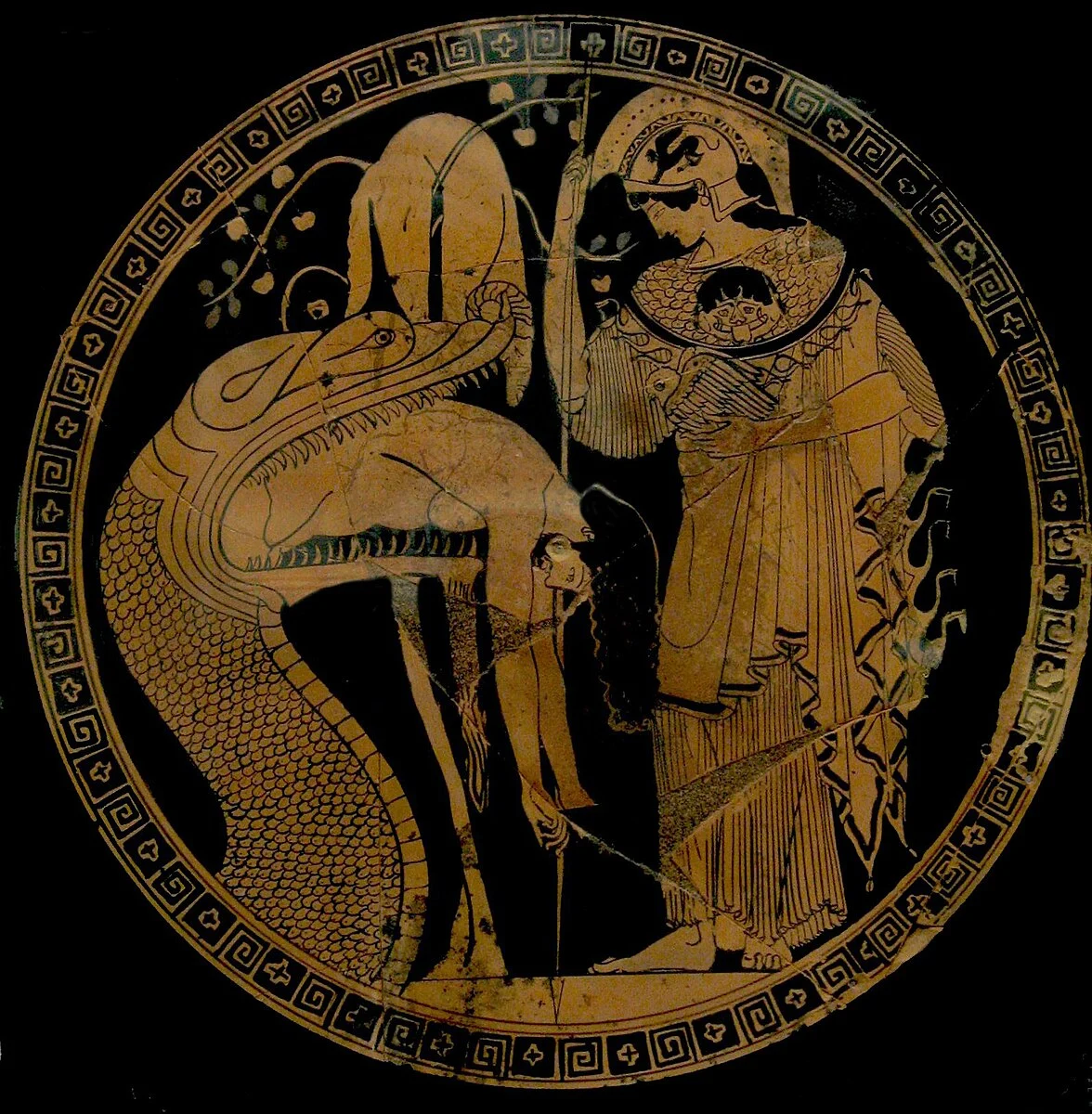
Jason gathered the Argonauts and captained the Argo to Colchis in pursuit of the Golden Fleece. With Athena’s guidance and Medea’s sorcery, he overcame fire-breathing bulls and sleepless dragon-spawned guardians. The voyage mapped a pan-Hellenic brotherhood of heroes, binding disparate local legends into one expedition. Jason’s leadership and divine connections set the template for later quest narratives.
9. Ajax the Great
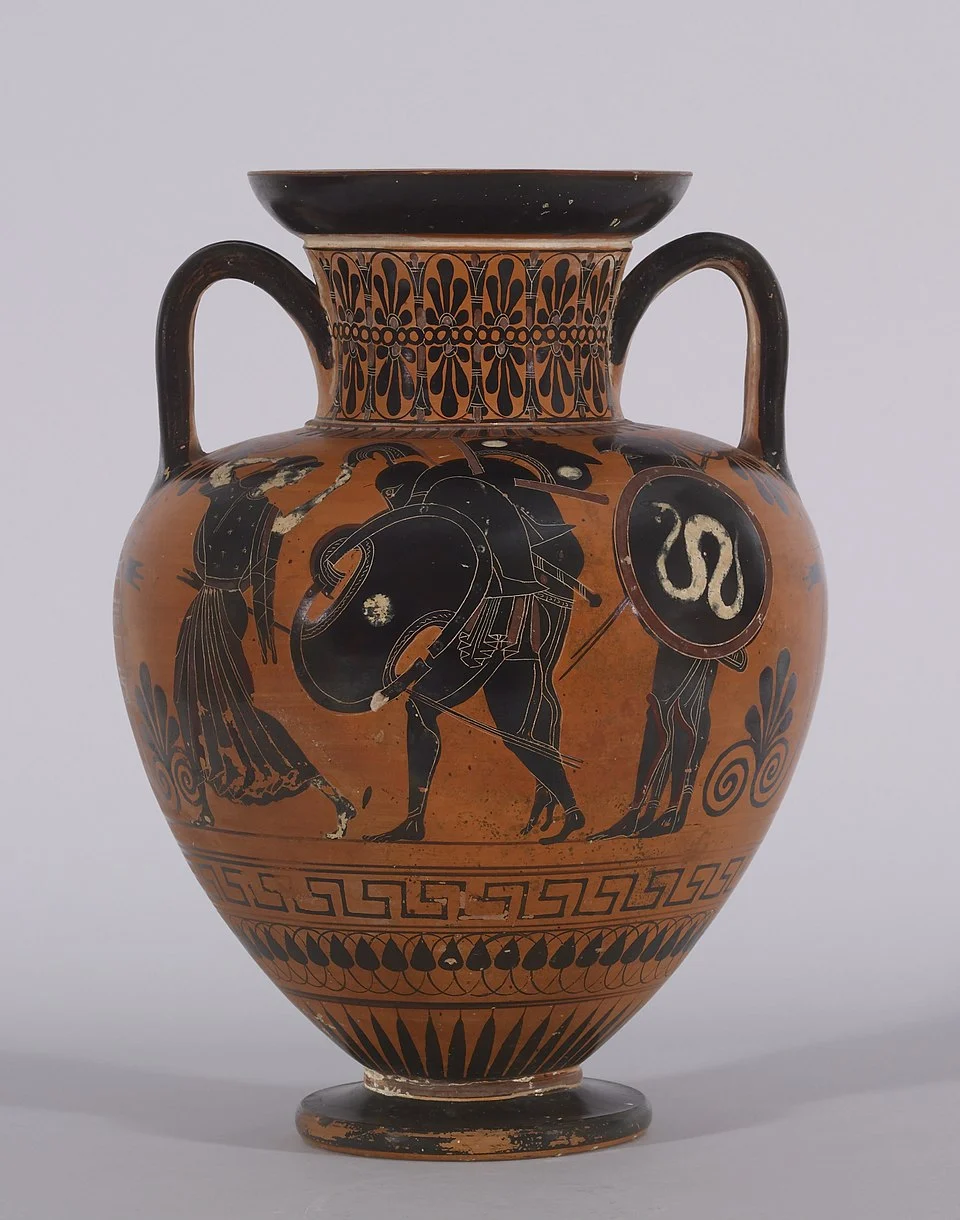
Ajax, son of Telamon, stood out for colossal strength, towering stature, and an immense shield of seven ox-hides fronted with bronze. On the Trojan plain he saved the ships, held lines under crushing pressure, and fought in single combat against Hector to a draw. He was famed for steadfastness rather than guile, a bulwark who kept companions alive. His aristeia scenes became exemplars of disciplined battlefield valor.
8. Castor and Polydeuces (the Dioscuri)
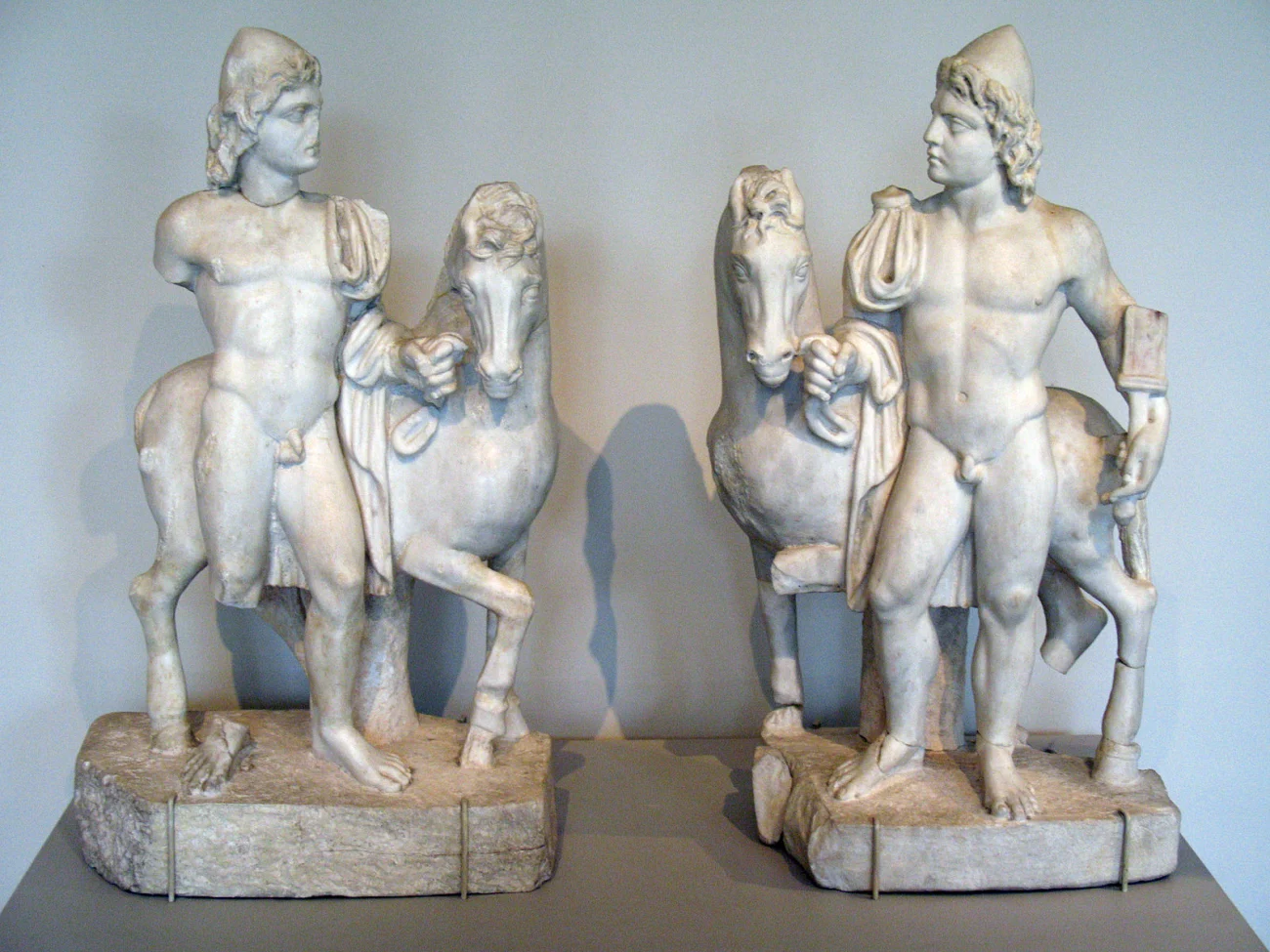
The twin sons of Leda were protectors of sailors and patrons of athletic and martial excellence. Castor excelled in horsemanship, while Polydeuces was unmatched in boxing, and together they appeared as rescuers in storms at sea. Myths credit them with joining the Argonauts and intervening in crises across Greece. Their shared immortality—alternating days between Olympus and Hades—symbolized brotherly devotion sanctified by Zeus.
7. Bellerophon
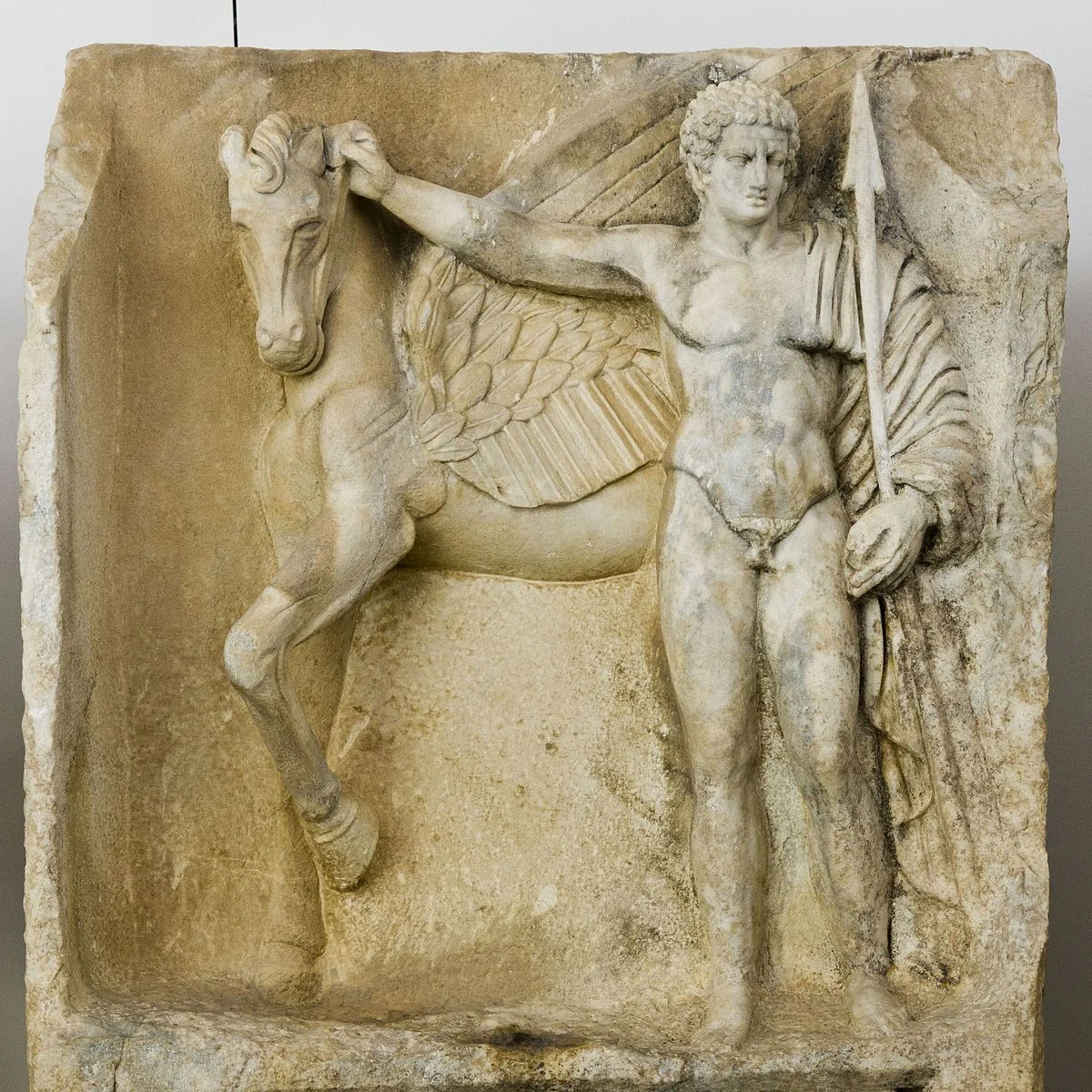
Bellerophon captured the winged horse Pegasus with Athena’s golden bridle and used the mount to defeat the fire-breathing Chimera. He also subdued hostile tribes like the Solymi and Amazons, extending his fame beyond a single feat. His attempted flight to Olympus ended in a fall, a caution against overreaching divine bounds. Even so, his mastery of Pegasus and victory over hybrid monsters placed him among the era’s elite slayers.
6. Perseus
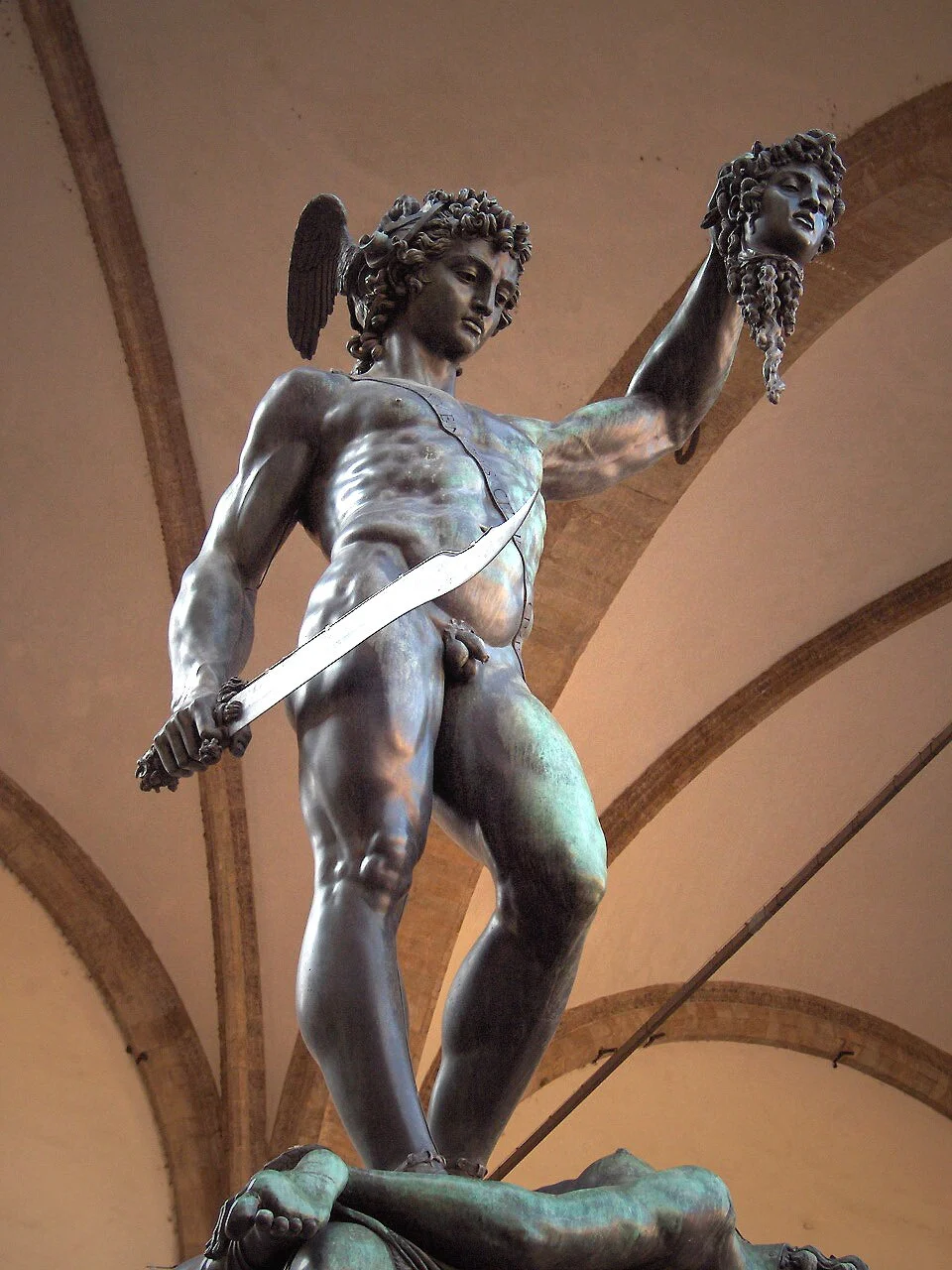
Perseus beheaded the Gorgon Medusa with divine aids: Hermes’ sickle or harpe, Athena’s reflective shield, and gifts like the kibisis and winged sandals. Using the head’s petrifying power, he rescued Andromeda from a sea monster and turned enemies to stone. He founded Mycenae and seeded dynasties that shaped later mythic genealogies. His exploits show precise execution of dangerous tasks under the guidance of Olympian patrons.
5. Diomedes
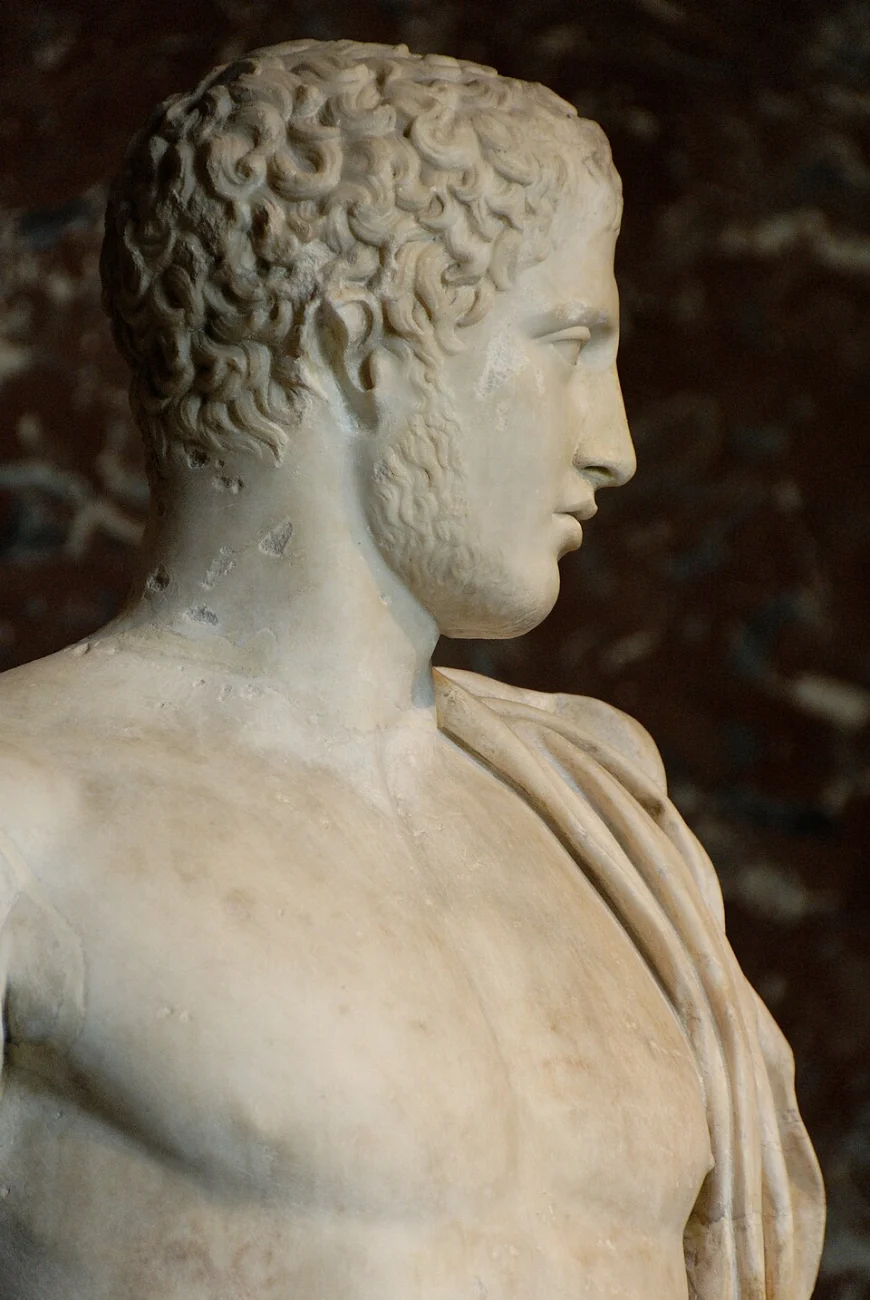
Diomedes, king of Argos, was distinguished in the Trojan War for courage, speed, and tactical clarity. In the epic tradition he wounded Aphrodite and even Ares in battle—rare confrontations where a mortal clashed directly with gods. He captured the Trojan spy Dolon and executed night raids with Odysseus that crippled enemy assets. After the war his wanderings led to new foundations in Italy, linking Greek heroism with broader Mediterranean horizons.
4. Asclepius
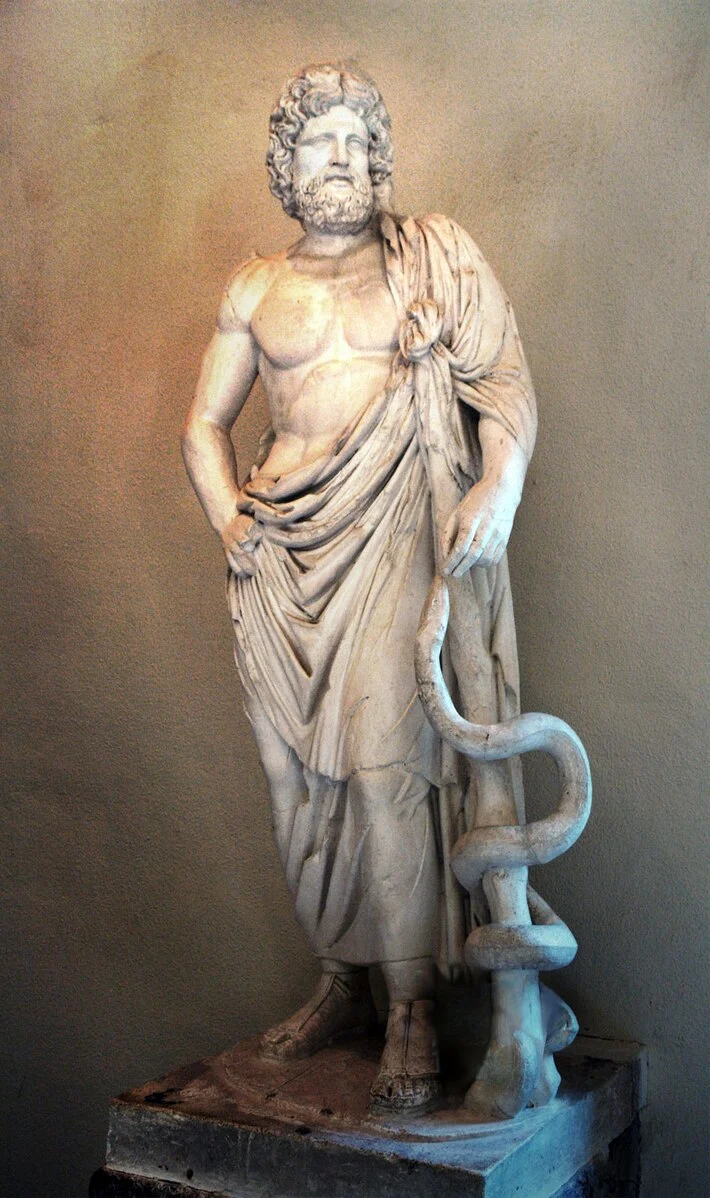
Asclepius began as a mortal healer taught by Chiron and grew so skilled he could restore life, prompting Zeus to strike him with a thunderbolt. His cult, centered at sanctuaries like Epidaurus and Kos, spread across the Greek world, where the sick sought cures through ritual incubation. The rod with a single serpent became his emblem and a lasting medical symbol. Apotheosis elevated him to a god of medicine, reflecting power over illness and the boundary of death.
3. Odysseus
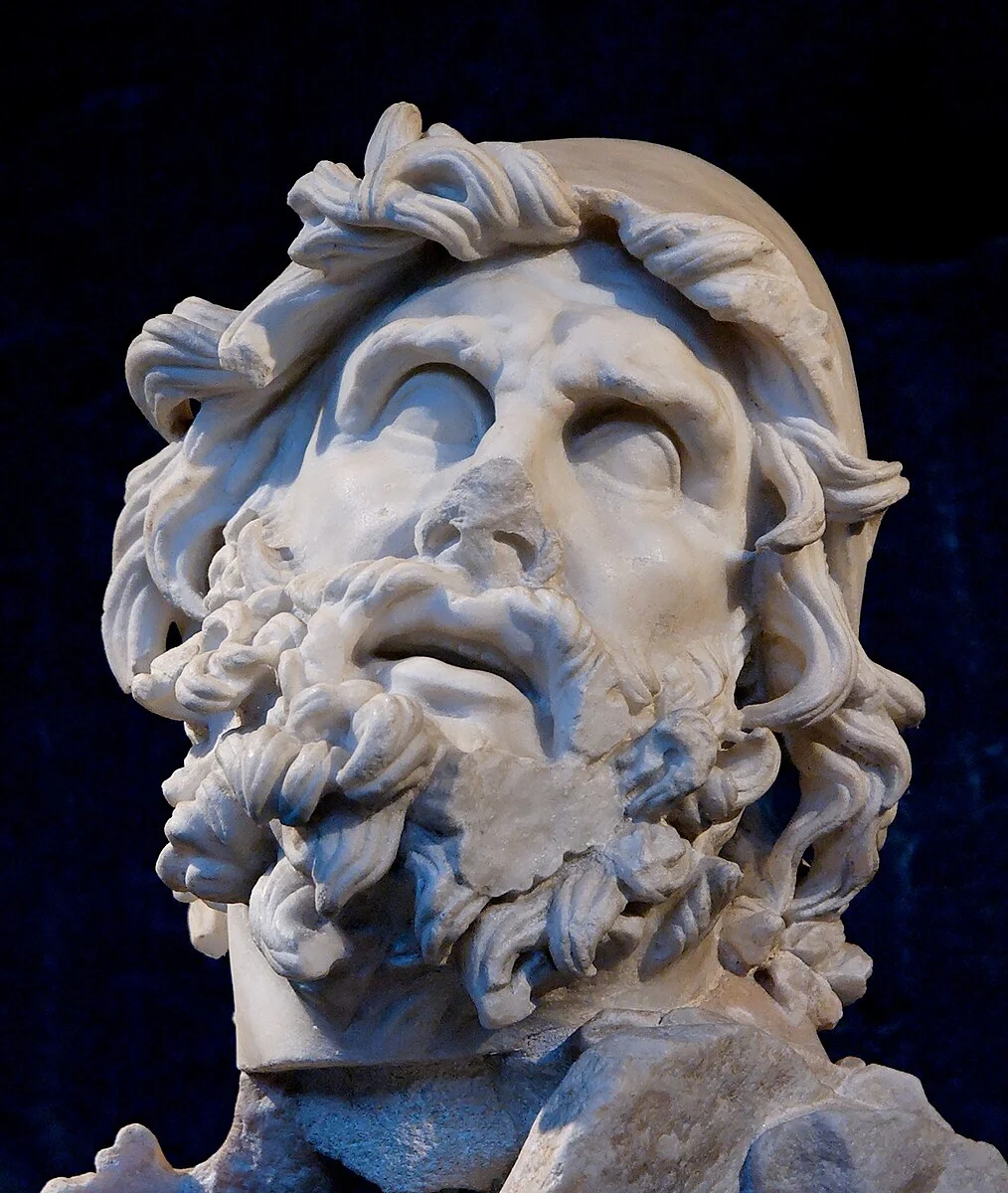
Odysseus was famed for strategic brilliance—from devising the Trojan Horse to navigating perils like the Cyclops, Circe, and Scylla and Charybdis. He enjoyed Athena’s patronage, which rewarded adaptability, eloquence, and craft. His homecoming saga shows command over crews, skill in disguise, and disciplined archery that reclaimed his household. Greek tradition treated him as the model of metis—cunning intelligence deployed to survive impossible odds.
2. Achilles
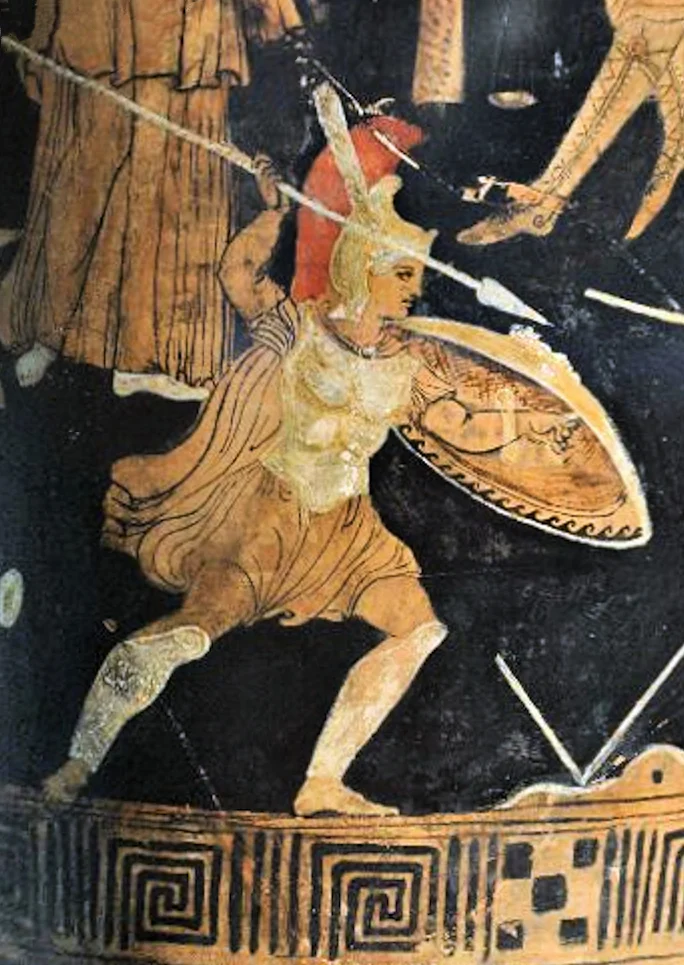
Achilles, son of the sea-goddess Thetis, embodied unmatched speed and martial dominance among the Achaeans. Trained by Chiron and armed with divine armor forged by Hephaestus, he slew Hector and drove fear through the Trojan ranks. Prophecy framed his life with a choice between long obscurity and brief, blazing glory, which shaped his decisions at Troy. His wrath and return to battle became the fulcrum of the war’s turning points.
1. Heracles
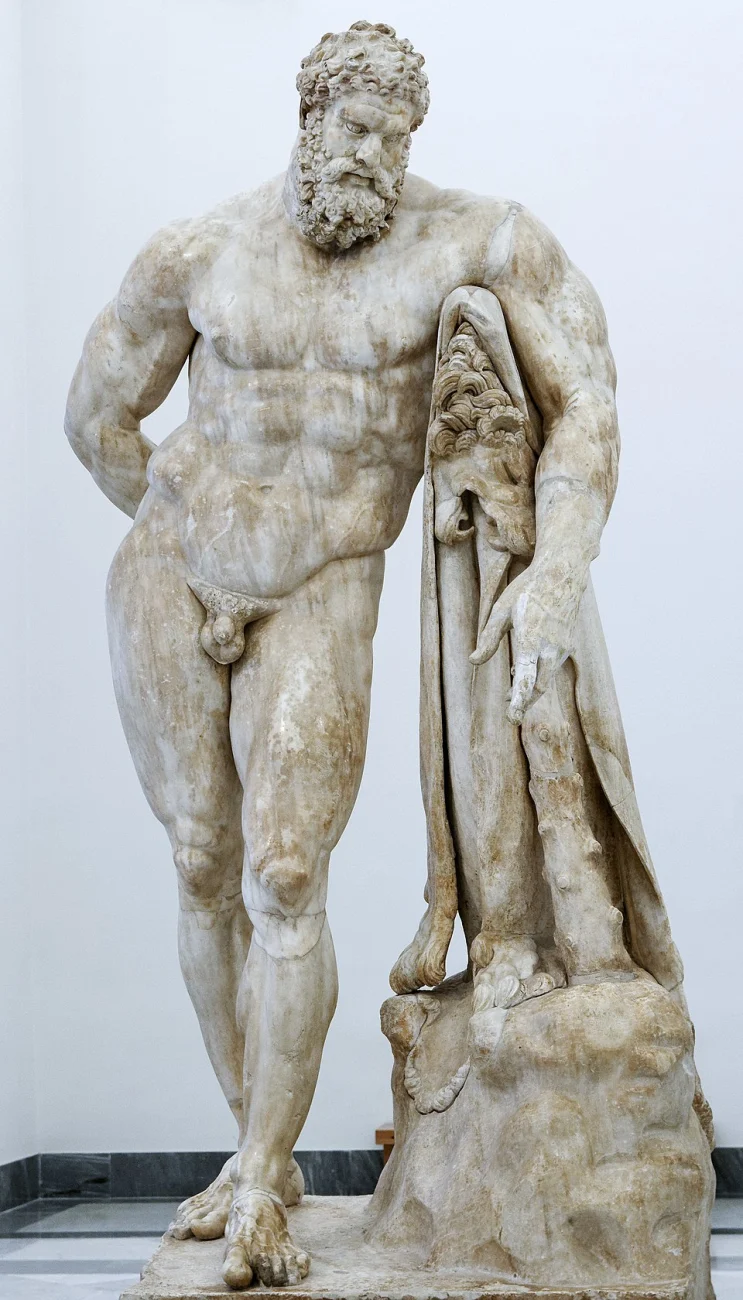
Heracles stands at the pinnacle for completing the Twelve Labors—killing the Nemean Lion and the Lernaean Hydra, capturing the Erymanthian Boar, and even bringing Cerberus from Hades. He performed numerous side-adventures, from freeing Prometheus to founding altars and cities across the Mediterranean. Wielding the club and lion-skin with Zeus’s backing, he embodied superhuman strength tempered by endurance. His eventual apotheosis made him a god, and his cult spread from Thebes to far-flung Greek colonies.
Share your own picks and favorite mythic feats in the comments!