Top 20 Live Action Anime Adaptations That Are Actually Good



Live action versions of beloved anime can be a mixed bag, but plenty deliver faithful storytelling, strong casting, and impressive craft that honor the source. From Japan’s meticulous page-to-screen recreations to recent global hits, these films and series show what works when creators focus on character, worldbuilding, and practical action. Here are twenty standouts that adapt popular anime or their original manga with care, scale, and clarity.
‘One Piece’ (2023–)

Netflix’s ‘One Piece’ adapts Eiichiro Oda’s long-running saga with Oda serving as executive producer and close collaborator. Season one covers the East Blue Saga, introducing the Straw Hat crew and key villains like Arlong with large scale sets and extensive prosthetics. The production filmed on massive ships and locations in South Africa to ground the fantasy world. Careful script compression keeps arcs coherent while preserving character dynamics that drive the story.
‘Yu Yu Hakusho’ (2023)
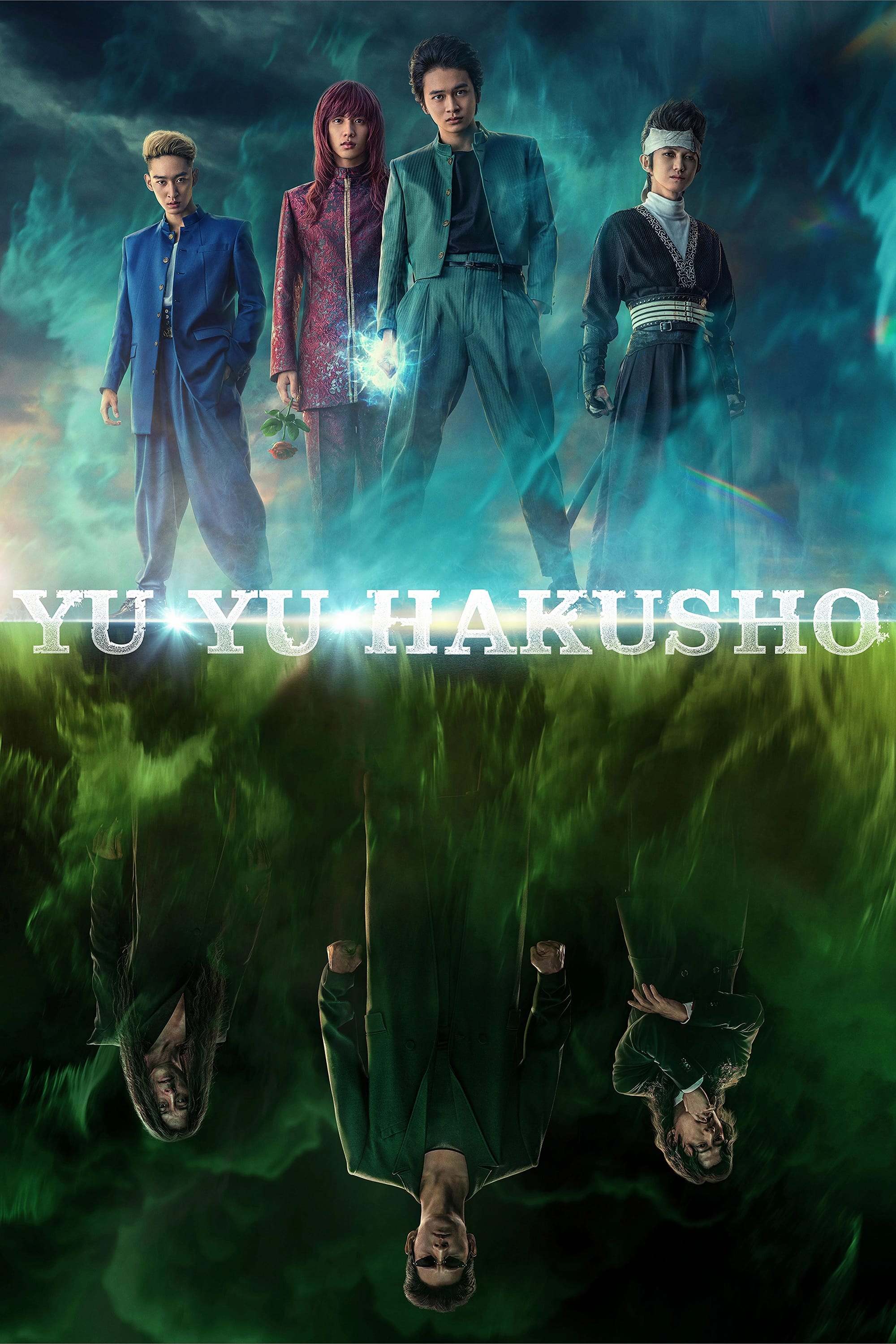
This limited series adapts Yoshihiro Togashi’s spirit detective saga with a focus on the early Spirit Detective and Dark Tournament setups. The show blends extensive VFX creature work with wire-assisted fight choreography to capture energy techniques. Casting centers on age-appropriate leads to match the high school backdrop. Compact season length streamlines plotlines while keeping the core team relationships intact.
‘City Hunter’ (2024)
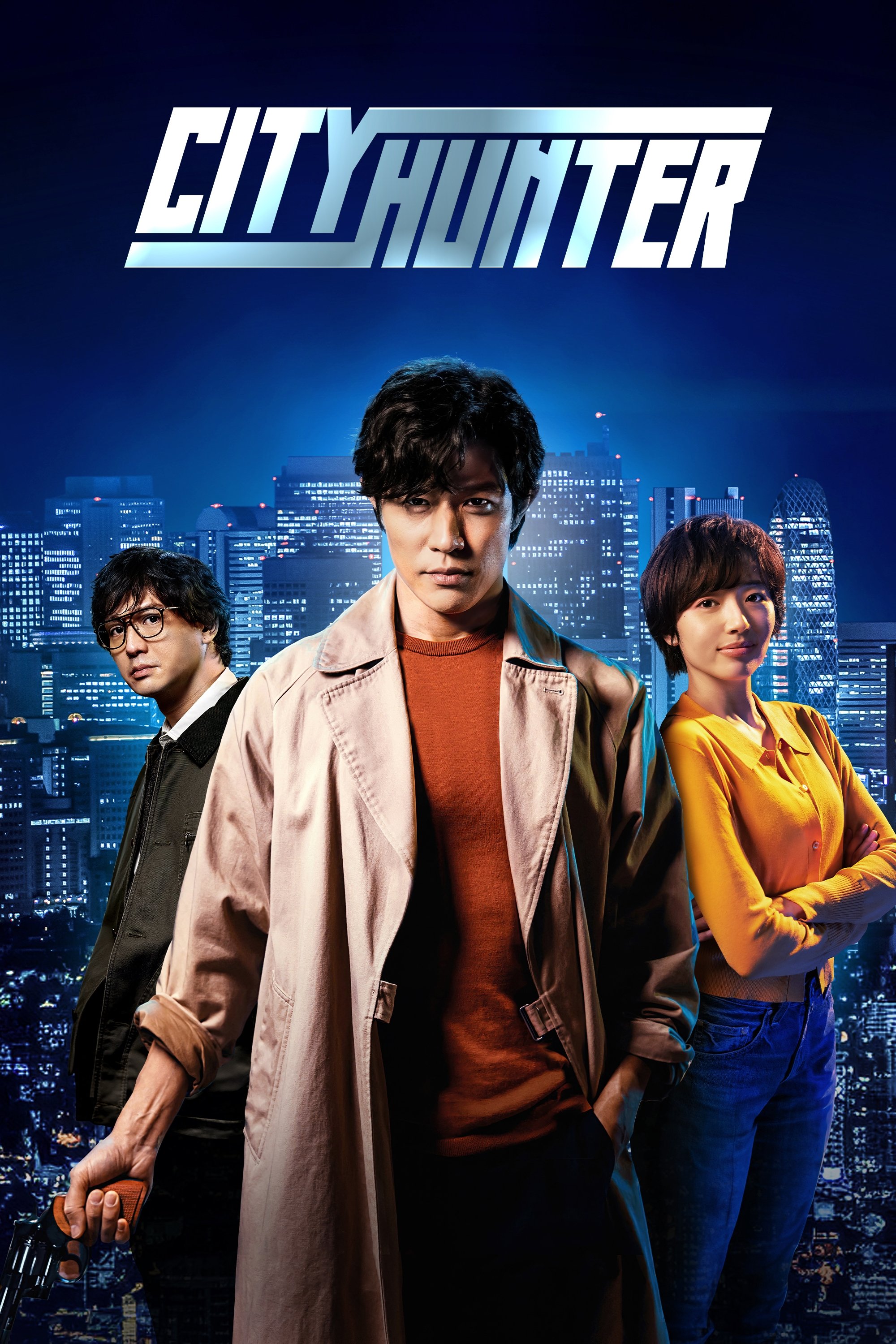
‘City Hunter’ brings Tsukasa Hojo’s urban action comedy to modern Tokyo with Shunsuke Michieda as Ryo Saeba. The film uses real Shinjuku locations and practical stunt driving to mirror the manga’s street-level energy. Character trademarks like Ryo’s marksmanship and partner dynamics with Kaori are updated without losing their original tone. A contemporary case structure keeps the story accessible for newcomers.
‘Parasyte: The Grey’ (2024)
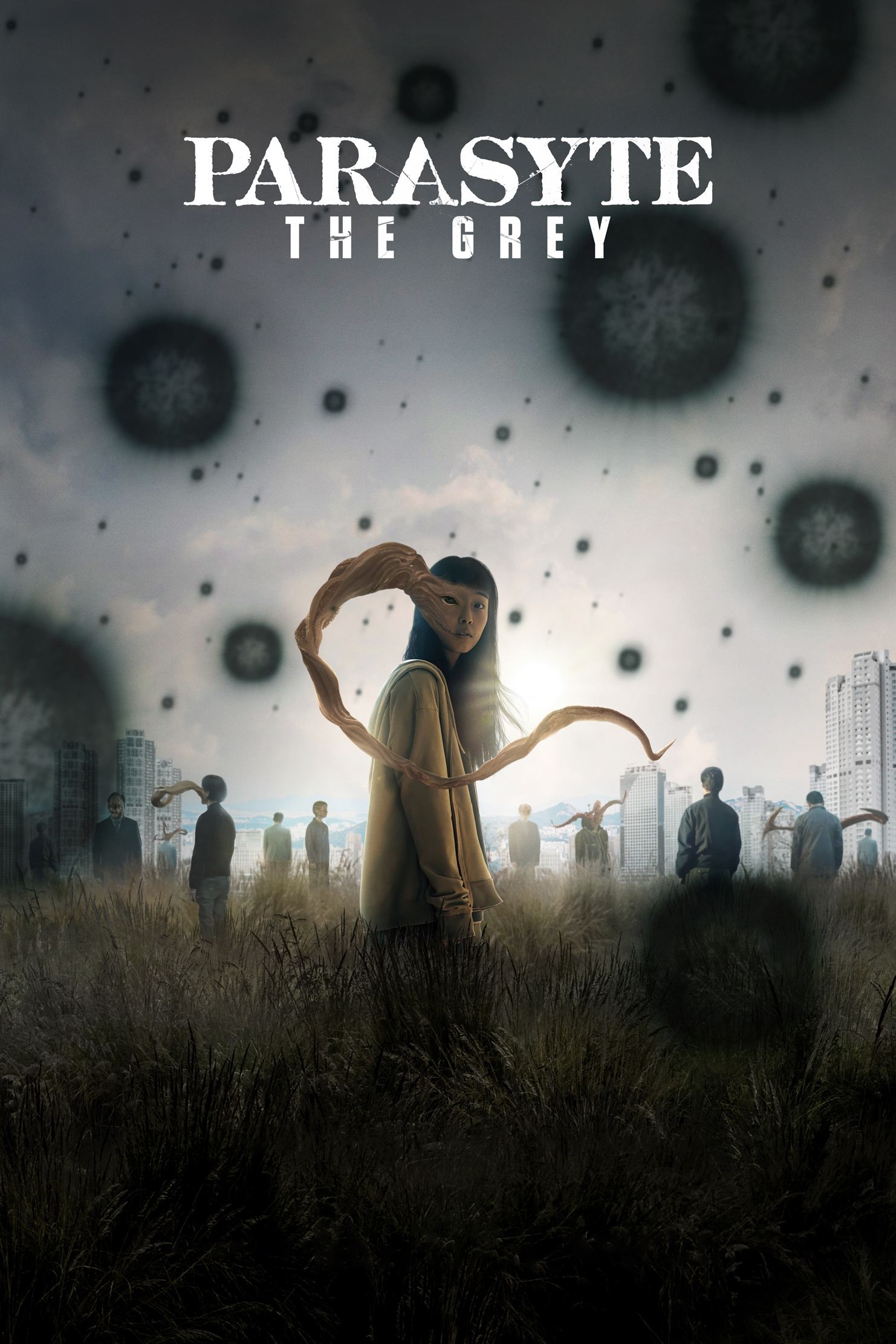
This Korean series expands Hitoshi Iwaaki’s ‘Parasyte’ universe with new characters and a fresh setting while respecting existing lore. Practical makeup effects combine with CG to depict the body horror of parasite transformations. The narrative explores public responses and government containment efforts alongside personal survival stories. Cross-media nods connect it to the anime’s core themes of identity and coexistence.
‘Alita: Battle Angel’ (2019)
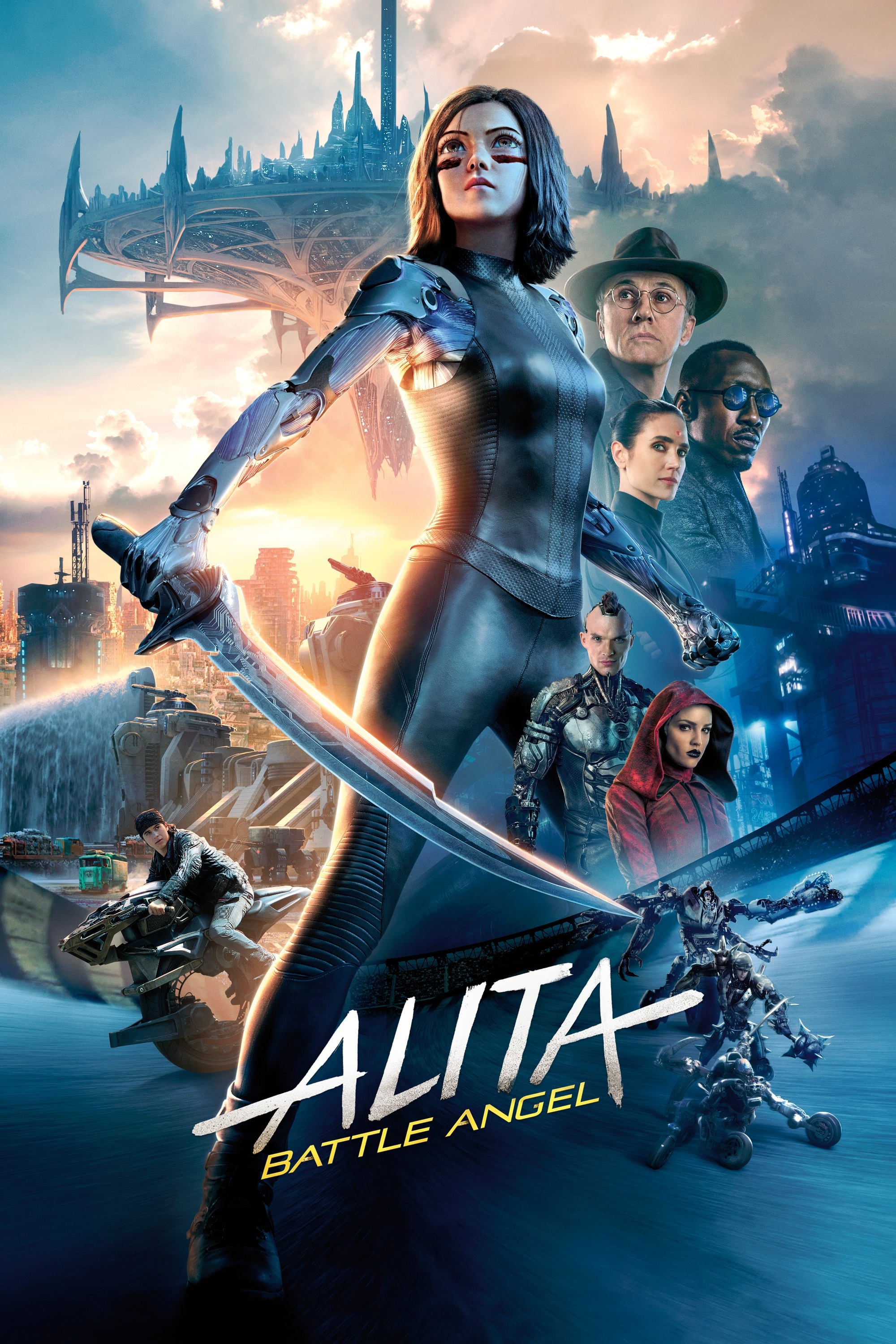
Based on Yukito Kishiro’s ‘Gunnm’, ‘Alita: Battle Angel’ uses performance capture to bring its cyborg heroine to life. Robert Rodriguez directs from a screenplay developed with James Cameron, focusing on the Motorball and Hunter-Warrior threads. Extensive worldbuilding recreates Iron City’s vertical sprawl with large physical sets. The adaptation condenses multiple arcs while showcasing the combat styles and cybernetic designs central to the series.
‘Speed Racer’ (2008)
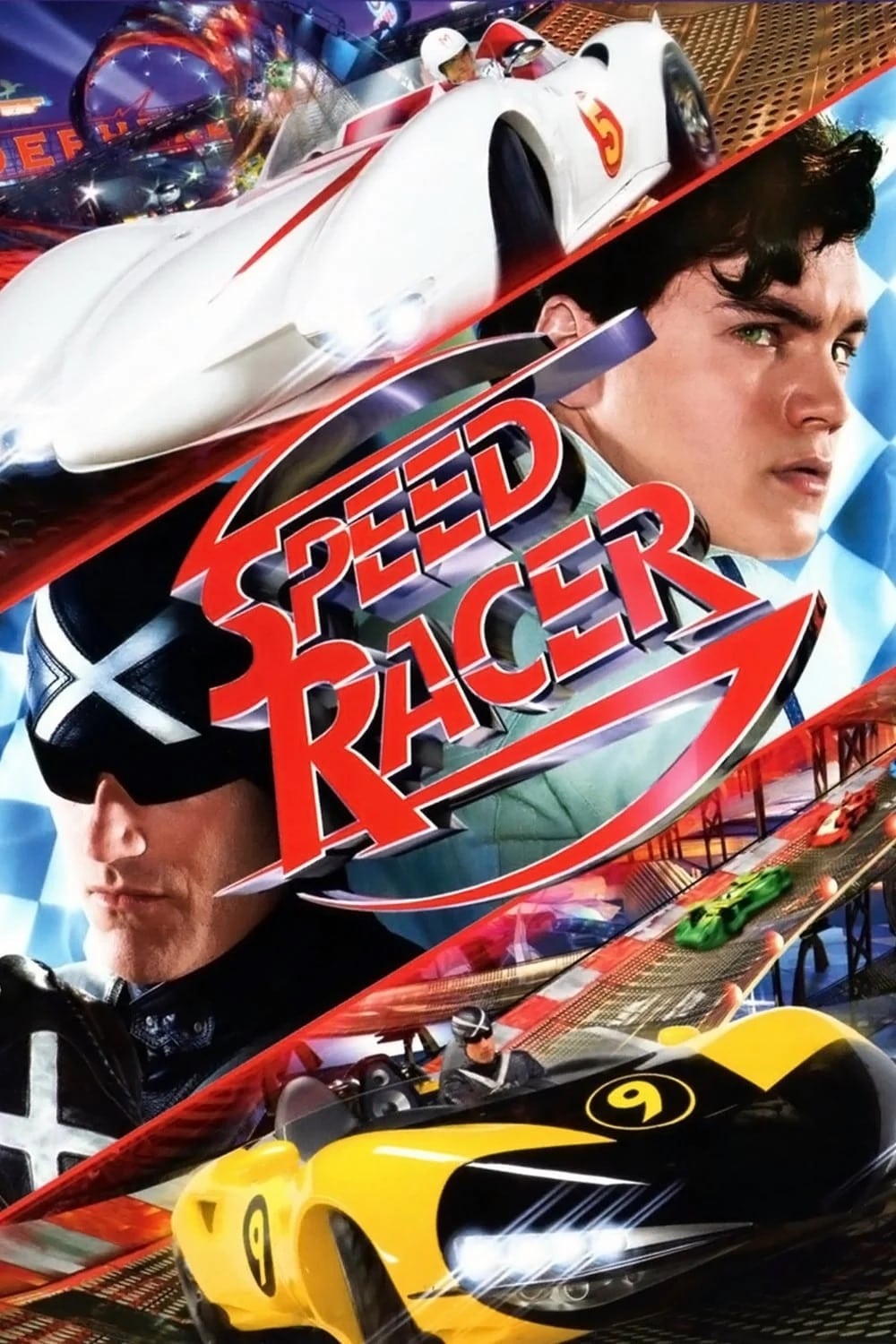
‘Speed Racer’ translates the kinetic style of ‘Mach GoGoGo’ into a fully stylized live action world. The film uses high frame-rate photography and digital backlots to mimic the anime’s flat planes and snap zooms. Family team dynamics drive the plot through corporate sabotage and multi-stage races. The vehicle and track designs echo classic motifs like the Mach 5’s gadgets in contemporary form.
‘Rurouni Kenshin Part I: Origins’ (2012)
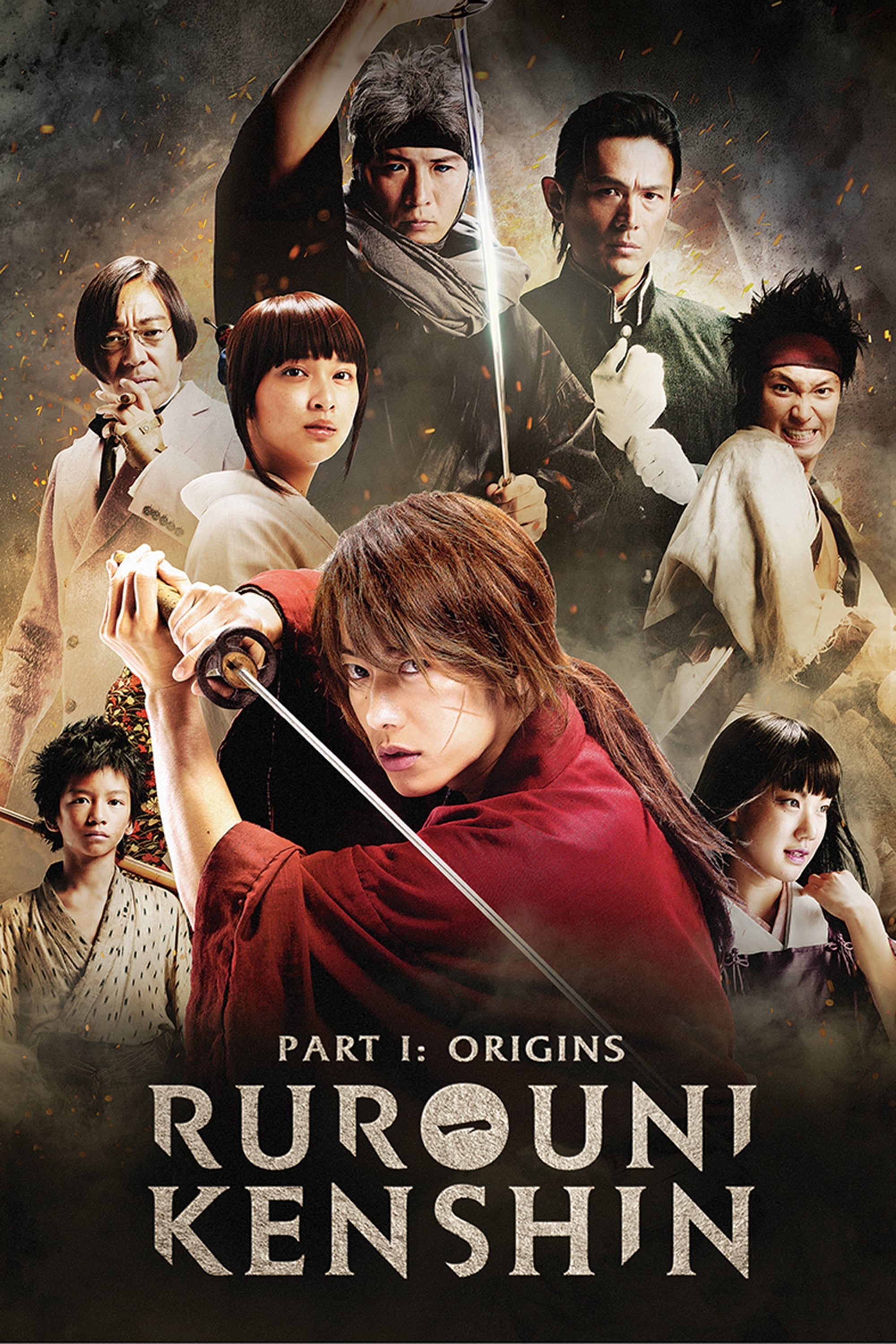
This first entry adapts the opening ‘Rurouni Kenshin’ arcs with Takeru Satoh as Himura Kenshin. Director Keishi Ōtomo emphasizes sword choreography using long takes and grounded stunt work. Period production design recreates early Meiji era streets and rural towns. The script introduces Kenshin’s vow and key allies while setting up the political tensions that shape later stories.
‘Rurouni Kenshin Part II: Kyoto Inferno’ (2014)
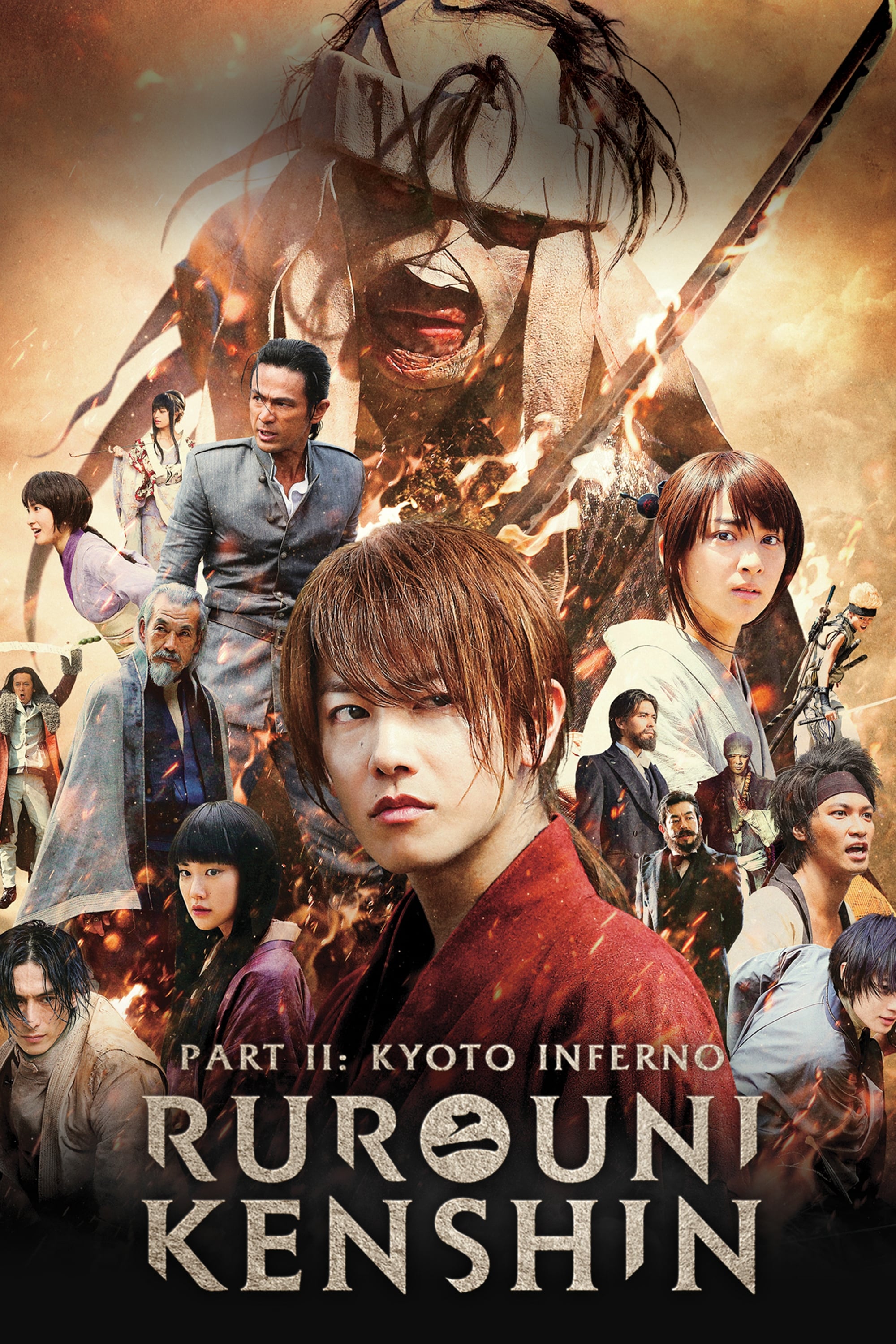
The sequel tackles the Kyoto arc with the introduction of Shishio and the Kenshin-gumi’s expanded mission. Large scale set pieces include train and street battles coordinated with extensive extras. Costume and makeup design establish the Juppongatana’s distinct silhouettes for readability in action. Location shooting around Kyoto adds historical atmosphere to the escalating conflict.
‘Rurouni Kenshin Part III: The Legend Ends’ (2014)
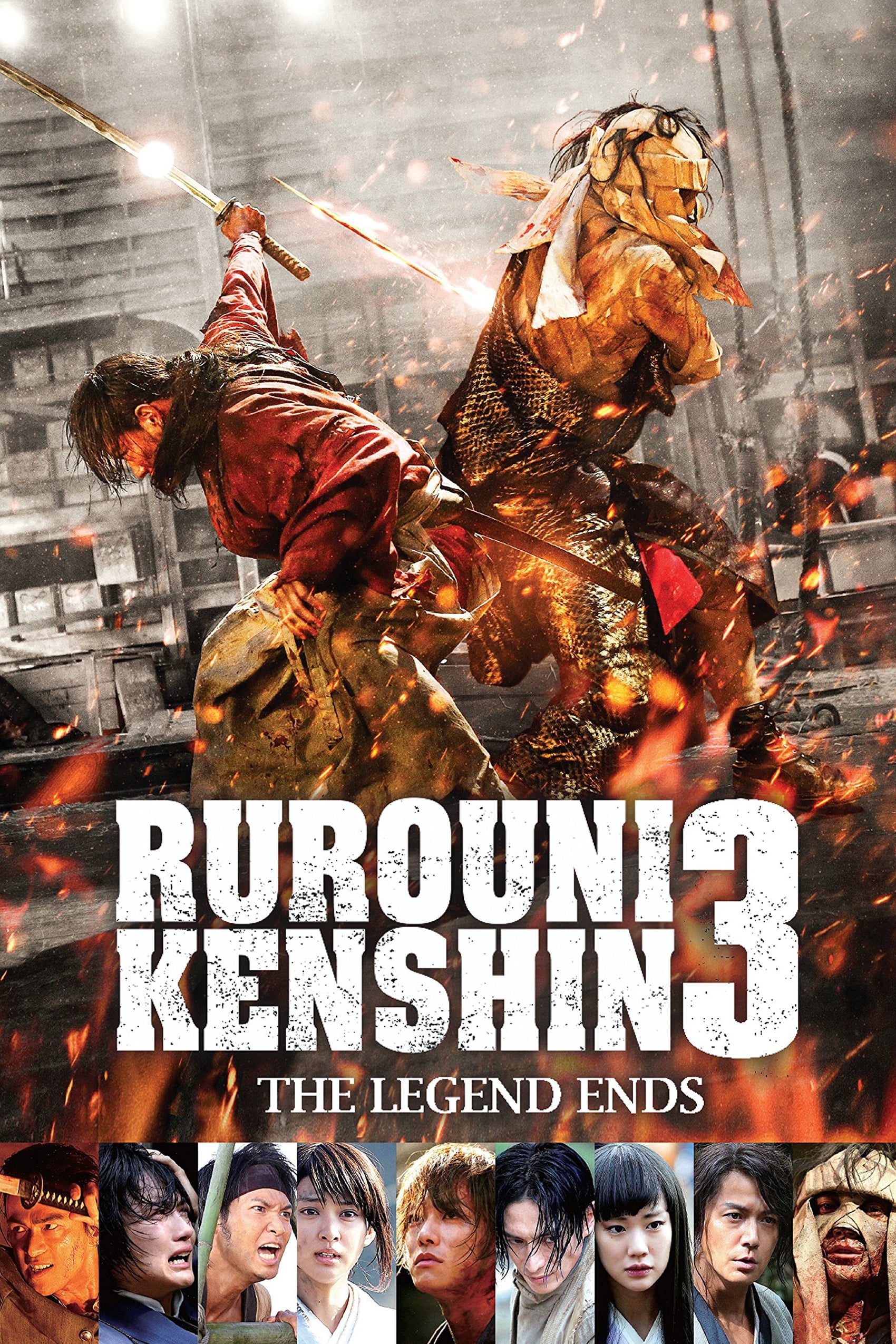
This chapter concludes the Kyoto storyline with training sequences that mirror techniques from the manga. Fight scenes prioritize practical swordplay, wire assists, and minimal CG for clarity. The production stages multi-opponent duels that showcase each fighter’s style. Narrative pacing resolves character arcs while maintaining the period thriller tone.
‘Rurouni Kenshin: The Final’ (2021)
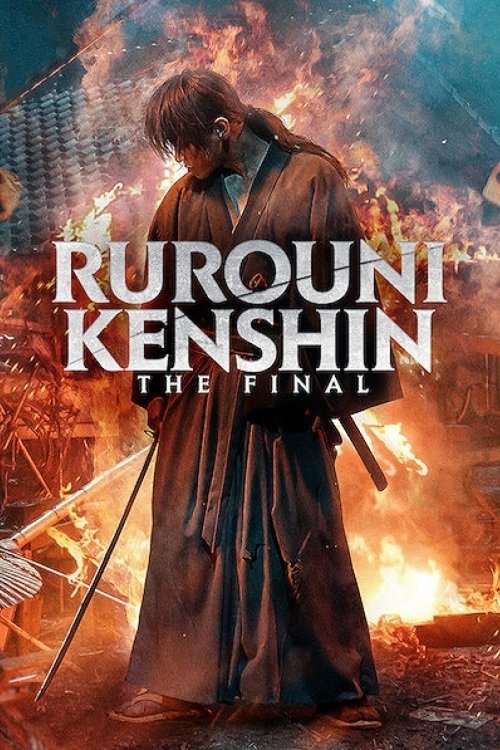
Set after the Kyoto saga, ‘The Final’ adapts the Enishi arc with modernized set pieces. Urban environments and explosive stunt work expand the series’ scale. Prop weaponry and choreography highlight Enishi’s distinctive fighting method. The film integrates backstory through flashbacks that align with earlier entries.
‘Rurouni Kenshin: The Beginning’ (2021)

A prequel focusing on Kenshin’s Battōsai years adapts the ‘Trust and Betrayal’ material. The cinematography shifts to cooler palettes and quieter staging to reflect the era’s mood. Period props and sword forms are matched to late shogunate settings. The film connects motivations and scars that inform the main timeline.
‘Blade of the Immortal’ (2017)
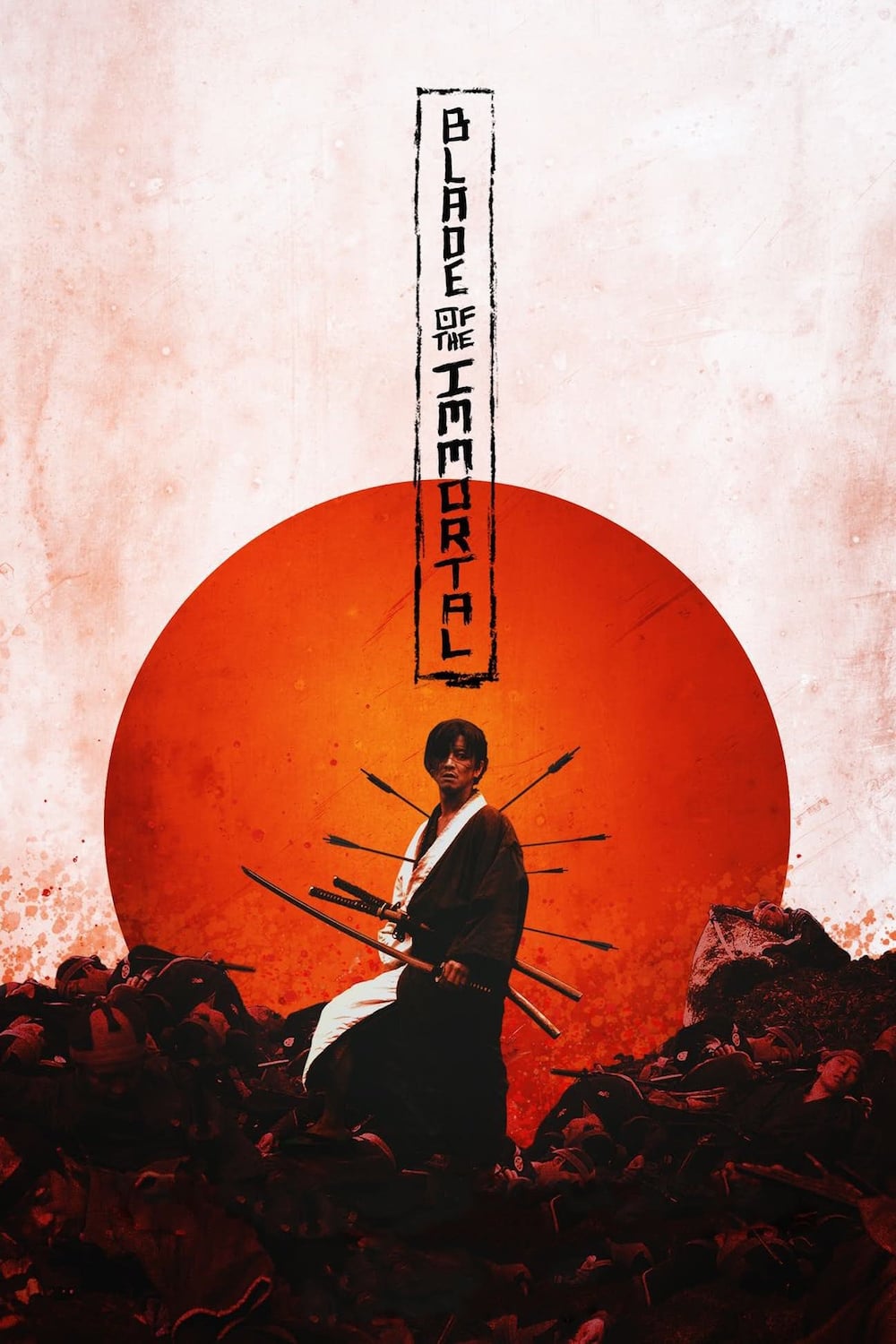
Takashi Miike adapts Hiroaki Samura’s work with Takuya Kimura as the immortal swordsman Manji. The film features over a hundred on-screen kills staged with elaborate group fights. Period costuming and art direction reflect late Edo aesthetics without stylization that obscures action geography. The narrative condenses multiple antagonist factions into a coherent revenge journey.
‘Kingdom’ (2019)

Based on Yasuhisa Hara’s historical epic, ‘Kingdom’ centers on Xin’s rise during the Warring States period. The production uses large extras, horse work, and practical armor to stage field battles. Location shooting in China and Japan adds scale to palace and mountain settings. Character arcs track military ranks and alliances in a streamlined adaptation that still conveys political complexity.
‘Tokyo Revengers’ (2021)

This film adapts the time-leap delinquent drama with a focus on the opening gang conflicts. Casting emphasizes youthful ensembles that match the manga’s age range. Street fights use tightly choreographed brawling rather than heavy VFX. Subsequent entries continue the arc structure with evolving alliances and rival crews.
‘Bleach’ (2018)
Shinsuke Sato’s ‘Bleach’ covers the Substitute Shinigami arc with Sōta Fukushi as Ichigo. Hollow designs combine suit acting and CG to maintain scale and movement. Key set pieces include the school confrontation and city bridge battles. The adaptation introduces the Soul Society elements without overextending lore in a single film.
‘Ace Attorney’ (2012)

Takashi Miike brings ‘Gyakuten Saiban’ courtroom theatrics to live action using stylized sets that reproduce game interfaces. The film preserves exaggerated evidence reveals and witness reactions. Costumes replicate character silhouettes for instant recognition. The script condenses multiple cases while keeping the logic chain structure of cross-examinations.
‘Initial D’ (2005)
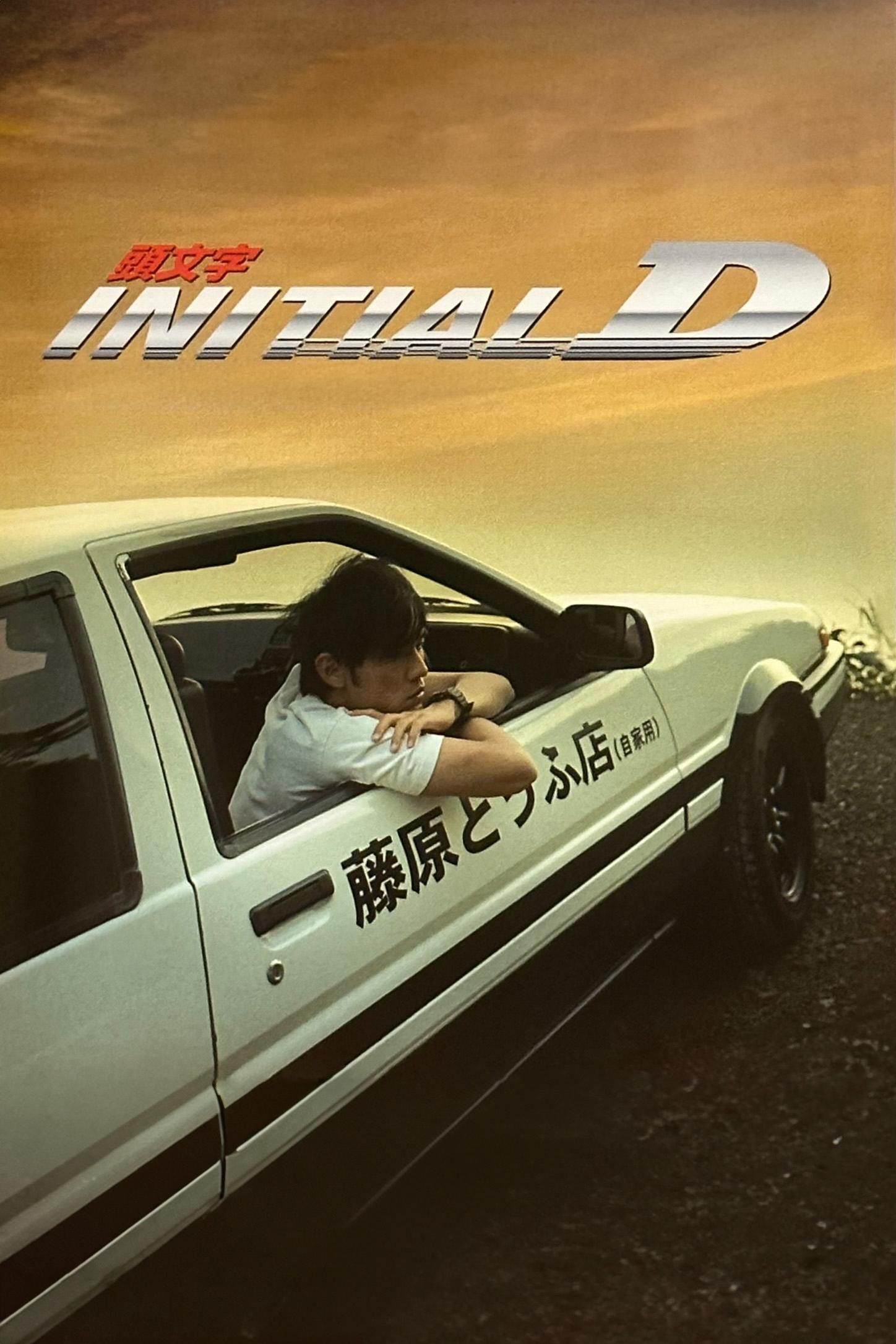
This Hong Kong-Japanese co-production adapts street racing arcs from ‘Initial D’ with Jay Chou as Takumi. Real mountain passes and practical drift driving anchor the action. Vehicle tuning details and tire dynamics are presented with attention to technique. The film tracks rivalries through timed challenges rather than CGI spectacle.
‘Gantz’ (2011)
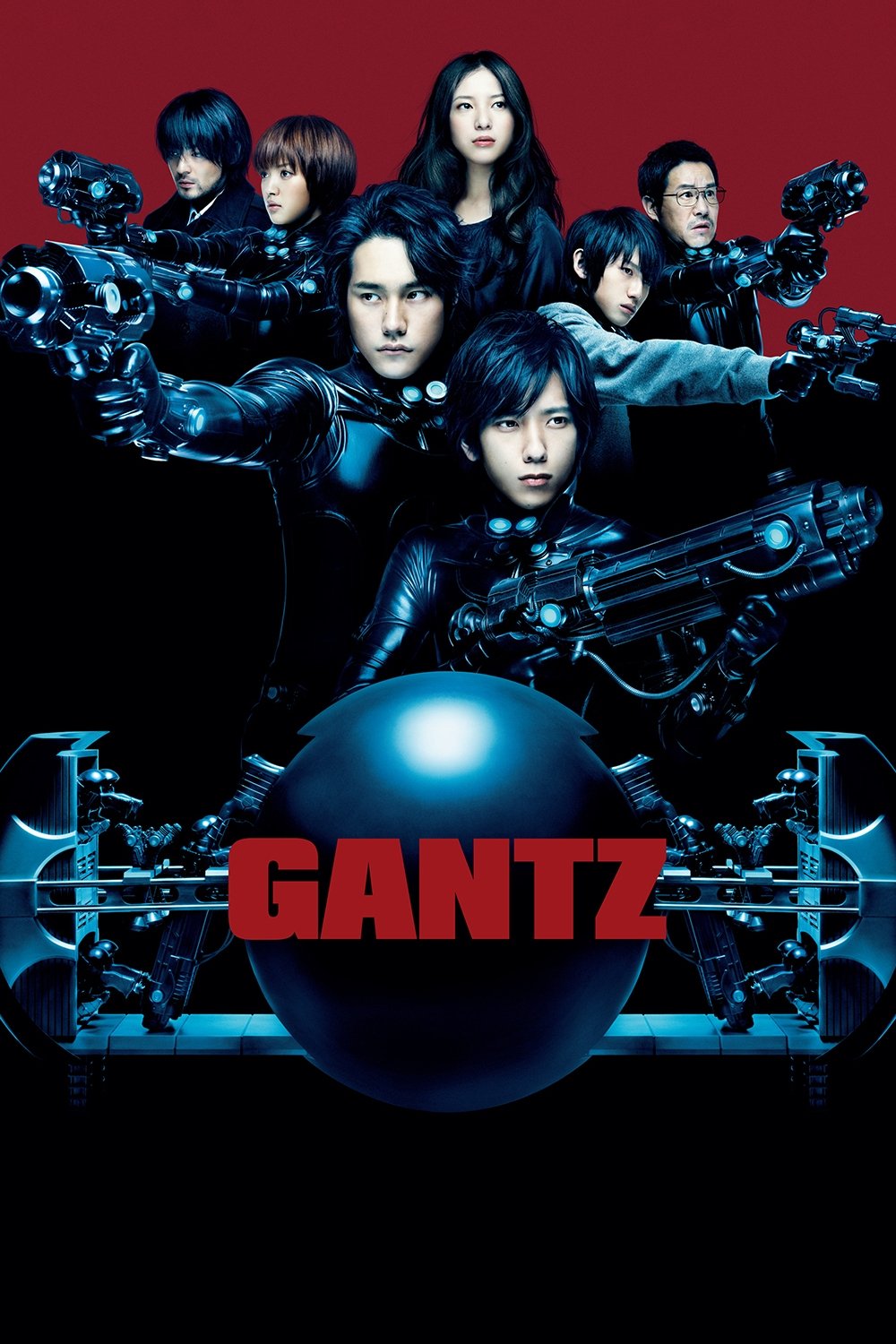
‘Gantz’ adapts the survival game premise with a focus on the early missions and suit mechanics. CG creatures interact with actors wearing practical armor to show impact. The narrative balances mystery about the black sphere with escalating threat levels. A companion sequel, ‘Gantz: Perfect Answer’, completes the initial storyline.
‘Ping Pong’ (2002)

This adaptation of Taiyō Matsumoto’s sports drama uses dynamic camera work to capture spin and speed. Character studies of Smile and Peco emphasize training and mentorship structures. Matches employ motion-controlled shots and practical table setups to visualize trajectories. The film preserves the thematic focus on discipline and friendship.
‘Space Battleship Yamato’ (2010)
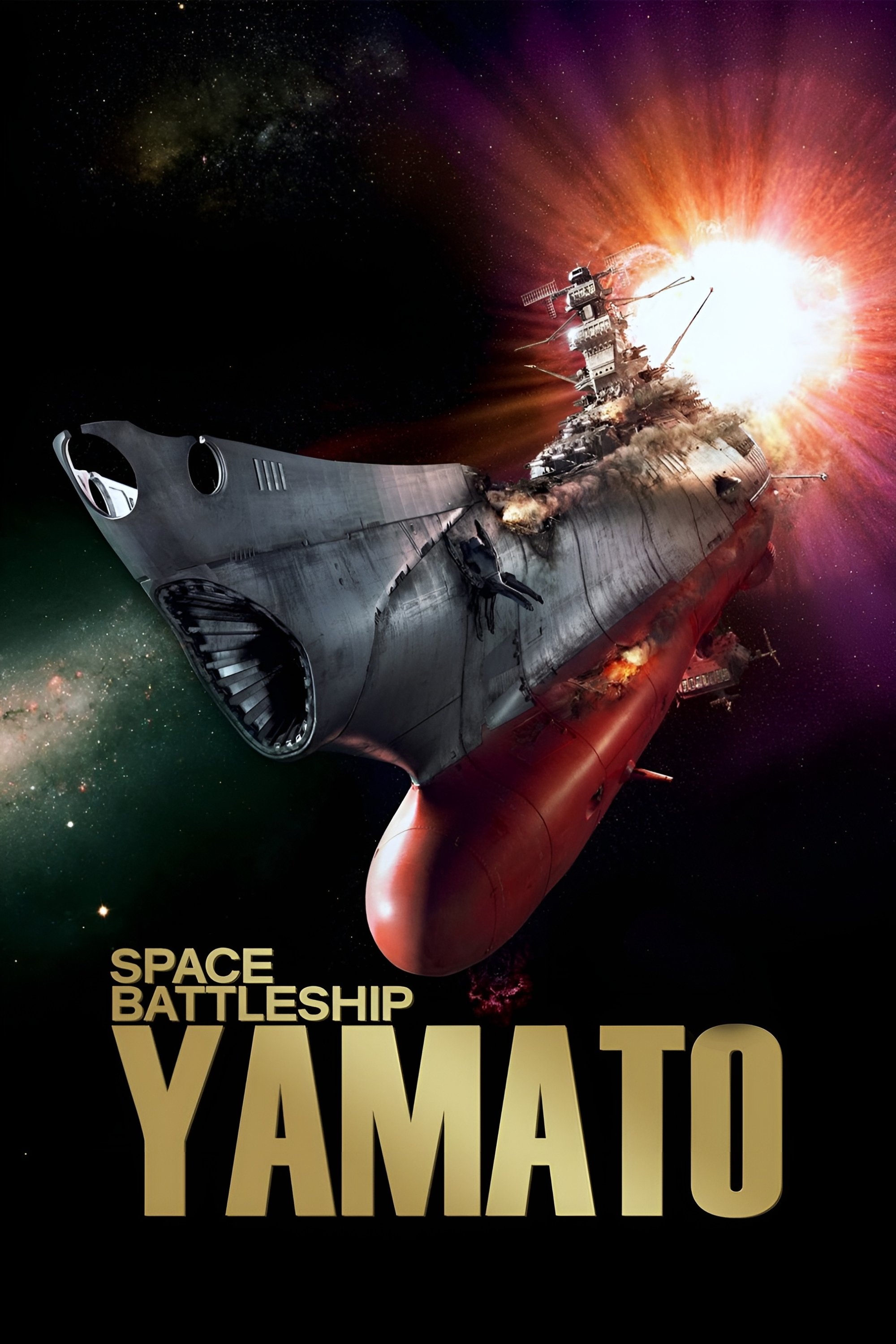
The film recreates the iconic starship and alien conflict from ‘Space Battleship Yamato’ with large scale VFX. Miniatures and digital models combine to depict space combat and warp travel. Production design mirrors the original bridge layout for continuity. The story condenses the journey framework while retaining the crew’s mission stakes.
Share your favorites from this list and tell us which live action adaptations you think deserve more attention in the comments.