Top 10 Coolest Things About Robert Pattinson

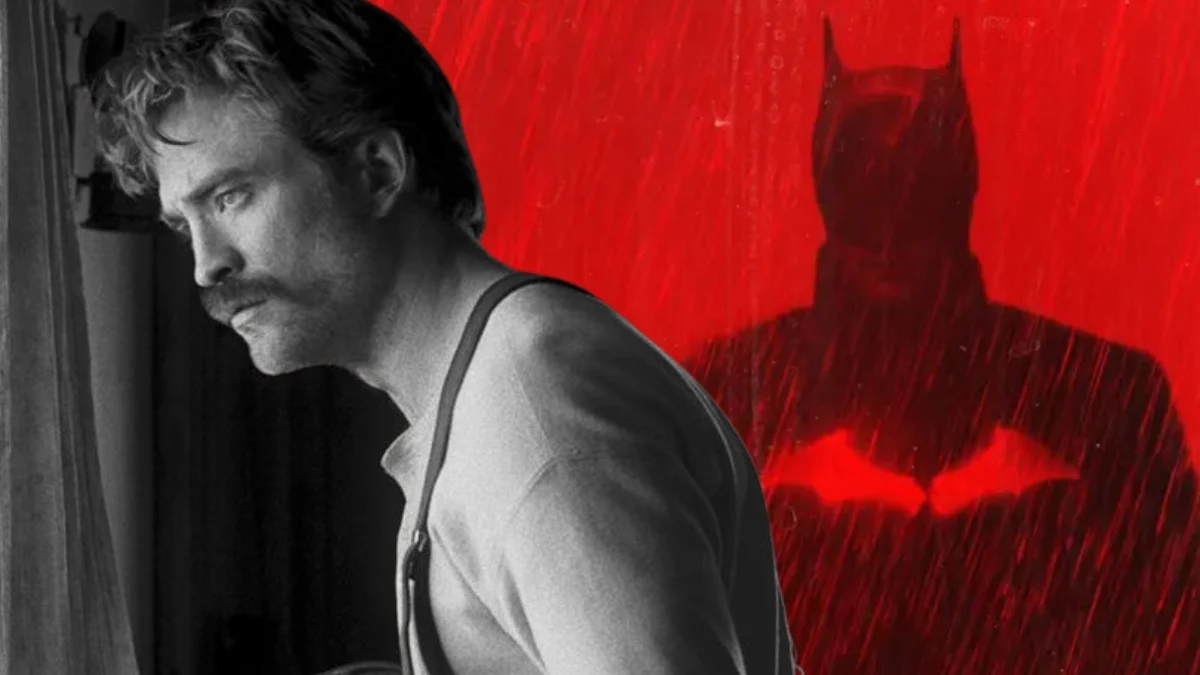

From franchise phenomenon to daring indie experiments and back to blockbuster scale, Robert Pattinson has built a career defined by bold choices and memorable on-screen turns. His filmography stretches from high-gloss fantasy to gritty character studies, with collaborations across auteurs, genre innovators, and large-scale studio visionaries. Here are ten factual highlights—centered on his movies and the craft behind them—that show how he keeps reinventing what a leading man can do.
‘Harry Potter and the Goblet of Fire’ (2005) – the breakout that put him on casting radars
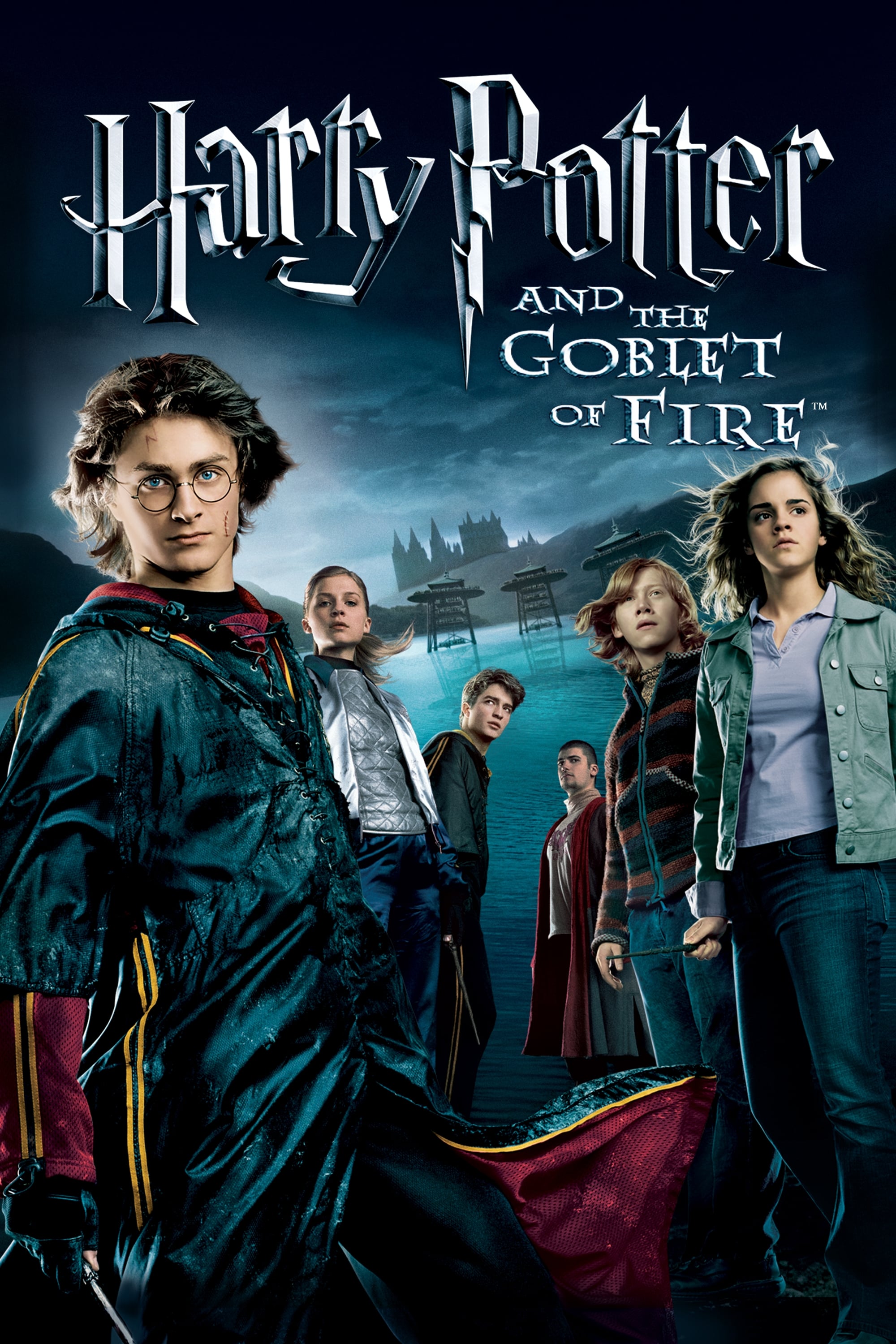
Pattinson’s role as Cedric Diggory introduced him to a global audience and showcased his ability to stand out in an ensemble packed with established young stars. He trained for broom and Quidditch wire work, learning the physical beats needed for the tournament set-pieces. The production used large-scale practical sets alongside extensive stunt coordination, giving him early exposure to high-budget filmmaking logistics. That visibility helped open doors to subsequent leading-man auditions across studios.
‘Twilight’ (2008–2012) – the franchise lead who also contributed to the soundtrack
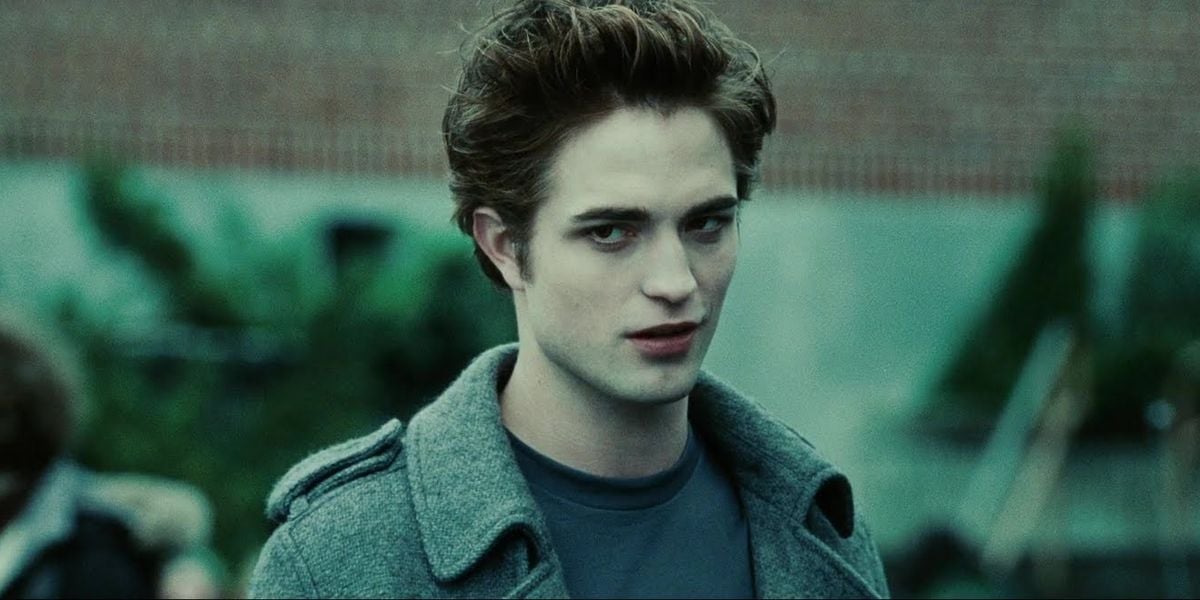
Headlining the five-film saga as Edward Cullen, Pattinson anchored a franchise that became a worldwide box-office juggernaut and a defining pop-culture moment of its era. Beyond acting, he contributed original vocals—most notably the songs ‘Never Think’ and ‘Let Me Sign’—that appear in the first film. The series’ rapid production cadence meant he worked through recurring stunt choreography, heavy prosthetic and contact-lens routines, and extensive press commitments. The role cemented his bankability and gave him leverage to pursue riskier projects with acclaimed directors.
‘Good Time’ (2017) – a guerrilla-style New York shoot that reshaped his screen image
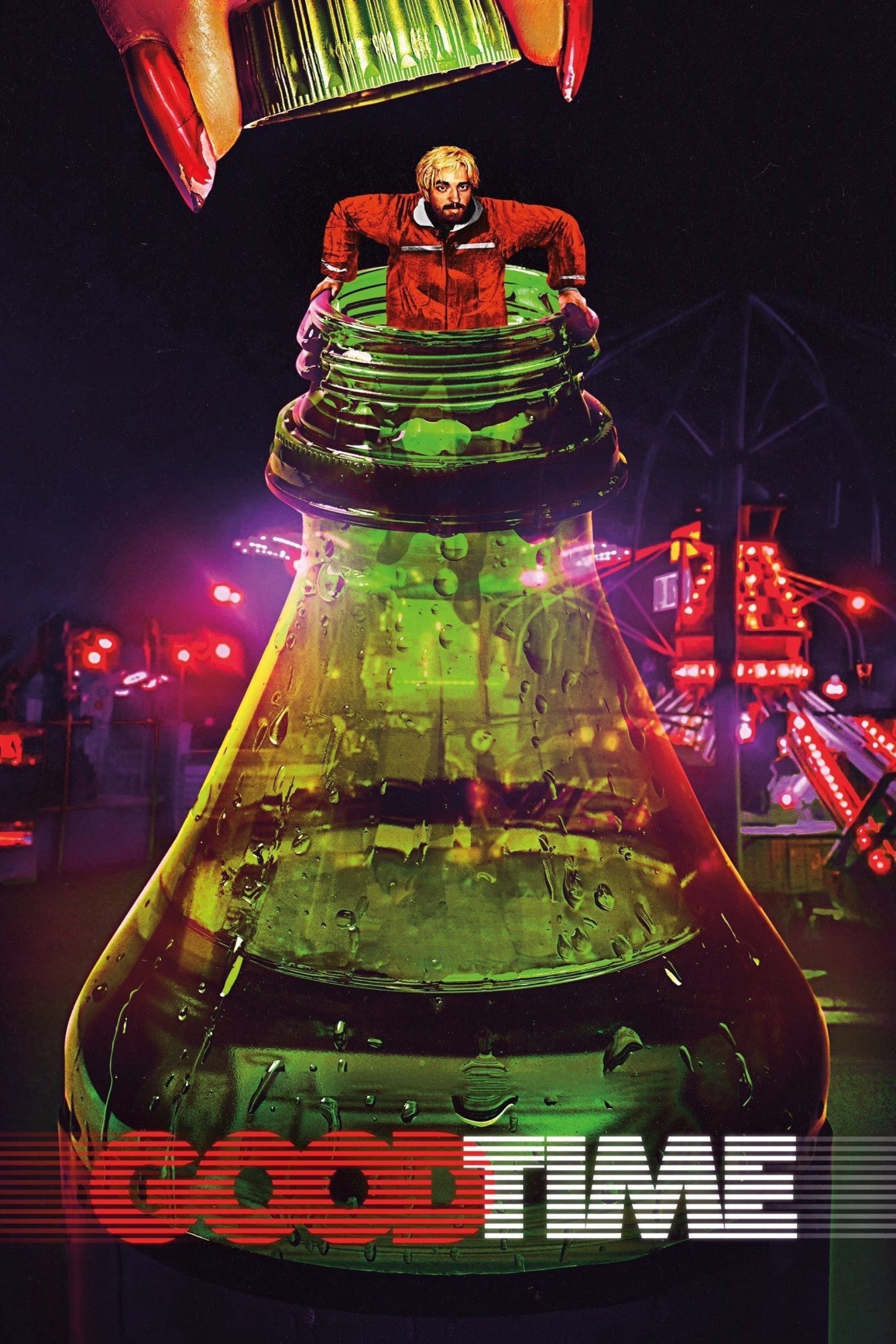
Working with the Safdie brothers, Pattinson built a character grounded in street-level detail, informed by research into Queens neighborhoods and real police-scanner rhythms. The filmmakers famously used live city environments and fast, mobile setups to capture unrepeatable moments, demanding quick pivots from the cast. Pattinson sought out the collaboration after noticing the Safdies’ gritty approach to realism, then adapted to their rehearsal-light method. The result showcased his precision with high-pressure, real-time storytelling.
‘The Lighthouse’ (2019) – extreme period authenticity, down to dialect and film stock
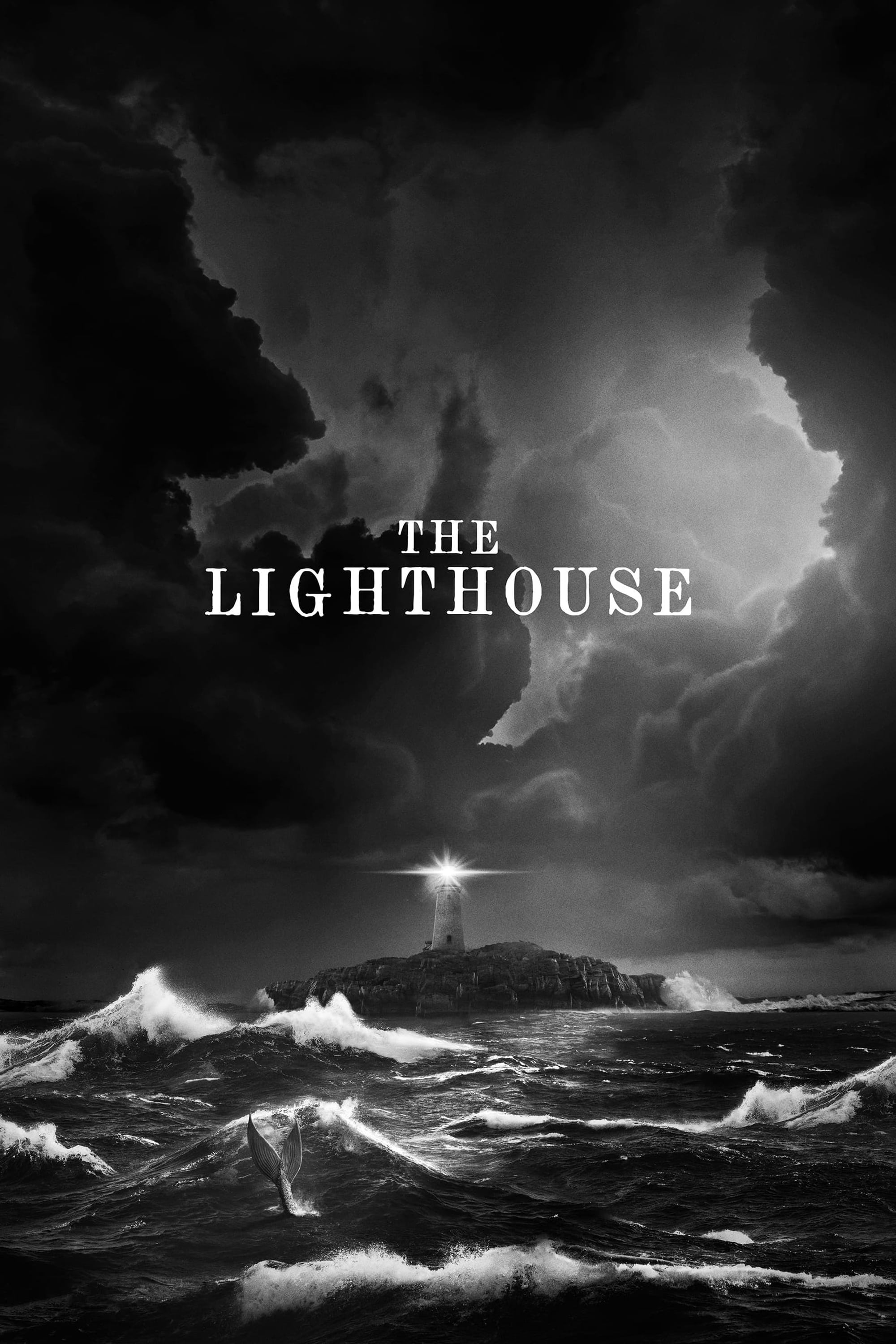
Director Robert Eggers shot on black-and-white 35mm with antique lenses and a nearly square aspect ratio to emulate turn-of-the-century photography. Pattinson and Willem Dafoe trained in historically grounded dialects sourced from maritime and New England linguistic research to match the script’s period cadences. The production relied on harsh weather, water effects, and practical sets built on a remote coastline, which shaped the actors’ physical performances. Pattinson’s preparation included repetitive physical tasks to mirror the keeper’s labor shown on screen.
‘The Batman’ (2022) – a detective-driven take built on close collaboration with the director
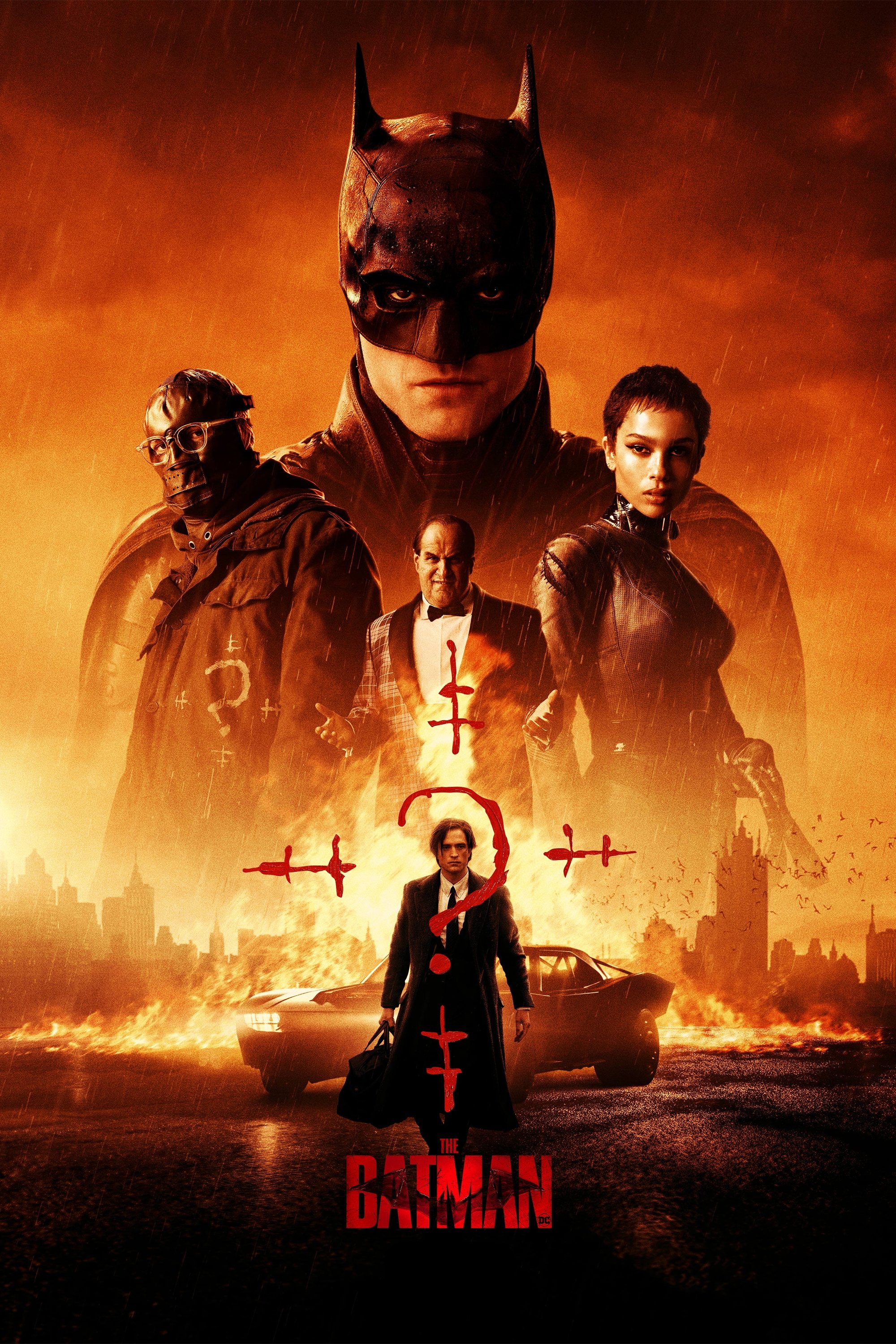
Under Matt Reeves, the film foregrounded investigative procedure and grounded action, requiring Pattinson to map character beats across long, dialogue-light sequences. The production favored extensive in-camera work—vehicle rigs, practical fights, and large-scale sets—complemented by carefully planned VFX. Pattinson screen-tested in legacy Batsuits before the final costume design was locked, helping refine mobility and silhouette for fight blocking. His Bruce Wayne emphasizes forensic observation and tactical movement, aligning the performance with the film’s noir structure.
‘Tenet’ (2020) – navigating a tightly controlled blockbuster with complex action mechanics
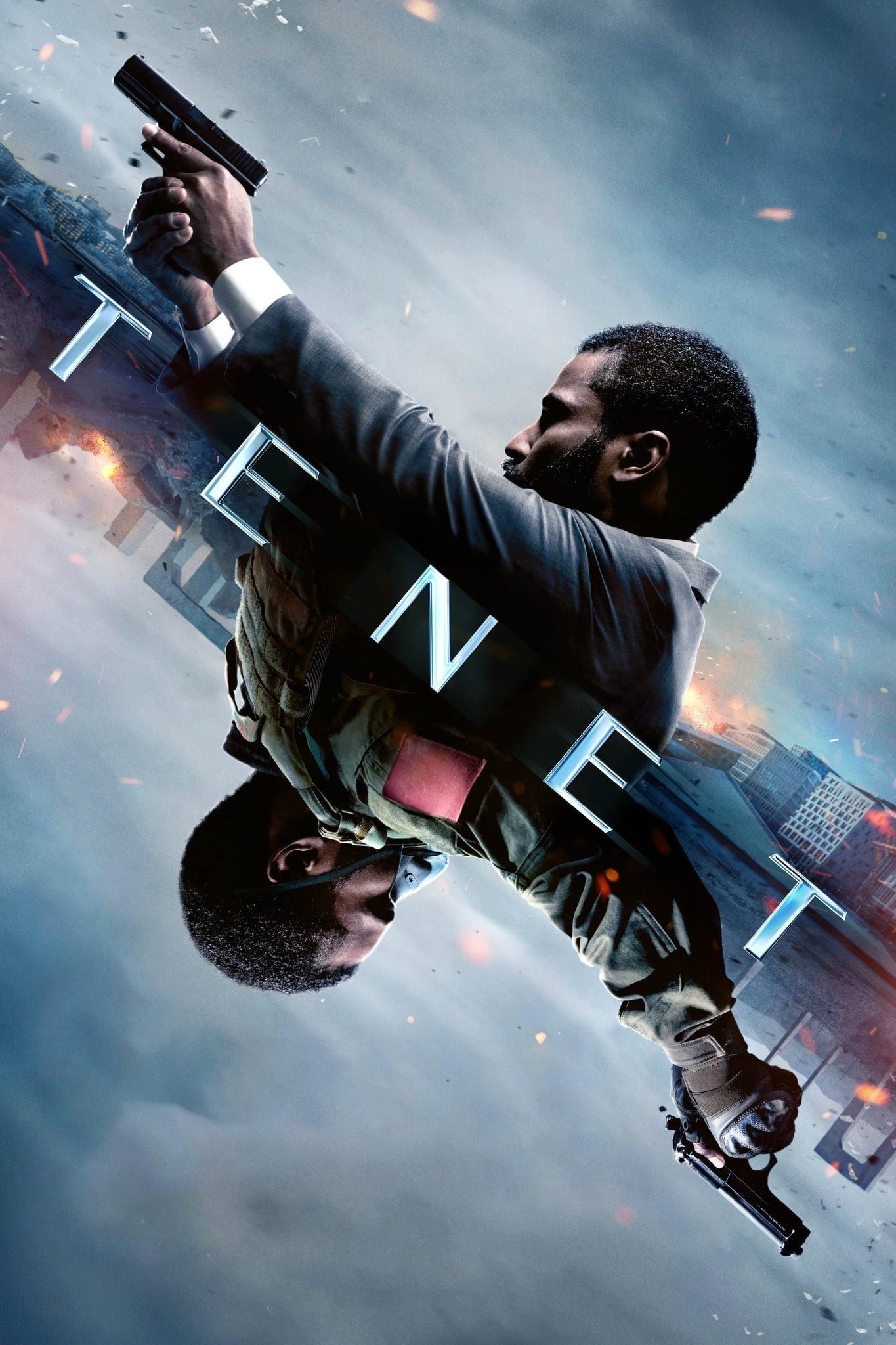
Pattinson joined Christopher Nolan’s ensemble, operating within a production known for limited script circulation and rigorous secrecy. Action units executed large practical set-pieces, including material shot in large-format cameras and designed to interlock forward and reverse motion cues. He trained to synchronize choreography that had to read clearly both in “normal” and inverted sequences. International location work required adapting performance continuity across multiple time-logic conditions defined by the film’s core concept.
‘The Rover’ (2014) – an accent study and character reset in stark terrain
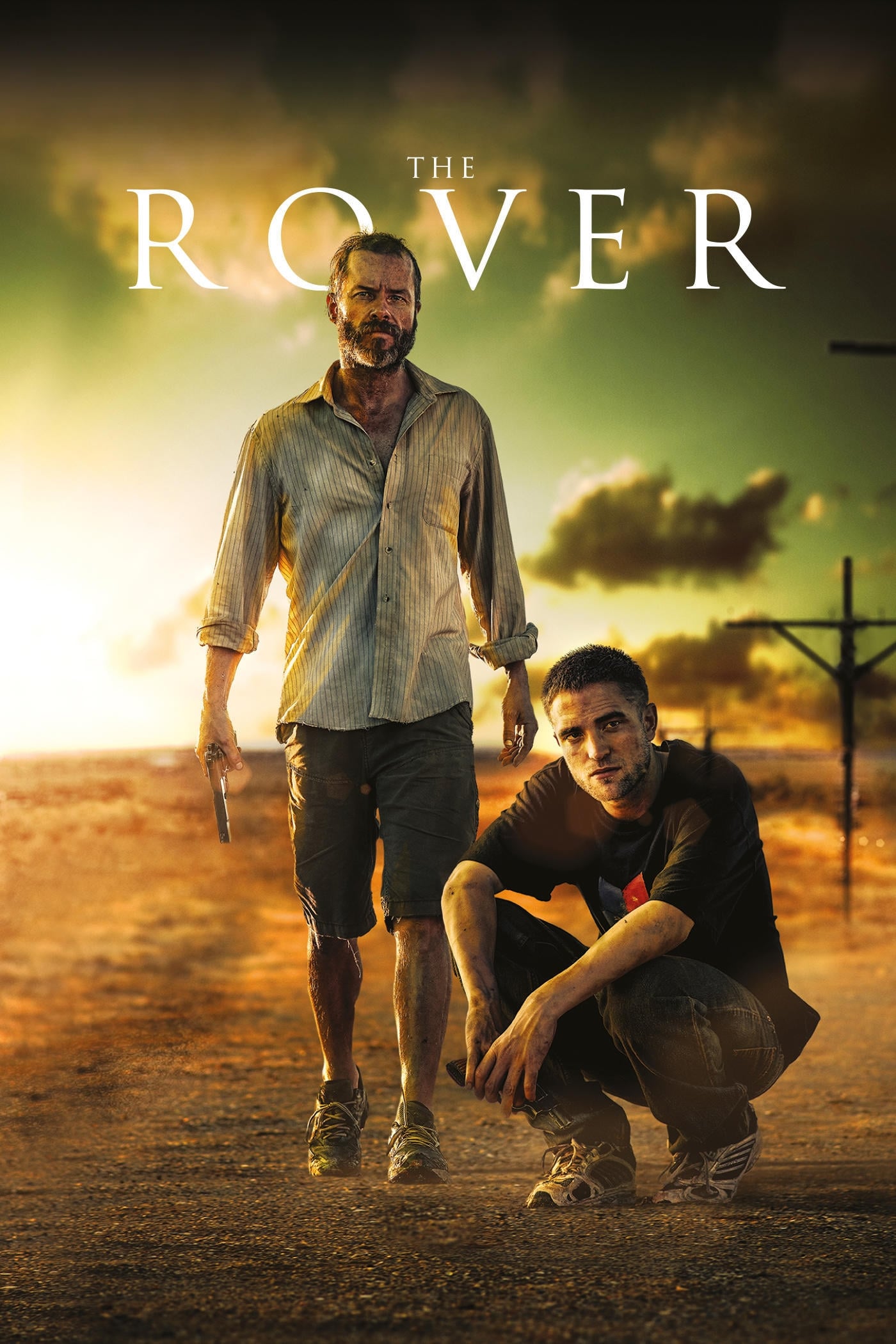
In David Michôd’s near-future thriller, Pattinson adopted a distinct Southern American cadence, shaped through phonetic coaching and sustained on set. The shoot leveraged remote Australian locations, with environmental conditions informing blocking and sound capture. He built the character’s physicality around limited resources and high stress, emphasizing small behavioral tics over dialogue density. The film marked a deliberate pivot toward character-driven, independent projects after franchise-scale work.
‘High Life’ (2018) – collaborating on cerebral sci-fi with a European auteur
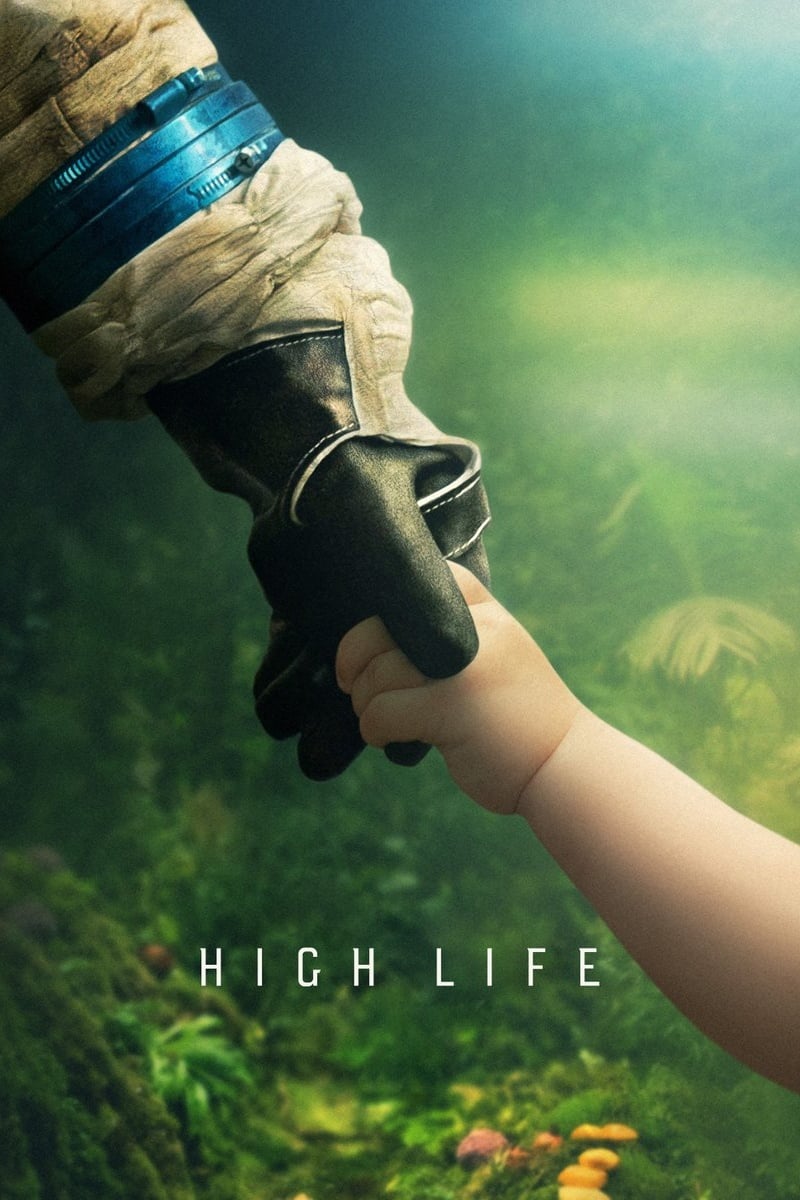
With Claire Denis, Pattinson played a convict-astronaut in a story blending hard-science textures with intimate psychological focus. The production designed modular spacecraft sets to allow long takes and restricted camera movement, reinforcing the isolation themes. He worked within an ensemble led by Juliette Binoche, calibrating performance intensity to the film’s restrained pacing. Scientific consultants informed aspects of space exposure, propulsion, and closed-system living, which shaped how the cast interacted with props and set pieces.
‘The Lost City of Z’ (2016) – transformation through weight loss, field work, and expedition logistics
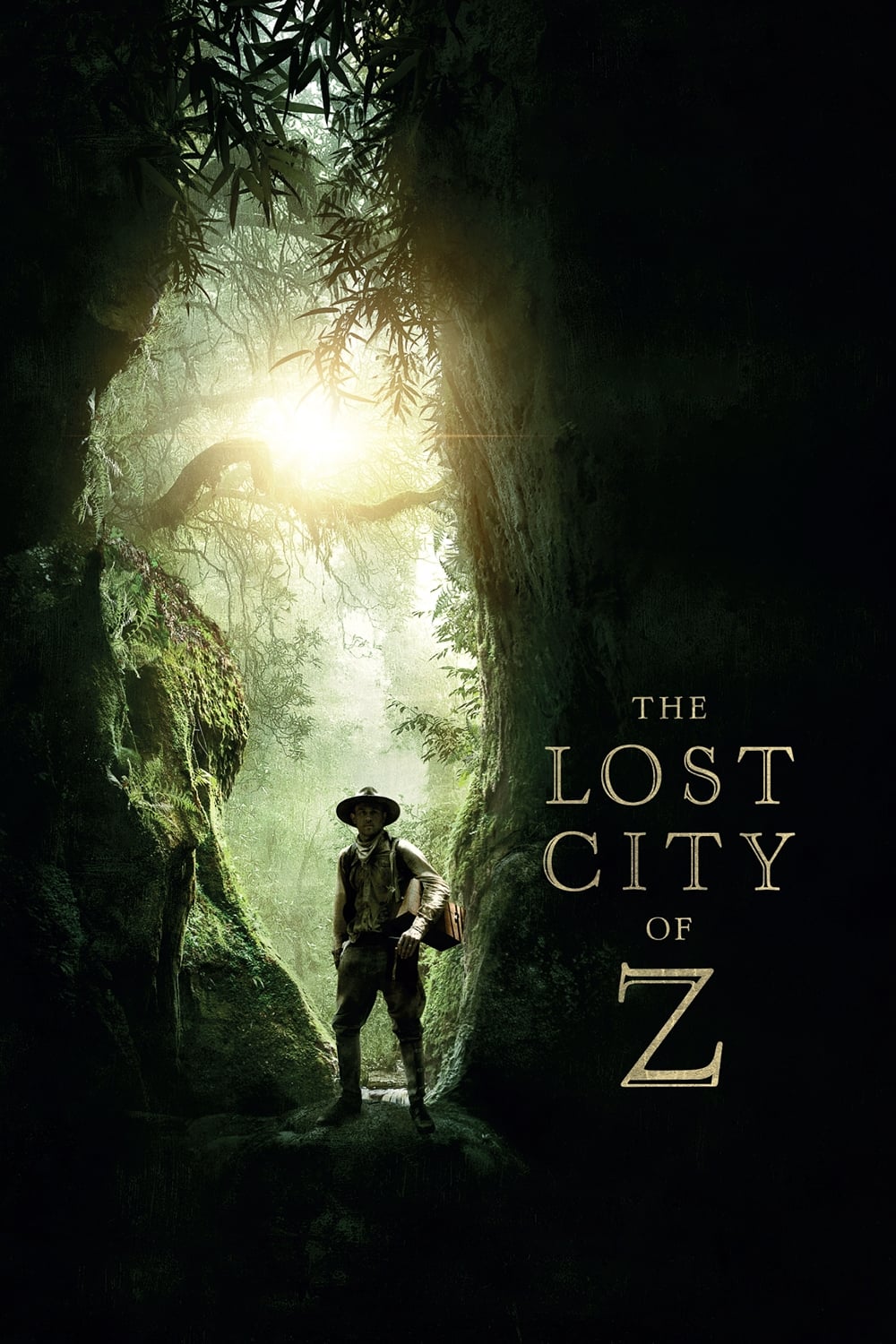
Under James Gray, Pattinson portrayed explorer Henry Costin, committing to significant weight loss and an unvarnished, period-appropriate look. The company filmed in jungle locations where heat, humidity, and river travel constrained scheduling and equipment choices. He coordinated closely with Charlie Hunnam to track evolving camaraderie across expedition timelines. The role demanded precision with mapwork, navigation props, and period kit, grounding the exploration sequences in tactile detail.
‘The King’ (2019) – a vivid supporting turn shaped by physicality and dialect play
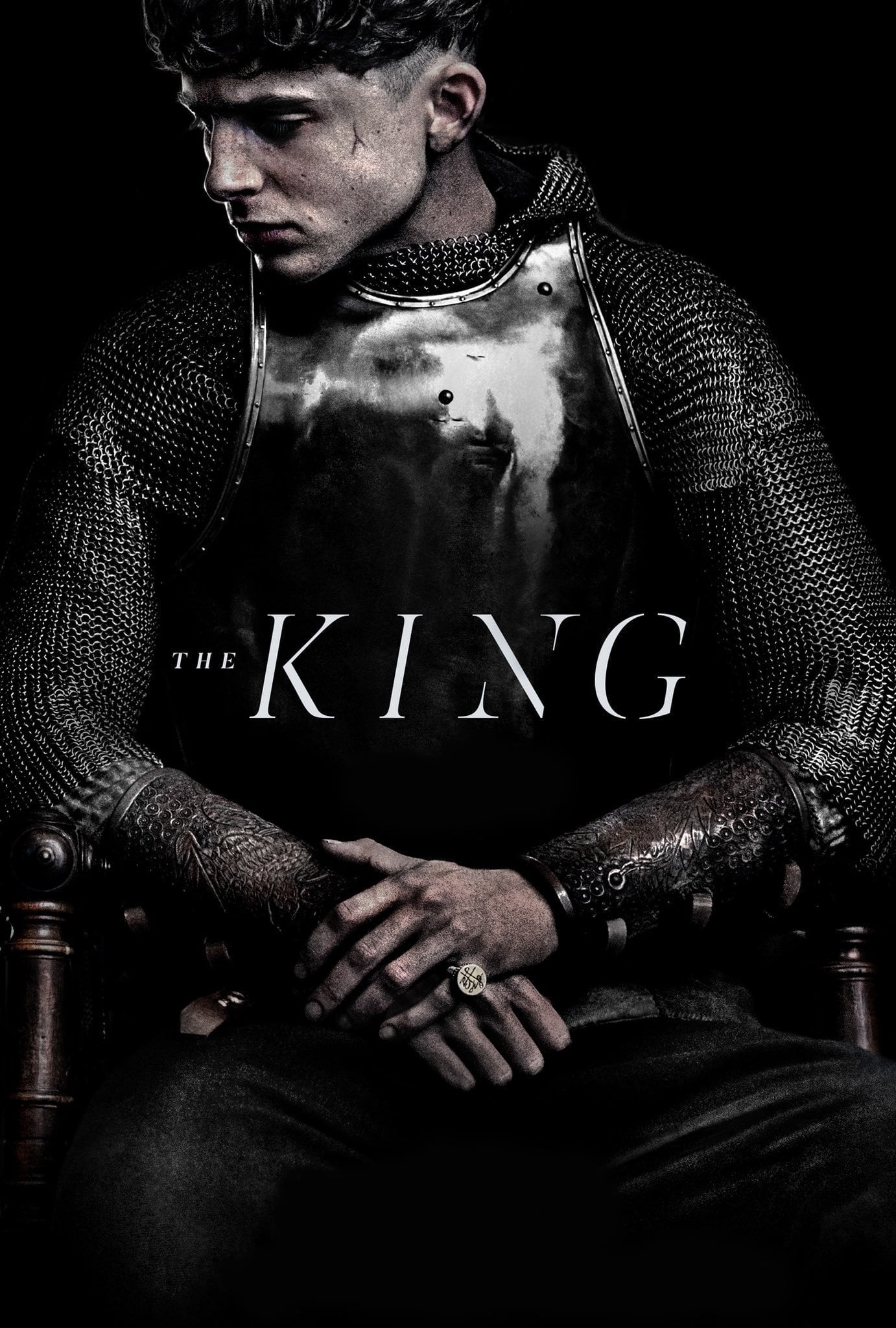
Pattinson’s Dauphin appears in key confrontations that hinge on posture, poise, and a pointedly stylized French accent. Scenes were staged to emphasize status games—armor, banners, and spatial distance—requiring tightly controlled movement and timing. He tailored vocal choices to cut through large, echo-prone sets and open-air battle camps. The performance adds tonal contrast within the film’s broader tapestry of court politics and campaign logistics.
Share your favorite Pattinson performance and the behind-the-scenes detail that surprised you most in the comments!