20 Best Arcade Games of All Time


From quarter-munching classics to genre-defining milestones, arcades shaped how people play and share games together. The cabinets were as important as the software, with unique controls, booming sound, and bright marquees pulling players in. These titles stood out for innovative mechanics, iconic characters, and unforgettable multiplayer fun. Here are the arcade games that left a lasting mark on playrooms, malls, and seaside piers everywhere.
Space Invaders
Released by Taito in 1978, Space Invaders helped ignite the golden age of arcades. Players slide a cannon left and right while rows of descending aliens speed up as their numbers shrink. Shields offer temporary cover that gradually erodes under fire. The hypnotic four-note bassline and simple controls made it easy to learn yet hard to master.
Pac-Man
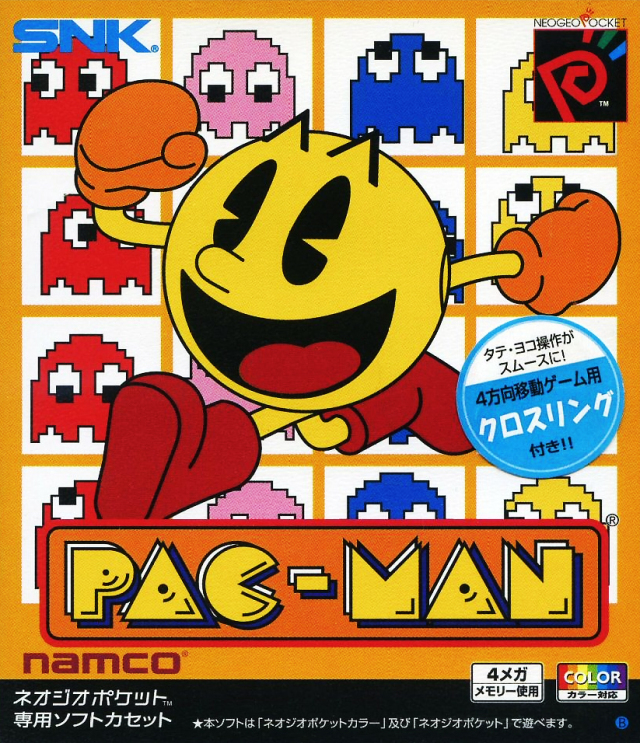
Namco’s 1980 maze-chase game introduced players to pellet clearing, power-ups, and distinct ghost behaviors that follow predictable patterns. Its circular mazes, fruit bonuses, and four energized power pellets created a rhythm that rewarded route planning. The character became a global icon through merchandise and spin-offs. High score competitions made it a fixture in arcades for years.
Ms. Pac-Man
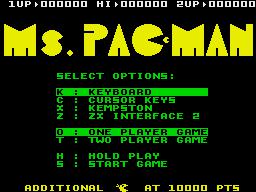
Developed by General Computer and released by Midway in 1982, Ms. Pac-Man added multiple maze layouts and new fruit paths. The game increased speed and mixed up ghost movement to keep players guessing. Intermission scenes returned with new animations that gave the character personality. Operators loved its popularity and frequent cabinet conversions from earlier machines.
Donkey Kong
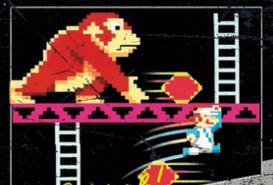
Nintendo’s 1981 platformer introduced Jumpman, later known as Mario, as he climbed girders to rescue Pauline. The game rotated through multiple stages with ladders, barrels, and moving elevators. Its timing based jumps and hammer power-up set a template for platformers. The cabinet became a mainstay for competitive high score runs.
Galaga
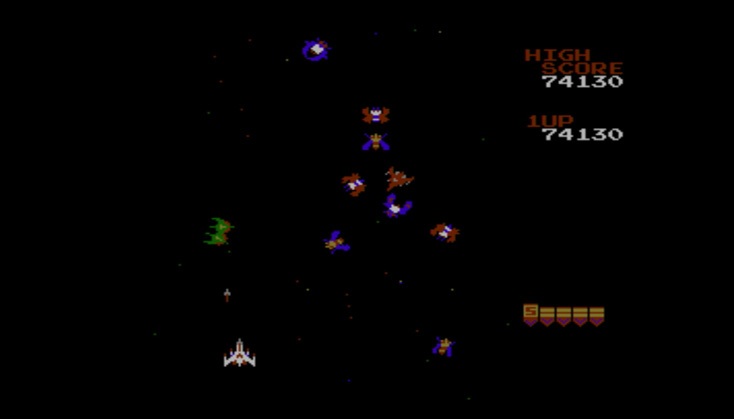
Namco’s 1981 shooter refined the formula with enemy formations that swooped and fired in intricate patterns. A signature mechanic let a boss ship capture the player’s fighter, which could be rescued to create a powerful dual ship. Challenging stages rewarded accuracy with bonus points. Smooth controls and crisp audio feedback kept players engaged for long sessions.
Asteroids

Atari’s 1979 vector graphics shooter placed players in open space with thrust based movement and inertia. Asteroids broke into smaller fragments when shot, demanding careful aim and situational awareness. The hyperspace escape offered risk and reward when swarmed. Its bright lines and booming sound effects set it apart from raster based cabinets.
Defender
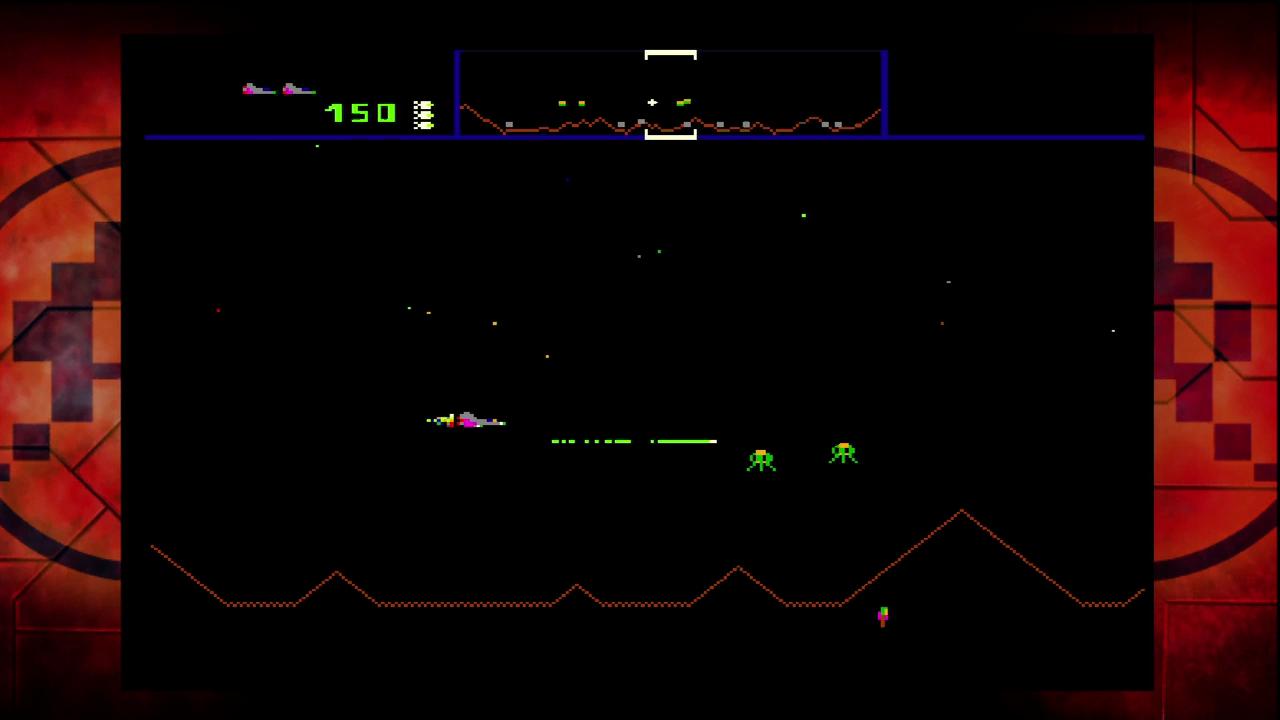
Williams released Defender in 1981 with fast horizontal scrolling and a mini radar display. Players juggled blasting aliens with rescuing humanoids who could be abducted if ignored. Smart bombs and precise reverse thrust added depth to movement. Its difficulty and deep scoring kept expert players coming back.
Street Fighter II
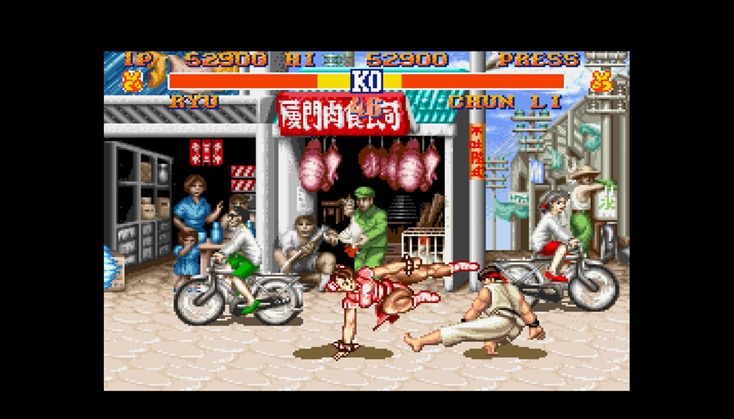
Capcom’s 1991 head-to-head fighter standardized six-button layouts and special move inputs across a diverse cast. Mirror matches, combos, and counters created a high skill ceiling. Operators linked cabinets in arcades where crowds gathered around challengers. Frequent updates like Champion Edition and Turbo kept the scene active for years.
Mortal Kombat
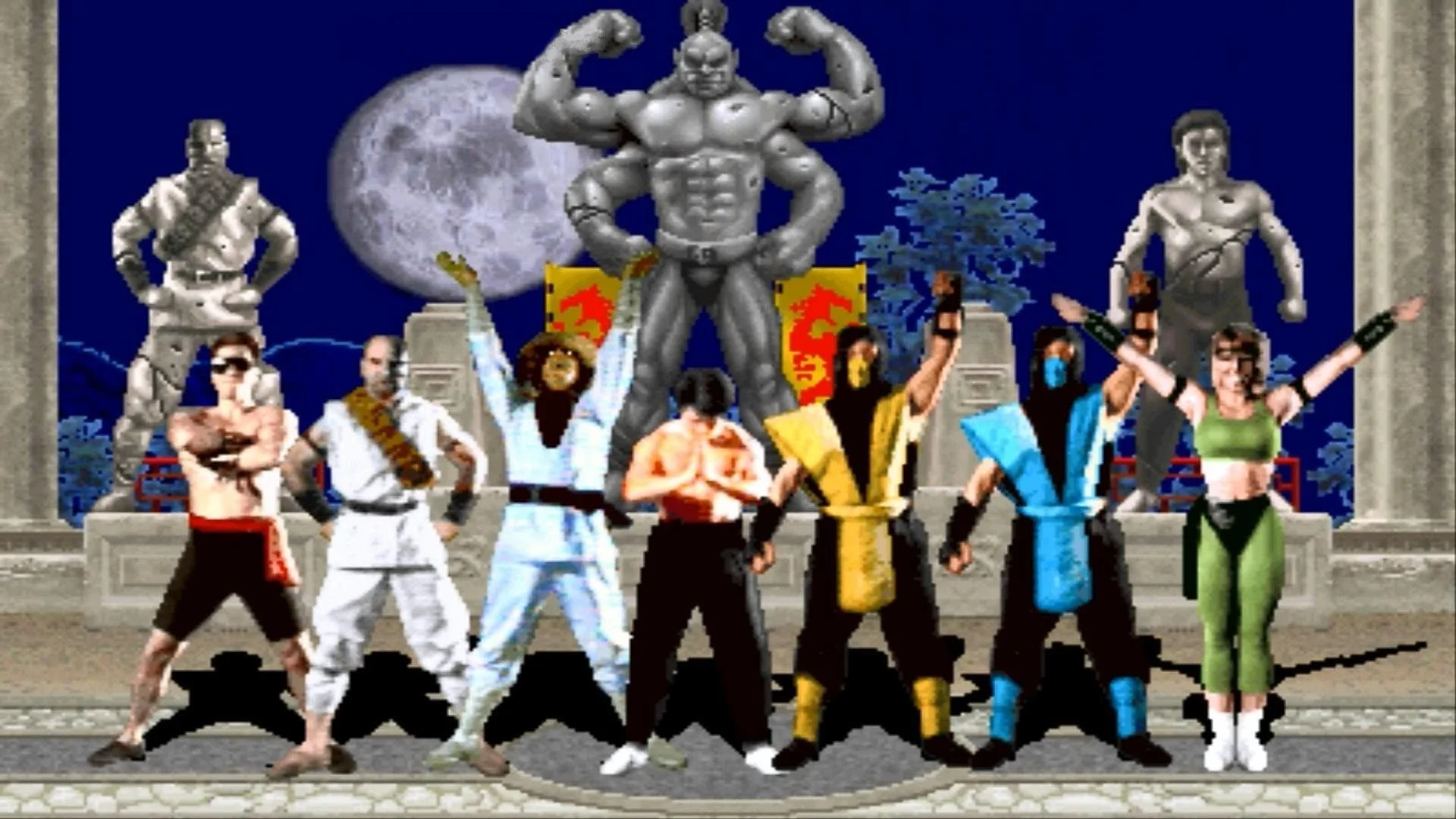
Midway’s 1992 fighter used digitized actors and introduced finishers that pushed the limits of arcade showmanship. Special move inputs rewarded timing and spacing while secret characters and codes drove discovery. Two-player battles filled arcades with lines of hopeful contenders. Home releases drew widespread attention to game ratings and content standards.
NBA Jam
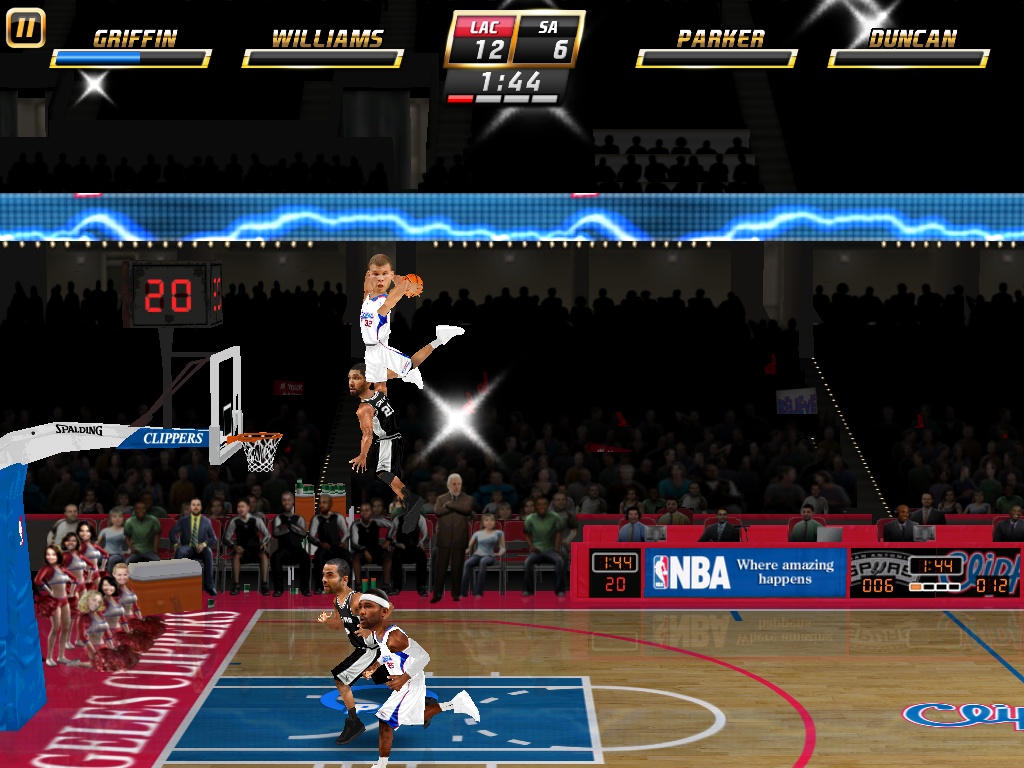
Midway’s 1993 basketball game delivered two-on-two matches with exaggerated dunks and on-fire streaks. Real team rosters, unlockable guests, and constant commentary created a lively atmosphere. The turbo meter and shove mechanic kept play fast and physical. Linked cabinets supported four players for loud, competitive gatherings.
Gauntlet
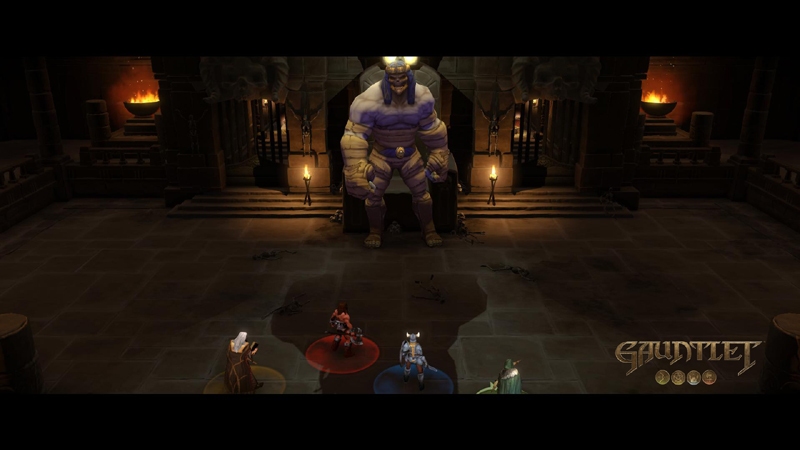
Atari Games launched Gauntlet in 1985 with four-player simultaneous dungeon crawling. Players chose Warrior, Valkyrie, Wizard, or Elf and fought through mazes filled with generators and monsters. Health ticked down over time which encouraged constant movement and teamwork. Digitized speech lines made the cabinet instantly recognizable across noisy arcades.
Robotron 2084
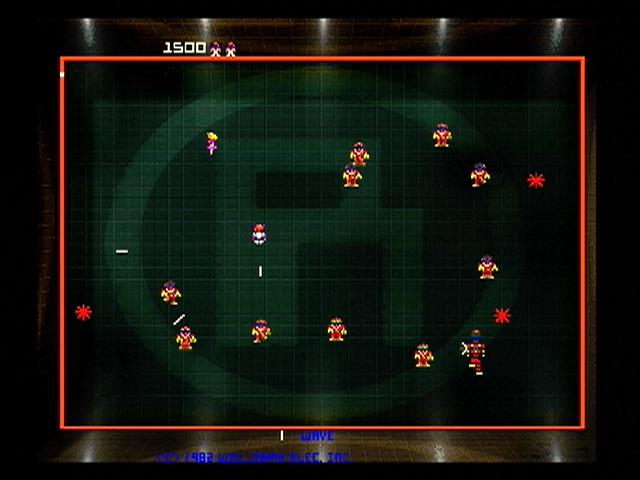
Williams released Robotron 2084 in 1982 with dual-stick controls that separated movement and firing. Swarms of enemies and rescuable humans filled single screen arenas. The game demanded rapid target prioritization and smooth circular movement. Its difficulty curve and scoring depth established it as a classic for high skill play.
Teenage Mutant Ninja Turtles
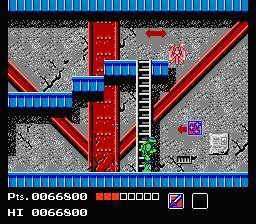
Konami’s 1989 beat ’em up supported four players as the Turtles fought through side scrolling stages. Simple attack and jump inputs combined into throws and crowd control moves. The license matched the art and music to the animated series, which helped draw families to the cabinet. Linked continues let groups push through to the final boss.
Metal Slug
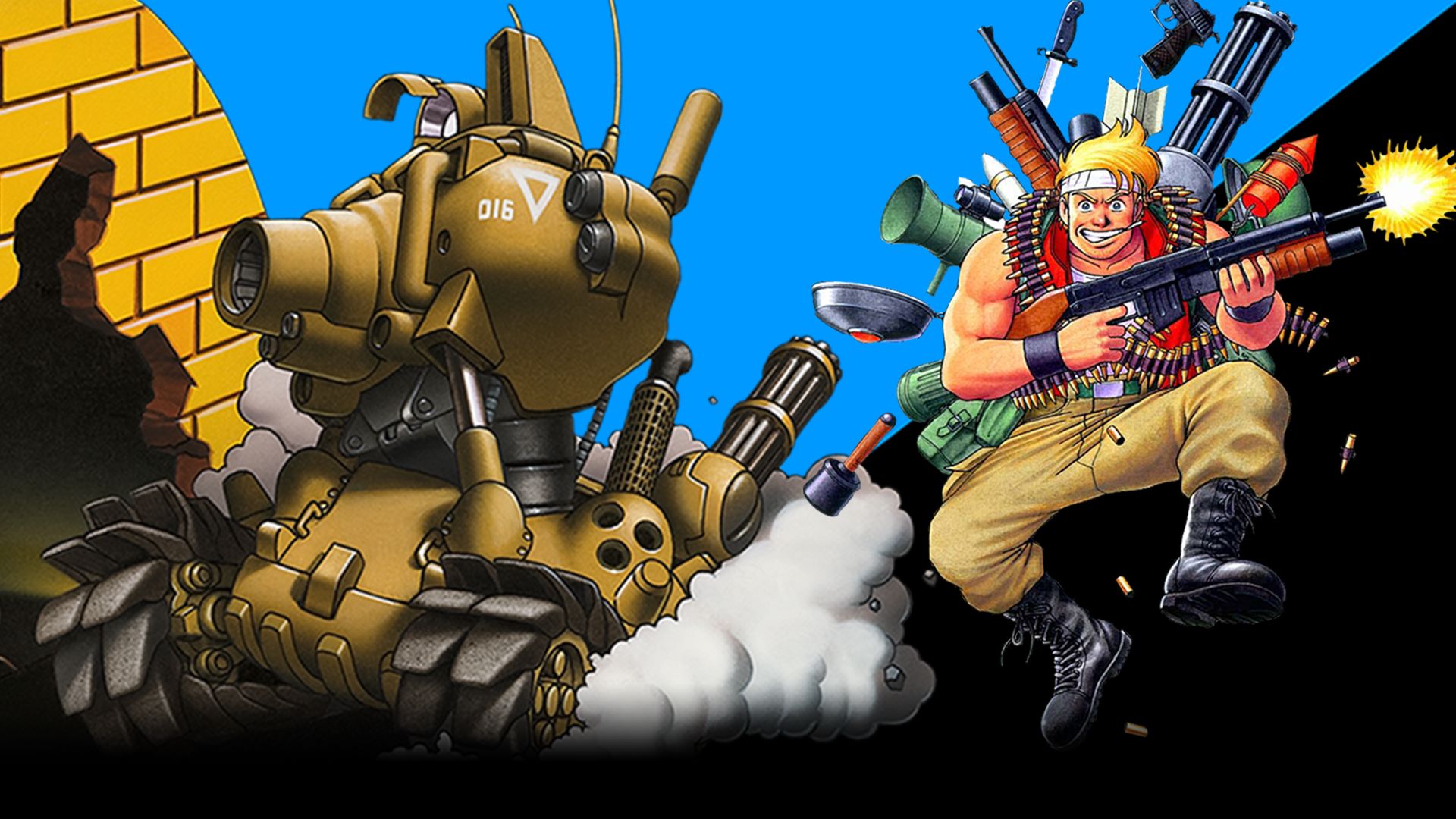
SNK’s 1996 run and gun showcased hand drawn animation and responsive controls on Neo Geo hardware. Players switched between infantry weapons and the titular tank for powerful volleys. Rescueable hostages dropped items that boosted firepower and score. Precise hitboxes and clear visual effects made stages readable even during chaos.
Dance Dance Revolution
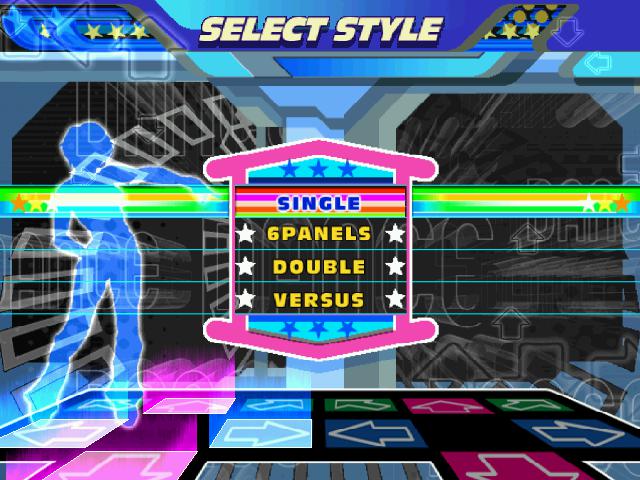
Konami’s 1998 rhythm game used a floor pad with four directional panels for step inputs. Songs played with on screen arrows that guided timing, difficulty, and combos. Cabinets featured speakers and lights that turned gameplay into a performance. Later mixes added new tracks and modes that kept players returning for fitness and competition.
Daytona USA
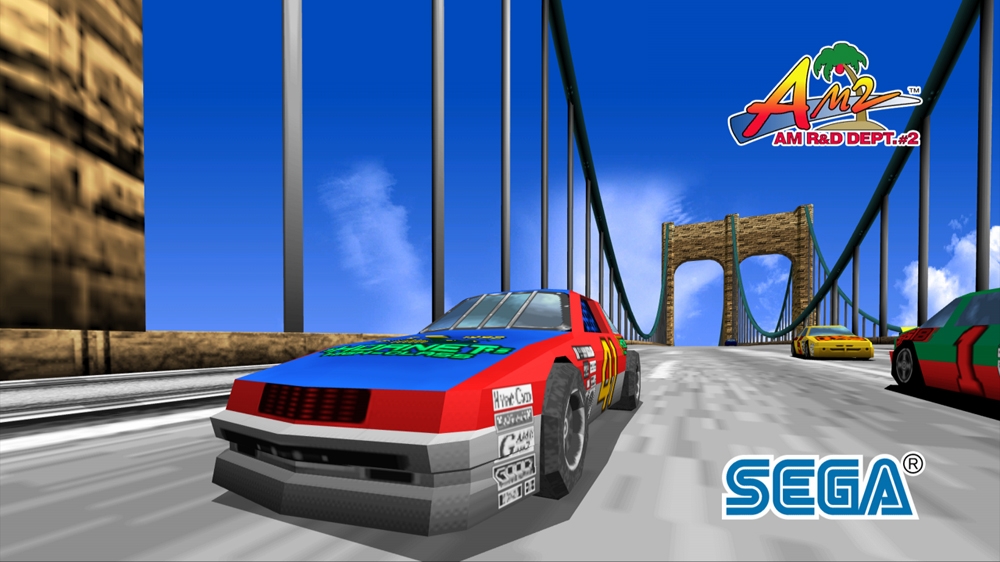
Sega AM2’s 1994 racer ran on Model 2 hardware with smooth 3D graphics and force feedback steering. Cabinets linked up to eight seats for crowded multiplayer races. Tracks rewarded drifting technique and drafting on long straights. The cabinet’s sound system and large wheel made every turn tactile and loud.
Out Run
Sega’s 1986 driving game combined a sit-down cabinet with branching routes that let players choose the next stage. The in-car radio allowed music selection before each run. Time checkpoints paced progress and encouraged memorizing turns. The deluxe cabinet included hydraulic motion for a more immersive ride.
Time Crisis
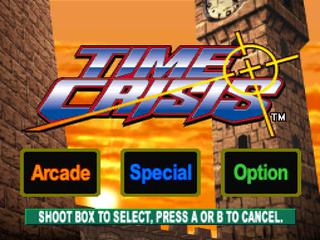
Namco’s 1995 light-gun shooter introduced a foot pedal that toggled between cover and firing. Staged encounters used a timer that refilled by defeating key targets. Recoil enabled guns and positional speakers added to the feel of each shot. Multiplayer versions increased replay with synchronized runs.
Pole Position
Namco launched Pole Position in 1982 with a qualifying lap that set grid order for the main race. Sprite scaling simulated 3D movement on a track modeled after Fuji Speedway. The cockpit cabinet featured a wheel, pedals, and shifter for a realistic setup. Its format influenced many later arcade racers.
The House of the Dead
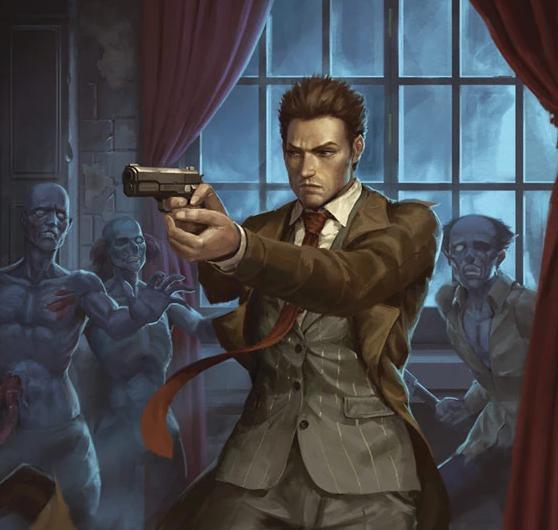
Sega’s 1996 horror themed light-gun game paired branching paths with reactive enemies. Players targeted limbs to change behaviors and save civilians for bonuses. Arcade sensors tracked accuracy and cleared rank at the end of each stage. Multiple sequels and variations expanded the storyline and cabinet tech.
Share your favorite arcade memories and the games you would add in the comments.