Tightest Filler Arcs That Are Actually Good

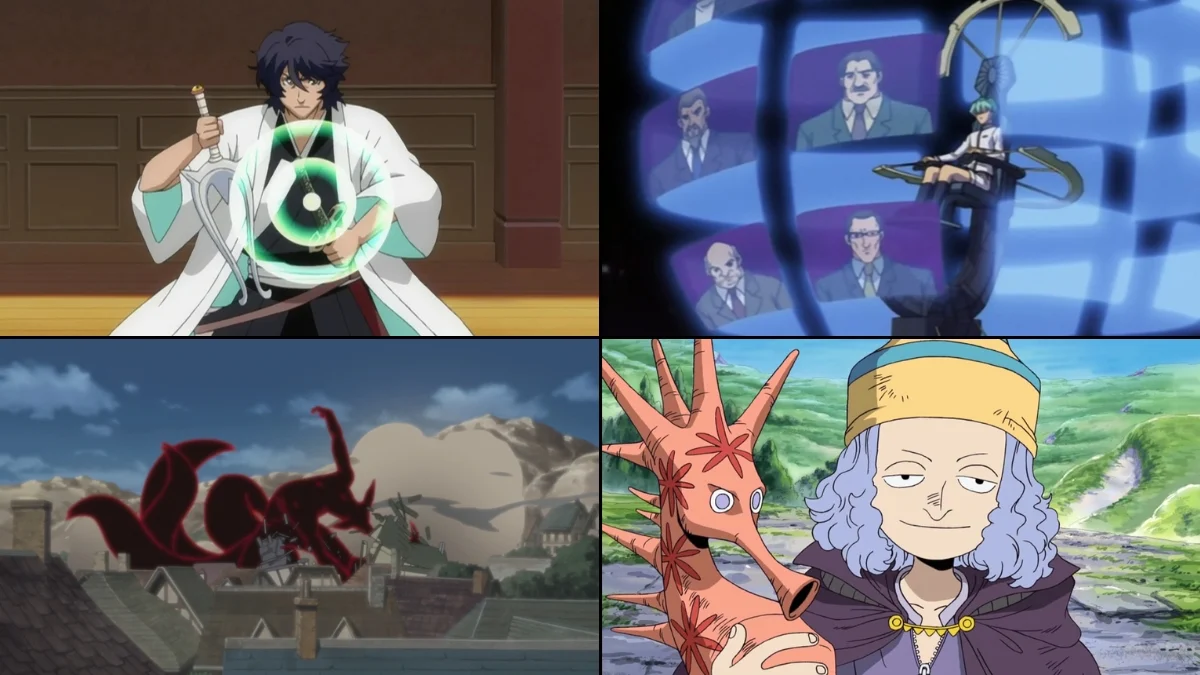

Filler doesn’t have to mean forgettable—plenty of anime-original detours add world-building, expand side characters, or adapt game tie-ins in smart ways. Below are twenty compact arcs that slide neatly into their shows without dragging, complete with episode spans, story focus, and notable production details so you can jump straight to what interests you.
‘One Piece’ (1999) – G-8 Arc
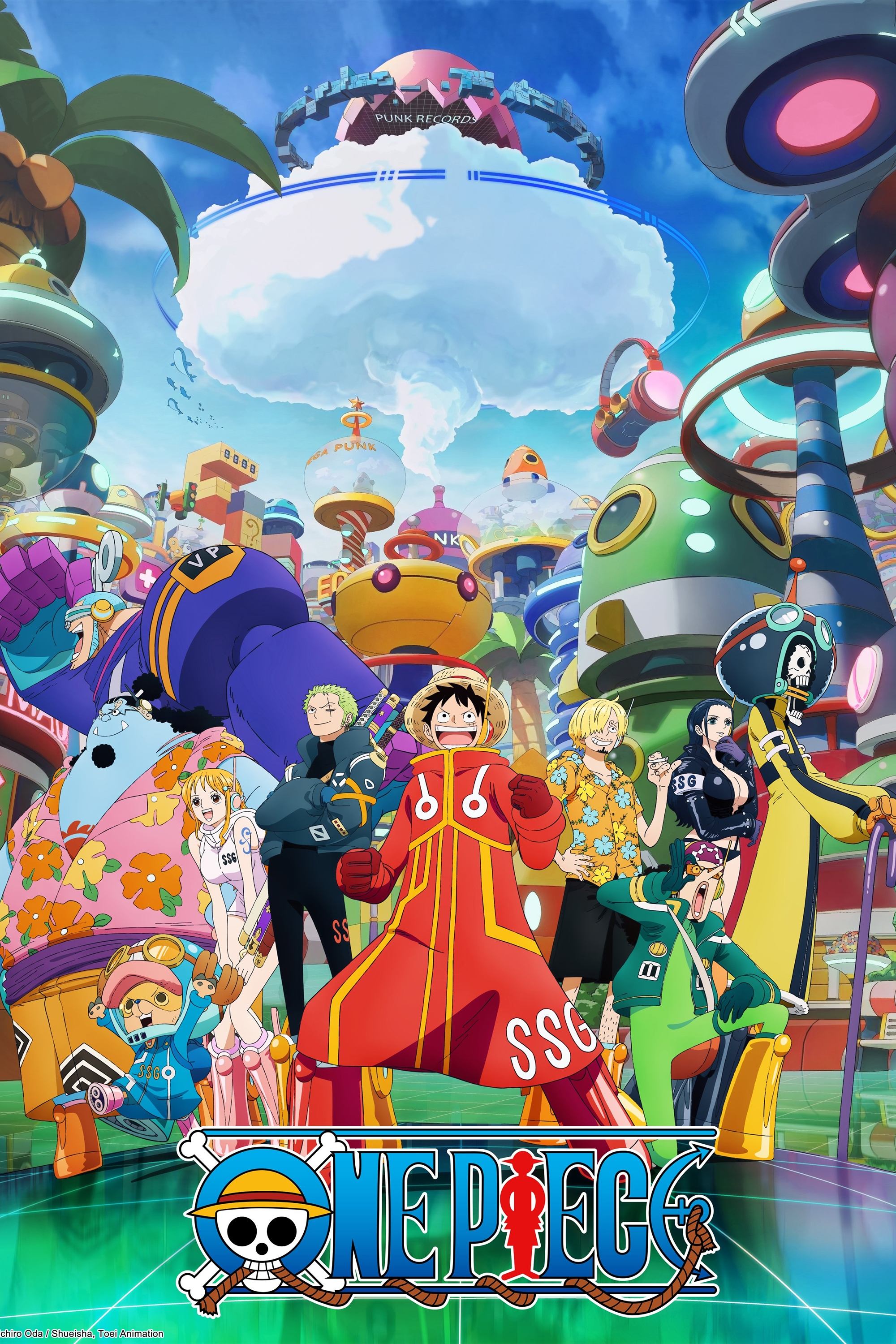
Set immediately after the Skypiea storyline, this anime-original arc runs from episodes 196–206 and strands the Straw Hats inside a heavily fortified Marine base. It introduces Commander Jonathan and the G-8’s layered defenses, emphasizing stealth and improvisation over straight fights. The production team designed new layouts for kitchens, docks, and armories to give the base a lived-in feel. The arc is self-contained and restores the crew’s status quo by the end, making it easy to watch on its own.
‘Bleach’ (2004) – Zanpakutō Unknown Tales Arc
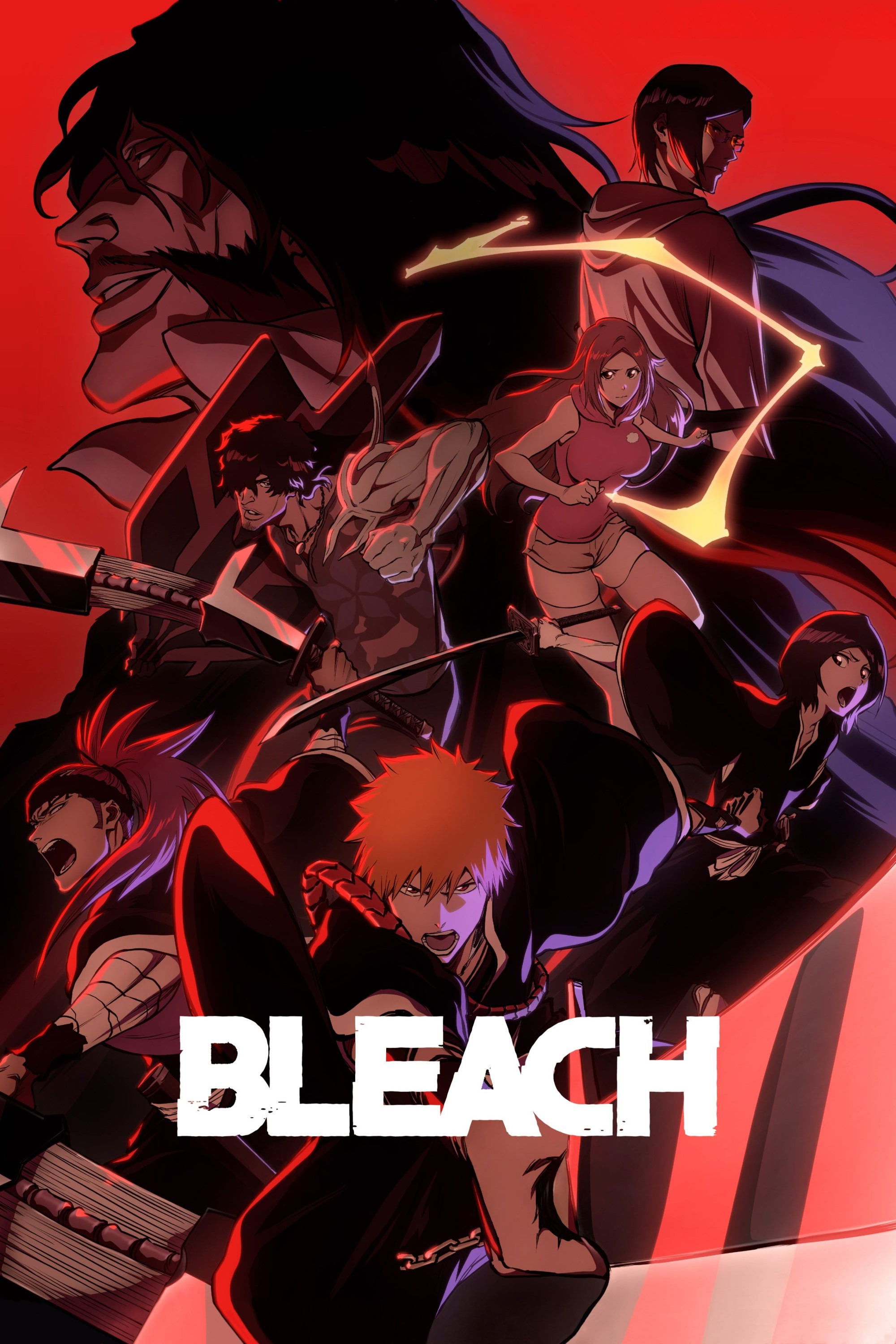
Covering episodes 230–265, this storyline imagines the spirit forms of zanpakutō manifesting as independent beings. An anime-original character, Muramasa, drives the conflict by separating Shinigami from their swords, prompting unique matchups. The arc expands on weapon lore with original designs and abilities created for the show. It concludes without altering the manga’s main plot, fitting cleanly between canon arcs.
‘Naruto Shippūden’ (2007) – Power (Chikara) Arc
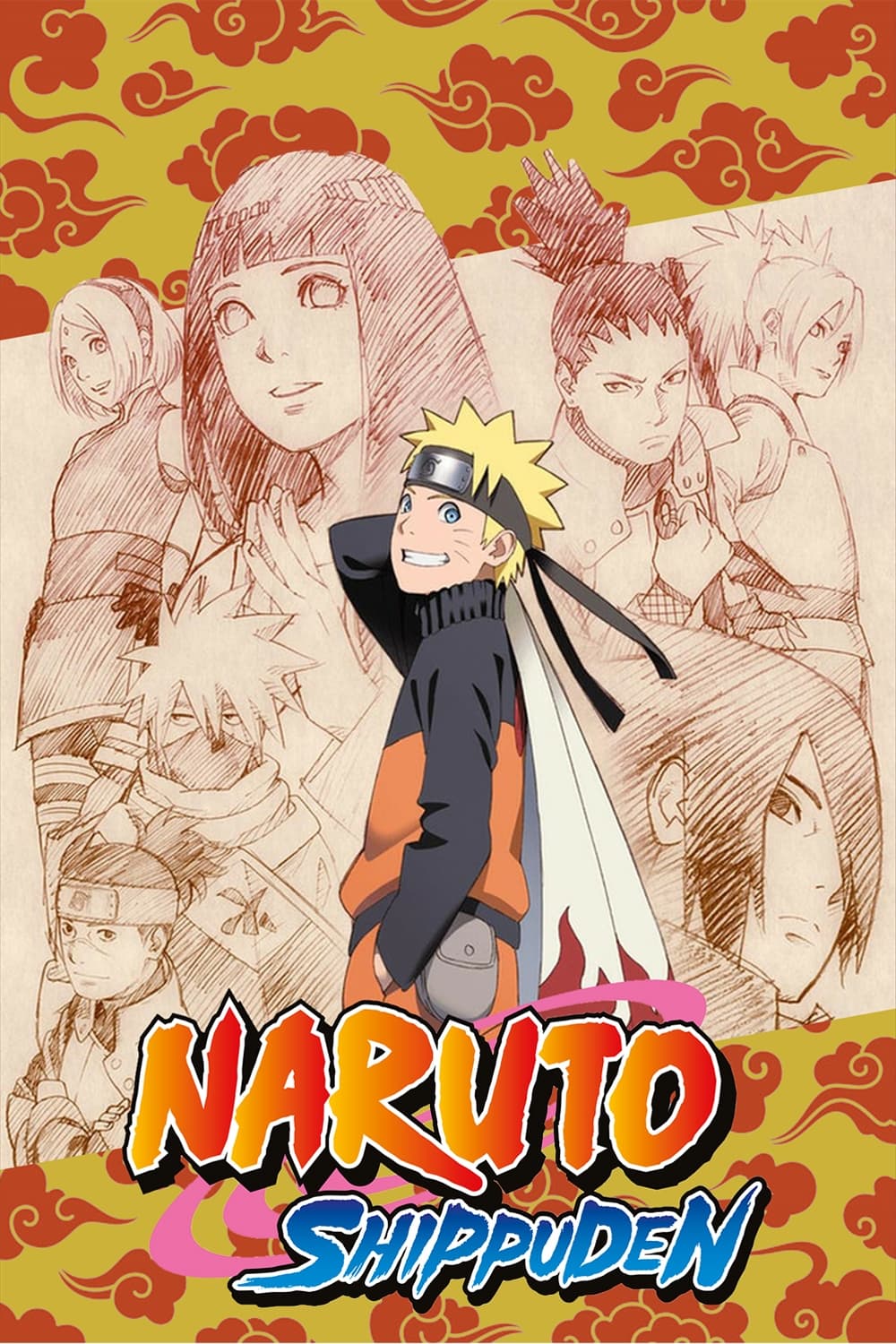
This special runs from episodes 290–295 and was produced as a commemorative mini-saga with upgraded animation and theatrical storyboarding. The plot centers on a mysterious chakra relic and an investigation team sent to a devastated village. Original characters and a condensed mission structure let it function like a short film in episodic form. The arc was scripted to begin and end without impacting ongoing storylines.
‘Dragon Ball Z’ (1989) – Garlic Jr. Saga

Spanning episodes 108–117, this arc brings back Garlic Jr., first seen in the film ‘Dead Zone,’ and ties movie continuity into the series. The story uses the Black Water Mist to turn Earth’s population hostile, shifting focus to Kami and Mr. Popo alongside the Z Fighters. It fills the gap between major sagas with a compact crisis and a clear resolution. The events are contained and do not alter character power progressions.
‘Naruto’ (2002) – Land of Tea Escort Mission
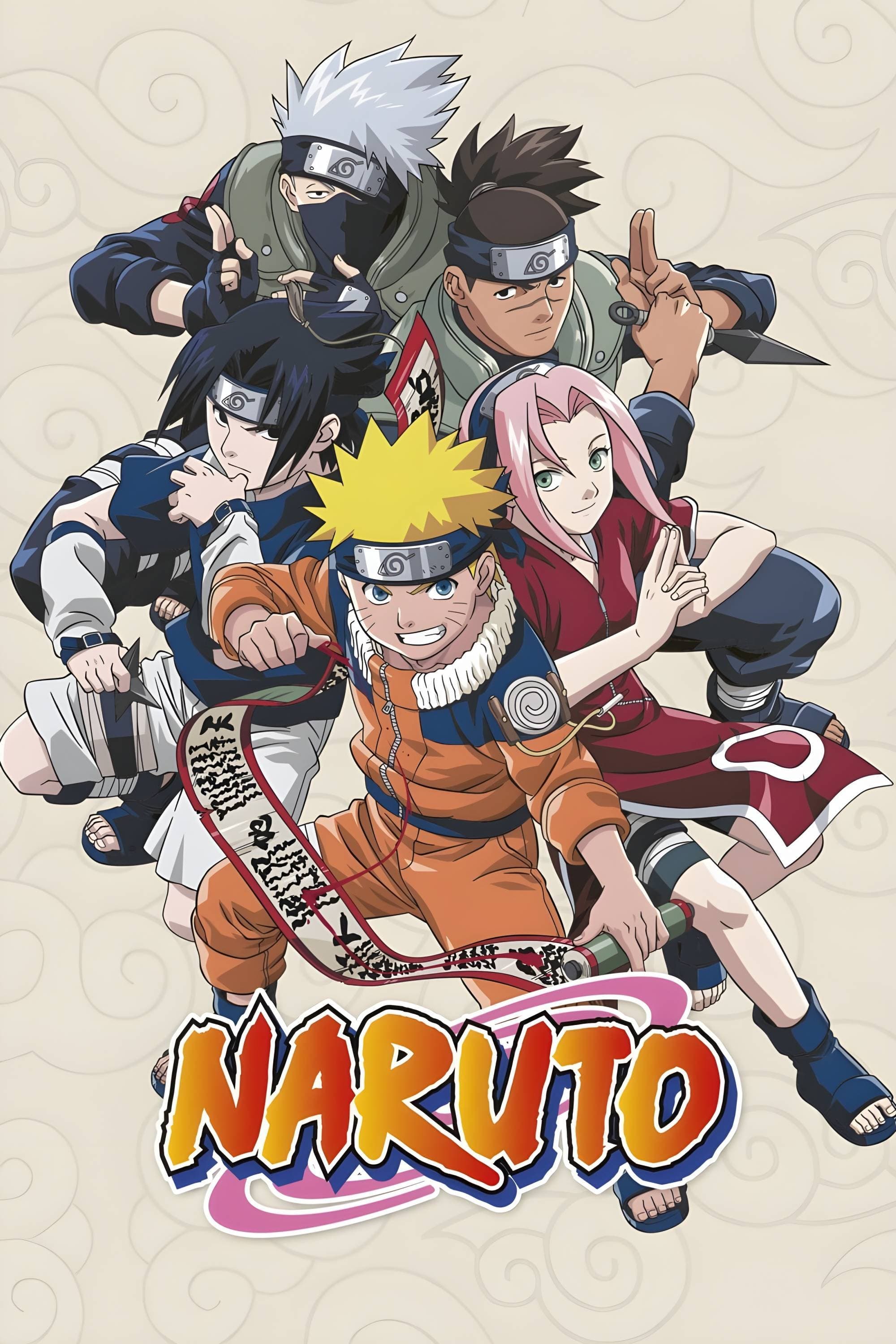
Running through episodes 102–106, Team 7 escorts a client in a cross-country race tied to a local political dispute. The mission introduces Idate Morino, connecting back to Leaf Village characters through familial history. The arc features terrain-based hurdles and rival ninjas with practical, mission-type jutsu. Its ending returns the team to the village, keeping continuity tidy.
‘Bleach’ (2004) – The New Captain Shūsuke Amagai Arc
Episodes 168–189 install an anime-original captain in the 3rd Division and explore the Kasumiōji clan’s illegal weapons. The bakkōtō concept adds a distinct power system crafted by the show’s staff. The arc focuses on Seireitei politics and captain-level investigations rather than Hollows. Its resolution restores the division roster without changing canon command structures.
‘Naruto Shippūden’ (2007) – Three-Tails’ Appearance
Covering episodes 89–112, this arc deals with the wild Three-Tails, Isobu, and introduces the anime-original Crystal Release user, Guren. The story threads involve capture operations by multiple factions, including Akatsuki and Leaf teams. It provides a field look at jinchūriki-related tactics without overlapping manga events. By the conclusion, the tailed beast’s status aligns with later canonical developments.
‘One Piece’ (1999) – Ocean’s Dream Arc
This arc adapts elements from the PlayStation 2 game ‘Ocean’s Dream!,’ spanning episodes 220–224. A memory-loss premise creates character-specific pairings and problem-solving scenarios aboard the Going Merry. The production reuses and remixes game concepts, adjusting them to episodic pacing. The conflict resolves with memories restored and the crew resuming their voyage.
‘Sailor Moon’ (1992) – Makaiju (Doom Tree) Arc
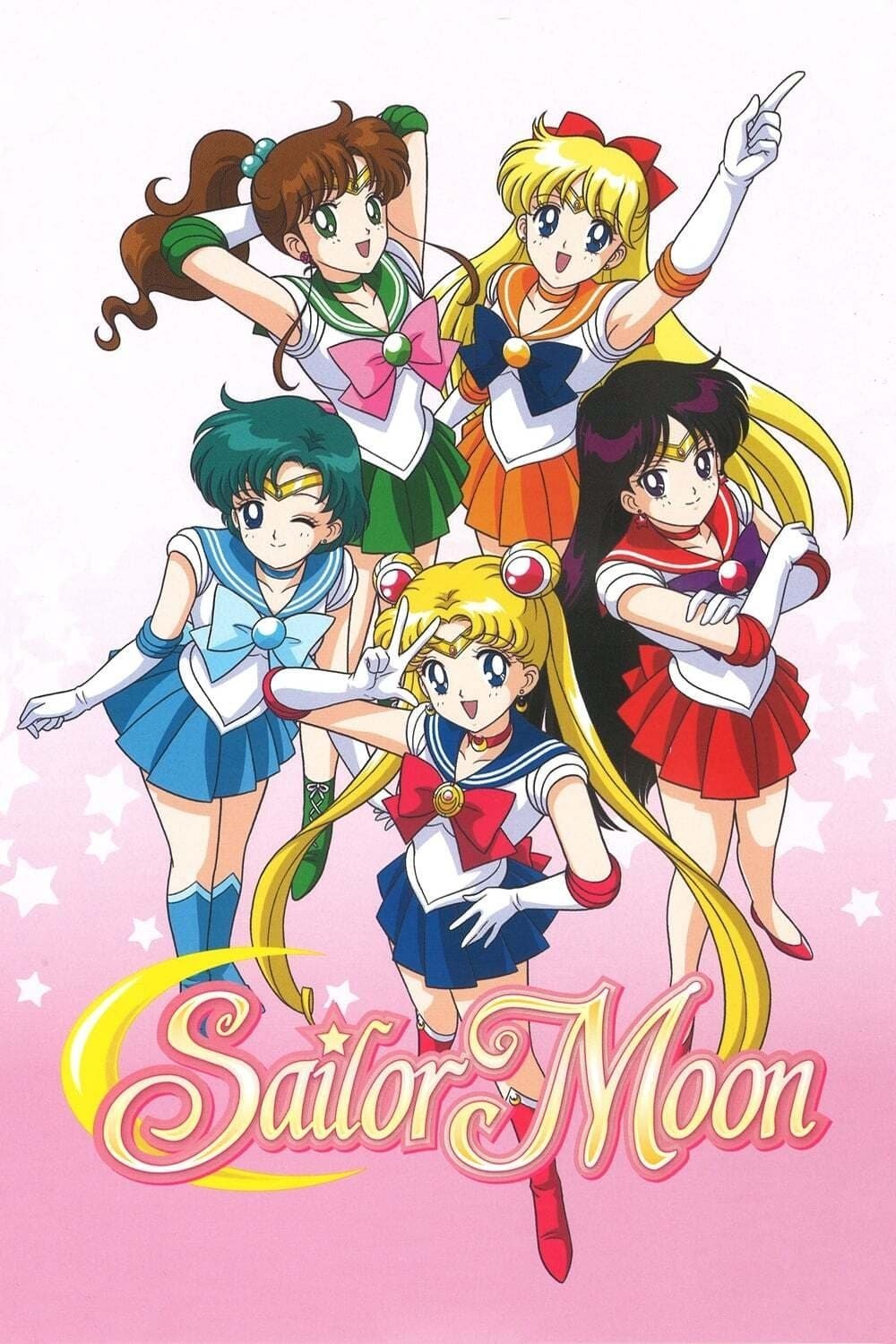
Episodes 47–59 open ‘Sailor Moon R’ with Ail and An arriving on Earth to feed the Doom Tree. The arc reassembles the team’s identities and introduces new transformation sequences and music cues. It establishes a bridge between major seasons by providing a complete threat cycle. Character relationships reset to prepared states for the next canon storyline.
‘Yu-Gi-Oh! Duel Monsters’ (2000) – Virtual World (Noah) Arc
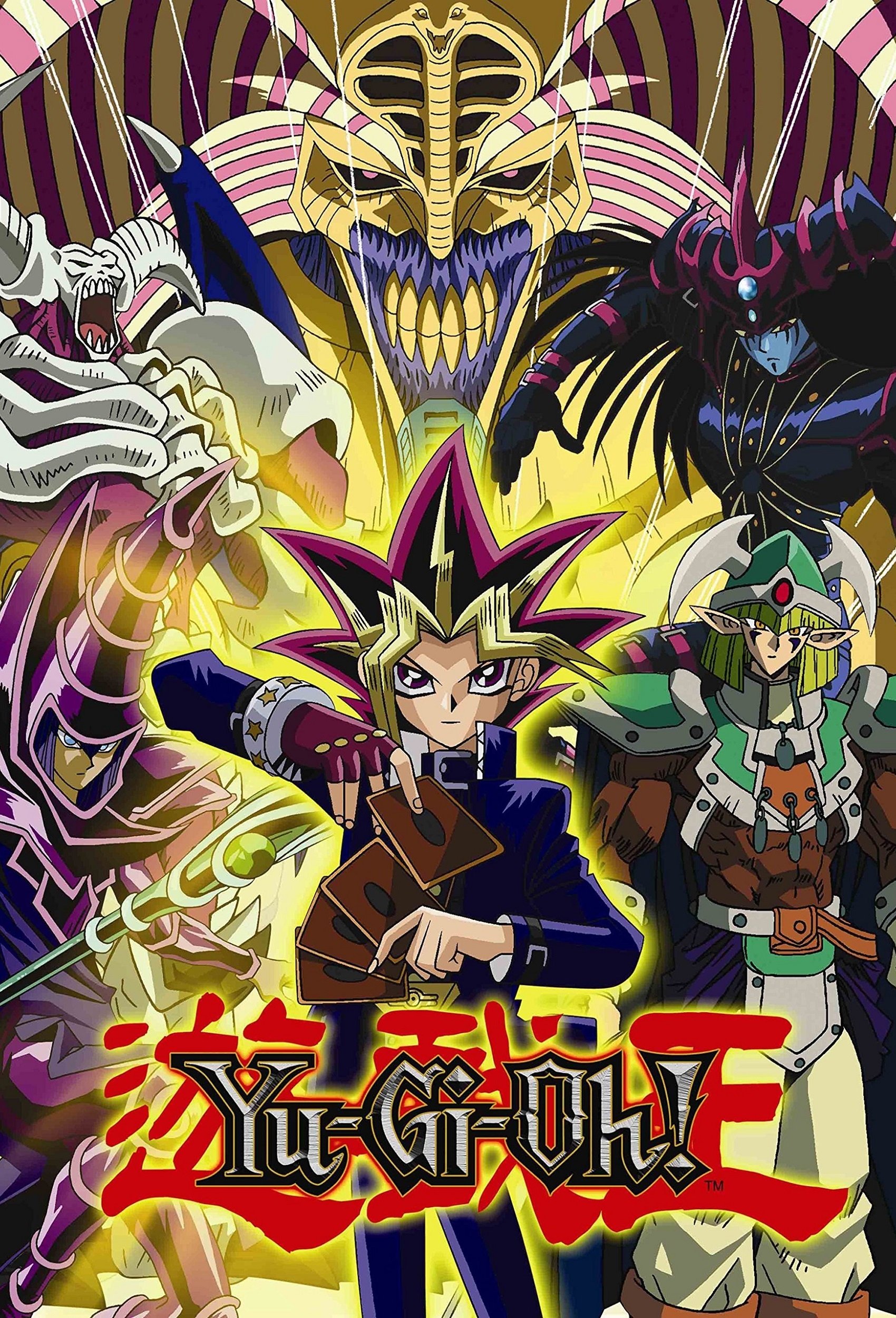
Running roughly across episodes 98–121 during the Battle City span, the heroes are diverted into a digital realm by Noah Kaiba. The Big Five return with deck-swap and rule-variant duels that highlight different card mechanics. The production uses virtual settings to stage non-traditional duel formats. The arc wraps with a transition back to the main tournament without changing official standings.
‘Bleach’ (2004) – The Bount Arc
Episodes 64–109 introduce the Bount, a race that consumes souls to extend life, created specifically for the anime. The story moves from Karakura Town to Soul Society, giving recurring humans extended screen time. Original abilities and doll partners were developed to differentiate the Bount from Hollows and Arrancar. The outcome restores the status quo and hands the baton back to canon arcs.
‘Naruto’ (2002) – Star Guard Mission
Spanning episodes 178–183, this mission takes Team Guy and others to Hoshigakure, where a fallen meteorite amplifies chakra at a cost. The arc outlines the village’s training methods and the origin of its “star” techniques. It provides backstory for minor villages and their survival strategies outside the major nations. The conclusion addresses the meteor’s risks and returns focus to Leaf operations.
‘Fairy Tail’ (2009) – Key of the Starry Sky
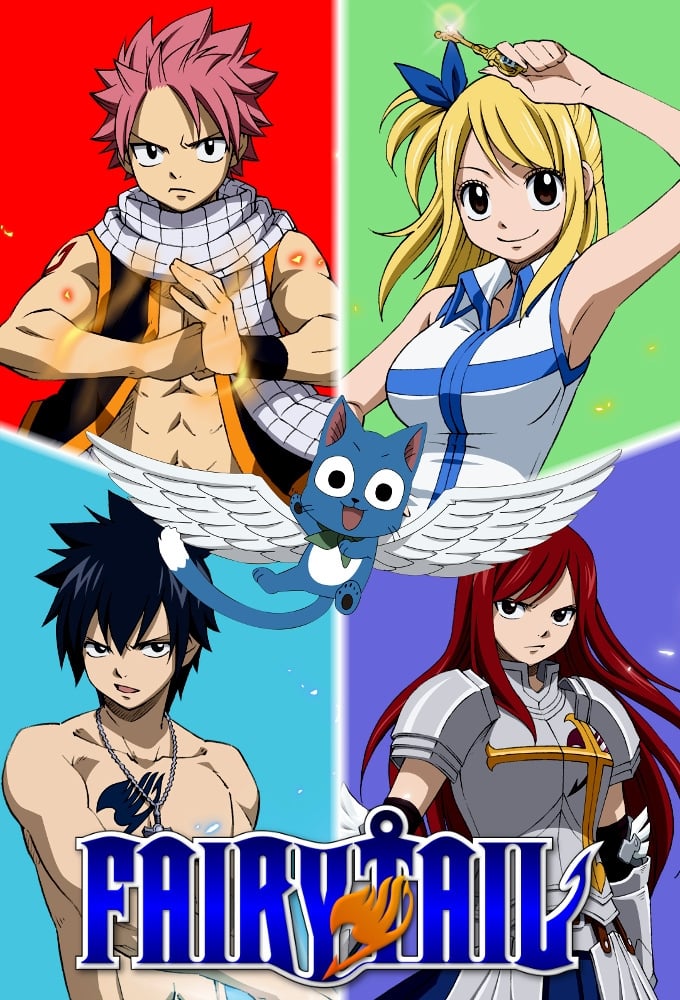
Episodes 125–150 assemble multiple guilds around a celestial clock scattered in component pieces. The arc revives a faction related to past antagonists and assigns teams to retrieval tasks across different regions. New character teams and locations were produced to showcase a wide range of magic types. The clock’s activation and aftermath are resolved before the series pivots back to manga material.
‘Rurouni Kenshin’ (1996) – The Legend of the Feng Shui Masters

Covering episodes 65–70, this anime-original storyline brings a feng shui conflict to Tokyo with a father-daughter duo. It weaves urban redevelopment into the plot and introduces chi-based techniques distinct from Hiten Mitsurugi-ryū. The production team created new historical-style props and maps to fit the Meiji setting. The arc concludes without impacting the canonical Kyoto or Revenge storylines.
‘Inuyasha’ (2000) – The Panther Devas

This mini-arc runs across episodes 75–79 and features the resurrection of the Panther Tribe, a youkai faction from the series’ broader lore. The conflict forces temporary cooperation among rival groups to recover kidnapped allies. The episodes add tribe-specific weapons and rituals built by the anime staff. The story ends with the tribe sealed and the shard hunt resuming as before.
‘One Piece’ (1999) – Ice Hunter / Accino Family Arc
Spanning episodes 326–335, the Straw Hats encounter bounty-collecting siblings on an ice-flow region after Enies Lobby. The production designed winter setpieces and icebound ship choreography for chase sequences. The plot centers on stolen jolly rogers and reputation among pirates, an anime-original theme. The crew departs with identities restored and route intact.
‘Naruto Shippūden’ (2007) – Six-Tails Unleashed
Episodes 144–151 introduce Utakata, the jinchūriki of the Six-Tails, and his student Hotaru, tied to a forbidden technique. The arc explores hidden village politics around weapon scrolls and rogue ninja. It provides field operations for Leaf teams while keeping Akatsuki activity at the edges. The resolution preserves later canon outcomes for the tailed beasts.
‘Black Clover’ (2017) – Devil Banishers Arc

Covering episodes 142–148, a rogue citizen group targets magic knights after the kingdom’s recent crises. The storyline features coordinated kidnappings and public sentiment turning against key characters. It expands on post-war recovery and trust in institutions, created directly for the anime. Events conclude with the core cast’s positions and team structures unchanged.
‘Boruto: Naruto Next Generations’ (2017) – Mitsuki’s Disappearance Arc

Running from episodes 71–92, Mitsuki leaves the village, triggering a pursuit that reaches the Stone Village. The arc introduces the Fabrications, synthetic beings tied to scientific ninja tools. It adds background on artificial life and laboratory policy within the Five Great Nations. The investigation resolves and reintegrates the team without altering mainline developments.
‘Bleach’ (2004) – Gotei 13 Invading Army Arc
Episodes 317–342 pit the Gotei 13 against Reigai, artificial bodies powered by Mod-Soul tech under Kagerōza Inaba. The conflict highlights captain-versus-copy duels and ethics around synthetic souls. Production reused and modified combat animation cycles to depict mirrored abilities. The arc ends with Soul Society’s leadership restored and the technology contained.
Share your picks for filler arcs that surprised you—in a good way—in the comments!