25 Anime Fights With Perfect Animation Timing

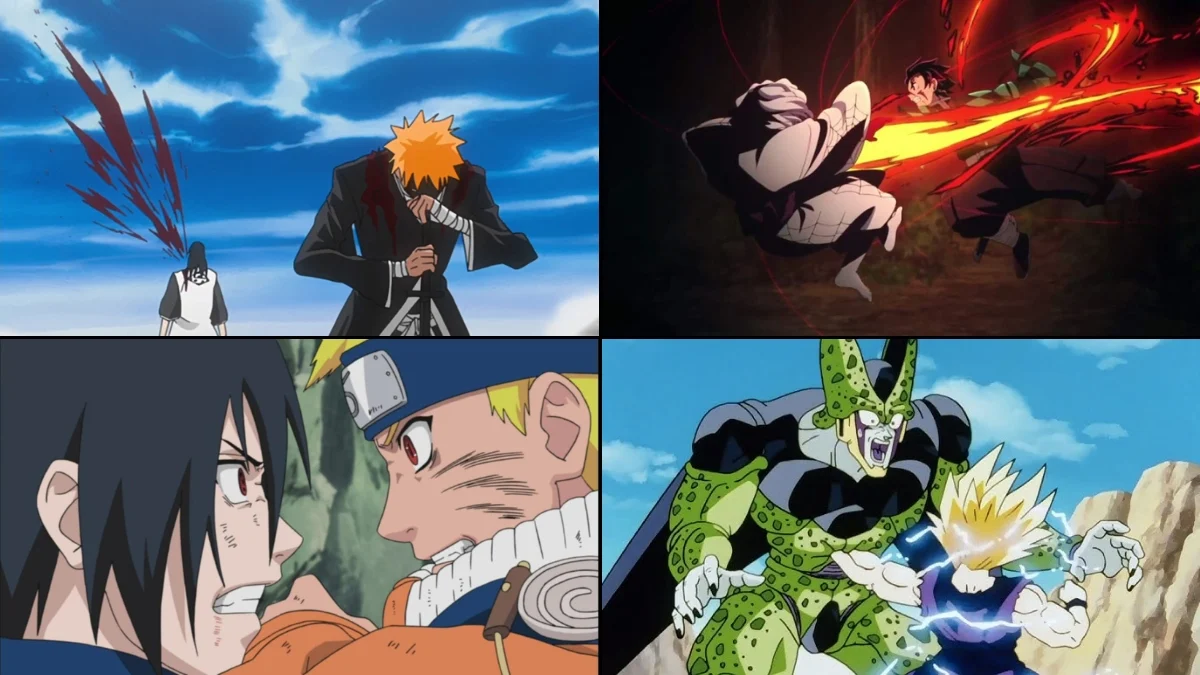

Perfectly timed animation can make a great fight unforgettable, syncing motion, smears, and impact frames so every strike lands with clarity and power. The bouts below showcase meticulous timing sheets, smart use of on-ones and on-twos, and cutting that highlights cause-and-effect without losing spatial readability. You’ll see hand-drawn effects, digital compositing, and camera work working in lockstep to keep rhythm and flow consistent from cut to cut. These examples span studios and styles, but each one demonstrates how timing choices guide choreography, emphasize weight, and keep audiences oriented during the most chaotic moments.
Naruto vs. Sasuke from ‘Naruto: Shippuden’

Studio Pierrot structures this duel around alternating tempos—explosive flurries on-ones contrasted with heavier, momentum-building exchanges on-twos. Effects animation tracks debris, water, and chakra trails so trajectories remain readable as shots cut across wide, mid, and handheld-style close-ups. Animators lean on smears, dry-brush impacts, and quick hold frames to punctuate directional changes without muddying silhouettes. The storyboard threads mirrored movements and counter-beats so each technique reads as setup, clash, and release.
Tanjiro & Nezuko vs. Rui from ‘Demon Slayer: Kimetsu no Yaiba’
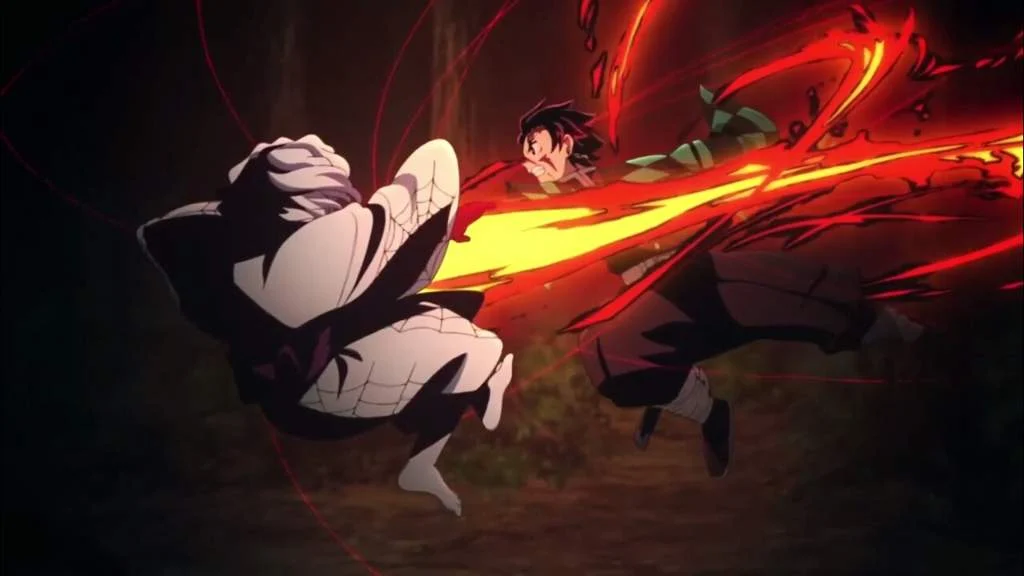
Ufotable blends hand-drawn sword arcs with tracked 3D backgrounds, letting the camera glide through the forest while maintaining consistent parallax. The water-breathing effects are keyed to the swing arcs, so timing marks land exactly when cuts transition from anticipation to follow-through. Digital compositing feathers particle layers and rim-lighting to keep characters separated from the web lattice. The sequence uses a brief slowdown before each decisive cut, making the impact frame unmissable.
Kyojuro Rengoku vs. Akaza from ‘Demon Slayer: Kimetsu no Yaiba – The Movie: Mugen Train’
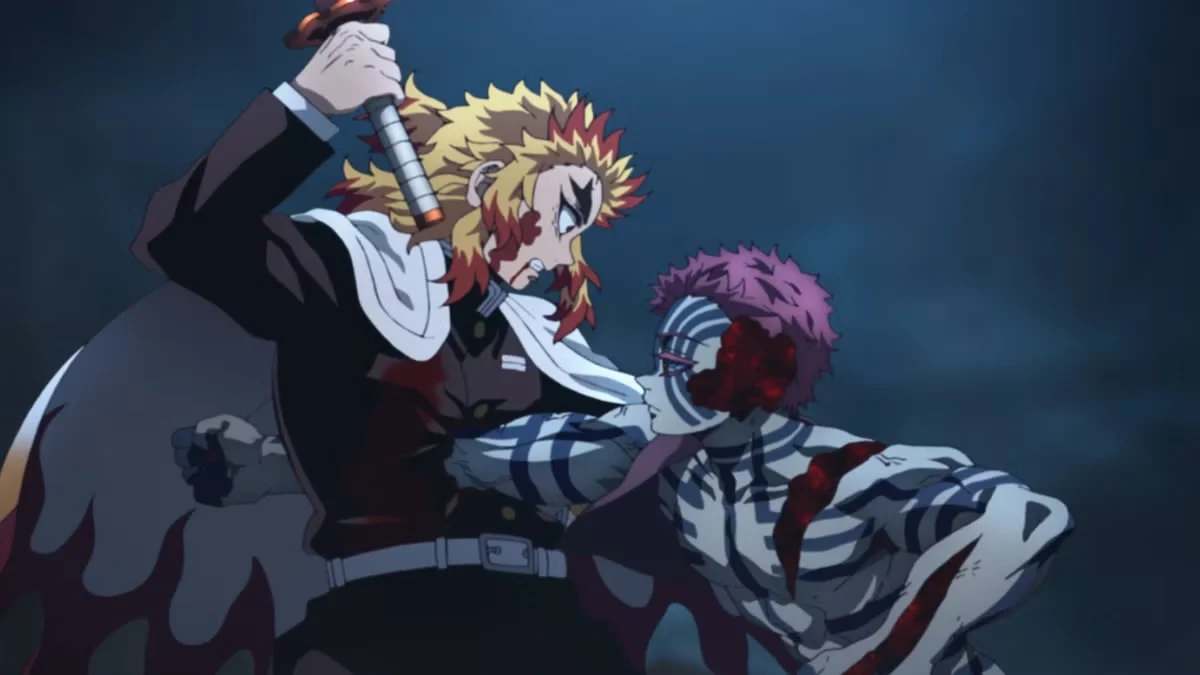
The widescreen staging emphasizes long takes where footwork and angle changes remain centered in frame, keeping body lines legible against night skies. Fire and shockwave layers are timed a few frames behind contact points, creating a readable lag between strike and air displacement. Color design supports timing by pushing warm–cool contrast that clarifies foreground depth in rapid cuts. The editing leaves micro-holds before momentum reversals so each counter registers clearly.
Levi vs. Beast Titan from ‘Attack on Titan’
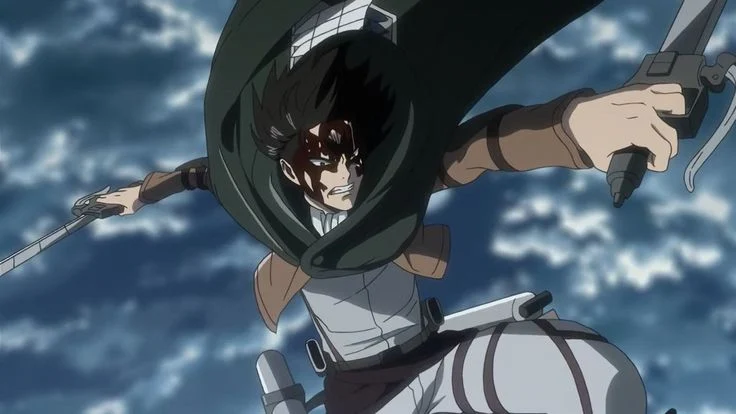
WIT Studio’s layout places Levi on intersecting motion vectors, timing ODM boosts to start on-ones, then easing into on-twos for weighty slashes. The camera path is previsualized around tree trunks and smoke plumes, allowing repeated passes while preserving spatial continuity. Impact frames use white-outs and speed lines that sit on separate layers, so smear density doesn’t obscure blade silhouettes. Arcs are plotted with visible entry and exit points, making the kill route simple to follow despite the speed.
Mob vs. Shimazaki from ‘Mob Psycho 100’
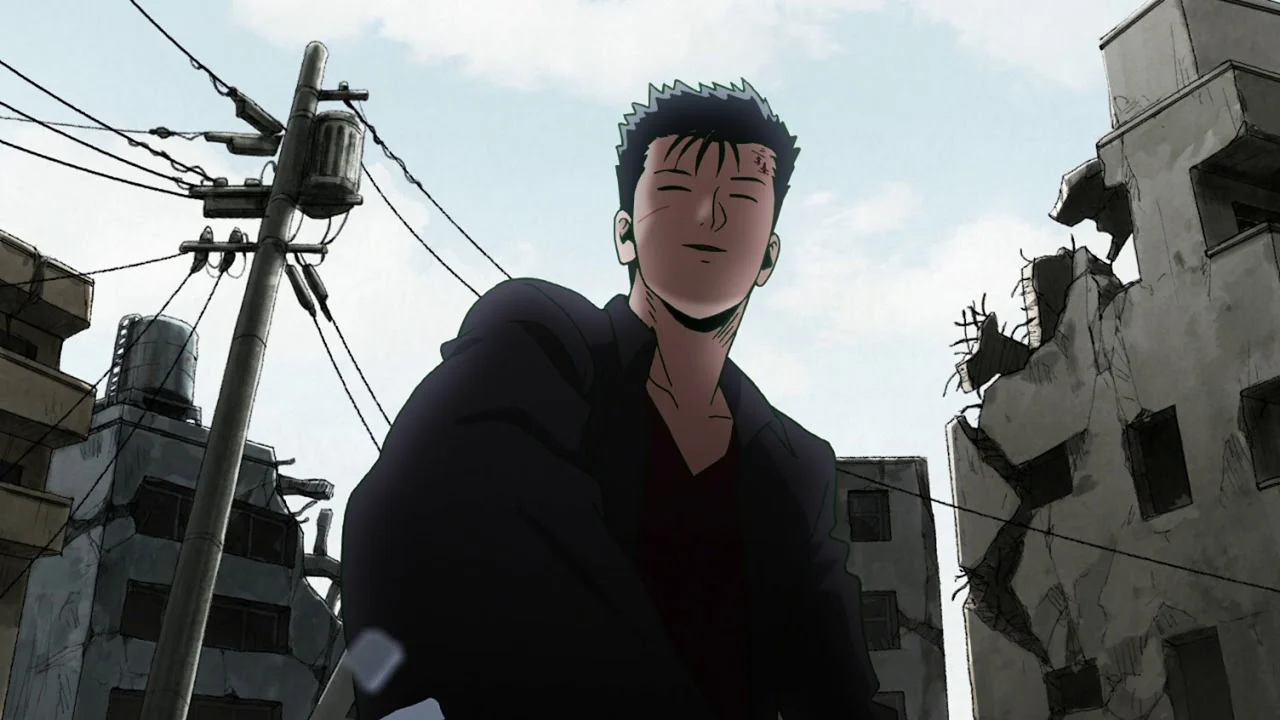
Studio Bones maps teleports as hard cuts with brief holds, using distortion frames to indicate re-entry without motion blur. Effects layers bend environment lines around characters, giving a clockable “snap” when vectors shift. The timing alternates elastic accelerations and sudden stops so power reads through environmental damage rather than exaggerated character motion. Camera shake is applied selectively on the composite to keep edges crisp during the most rapid exchanges.
Saitama vs. Boros from ‘One Punch Man’
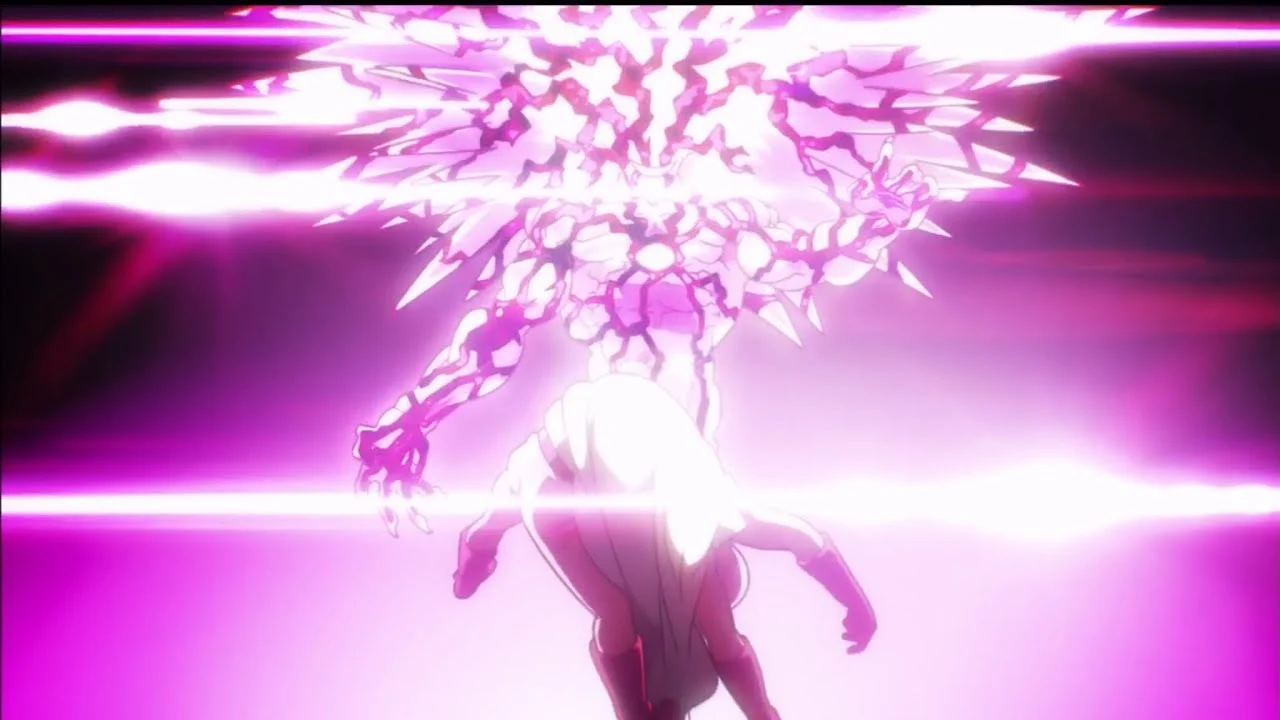
Madhouse choreographs the aerial chase with stacked background pans that keep perspective consistent as the pair pierces cloud layers. Smears and line-multiples are reserved for directional flips, while long smears are avoided during straightforward charges to preserve silhouette clarity. Background animation and character motion share timing charts, ensuring sonic-boom rings expand exactly as key poses break. Cuts to extreme wide shots re-establish positions before snapping back into close-quarters sequences.
Ichigo Kurosaki vs. Byakuya Kuchiki from ‘Bleach’
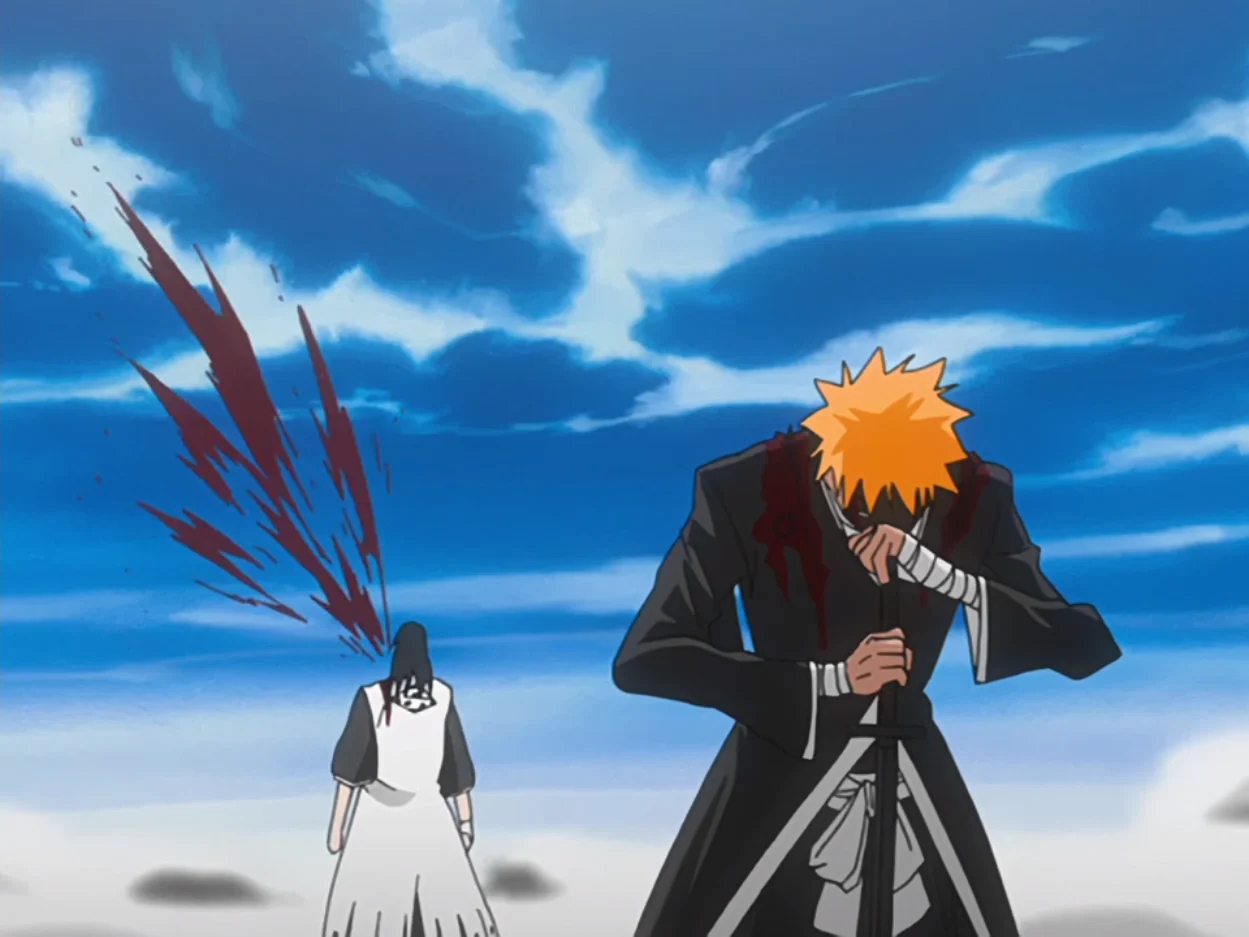
Studio Pierrot integrates petal particles as timing markers that orbit in sync with sword beats, guiding the eye through layered choreography. Bankai speed is conveyed through minimal in-betweens followed by sharp holds, creating a staccato rhythm that clarifies feints. Camera pivots are anchored on environment lines, preventing drift as characters cross the frame diagonally. Effects ink and glow are staggered across frames so energy trails never wash out blade contact.
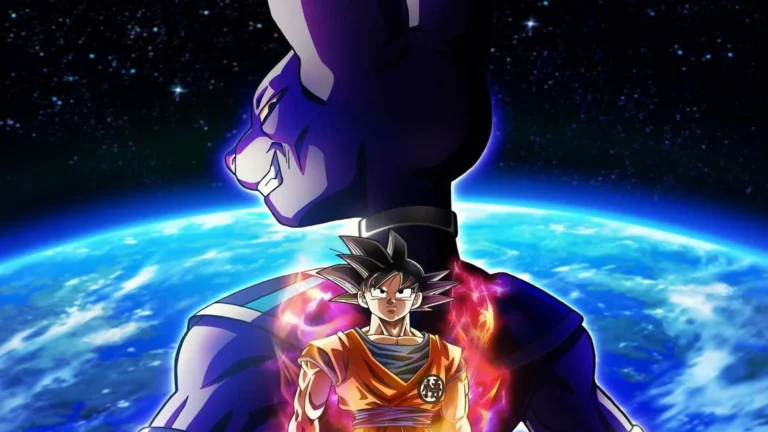
Goku vs. Jiren from ‘Dragon Ball Super’
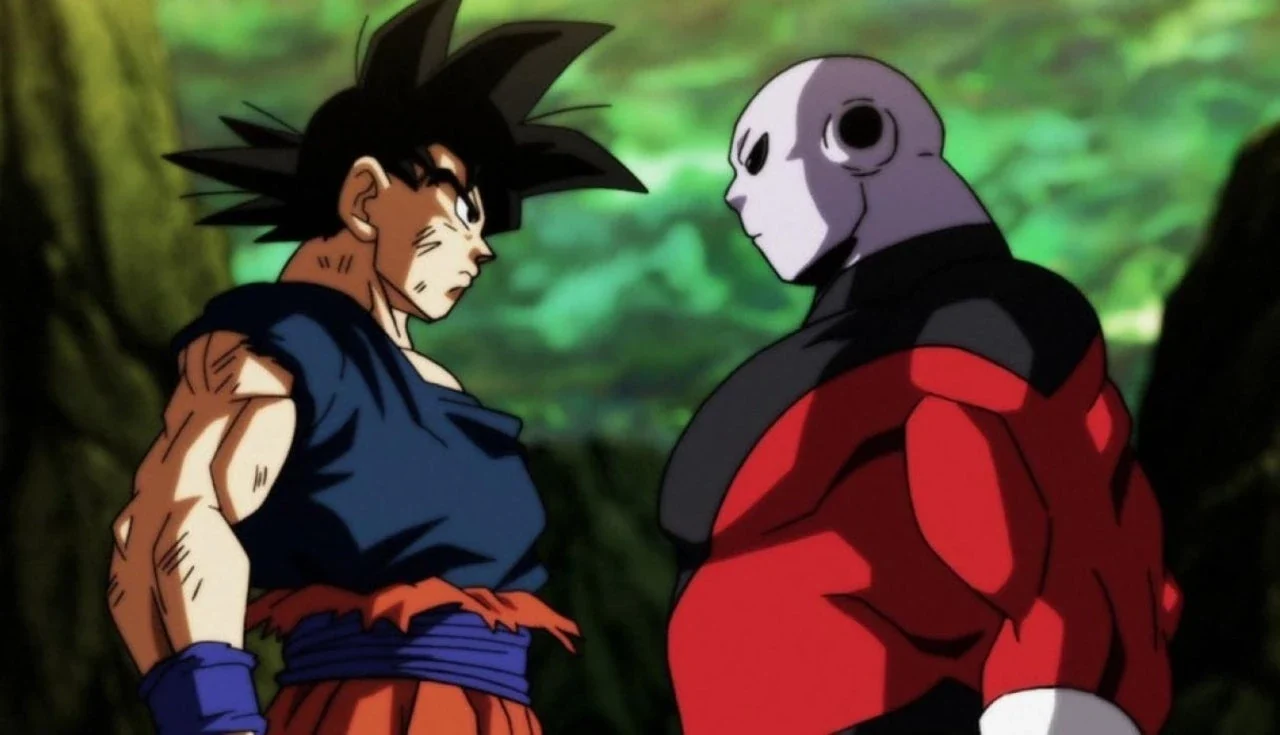
Toei Animation times Ultra Instinct dodges with single-frame anticipations and extended follow-throughs that read as effortless redirects. Energy auras pulse on a separate timing cycle, letting body motion remain crisp while power levels escalate. The layout alternates axial shots with lateral tracks to reassert stage geography after burst-movement cuts. Impact frames use brief color inversions, giving each strike a clear beat amid continuous motion.
Gohan vs. Cell from ‘Dragon Ball Z’
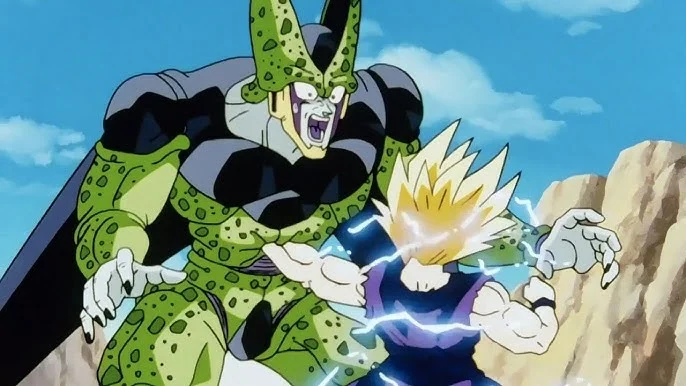
Beam clashes are charted with expanding ring effects tied to exposure changes, letting power ramps read without excessive camera shake. The timing favors long holds punctuated by rapid flurries, which makes surges in momentum easy to parse. Character scaling stays conservative in mid-shots, so transitions to wides communicate distance gains accurately. Dust and debris are keyed to land a few frames after contact points, underscoring force without muddying silhouettes.
Nanashi vs. Luo-Lang from ‘Sword of the Stranger’
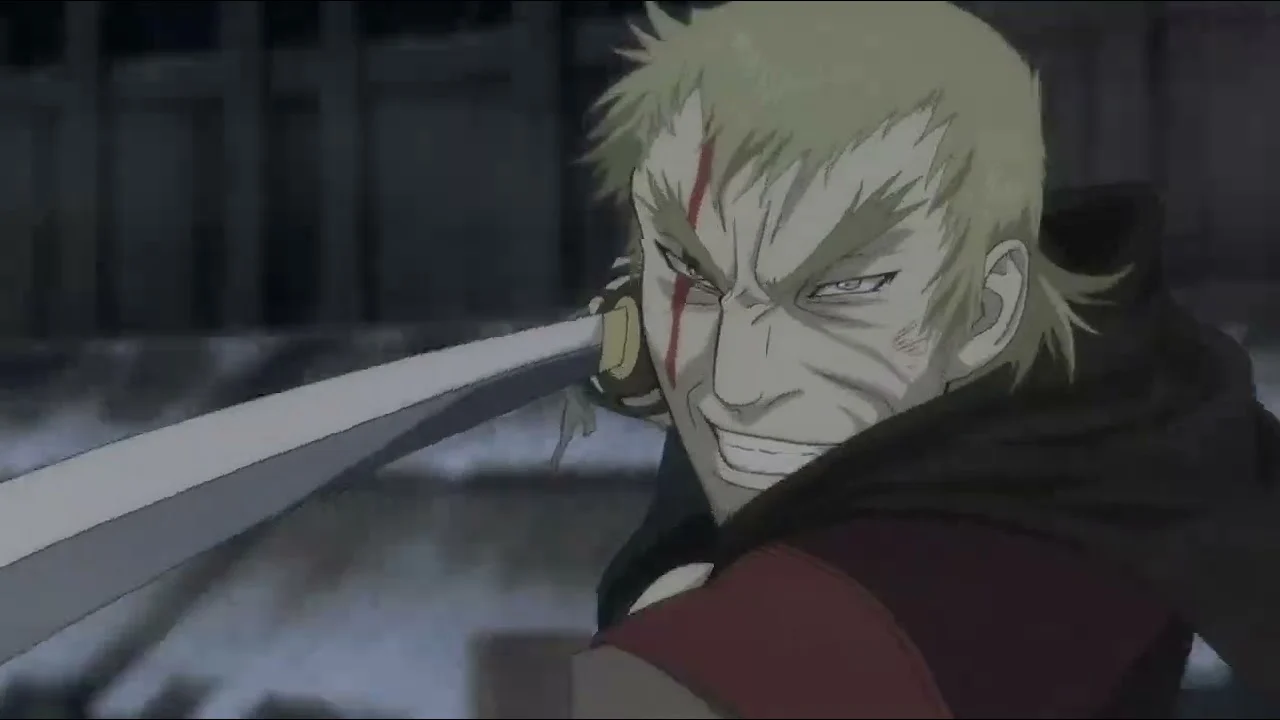
Bones animates blade exchanges with grounded footwork and restrained smears, prioritizing path clarity over exaggerated speed. The snowfield setting offers high-contrast edge visibility, allowing fast cuts without losing blade direction. Foley sync and breath timing align with micro-holds between strikes, reinforcing rhythm without slowing the action. Camera angles reset to three-quarter views after complex maneuvers, maintaining readable silhouettes through the finish.
Shirou Emiya vs. Archer from ‘Fate/stay night: Unlimited Blade Works’
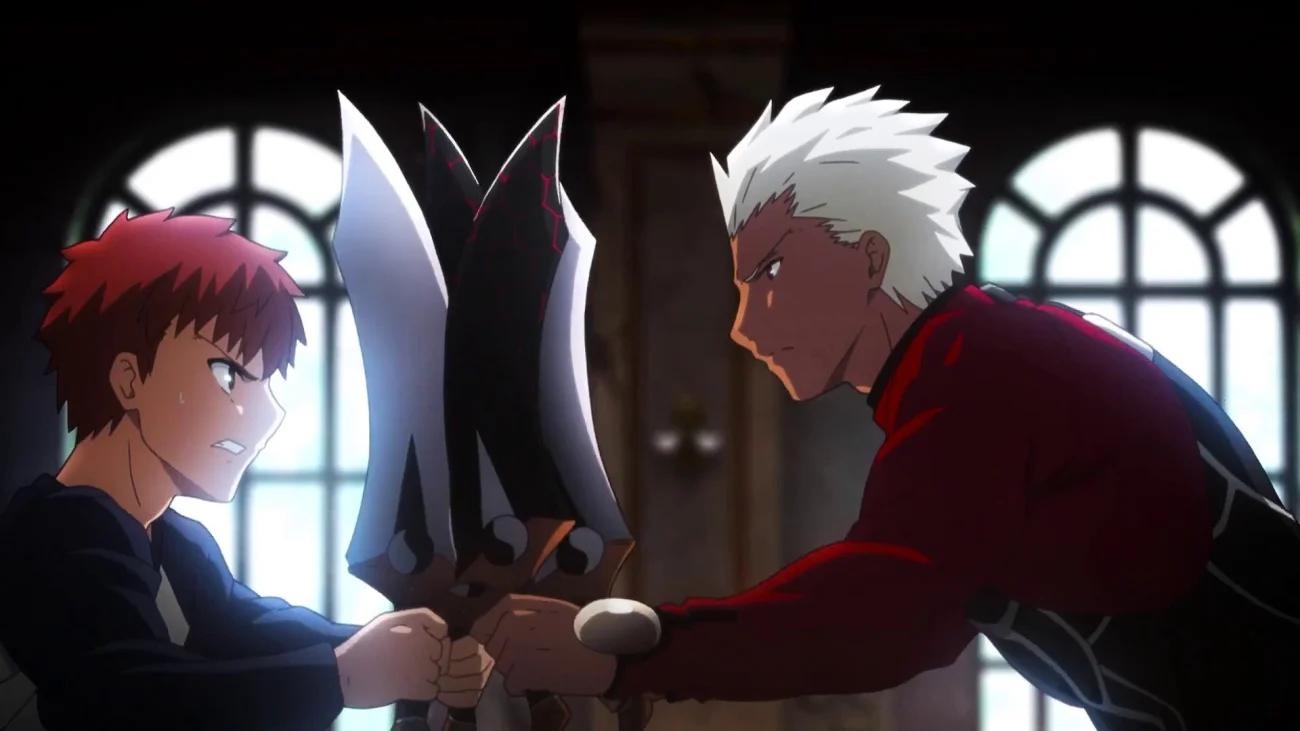
Ufotable ties timing to chant cadence, matching cut lengths to the beats of projection lines forming in space. The ‘Unlimited Blade Works’ field uses parallaxed weapon layers that spawn on precise frames to keep depth cues stable. Effects animation marks trajectory with clean arcs, then collapses into spark clusters that hit on impact frames. Match cuts bridge mirrored stances, preserving continuity as the scene transitions between close and wide scales.
Jotaro Kujo vs. DIO from ‘JoJo’s Bizarre Adventure: Stardust Crusaders’
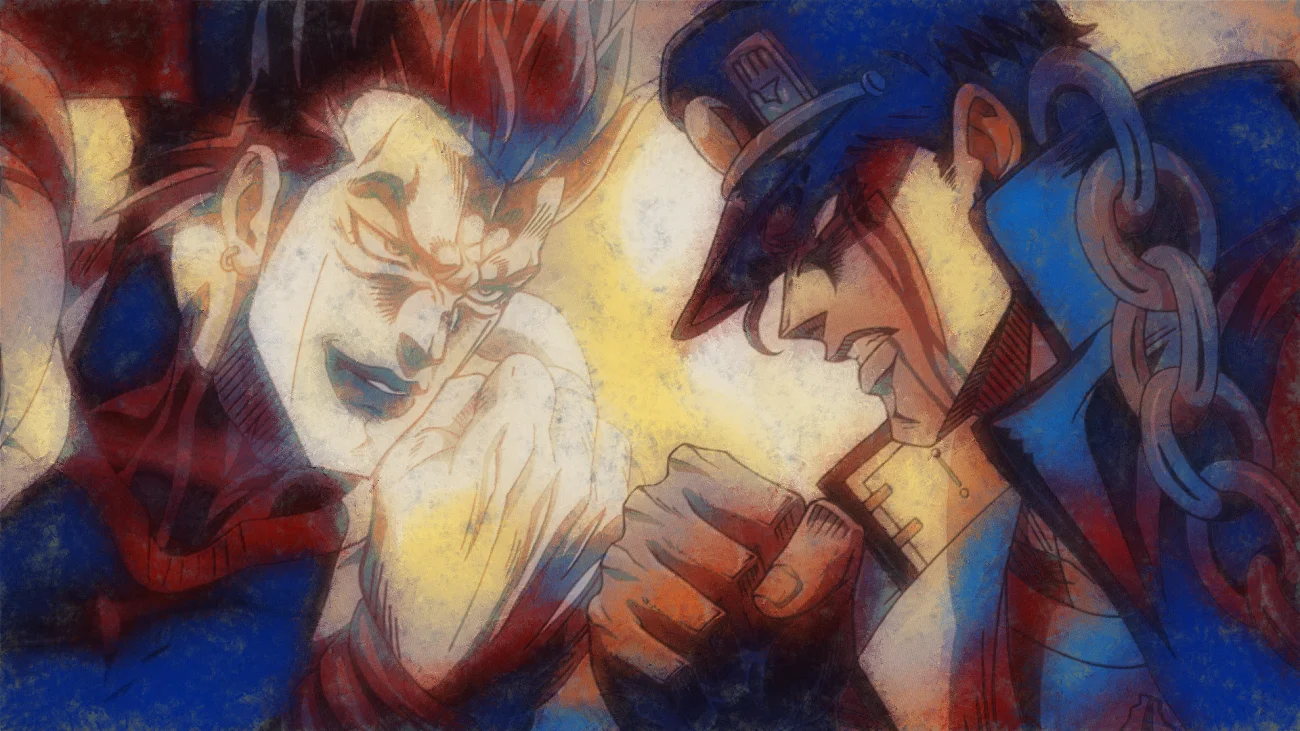
David Production encodes time-stops as hard freezes with selective motion—floating debris advances on minimal increments to communicate halted flow. Stand punches are timed in clusters, ending with a distinct hold that cues the next barrage. Color design shifts to limited palettes during critical beats, keeping silhouettes legible as camera angles pivot. The layout reuses fixed background plates to emphasize positional shifts between stopped and resumed time.
Isaac Netero vs. Meruem from ‘Hunter x Hunter’
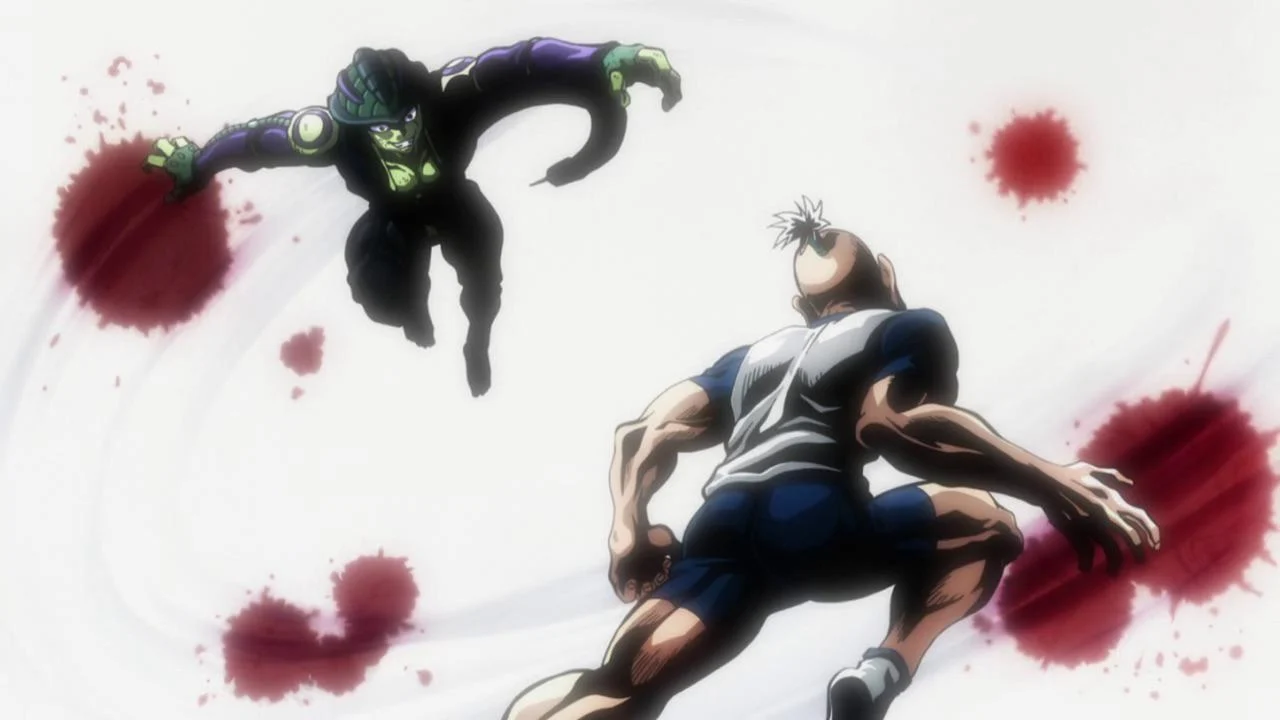
Madhouse charts the rhythm of “Hyakushiki Kannon” as evenly spaced impacts, giving a metronomic cadence that contrasts with Meruem’s adaptive counters. Camera distances widen throughout the sequence, scaling the battlefield while retaining consistent horizon lines. Effects layers thicken gradually, raising visual density in step with escalation. The final technique compresses timing, stacking cuts closer together to suggest overwhelming acceleration.
Gon Freecss vs. Neferpitou from ‘Hunter x Hunter’
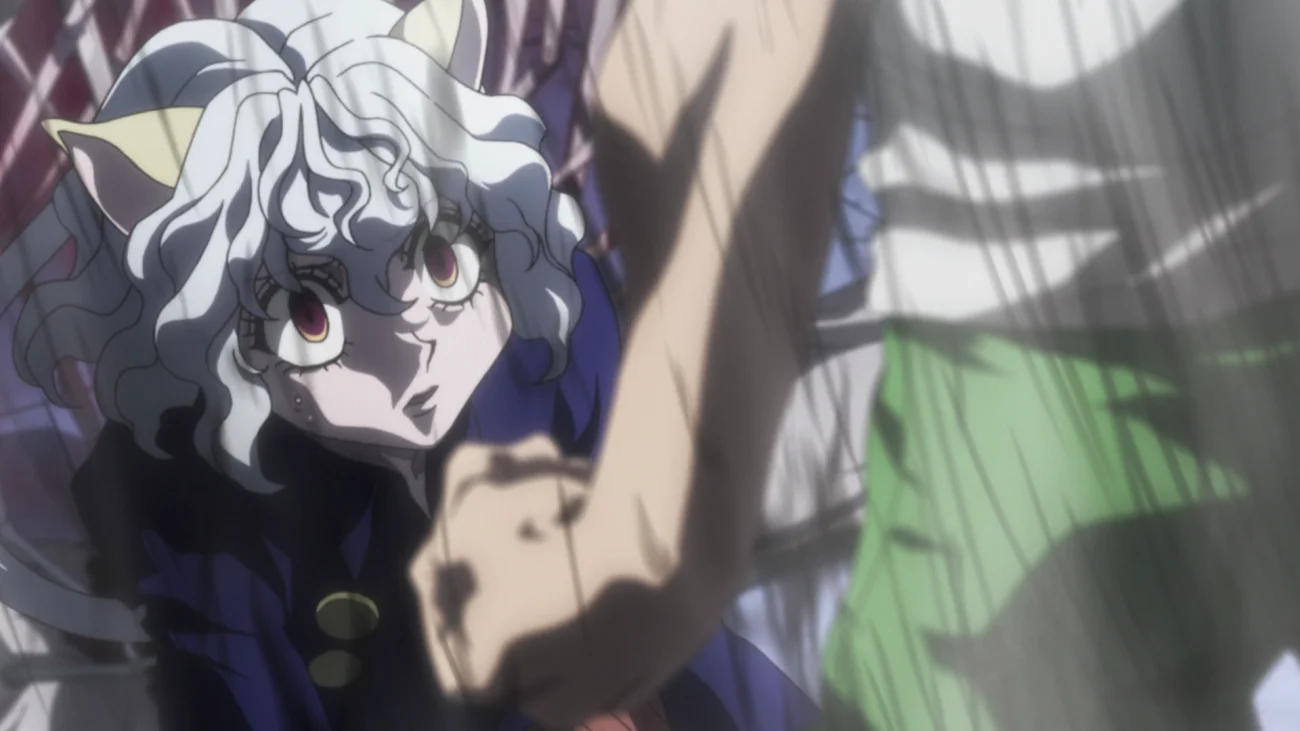
Timing emphasizes mass and inevitability with prolonged holds before each advance, then sudden accelerations on-ones. The background remains stable during major strikes, letting character motion convey force without additional camera movement. Smears are short and dense, preserving silhouette while depicting speed spikes. Sound sync places impacts slightly behind contact frames to heighten perceived weight.
Thorfinn vs. Thorkell from ‘Vinland Saga’
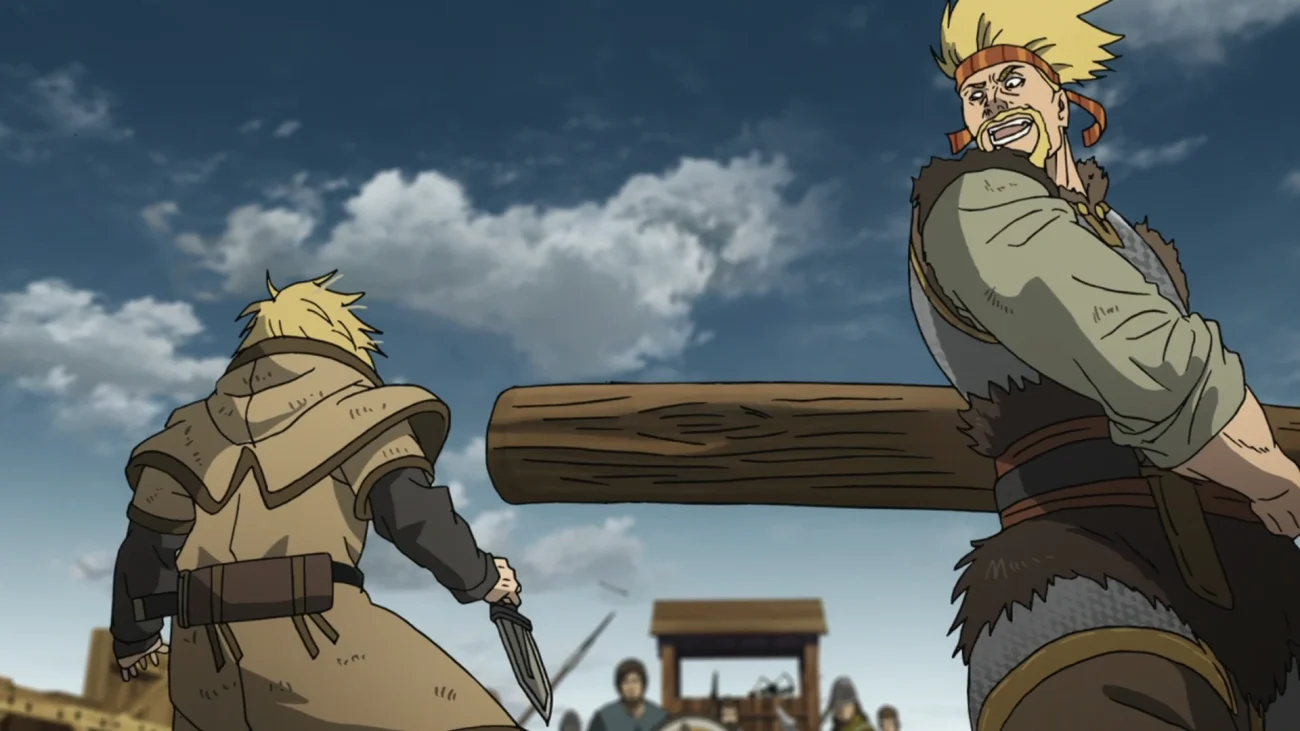
WIT Studio grounds timing in realistic weight transfer—footfalls and turns land on clear beats before each swing. Axes trace readable arcs with minimal smearing, favoring crisp keys that communicate blade paths. Wide shots establish distance and wind-up, then cut to mids for impact so scale changes support clarity. Snow spray and cloak motion are offset by a few frames to show delayed reactions to force.
Ryuko Matoi vs. Satsuki Kiryuin from ‘Kill la Kill’
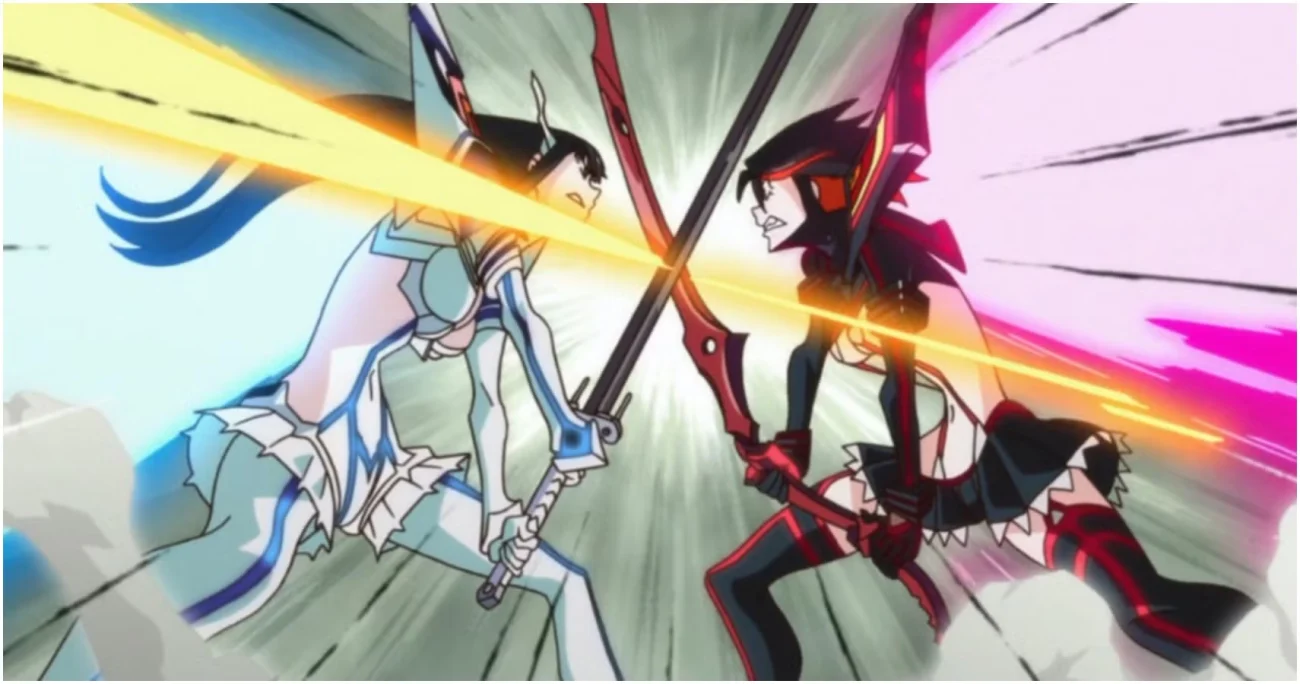
Trigger uses exaggerated timing—sudden snaps into elongated holds—to spotlight pose readability over in-between density. Camera whips are tracked to background lines that bend with perspective, keeping motion directional. Effects animation relies on bold shape language that hits on exact contact frames to mark beats. Layout staging frequently frames both fighters in profile to maintain eye-line and arc clarity during rapid exchanges.
Spike Spiegel vs. Vincent Volaju from ‘Cowboy Bebop: The Movie’
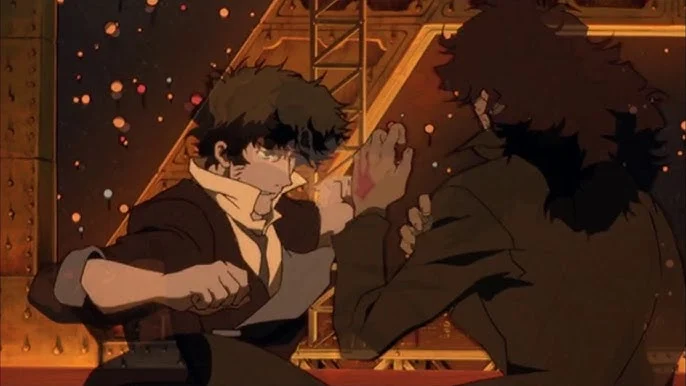
Bones choreographs close-quarters combat with realistic timing, referencing strike–parry–counter rhythms that map cleanly onto cuts. Shots linger just long enough to read weight shifts before the next move, avoiding confusion in tight framing. Environmental props are timed as reaction elements, hitting a few frames after contact to sell force. The color script keeps silhouettes high-contrast in dim spaces, aiding clarity during fast combos.
Mugen vs. Kariya Kagetoki from ‘Samurai Champloo’
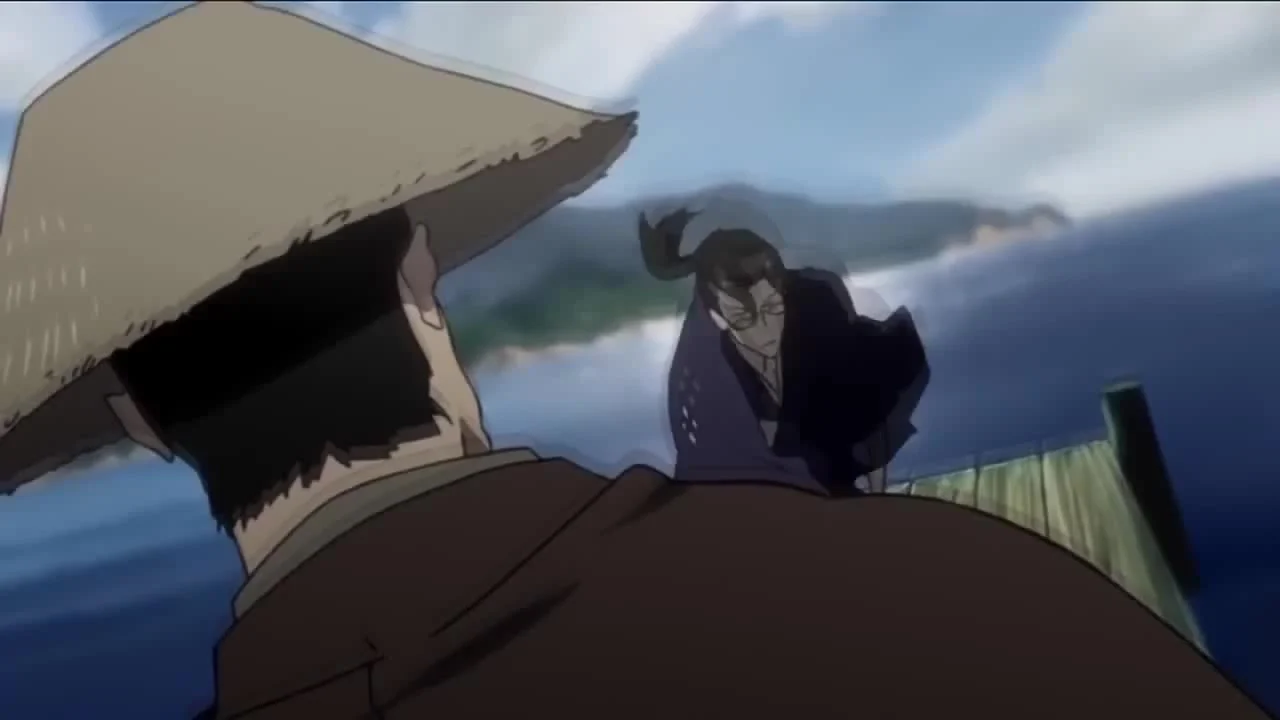
Manglobe syncs sword beats with the soundtrack’s steady tempo, aligning cut points to percussive hits for rhythmic readability. Rotating background plates preserve perspective as the fighters circle, preventing jumpy spatial shifts. Smears are sparse; instead, the sequence uses clean arcs and short holds to highlight stance transitions. Dust kicks and sleeve motion are delayed slightly to underline acceleration and braking.
Afro vs. Justice from ‘Afro Samurai’
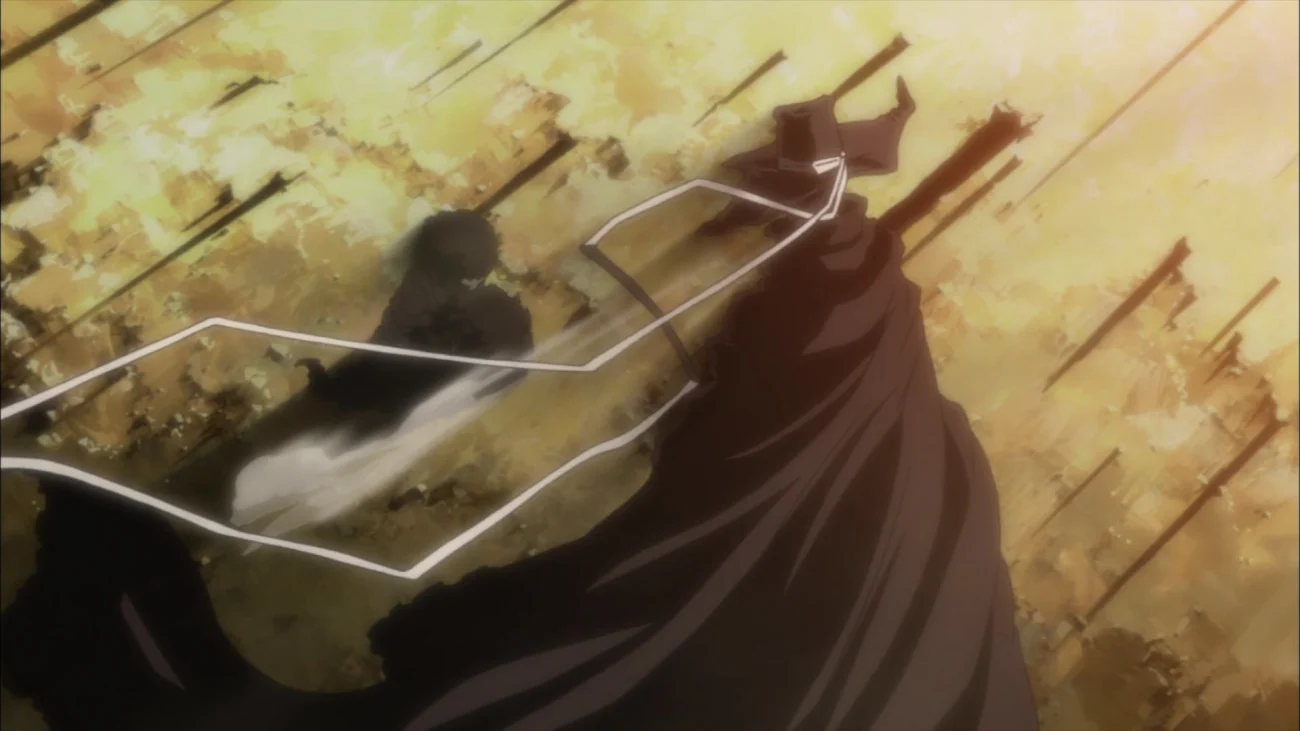
Gonzo times cape and hair simulations to settle between strikes, ensuring the silhouette stays readable during blade swings. Long lateral pans maintain horizon and spacing while the characters exchange lines and reposition. Impact frames use brief overexposure and ink splatter overlays that align precisely with contact. The edit alternates high and low camera placements to clarify height differences and range.
Roronoa Zoro vs. King from ‘One Piece’
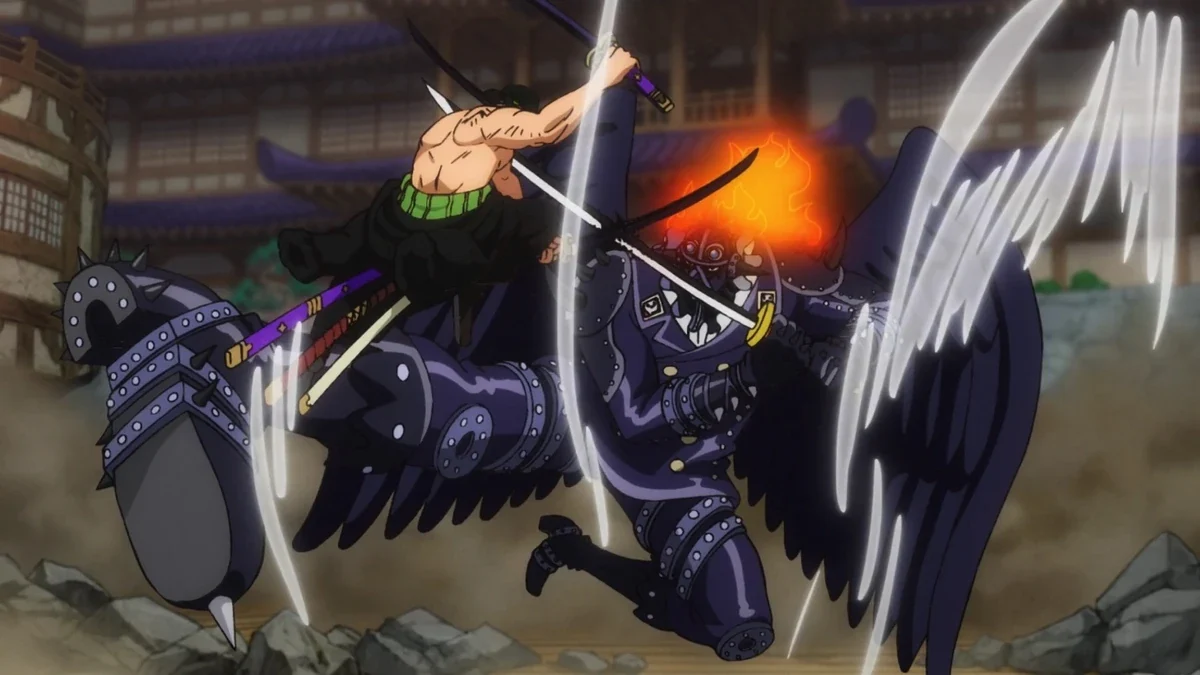
Toei Animation coordinates timing across multiple effects layers—flames, shockwaves, and debris—so each element lands on a distinct beat. The choreography alternates grounded grapples with aerial exchanges, with camera resets to wide shots before finishing moves. Smears and speed lines are concentrated on approach frames, preserving the read on sword paths at impact. Character scaling and background parallax keep altitude changes unambiguous during flight sequences.
Yuji Itadori & Aoi Todo vs. Hanami from ‘Jujutsu Kaisen’
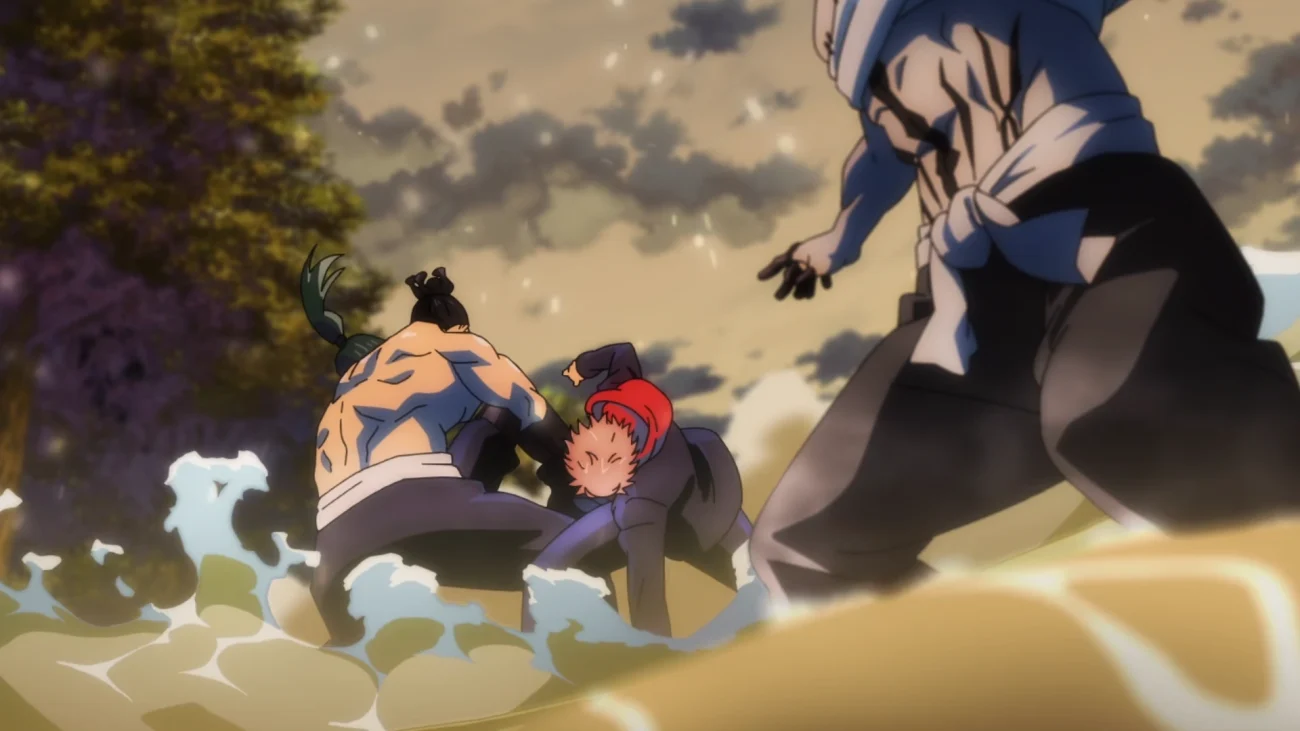
MAPPA uses tag-team choreography where timing hinges on baton-pass beats—Yuji exits on a hold as Todo enters on an acceleration. Effects for cursed energy are delayed a few frames behind limb motion, creating a trailing emphasis without smearing silhouettes. Camera tracks maintain a consistent axis so rapid teleports don’t scramble left–right orientation. The composite balances particle density and contrast to keep limb arcs visible amid foliage and debris.
Satoru Gojo vs. Toji Fushiguro from ‘Jujutsu Kaisen’
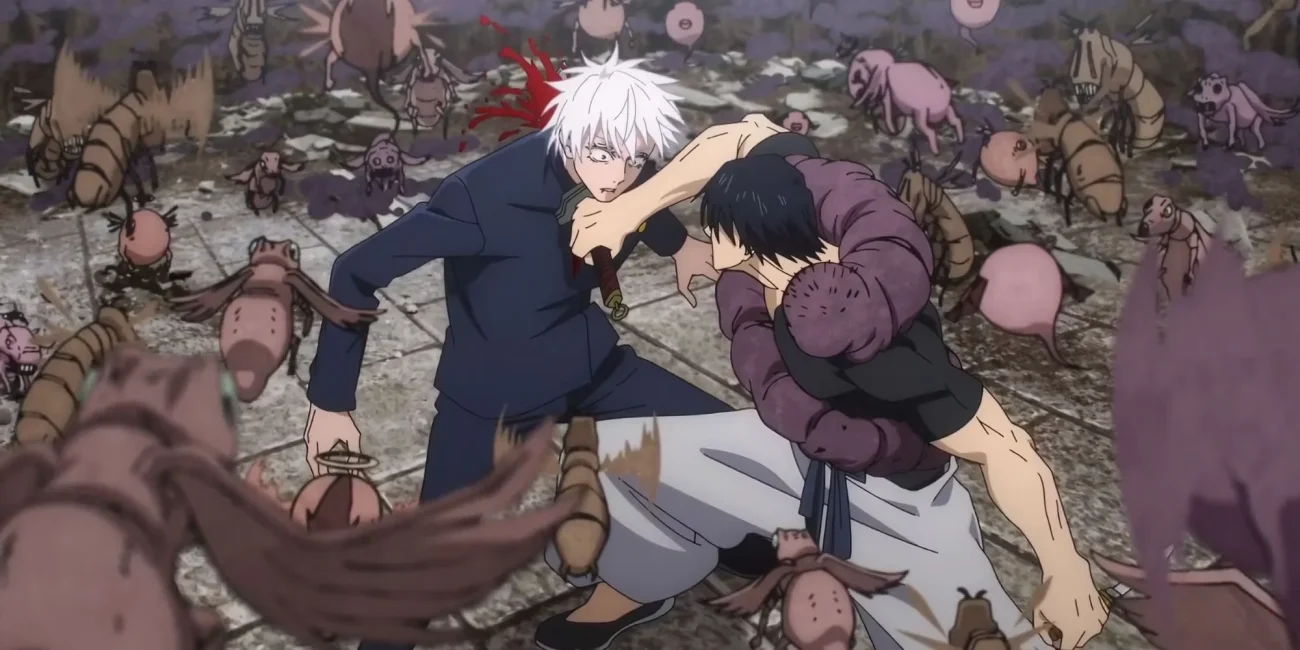
Cuts are structured around sudden vector flips, with Gojo’s entries keyed on-ones to signal speed spikes. Toji’s grounded moves are timed with longer anticipations and heavier follow-throughs, separating styles clearly. Spatial geography is reasserted through overhead inserts that re-establish distance before re-entering close quarters. Effects like spatial distortion and residual lines appear on precise frames that correspond to technique activation.
Edward Elric & Ling Yao vs. Envy from ‘Fullmetal Alchemist: Brotherhood’
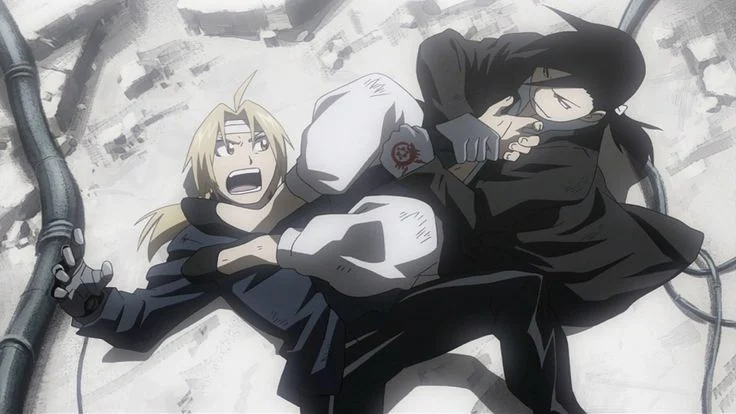
Bones times transmutations to appear exactly as hands complete claps and palm placements, reinforcing cause-and-effect. Envy’s shape-shifts are charted with transitional keys that preserve volume, preventing pops during morphs. The fight uses environment deformation to visualize force, with cracks and debris hitting just after impact frames. Cuts return to wide views regularly, keeping tunnel geography clear as the scene escalates.
Ichigo Kurosaki vs. Ulquiorra Cifer from ‘Bleach’
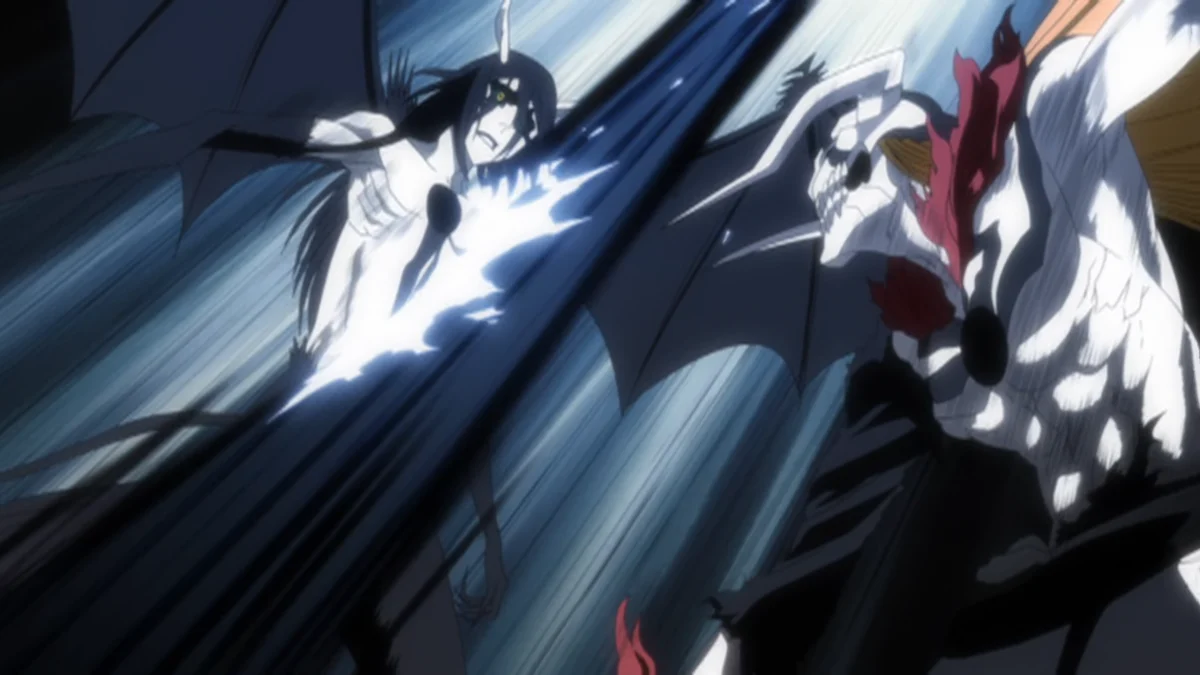
The layout stages verticality with long drops and aerial clashes, and timing stretches descents to sell gravity before impact. Energy lances are sequenced with staggered flashes so the screen never whites out during volleys. Character silhouettes remain clean thanks to restrained smears and carefully placed holds at pose extremes. Camera angles alternate from frontal to three-quarter to keep horn and wing shapes readable during fast rotations.
Denji vs. Katana Man from ‘Chainsaw Man’
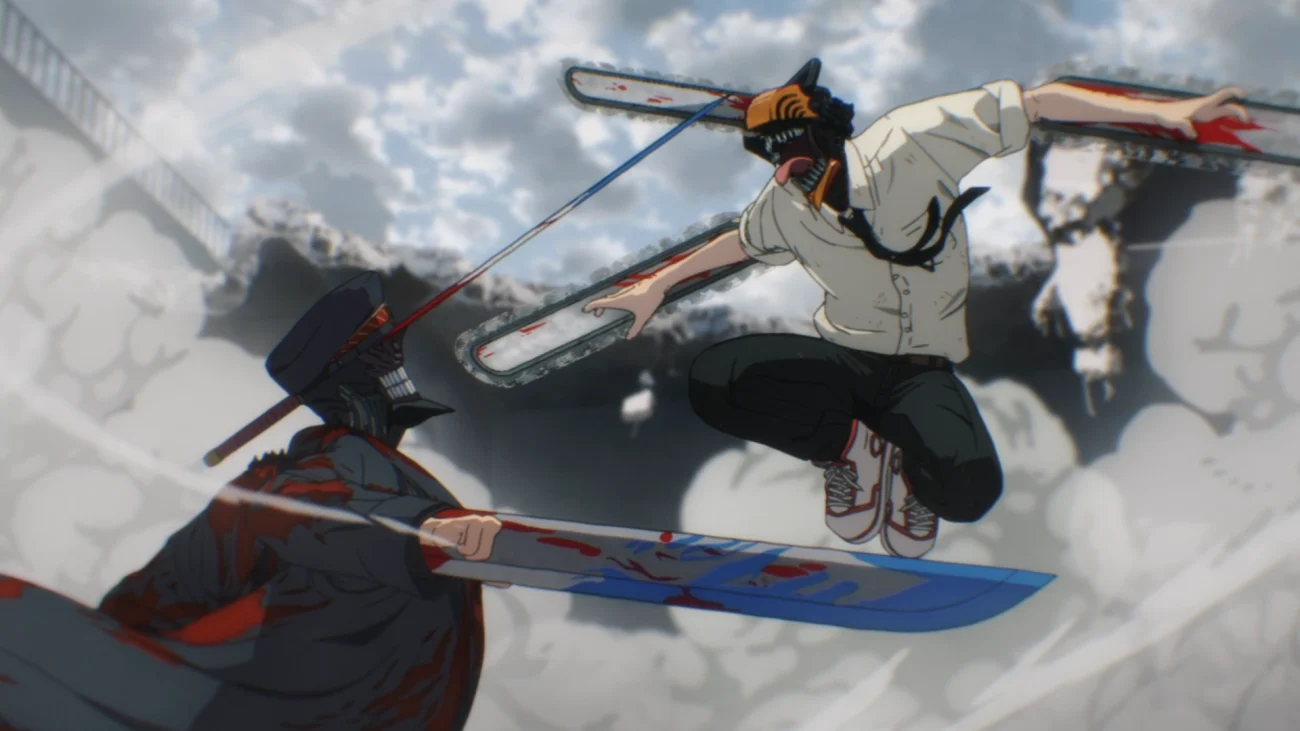
MAPPA integrates CG chain components with hand-drawn body motion, syncing chain rotation cycles to on-ones while limbs work mostly on-twos. Urban backgrounds are tracked with steady pans, preserving perspective as characters cross multiple axes. Blood spray and debris are layered on delayed frames to emphasize the impact without obscuring silhouettes. The edits include frequent establishing angles, ensuring viewers can follow elevation changes across rooftops and trains.
Share your favorite examples of razor-sharp fight timing in the comments!