25 Best Bollywood Movies of All Time (Ranked)

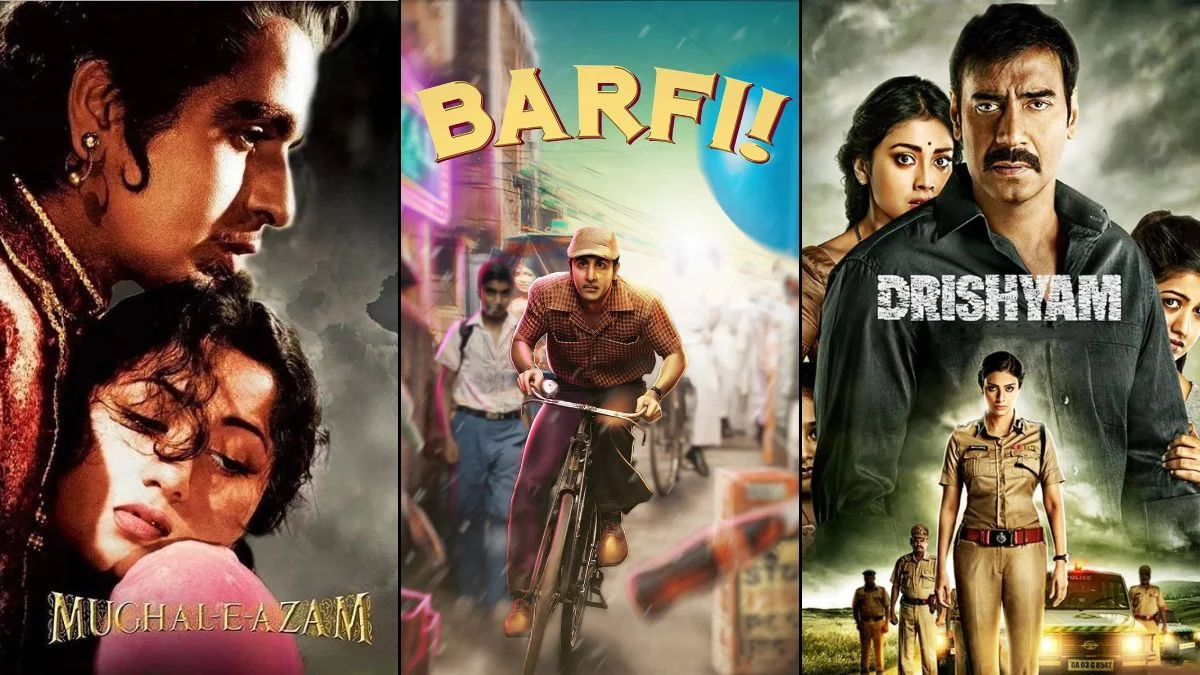

Bollywood has delivered landmark films across genres, from golden-age classics to contemporary hits that shaped global perceptions of Hindi cinema. This countdown brings together widely celebrated titles that left a measurable mark through awards, cultural impact, craft, and lasting audience reach. Each entry notes concrete details like directors, key cast, plot focus, and achievements so you can quickly see why these films continue to stand out.
‘Andaz Apna Apna’ (1994)
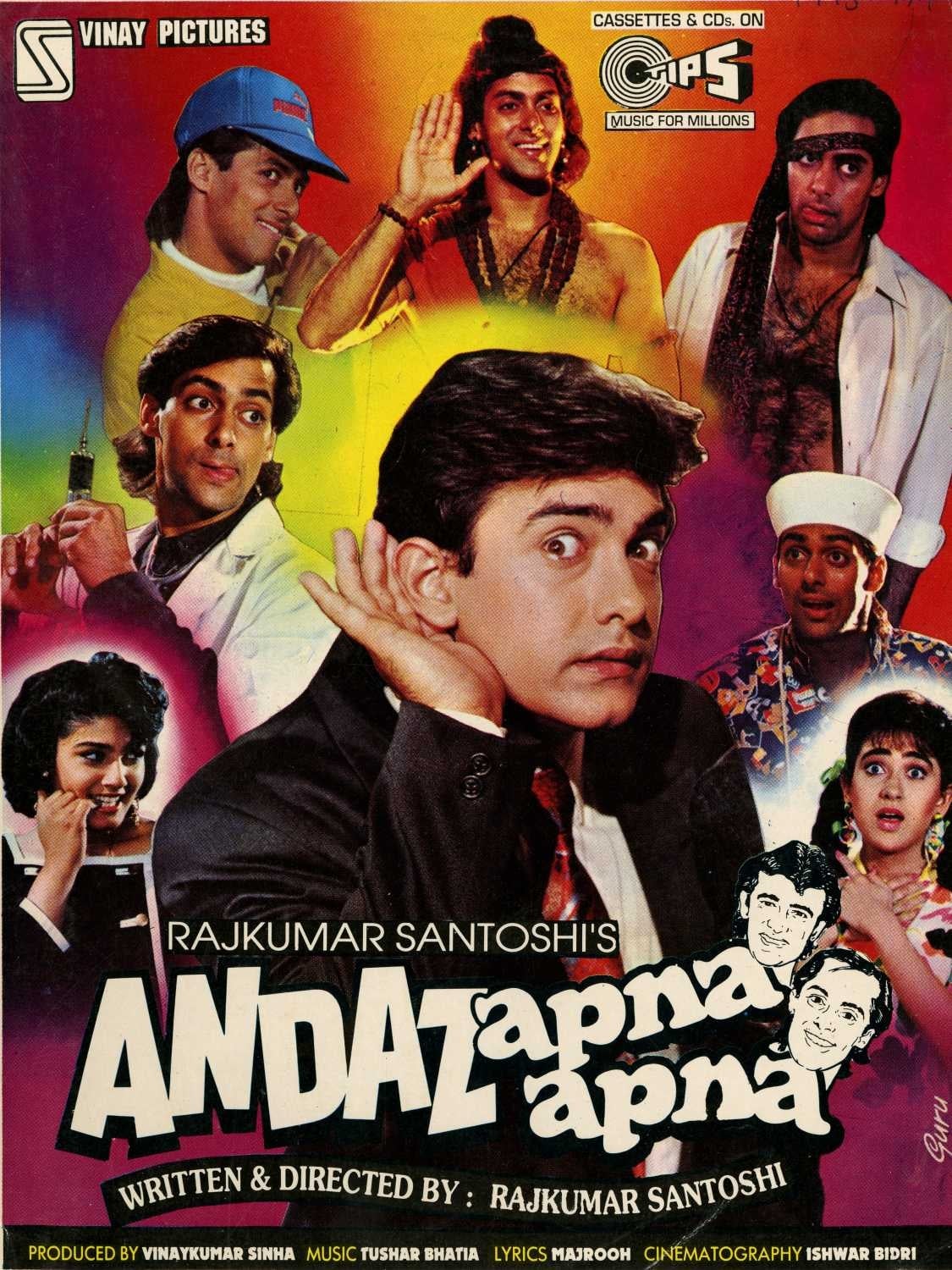
Rajkumar Santoshi directs this ensemble comedy starring Aamir Khan, Salman Khan, Raveena Tandon, and Karisma Kapoor. The story follows two aimless dreamers who compete to woo an heiress and unwittingly cross paths with a bumbling criminal. It became a cult favorite through repeat TV airings and home video after a modest theatrical run. Dialogues, character quirks, and supporting turns by Shakti Kapoor and Paresh Rawal remain heavily quoted.
‘Pakeezah’ (1972)
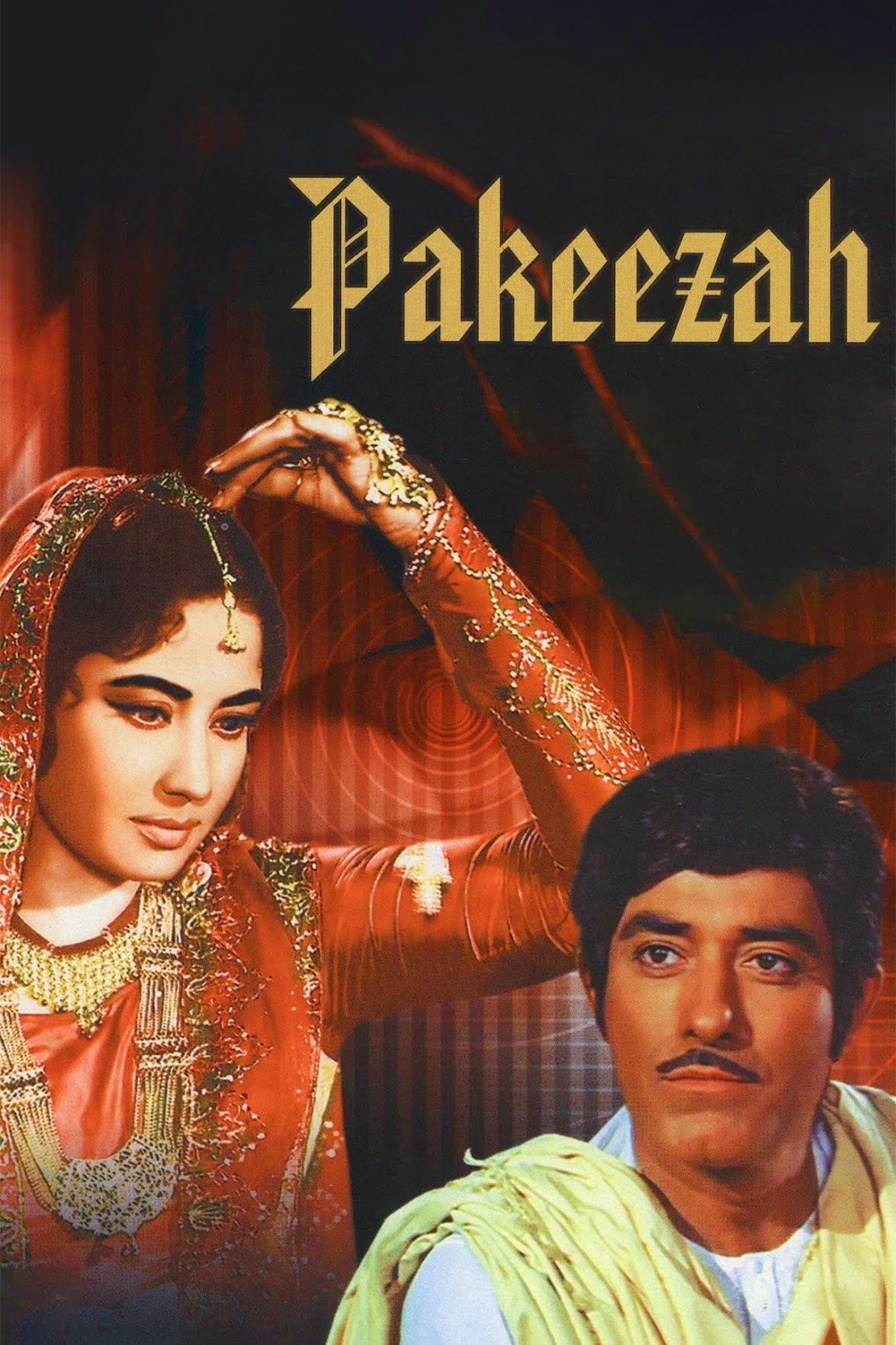
Kamal Amrohi’s period drama stars Meena Kumari and Raaj Kumar and is known for its elaborate set design and classical dance sequences. Production spanned more than a decade and showcased Ghulam Mohammed’s music with Naushad’s background score. The narrative centers on a courtesan’s hope for dignity and love amid societal constraints. The film’s costumes, art direction, and songs like “Chalte Chalte” became enduring cultural touchstones.
‘Mughal-e-Azam’ (1960)

Directed by K. Asif, this historical epic features Dilip Kumar, Madhubala, and Prithviraj Kapoor. The plot depicts the conflict between Prince Salim and Emperor Akbar over the dancer Anarkali. It is noted for grand sets, extensive use of extras, and the colorized song “Pyar Kiya To Darna Kya.” After a 2004 color re-release, it reached new audiences and reinforced its status as a milestone of large-scale production in Hindi cinema.
‘Mother India’ (1957)
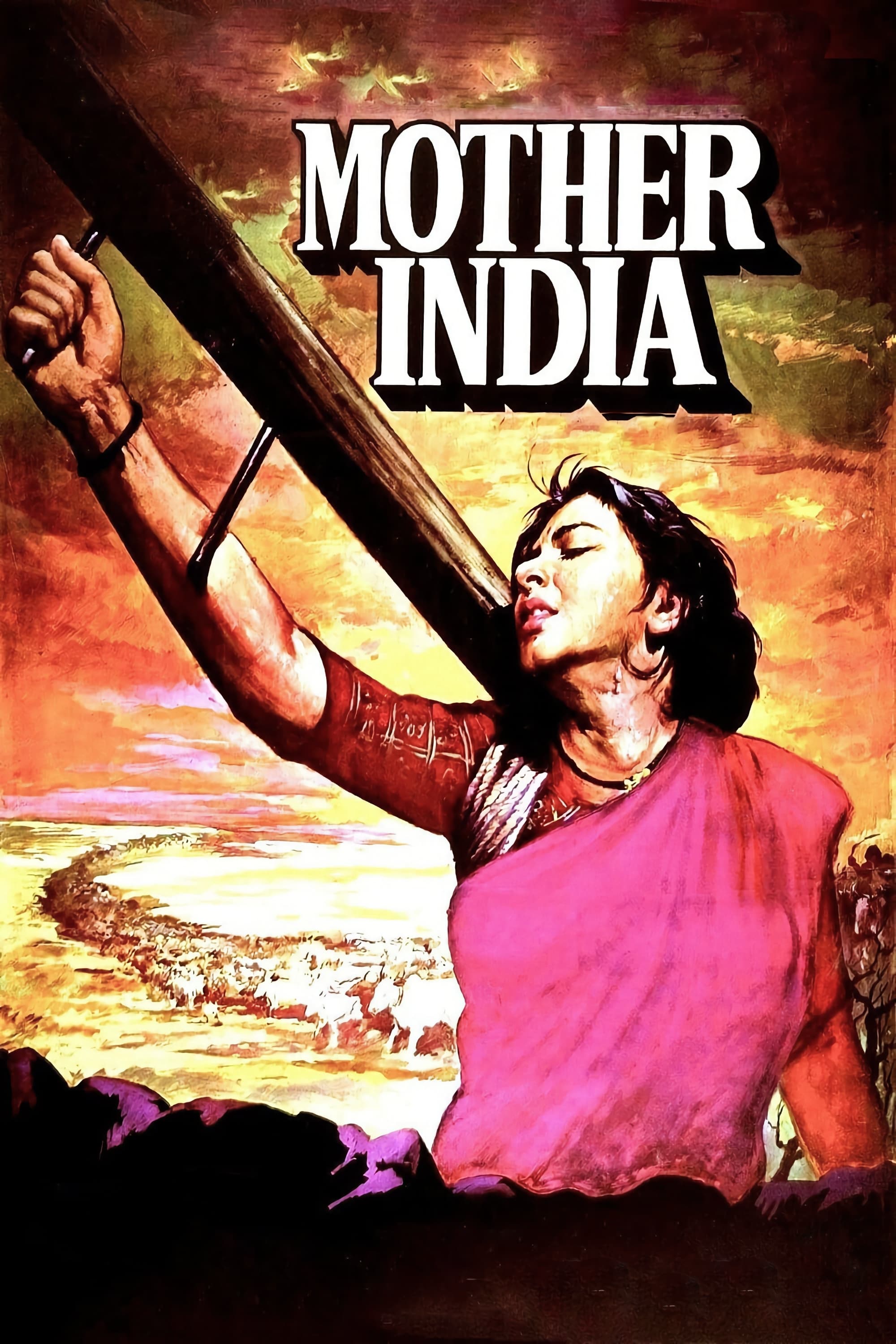
Mehboob Khan’s drama stars Nargis, Sunil Dutt, and Rajendra Kumar, portraying a village woman’s struggle to raise her sons under crushing debt. The film is a remake and expansion of Khan’s earlier ‘Aurat’ and presents agricultural life with an emphasis on hardship and resilience. It received international attention with an Academy Award nomination for Best Foreign Language Film. Its imagery and storyline became foundational references for rural narratives in Bollywood.
‘Deewaar’ (1975)
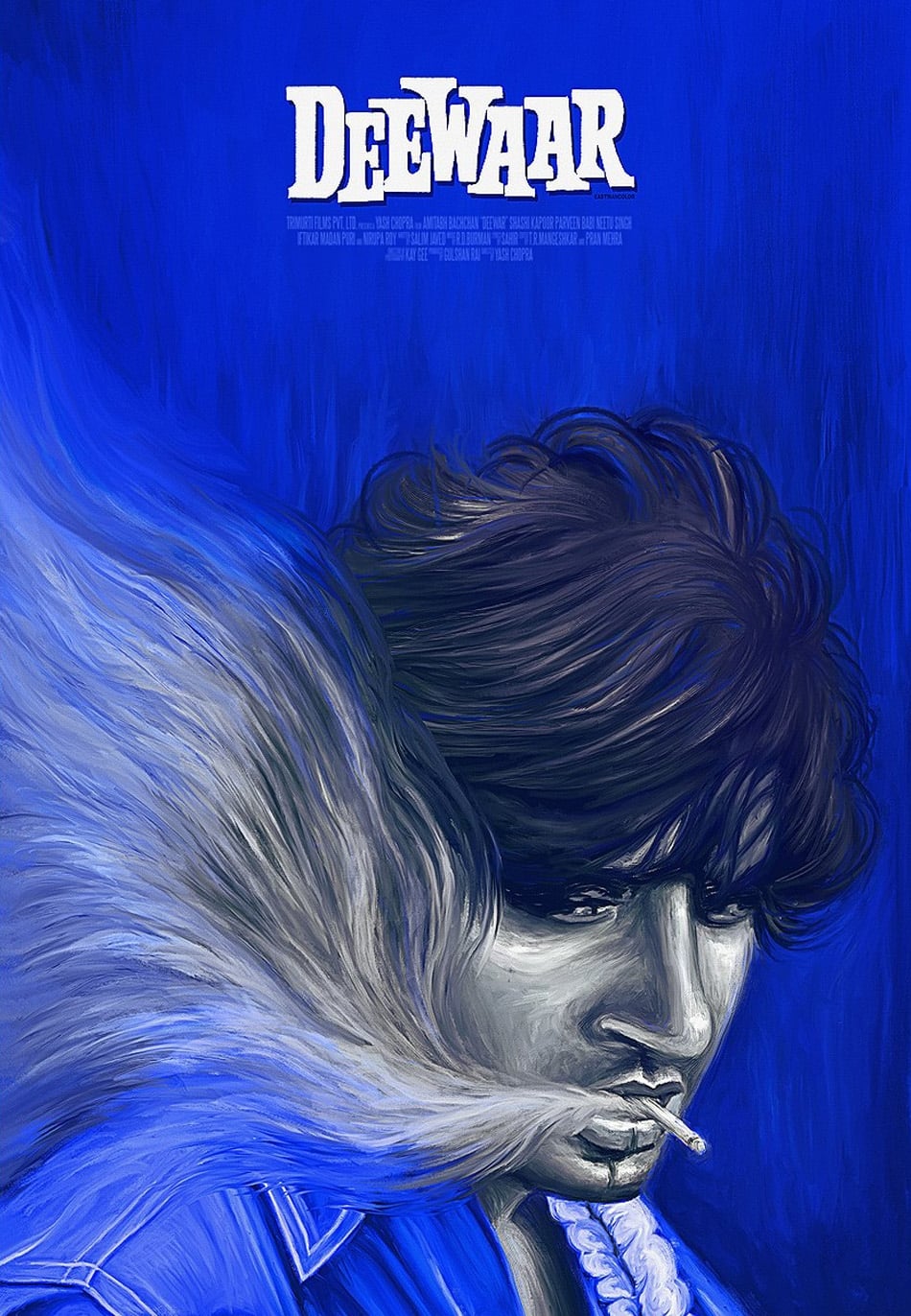
Directed by Yash Chopra and written by Salim–Javed, this crime drama stars Amitabh Bachchan, Shashi Kapoor, and Parveen Babi. The story pits two brothers on opposite sides of the law in 1970s Bombay. It is recognized for iconic dialogues, dockyard settings, and the consolidation of Bachchan’s “angry young man” persona. The film’s commercial success influenced a wave of urban crime sagas in subsequent years.
‘Jaane Bhi Do Yaaro’ (1983)
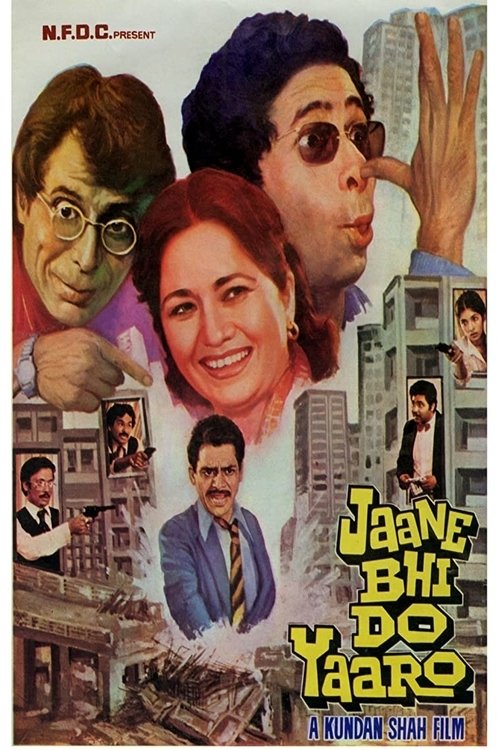
Kundan Shah’s satire features Naseeruddin Shah, Ravi Baswani, and an ensemble cast including Om Puri and Satish Shah. It follows two struggling photographers who uncover municipal corruption and a murder cover-up. Made on a small budget, it became famous for its stage-play-style climax referencing the ‘Mahabharata.’ The film gained cult status through festival screenings and television, shaping the template for Hindi political satire.
‘Zindagi Na Milegi Dobara’ (2011)
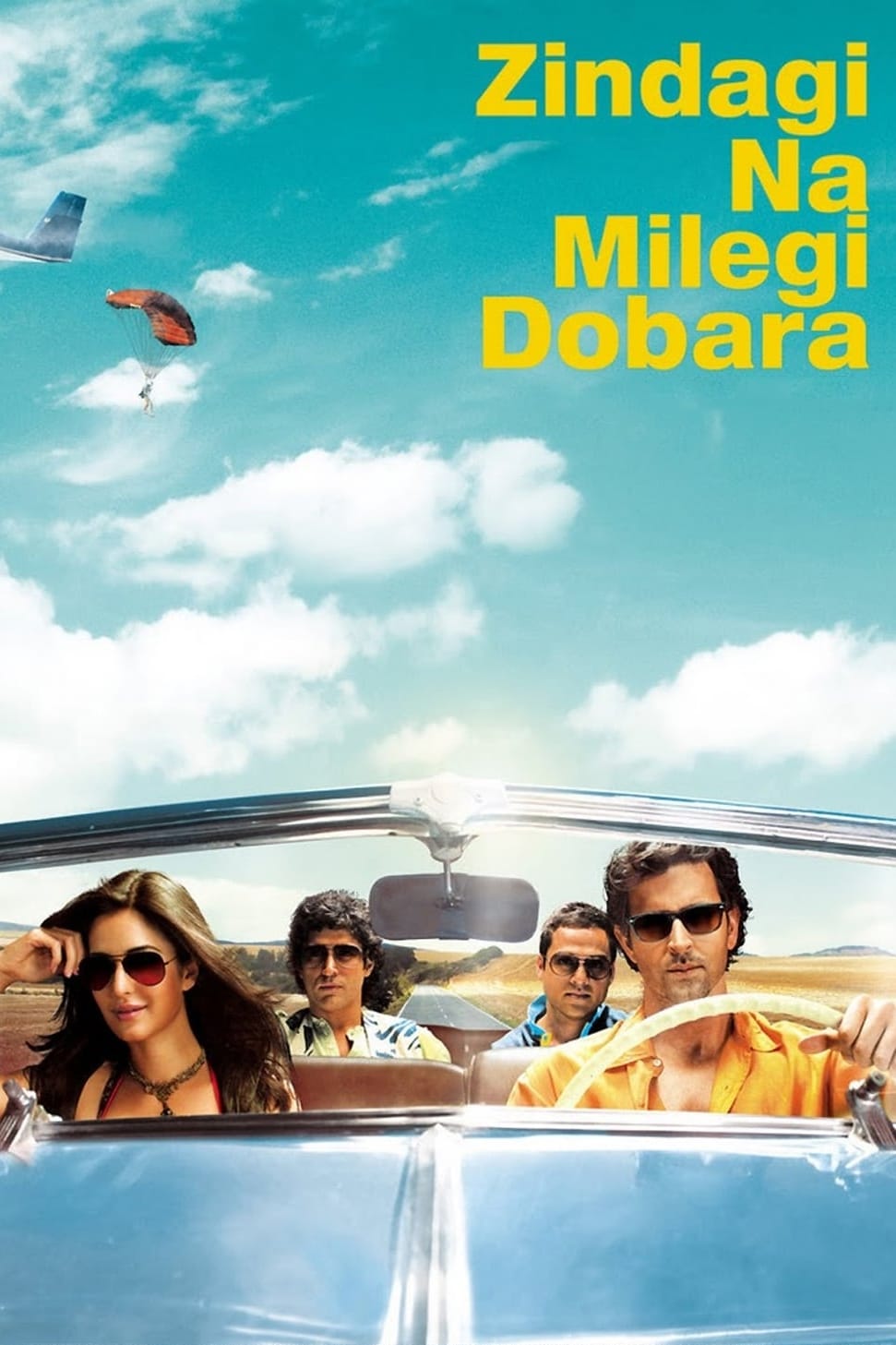
Zoya Akhtar directs Hrithik Roshan, Farhan Akhtar, and Abhay Deol in a road movie set in Spain. The plot tracks three friends completing a pact of adventurous experiences before a wedding. It popularized destinations like Costa Brava and activities such as skydiving and Tomatina-style festivities among Indian travelers. The soundtrack, travel imagery, and brand tie-ins contributed to strong box office and long-term streaming popularity.
‘Queen’ (2014)
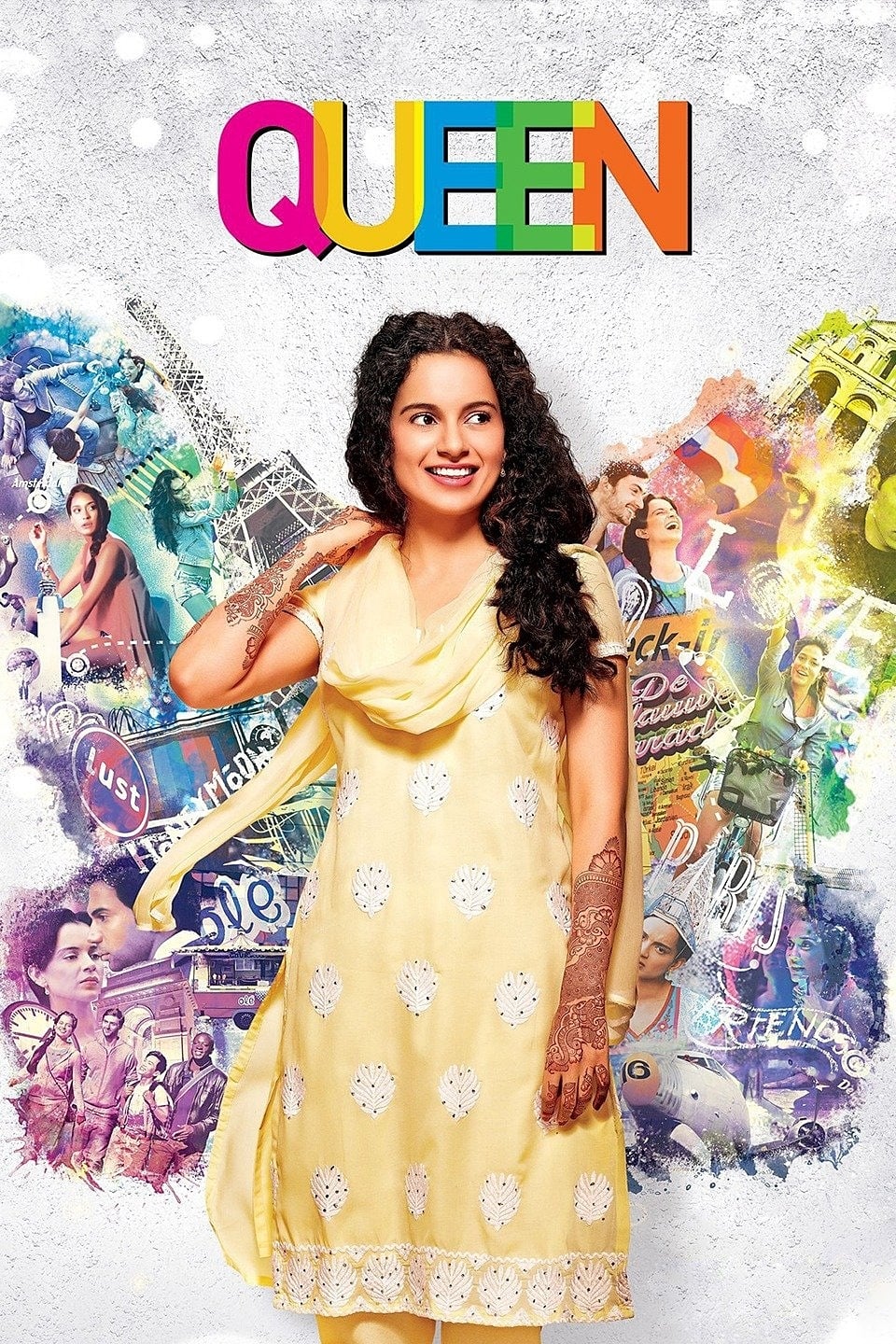
Vikas Bahl’s film stars Kangana Ranaut as a woman who continues her European honeymoon solo after a broken engagement. Shot across Delhi, Paris, and Amsterdam, it blends comedy with a character’s step-by-step independence. The movie won multiple national and popular awards for performance and screenplay. Its success broadened space for female-led narratives in mainstream Hindi cinema.
‘Barfi!’ (2012)
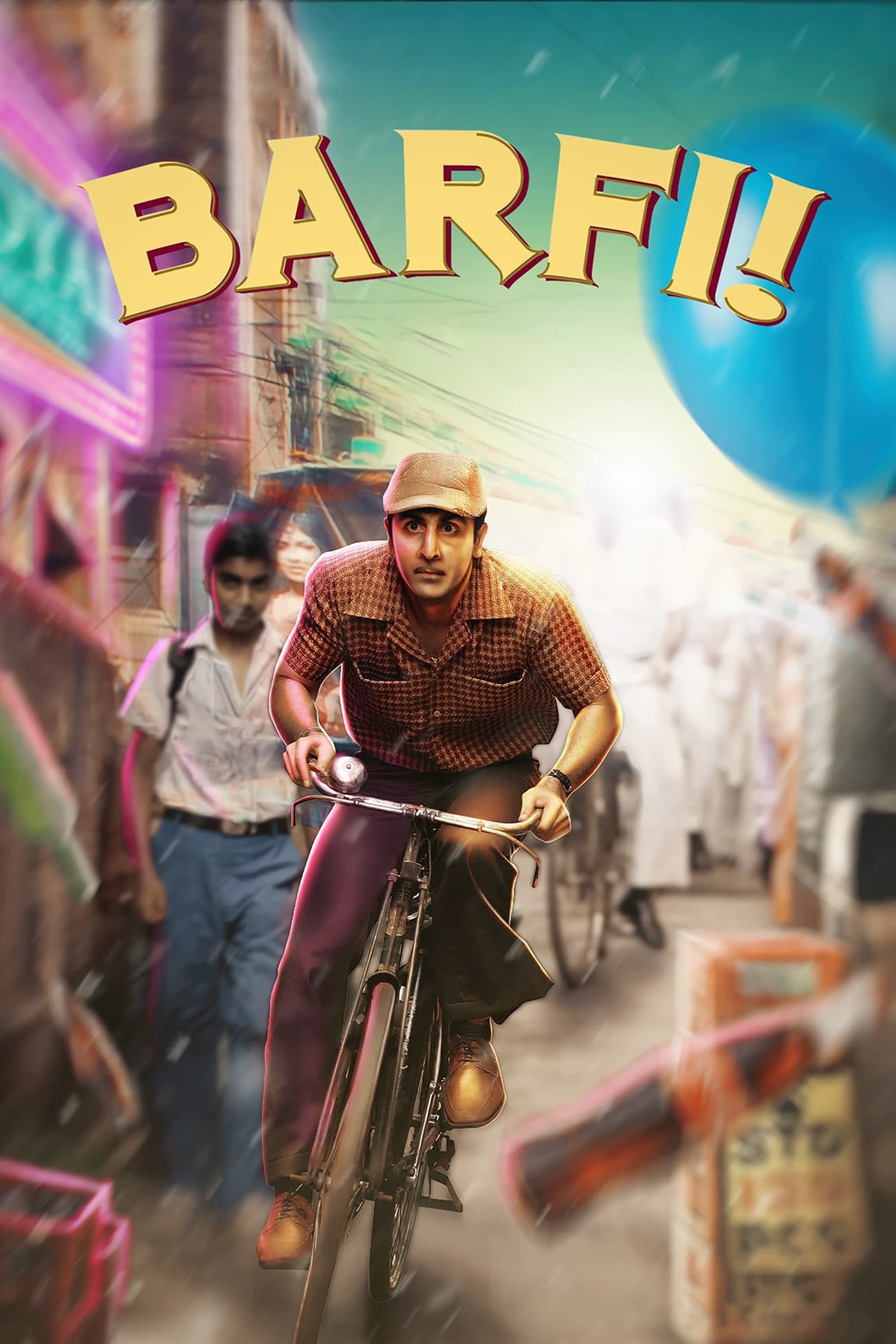
Anurag Basu directs Ranbir Kapoor, Priyanka Chopra, and Ileana D’Cruz in a 1970s-set dramedy. The narrative follows a deaf-mute protagonist and his relationships across years, using visual storytelling and minimal dialogue. Filmed largely in Darjeeling and Kolkata, it is noted for period production design and a prominent background score by Pritam. India selected it as the country’s submission for the Academy Awards that year.
‘Haider’ (2014)
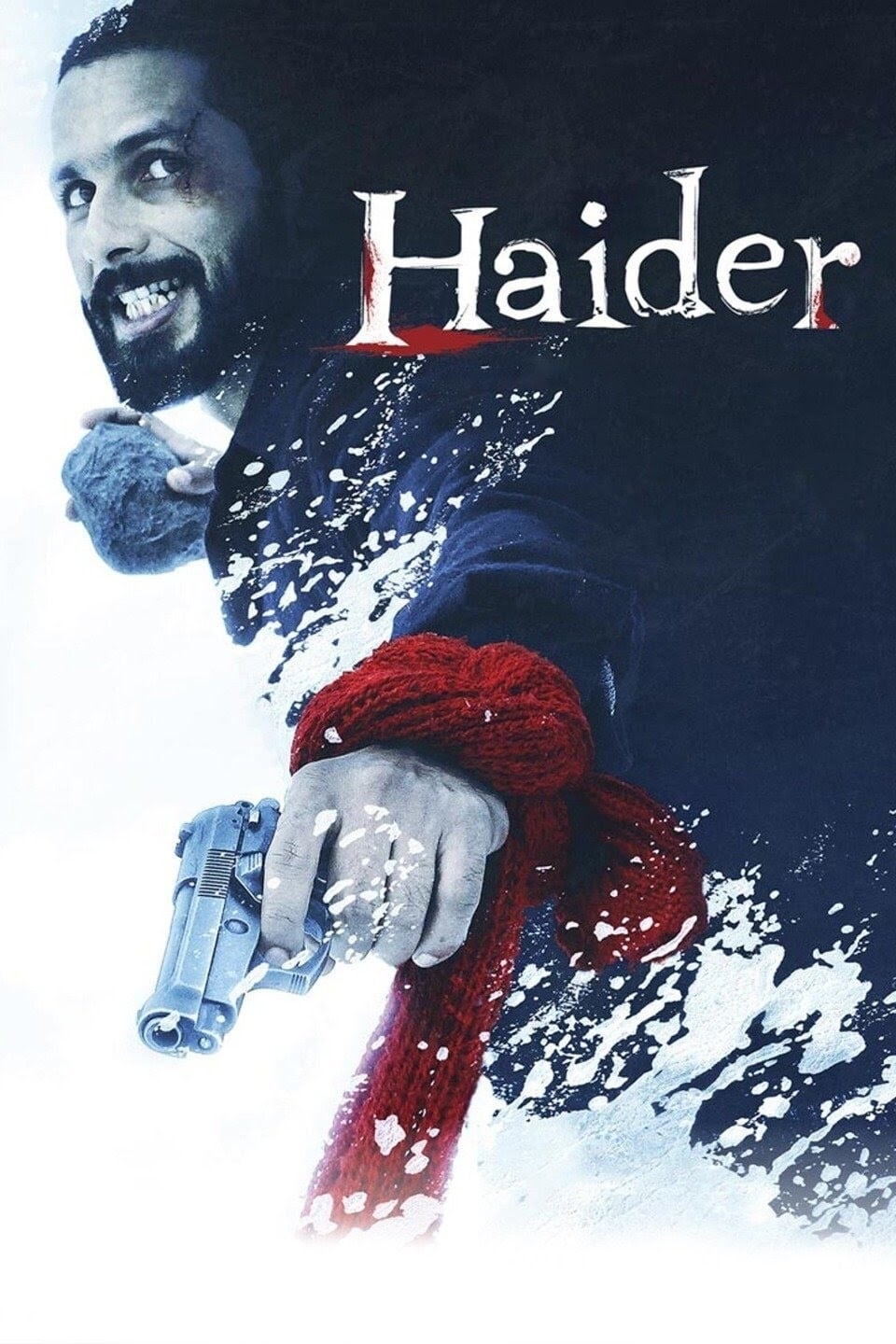
Vishal Bhardwaj adapts Shakespeare’s ‘Hamlet’ to insurgency-era Kashmir with Shahid Kapoor, Tabu, and Kay Kay Menon. The film uses local settings like downtown Srinagar and the snowbound landscape to ground its narrative. It received National Film Awards for acting, dialogues, and music. The soundtrack, including “Bismil,” combines traditional Kashmiri elements with Bhardwaj’s signature orchestration.
‘Kahaani’ (2012)
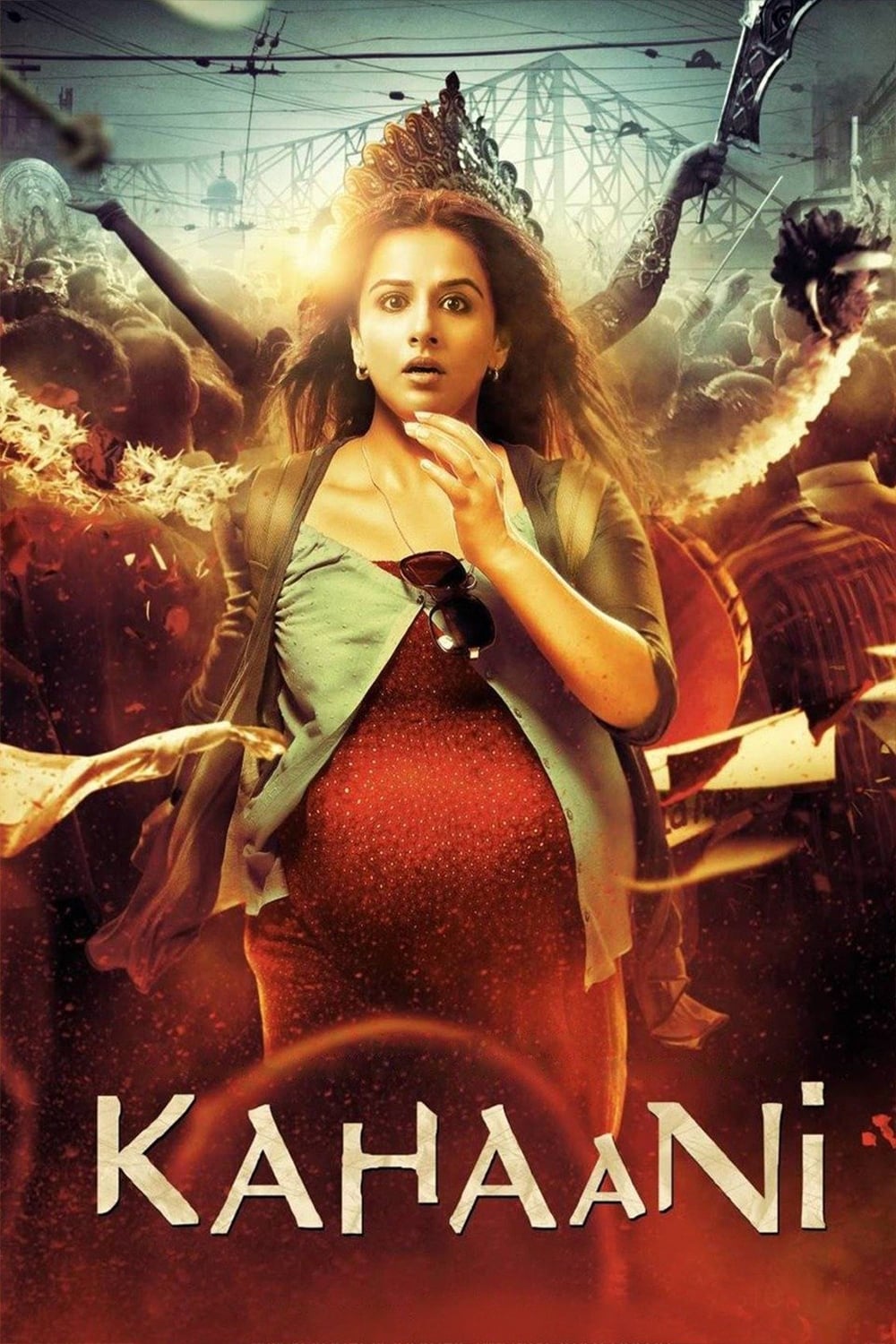
Sujoy Ghosh’s thriller stars Vidya Balan as a pregnant woman searching for her missing husband in Kolkata. The film uses live-festival shooting during Durga Puja to capture crowded streets and real-time processions. A notable twist ending reframes earlier scenes, leading to strong word-of-mouth. Its success prompted expanded filming in Kolkata for later productions and a connected sequel.
‘Dilwale Dulhania Le Jayenge’ (1995)
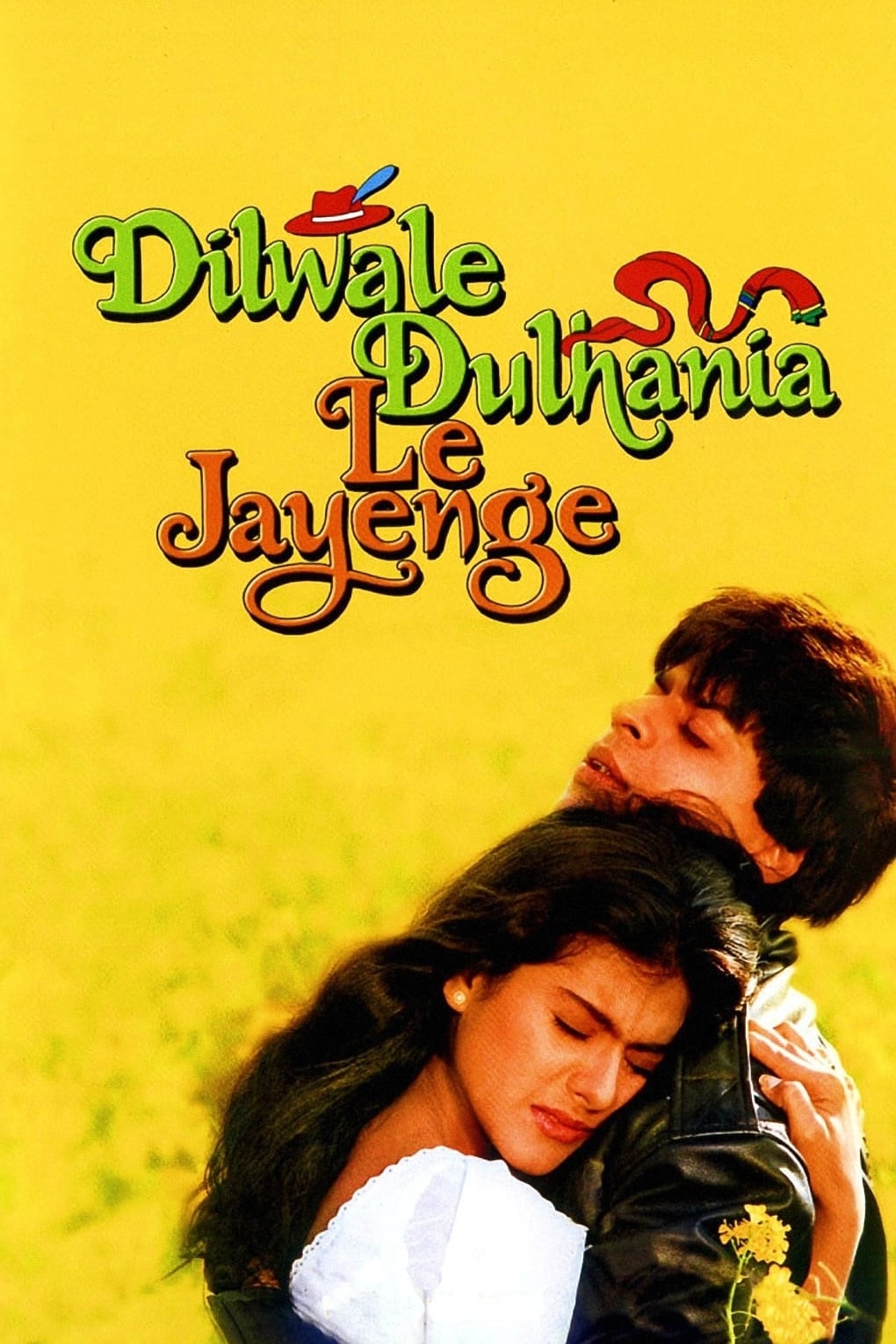
Aditya Chopra’s debut features Shah Rukh Khan and Kajol in a cross-continental romance between London and rural Punjab. The film’s extended theatrical run at Mumbai’s Maratha Mandir set exhibition records. Songs by Jatin–Lalit and the Swiss locations boosted tourism links with Indian travelers. It became a benchmark for non-resident Indian storylines in mainstream films.
‘Guide’ (1965)
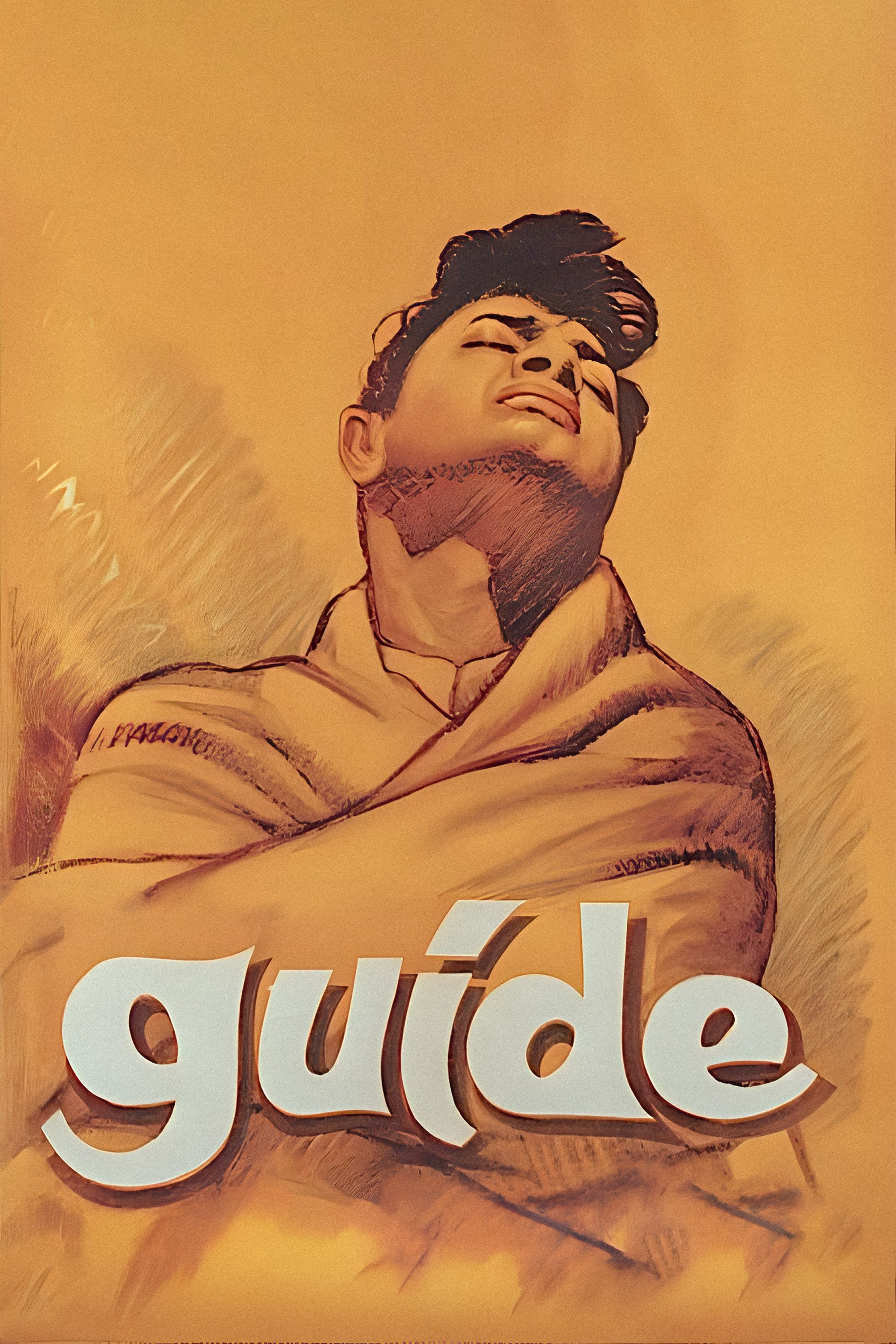
Vijay Anand directs Dev Anand and Waheeda Rehman in an adaptation of R. K. Narayan’s novel. The plot follows a tour guide whose relationship with a married dancer leads to personal and spiritual upheaval. S. D. Burman’s soundtrack, including “Aaj Phir Jeene Ki Tamanna Hai,” remains widely circulated. The film’s editing, choreography, and color cinematography were considered advanced for its time.
‘Lagaan: Once Upon a Time in India’ (2001)
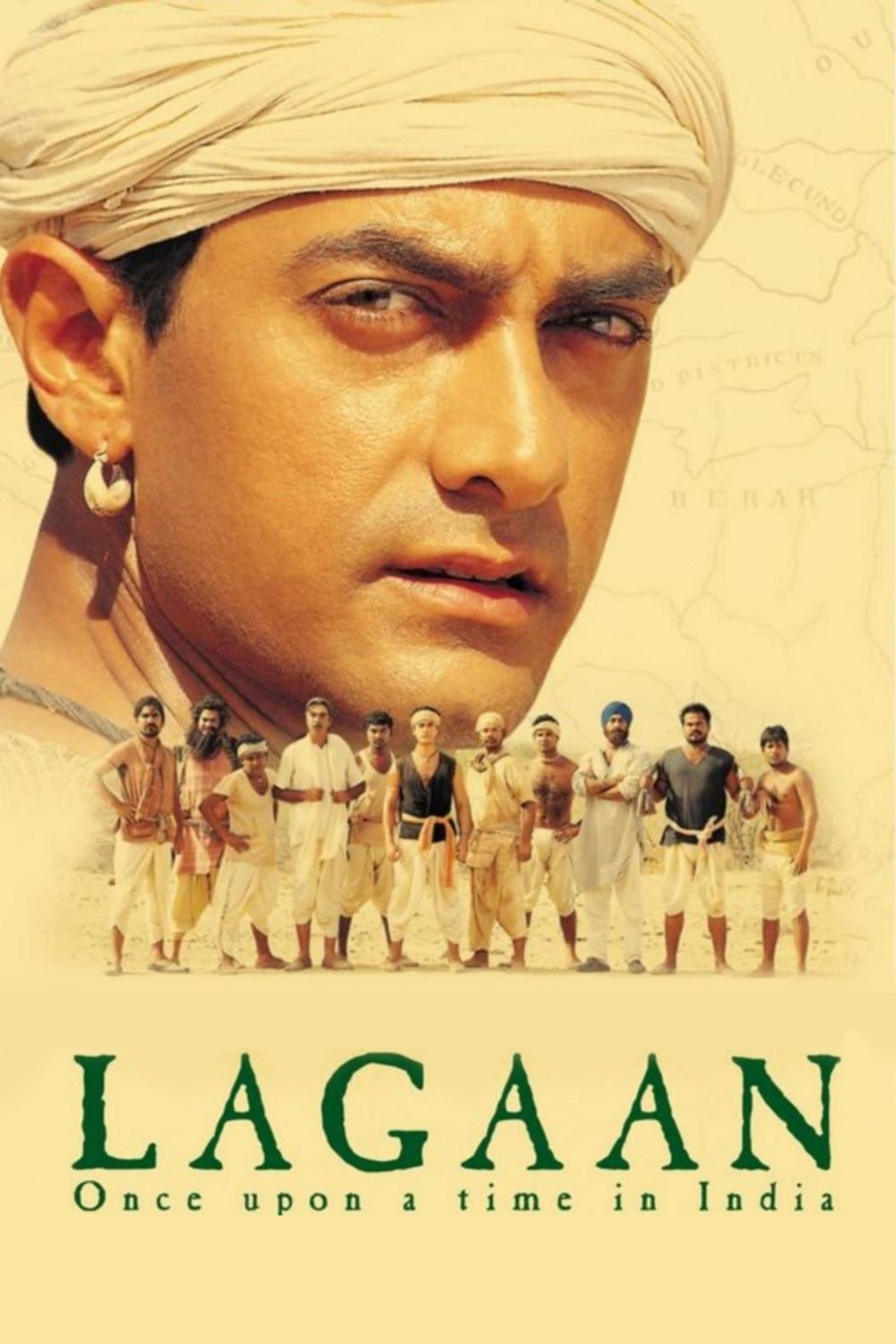
Ashutosh Gowariker’s period sports drama stars Aamir Khan and Gracy Singh and is set in a drought-stricken village under colonial rule. Villagers challenge British officers to a cricket match to avoid tax, leading to a detailed training and match sequence. The film was nominated for the Academy Award for Best Foreign Language Film. Its production involved large rural sets in Bhuj, Gujarat, and extensive extras for cricket scenes.
‘Chak De! India’ (2007)
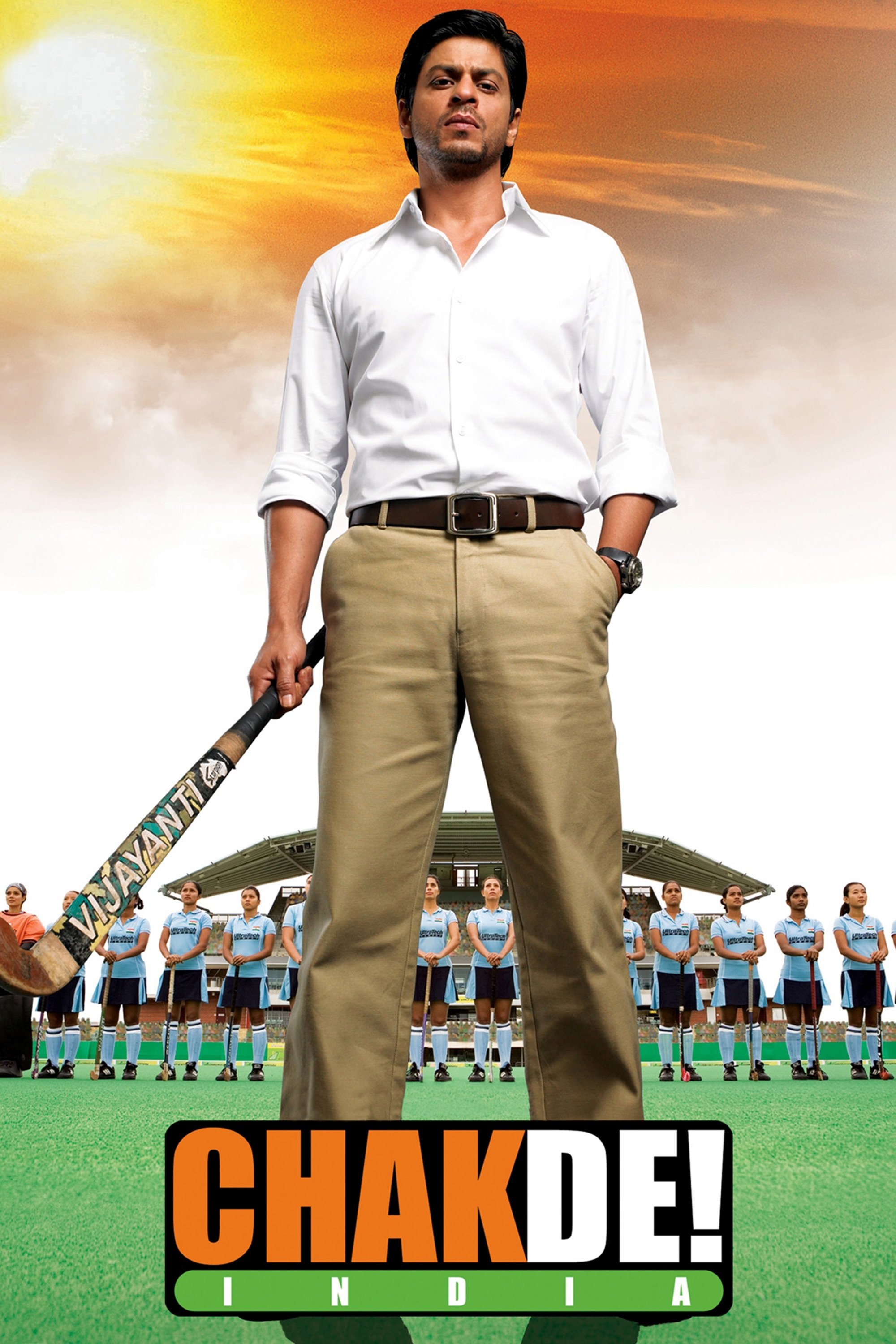
Shimit Amin directs Shah Rukh Khan as a former player coaching the Indian women’s national hockey team. The narrative follows selection camps, tactical drills, and tournament progression culminating in an international championship. Filming used real stadiums and players to stage matches with credible sports choreography. The film spurred increased public interest in women’s field hockey and team-sport stories in Hindi cinema.
‘Swades’ (2004)
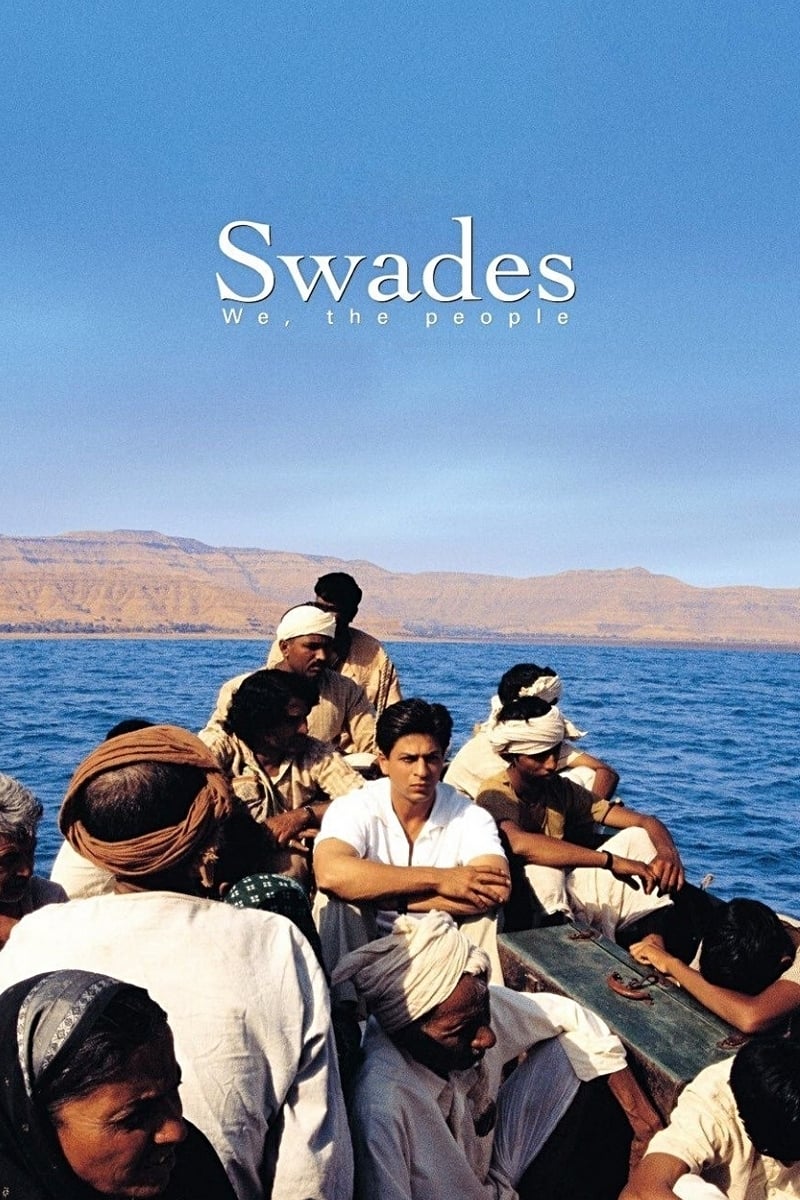
Ashutosh Gowariker’s drama features Shah Rukh Khan as a NASA engineer returning to his Indian village. Shot in the village of Wai and at actual NASA facilities, it blends diaspora themes with rural development issues like electricity access. A. R. Rahman’s soundtrack and the use of local non-actors shaped the film’s grounded feel. The narrative prompted discussions around reverse migration and social entrepreneurship.
‘Gangs of Wasseypur’ (2012)
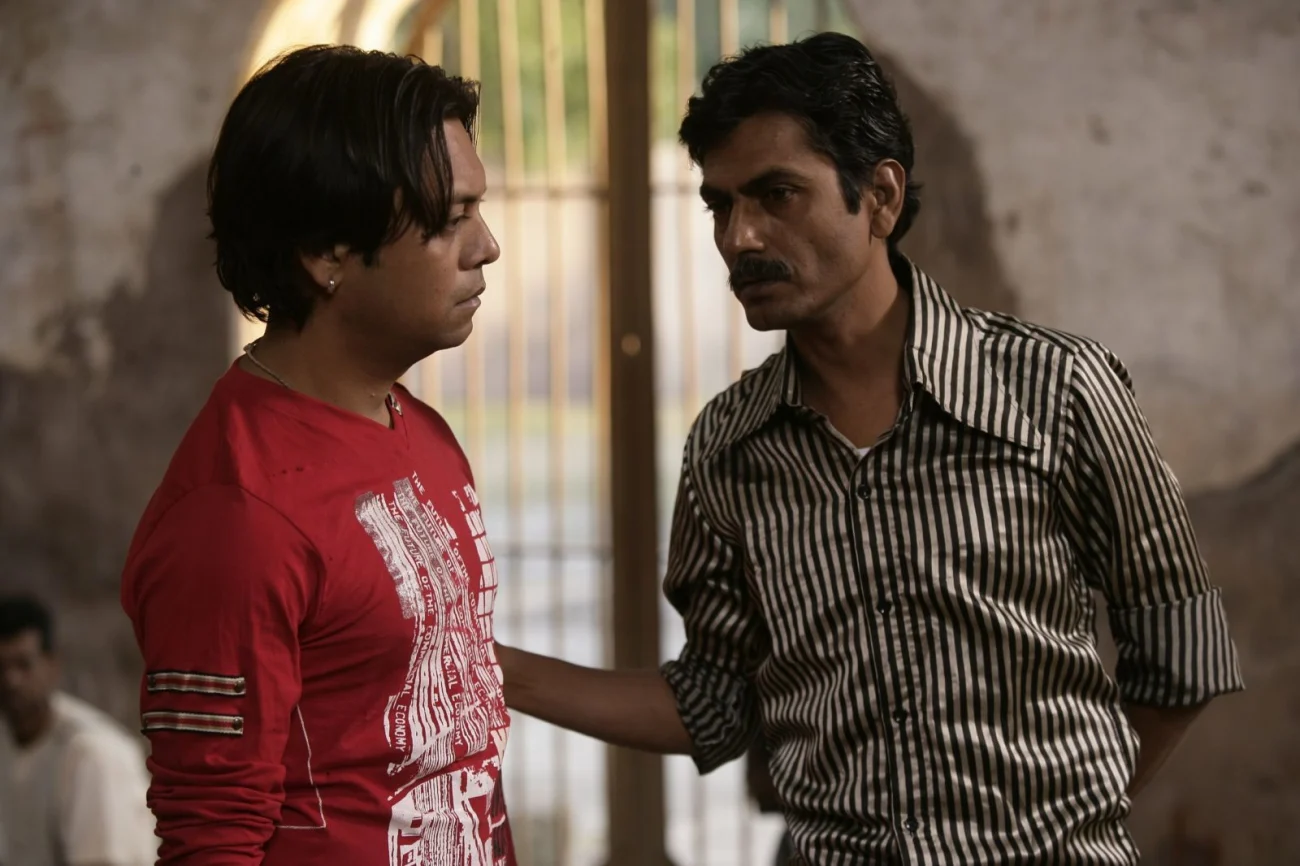
Anurag Kashyap’s crime saga was released in two parts, with Part 1 charting coal mafia rivalries across decades in Dhanbad. Casting mixes mainstream and theatre actors including Manoj Bajpayee and Richa Chadha. The film is noted for location shooting, period costuming, and a large soundtrack with folk influences. Its festival circuit presence and domestic reception expanded space for multi-part gangster narratives.
‘Sholay’ (1975)
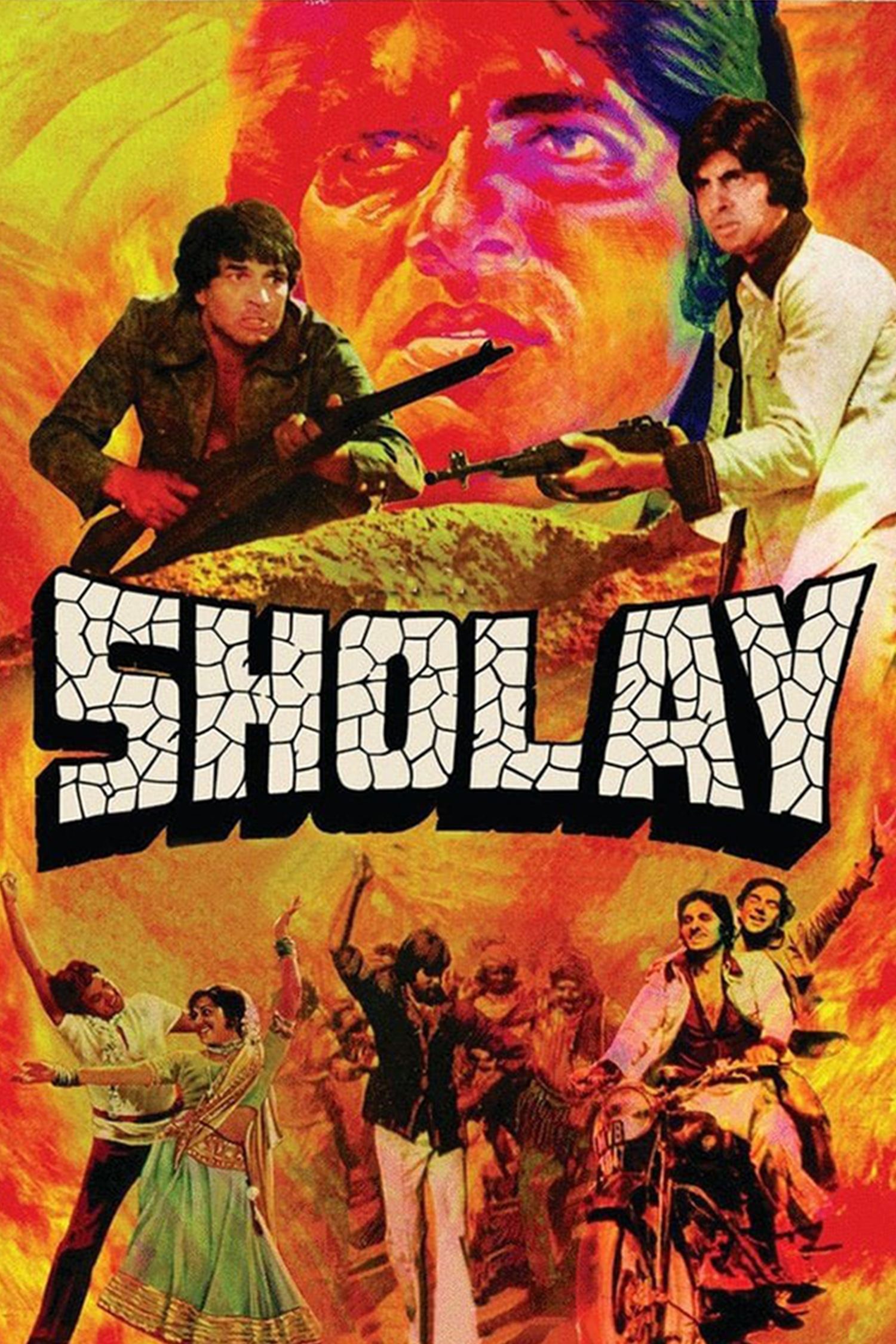
Ramesh Sippy’s action adventure stars Amitabh Bachchan, Dharmendra, Hema Malini, and Amjad Khan. Set in the fictional village of Ramgarh, it follows two ex-convicts hired to capture a ruthless bandit. The production used 70mm format and stereophonic sound, rare for the era. Over time it set box-office benchmarks and became a staple of holiday television programming.
‘Andhadhun’ (2018)

Sriram Raghavan’s thriller features Ayushmann Khurrana, Tabu, and Radhika Apte. The story centers on a pianist who feigns blindness and is drawn into a web of crime. It employs long takes, diegetic music, and Pune locations to build tension. The film won National Film Awards and inspired remakes in other Indian languages.
‘Drishyam’ (2015)
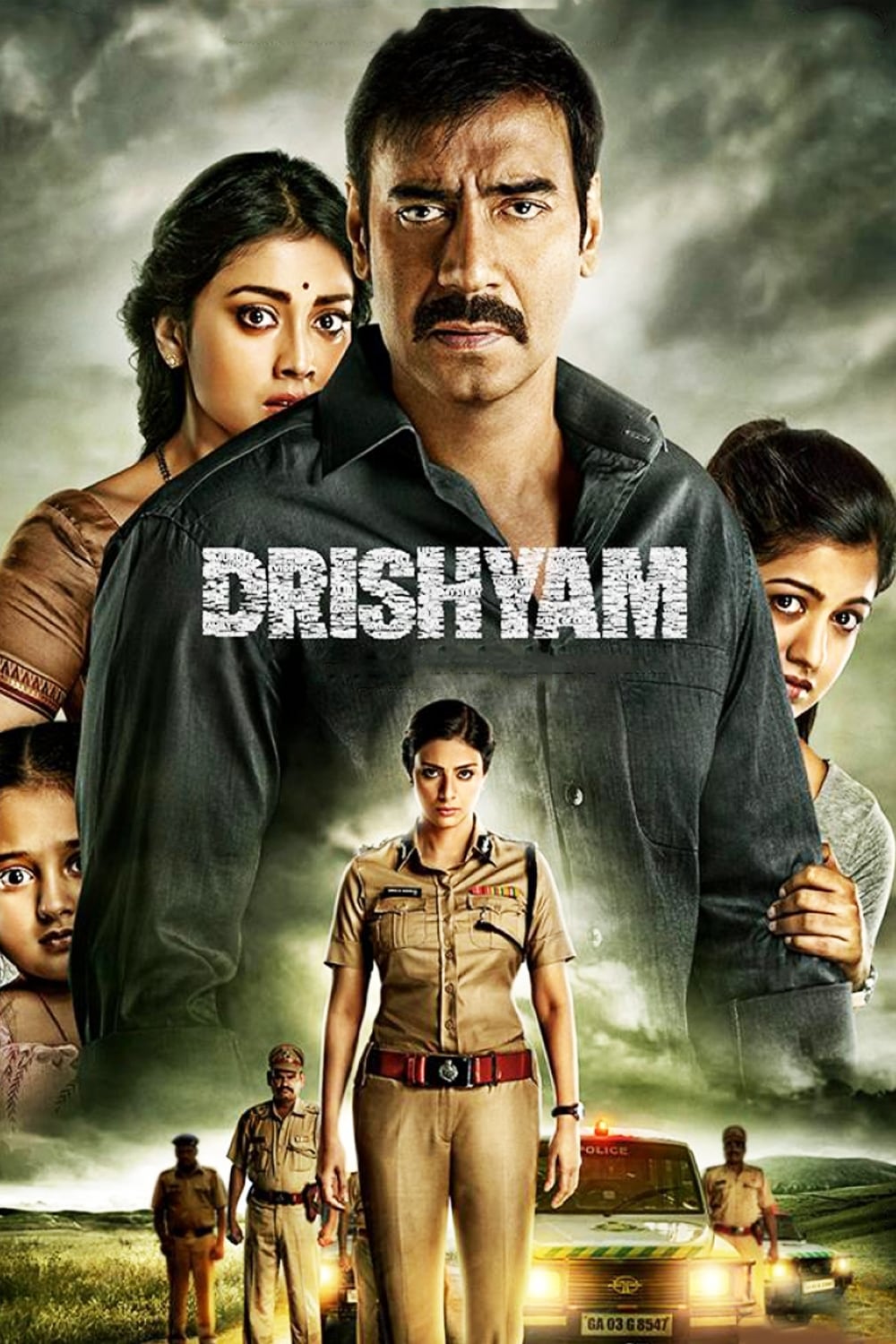
Nishikant Kamat’s Hindi remake stars Ajay Devgn, Tabu, and Shriya Saran and adapts a Malayalam original. The plot involves a family man constructing an alibi after a confrontation spirals into a police investigation. Goa serves as the primary location, with timeline details embedded in media cues and receipts. Its sequel continued the story years later with returning principal cast.
‘Pyaasa’ (1957)
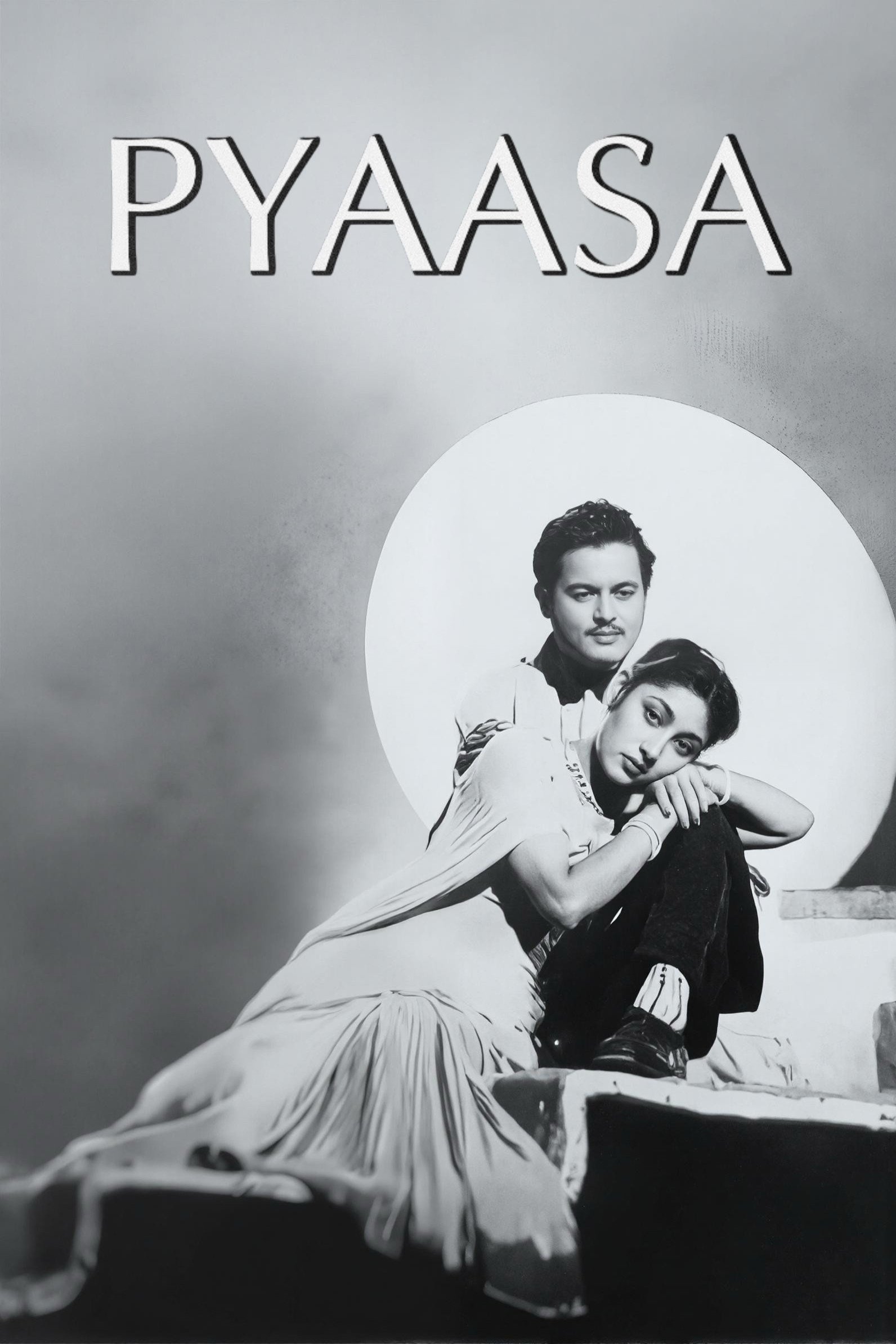
Guru Dutt directs himself alongside Waheeda Rehman and Mala Sinha in a story about an unrecognized poet in post-independence India. S. D. Burman’s songs, including “Jaane Woh Kaise,” integrate closely with narrative beats. The film’s cinematography by V. K. Murthy uses light and shadow to frame urban alienation. Retrospectives and restorations kept it active on festival circuits and archival platforms.
‘Anand’ (1971)
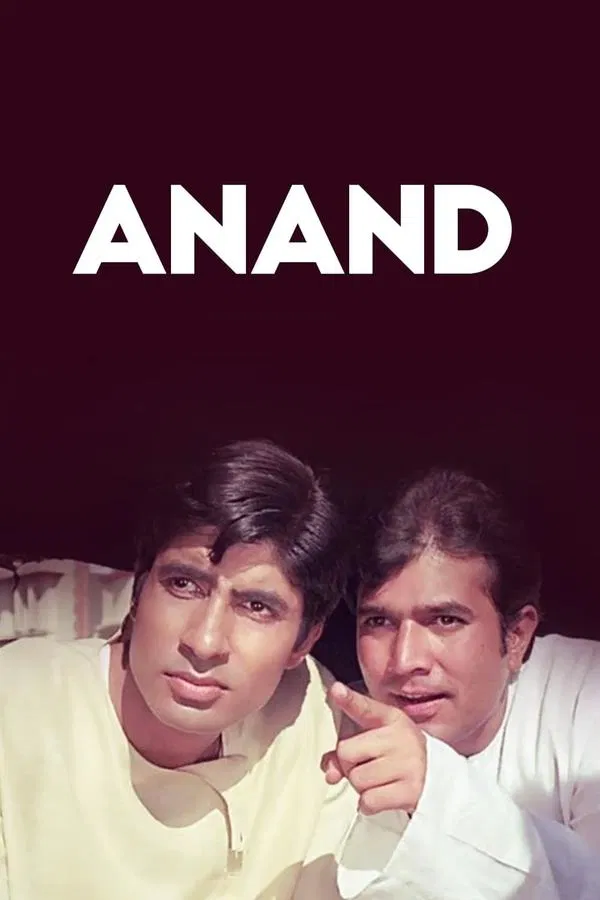
Hrishikesh Mukherjee’s drama stars Rajesh Khanna and Amitabh Bachchan, focusing on the friendship between a terminally ill man and his doctor. The film uses diary entries and recorded tapes as narrative devices. Songs by Salil Chowdhury and dialogues by Gulzar contribute to its memorability. It received multiple Filmfare Awards, including Best Film and Best Actor.
‘Taare Zameen Par’ (2007)
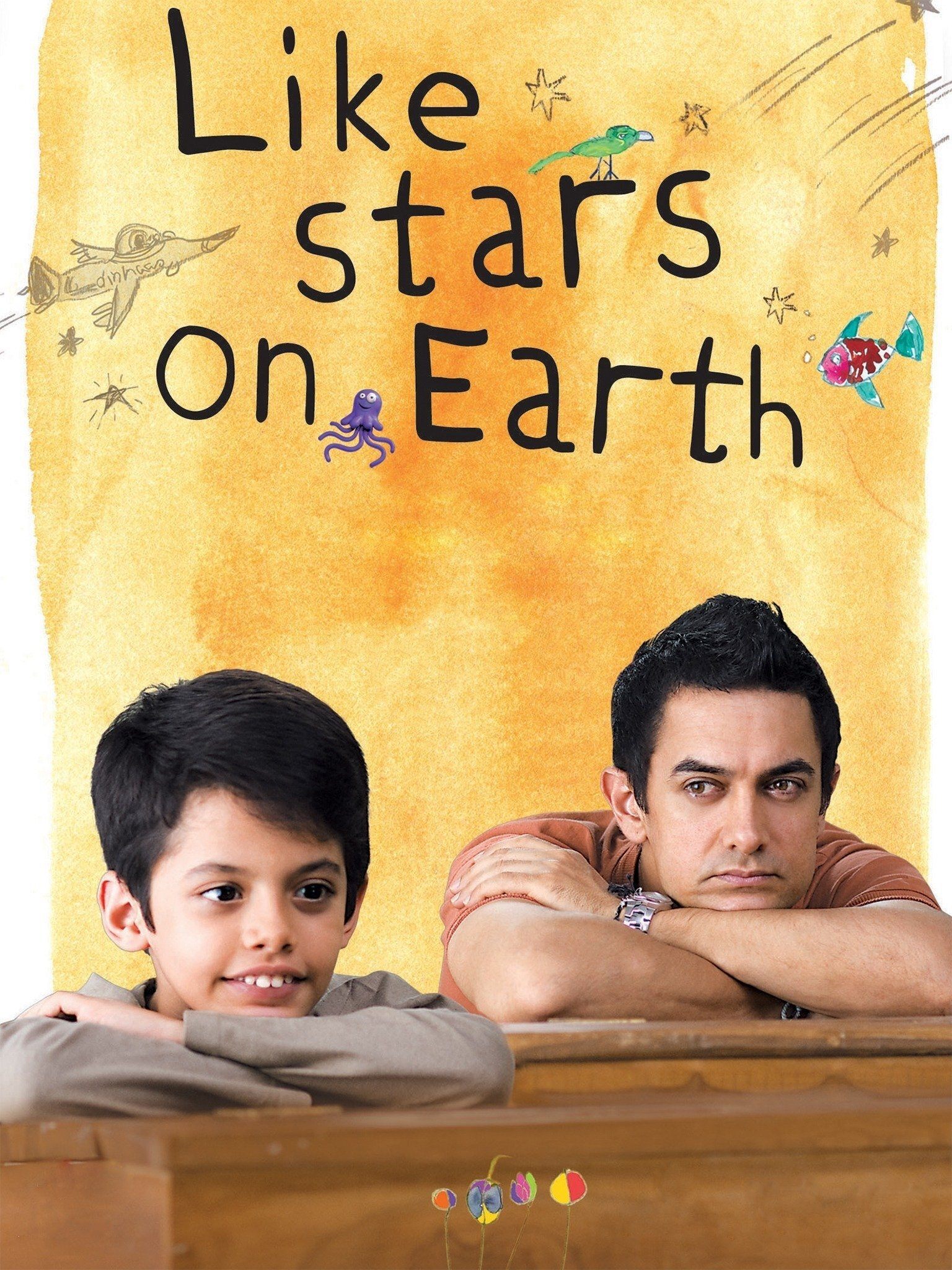
Aamir Khan directs Darsheel Safary in a story about a child with dyslexia and a teacher who recognizes his learning needs. The film depicts classroom methods, art-based pedagogy, and parental counseling with specificity. It influenced awareness campaigns and educational workshops across Indian schools. The soundtrack by Shankar–Ehsaan–Loy features classroom choruses and lullaby motifs.
‘Dangal’ (2016)
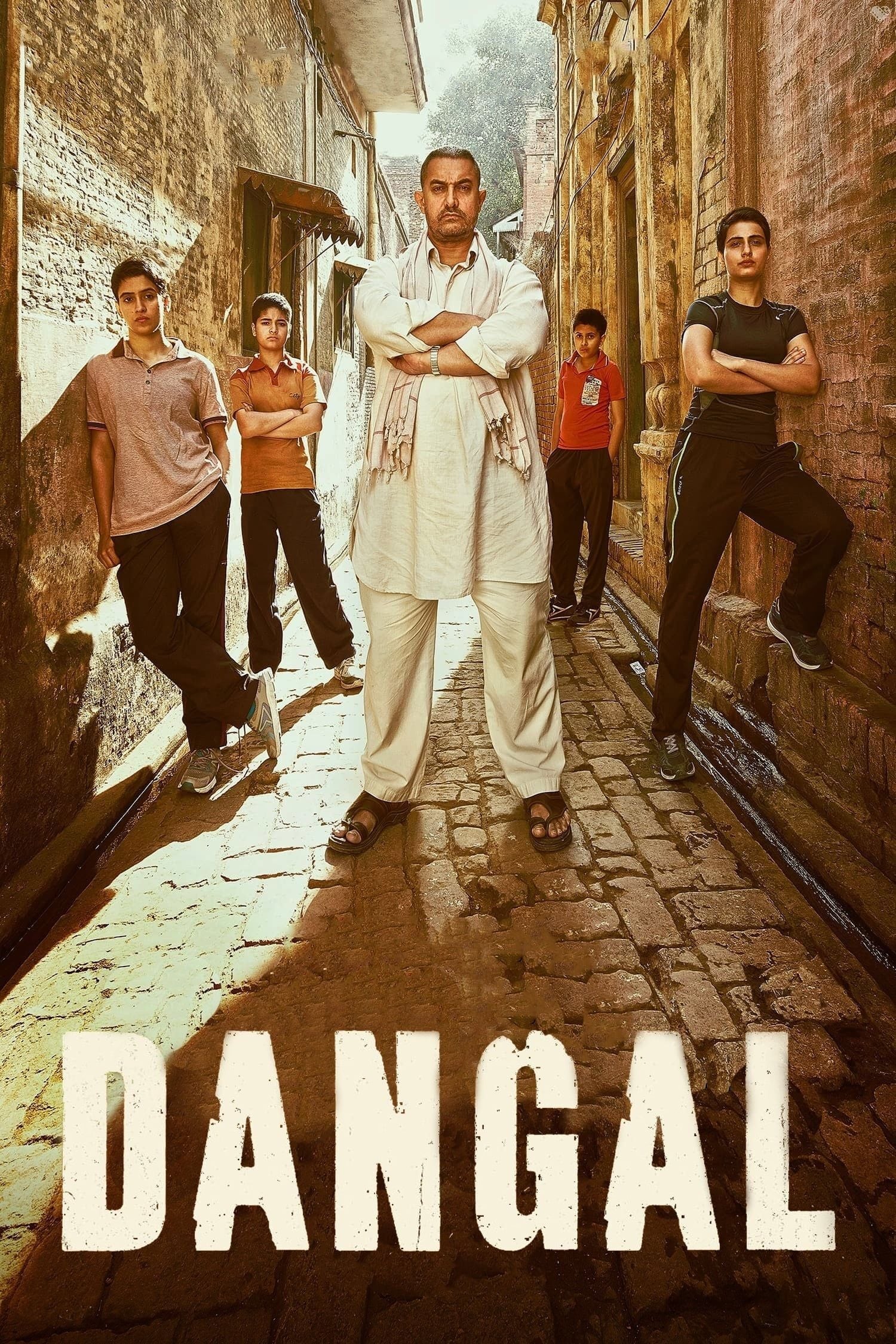
Nitesh Tiwari’s biographical sports drama stars Aamir Khan, Fatima Sana Shaikh, and Sanya Malhotra as the Phogat family. The film chronicles training regimens, weight classes, and national to international wrestling tournaments. It set records in overseas markets, particularly in China, and became one of the highest-grossing Indian films. Authentic wrestling choreography and Haryanvi dialect coaching supported its performances.
‘3 Idiots’ (2009)
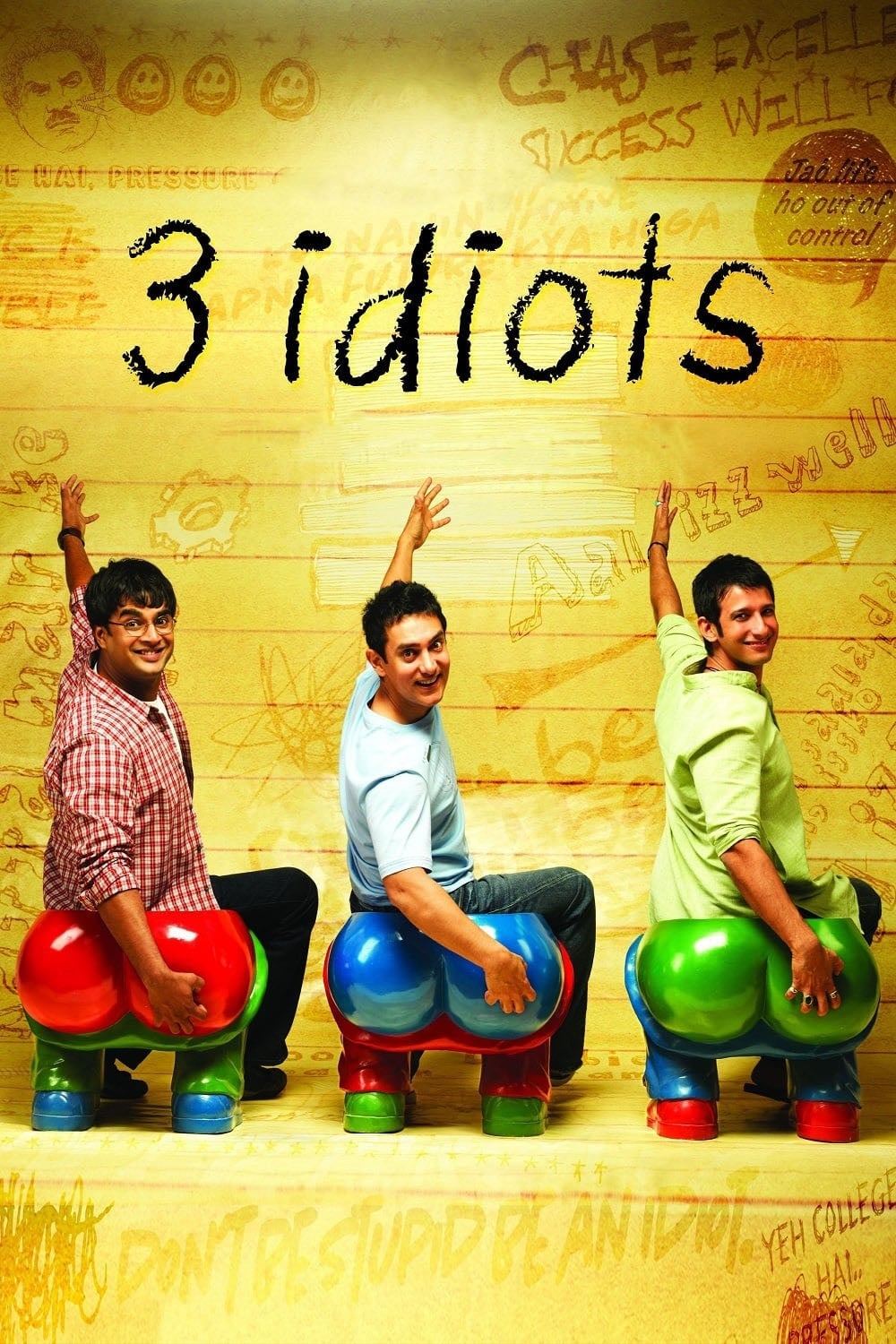
Rajkumar Hirani’s campus drama features Aamir Khan, R. Madhavan, and Sharman Joshi with Kareena Kapoor in a key role. The narrative cuts between college days and a present-day search, exploring engineering education, innovation contests, and friendship. Filming spanned Indian Institutes of Management and the Pangong Tso region for the reunion sequence. The film achieved extensive box-office success and drove widespread discussions on academic pressure and creative learning.
Share your own essential Bollywood picks in the comments so everyone can compare notes and discover what to watch next!