15 Strongest Versions of Godzilla, Ranked

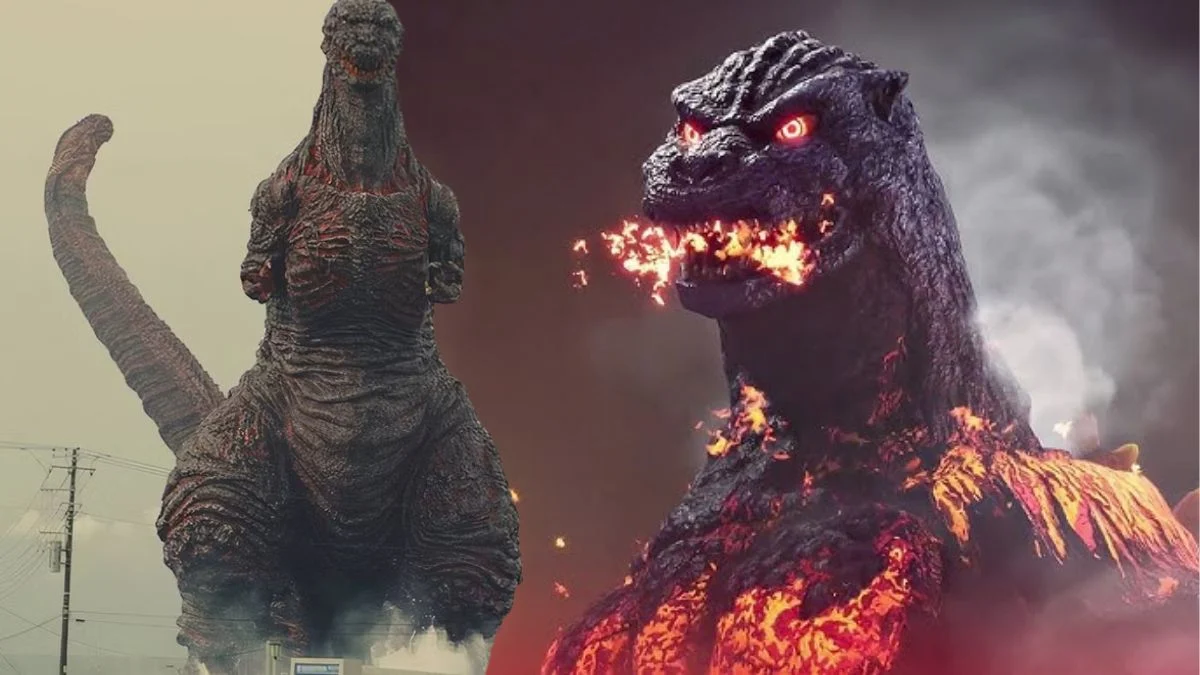

From black-and-white origins to city-sized titans, Godzilla has taken on many forms across films, TV, and animation, each with different abilities, sizes, and power sources. To make this list clear, we focus on concrete feats shown on screen such as durability, energy output, mobility, and special adaptations. We also note who released or aired each project so fans can track down where these versions appeared. Read on in descending order to see which incarnations pack the biggest punch.
Zilla
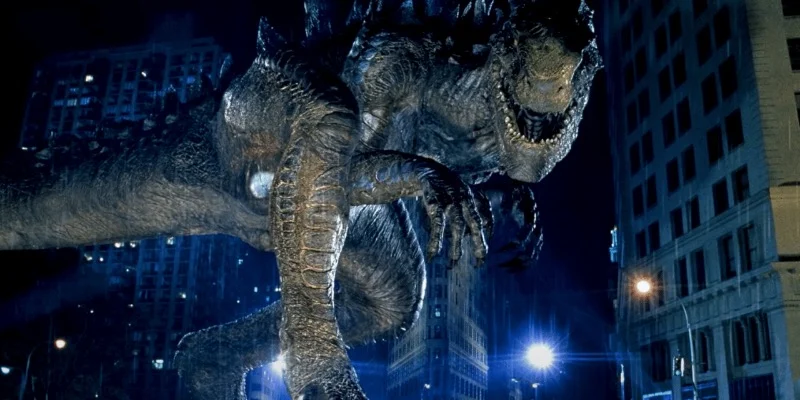
This iguana-based creature headlined the Sony remake that TriStar Pictures distributed in theaters. It relies on speed and burrowing rather than atomic breath and is vulnerable to conventional military fire. Its most notable feat is large-scale urban evasion rather than overwhelming offense. The design later appeared as ‘Zilla’ in Toho productions where its limitations were made clear.
Showa Era Godzilla
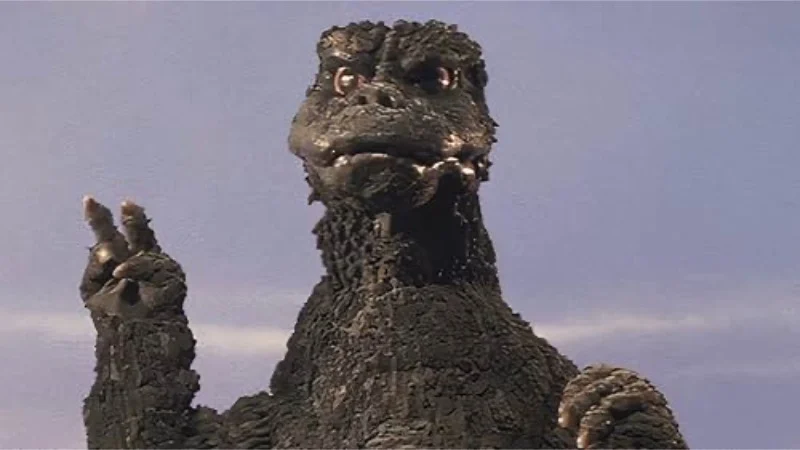
Toho released this foundational version across the classic kaiju films that established the series. It demonstrates amphibious travel, melee strength, and a recognizable heat beam with modest range and output. Durability varies from film to film but it regularly tanks artillery and falls from great heights. This incarnation also develops a heroic streak as Toho shifts the character toward defending Japan.
‘Godzilla Minus One’ Godzilla
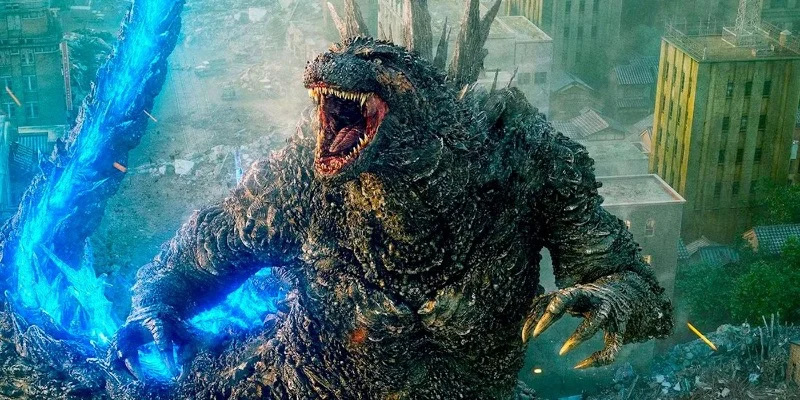
Toho’s acclaimed reboot presents a leaner, more animalistic Godzilla with devastating heat-ray bloom that vaporizes targets at sea and on land. The creature’s regeneration is strong enough to recover between encounters after severe damage. Naval tactics and experimental weaponry are needed to create openings against it. Toho handled distribution domestically while international theatrical rollouts introduced the film widely to new audiences.
Millennium Godzilla ‘Godzilla 2000’
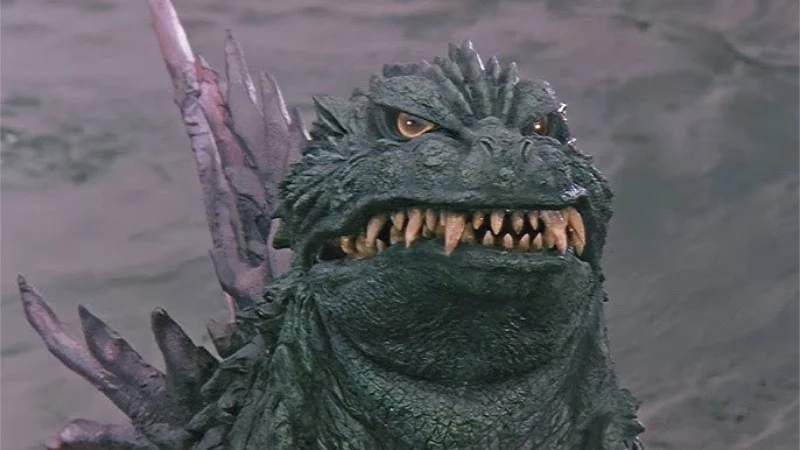
Toho launched the Millennium era with a tougher hide that visibly refracts and absorbs energy before unleashing a concentrated purple beam. This version withstands deep-sea pressure and repeated bombardment during battles with alien threats. It also shows impressive targeting control with its breath weapon. Sony Pictures Releasing brought ‘Godzilla 2000’ to North American theaters after Toho’s Japanese release.
Kiryu Saga Godzilla
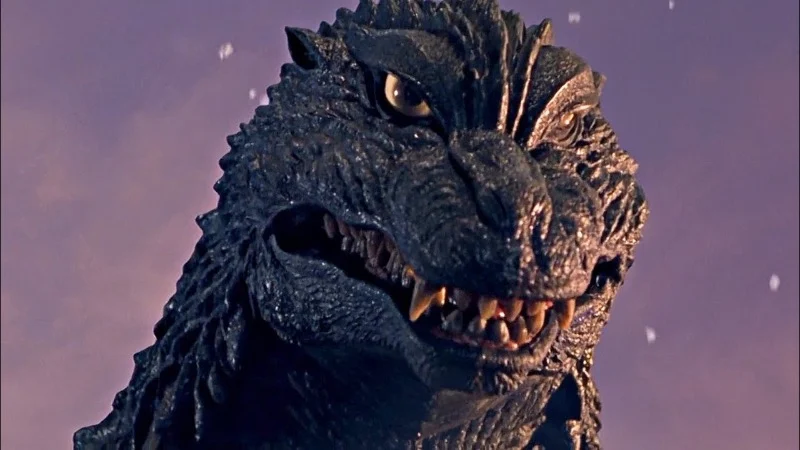
Appearing in ‘Godzilla Against Mechagodzilla’ and ‘Godzilla: Tokyo S.O.S.’, this incarnation battles the bio-mechanical Kiryu built from original Godzilla bones. It shrugs off maser fire and trades sustained beam volleys while remaining mobile along coastlines and urban centers. The dorsal-fin glow and atomic output cut through Kiryu’s armor when openings appear. Toho produced and distributed these Millennium entries across Japan with international releases following.
Legendary Godzilla ‘Godzilla’
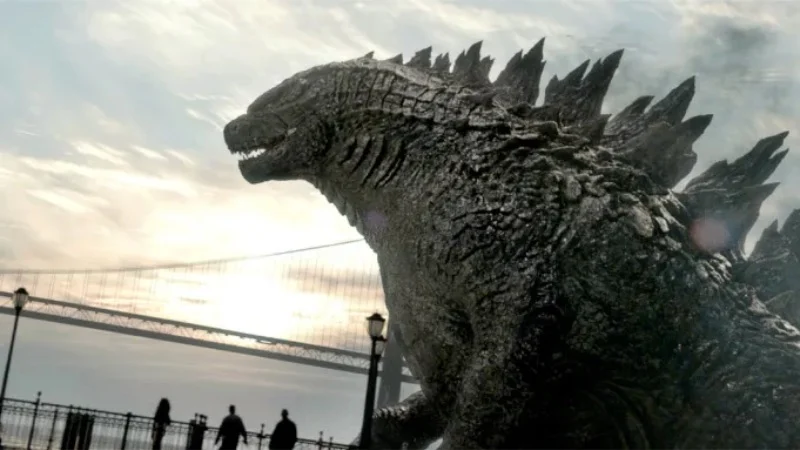
Legendary’s MonsterVerse introduced a massive amphibious apex predator that survives bunker-busting strikes and a point-blank nuclear detonation used as a jumpstart. Its atomic breath has city-block reach and precise cutting power as seen against the MUTOs. Strategic ocean travel and sonar hunting let it control engagements worldwide. Warner Bros. Pictures handled theatrical distribution for this franchise entry.
GMK Godzilla
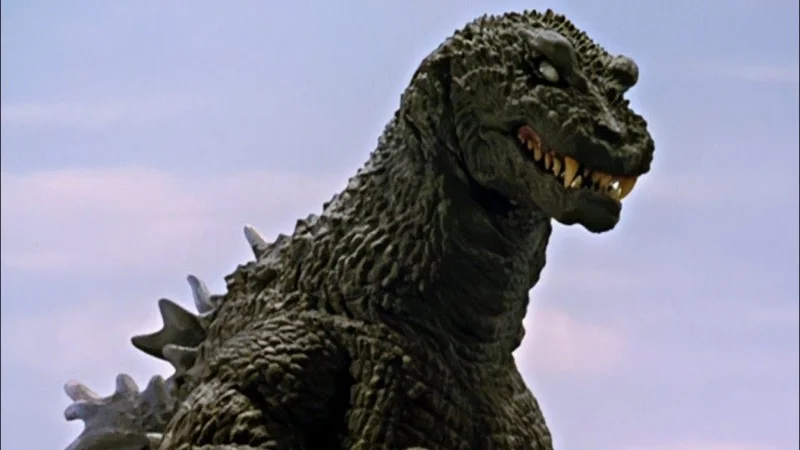
In ‘Godzilla, Mothra and King Ghidorah: Giant Monsters All-Out Attack’, Toho depicts a supernatural Godzilla empowered by vengeful spirits. It sports a denser hide, near-mythic stamina, and a beam that drills through Guardian Monsters at medium range. Even crippling internal injuries are needed to halt its rampage. Toho released the film domestically with subsequent home-video and festival circulation abroad.
Heisei Godzilla
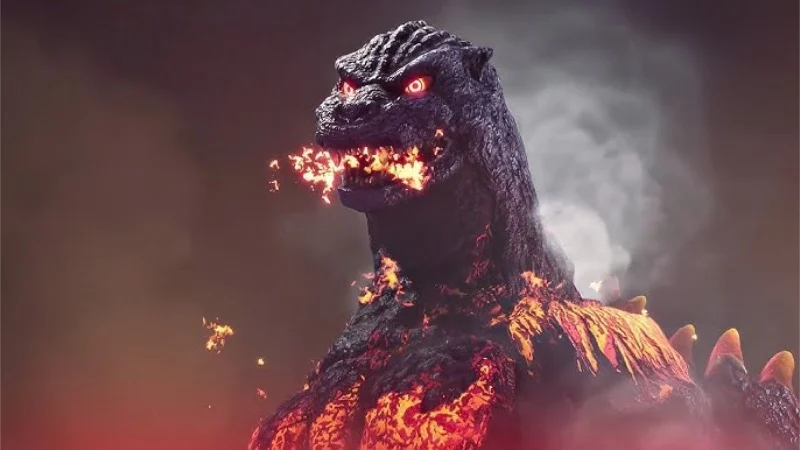
Across the Heisei cycle, Toho presents a consistently gigantic and radiation-rich Godzilla with a highly charged atomic ray and powerful spiral variants. It endures anti-nuclear energy weapons, volcanic entombment, and long-range aerial assaults. Its regeneration and nuclear heart create escalating power states during prolonged fights. International audiences met this era through Toho’s releases and overseas distribution partners.
Shin Godzilla
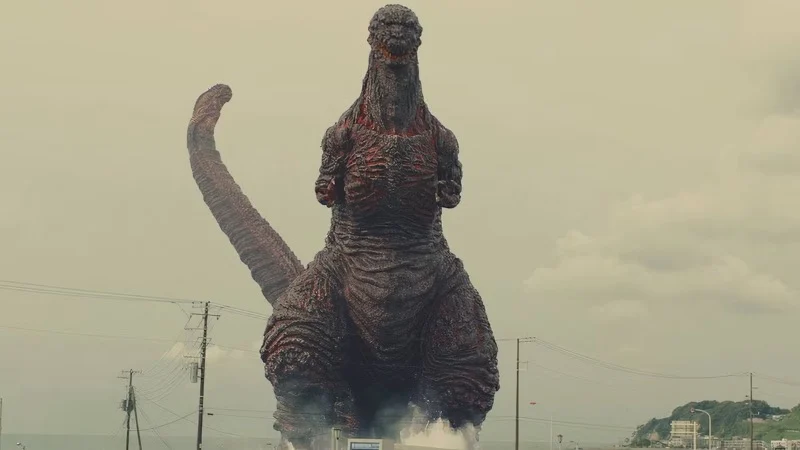
Toho’s ‘Shin Godzilla’ portrays a rapidly evolving organism capable of switching firing solutions from mouth beam to dorsal and tail arrays. The heat output slices skyscrapers and aircraft in a single sweep while the body vitrifies under focused fire. When cornered, it deploys area-denial plumes and can enter a hibernation state to survive coordinated strikes. Toho distributed the film in Japan while international theatrical runs included releases via Funimation.
Final Wars Godzilla
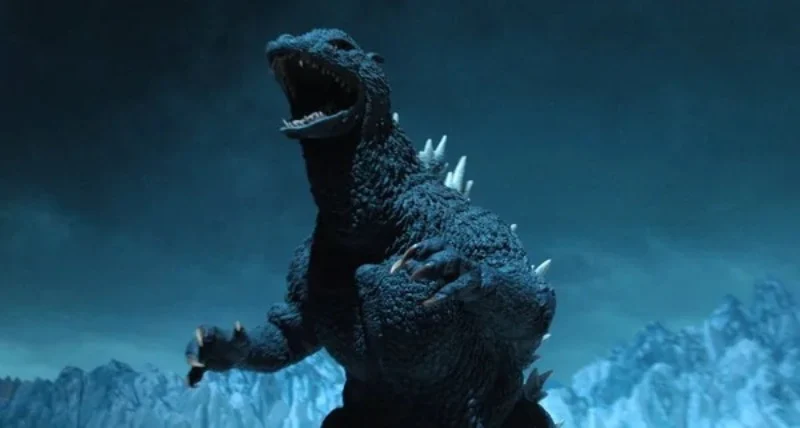
This hyper-athletic Millennium version exhibits superior speed, long-range beam accuracy, and endurance across a globe-trotting series of battles. It defeats a roster of kaiju with minimal downtime and resists space-borne weaponry from advanced invaders. Close-quarters power throws and tail strikes complement an upgraded atomic ray. Toho handled the theatrical release with worldwide circulation through partner distributors.
Godzilla Ultima
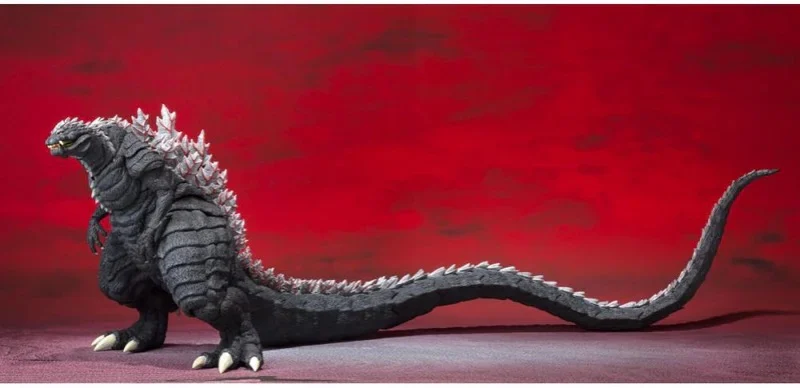
The TV anime ‘Godzilla Singular Point’ introduces a form that manipulates red dust and exhibits radical adaptability during combat. Its heat beam and expanding resonance effects rewrite the battlefield while the body self-optimizes between phases. Studio Bones and Orange animated the series, which aired in Japan and streamed globally on Netflix. This version’s scientific framing emphasizes scalable power as conditions shift.
MonsterVerse Godzilla ‘King of the Monsters’
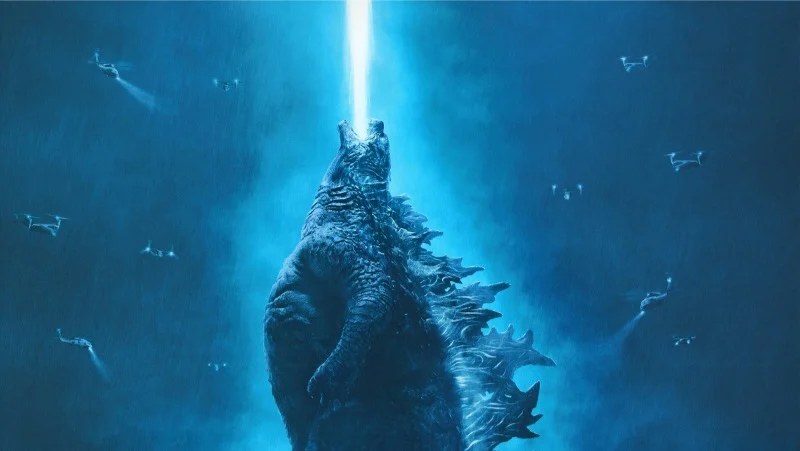
After a nuclear revitalization, this form unleashes rapid-fire atomic breath and area-wide pulses that counter airborne and multi-headed opponents. It absorbs and redirects energy during clashes with titans across storms and mountainous terrain. Naval task forces and Monarch support help stage fights on favorable terms. Warner Bros. Pictures and Legendary brought ‘Godzilla: King of the Monsters’ to theaters worldwide.
Thermonuclear Godzilla ‘King of the Monsters’
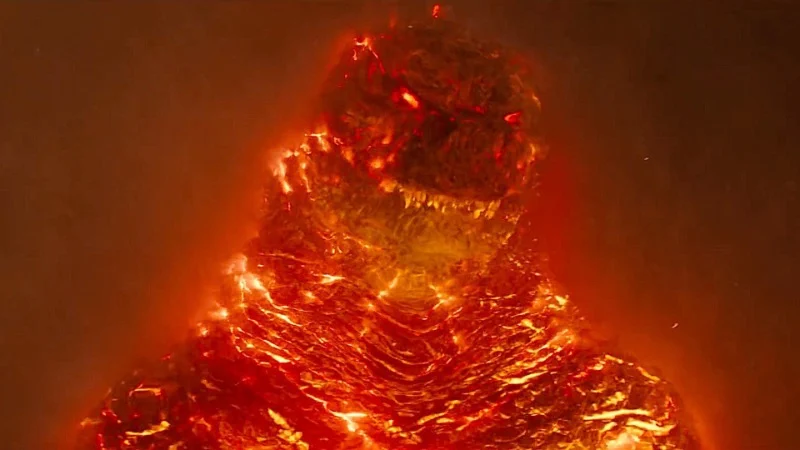
In its burning state, this form emits continuous heat waves that melt structures and destabilize nearby kaiju before contact. The body vents explosive pulses that overwhelm durable opponents at close range. The transformation is time-limited and linked to extreme radiation intake that spurs a final power spike. Warner Bros. Pictures distributed this phase on the big screen as part of Legendary’s MonsterVerse.
MonsterVerse Godzilla Heat Mode
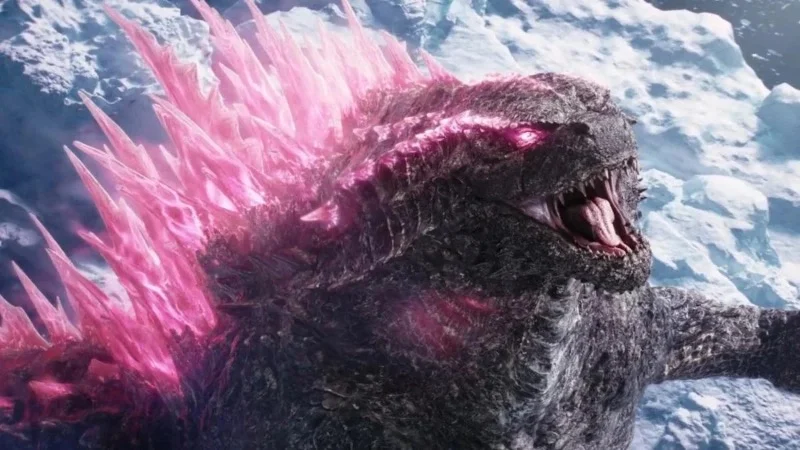
Seen in ‘Godzilla x Kong: The New Empire’, this state charges the dorsal fins and amplifies beam output for extended sequences inside and outside the Hollow Earth. The creature’s speed increases during charges while pulses gain wider reach in confined spaces. Coordination with allied titans allows combined finishers that exploit this overclocked state. Warner Bros. Pictures and Legendary released this entry in theaters around the world.
Godzilla Earth
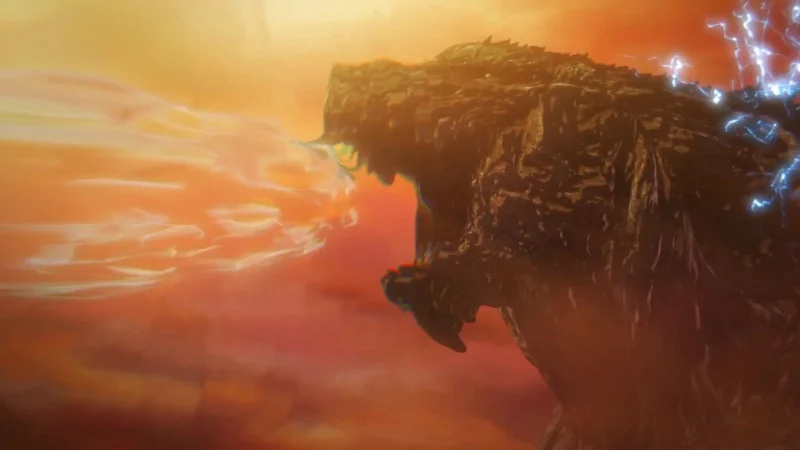
The anime film trilogy presents the largest on-screen Godzilla whose plant-metal body towers over cities with near-immunity to conventional and advanced weapons. Its electromagnetic shield deflects bombardment while the charged particle beam erases targets across vast distances. Attempts to defeat it require terraforming strategies rather than direct confrontation. Polygon Pictures produced the trilogy with Toho handling Japanese distribution and Netflix streaming the films globally.
Share your own power rankings of Godzilla forms in the comments and tell us which version you think dominates the rest.