All 37 MCU Movies Ranked From Worst to Best

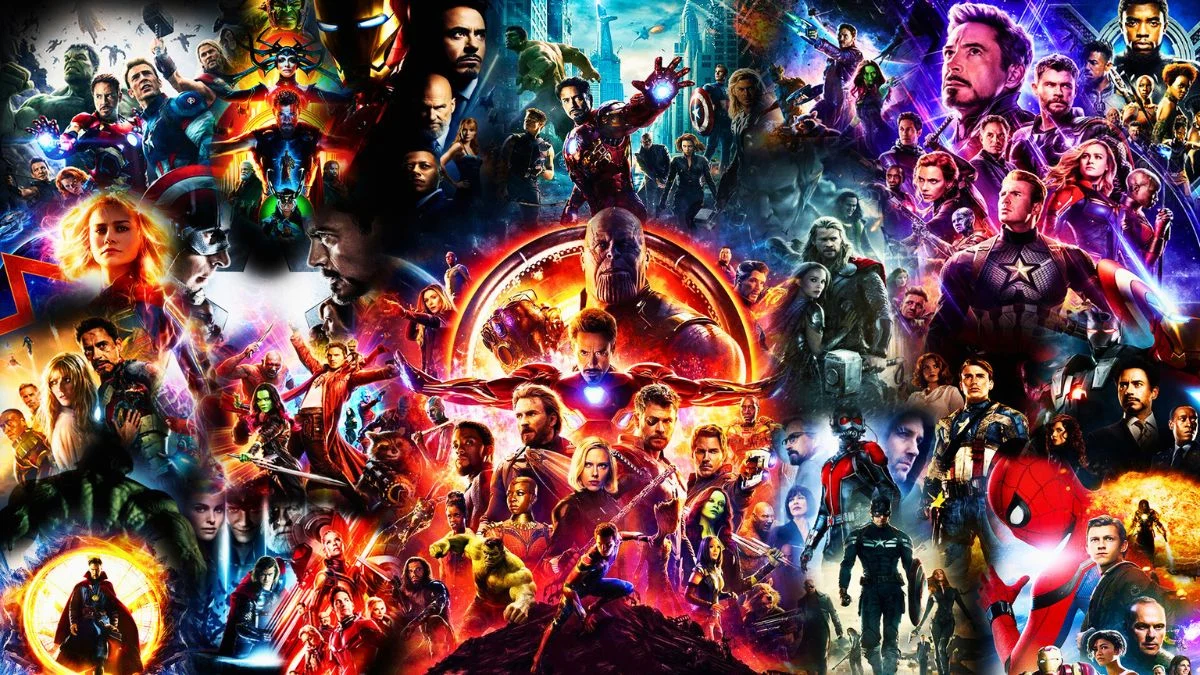

From the Infinity Saga to the Multiverse era, the Marvel Cinematic Universe has stacked up an impressive run of interconnected stories, post-credit teases, and box-office milestones. Here is every MCU movie to date ranked in a countdown, ending with the most acclaimed entry. Each blurb highlights core details like cast, plot setup, and franchise context so you can quickly see what each film contributes to the larger universe.
‘Thor: Love and Thunder’ (2022)
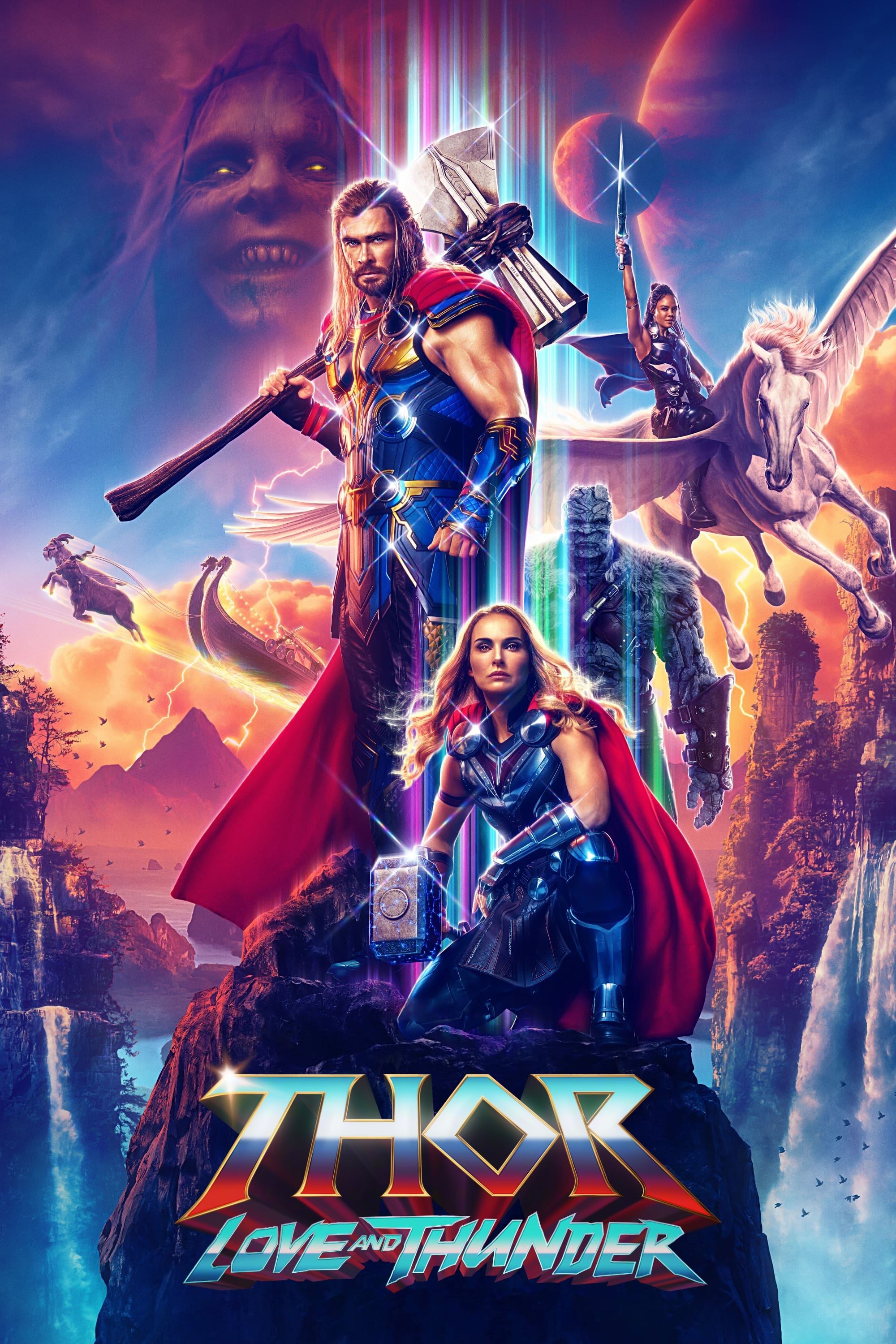
Thor reunites with Dr. Jane Foster who now wields Mjolnir as the Mighty Thor while Gorr targets gods across the cosmos. The plot revisits New Asgard and introduces Omnipotence City as a divine hub. Stormbreaker and Mjolnir lore expands with enchantment rules and worthiness dynamics. The finale seeds a new heroic figure tied to a major deity.
‘The Marvels’ (2023)
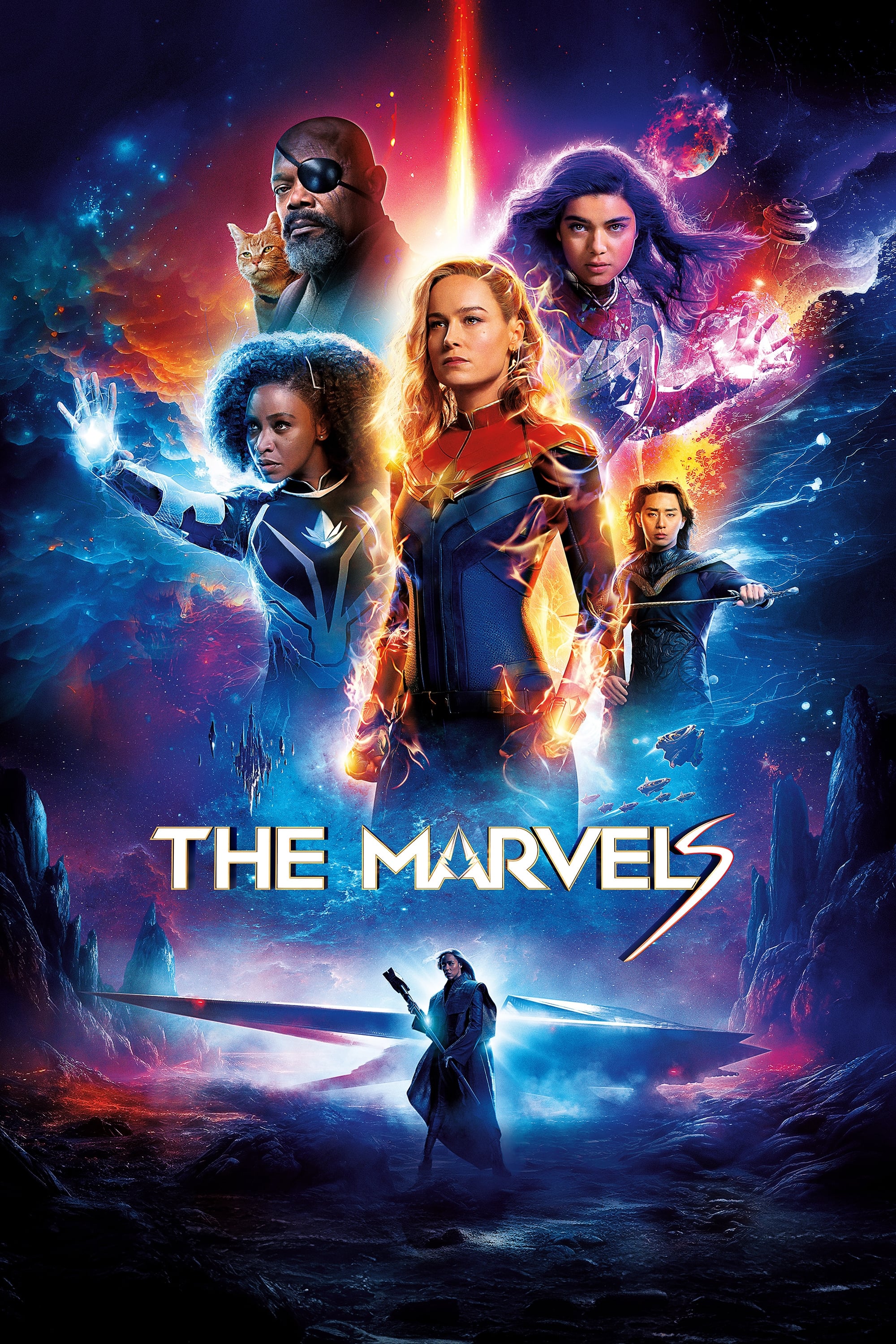
Carol Danvers teams up with Monica Rambeau and Kamala Khan when their powers become entangled during a jump-point anomaly. The film builds directly on events from ‘WandaVision’ and ‘Ms. Marvel’ and expands Kree and Skrull politics. It features cosmic set pieces that stitch together Earth and space locations through teleporting action. A mid-credits sting sets up a bigger multiverse thread with a surprise cameo.
‘Ant-Man and the Wasp: Quantumania’ (2023)
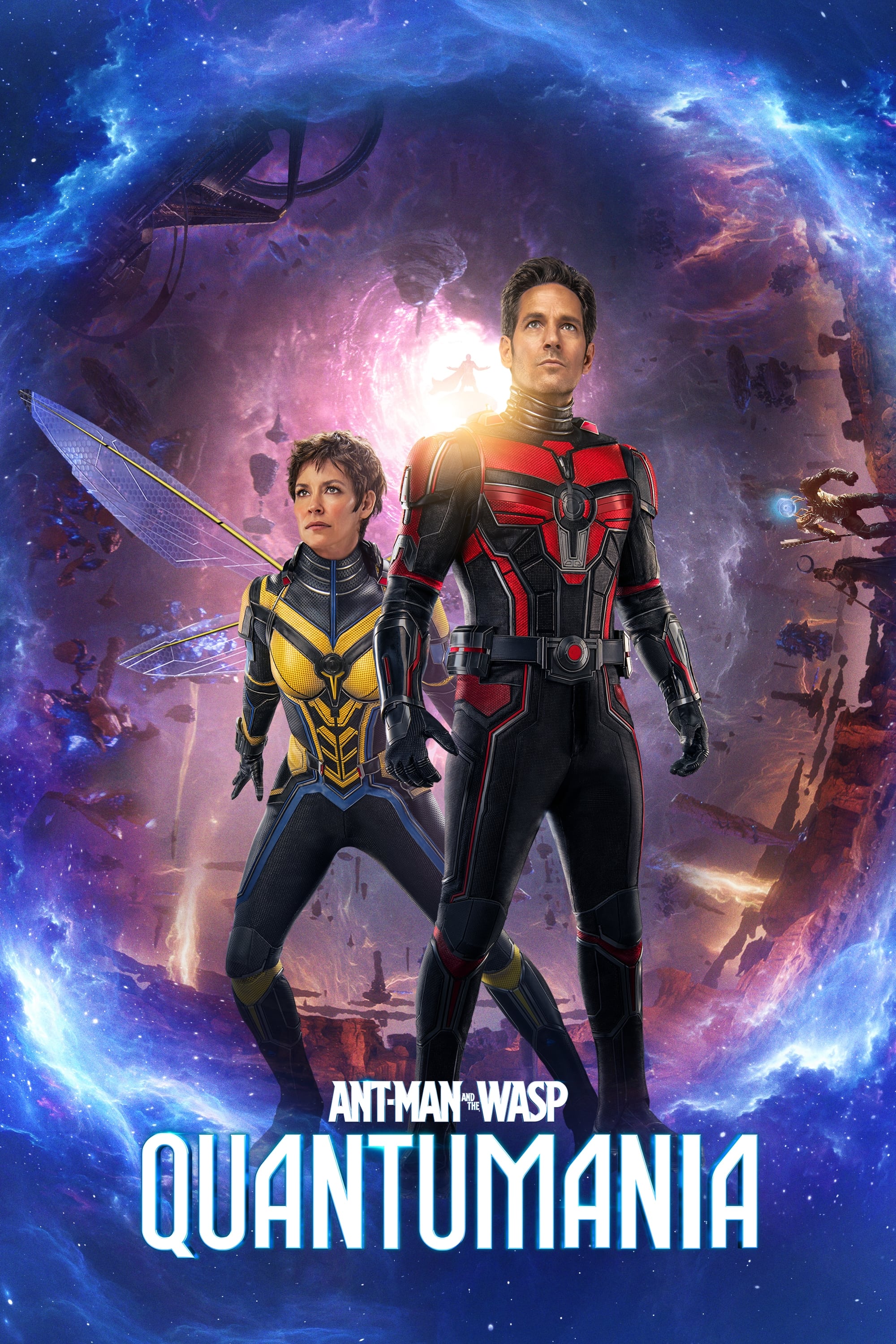
Scott Lang and Hope van Dyne dive into the Quantum Realm with the Pym family and encounter Kang the Conqueror. The movie formally introduces Kang’s dynasty as a phase-level threat after earlier teases. It leans heavily into sci-fantasy worldbuilding with new civilizations and bizarre creatures. The ending sets the stage for wider multiverse consequences through council teases and variants.
‘Eternals’ (2021)
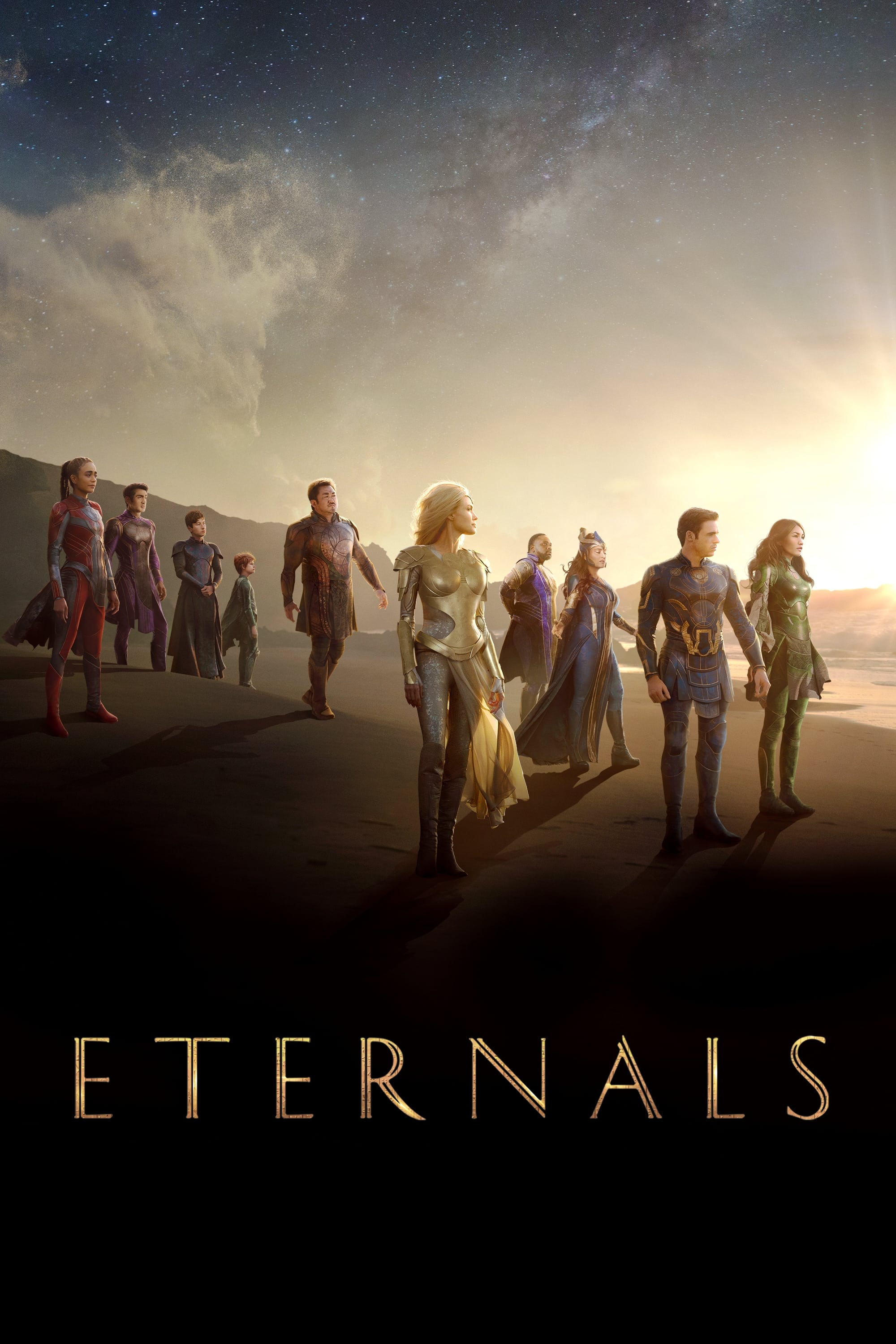
A hidden group of immortal beings emerges to stop the Emergence after centuries of secrecy. The film traces MCU prehistory across ancient civilizations and reveals Celestials as universal architects. It adds the concept of Deviants, memory resets, and planet-seeding to the canon. Post-credits scenes unveil new cosmic players and a cursed blade with deep lineage.
‘The Incredible Hulk’ (2008)
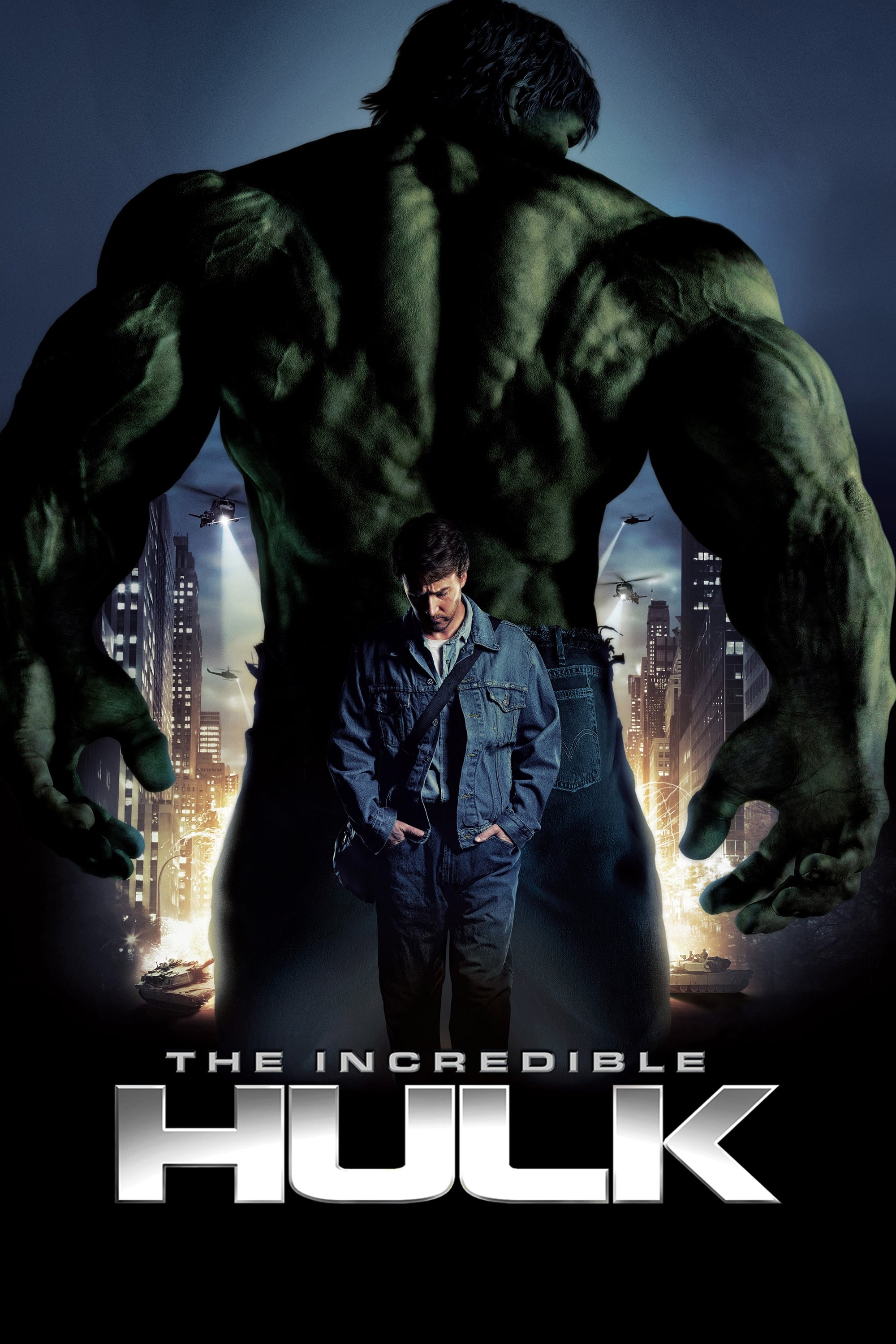
Bruce Banner seeks a cure while evading General Ross and confronting the Abomination. This early chapter sets up Stark’s outreach program and introduces super-soldier serum side effects. It establishes the MCU’s take on gamma exposure and fugitive hero storytelling. Later projects pick up Ross, Blonsky, and university incidents as recurring threads.
‘Iron Man 2’ (2010)
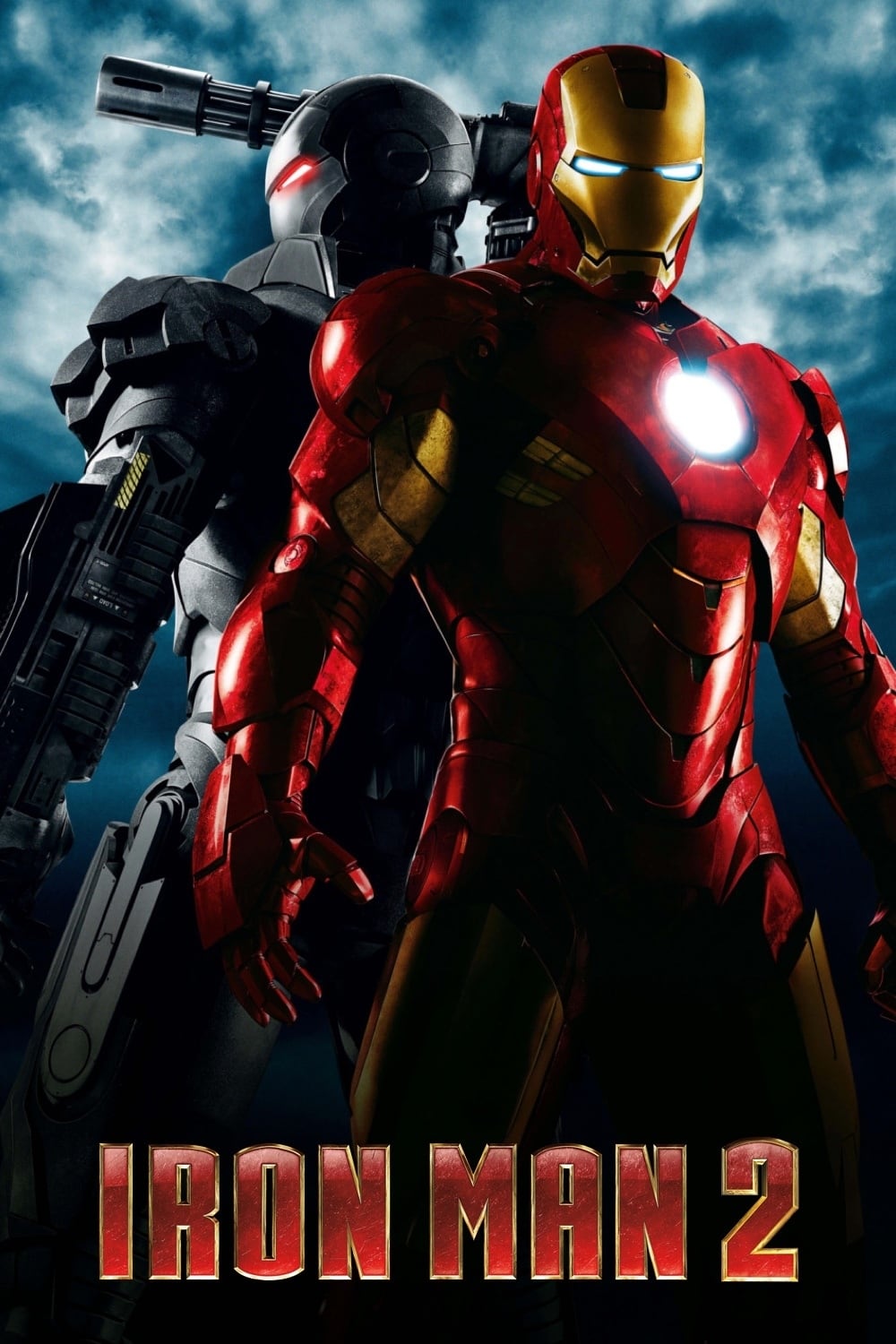
Tony Stark battles palladium poisoning, a vengeful inventor, and corporate rival Justin Hammer. The movie debuts Natasha Romanoff as an undercover S.H.I.E.L.D. operative and expands the Avengers Initiative. It tests the limits of arc-reactor tech with the Mark V suitcase suit and drone warfare. Rhodey officially becomes War Machine with a government-issued armor loadout.
‘Thor: The Dark World’ (2013)
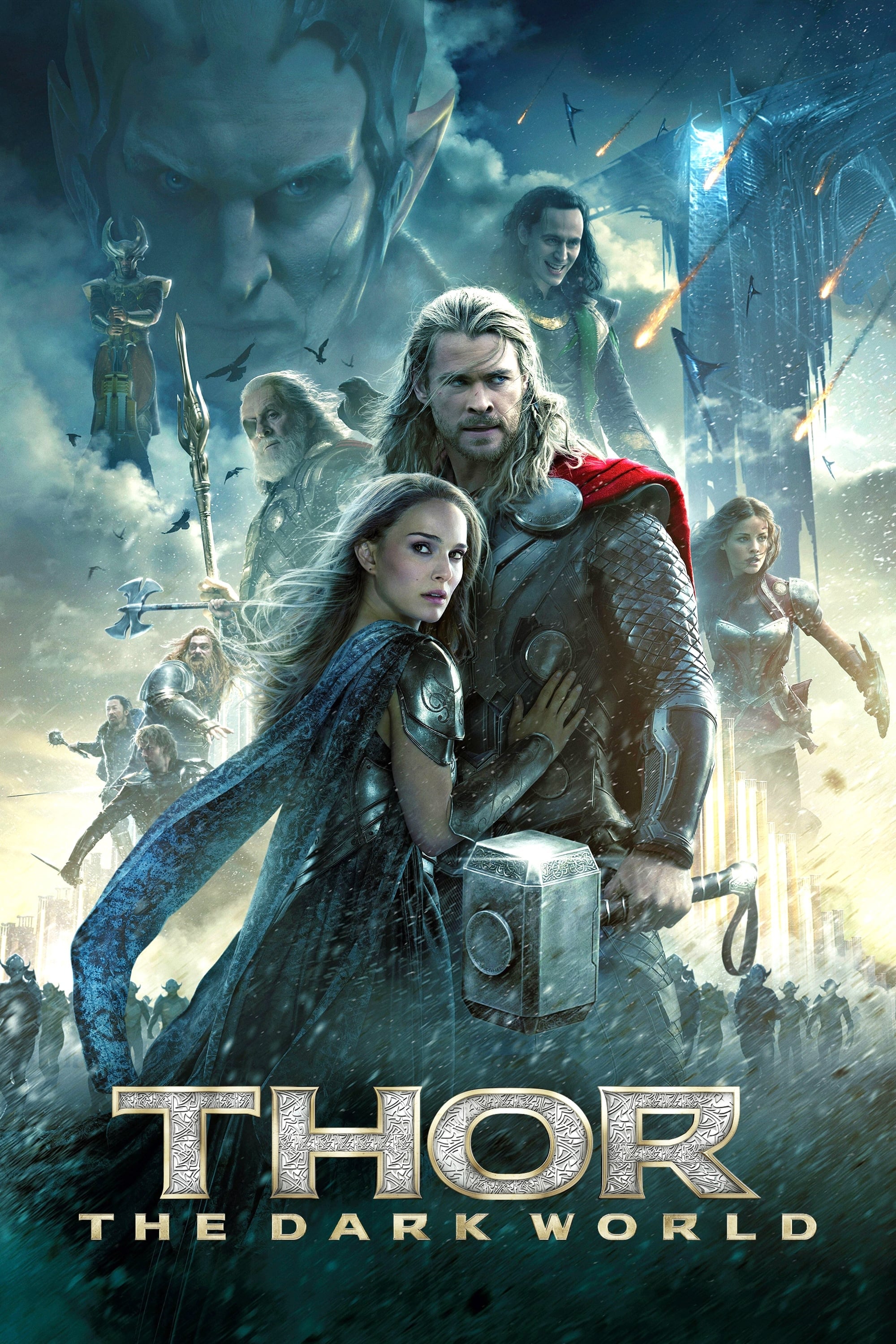
Dark Elf leader Malekith hunts the Aether as the Nine Realms converge during the Convergence. The film reframes the Aether as the Reality Stone, clarifying Infinity Stone taxonomy. Loki’s shifting loyalties reshape Asgard’s political future through a disguised coup. The post-credits Collector handoff moves the Stones into play for later arcs.
‘Ant-Man and the Wasp’ (2018)
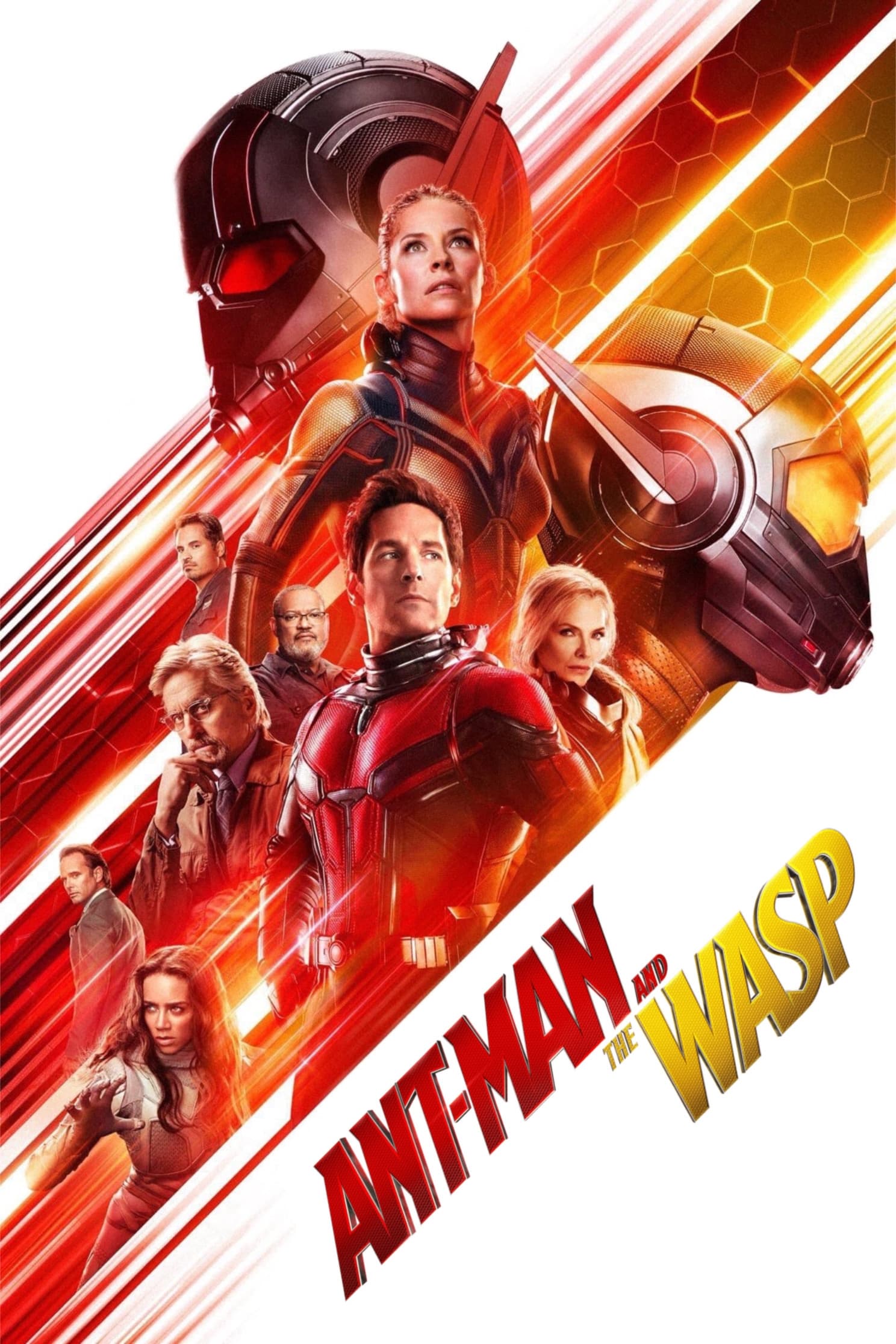
Scott Lang partners with Hope to rescue Janet van Dyne from the Quantum Realm. The story formalizes Quantum tunneling, entanglement, and time-dilation mechanics. Ghost’s phasing condition introduces quantum-healing stakes tied to unstable energy. A key tag scene syncs the cast’s fate with the Snap timeline.
‘Captain Marvel’ (2019)
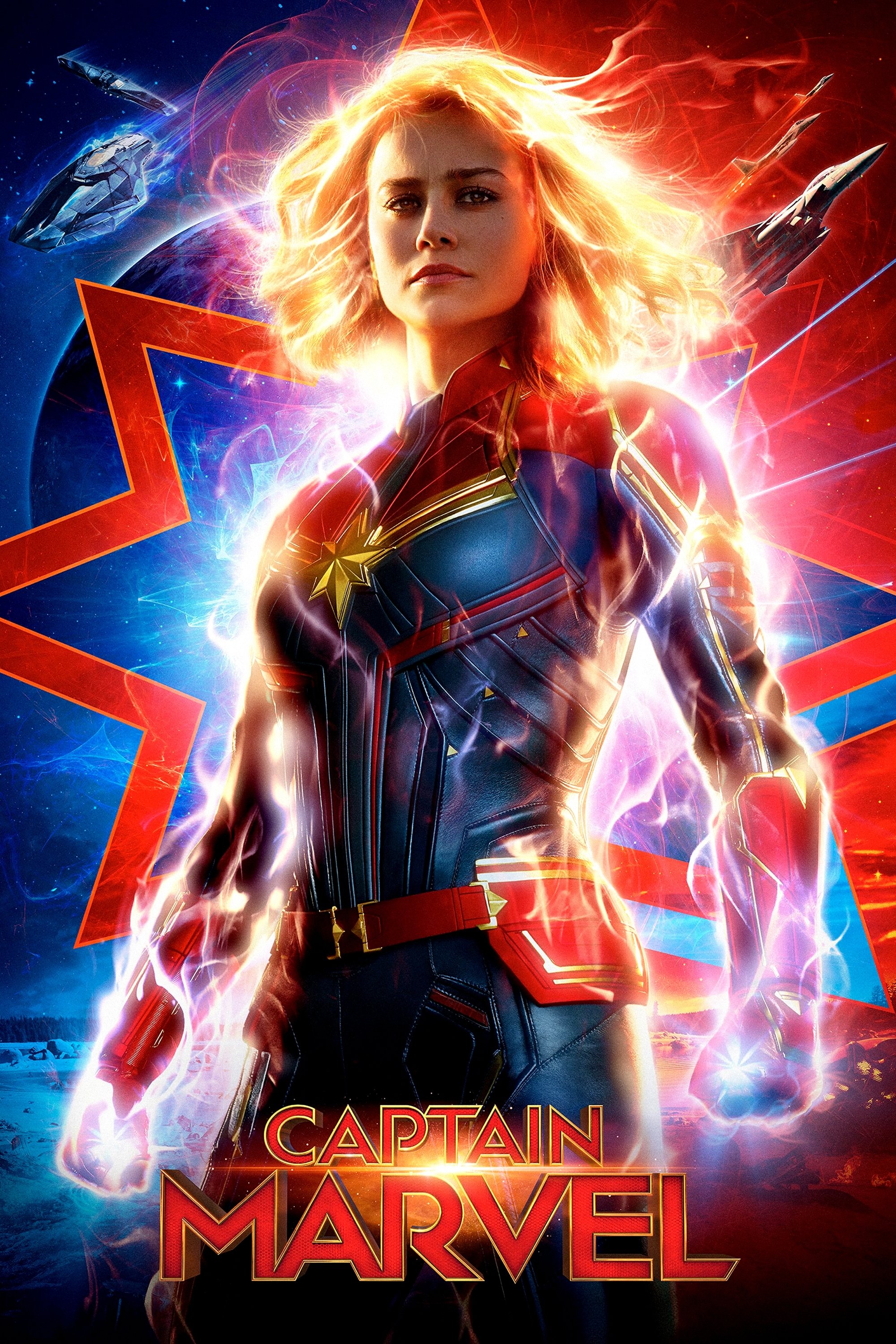
Carol Danvers unlocks her past while caught between Kree and Skrull agendas in the 1990s. The film explains the Tesseract’s path and gives Fury his origin with the pager beacon. It establishes light-speed engine tech and binary powers for deep-space combat. The de-aged S.H.I.E.L.D. era anchors several later callbacks and characters.
‘Black Widow’ (2021)
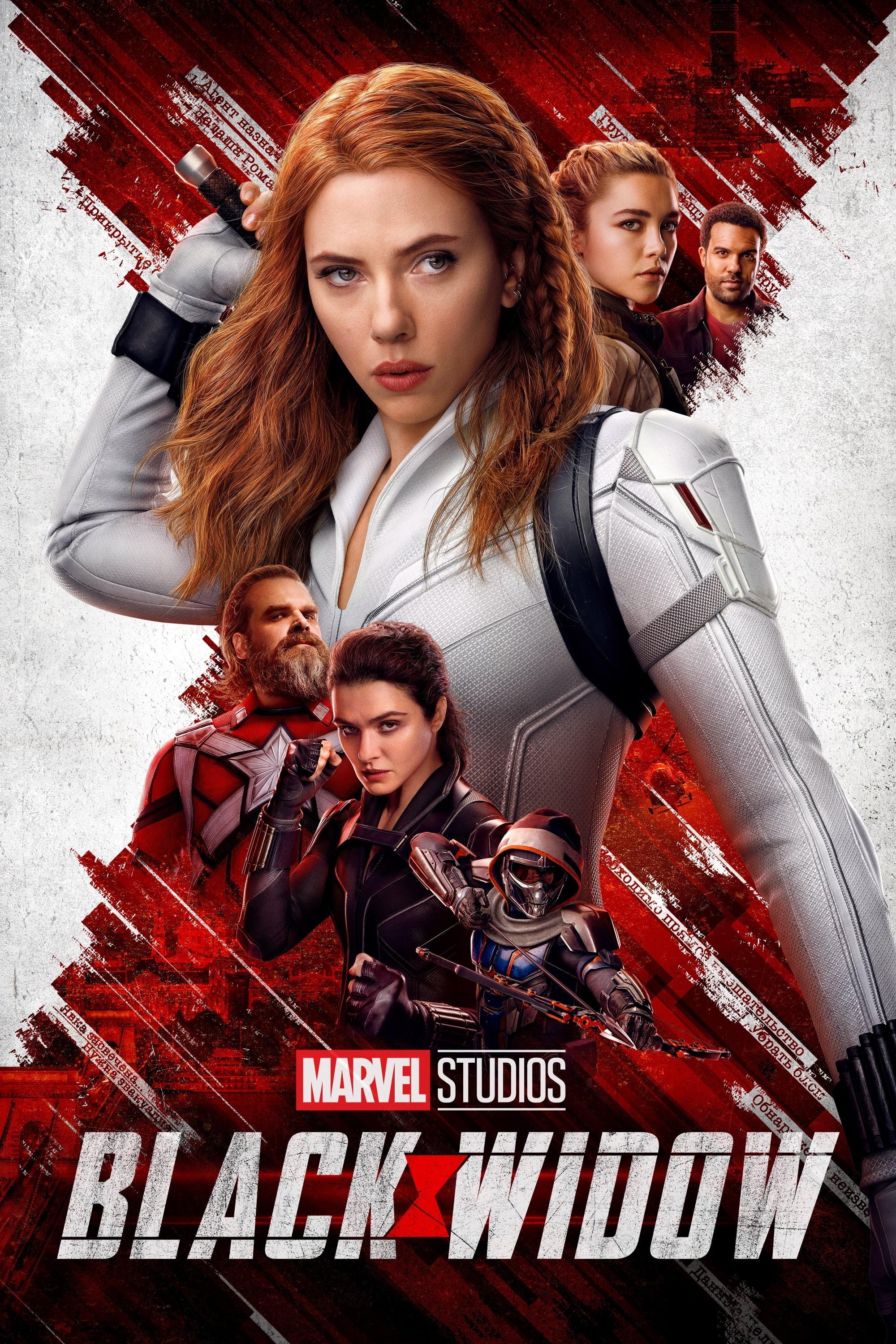
Natasha Romanoff confronts the Red Room program and family ties between ‘Civil War’ and ‘Infinity War’. The plot details Widows’ chemical subjugation and global sleeper networks. Yelena Belova, Red Guardian, and Melina Vostokoff expand Russia-set spy history. A tag connects Yelena to a recruiter who assembles morally gray teams.
‘Doctor Strange in the Multiverse of Madness’ (2022)
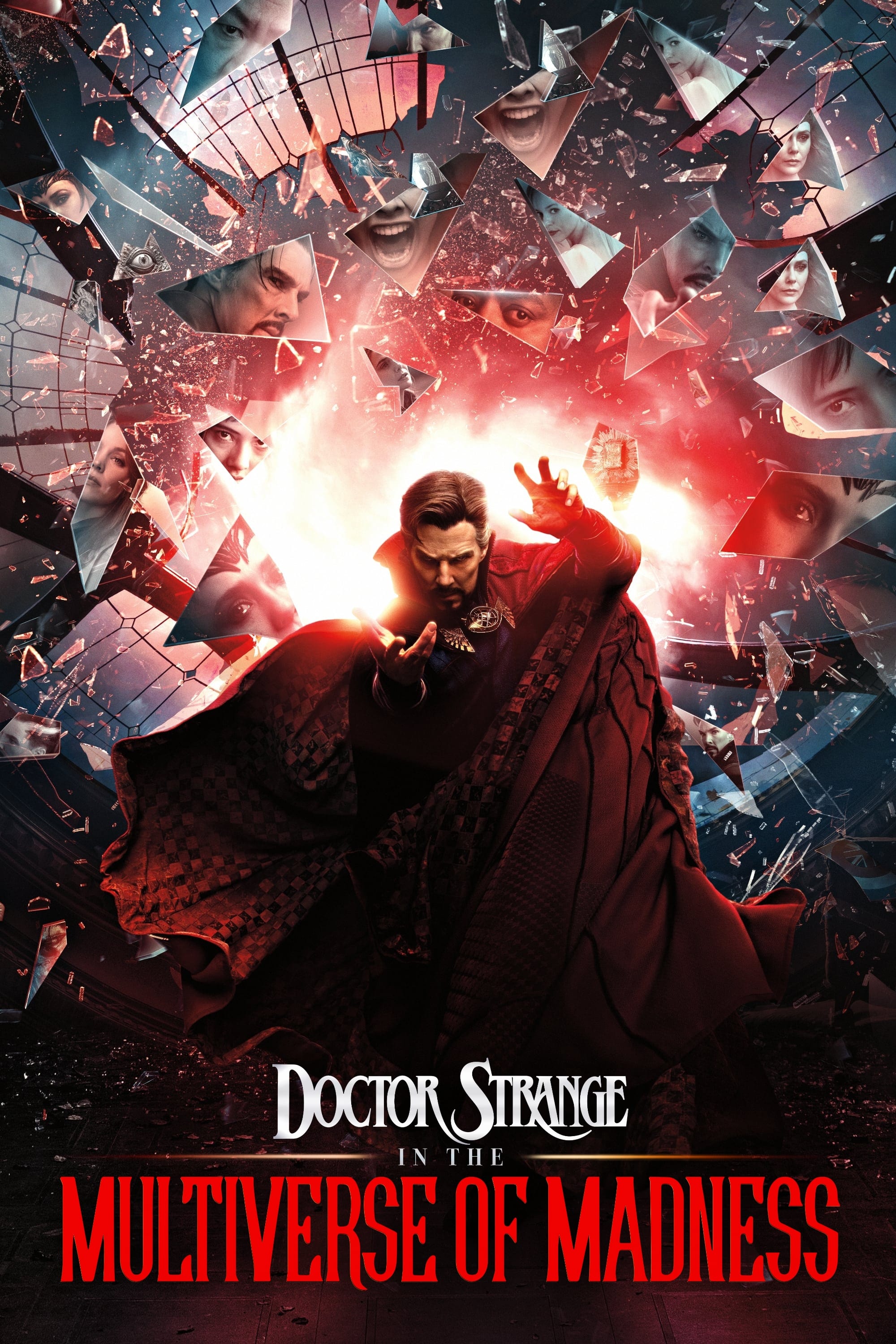
Stephen Strange seeks the Book of Vishanti to protect America Chavez from a corrupted Scarlet Witch. The film codifies incursions, dream-walking, and universe designations. It features a tribunal of variant heroes to showcase multiverse governance. Darkhold lore and Mount Wundagore history deepen mystical rules for later threats.
‘Thor’ (2011)
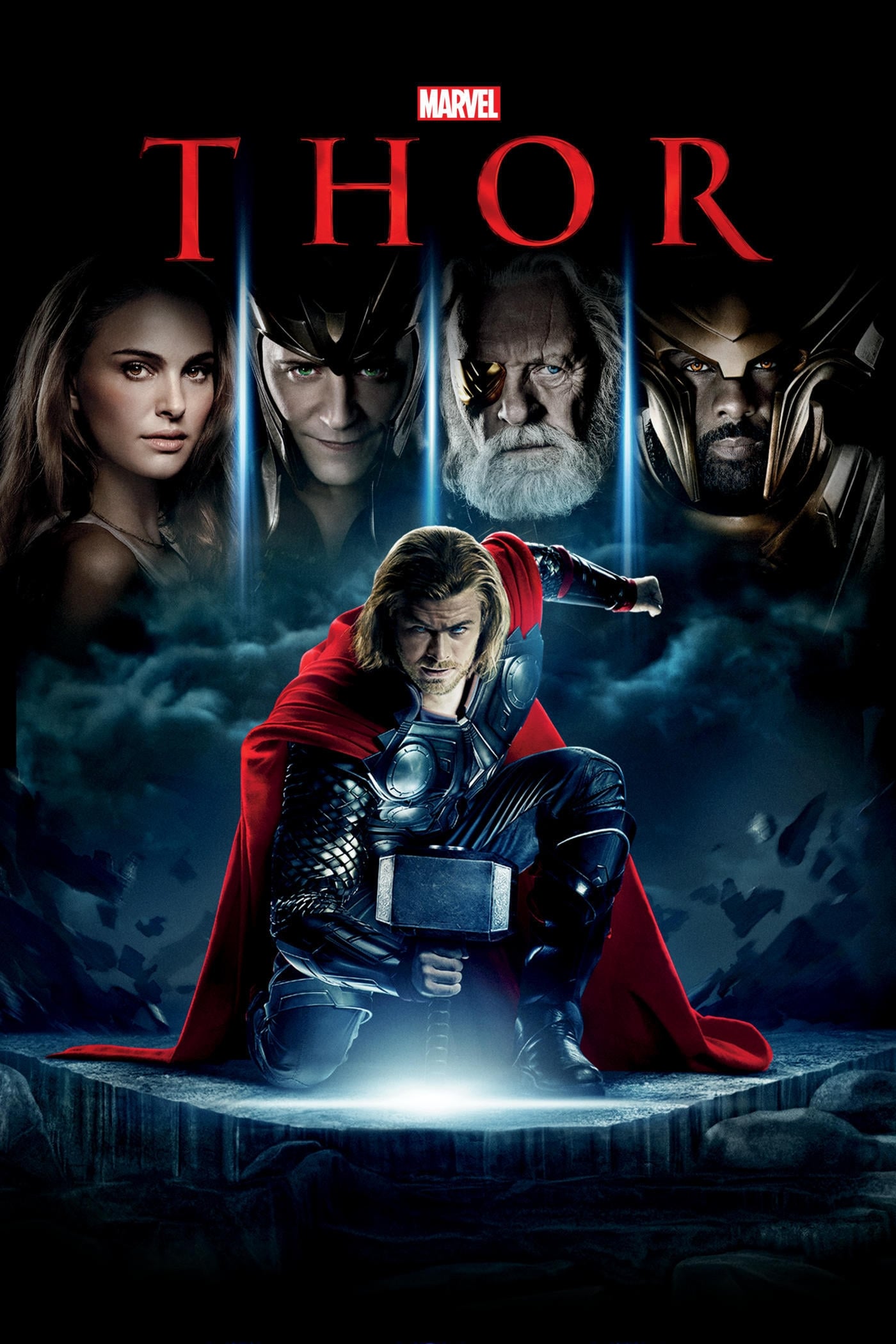
Exiled to Earth, Thor learns humility while Loki maneuvers for Asgard’s throne. The movie introduces the Bifrost as an interrealm transport and Odin’s enchantment rules. It establishes S.H.I.E.L.D.’s artifact containment through a New Mexico site. The post-credits tease sets up a cosmic cube study that becomes pivotal later.
‘Captain America: The First Avenger’ (2011)
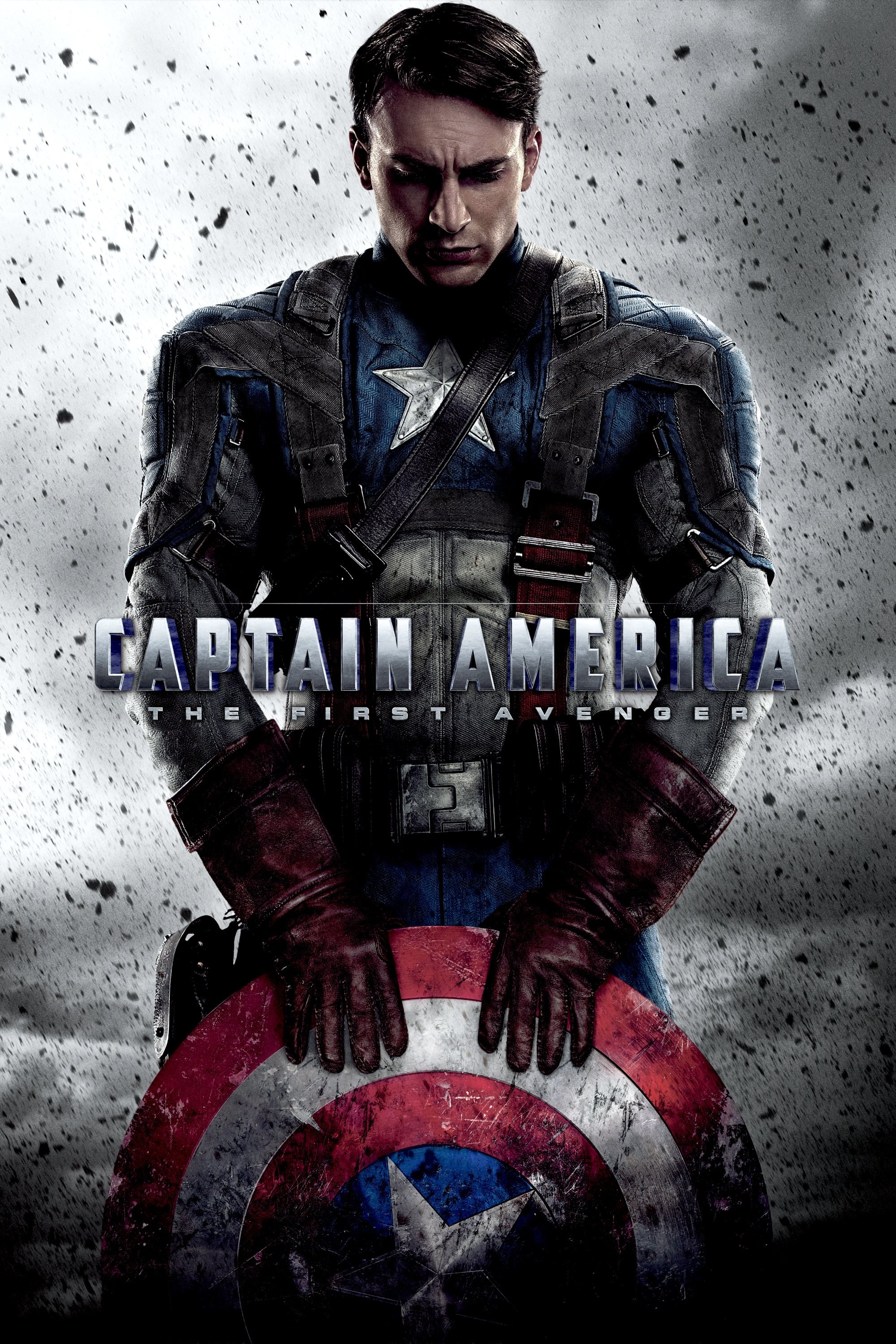
Steve Rogers volunteers for Project Rebirth and battles Hydra under Johann Schmidt. The film introduces the super-soldier serum, vibranium, and the Tesseract’s wartime history. It explains how S.H.I.E.L.D. recovers the shield and a frozen Steve for the modern era. Peggy Carter’s SSR work spawns future intelligence organizations on screen.
‘Iron Man 3’ (2013)
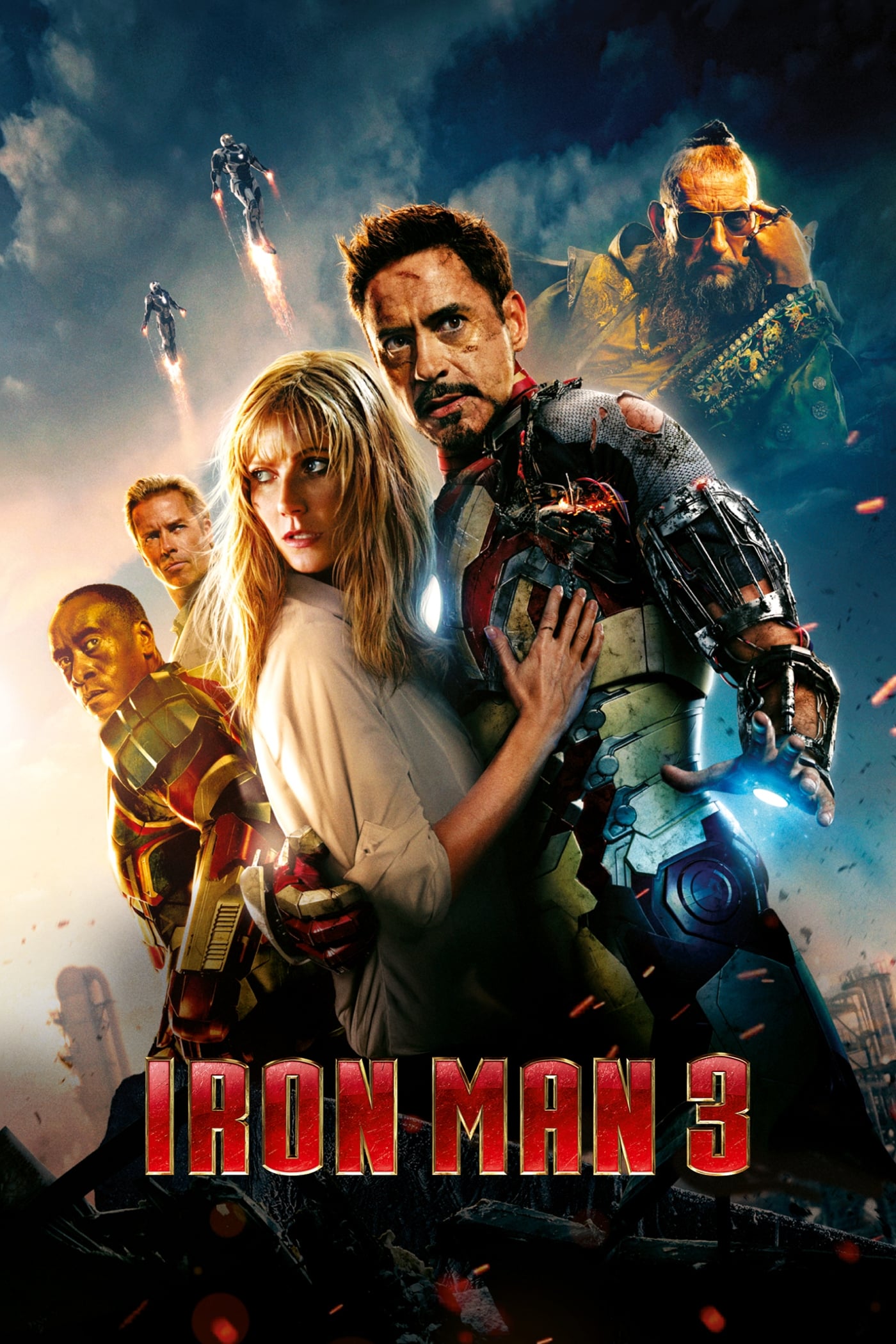
Tony Stark confronts PTSD and Extremis after the Battle of New York. The story explores autonomous armor protocols and remote piloting through the House Party Protocol. Extremis biology presents regenerative enhancements with instability risks. A coda resolves Tony’s reactor dependency while seeding future armor evolution.
‘Ant-Man’ (2015)
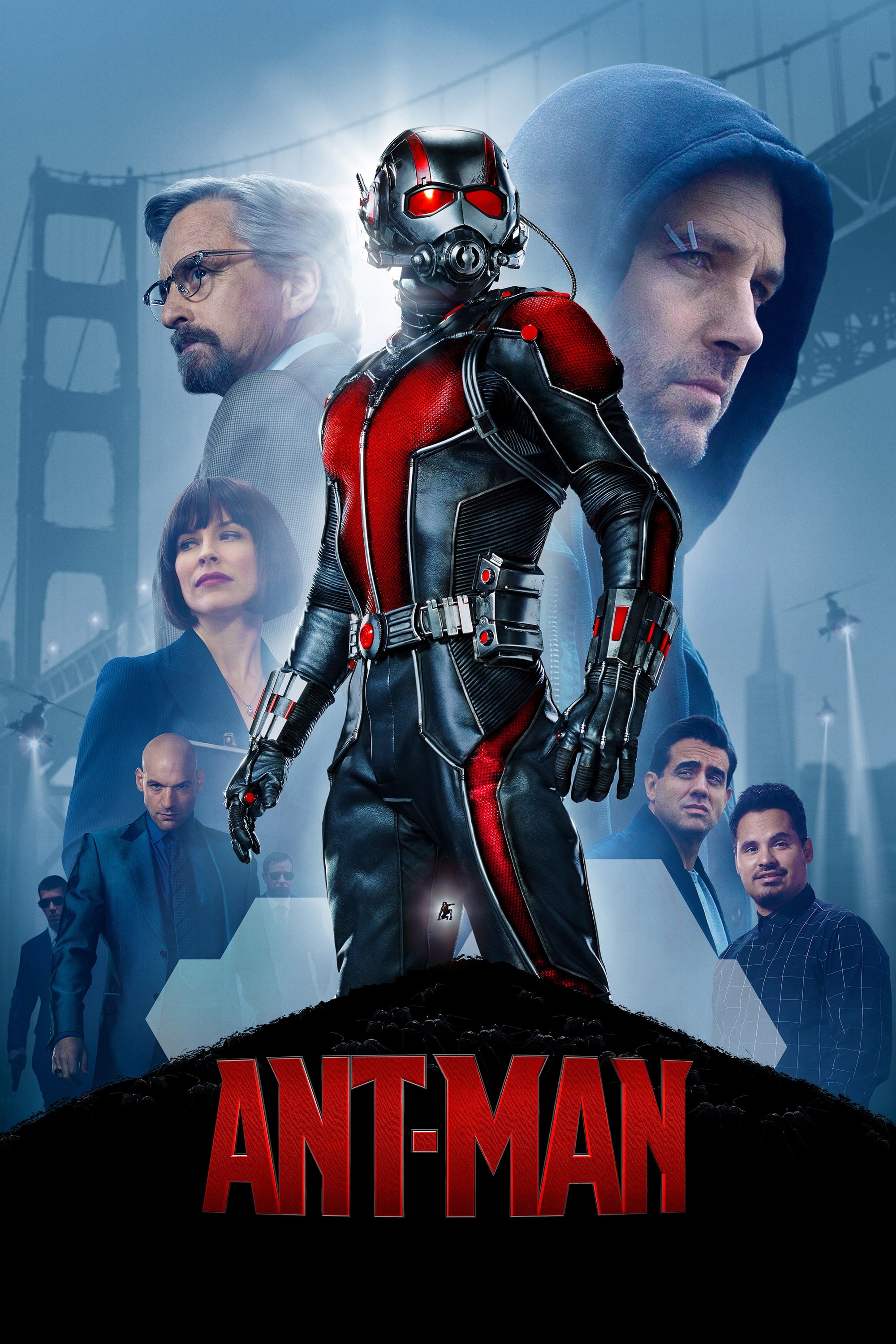
Scott Lang learns Pym Particles and quantum tunneling through a heist scheme targeting Yellowjacket tech. The film explains mass-density conservation during size shifting and ant telepathy. It integrates the Avengers through a Falcon facility crossover. Quantum groundwork here leads directly to Endgame’s time-heist mechanics.
‘Spider-Man: Far From Home’ (2019)
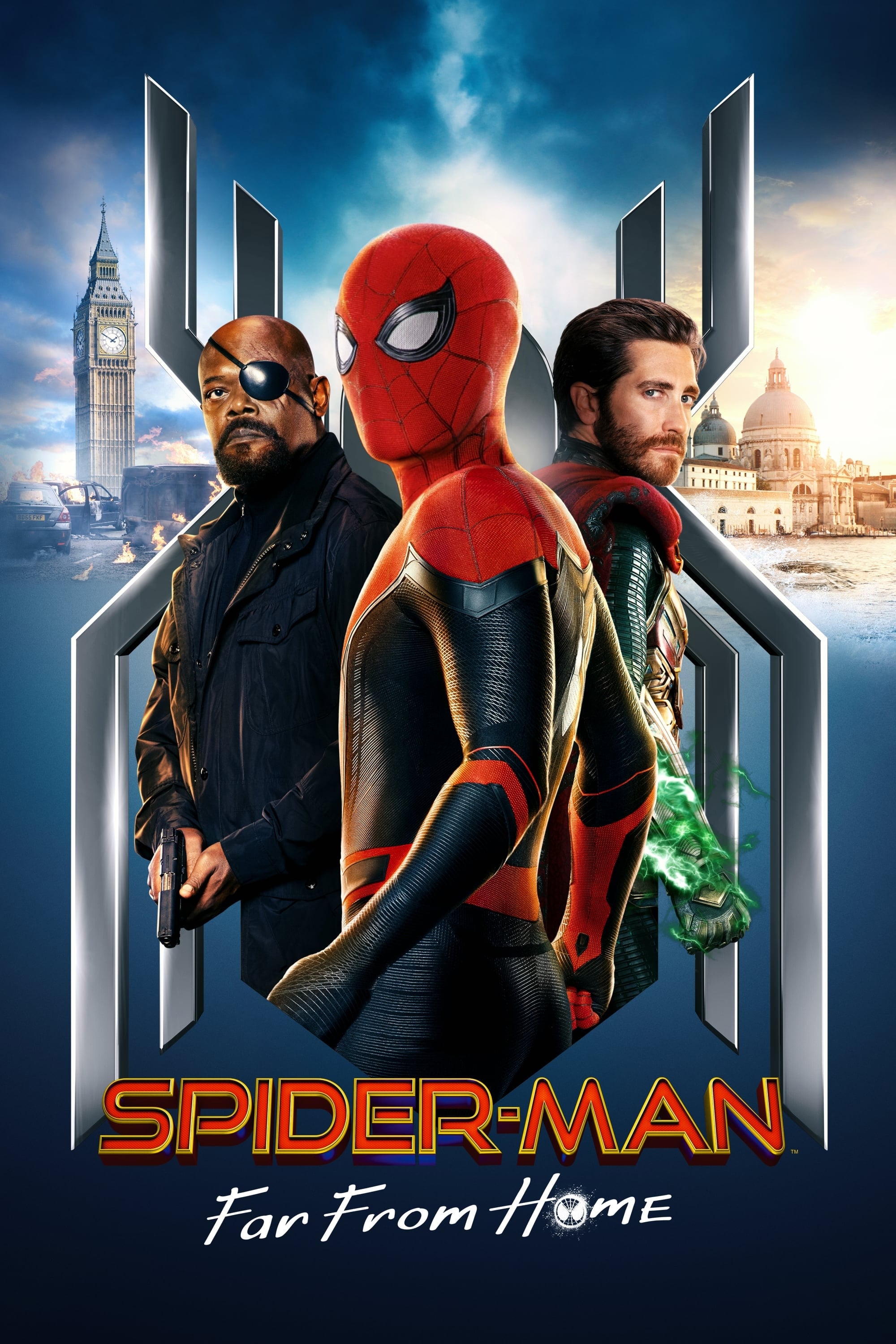
Peter Parker battles illusions engineered by Mysterio across Europe. The plot shows weaponized drone holography and Stark tech misuse. Mid-credits identity exposure rewires Spider-Man’s role in the MCU. The film’s tag formally opens the door to off-world leadership for a major agent.
‘Spider-Man: Homecoming’ (2017)

Peter balances high school life with mentorship from Tony Stark while chasing the Vulture. Ground-level salvage operations tie alien tech to street crime after ‘The Avengers’. The movie formalizes the Sokovia Accords’ practical effects on small-time heroes. It keeps the action neighborhood-focused while stitching Spider-Man into MCU continuity.
‘Black Panther: Wakanda Forever’ (2022)
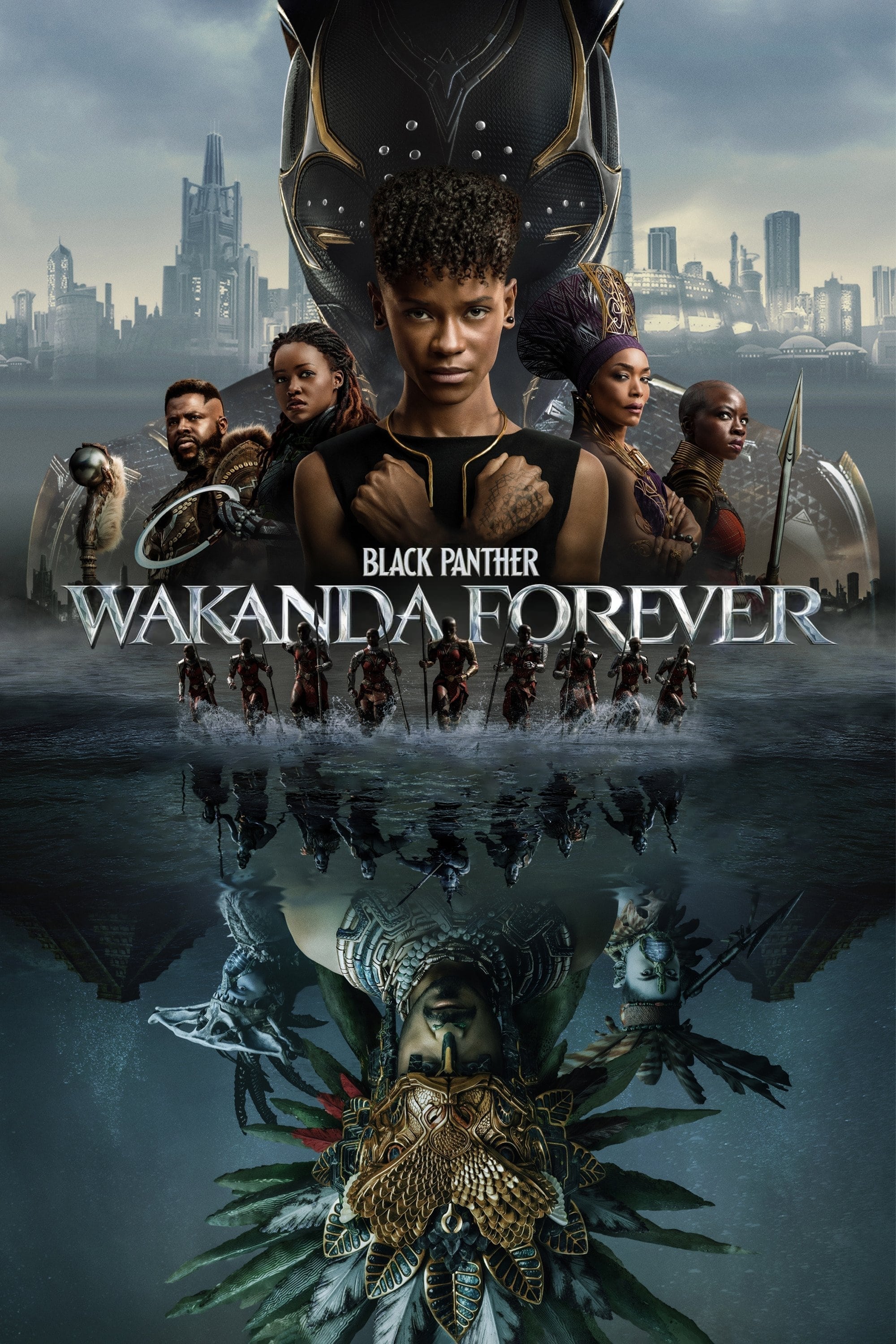
Wakanda faces geopolitical pressure and a hidden Talokan civilization after T’Challa’s passing. The film introduces vibranium detection tech that triggers undersea conflict. Riri Williams debuts a prototype suit that nods to future armor stories. New leadership structures reshape Wakanda’s place in the global order.
‘Doctor Strange’ (2016)
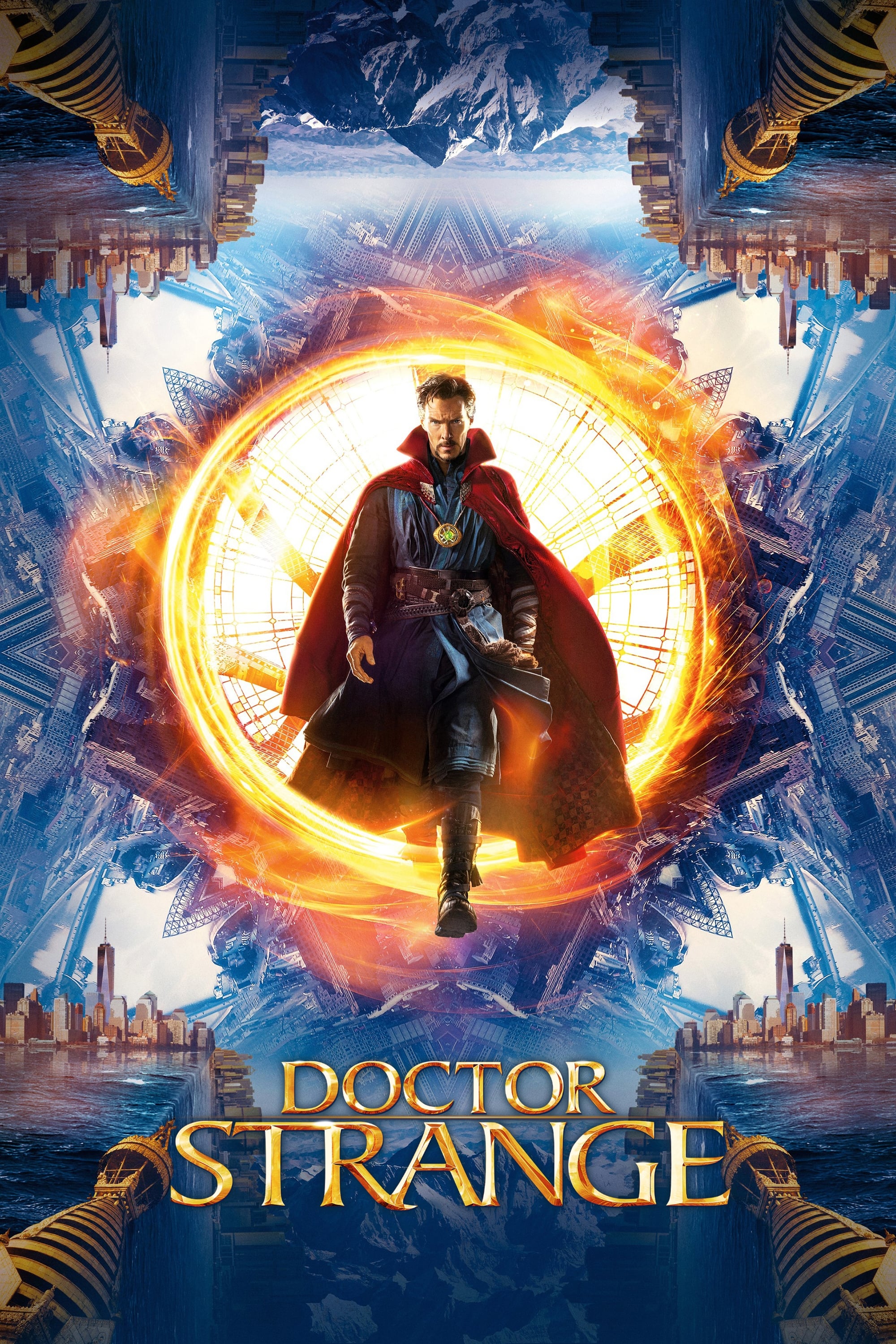
A surgeon learns sorcery under the Ancient One and confronts Kaecilius and Dormammu. The movie establishes the Mirror Dimension, sling rings, and time-loop bargaining. It lays the foundation for the Sanctum network and multiverse defenses. The Time Stone’s custodianship begins here and flows into later battles.
‘Shang-Chi and the Legend of the Ten Rings’ (2021)
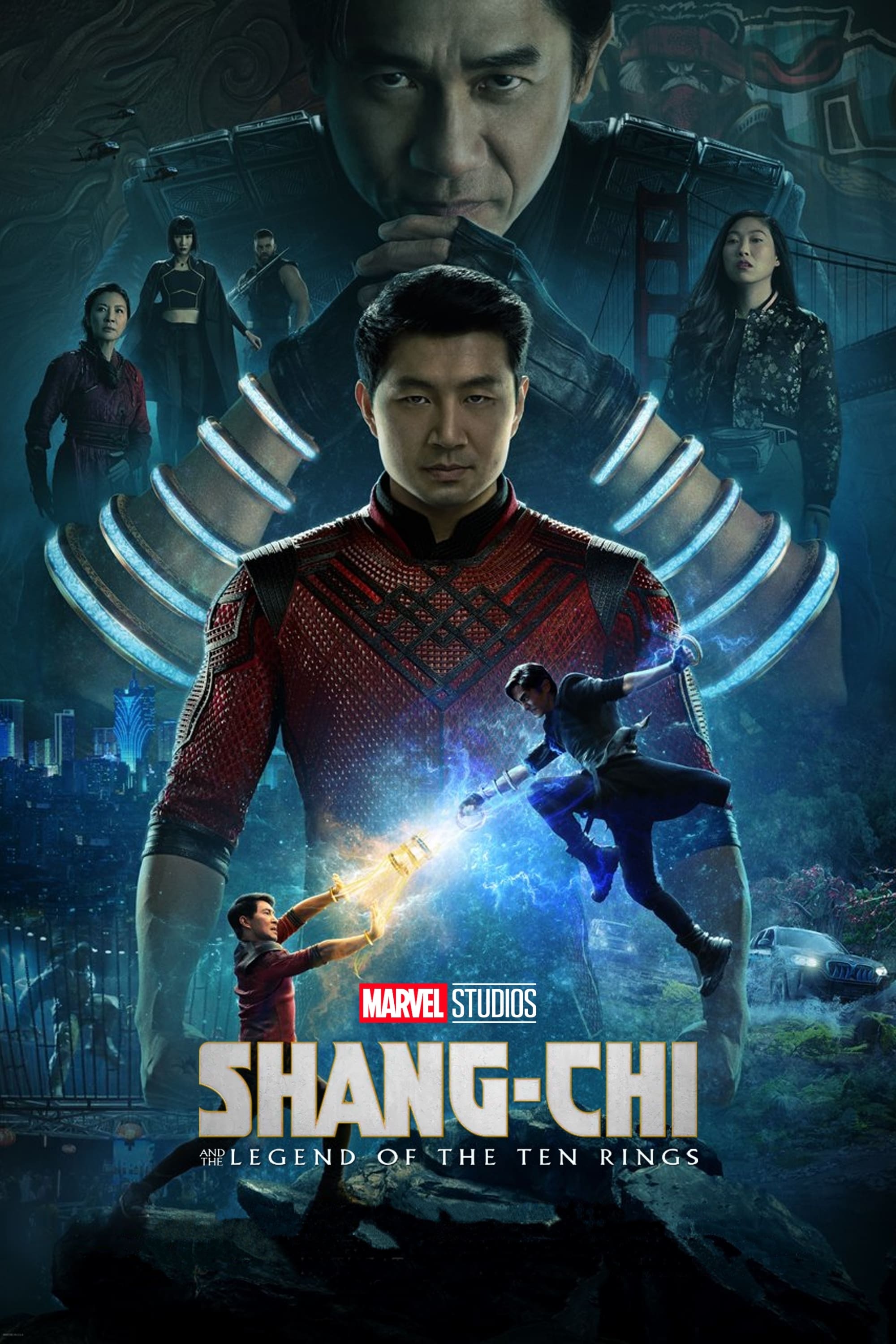
Shang-Chi confronts Wenwu and the true Ten Rings organization. The rings introduce a versatile energy weapon with ancient origins. Ta Lo’s pocket-realm lore and guardian creatures expand mystical ecosystems. The credits analysis hints at unknown ring signal sources beyond known galactic tech.
‘Guardians of the Galaxy Vol. 2’ (2017)
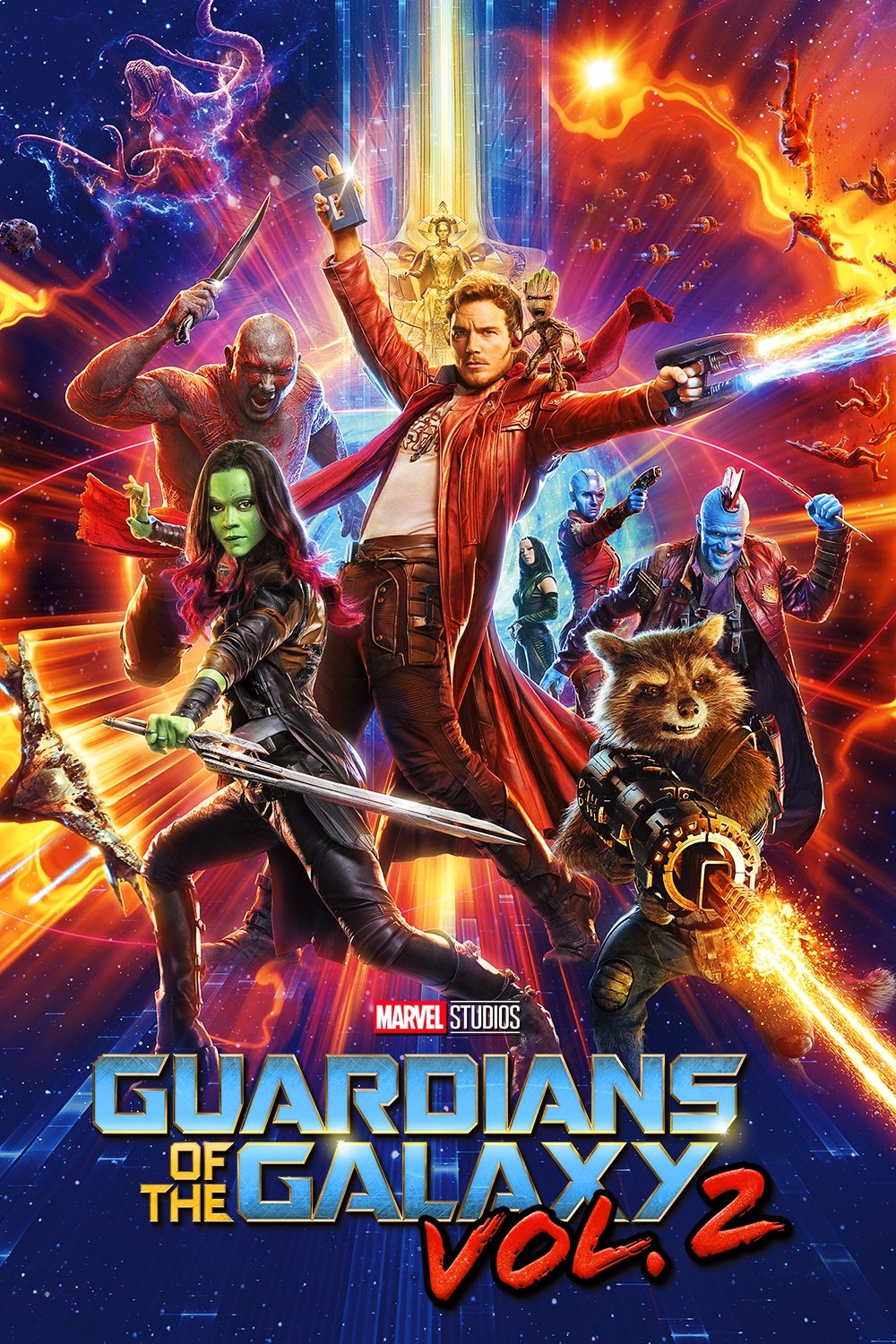
The team faces Ego’s celestial plan while exploring family bonds. The film details Ravager codes and expands Yondu’s past with Stakar’s crew. It deepens Celestial lore that pays off in later cosmic stories. A post-credits cocoon tease foreshadows a powerful future player.
‘Avengers: Age of Ultron’ (2015)
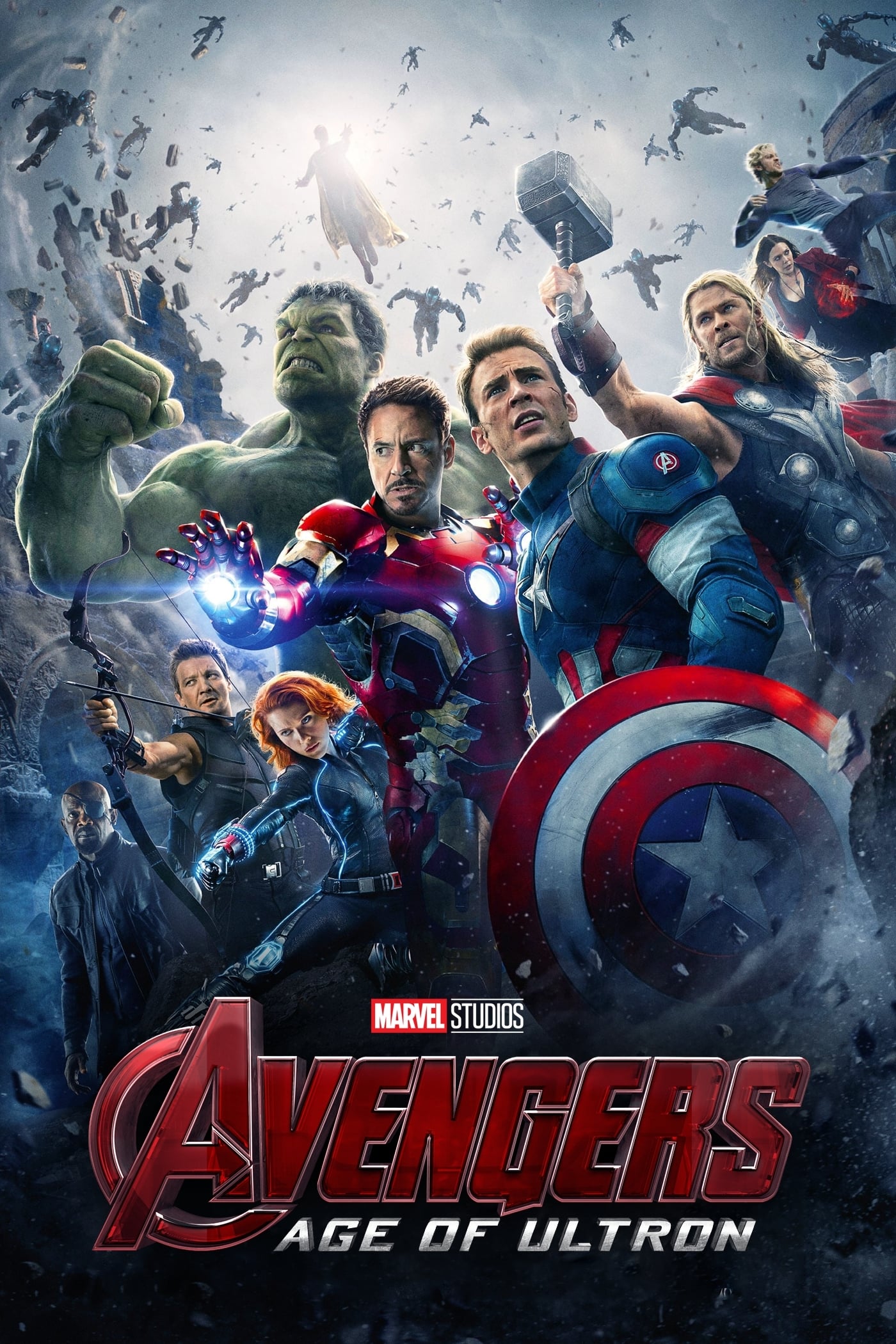
Stark and Banner’s AI defense project spirals into a global threat. The movie introduces Vibranium upgrades, Sokovia’s catastrophe, and the birth of Vision. It seeds the Accords debate that later fractures the team. Wanda and Pietro’s origins reframe experimentation connected to a scepter artifact.
‘Captain America: Brave New World’ (2025)
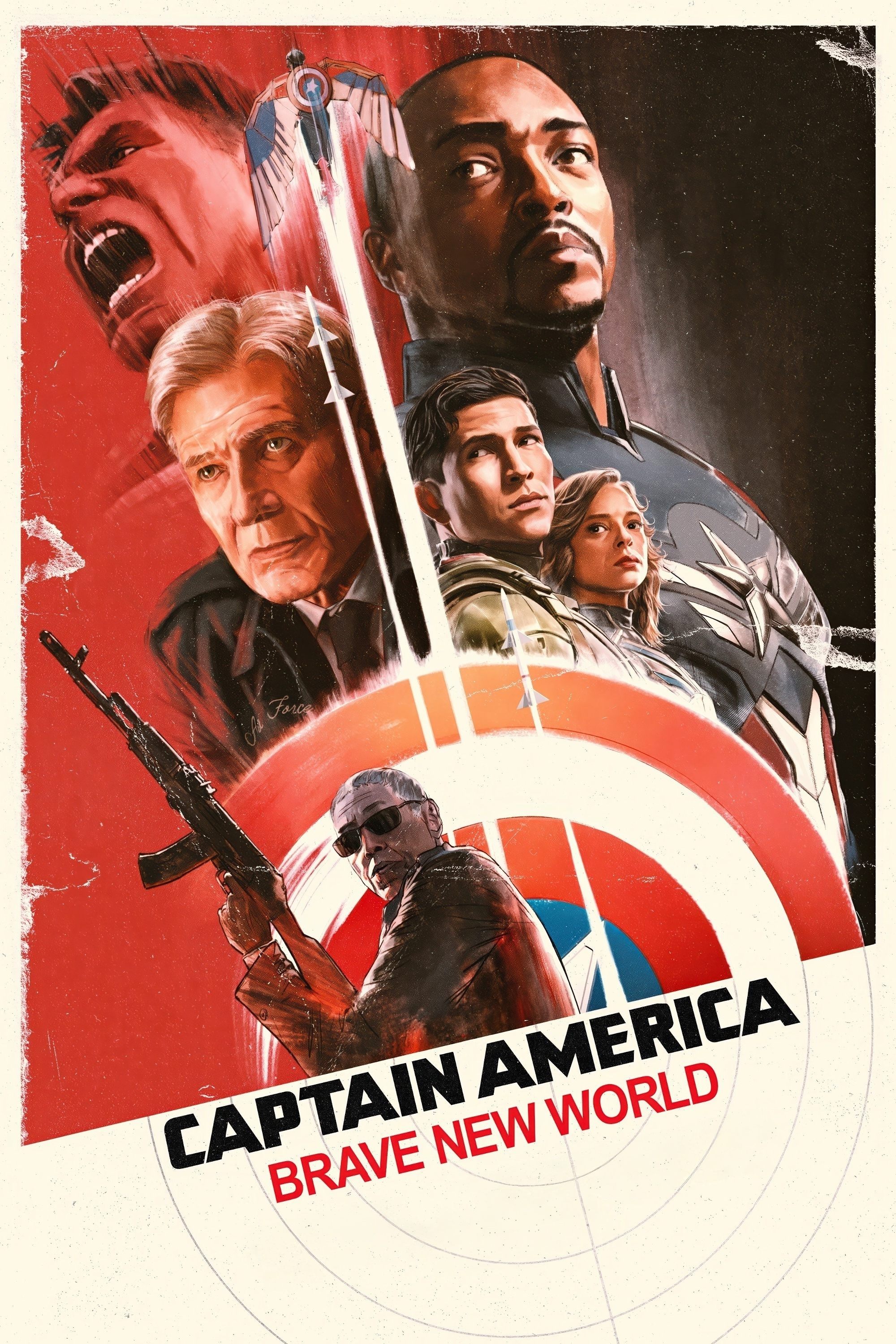
Sam Wilson leads as Captain America while navigating international power struggles. The story carries forward threads involving General Ross and evolving super-soldier politics. It integrates legacy shield symbolism with new global alliances. Ongoing teases connect ground-level threats to wider phase plans.
‘Thunderbolts*’ (2025)
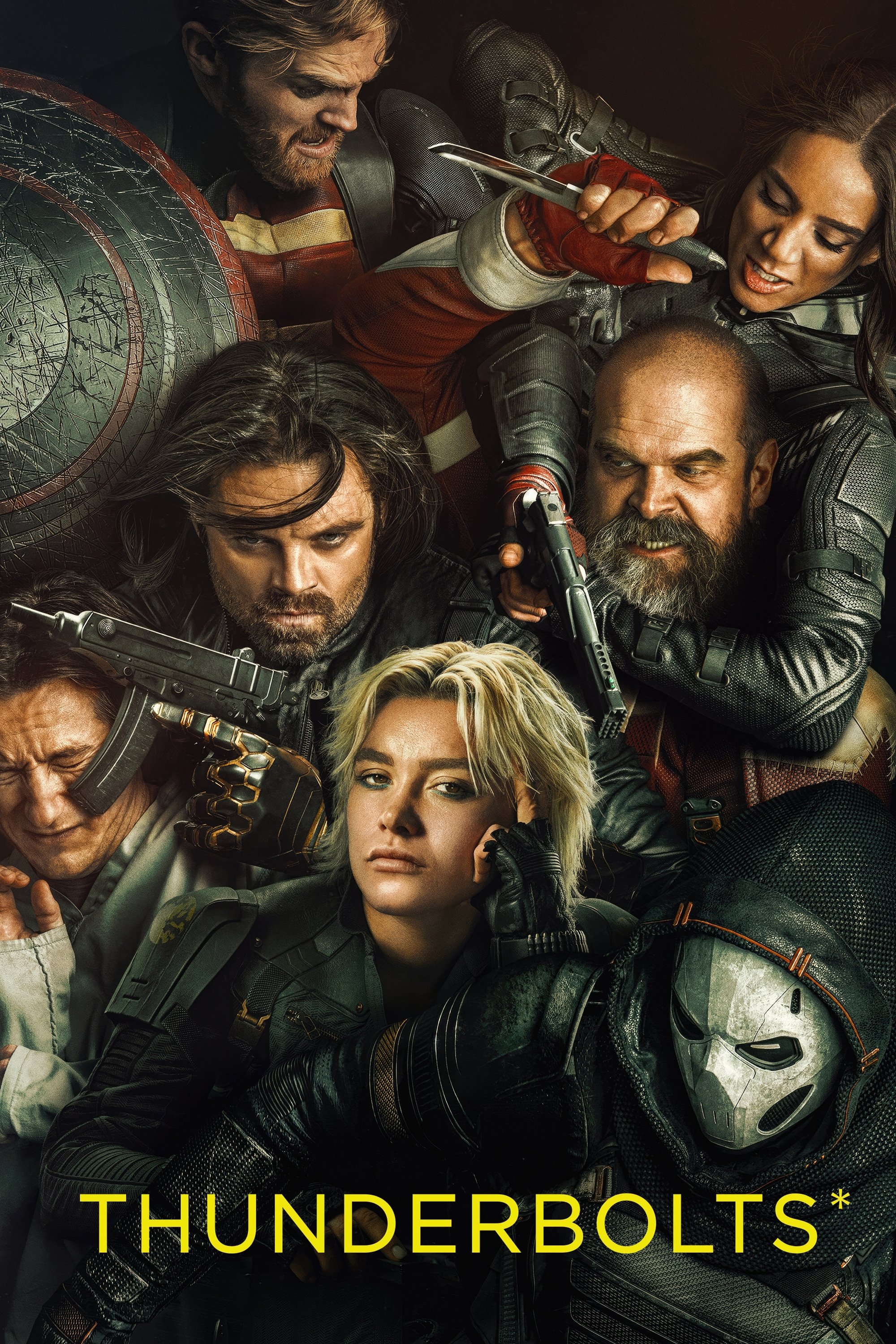
A recruited lineup of anti-heroes undertakes a mission with unclear oversight. The film pulls together figures tied to espionage, Wakanda fallout, and super-soldier programs. It examines statecraft around enhanced operatives and deniable teams. The setup aligns with earlier end-credit recruiters who test moral gray zones.
‘Deadpool & Wolverine’ (2024)
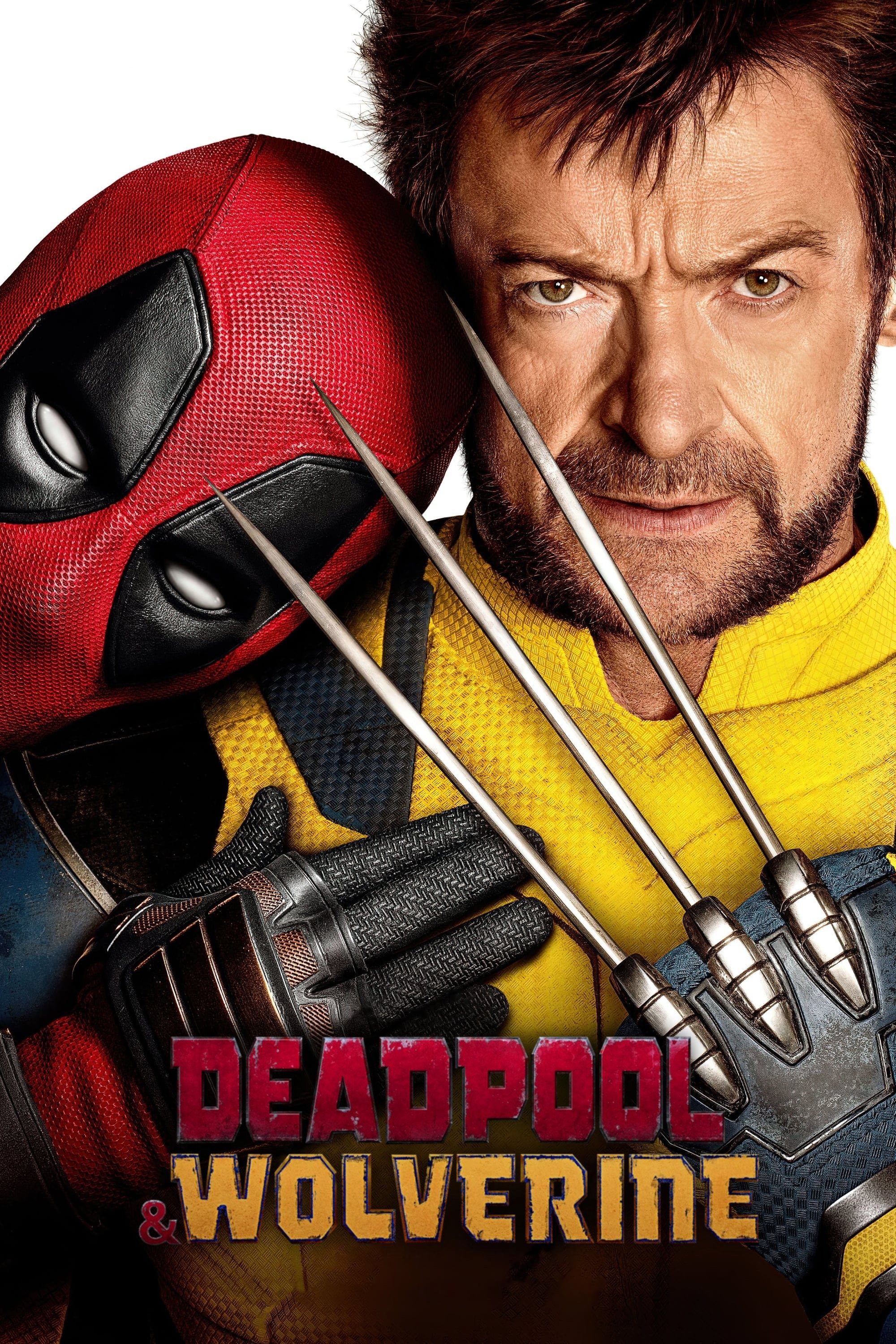
A time-tossed Deadpool collides with Wolverine during multiverse entanglements. The film pulls meta humor into MCU continuity while acknowledging past timelines. It uses TVA frameworks and branching-reality rules to justify crossovers. Cameos and legacy callbacks fold Fox-era history into the current canon.
‘Black Panther’ (2018)
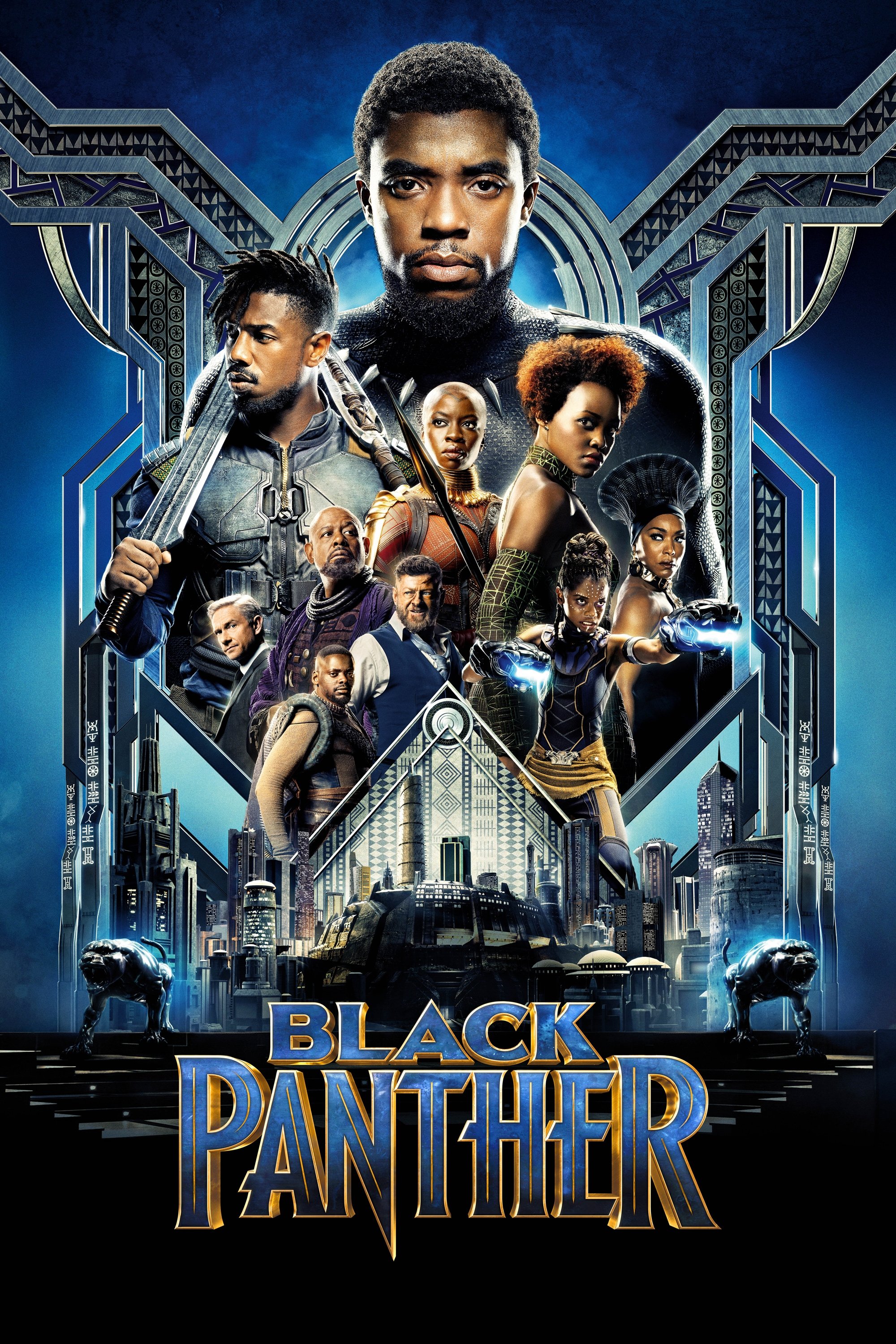
T’Challa ascends the throne while a challenger exposes Wakanda’s isolationist policy. The movie details heart-shaped herb rituals, tribal governance, and vibranium tech. Its worldbuilding introduces Dora Milaje tactics and advanced infrastructure. The narrative repositions Wakanda as a scientific and diplomatic superpower.
‘The Fantastic 4: First Steps’ (2025)
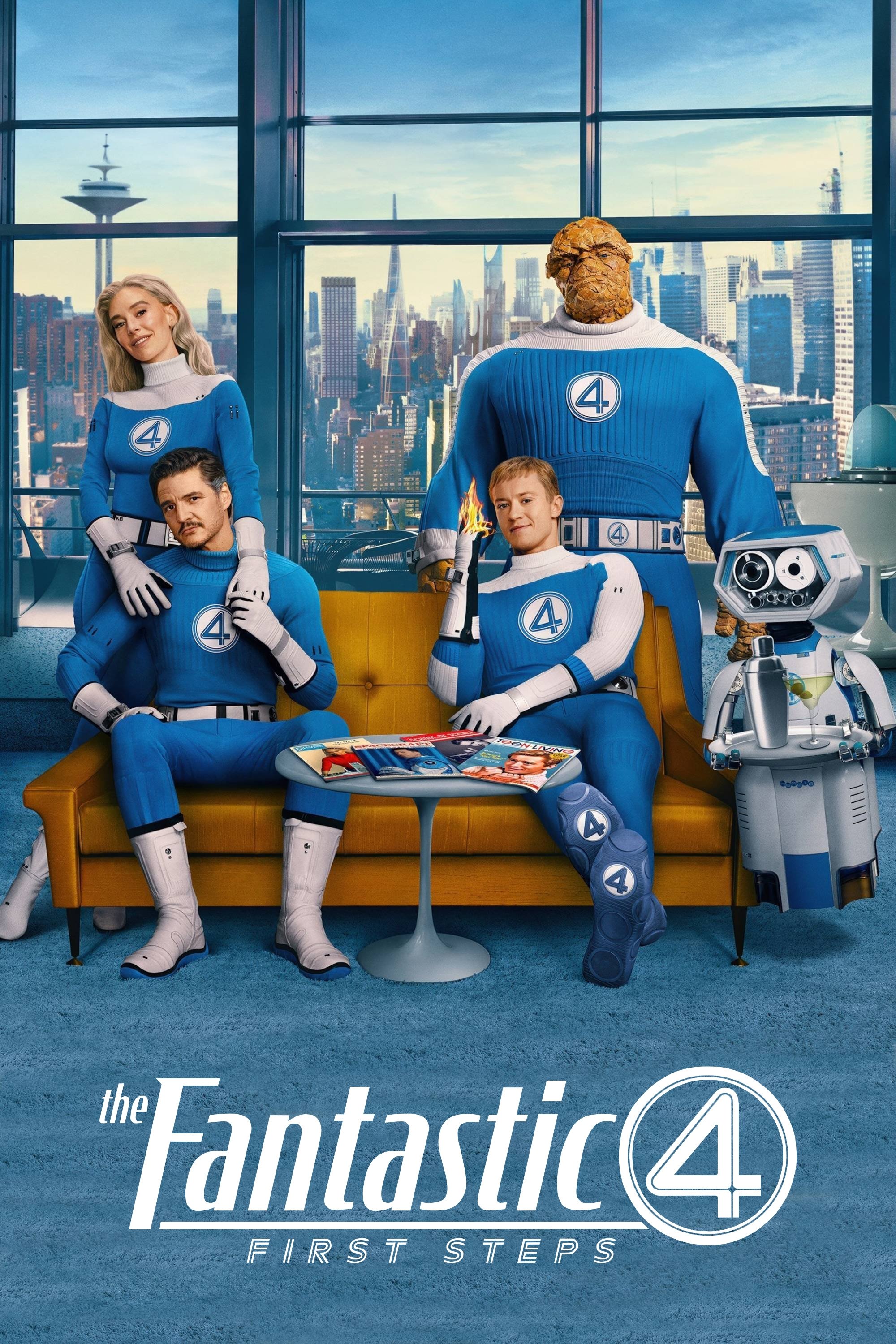
Reed Richards, Sue Storm, Johnny Storm, and Ben Grimm gain powers from a scientific mission that goes wrong. The story introduces Baxter Foundation research and positions the team as pioneers in advanced exploration. It establishes a grounded approach to dimensional phenomena that links to ongoing multiverse science. A closing tease connects the family to a larger cosmic map and future adversaries.
‘The Avengers’ (2012)
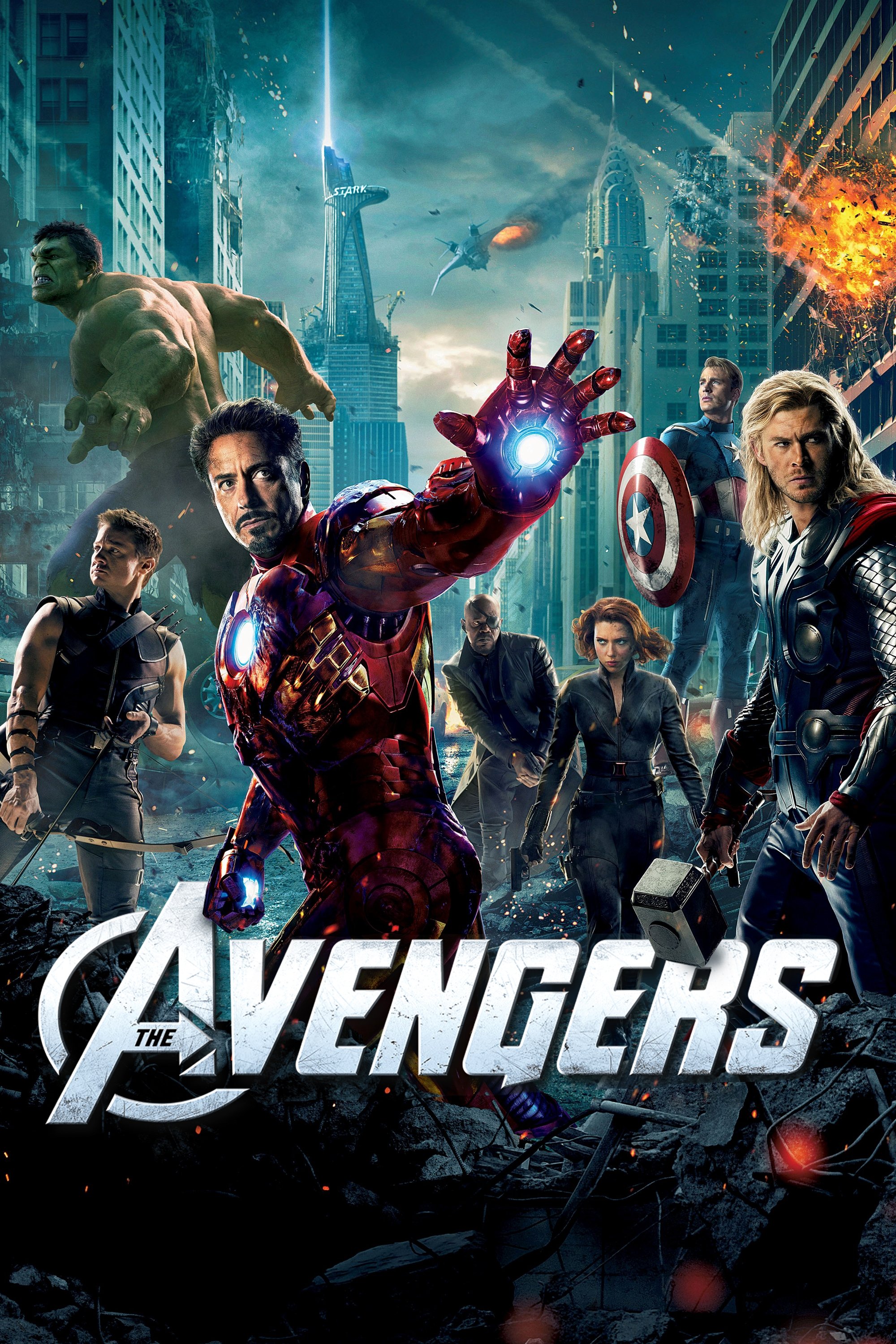
Earth’s Mightiest Heroes assemble to counter Loki and a Chitauri invasion. The film cements the team format, helicarrier operations, and global response coordination. It standardizes post-credit storytelling with a cosmic leader tease. New York’s battle becomes a recurring reference point for future policies.
‘Guardians of the Galaxy Vol. 3’ (2023)
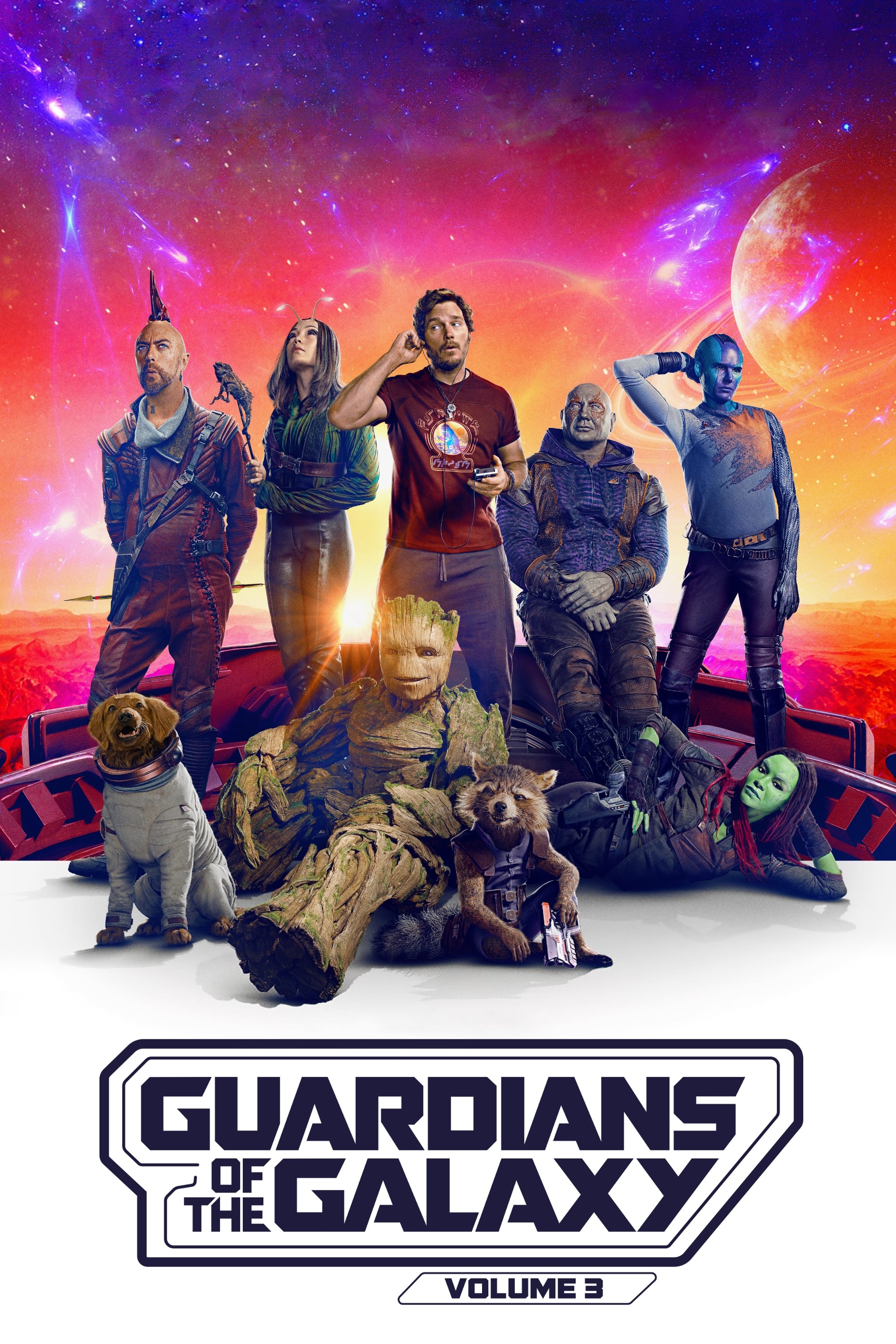
The Guardians race to save Rocket while confronting the High Evolutionary. The film completes character arcs and resets the team’s lineup. It explores Counter-Earth, bio-engineering ethics, and corporate celestial hubs. End cards announce new leadership directions for the spacefaring roster.
‘Guardians of the Galaxy’ (2014)
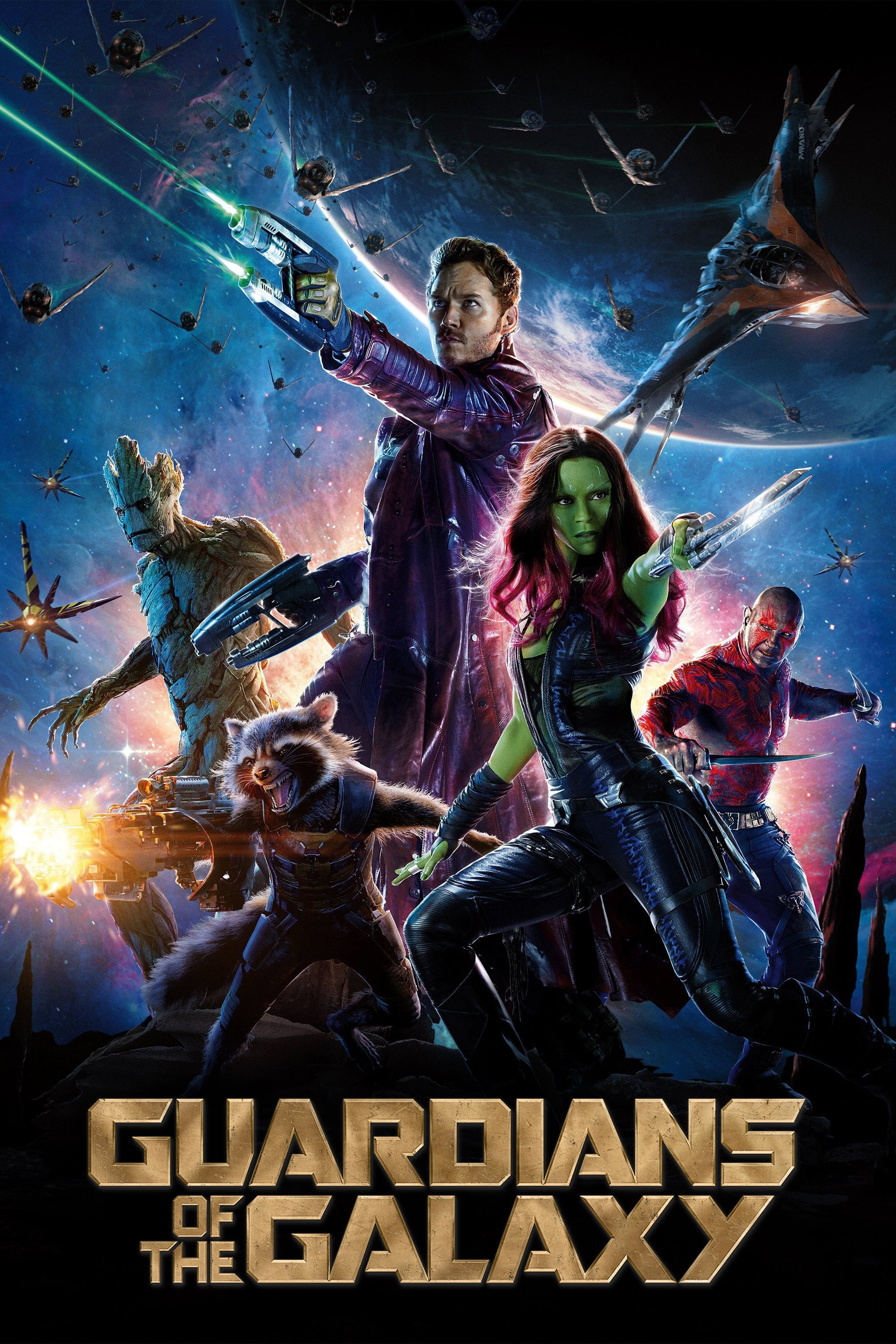
A mismatched crew unites over the Orb which hides a powerful Stone. The film establishes outlaw networks, Nova Corps procedures, and Knowhere’s mining colony. It defines the cosmic tone for future space adventures. The soundtrack framing becomes a signature storytelling device for the sub-franchise.
‘Captain America: Civil War’ (2016)
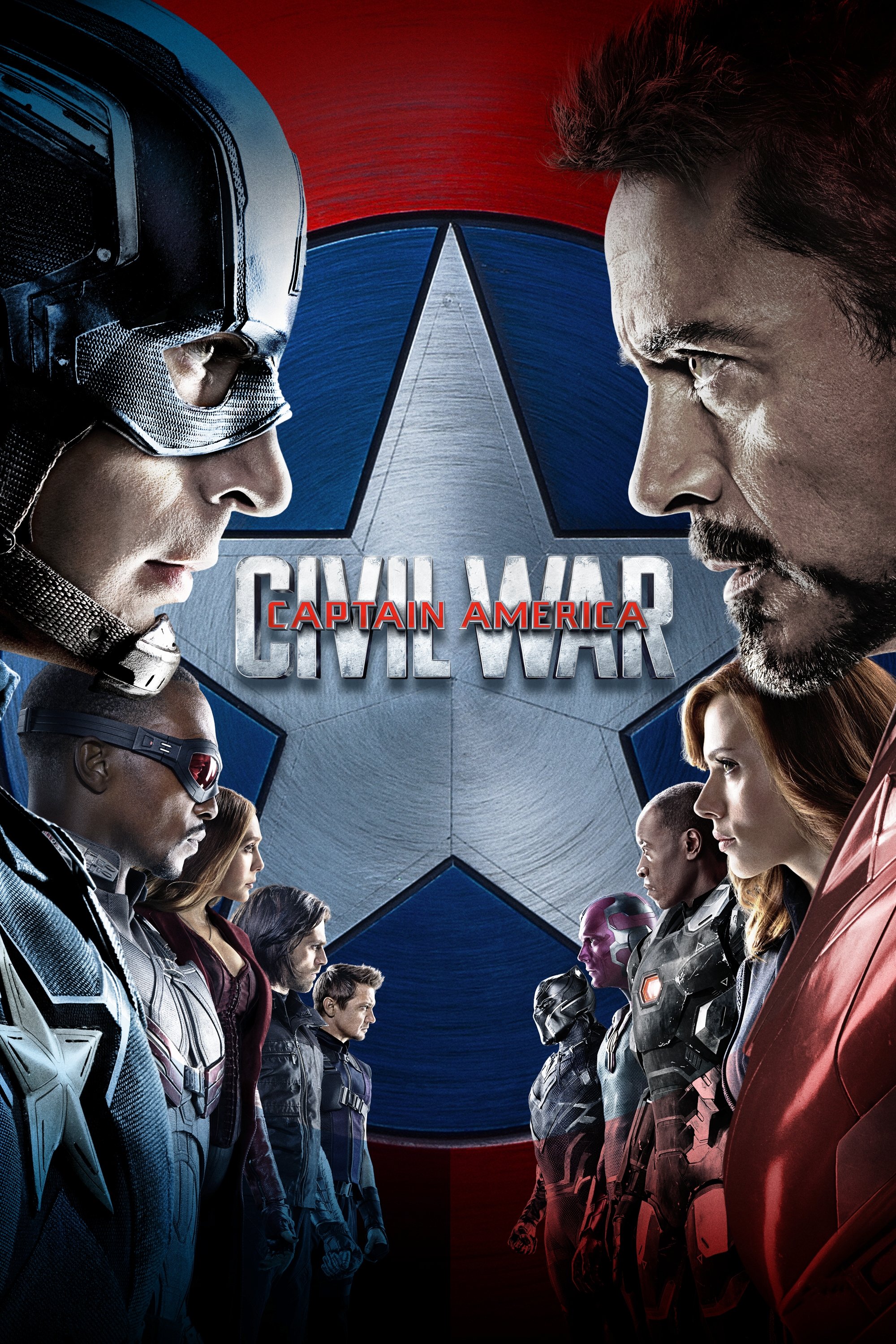
A political accord divides the Avengers after a mission goes wrong. The film introduces Wakanda’s modern leadership and debuts Spider-Man and Black Panther in the MCU. It examines jurisdiction over enhanced individuals through international oversight. The airport clash rearranges alliances for years to come.
‘Thor: Ragnarok’ (2017)
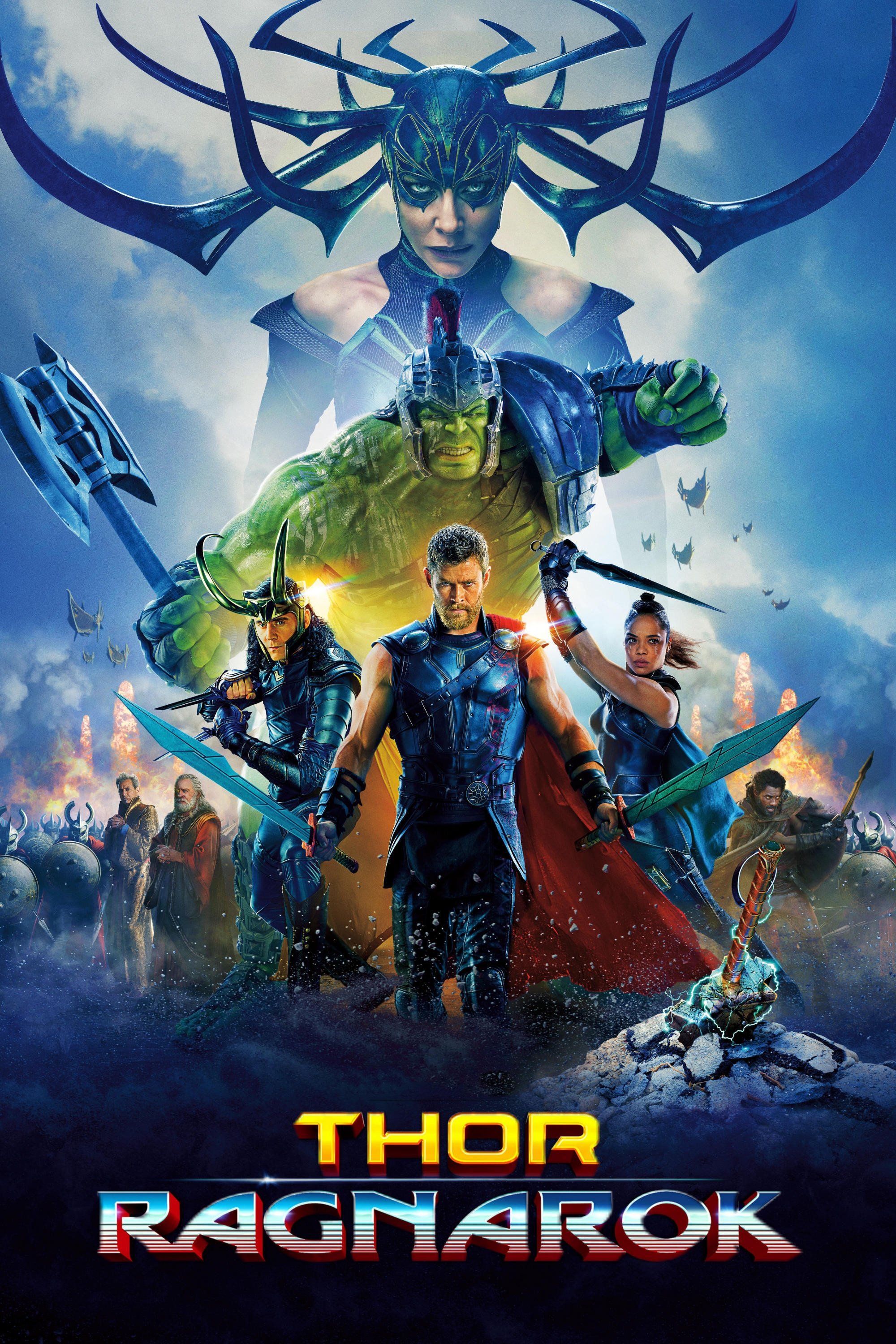
Thor faces Hela and a gladiator Hulk on Sakaar while Ragnarok approaches Asgard. The movie retools Thor’s power set and destroys Asgard to reset the saga. It introduces Valkyrie and the Grandmaster while expanding cosmic arenas. The ending funnels survivors toward a fateful encounter in deep space.
‘Iron Man’ (2008)
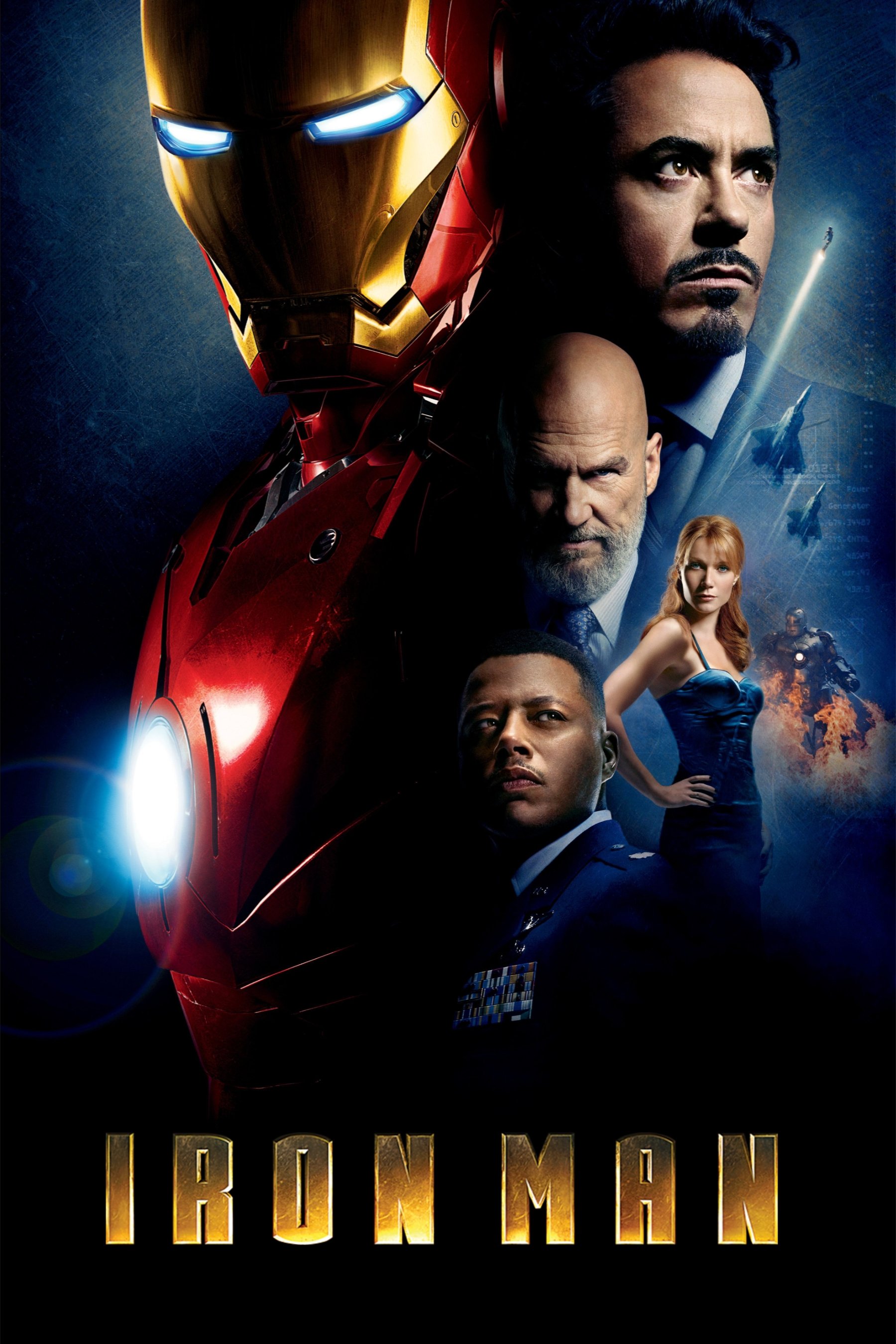
Tony Stark builds the Mark I in captivity and founds the MCU’s hero blueprint. The film defines arc-reactor technology, repulsor weaponry, and public hero identity. It launches Stark Industries’ pivot from arms to accountability. A final line about an initiative signals what the universe will become.
‘Captain America: The Winter Soldier’ (2014)
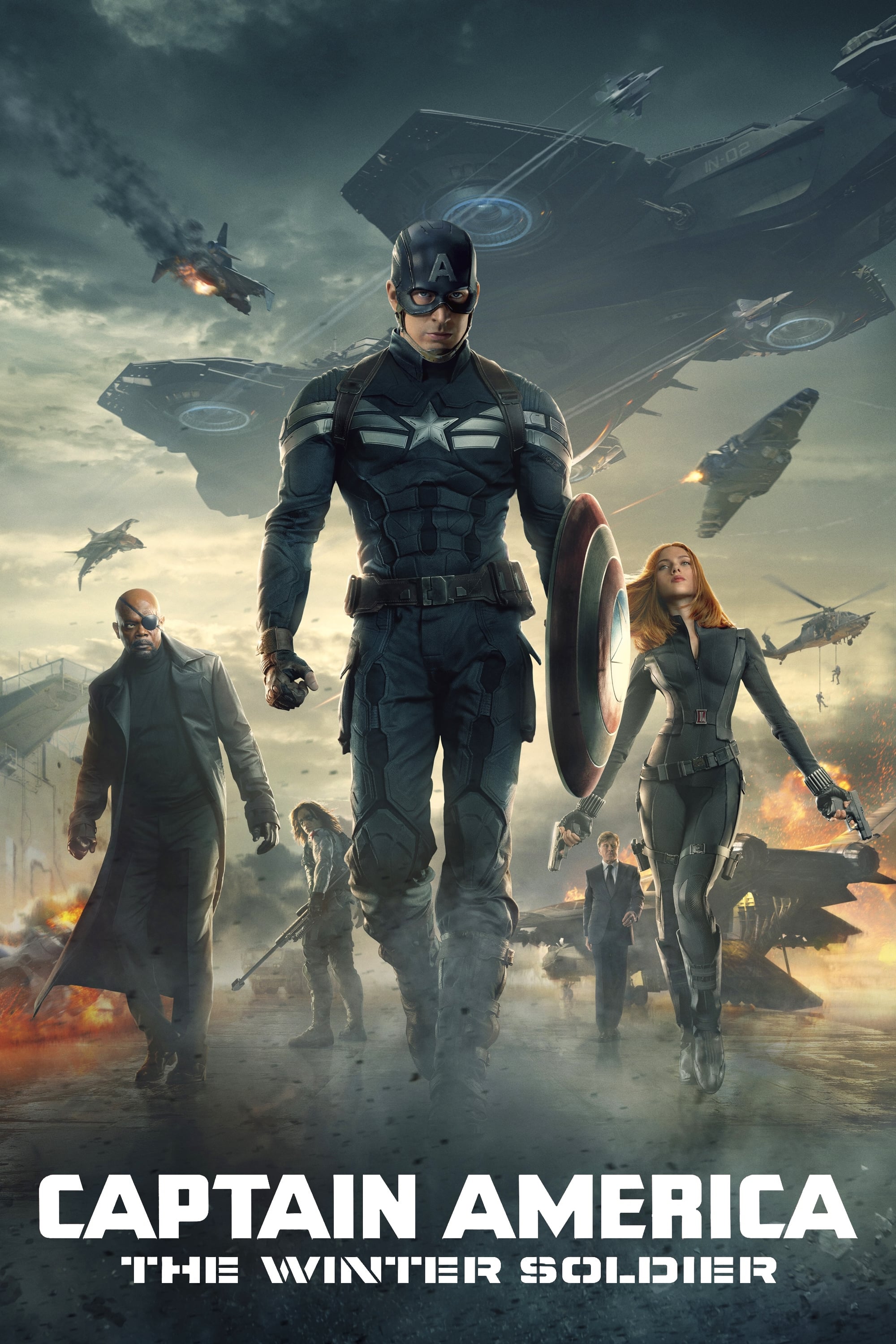
Steve Rogers uncovers Hydra’s infiltration of S.H.I.E.L.D. and challenges surveillance programs. The film introduces Falcon and modernizes spycraft tactics for ground-level action. Project Insight reframes security through predictive targeting. The dismantling of S.H.I.E.L.D. reshapes intelligence structures across subsequent stories.
‘Spider-Man: No Way Home’ (2021)
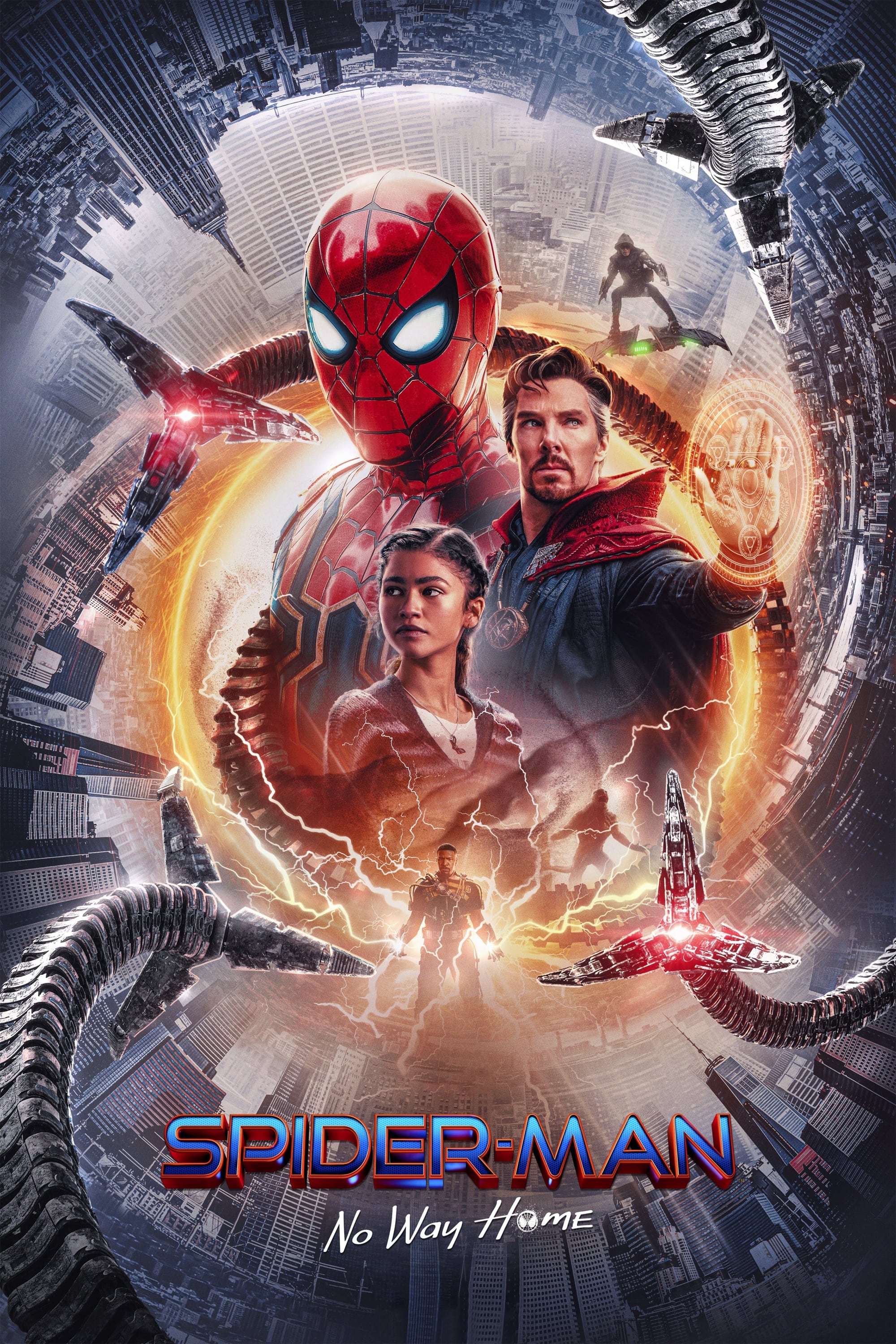
A botched spell brings multiversal visitors who force Peter Parker to choose between secrecy and responsibility. The film reconciles multiple eras of Spider-Man on screen within MCU rules. It showcases cross-universe cure strategies and consequences for memory and identity. A final reset leaves Peter anonymous and independent for the first time in this continuity.
‘Avengers: Endgame’ (2019)
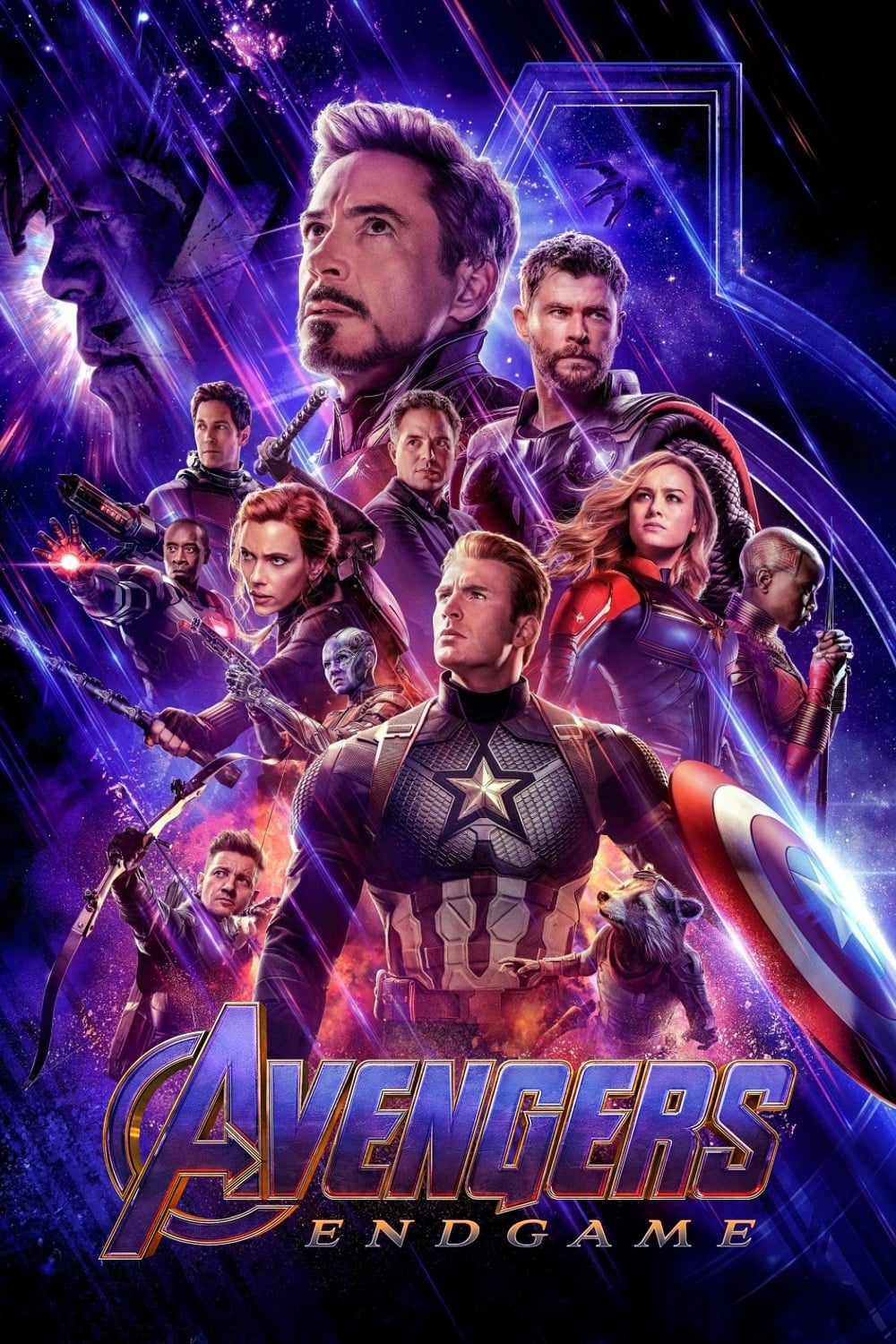
The surviving heroes execute a time heist to reverse the Snap. The film formalizes branch timelines, Pym Particle limits, and Infinity Stone handling. It delivers a final team charge that resolves multiple character arcs. The epilogue hands off mantles and closes the Infinity Saga.
‘Avengers: Infinity War’ (2018)
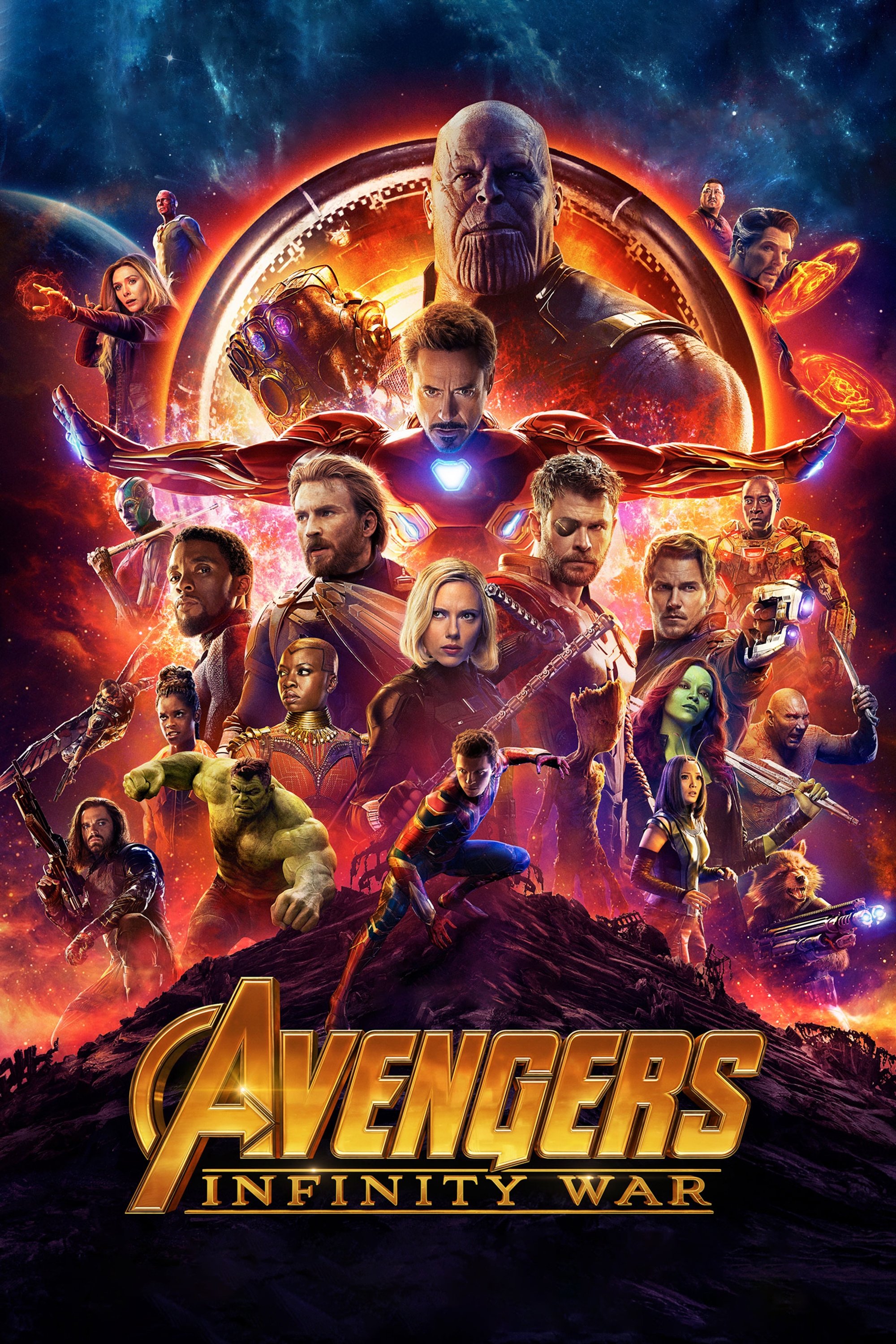
Thanos seeks all six Stones while heroes split across Earth and space. The narrative demonstrates Stone powers in combat scenarios and portal logistics. It integrates Wakanda’s defenses with cosmic scale warfare. The ending redefines stakes across the entire franchise.
Share your own top and bottom picks from the MCU in the comments and tell us which movie you think should move up or down.