15 Most Sympathetic Antagonists (Without Making Us Root For Them)


Some anime villains are built with layers that make their choices understandable even when those choices are unforgivable. The best of them carry histories and ideals that clarify why they crossed the line, yet the story keeps their harm in focus so we do not cheer them on. Here are memorable antagonists whose motives invite empathy while their actions still demand pushback. Each entry notes the series and the studio that brought them to life in a natural way.
Zeke Yeager
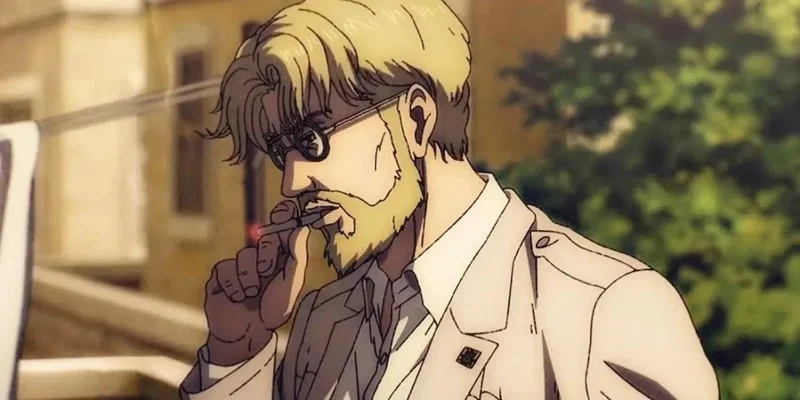
In ‘Attack on Titan’, Zeke’s euthanization plan comes from a childhood warped by propaganda and parental pressure, and Wit Studio and later MAPPA frame his past through stark flashbacks that explain his cold logic. His bond with the Beast Titan and his mentorship under Tom Ksaver show how a lonely kid became a man convinced he is ending suffering. The series details his betrayals and mass casualties so his philosophy never feels acceptable. Even with his tragic upbringing, the production makes sure his choices remain impossible to endorse.
Nagato
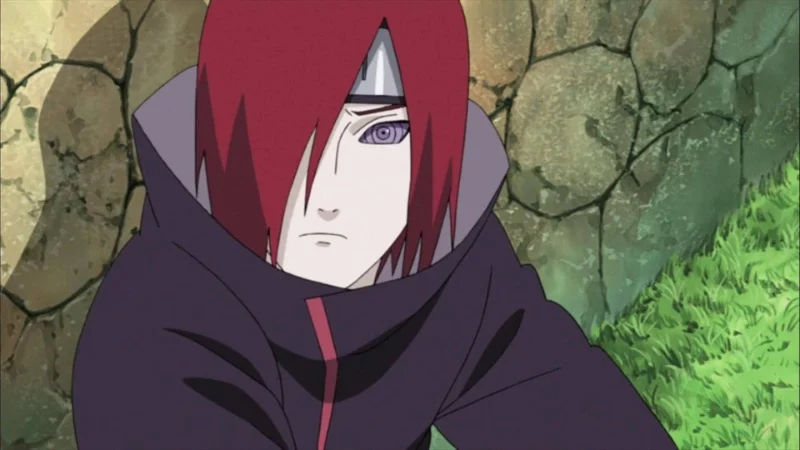
‘Naruto Shippuden’ traces Nagato’s path from idealistic orphan to the leader called Pain, and Studio Pierrot uses quiet scenes in Amegakure to ground his radical turn. The deaths of his friends and the endless wars around his home make his doctrine of enforced peace feel like a desperate answer. His assault on Konoha shows that his cure is worse than the disease, with civilian loss laid bare. The show lets us hear his logic while keeping the human cost unmistakable.
Scar
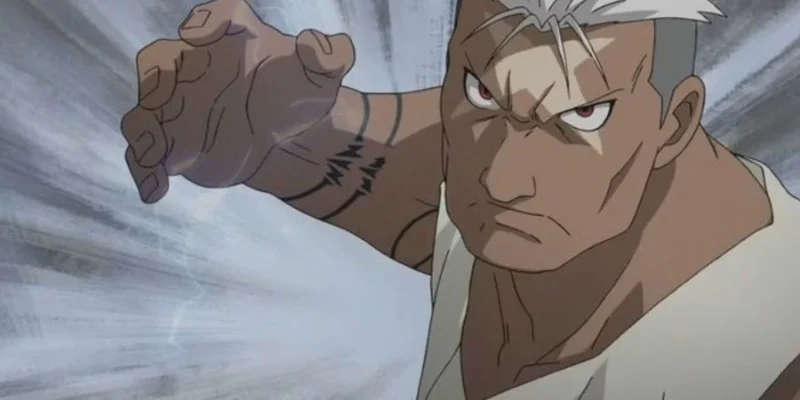
In ‘Fullmetal Alchemist: Brotherhood’, Bones presents Scar as a survivor of state violence who targets alchemists as instruments of genocide. His tattooed arm and Ishvalan heritage carry the weight of a people erased from maps, which explains his focus on vengeance. The series catalogs his victims and the collateral left behind so his campaign never reads as justice. His later cooperation with the heroes recognizes cycles of harm without rewriting his earlier killings.
Meruem

Madhouse shapes Meruem’s arc in ‘Hunter x Hunter’ with careful pacing that follows his awakening from a perfect predator to a being capable of tenderness. His connection with Komugi reveals the first cracks in his absolute worldview. The narrative never forgets the slaughter that established his rule and the threat his evolution poses to humanity. His final choices are moving, yet his reign remains a catastrophe that cannot be excused.
Isabella
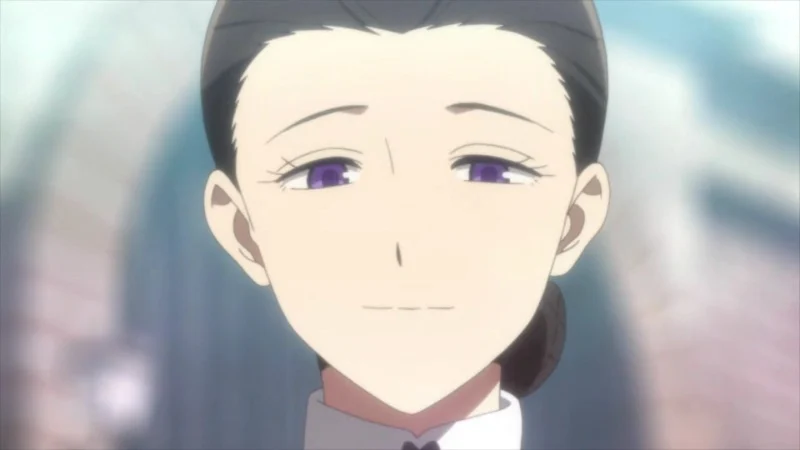
‘The Promised Neverland’ uses CloverWorks’ gentle colors and tight framing to show Isabella’s smiling cruelty as a system’s caretaker. Her own past as a child raised for harvest explains how survival shaped her into a compliant adult. The production lets her vulnerability peek through in rare private moments, which clarifies rather than softens her role. She stays an enemy to the children because she keeps the farm running.
Gendo Ikari

Gainax and later Studio Khara depict Gendo in ‘Neon Genesis Evangelion’ as a father who sacrifices everything for a reunion that can never happen. Cold offices and intercom whispers emphasize his distance from the people he manipulates. The show provides enough flashbacks to make his grief legible while laying out the bodies his plans require. His pursuit of Instrumentality is comprehensible as longing and still ruinous.
Kyubey

Shaft turns Kyubey in ‘Puella Magi Madoka Magica’ into a cheerful emissary of cosmic utilitarianism whose logic runs on energy and indifference. The creature explains contracts and entropy with perfect clarity, and the studio’s framing keeps the mascot cute and unreadable. Every revelation about the fate of magical girls sharpens how transactional the bargain is. Understanding the mission does not make the method humane.
Shogo Makishima
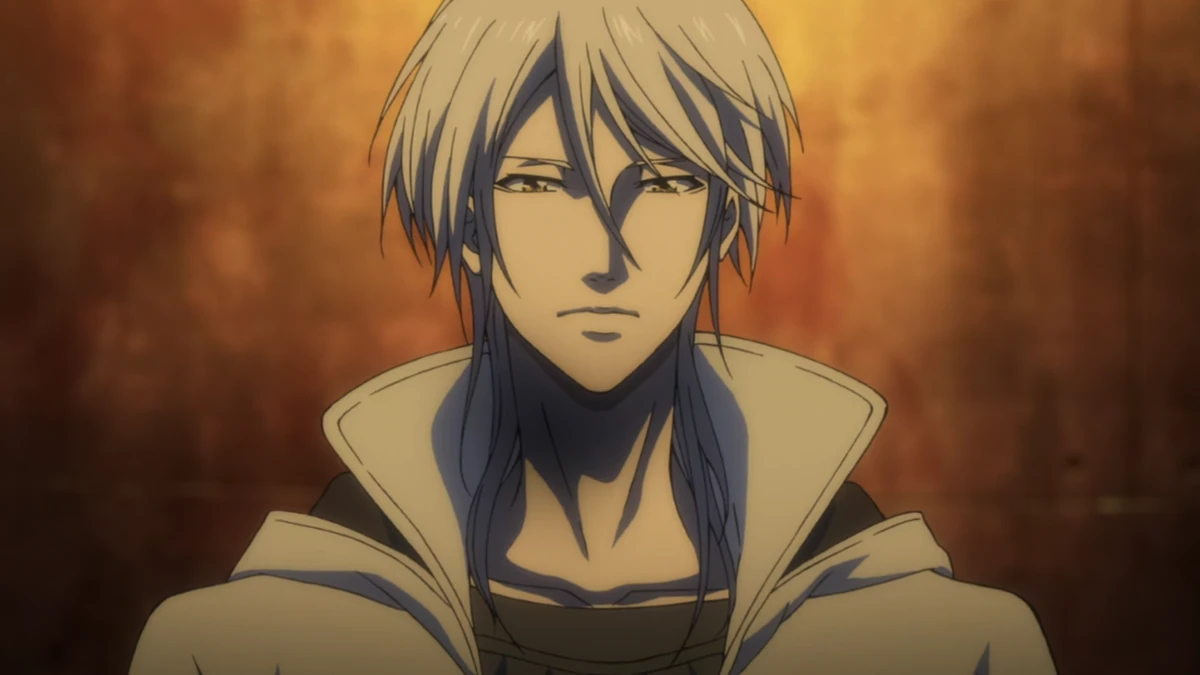
Production I.G presents Makishima in ‘Psycho Pass’ as a cultured critic of a managed society who exploits the very gaps he condemns. He dismantles the Sibyl System’s moral blind spots through staged crimes that test institutional limits. His victims and provocations remind us that his ends rely on other people’s suffering. The argument lands, but the executions keep him squarely on the wrong side.
Reiner Braun

Wit Studio and MAPPA show Reiner in ‘Attack on Titan’ as a soldier split between childhood indoctrination and the faces of friends he betrayed. Long stretches of guilt and dissociation map how double lives crush a person from the inside. His missions cost countless lives, and the narrative documents every breach and death. Sympathy for his collapse never asks us to forgive the devastation he caused.
Stain

Bones frames Stain in ‘My Hero Academia’ as a radical who condemns celebrity hero culture and acts on that belief with targeted violence. His manifesto lands because the series shows the shallow incentives that grew around hero work. His attacks paralyze and maim, and the victims are named and remembered. The show acknowledges his critique while refusing to turn him into a savior.
Yoshikage Kira
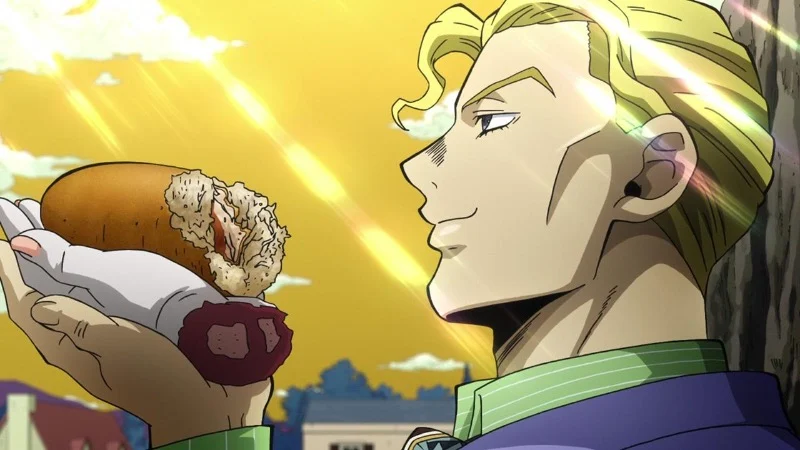
David Production crafts Kira in ‘JoJo’s Bizarre Adventure: Diamond is Unbreakable’ as a serial killer who wants a quiet life free of disruption. His rituals and cover identity show a man obsessed with normalcy rather than conquest. The series tracks his murders with clinical detail so there is never ambiguity about his evil. Understanding his desire for anonymity does not make his crimes any less monstrous.
Akito Sohma
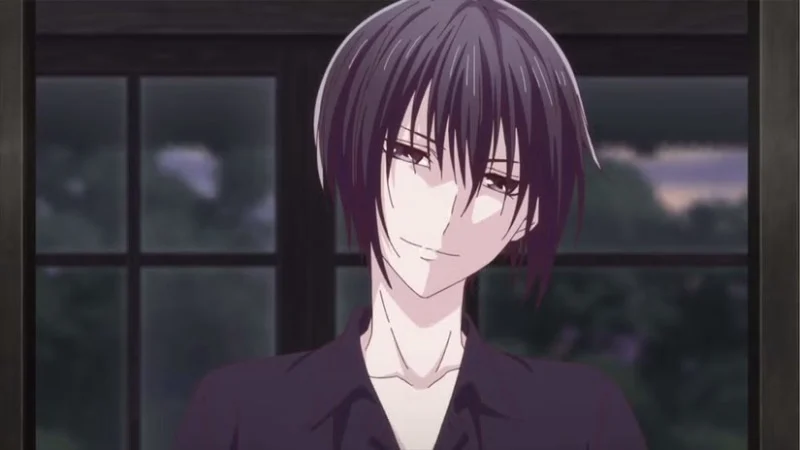
TMS Entertainment brings Akito in ‘Fruits Basket’ to the screen as the head of a cursed family who perpetuates the same pain that once defined them. Flashbacks explain how isolation and fear became control and abuse. The story gives space to the damage she inflicts and the long path to accountability. Knowing why she harms others does not make the harm acceptable.
Ryo Asuka
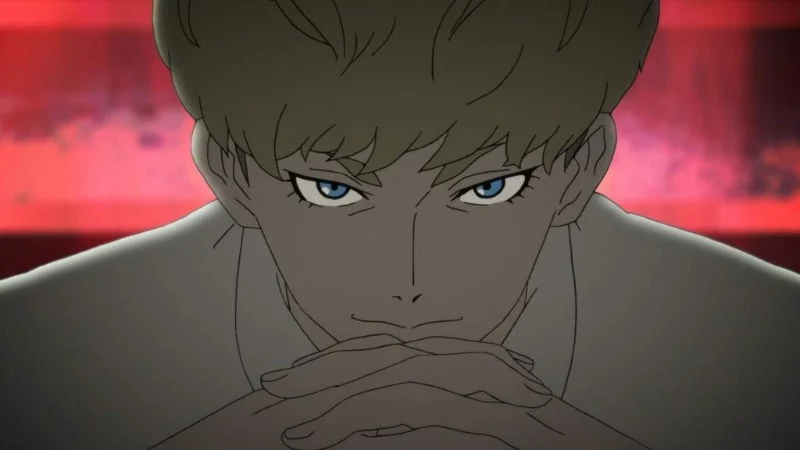
Science SARU’s ‘Devilman Crybaby’ reveals Ryo as an old friend whose search for truth spirals into an extinction event. His curiosity and alienation are drawn with intimacy, which makes his choices feel inevitable. The imagery catalogs disaster on a global scale that flows directly from his plans. His tragedy is clear, yet the outcome he engineered cannot be defended.
Squealer

A-1 Pictures depicts Squealer in ‘From the New World’ as a leader who fights for the rights of his people against human overlords with psychic power. Courtroom scenes and testimonies outline generations of oppression that shaped his rebellion. The uprising includes atrocities that the show does not soften or hide. His cause is understandable while his tactics remain unacceptable.
Shinobu Sensui
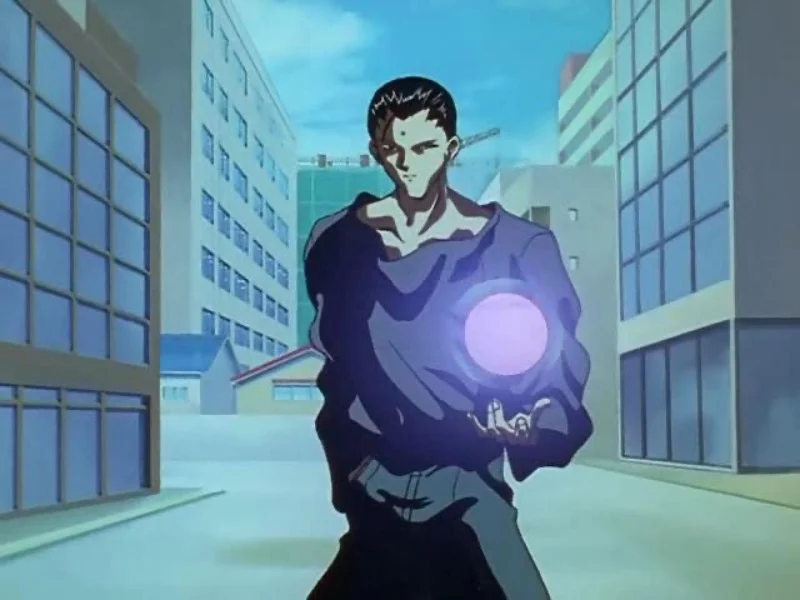
Studio Pierrot presents Sensui in ‘Yu Yu Hakusho’ as a former Spirit Detective broken by the horrors he witnessed. His split personalities and dogmatic mission are mapped as a response to trauma rather than a quest for fame. The arc tallies every life risked by the hole between worlds he intends to open. His pain is real, but his plan endangers everyone.
Share your picks for complex villains who made you think without stealing your support in the comments.