Top 20 Worst Open World Games

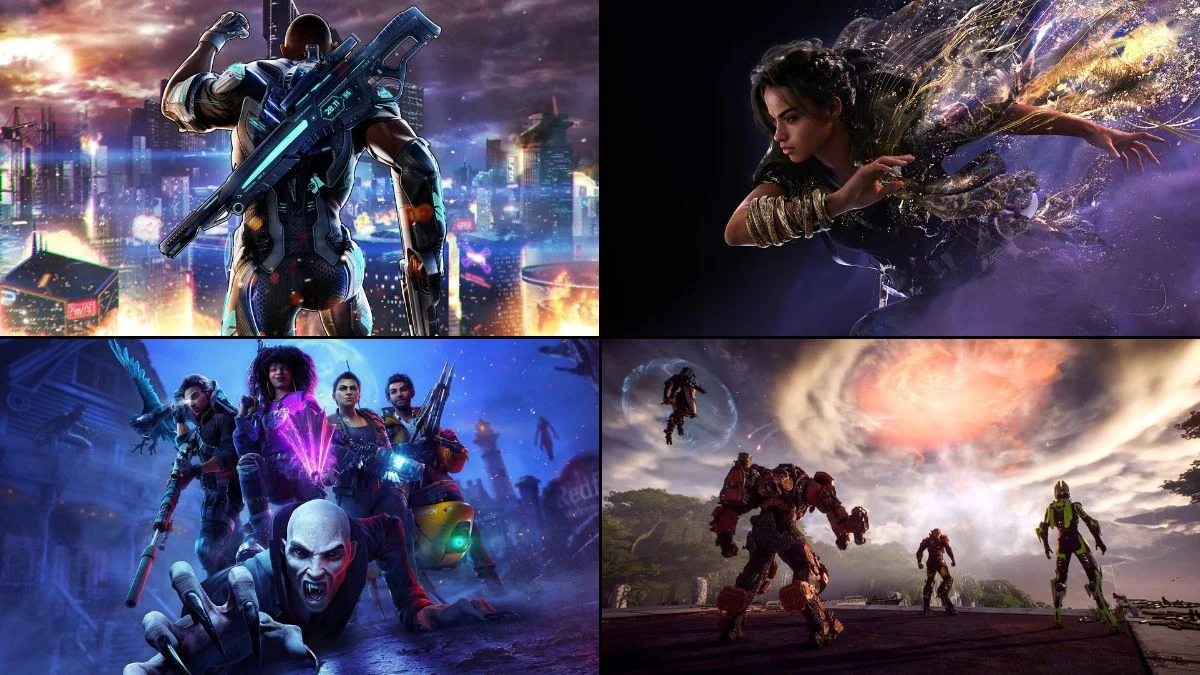

Open worlds promise freedom and discovery, but sometimes the execution falls short in ways players never forget. The entries below stumbled at launch or never found their footing, whether because of technical problems, thin design, or business decisions that undercut the experience. You will find release details, platforms, and what actually went wrong so you can see how these projects missed the mark. Some improved with updates while others left their worlds behind entirely.
Fallout 76
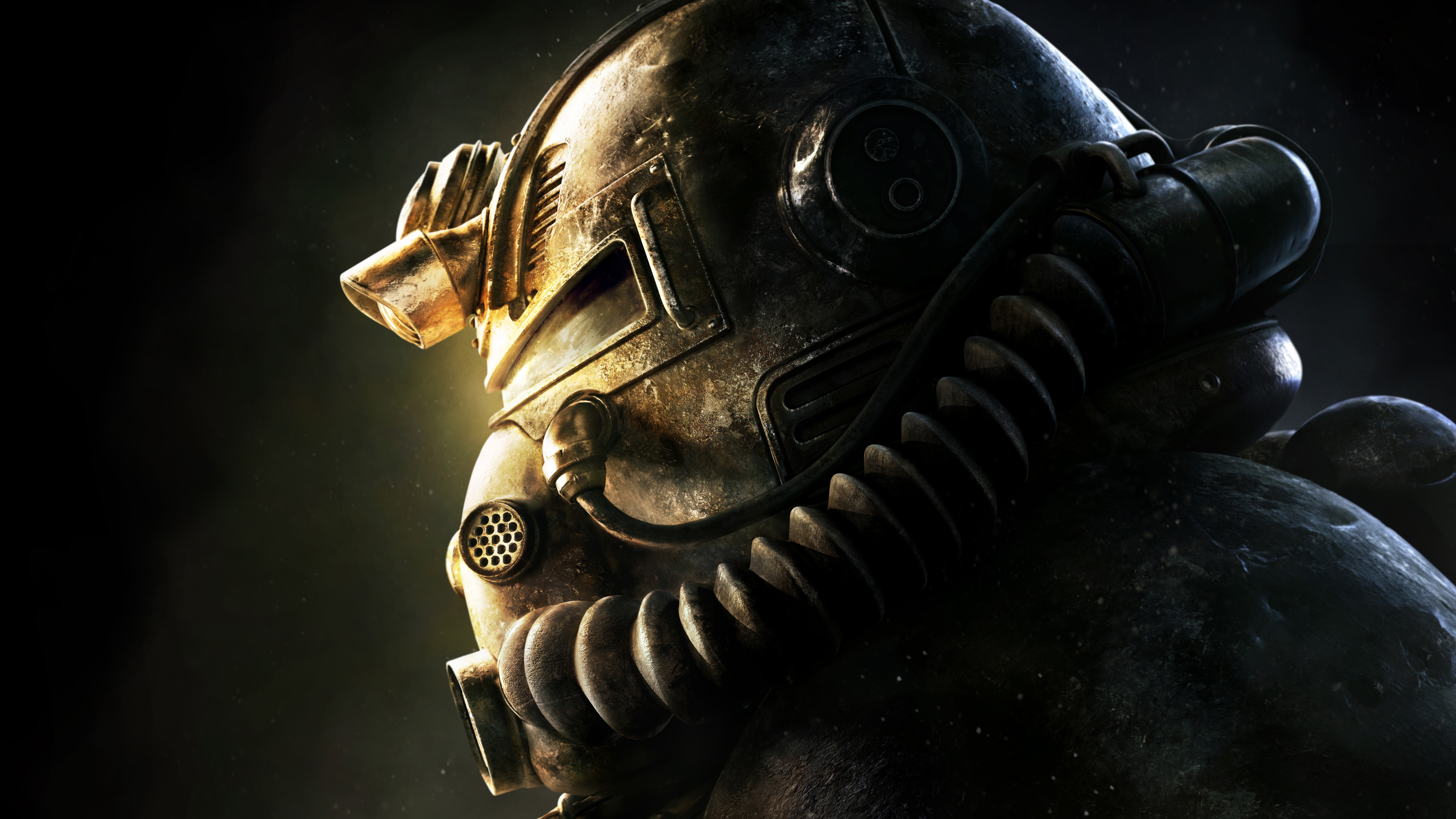
Bethesda launched this always online spin on the series in 2018 for PC, PlayStation 4, and Xbox One. The game shipped with widespread bugs and lacked human non player characters at release, which hurt quest variety until later updates. The Atom Shop and paid features drew criticism around progression and cosmetic purchases. The Wastelanders update added NPCs and new storylines in 2020, but the rocky debut defined its reputation for years.
No Man’s Sky
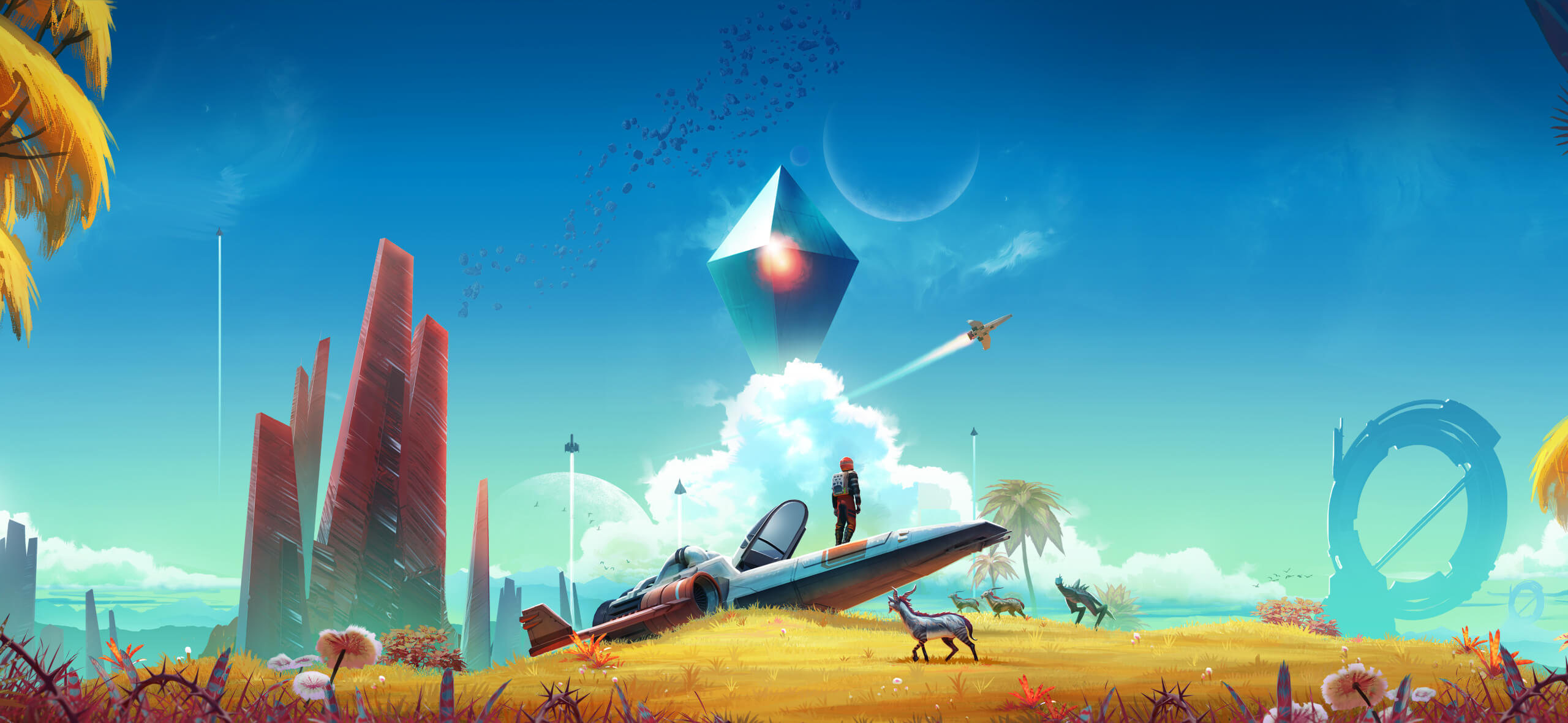
Hello Games released this space exploration title in 2016 on PlayStation 4 and PC with a later Xbox version. Early marketing promised large scale features that were not present at launch, which led to refund requests and investigations by advertising regulators in some regions. The studio delivered a long series of free expansions that added base building, multiplayer, and fleet management. Today the game is far more complete, but its initial version became a cautionary tale.
Anthem
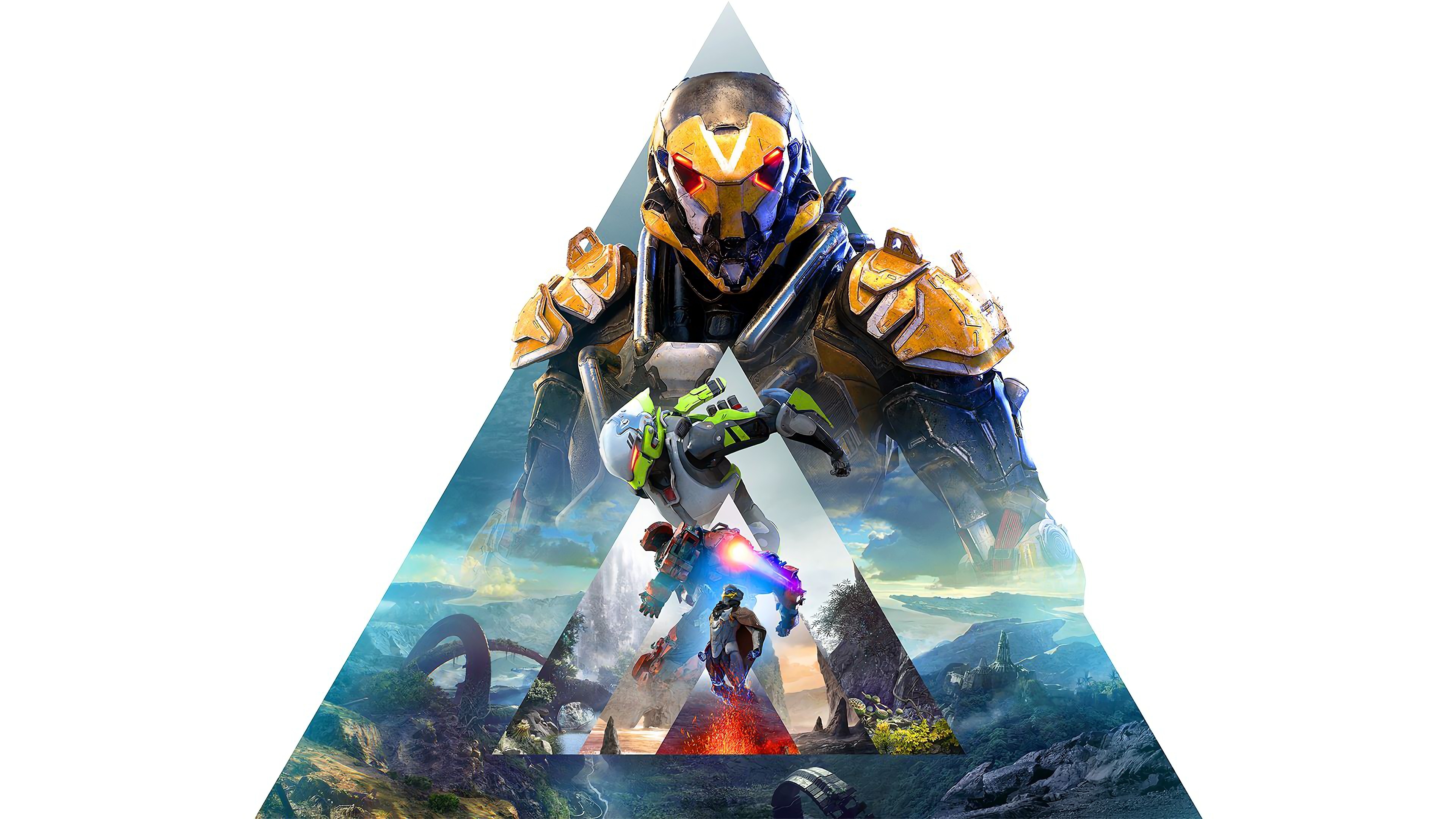
BioWare’s 2019 looter shooter arrived on PC, PlayStation 4, and Xbox One with Javelin exosuits and a shared world structure. Technical issues, loot problems, and mission repetition limited long term retention. The team announced a major redesign called Anthem Next before canceling that effort in 2021. Servers remained online for a time, but the content pipeline and roadmap were ultimately abandoned.
Forspoken

Square Enix and Luminous Productions launched this action RPG in 2023 on PlayStation 5 and PC. Reviews cited performance trouble on high end hardware and traversal systems that could not mask a sparse activity loop. The publisher folded Luminous Productions into Square Enix shortly after release. Post launch patches improved stability, but the project never recovered its momentum.
Saints Row
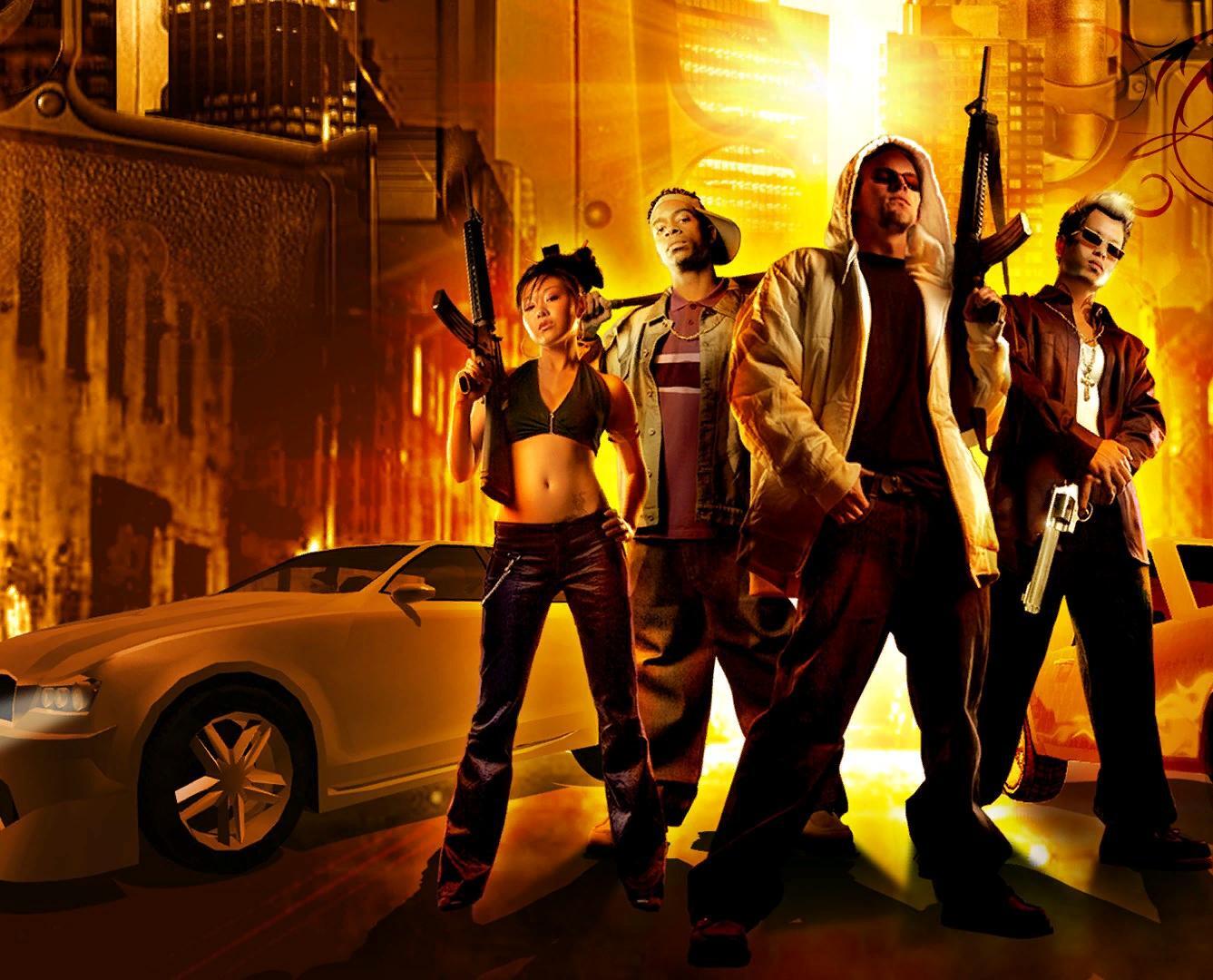
The 2022 reboot shipped on PC and consoles with numerous bugs and a new setting in Santo Ileso. Players reported crashes, physics errors, and mission blockers at launch. Volition delivered updates through 2023 while also adding content, then the studio was closed later that year during a company restructuring. The brand’s future remains uncertain after the mixed reception.
Redfall
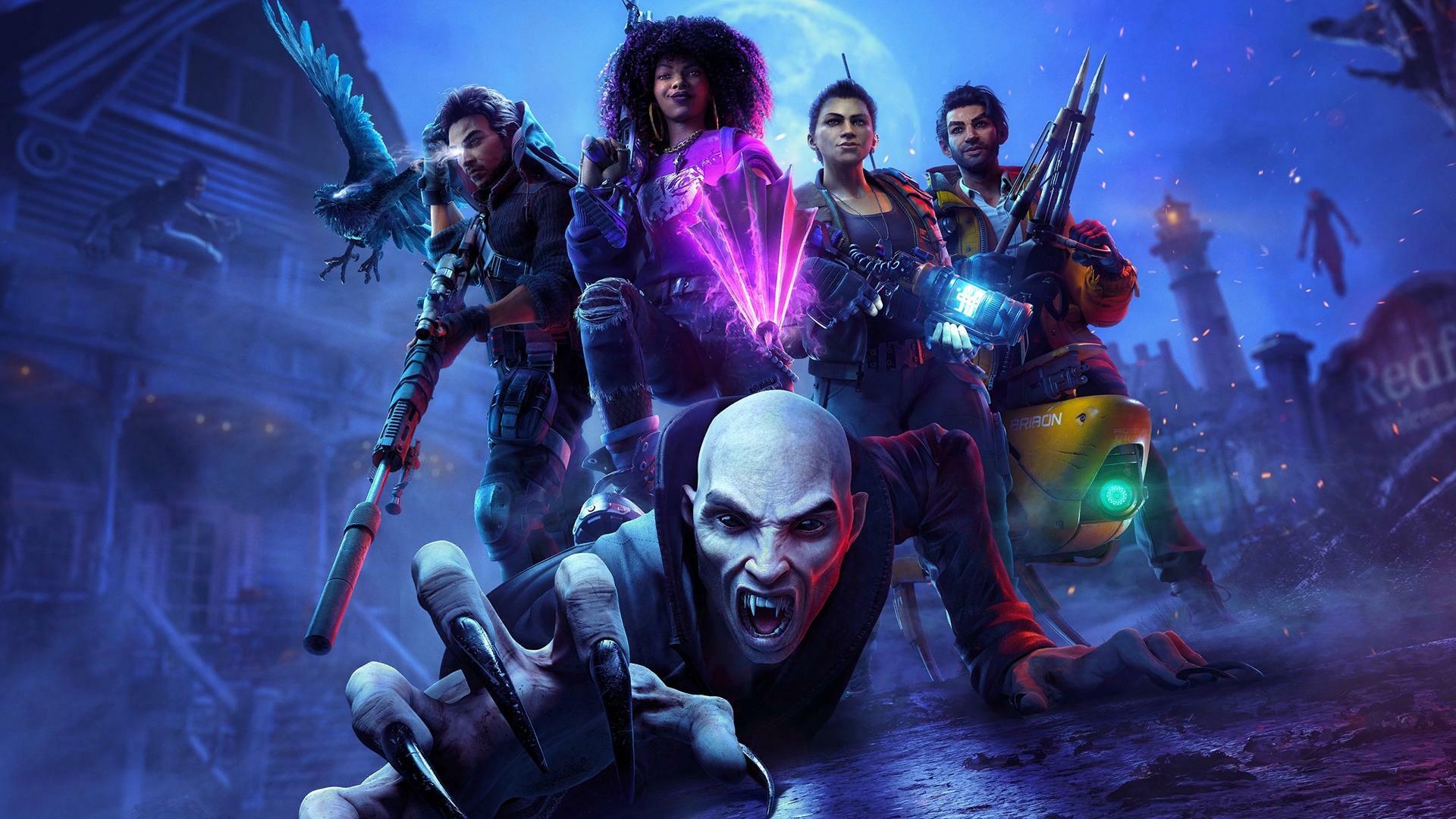
Arkane Austin released this co op vampire shooter in 2023 for Xbox Series X and S and PC. The game launched with a 30 frames per second cap on consoles and enemy behavior that frequently broke during encounters. Updates improved performance and added an offline mode, but major systems never clicked for most players. The studio was later closed in 2024, ending further development.
Crackdown 3
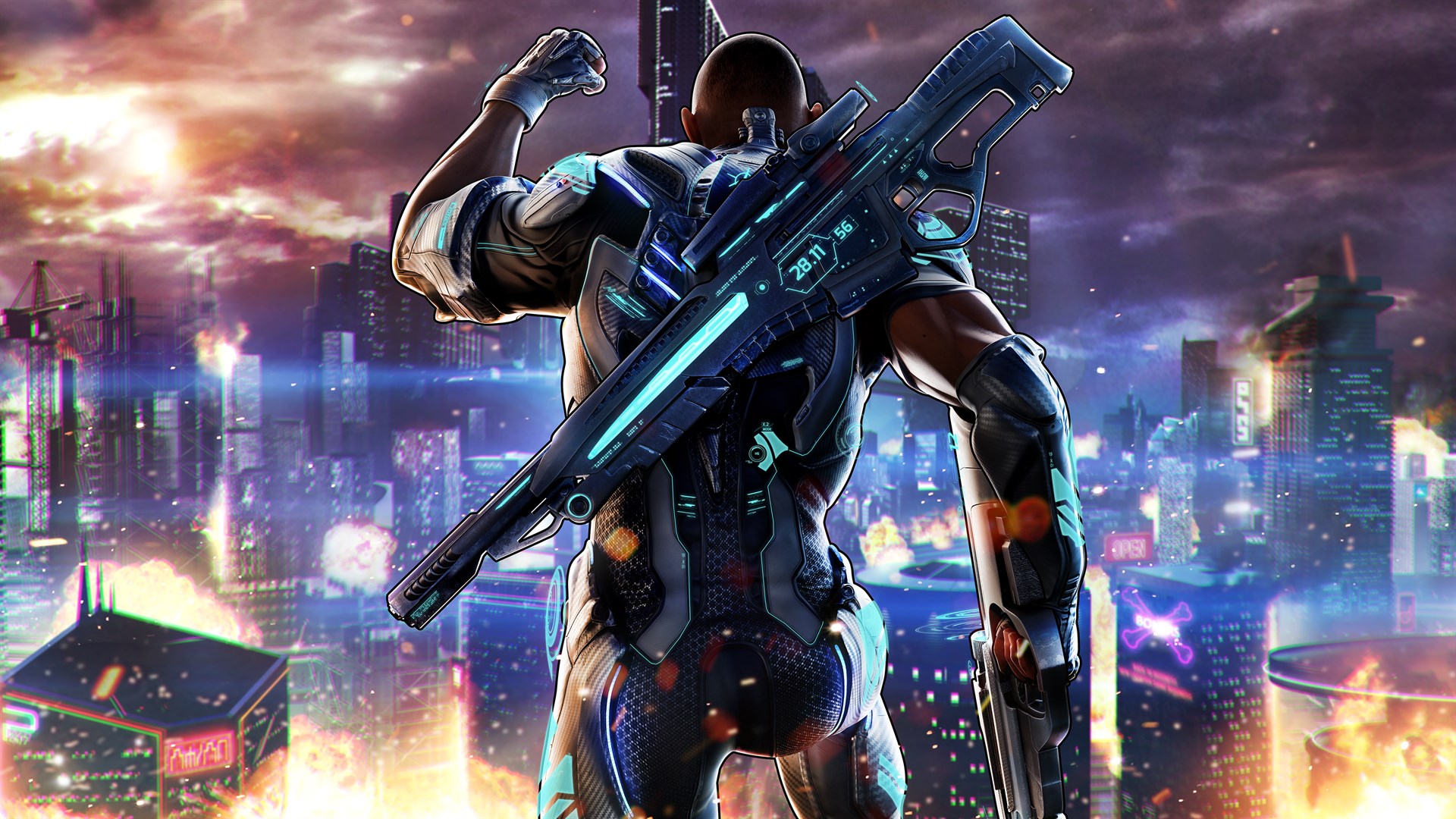
After a long development, this Xbox One and PC title arrived in 2019 with cloud powered destruction limited to a separate multiplayer mode. The campaign’s city offered repetitive objectives and minimal enemy variety. Performance targets were inconsistent across modes. Content drops did not change core structure, so engagement tapered off quickly.
Tom Clancy’s Ghost Recon Breakpoint
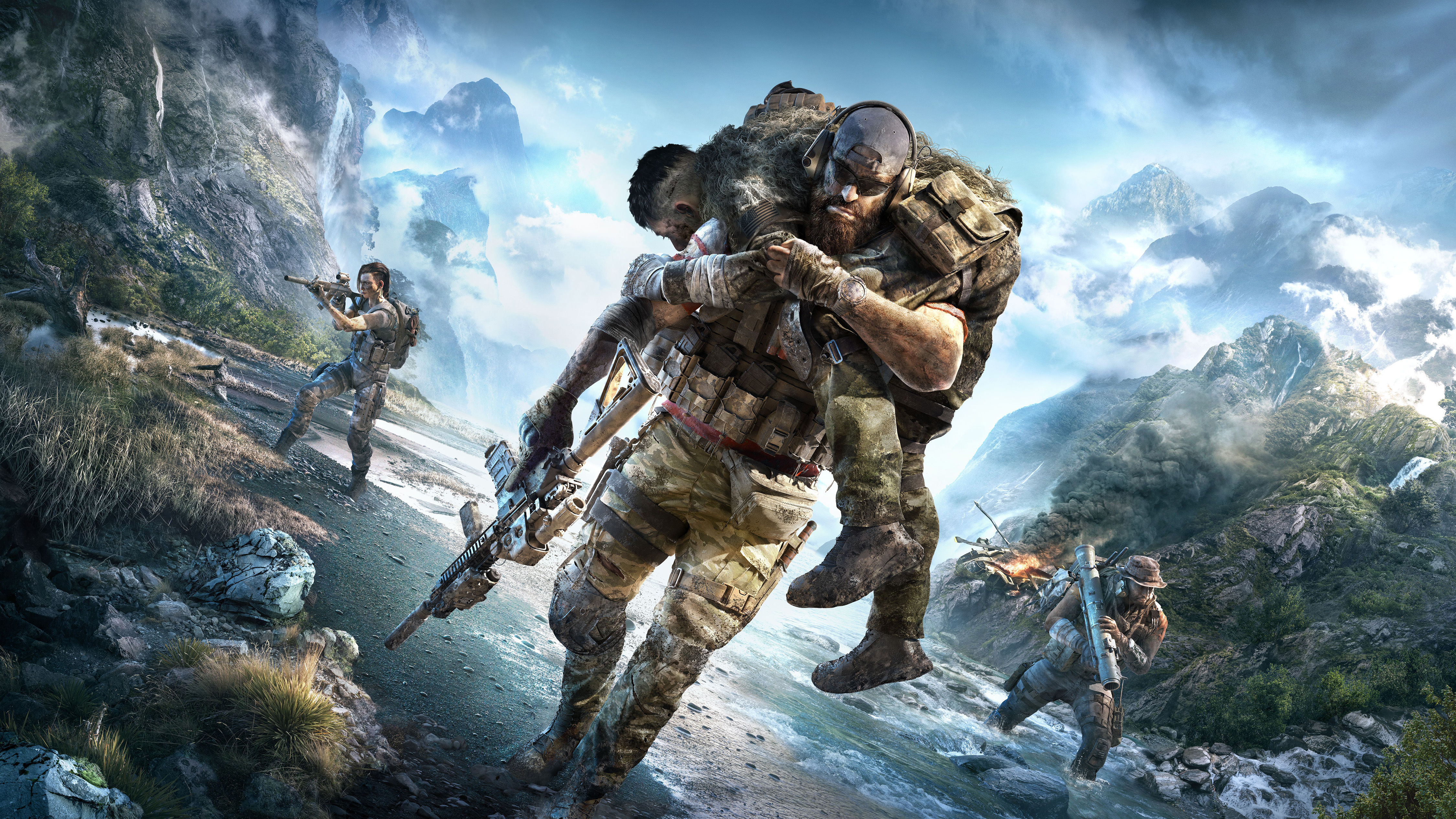
Ubisoft launched this 2019 entry on PC and consoles with survival mechanics, a gear score, and a heavy microtransaction catalog. Fans of the series objected to the loot treadmill and constant connectivity requirements. Post launch updates removed or reworked controversial systems and added a free immersive mode. Despite those changes, the initial direction damaged player trust.
Mafia III
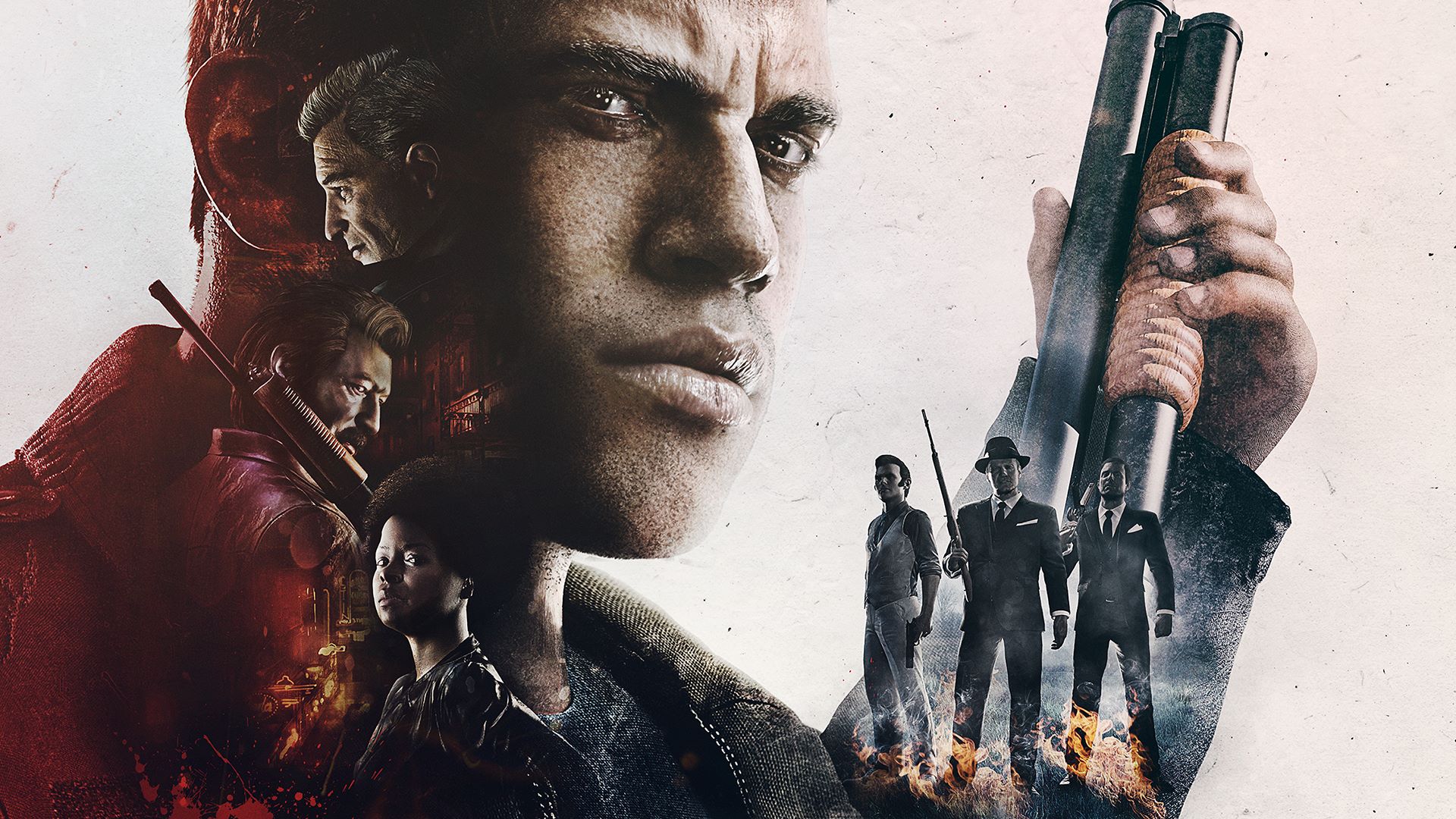
This 2016 release from Hangar 13 presented a strong 1968 New Bordeaux setting on PC and consoles. At launch the PC version was locked to 30 frames per second and the open world loop relied on repetitive district takeovers. Patches unlocked frame rates and added improvements over time. Story DLCs expanded characters, but the basic activity design remained unchanged.
Two Worlds
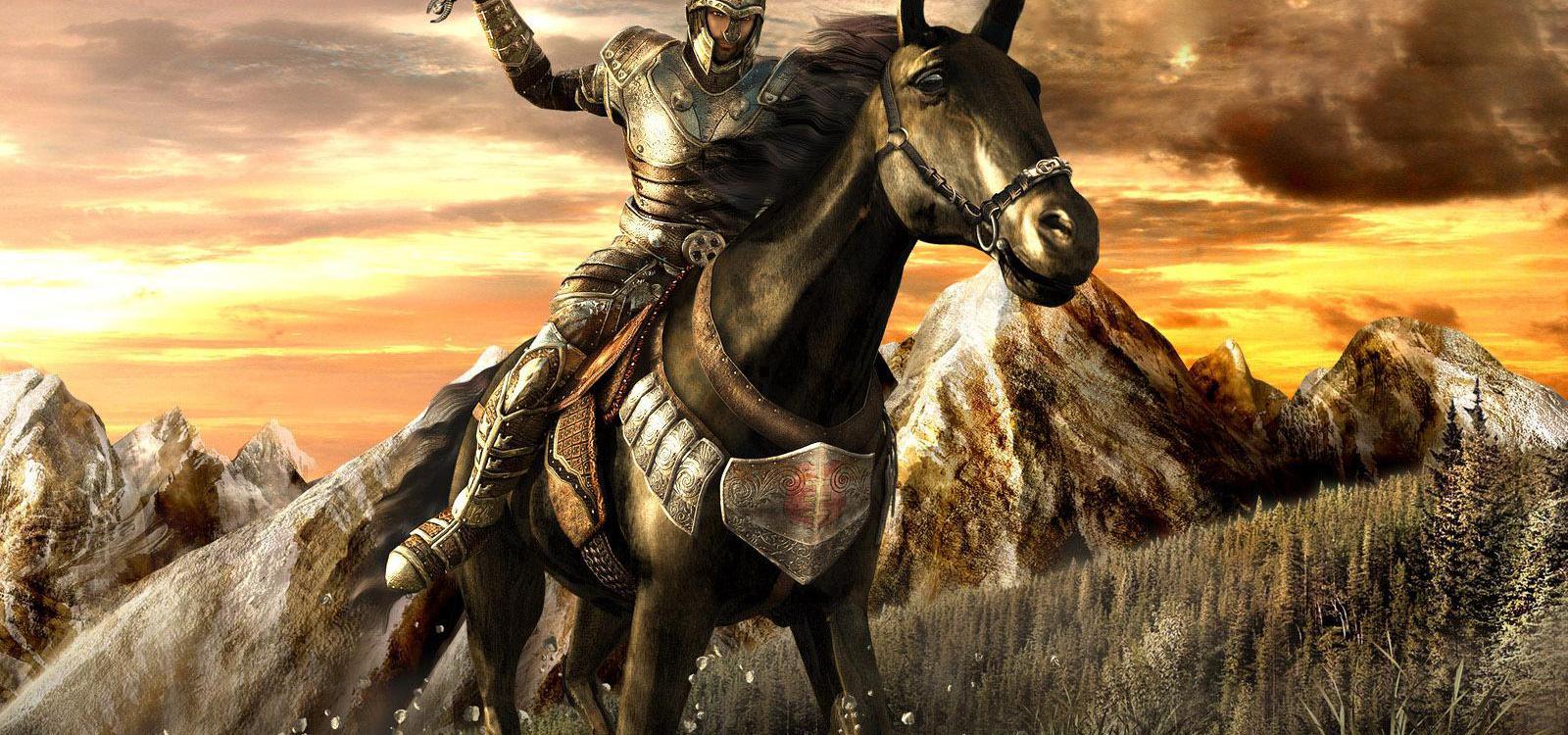
Reality Pump’s 2007 action RPG launched on PC and Xbox 360 with large areas to roam and heavy loot systems. The game suffered from frequent bugs, animation issues, and uneven quest scripting. Balance problems let low level players break progression with certain items. Later editions bundled patches and expansions, though the base experience still showed its rough edges.
Dynasty Warriors 9

Koei Tecmo moved the long running series to a single open map in 2018 on PC and consoles. The shift spread content thin across empty stretches and introduced performance drops in towns and battlefields. Weapon and move set reuse reduced the sense of unique characters across the roster. An Empires follow up restored structured scenarios, signaling a retreat from the experiment.
Gotham Knights
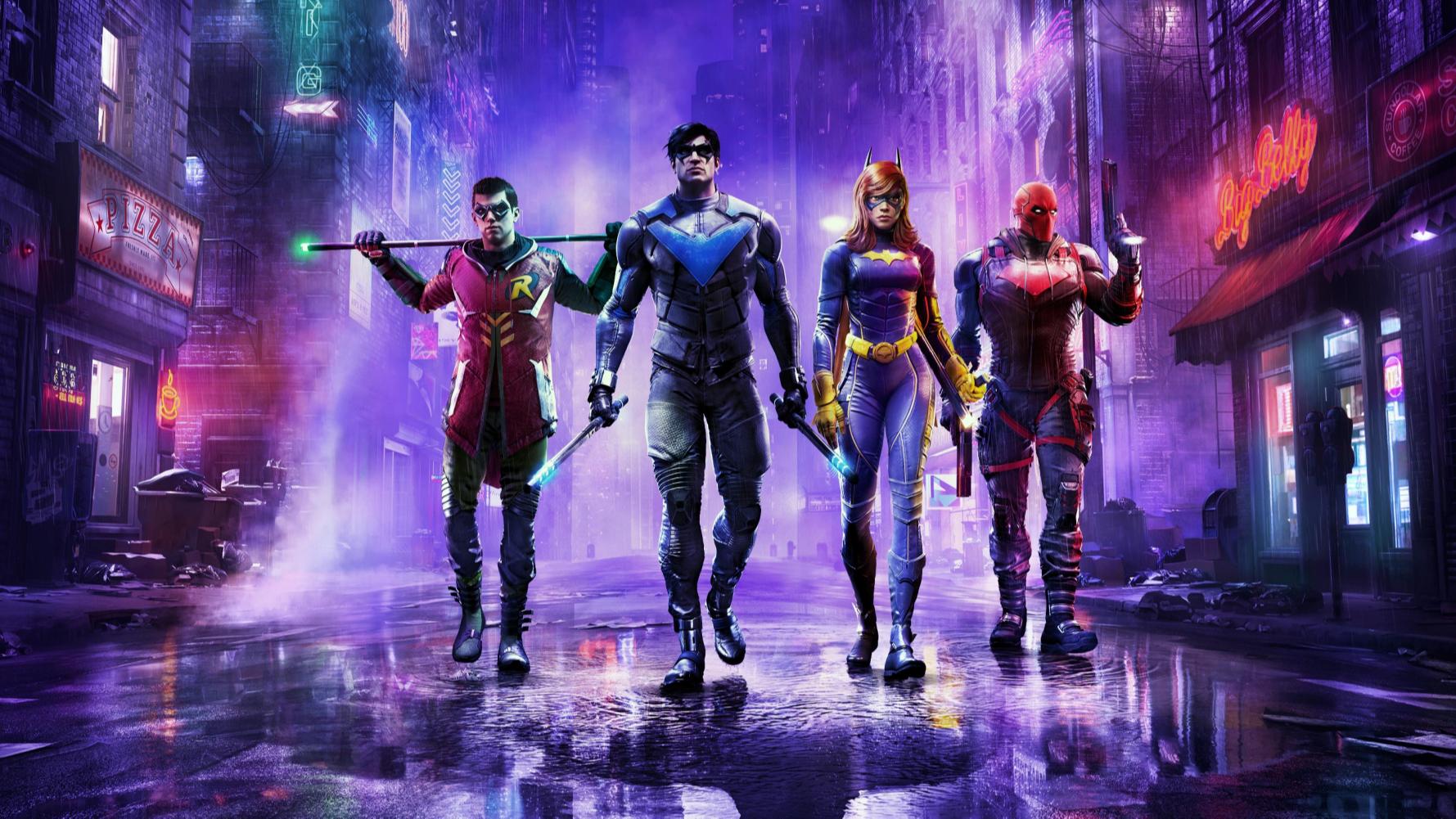
Warner Bros. Games Montréal released this 2022 co op action game on PC, PlayStation 5, and Xbox Series X and S. The console versions targeted 30 frames per second and traversal felt slow in the large city. Loot and crafting systems encouraged repeated patrols for incremental gains. A later update added a four player mode, but core performance and pacing remained the same.
Watch Dogs Legion
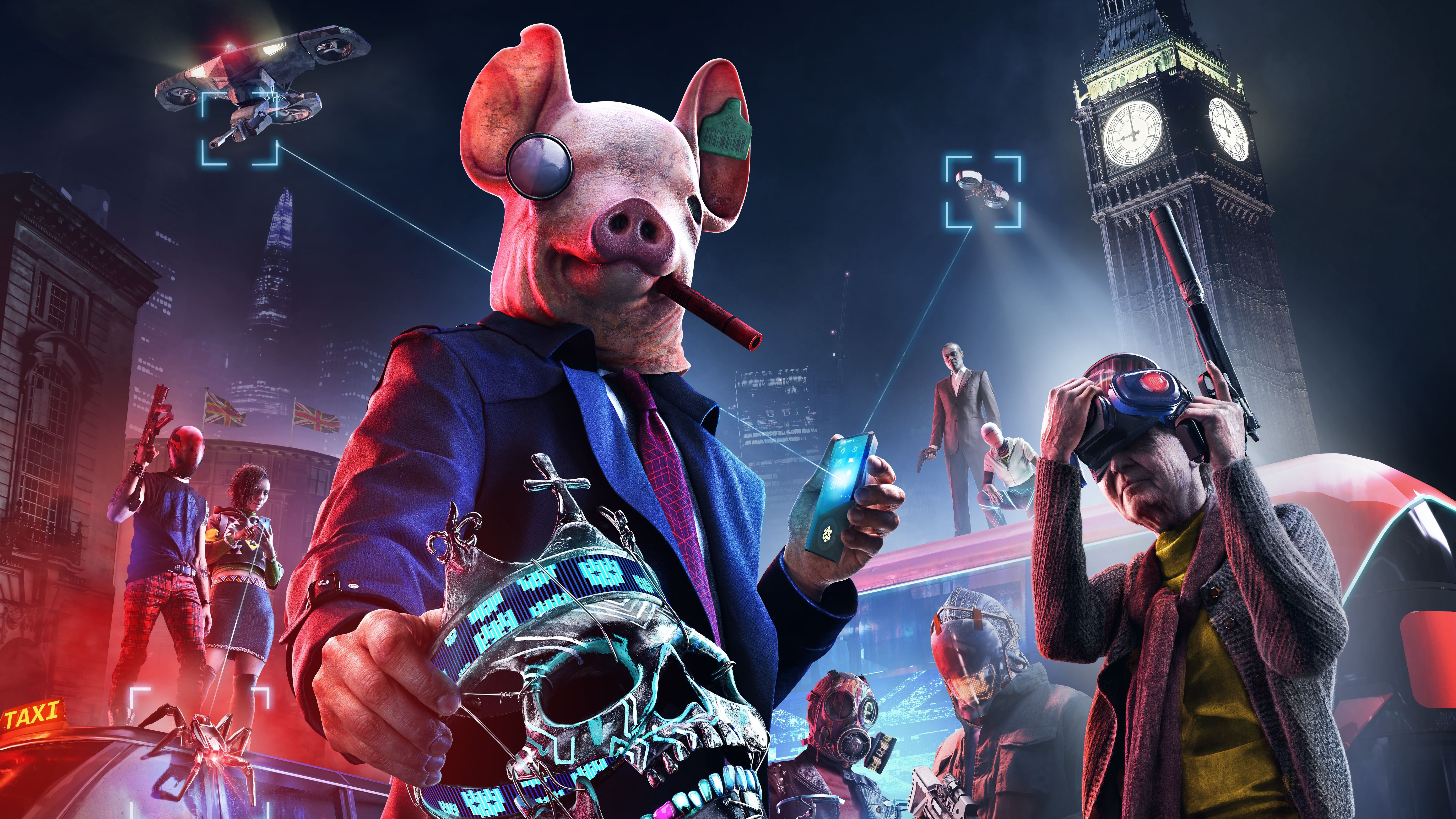
Ubisoft’s 2020 entry launched with the Play as Anyone recruiting system across PC and consoles. The technology was ambitious but produced shallow character abilities and repetitive mission templates. Online modes arrived later than planned and early versions struggled with stability. Next gen updates improved visuals and load times without solving structural issues.
Rage 2
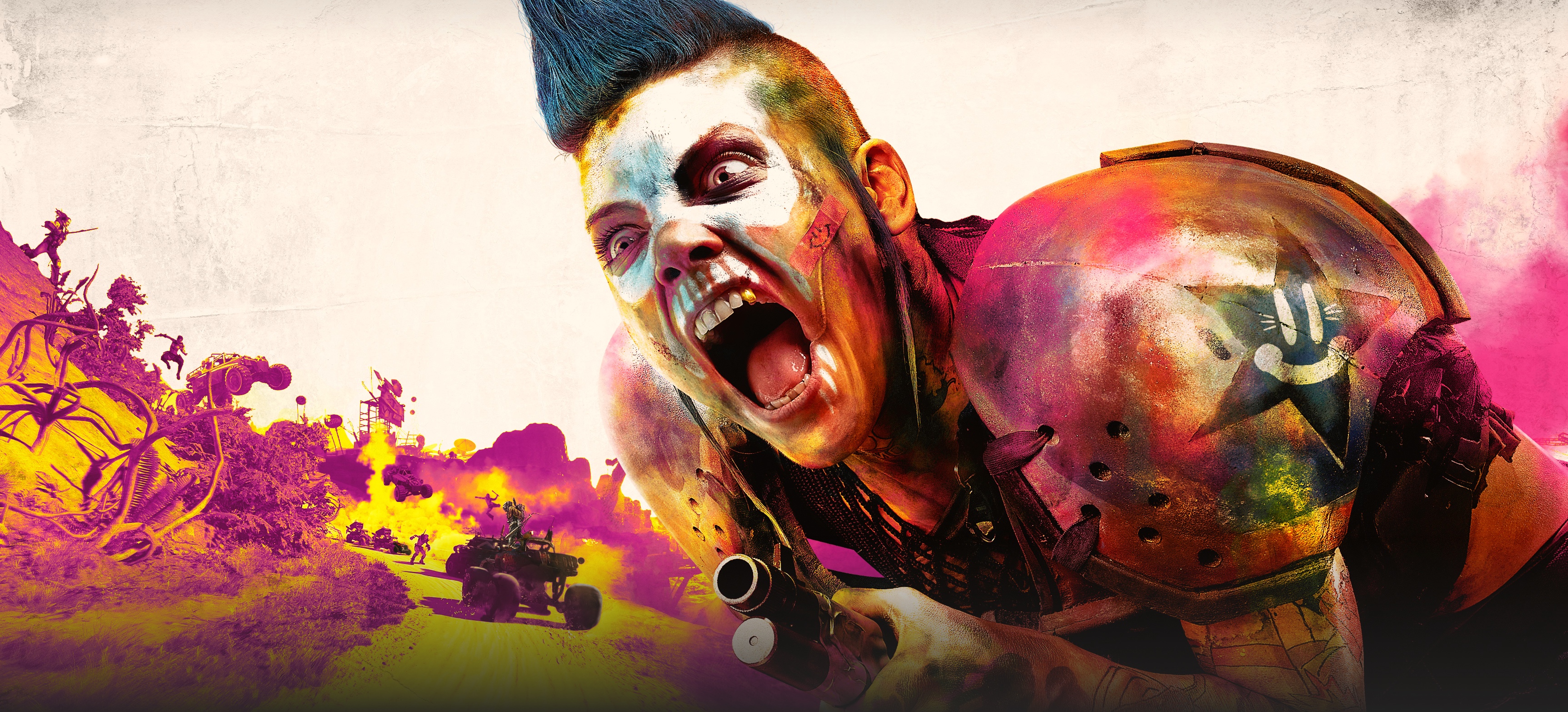
Avalanche Studios and id Software shipped this shooter in 2019 for PC, PlayStation 4, and Xbox One. Gunplay was praised, but the open world offered limited reasons to travel beyond scattered outposts. The campaign could be finished quickly if players ignored side content. Post launch content drops were small and did not expand systemic depth.
Deadly Premonition 2
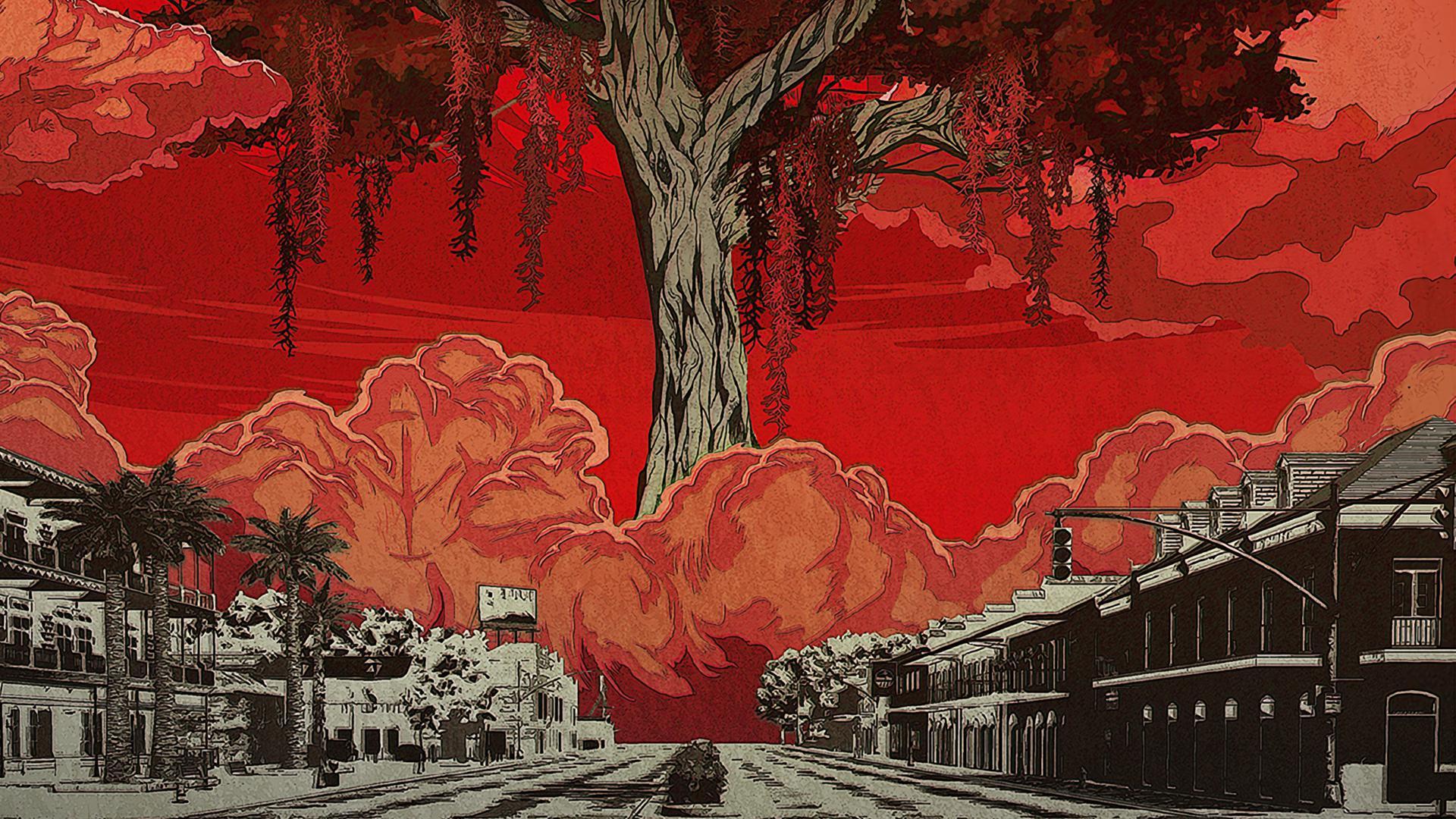
The 2020 sequel launched on Nintendo Switch with severe frame rate drops in open world segments. A patch addressed performance and improved controls, and a PC version arrived later with better stability. Quest structure required frequent traversal that highlighted loading and speed limitations. The investigative story remained the focus while the city itself felt underutilized.
The Crew
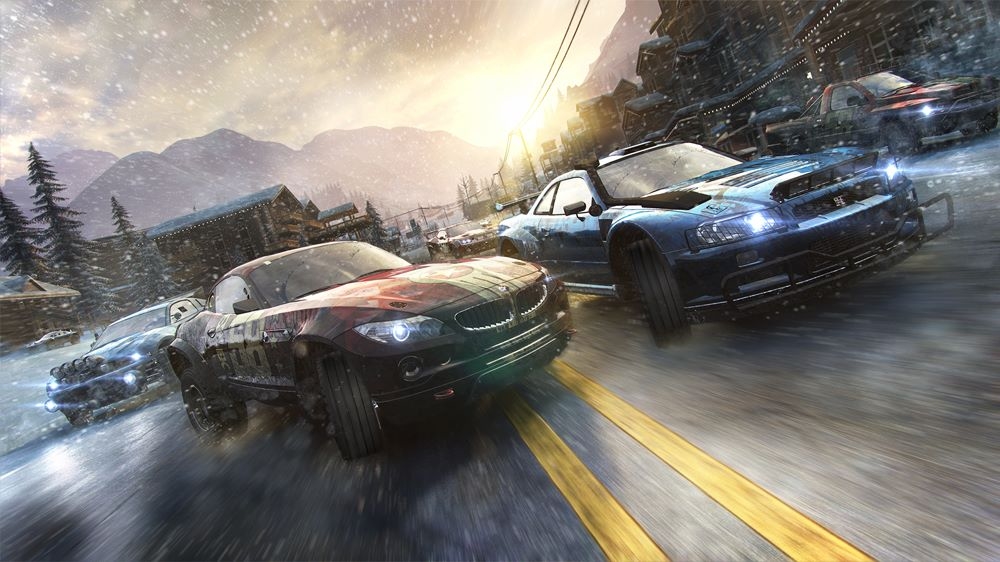
Ubisoft’s 2014 racer offered a coast to coast United States map on PC and consoles with always online requirements. The game relied on server connectivity for single player progression and featured a heavy microtransaction layer. Support continued for years, but the original servers were shut down in 2024 which rendered the title unplayable. The delisting and shutdown raised preservation concerns for online only open worlds.
Pokémon Scarlet and Violet

Game Freak’s 2022 releases brought a full open world format to Nintendo Switch with three story paths. Performance issues were common, including texture pop in and frame rate drops during exploration. Updates resolved some bugs and added features like connectivity for additional events. Expansions added new areas and quests while the base technical profile remained uneven.
ReCore
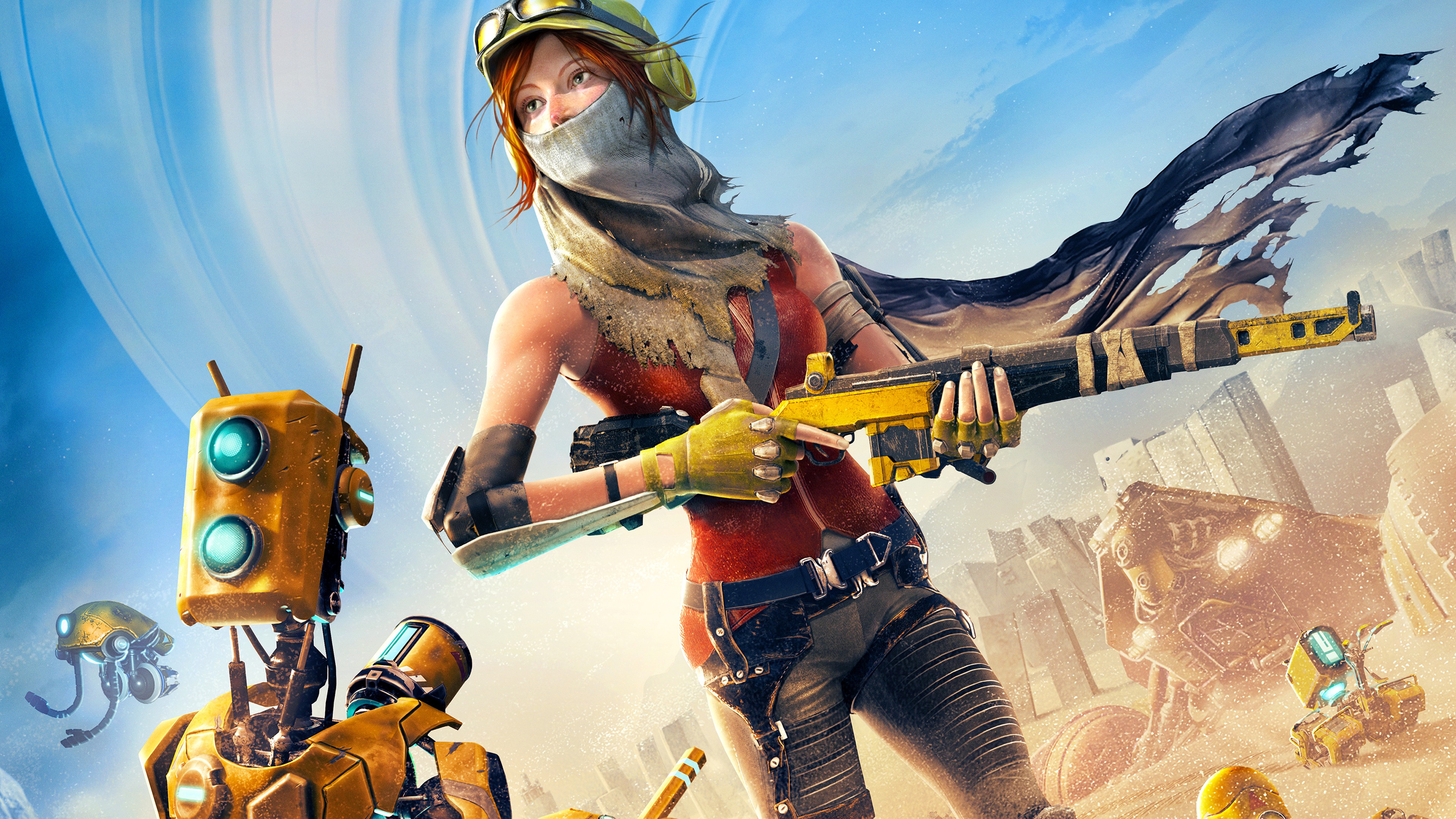
This 2016 action adventure arrived on Xbox One and PC with a small hub and open zones. Loading times were long at launch and progression was gated by core collection requirements that forced backtracking. The Definitive Edition added a new zone, fixed bugs, and restored cut content. Even with those changes, the world structure felt sparse compared to peers.
True Crime New York City
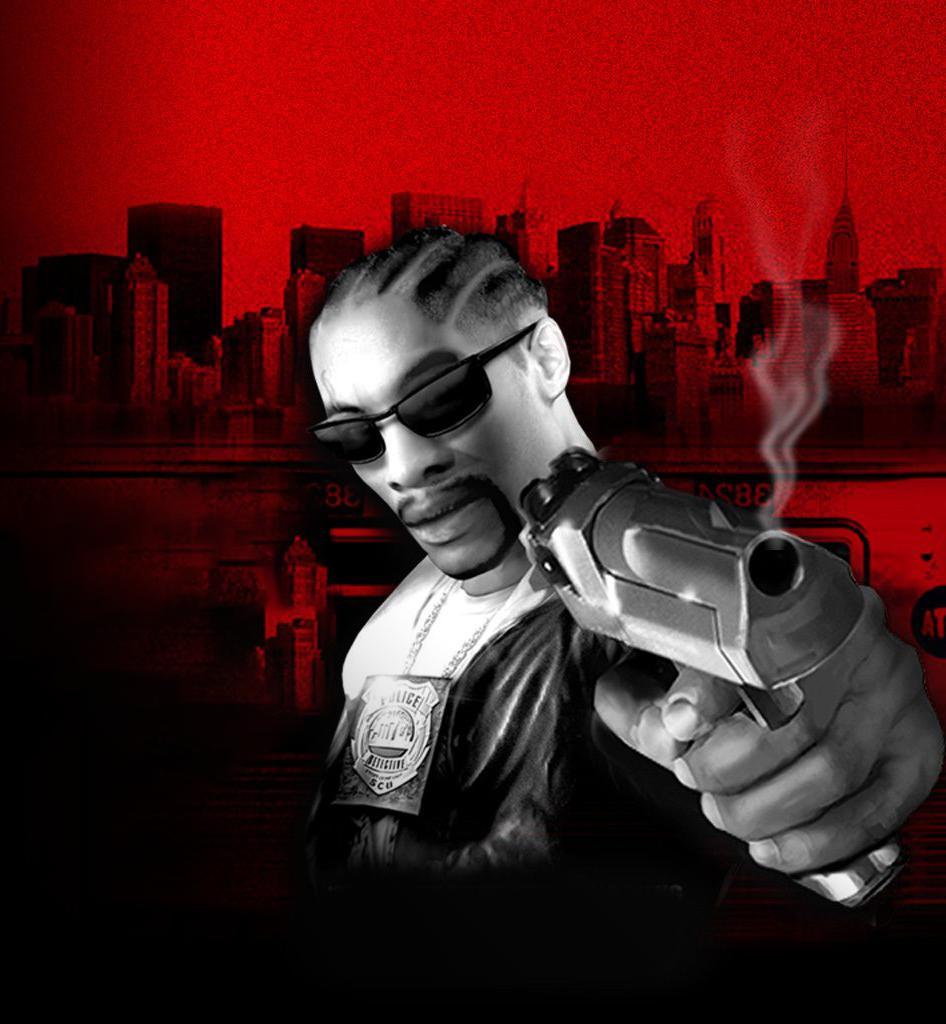
Activision’s 2005 follow up expanded to a larger Manhattan map on PlayStation 2, Xbox, and GameCube with a later PC port. Bugs and streaming problems caused mission failures and crashes on older hardware. Vehicle handling and combat systems were inconsistent across versions. The series was canceled afterward, and a later spiritual successor emerged under a different name.
X Rebirth
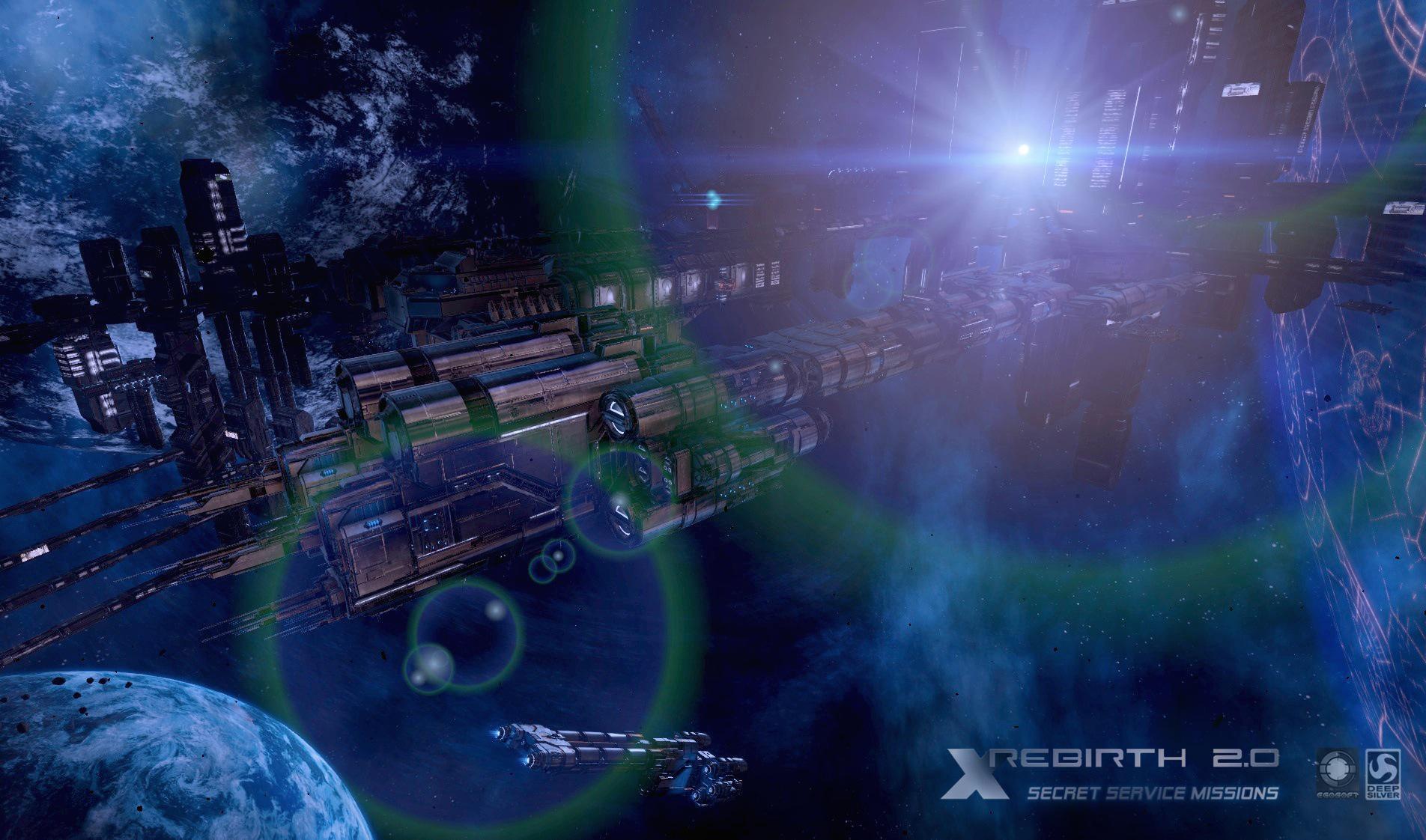
Egosoft’s 2013 space sim attempted a streamlined restart on PC with a vast open universe. The launch version shipped with serious performance issues and user interface problems that made basic tasks difficult. Multiple large patches arrived over the following years to stabilize systems and add quality of life features. Expansions improved depth, but the initial release left many players behind.
Share the open world misfires you think belong here and tell us why in the comments.