Every Pokémon Type Ranked



Pokémon types sit at the core of the battle system, defining what every move and creature is strong or weak against. Across the mainline games there are 18 types, from long-standing staples like Fire and Water to the more recent Fairy type. Each type comes with typical stat spreads, common roles in battle, and characteristic move pools that shape how Pokémon using that type are usually played. Understanding their strengths, weaknesses, and common interactions with other types helps explain how different strategies, team roles, and move choices emerge around each one.
Bug
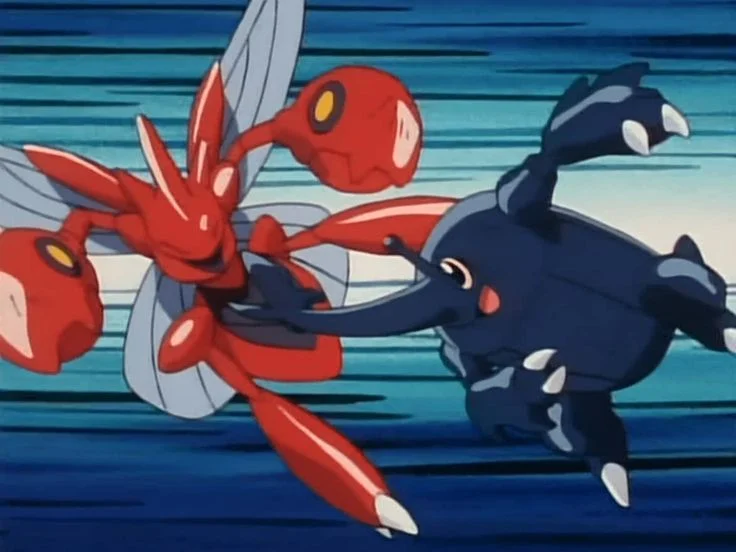
Bug-type Pokémon are often encountered early in regional Pokédexes, and many of them evolve quickly, which lets players experience evolution and movepool growth within the first few routes. This type is super effective against Grass, Psychic, and Dark, but its moves are resisted by a wide range of types, including Fighting, Flying, Poison, Ghost, Steel, Fire, and Fairy. Bug-type Pokémon are weak to Flying, Rock, and Fire, while resisting Fighting, Ground, and Grass. Signature moves like U-turn, X-Scissor, and Quiver Dance give Bug types valuable roles as pivoting attackers or set-up sweepers on many teams.
Ice
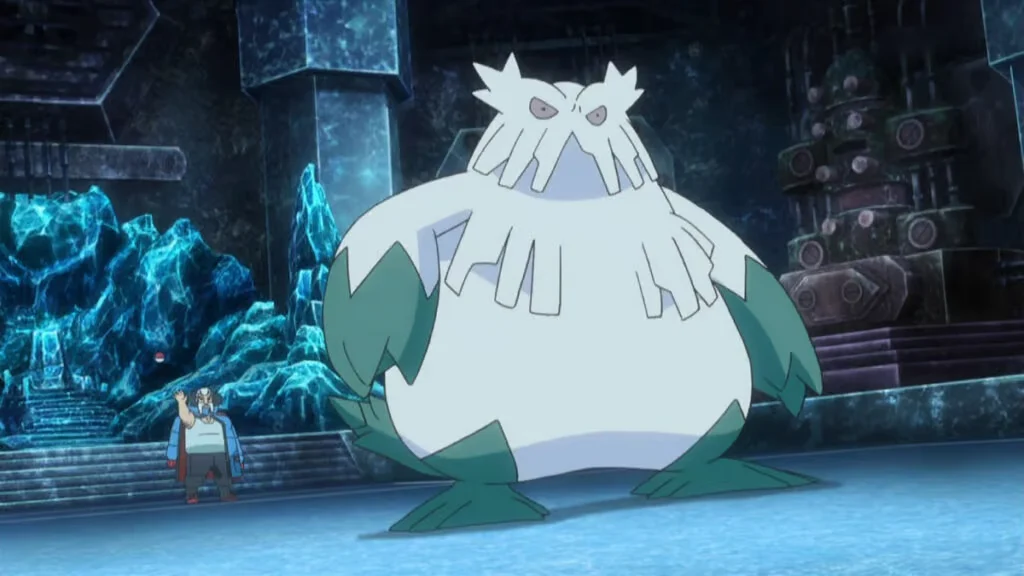
Ice-type moves are prized as coverage because they hit Flying, Ground, Grass, and Dragon for super effective damage, giving them excellent reach against common threats. Defensively, pure Ice-type Pokémon have only one resistance—to Ice itself—but carry weaknesses to Fire, Fighting, Rock, and Steel, which makes them relatively fragile when switching into attacks. Many Ice types lean toward strong offensive stats and can access powerful moves like Ice Beam, Blizzard, and Icicle Crash. Several Pokémon gain Ice as a secondary type, combining it with Water, Dark, or Ground to carve out more specialized offensive or support roles.
Rock
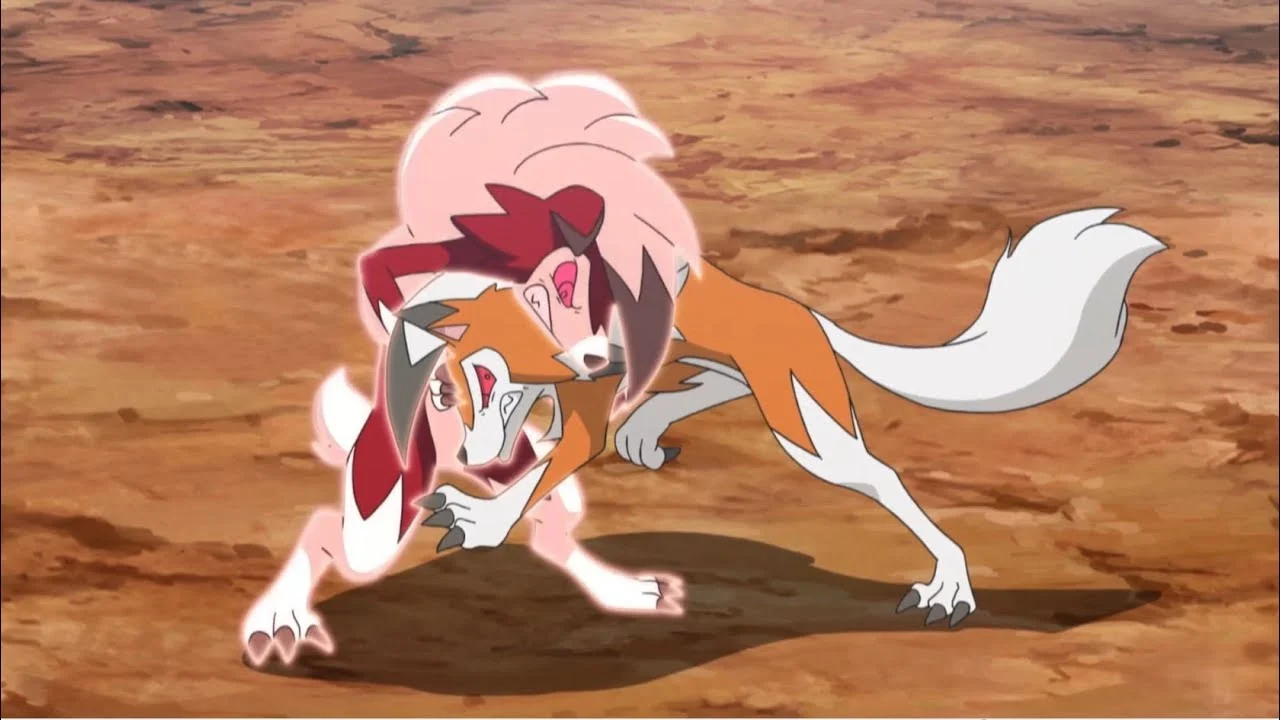
Rock-type moves are super effective against Fire, Ice, Flying, and Bug, and staple attacks like Rock Slide and Stone Edge see frequent use for their wide offensive coverage. Rock-type Pokémon typically have high Defense stats and often participate in setting entry hazards such as Stealth Rock, which chip opposing Pokémon each time they switch in. Defensively, Rock types resist Normal, Fire, Poison, and Flying but are weak to Water, Grass, Fighting, Ground, and Steel. In sandstorm conditions, Rock-type Pokémon receive a Special Defense boost, which can significantly improve their ability to withstand special attacks.
Normal

Normal-type attacks hit a vast majority of other types for neutral damage, though they do not strike anything super effectively and cannot affect Ghost types at all. Normal-type Pokémon are weak only to Fighting but are immune to Ghost-type moves, giving them some unique switch-in opportunities against teams that rely on Ghost attacks. Many Normal types have broad movepools, learning a variety of coverage moves such as elemental punches, Shadow Ball, or Flamethrower, which allows them to surprise opponents. This type also houses several users of strong priority moves like Extreme Speed and diverse utility techniques like Belly Drum, Recover, and status support.
Poison
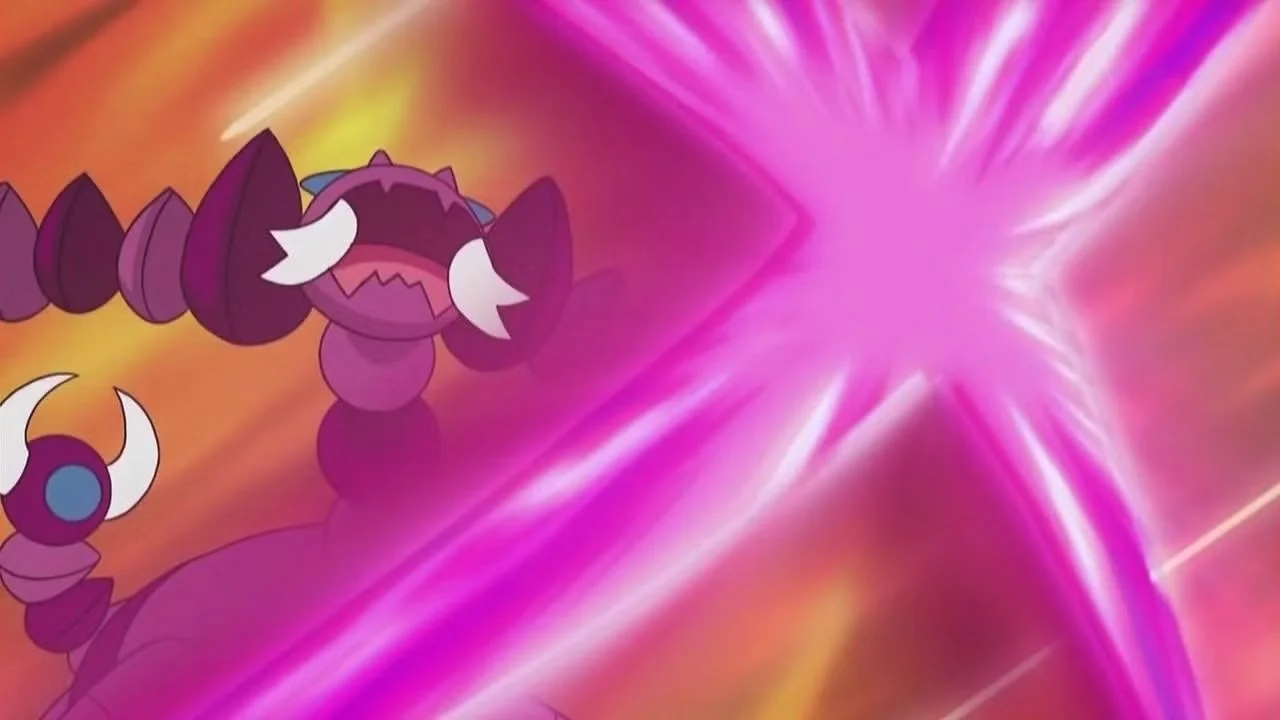
Poison-type attacks are super effective against Grass and Fairy, with the latter interaction becoming particularly important once Fairy was introduced. Poison-type moves are resisted by Poison, Ground, Rock, and Ghost, and they cannot damage Steel-type Pokémon at all. Defensively, Poison types resist Fighting, Poison, Bug, Grass, and Fairy while being weak to Ground and Psychic, which can give them secure switches into certain physical attackers and status users. Many Poison-type Pokémon specialize in spreading conditions like poison and bad poison through moves such as Toxic, Sludge Bomb, Toxic Spikes, and various trapping or stall tools.
Grass
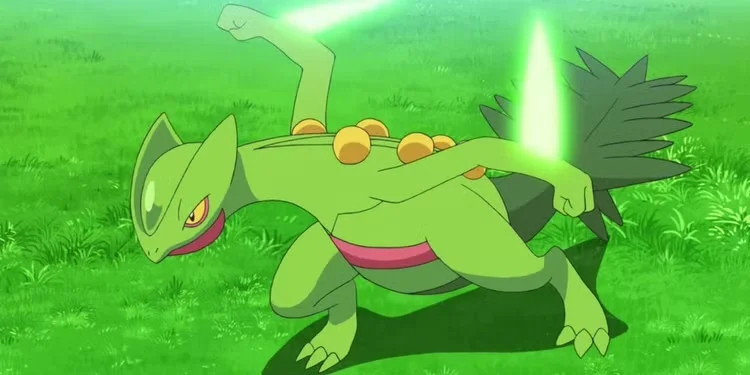
Grass-type attacks are super effective against Water, Ground, and Rock, making them effective at checking many bulky Water and Ground Pokémon that appear frequently on teams. Grass-type Pokémon resist Water, Electric, Grass, and Ground, but they carry weaknesses to Fire, Ice, Poison, Flying, and Bug, which expose them to several common attacking types. This type is associated with powerful recovery and disruption moves, including Giga Drain, Synthesis, Leech Seed, Sleep Powder, and Spore, which allow Grass types to sustain themselves and control the pace of battle. Many Grass-type Pokémon also interact with terrain mechanics, benefiting from Grassy Terrain to gain extra recovery and boosted Grass-type moves.
Ghost
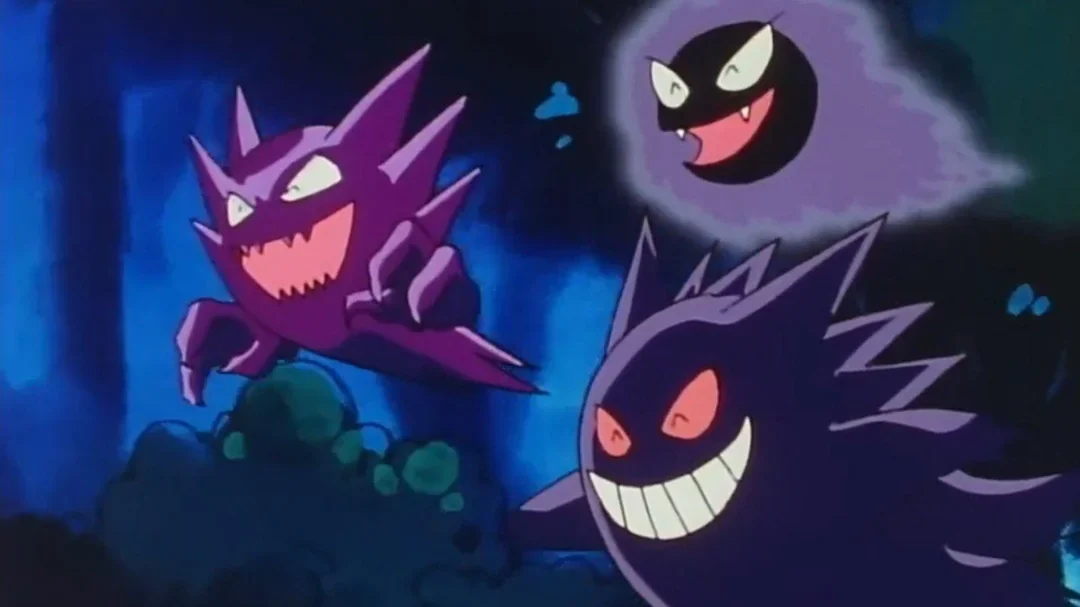
Ghost-type attacks hit Psychic and Ghost Pokémon for super effective damage and cannot affect Normal types, which creates distinctive matchup patterns in battle. Ghost-type Pokémon are immune to Normal and Fighting moves, resist Poison and Bug, and are weak to Ghost and Dark moves, which gives them useful defensive niches against common physical attackers. Many Ghost types are known for combining solid offensive stats with disruptive support moves such as Will-O-Wisp, Hex, Destiny Bond, and various forms of hazard or item control. The type also plays an important role in game design flavor, featuring heavily in haunted locations, story events, and unique evolution methods tied to in-game trades or special conditions.
Psychic
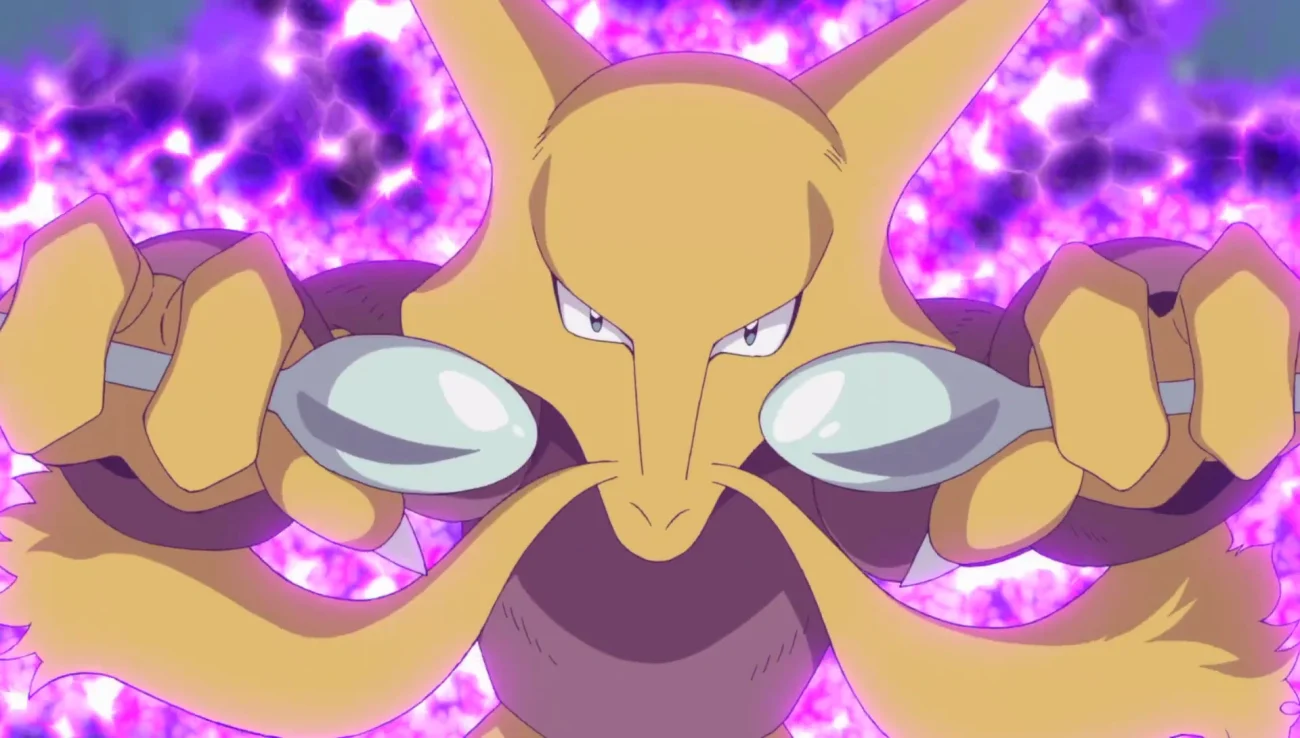
Psychic-type attacks are super effective against Fighting and Poison but are resisted by Steel and Psychic and cannot damage Dark types at all. Psychic-type Pokémon resist Fighting and Psychic and are weak to Bug, Ghost, and Dark moves, which structure many of their favorable and unfavorable matchups. Historically, the introduction of Dark and Steel types and updates to the battle mechanics reshaped Psychic’s dominance, leading to a more balanced environment. Many Psychic types have high Special Attack and Special Defense stats and access to versatile moves like Psychic, Psyshock, Calm Mind, Teleport, and various status and screen moves that support both offensive and defensive strategies.
Fighting

Fighting-type attacks are super effective against Normal, Ice, Rock, Dark, and Steel, which gives them crucial coverage against many defensively strong types. Fighting-type moves are resisted by Poison, Flying, Psychic, Bug, and Fairy, and they cannot hit Ghost-type Pokémon, which shapes how Fighting attackers choose their coverage options. Defensively, Fighting types are weak to Flying, Psychic, and Fairy, while resisting Bug, Rock, and Dark, making them valuable checks to several offensive threats. Many Fighting-type Pokémon feature high Attack stats and powerful moves such as Close Combat, Drain Punch, Mach Punch, and Bulk Up, enabling them to serve as physical powerhouses or sustain-oriented bruisers.
Dark
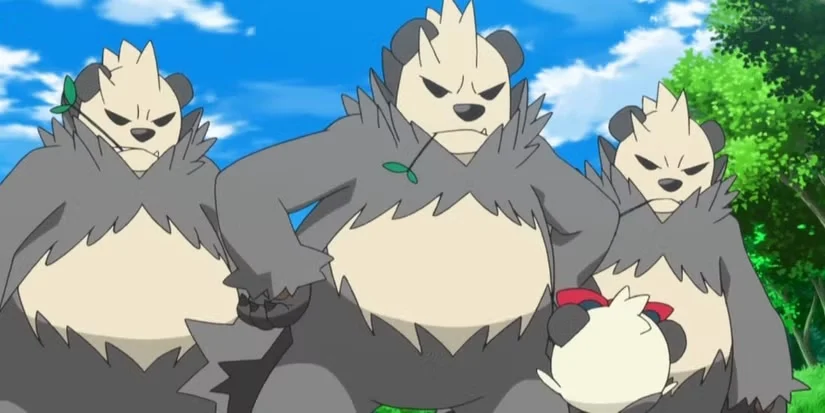
Dark-type attacks are super effective against Psychic and Ghost, providing an important answer to those two types, and are resisted by Fighting, Dark, and Fairy. Dark-type Pokémon are weak to Fighting, Bug, and Fairy, resist Ghost and Dark, and are completely immune to Psychic moves, which gives them critical defensive utility in many battles. Introduced to counterbalance the dominance of Psychic types, Dark has since become a core part of competitive formats thanks to moves like Knock Off, Crunch, and Sucker Punch. Many Dark-type Pokémon also learn disruptive moves such as Taunt, Foul Play, and various trapping techniques, allowing them to interfere with defensive cores and support strategies.
Fire

Fire-type attacks are super effective against Grass, Ice, Bug, and Steel, and this type’s signature moves like Flamethrower, Fire Blast, and Flare Blitz are widely used for their power and reliability. Fire-type Pokémon resist Fire, Grass, Ice, Bug, Steel, and Fairy and are weak to Water, Ground, and Rock, with a notable vulnerability to Stealth Rock that influences how they are used in team building. Many Fire types, especially those aligned with sun-based strategies, benefit from weather effects that boost Fire moves and enable instant charging of certain attacks. This type often includes fast or offensively focused Pokémon that exert strong pressure on Steel and Grass cores while frequently carrying useful coverage options such as Ground or Fighting moves.
Flying

Flying-type attacks hit Grass, Fighting, and Bug for super effective damage and are resisted by Electric, Rock, and Steel, which determines how Flying attackers choose their targets. Flying-type Pokémon are immune to Ground moves, resist Grass, Fighting, and Bug, and are weak to Electric, Ice, and Rock, with the Rock weakness making entry hazards especially impactful. Many Flying types serve as crucial utility Pokémon thanks to moves like Defog, Tailwind, Roost, and various pivoting attacks such as U-turn. In battle design, Flying is very commonly used as a secondary type, pairing with elements like Water, Fire, Dragon, or Dark to create versatile combinations that interact in complex ways with the type chart.
Electric

Electric-type attacks are super effective against Water and Flying and are resisted by Electric, Grass, and Dragon, while they cannot hit Ground-type Pokémon at all. Electric-type Pokémon are weak only to Ground and resist Electric, Flying, and Steel, giving them a relatively straightforward defensive profile. Many Electric types are designed as fast special attackers with access to strong and accurate moves like Thunderbolt and Volt Switch, plus riskier options like Thunder for raw power. This type also frequently interacts with field effects and abilities, using moves such as Thunder Wave, Rising Voltage, and various terrain or weather synergies to influence speed control and damage output.
Dragon

Dragon-type attacks are super effective only against Dragon but once faced very few resistances, leading to their significant impact before Fairy was introduced, and are now completely ineffective against Fairy types. Dragon-type Pokémon resist Fire, Water, Grass, and Electric and are weak to Ice, Dragon, and Fairy, which shapes the kinds of checks commonly used against them. Many Dragon types occupy high-stat roles, often as pseudo-legendary Pokémon with powerful signature moves such as Outrage, Draco Meteor, and various exclusive techniques. Dragon types frequently appear at key points in game stories, serving as champion aces, box art legendaries, or major boss Pokémon that showcase advanced battle mechanics like weather, terrain, or form changes.
Ground
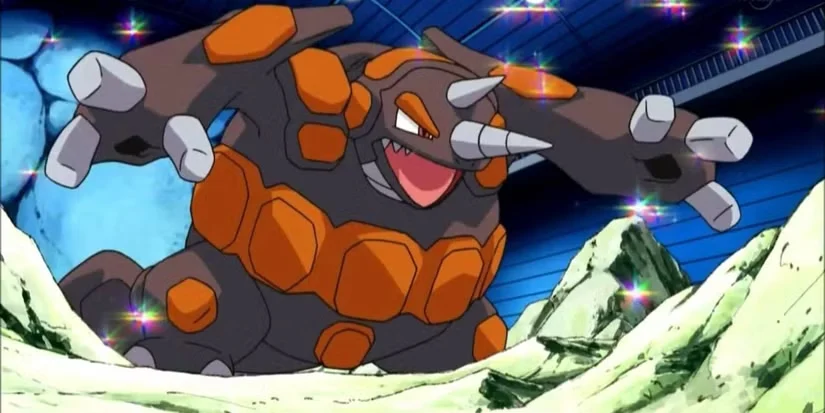
Ground-type attacks are super effective against Fire, Electric, Poison, Rock, and Steel, while they are resisted by Bug and Grass and cannot damage Flying types. Ground-type Pokémon are immune to Electric moves, resist Poison and Rock, and are weak to Water, Grass, and Ice, which gives them critical defensive roles against Electric and many Steel or Rock threats. Earthquake, a widespread and powerful Ground move, is a centerpiece of many offensive sets, especially when combined with complementary coverage such as Rock or Ice. Ground types also interact strongly with battlefield effects and abilities, participating in sandstorm teams and taking advantage of skills like Levitate, Sand Veil, and various weather-based boosts.
Water

Water-type attacks are super effective against Fire, Ground, and Rock and are resisted by Water, Grass, and Dragon, creating a well-rounded offensive profile that fits many team structures. Water-type Pokémon are weak to Electric and Grass and resist Fire, Water, Ice, and Steel, which grants them numerous safe switch-in opportunities against common attacking types. This type has more species than any other, spanning roles from bulky defensive walls and hazard controllers to fast sweepers and mixed attackers. Water types often synergize with rain weather, benefiting from boosted Water moves, improved accuracy on certain attacks, and abilities like Swift Swim or Rain Dish that enhance speed and survivability.
Fairy

Fairy-type attacks are super effective against Dragon, Fighting, and Dark and are resisted by Fire, Poison, and Steel, which allows them to threaten several offensive mainstays. Fairy-type Pokémon resist Fighting, Bug, and Dark, are weak to Poison and Steel, and are completely immune to Dragon moves, which dramatically changes how Dragon types operate in battle. Introduced later than most other types, Fairy reshaped the competitive landscape by providing a direct answer to many Dragon and Dark strategies. Numerous Fairy types excel in supportive or bulky roles, making use of moves like Moonblast, Play Rough, Wish, Aromatherapy, and various screen or terrain moves to stabilize teams and assist allies.
Steel

Steel-type attacks are super effective against Ice, Rock, and Fairy and are resisted by Fire, Water, Electric, and Steel, giving them targeted but valuable offensive matchups. Steel-type Pokémon are weak to Fire, Fighting, and Ground but boast an extensive list of resistances, including Normal, Grass, Ice, Flying, Psychic, Bug, Rock, Dragon, Fairy, and Steel, along with immunity to Poison. This exceptional defensive profile allows Steel types to anchor teams, repeatedly switching into attacks and providing long-term stability. Many Steel-type Pokémon contribute crucial utility by setting entry hazards such as Stealth Rock or Spikes, using phazing moves, or offering support through screens and status while still threatening opponents with solid Steel-type attacks.
Share your favorite Pokémon type strategies and team combinations in the comments below.