Top 20 Reboots and Remakes That Nobody Asked For


Reboots and remakes show up every year across movies and TV, often updating familiar stories with new casts and big visual effects while tweaking timelines and tone for modern audiences. Some keep core character names and settings but swap genres or add origin stories that were not in earlier versions. Many arrive with large marketing campaigns and recognizable brands that aim to introduce the material to new viewers. Here are twenty examples that revisited well known titles with fresh production teams, revised worldbuilding, and different creative choices.
‘Ghostbusters’ (2016)
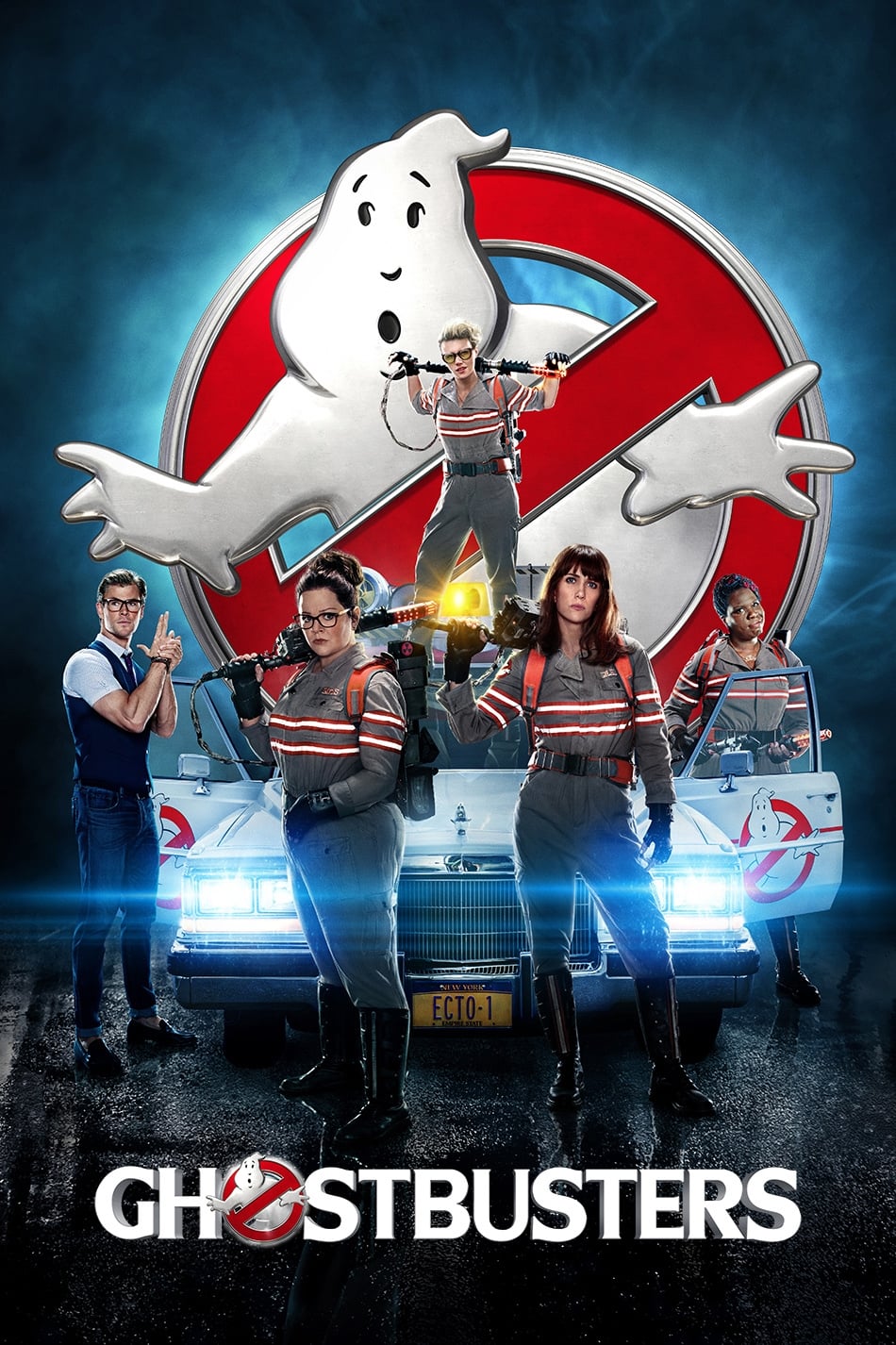
This installment introduced a new team of scientists in New York with original ghosts and gadgets rather than continuing the prior continuity. Director Paul Feig worked with an ensemble cast and incorporated cameos from actors associated with the earlier films. The story reimagined the origin of the group and updated the technology with contemporary effects. Sony positioned the film as a summer tentpole with tie in merchandise and a new theme variation.
‘The Mummy’ (2017)
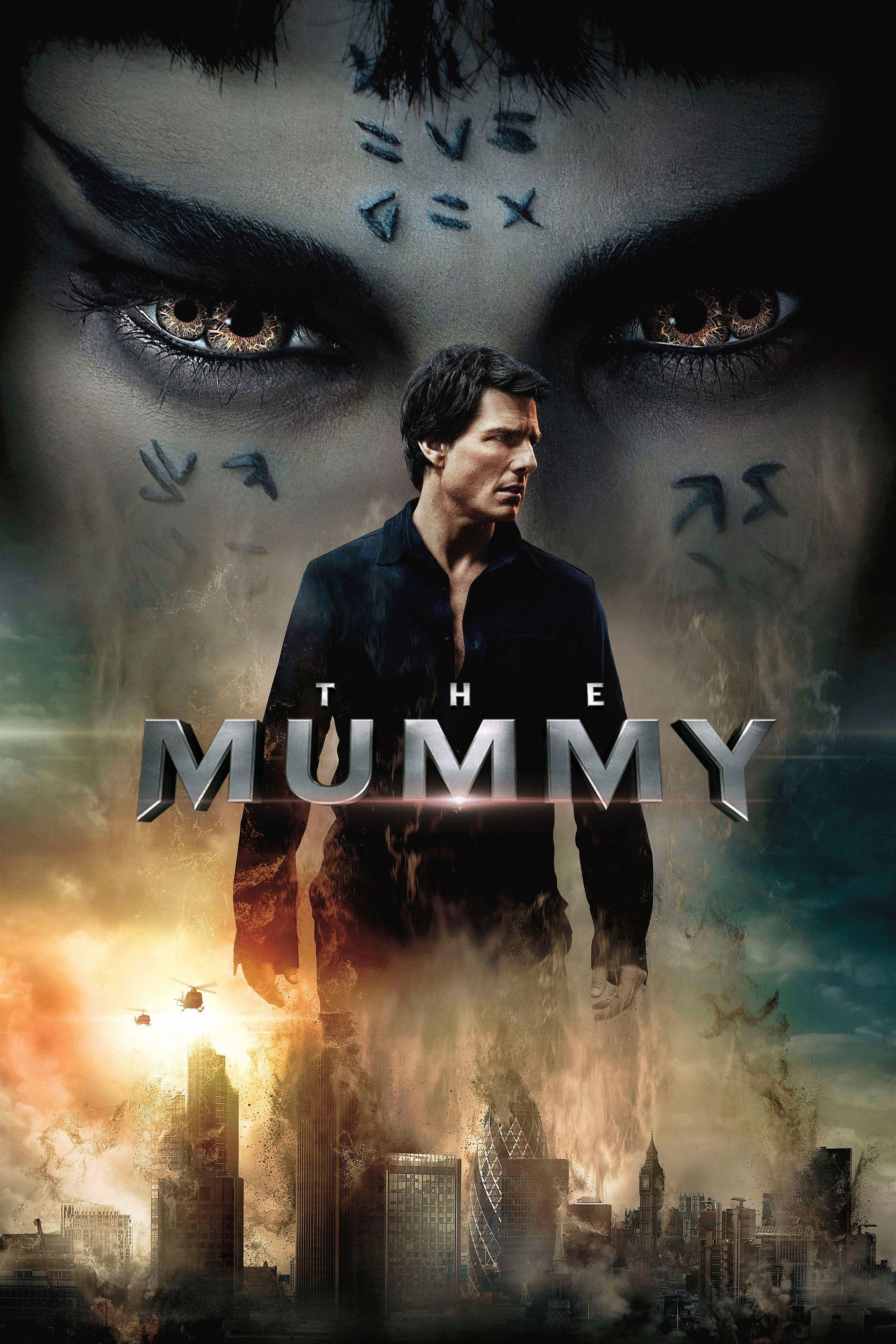
Universal launched this version as the start of a shared monster universe with references to other classic creatures. Tom Cruise led the cast while Sofia Boutella played the title character with a modernized backstory. The film shifted the setting to contemporary times and emphasized action set pieces alongside supernatural lore. Production featured large scale location shoots and extensive stunt work.
‘Total Recall’ (2012)
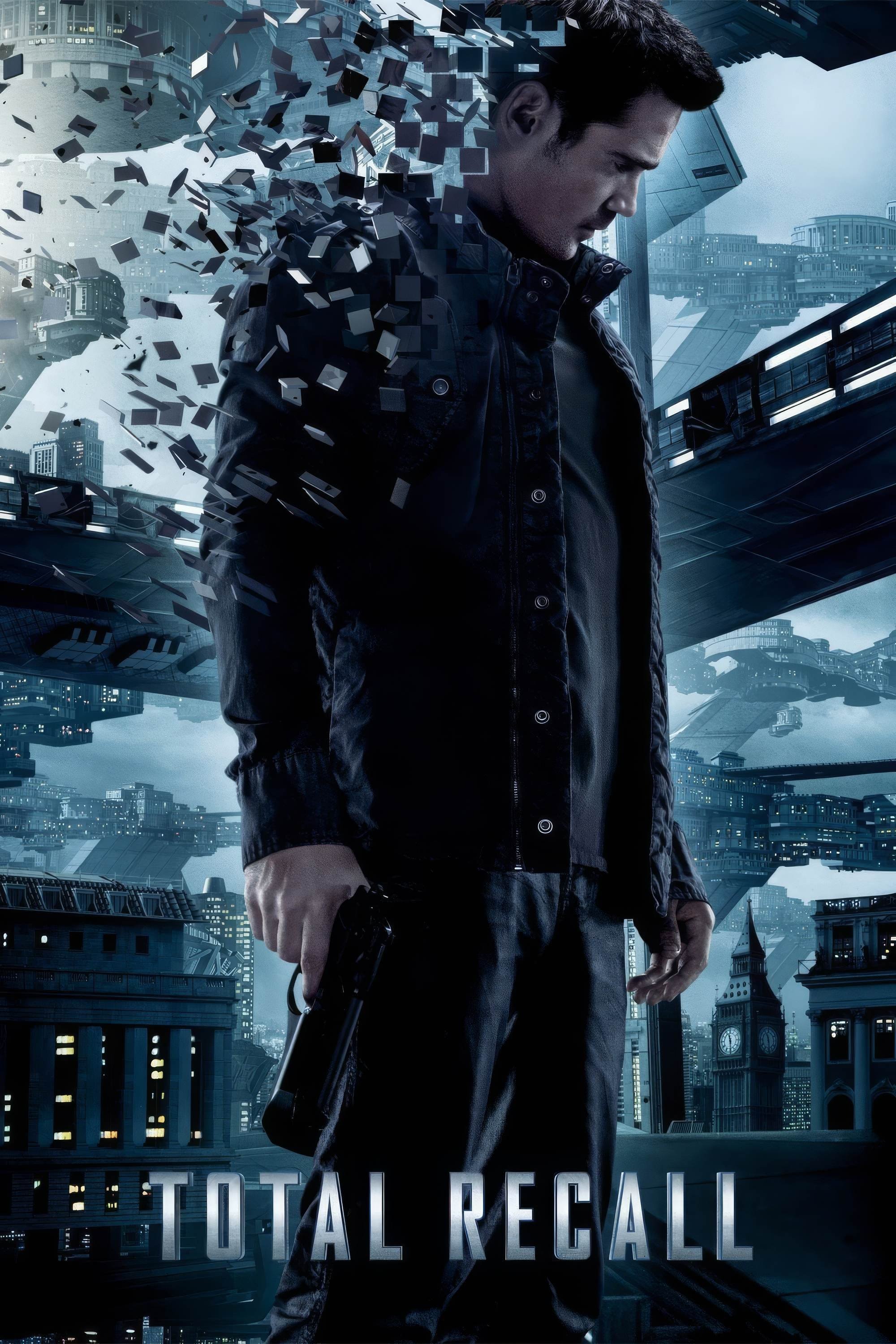
This adaptation returned to Philip K. Dick’s short story but changed the setting from Mars to a future Earth divided into two territories. Director Len Wiseman focused on urban worldbuilding, vertical car chases, and synthetic police forces. The film kept memory implantation as the central device while introducing new political elements. It also featured redesigned tech and production design distinct from the 1990 movie.
‘RoboCop’ (2014)
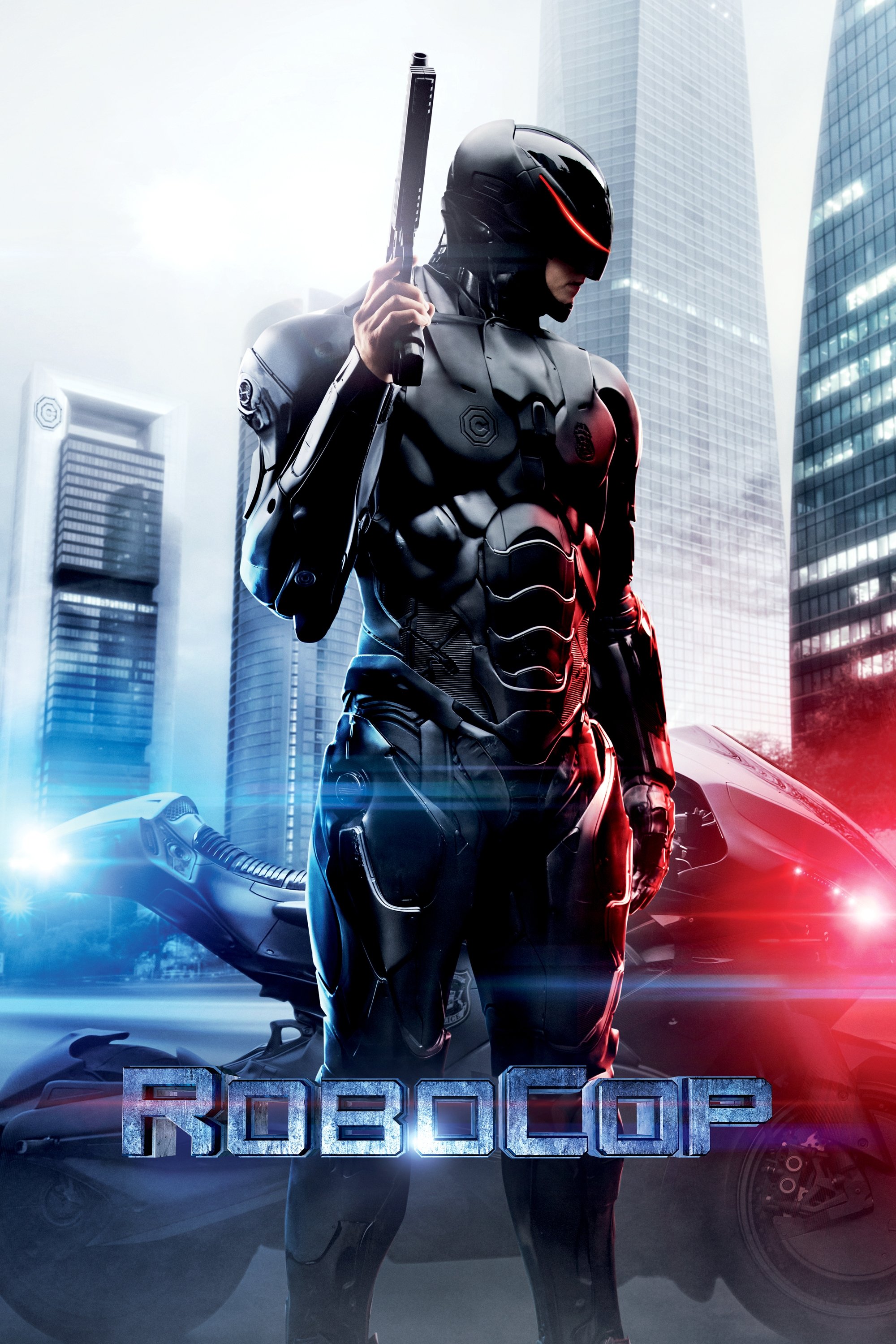
The reboot updated the Detroit setting with drone warfare and corporate decision making as central plot elements. Joel Kinnaman portrayed Alex Murphy with a sleeker suit and a storyline that examined remote control and autonomy. The film added a media host character to frame public perception within the narrative. Practical effects were combined with digital enhancements to create the new law enforcement look.
‘Point Break’ (2015)
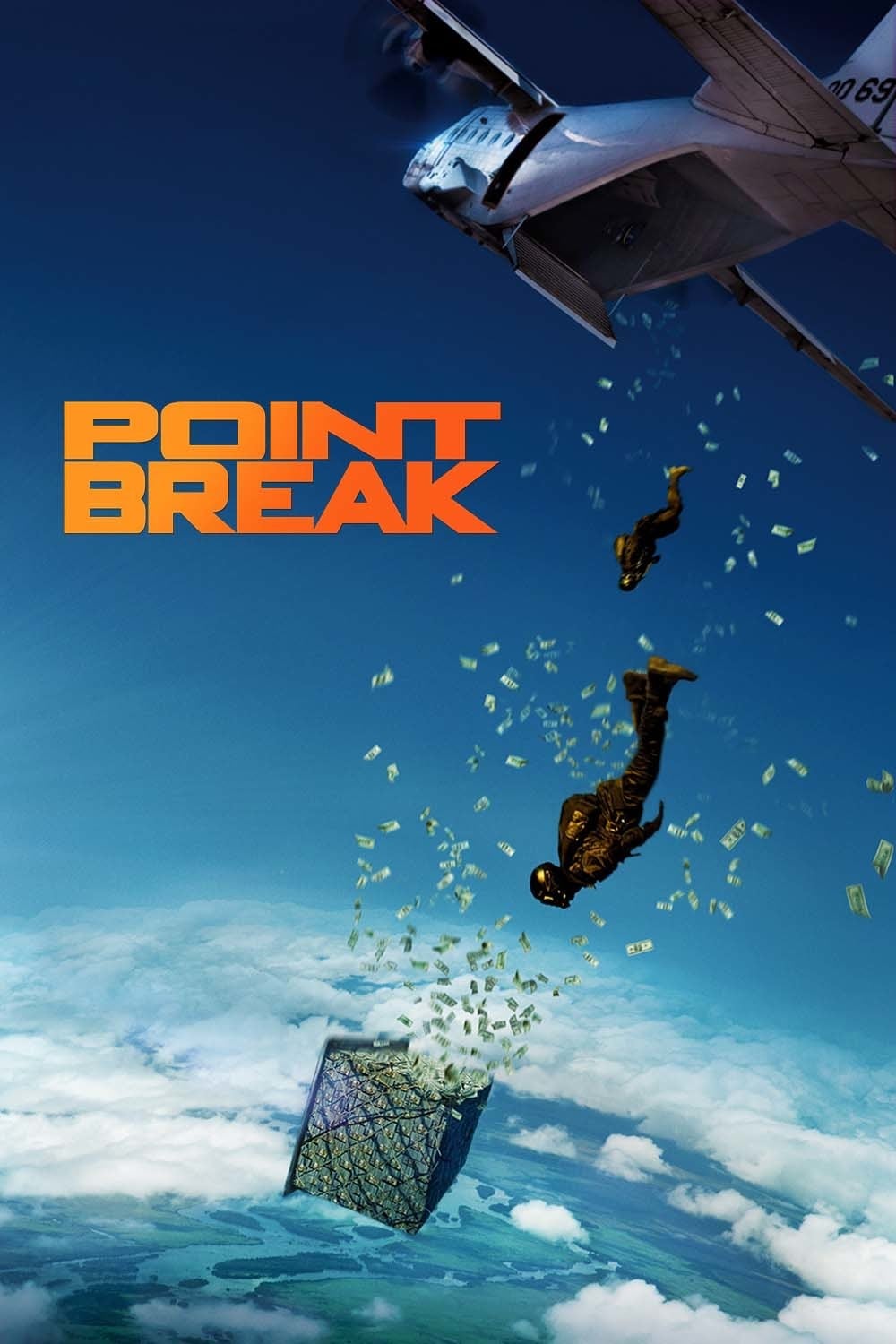
This take expanded the original’s heist premise into a series of extreme sports challenges staged across multiple countries. The characters pursued “ordeals” tied to environmental themes rather than a focus on one locale. Real world athletes contributed to the stunt sequences which emphasized wingsuiting, big wave surfing, and free solo climbing. The production shot on location across Europe and the Americas to capture varied terrain.
‘Ben-Hur’ (2016)
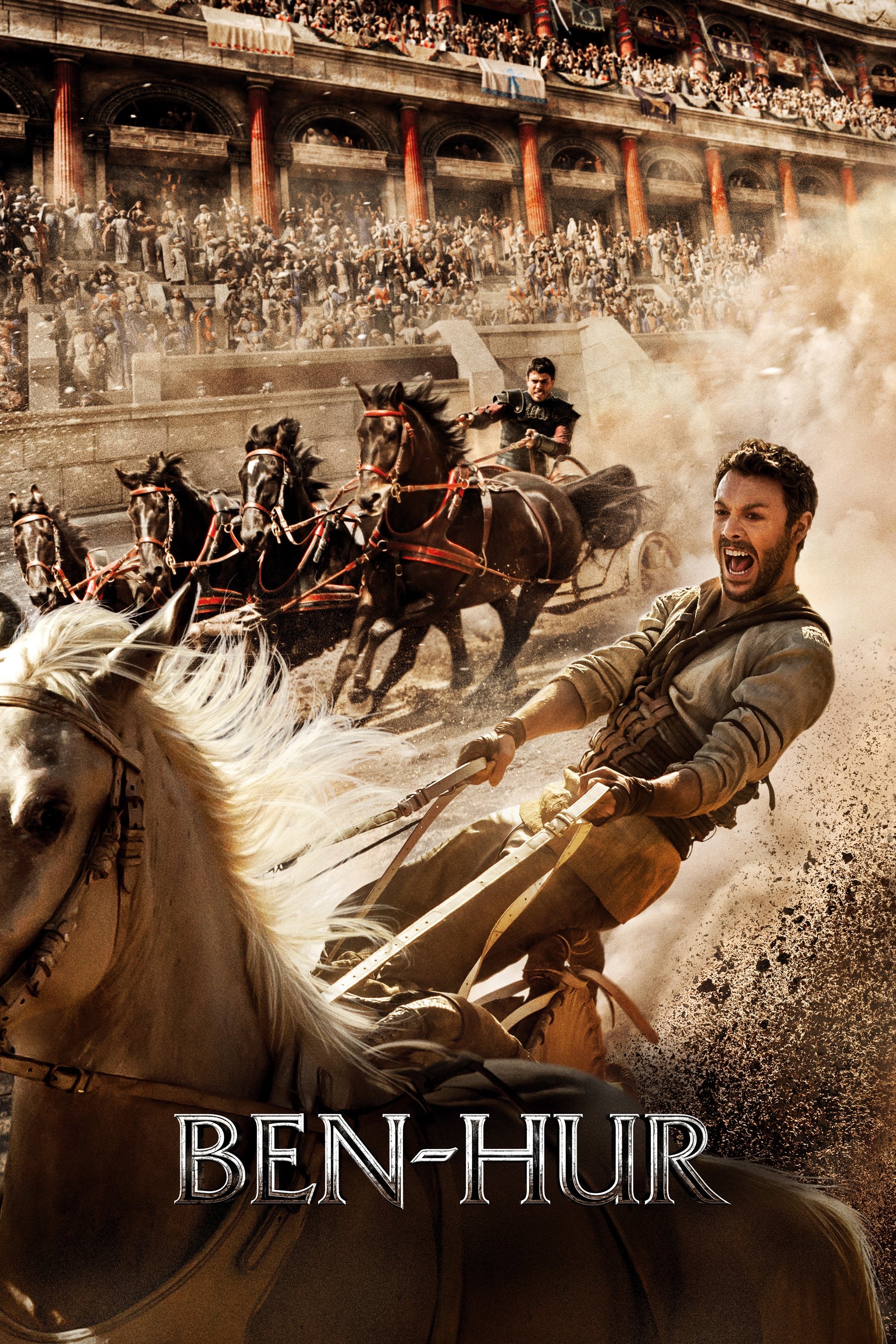
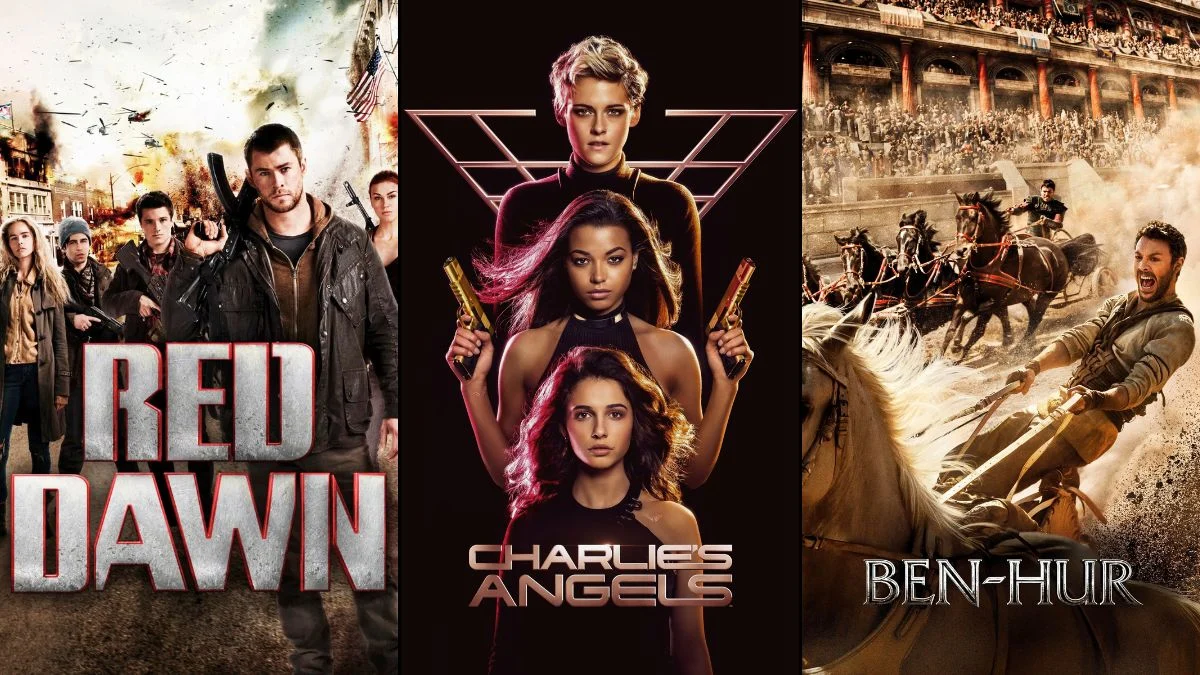
The remake retold the story of Judah Ben Hur with a shorter runtime and streamlined subplots compared with the 1959 epic. Timur Bekmambetov directed large action scenes such as the chariot race using contemporary visual effects. The narrative placed more emphasis on the relationship between Ben Hur and Messala from childhood to rivalry. Period sets and costumes were rebuilt to align with the new interpretation.
‘The Wicker Man’ (2006)
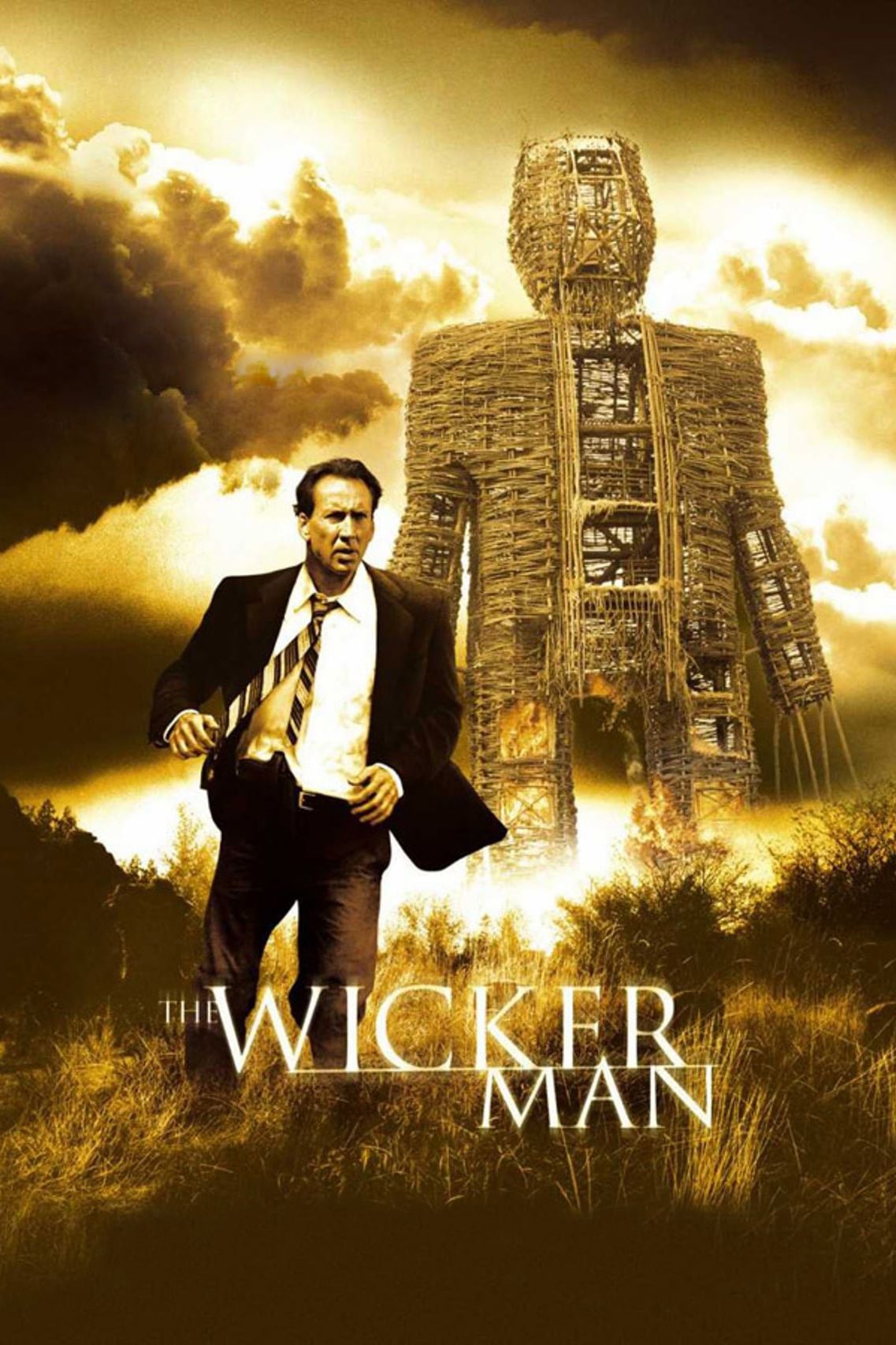
This version relocated the setting from Scotland to the Pacific Northwest and created a matriarchal island community. Nicolas Cage played a police officer investigating a missing child while encountering altered rituals and beliefs. The film changed character dynamics and introduced new motivations for the island’s leadership. It maintained the central investigation structure while replacing several plot beats from the 1973 film.
‘Flatliners’ (2017)
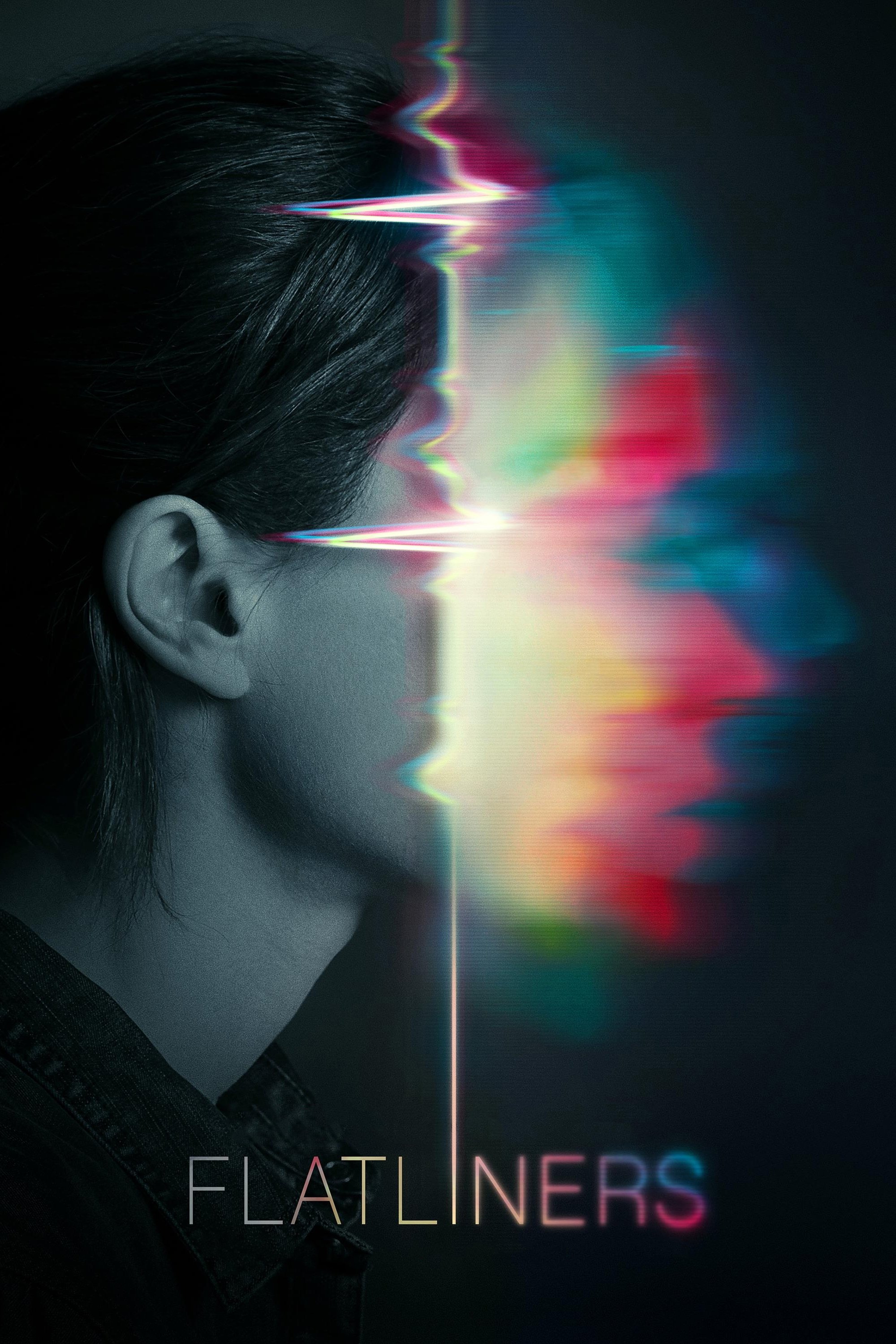
The story followed a group of medical students experimenting with near death experiences in a modern hospital environment. It included a nod to the 1990 film through a returning cast member in a supporting role. New scenes explored neurological imaging and academic competition as pressures on the characters. The film mixed psychological horror with discussions of guilt and memory.
‘Charlie’s Angels’ (2019)
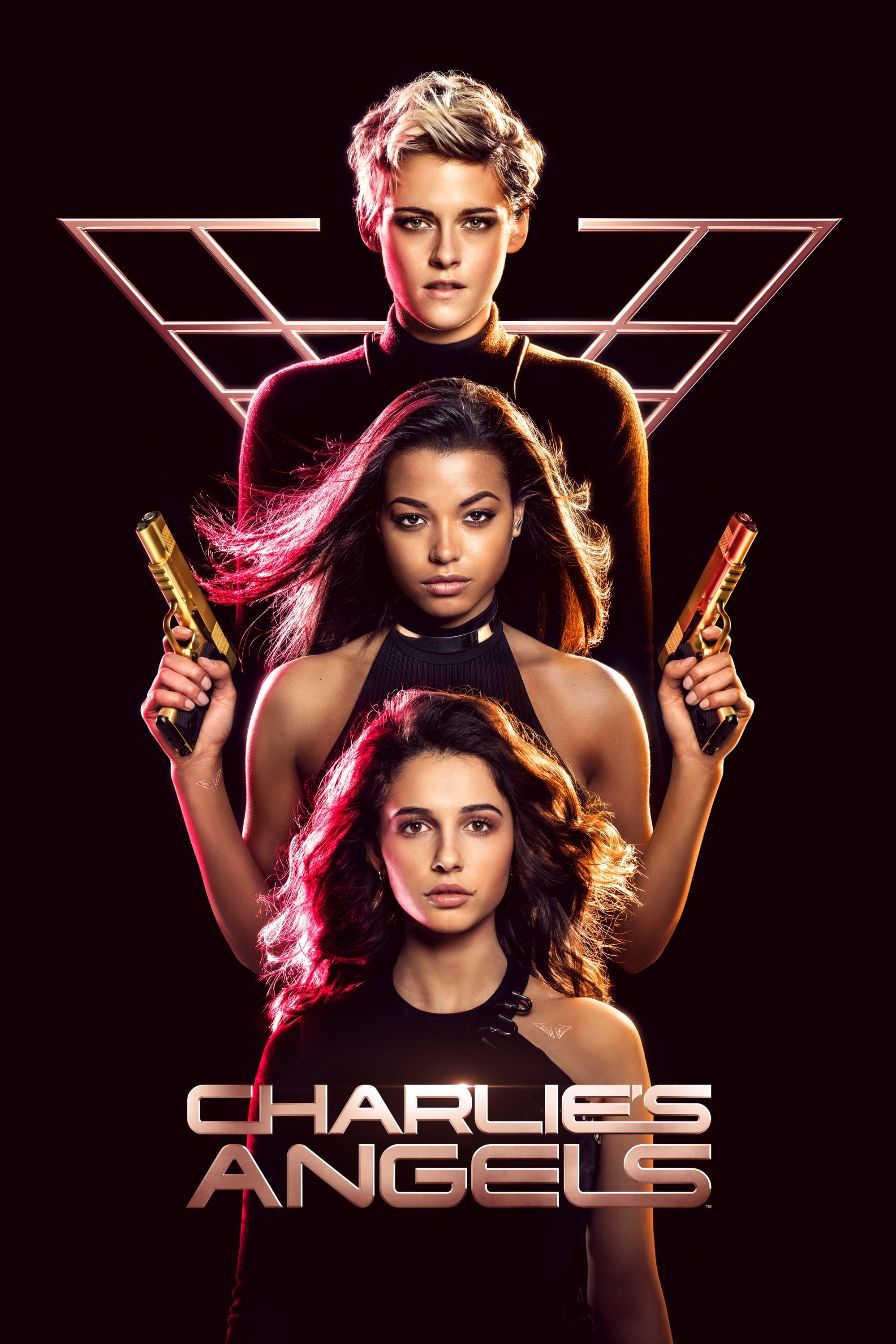
This reboot expanded the Townsend Agency into a global network with multiple Bosleys overseeing teams. Kristen Stewart, Naomi Scott, and Ella Balinska led missions that moved between European cities and tech industry settings. The plot tied into corporate espionage and energy devices rather than purely private detective work. The film also added training montages and backstory for the new recruits.
‘Power Rangers’ (2017)
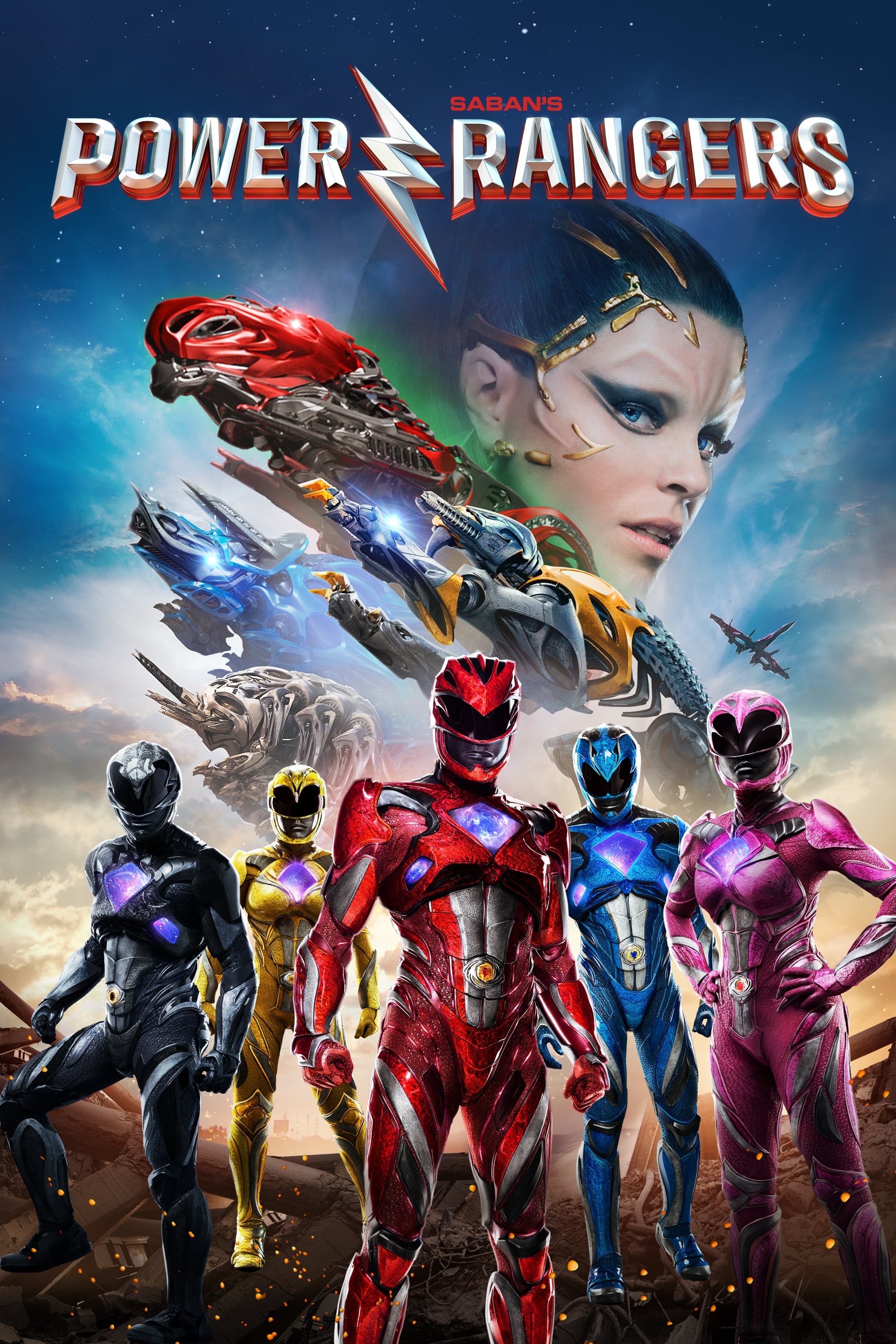
The film reintroduced the team with a grounded high school origin and updated suits rendered with modern visual effects. It kept color coded Zords and a redesigned Megazord while revising the villain’s appearance and plan. The script emphasized the characters’ personal challenges and team building before the final battle. Familiar iconography returned alongside new lore about crystals and ancient battles.
‘The Lion King’ (2019)
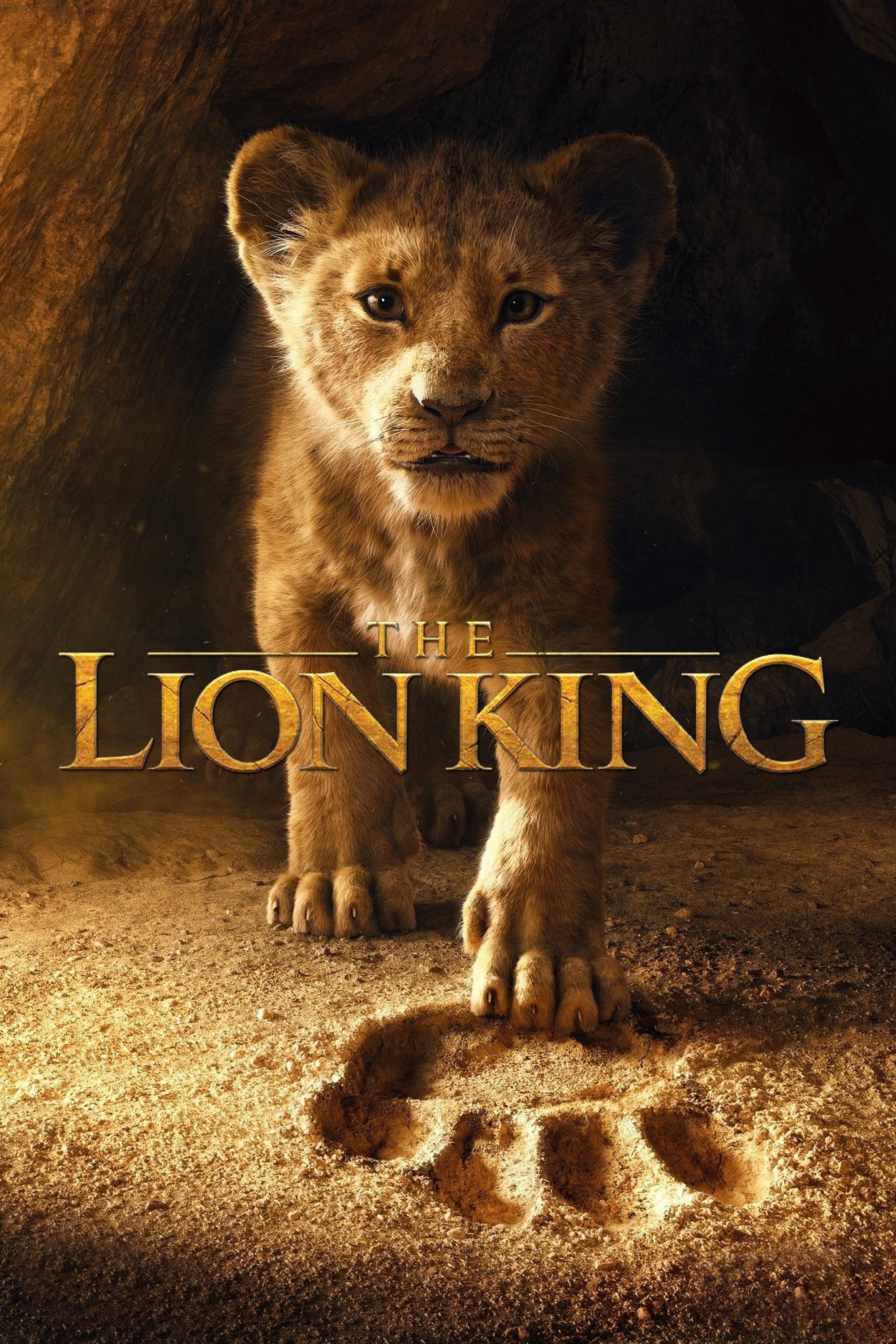
This remake recreated the animated film with photorealistic computer generated animals and environments. Jon Favreau directed using virtual production techniques that allowed camera movement within digital sets. The soundtrack featured new recordings and additional music for several scenes. The story closely followed the earlier structure while adding brief character moments and extended sequences.
‘Aladdin’ (2019)
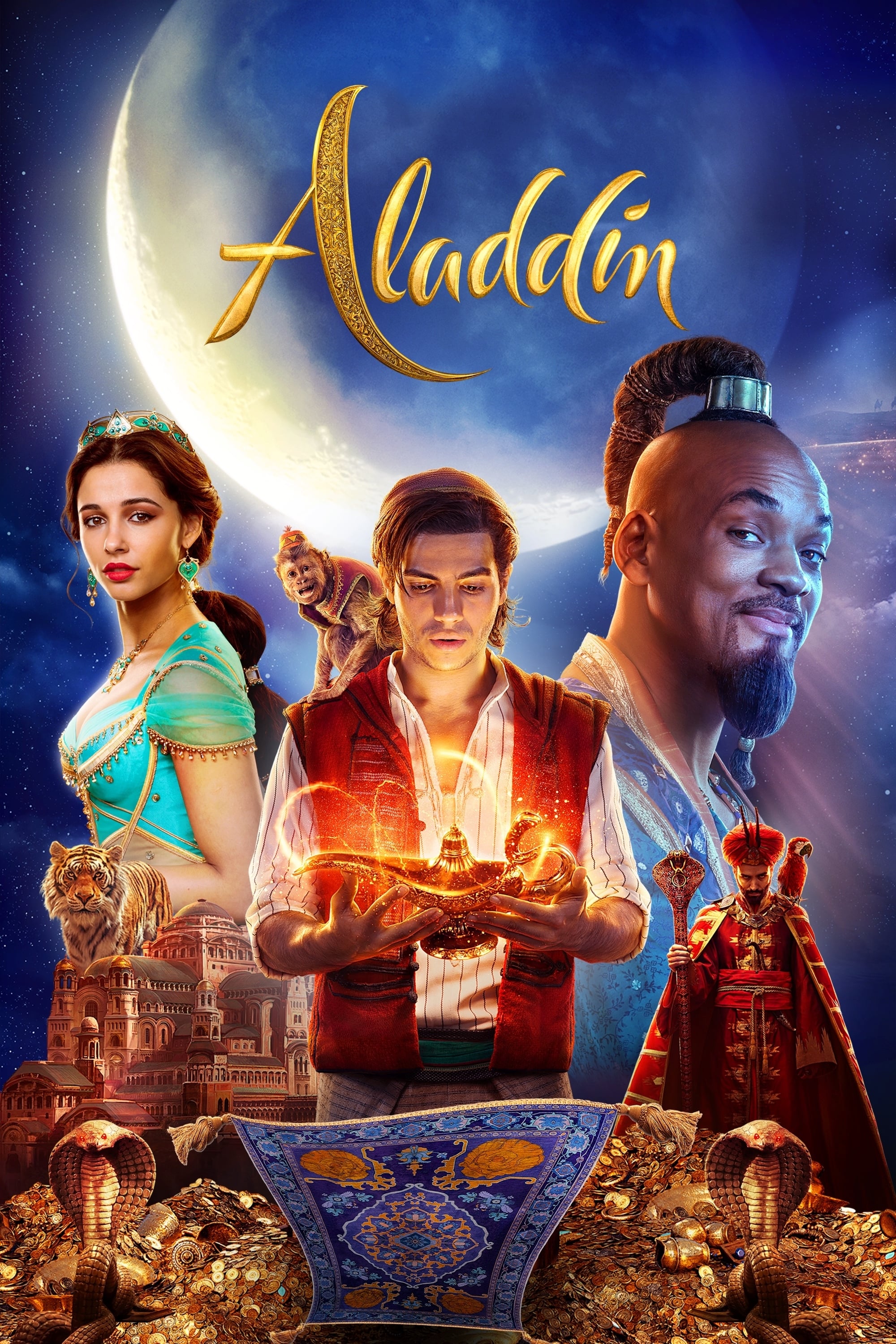
Guy Ritchie directed this live action adaptation that combined musical numbers with new choreography and songs. The production built large Middle Eastern inspired sets and used bright costuming for markets and palace interiors. Jasmine received an expanded narrative focus with a new solo track. The Genie character was reinterpreted with effects designed for on set interaction and performance capture.
‘Psycho’ (1998)
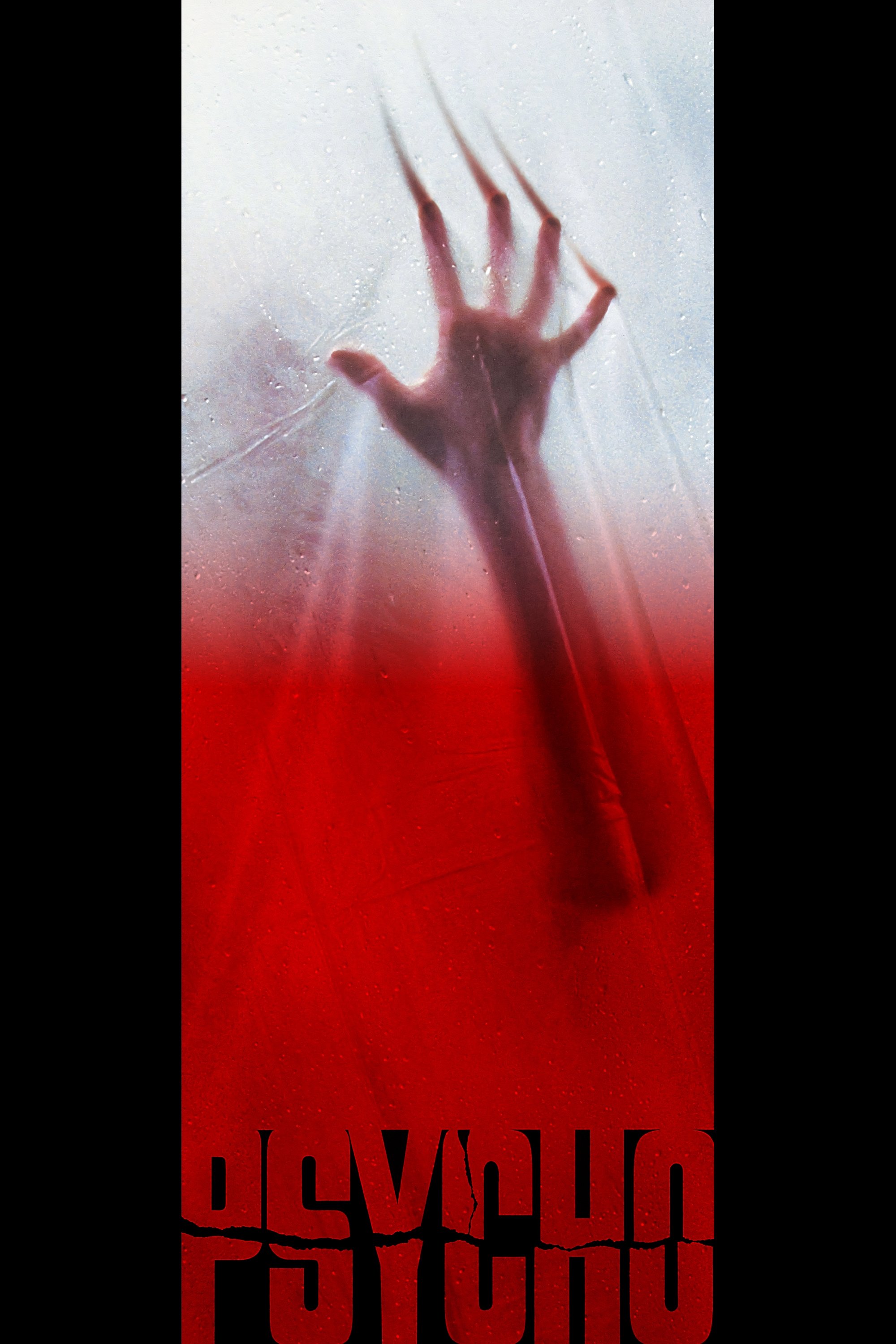
Gus Van Sant created a nearly shot for shot recreation of Alfred Hitchcock’s film with updated color cinematography. The cast performed scenes with the same blocking and dialogue while using modern props and vehicles. The remake used contemporary settings like motels and highways that matched late 1990s design. It served as an experiment in translating classic techniques to a different era of filmmaking.
‘Oldboy’ (2013)
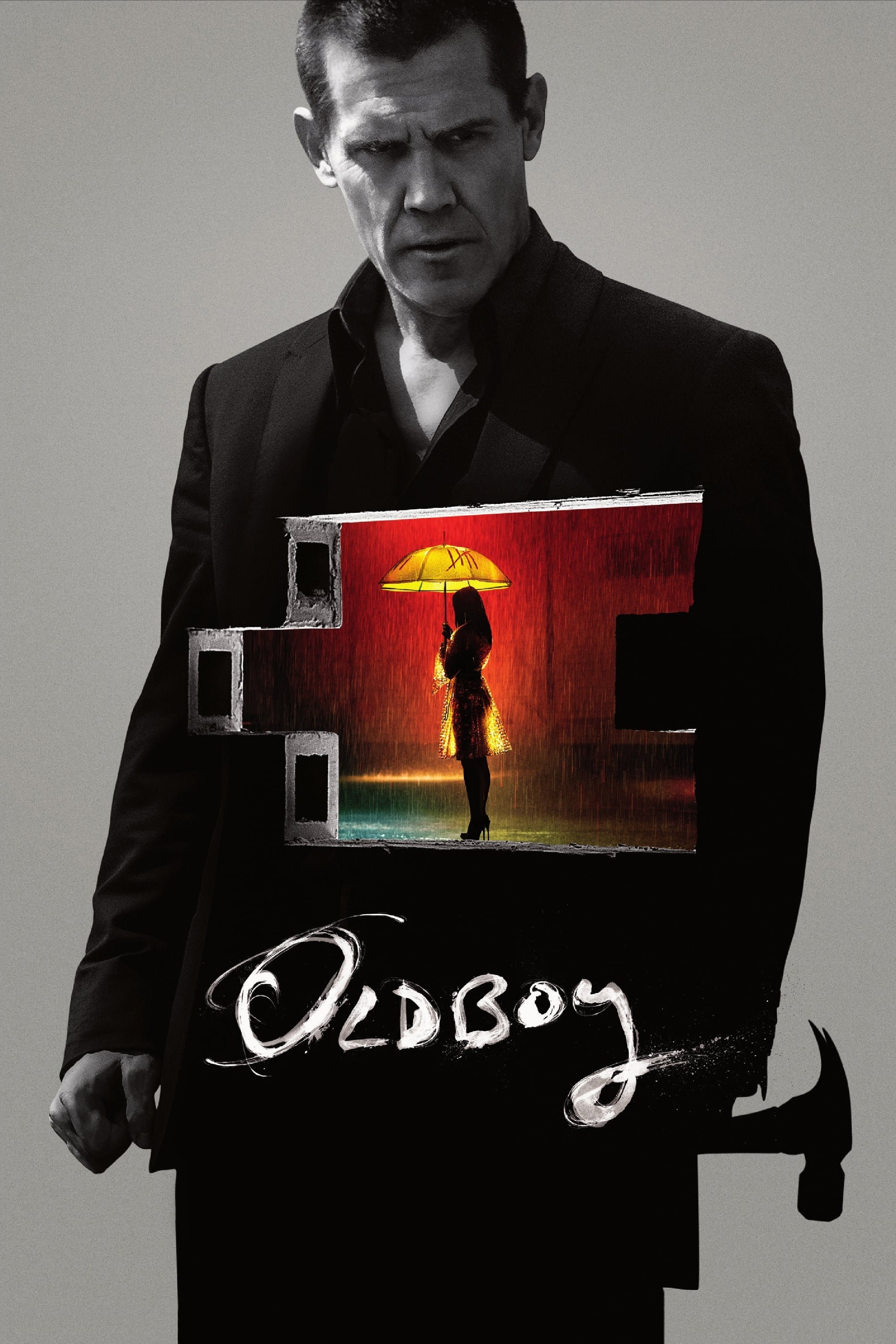
Spike Lee’s version adapted the Korean thriller into an American setting with altered character relationships. The film introduced new motivations for the antagonist and changed key revelations in the final act. Choreography of the hallway fight was reimagined with a different staging approach. The production incorporated references to the earlier work while designing new sets and props.
‘Hellboy’ (2019)
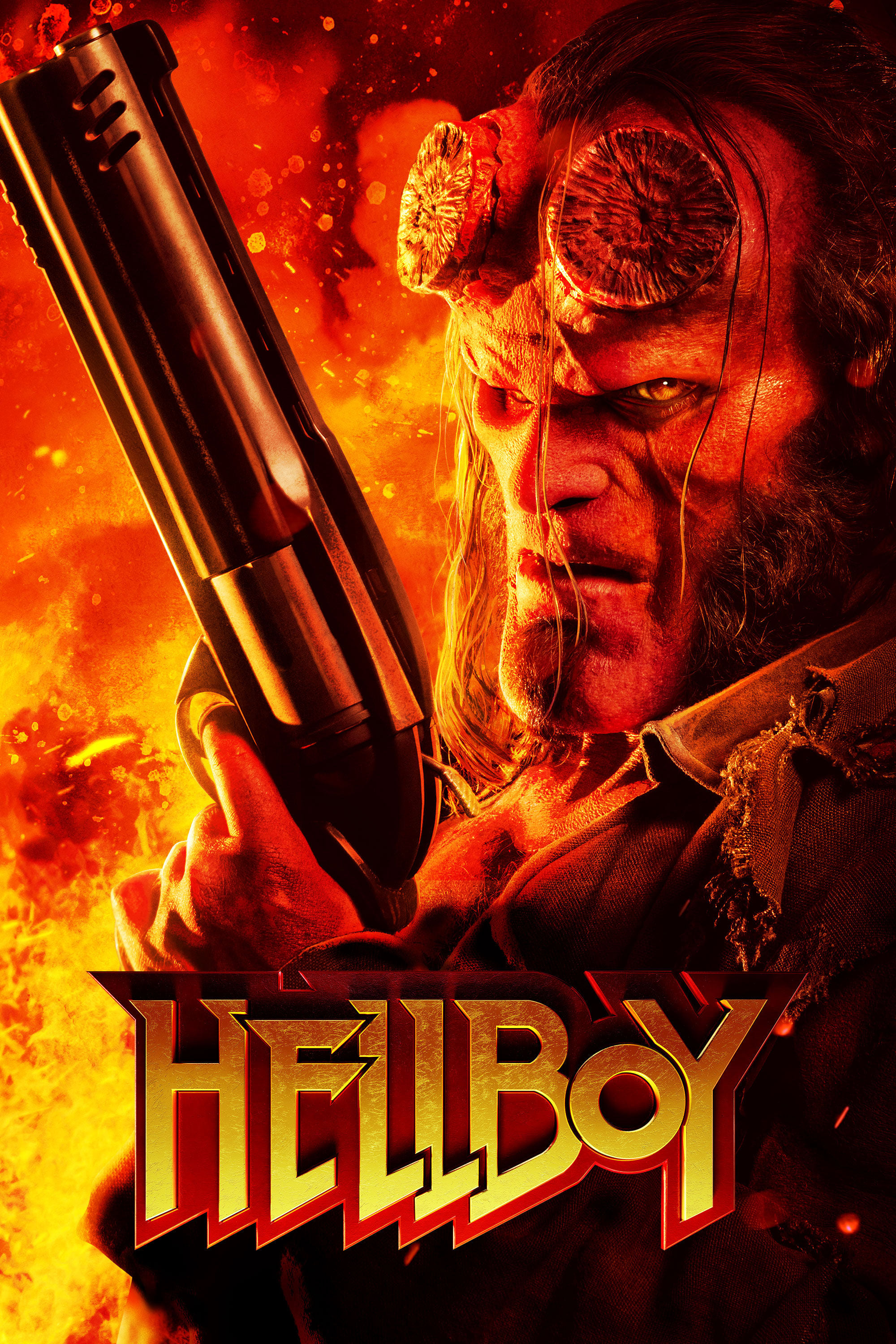
This reboot separated from the previous continuity and drew on different comic arcs for monsters and folklore. David Harbour took over the title role with a new makeup design and heavier use of practical prosthetics. The film shifted tone toward British and Eastern European locations with medieval artifacts and plague myths. It featured a fresh supporting cast and a revised Bureau for Paranormal Research and Defense structure.
‘Fantastic Four’ (2015)
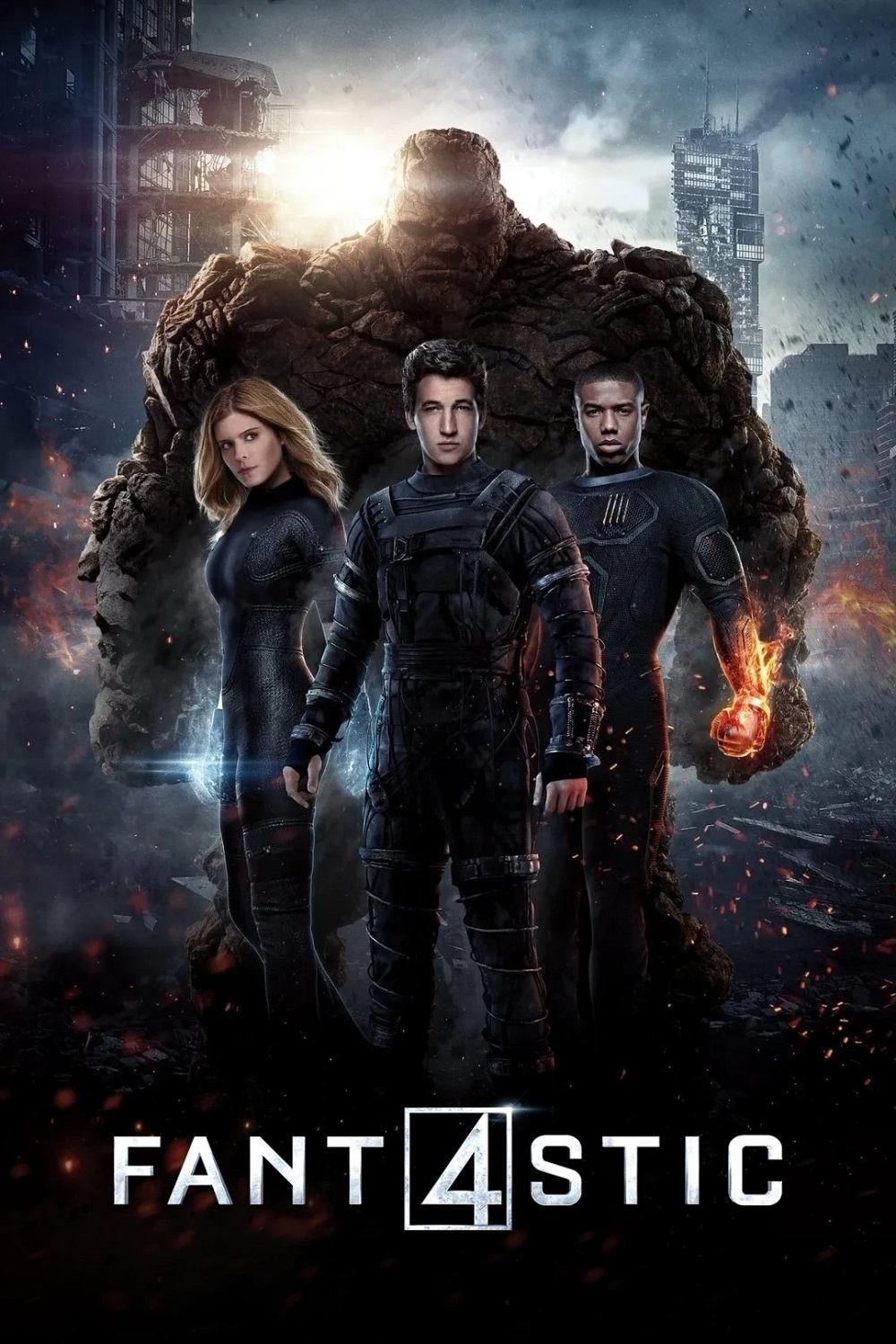
The story presented the team’s origin through interdimensional travel instead of a space mission. Younger versions of Reed Richards and his friends met in a research program that led to the accident. The film emphasized government oversight and containment following the transformation. Character suits and powers were depicted with a more clinical laboratory aesthetic.
‘Death Note’ (2017)
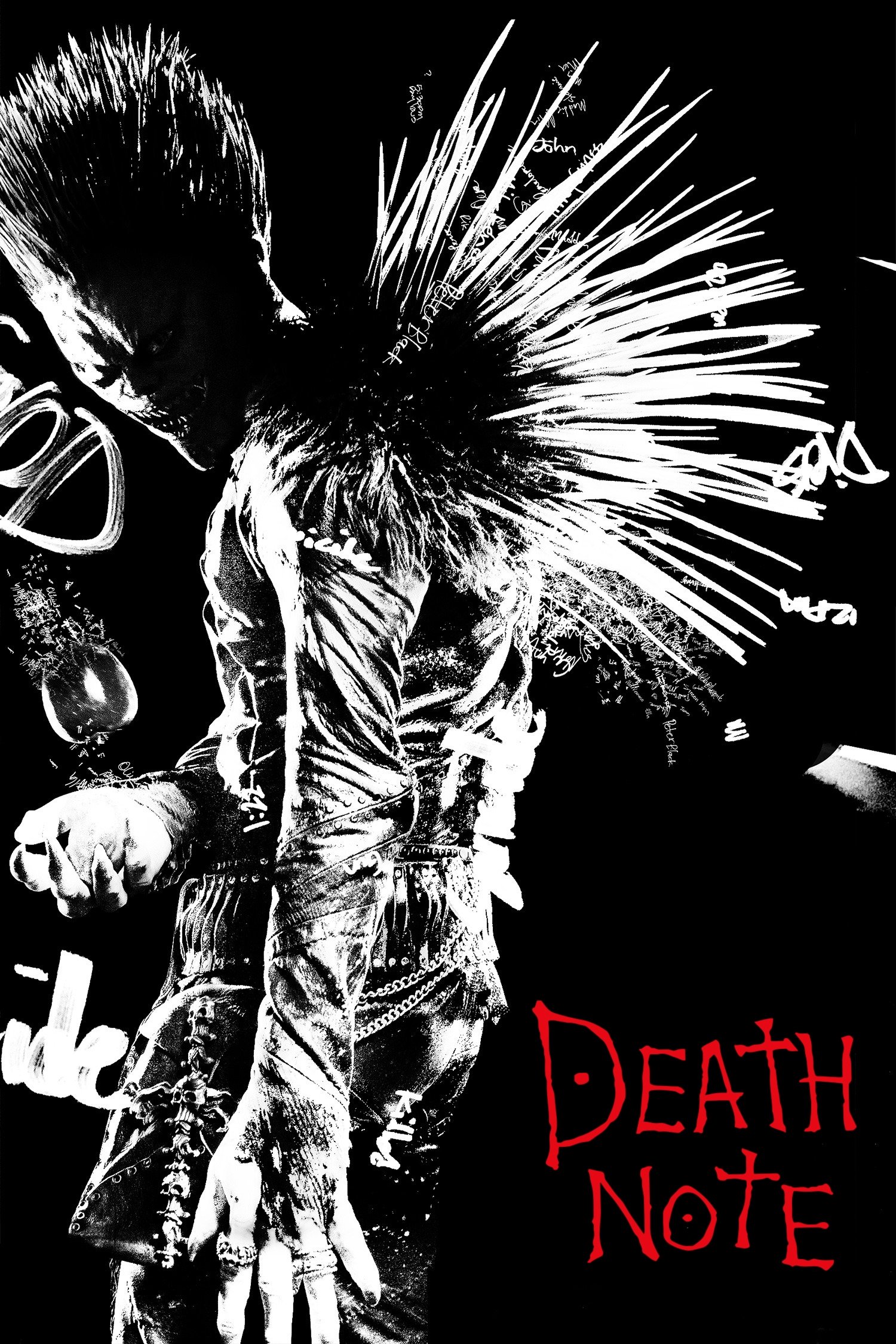
Netflix relocated the plot to Seattle and renamed several characters while keeping the notebook’s core rules. The adaptation condensed the cat and mouse game into a shorter runtime with fewer subplots. Willem Dafoe voiced Ryuk with a creature design aimed at live action lighting. The film adjusted the investigation’s scope and portrayed a different arc for its investigator.
‘Cowboy Bebop’ (2021–2021)
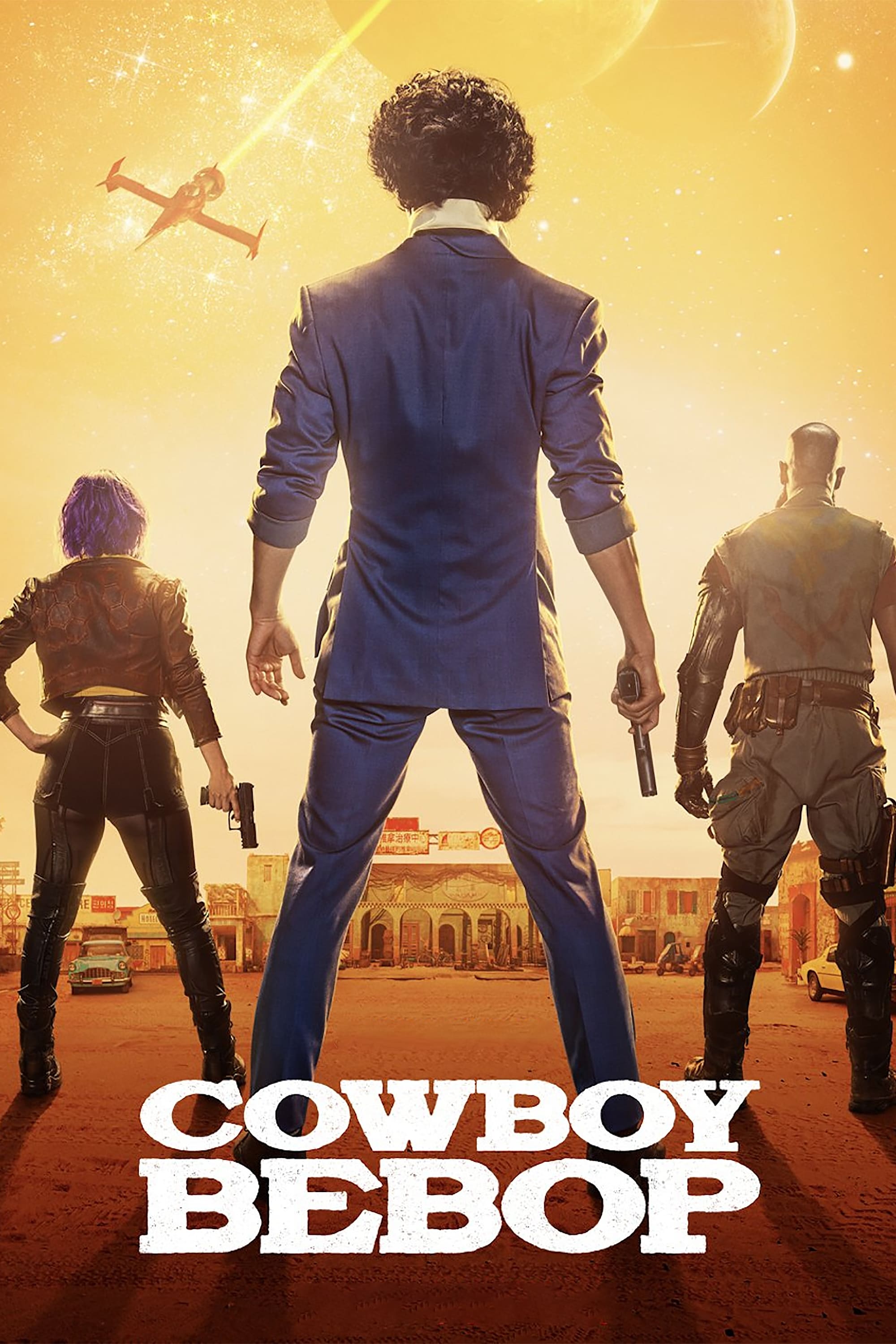
The live action series translated the anime’s bounty hunter crew into extended episodes with new backstories. Production used stylized sets, practical spaceship interiors, and a mix of noir and neon cityscapes. Yoko Kanno returned to compose music that updated familiar motifs for the new format. Several classic episodes were reworked and combined to fit a serialized narrative.
‘Mulan’ (2020)
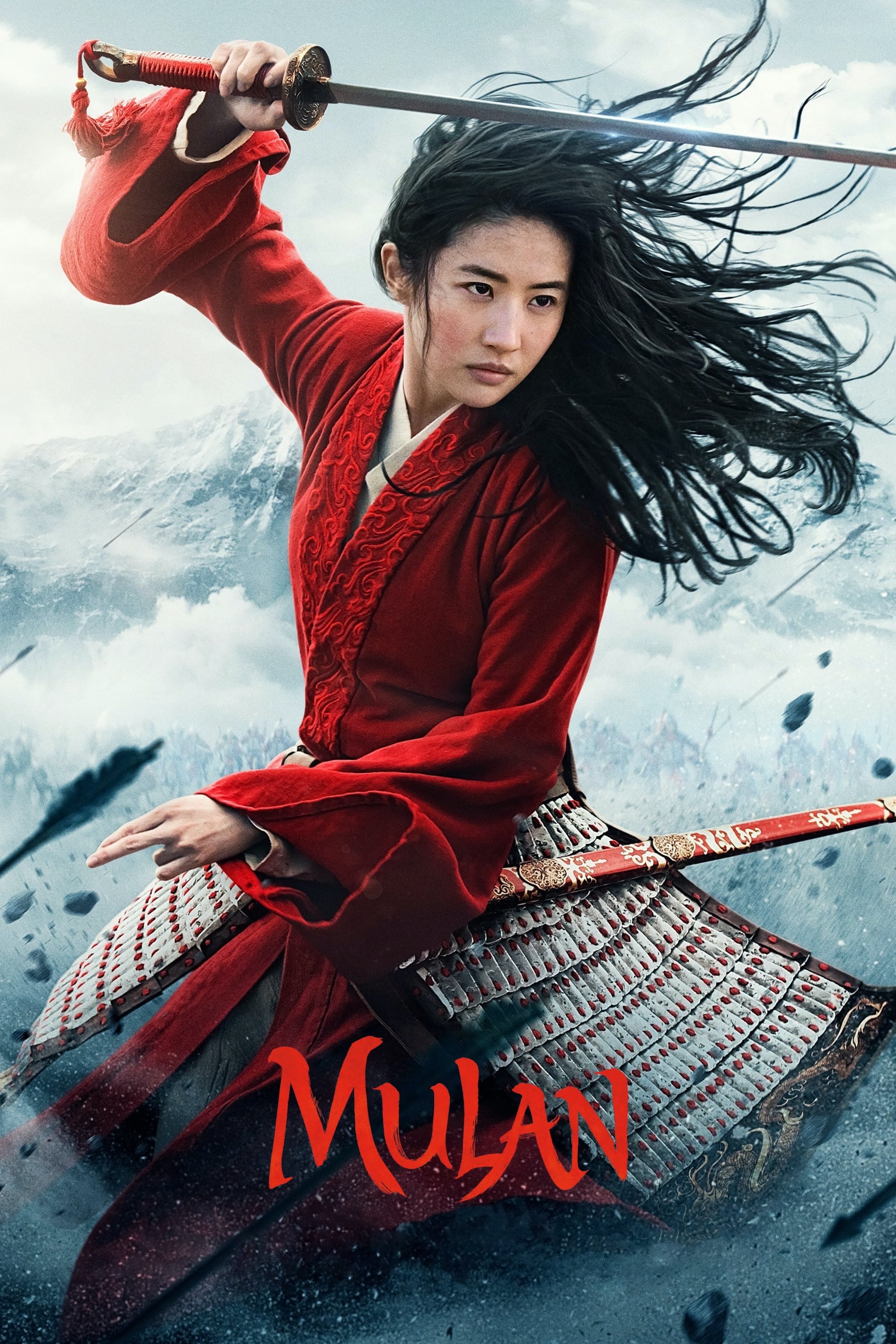
Disney’s retelling removed musical numbers and the animated dragon sidekick while adding wuxia influenced action. The production filmed across multiple locations and relied on large scale battle choreography. The story introduced a new antagonist with magical abilities and expanded the imperial politics. Emphasis shifted to themes of chi and discipline within the protagonist’s training.
‘Red Dawn’ (2012)

This remake changed the invading force during production and used digital alterations to reflect the final choice. The setting moved to the Pacific Northwest with a focus on urban occupation and guerrilla response. The young ensemble utilized modern communications and tactical drills within the plot. The film updated vehicles, uniforms, and hardware to align with contemporary military imagery.
Share which reboots or remakes you think worked best or should have been left alone in the comments.