Top 20 Anime That Changed The World

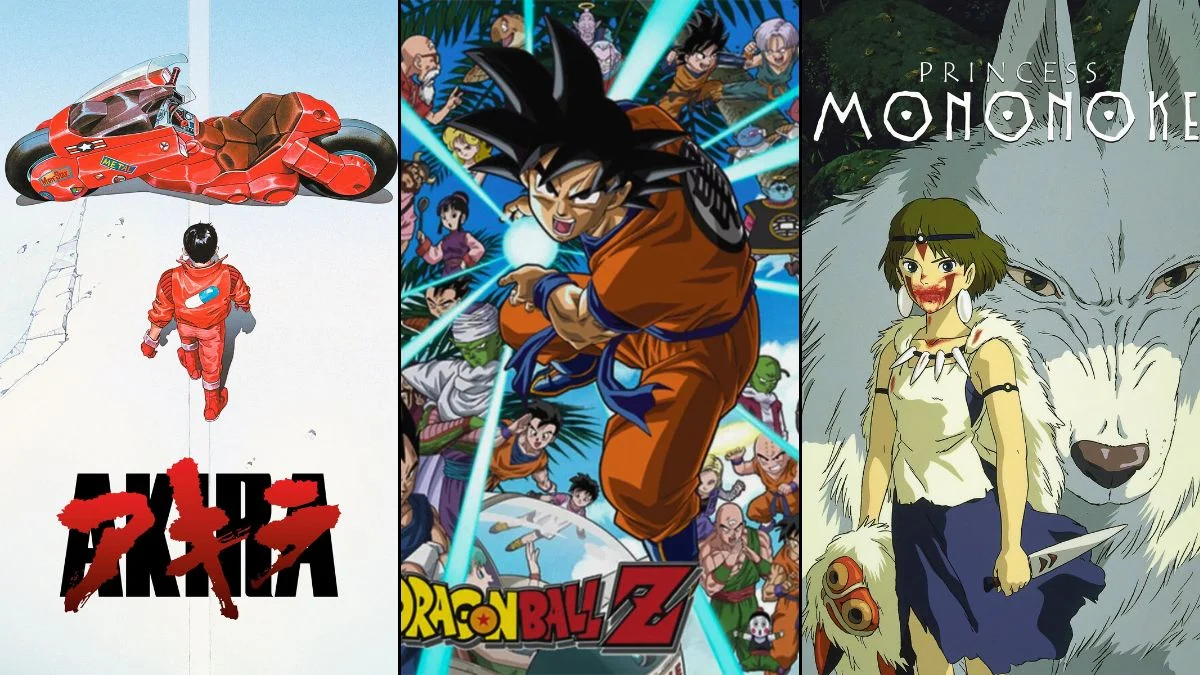

Anime has reinvented itself many times in the global spotlight, shaping technology, fashion, gaming, and how stories are told across media. These twenty titles pushed new industries into motion, opened markets far from Japan, and inspired creators in film, TV, and games. From pioneering TV broadcasts to record breaking cinema runs, their influence shows up in classrooms, conventions, and everyday pop culture. Here are the landmark works that left the biggest footprints and keep drawing in new generations of fans.
‘Astro Boy’ (1963)
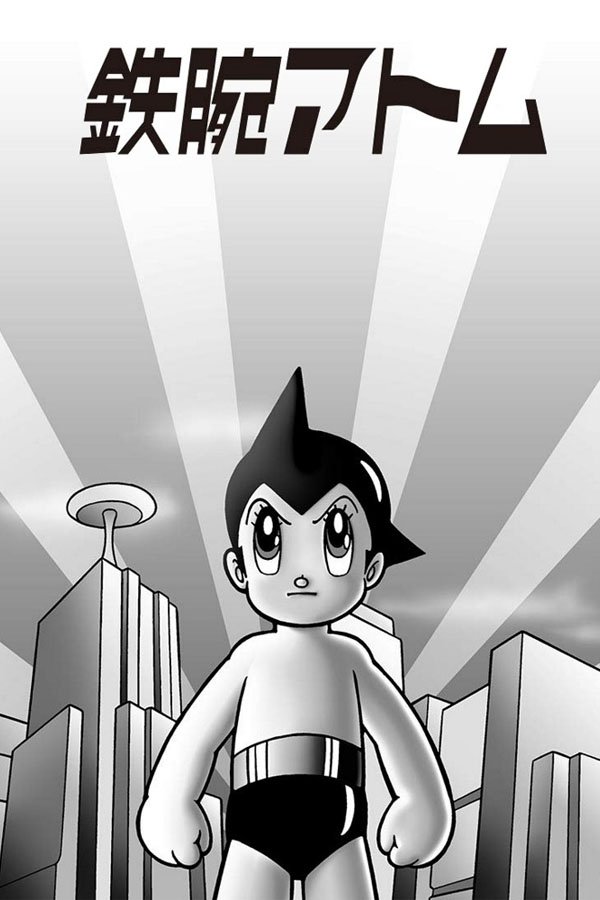
This series established the weekly TV anime production model and proved that animation could anchor primetime schedules in Japan. It introduced the big eyed character design that became a visual shorthand for the medium. International syndication brought Japanese animation to North America and Europe during the 1960s. Its success set up a pipeline for later shows to be licensed abroad.
‘Mobile Suit Gundam’ (1979–1980)
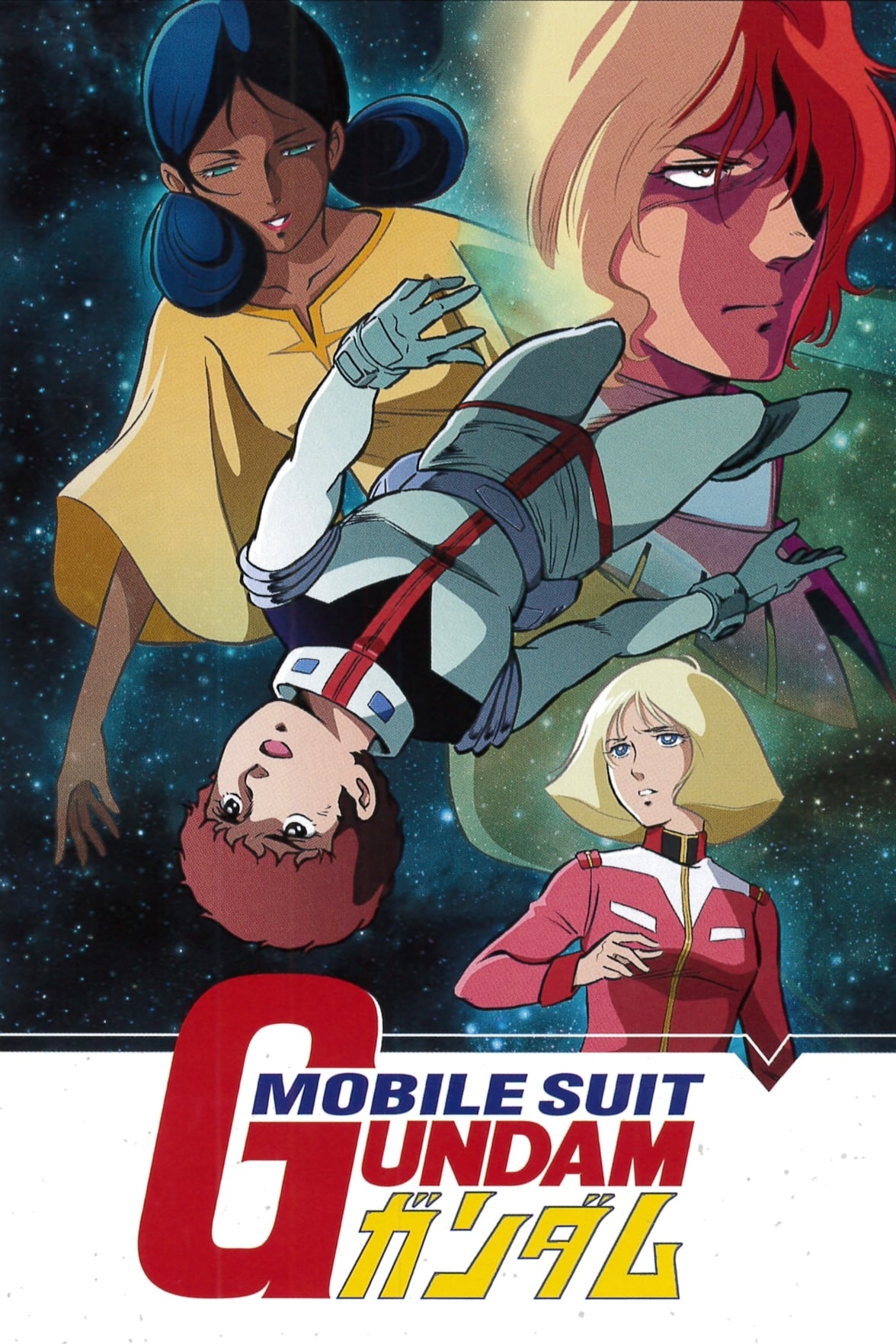
This title shifted giant robot stories from simple hero tales to a grounded war narrative that treated mecha as military hardware. Model kits tied to the show created a lasting hobby market and a merchandising blueprint. The franchise grew into games, novels, and museums that promote engineering and design education. It also influenced real world robotics clubs and university projects with its approach to technology.
‘Doraemon’ (1979–2005)
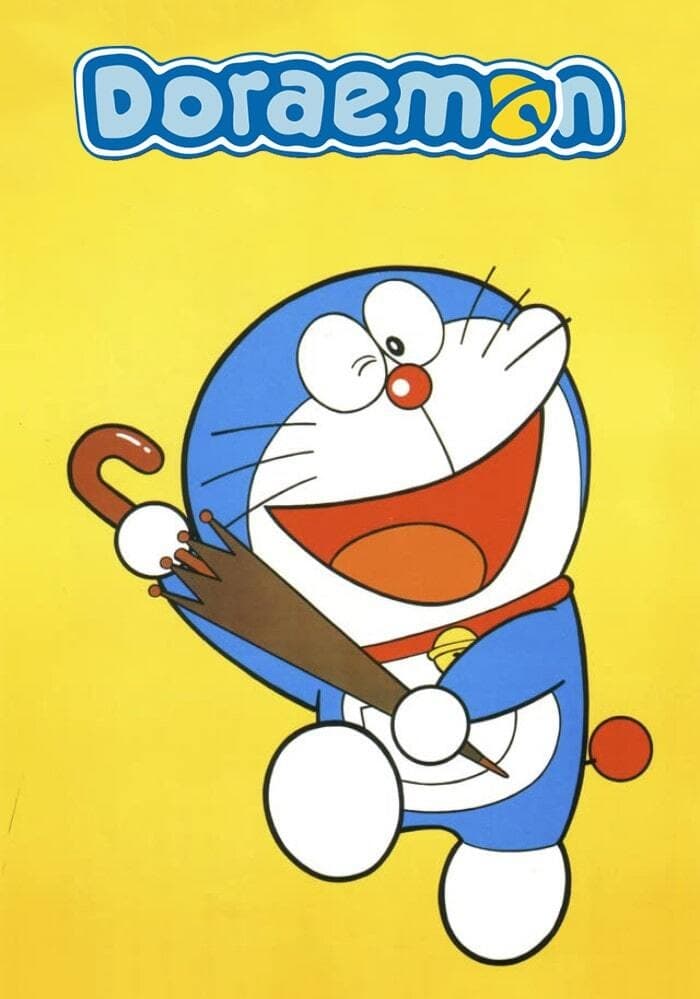
The show’s time travel gadgets became a classroom friendly way to explain science ideas to children. Its broadcasts across Asia helped colleges and language programs use anime as an aid for Japanese study. The character’s cultural ambassador status supported tourism campaigns and city partnerships. It also demonstrated how long running family series could sustain networks and advertisers for decades.
‘Akira’ (1988)
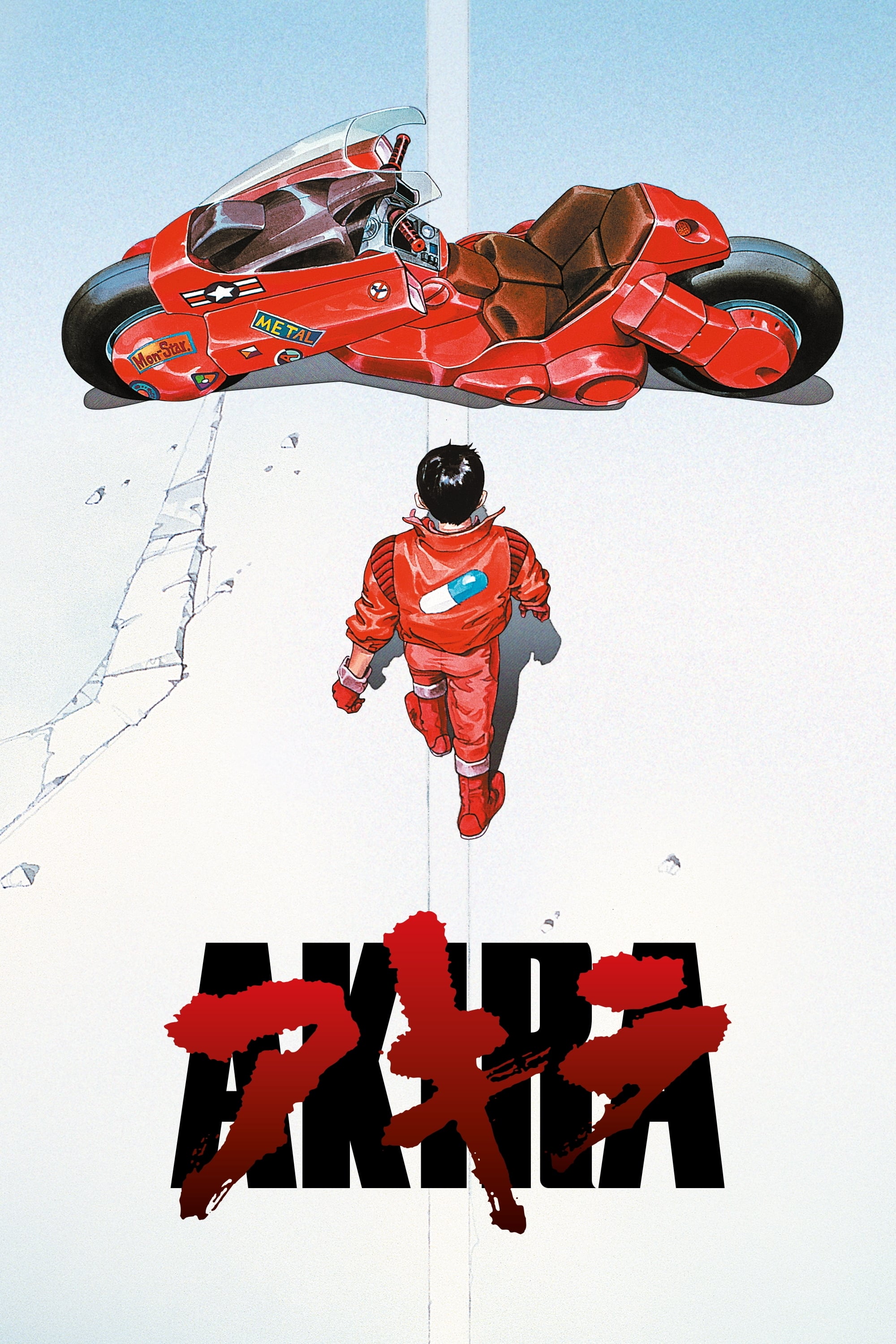
This film showcased high frame count animation and detailed cityscapes that raised global expectations for visual quality. The international release expanded art house distribution for anime far beyond niche video shelves. Cyberpunk imagery from the movie influenced music videos, streetwear, and graphic design. It also gave Western studios a reference point for mature animated storytelling.
‘Sailor Moon’ (1992–1997)
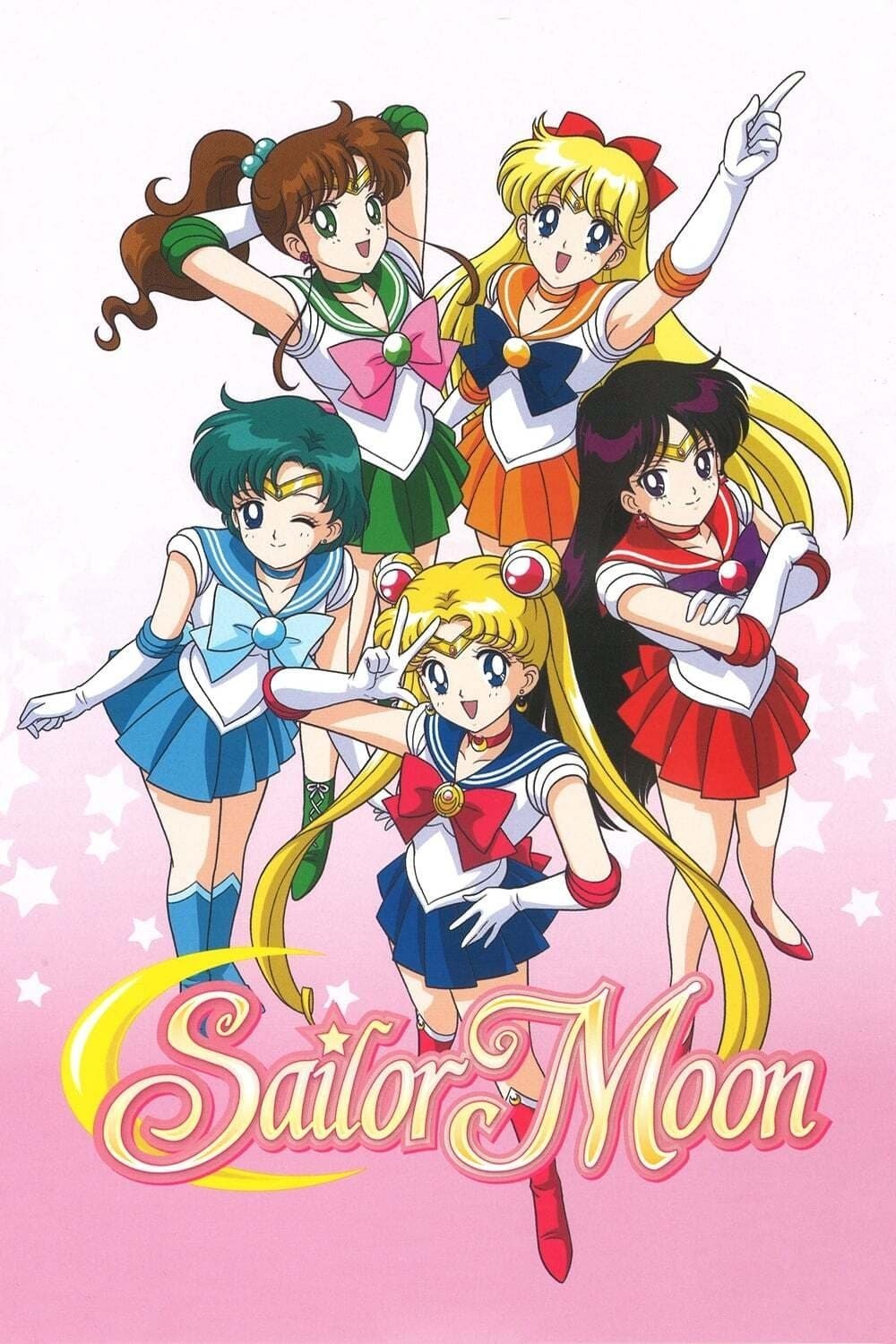
The series brought a team based magical girl format to global TV and expanded the audience for action led stories with girls at the center. Merchandise from costumes to stationery proved that character branding could travel worldwide. Fan clubs and clubs at schools adopted its language of transformation as a social bonding tool. It also helped local broadcasters test early morning and after school anime blocks.
‘Dragon Ball Z’ (1989–1996)

Syndicated reruns built the after school anime boom across multiple countries. The show’s tournament arcs and power scaling became templates for fighting games and esports commentary. Licensing deals for cards, toys, and apparel proved the scale of transmedia storytelling for long shonen series. It also helped cable networks commit to dedicated anime programming blocks.
‘Neon Genesis Evangelion’ (1995–1996)
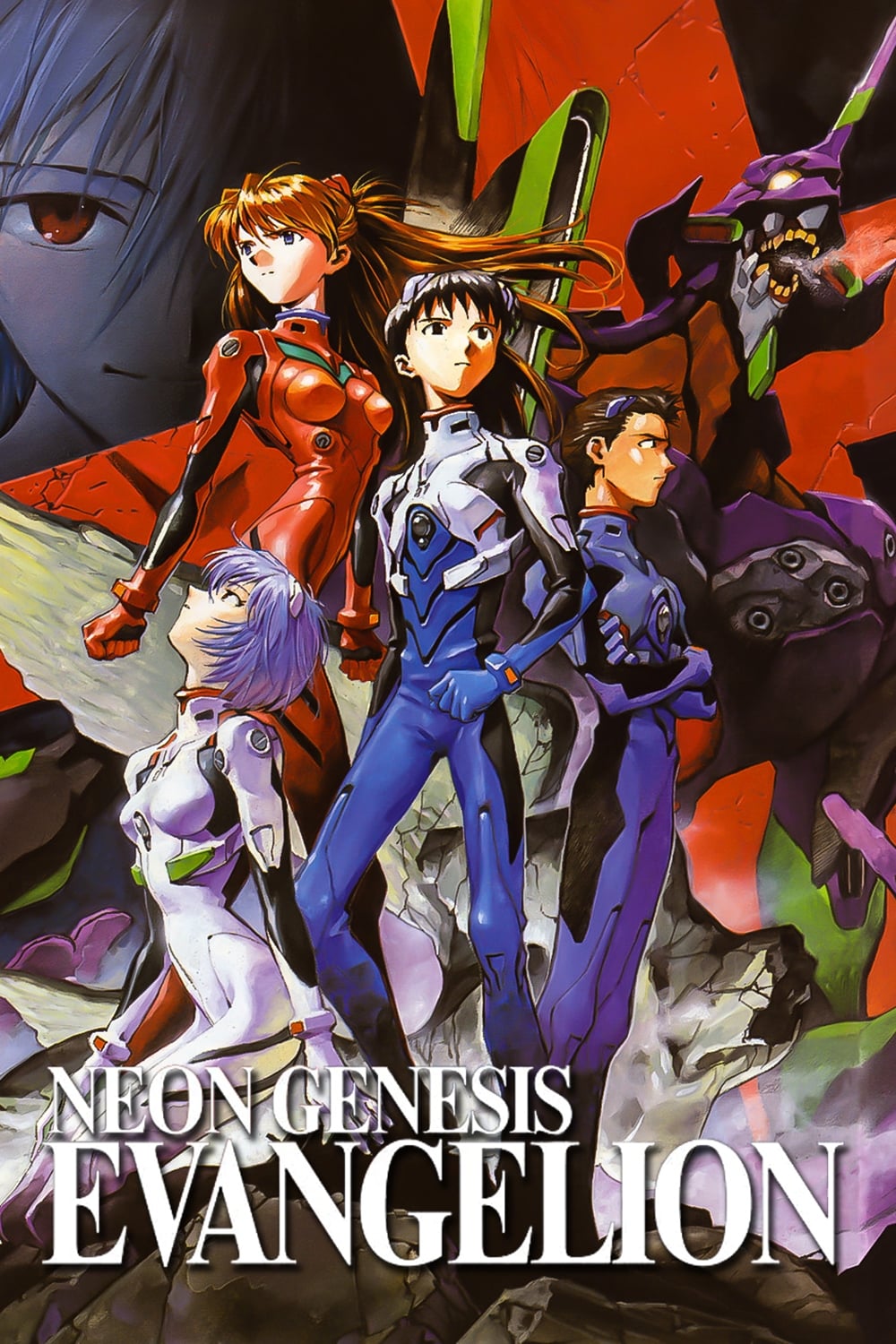
This series mixed mecha action with psychology and religious imagery, inviting academic analysis in film and media studies. Its home video releases demonstrated the commercial power of director’s cuts and collector editions. Newtype style design sheets and production notes popularized behind the scenes culture among fans. The rebuild films later showed how franchises could be reimagined for new theaters and streaming.
‘Ghost in the Shell’ (1995)

The movie used realistic cybernetics and networked society themes that influenced science fiction screenwriting globally. Its blend of hand drawn art and digital compositing became a workflow model for later productions. University courses in philosophy and technology adopted scenes for discussion on identity and AI. The franchise also pushed publishers to translate cyberpunk manga to meet new demand.
‘Princess Mononoke’ (1997)
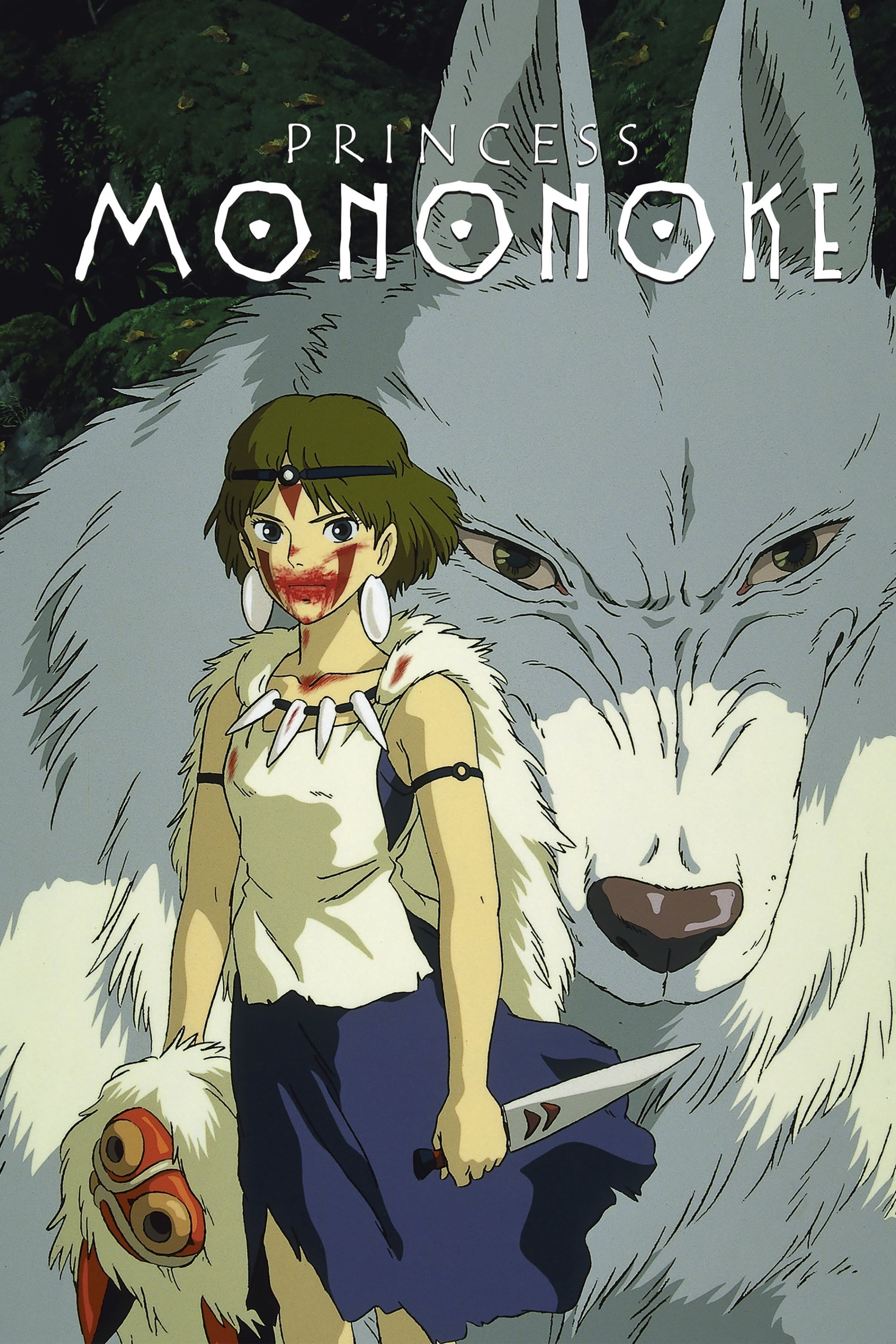
This film expanded the ecological conversation in mainstream cinema through folklore and industry conflict. It helped art theaters program subtitled animation to larger audiences than before. Its production methods highlighted the value of hand painted backgrounds in a digital era. The release also prepared Western distributors to handle wide theatrical runs for anime films.
‘Pokémon’ (1997–present)

The series synchronized with games, trading cards, and movies to create a connected cross media world. Its catch and collect design shaped mobile game mechanics and event culture in cities worldwide. Saturday morning programming blocks used it to anchor scheduling for years. The brand also became a tool for early literacy and math practice through card play.
‘Cowboy Bebop’ (1998–1999)
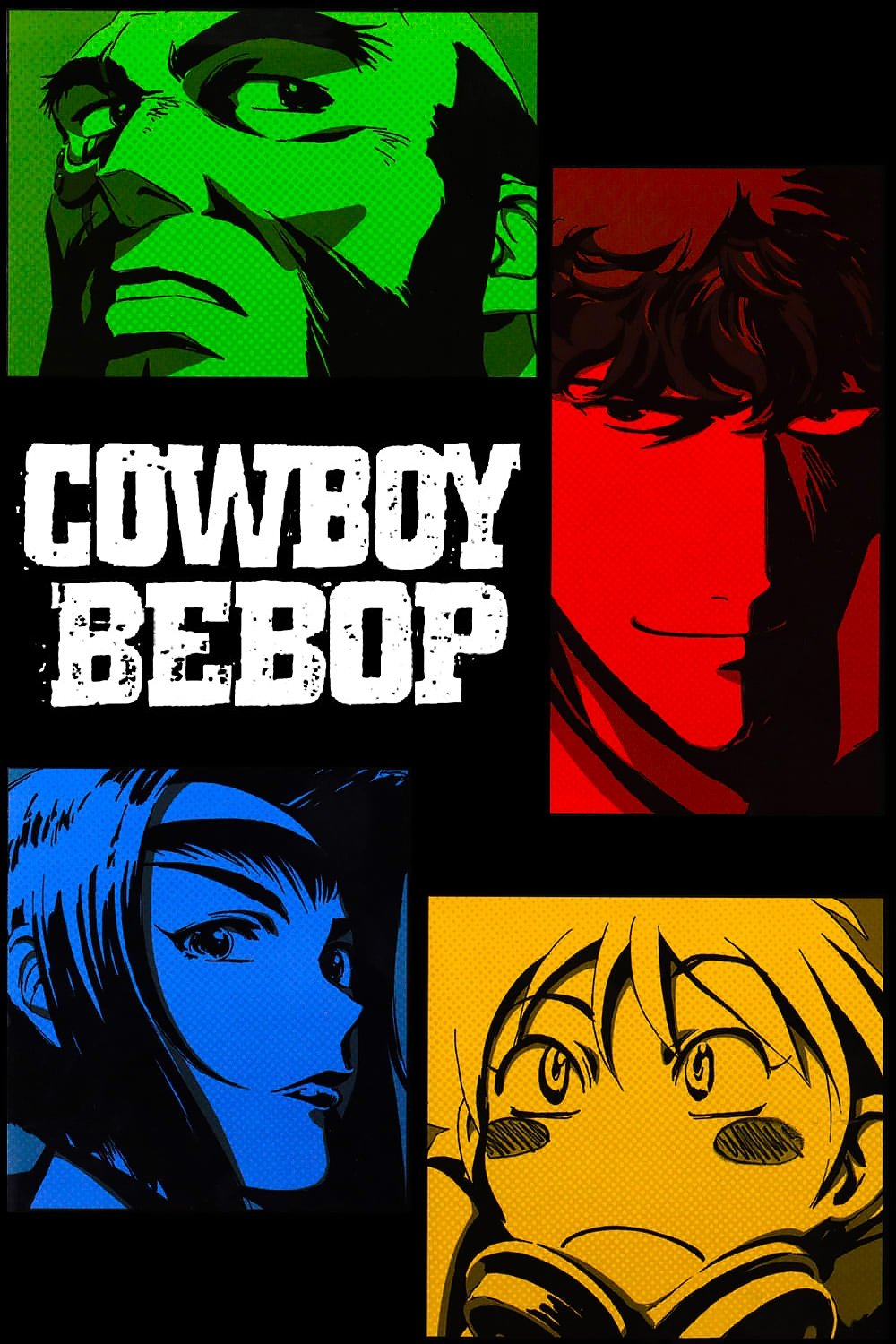
This show introduced genre blending with jazz, noir, and space western elements that appealed to adult audiences. Broadcasts on late night slots helped normalize subtitled and dubbed anime on mainstream channels. Musicians and film editors studied its use of needle drops and rhythmic cutting. The series proved that stand alone episodes could travel well in syndication.
‘One Piece’ (1999–present)
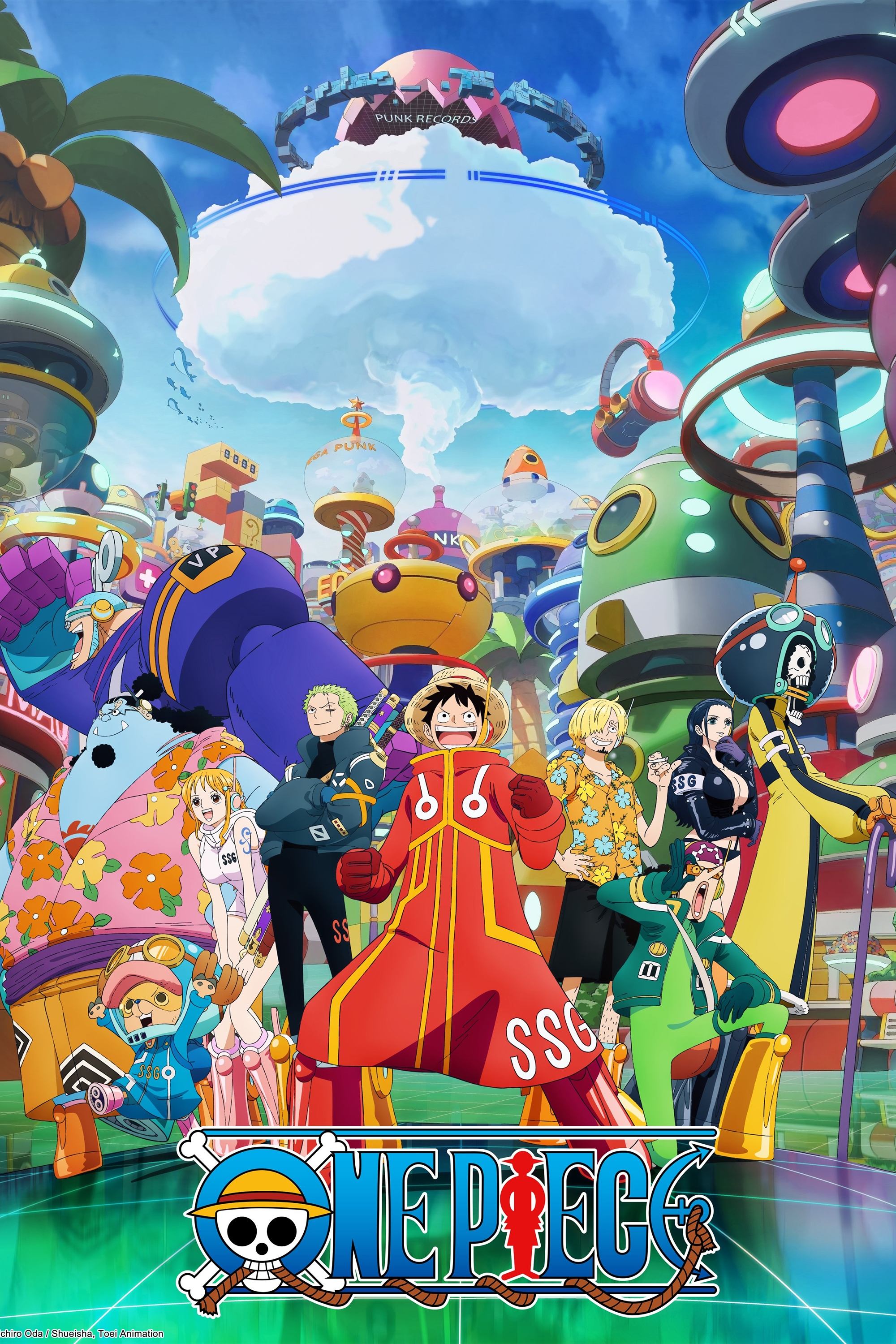
A long form adventure with consistent world building showed that decades long serialization could hold global attention. Publishers used its momentum to launch simultaneous digital chapter releases for readers outside Japan. Theme park attractions and exhibitions turned manga maps into physical experiences for fans. The anime also fueled cosplay economies at conventions across continents.
‘Yu-Gi-Oh! Duel Monsters’ (2000–2004)
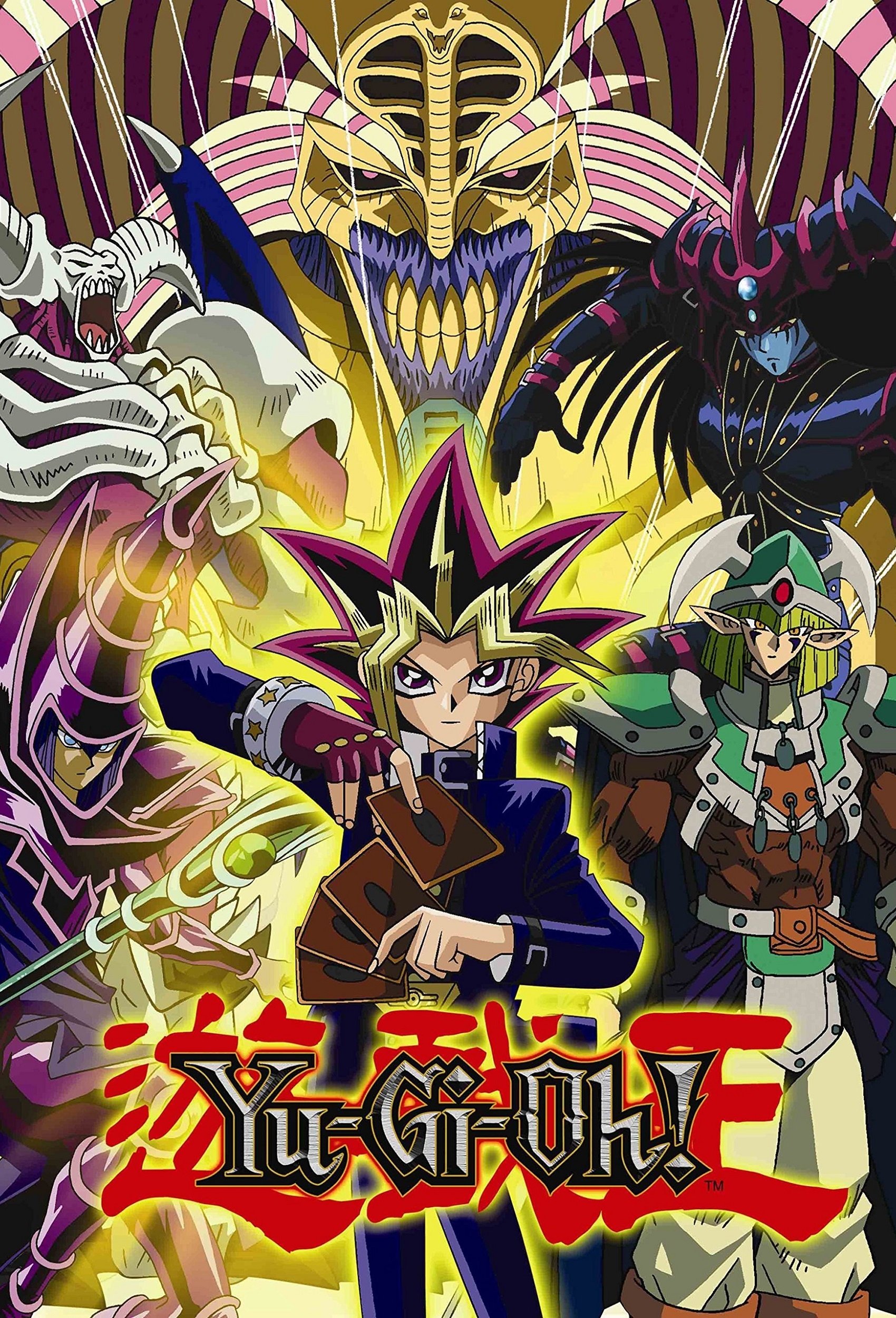
The show linked broadcast TV to a competitive trading card game that filled school clubs and local shops. Tournament circuits created organized play structures that retailers still use. Rules literacy and deck building encouraged strategic thinking for younger audiences. The tie in model paved the way for later multimedia franchises to align TV seasons with product waves.
‘Spirited Away’ (2001)
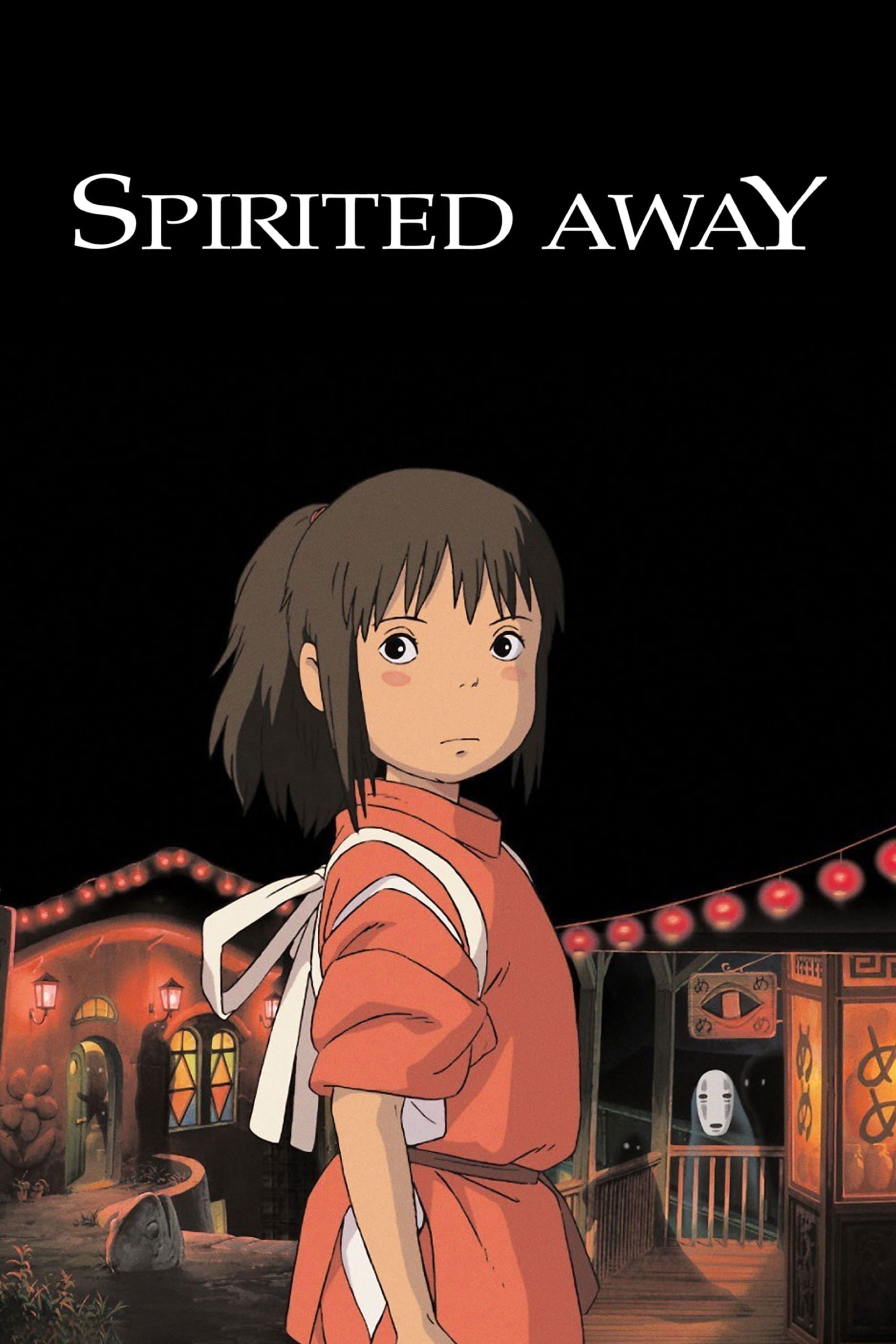
This film won the Academy Award for Best Animated Feature and opened doors for wider awards recognition of anime. It introduced many families to subtitled screenings through all ages storytelling. Tourism boards promoted locations tied to the movie’s imagery and bathhouse design. The success encouraged global distributors to localize more Ghibli titles for theaters.
‘Naruto’ (2002–2007)
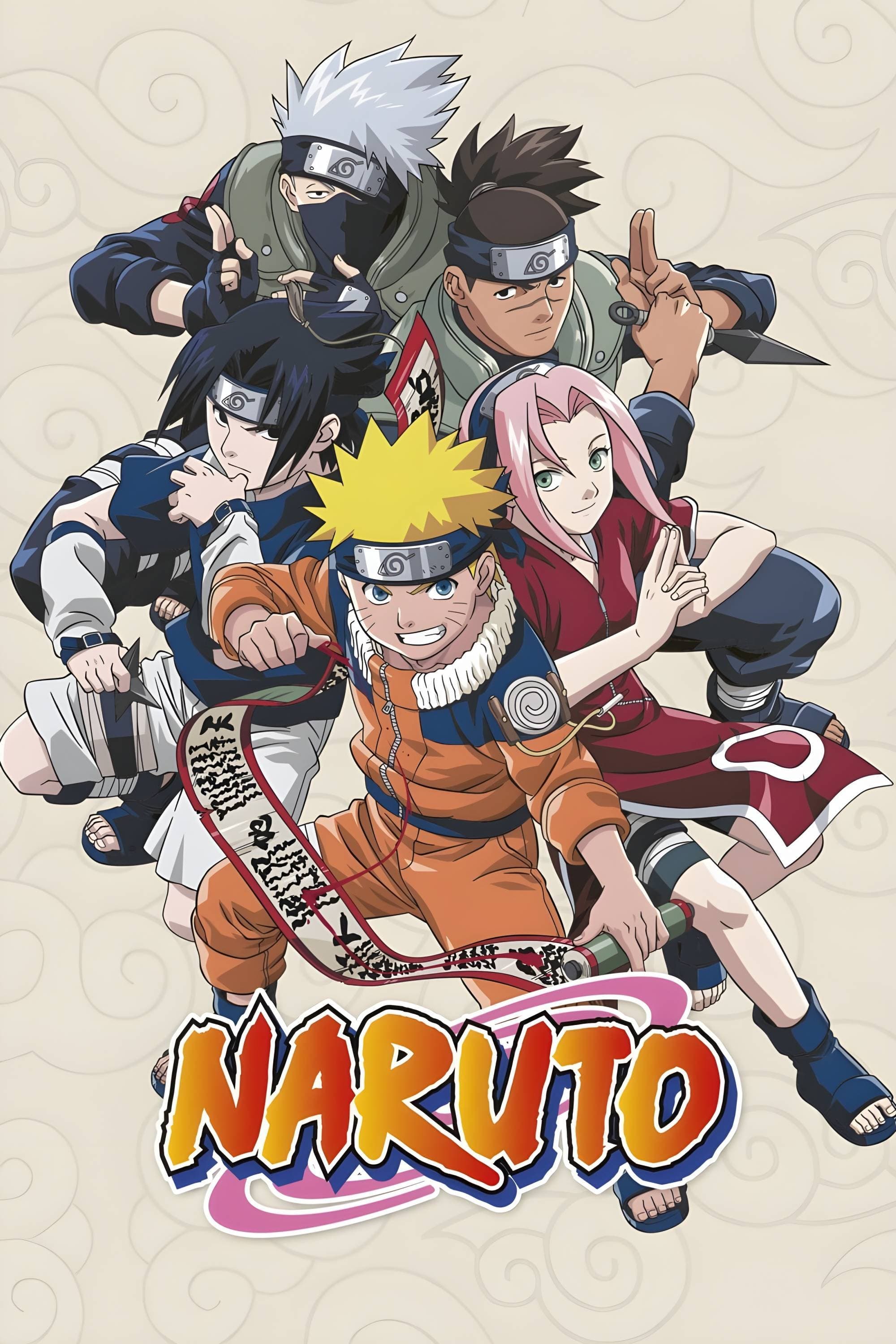
The series built a pipeline from weekly TV to online fan communities that traded discussion and fan art at scale. Ninja themed training and teamwork became a framework for school clubs and fitness classes. Publishers launched official online platforms to serve readers and curb scan sites. The follow up series extended this model and helped streaming services secure long running catalogs.
‘Death Note’ (2006–2007)
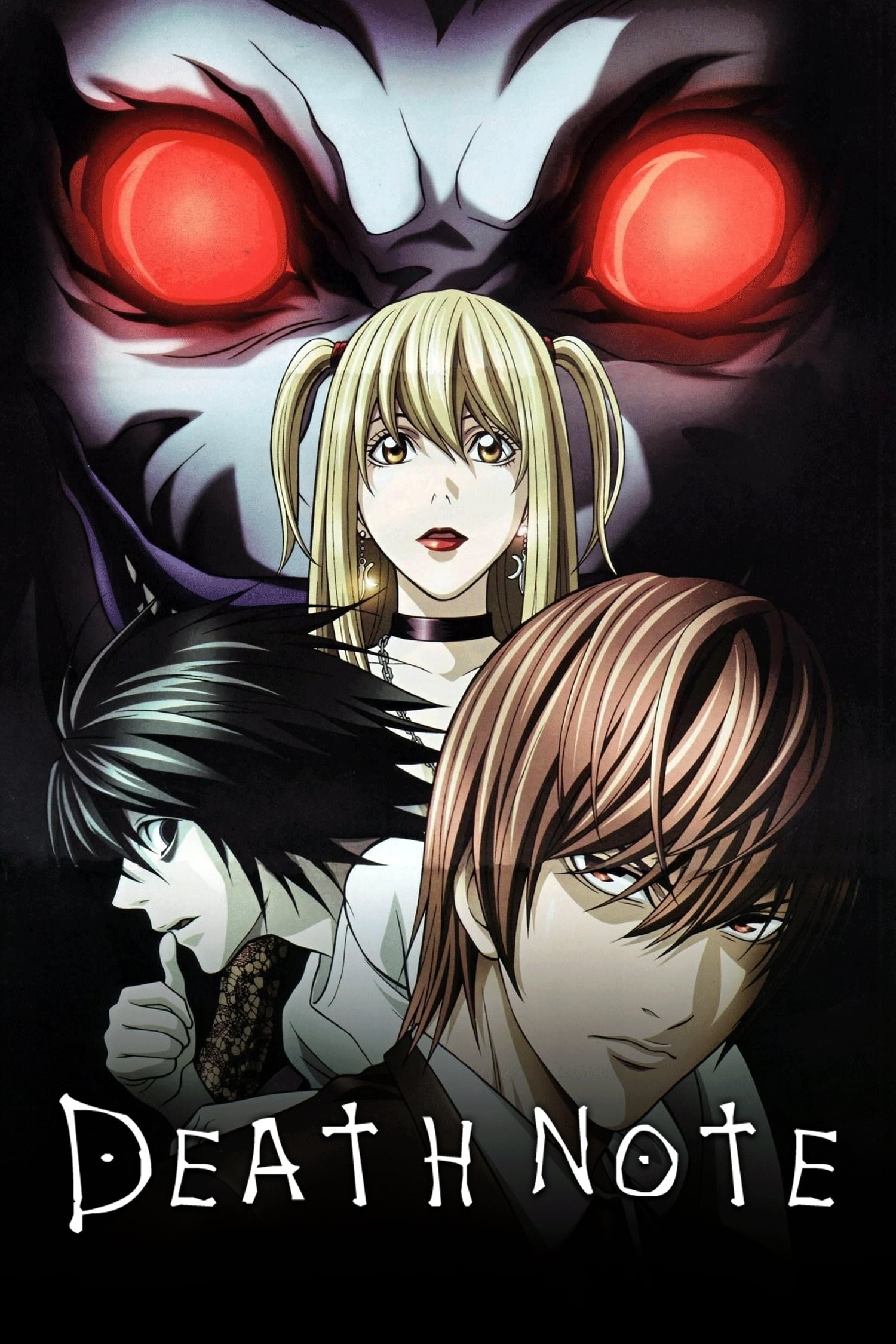
This thriller showed that cat and mouse storytelling could reach mainstream audiences without heavy action. Live action adaptations across countries demonstrated the property’s flexibility. The series drove interest in criminology and ethics topics for classroom debates. Its concise length also helped platforms test limited series strategies.
‘Attack on Titan’ (2013–2023)
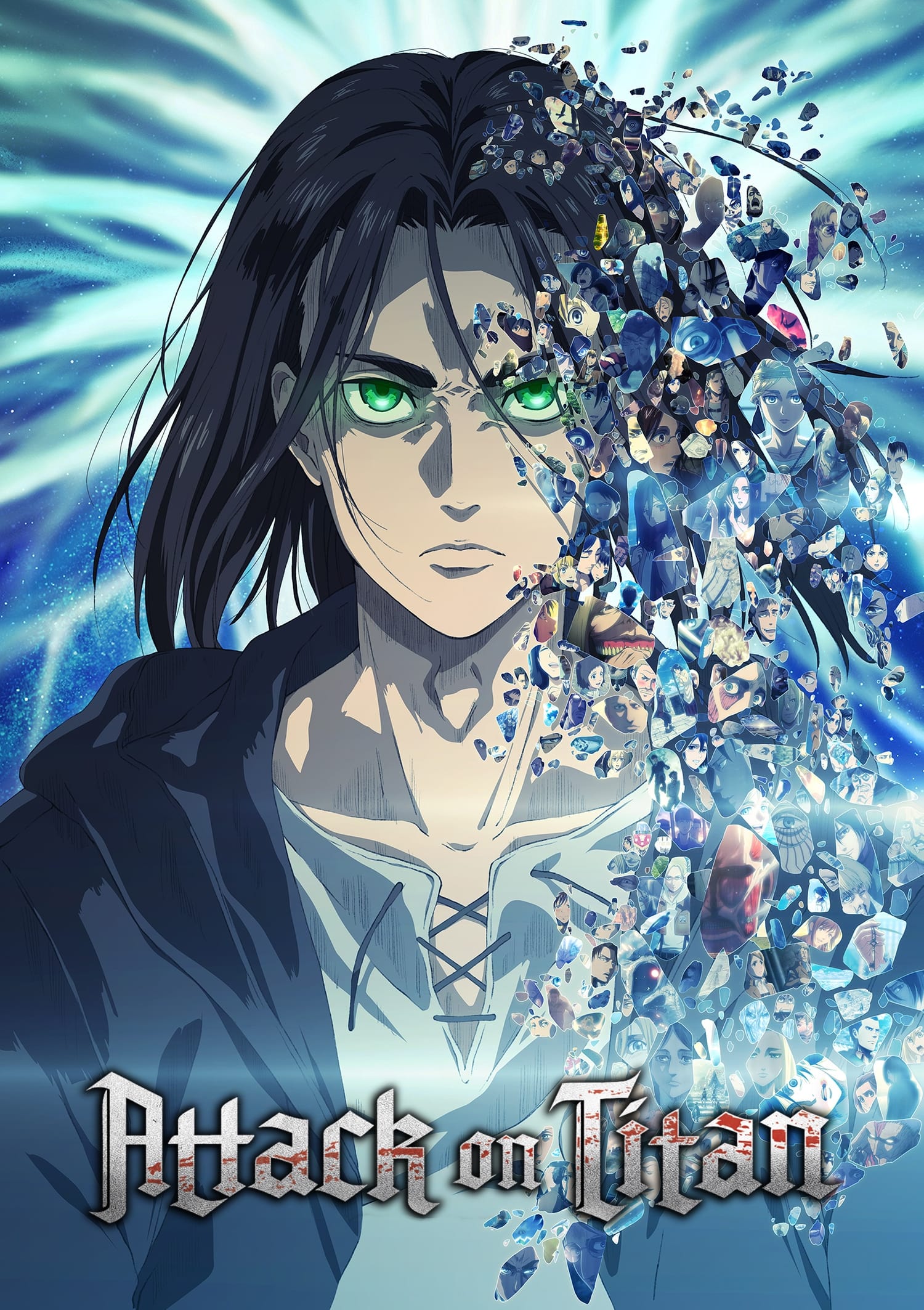
The show’s release cycles shaped global simulcast habits with coordinated premieres across regions. Social media discussion spiked around cliffhangers and made weekly anime conversation a routine. Tourism to real world sites and theme installations boosted local economies. The production shifts between studios also highlighted new standards for digital action animation.
‘Your Name.’ (2016)
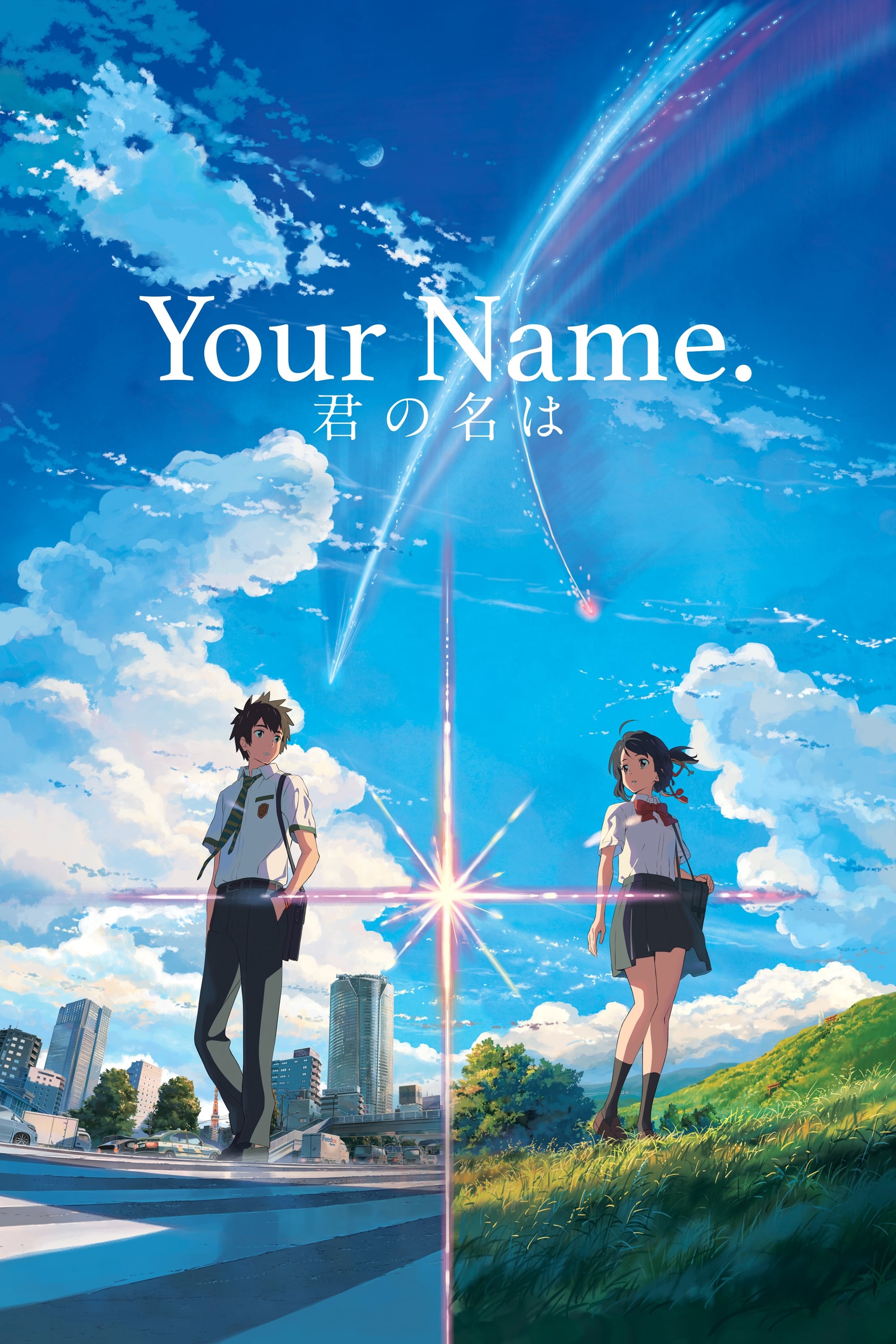
This movie became a box office hit in multiple territories and elevated the profile of contemporary romance animation. It spurred location based pilgrimages to featured towns and train stations. Music tie ins reached international charts and proved soundtrack driven marketing power. The film’s success encouraged theaters to schedule more limited event screenings for anime.
‘Demon Slayer: Kimetsu no Yaiba’ (2019–present)
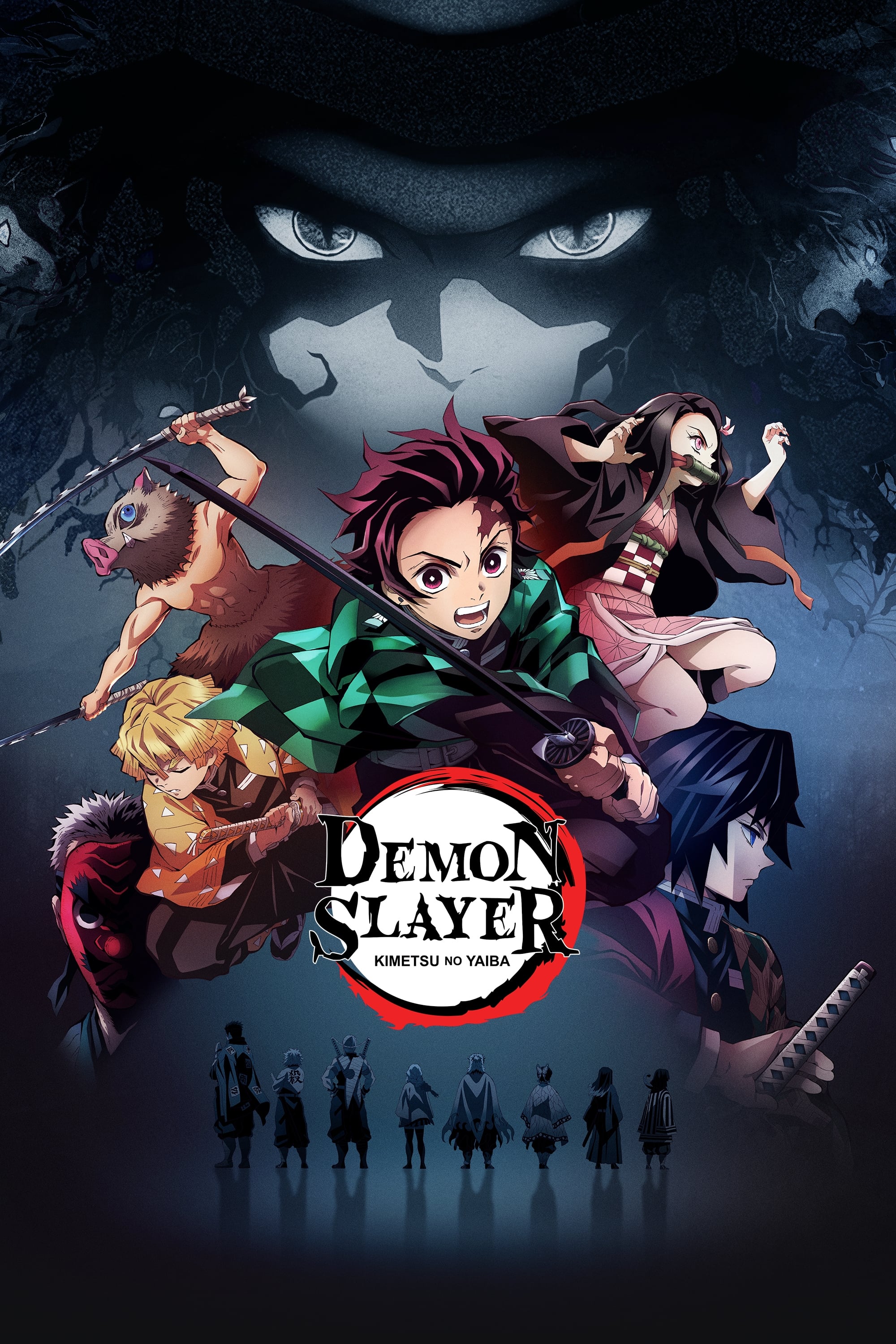
The series pushed water and flame effects that showcased modern compositing and 3D camera movement in 2D scenes. Its cinema follow up set new box office records for an anime film in several markets. Retailers documented surges in manga sales after each broadcast arc. The franchise also demonstrated how streaming visibility can rapidly convert into theatrical demand.
‘Slam Dunk’ (1993–1996)
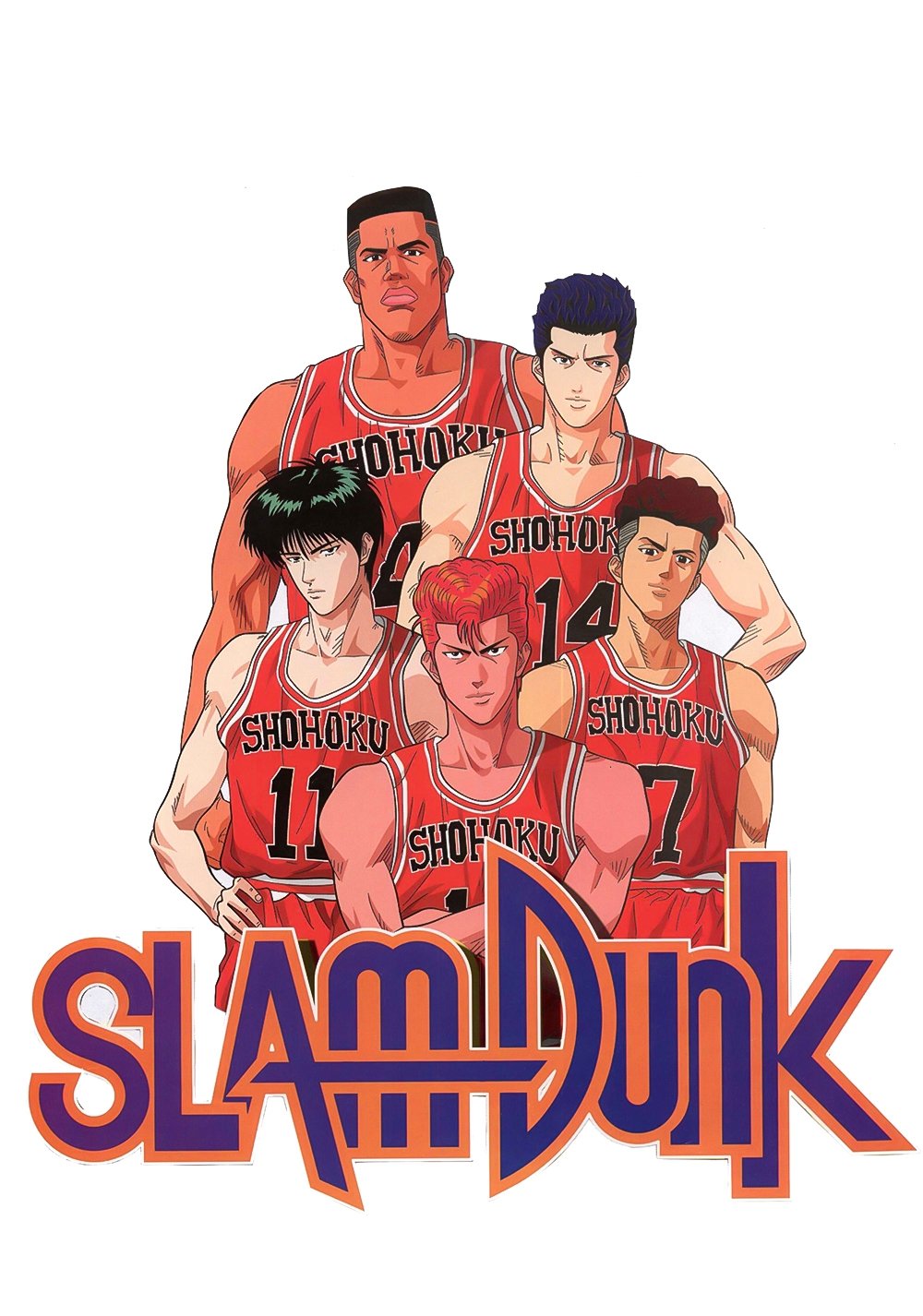
This sports series boosted basketball’s popularity across East Asia and supported school team recruitment. Athletic brands partnered with publishers and broadcasters to run youth clinics tied to the show. The narrative encouraged rule learning and game analysis among new fans. Recent film releases revitalized merchandise lines and introduced the story to a new generation.
Share your picks for anime that changed your world in the comments so we can keep building the list together.