Celebs Who Hate Hollywood and What It Represents

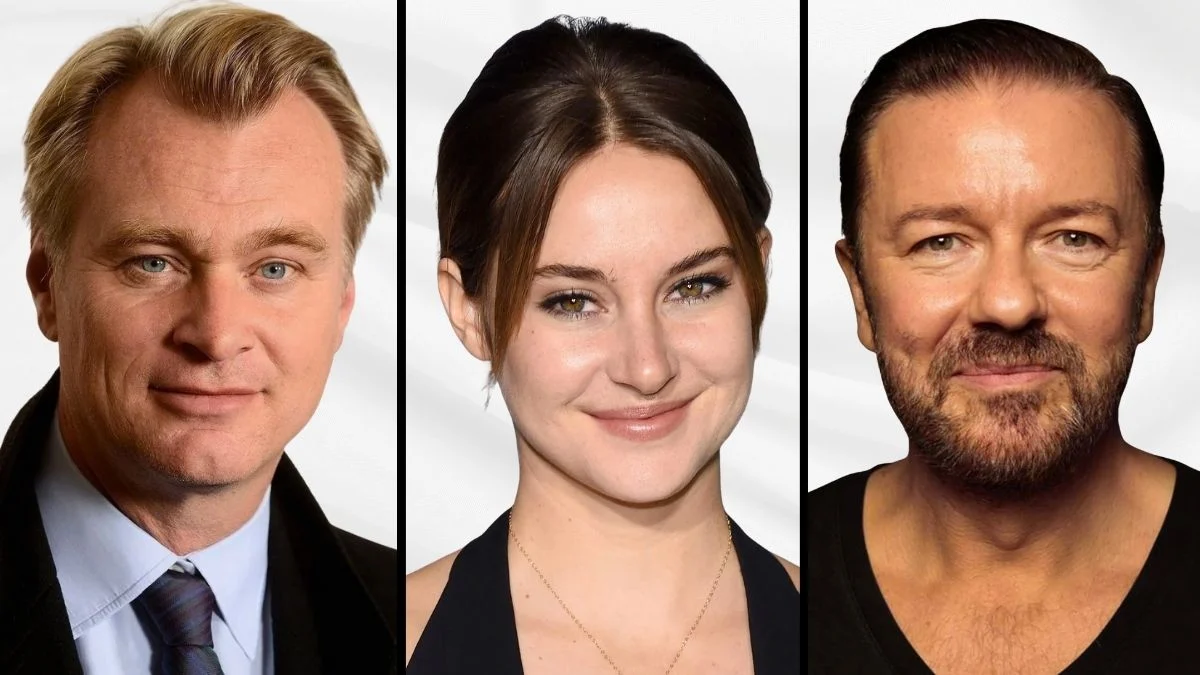

Plenty of famous people make their living in film and television yet keep the Hollywood machine at arm’s length. They speak out about the pressures of the celebrity economy, avoid the award show circuit, or choose work that lets them sidestep studio expectations. Many live far from Los Angeles or skip social media to keep their private lives intact. Here are well known names who have publicly pushed back on the culture, rituals, and incentives that define Hollywood.
Jim Carrey
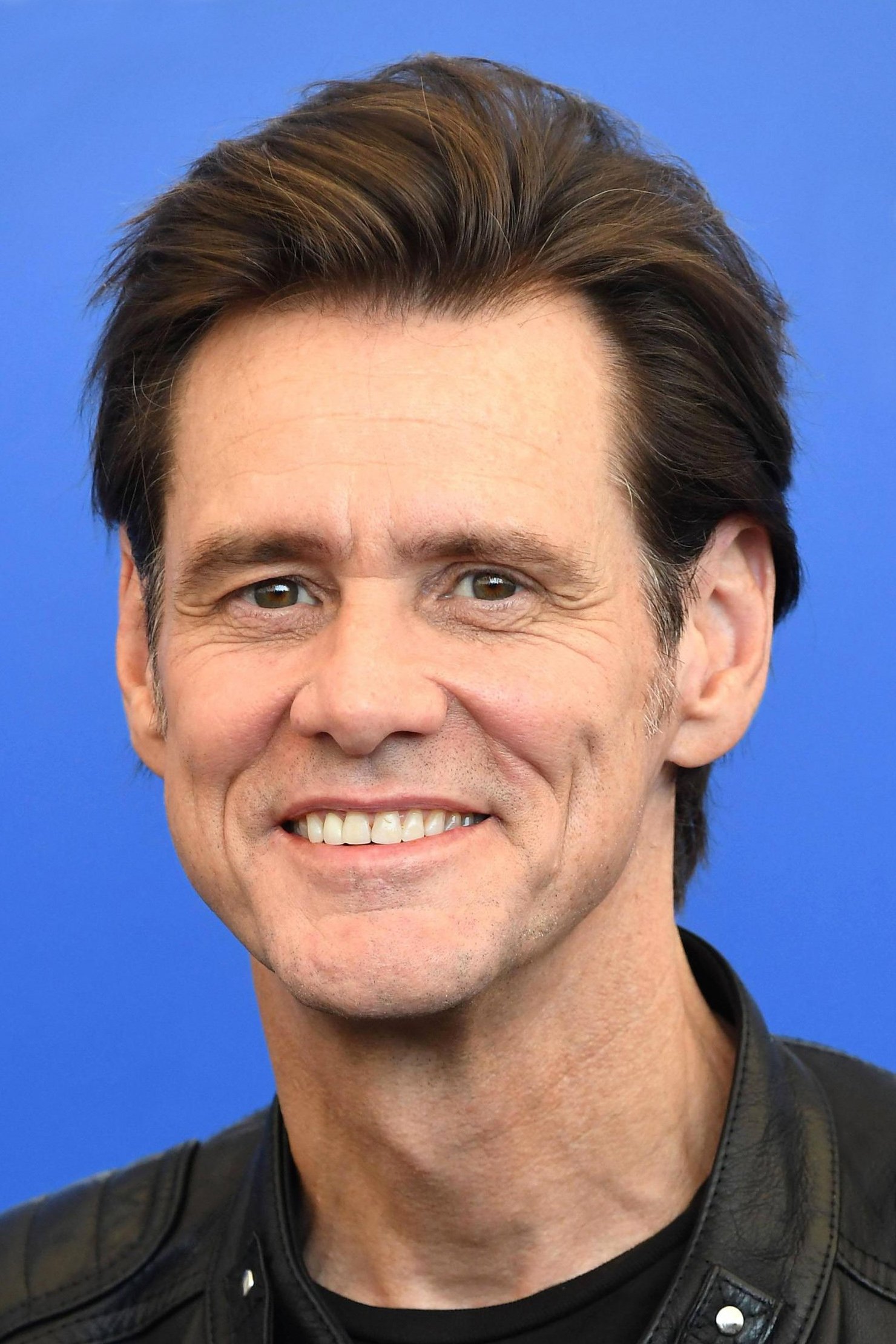
Carrey has talked openly about stepping away from Hollywood and the red carpet carousel. He has said the spotlight creates an illusion that distracts from real life and personal growth. In recent years he has focused on painting and occasional passion projects instead of big studio comedies. He also avoids social media engagement that feeds celebrity branding.
Dave Chappelle
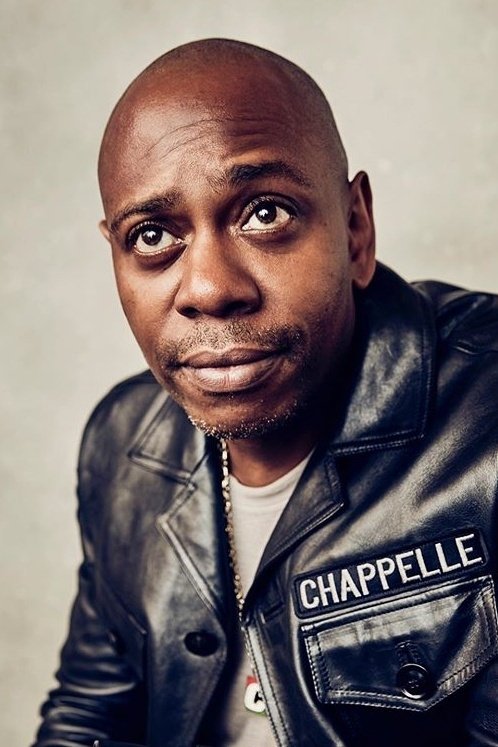
Chappelle famously walked away from a lucrative contract at the height of ‘Chappelle’s Show’ because he disliked the industry pressures around it. He relocated for years and returned on his own terms, building stand up specials around venues and partners he chose. He keeps a small circle and low key production style that limits studio oversight. His career path is designed to minimize the Hollywood publicity machine.
Keanu Reeves
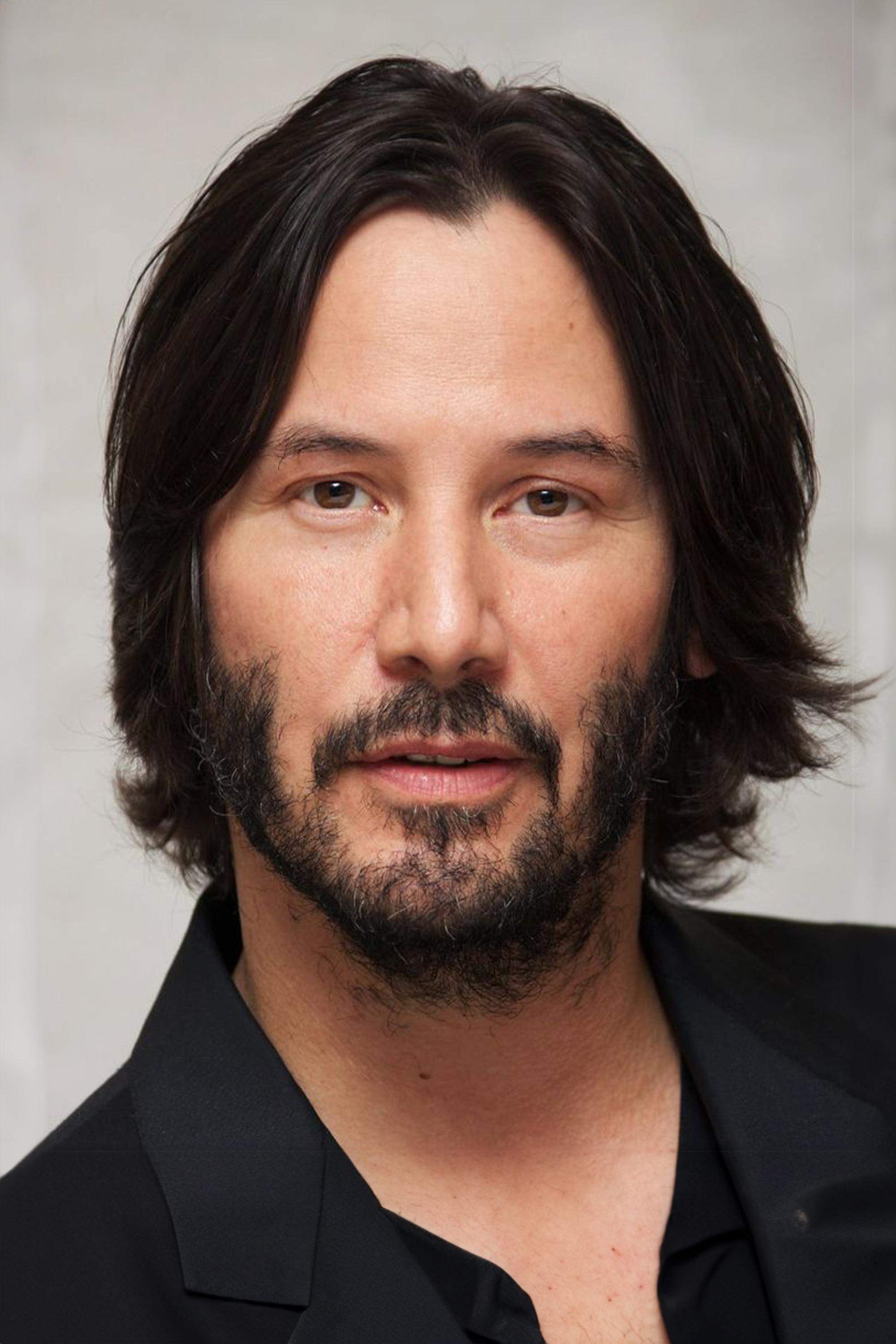
Reeves is known for keeping his personal life private and steering clear of publicity games. He rarely uses social media and keeps press tours strictly focused on the work. He has a reputation for modest on set habits that contrast with Hollywood extravagance. Reeves often splits time away from Los Angeles and chooses projects based on creative teams rather than awards buzz.
Ricky Gervais
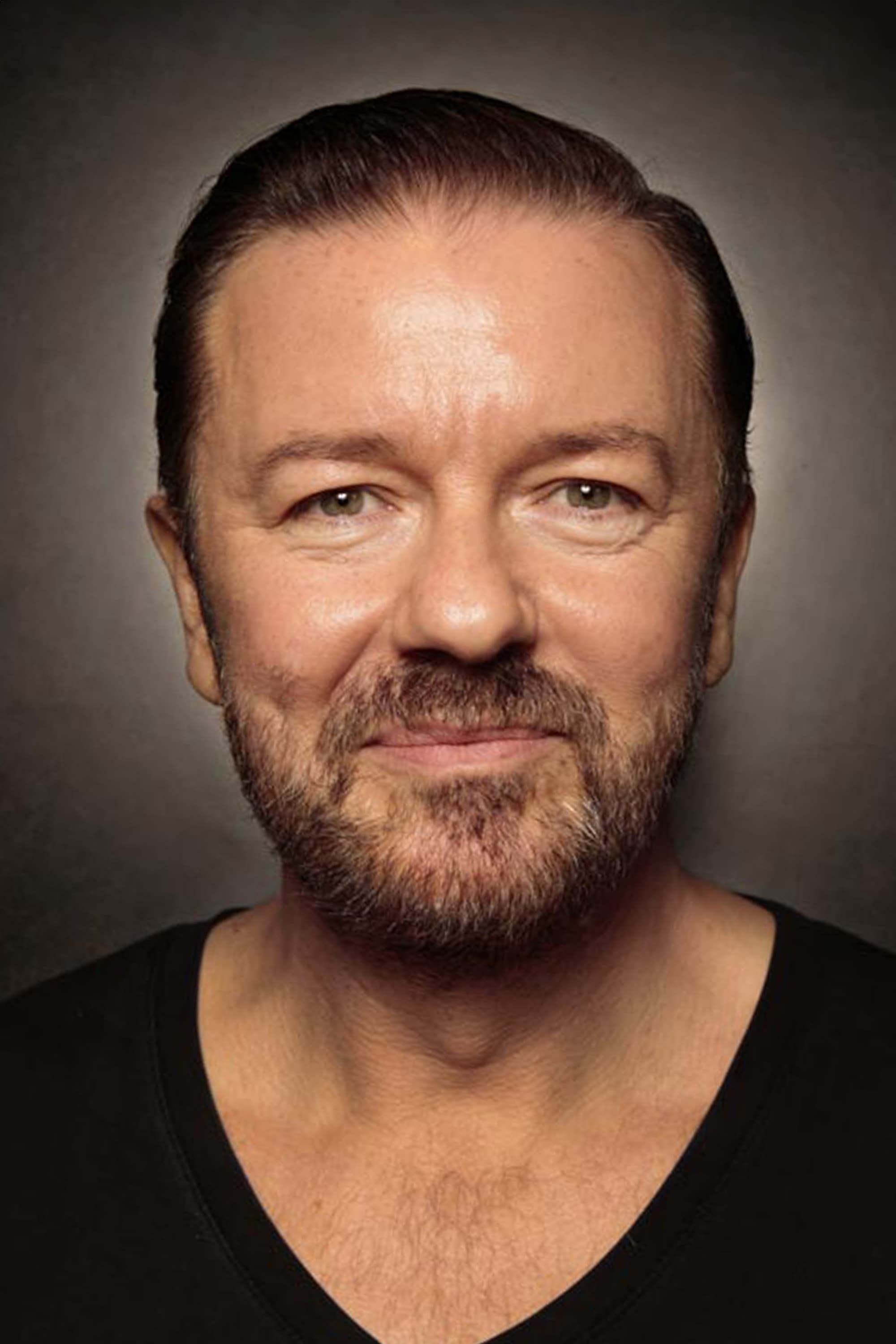
Gervais has used high profile hosting gigs to call out Hollywood’s self congratulatory culture. His monologues have criticized virtue signaling, performative speeches, and cozy industry relationships. Outside of those events he works largely out of the UK and retains control over writing and production. He favors tight budgets and small crews over studio scale operations.
Daniel Day Lewis
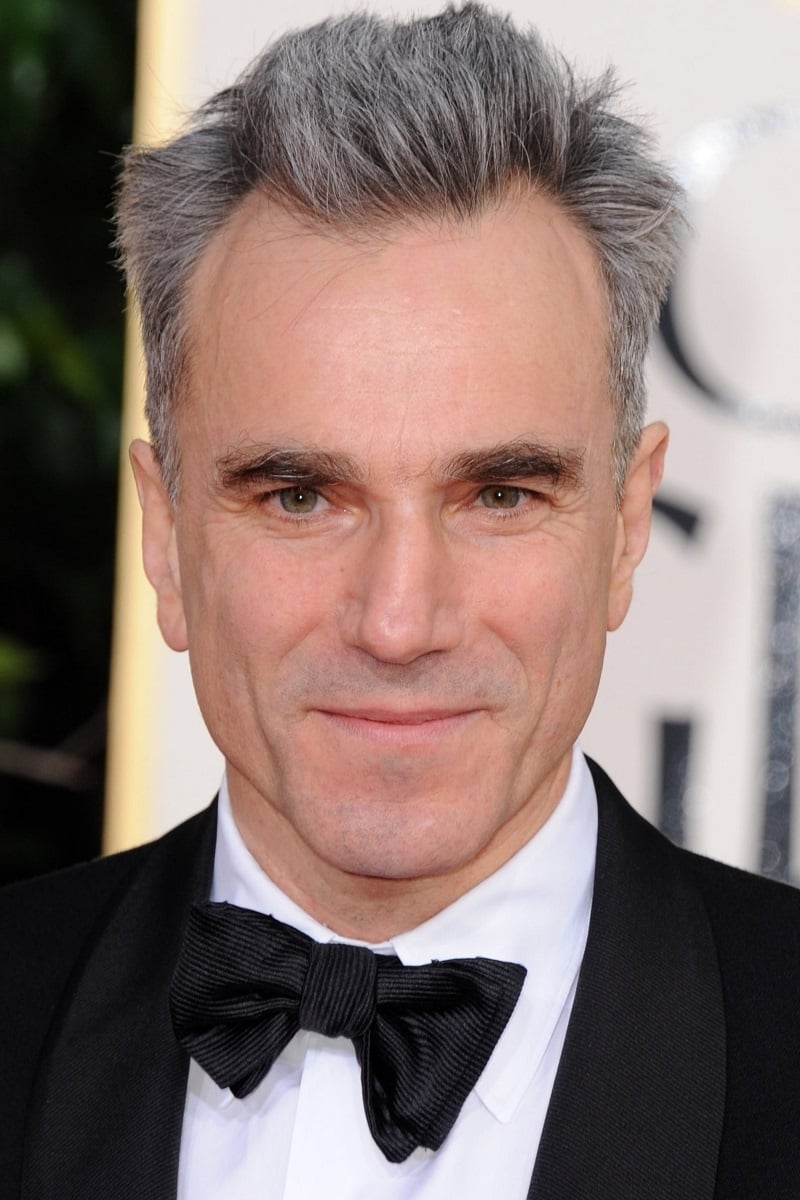
Day Lewis stepped away from acting after a long stretch of selective roles and intense preparation. He avoided the talk show circuit and kept interviews minimal even at peak fame. He has lived mostly outside Hollywood and kept his craft separate from the award season treadmill. His retirement announcement underscored a desire for a life not centered on celebrity.
Martin Scorsese
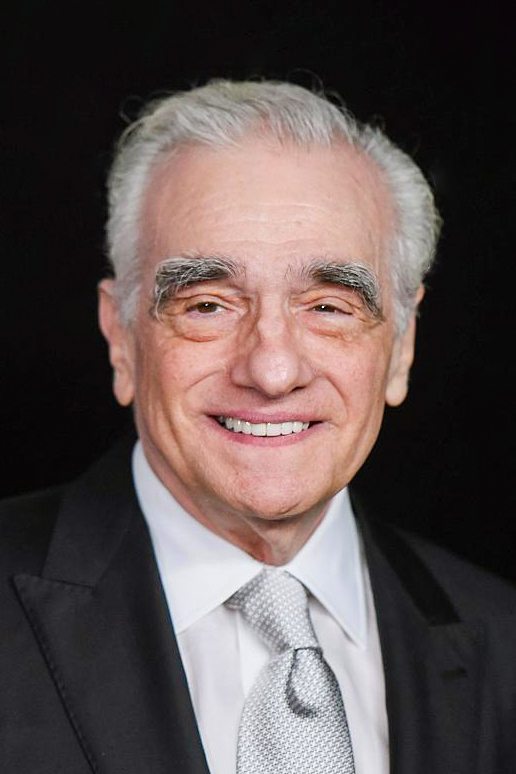
Scorsese has criticized the franchise dominated marketplace and said certain blockbuster trends crowd out personal filmmaking. He works through his own production company and partners that allow final cut and long development cycles. He invests time in film preservation and education to support cinema outside studio priorities. His comments often argue for theaters and diverse funding rather than Hollywood’s tentpole model.
Francis Ford Coppola
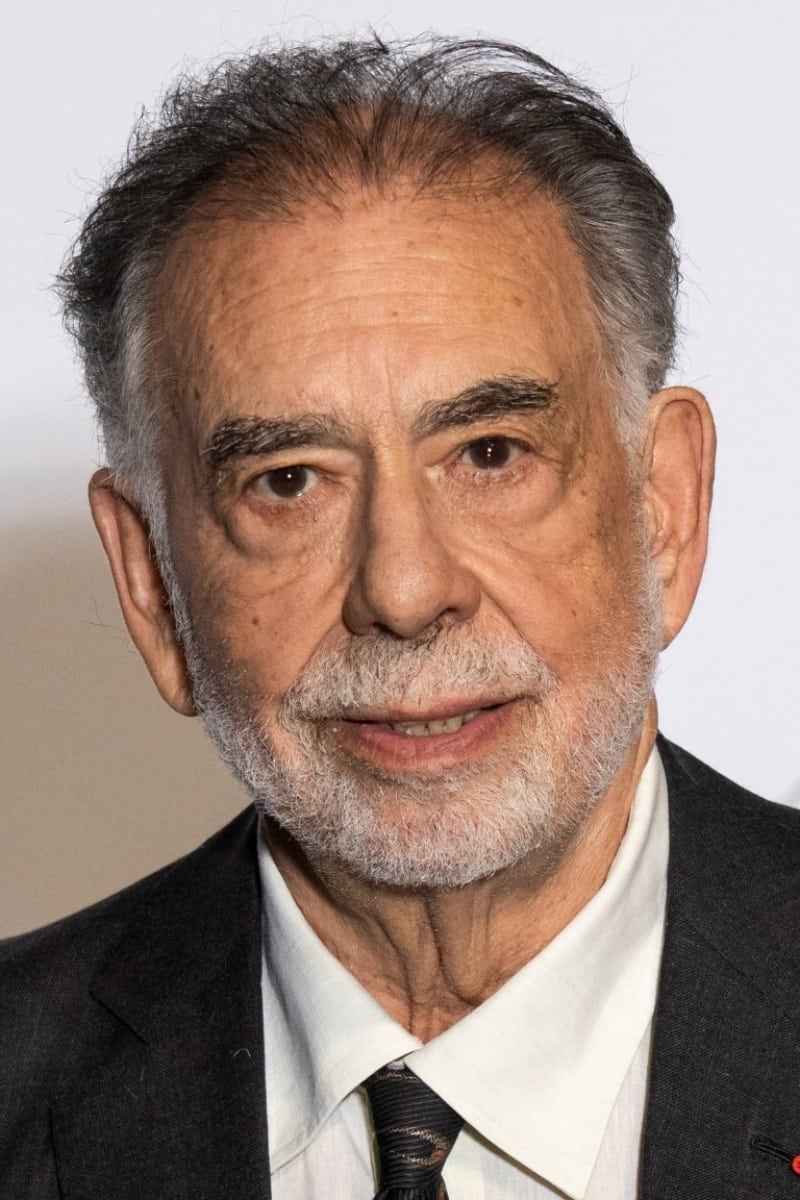
Coppola has repeatedly questioned the studio system’s risk aversion and focus on opening weekend. He finances and produces projects independently when possible to keep control over editing and release. He has developed businesses outside film to avoid dependence on studio deals. His public statements favor artist led production over Hollywood gatekeeping.
Jodie Foster
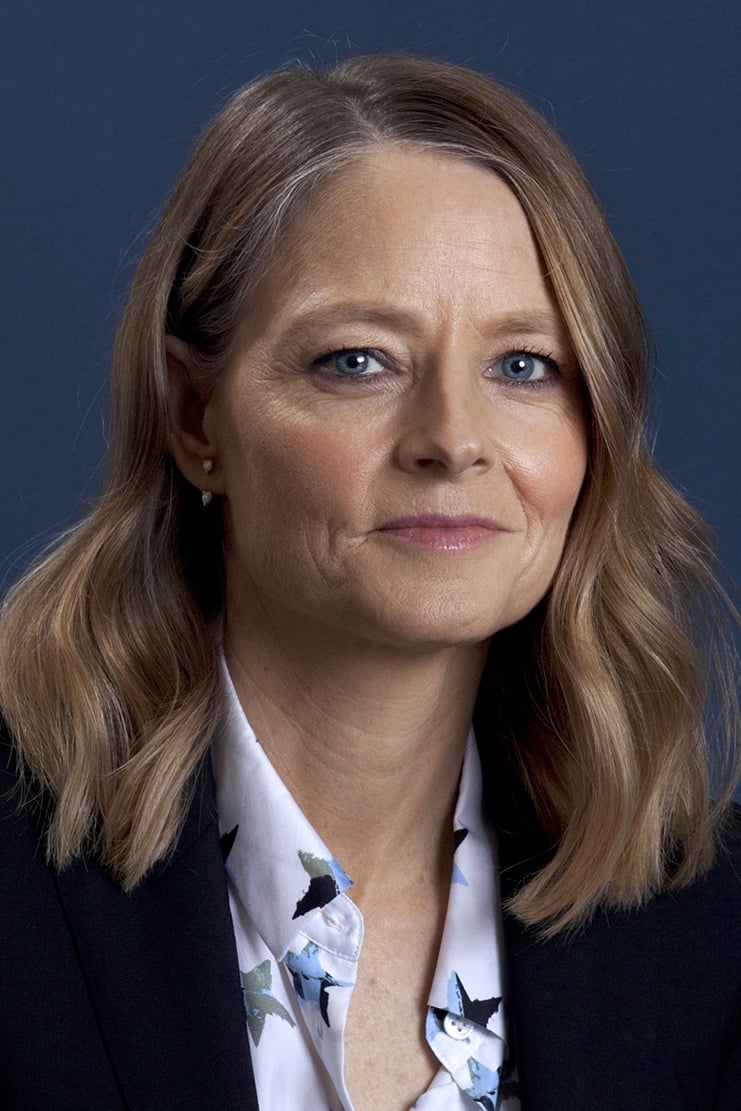
Foster has said the industry’s obsession with superheroes and franchises squeezes out mid budget adult stories. She directs and acts selectively while teaching and producing projects with more creative autonomy. She has described long press tours as draining and unnecessary for smaller films. Her choices show a preference for craft and privacy over Hollywood pacing.
Robert Pattinson
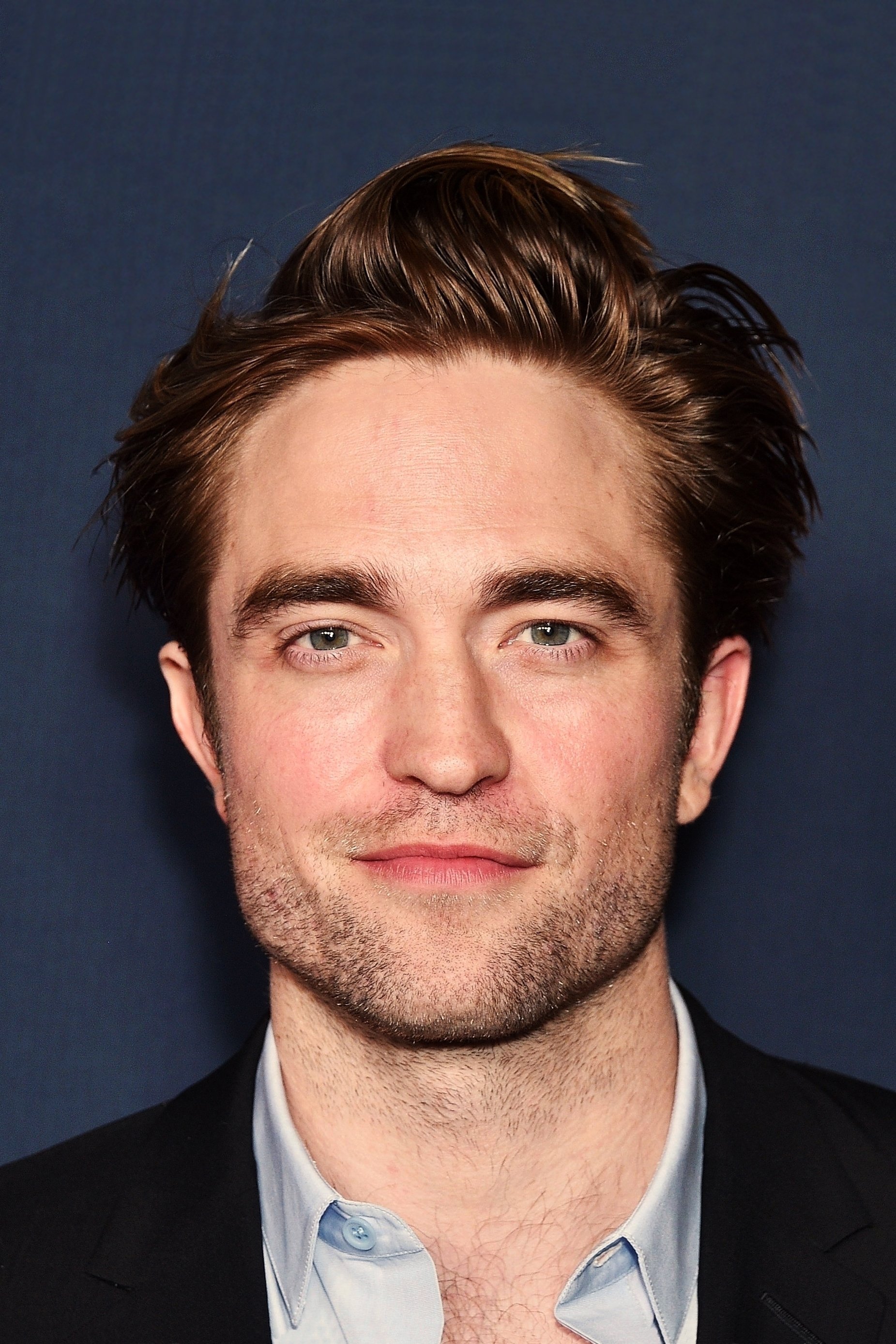
After ‘Twilight’ made him globally famous, Pattinson shifted to independent films with directors like the Safdie brothers and Claire Denis. He has said the tabloid attention around franchise fame was intrusive and unhelpful. He often keeps residences away from typical celebrity neighborhoods and limits social media. His role selection favors challenging material over studio event pictures.
Kristen Stewart
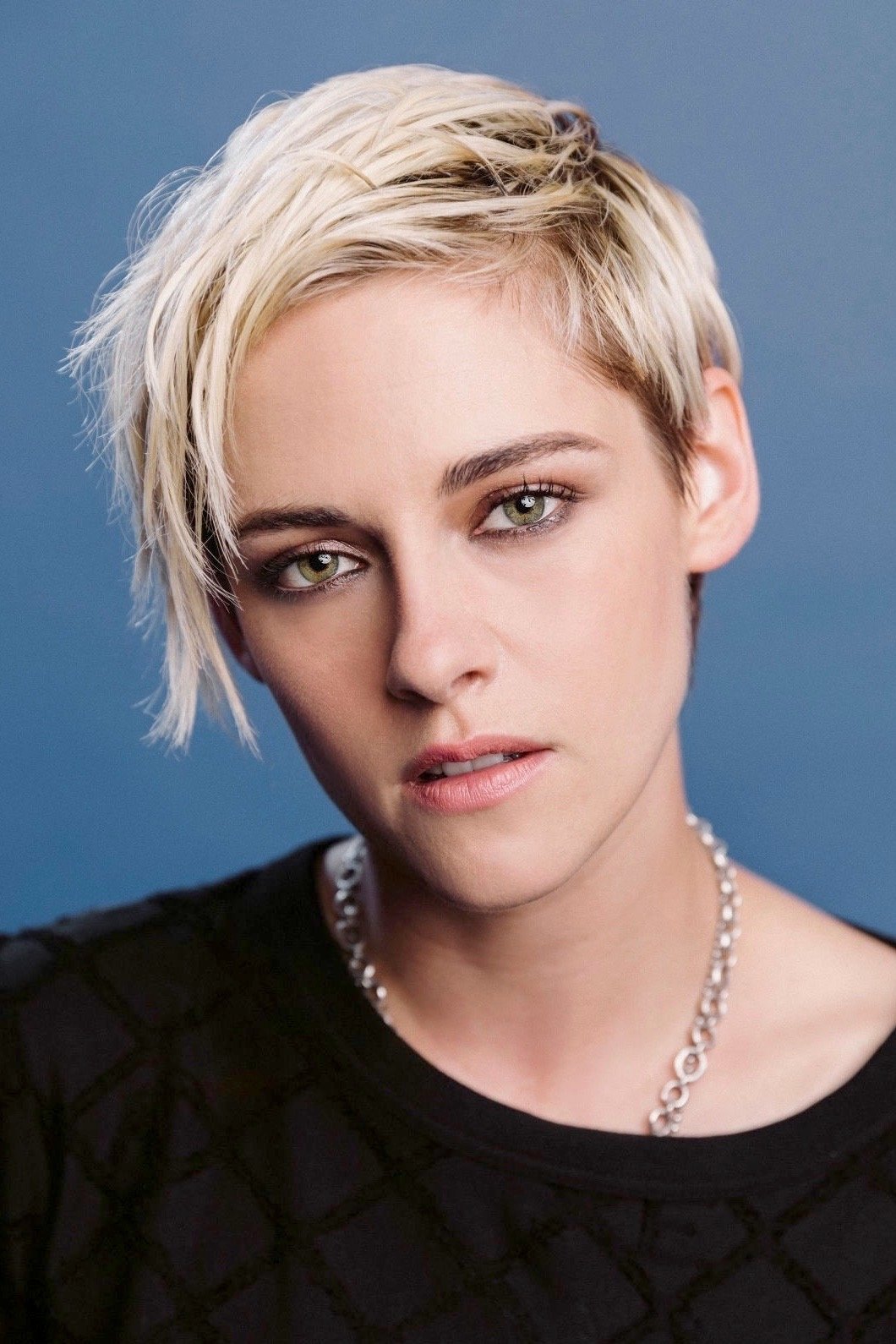
Stewart moved from franchise fame to auteur projects like ‘Personal Shopper’ and ‘Clouds of Sils Maria’. She has discussed the relentless scrutiny that comes with Hollywood celebrity and how it affected her early career. Stewart often works in Europe and with small teams to reduce publicity demands. She maintains a guarded public profile and keeps press interactions concise.
Joaquin Phoenix
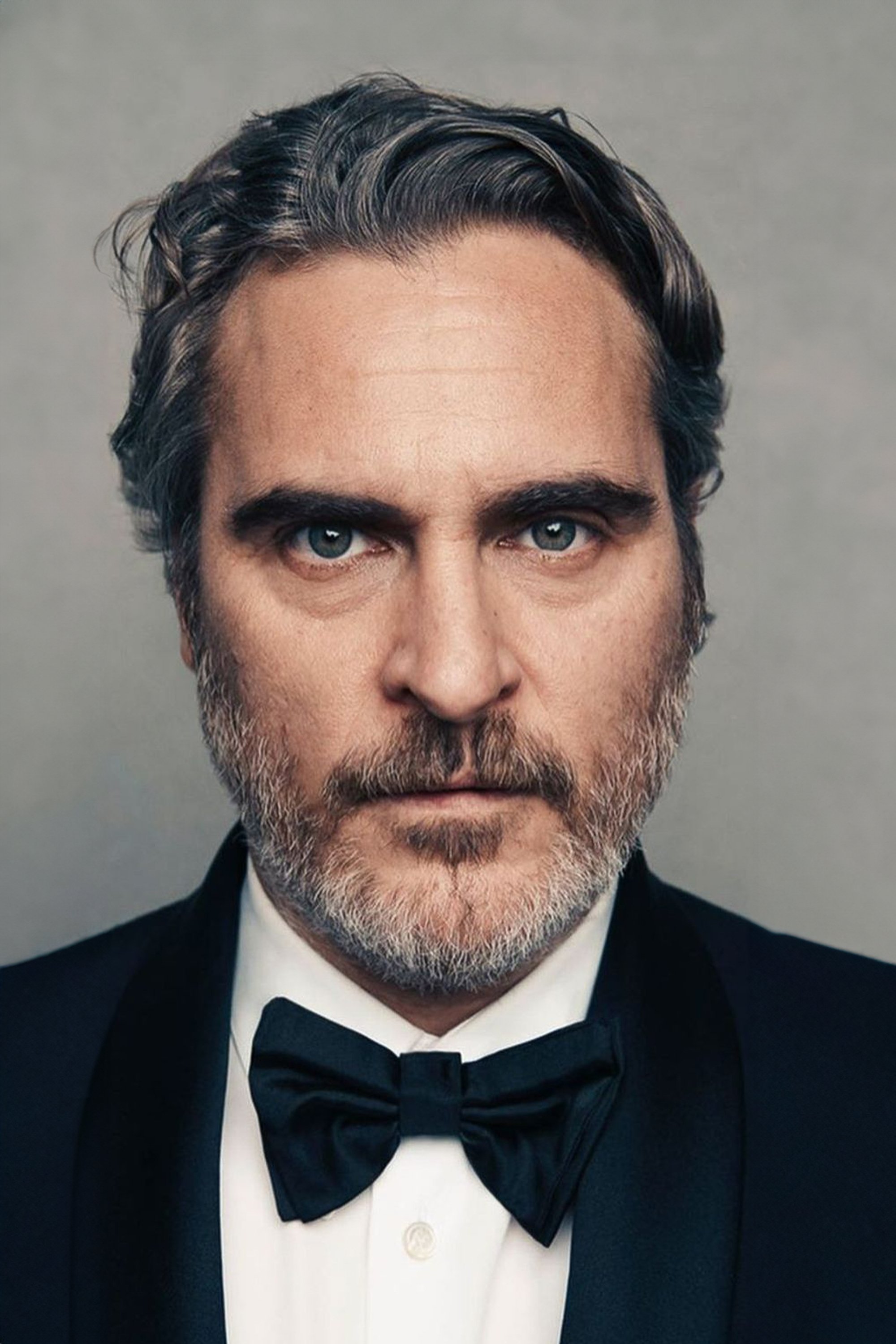
Phoenix keeps a minimal public profile and often declines conventional award show routines. He chooses projects with directors who allow long rehearsals and character led development. He keeps social media absent from his career and limits interviews to a few outlets per release. His home base and day to day life are organized to reduce paparazzi exposure and industry events.
Adam Driver
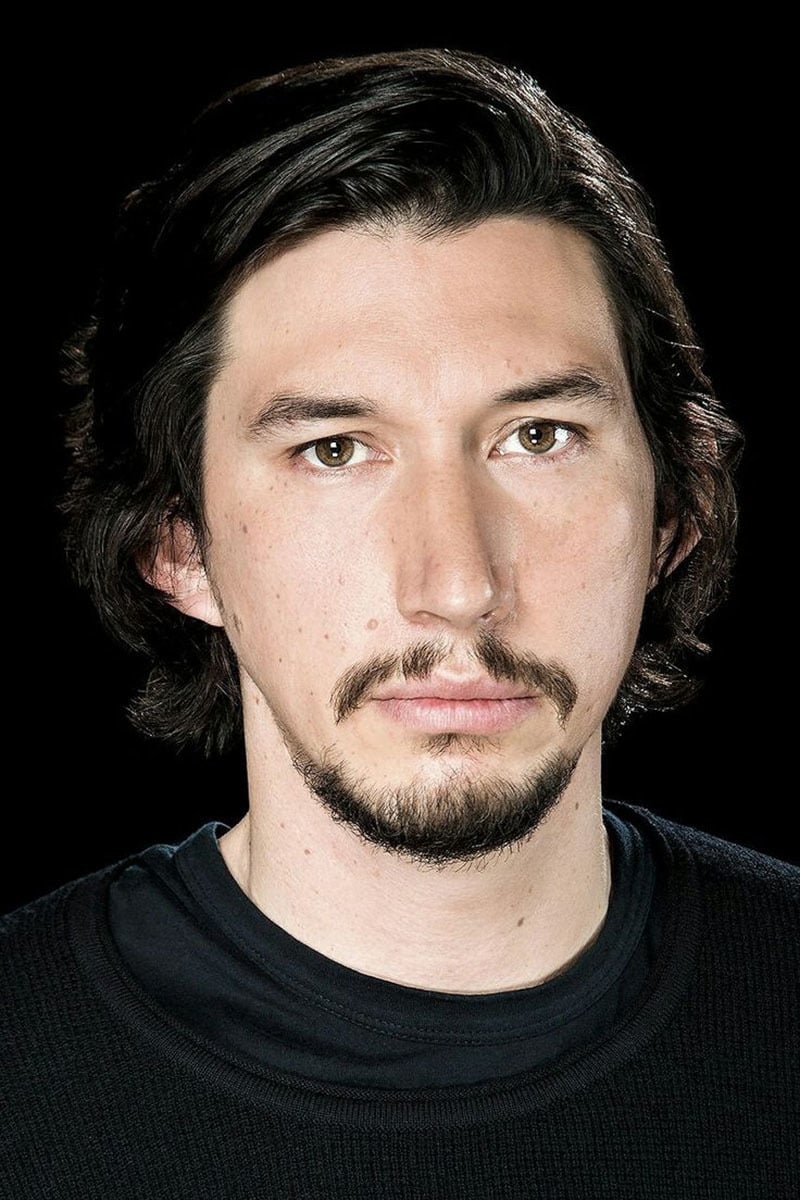
Driver lives mainly in New York and focuses on stage work and film roles with lean press schedules. He avoids social media and rarely participates in celebrity centric marketing. He founded a nonprofit that connects veterans and the arts rather than building a Hollywood brand. His press appearances stay tightly focused on craft and production details.
Cameron Diaz
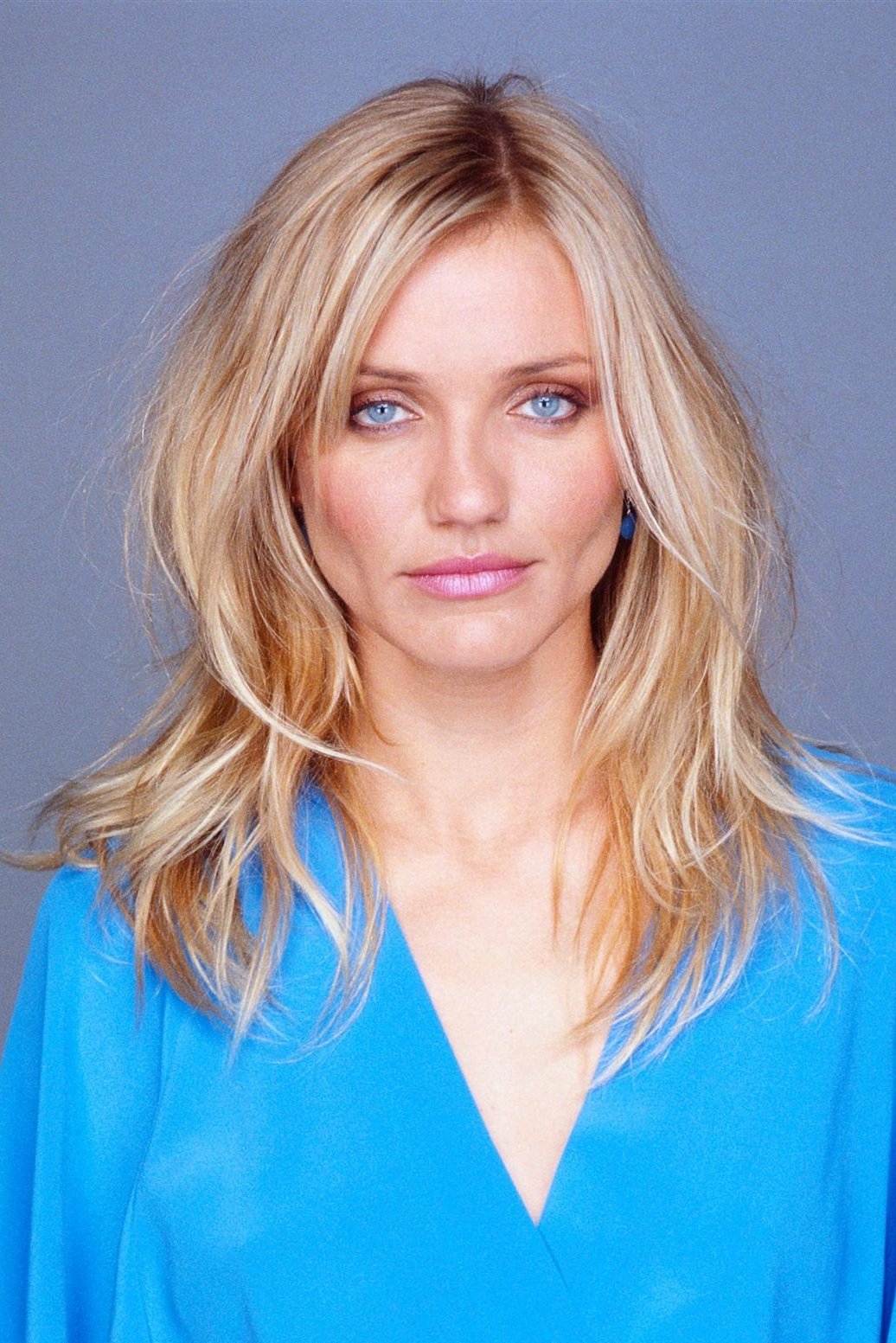
Diaz stepped away from acting for years to prioritize family and ventures outside film. She reduced red carpet appearances and paused the cycle of promotion and awards campaigns. She invests in businesses that do not depend on studio calendars. Her public communication stays limited to a few interviews tied to specific projects.
Emily Blunt

Blunt keeps her family life private and schedules projects to avoid long publicity runs. She has said social media is not part of her work strategy and keeps accounts limited. She often films outside Los Angeles and chooses roles based on director and script control. Press commitments are streamlined to focus on production facts and release logistics.
Keira Knightley

Knightley lives primarily in London and takes roles with European and independent producers. She limits social media and keeps interviews focused on historical context or craft. She has spoken about scaling back large scale campaigns that center on celebrity access. Her contracts often emphasize schedule control and press boundaries.
Kate Winslet
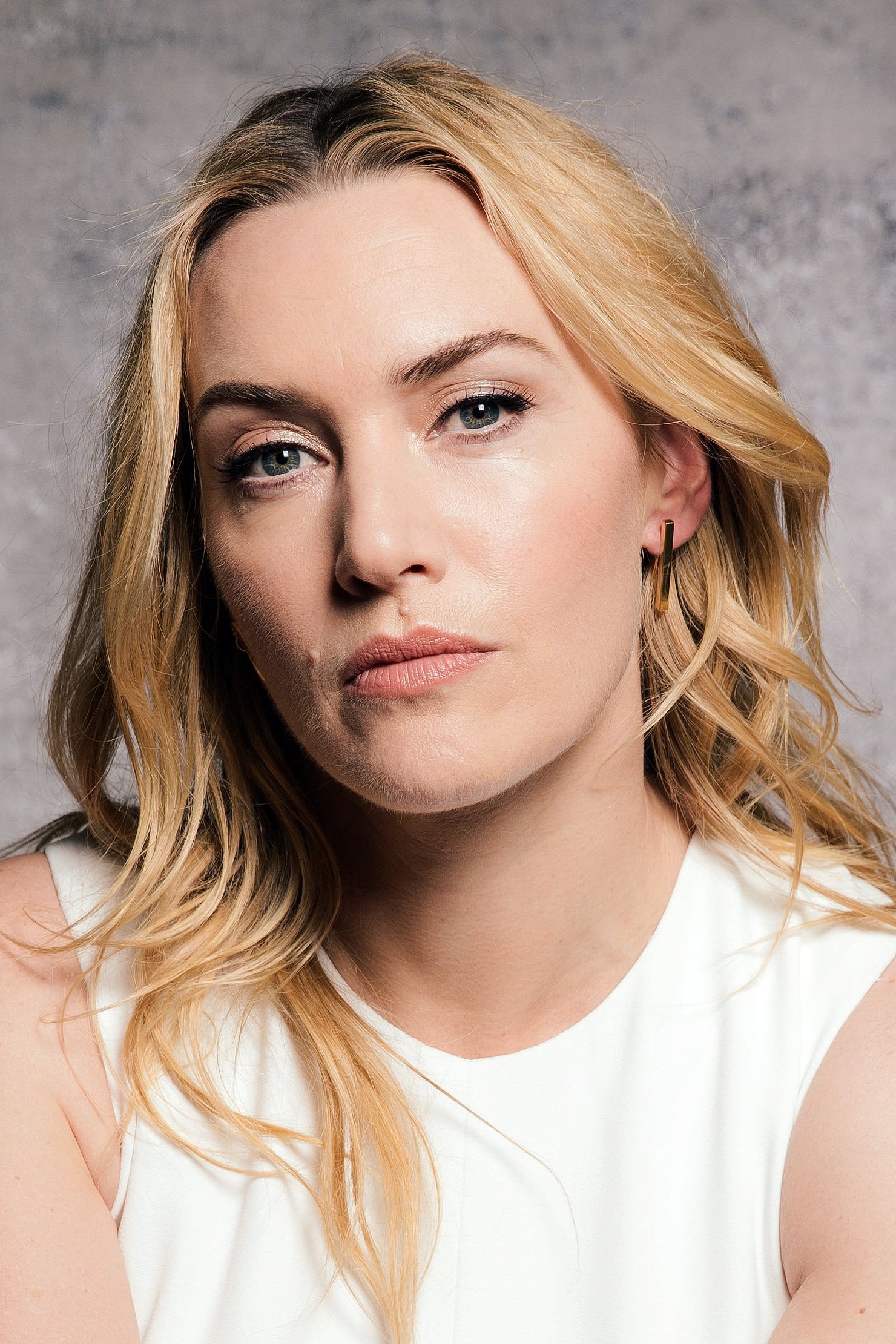
Winslet is based in the UK and prioritizes scripts that move quickly from shoot to release without long award season circuits. She keeps brand endorsements selective and avoids heavy social media promotion. She organizes press in short windows and centers technical details of the work. She often collaborates with filmmakers who allow flexible family friendly schedules.
Sandra Bullock
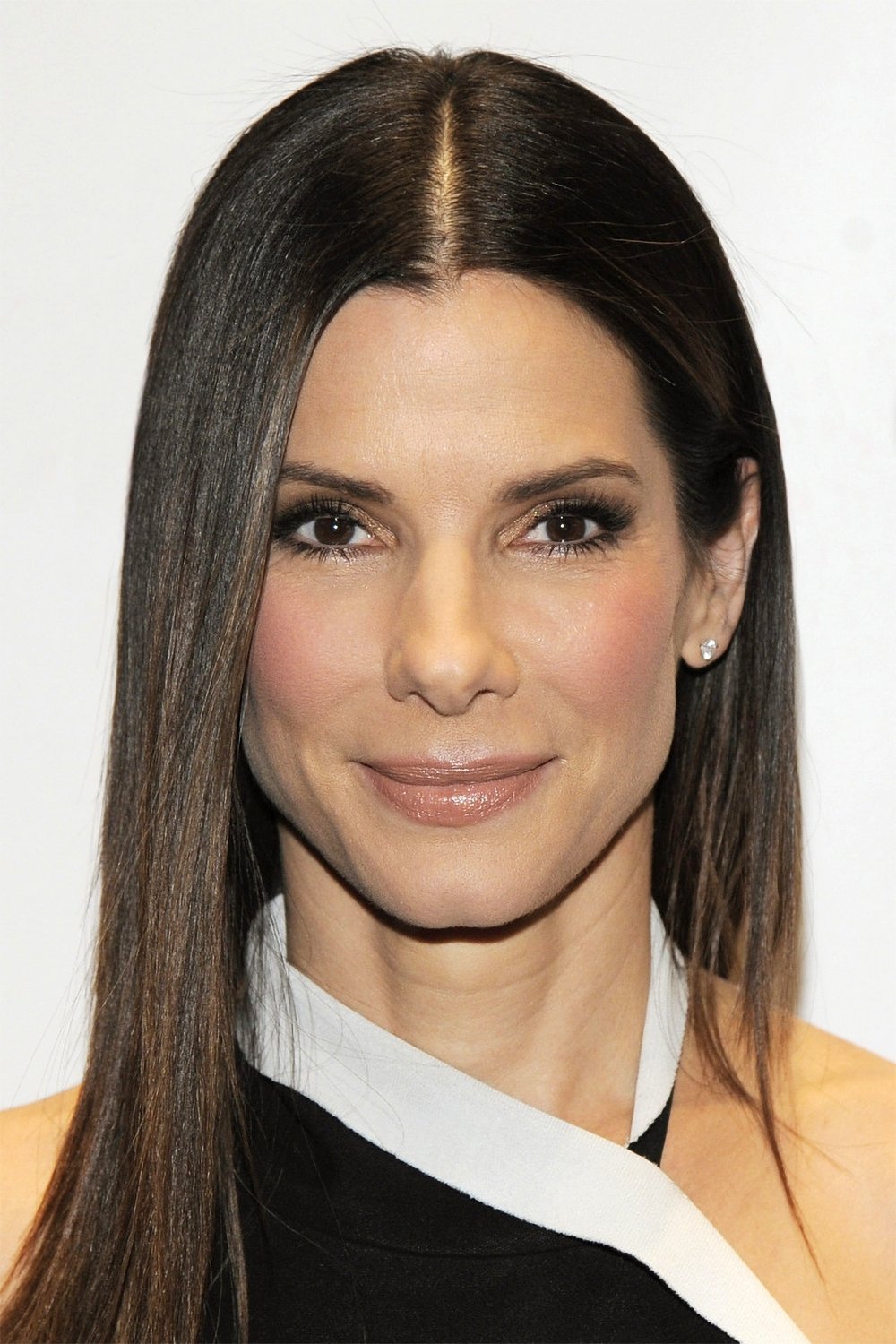
Bullock splits time away from Los Angeles and keeps charity and production work separate from publicity. She selects projects with strong producers that minimize extended press tours. She rarely shares personal details online and limits access during releases. Her career planning builds in long breaks away from industry events.
Denzel Washington

Washington focuses on directing and acting projects that provide creative authority and clear schedules. He keeps interviews concise and avoids the social media spotlight. He works frequently in New York theater and with trusted collaborators who keep production lean. Award season participation is minimal compared with typical studio expectations.
Cate Blanchett
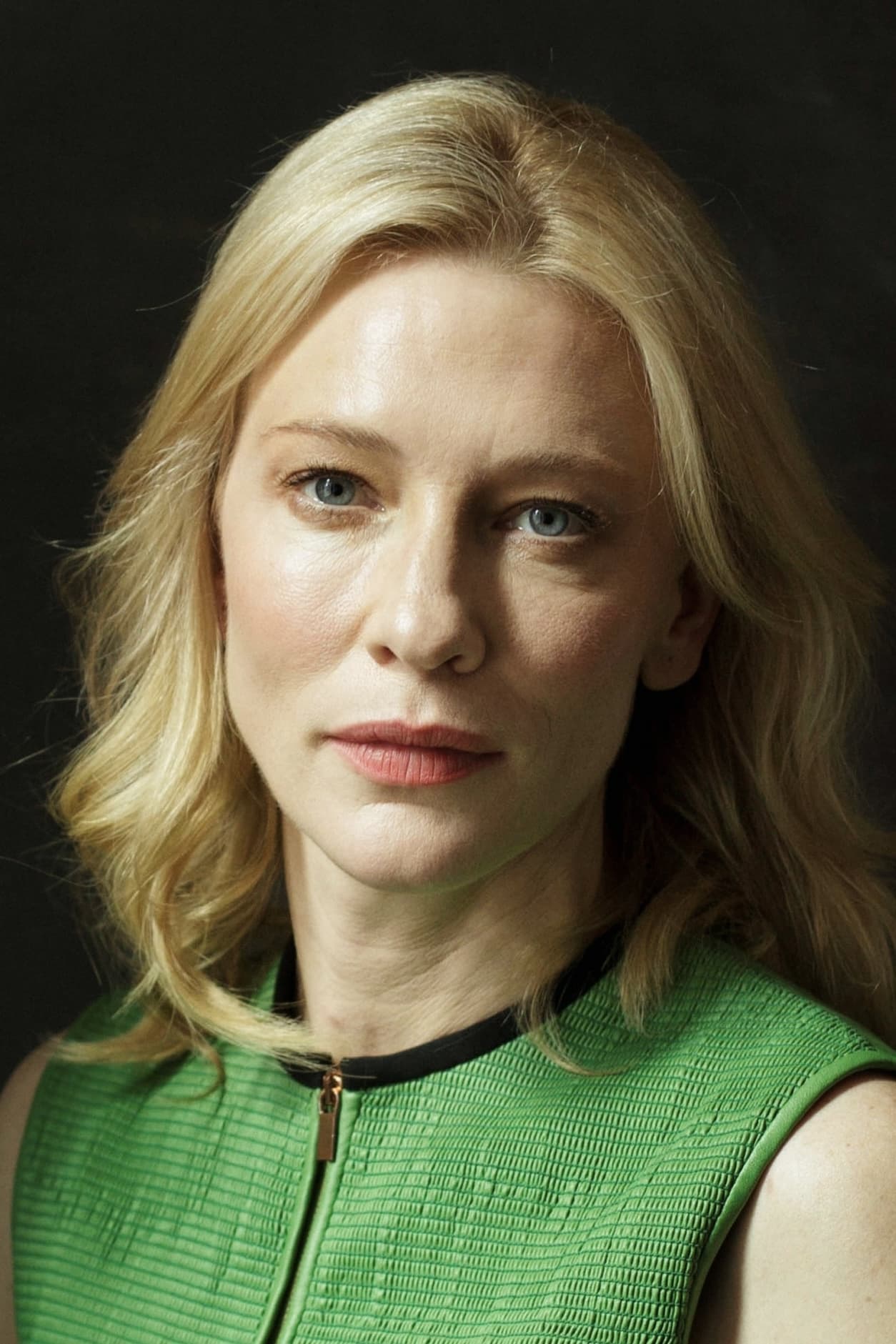
Blanchett is based in Australia and Europe and often works through regional companies. She balances film with theater management that operates outside Hollywood timelines. She limits social media and structures press around festival premieres and technical panels. Her contracts typically ensure rehearsal time and post production input rather than extended publicity.
Rooney Mara
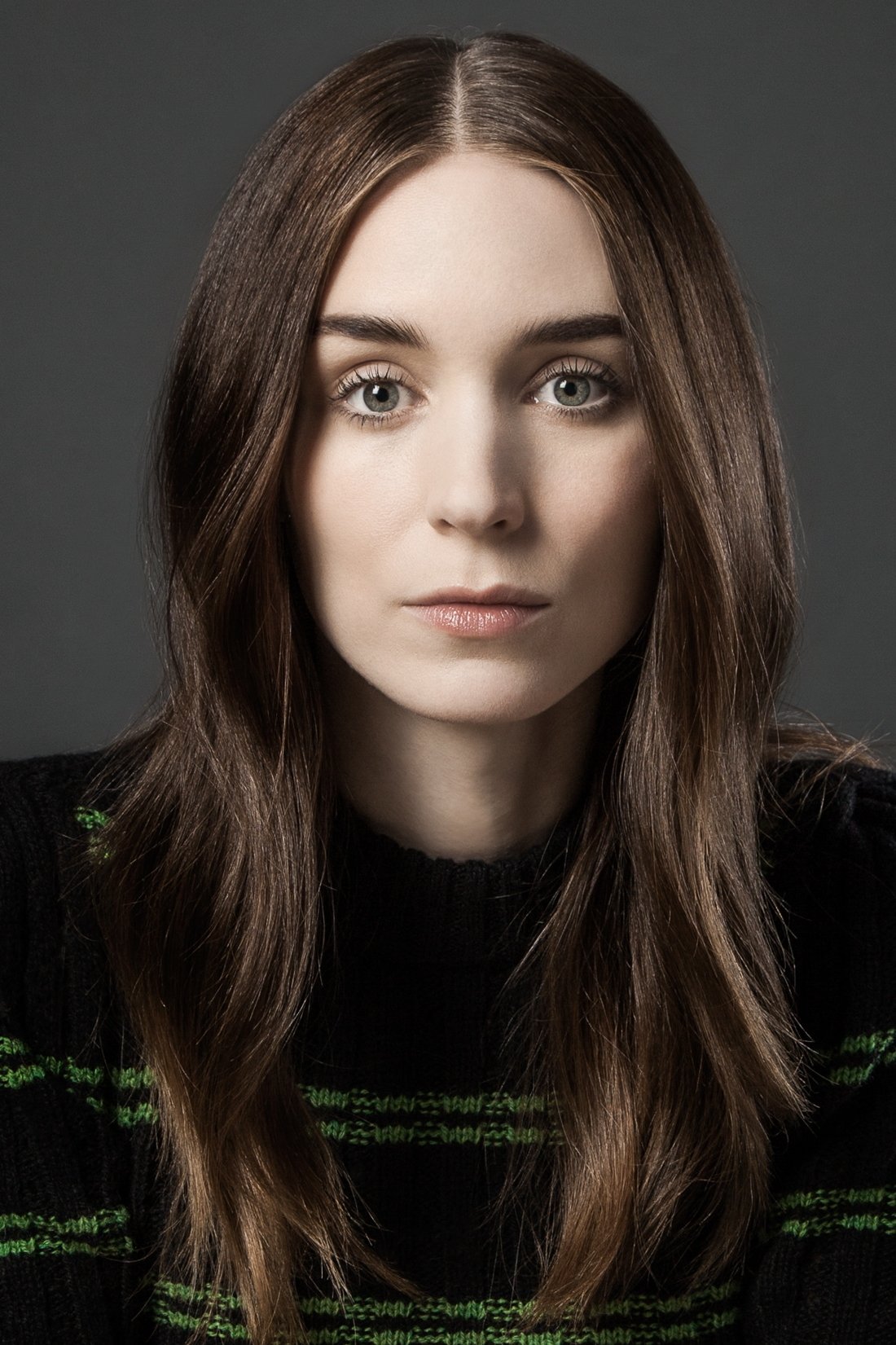
Mara chooses filmmakers known for small crews and limited promotional demands. She maintains a low profile online and restricts interviews to a few print or festival conversations. She often films outside Los Angeles and aligns with companies that support final cut for directors. Her release plans favor targeted festivals and curated rollouts.
Andrew Garfield
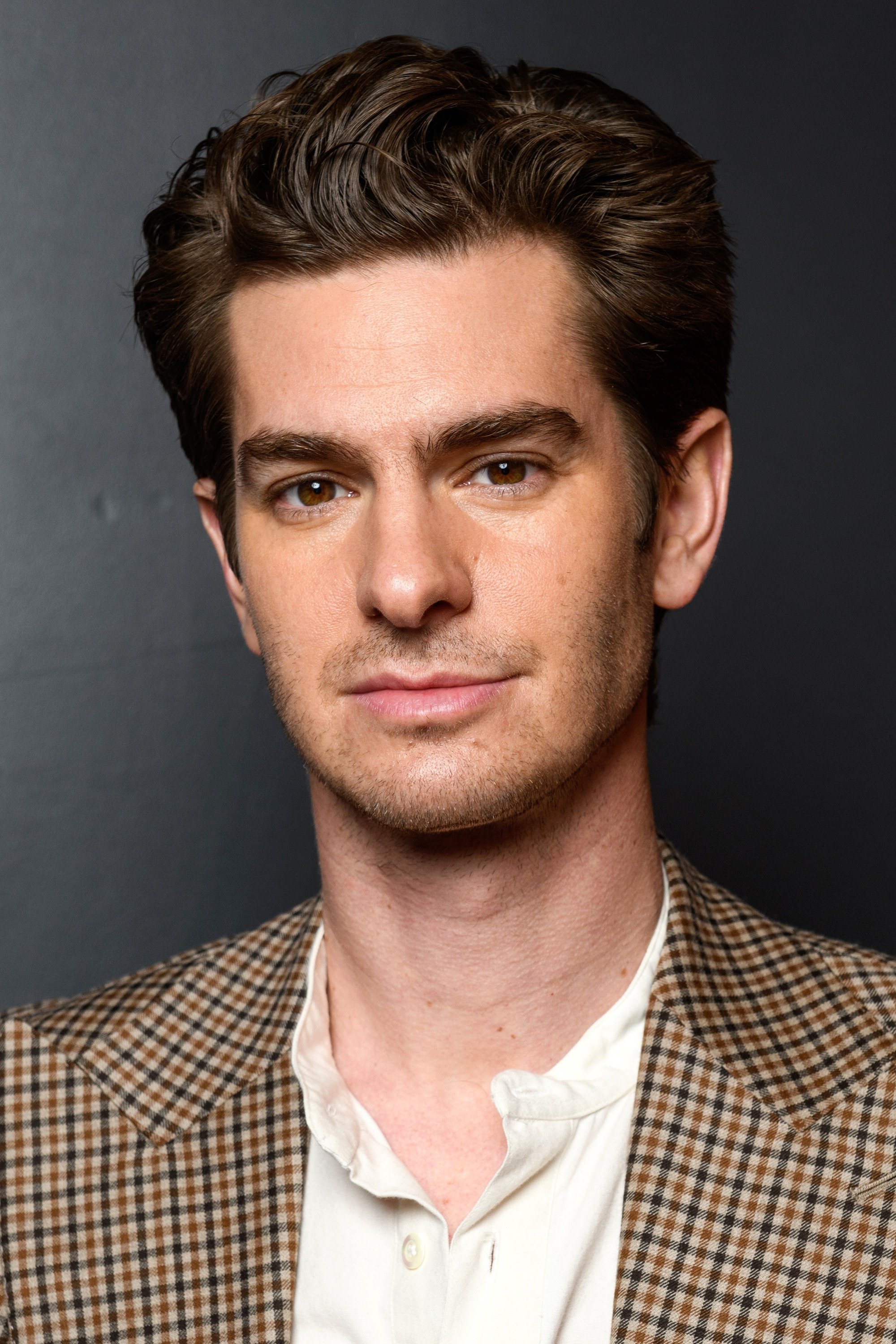
Garfield spends long stretches on stage and in independent films with modest publicity. He keeps social media limited and avoids lifestyle branding. He lives primarily outside Los Angeles and rotates projects through UK and New York partners. Press work centers on production research and rehearsal processes instead of celebrity access.
Megan Fox
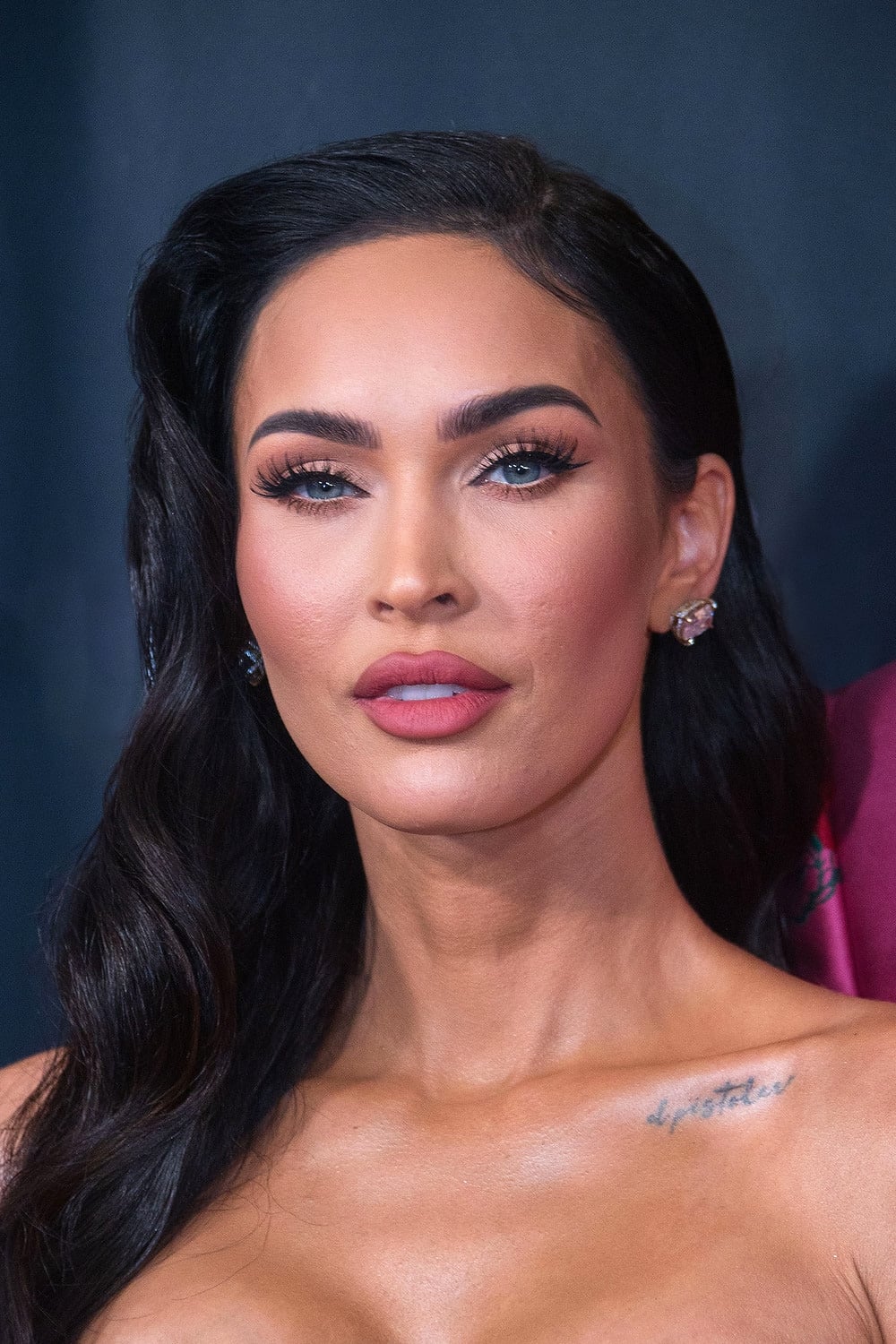
Fox has described pulling back from high visibility studio marketing after early franchise exposure. She limits media access and selects projects that keep production small. She maintains privacy online and avoids the usual entertainment circuit calendar. Her recent work favors shorter shoots and controlled promotional windows.
Tim Burton
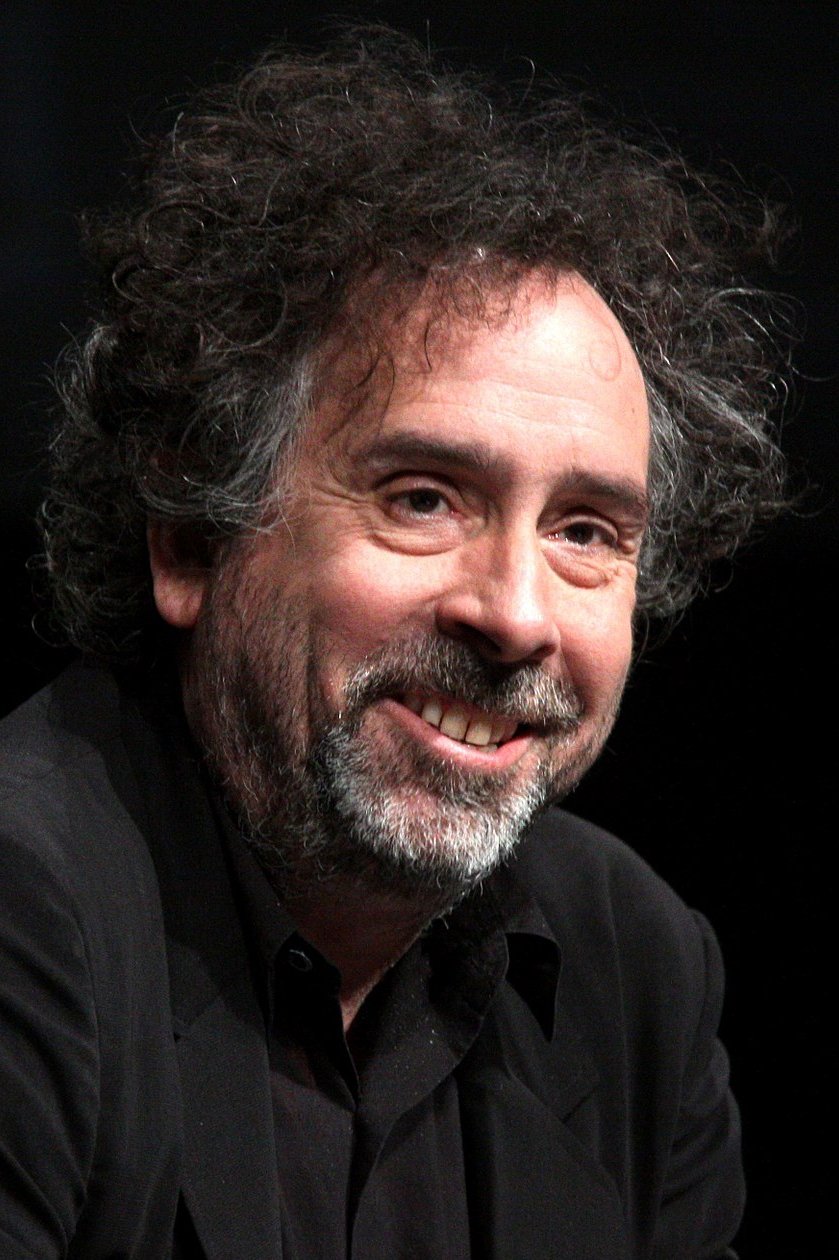
Burton works through longtime collaborators and production designs that prioritize autonomy. He has publicly questioned large corporate oversight and brand driven notes. His films are often financed and produced across multiple countries to reduce studio pressure. He keeps promotional work focused on behind the scenes craft rather than celebrity showcases.
Christopher Nolan
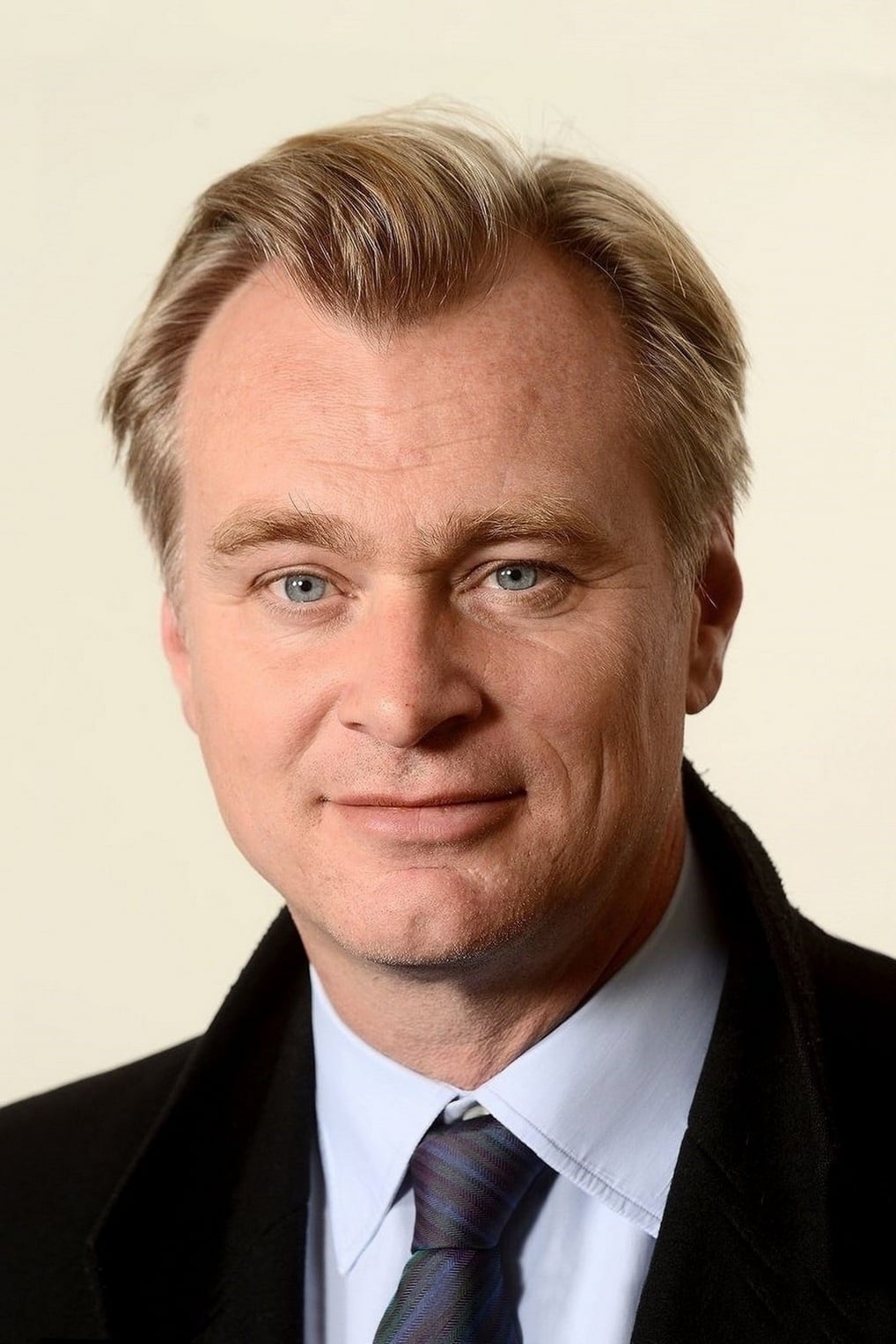
Nolan structures contracts around theatrical windows, final cut, and minimal test screening interference. He avoids social media and runs publicity through carefully planned interviews about technique. He shoots on film stock and IMAX formats that require specialized crews and independent workflows. His production companies and distribution deals are built to reduce studio micromanagement.
Denis Villeneuve
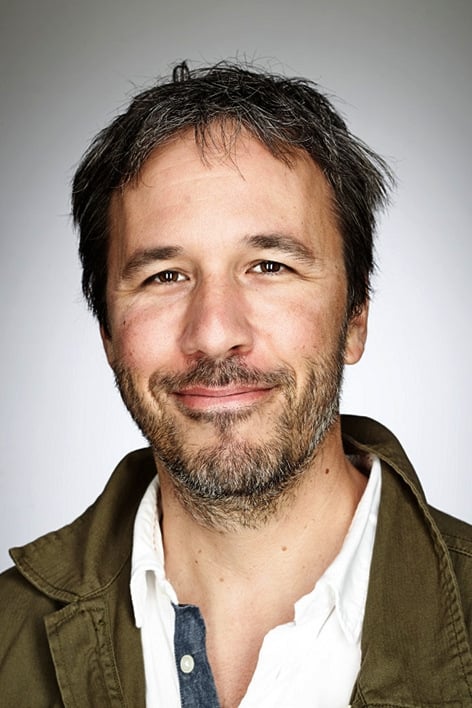
Villeneuve runs development with the same department heads across projects to maintain control. He supports long post production timetables and tightly managed marketing. He favors practical effects and location heavy shoots that keep decision making with the core team. Public statements promote theatrical releases and measured campaigns over constant teasers.
Bong Joon ho
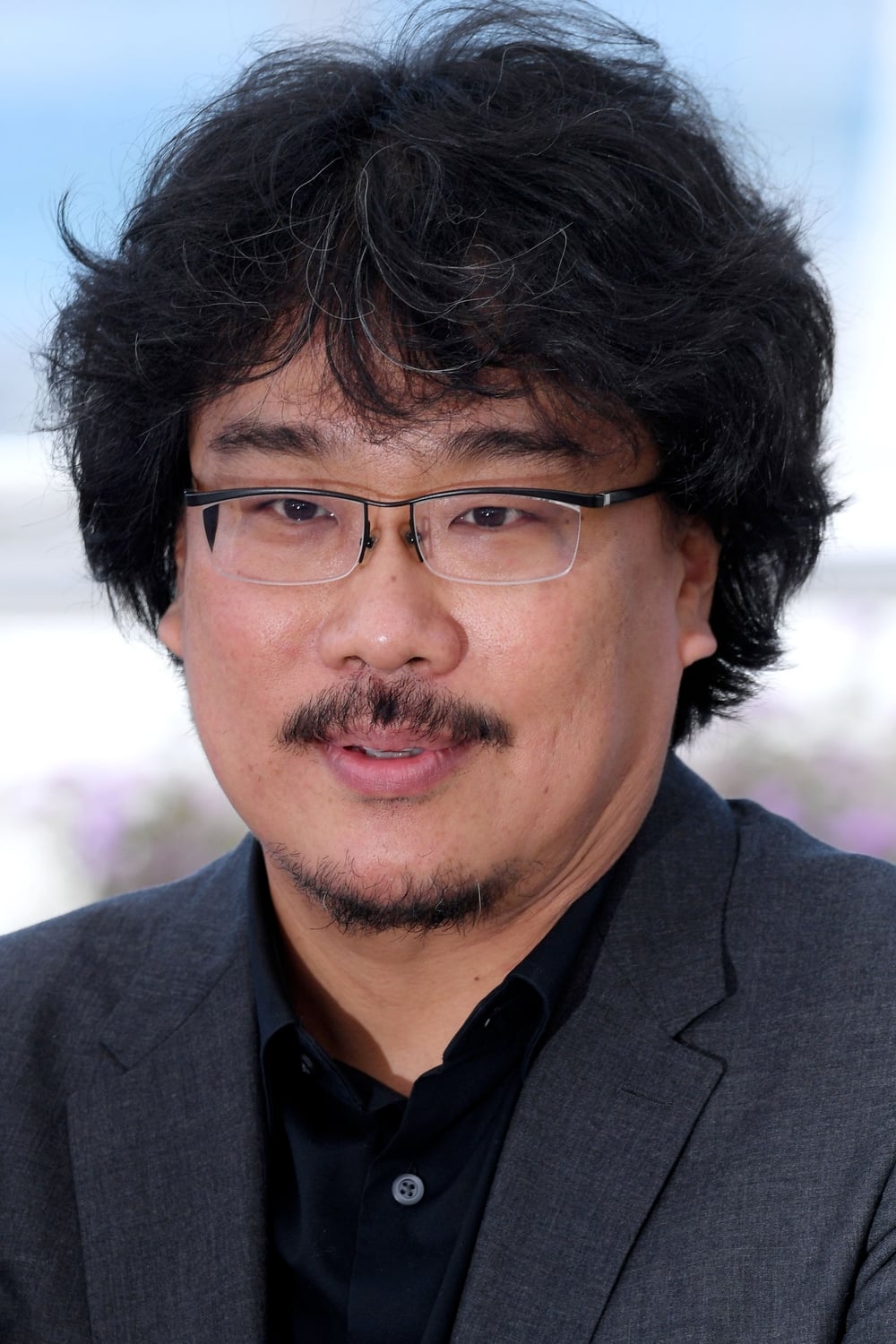
Bong works primarily out of South Korea with international partners who allow creative independence. He keeps production sizes efficient and builds long pre production to finalize scripts. His festival strategy leads with finished cuts and controlled media access. He avoids the celebrity publicity model and centers attention on story and crew.
Hayao Miyazaki
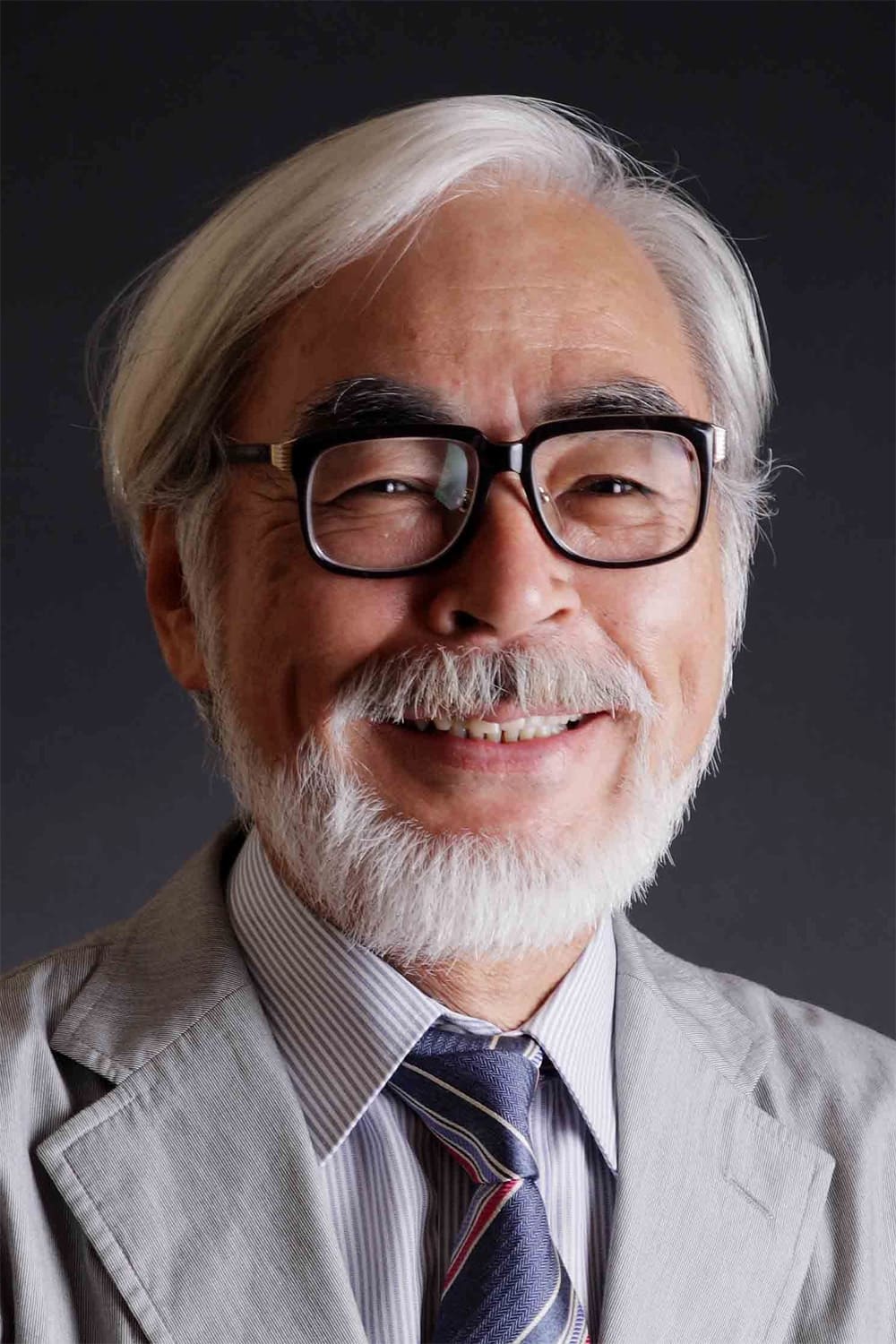
Miyazaki produces through a studio structure that separates filmmaking from mass publicity cycles. He does not use social media and grants very few interviews. Production timelines are set by animation needs rather than market calendars. International releases are coordinated through partners who emphasize the film rather than celebrity appearances.
Werner Herzog
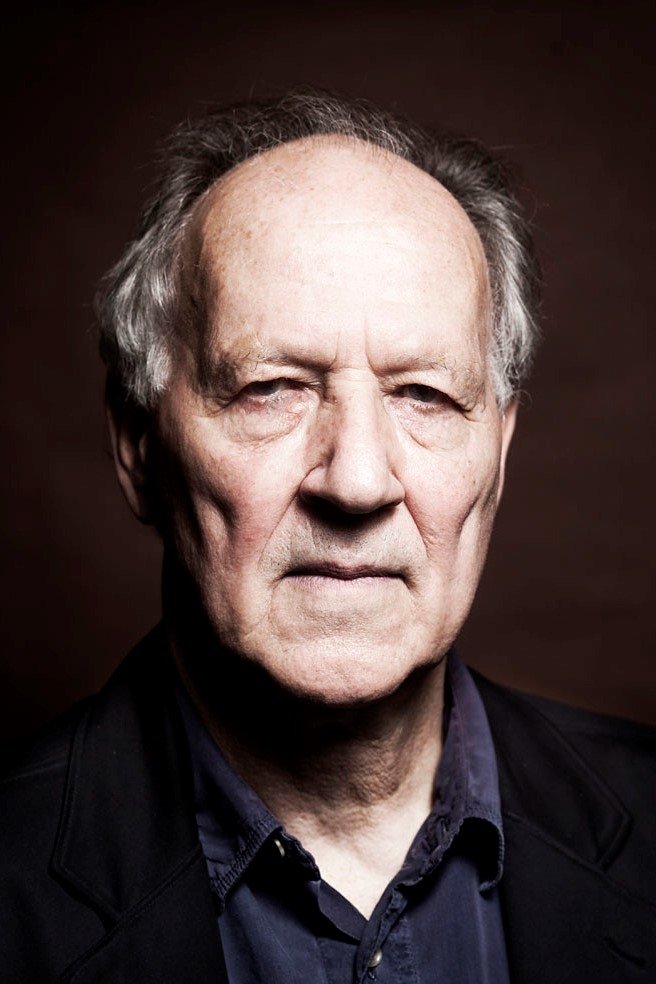
Herzog finances projects through a mix of small grants, presales, and partnerships to keep oversight minimal. He shoots quickly with small teams in remote locations and keeps marketing simple. He rarely participates in Hollywood social events and spends most time abroad. His documentaries and features move through festival circuits that favor director control.
Sofia Coppola

Coppola develops projects with boutique financiers and retains strong editing authority. She favors small casts, limited locations, and short press schedules. Her releases often begin at festivals with targeted media rather than broad campaigns. She lives and works largely outside Los Angeles and keeps social platforms minimal.
Sean Penn
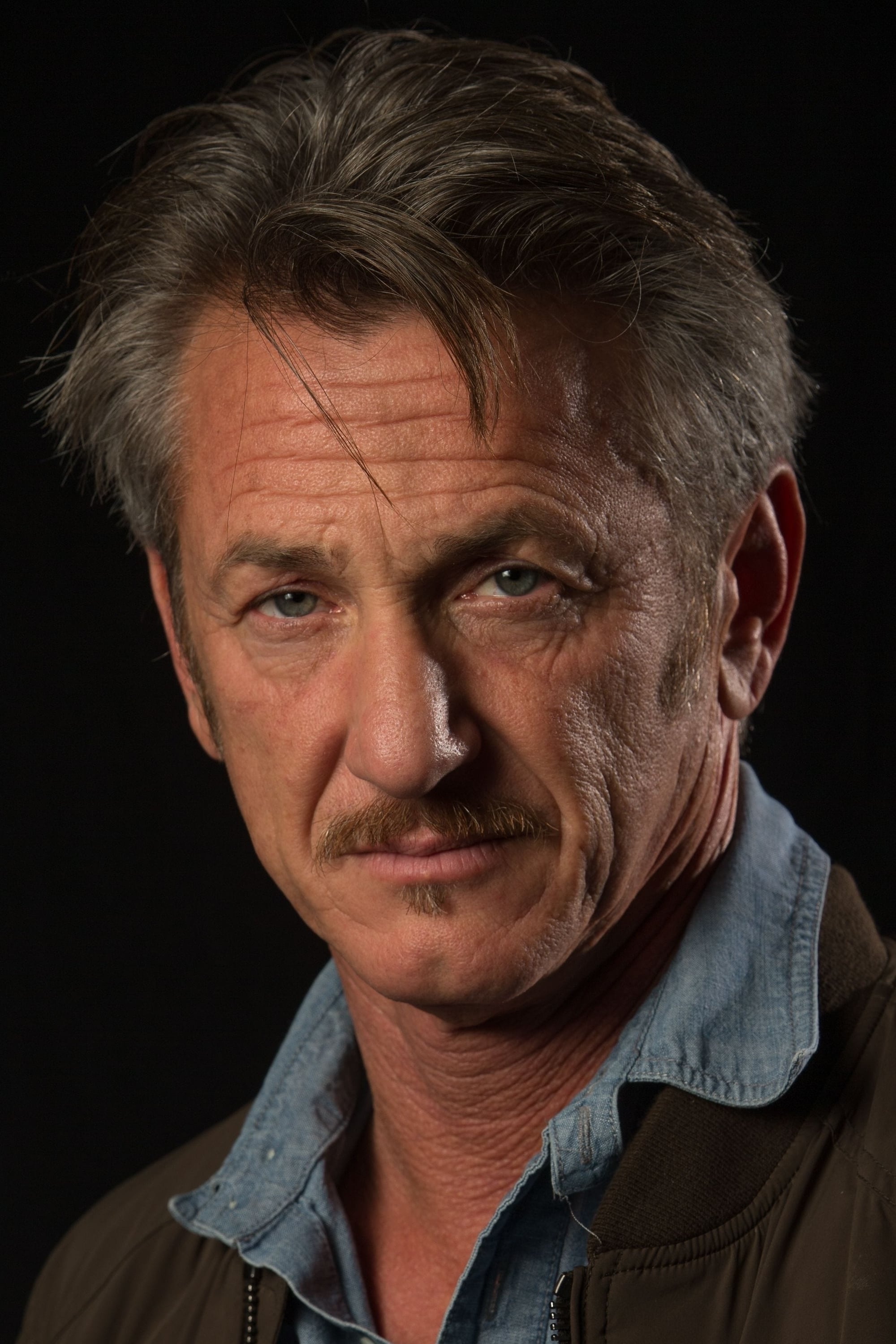
Penn prioritizes directing and humanitarian work that operates outside studio publicity. He gives few interviews and often bypasses typical award season activity. He works with producers who allow location flexibility and compact crews. His choices keep his professional life at a distance from Hollywood social cycles.
Shailene Woodley
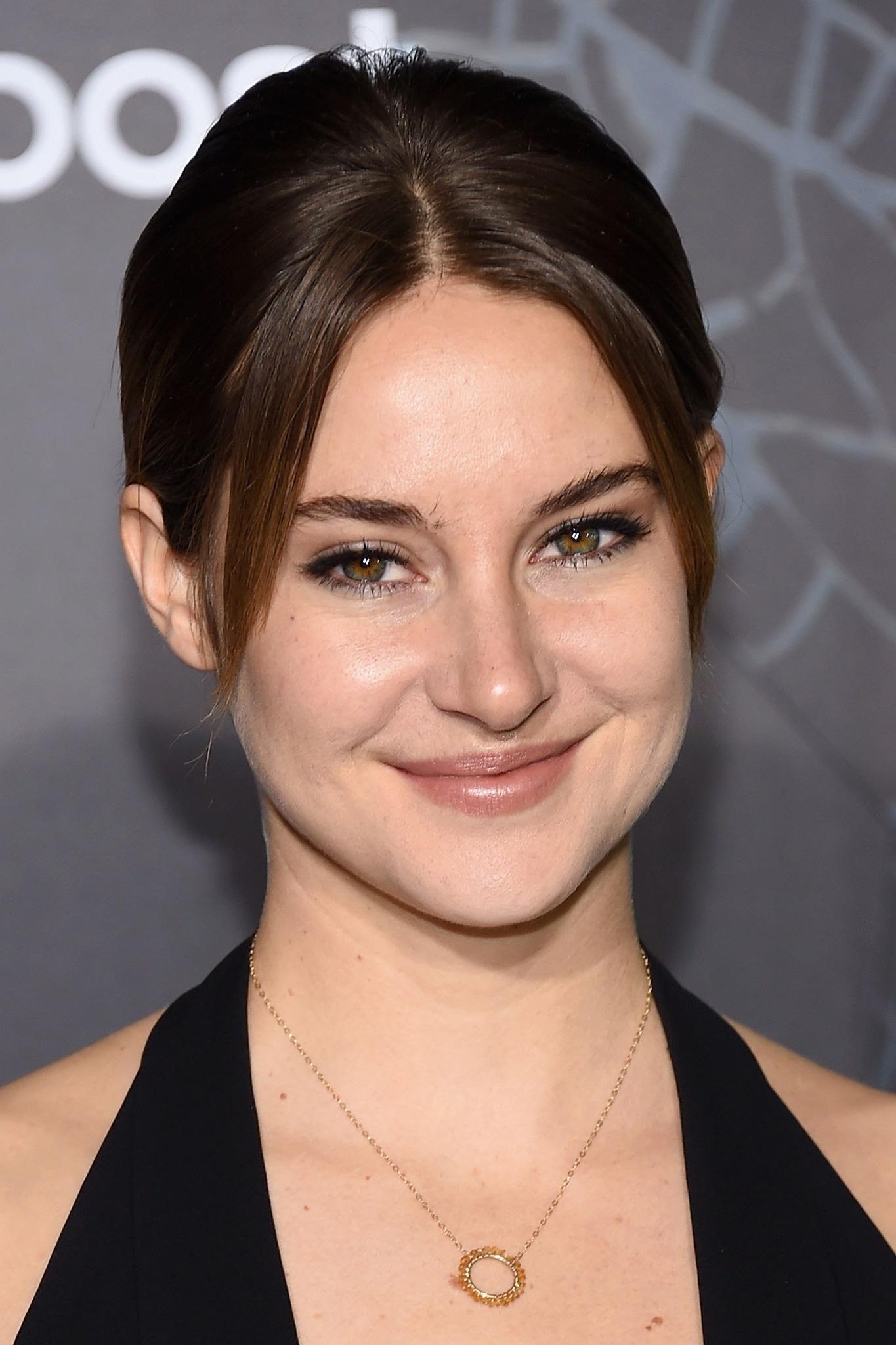
Woodley has talked about living simply and spending long stretches off grid away from Hollywood rhythms. She accepts fewer roles and focuses on projects aligned with her values rather than studio calendars. She limits social media and brand tie ins that amplify celebrity culture. Her lifestyle choices reflect a desire to keep distance from the industry spotlight.
Daniel Radcliffe
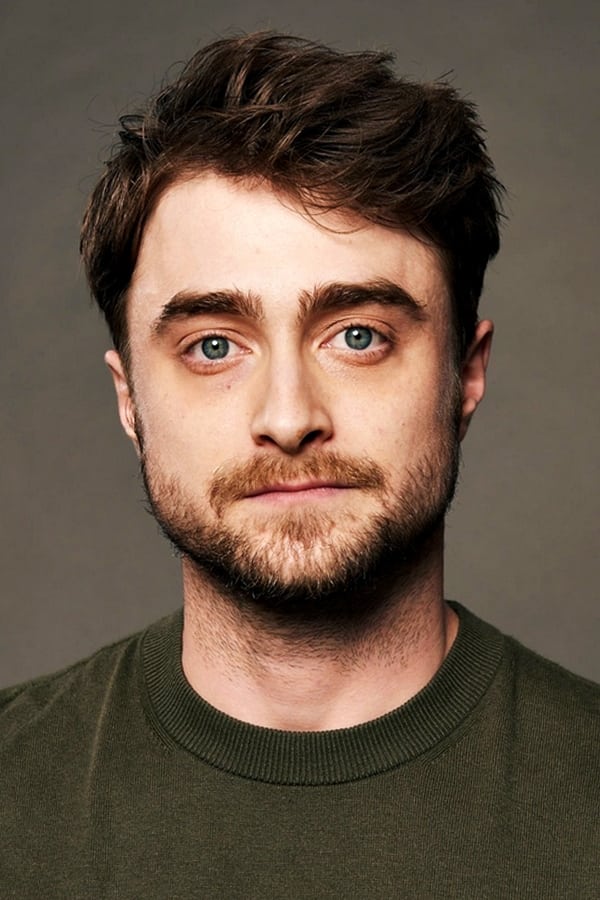
Radcliffe left franchise territory and built a stage and indie film career with titles like ‘Swiss Army Man’ and ‘Horns’. He has said living in New York and London helps keep daily life normal. He avoids social media and sidesteps brand building expected of many Hollywood stars. His project choices emphasize creative variety over blockbuster momentum.
Tilda Swinton
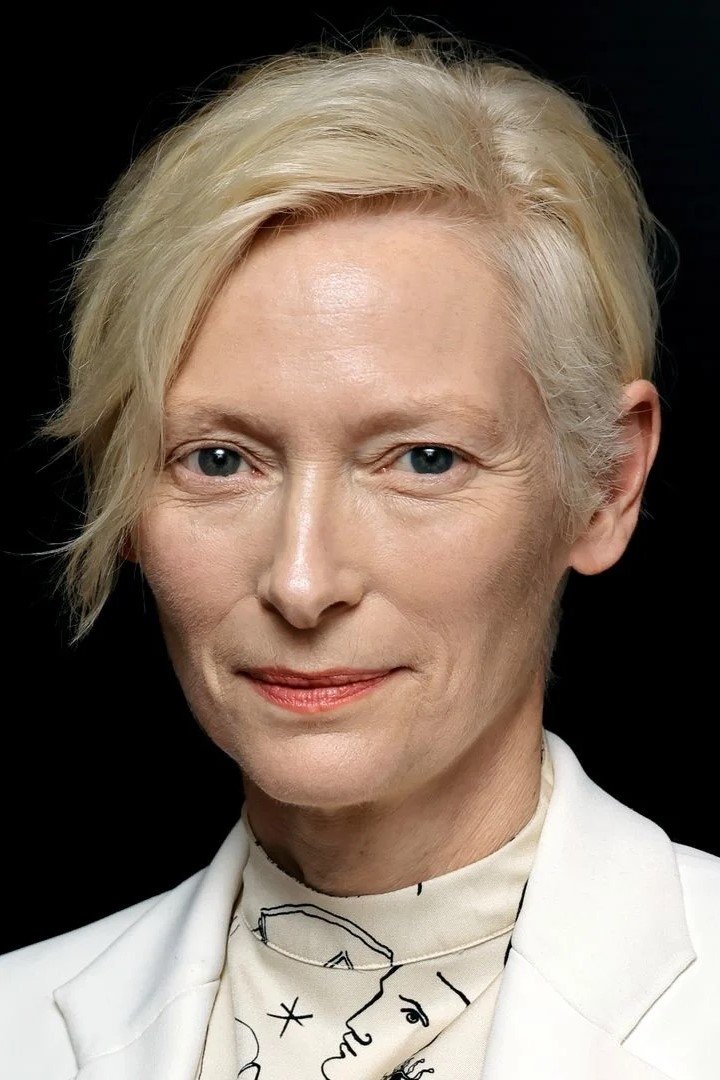
Swinton lives in Scotland and often collaborates with European auteurs outside the studio pipeline. She keeps promotional commitments focused on the work and avoids traditional celebrity routines. Her roles range across experimental cinema and art projects that do not rely on Hollywood marketing. She has described fame as a byproduct rather than a goal.
Viggo Mortensen
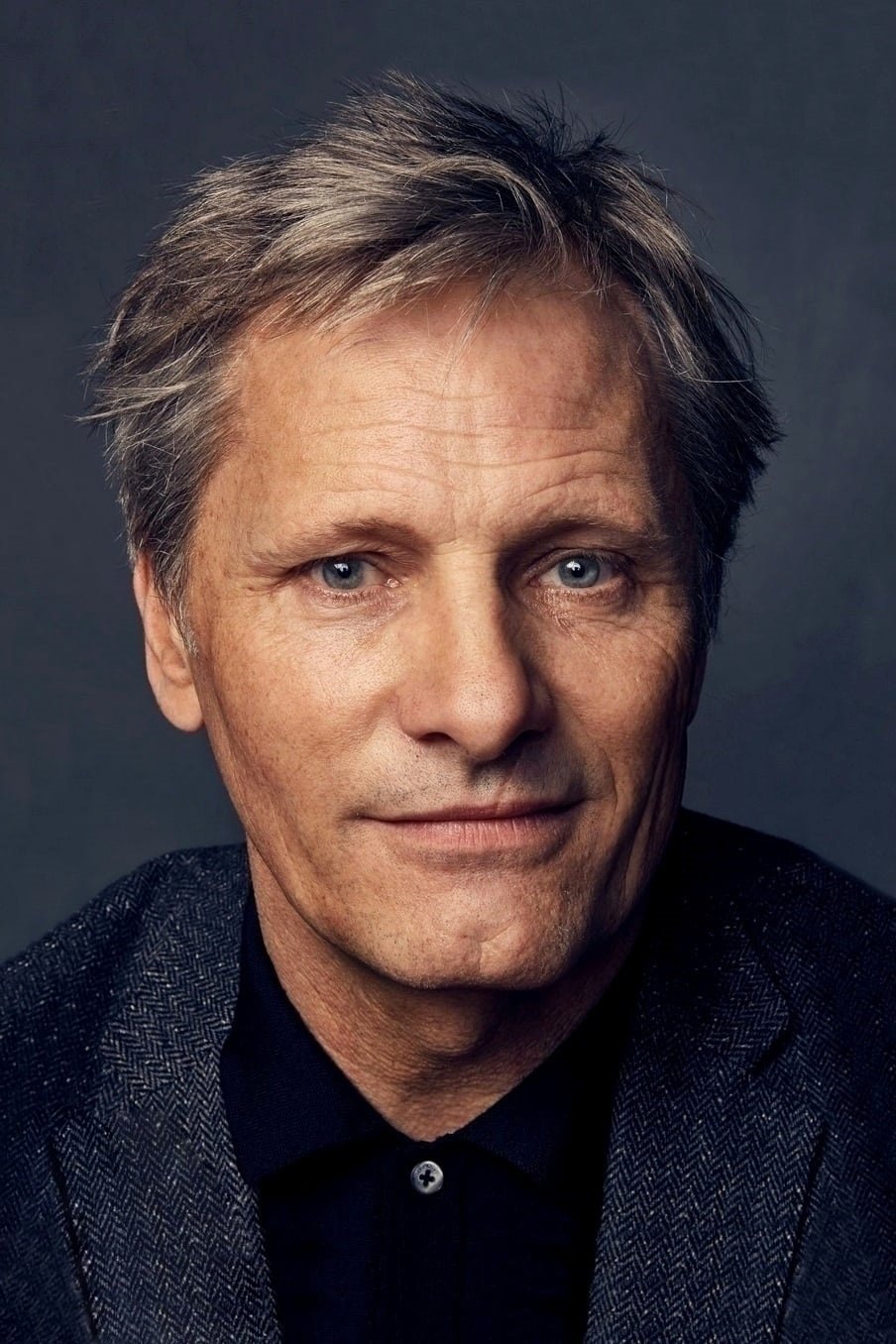
Mortensen splits his time internationally and runs a small press that supports poetry and art outside Hollywood. He selects films with directors who give actors meaningful input and room for quiet performances. He often promotes projects minimally and emphasizes languages and cultures beyond the studio mainstream. His career path shows a preference for independence over industry machinery.
Bill Murray
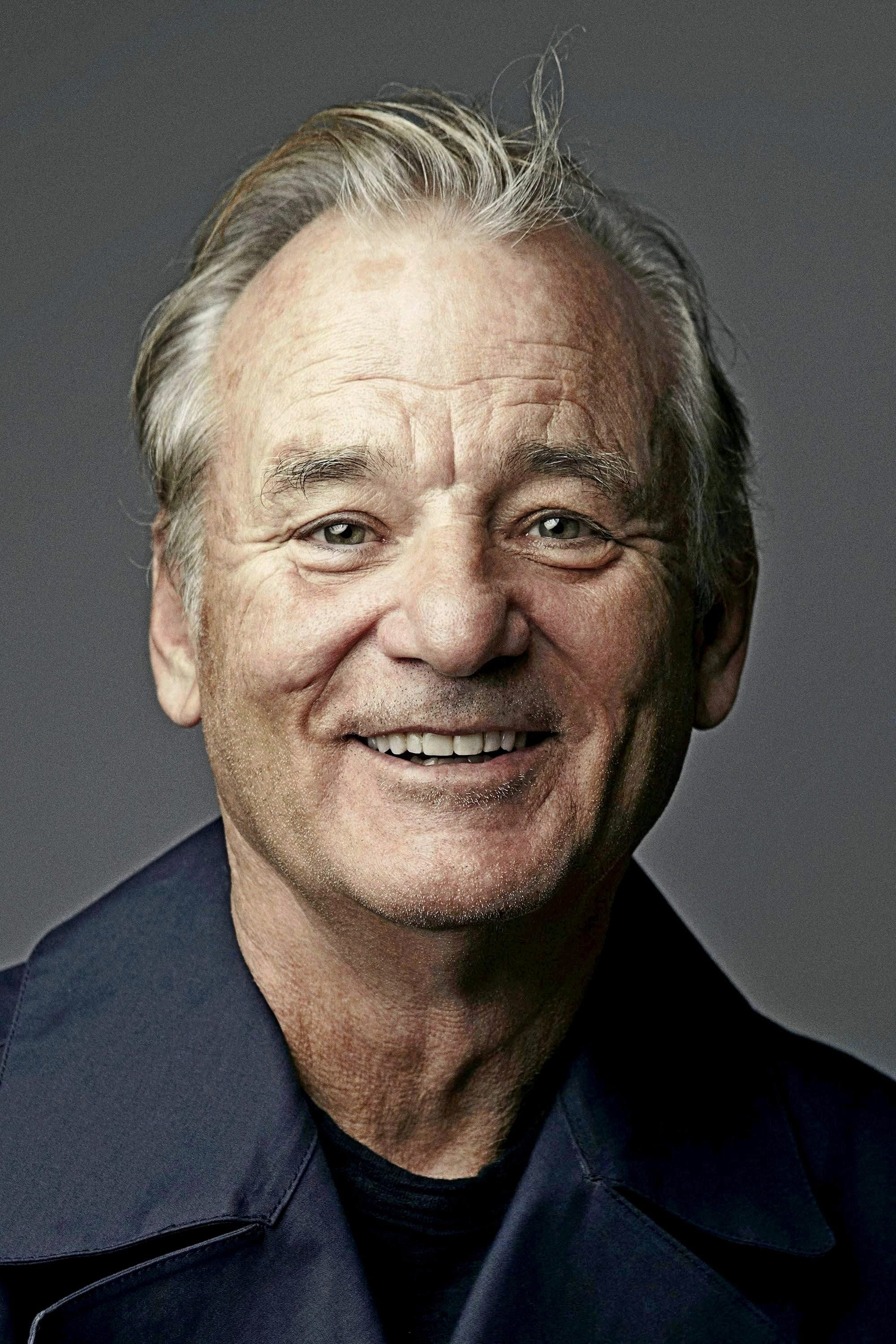
Murray is famous for being difficult to reach because he works without a traditional agent system. He accepts projects through a private contact method and keeps appearances selective. He avoids the constant publicity push that anchors most studio campaigns. His choices keep him mostly outside the Hollywood social loop.
Anthony Hopkins
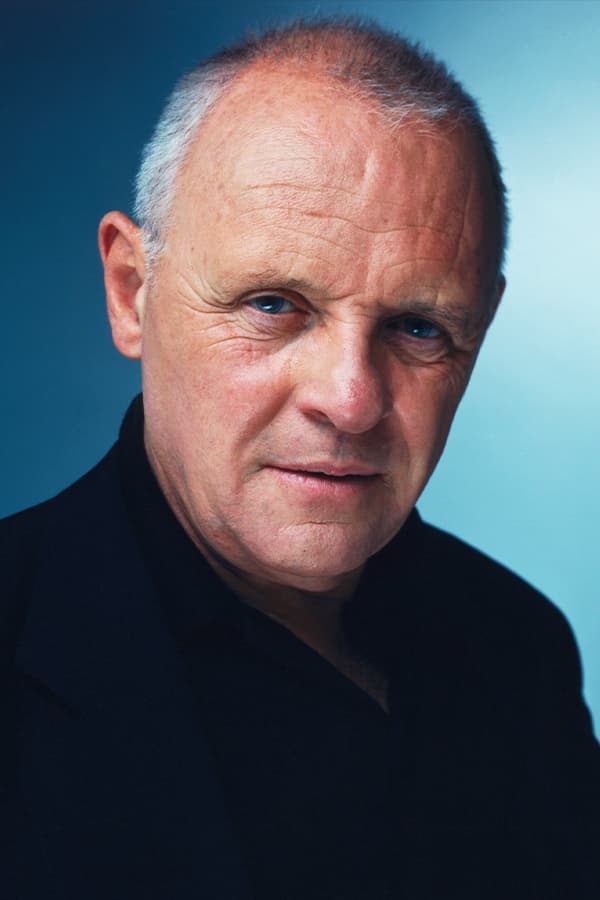
Hopkins has said he does not chase awards or the social calendar that surrounds them. He focuses on painting and music when not acting and spends long periods away from industry events. He often keeps interviews short and resists the idea of acting as a celebrity persona. His priorities lean toward quiet work rather than Hollywood’s public facing rituals.
David Lynch
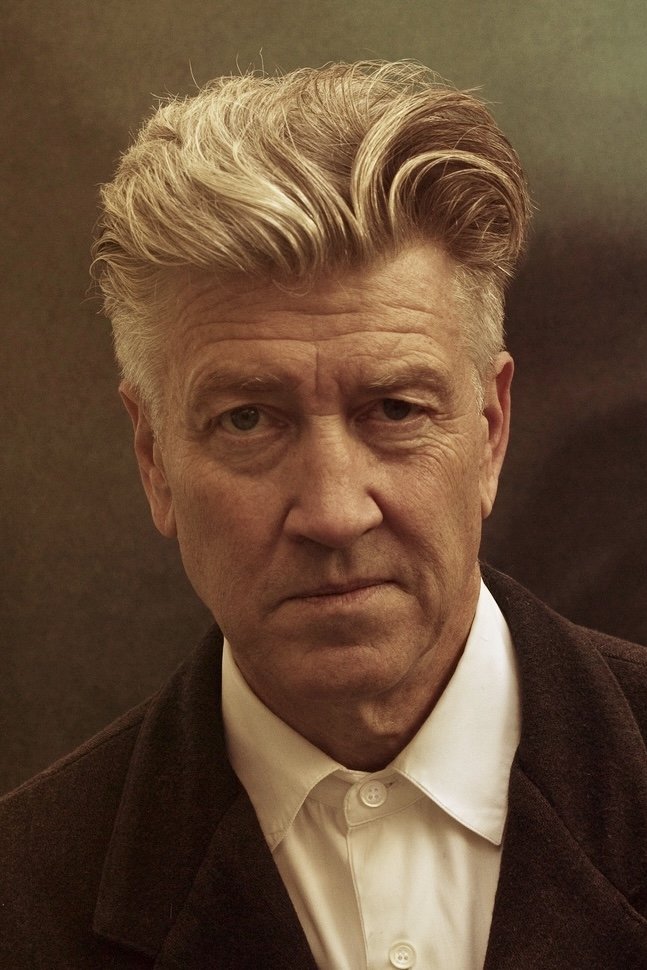
Lynch has long favored creative control over big studio resources. He funds projects in unconventional ways and keeps production small to avoid interference. He rarely participates in traditional press tours and communicates with fans directly when needed. His approach is built to stay outside Hollywood’s commercial formulas.
Terrence Malick
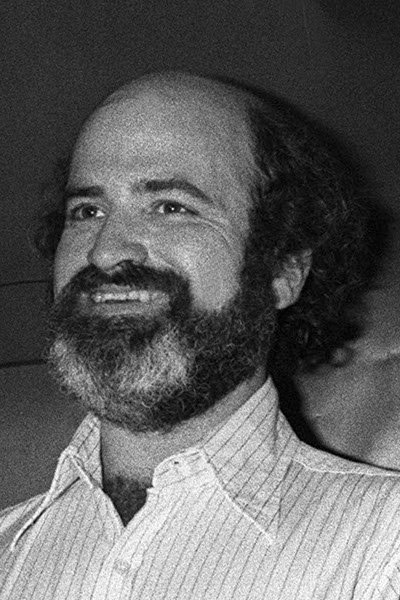
Malick is famously private and rarely gives interviews or attends premieres. He shoots with intimate crews and long development times that do not fit studio schedules. His films reach audiences through specialized distributors rather than wide studio campaigns. The overall method keeps him far from Hollywood publicity patterns.
Robert Redford
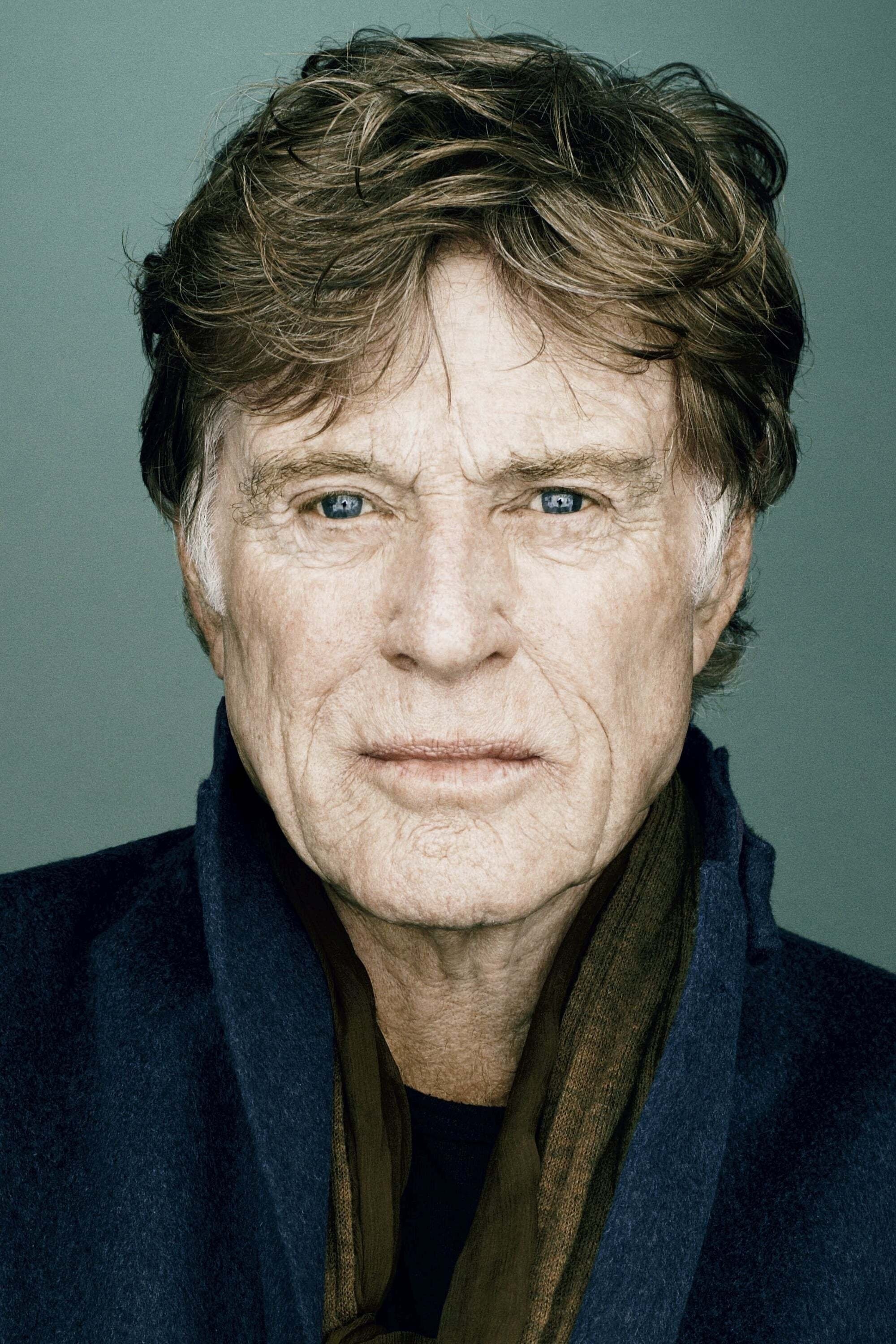
Redford founded the Sundance Institute and Festival to champion independent storytelling beyond studio control. He has criticized Hollywood’s commercial pressures and advocated for regional filmmaking. He spends much of his time in Utah and supports labs that train artists outside the lot system. His efforts created a major pipeline for non studio voices.
John Boyega
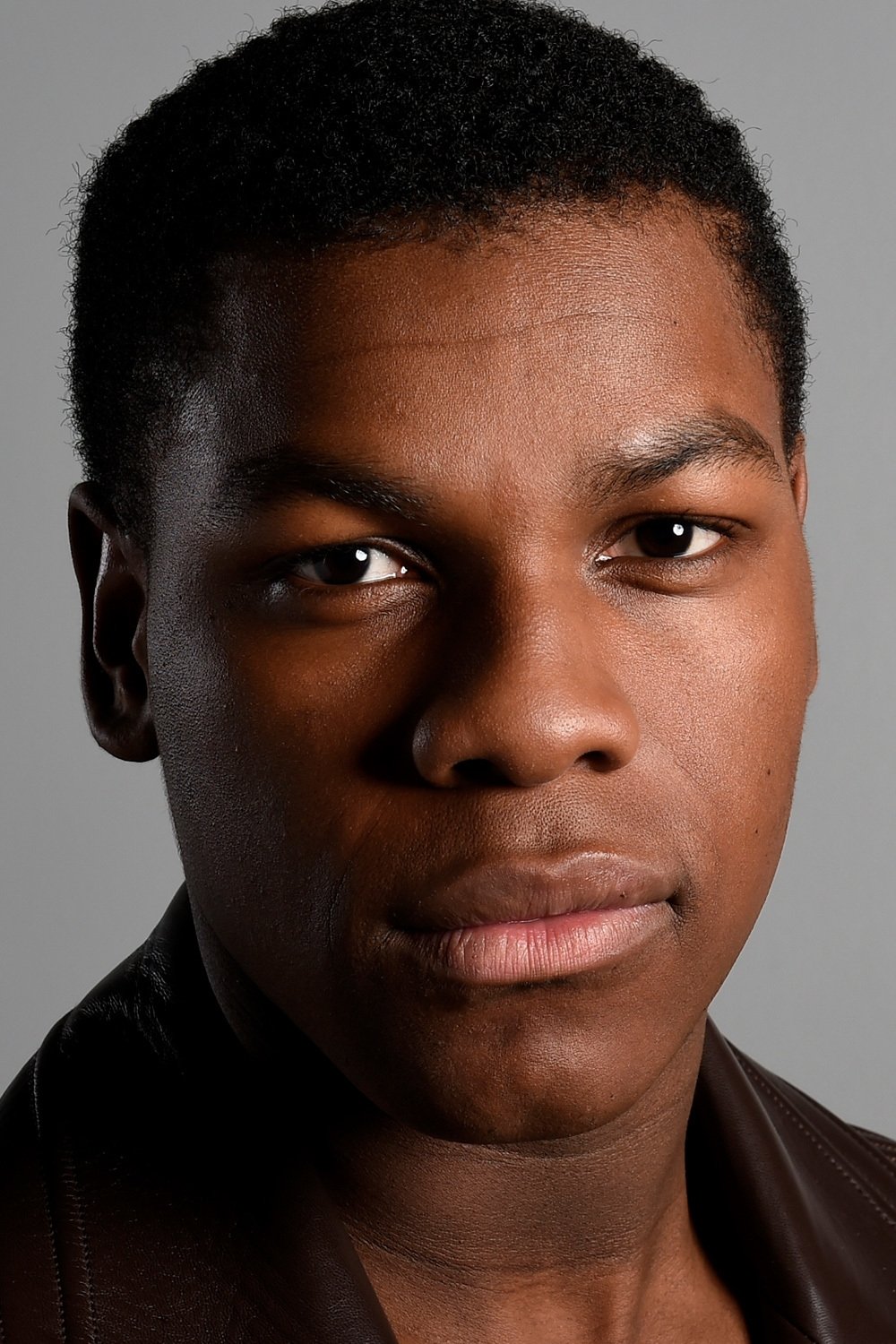
Boyega has spoken candidly about how big franchises and marketing can marginalize certain characters and audiences. He has called for better roles and production leadership that reflect diverse perspectives. He works with UK based projects and independent producers to shape stories from the ground up. His public stance questions the values that Hollywood often advances in its biggest releases.
Share which names you think belong on this list and who else you would add in the comments.