15 Best Non-Romantic Partnerships In Anime


Great duos are the engine that keeps many anime stories moving, and the best ones work because each partner brings something the other needs. These pairs solve problems, push each other to grow, and keep their goals in sight when the path gets rough. What follows highlights partnerships that are central to their shows without being romantic, covering how they operate and why they matter to the plot. Each entry also notes the studio behind the series in a natural way to give extra context.
Edward Elric and Alphonse Elric
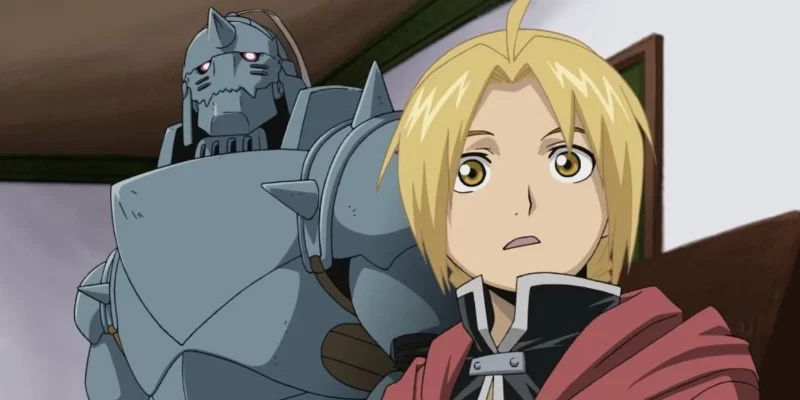
The brothers share a mission to restore their bodies in ‘Fullmetal Alchemist: Brotherhood’ and they divide tasks based on strengths. Edward handles field decisions and negotiations while Alphonse supports with calm analysis and armored protection. Their alchemy synchronizes during fights and investigations, which helps them track leads on the Philosopher’s Stone. Bones brings their teamwork to life with fluid choreography and consistent character acting.
Gon Freecss and Killua Zoldyck
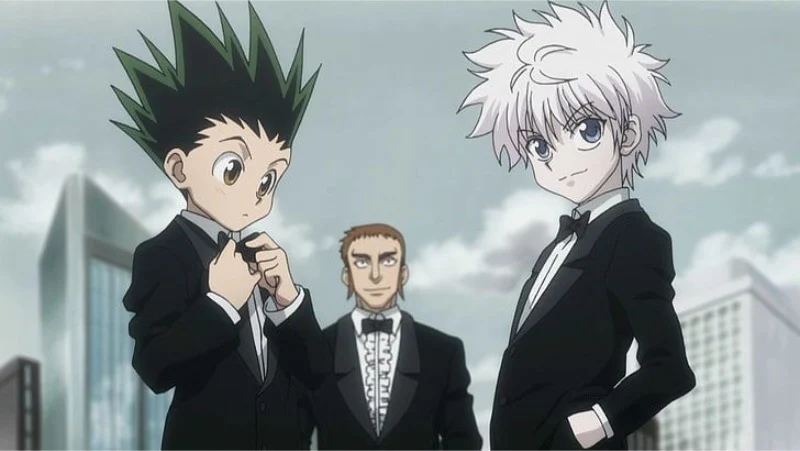
This duo in ‘Hunter x Hunter’ balances Gon’s instinct with Killua’s tactical sense during exams, tournaments, and rescue runs. They train together to develop Nen and often design plans where one draws attention while the other exploits openings. Their joint progress relies on testing limits, reviewing mistakes, and adjusting to new rulesets. Madhouse presents their growth with precise staging and careful attention to small character beats.
Naruto Uzumaki and Sasuke Uchiha
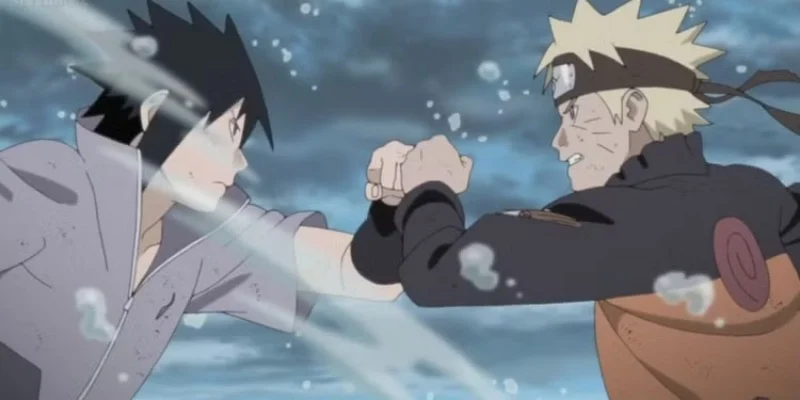
Operating as rivals and teammates in ‘Naruto’, they learn to anticipate each other’s moves on squad missions. Naruto’s unpredictable attacks create openings that Sasuke’s precision can capitalize on, especially in coordinated drills. Their early mission patterns influence later operations across stealth, pursuit, and defense. Studio Pierrot charts their evolving coordination through training arcs and high risk confrontations.
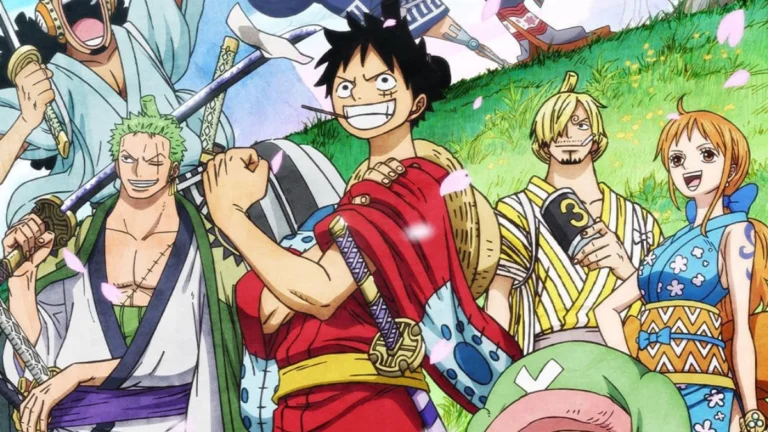
Monkey D. Luffy and Roronoa Zoro
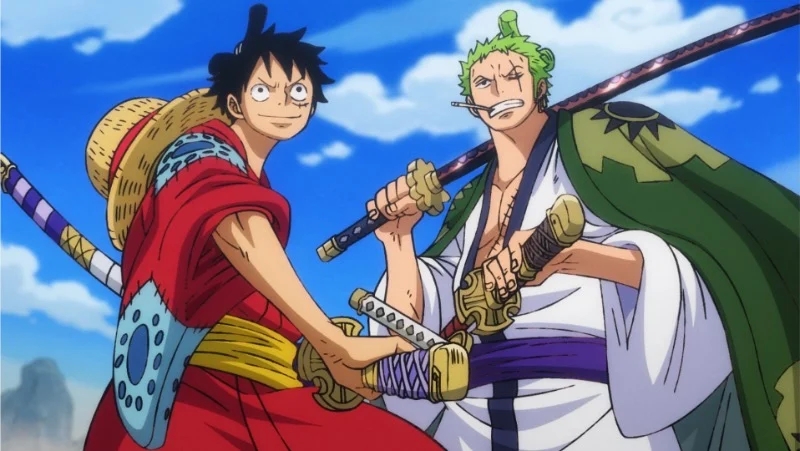
In ‘One Piece’ they split leadership and combat roles to keep the Straw Hats steady. Luffy drives decisions and anchors frontal battles while Zoro protects flanks and checks heavy threats. Their trust shows in tight moments when a single nod decides the crew’s next step. Toei Animation emphasizes their dynamic with staging that pairs bold set pieces and quick tactical exchanges.
Ash Ketchum and Pikachu

This trainer and partner operate as a seamless battle unit throughout ‘Pokémon’. Ash calls strategies and swaps tactics mid fight while Pikachu adjusts timing to terrain and opponent type. Their preparation includes practice matches, field observation, and adapting to regional rules. OLM depicts their coordination with clear battle geography and expressive reaction cuts.
Spike Spiegel and Jet Black
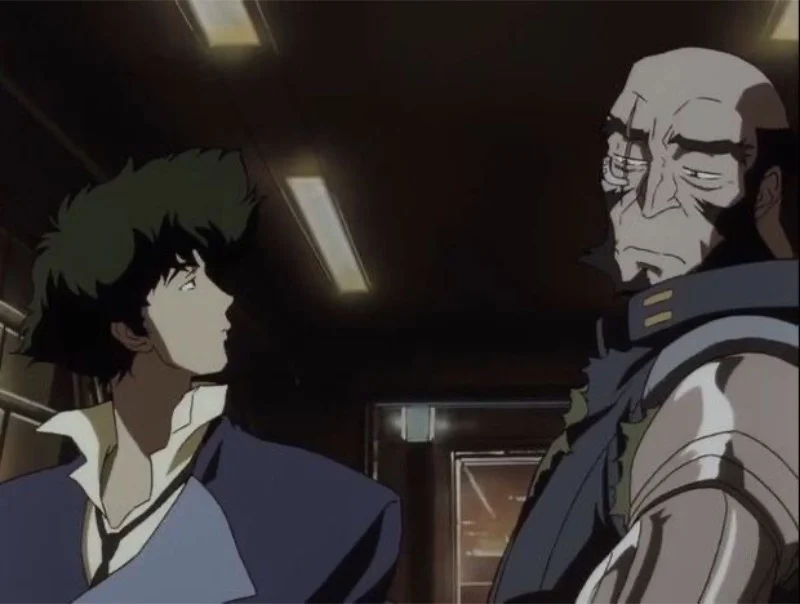
Running jobs in ‘Cowboy Bebop’, Spike and Jet divide skills and responsibilities to cover the full bounty cycle. Jet handles logistics, ship upkeep, and intel checks while Spike manages infiltration and close quarters combat. They keep protocols for comms, exits, and payout splits even when plans go sideways. Sunrise frames their partnership through grounded action and quiet maintenance scenes aboard the Bebop.
Tanjiro Kamado and Nezuko Kamado
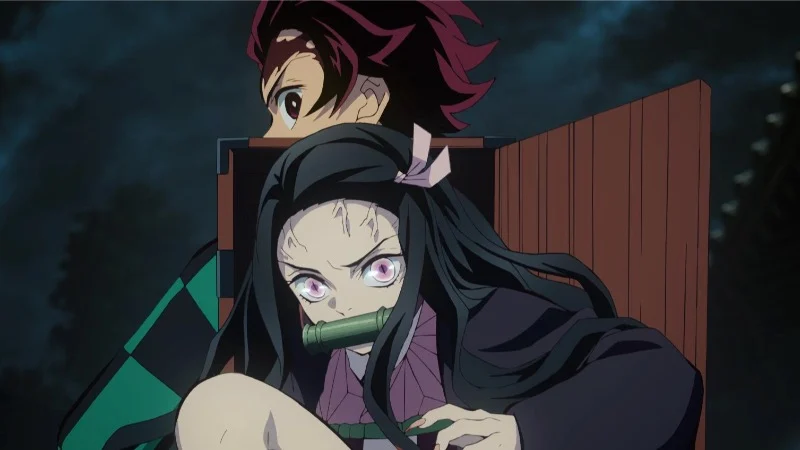
The siblings in ‘Demon Slayer: Kimetsu no Yaiba’ work as hunter and demon partners with strict safeguards. Tanjiro tracks targets and reads breathing patterns while Nezuko offers burst support from her box when needed. They coordinate around sunlight limits, blood art timing, and crowd protection during patrols. Ufotable captures their rhythms with detailed motion studies and sharp environmental lighting.
Shigeo “Mob” Kageyama and Arataka Reigen
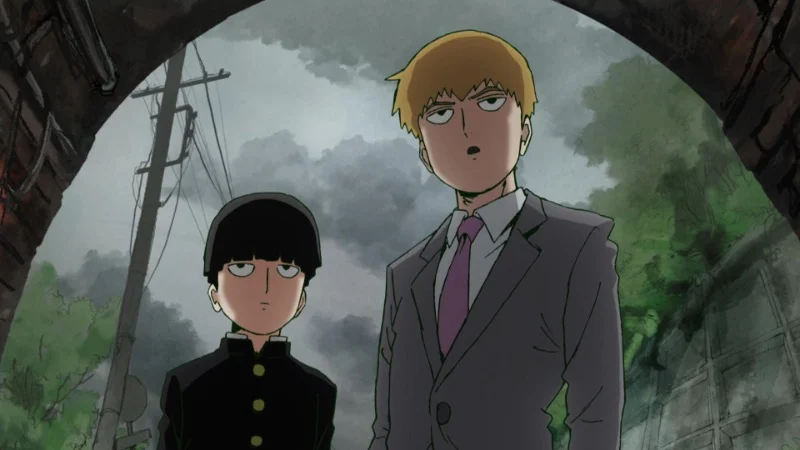
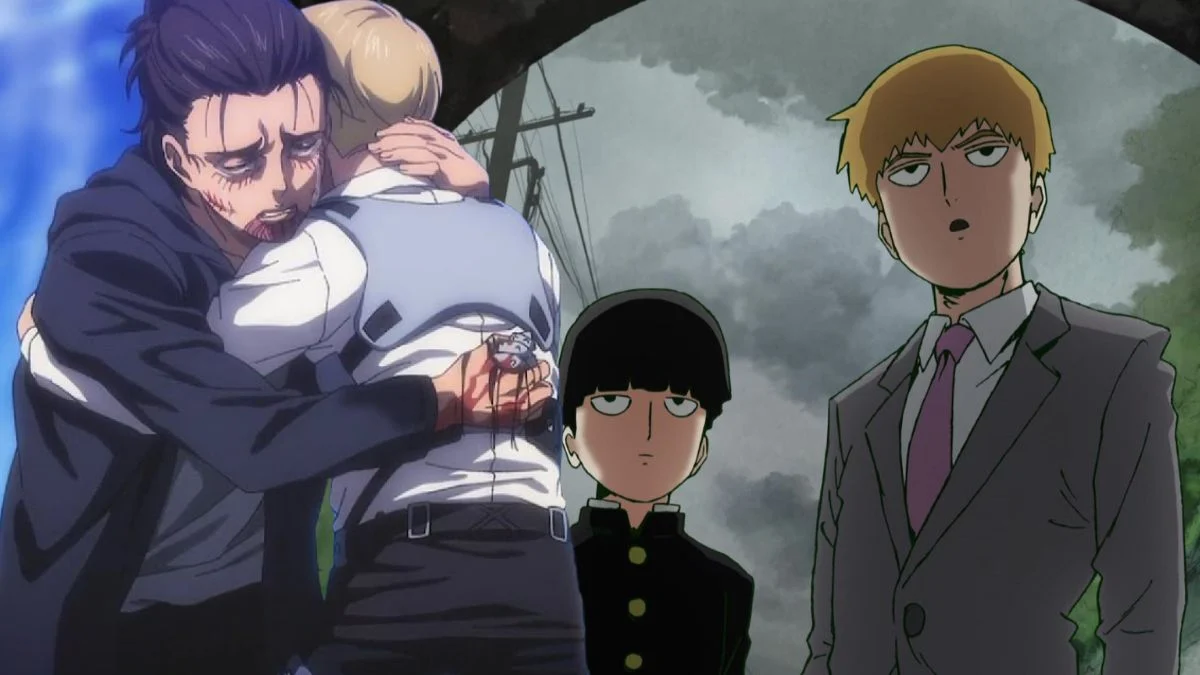
In ‘Mob Psycho 100’ they operate as psychic talent and mentor with clearly set duties. Reigen secures clients, sets boundaries, and defuses social tension while Mob provides controlled force when a case warrants it. Jobs range from harmless client work to serious exorcisms that require staged escalation. Bones portrays their partnership with witty blocking and clear cause and effect in each encounter.
Izuku Midoriya and Katsuki Bakugo
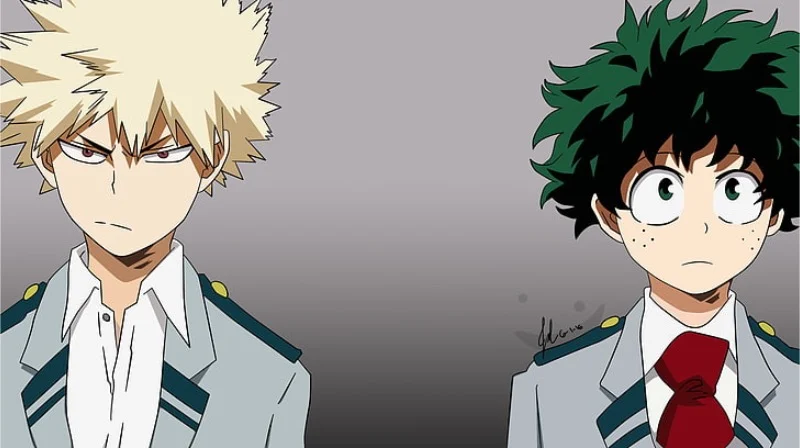
These classmates in ‘My Hero Academia’ study each other’s power sets to improve joint performance. Training segments show them breaking down move timing, support roles, and emergency contingencies for rescue work. During field exercises they alternate between point and cover depending on terrain and threat level. Bones highlights these adjustments with readable action boards and recurring training motifs.
Light Yagami and L
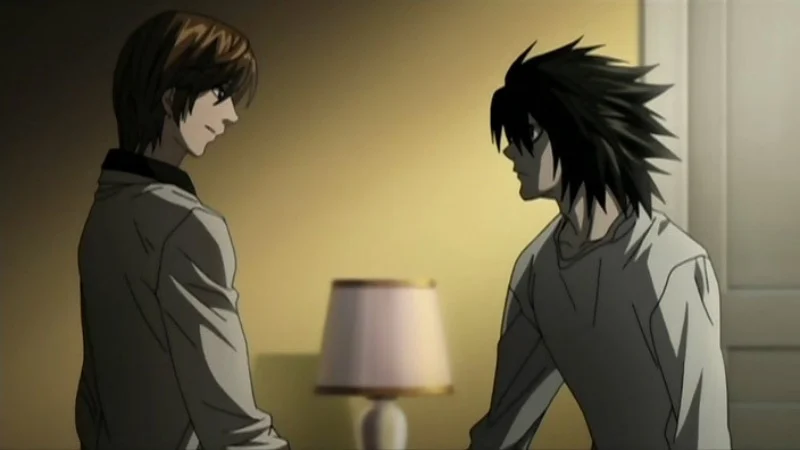
Their investigative opposition in ‘Death Note’ forms a two person framework that drives the entire case. Each constructs traps, tests assumptions, and narrows suspect pools through pattern analysis. Their exchanges set rules for surveillance, profiling, and counter moves that shape every turn. Madhouse presents the intellectual duel with deliberate staging and focused visual cues.
Simon and Kamina
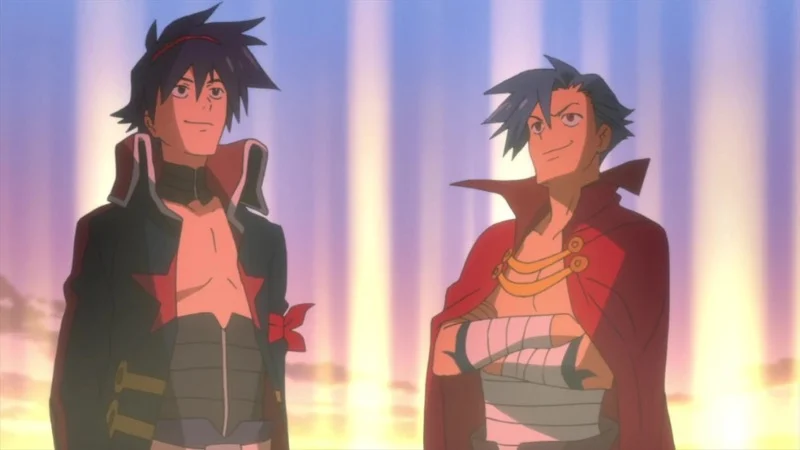
In ‘Tengen Toppa Gurren Lagann’ they combine planning, morale building, and piloting to push a tunnel community to the surface. Kamina handles recruitment and bold forward moves while Simon stabilizes the mecha during critical maneuvers. Operations include resource scavenging, pilot swaps, and quick field repairs between skirmishes. Gainax amplifies their synergy with dynamic layouts and crisp mechanical movement.
Saitama and Genos
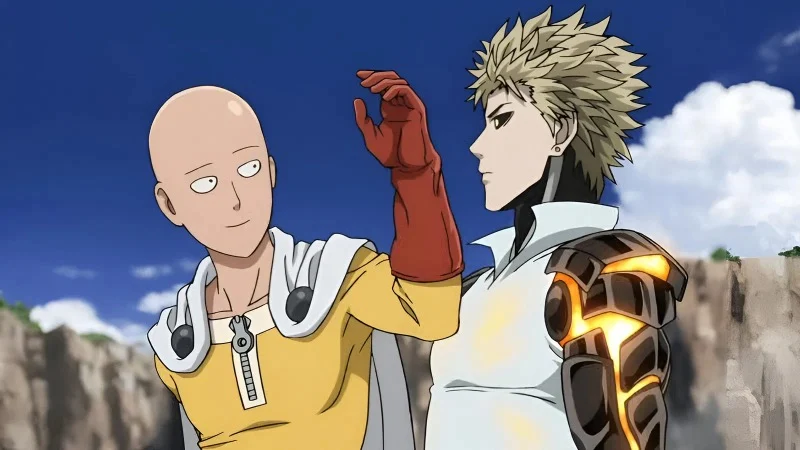
This mentor and disciple pair in ‘One-Punch Man’ maintains a workflow that supports patrols and emergency response. Genos gathers intel, tracks threat levels, and engages first to gauge danger while Saitama closes out fights when escalation is necessary. Their routine covers training reviews, equipment upgrades, and ranking procedures in the Hero Association. The first season by Madhouse and the second by J.C.Staff present their process with distinct pacing and emphasis.
Eren Yeager and Armin Arlert
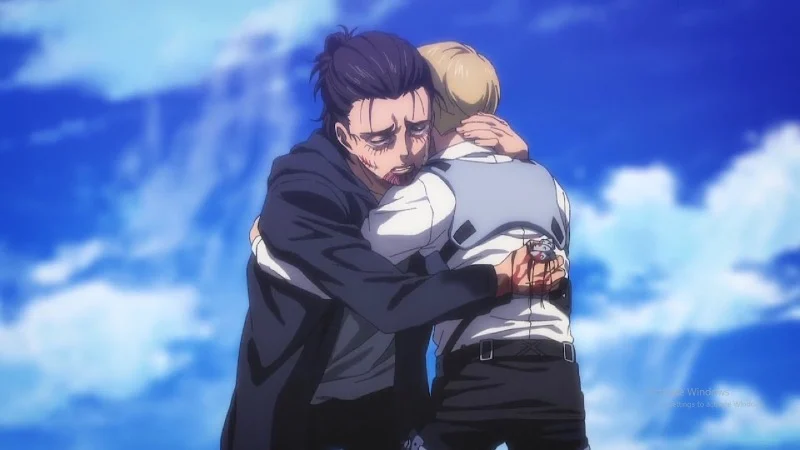
In ‘Attack on Titan’ they coordinate plans where Armin supplies analysis and Eren executes risky actions. Signals, diversion tactics, and fallback points guide operations beyond the walls and inside urban zones. Their partnership adapts as new information forces changes to objectives and constraints. Wit Studio begins the visual language of their teamwork and MAPPA continues it with complex large scale sequencing.
Yato and Yukine

This god and Regalia in ‘Noragami’ work with duties tied to trust, names, and shared resolve. Yato directs engagements and purification while Yukine transforms into a weapon and manages spiritual strain. Their bond requires regular check ins and rituals that keep corruption at bay. Bones illustrates these mechanics with careful attention to posture, glow effects, and emotional timing.
Shoyo Hinata and Tobio Kageyama
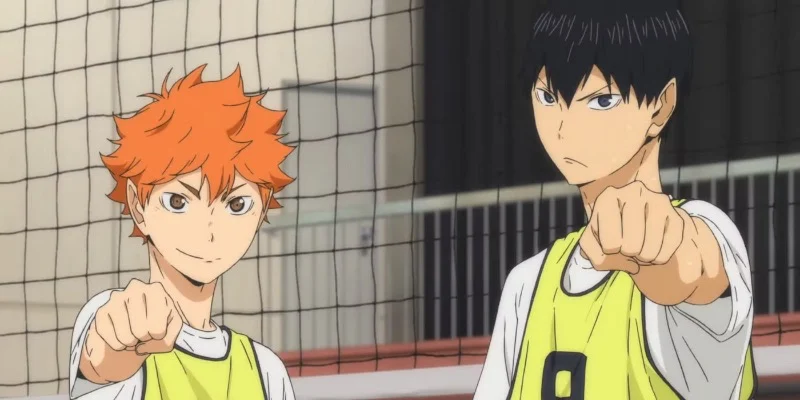
The setter and spiker system in ‘Haikyu!!’ is built on precise timing and repeatable drills. They refine quick sets, eye contact cues, and rotational coverage to break through taller blocks. Match sequences show adjustments in serve receive and back row defense to keep momentum. Production I.G maps their partnership with clear court diagrams and training loops that pay off during games.
Share your favorite non-romantic anime duo in the comments so everyone can compare notes and add more great partnerships to the list.