Top 20 Game-Changing Hollywood Movies

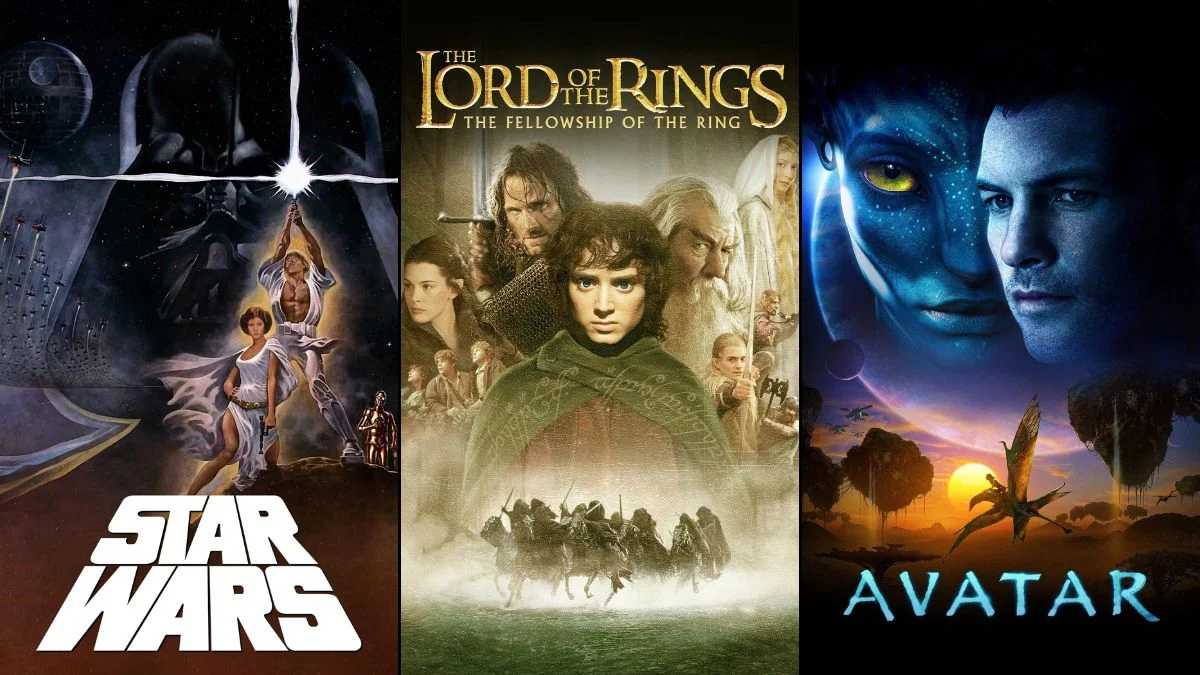

Hollywood keeps reinventing itself, and these movies rewired how films are made, marketed, distributed, or awarded. Some introduced new technology that became standard overnight, while others shifted business models or opened doors for new voices. Each title below left a measurable mark on the industry through box office results, release strategies, awards history, or craft innovations. Here are twenty films whose impact you can still feel in theaters and on streaming today.
‘The Birth of a Nation’ (1915)
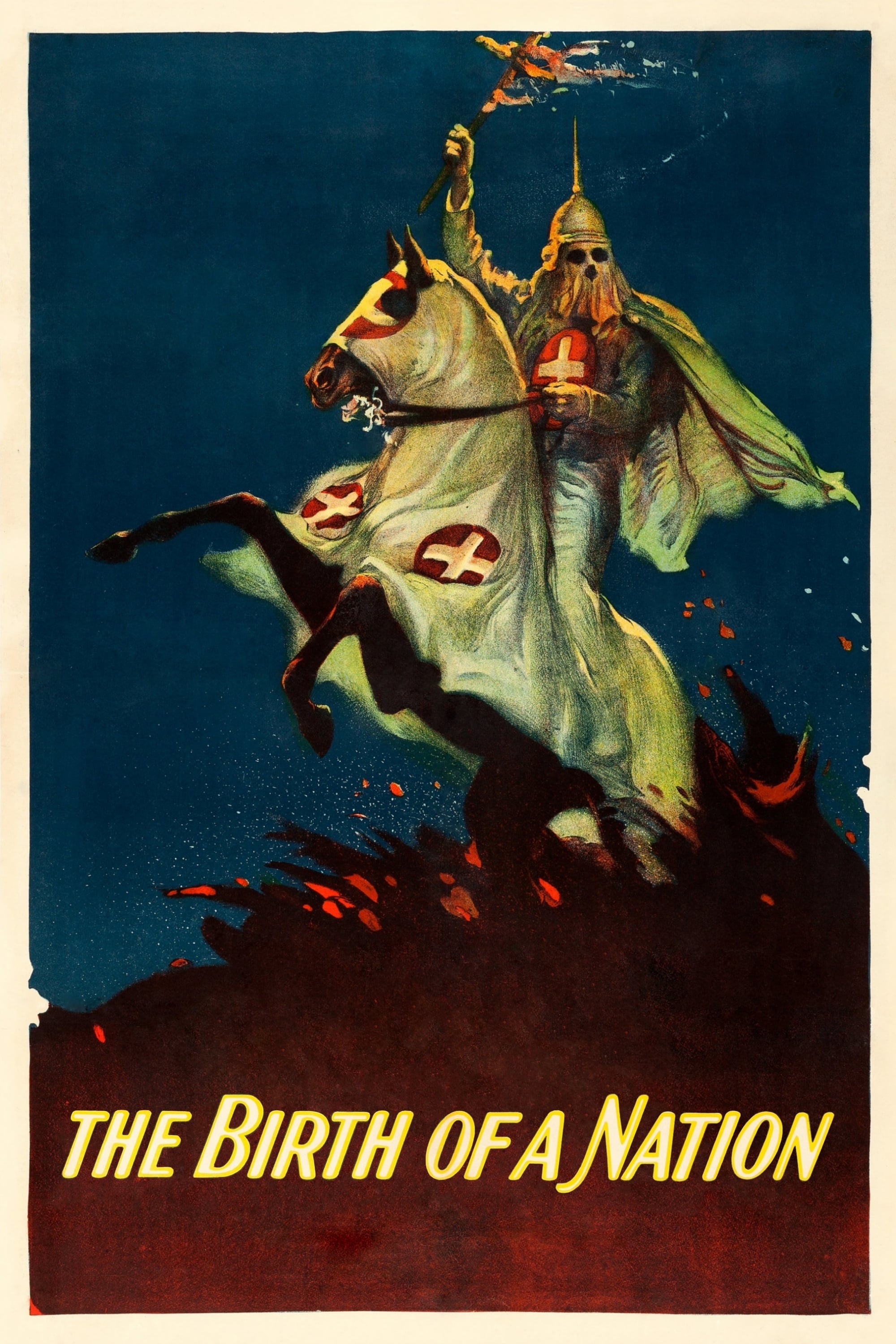
This feature ran over three hours and helped push the idea of long form narrative cinema in the United States. It popularized techniques like cross cutting and large scale crowd staging that studios adopted widely. The film drew huge audiences and touring roadshow presentations with live orchestras. Its racist content sparked protests and censorship debates that influenced film regulation for years.
‘The Jazz Singer’ (1927)
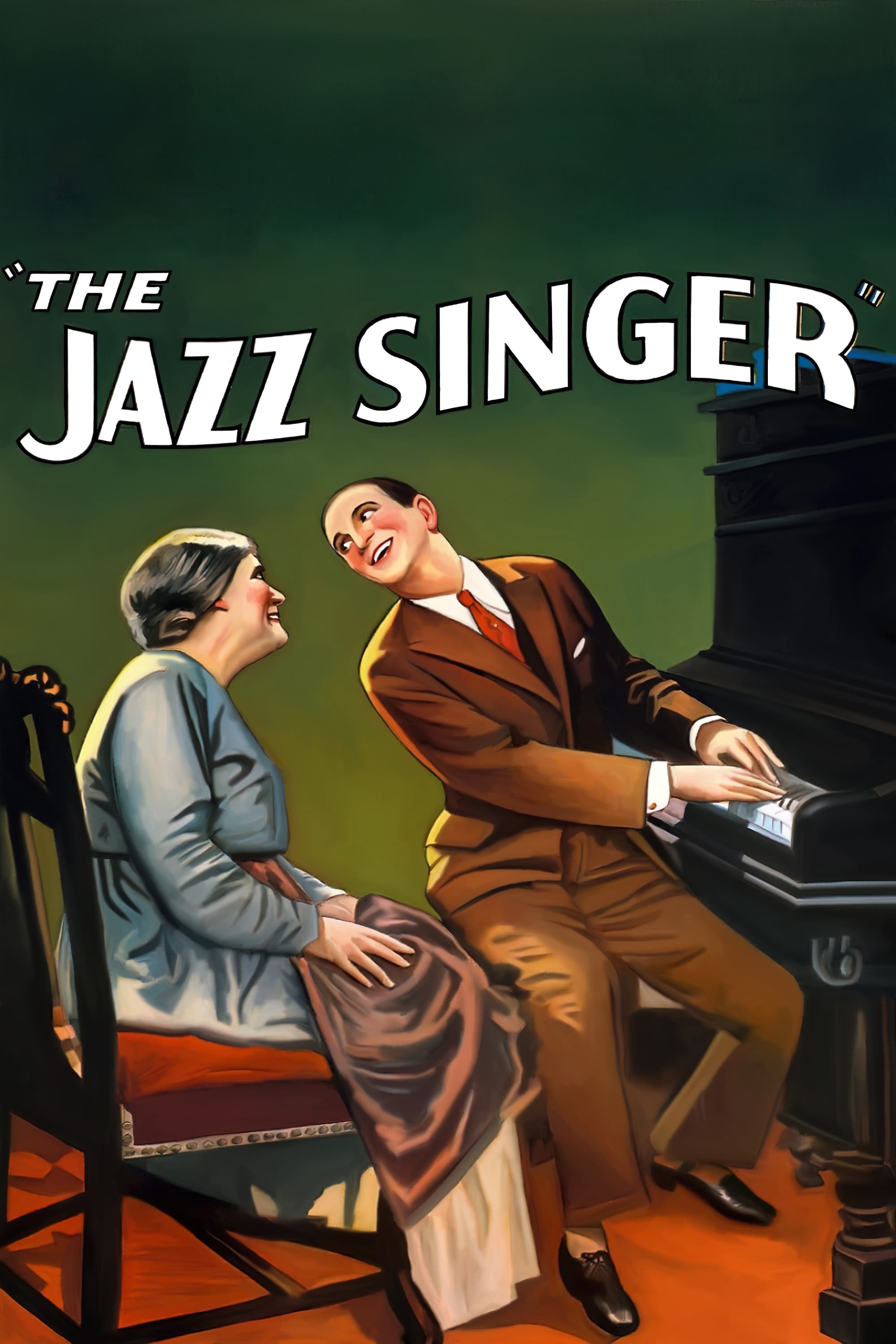
This part talkie used the Vitaphone system to synchronize spoken lines and musical numbers. Its success accelerated the conversion from silent to sound production across studios. Theaters installed sound equipment rapidly to meet audience demand. The transition reshaped acting, writing, and even camera movement as microphones and recording changed production methods.
‘Snow White and the Seven Dwarfs’ (1937)
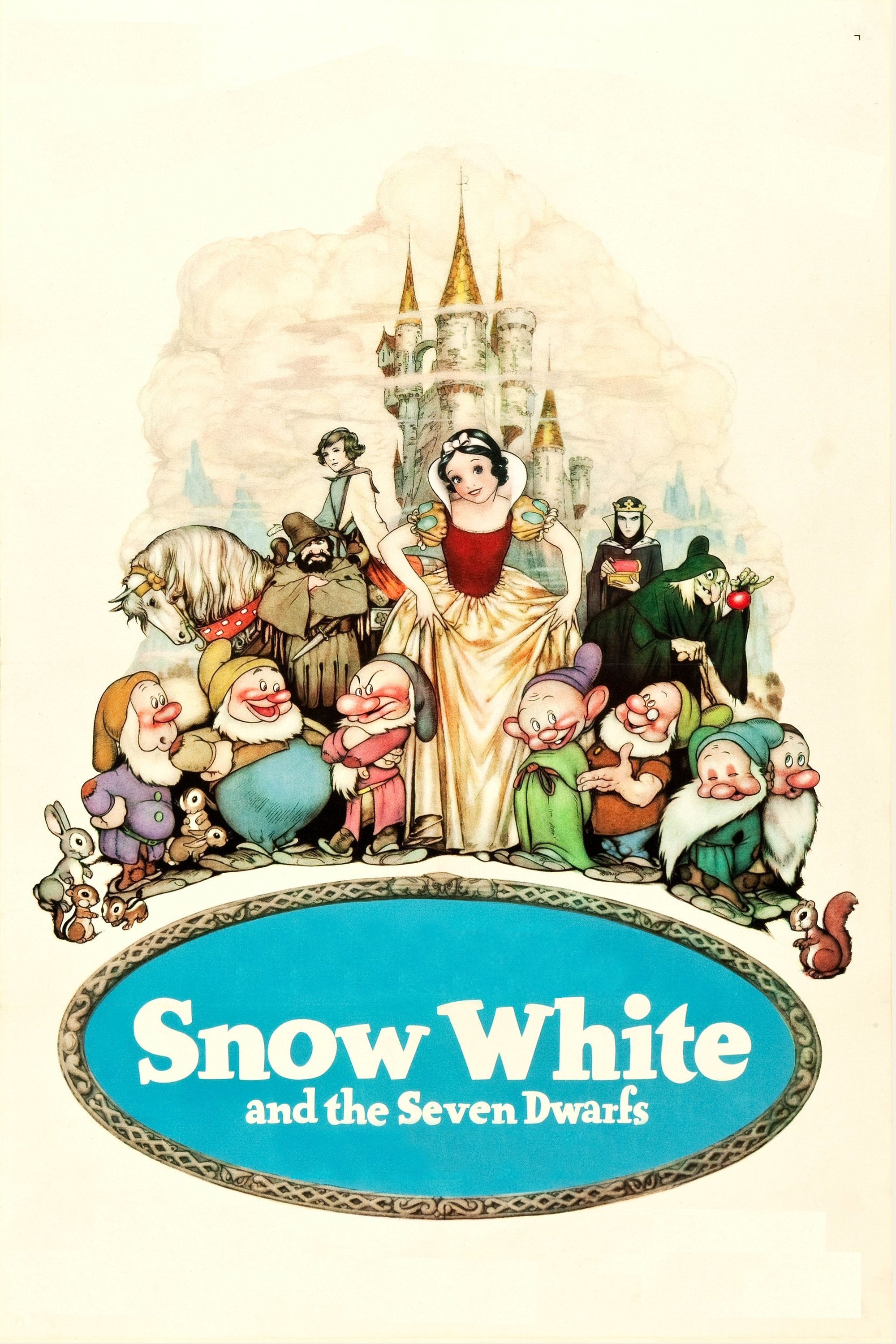
Walt Disney released the first American feature length cel animated film in full color. Multiplane camera work created layered depth that became a hallmark of studio animation. The film’s strong box office proved audiences would embrace animated features. It funded a production pipeline that led to decades of feature animation in Hollywood.
‘Citizen Kane’ (1941)
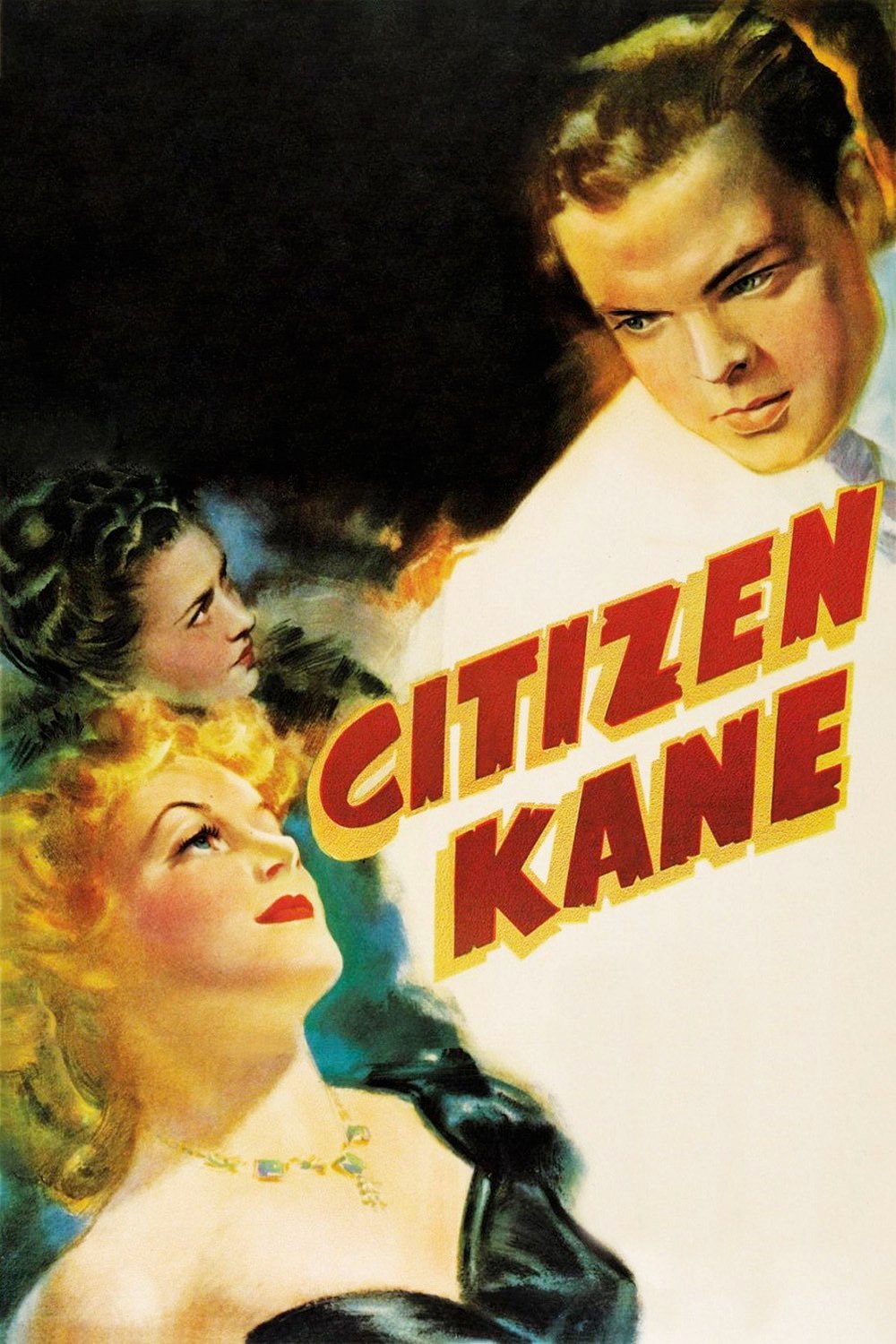
Deep focus cinematography and low angle compositions showed how visual design could carry complex storytelling. The nonlinear structure and newsreel framing influenced screenwriting across genres. Credit sequences and sound design featured newsroom montage techniques that shaped documentary inspired fiction. Though its initial box office was modest, later reissues cemented it as a craft textbook for filmmakers.
‘Psycho’ (1960)
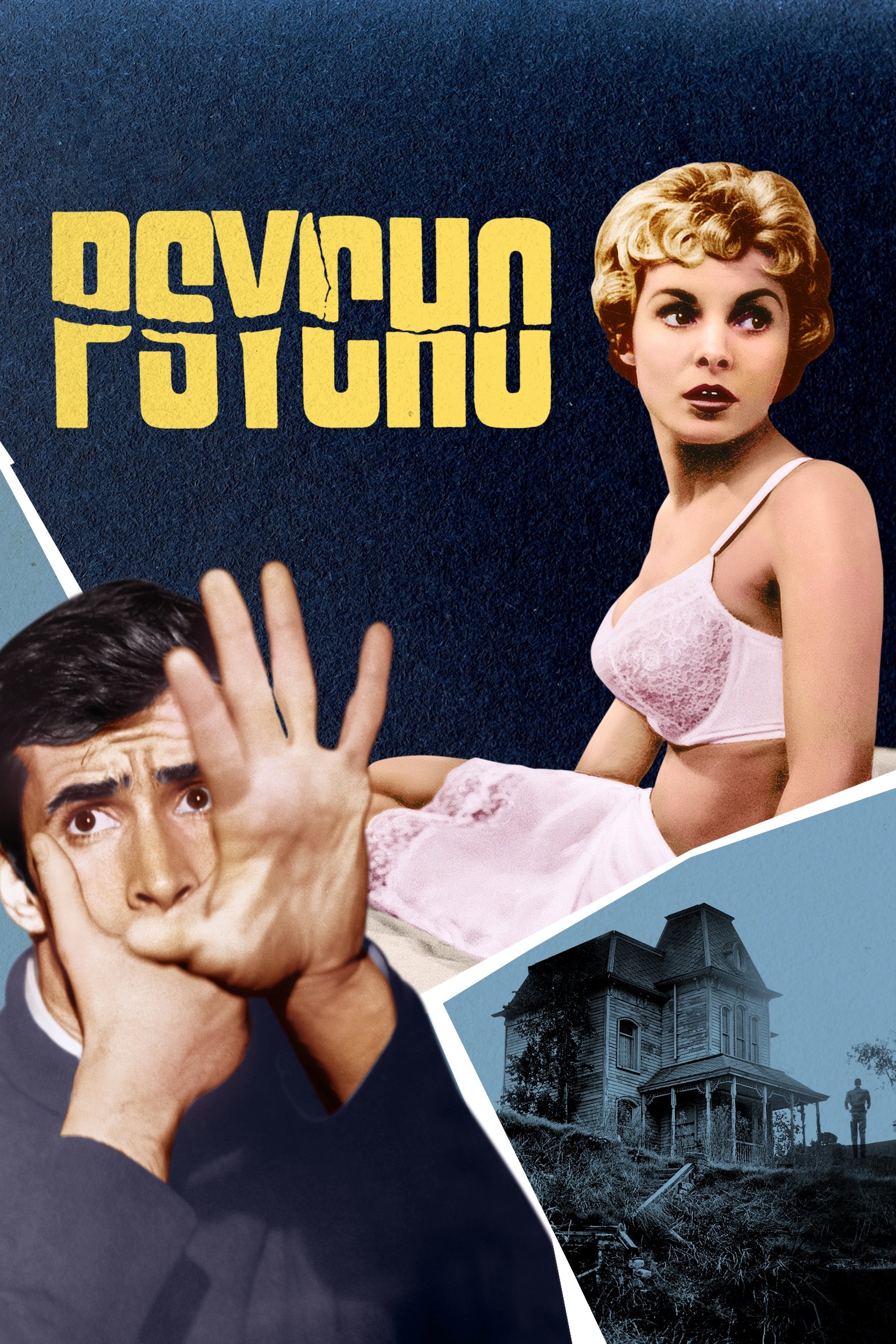
Alfred Hitchcock enforced a no late admission policy that studios later copied for event releases. Rapid cutting in the shower scene showed new limits for suspense editing within censorship rules at the time. The film’s marketing emphasized secrecy around plot details to drive turnout. It also demonstrated how television promotion could prime a theatrical audience.
‘The Godfather’ (1972)
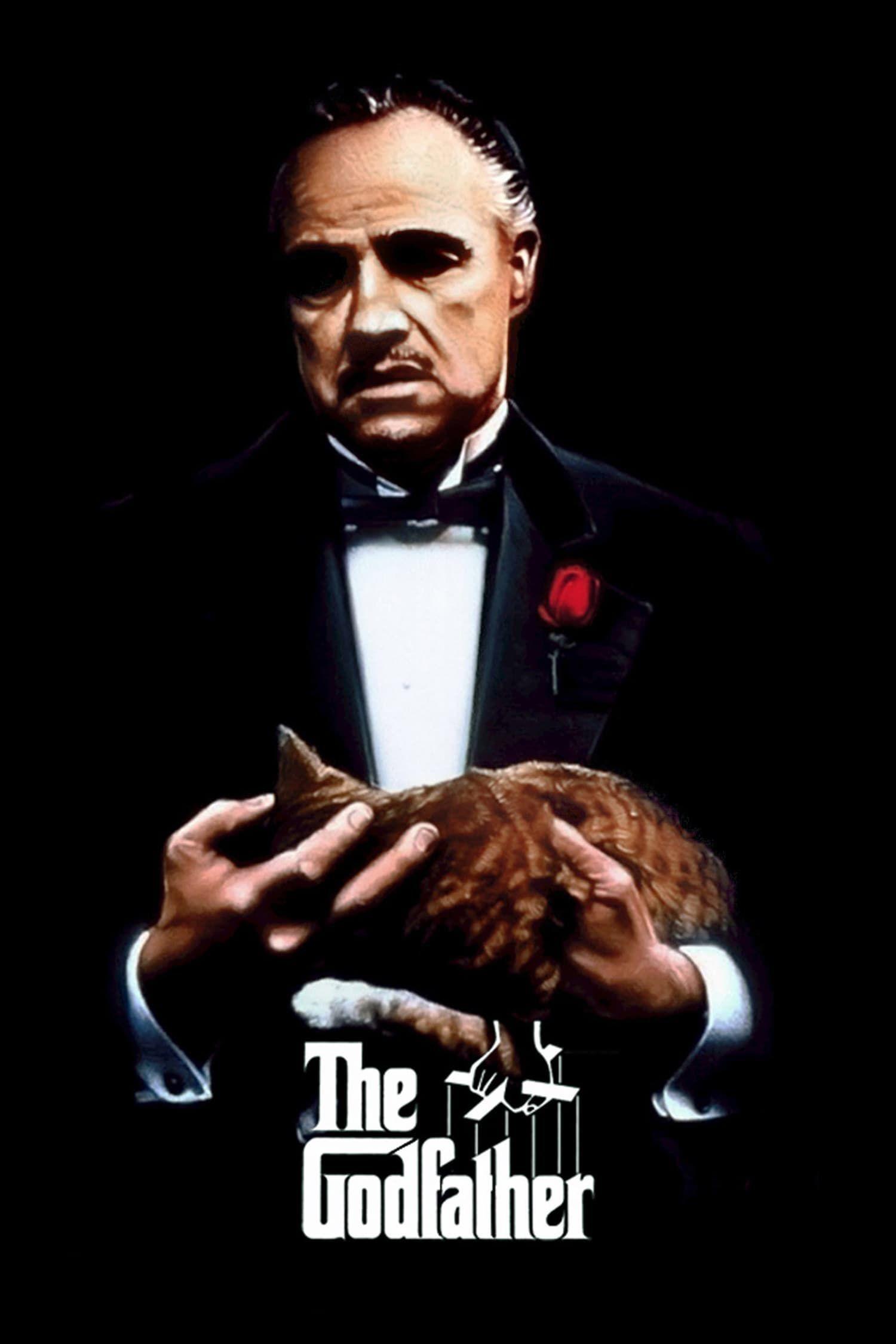
Paramount paired a prestige crime saga with a national wide release backed by heavy newspaper advertising. The strategy delivered record grosses for an adult oriented drama. The film’s success expanded director driven production in the New Hollywood period. It also influenced studio approaches to sequels and long running franchises.
‘Jaws’ (1975)
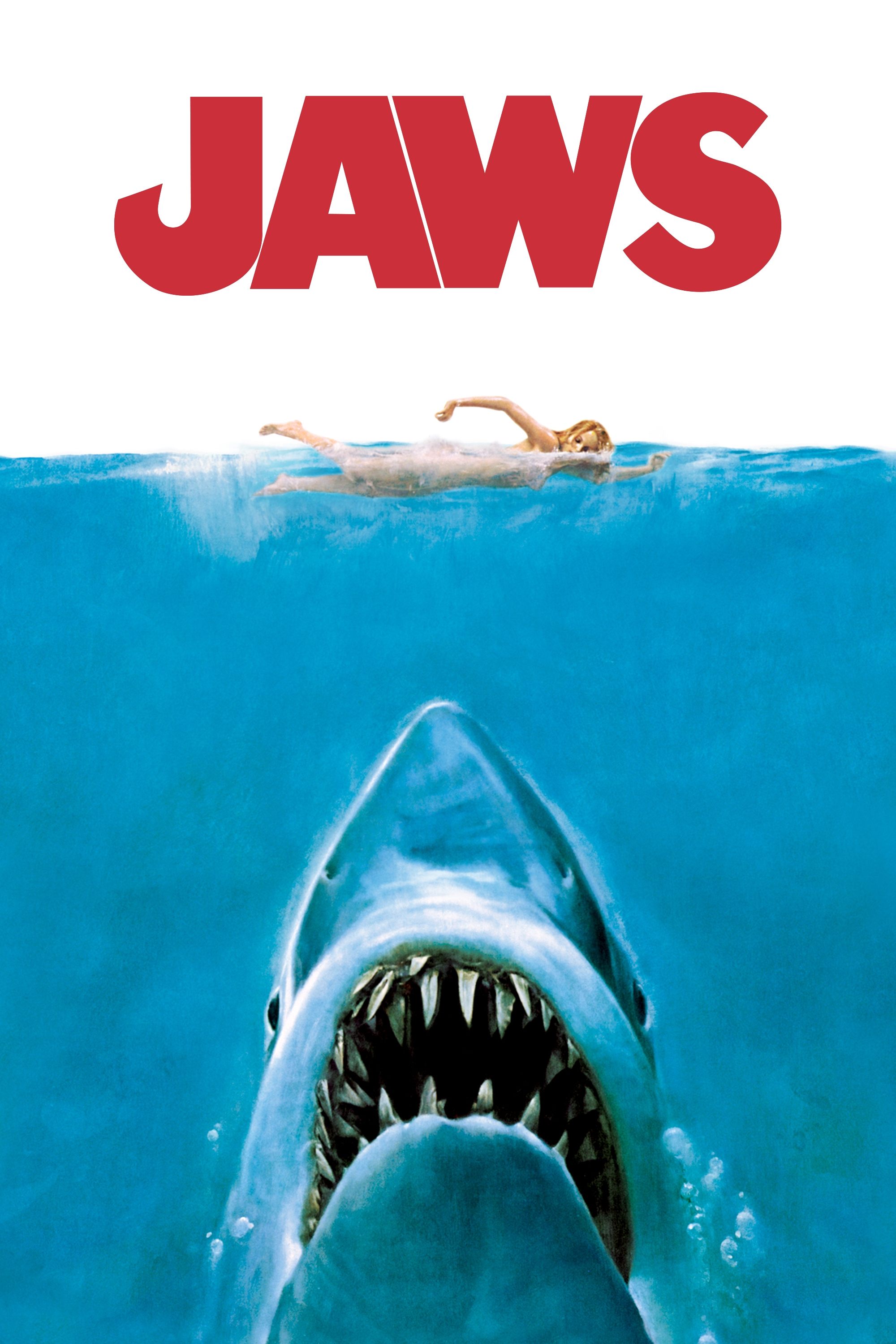
Universal used a summer wide release with saturation TV advertising to shape the modern blockbuster model. Mechanical effects and location shooting built suspense around a limited creature reveal. The film became the first to cross the $100 million domestic threshold at the time. Studios began clustering major releases in summer because of its performance.
‘Star Wars’ (1977)
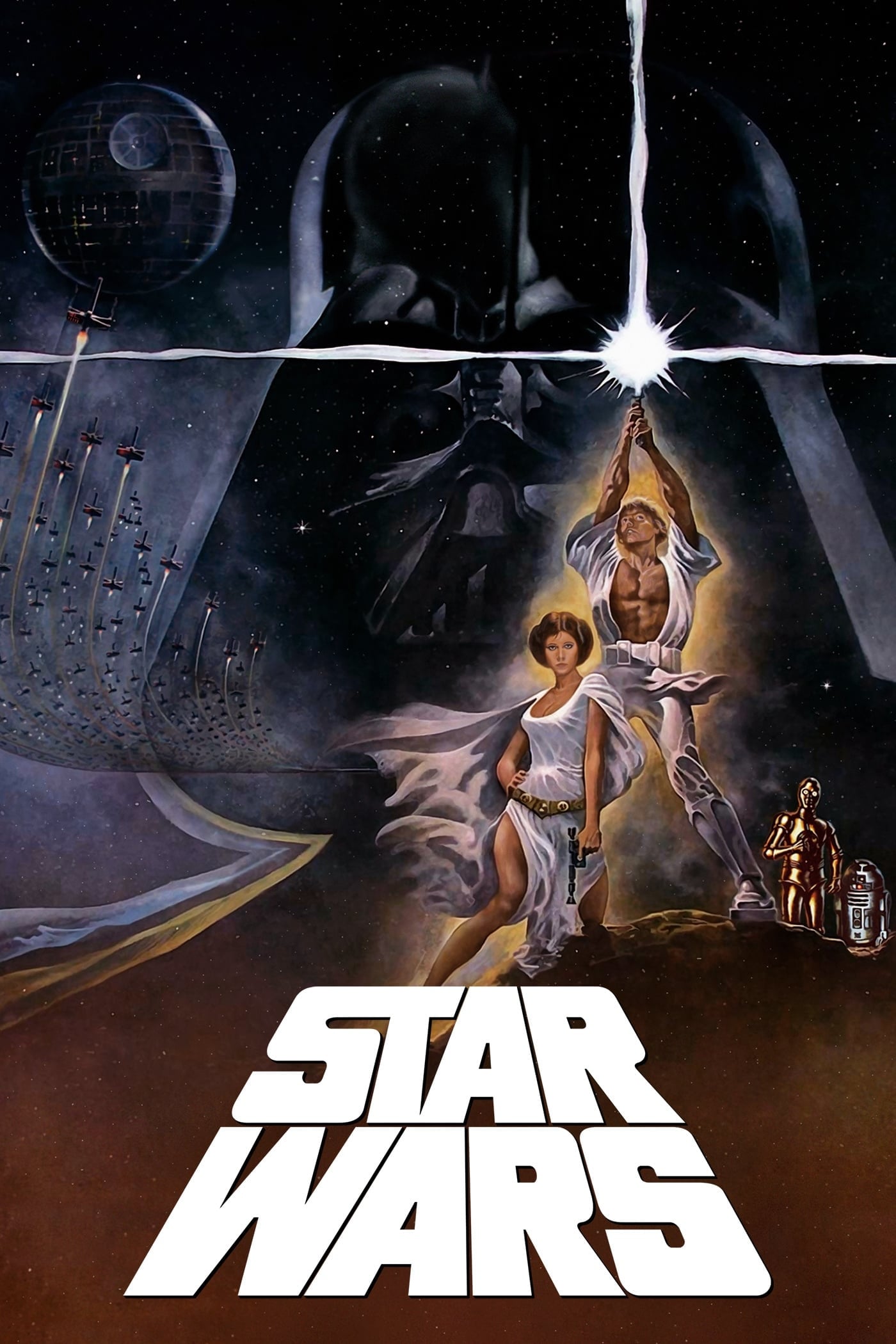
Industrial Light and Magic built motion control camera systems that transformed visual effects. Dolby Stereo in theaters advanced multichannel exhibition for mainstream audiences. Merchandising and licensing deals created a revenue stream that studios now consider in franchise planning. The film’s grosses pushed international distribution and sequel development.
‘Top Gun: Maverick’ (2022)

Paramount kept a lengthy theatrical window and used premium large formats to maximize ticket revenue. The production emphasized real aerial photography with actors in cockpit rigs, which became a marketing point. It drew older demographics back to theaters in the pandemic recovery period and surpassed one billion dollars worldwide. The film reinforced the value of legacy sequels for studio slates.
‘Jurassic Park’ (1993)

The blend of computer generated dinosaurs and full scale animatronics proved photoreal creatures could lead a live action feature. Digital Theater Systems brought discrete multichannel sound to multiplexes. The film set new international box office marks and drove theme park expansions. Studios accelerated investment in digital effects houses based on its results.
‘Pulp Fiction’ (1994)
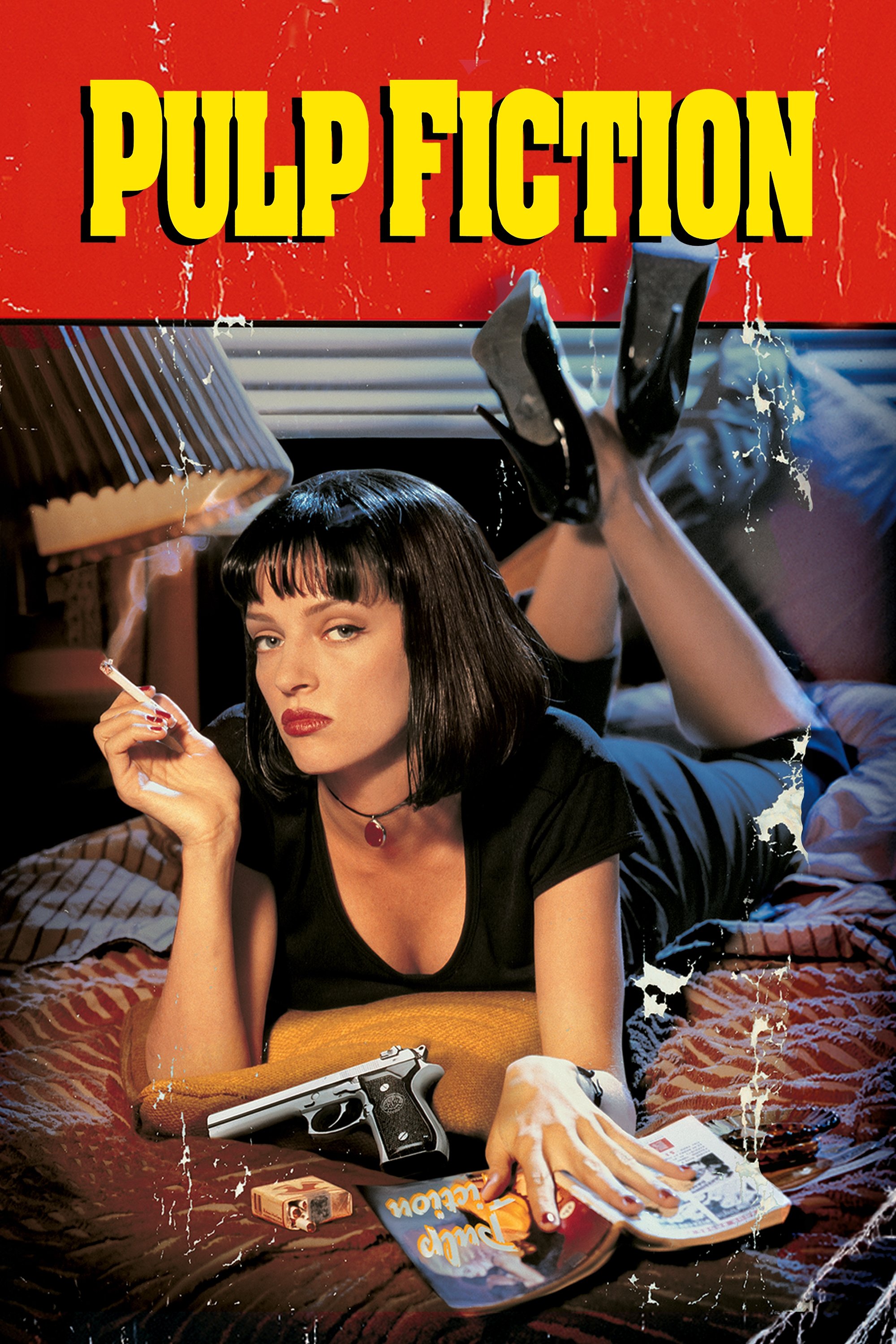
Miramax used festival momentum from Cannes to platform release the film into a national hit. Nonlinear structure and pop culture dialogue showed that independent sensibilities could succeed at scale. The movie’s soundtrack strategy boosted catalog sales tied to the film. Its performance broadened the market for mid budget auteur driven projects.
‘Toy Story’ (1995)
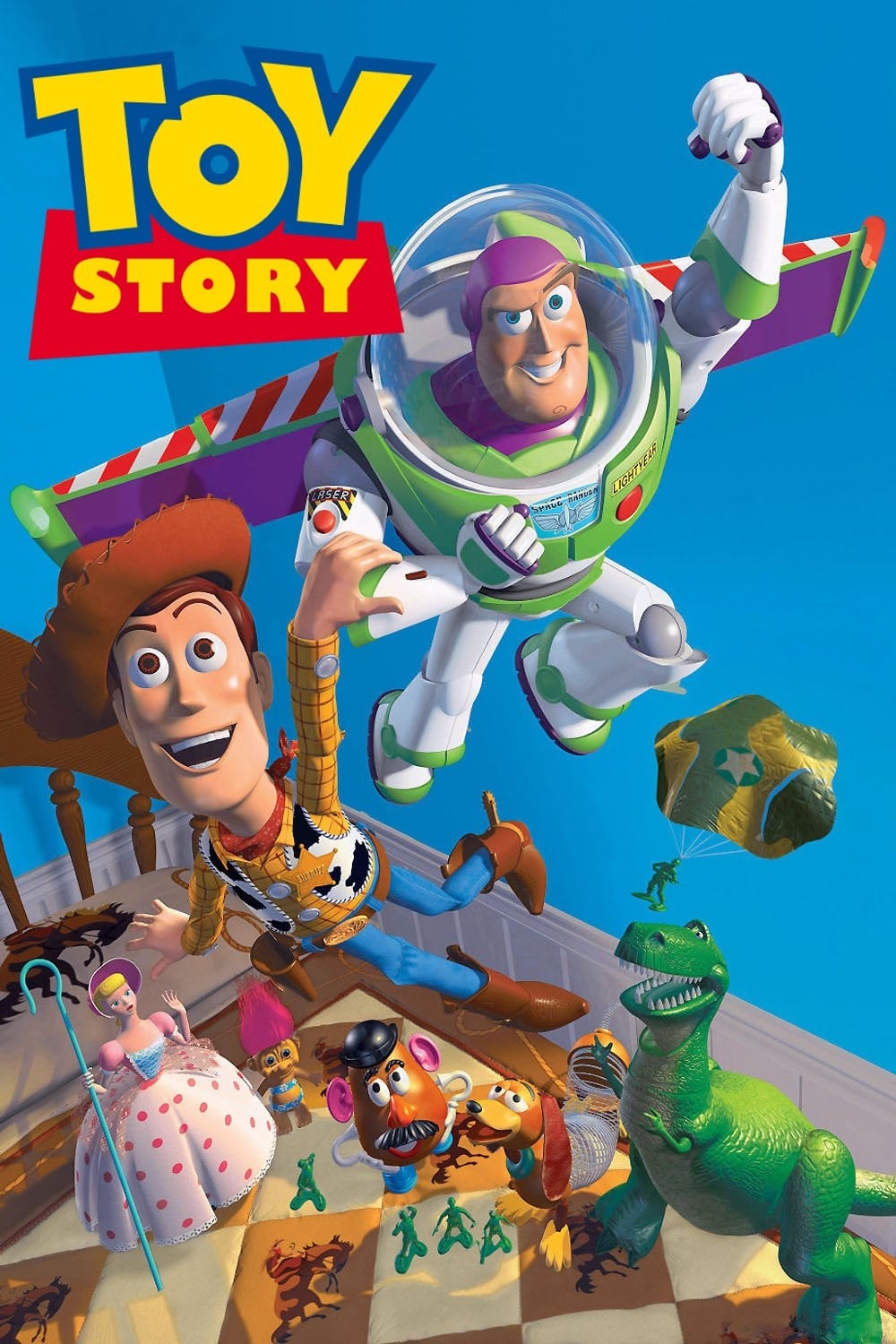
This was the first feature entirely created with computer animation. Pixar’s pipeline demonstrated how story teams and technical teams could iterate in a digital environment. The film’s success led major studios to expand CGI animation units. It also normalized longer development cycles for animated features.
‘The Blair Witch Project’ (1999)

A microbudget production turned found footage into a mainstream template. Early internet forums and a faux documentary website built a mystery campaign that studios studied closely. The film delivered one of the highest returns on investment in modern box office history. Its model influenced low cost horror strategies and viral marketing techniques.
‘The Matrix’ (1999)
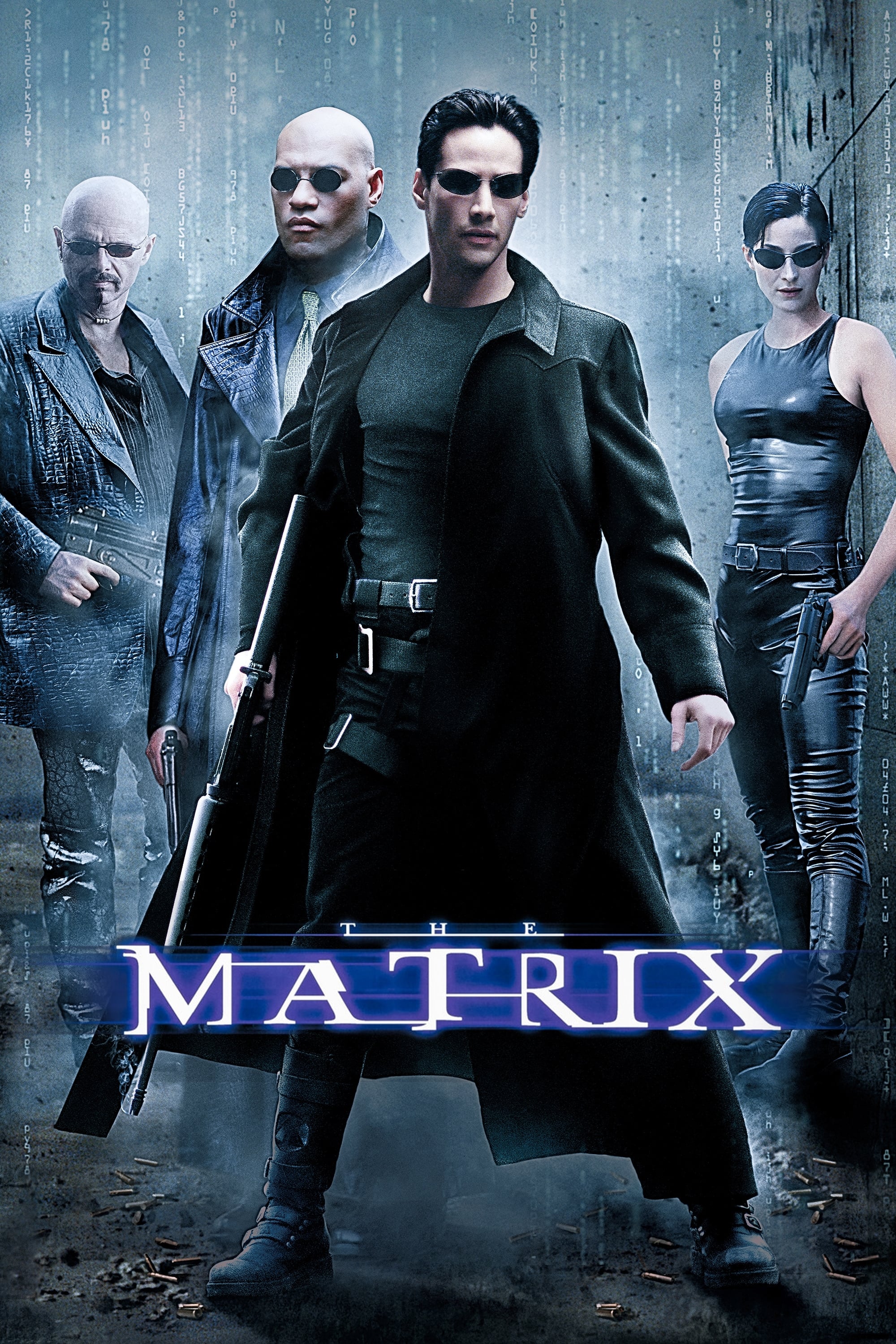
Bullet time combined camera arrays and digital compositing into a signature action effect. Hong Kong fight choreography methods entered Hollywood training for stunt teams. The film pushed philosophy themed genre storytelling into the commercial center. Its visual vocabulary shaped video games and superhero films that followed.
‘The Lord of the Rings: The Fellowship of the Ring’ (2001)
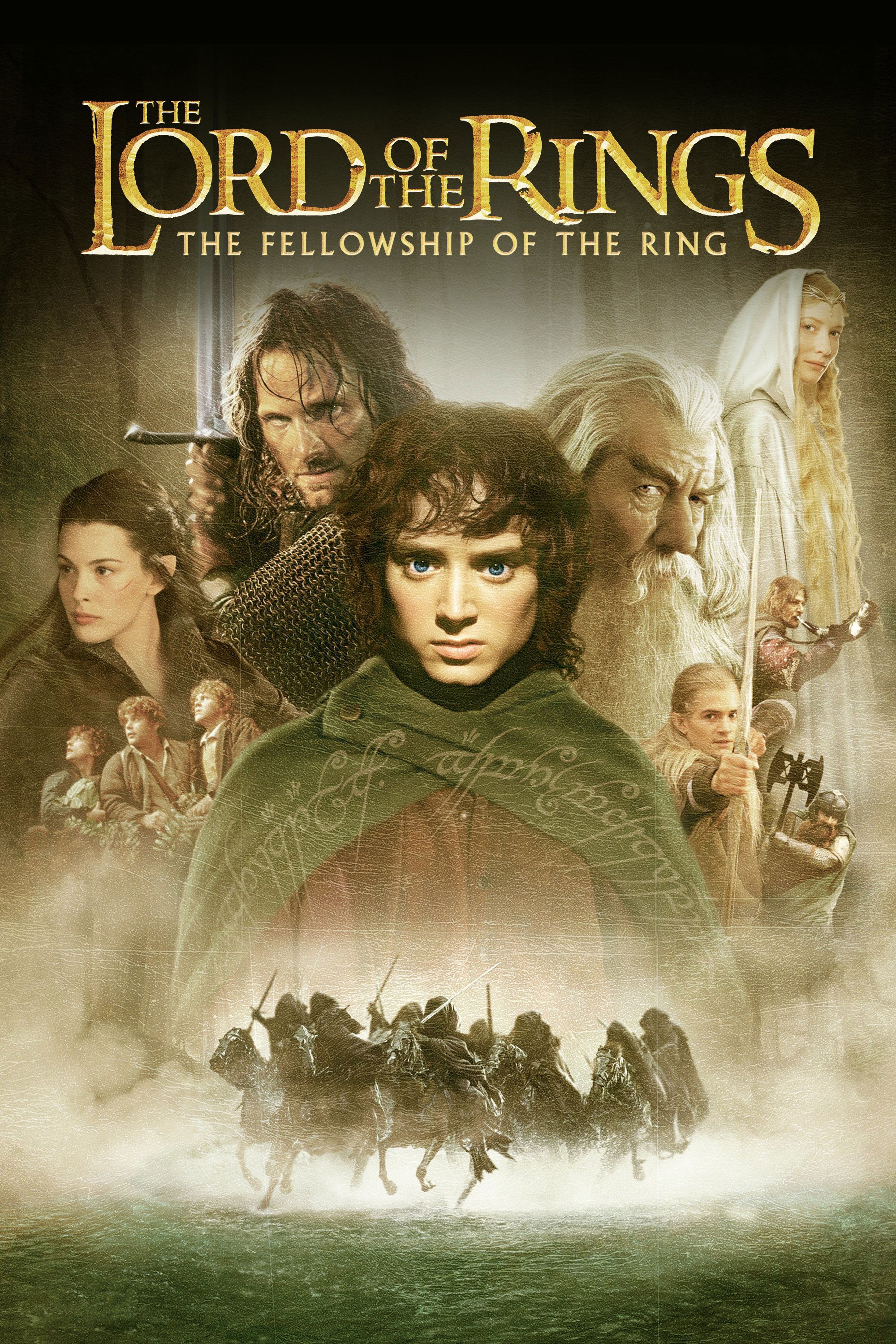
New Line financed three films shot consecutively in New Zealand, proving back to back franchise production could work. Weta built large scale digital pipelines for creatures, crowd systems, and environments. Location incentives and infrastructure boosted the country’s screen industry. The release pattern and extended editions created a long tail home entertainment model.
‘Avatar’ (2009)

Performance capture and a virtual camera system allowed real time visualization of digital worlds. The movie drove a widespread rollout of 3D projection and premium ticket pricing. It became the highest grossing film worldwide at the time. Its production spurred development of new stereo rigs and rendering tools across vendors.
‘Get Out’ (2017)
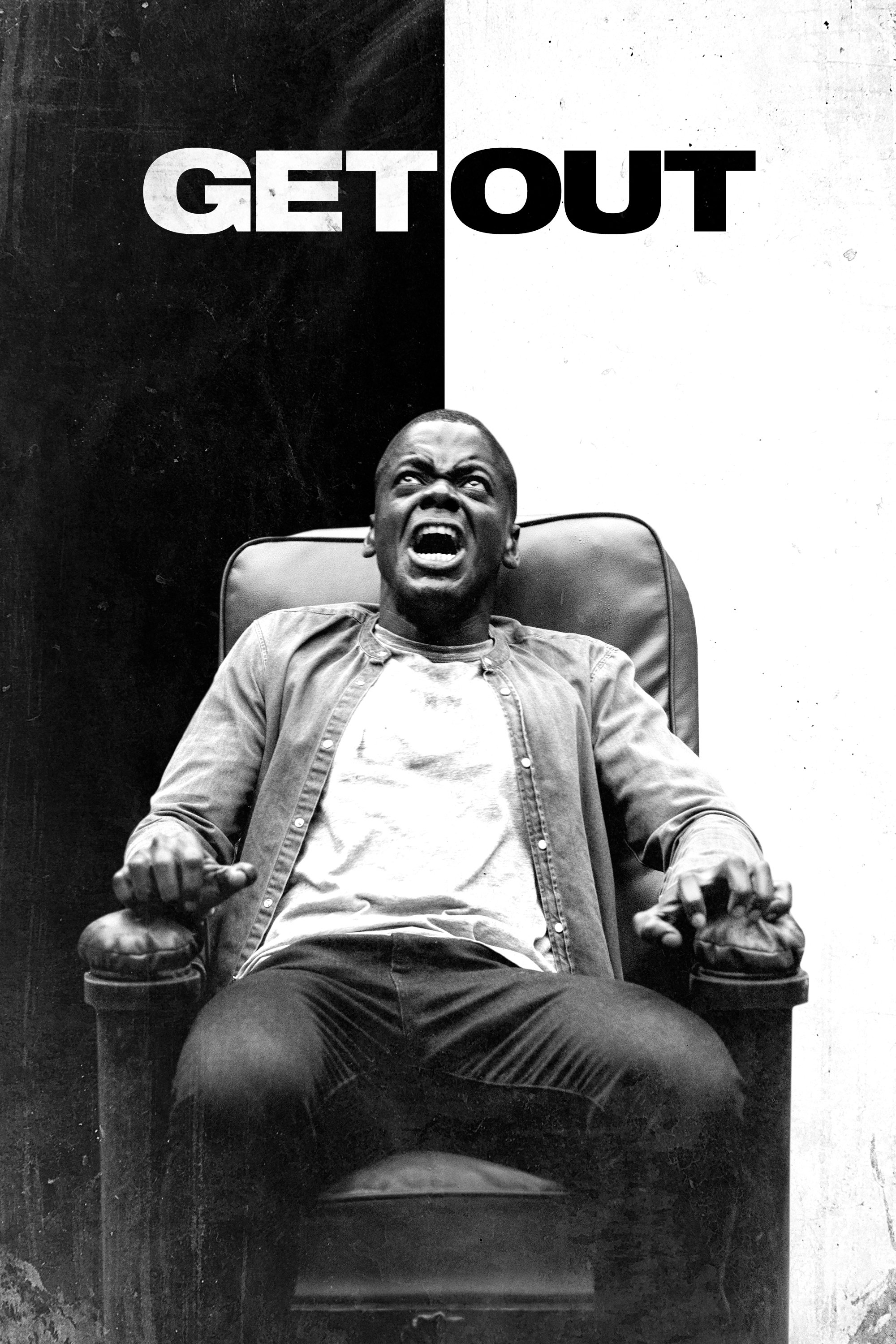
Blumhouse paired a modest budget with a wide release and strong word of mouth to drive outsized returns. The film blended social commentary with genre thrills and found broad audiences. It won the Academy Award for Original Screenplay, which elevated the profile of socially aware horror. Studios backed more debut directors with high concept horror after its success.
‘Black Panther’ (2018)
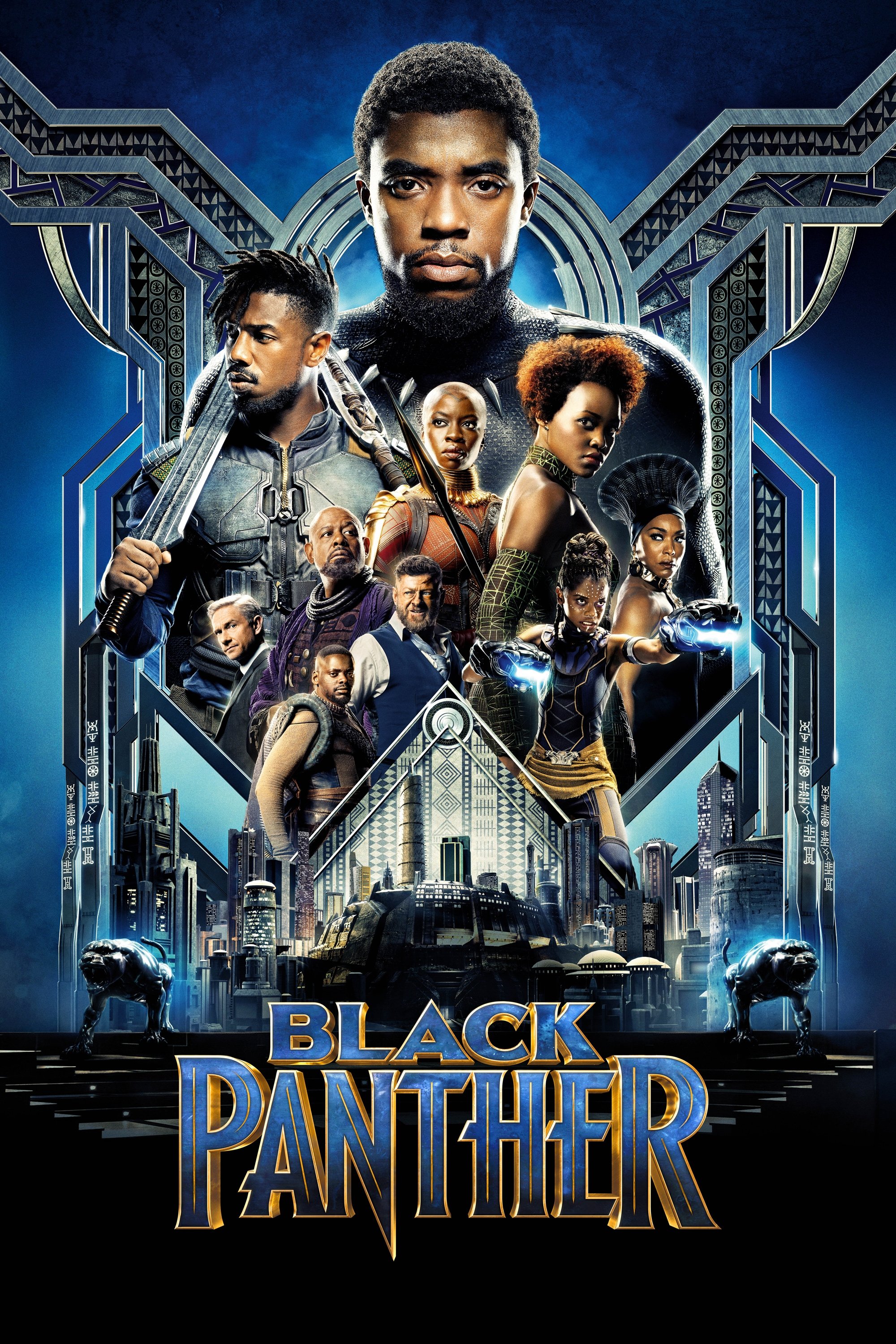
Marvel released a superhero film with a predominantly Black cast and an African setting into the center of the franchise calendar. The movie crossed the billion dollar mark worldwide and performed strongly in the United States. It earned a Best Picture nomination, a first for the genre. The film also expanded the merchandising and fashion collaborations tied to superhero releases.
‘Parasite’ (2019)

This South Korean film won the Palme d’Or and later became the first non English language Best Picture winner. Its awards run boosted global interest in subtitled releases in North America. The film showed that day and date streaming was not required for international crossover success. It encouraged studios and streamers to acquire more foreign language titles for wide campaigns.
‘Barbie’ (2023)
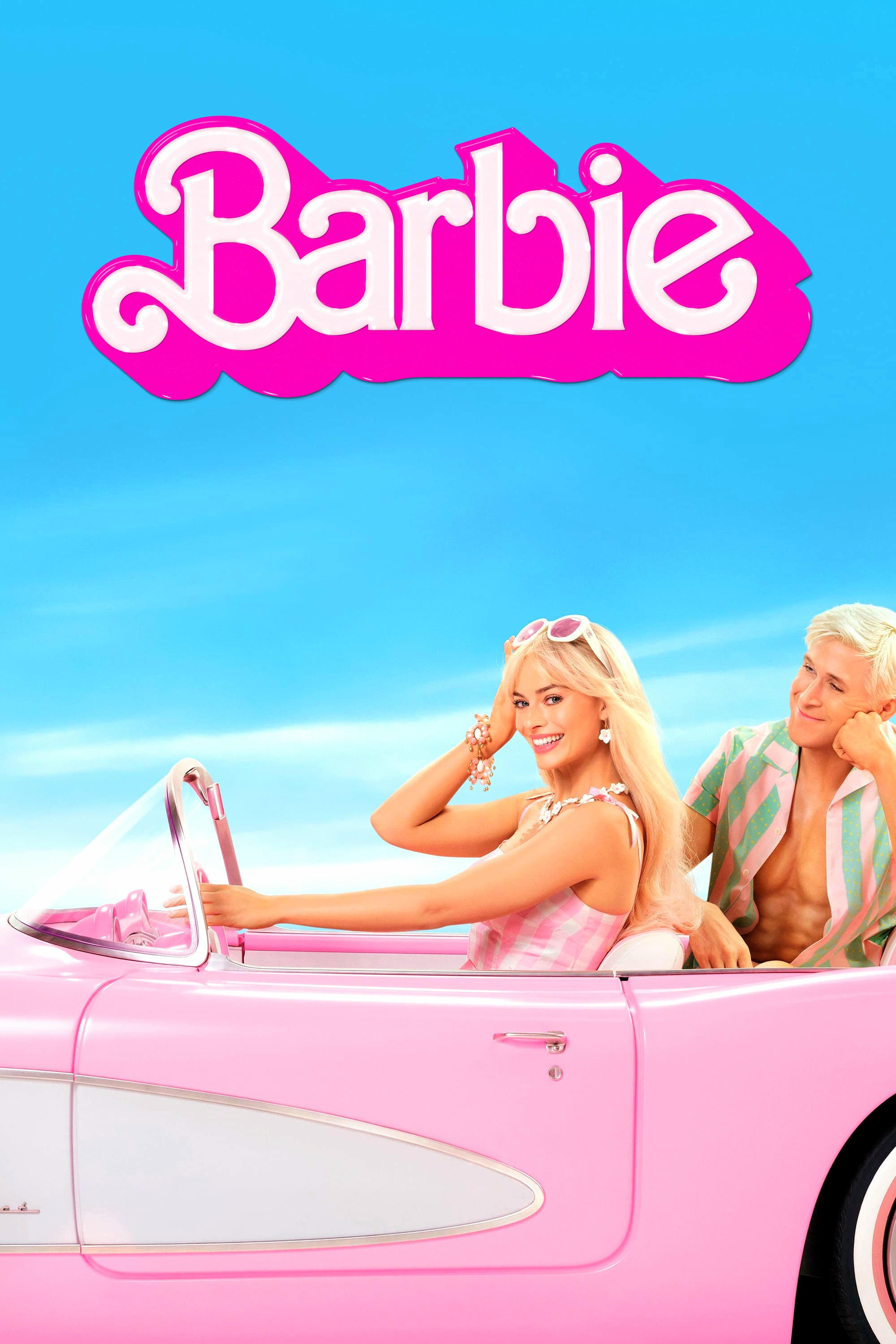
The production partnered with numerous consumer brands for a coordinated marketing push that reached beyond typical film advertising. It became the highest grossing film directed by a woman at the time and passed one billion dollars worldwide. The release paired with a historical drama created a cultural viewing trend that lifted both titles. Its outcome encouraged further development of toy and lifestyle brand adaptations.
Share your own picks for game changing movies in the comments and tell us which titles you think reshaped Hollywood the most.