Top 10 Coolest Things About Jet Li

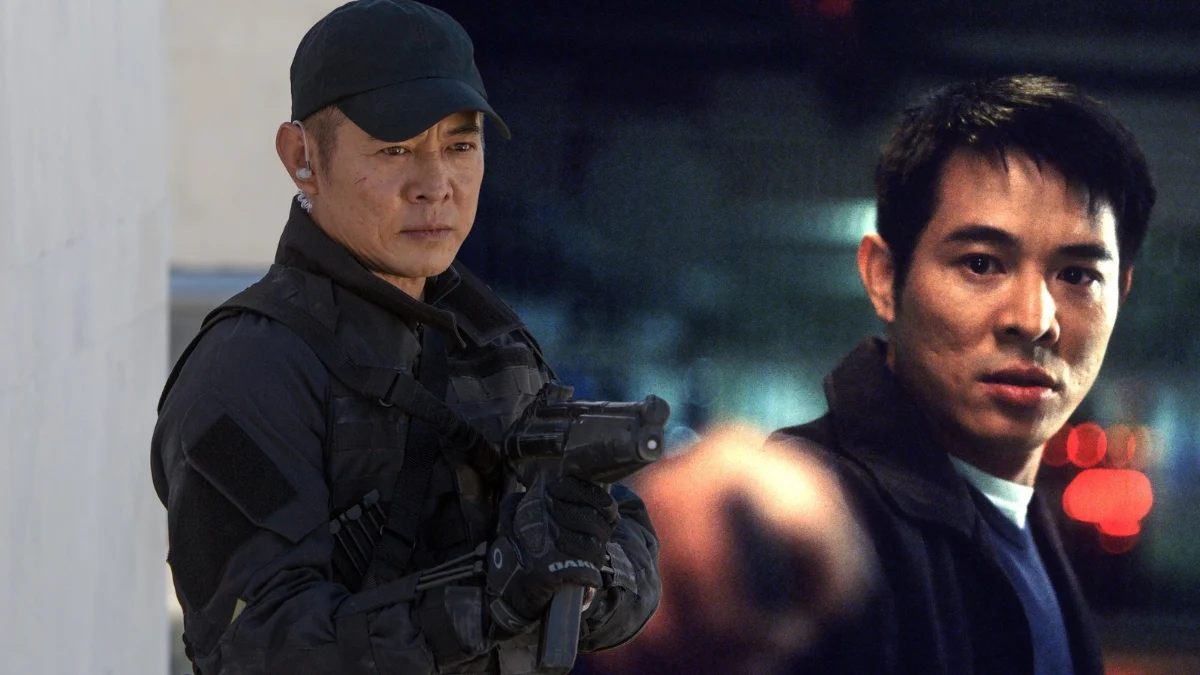

Jet Li’s screen career threads together landmark martial-arts cinema from mainland China and Hong Kong with major Hollywood franchises, showcasing a blend of classical wushu and film-ready fight design. Below are ten standout moments tied to his movies, followed by a couple of broader career notes only where they add essential context. Each entry focuses on specific, verifiable details—performances, choreography, production choices, and industry impact. Dive in for a quick tour of the roles and projects that defined his on-screen legacy.
‘Shaolin Temple’ (1982) – A breakout filmed at the real monastery
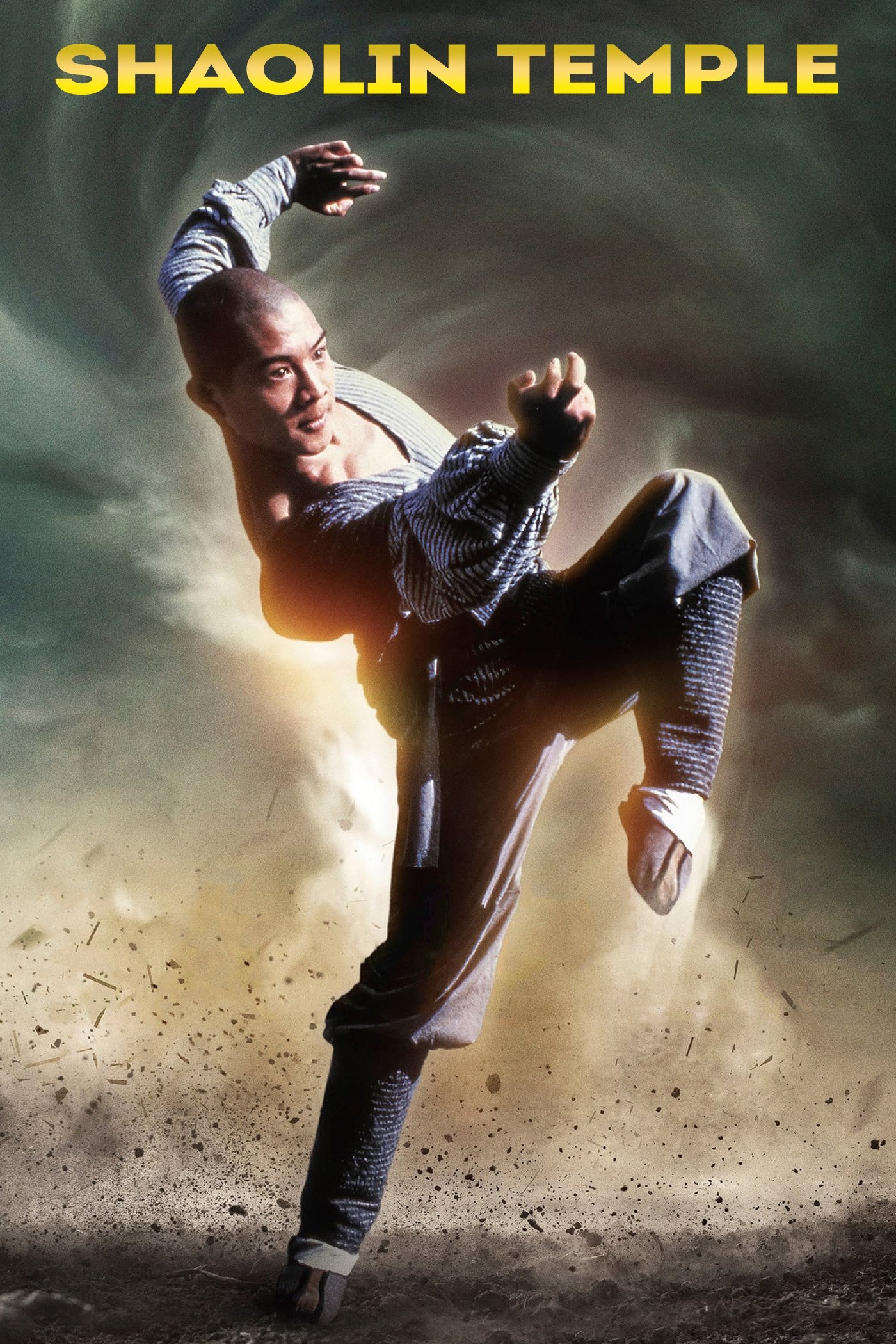
Shot on location at the Shaolin Monastery in Henan, this film introduced Jet Li to audiences after his national wushu championships. The production used expansive training sequences to highlight traditional forms, weapons work, and group drills. Its mainland release drew enormous audiences and boosted cultural interest in Shaolin and wushu tourism. The film’s success launched a cycle of sequels and established Li as a bankable lead in martial-arts features.
‘Once Upon a Time in China’ (1991) – Defining Wong Fei-hung for a new era
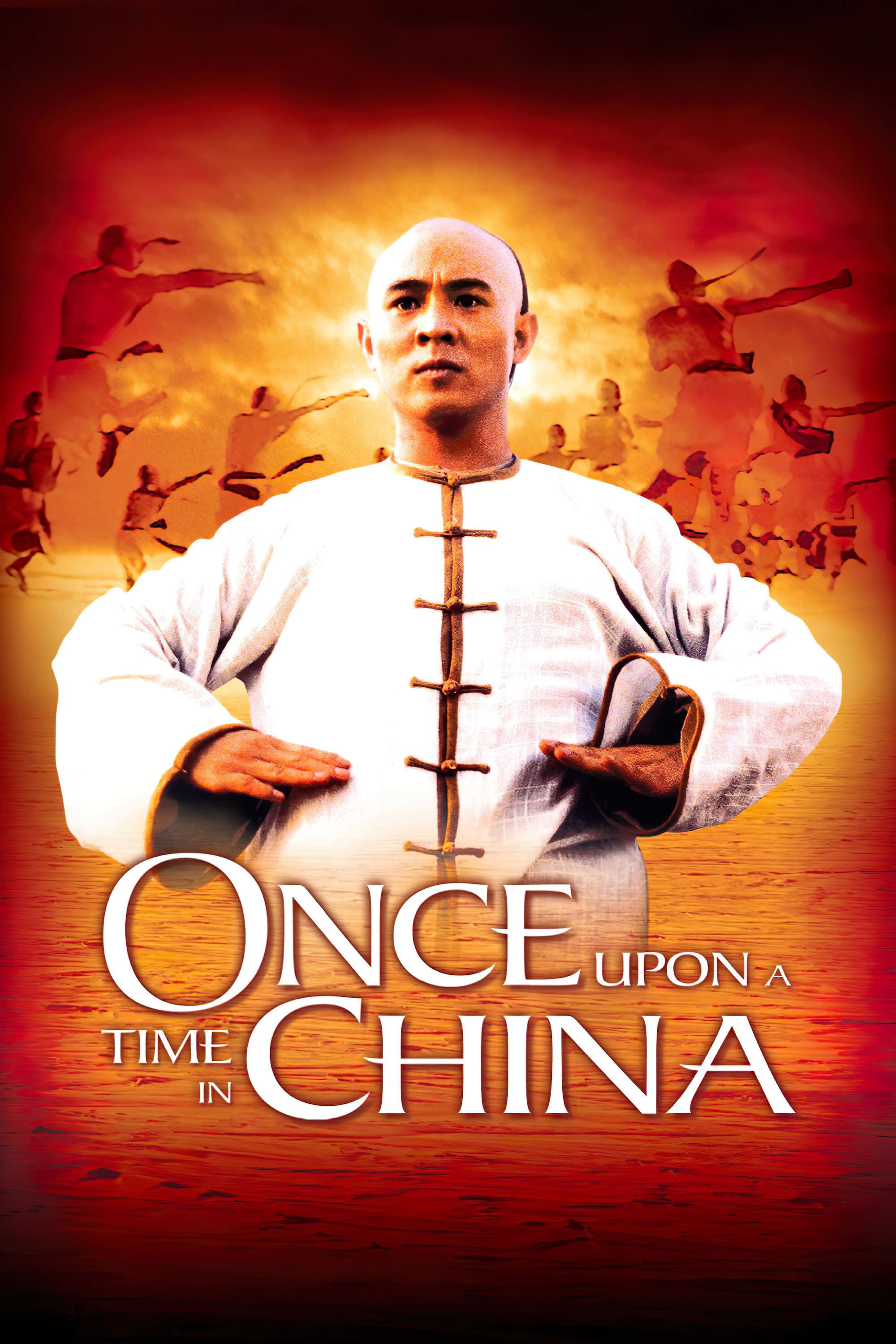
Jet Li’s portrayal of folk hero Wong Fei-hung anchored Tsui Hark’s period epic with elaborate wire-assisted choreography. The rooftop and ladder set pieces became series hallmarks, combining rhythmically staged movement with Cantonese opera-styled spectacle. The film revitalized a classic Hong Kong character for modern audiences and led to multiple follow-ups. Its blend of nationalism themes, Westernization anxieties, and high-scale action set a template for ’90s kung-fu storytelling.
‘Fist of Legend’ (1994) – Precision fighting with Yuen Woo-ping
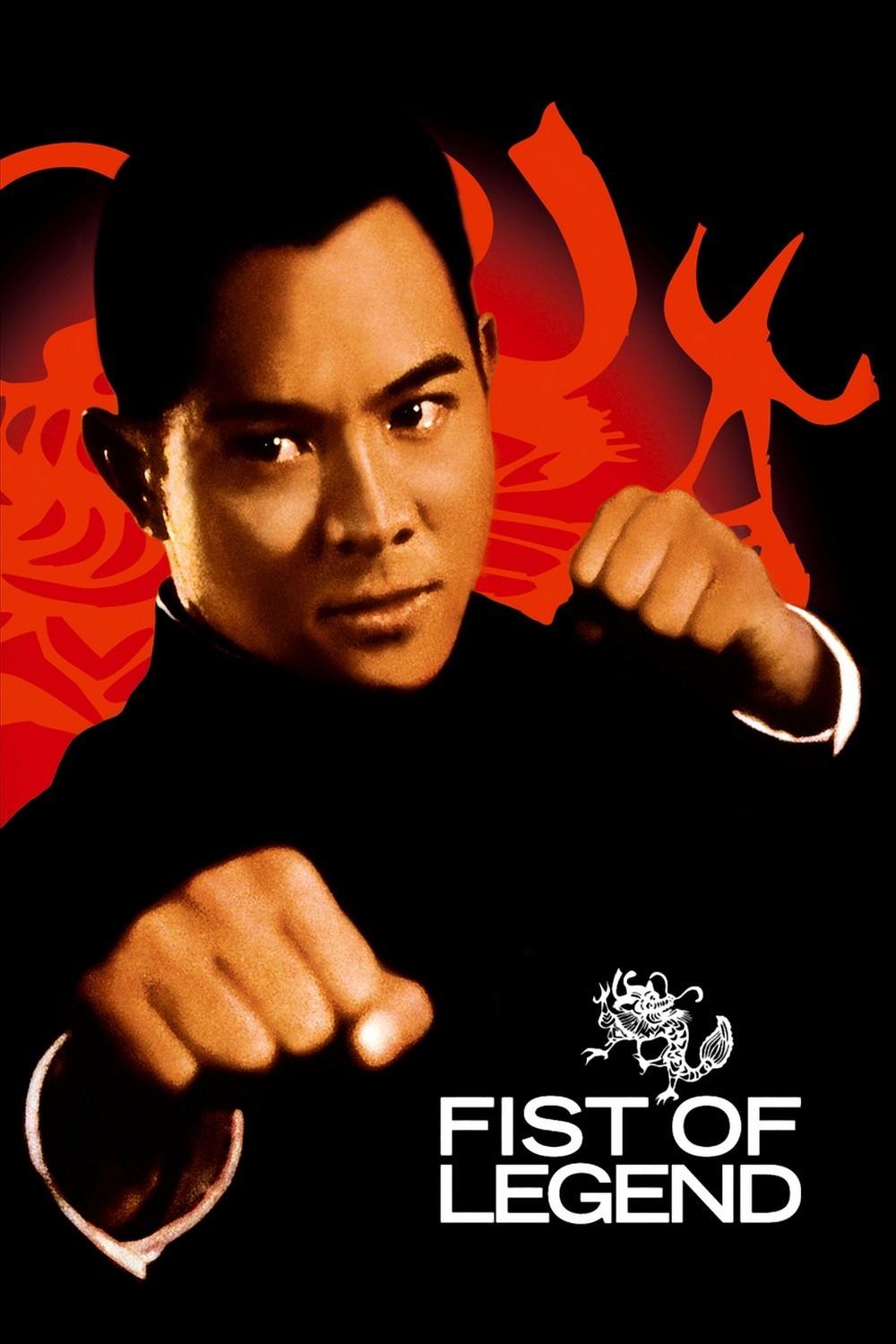
This remake of Bruce Lee’s ‘Fist of Fury’ emphasized crisp technique and grounded impacts over exaggerated wire work. Choreographer Yuen Woo-ping designed exchanges that showcased distancing, timing, and adaptive counters across styles. The dojo confrontations and final duel are structured to escalate technique rather than spectacle alone. Its clean camera coverage and movement continuity made it a go-to reference for later action teams.
‘Lethal Weapon 4’ (1998) – Hollywood debut as a formidable antagonist

Jet Li entered American studio filmmaking as the principal villain, bringing rapid joint locks, low-line kicks, and weapon disarms into a buddy-cop framework. The choreography contrasted close-quarters speed against firearm-heavy tactics from the heroes. His minimal-dialogue approach emphasized presence through movement and timing. The role introduced him to a broad U.S. audience and paved the way for subsequent leads.
‘Romeo Must Die’ (2000) – First major U.S. lead with modernized fight beats
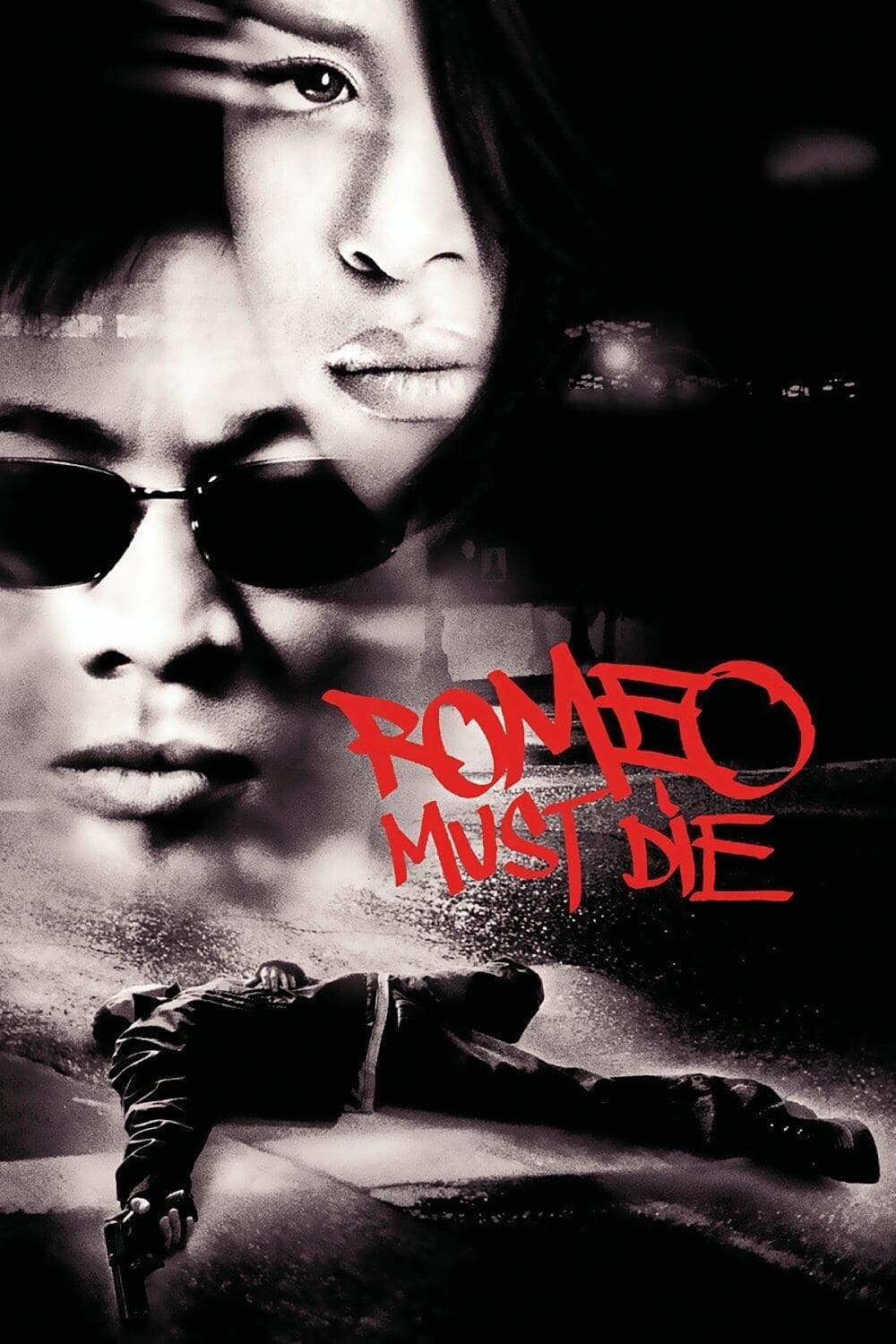
Taking top billing, Li performed set pieces that integrated wire assists with contemporary urban settings. The action design fused traditional kicks and locks with glass, rails, and confined-space geometry. Digital effects were used sparingly to accentuate impacts and camera flow. The film established him as a bankable action star in English-language markets.
‘The One’ (2001) – Multiverse concept with style-versus-style choreography

This sci-fi action vehicle had Li playing multiple versions of the same character, enabling mirrored fights and character-specific movement choices. The choreography contrasted hard-line, linear tactics against circular footwork to differentiate personas. VFX composites and motion-matched doubles supported sequences where Li battled his alternate self. The premise let the film stage “duel within a duel” design—story and fight grammar reflecting each other.
‘Hero’ (2002) – Color-coded storytelling and prestige wuxia scale
Zhang Yimou structured the film in chapters keyed to distinct color palettes, with Li’s character at the center of shifting perspectives. The duel by the lake and the rain-filled calligraphy courtyard showcased precise weapon rhythms and wire-assisted glide. Large-format cinematography and production design elevated intimate fights into operatic tableaux. The film’s international release expanded Li’s recognition in arthouse and awards-adjacent circuits.
‘Cradle 2 the Grave’ (2003) – Cross-discipline match-ups in a heist framework
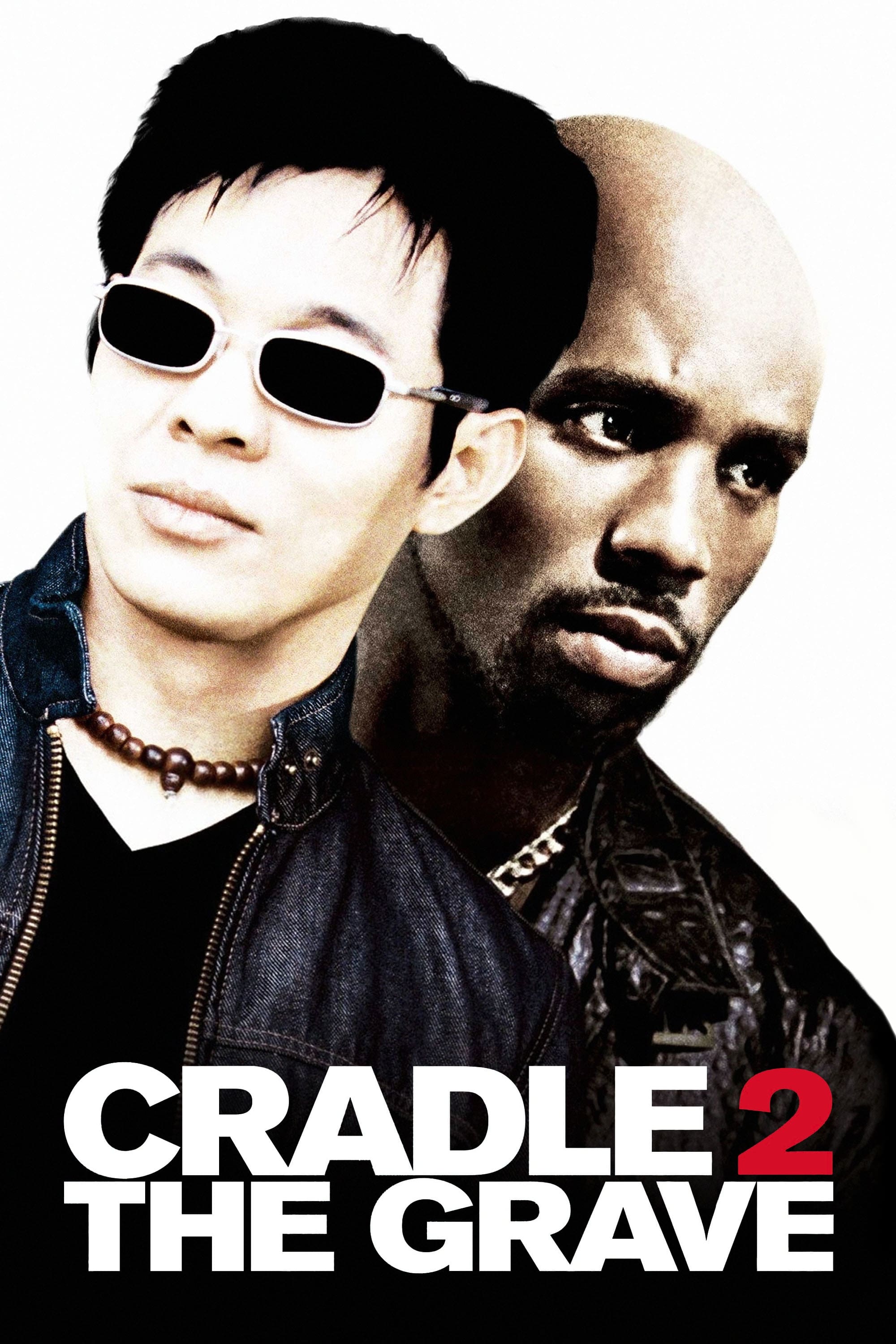
Li’s role placed him opposite mixed-style opponents, including sequences featuring grappling elements and striking hybrids. The cage-fight scene used clear angles and clipped cuts to emphasize transitions and takedown defense. Urban locales and prop-driven beats kept movement modular and fast to reset between exchanges. The film continued his early-2000s pattern of pairing traditional technique with contemporary settings.
‘Fearless’ (2006) – Huo Yuanjia biopic with codified duels
As a dramatization of Huo Yuanjia’s life, the film organized fights as rule-bound contests to showcase stylistic contrasts. Weapon and empty-hand bouts progress from personal vendetta to disciplined sportsmanship. Set pieces were staged to highlight form integrity—stance, guard, and rhythm—under tournament parameters. The production framed Chinese martial heritage within a respectful, semi-historical narrative.
‘The Forbidden Kingdom’ (2008) – First on-screen pairing with Jackie Chan

This fantasy adventure brought Jet Li and Jackie Chan together for a long-anticipated duel and team-up. Li doubled roles, appearing as both the Monkey King and a silent monk, allowing physical range across comedic and stoic registers. The core alley fight between the leads balanced Chan’s prop-based improvisation with Li’s direct, line-driven strikes. The film connected classic journey motifs with accessible, youth-oriented action design.
‘The Expendables’ (2010) – Ensemble action with specialist close-quarters
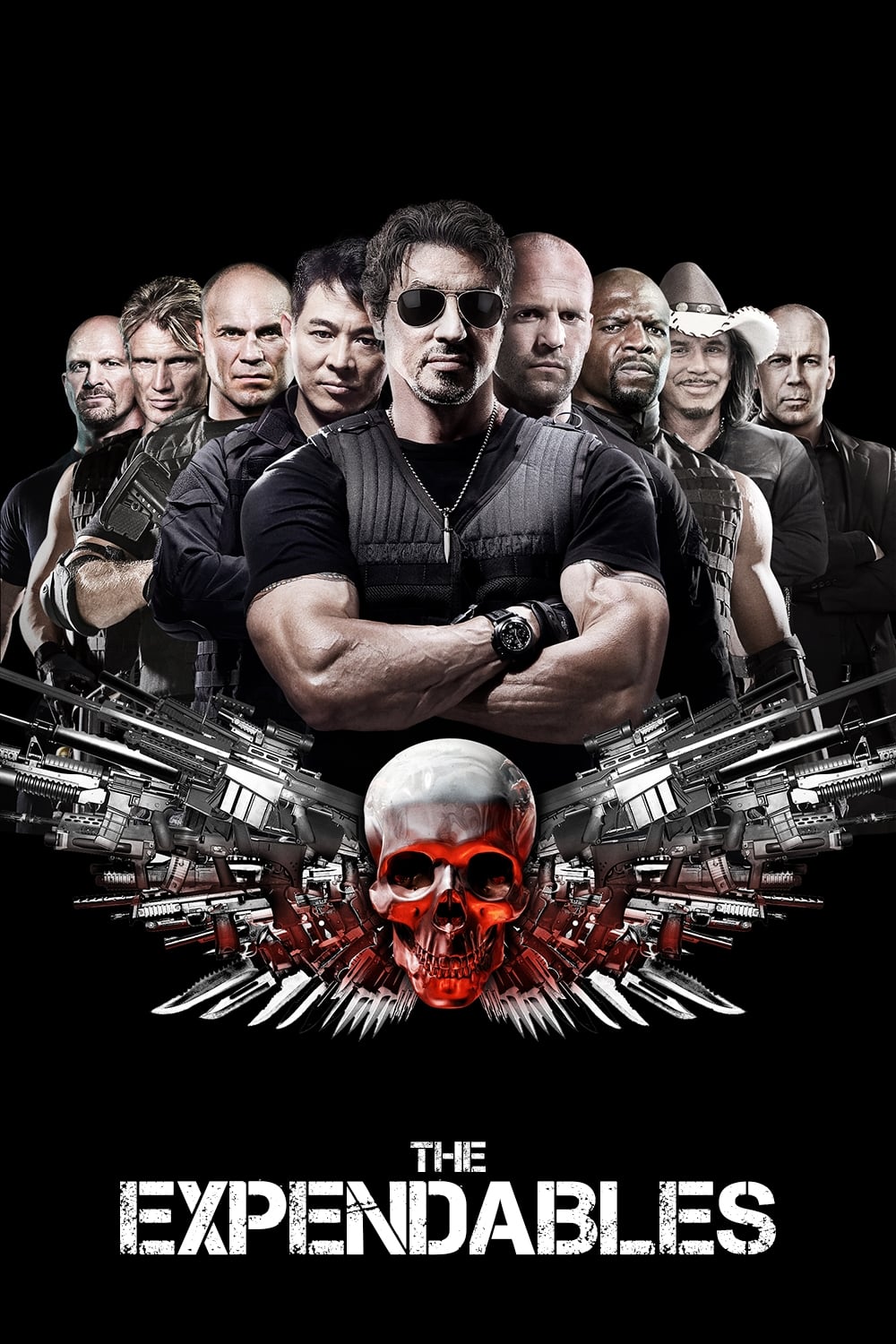
As Yin Yang, Li contributed knife-centric choreography and compact takedowns within large ensemble firefights. His sequences emphasized economy of motion and point-blank control techniques. The series format gave him recurring showcases amid heavy-ordnance set pieces. It also linked his legacy to a multi-generation action roster across several entries.
Wushu foundation that shaped screen movement
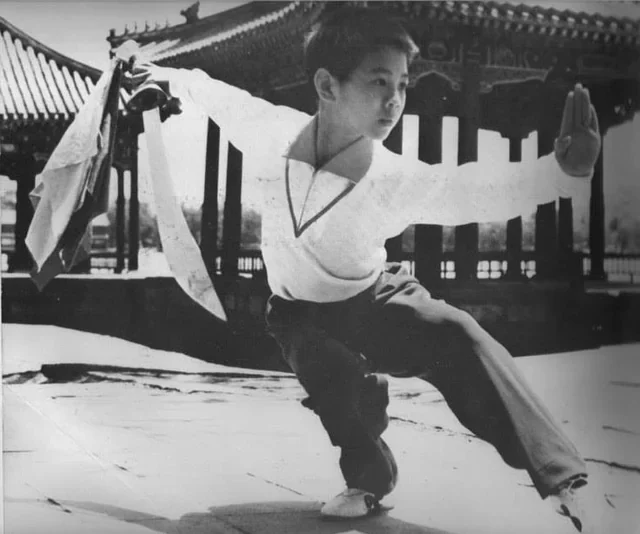
Before acting, Jet Li trained at Beijing’s Wushu Team level, competing and performing nationally. His background included changquan and weapons routines, forming the technical base seen in his screen work. Stage demonstrations and exhibition tours honed timing and audience awareness that translate directly to camera. This foundation underpins his ability to adapt style to period epics, urban thrillers, and ensemble films.
Have a favorite Jet Li moment or movie we missed? Share your picks in the comments!