15 Most Creative Ki Techniques (Non-Beam)


From the earliest tournaments in ‘Dragon Ball’ to the universe shaking battles of ‘Dragon Ball Z’ and ‘Dragon Ball Super’, characters have shown that ki can do far more than fire straight beams. Fighters use energy to move, heal, restrain, and even split or gather power in surprising ways. These techniques often appear at turning points and teach new rules for how ki works. Here are some of the most inventive non beam uses of energy across the series.
Solar Flare (Taiyoken)
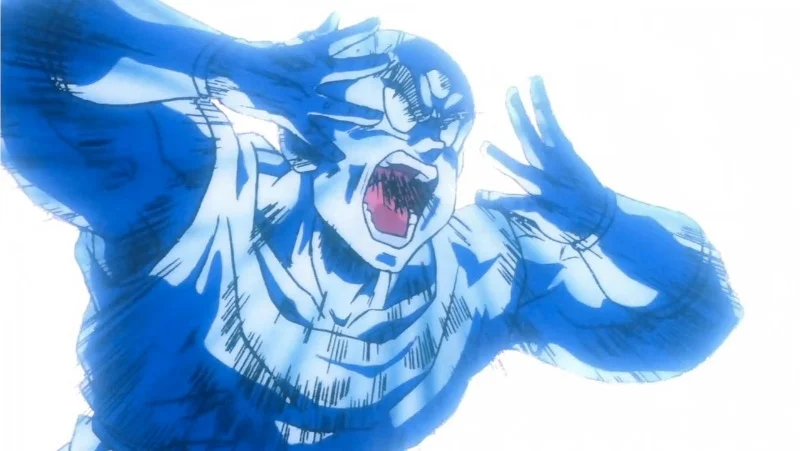
The Solar Flare overloads an opponent’s eyes with a burst of light to create an opening. Tien introduced it in ‘Dragon Ball’ and it became a reliable escape tool for characters like Krillin and Goku. The move works regardless of power gaps because it targets vision rather than durability. Enemies can counter it by closing their eyes or sensing ki, so timing matters.
Instant Transmission (Shunkan Idō)
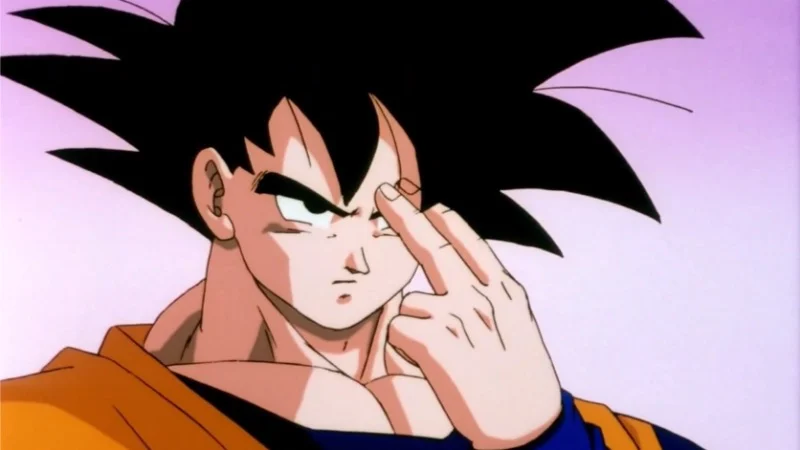
Instant Transmission lets the user teleport by locking onto a ki signature. Goku learned it from the Yardrats after the Frieza battle in ‘Dragon Ball Z’ and later refined it in ‘Dragon Ball Super’. The technique needs a clear energy target, which is why users often search for familiar ki across planets. Skilled fighters can chain jumps in rapid succession to dodge attacks or close distances.
Spirit Bomb (Genki Dama)
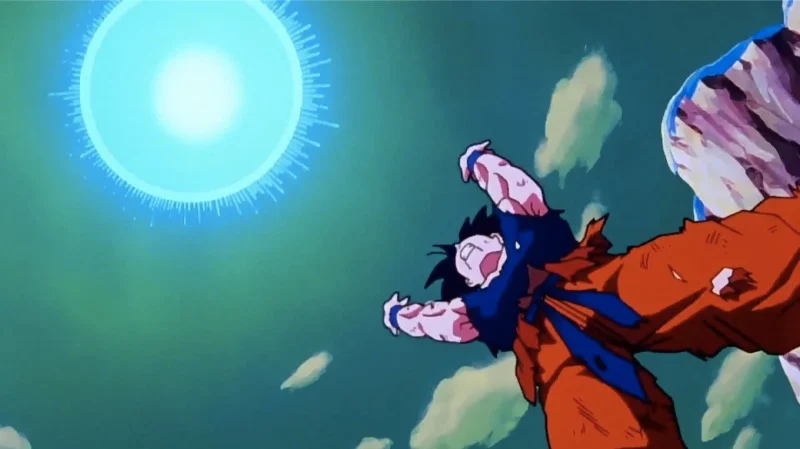
The Spirit Bomb gathers life energy from living beings rather than the user’s own ki. Goku forms it slowly and shapes the collected energy into a massive sphere that responds to his guidance. Because it relies on consent, allies and even entire worlds can contribute power. Purity of heart is required to control it safely, which limits who can use it.
Destructo Disc (Kienzan)
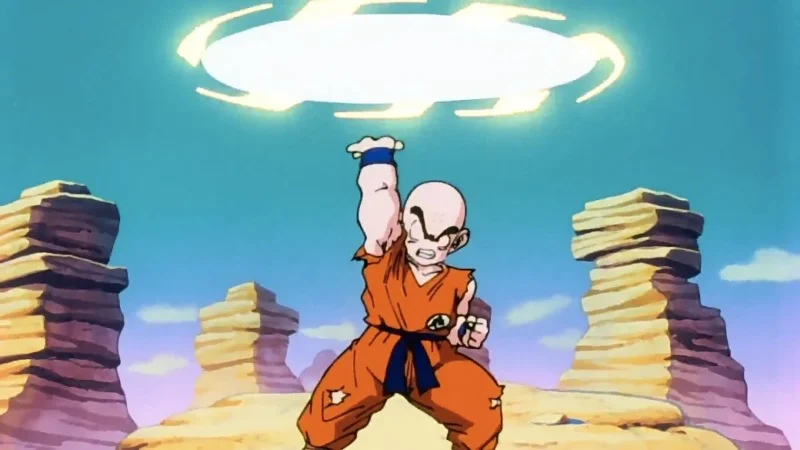
The Destructo Disc compresses ki into a razor sharp disc that slices rather than explodes. Krillin popularized it in ‘Dragon Ball Z’ and it threatens even stronger foes due to its cutting property. The disc travels on a set path and can be thrown in multiples or curved slightly with practice. Precision and timing are key because it offers little in the way of defense if it misses.
Kaioken
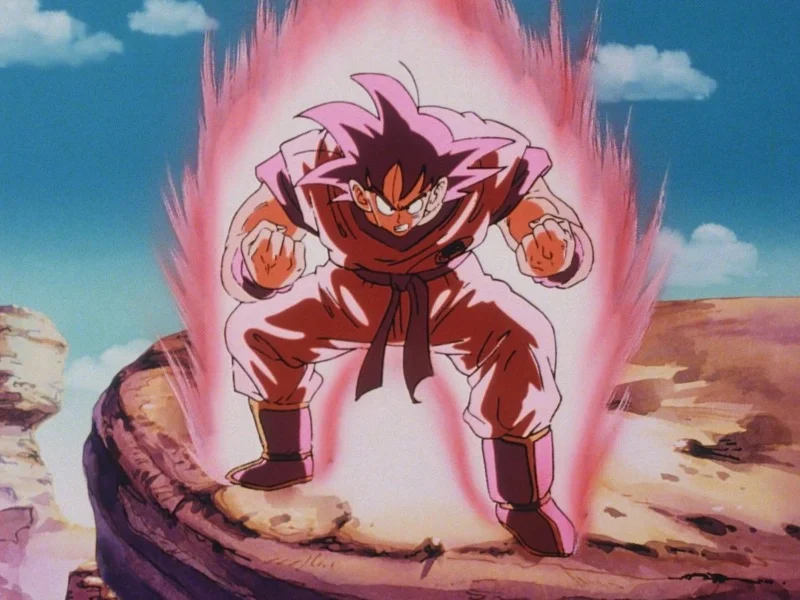
Kaioken multiplies the user’s power output for a short window by overclocking ki flow. King Kai taught it to Goku, who stacked it with transformations in ‘Dragon Ball Super’ at great risk. The technique taxes the body and drains stamina quickly, so users must manage the multiplier level. It is best used in bursts to push speed or strength at critical moments.
Spirit Ball (Sokidan)
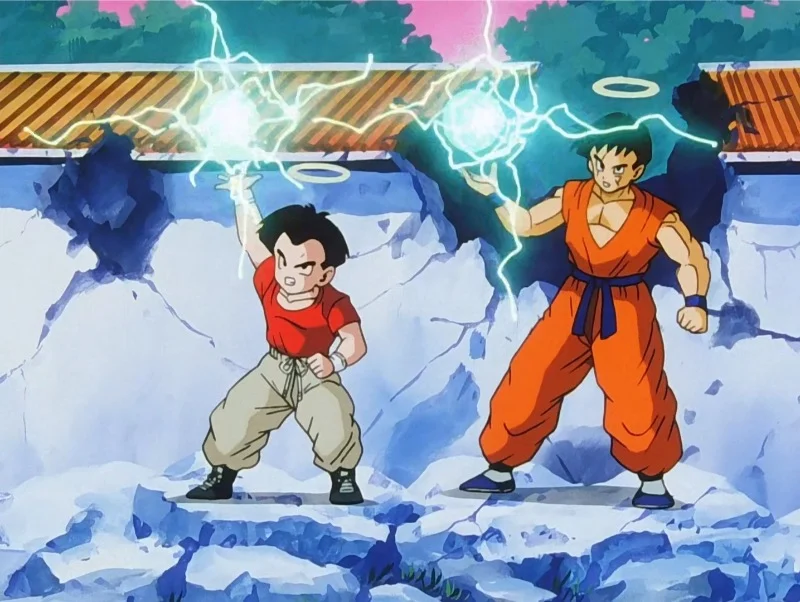
The Spirit Ball forms a small orb of ki that the user can steer by hand movements. Yamcha employed it in ‘Dragon Ball Z’ to track opponents around obstacles and hit from unexpected angles. Because the orb moves relatively slowly, it excels at pressure and redirection rather than raw damage. The user can loop it back for follow up strikes while maintaining line of sight.
Multi Form (Shishin no Ken)
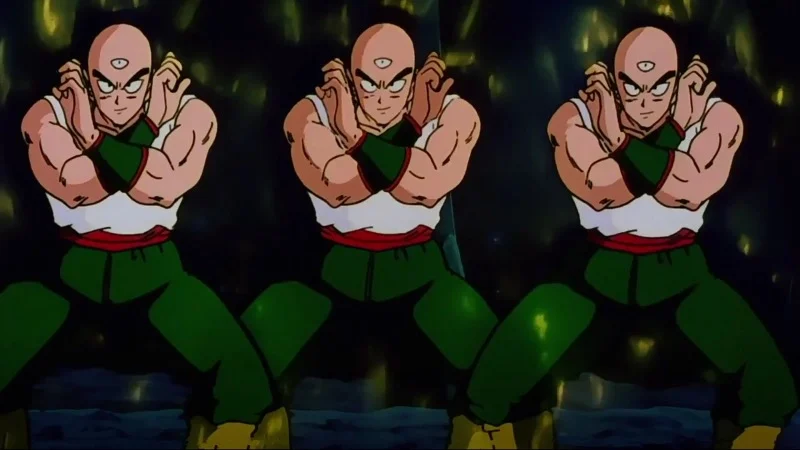
Multi Form splits a fighter’s power among physical copies that can fight independently. Tien demonstrated it in ‘Dragon Ball’ and later used versions of it during group battles. Each clone holds only a fraction of the original strength, which makes coordination crucial. The technique shines when surrounding foes or baiting counters that expose weak points.
Ki Barrier
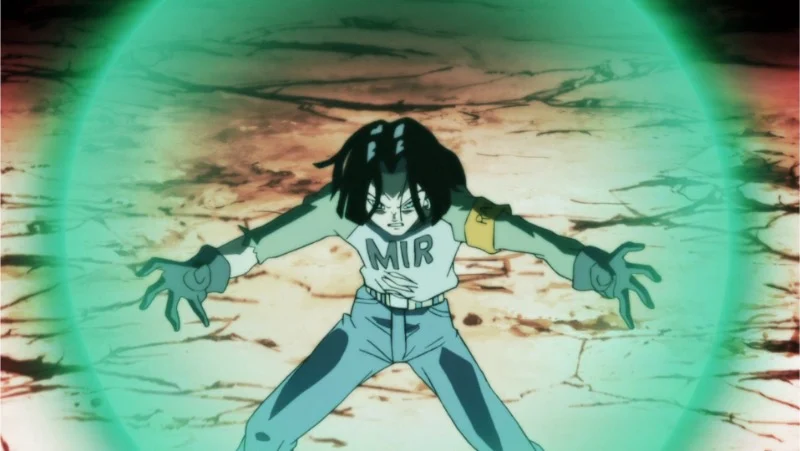
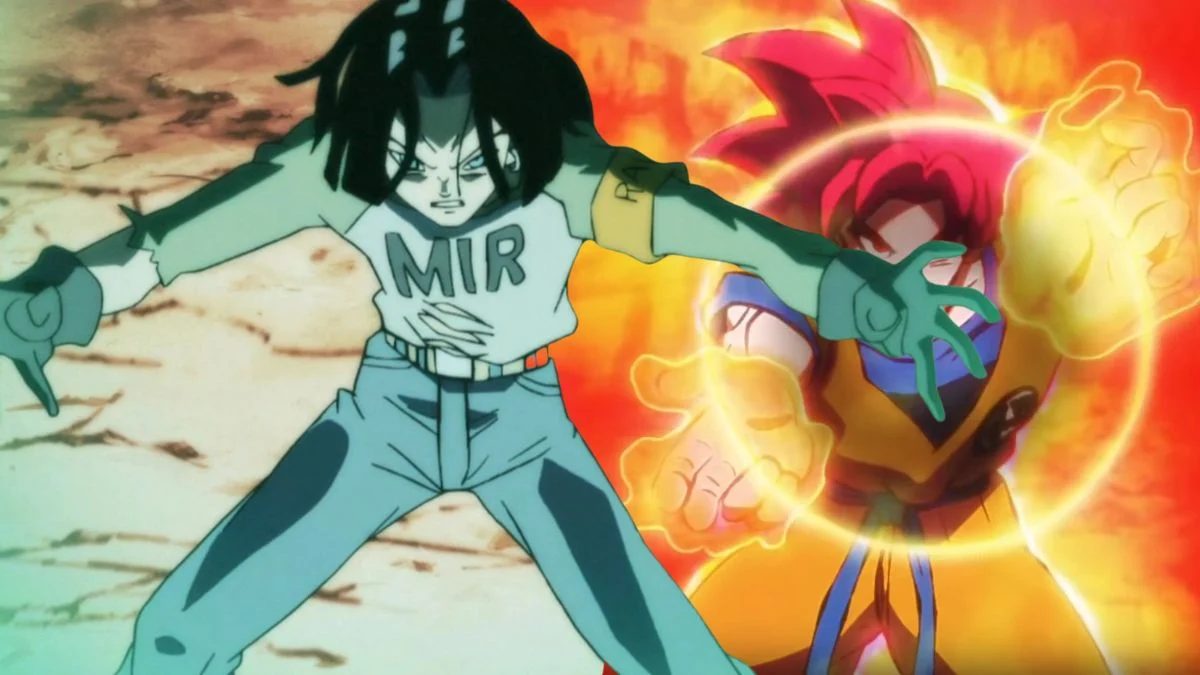
A Ki Barrier projects energy outward to absorb or deflect incoming attacks. Android 17 showcased advanced barriers that shaped to his movements in ‘Dragon Ball Super’. Barriers can be expanded to protect allies or tightened for personal defense, though both consume steady energy. Stronger strikes chip away at a shield, so users balance size, density, and duration.
Kiai Shockwave
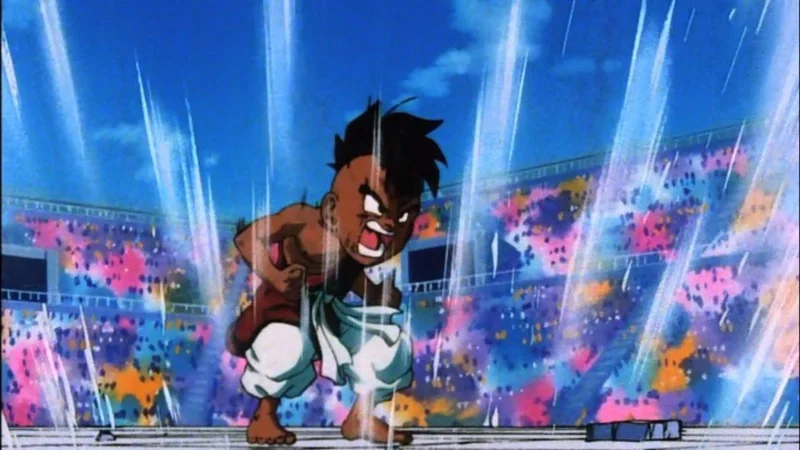
Kiai uses compressed ki to unleash invisible pressure that pushes or stuns at close to mid range. Characters like Goku and Vegeta employ it to parry blows, cancel blasts, or pin enemies briefly. Because it propagates as force rather than light, it can surprise foes expecting a visible attack. The effect scales with the user’s control and timing more than with long charge times.
Energy Rings
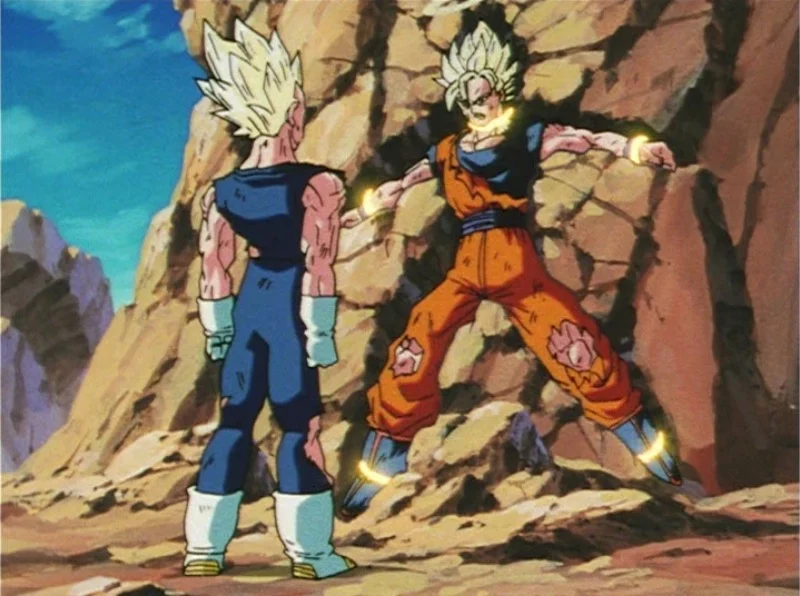
Energy Rings bind a target with hardened strands of ki to limit movement. Frieza used a version to restrain opponents by forming loops around limbs or the torso. The technique is effective against speedsters because it targets positioning rather than endurance. Struggling burns stamina and breaking free usually requires a surge of power or external help.
Healing Ki
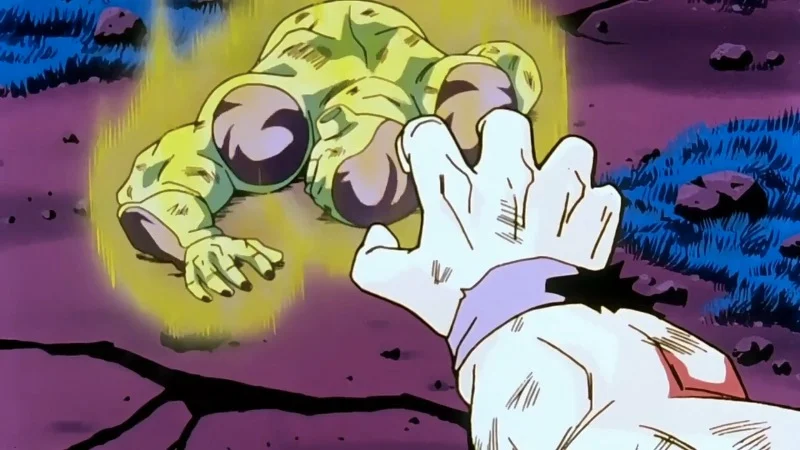
Healing Ki converts energy into restorative output that mends injuries and restores stamina. Namekian characters like Dende use it to stabilize allies during battles in ‘Dragon Ball Z’. Godly users in ‘Dragon Ball Super’ apply similar principles with greater efficiency and range. The process demands calm focus and drains the healer, which is why teams protect them during fights.
Forced Spirit Fission
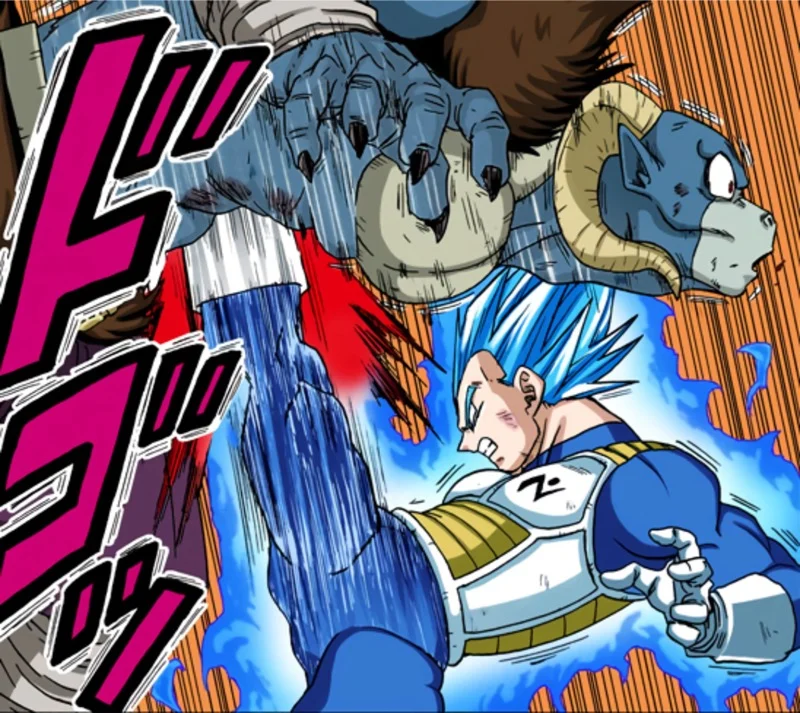
Forced Spirit Fission separates absorbed or fused energy back into its original owners. Vegeta learned it on Yardrat in ‘Dragon Ball Super’ and used it to undo power theft and giant fusions of ki. The technique requires clean strikes that tag the target with precise energy control. Once applied, gathered energy disperses and returns to individuals or the environment.
God Bind
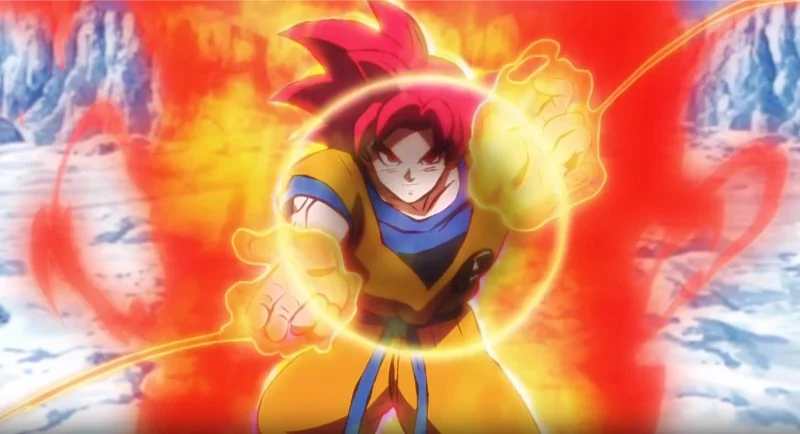
God Bind immobilizes a target by locking their ki with divine restraint. Goku used a version while in godly forms in ‘Dragon Ball Super’ to hold powerful foes in place. The technique restricts movement without causing direct damage, which sets up allies for coordinated attacks. It is less effective if the opponent destabilizes their own ki flow to slip the hold.
Hakai
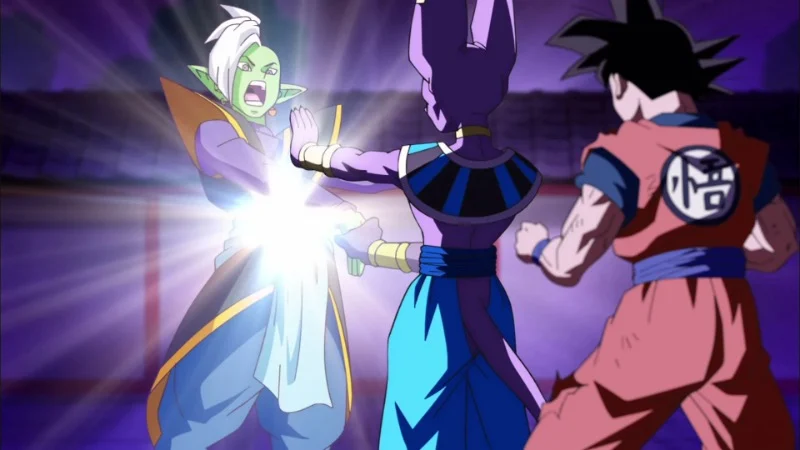
Hakai is a destructive application of godly energy that erases a target from existence. Gods of Destruction wield it freely, while mortals need intense training and proper mindset to attempt it in ‘Dragon Ball Super’. The move ignores conventional durability because it acts on the target’s essence rather than striking as a physical blow. Control determines scope, from small objects to large threats.
Ki Sensing and Suppression
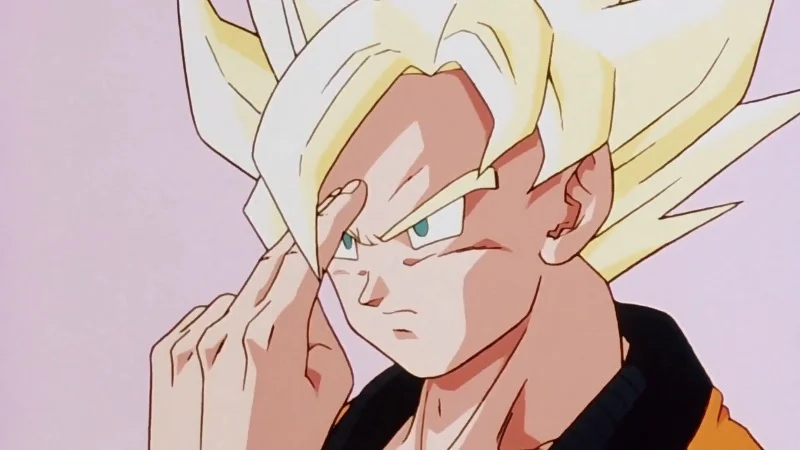
Ki Sensing detects energy signatures across distance to track allies or avoid ambushes. Fighters learn to read power levels, emotions, and intent by feeling fluctuations in the surrounding field. Suppression hides or lowers a signature to move unnoticed or bait an opponent into underestimating them. Together these skills shape strategy in ‘Dragon Ball’, ‘Dragon Ball Z’, and ‘Dragon Ball Super’ by guiding when to engage or retreat.
Tell us which non beam ki techniques you think deserve a spot and share your picks in the comments.