15 Most Satisfying Villain Defeats Without Plot Armor

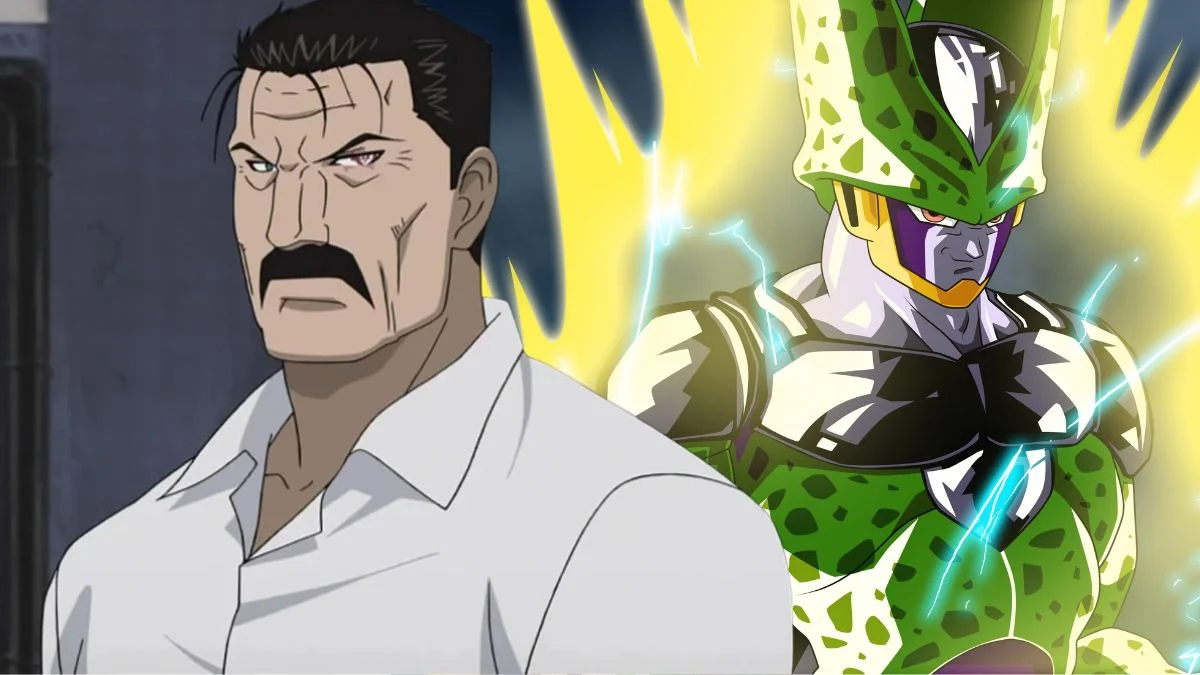

Great villain downfalls feel earned when the story sets clear rules, builds smart strategies, and lets consequences land. These anime defeats come from preparation, skill, and established mechanics rather than lucky breaks. Each one follows logic the series already laid out, whether through training arcs, tactical planning, or limits baked into a power system. Here are standout examples where the bad guys lost because the heroes actually outplayed them.
Pain

In ‘Naruto Shippuden’ Naruto enters the fight with intel gathered by Jiraiya and the village about the Paths’ shared vision and the Deva Path’s cooldown. He uses Sage Mode learned at Mount Myoboku and summons to neutralize multiple bodies before isolating the real controller. When the Deva Path’s repulsion window opens, Naruto times his assault to break the formation. After winning, he tracks Nagato to the hidden location using Fukasaku’s detection and the chakra receiver trail.
Father

In ‘Fullmetal Alchemist: Brotherhood’ Father drains Amestris through a nationwide transmutation circle he prepared for decades. Hohenheim counters with an equal and opposite circle powered by the souls he placed around the country, stripping Father of stolen energy. The homunculus fails to stabilize the power of “God” inside him and becomes vulnerable once the container collapses. Teamwork from the State Alchemists and Xingese techniques pin him down for extraction of the Philosopher Stone fuel.
King Bradley
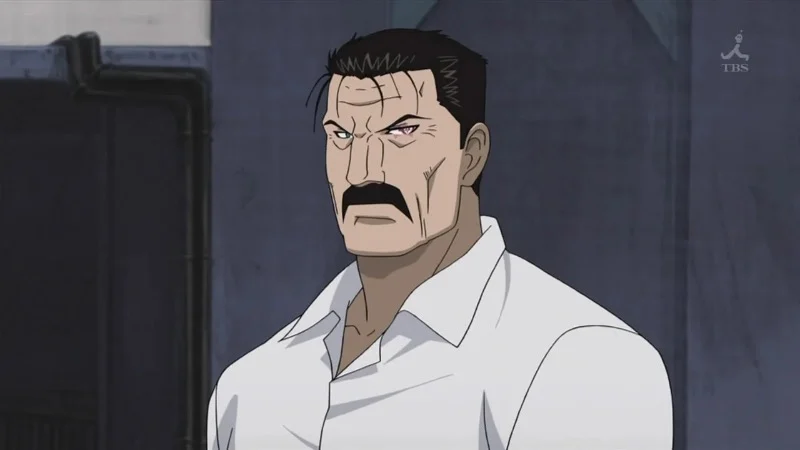
In ‘Fullmetal Alchemist: Brotherhood’ Bradley’s Ultimate Eye gives him predictive combat, but Scar forces a battle in rain that disrupts footing and weapon control. Scar uses combined alchemy from his brother’s research to deconstruct and reconstruct, letting him destroy Bradley’s blade and break his rhythm. Wounds accumulate as Bradley relies on peak human limits rather than regeneration. The fight resolves when Scar leverages environmental hazards and close range to finish him.
Light Yagami
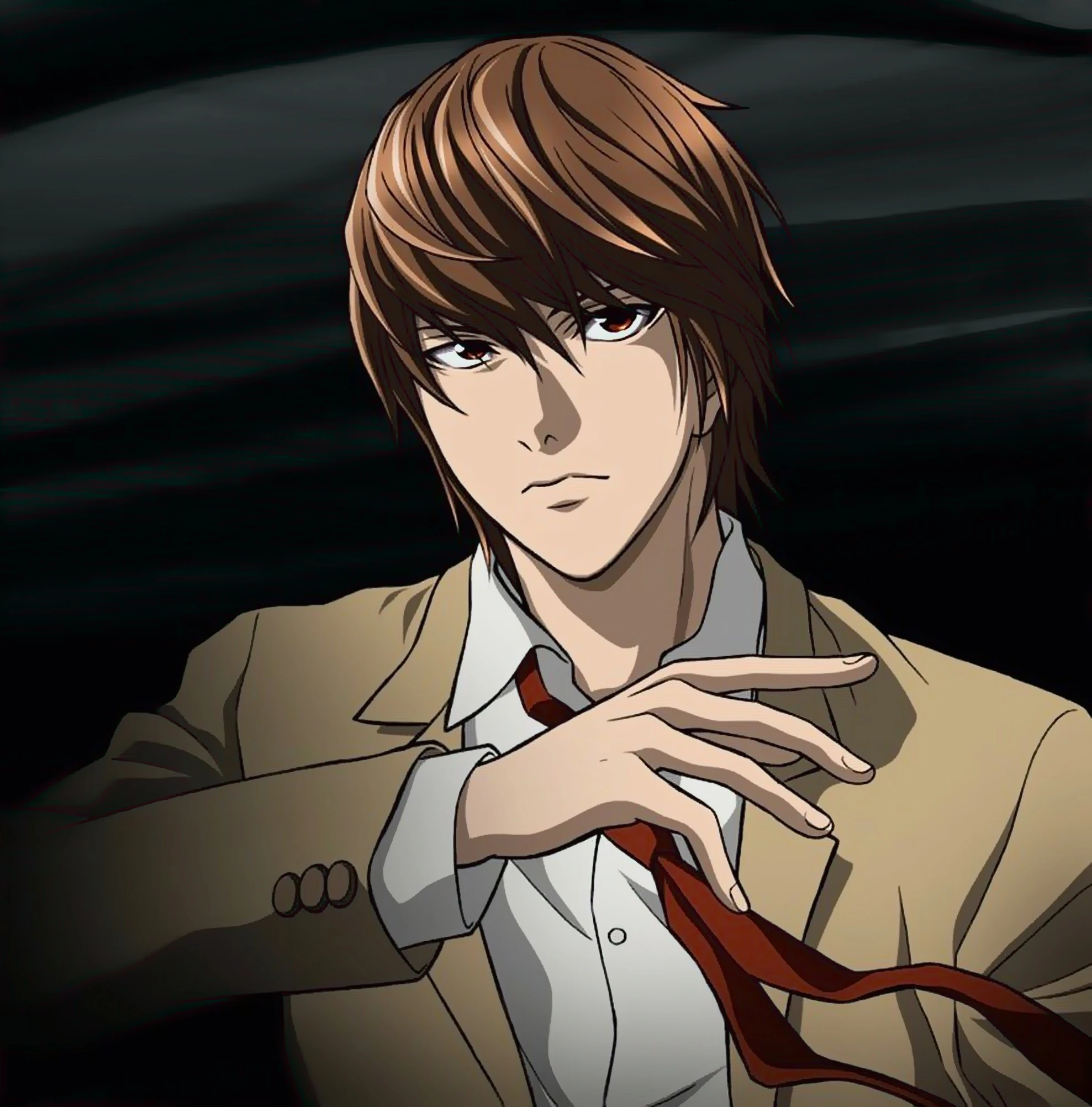
In ‘Death Note’ Near’s team swaps the real notebook pages used by Mikami and sets surveillance to confirm tampering. Light reveals himself when the fake page fails, proving he expected the deaths to trigger on schedule. L’s earlier rules testing and Near’s chain of custody plan remove the notebook’s authority at the decisive moment. The task force arrests Light based on evidence trails and prearranged contingencies rather than chance.
Donquixote Doflamingo
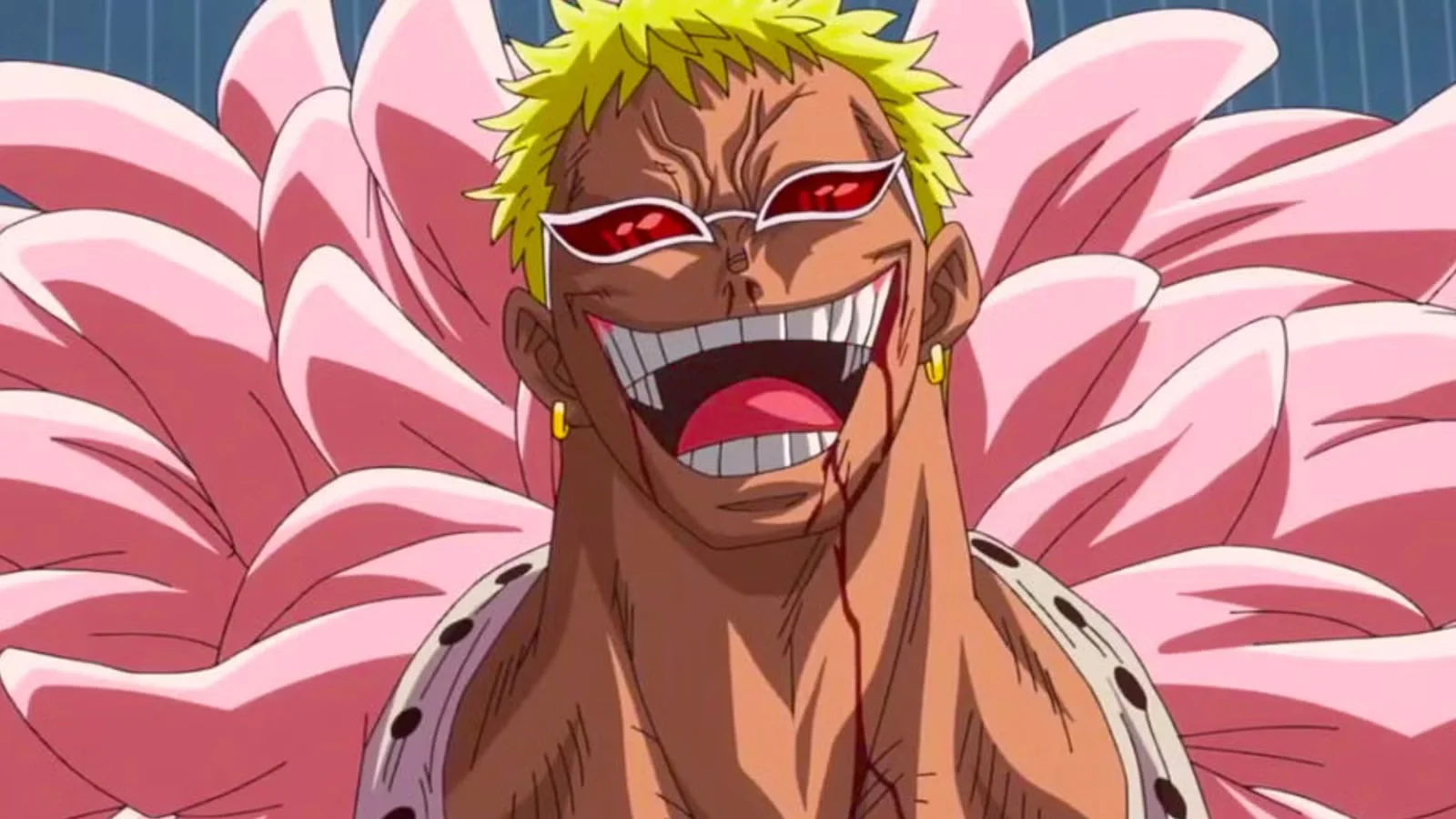
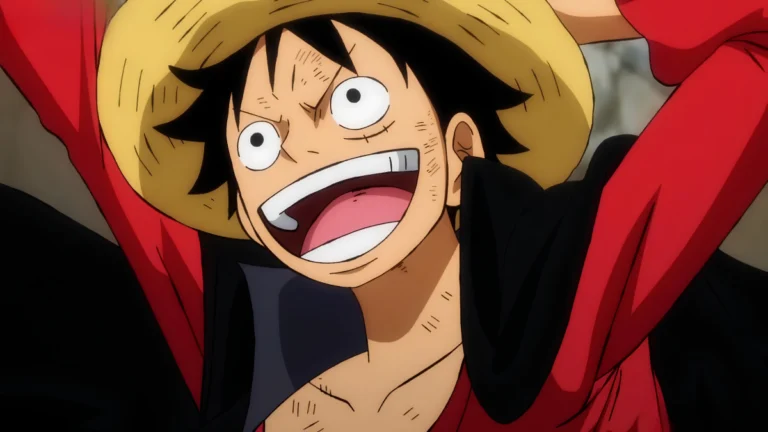
In ‘One Piece’ Law’s Ope Ope abilities weaken Doflamingo and cut vital strings holding his body together before Luffy engages. Luffy enters Gear Fourth which was foreshadowed by training on Rusukaina and built on Haki mechanics that counter string control. Citizens and allies prevent Doflamingo from buying time to heal by keeping the Birdcage from closing in. The last hit lands after Doflamingo’s overuse of Awakening leaves openings in his defense.
Crocodile
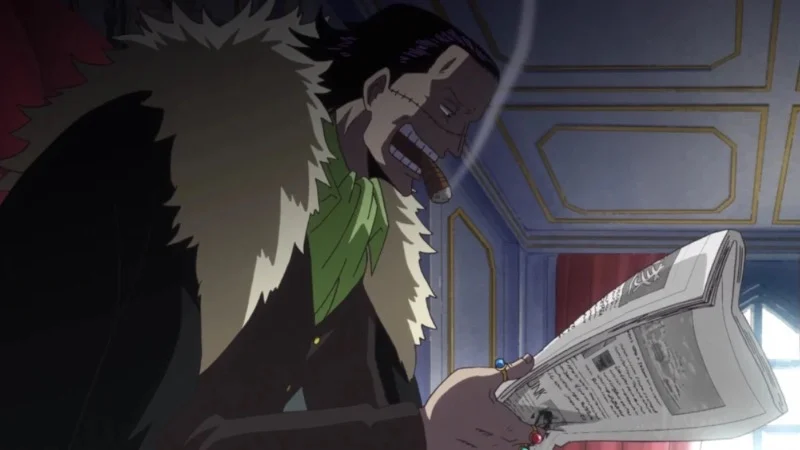
In ‘One Piece’ Luffy learns that moisture negates Crocodile’s sand intangibility and first uses water as a counter. After losing the supply mid fight, he switches to blood to keep Crocodile tangible at close range. The final battle in the tomb uses timing to avoid Desert Spada and to return the key strike when Crocodile underestimates his reach. Alabasta’s ancient weapon subplot creates stakes while the actual win depends on discovered weaknesses.
Frieza
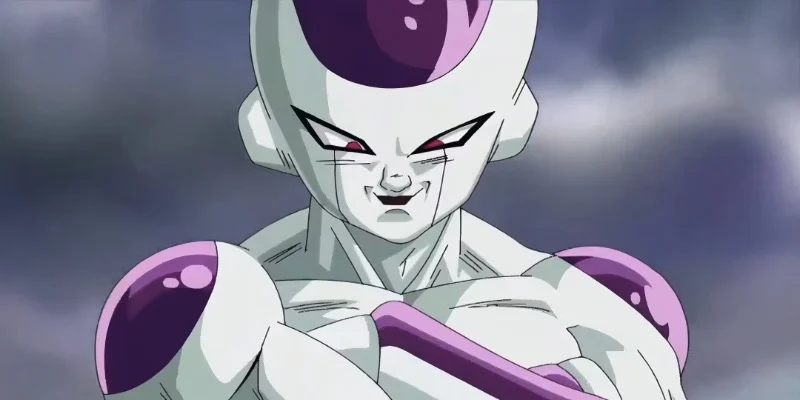
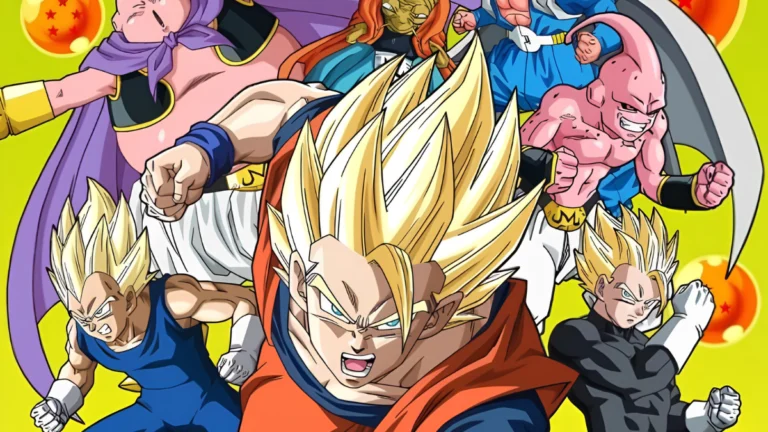
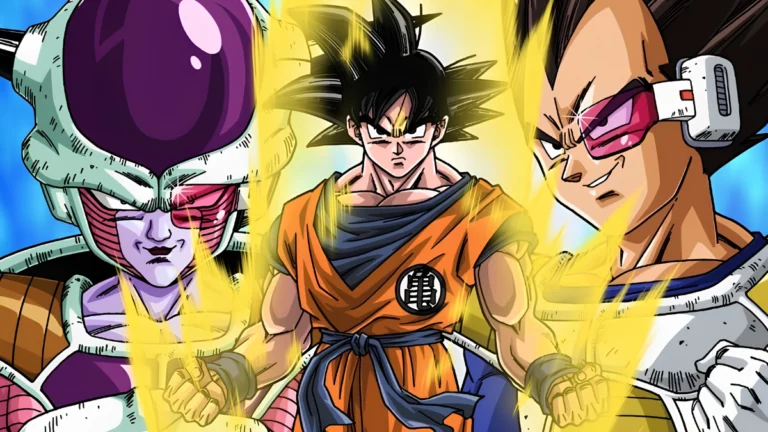
In ‘Dragon Ball Z’ Frieza’s stamina drops after pushing his transformations and failing to control his power output. Goku gathers energy and then uses sustained Super Saiyan strength once the transformation stabilizes. Frieza’s own attack backfires when he slices himself with the Destructo Disc variant and then loses focus as the planet destabilizes. The confrontation follows established power ceilings and the cost of reckless energy use.
Cell
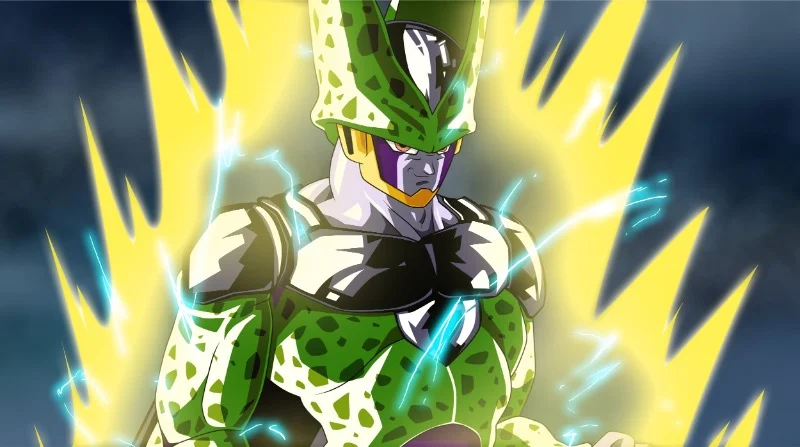
In ‘Dragon Ball Z’ Gohan’s power is cultivated through extended training in the Hyperbolic Time Chamber and triggers under pressure. Goku’s sacrifice removes him from the fight but sets up a duel that demands precision rather than brute force. Vegeta’s brief strike creates the opening for the Father Son Kamehameha which Gohan controls with superior ki management. Cell’s regeneration fails once his nucleus is overwhelmed by sustained output.
Sōsuke Aizen

In ‘Bleach’ Aizen’s Kyōka Suigetsu hypnosis is neutralized only after Ichigo trains in the Dangai and uses Final Getsuga Tenshō to drain his own power. With Aizen weakened and the Hōgyoku no longer responding perfectly to his will, Urahara’s high level binding and sealing kido finally take hold. Years of research into the Hōgyoku let Urahara anticipate the exact window to trigger the seal. The capture relies on layered preparation rather than a single surprise attack.
Meruem

In ‘Hunter x Hunter’ Netero detonates the Miniature Rose after exhausting conventional options against Meruem’s evolving strength. The poison is engineered to spread after the blast and continues acting even when Meruem survives the initial explosion. His return to the palace and final moments with Komugi occur while the toxin accelerates beyond recovery. The outcome follows the arc’s theme that overwhelming power still yields to human made weapons and tradeoffs.
Shishio Makoto
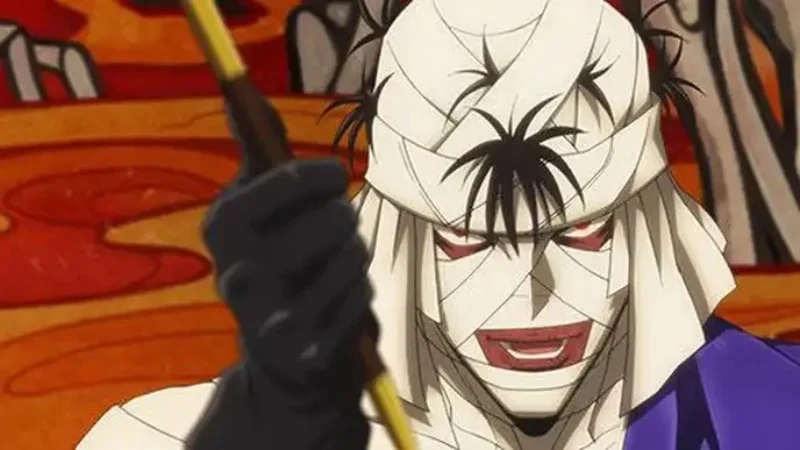
In ‘Rurouni Kenshin’ Shishio’s body cannot regulate heat due to severe burns and overheats during prolonged combat. Kenshin rotates with Saitō and Sanosuke to force Shishio into continuous exertion that pushes past his limit. The Gatotsu variations and Ama Kakeru Ryū no Hirameki target openings created by Shishio’s style and timing. Shishio collapses from thermal failure, a weakness stated early that dictates how the fight must be paced.
Esdeath

In ‘Akame ga Kill!’ Esdeath’s Mahapadma freezes time for short bursts which drains stamina with each activation. Akame uses Murasame’s trump card to amplify speed and prediction, letting her read Esdeath’s approach when time resumes. The battlefield is cleared to cut off ice constructs and restrict large scale control. Esdeath’s final charge fails once her own time limit and damage accumulation force a close range exchange Akame prepared for.
Zeke Yeager
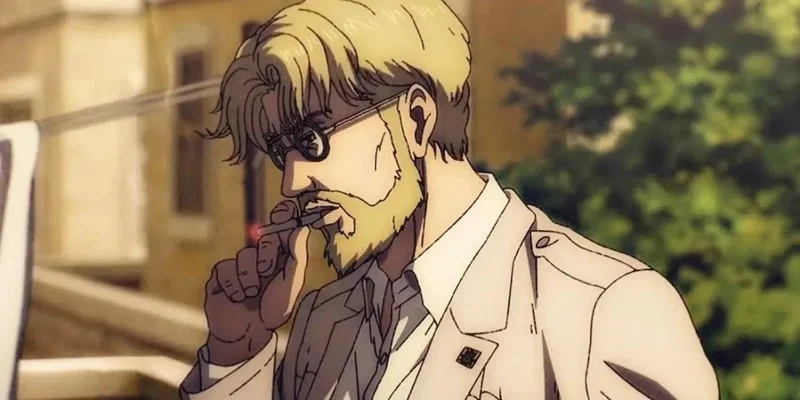
In ‘Attack on Titan’ Levi adapts to Beast Titan rock volleys by using vertical maneuvering gear with smoke cover and terrain masking. He disables Zeke with targeted cuts to joints and eyes before preventing transformation with explosive restraints. Later confrontations keep Zeke under watch and separate him from Marleyan artillery support that previously gave him range advantage. The final kill comes once Zeke is exposed without Titan protection after earlier plans dismantle his chain of command.
Naraku
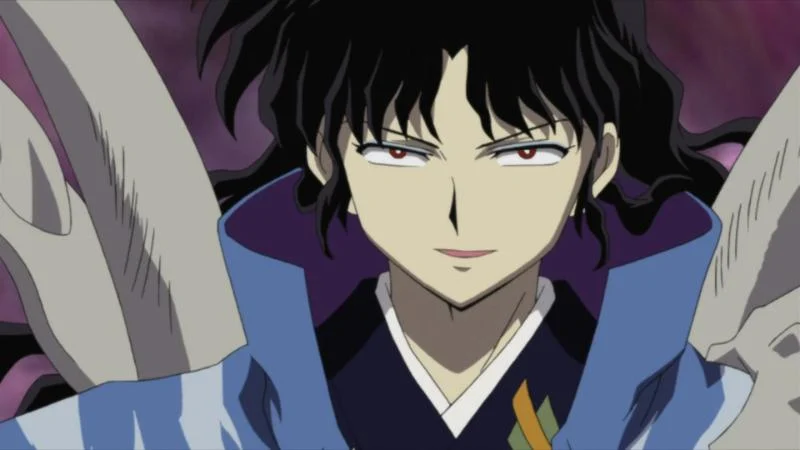
In ‘Inuyasha’ Naraku gathers shards and barriers that resist most attacks, so the heroes pursue purification rather than raw damage. Kagome’s spiritual power and the Shikon Jewel’s true nature become the key to deny him corrupt energy. When Naraku forces the final wish, Kagome’s choice purifies the Jewel and collapses his remaining defenses. Inuyasha’s attacks land once the barrier drops and Naraku loses the malicious fuel that sustained regeneration.
Dio Brando
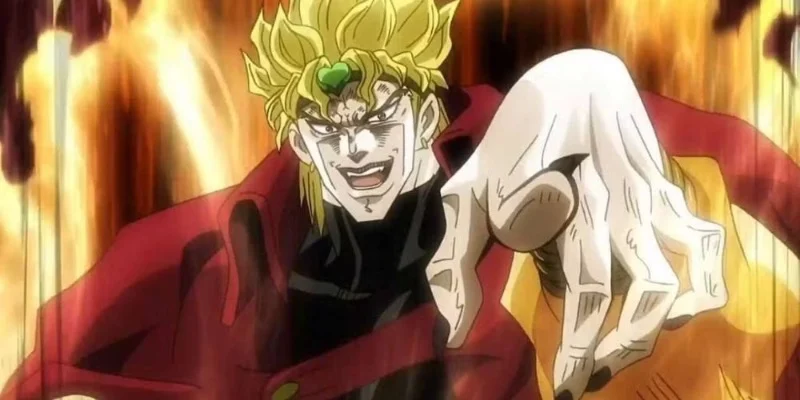
In ‘JoJo’s Bizarre Adventure: Stardust Crusaders’ Dio’s The World stops time, but Jotaro deduces Star Platinum shares the same latent ability. Jotaro tests feints like playing dead and magnetic tricks to confirm Dio’s assumptions and measure duration. Once the time stop windows are understood, Jotaro moves during the gap and counters the road roller strike. The victory follows the series’ rule that Stands with similar types can evolve in parallel when pushed.
Share the defeats you think were earned the hard way in the comments.