Top 10 Coolest Things About Tom Hanks

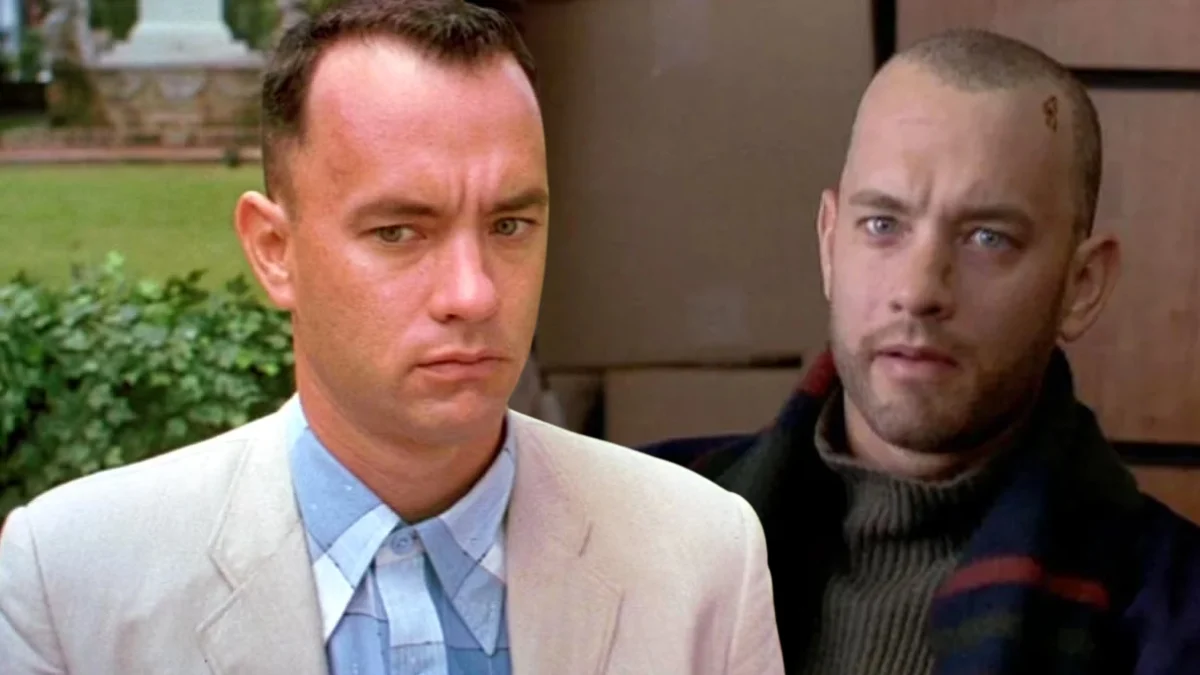

Tom Hanks has built a career packed with era-defining roles and powerhouse projects across film and television, often shaping how those stories were made behind the scenes, too. Below are ten standout highlights centered on specific movies and shows—what he did in them, how they were produced, and why they matter from a factual, nuts-and-bolts perspective. From groundbreaking animation to meticulously staged war epics, these entries trace the craft, collaborations, and production feats that mark his work. Dive in to see how these projects came together and the concrete achievements attached to each one.
‘Philadelphia’ (1993) – a historic Best Actor win that reshaped mainstream AIDS narratives
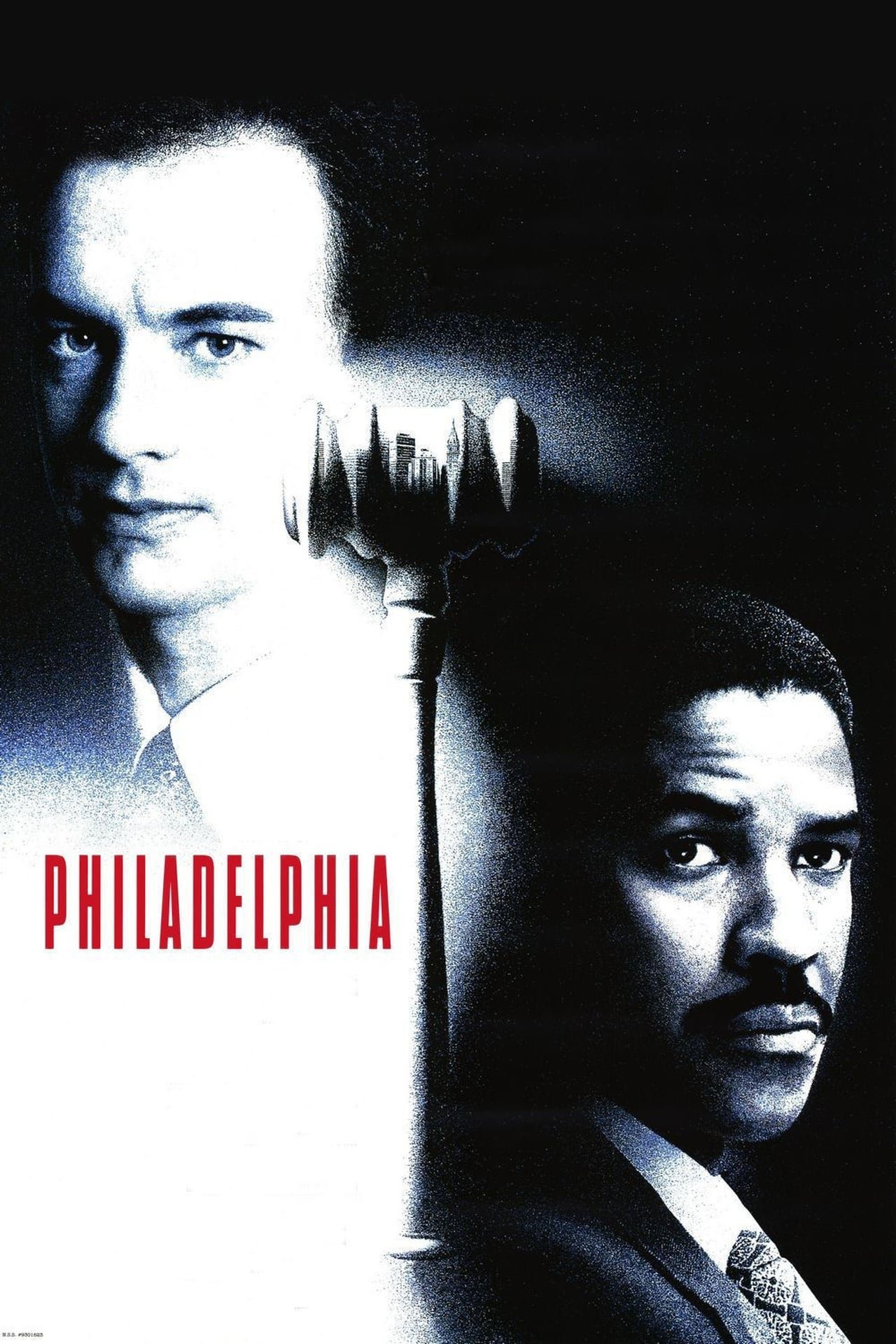
Hanks portrayed attorney Andrew Beckett, one of the first major studio film protagonists with AIDS, and won the Best Actor Oscar for the role. The production consulted legal and medical experts to ground court proceedings and health details in real practices. Bruce Springsteen’s song ‘Streets of Philadelphia’ was commissioned for the film and went on to major awards of its own. The movie’s success paved the way for more studio-backed stories addressing HIV/AIDS with legal and workplace discrimination angles.
‘Forrest Gump’ (1994) – second consecutive Best Actor win and a VFX milestone
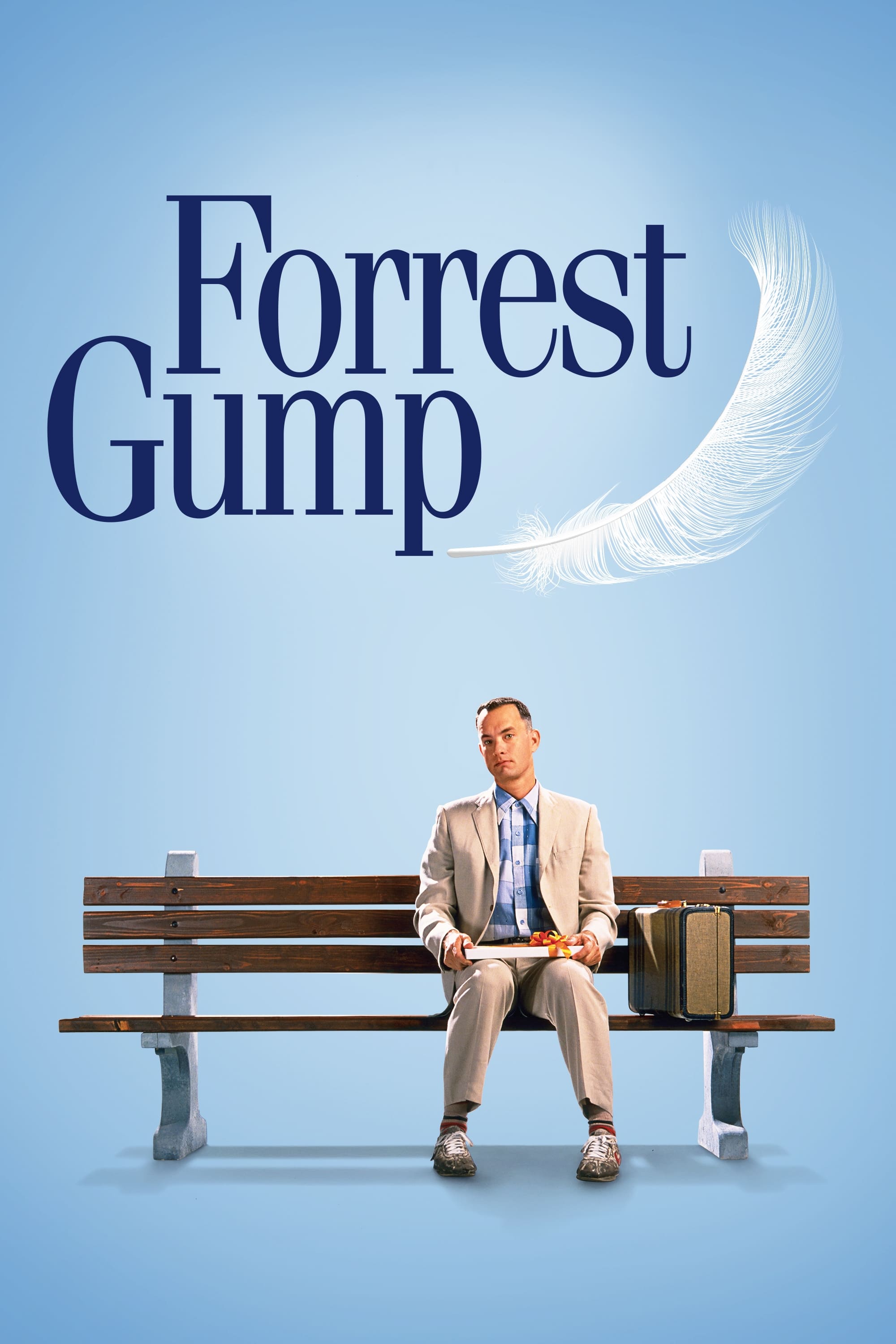
Hanks earned a second straight Best Actor Oscar for playing Forrest, making him part of a small group with back-to-back wins in that category. The film pioneered digital effects to insert the character into archival footage alongside historical figures and events. Production combined Southern U.S. locations with extensive post-production to blend period elements seamlessly. Its box-office performance turned the project into a long-tail cultural and commercial phenomenon, including enduring quotes and soundtrack sales.
‘Toy Story’ (1995) – giving voice to Woody in the first fully computer-animated feature
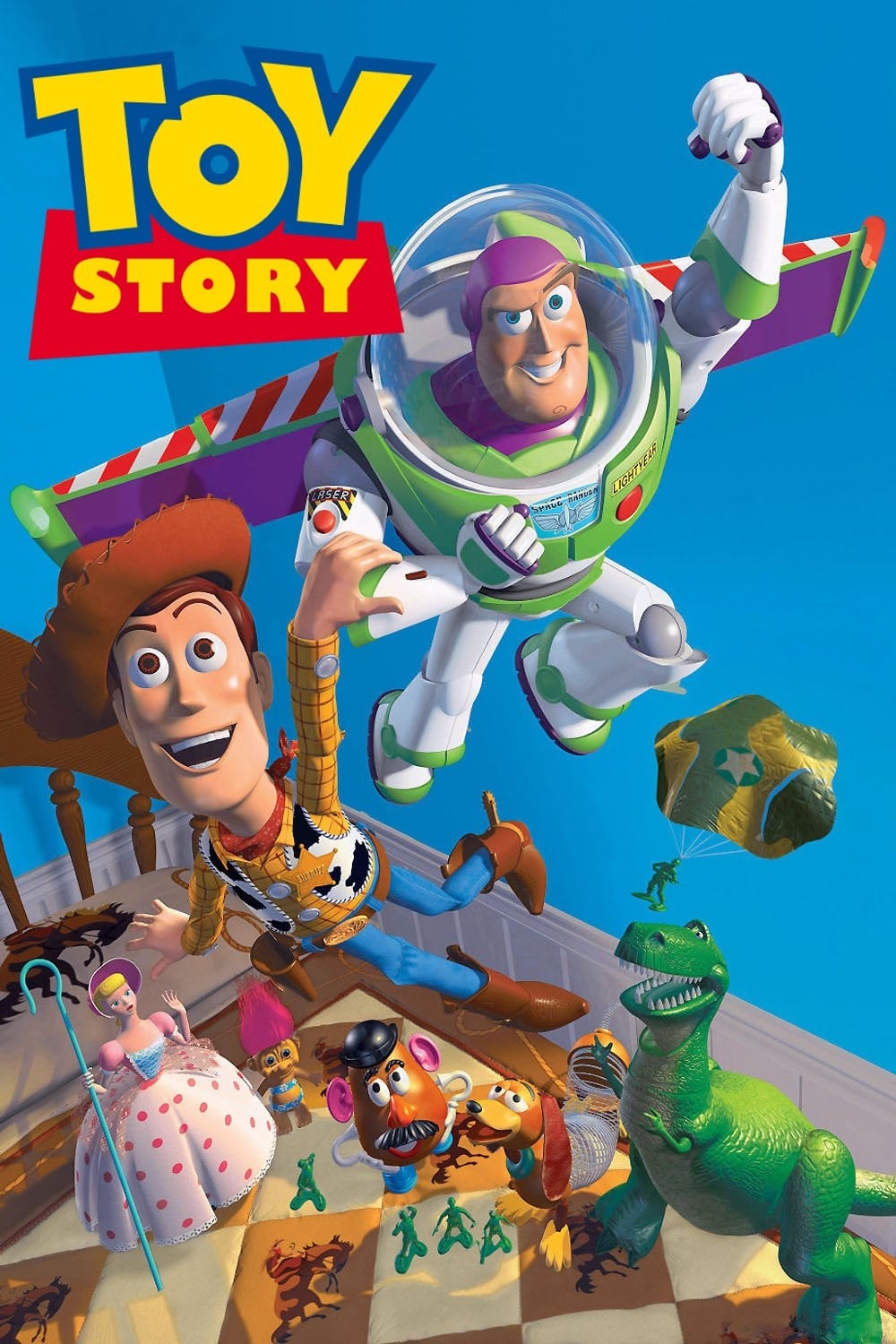
Hanks voiced Sheriff Woody, anchoring the film’s emotional through-line across a groundbreaking all-CGI production pipeline. Voice sessions were recorded iteratively as Pixar reworked storyboards and animatics, a process that shaped character beats and timing. The film’s success established a flagship franchise with sequels, shorts, and global merchandising. Woody’s character arc became a template for serialized character development in feature animation.
‘Saving Private Ryan’ (1998) – realism through boot camp training and combat cinematography
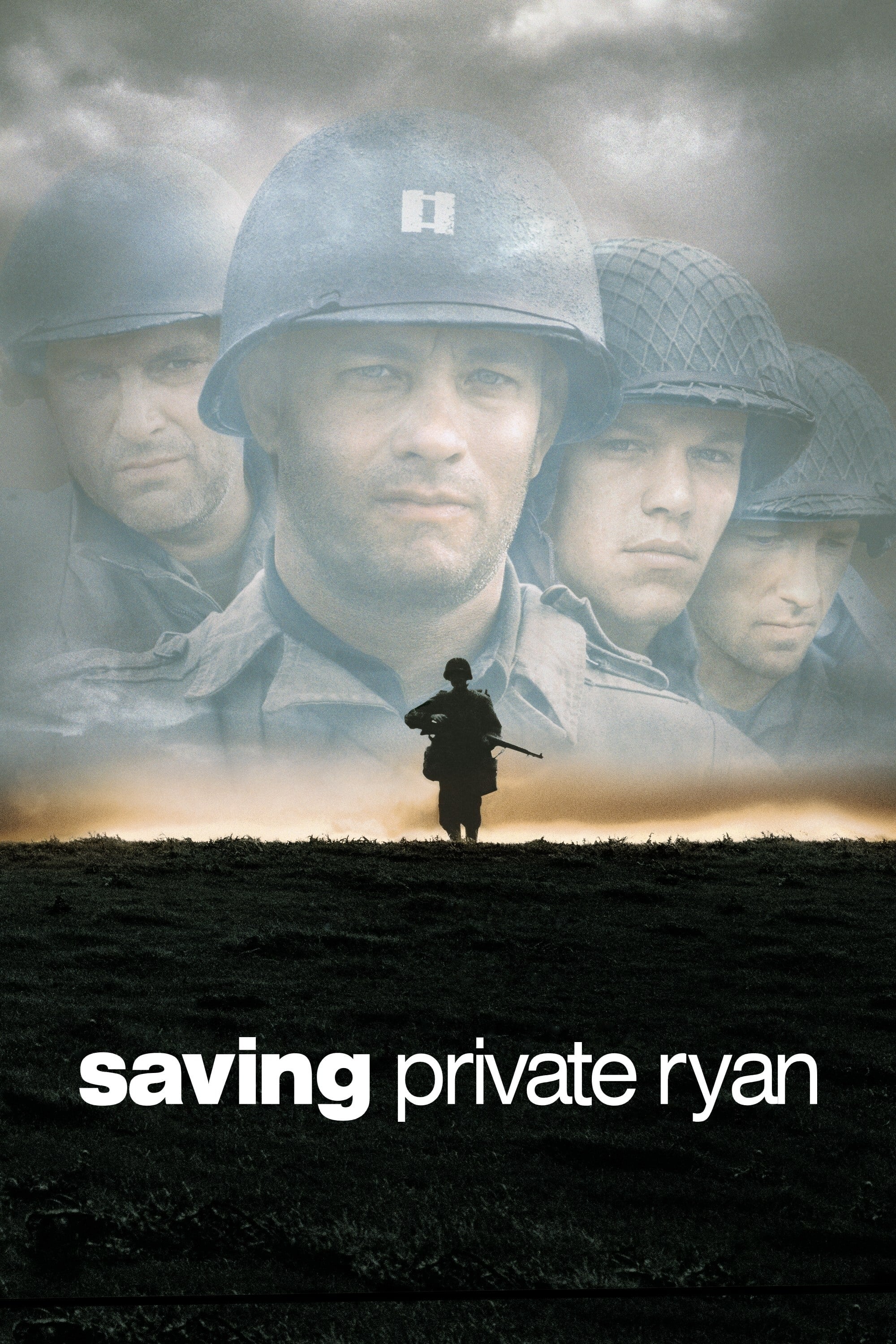
As Captain John H. Miller, Hanks led a cast that completed a military-style boot camp to build unit cohesion before filming. The Omaha Beach sequence was staged with large-scale practical effects, carefully choreographed extras, and desaturated, shutter-manipulated cinematography. The film’s authenticity influenced later war productions, including technical standards for costuming, sound design, and battlefield camera work. Its success deepened Hanks’s collaboration with Steven Spielberg, directly informing subsequent TV projects.
‘Band of Brothers’ (2001) – executive producer, writer, and director roles rolled into one
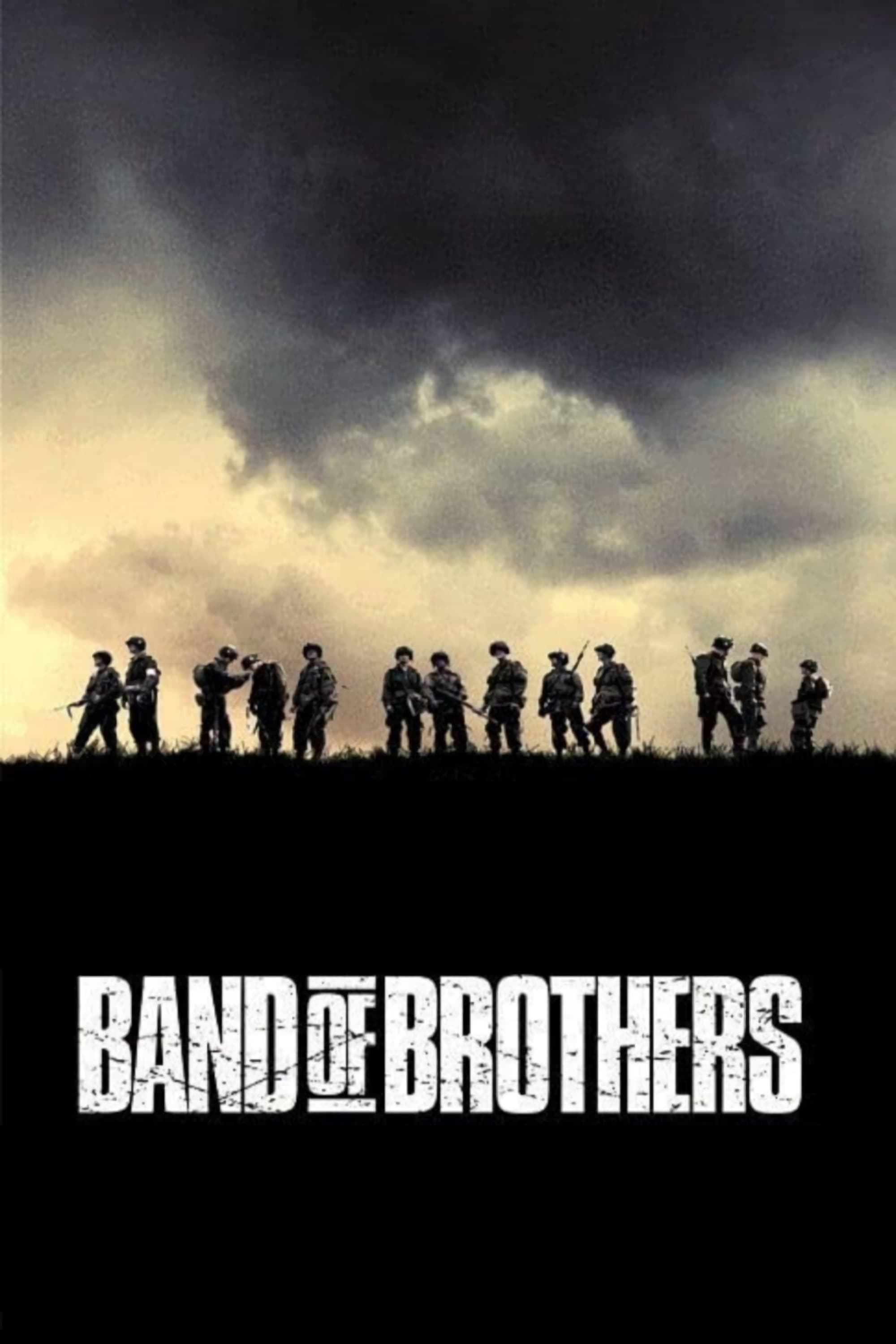
Hanks co-founded Playtone and used the company to co-produce the miniseries, also co-writing and directing an episode. The production employed military historians and veterans’ accounts to guide scripts, ranks, unit structures, and equipment details. Large European backlots and practical pyrotechnics recreated varied WWII theaters with attention to unit insignia and period tactics. The series went on to major awards, cementing a prestige blueprint for limited war dramas.
‘Cast Away’ (2000) – a production built around extreme body transformation and a mid-shoot hiatus
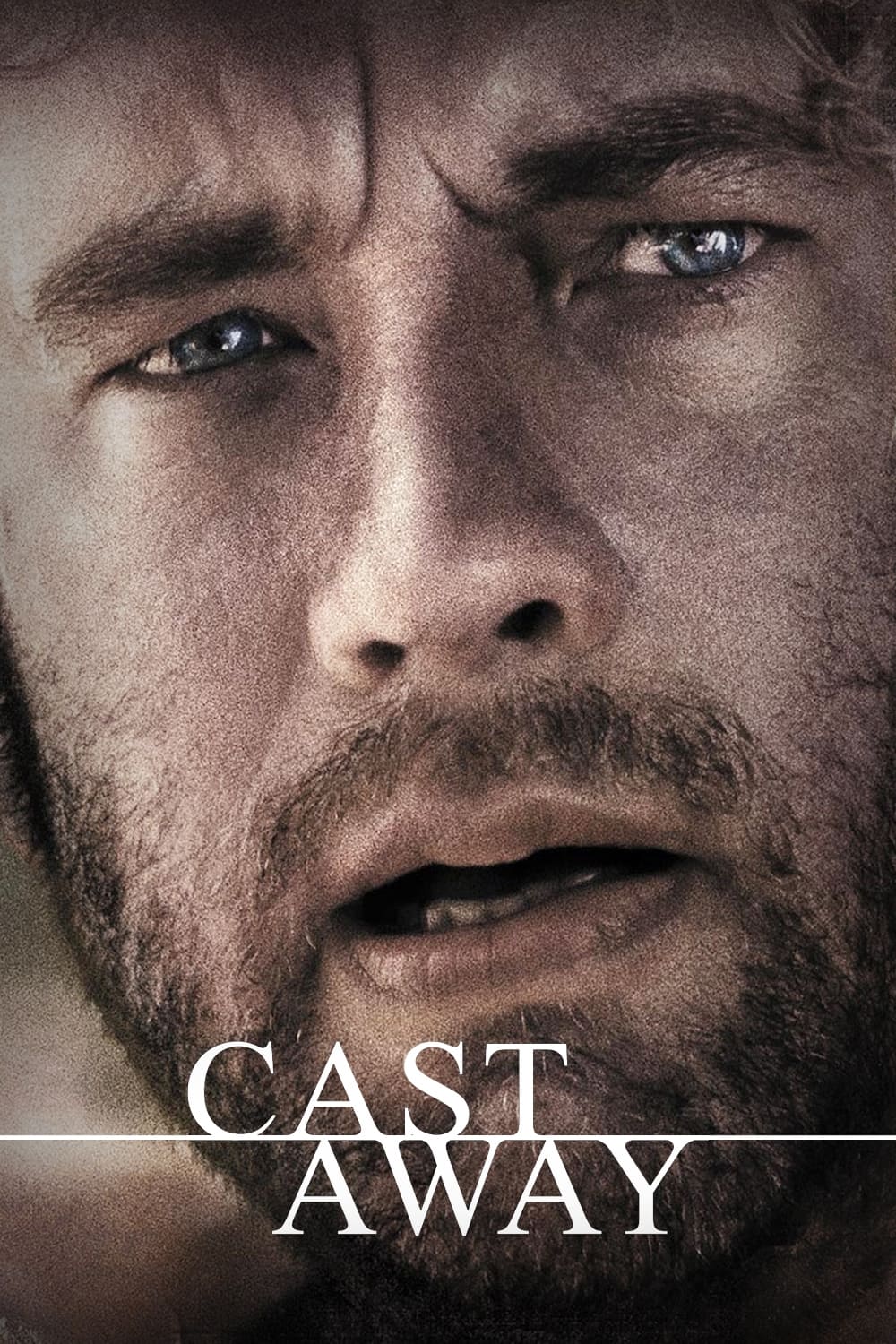
To portray FedEx systems engineer Chuck Noland, Hanks completed substantial weight changes, and production paused for months to document the character’s physical shift. The crew shot on a remote Pacific island, coordinating logistics for minimal crew presence and natural-light photography. Survival techniques—including fire-making and fish-spearing—were integrated after consultation with experts to keep on-screen actions credible. The prop volleyball Wilson was fabricated in multiple versions to match specific scenes and wear levels.
‘Apollo 13’ (1995) – zero-gravity filming and NASA-level technical advising
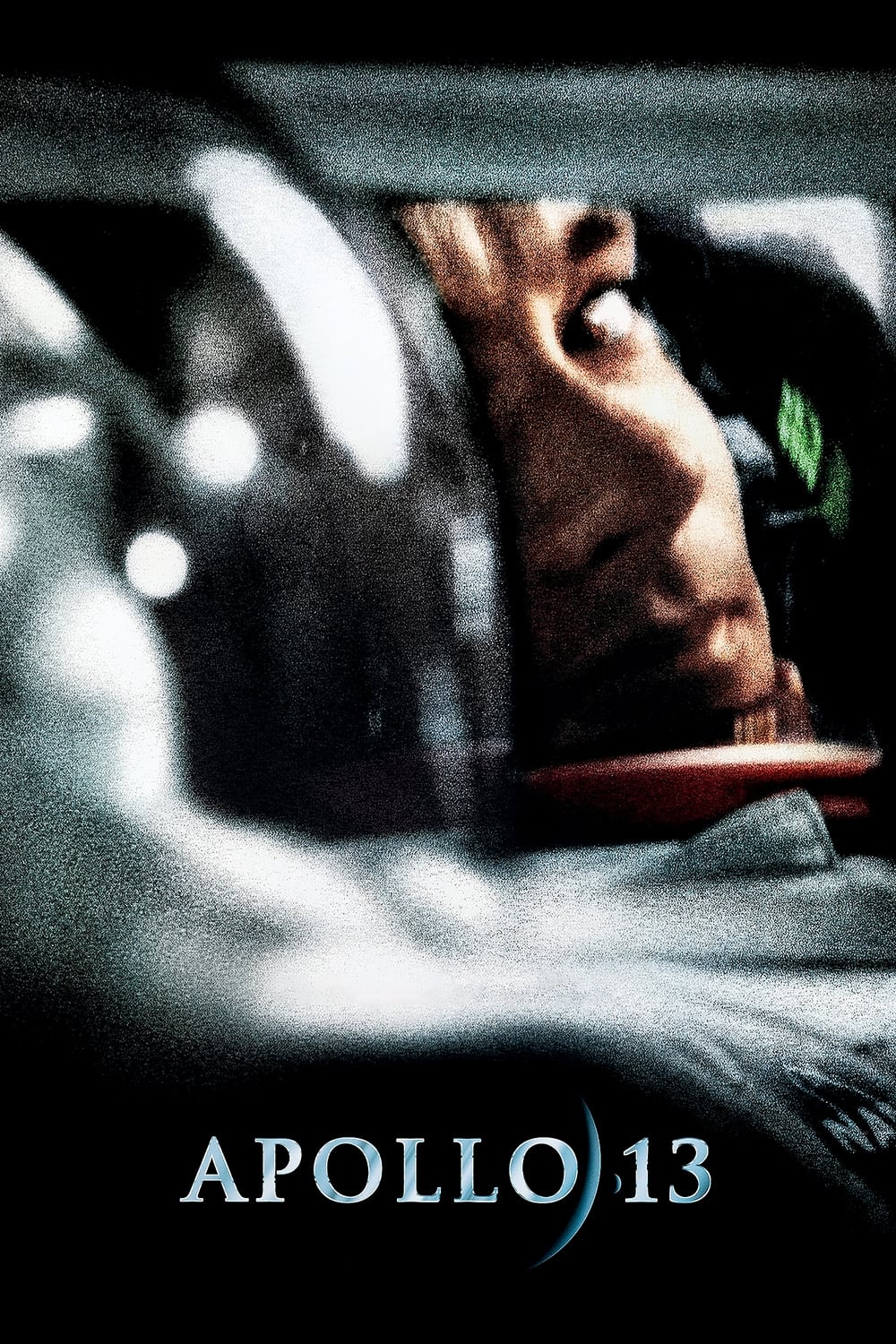
Hanks played astronaut Jim Lovell in a production that used parabolic flight to capture brief periods of real weightlessness on camera. NASA advisors worked with the crew on cockpit procedures, comms phrasing, and mission timelines. Set designs reproduced control panels, suits, and checklists based on mission photos and documentation. The film helped popularize detailed spaceflight problem-solving, bringing mission control operations to mainstream audiences.
‘A League of Their Own’ (1992) – sports choreography that mapped real gameplay to character beats
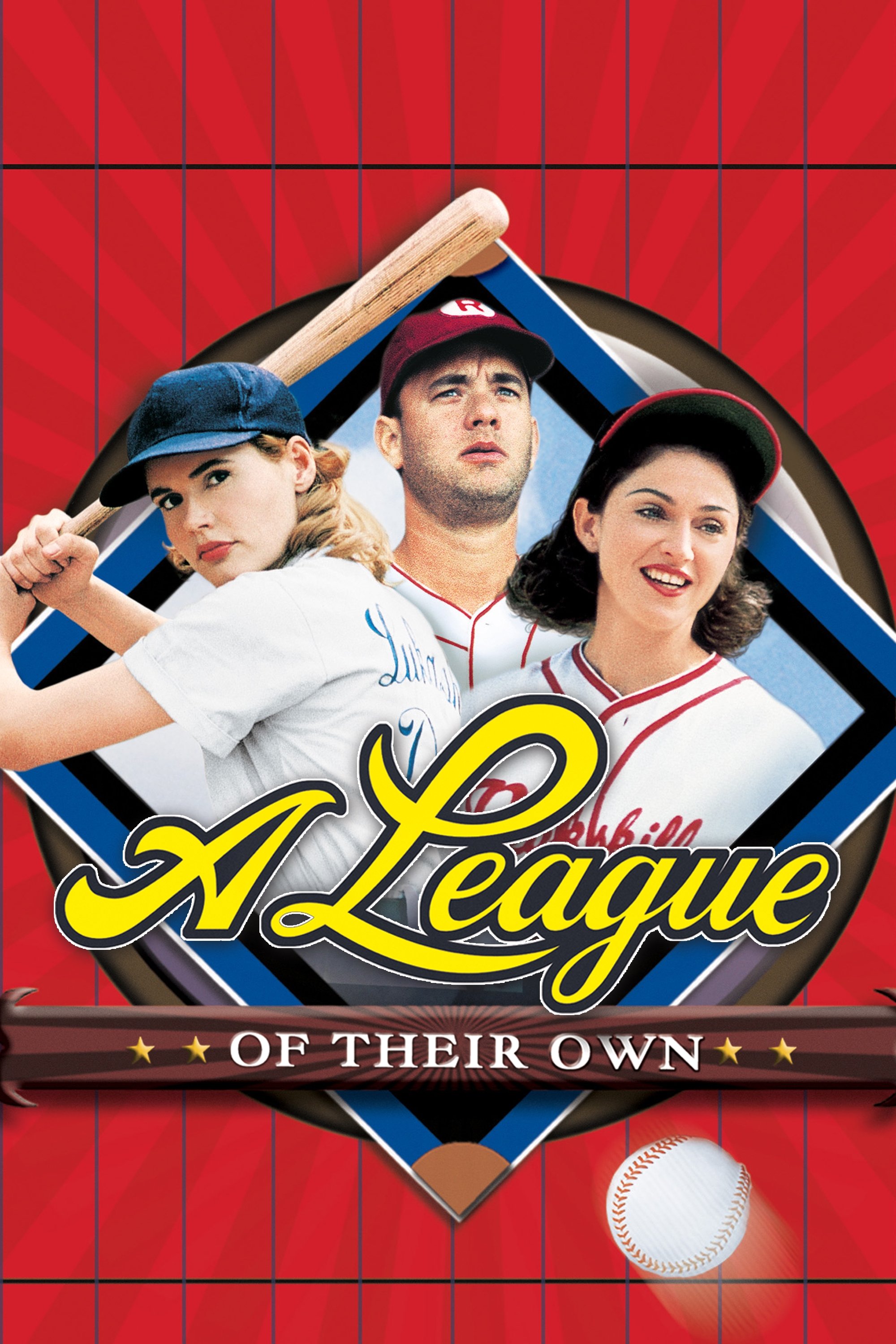
As manager Jimmy Dugan, Hanks worked within game sequences choreographed from actual baseball plays to track who was on base, pitch counts, and fielding positions. The production used coaches and former athletes to ensure sliding, throwing, and batting mechanics matched plausible technique. Period costuming replicated the All-American Girls Professional Baseball League uniforms, gear, and signage. The film’s dialogue contributed enduring sports catchphrases that are still quoted in stadiums and broadcasts.
‘Big’ (1988) – first Best Actor nomination anchored by practical set pieces and musical timing
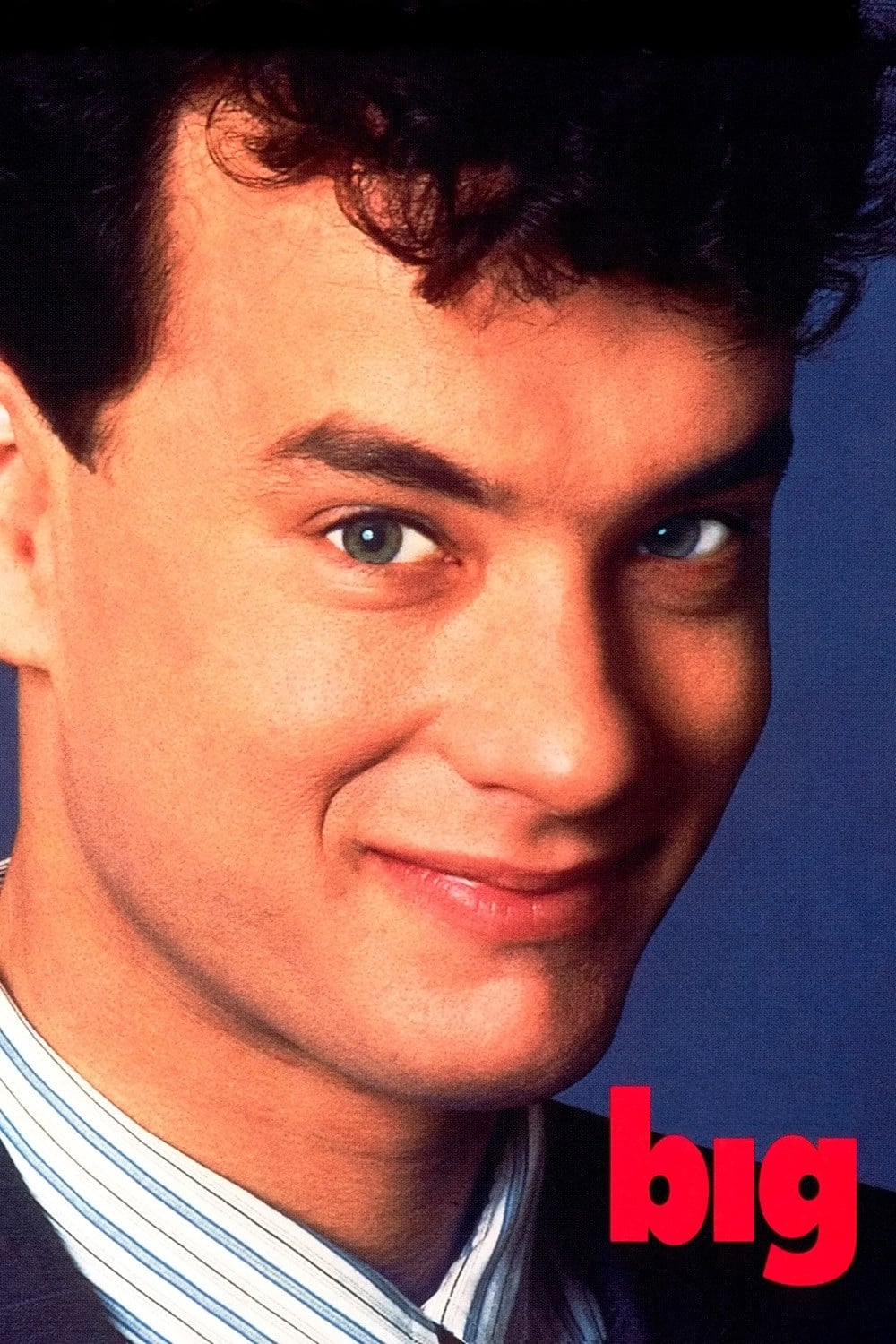
Hanks’s performance earned his first Best Actor nomination, with the FAO Schwarz floor-piano scene executed via a full-scale, functioning keyboard on set. Choreography required synchronized playing to match the melody while keeping both actors in frame. Production design emphasized oversized props and perspectives to sell a child’s point of view in adult spaces. The film’s commercial success accelerated Hanks’s transition into leading roles across genres.
‘Masters of the Air’ (2024) – completing a WWII trilogy as executive producer
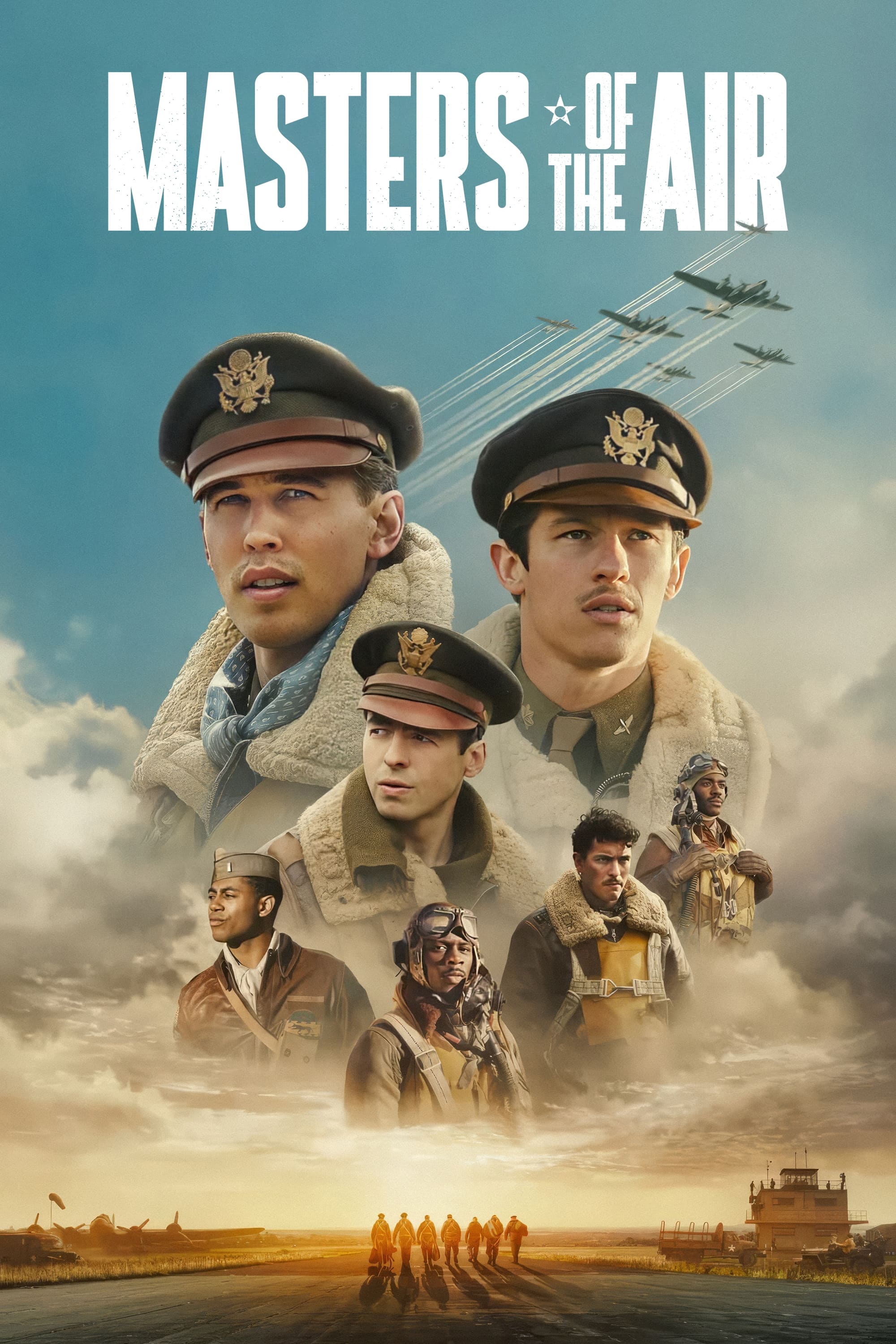
Hanks executive produced the miniseries through Playtone, extending the lineage of ‘Band of Brothers’ and ‘The Pacific’ to the air war over Europe. The production drew on Donald L. Miller’s book, wartime diaries, and squadron records to depict missions by the Eighth Air Force. Aerial sequences combined physical cockpits, partial fuselages, and modern VFX to track formation flying, flak patterns, and bomber damage. Casting and unit structures followed historical group/crew configurations to clarify roles within bomber crews.
Share your favorite Tom Hanks project—and the specific detail you think is the coolest—in the comments!