Top 10 Coolest Things About Tom Cruise

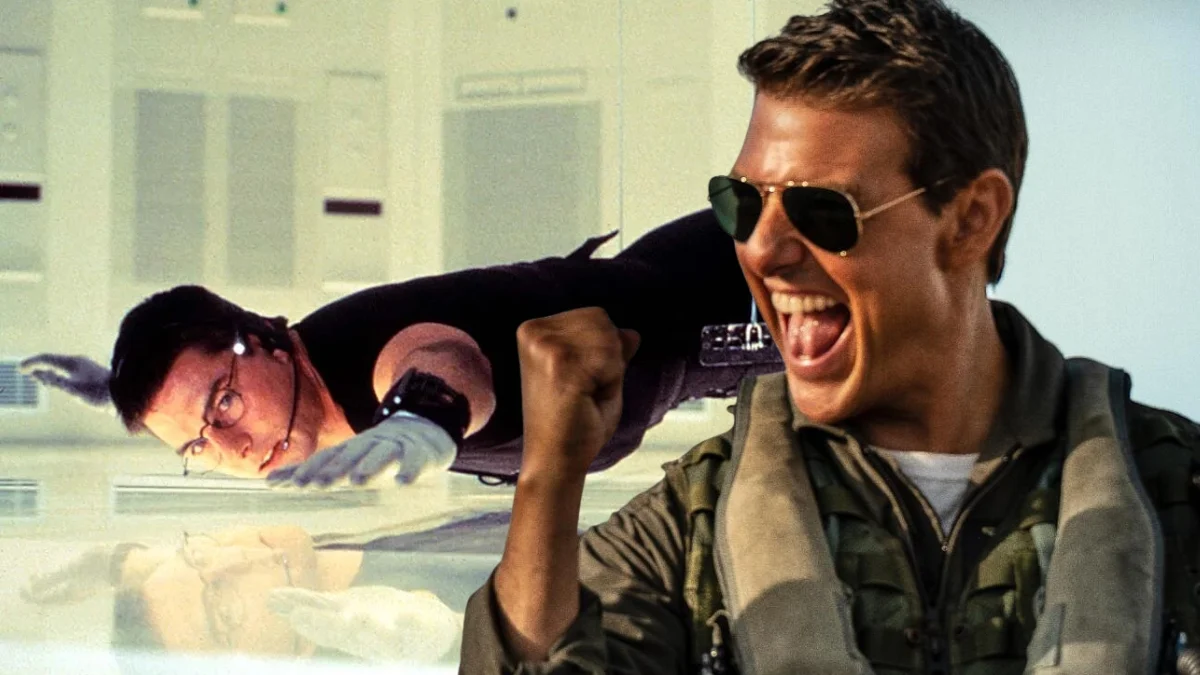

Tom Cruise has built a career on relentlessly hands-on filmmaking—pushing practical stunts, championing theatrical releases, and treating each project like a craft challenge. Below are ten standout things tied first to his movies and shows, followed by a couple of biographical milestones that meaningfully shaped the work. Each entry focuses on concrete details about how these moments happened and why they mattered on screen.
‘Mission: Impossible – Fallout’ (2018) – the real HALO jump
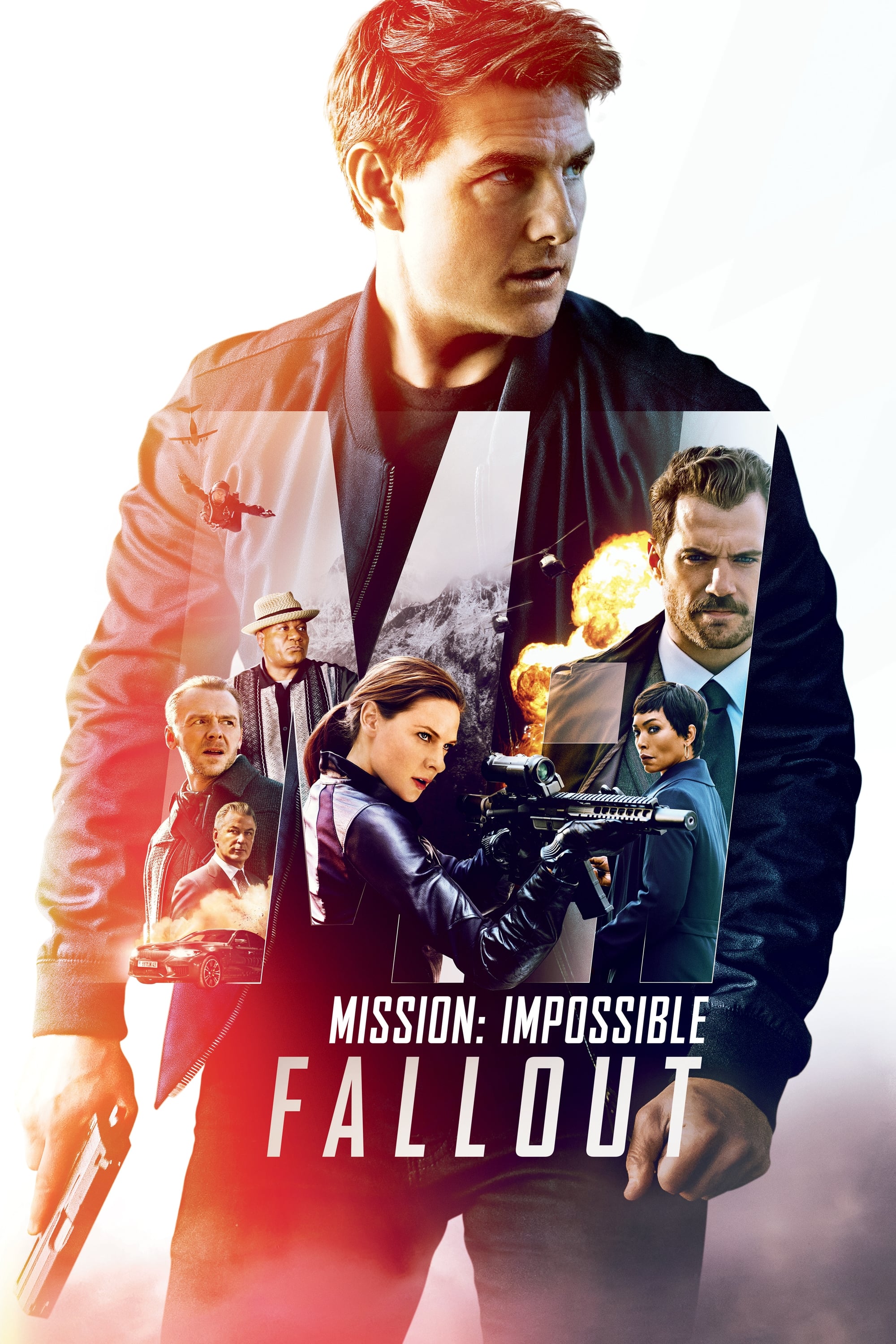
Cruise performed a genuine high-altitude, low-opening skydive for the film, executed from around 25,000 feet with specialized oxygen equipment. The sequence required extensive rehearsals and a custom helmet that could be safely pressurized while remaining camera-friendly. Director Christopher McQuarrie and the aerial unit timed the jump to the light at dusk, which limited usable takes per day. The shot was captured with an IMAX-quality camera rig that followed Cruise out of the plane to preserve the continuity and realism of the fall.
‘Top Gun: Maverick’ (2022) – flying authentic combat maneuvers
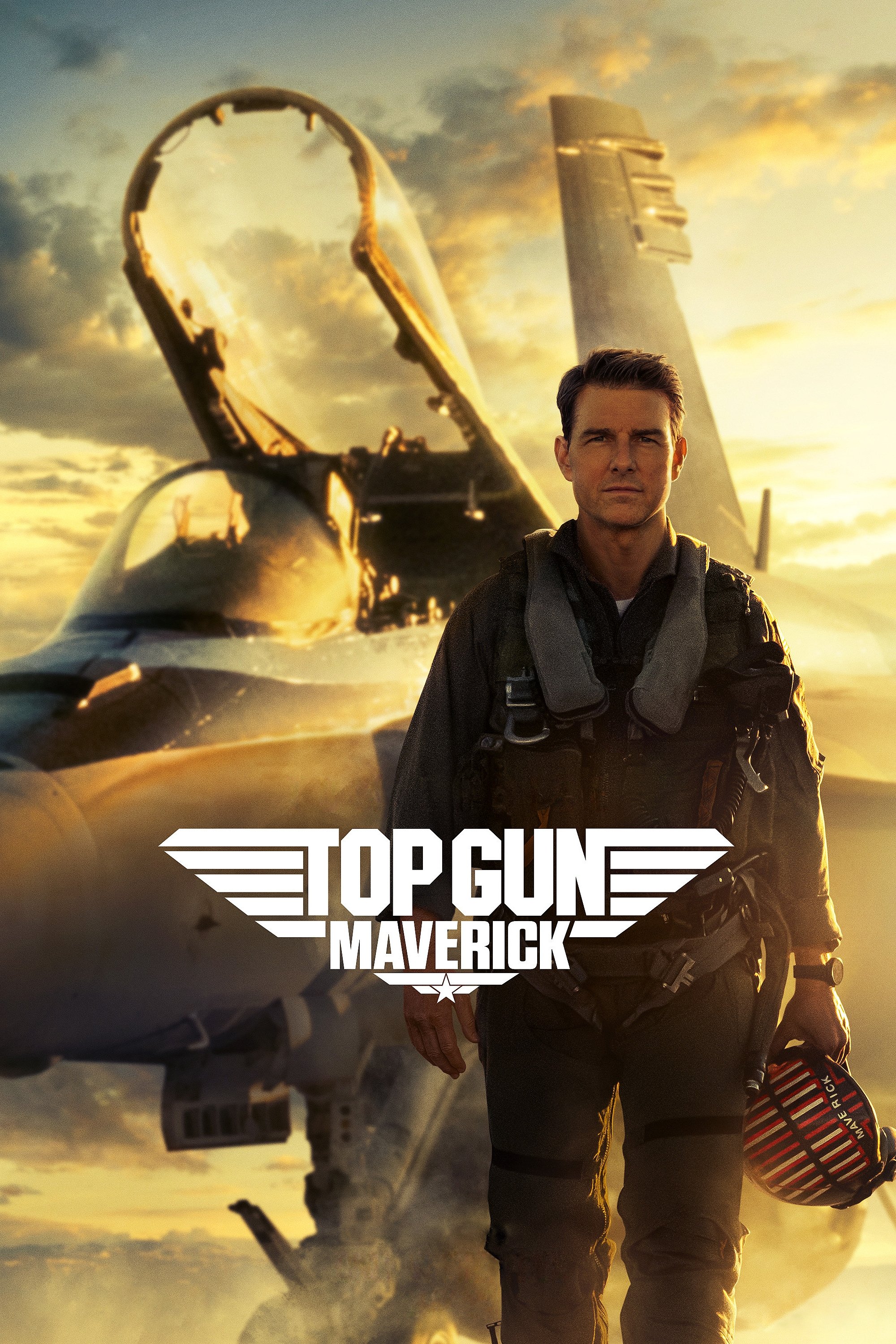
To capture real G-forces, the actors—including Cruise—were filmed inside actual Navy aircraft with custom multi-camera rigs. The production collaborated closely with the U.S. Navy for flight operations and safety protocols, ensuring maneuver authenticity while adhering to military regulations. Cruise, a certified pilot, also flew his own P-51 Mustang for certain aerial footage. The result prioritized practical aerial photography over heavy CGI, which shaped the movie’s distinctive look and sound.
‘Mission: Impossible – Dead Reckoning Part One’ (2023) – the motorcycle cliff jump
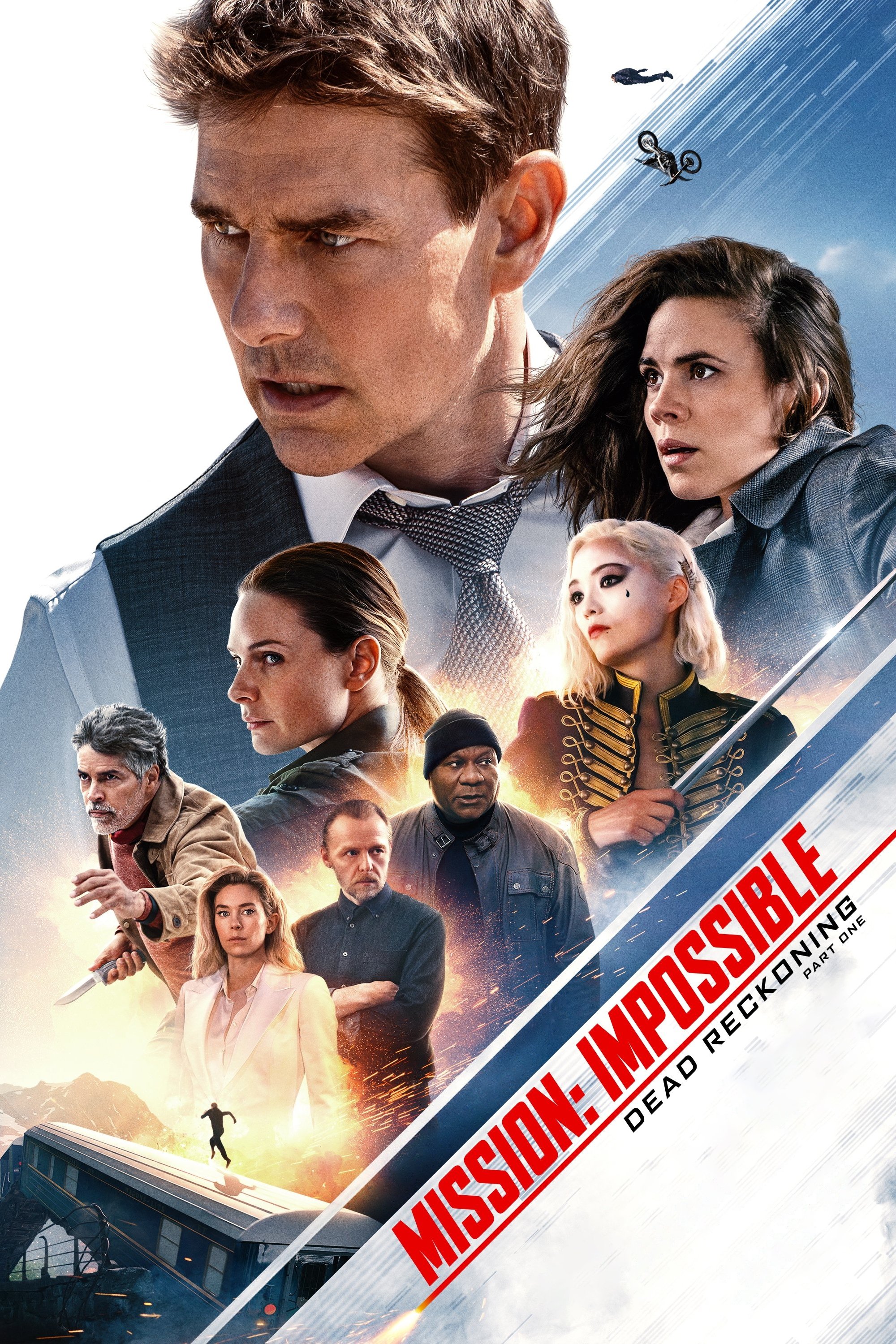
The widely publicized stunt sent Cruise riding a motorcycle off a cliff, separating from the bike mid-air and deploying a base-jump parachute. Engineers built a takeoff ramp and conducted months of wind, trajectory, and safety analysis to make the jump repeatable for multiple takes. Aerial cinematography teams coordinated drone and helicopter cameras to maintain continuity through the leap and canopy opening. The production designed the sequence to be as in-camera as possible, minimizing digital doubles.
‘Mission: Impossible – Ghost Protocol’ (2011) – the Burj Khalifa climb
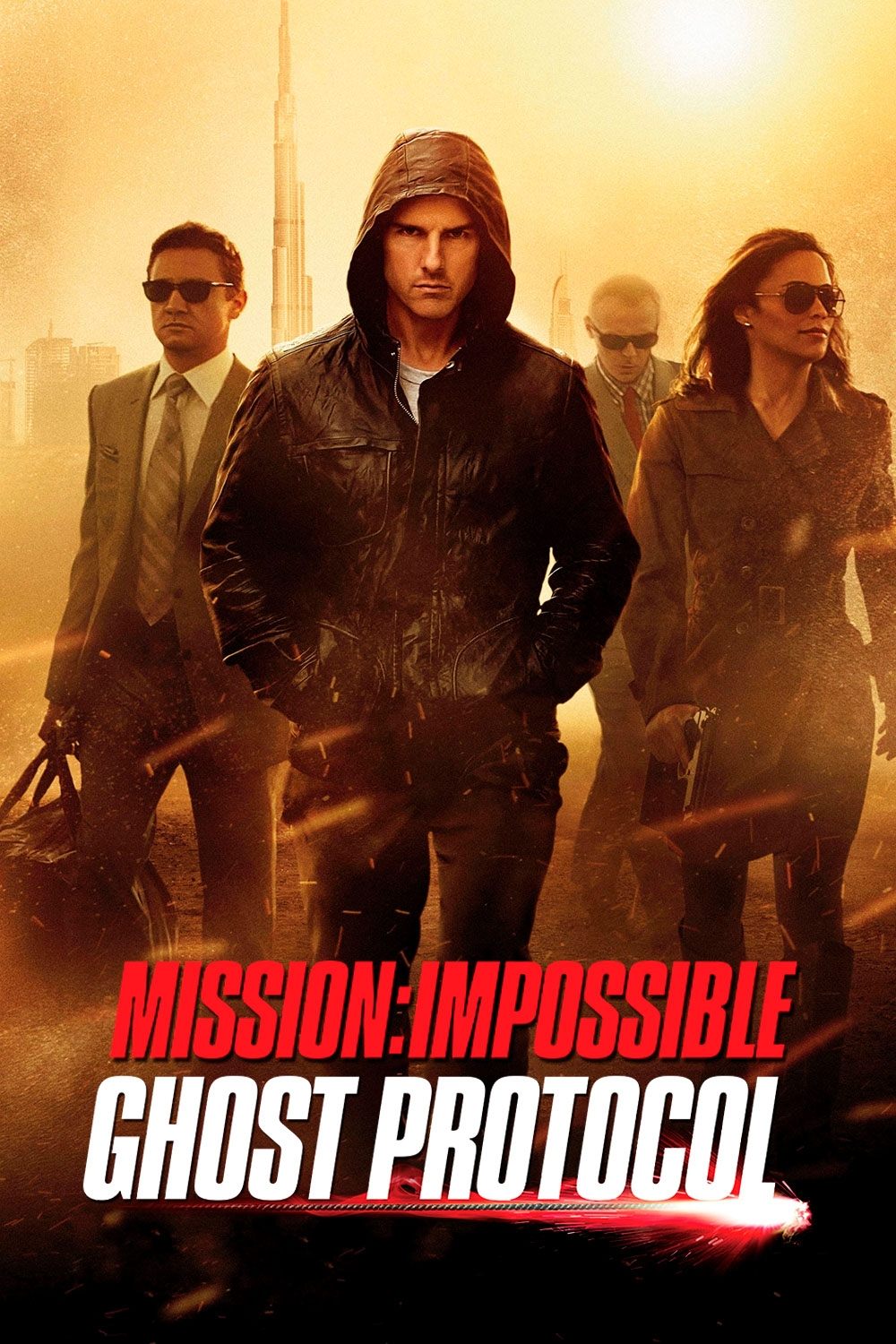
Cruise performed exterior climbing and running sequences on Dubai’s Burj Khalifa, utilizing specialized harnesses and rigging anchored through windows at extreme heights. IMAX cameras were used to emphasize scale and depth, which required additional stabilization and planning due to weight and wind considerations. Stunt riggers adapted attachment points to allow Cruise to cross large glass panels while maintaining fall protection. The location work significantly reduced reliance on green screen for skyline shots.
‘Edge of Tomorrow’ (2014) – heavy exo-suits and live-die-repeat action
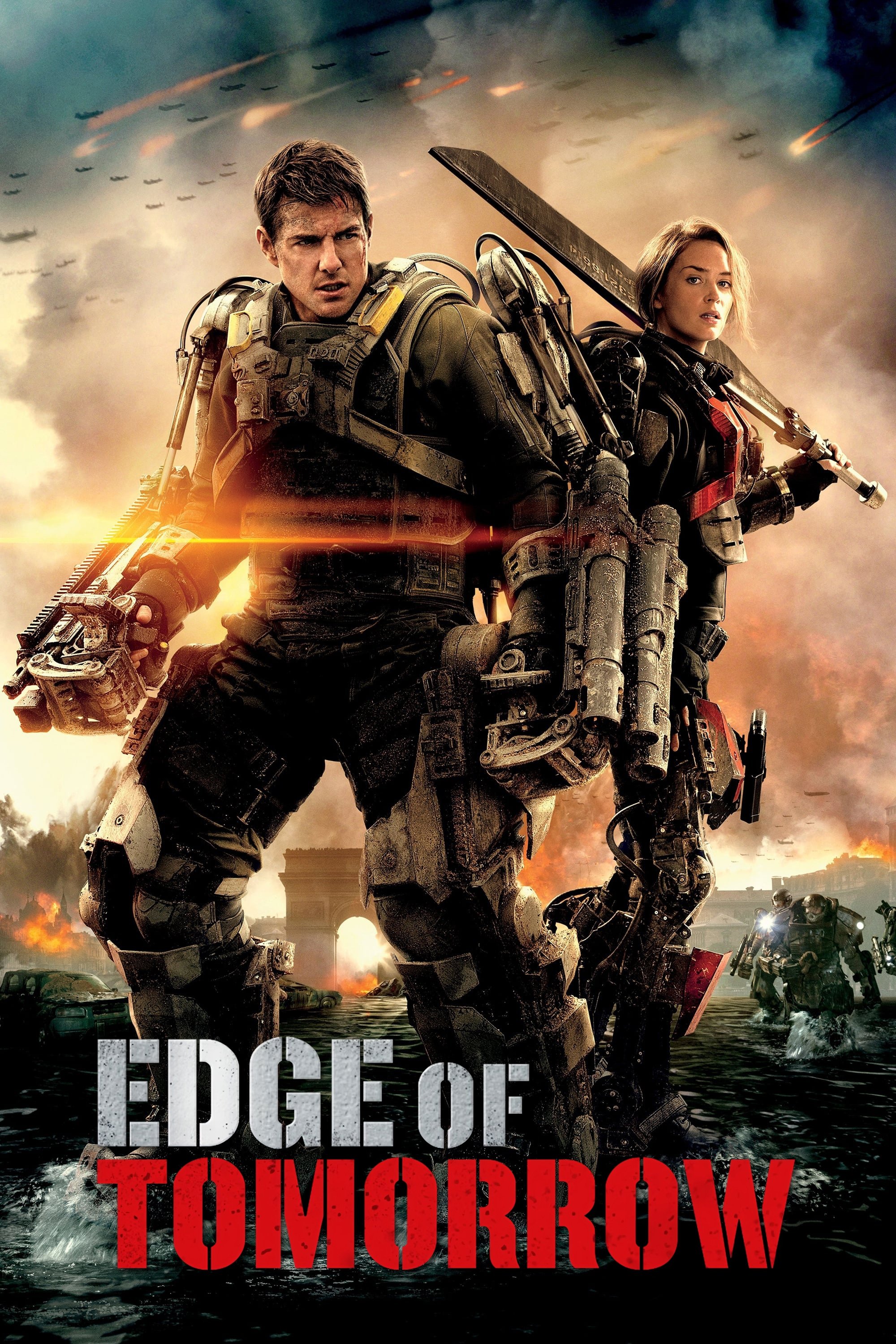
The cast trained to move and fight in practical exo-suits that weighed dozens of pounds, which influenced blocking and choreography. Production combined on-set pyrotechnics with digital augmentation to keep the battlefield readable while retaining physical debris and muzzle flashes. Cruise and Emily Blunt rehearsed complex reset-montages so the time-loop story would cut cleanly between repeated scenarios. The team refined action beats during additional photography to clarify character arcs within the loop structure.
‘Collateral’ (2004) – methodical transformation into a trained antagonist
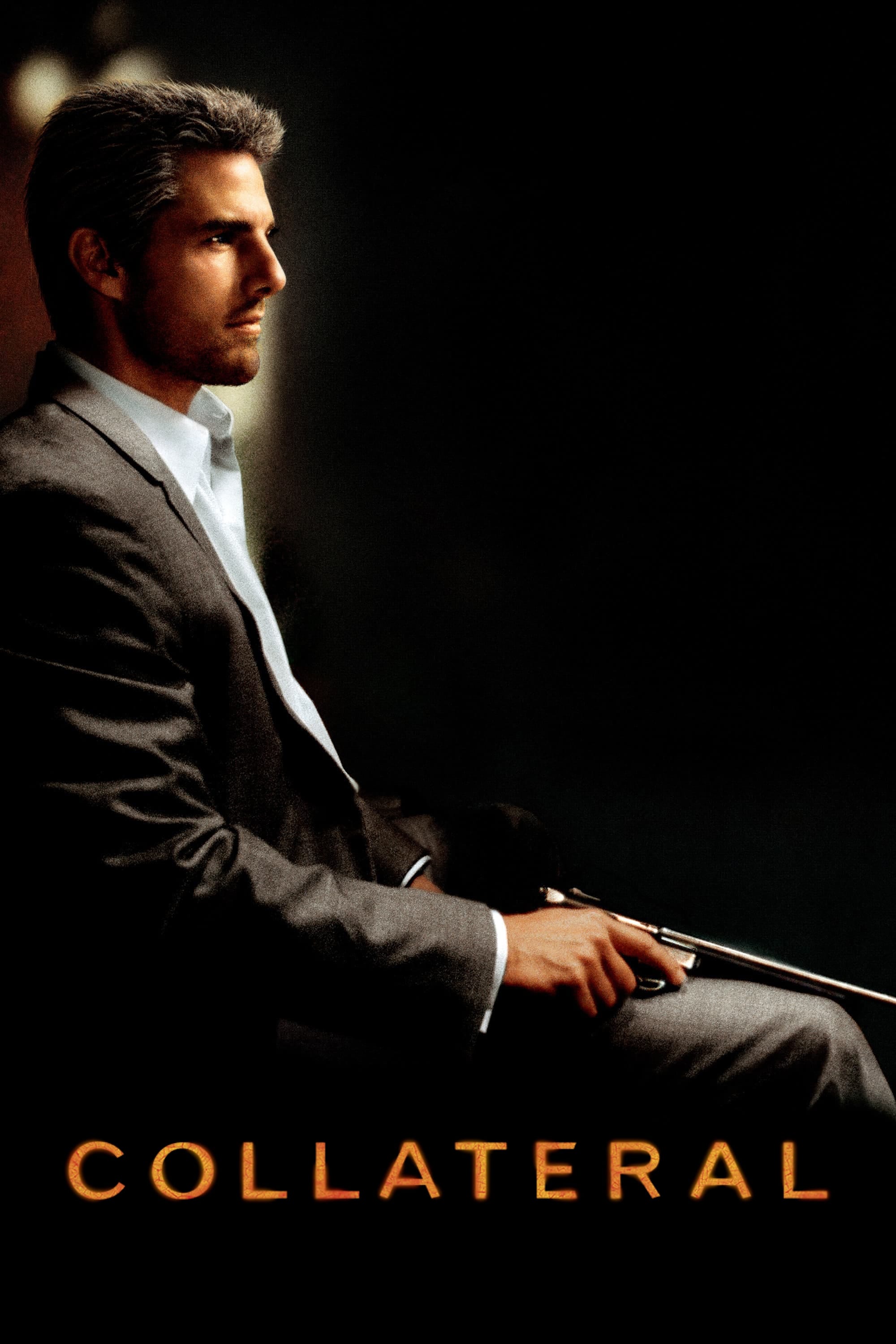
For Michael Mann’s thriller, Cruise undertook intensive weapons and urban movement training to handle close-quarters action with efficiency and realism. Night photography in Los Angeles used digital cameras to capture available light and preserve the city’s texture. The character’s look and movement patterns were built to let him blend into crowds quickly between scenes. Fight and shooting drills emphasized economy of motion so that on-screen engagements would feel precise rather than stylized.
‘Magnolia’ (1999) – awards recognition for an unflinching supporting role
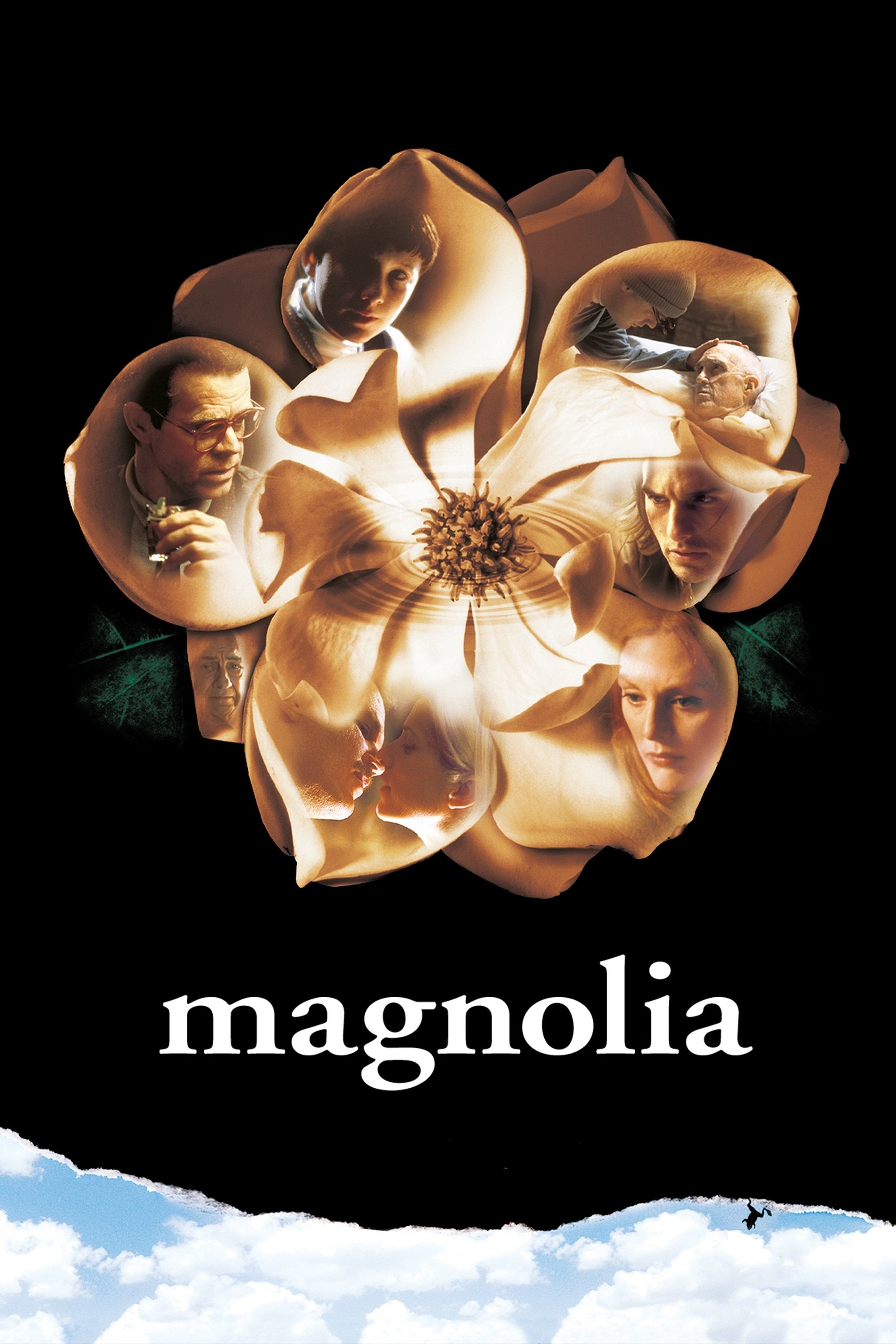
Cruise’s performance as Frank T.J. Mackey earned major awards attention, including an Academy Award nomination for Best Supporting Actor. The production used extended takes to capture emotionally sustained monologues without fragmenting the character’s rhythm. Coordination between actor and camera favored subtle reframing over coverage-heavy edits to keep audience focus on the speeches. The role broadened Cruise’s reputation beyond action and leading-man parts into risk-taking dramatic territory.
‘Born on the Fourth of July’ (1989) – dramatic range and historical portrayal
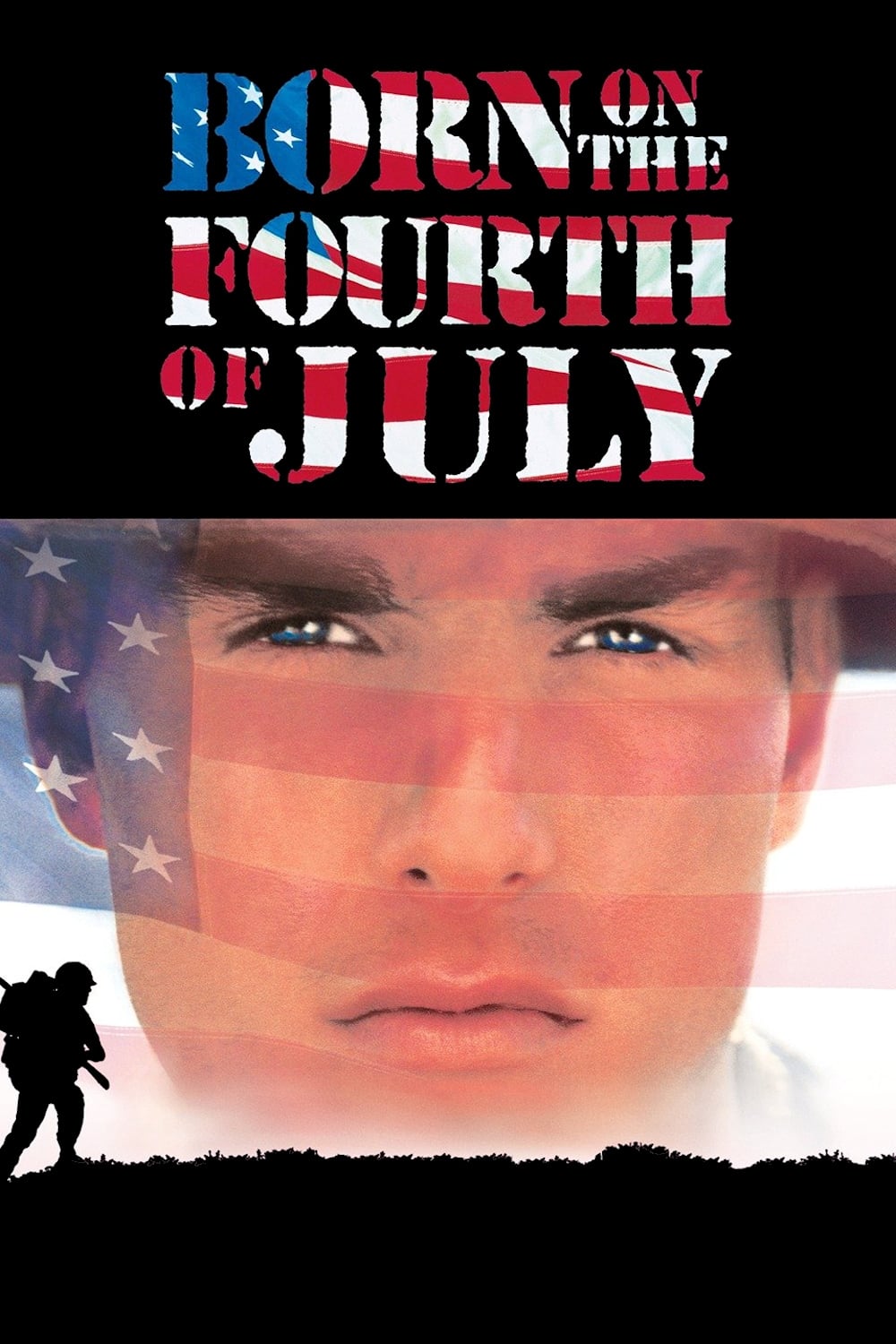
Cruise portrayed Vietnam veteran Ron Kovic across multiple life stages, incorporating wheelchair training and detailed physicality into the performance. The production recreated protest scenes and hospital settings with period-correct props and wardrobe to match archival references. His work received an Academy Award nomination for Best Actor, underscoring a pivot into serious biographical drama. The film’s makeup, costuming, and staging supported the character’s transformation over years of story time.
Licensed pilot since the 1990s — aviation integrated into filmmaking
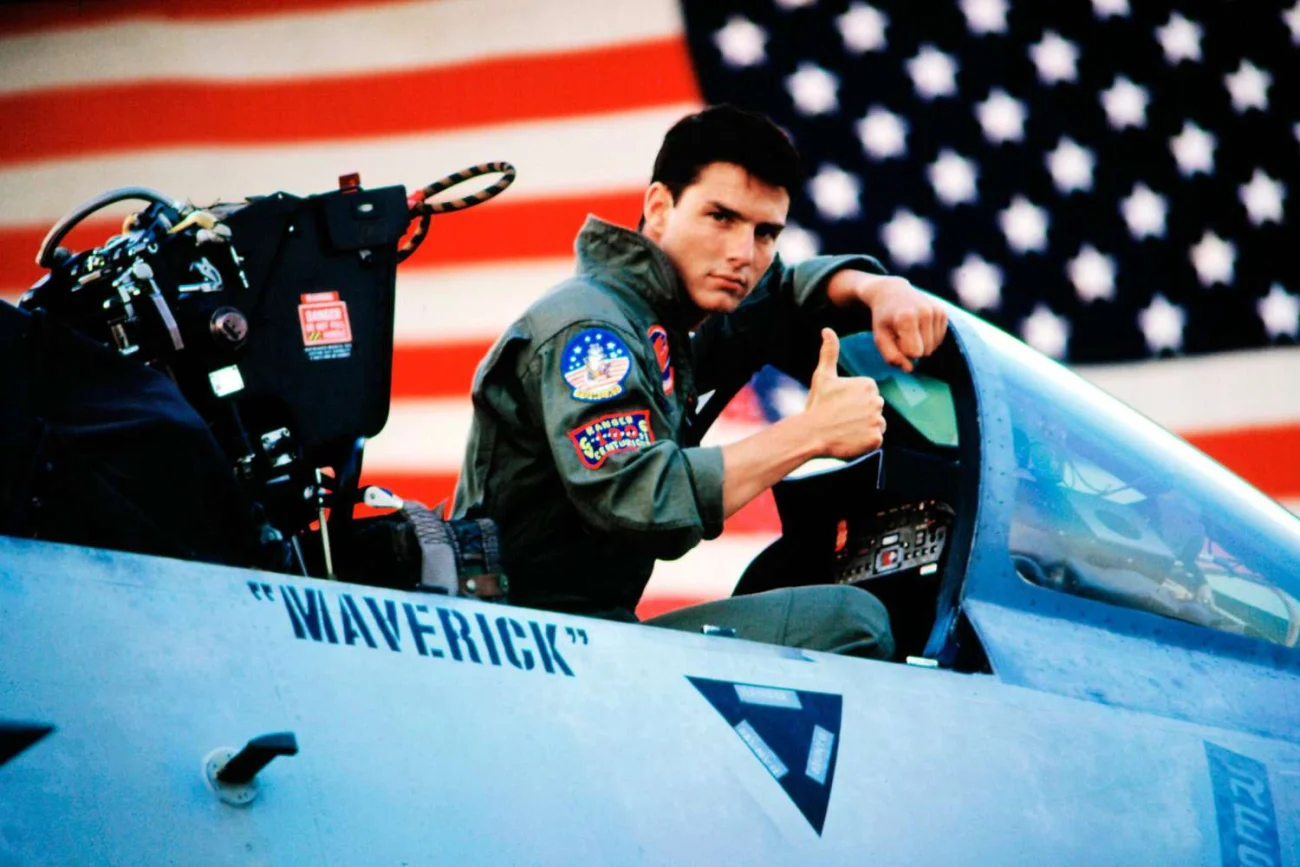
Cruise obtained his pilot’s license in the 1990s and has logged time in multiple aircraft types, including warbirds such as the P-51 Mustang. That expertise informs planning for aerial units, from pre-viz and safety briefings to in-cockpit camera placement. Productions leverage his familiarity with procedures and checklists to coordinate flight schedules with limited light windows. The aviation background also enables him to collaborate directly with stunt coordinators and flight advisors on feasibility.
Producer who builds and sustains franchises — long-term creative stewardship
Through his producing work, Cruise helped launch and sustain the modern ‘Mission: Impossible’ series, assembling recurring teams of directors, writers, and department heads. Producer involvement includes developing stunt concepts early so that locations, rigs, and insurance can be secured in pre-production. Multi-film planning coordinates character arcs and set-piece escalation while keeping continuity workable for editorial. This approach aligns financing, marketing, and release strategies with sequences designed to showcase theatrical spectacle.
Share your favorite Tom Cruise moment in the comments and tell us which on-screen feat impressed you most!